
Research lipid catalog
Ionizable Lipid Products
Explore 848 lipid and RNA delivery products. Search the full catalog or browse by research category.
Search covers product name, catalog number, synonyms, available CAS numbers and categories. Spaces, hyphens and common punctuation are ignored. Duplicate legacy records are consolidated under one canonical product result.
8677 products · Showing 8661–8677 · 20 per page
DC Chemicals lipid expertise
Built for ionizable-lipid discovery and RNA delivery research
DC Chemicals supports formulation and delivery research with a broad, searchable portfolio of cationic and ionizable lipids. The current directory brings together 848 unique research-use products, with product specifications, pricing, chemical structures and literature-linked formulation data added as each record is verified.
Our experience spans complex lipid synthesis, purification, analytical release and process development. For custom molecules or larger-scale requirements, our team can discuss route development, technical specifications and scale-up options for the intended research workflow.
Learn about cationic and ionizable lipids →Proprietary innovation · Co-development · GMP
From proprietary lipid design to GMP-grade custom synthesis
DC Chemicals has independently developed ionizable-lipid structures supported by company-owned intellectual property, and selected proprietary lipid programs have advanced to GMP-stage development.
We welcome joint development with customers—from molecular design and lipid synthesis through route and process development. We can also support custom synthesis of GMP-grade ionizable lipids to agreed technical specifications and quality requirements.
Discuss a co-development project →Proprietary ionizable-lipid structuresCollaborative molecular designCustom lipid synthesisProcess development and scale-upGMP-grade project support
Product quick links
Explore New ionizable lipids
Explore our five most recently added ionizable lipids, with specifications, pricing and literature-linked product information.
DCL0028HX1Brain RNA delivery researchView product →DCL0024A1I4R13C18-2Spleen-targeted RNA delivery researchView product →DCL0023A1I4R2C18-2Spleen-targeted RNA delivery researchView product →DCL0022FS01Local joint RNA delivery researchView product →DCL0020Lipid-392Lung RNA delivery and gene editing researchView product →
Cat. No.Product NameField of ApplicationChemical Structure
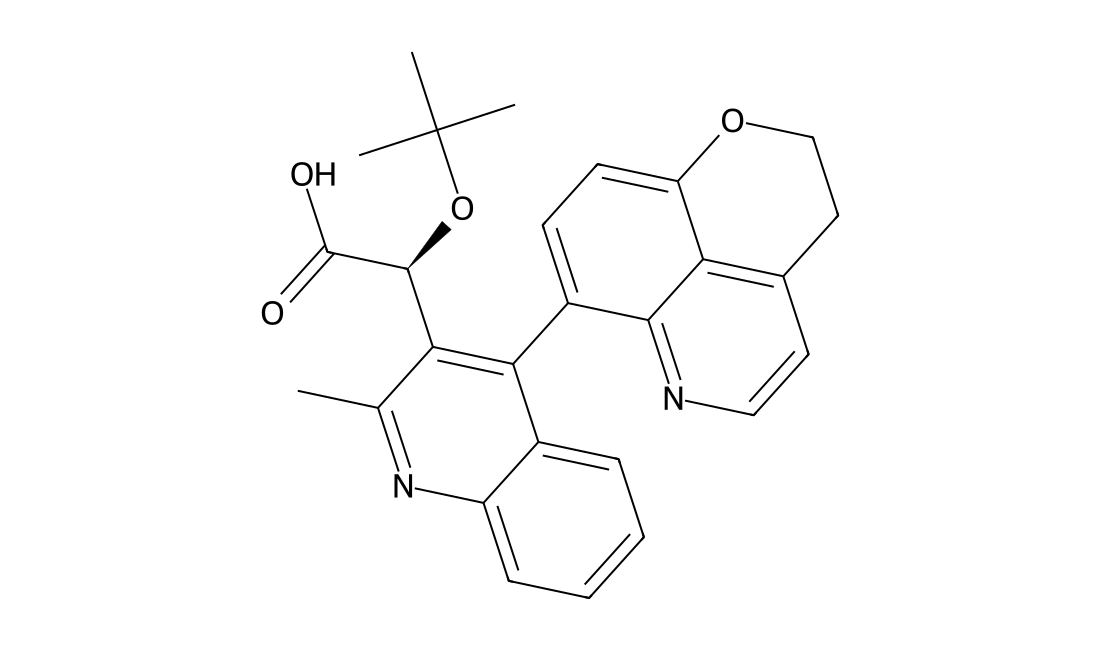
BI-224436Featured
A novel HIV-1 non-catalytic-site integrase inhibitor (NCINI); shows antiviral EC50s of <15 nM against different HIV-1 laboratory strains and cellular cytotoxicity of >90 uM; has drug-like in vitro absorption, distribution, metabolism, and excretion (ADME) properties, including Caco-2 cell permeability, solubility, and low cytochrome P450 inhibition.HIV InfectionPhase 1 Clinical
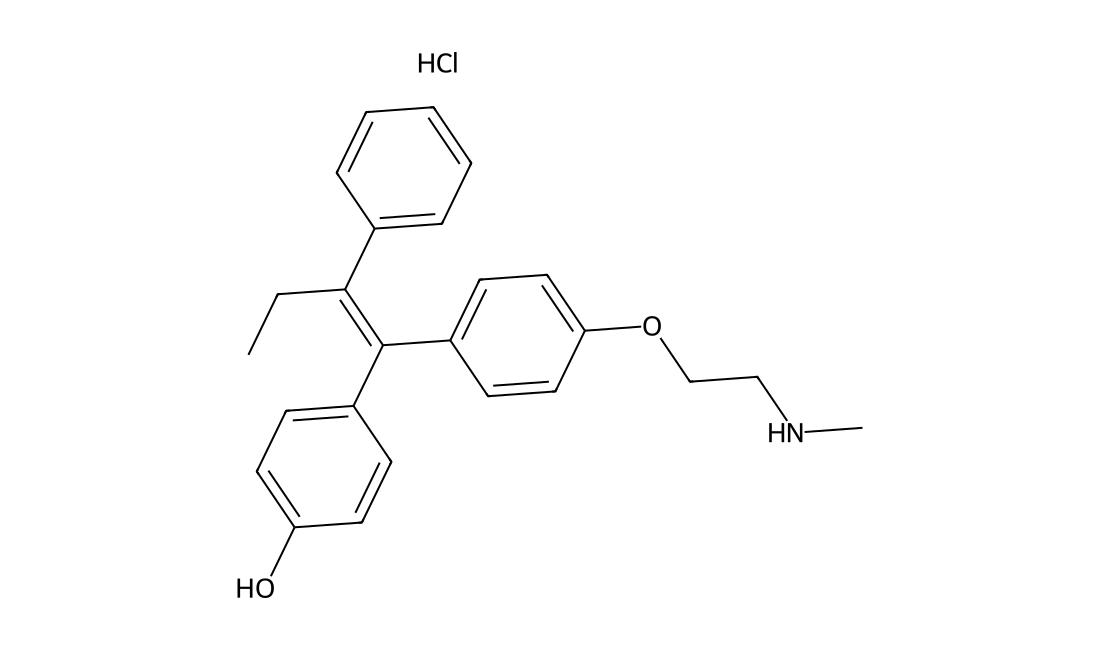
Endoxifen hydrochlorideFeatured
A metabolite of tamoxifen, orally active non-steroidal selective estrogen receptor modulator (SERM) for the treatment of estrogen receptor-positive breast cancer. Breast Cancer Phase 1 Clinical
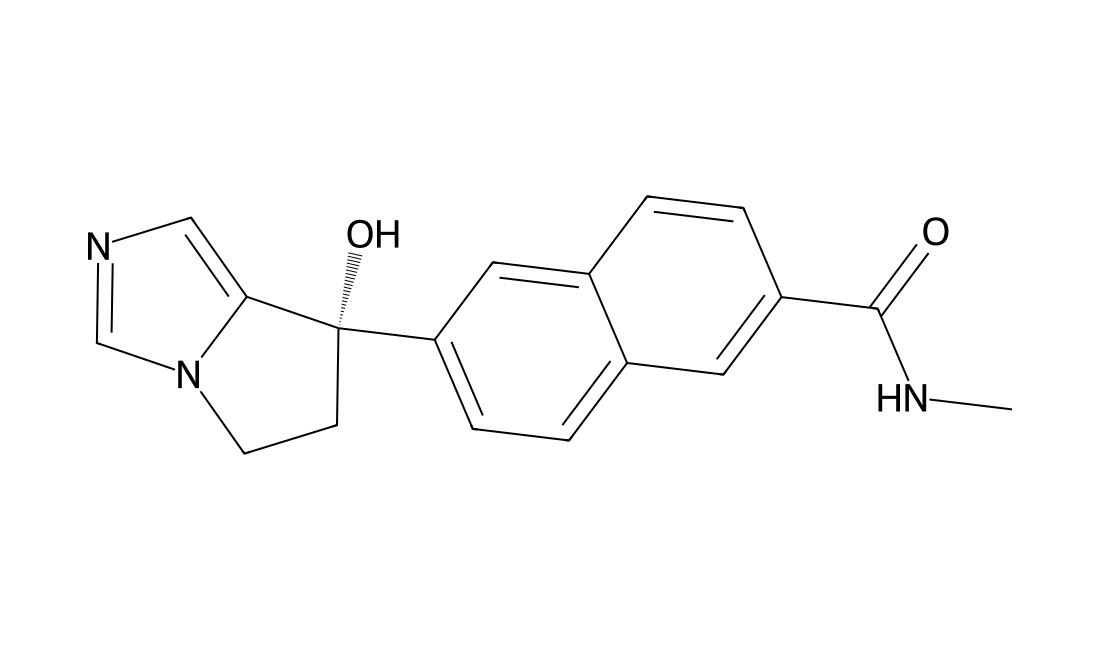
OrteronelFeatured
A highly selective CYP17A1 (17,20-lyase) inhibitor with IC50 of 17 nM for human 17,20-lyase; shows no activity on CYP3A4 (IC50>10 uM) and CYP11B1 (IC50>1 uM); reduces both serum testosterone and dehydroepiandrosterone concentrations in monkey model at a dose of 1mg/kg.Prostate cancerPhase 3 Discontinued
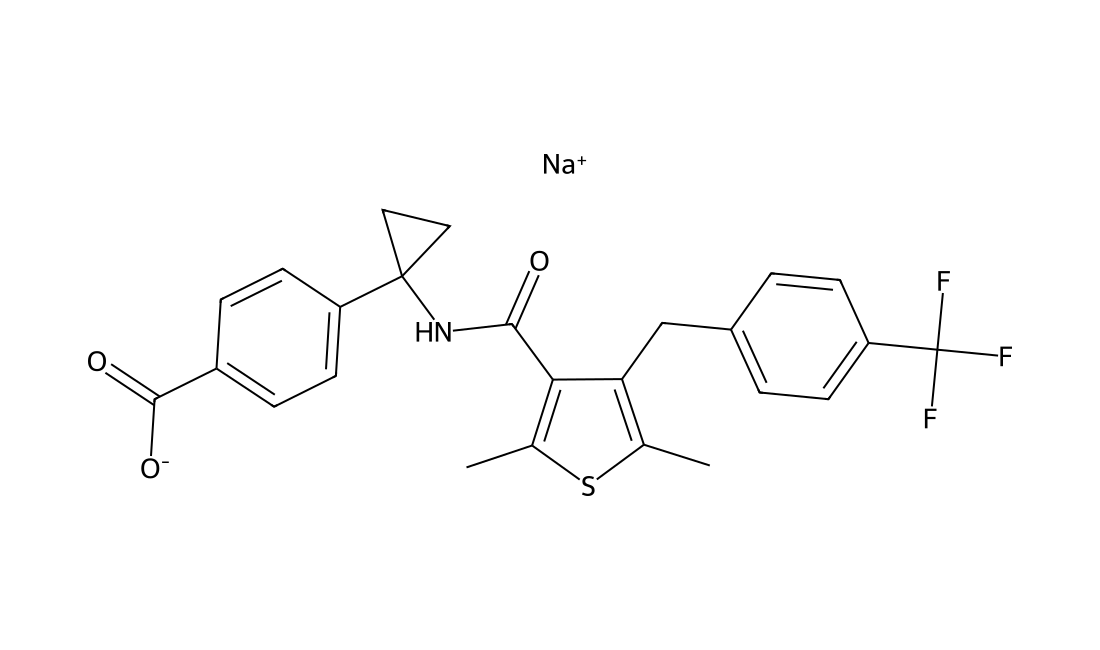
MK-2894 sodiumFeatured
A highly potent, selective, second generation prostaglandin E2 subtype 4 receptor (EP4) antagonist with Ki of 0.56 nM; displays >10,000-fold selectivity over EP2 receptors; exhibits favorable pharmacokinetic profile and potent anti-inflammatory activity in animal models of pain/inflammation.
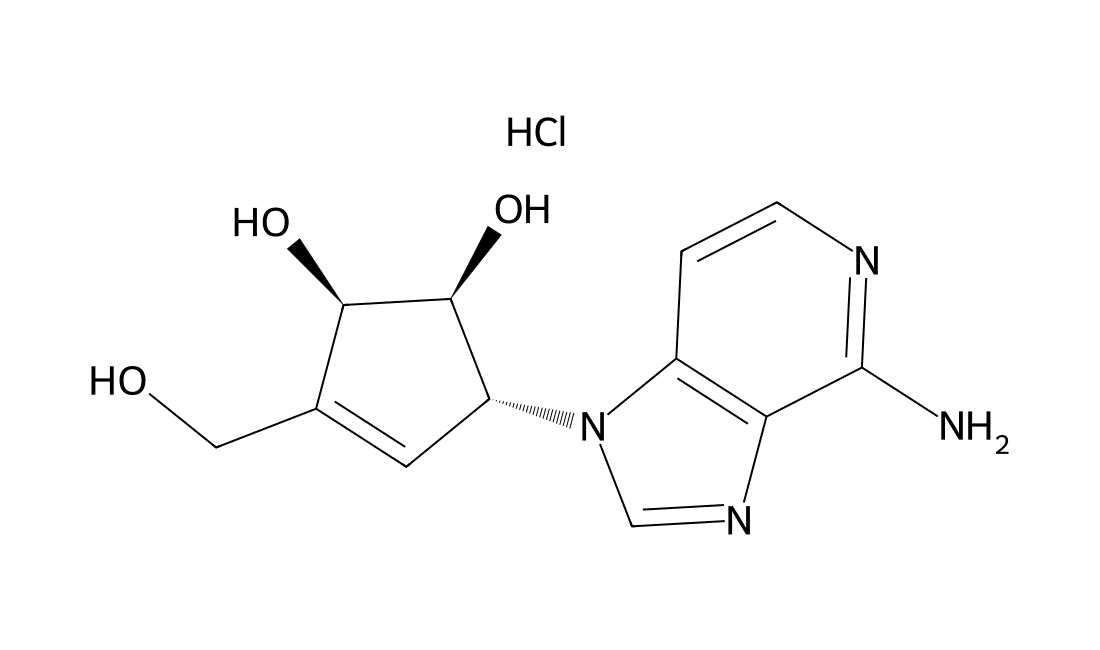
A highly potent and competitive S-adenosylhomocysteine hydrolase inhibitor with Ki of 0.05 nM, also inhibits histone methyltransferase EZH2; more potent than 3-deazaaristeromycin; induces EZH2 protein depletion, leads to cell death in several cancers and tumors; anticancer or antiviral agent.
Valproic acid sodium saltFeatured
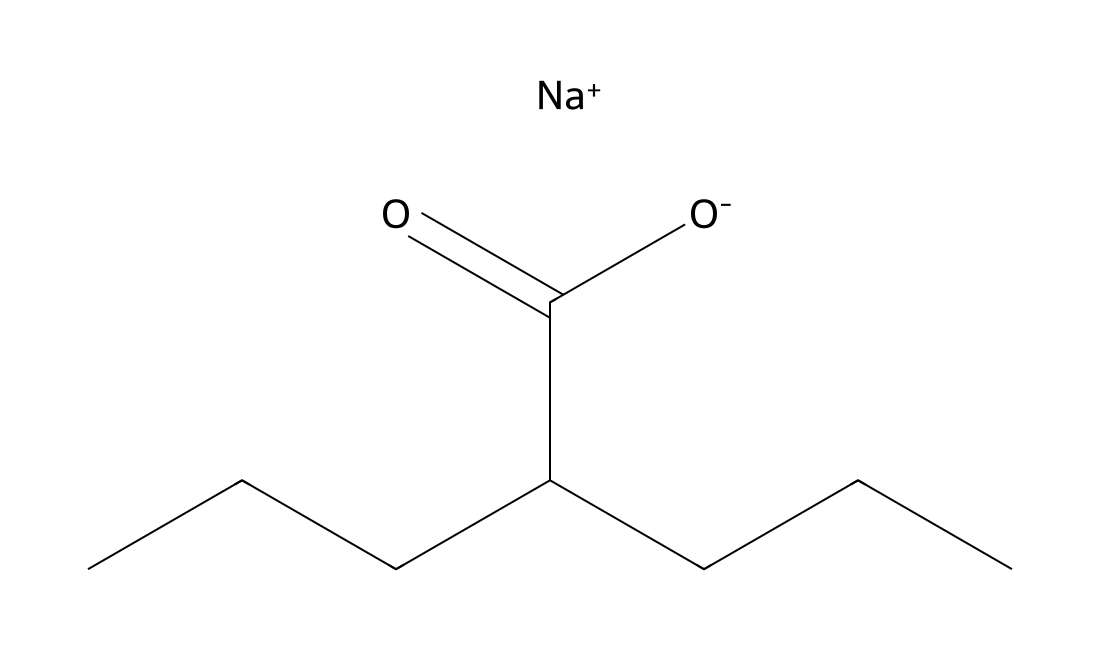
A HDAC inhibitor that selectively inhibits the catalytic activity of class I HDACs, and induces proteasomal degradation of HDAC2; induces differentiation of carcinoma cells, transformed hematopoietic progenitor cells and leukemic blasts from AML patients; reduces tumor growth and metastasis formation in animal model.MigraineApproved
SU14813 maleateFeatured
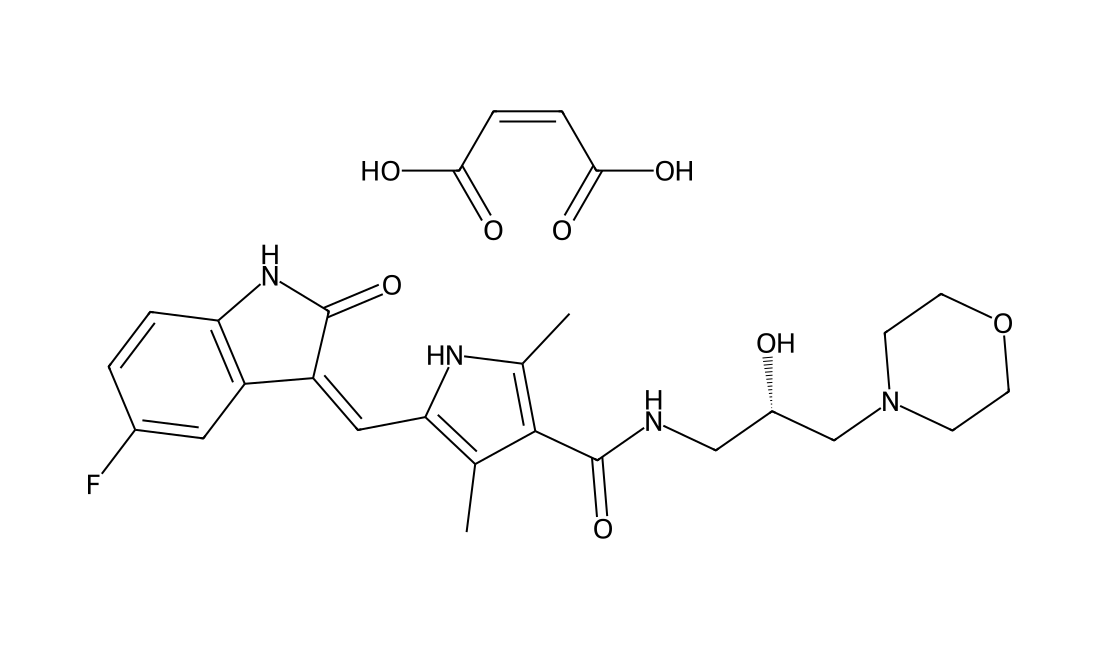
A broad-spectrum RTKs inhibitor with IC50 ranging from 2 to 50 nM for VEGFR-1, VEGFR-2, PDGFRs, KIT, FLT3, and CSF1R/FMS; shows poor activity for EGFR and c-Met in biochemical assays; inhibits VEGFR-2, PDGFR-β, and KIT phosphorylation in porcine aorta endothelial cells with IC50 of 5.2, 9.9, and 11.2 nM respectively; active in xenograft tumor models.Breast CancerPhase 2 Discontinued
LisinoprilFeatured
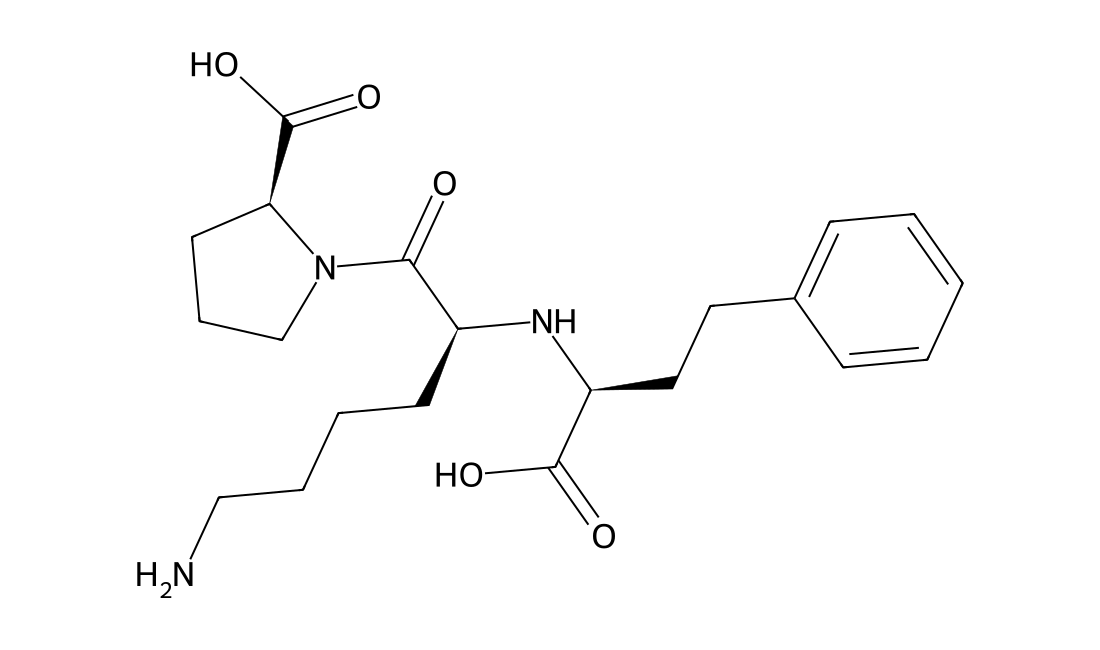
A angiotensin-converting enzyme (ACE) inhibitor for treatment of hypertension, heart failure, and after heart attacks.HypertensionApproved
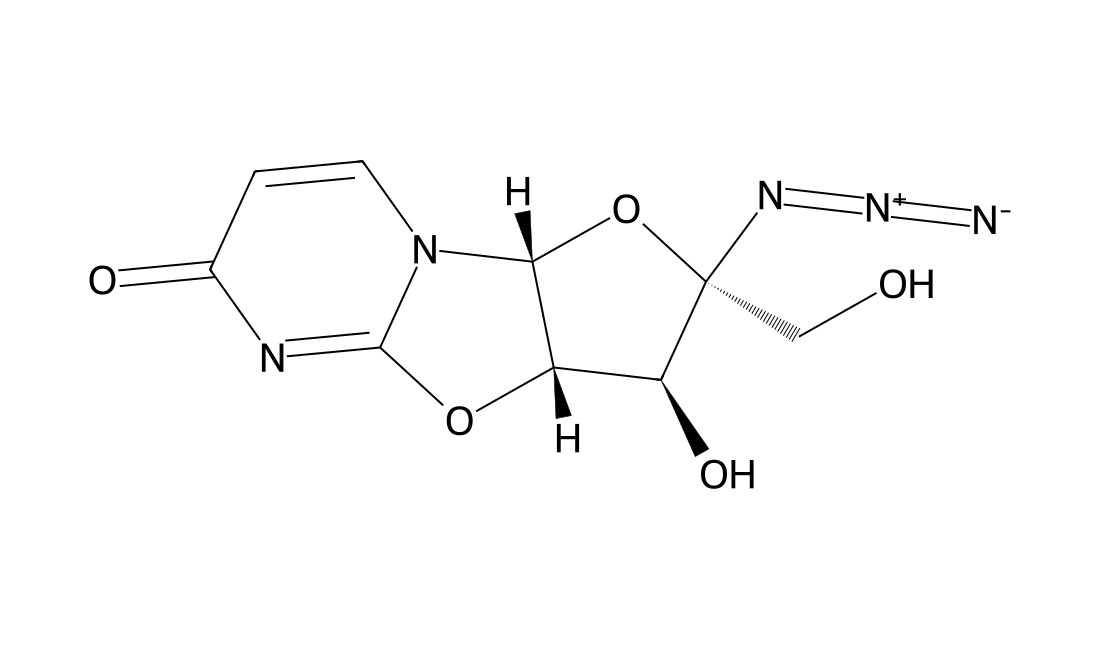
Nucleoside-Analog-1Featured
A 4′-azidocytidine analogue that shows anti-HCV activity.
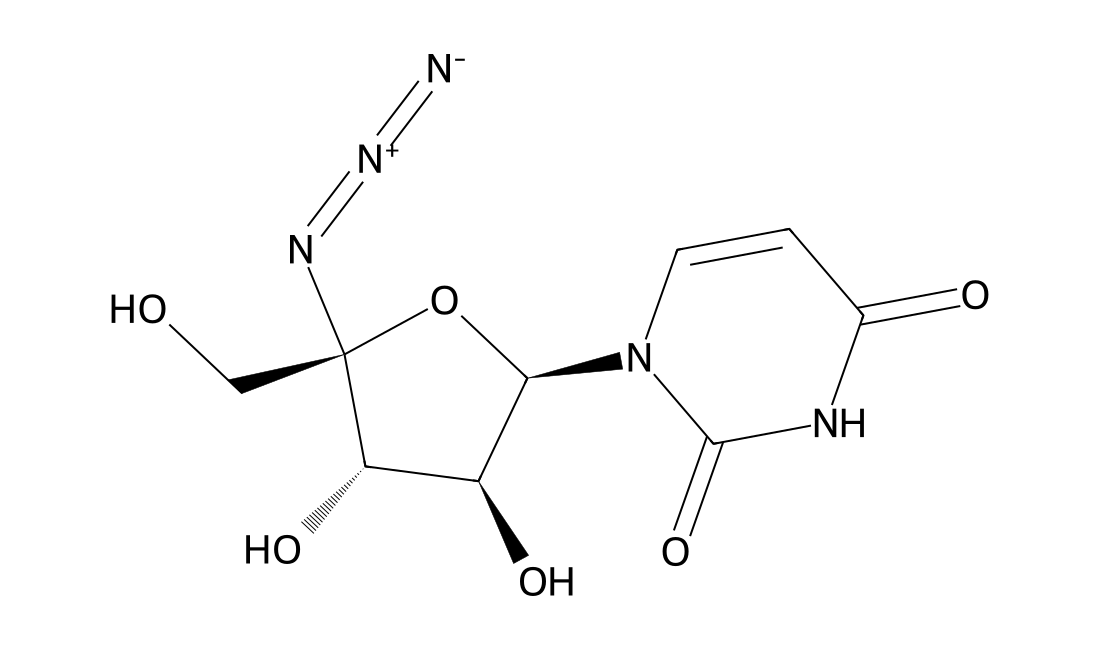
Nucleoside-Analog-2Featured
A 4′-azidocytidine analogue that shows anti-HCV activity.
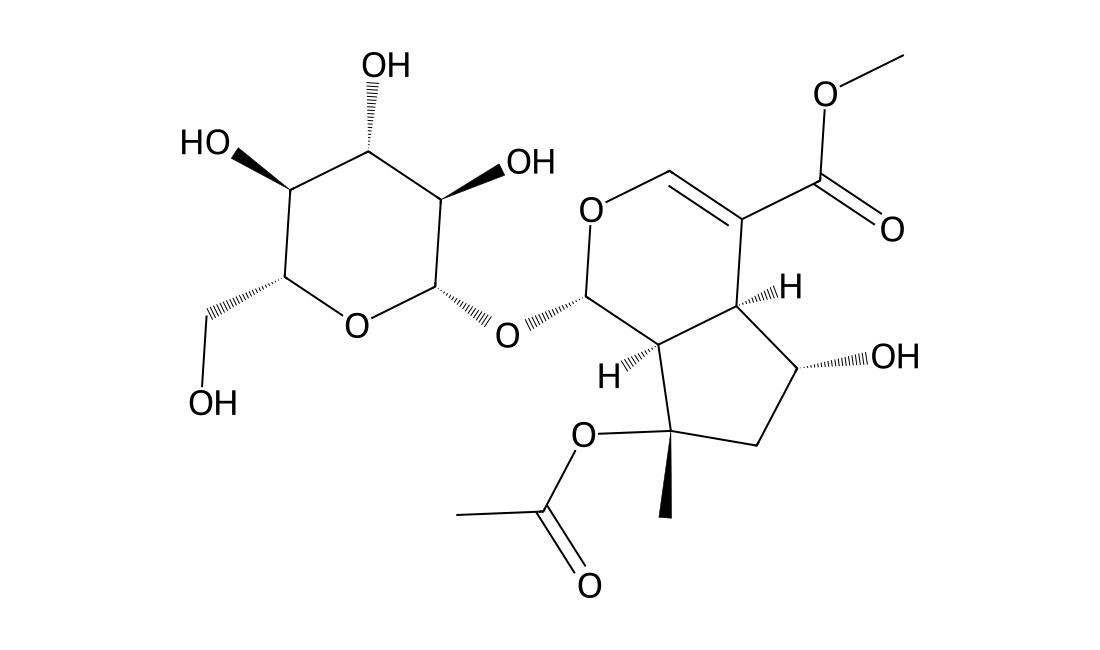
Treatment of SH-SY5Y cells with ND01 blocks TNF-α-induced nuclear transcription factor κB (NF-κB) activation and decreases high-mobility group box-1 (HMGB-1) expression. . Treatment of H9c2 cells with ND01 9 μM blocks TNF-α-induced NF-κB phosphorylation by blocking High-mobility group box1 (HMGB1) expression.8-O-Acetyl shanzhiside methyl ester 40 mg/kg demonstrates significant neuroprotective effect even after delayed administration at 4 hr after I/R. 8-O-Acetyl shanzhiside methyl ester 40 mg/kg attenuates the histopathological damage, decreases brain swelling, inhibits NF-κB activation and reduces HMGB-1 expression in ischaemic brain tissue. 8-O-Acetyl shanzhiside methyl ester significantly promotes angiogenesis in the ischaemic brain and improves functional outcome after stroke. 8-O-Acetyl shanzhiside methyl ester also significantly increases vascularization compared with vehicle treatment. It increases the expression of VEGF, Ang1, phosphorylation of Tie2 and Akt VEGF. 8-O-Acetyl shanzhiside methyl ester significantly shortens capillary blood clotting time and reduces blood loss volume, but does not influence mice activated partial thromboplastin time, prothrombin time or thrombin time. It significantly prolongs euglobulin clot lysis time in hyperfibrinolysis mice.
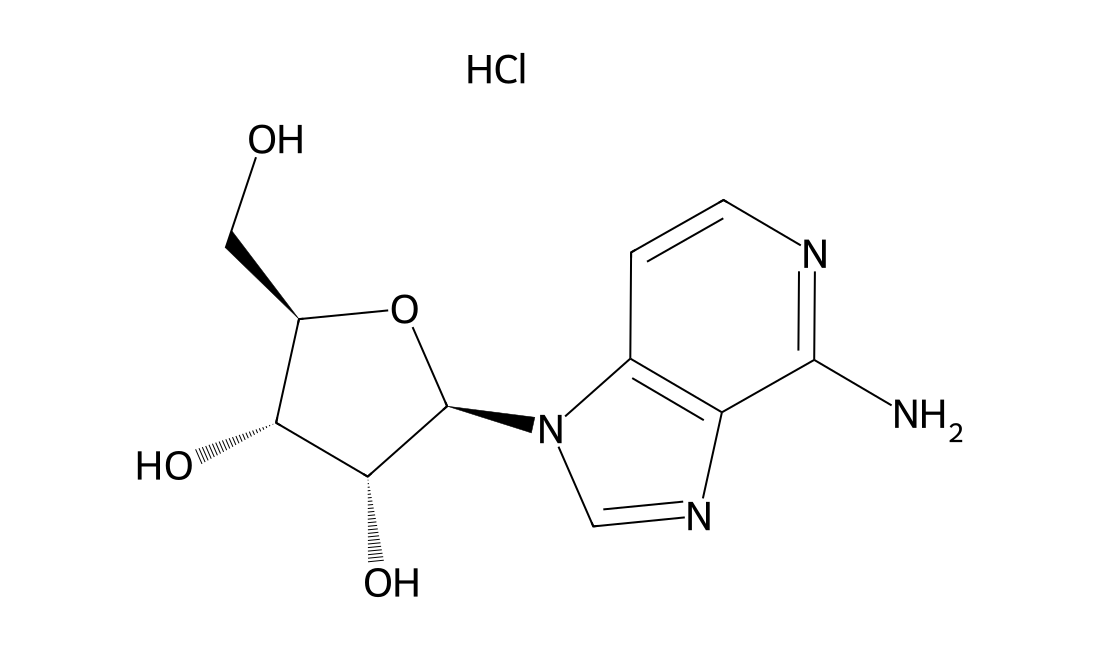
3-Deazaadenosine hydrochlorideFeatured
In Vitro 3-Deazaadenosine is an inhibitor of S-adenosylhomocysteine hydrolase, with a Ki of 3.9 µM. 3-Deazaadenosine shows anti-HIV effect, and inhibits p24 antigen in peripheral blood mononuclear (PBMCs) cells infected with HIV-1 isolates (A012 and A018) with IC50s of 0.15 and 0.20 µM, respectively. 3-Deazaadenosine (1-100 µM) inhibits LPS-induced expression of TNF-α mRNA, increases DNA binding activity of NF-κB, and causes proteolytic degradation of IκBα, but Not IκBβ in RAW 264.7 cells. 3-Deazaadenosine (100 µM) enhances nuclear translocation of NF-κB, but blocks LPS-induced NF-κB transcriptional activity, and such inhibition is augmented by the addition of homocysteine. 3-Deazaadenosine (50, 100 µM) dose-dependently inhibits the phosphorylation of Raf and ERK, protein-dependent kinase 1, protein kinase B (Akt), and forkhead transcription factor FoxO1a. 3-Deazaadenosine (50 µM) suppresses vascular smooth muscle cell (VSMC) proliferation via interfering with Ras signaling.
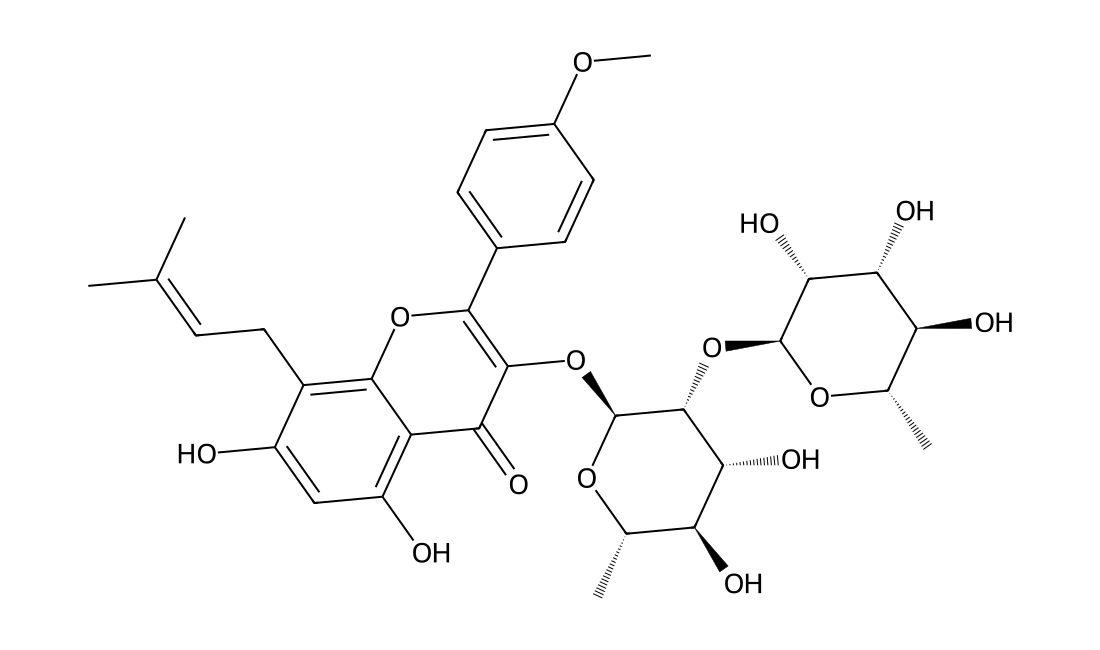
2''-O-Rhamnosylicariside IIFeatured
2''-O-Rhamnosylicariside II is a flavonoid glycoside compound and might be beneficial for improving postmenopausal osteoporosis.
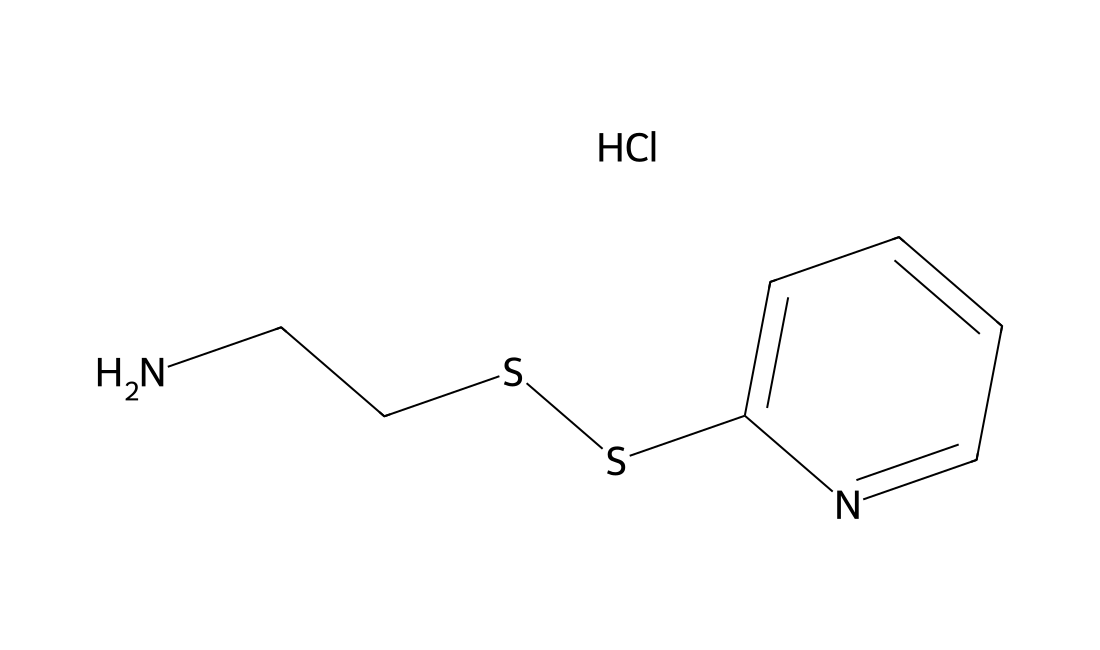
2-(Pyridyldithio)ethylamine hydrochloride can be used in the preparation of a drug-octreotide conjugate.
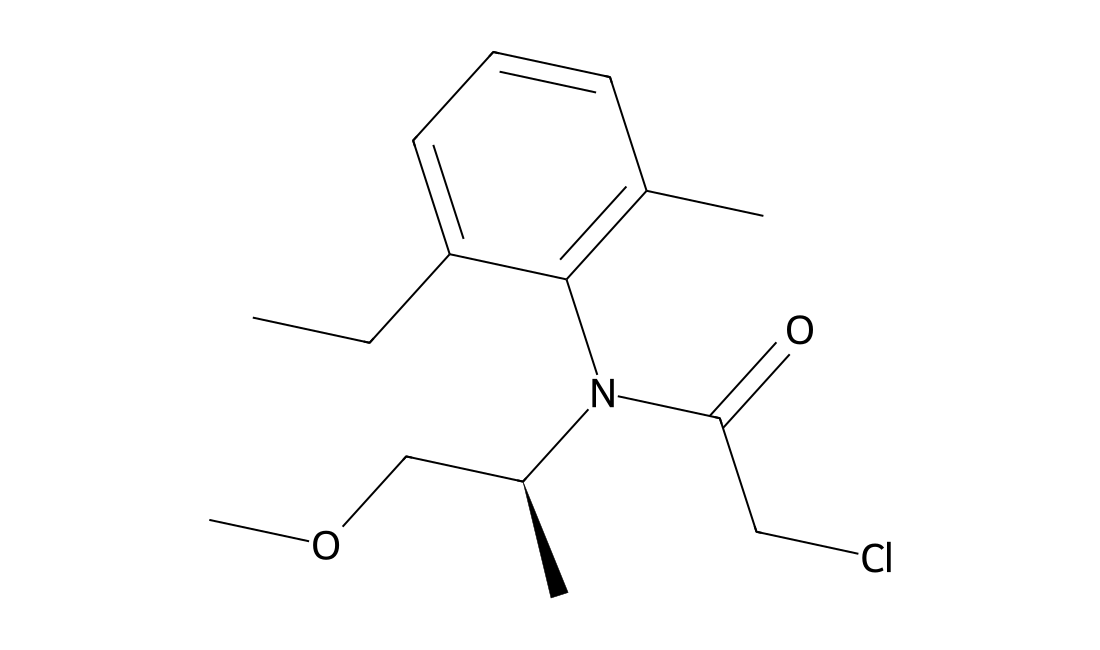
(S)-MetolachorFeatured
(S)-Metolachor, a derivative of aniline, is a major pesticide in use.
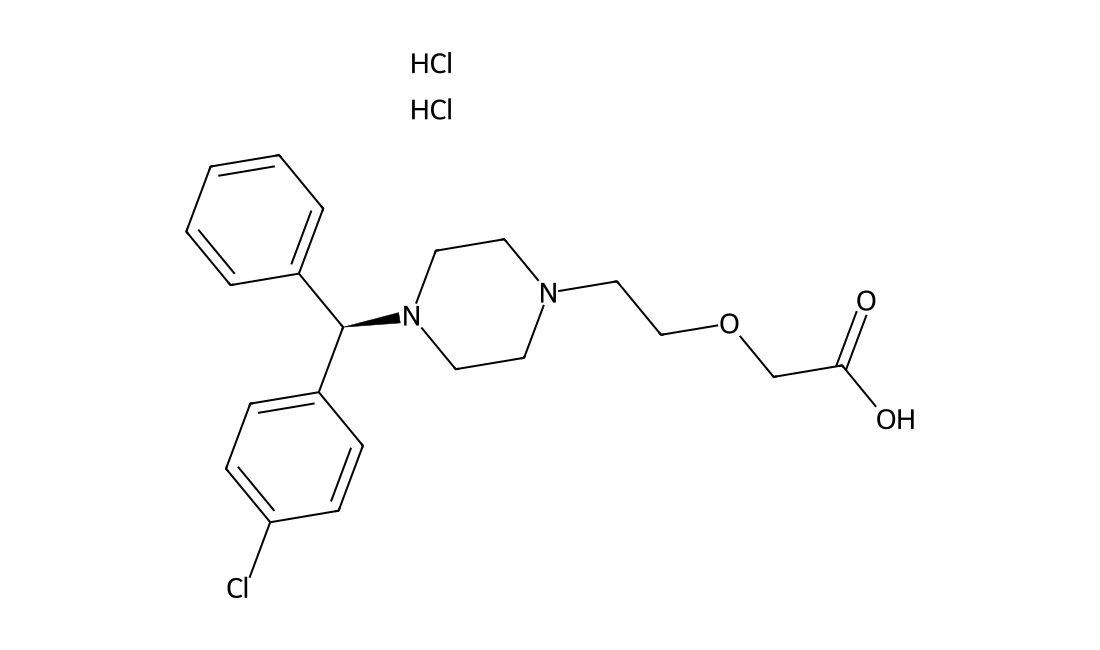
(R)-Cetirizine is the (R)-enantiomer of the histamine H1 receptor antagonist and second generation antihistamine cetirizine.(R)-Cetirizine binds to the H1 receptor with higher affinity than cetirizine (Kis = 3 and 6 nM, respectively) and is 25,000-100,000-fold selective for H1 receptors over muscarinic M1-M5 receptors.2 It decreases production of RANTES and eotaxin following antigen stimulation in mouse eosinophils in vitro in a concentration-dependent manner with a minimum effective concentration (MEC) of 0.05 µM.Intranasal administration of (R)-cetirizine (0.01-1%) dose-dependently decreases histamine-induced nasal rubbing and sneezing in mice.Formulations containing (R)-cetirizine have been used in the treatment of allergic rhinitis and chronic idiopathic urticaria.
(R)-BPO-27Featured
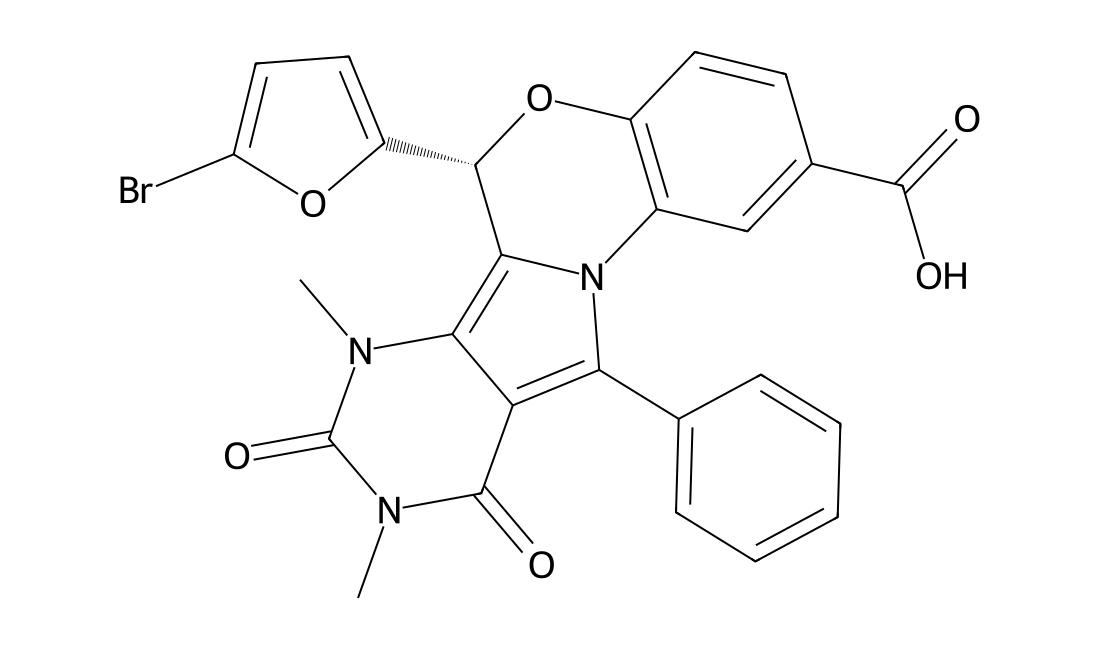
The benzopyrimido-pyrrolo-oxazinedione BPO-27 is an analogue of PPQ-102, which inhibits CFTR with an IC50 of 8 nM. The R enantiomer of BPO-27 inhibits CFTR chloride conductance with an IC50 of 4 nM, while S enantiomer is inactive. In vitro metabolic stability in hepatic microsomes shows both enantiomers as stable, with less than 5% metabolism in 4 h. (R)-BPO-27 binds near the canonical ATP binding site. Whole-cell patch-clamp studies shows linear CFTR currents with a voltage-independent (R)-BPO-27 block mechanism. At a concentration of (R)-BPO-27 that inhibits CFTR chloride current by 50%, the EC50 for ATP activation of CFTR increases from 0.27 to 1.77 mM.Following bolus interperitoneal administration in mice, serum (R)-1 decays with t1/2 ≈ 1.6 h and gives sustained therapeutic concentrations in kidney.
No products match this search.
Page 434 of 434 · Browse all 8677 products
Jump to a product page
Featured literature product: HX1 · DCL0028
HX1 is a hydroxyzine-derived ionizable lipid with acetal-containing tails, studied in lipid nanoparticles for brain mRNA delivery and CRISPR–Cas9 delivery. It was the lead in the reported in vivo brain-delivery screen; evidence is preclinical and formulation-dependent.
Read full formulation and performance →