
Research lipid catalog
Ionizable Lipid Products
Explore 848 lipid and RNA delivery products. Search the full catalog or browse by research category.
Search covers product name, catalog number, synonyms, available CAS numbers and categories. Spaces, hyphens and common punctuation are ignored. Duplicate legacy records are consolidated under one canonical product result.
4176 products · Showing 4021–4040 · 20 per page
DC Chemicals lipid expertise
Built for ionizable-lipid discovery and RNA delivery research
DC Chemicals supports formulation and delivery research with a broad, searchable portfolio of cationic and ionizable lipids. The current directory brings together 848 unique research-use products, with product specifications, pricing, chemical structures and literature-linked formulation data added as each record is verified.
Our experience spans complex lipid synthesis, purification, analytical release and process development. For custom molecules or larger-scale requirements, our team can discuss route development, technical specifications and scale-up options for the intended research workflow.
Learn about cationic and ionizable lipids →Proprietary innovation · Co-development · GMP
From proprietary lipid design to GMP-grade custom synthesis
DC Chemicals has independently developed ionizable-lipid structures supported by company-owned intellectual property, and selected proprietary lipid programs have advanced to GMP-stage development.
We welcome joint development with customers—from molecular design and lipid synthesis through route and process development. We can also support custom synthesis of GMP-grade ionizable lipids to agreed technical specifications and quality requirements.
Discuss a co-development project →Proprietary ionizable-lipid structuresCollaborative molecular designCustom lipid synthesisProcess development and scale-upGMP-grade project support
Product quick links
Explore New ionizable lipids
Explore our five most recently added ionizable lipids, with specifications, pricing and literature-linked product information.
DCL0028HX1Brain RNA delivery researchView product →DCL0024A1I4R13C18-2Spleen-targeted RNA delivery researchView product →DCL0023A1I4R2C18-2Spleen-targeted RNA delivery researchView product →DCL0022FS01Local joint RNA delivery researchView product →DCL0020Lipid-392Lung RNA delivery and gene editing researchView product →
Cat. No.Product NameField of ApplicationChemical Structure
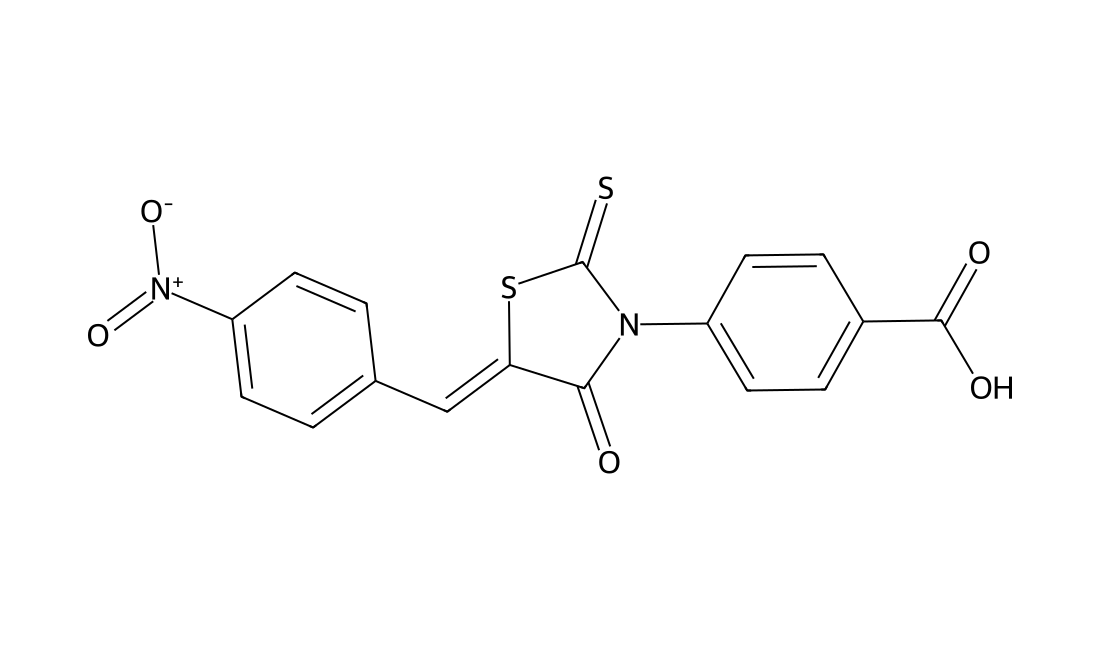
Novel potent broad-spectrum metallo-β-lactamase (MβL) inhibitor, inhibiting the MβLs NDM-1, VIM-2, ImiS, and L1
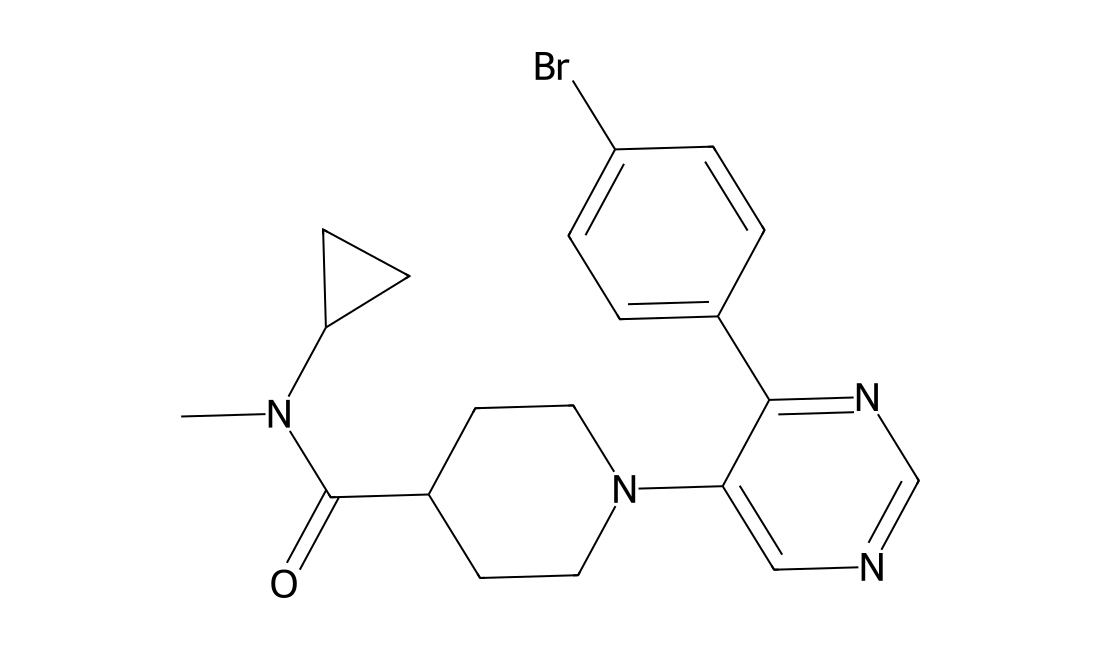
Precursor of Cholestify,18F-Cholestify, which binds cytochrome P450 46A1, detected cholesterol breakdown in the mammalian brain. CYP46A1 converts cholesterol to 24-hydroxycholesterol, a form easily eliminated from the brain.
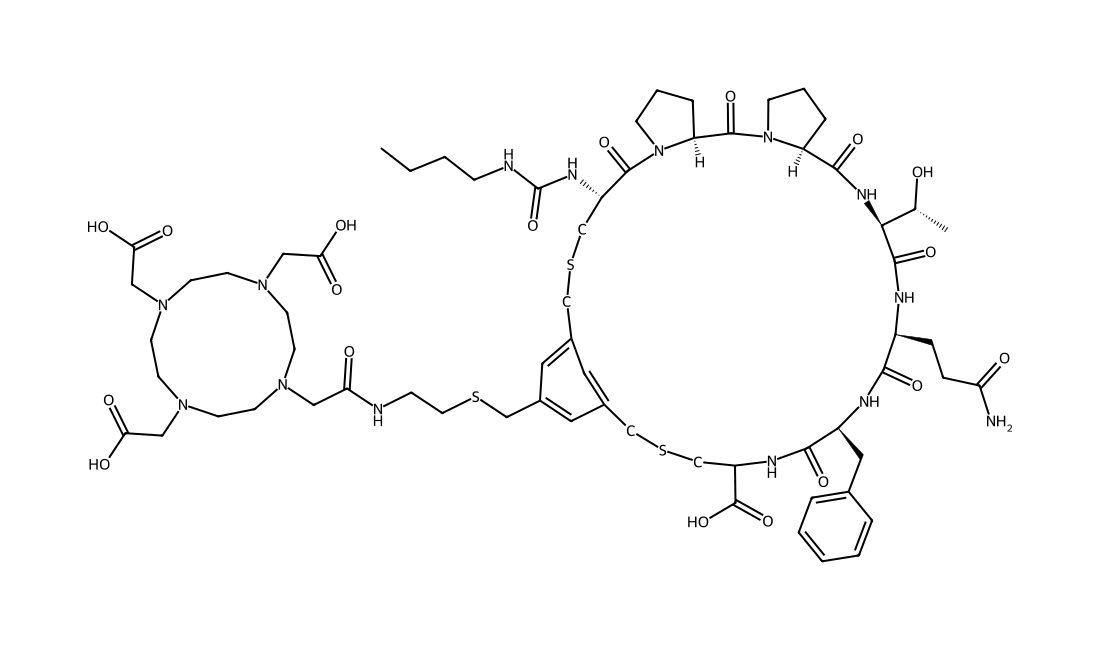
3BP-3940 is a highly potent FAP-targeting peptide with significant potential in theranostics. Its ability to be coupled with diagnostic and therapeutic radionuclides makes it a versatile tool for tumor imaging, targeted therapy, and treatment monitoring. By focusing on the tumor stroma, 3BP-3940 offers a promising approach to improving cancer diagnosis and treatment, particularly for cancers with prominent stromal involvement. As research progresses, 3BP-3940 could play a key role in advancing precision oncology.
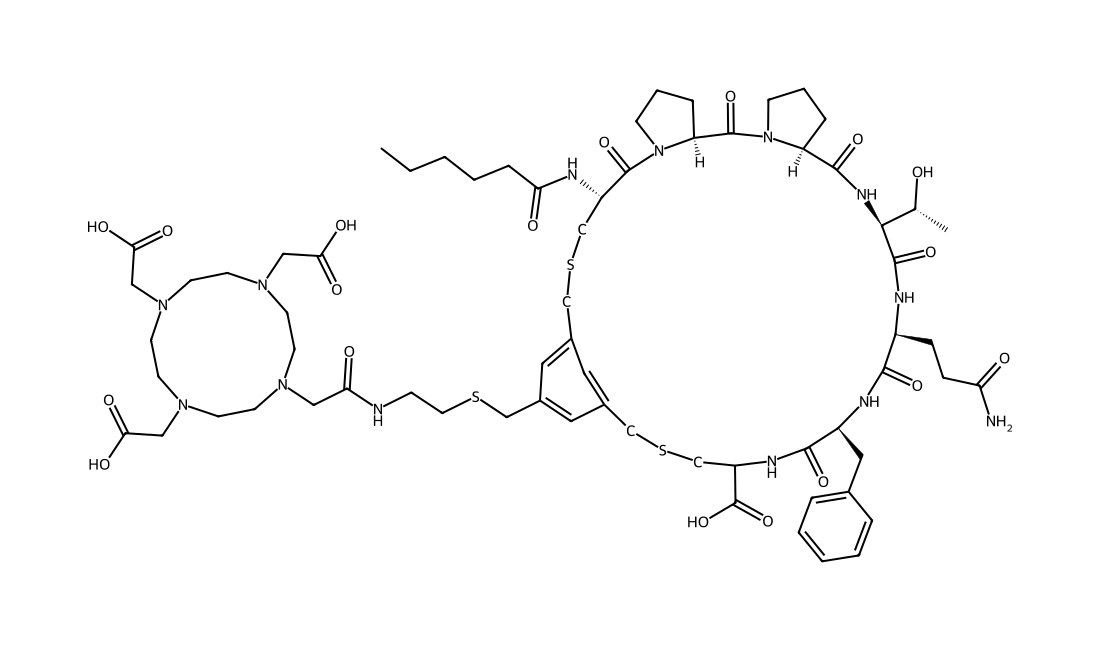
FAP-2286 is a highly promising FAP-targeting theranostic agent with potent affinity for FAP, versatile radionuclide coupling capabilities, and demonstrated antitumor activity. Its ability to serve as both a diagnostic imaging agent and a therapeutic tool makes it a valuable asset in oncology, particularly for cancers with prominent stromal involvement. As research progresses, FAP-2286 has the potential to significantly advance cancer diagnosis, treatment, and research, offering new hope for patients with FAP-expressing tumors.
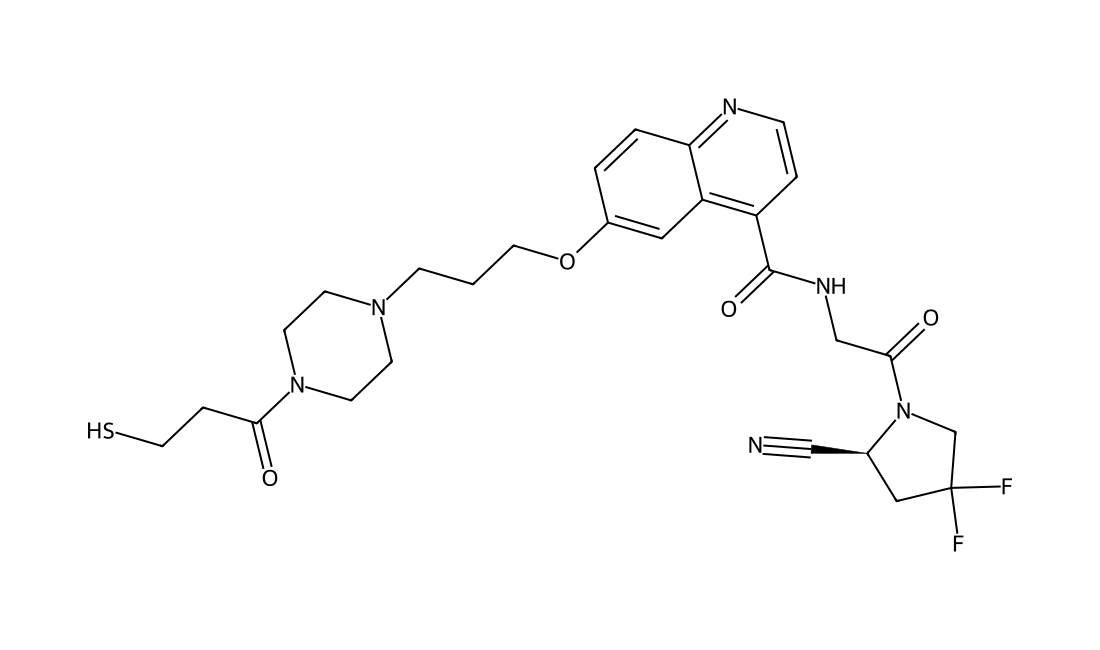
SH-FAPI-4 is a specific fibroblast activation protein inhibitor (FAPI) compound that belongs to the FAPI family of molecules. SH-FAPI-4 is expected to selectively accumulate in FAP-positive tumors and disrupt the functions of cancer-associated fibroblasts (CAFs) within the tumor microenvironment. By inhibiting FAP activity, this compound aims to potentially slow tumor growth, enhance the efficacy of other cancer treatments, and modulate the tumor microenvironment.
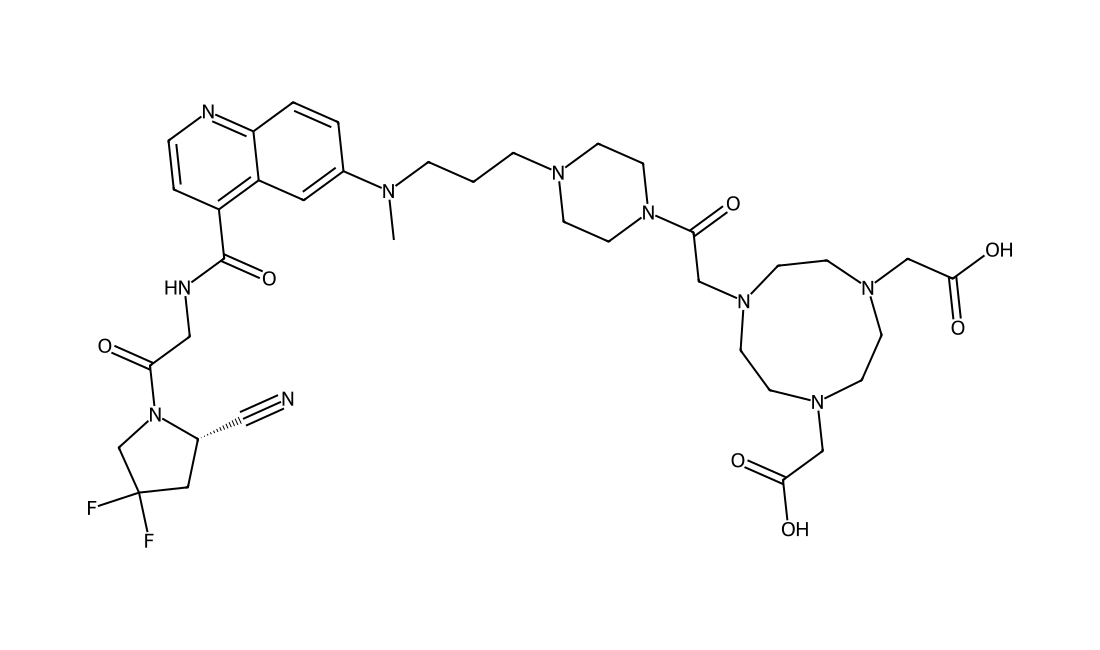
NOTA-FAPI-46 is an analogue of FAPI-46 (MedKoo Cat#207189). NOTA-FAPI-46 is useful in the diagnosis or treatment of a disease characterized by overexpression of fibroblast activation protein (FAP). NOTA-FAPI-46 can be used as a PET tracer for detection of diseases or disorders related to fibroblast activation protein.
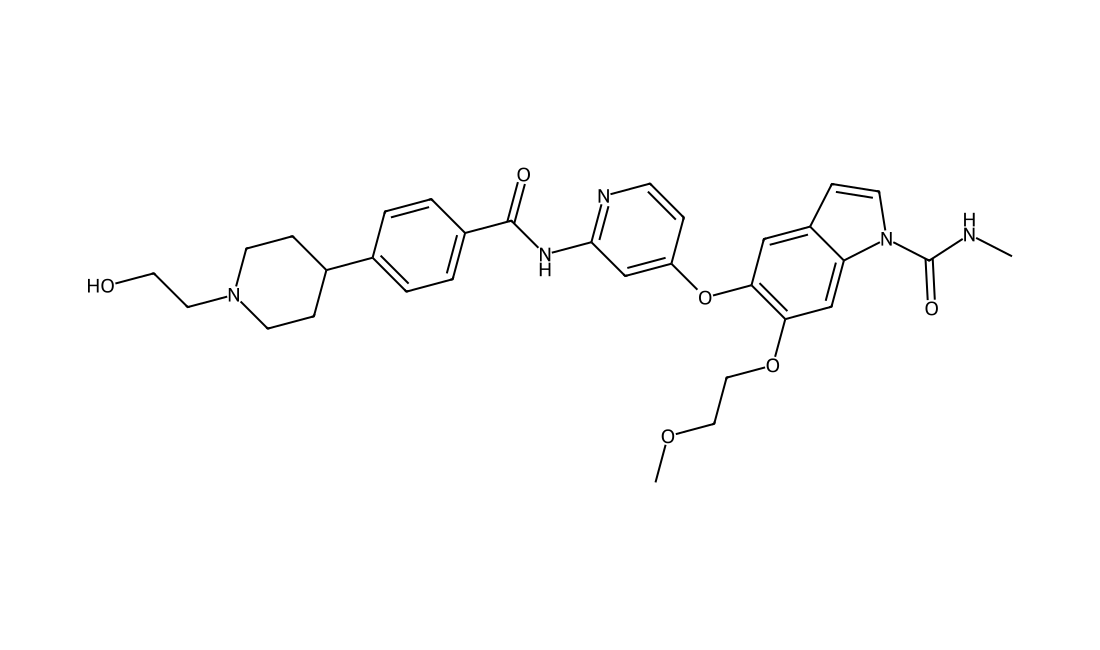
E7090 (E 7090) is a highly potent and selective orally bioavailable inhibitor targeting FGFR1, FGFR2, and FGFR3, with IC50 values of 0.71 nM, 0.50 nM, and 1.2 nM, respectively. It exhibits significantly weaker inhibition of FGFR4, with an IC50 of 120 nM. This distinct selectivity profile positions E7090 as a promising therapeutic candidate for diseases driven by aberrant FGFR1-3 signaling, offering a targeted approach to inhibit these receptors while minimizing off-target effects on FGFR4. Its oral availability further enhances its potential as a convenient and effective treatment option for patients with FGFR-dependent conditions.
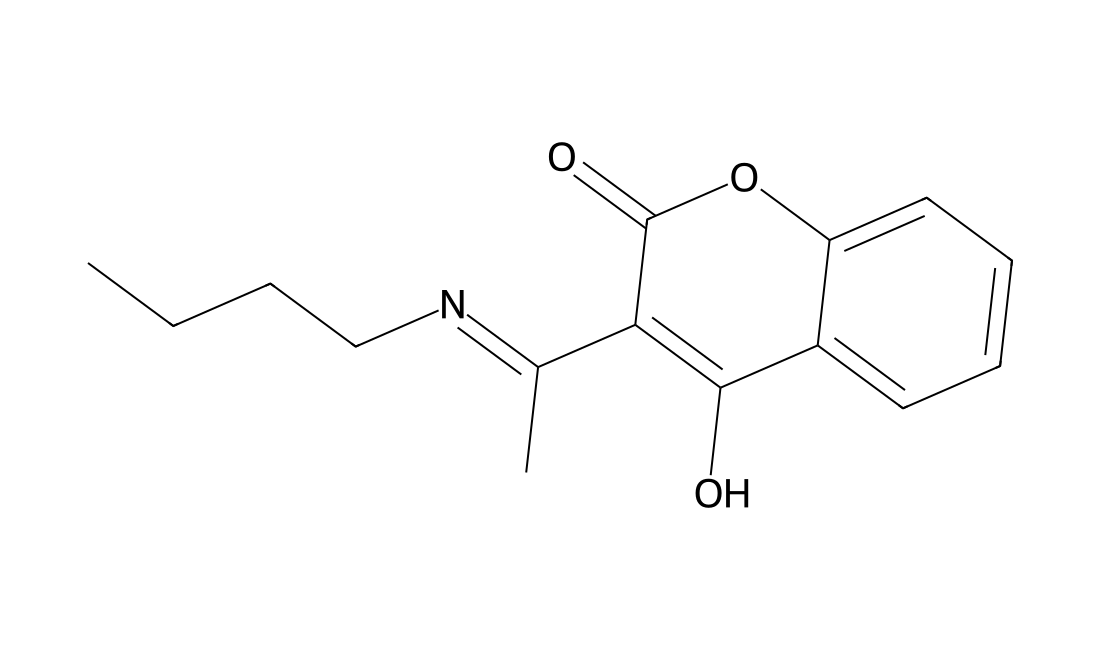
BHC, a small-molecule inhibitor of skeletal muscle myosin, effectively suppresses muscle activity by targeting myosin function without altering membrane currents. This compound emerges from a screening process aimed at identifying molecules capable of modulating muscle movement through myosin inhibition. By specifically inhibiting myosin, BHC provides a unique mechanism for controlling muscle contractions while maintaining the integrity of cellular electrical properties.
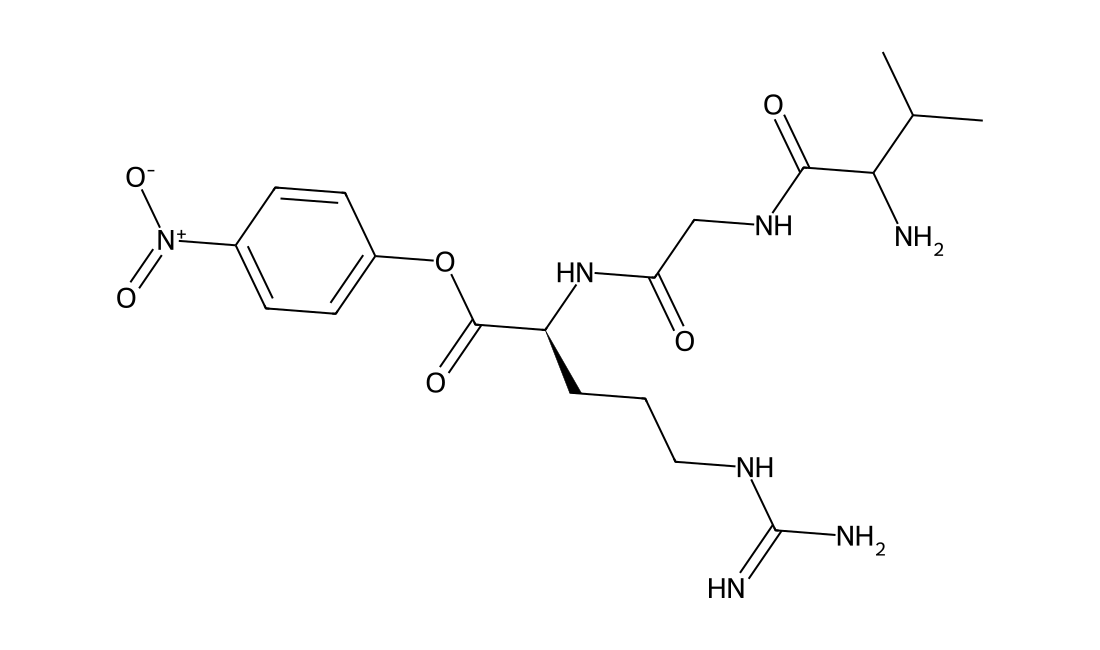
D-Val-Gly-Arg-p-nitroaniline (D-VGR-pNA) is a synthetic chromogenic peptide substrate specifically designed for assessing the enzymatic activity of tissue plasminogen activator (tPA), including its isoforms tPA I and tPA II. Upon cleavage by tPA, the release of p-nitroaniline (pNA) generates a measurable colorimetric signal, enabling precise quantification of amidolytic activity. This substrate is widely utilized in biochemical assays to study tPA’s role in fibrinolysis and to evaluate its enzymatic kinetics in both research and diagnostic applications.
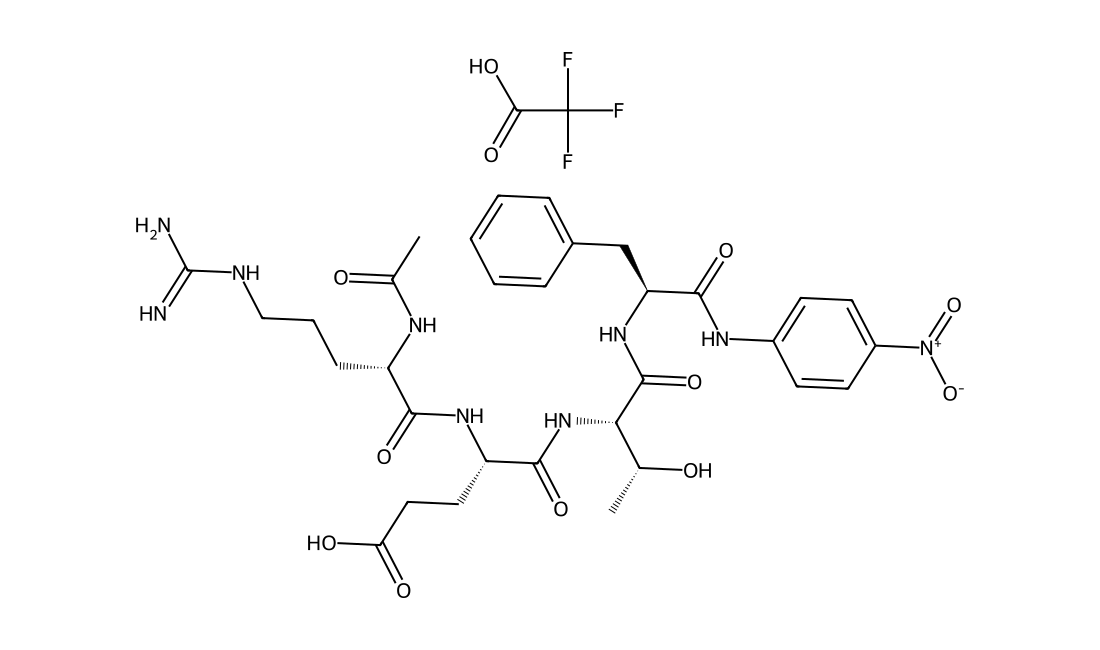
RETF-4NA TFA, a highly sensitive and selective substrate for chymase, effectively measures chymase activity both in its free form and when complexed with α2-macroglobulin (α2M). Its specificity makes it a valuable tool for studying chymase-related biochemical processes.
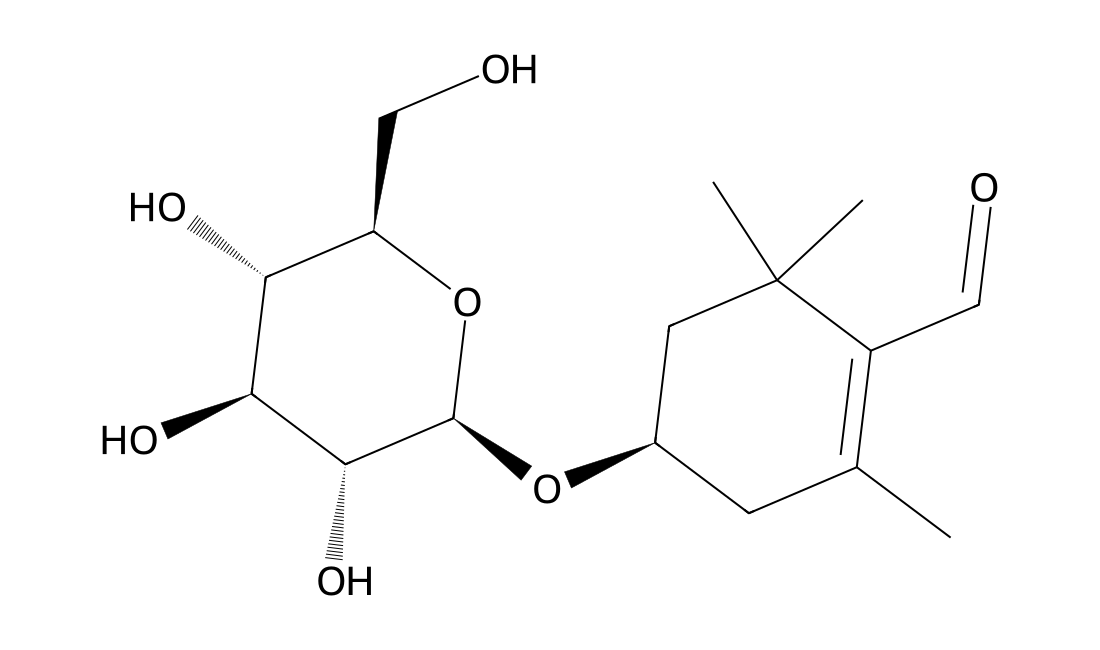
Picrocrocin is a monoterpene glycoside precursor of safranal. Picrocrocin is found in the spice saffron, which comes from the crocus flower. Picrocrocin is a degradation product of the carotenoid zeaxanthin. Picrocrocin exhibits growth inhibitory effects against SKMEL- 2 human malignant melanoma cells by targeting JAK/ STAT5 signaling pathway, cell cycle arrest and mitochondrial mediated apoptosis.
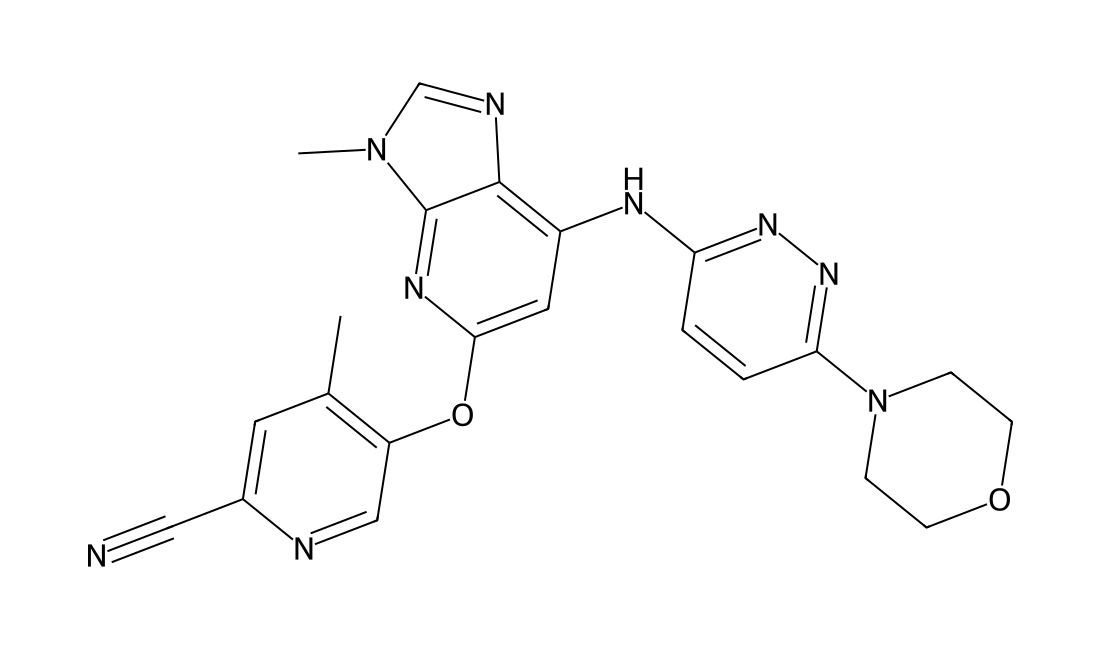
GLPG3667 is an oral, reversible, and selective tyrosine kinase 2 (TYK2) inhibitor. It is being developed to treat inflammatory and auto-immune diseases. Biochemical assays showed that GLPG3667 displayed nanomolar potency on TYK2 with a selectivity over other JAK kinases >3-fold. In human PBMC, GLPG3667 showed comparable potency on the IFNα and IL-23 pathways (around 50 nM). Selectivity for TYK2 on the IFNα pathway was >14-fold and >19-fold toward the IL-2 and GM-CSF pathways in human PBMC and whole blood, respectively. Dermal ear inflammation in a mouse model of psoriasis driven by IL-23 was prevented by GLPG3667 with a minimal effective dose of 3 mg/kg given orally once daily. This effect was associated with a decrease in neutrophil infiltration and STAT3 phosphorylation at sites of inflammation. In healthy HV, GLPG3667 completely inhibited IFNα-induced STAT1 and STAT3 phosphorylation but did not impact IL-2- and GM-CSF-induced STAT5 phosphorylation.
GB1107 is a novel small-molecule inhibitor specifically designed to target galectin-3 (Gal-3), demonstrating high binding affinity and oral bioavailability.
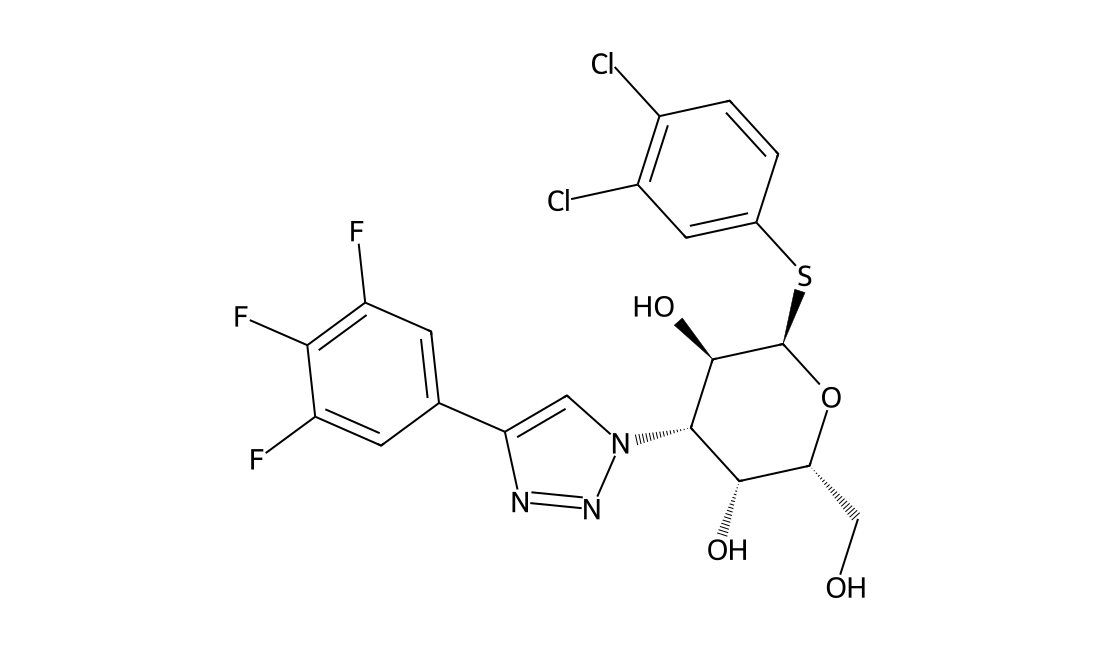
UHMCP1 is a small molecule that prevents the SF3b155/U2AF65 interaction, binds to the hydrophobic pocket of the U2AF65 UHM domain (Kd=1-20 uM), impacts splicing and cell viability.
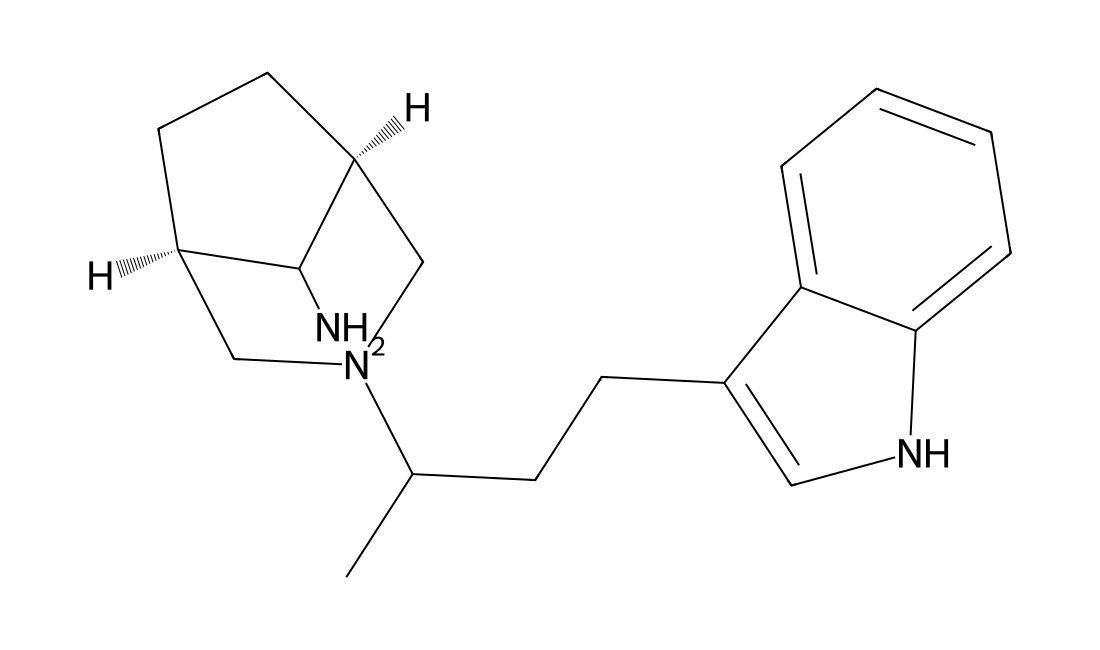
JC19 is a a cysteine-reactive small molecule degrader of SARS-CoV-2 nsp14 with DC50 of 8.7 uM in HEK293T cells.
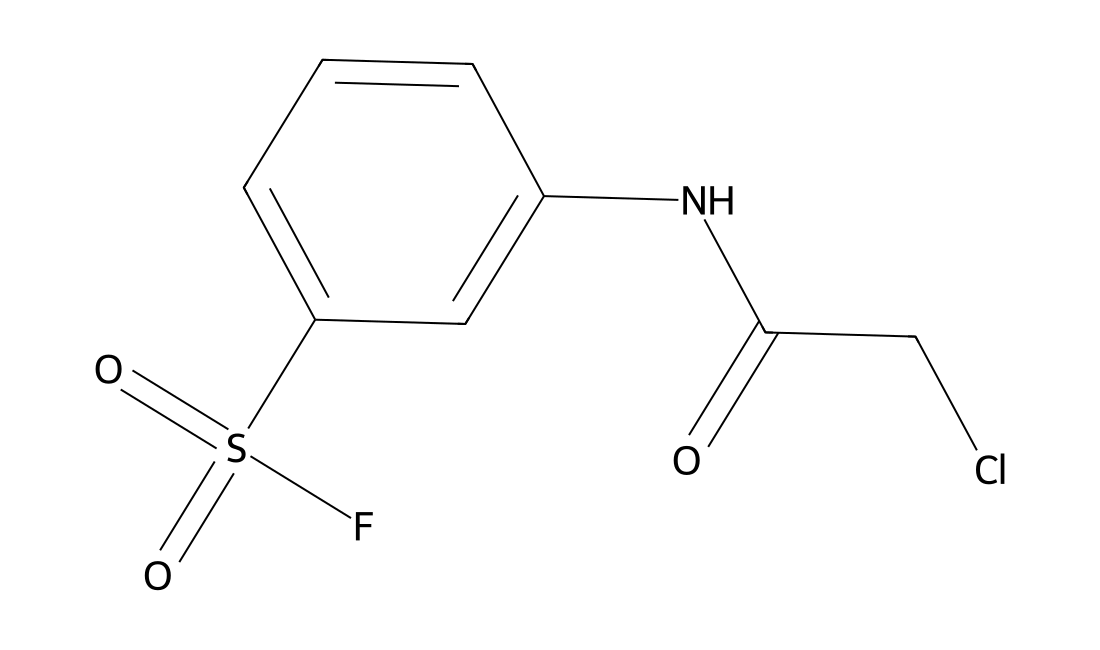
SH514 is a specific small molecule inhibitor of interferon regulatory factor 4 (IRF4) with IC50 of 2.63 uM, inhibits proliferation of IRF4-high-expressing NCI-H929 and MM.1R MM cells with IC50 of 0.08 uM and 0.11 uM, respectively.
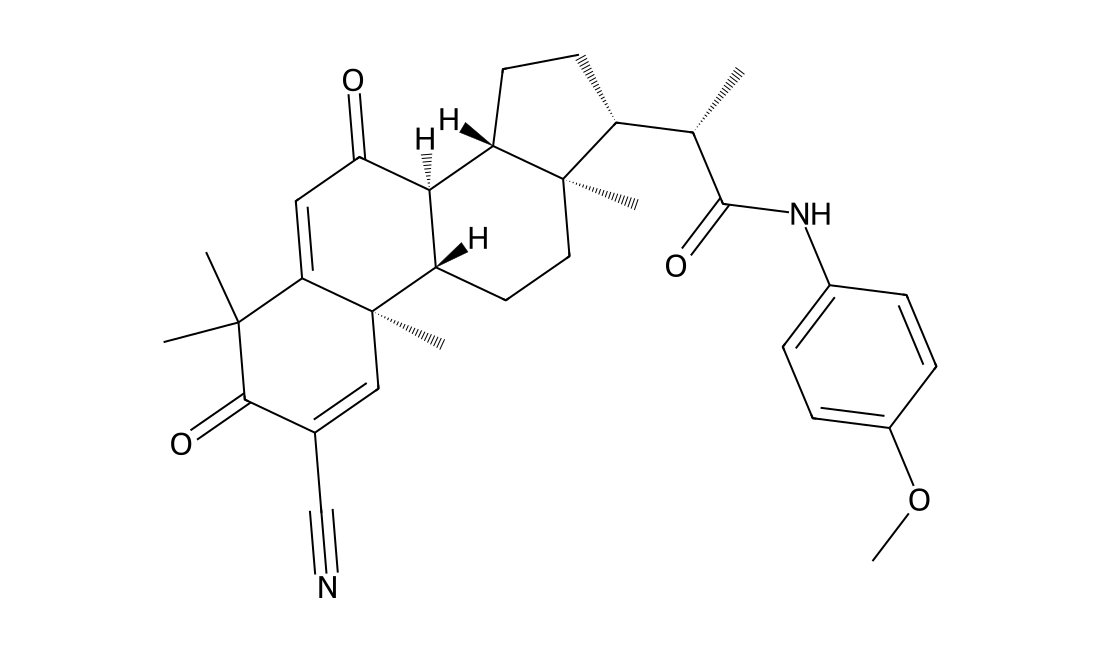
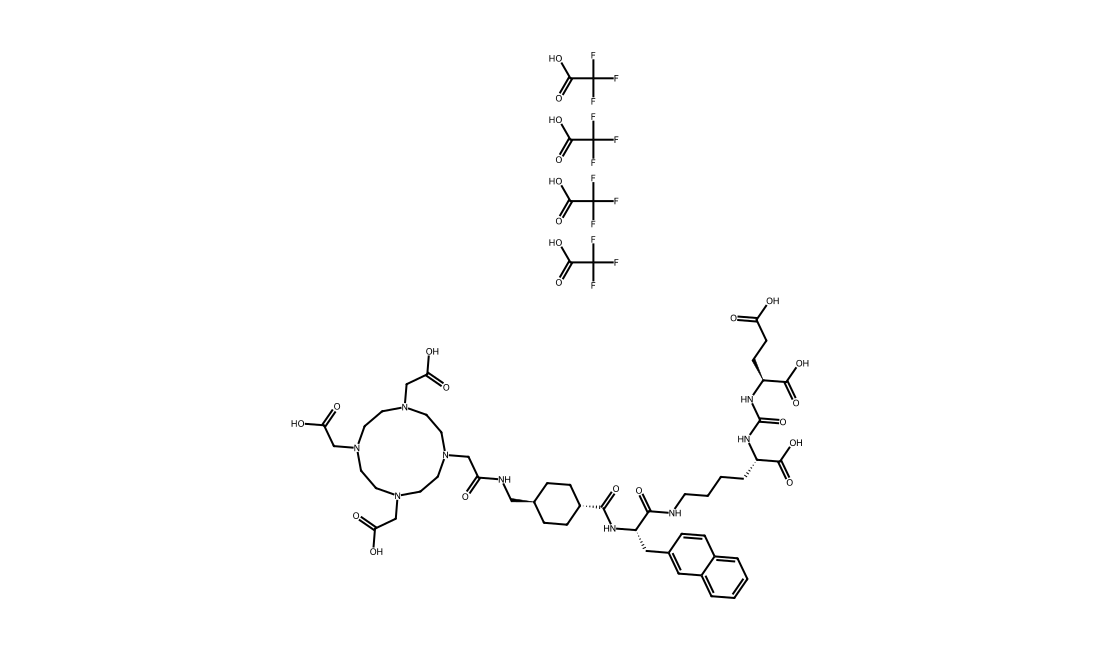
PSMA-617, also know as vipivotide tetraxetan, is a ligand used to make 177Lu-PSMA-617, which is a radioactive molecule to fight cancer. PSMA617 possesses a small peptide, which was designed to target prostate-specific membrane antigen (PSMA). PSMA617 demonstrates high radiolytic stability for at least 72 h. PSMA617 has high inhibition potency (equilibrium dissociation constant Ki=2.34±2.94 nM on LNCaP; Ki=0.37±0.21 nM enzymatically determined). 177 Lu-PSMA-617 offers a potential additional life-prolonging treatment option for men with mCRPC.
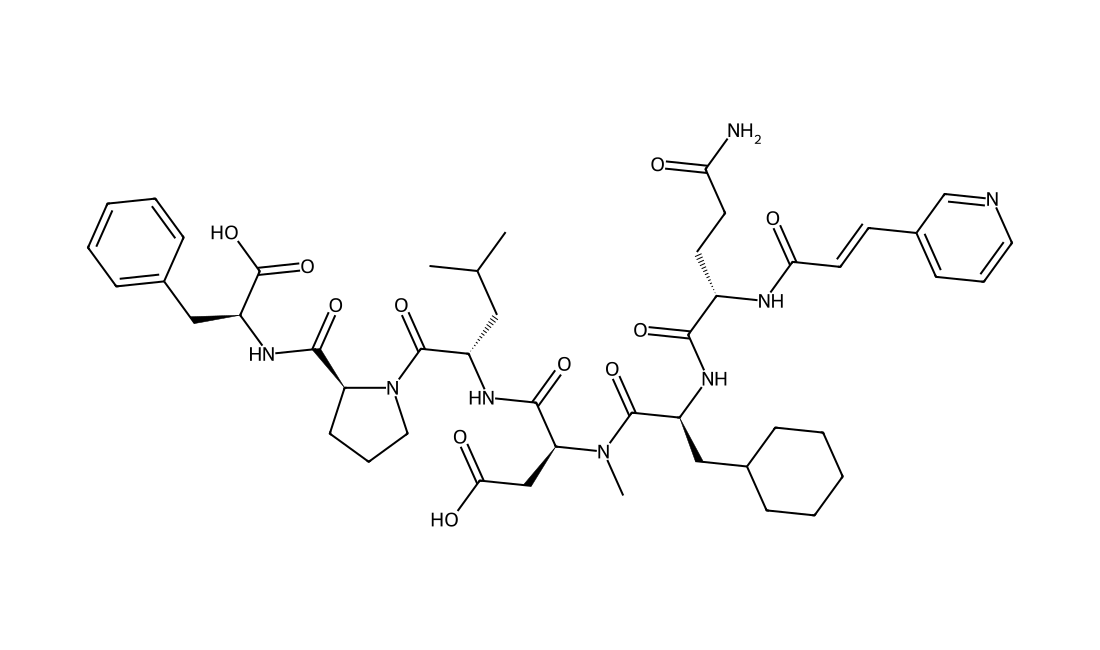
Targeting the bacterial sliding clamp peptide 46 is a short peptide targeting the bacterial sliding clamp(SC), inhibiting SC-dependent DNA synthesis.
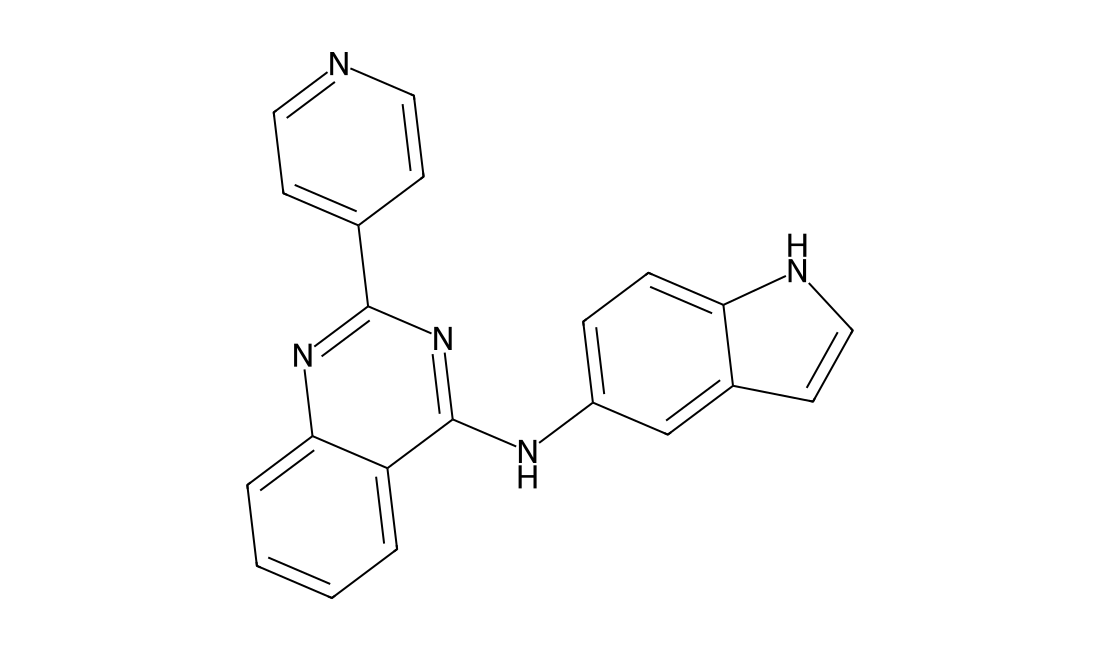
BC18630 free base (BC 18630) is a small molecule inhibitor of the E3 ubiquitin ligase subunit DCAF7, potently inhibits SARS-CoV-2 infection with IC50 of 39 nM in cell-based assays.
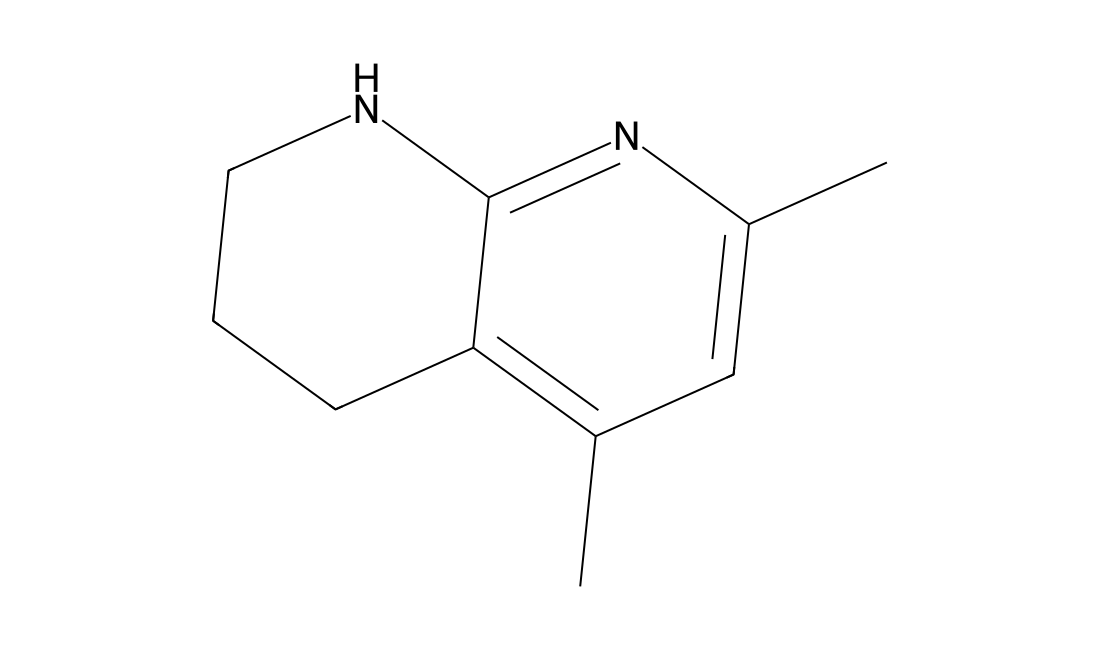
F1957-0088 is a small molecule targeting the UHRF1 tandem Tudor domain (TTD) with TR-FRET (TTD vs. H3K9me3) EC50 of 45.1 uM.
No products match this search.
Page 202 of 209 · Browse all 4176 products
Jump to a product page
Featured literature product: HX1 · DCL0028
HX1 is a hydroxyzine-derived ionizable lipid with acetal-containing tails, studied in lipid nanoparticles for brain mRNA delivery and CRISPR–Cas9 delivery. It was the lead in the reported in vivo brain-delivery screen; evidence is preclinical and formulation-dependent.
Read full formulation and performance →