
Research lipid catalog
Ionizable Lipid Products
Explore 848 lipid and RNA delivery products. Search the full catalog or browse by research category.
Search covers product name, catalog number, synonyms, available CAS numbers and categories. Spaces, hyphens and common punctuation are ignored. Duplicate legacy records are consolidated under one canonical product result.
4176 products · Showing 3981–4000 · 20 per page
DC Chemicals lipid expertise
Built for ionizable-lipid discovery and RNA delivery research
DC Chemicals supports formulation and delivery research with a broad, searchable portfolio of cationic and ionizable lipids. The current directory brings together 848 unique research-use products, with product specifications, pricing, chemical structures and literature-linked formulation data added as each record is verified.
Our experience spans complex lipid synthesis, purification, analytical release and process development. For custom molecules or larger-scale requirements, our team can discuss route development, technical specifications and scale-up options for the intended research workflow.
Learn about cationic and ionizable lipids →Proprietary innovation · Co-development · GMP
From proprietary lipid design to GMP-grade custom synthesis
DC Chemicals has independently developed ionizable-lipid structures supported by company-owned intellectual property, and selected proprietary lipid programs have advanced to GMP-stage development.
We welcome joint development with customers—from molecular design and lipid synthesis through route and process development. We can also support custom synthesis of GMP-grade ionizable lipids to agreed technical specifications and quality requirements.
Discuss a co-development project →Proprietary ionizable-lipid structuresCollaborative molecular designCustom lipid synthesisProcess development and scale-upGMP-grade project support
Product quick links
Explore New ionizable lipids
Explore our five most recently added ionizable lipids, with specifications, pricing and literature-linked product information.
DCL0028HX1Brain RNA delivery researchView product →DCL0024A1I4R13C18-2Spleen-targeted RNA delivery researchView product →DCL0023A1I4R2C18-2Spleen-targeted RNA delivery researchView product →DCL0022FS01Local joint RNA delivery researchView product →DCL0020Lipid-392Lung RNA delivery and gene editing researchView product →
Cat. No.Product NameField of ApplicationChemical Structure
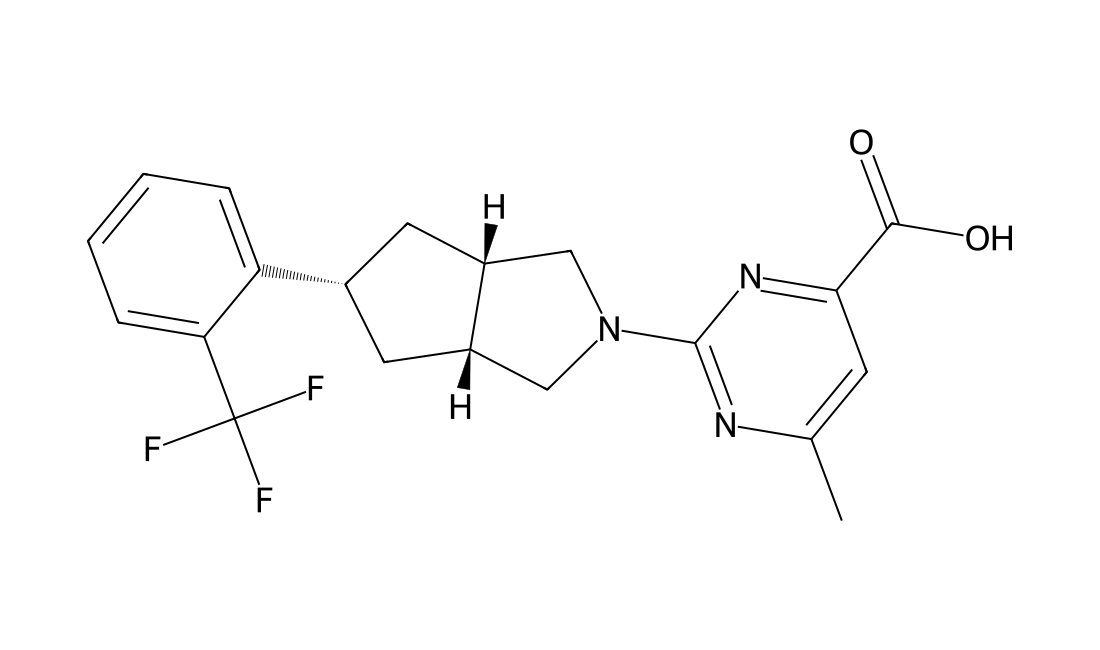
Novel RBP4 antagonist with good in vitro potency and selectivity and optimal rodent pharmacokinetic (PK) and pharmacodynamic (PD) characteristics
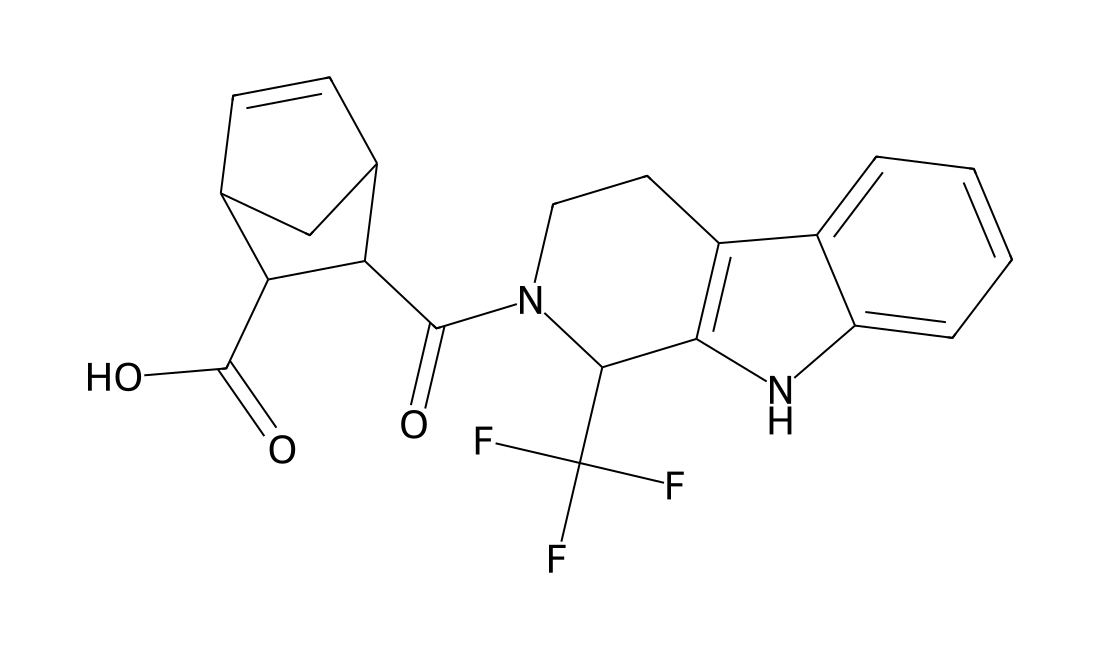
Tryptolinamide (TLAM) is a small-molecule compound that activates mitochondrial respiration in cybrids generated from patient-derived mitochondria and fibroblasts from patient-derived iPSCs, inhibits phosphofructokinase-1 (PFK1) with an ATP-uncompetitive
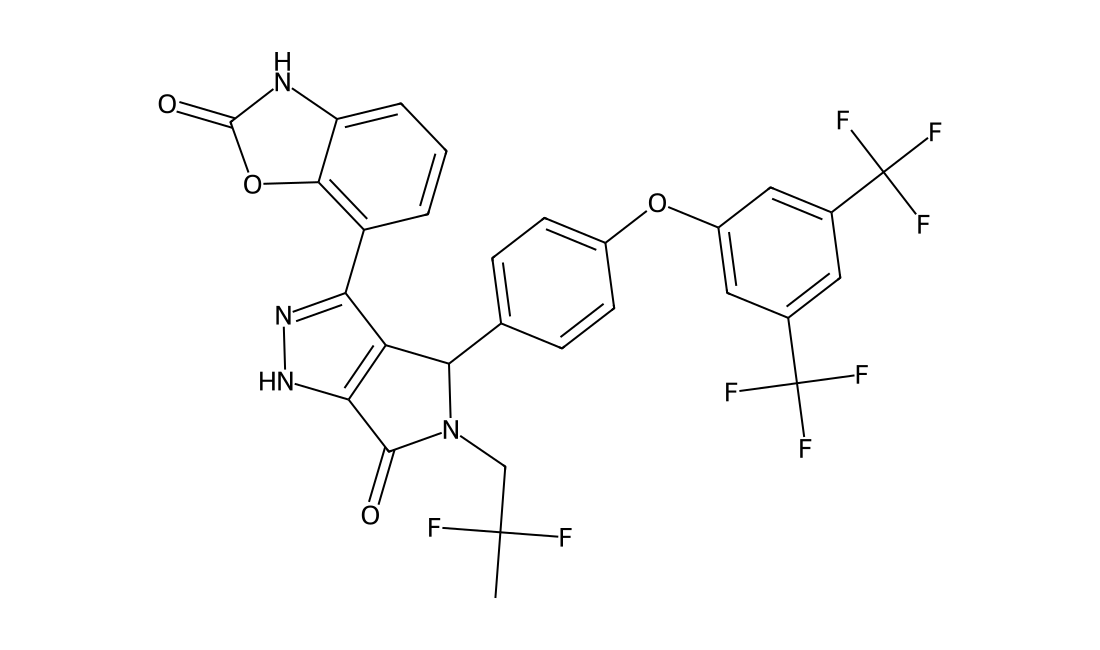
DS55980254 (DS 55980254) is potent, selective and orally active PTDSS1 (phosphatidylserine synthetase 1) inhibitor, suppresses phosphatidylserine (PS) production activity of PTDSS1 (IC50=100 nM) in cell-free assays, but not that of PTDSS2.
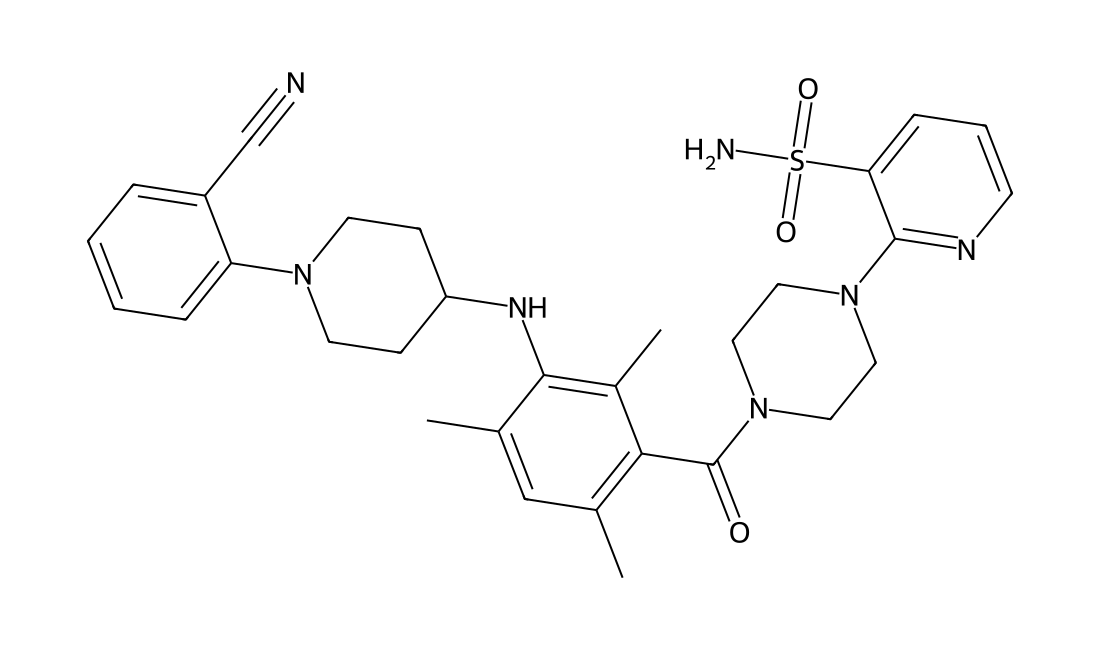
NV-6297 (NV6297) is a potent, selective mTORC1 pathway signaling inhibitor without inhibition on mTORC2, inhibits S6K1 phosphorylation (pS6K1 T389) in MCF7 cells with IC50 of 120 nM, directly and selectively targets GLUT-1.
NBCoV2 is a highly potent small molecule viral fusion inhibitor with potential pan-Coronavirus activity (SARS-CoV IC50=13.8 nM, SARS-CoV-2 IC50=22.8 nM, MERS-CoV IC50=77 nM, cell-based single-cycle assays). NBCoV2 also has potent antiviral activity against all mutant pseudoviruses carrying single-, double-, or triple-mutations featured in the B.1.1.7 UK, B.1.351 RSA, and B.1.617.2 Delta variants (IC50=30-80 nM). NBCoV2 completely preventing the induction of any virus-induced CPE (IC100=1.25 uM, SARS-CoV-2 (US_WA-1/2020)). NBCoV2 bind to the S2 subdomain of the SARS-CoV-2 trimer, thus, inhibits the fusion of CoVs with the cell membran, and is specific for the SARS-CoV-2 S protein.
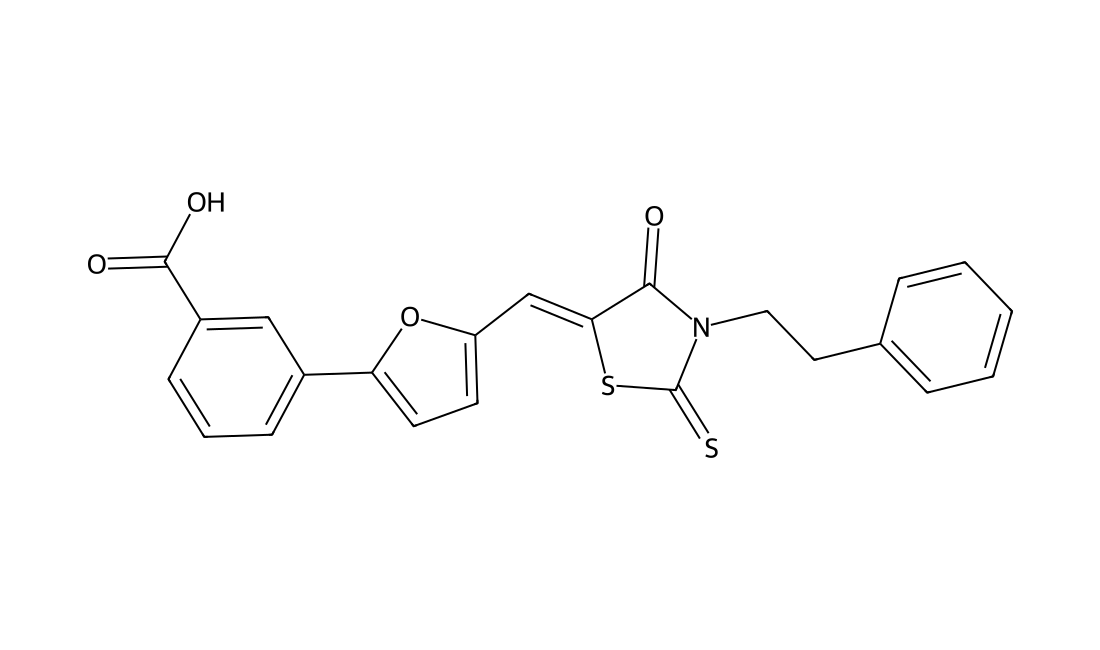
VLX600 is a cell-permeable anticancer agent. It acts by reducing mitochondrial oxidative phosphorylation in tumor cells.
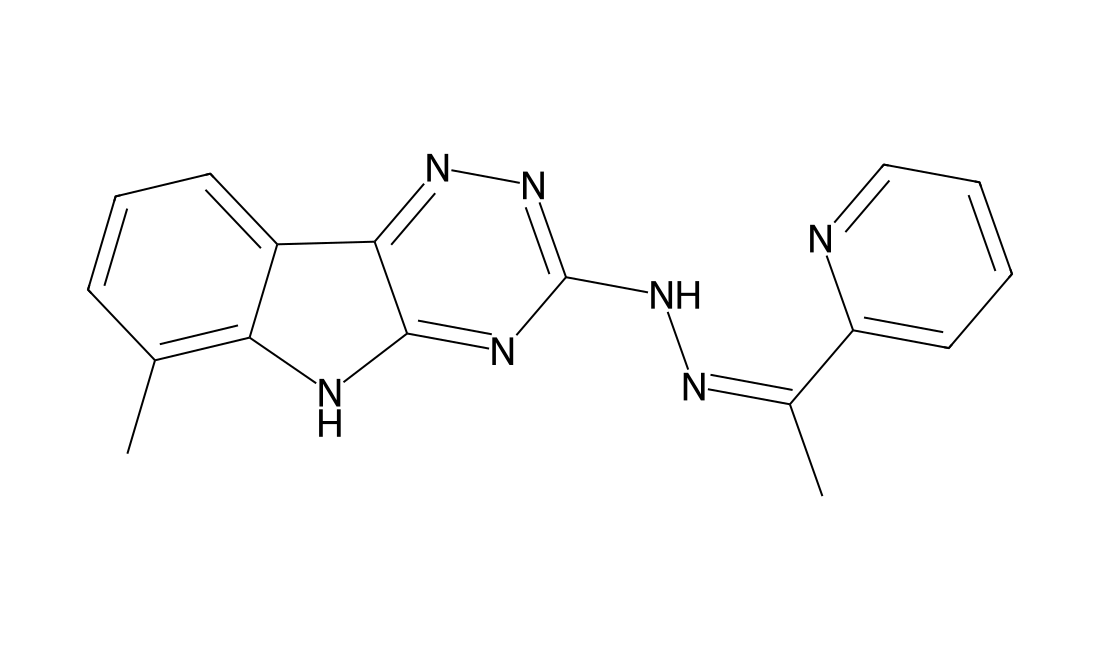
CNX-774 is a potent, selective, and orally available small molecule inhibitor of Btk (IC50< 1 nM) that forms a ligand-directed covalent bond with Cys-481, a non-conserved amino acid within the active site of the enzyme.
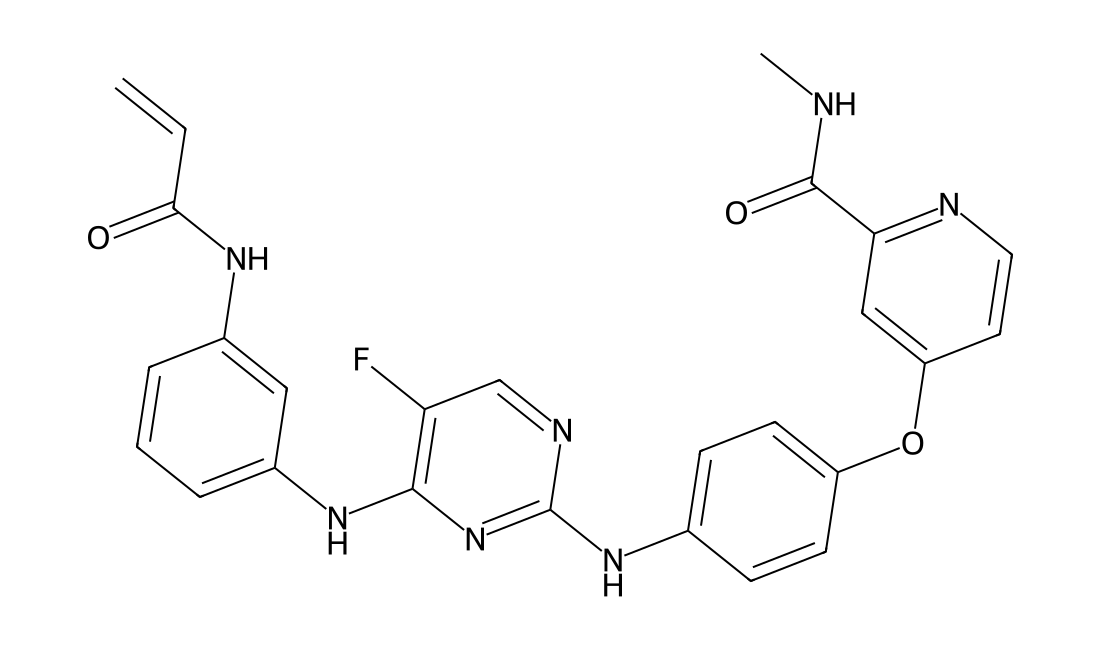
Altiratinib is a MET/TIE2/VEGFR2/TRK (A,B,C) kinase inhibitor in Phase 1 clinical development for the treatment of invasive solid tumors including glioblastoma.
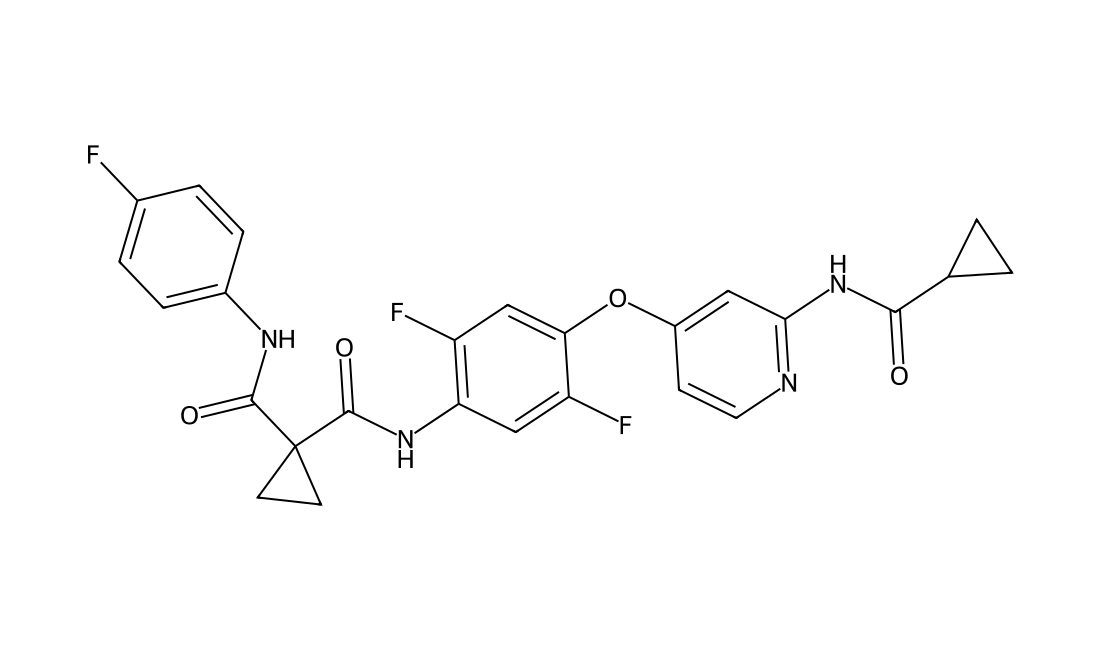
HM-61713 (BI-1482694) is an orally available small molecule, mutant-selective inhibitor of epidermal growth factor receptor (EGFR) with potential antineoplastic activity.
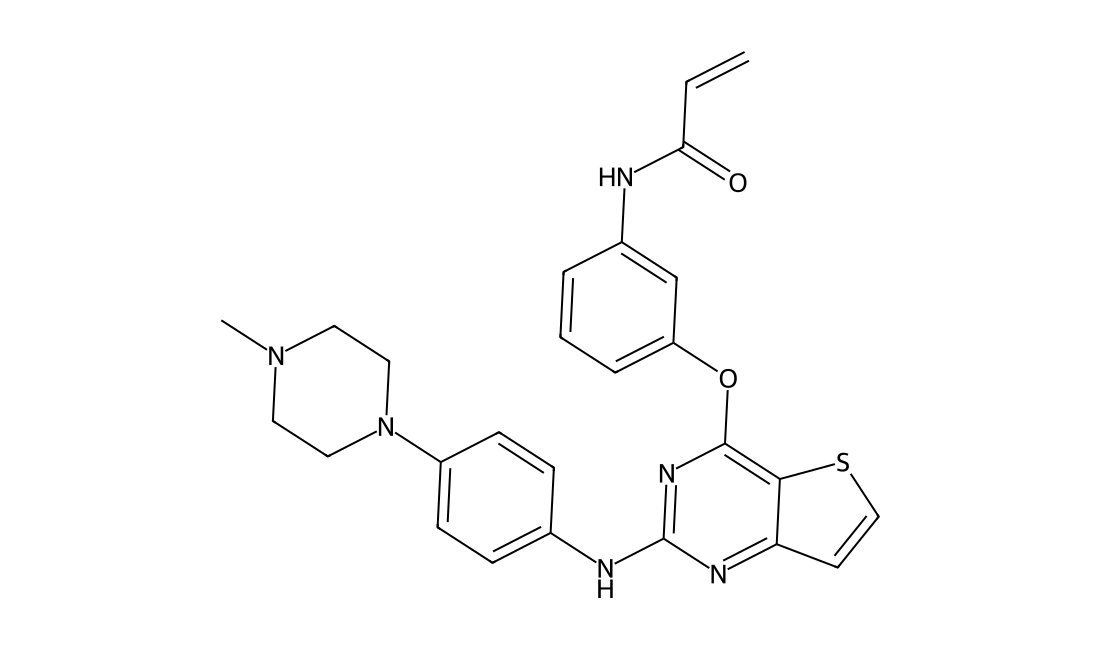
miR-21 inhibitor 12 (miR-21-IN-12) is a small molecule inhibitor of microRNA-21 expression and inhibit miR-21 transcription.miR-21-IN-12 inhibited transcription of the miR-21 gene resulting in significant reductions in primary and mature miR-21 levels.miR-21-IN-12 demonstrated cytotoxicity in a cervical cancer cell line via induction of apoptosis and was capable of reducing microtumor formation in a long-term clonogenic assay.miR-21-IN-12 shows some level of selectivity for miR-21 and is not a general miRNA pathway inhibitor.
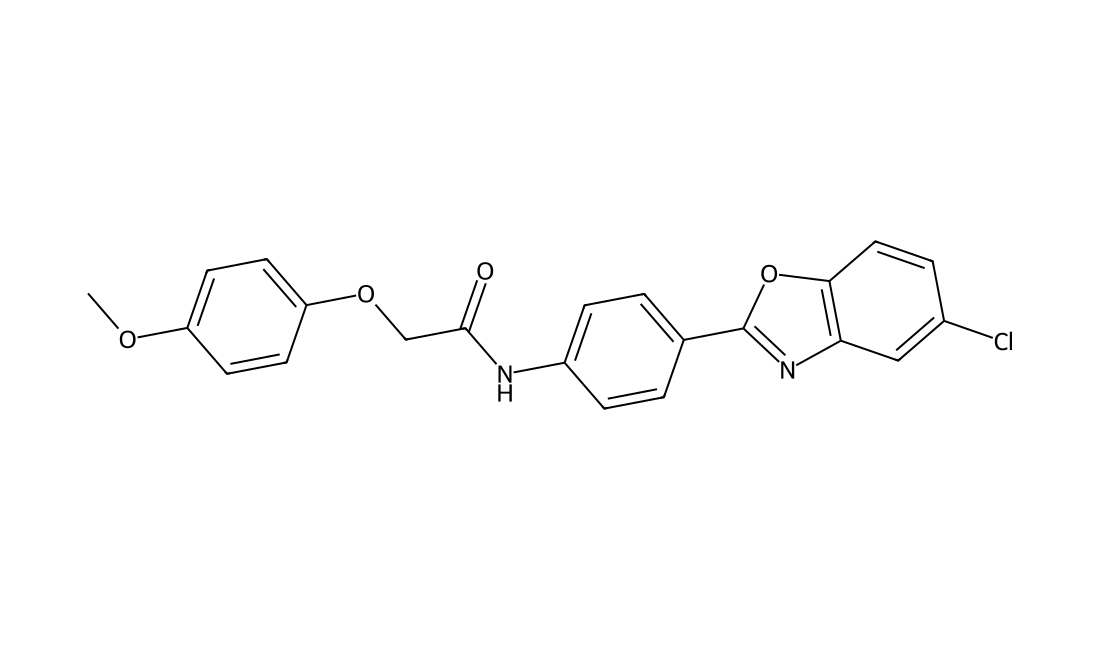
PSB-CB-27 is a potent, selective antagonist of GPR18 with IC50 of 650 nM, shows no inhibition on GPR55 and low affinity for CB1/CB2 receptors.
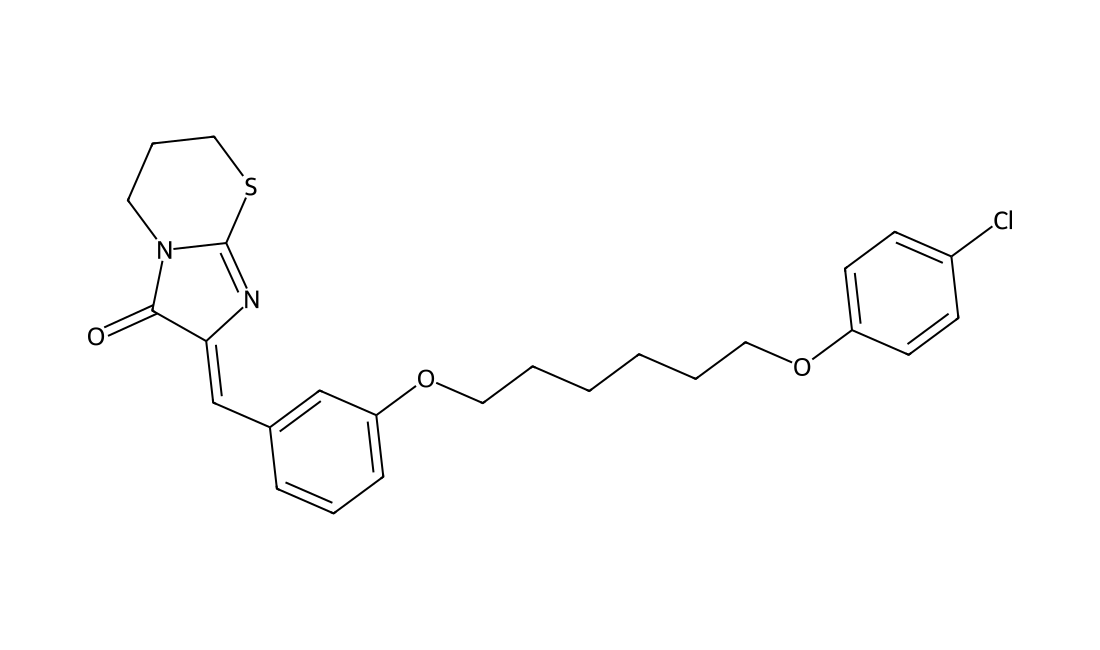
JR1-157 is a potent selective sigma 2 receptor (σ2R) ligand with Ki value of 47 nM, >10-fold selectivity over σ1R.
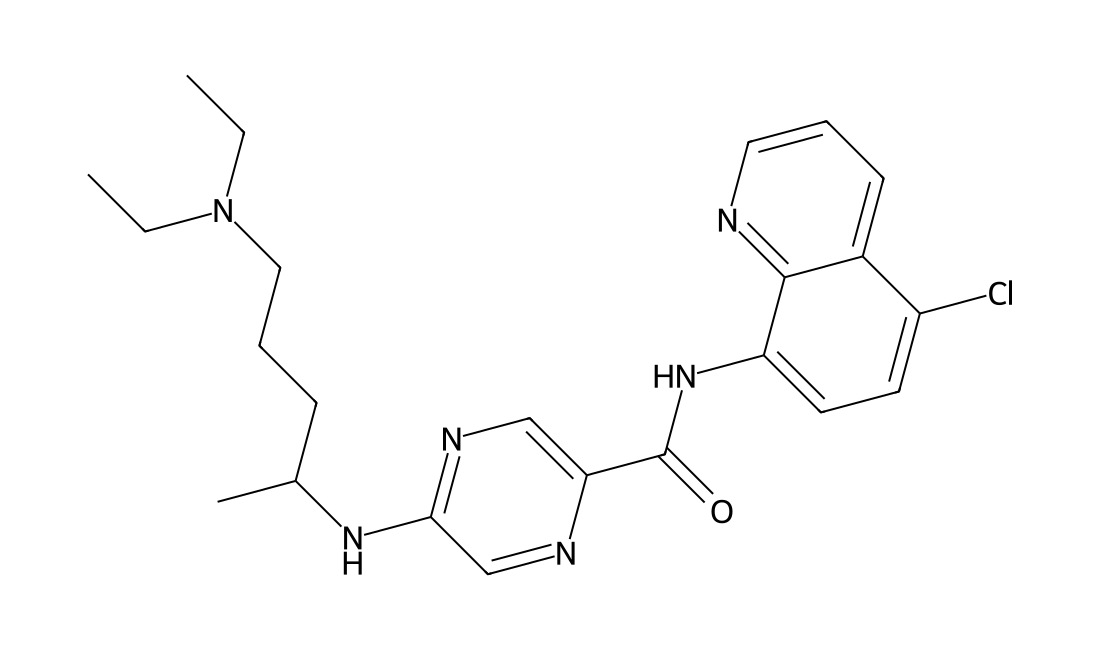
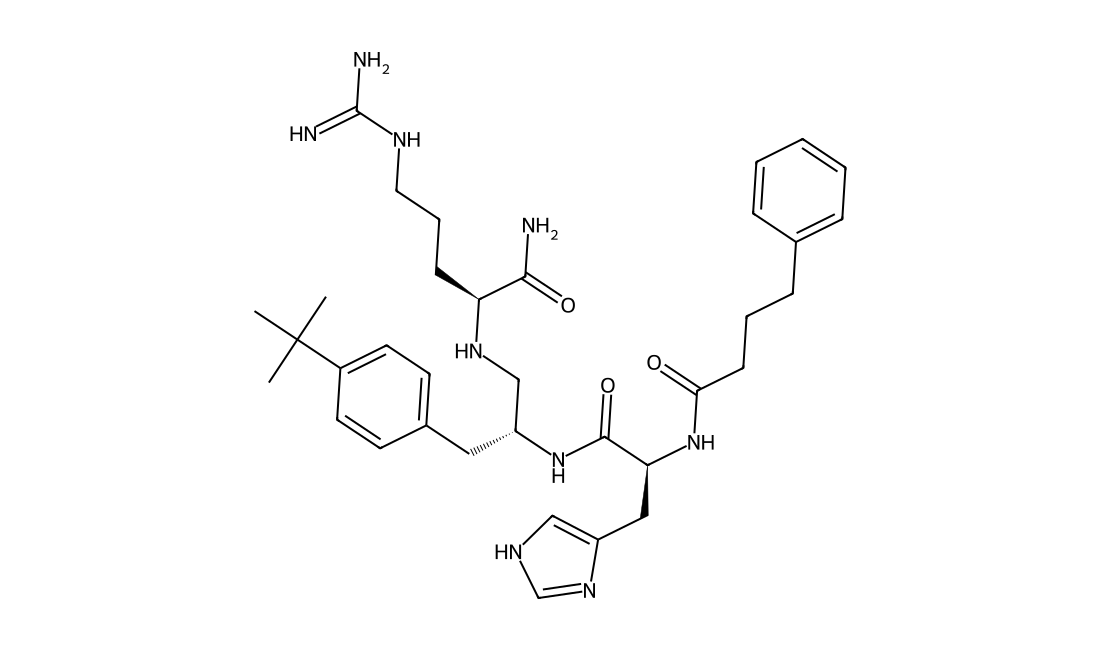
Novel selective agonist of the human melanocortin 1 receptor (hMC1R) for sunless tanning and prevention of genotoxicity of UV in melanocytes
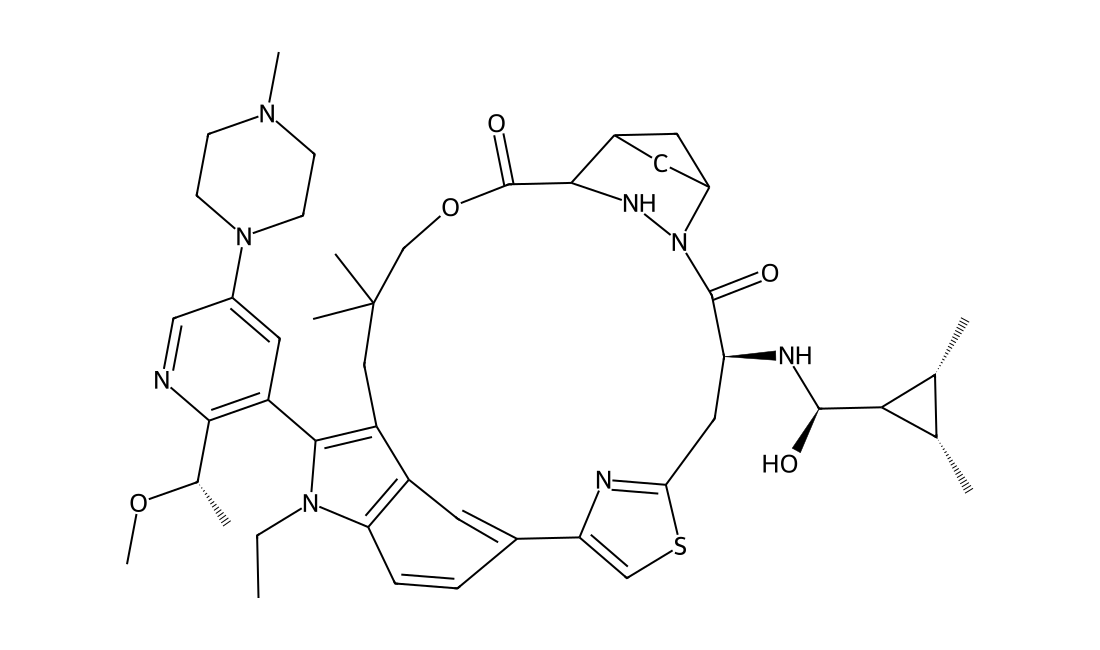
ERAS-0015 is a pan-RAS modulator glue and demonstrates siganificantly more potent inhibition of cellular proliferation across KRAS mutant cell lines vs RMC-6236.
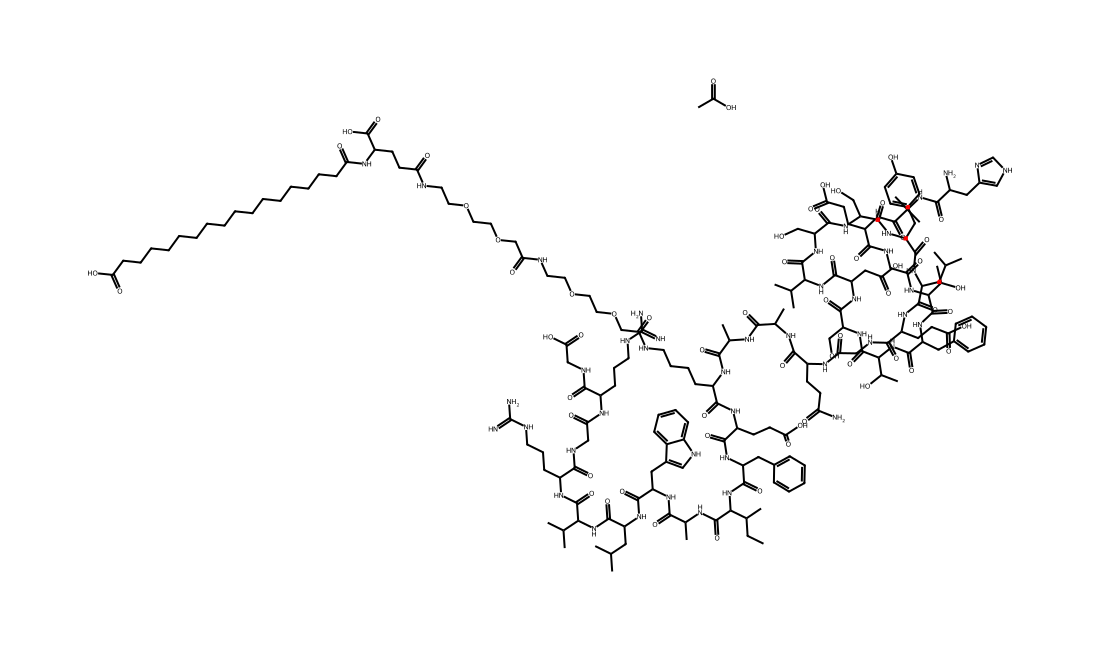
Semaglutide acetate, a long-acting GLP-1 analogue, is a glucagon-like peptide-1 (GLP-1) receptor agonist. Semaglutide acetate has the potential for type 2 diabetes treatment.
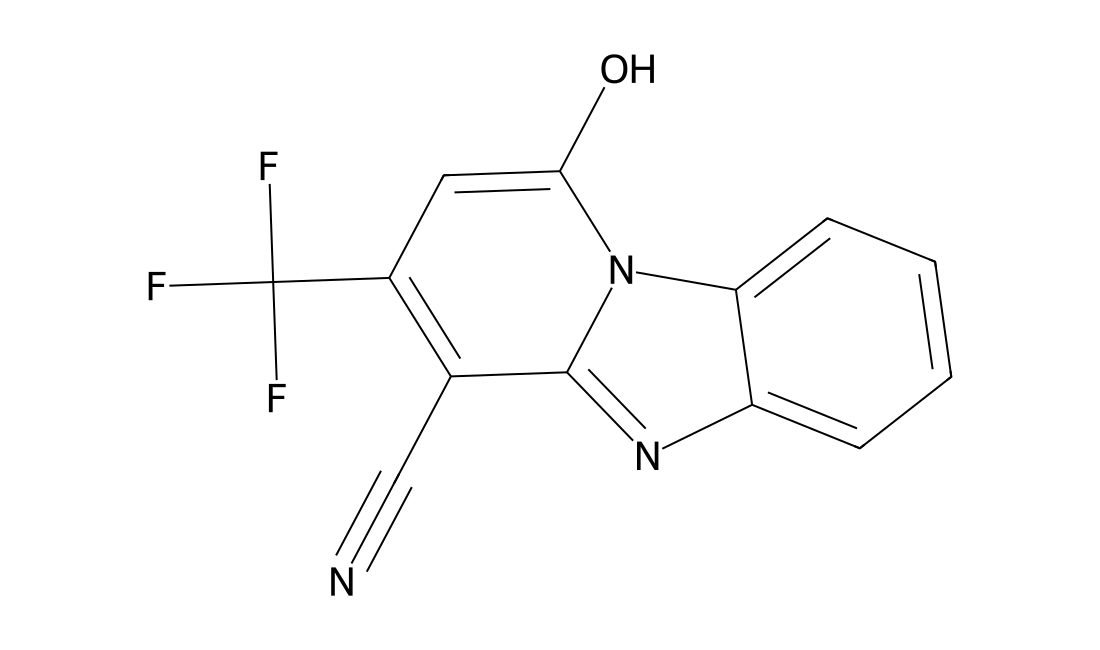
1PBC is a small molecule blocker of calcium-activated chloride channel TMEM16A, blocks TMEM16A completely with an IC50 of 4 uM at zero mV and saturating Ca2+ concentration (2 uM).
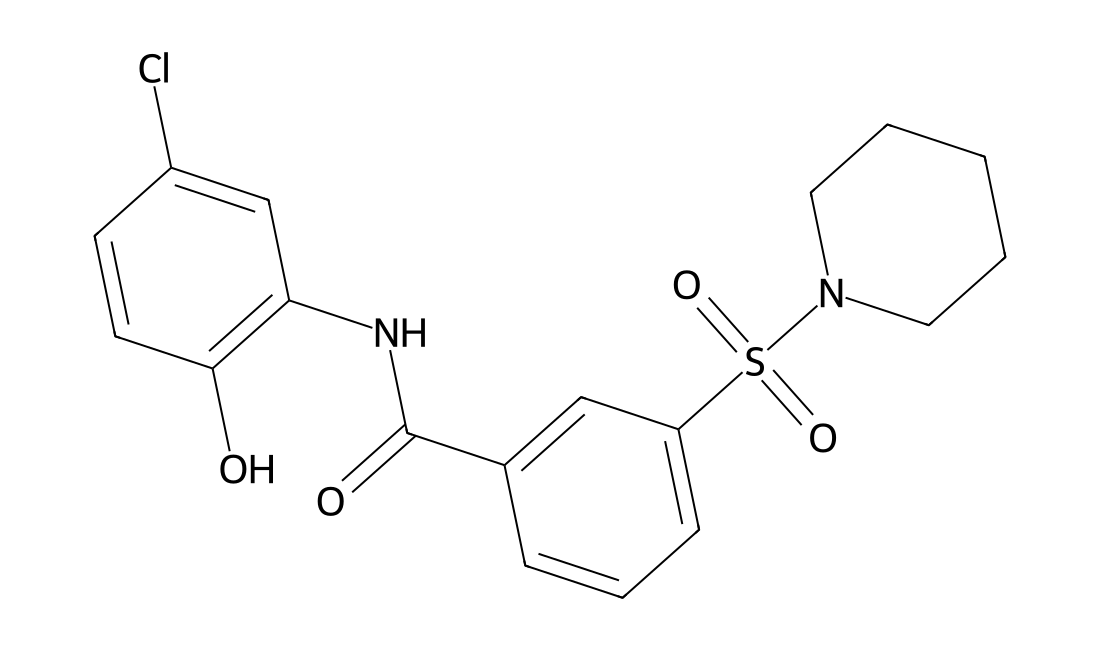
L557-0155 is a small molecule inhibitor of VSIG-8, prevents VSIG-8 binding to VISTA, promotes cytokine production and cell proliferation in PBMCs and suppresses melanoma growth.
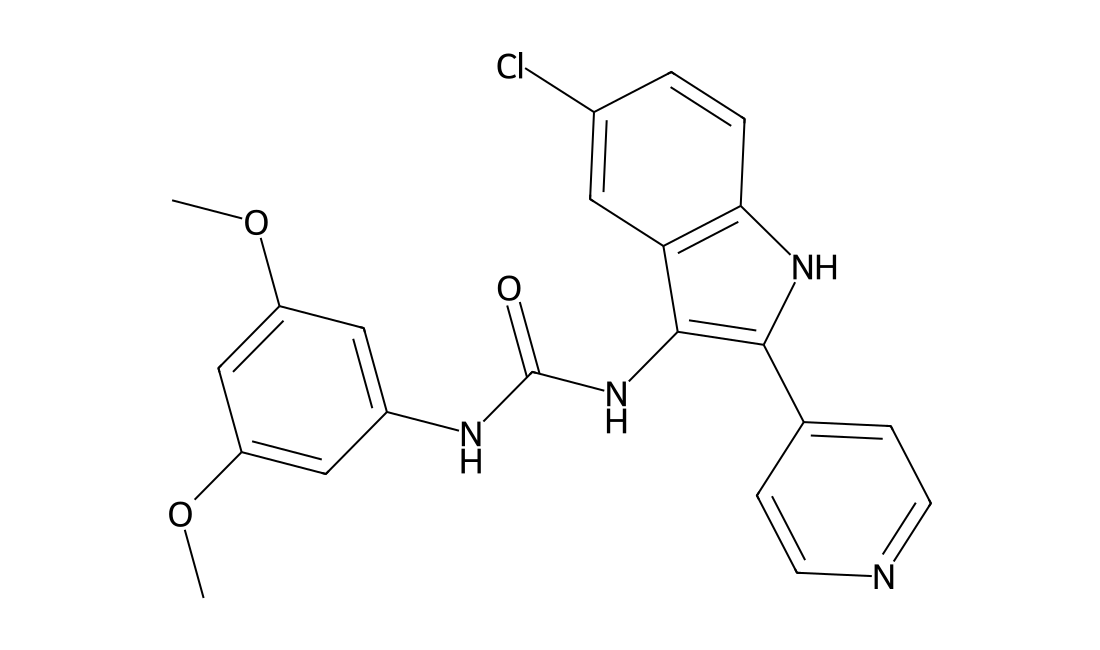
ZINC20451377 is a small molecule that binds to hepatitis B surface antigen (HBsAg) with high affinity (Kd=65.3 nM), reduces HBsAg levels and HBV virion secretion in cell culture model for HBV.
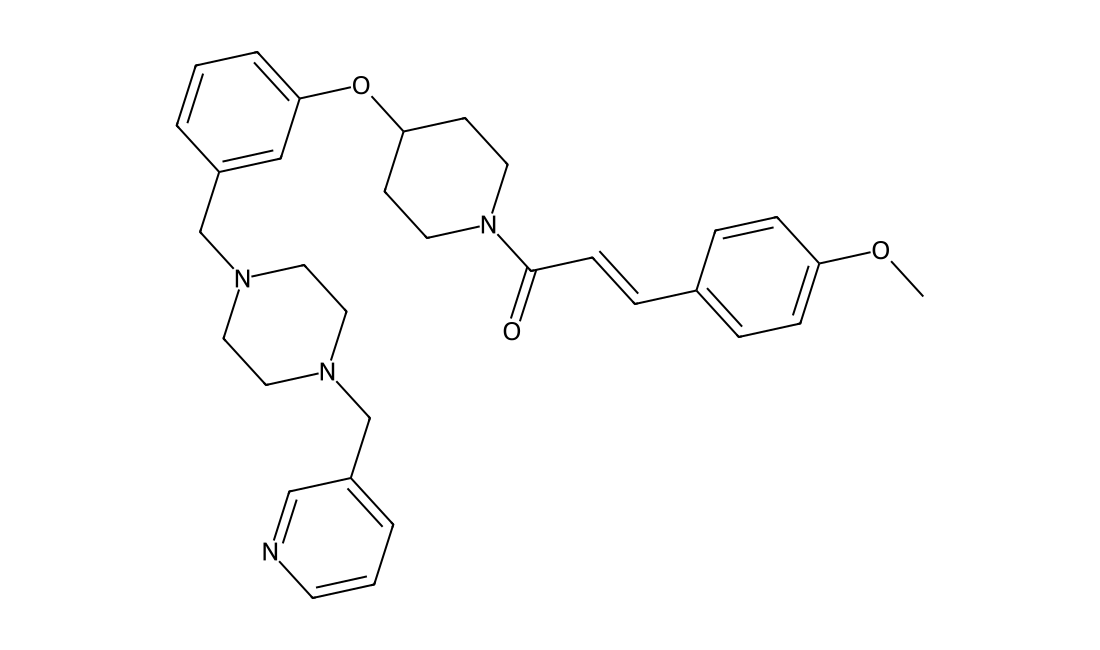
BDT001 is a first-in-class, non-competitive FLT3 negative allosteric modulator, effectively prevents extracellular cytokine FL binding to FLT3 with IC50 of 11 uM.
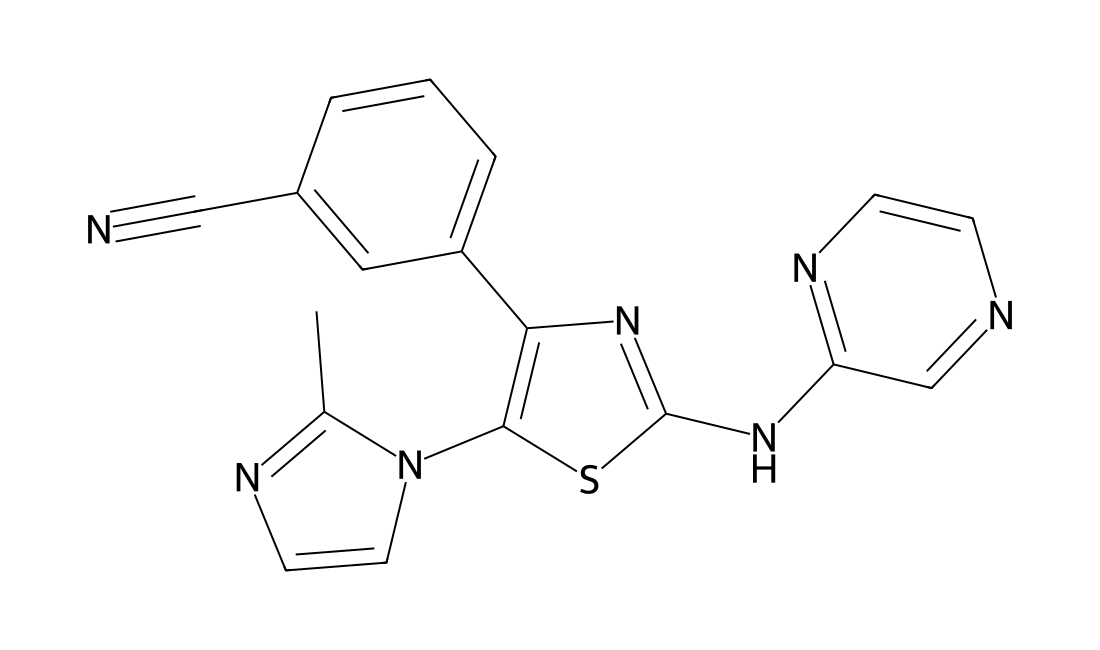
QAF-805 (QAF805) is a potent, dual adenosine-A2B receptor and adenosine-A3 receptor antagonist with Ki of 3.4 nM (A2B).
No products match this search.
Page 200 of 209 · Browse all 4176 products
Jump to a product page
Featured literature product: HX1 · DCL0028
HX1 is a hydroxyzine-derived ionizable lipid with acetal-containing tails, studied in lipid nanoparticles for brain mRNA delivery and CRISPR–Cas9 delivery. It was the lead in the reported in vivo brain-delivery screen; evidence is preclinical and formulation-dependent.
Read full formulation and performance →