
Research lipid catalog
Ionizable Lipid Products
Explore 848 lipid and RNA delivery products. Search the full catalog or browse by research category.
Search covers product name, catalog number, synonyms, available CAS numbers and categories. Spaces, hyphens and common punctuation are ignored. Duplicate legacy records are consolidated under one canonical product result.
4677 products · Showing 4161–4180 · 20 per page
DC Chemicals lipid expertise
Built for ionizable-lipid discovery and RNA delivery research
DC Chemicals supports formulation and delivery research with a broad, searchable portfolio of cationic and ionizable lipids. The current directory brings together 848 unique research-use products, with product specifications, pricing, chemical structures and literature-linked formulation data added as each record is verified.
Our experience spans complex lipid synthesis, purification, analytical release and process development. For custom molecules or larger-scale requirements, our team can discuss route development, technical specifications and scale-up options for the intended research workflow.
Learn about cationic and ionizable lipids →Proprietary innovation · Co-development · GMP
From proprietary lipid design to GMP-grade custom synthesis
DC Chemicals has independently developed ionizable-lipid structures supported by company-owned intellectual property, and selected proprietary lipid programs have advanced to GMP-stage development.
We welcome joint development with customers—from molecular design and lipid synthesis through route and process development. We can also support custom synthesis of GMP-grade ionizable lipids to agreed technical specifications and quality requirements.
Discuss a co-development project →Proprietary ionizable-lipid structuresCollaborative molecular designCustom lipid synthesisProcess development and scale-upGMP-grade project support
Product quick links
Explore New ionizable lipids
Explore our five most recently added ionizable lipids, with specifications, pricing and literature-linked product information.
DCL0028HX1Brain RNA delivery researchView product →DCL0024A1I4R13C18-2Spleen-targeted RNA delivery researchView product →DCL0023A1I4R2C18-2Spleen-targeted RNA delivery researchView product →DCL0022FS01Local joint RNA delivery researchView product →DCL0020Lipid-392Lung RNA delivery and gene editing researchView product →
Cat. No.Product NameField of ApplicationChemical Structure
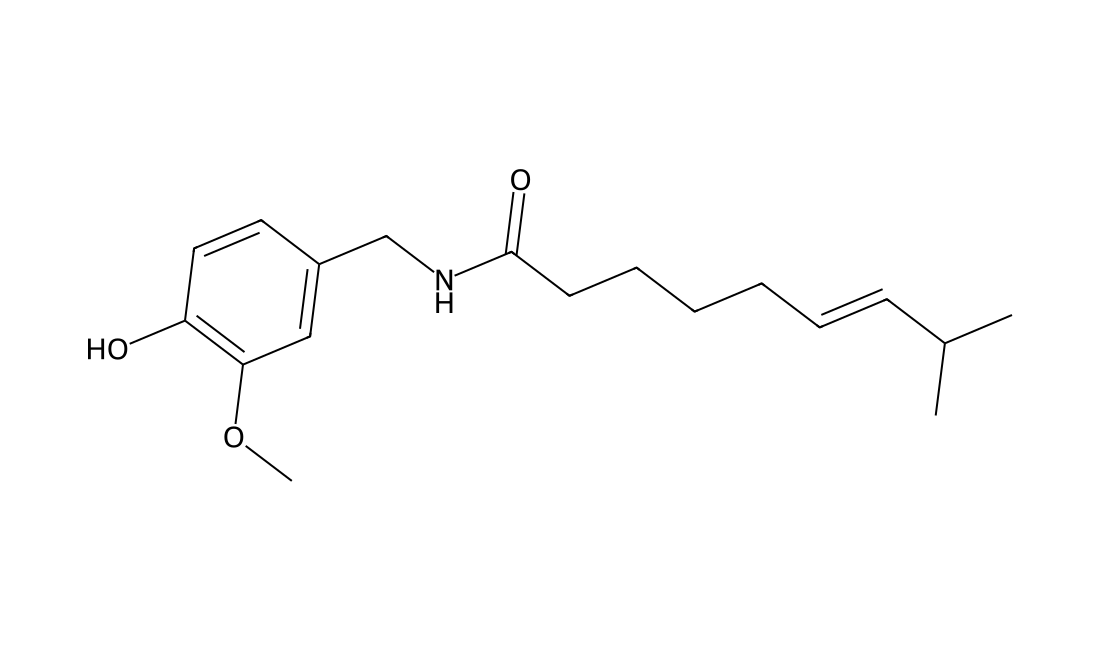
Capsaicin is an active component of chili peppers, which are plants belonging to the genus Capsicum. It is an irritant for mammals, including humans, and produces a sensation of burning in any tissue with which it comes into contact. Pure capsaicin is a volatile, hydrophobic, colorless, odorless, crystalline to waxy compound.
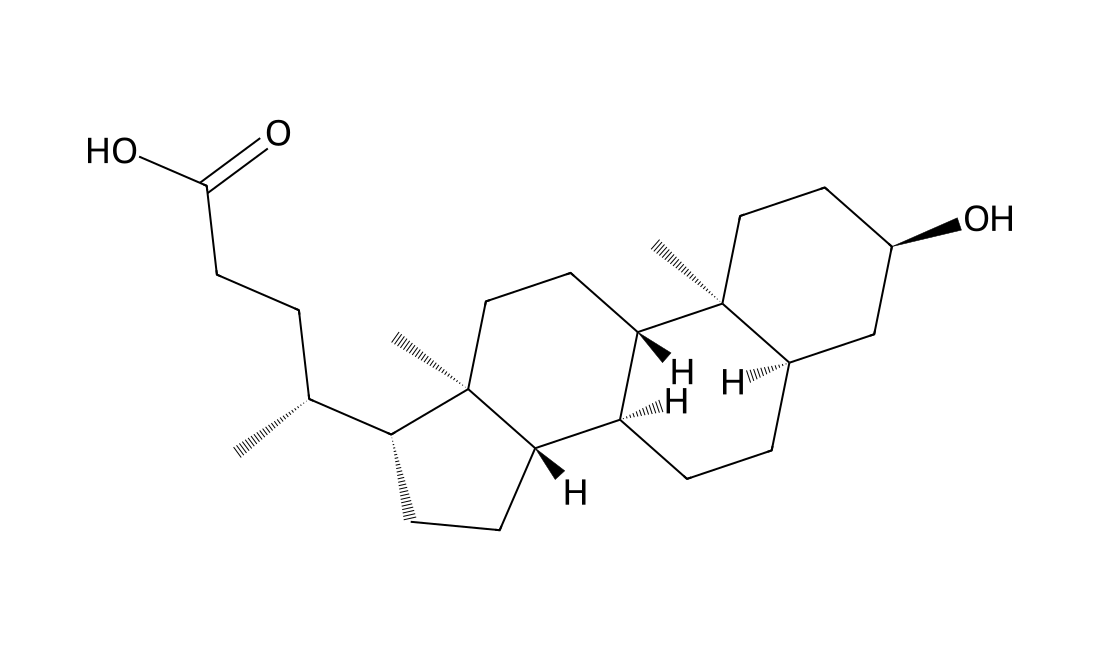
Lithocolic acid is a bile acid formed from chenodeoxycholate by bacterial action. It acts as a detergent to solubilize fats for absorption and is itself absorbed.
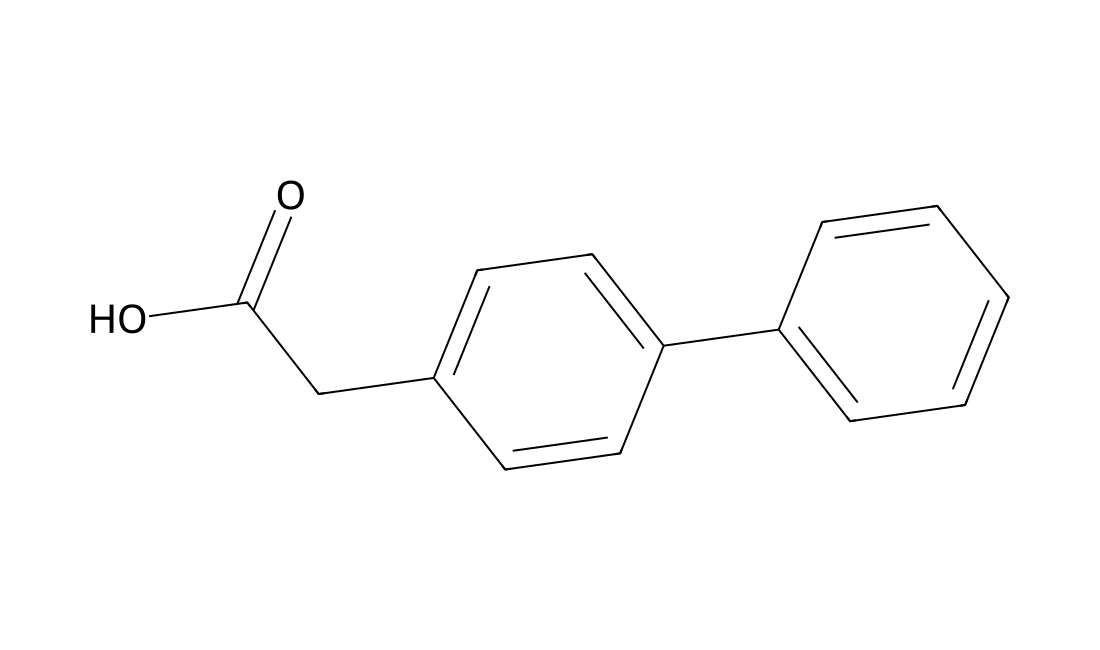
Felbinac (INN, or biphenylylacetic acid) is a topical medicine, belonging to the family of medicines known as nonsteroidal anti-inflammatory drugs (NSAIDs) of the arylacetic acid (not arylpropionic acid) class, which is used to treat muscle inflammation and arthritis. It is an active metabolite of fenbufen.
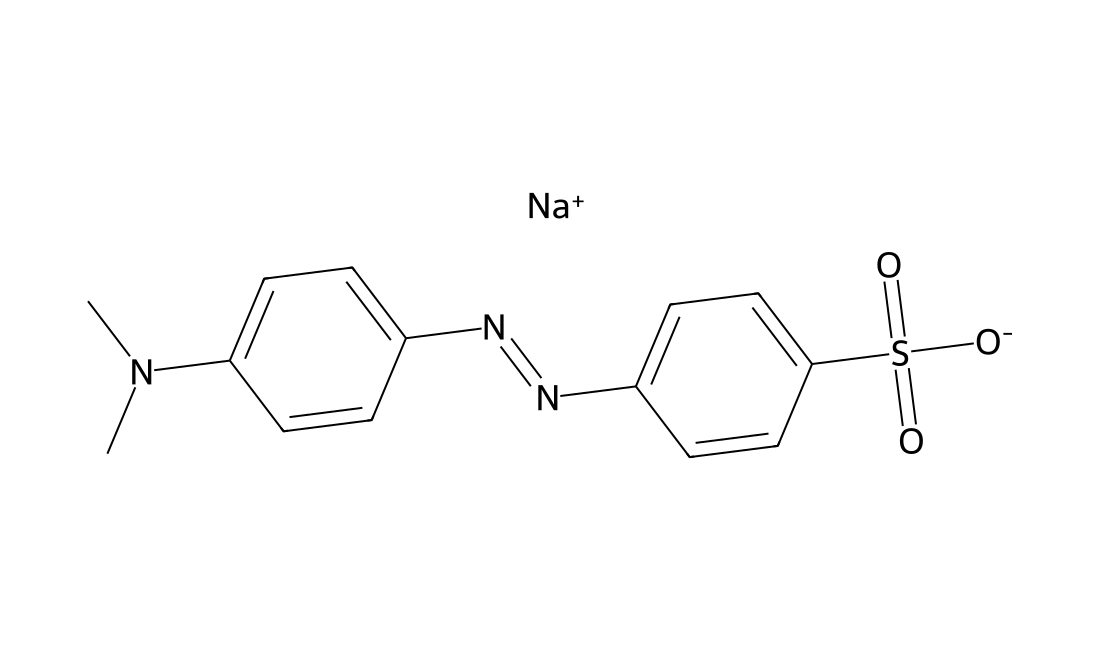
Methyl orange is a pH indicator frequently used in titration because of its clear and distinct colour variance at different pH values.
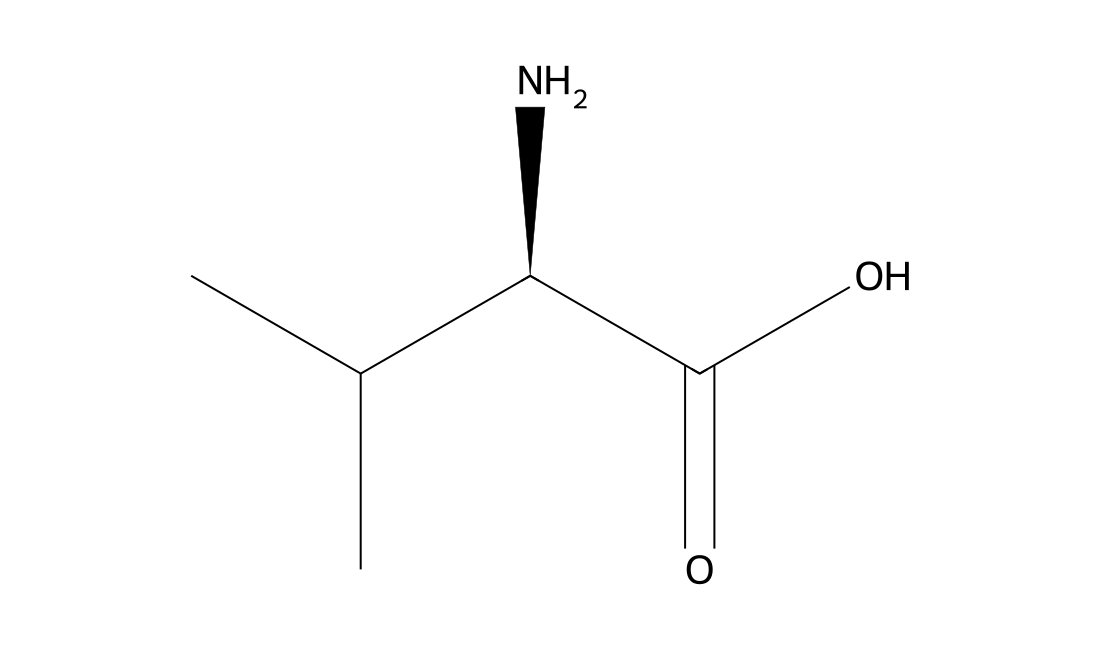
D-Valine is the enantiomer of L-Valine. L-Valine is one of 20 proteinogenic amino acids. L-Valine is an essential amino acid.
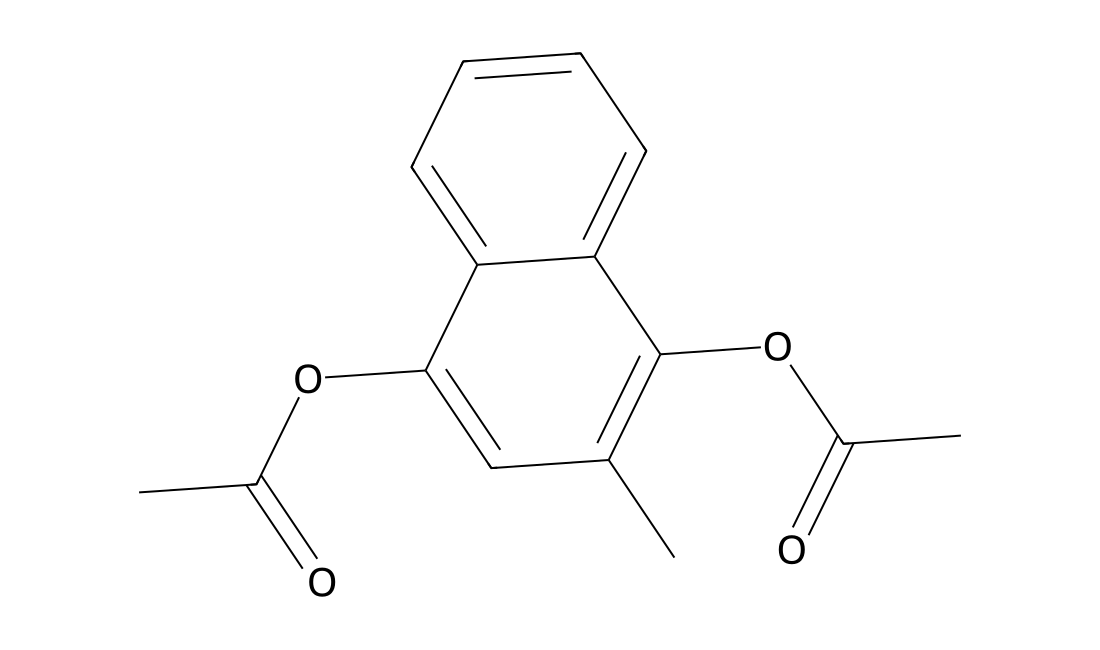
Acetomenaphthone is synthetic vitamin K which is also known as vitmin K4
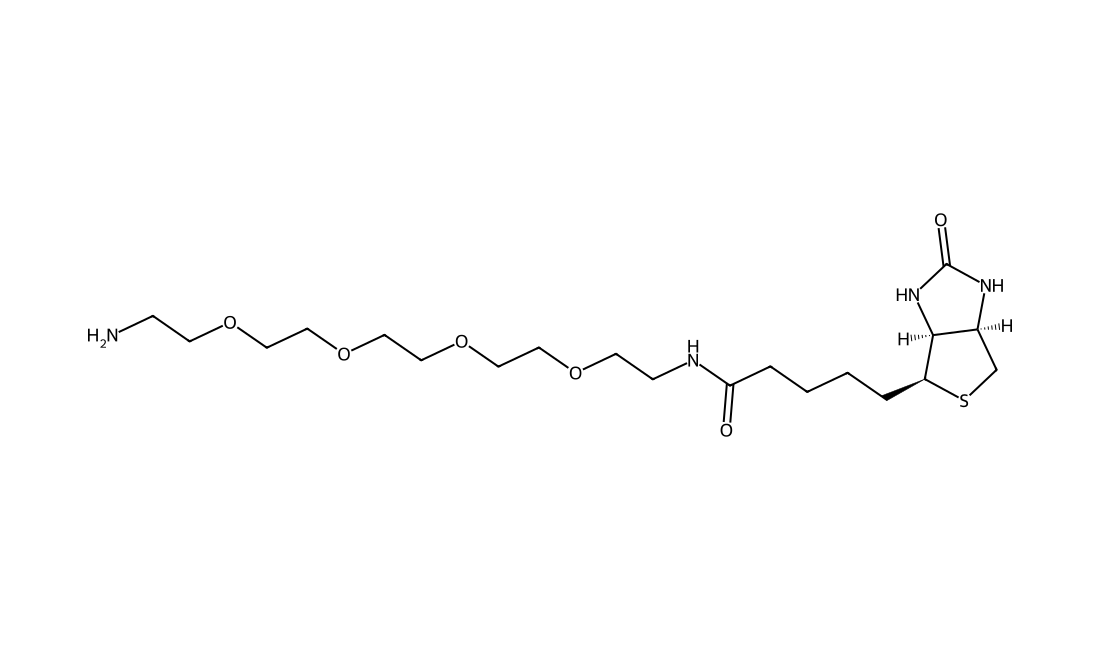
Biotin-PEG4-amine is a PEG derivative containing a biotin group and a terminal primary amine group. The amine group can be coupled to carboxyl groups or 5'phosphate groups to form stable amide bonds. The hydrophilic PEG spacer increases solubility in aqueous media and increases membrane impermeability of the molecules conjugated to the biotin compound. It also helps to minimize steric hindrance involved with the binding to avidin molecules. Therefore, PEG Linkers can be useful in the development of antibody drug conjugates and drug delivery methods.
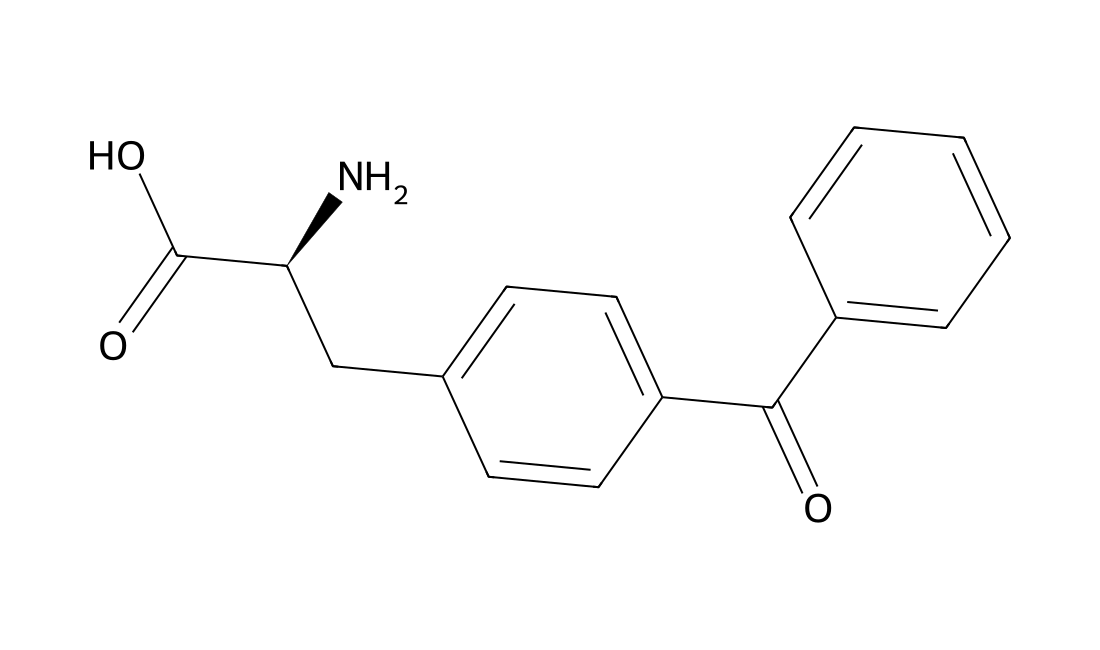
Photoreactive L-phenylalanine derivative, being as a photo cross-linking probe to incorporate into proteins, including ion channels, transporters and GPCRs
Novel Transthyretin (TTR) Amyloidogenesis Inhibitor, stabilizing the TTR tetramer by binding to the allosteric sites on the molecular surface of the TTR tetramer
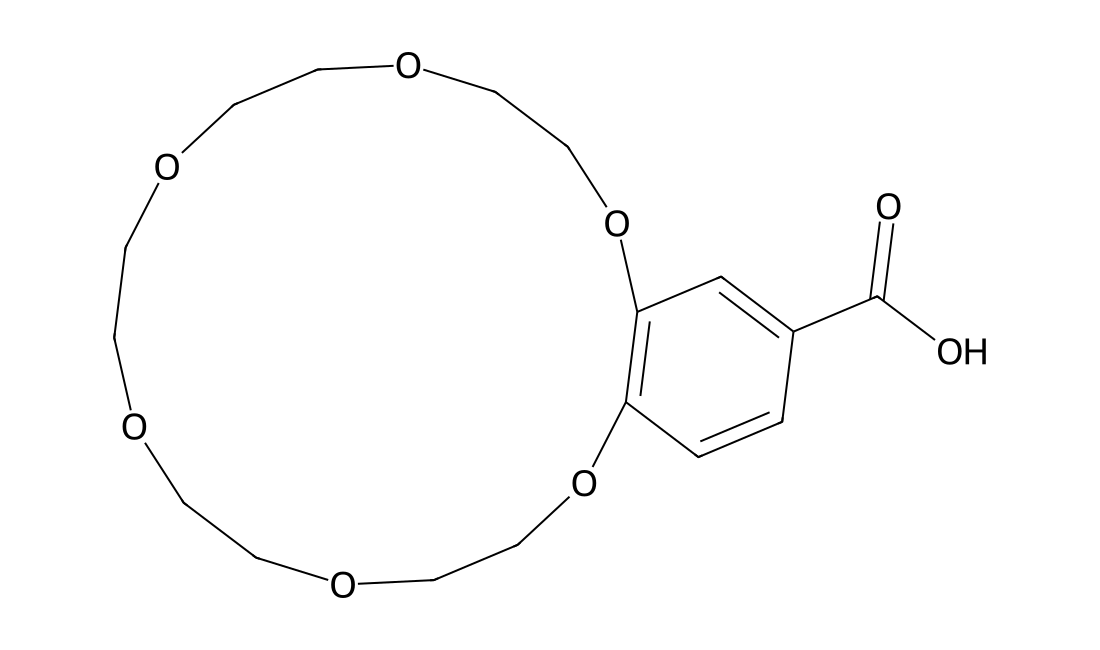
Platelet aggregation inhibitor acting as a reversible Cyclooxygenase>cyclooxygenase inhibitor
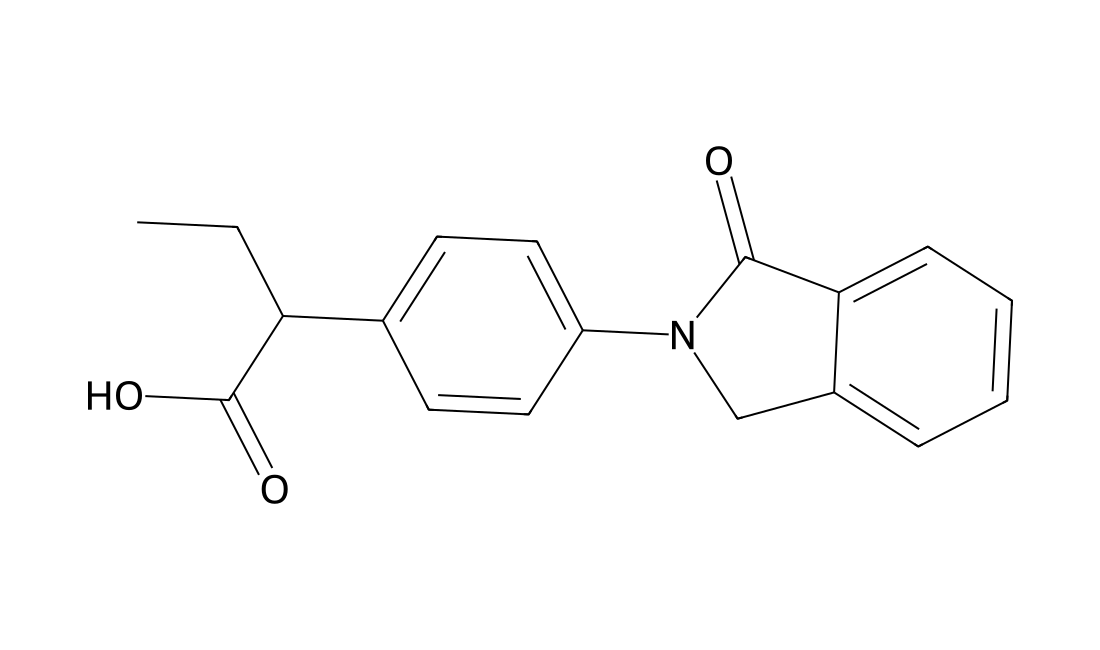
Activator of the hepatic interferon pathway in rats
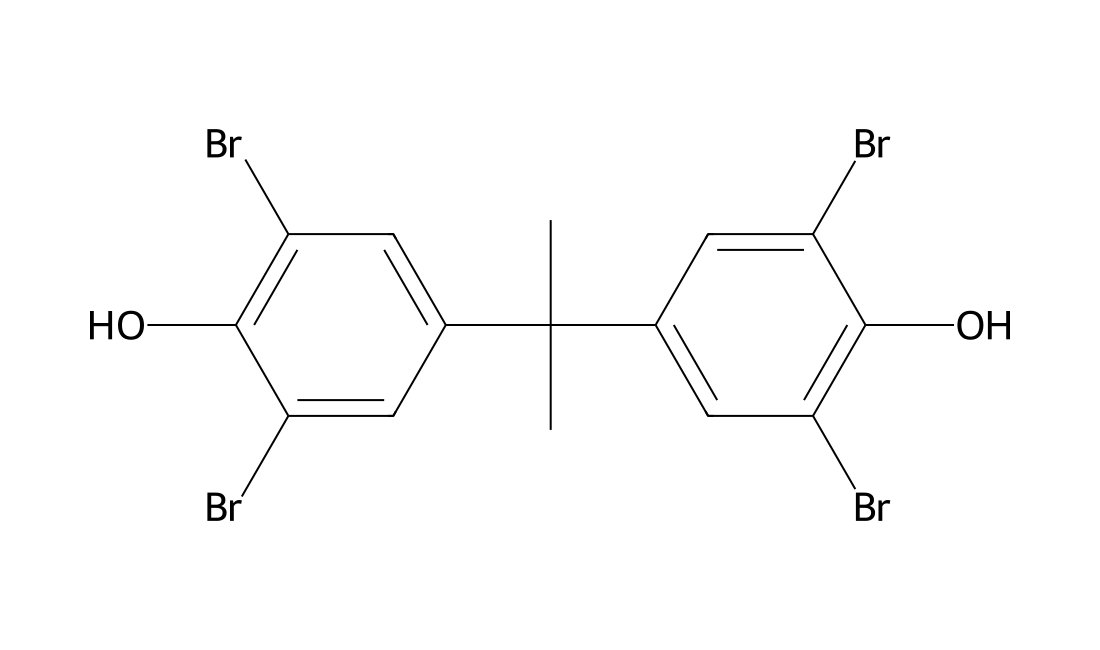
Atypical analgesic agent for the amelioration of severe and chronic pain
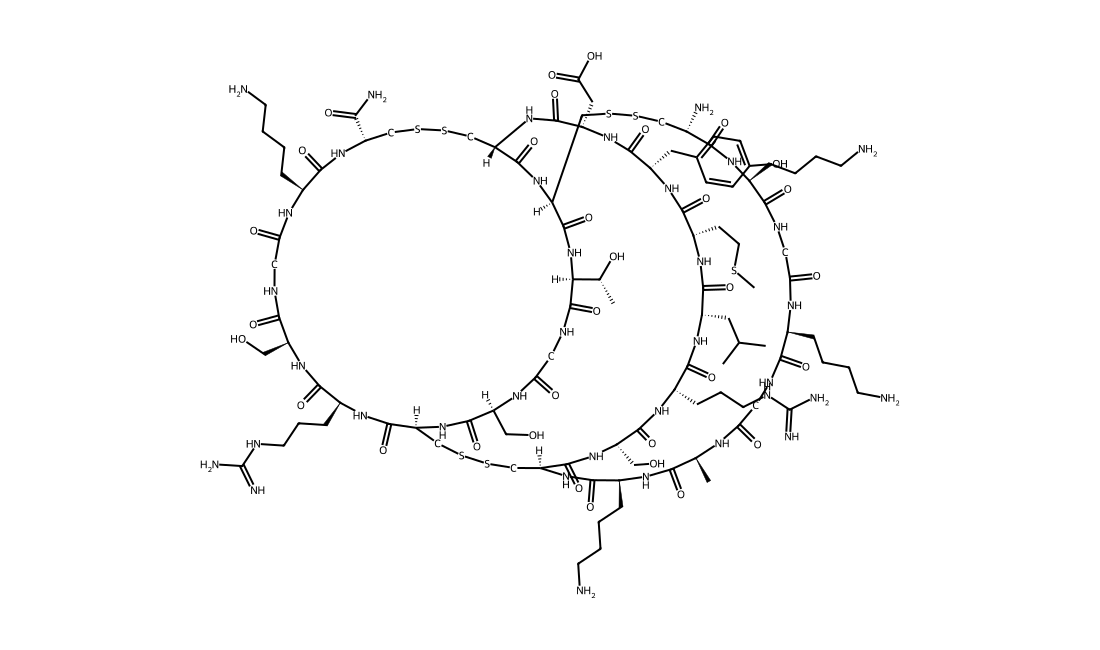
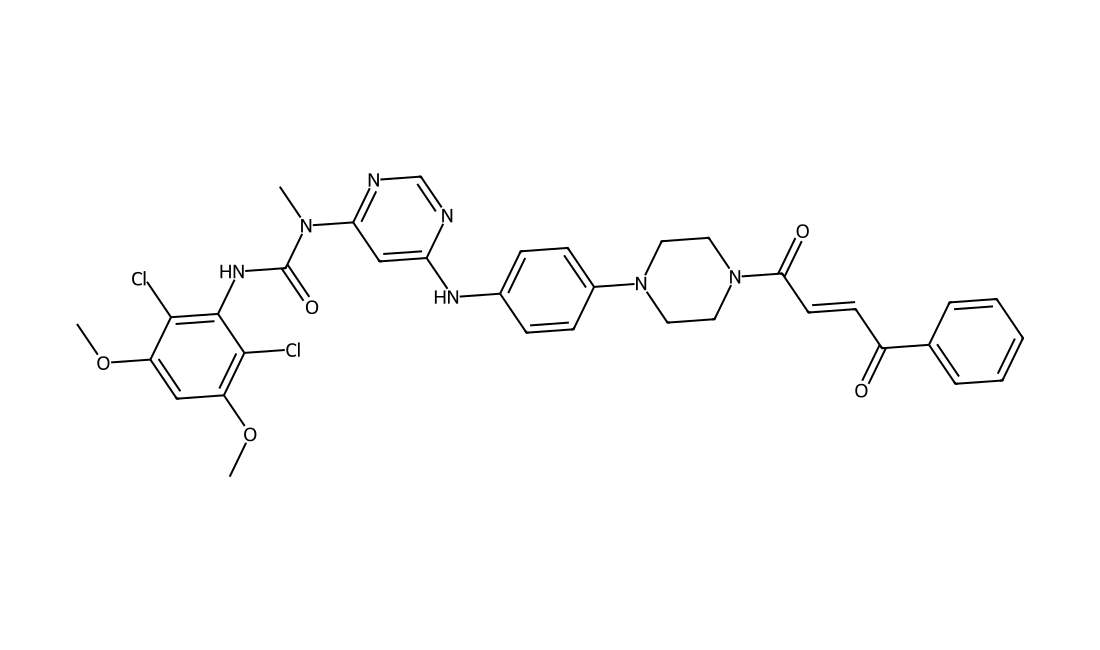
LC-MG-1 is an infigratinib-derived research compound with an E-configured phenyl enone handle. It was identified as an initial FGFR2-degradation hit in KATO III cells at 1 µM for 12 h and used as the starting scaffold for the phenyl-handle structure–activity study.
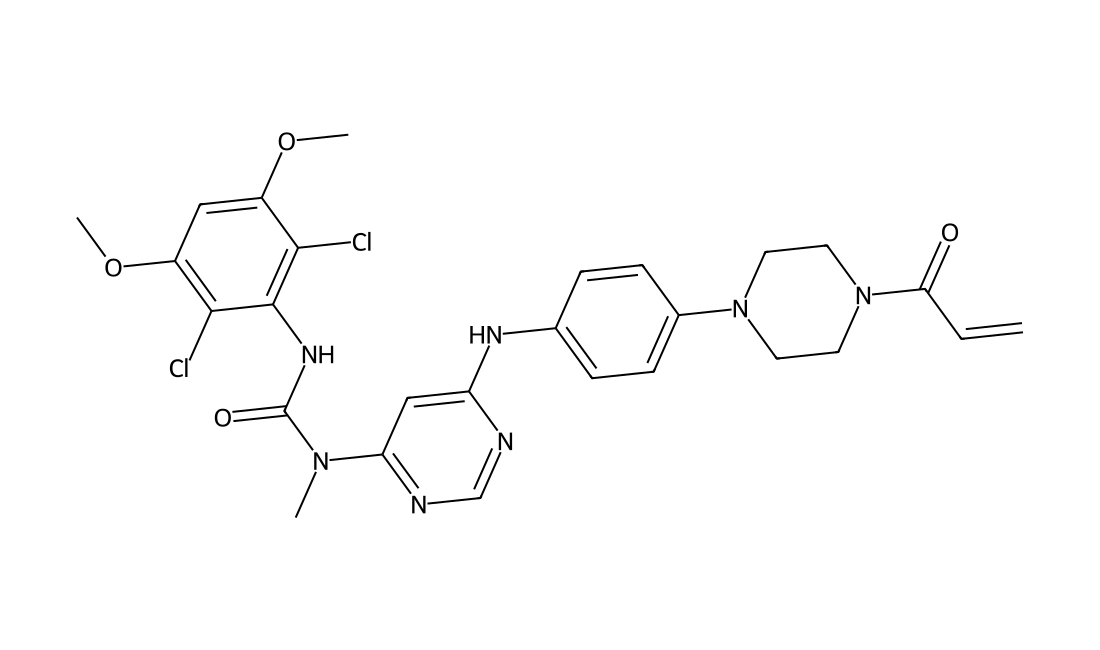
LC-MG-4 is an infigratinib-derived research compound bearing an unsubstituted acrylamide handle. The paper reports moderate FGFR2 degradation in KATO III cells at 1 µM for 12 h. It served as the reference scaffold for testing changes to the Michael-acceptor group.
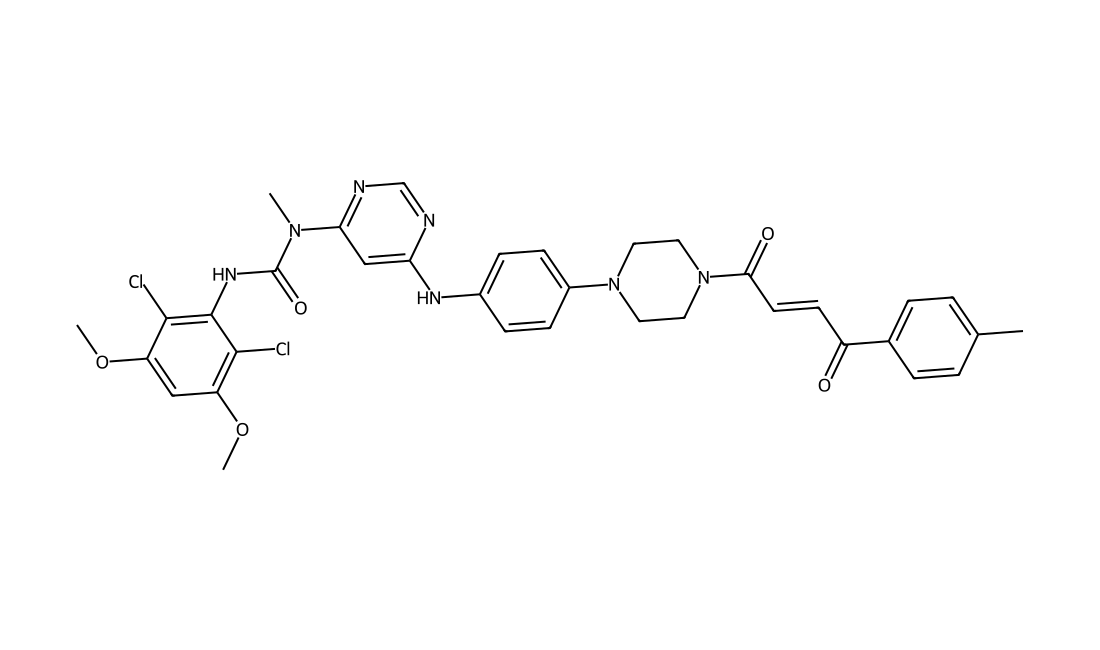
LC-MG-9 is the para-methyl phenyl analogue of LC-MG-1 in an infigratinib-derived FGFR2-degradation series. In the same KATO III Western-blot screen at 1 µM for 12 h, its FGFR2-depletion effect was weaker than that of LC-MG-1. It is a comparative research compound for phenyl-handle structure–activity studies.
Lipid HX1Featured
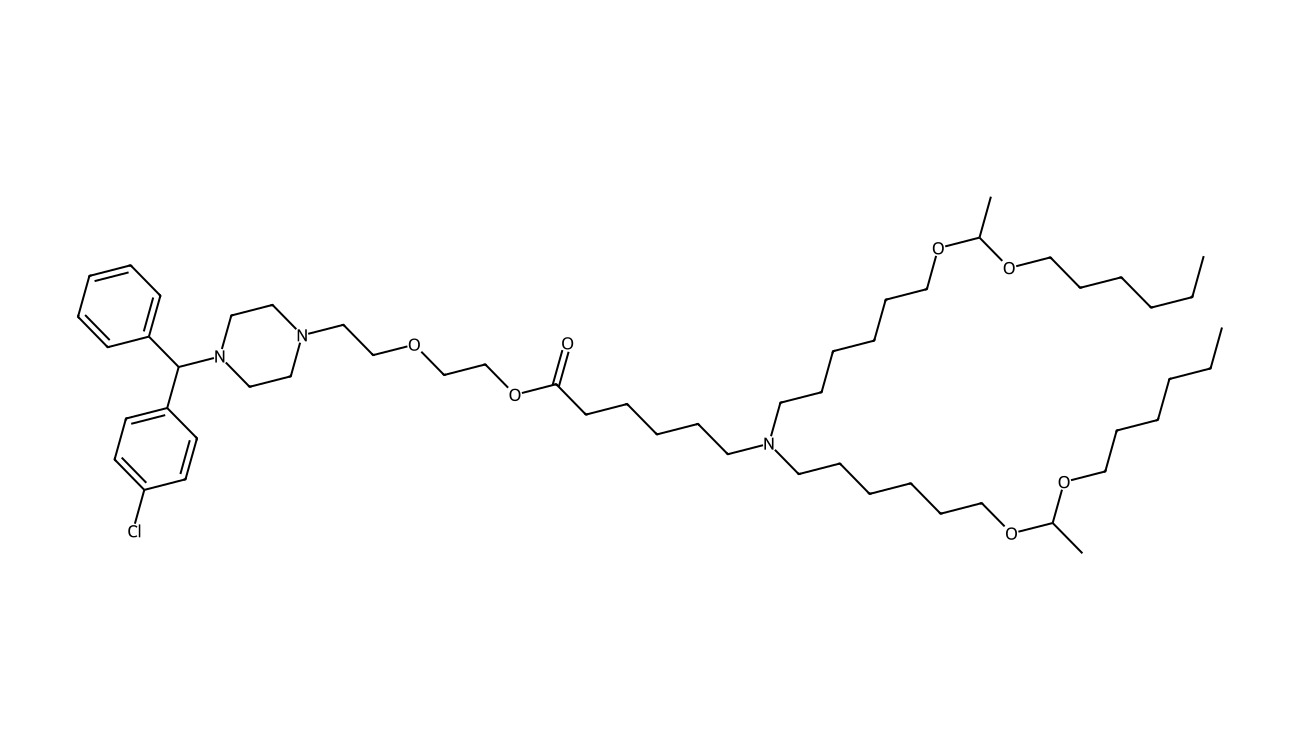
25mg $1,500 · 50mg On request · 100mg On requestHX1 is a hydroxyzine-derived ionizable lipid with acetal-containing tails, studied in lipid nanoparticles for brain mRNA delivery and CRISPR–Cas9 delivery.
Price on request
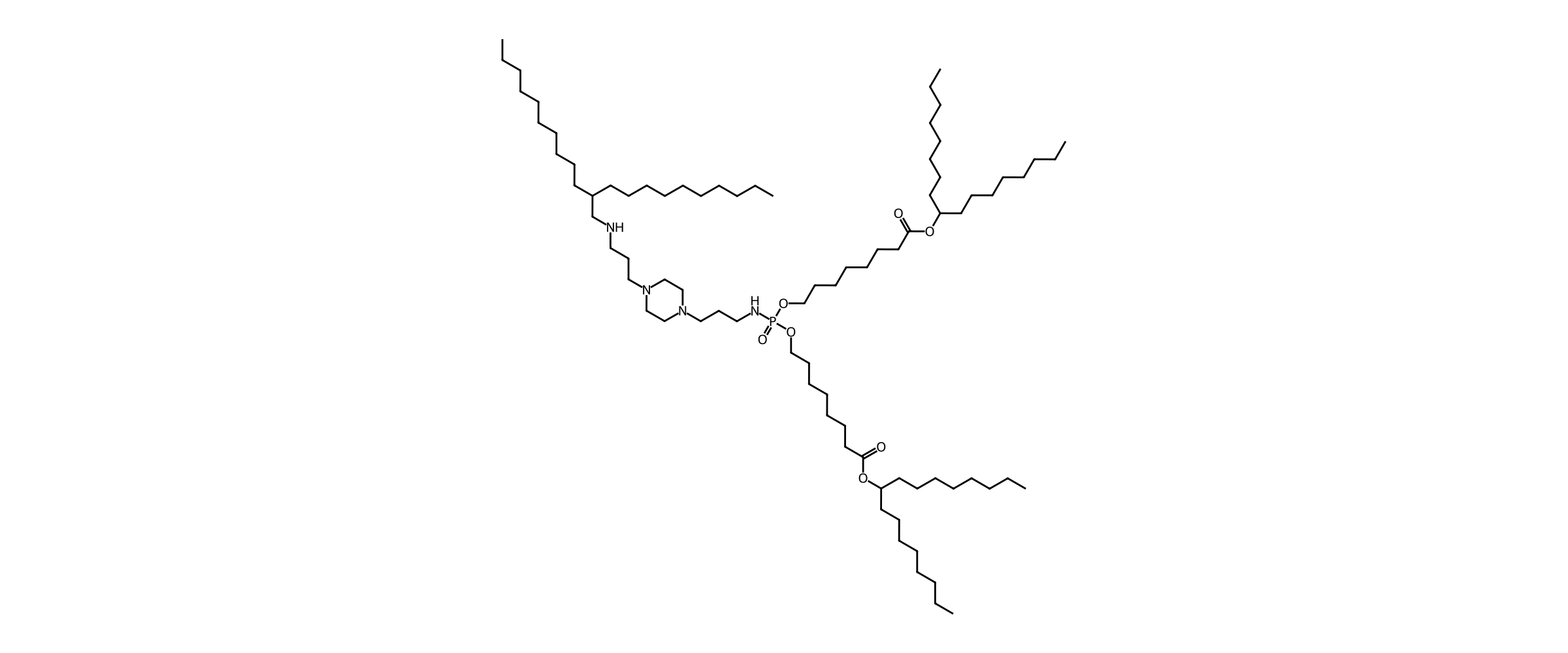
PL41 is a piperazine-containing phosphoramidate ionizable lipid studied for macrophage mRNA delivery and in situ CAR-M engineering. The optimized PL41-PG LNP contains DSPG and was investigated for TREM2-dependent delivery, receptor degradation and macrophage reprogramming in malignant ascites. Evidence comprises cell assays, mouse models and ex vivo patient-derived samples. Reported nanoparticle activity depends on the full formulation and RNA cargo; DC Chemicals supplies the PL41 lipid for research use.
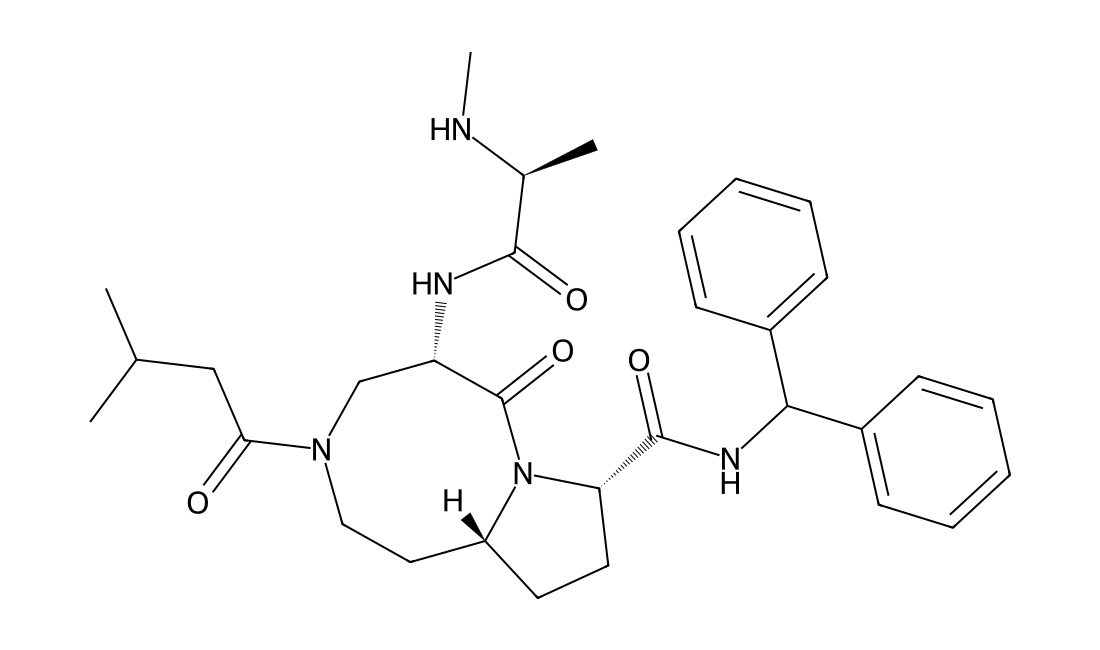
DEBIO 1143Featured
DEBIO 1143 (Xevinapant, AT-406, SM406, ARRY-334543, D1143) is a potent, orally active Smac mimetic that antagonizes cIAP1, cIAP2 and XIAP with Ki of 66.4, 1.9 and 5.1 nM, respectively.
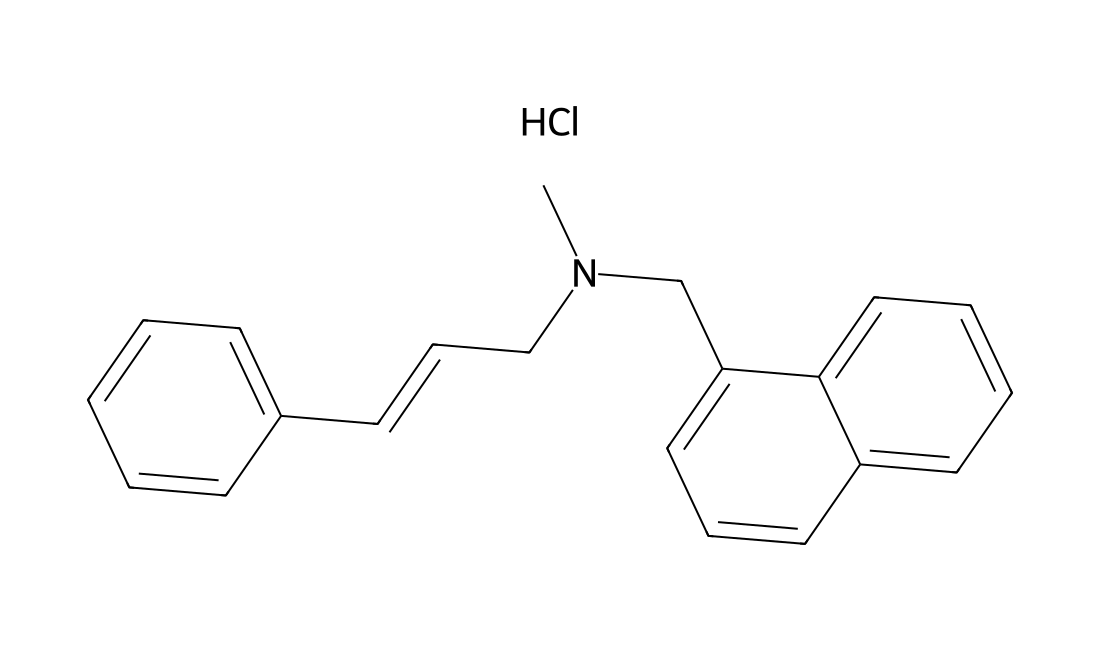
Naftifine HClFeatured
Naftifine is an allylamine antifungal drug for the topical treatment of tinea pedis, tinea cruris, and tinea corporis (fungal infections). Its precise mechanism of action is unknown, but may involve selectively blocking sterol biosynthesis via inhibition of the squalene 2,3-epoxidase enzyme. The half-life is approximately 2–3 days. The metabolites are excreted in the urine and feces.
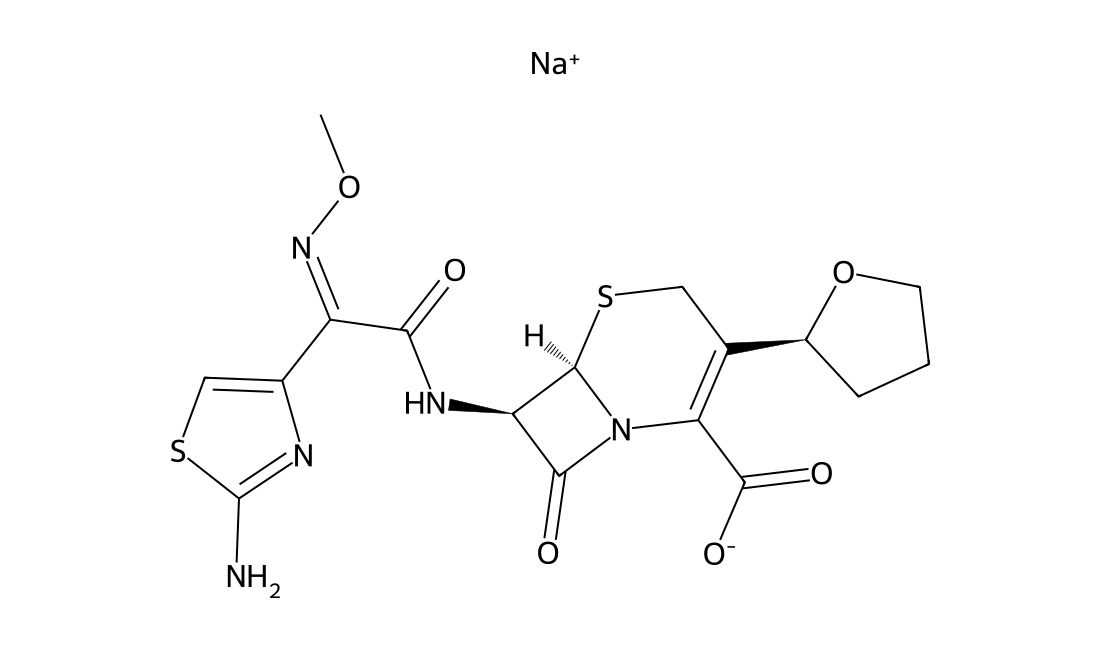
Cefovecin SodiumFeatured
Cefovecin, also known as UK-287074, is an antibiotic of the cephalosporin class. Cefovecin interferes with the synthesis of bacterial cell walls, by binding to penicillin binding proteins. Due to high protein-binding, it is not effective against species of Pseudomonas or Enterococcus. The maximum anti-bacterial activity occurs approximately two days after cefovecin has been administered. It is used to treat skin infections caused by Pasteurella multocida in cats, and Staphylococcus intermedius and Streptococcus canis in dogs.
No products match this search.
Page 209 of 234 · Browse all 4677 products
Jump to a product page
Featured literature product: HX1 · DCL0028
HX1 is a hydroxyzine-derived ionizable lipid with acetal-containing tails, studied in lipid nanoparticles for brain mRNA delivery and CRISPR–Cas9 delivery. It was the lead in the reported in vivo brain-delivery screen; evidence is preclinical and formulation-dependent.
Read full formulation and performance →