
Research lipid catalog
Ionizable Lipid Products
Explore 848 lipid and RNA delivery products. Search the full catalog or browse by research category.
Search covers product name, catalog number, synonyms, available CAS numbers and categories. Spaces, hyphens and common punctuation are ignored. Duplicate legacy records are consolidated under one canonical product result.
4677 products · Showing 4541–4560 · 20 per page
DC Chemicals lipid expertise
Built for ionizable-lipid discovery and RNA delivery research
DC Chemicals supports formulation and delivery research with a broad, searchable portfolio of cationic and ionizable lipids. The current directory brings together 848 unique research-use products, with product specifications, pricing, chemical structures and literature-linked formulation data added as each record is verified.
Our experience spans complex lipid synthesis, purification, analytical release and process development. For custom molecules or larger-scale requirements, our team can discuss route development, technical specifications and scale-up options for the intended research workflow.
Learn about cationic and ionizable lipids →Proprietary innovation · Co-development · GMP
From proprietary lipid design to GMP-grade custom synthesis
DC Chemicals has independently developed ionizable-lipid structures supported by company-owned intellectual property, and selected proprietary lipid programs have advanced to GMP-stage development.
We welcome joint development with customers—from molecular design and lipid synthesis through route and process development. We can also support custom synthesis of GMP-grade ionizable lipids to agreed technical specifications and quality requirements.
Discuss a co-development project →Proprietary ionizable-lipid structuresCollaborative molecular designCustom lipid synthesisProcess development and scale-upGMP-grade project support
Product quick links
Explore New ionizable lipids
Explore our five most recently added ionizable lipids, with specifications, pricing and literature-linked product information.
DCL0028HX1Brain RNA delivery researchView product →DCL0024A1I4R13C18-2Spleen-targeted RNA delivery researchView product →DCL0023A1I4R2C18-2Spleen-targeted RNA delivery researchView product →DCL0022FS01Local joint RNA delivery researchView product →DCL0020Lipid-392Lung RNA delivery and gene editing researchView product →
Cat. No.Product NameField of ApplicationChemical Structure
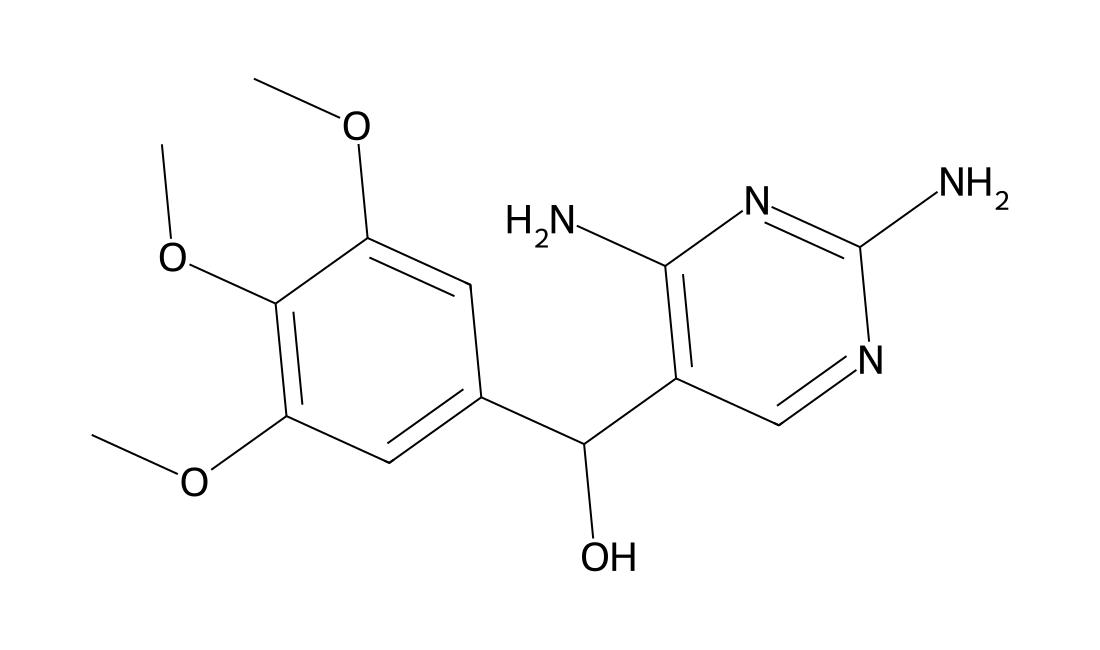
Ro 20-0657/000Featured
Ro 20-0657/000 is a metabolite of Trimethoprim. Trimethoprim is a dihydrofolate reductase inhibitor, used as an antibacterial agent in human and veterinary medicine.
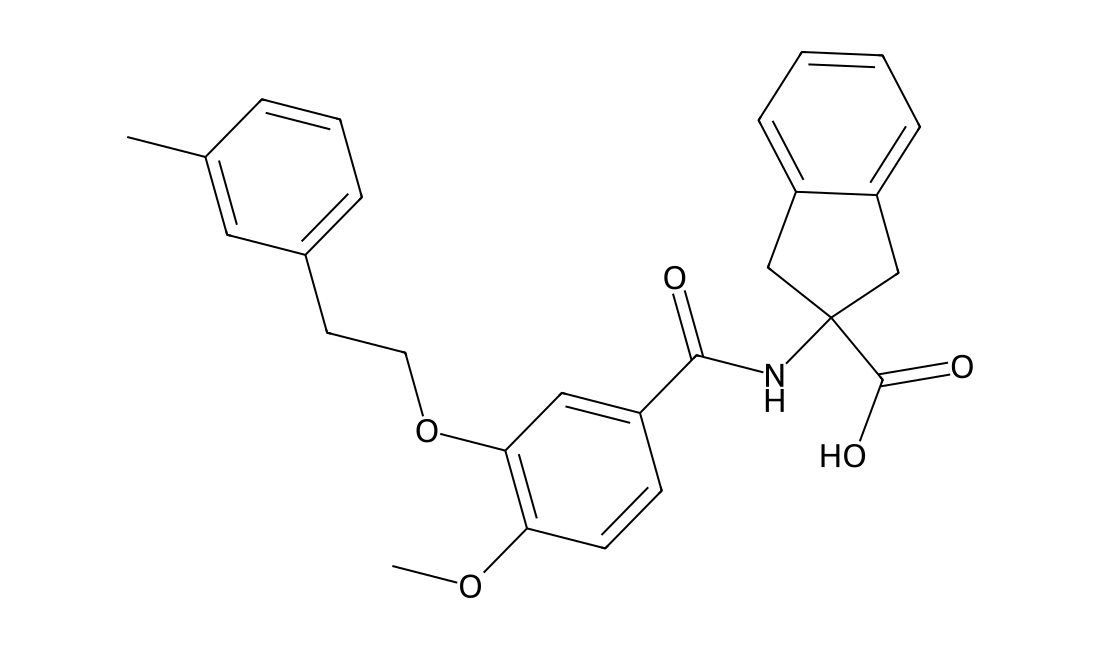
SAR-100842Featured
SAR-100842 (SAR100842) is a potent, selective, orally available antagonist of the Lysophosphatidic Acid 1 Receptor (LPA1 receptor) with IC50 of 31 nM in β-arrestin assays.
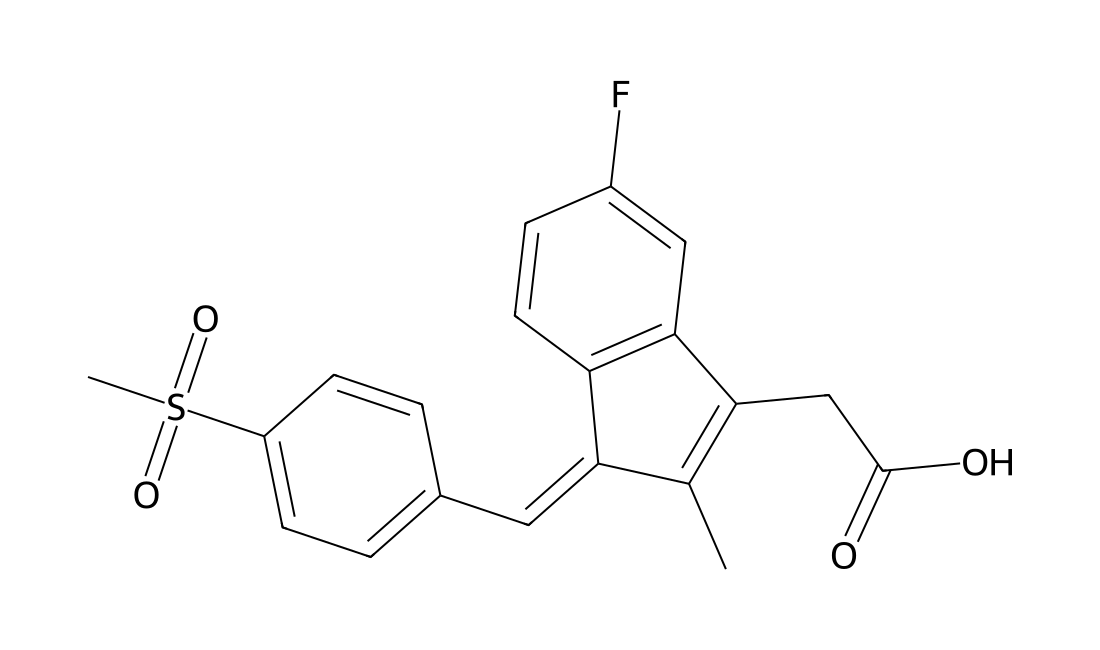
Sulindac sulfoneFeatured
Sulindac sulfone is an mTORC1 pathway inhibitor and a metabolite of Sulindac. Sulindac sulfone inhibits colon cancer cell growth and induces cell cycle arrest. Sulindac sulfone is used in cancer research.
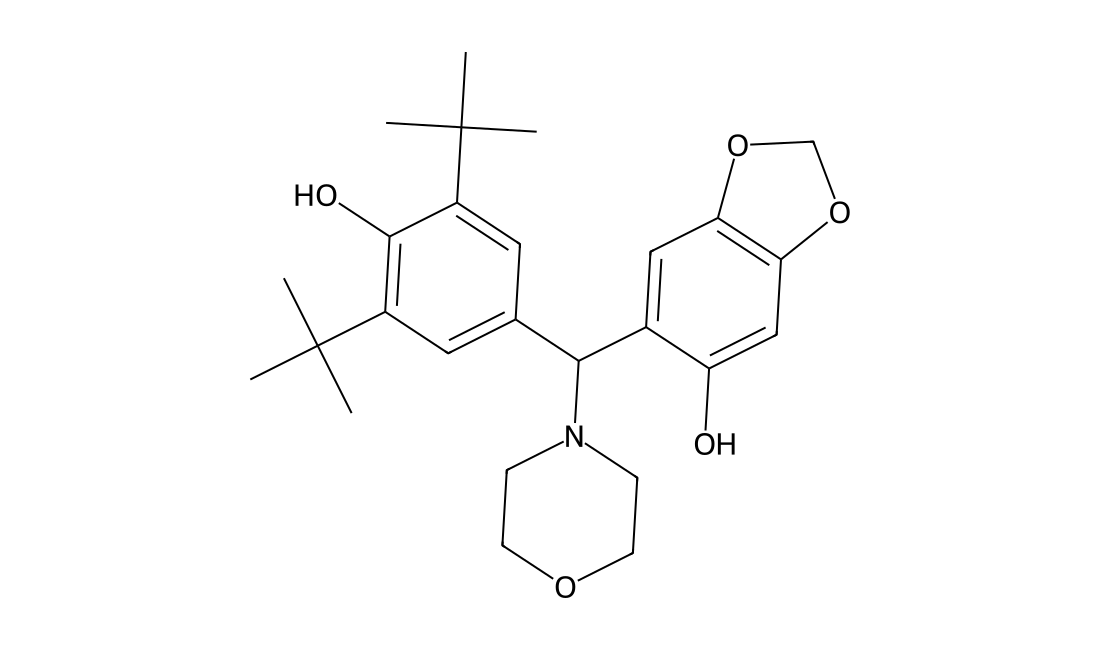
UC-514321Featured
UC-514321 is a more effective analog of NSC-370284 that directly binds to STAT3/5, significantly and selectively suppresses the viability of AML cells with high level of TET1 expression both in vitro and in vivo.
Gibberellin A5Featured
Gibberellin A5 is a plant hormone that promotes floral development.
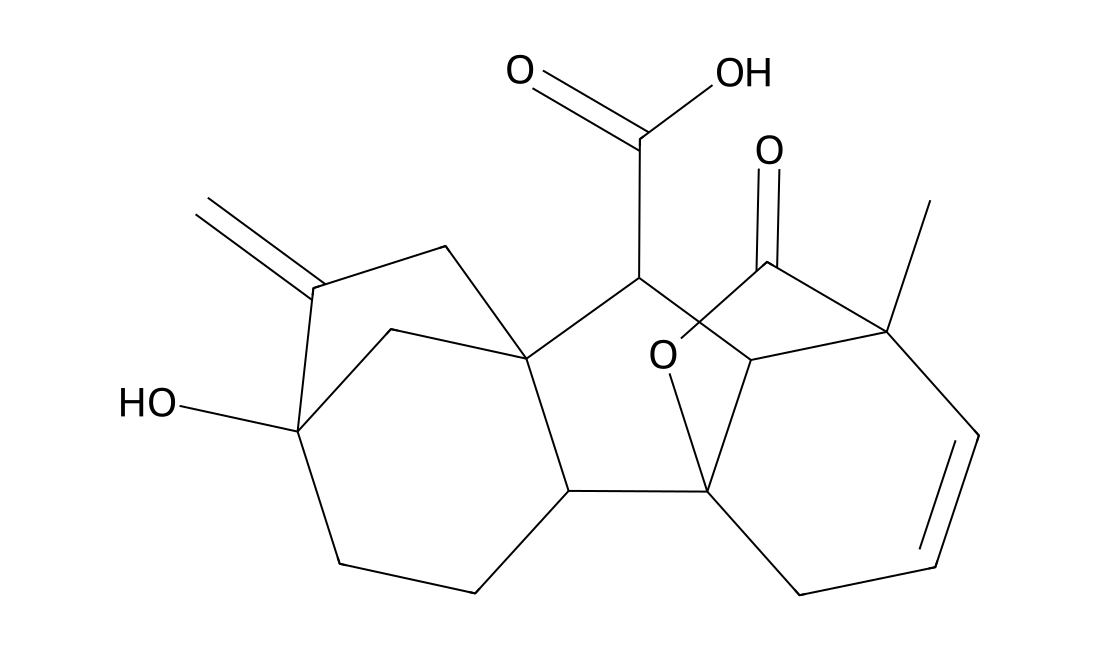
1,2-Dipalmitoyl-rac-glycerolFeatured
1,2-Dipalmitoyl-rac-glycerol is a diacylglycerol containing palmitic acid at the sn-1 and sn-2 positions. It is found in a variety of vegetable oils, including palm, soybean, canola, and corn. 1 \n 1,2-Dipalmitoyl-rac-glycerol MaxSpec Standard is a quantitative grade standard of 1,2-dipalmitoyl-rac-glycerol prepared for mass spectrometry and related applications requiring quantitative reproducibility . The solution has been prepared gravimetrically and contained in argon-sealed deactivated glass ampoules. Concentrations were verified by comparison to independently prepared calibration standards. This 1,2-dipalmitoyl-rac-glycerol MaxSpec Standard is guaranteed to meet specifications for identity, purity, stability, and concentration and is supplied with a batch-specific Certificate of Analysis. Ongoing stability testing is performed to ensure concentrations remain accurate throughout the shelf life of the product. Note: Add more solution to the vial than listed. Therefore, accurate volume measurements are necessary to prepare calibration standards. Follow recommended storage and handling conditions to maintain product quality.
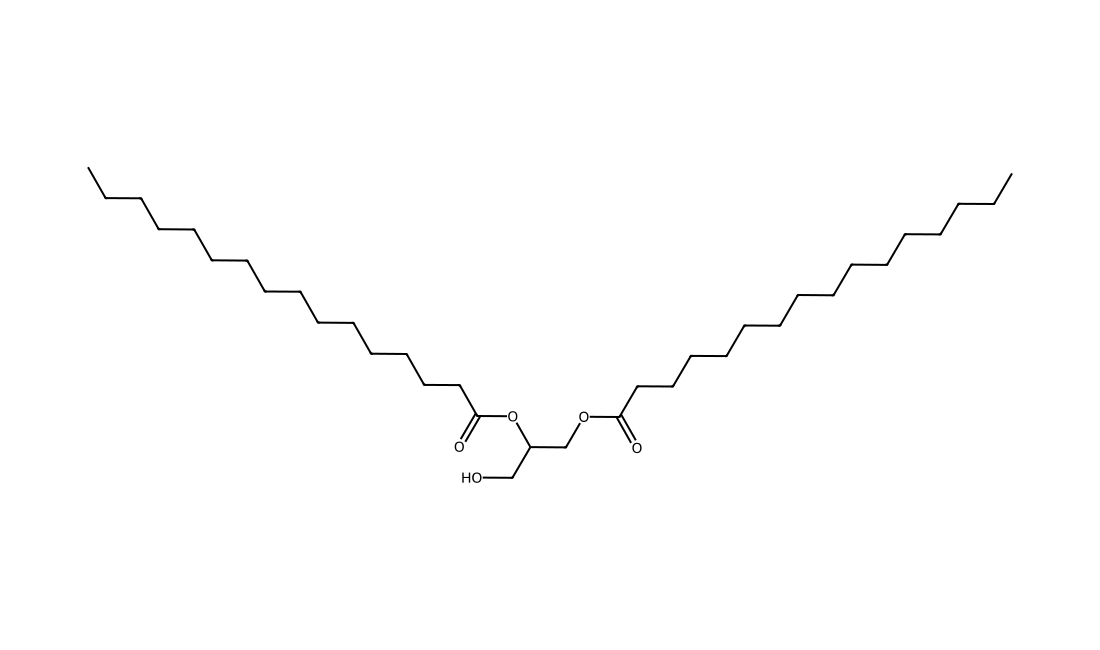
1,2-Distearoyl-sn-glycerolFeatured
1,2-Distearoyl-sn-glycerol (DSG; 1,2-Dioctadecanoyl-sn-glycerol) acts as an internal standard for Separation and identification of molecular species of 1,2-diacyl-sn-glycerol (DAG).
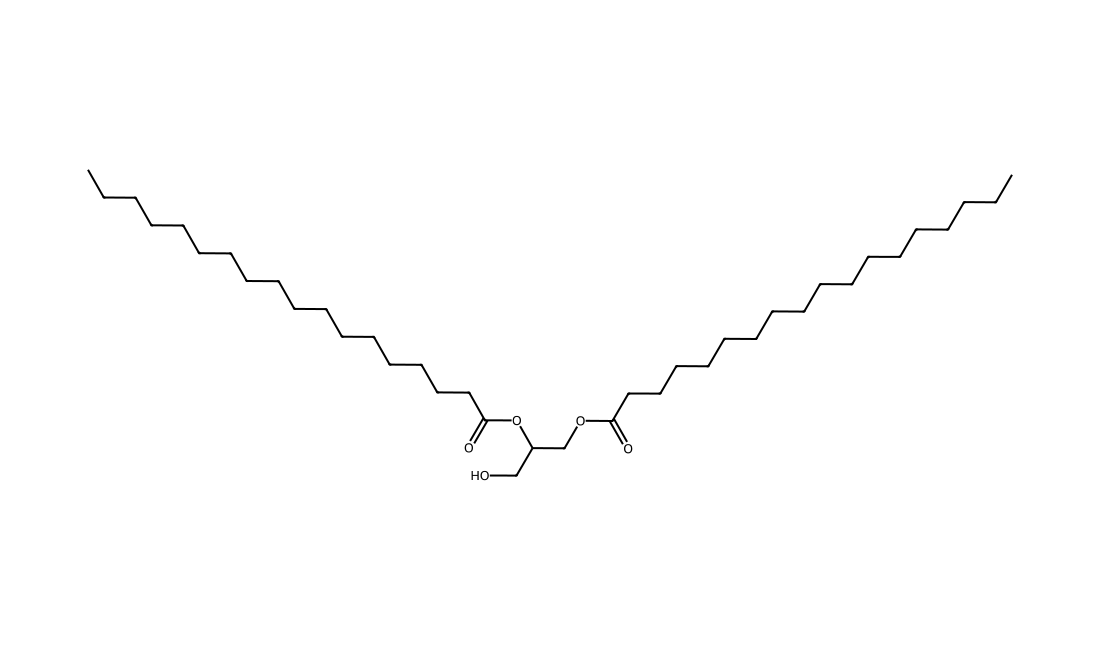
ButylparabenFeatured
Butylparaben is an organic compound that has proven to be a very successful antimicrobial preservative in cosmetics, can also be used in active molecule suspensions, and as a food flavoring additive.
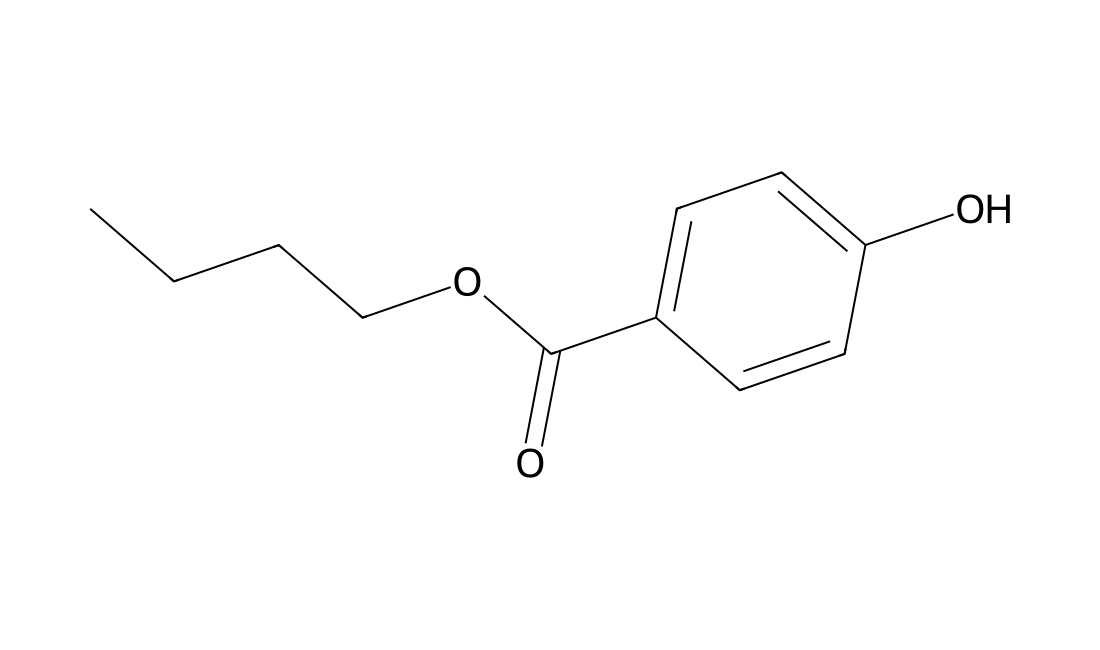
CYH33Featured
CYH33 (CYH-33) is a novel potent, PI3Kα-selective inhibitor with IC50 of 5.9 nM/598 nM/ 78.7 nM/225 nM aginst class I PI3K isoform α/β/δ/γ, respectively.
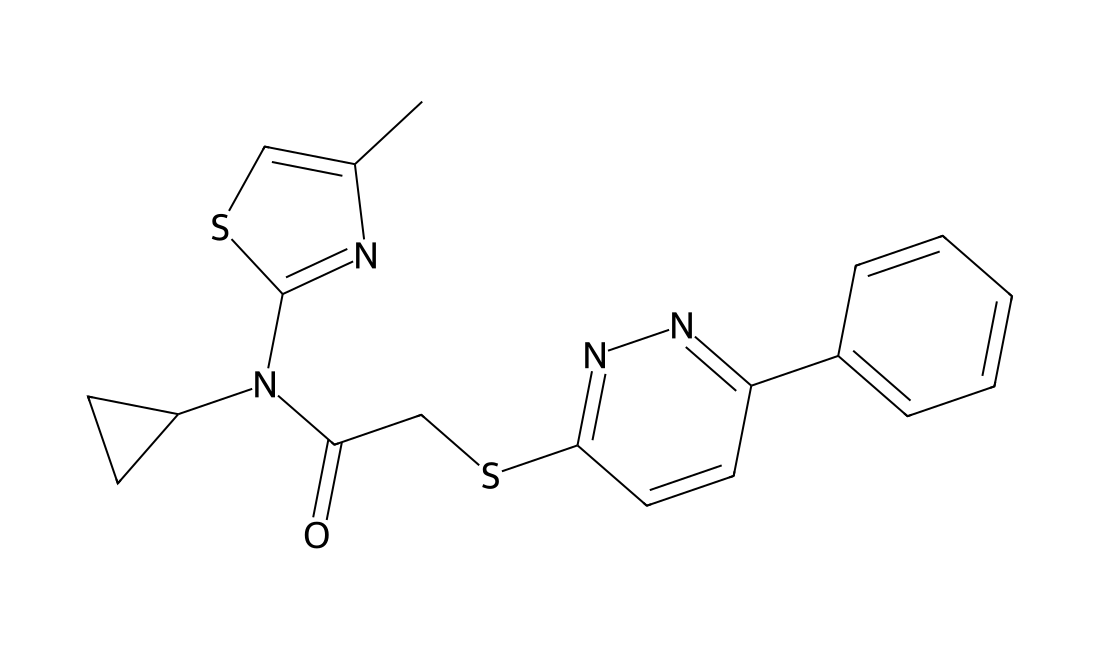
VU0463271Featured
VU0463271 is a potent KCC2 antagonist, with an IC50 of 61 nM.
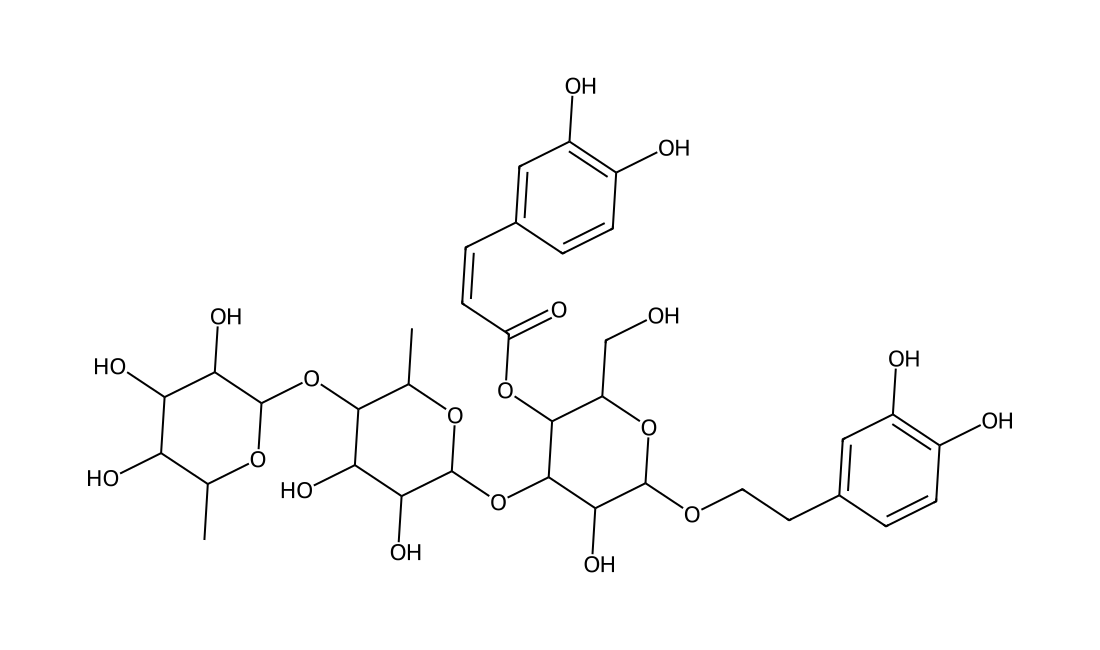
Ligupurpuroside AFeatured
Ligupurpuroside A is an active product that can be extracted from Ligustrum robustum. Ligupurpuroside A acts as a natural inhibitor of lipase in a competitive manner.
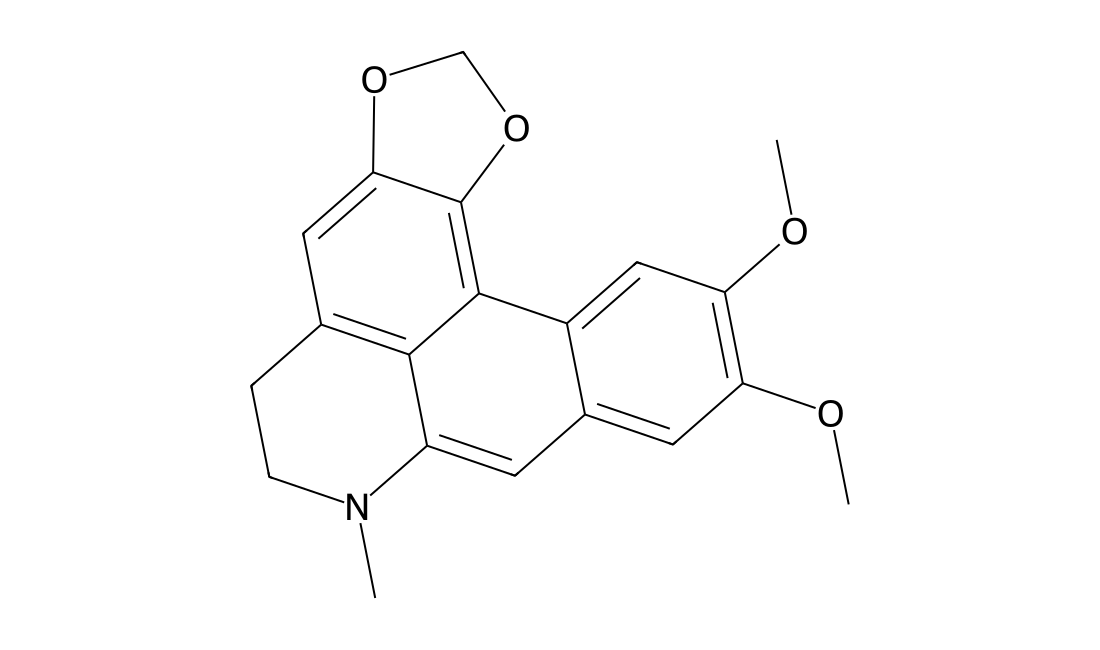
DehydrodicentrineFeatured
Dehydrodicentrine is an alkaloid inhibitor of acetylcholinesterase (AChE) (IC50=2.98 μM). Dehydrodicentrine.
8-deacetylyunaconitineFeatured
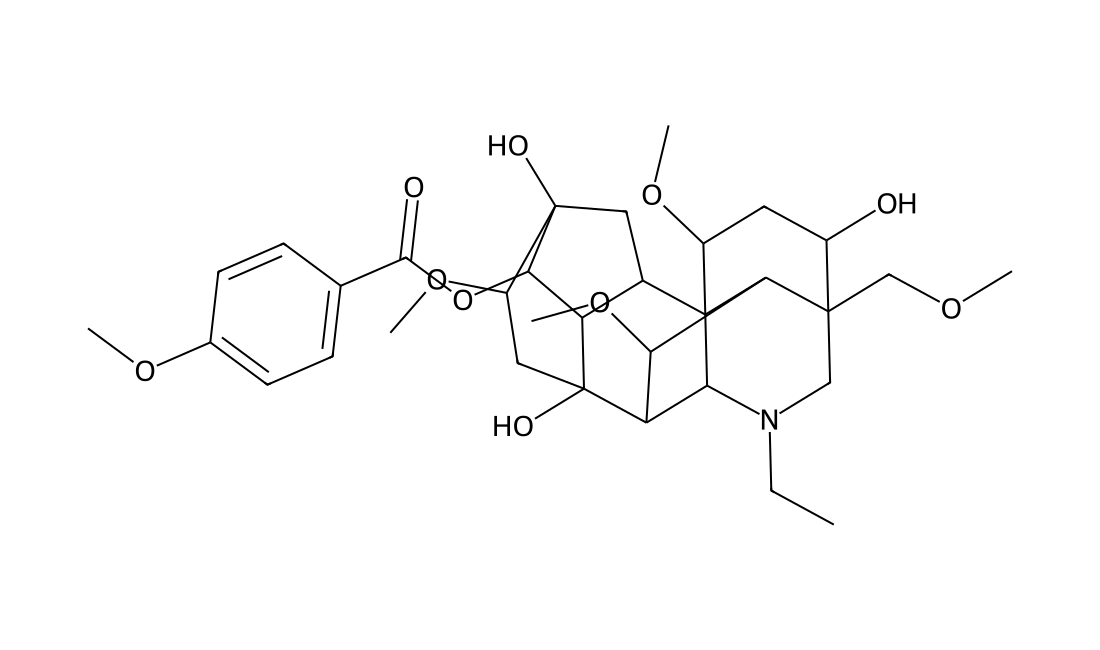
8-Deacetylyunaconitine, a diterpenoid alkaloid, can be found in the root extract of A. forrestii.
NU6300Featured
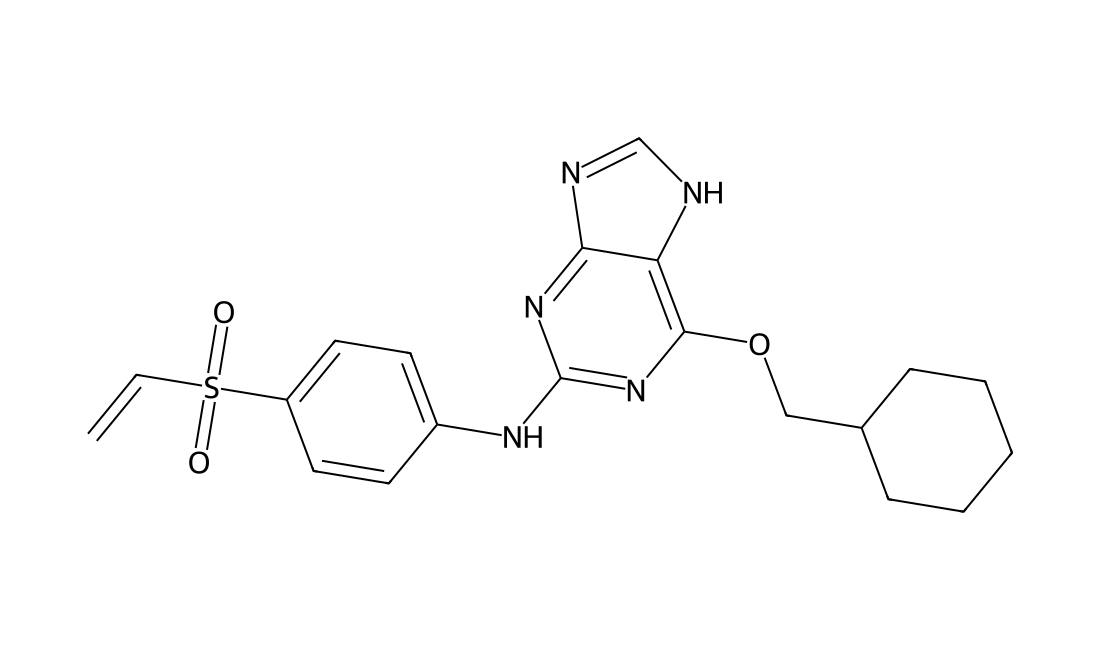
NU6300 is a non-covalent ATP-competitive CDK2 inhibitor (IC50 = 0.16 mM).
N-deacetylated BMS-202Featured
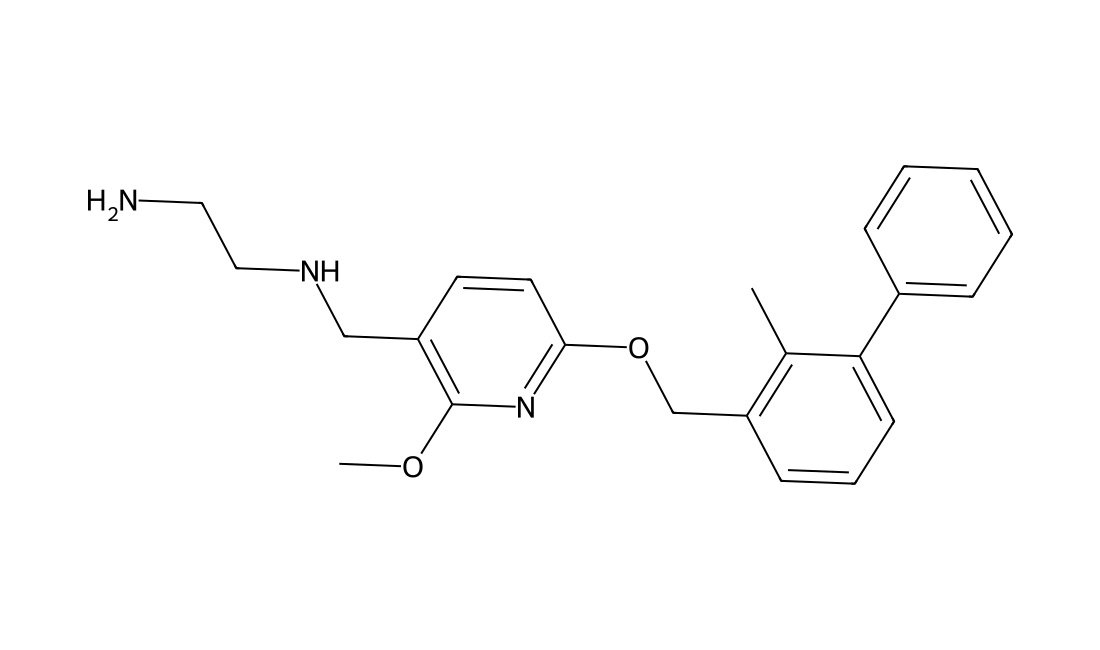
N-deacetylated BMS-202 is the deacetylated of BMS-202. BMS-202 is an inhibitor of the PD-l/PD-Ll interaction, mainly used for cancer treatment.
GNE 220 HydrochlorideFeatured
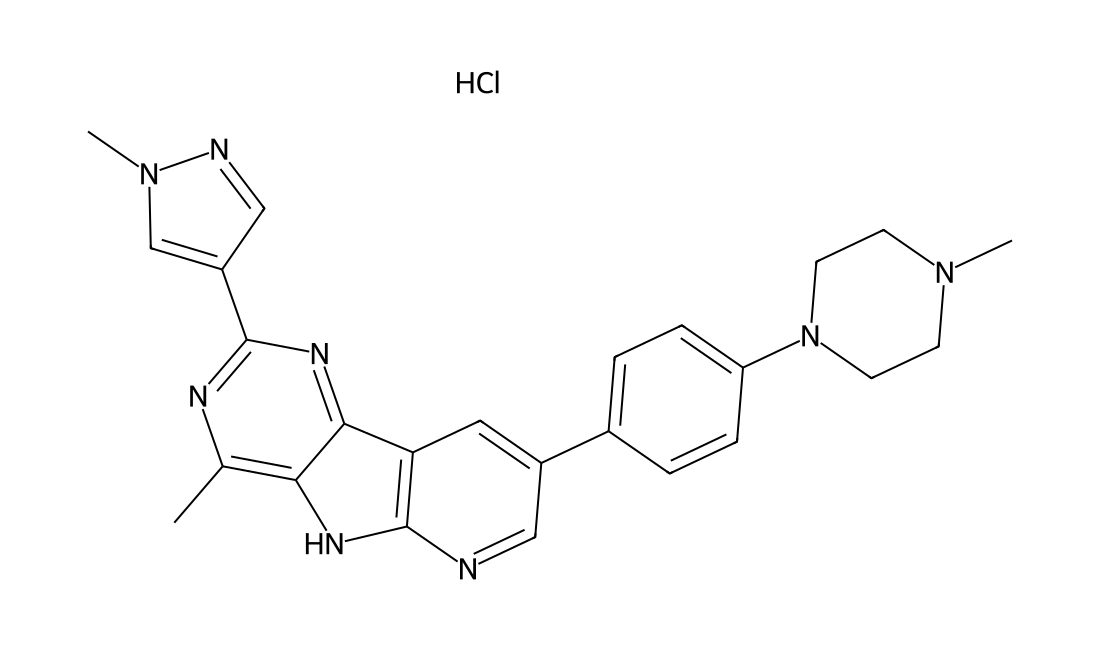
GNE 220 (Hydrochloride) is a potent and selective inhibitor of MAP4K4, with an IC50 of 7 nM.
ChX710Featured
ChX710 could prime the type I interferon response to cytosolic DNA, which induces the ISRE promoter sequence, specific cellular Interferon-Stimulated Genes (ISGs), and the phosphorylation of Interferon Regulatory Factor (IRF) 3.
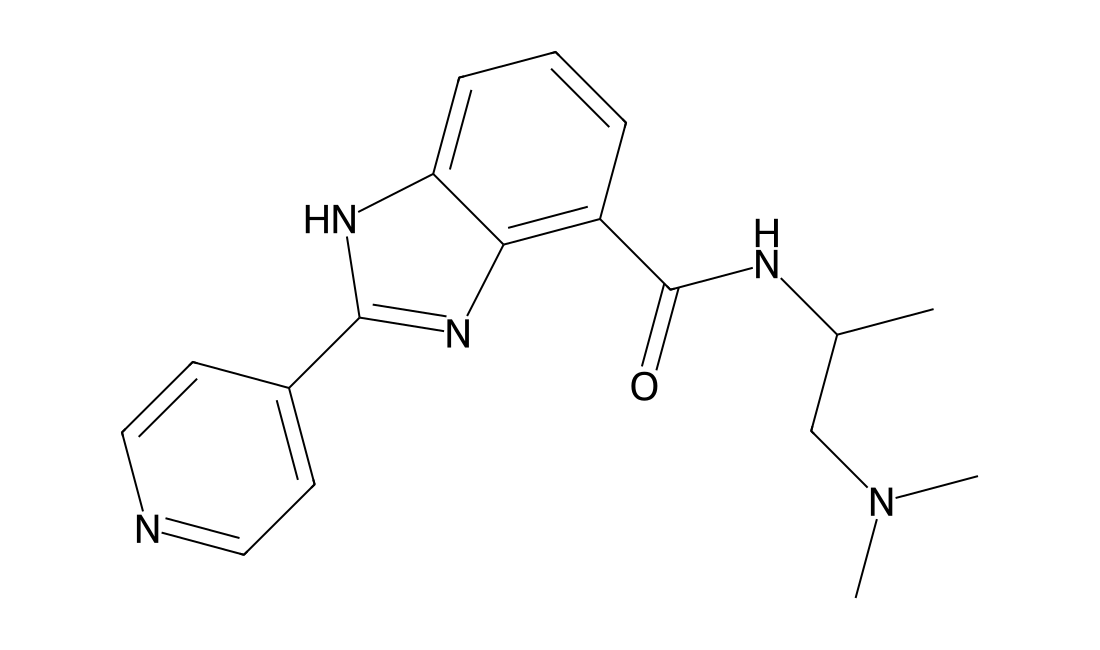
SipagladenantFeatured
Sipagladenant (Compound I) is an orally active adenosine receptor A2A inverse agonist. Sipagladenant can be used in frontal lobe dysfunction research.
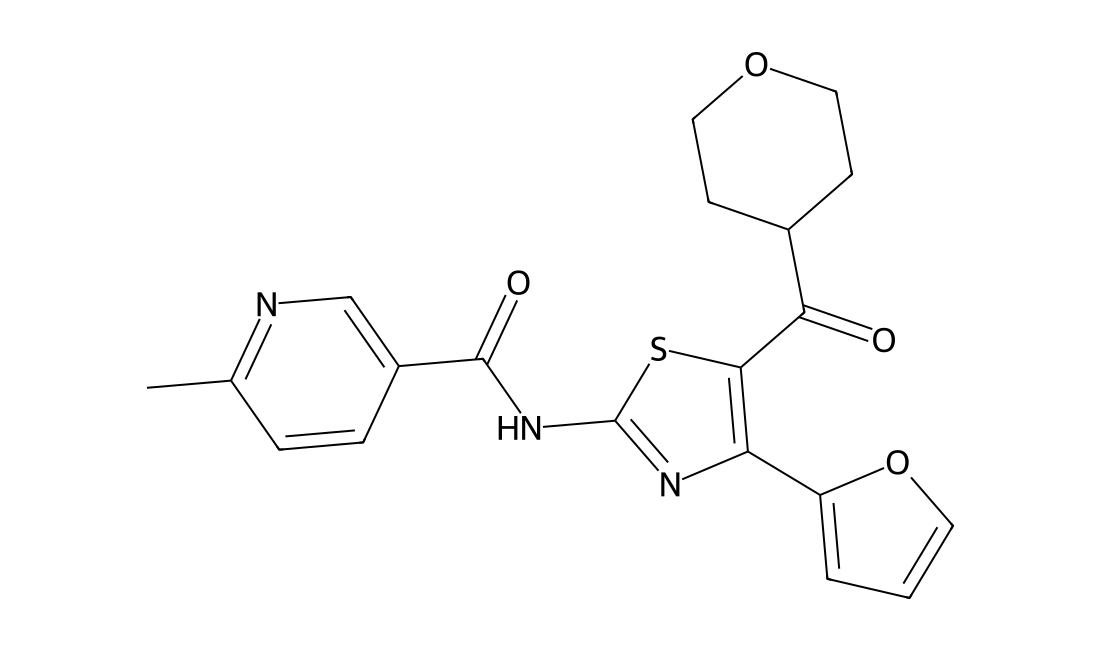
CBD3063Featured
CBD3063 is a selective, first-in-class, CRMP2-based peptidomimetic small molecule, which allosterically regulates Cav2.2 to achieve analgesia and pain relief without negative side effect profiles.
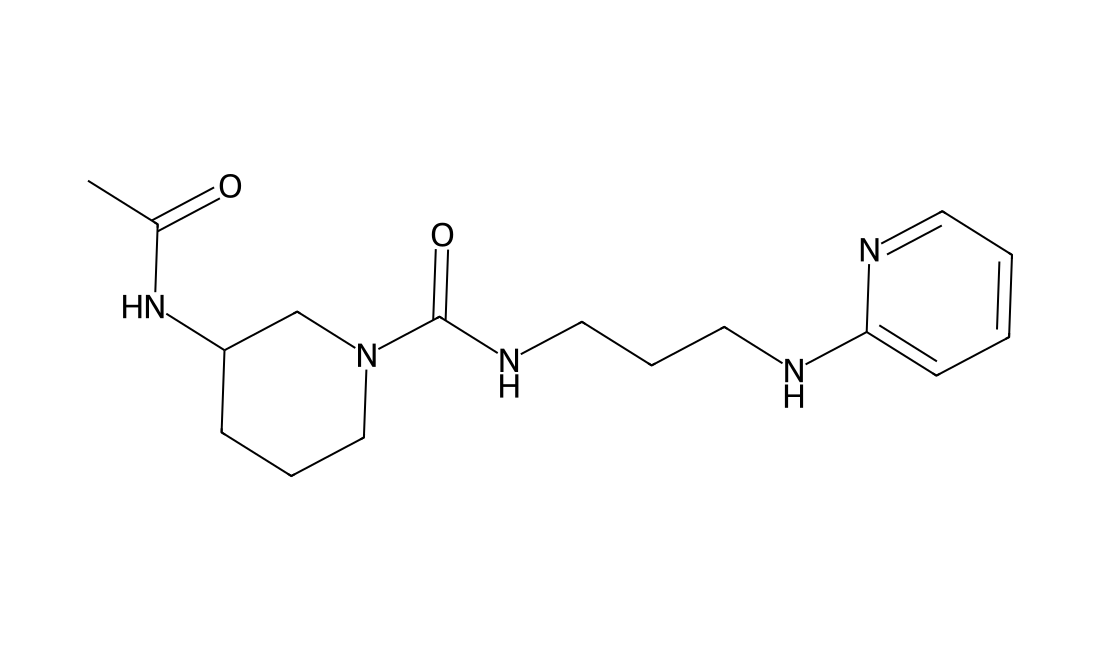
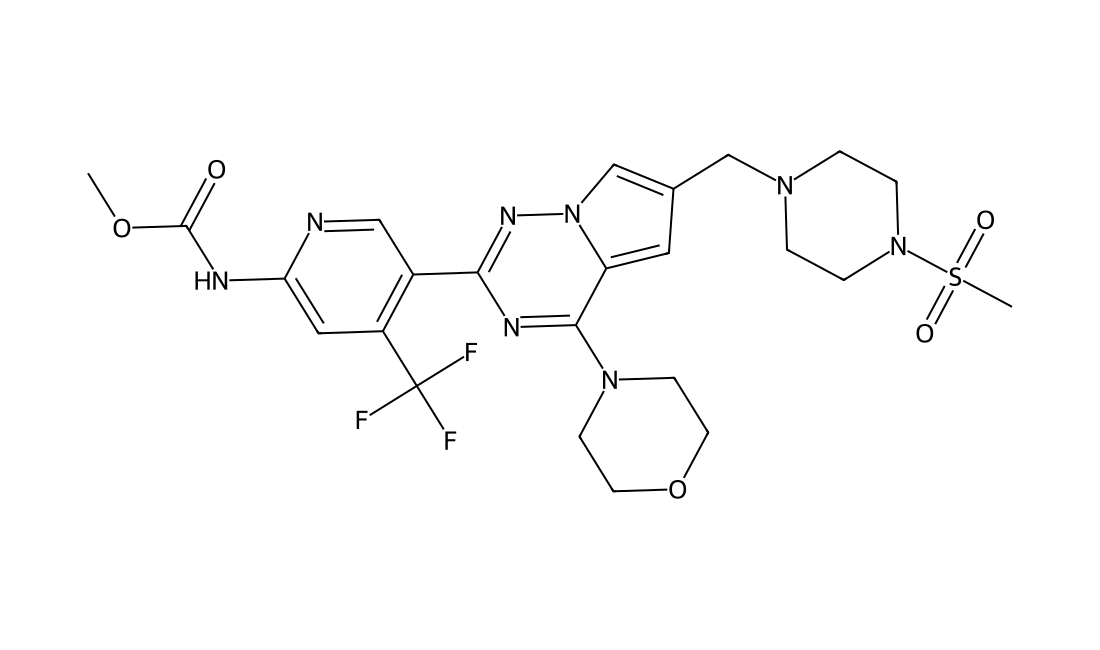
AI-10-104Featured
AI-10-104 is a small molecule inhibitor that interferes with CBFβ binding to RUNX proteins with IC50 of 1.25 uM in FRET assays.
No products match this search.
Page 228 of 234 · Browse all 4677 products
Jump to a product page
Featured literature product: HX1 · DCL0028
HX1 is a hydroxyzine-derived ionizable lipid with acetal-containing tails, studied in lipid nanoparticles for brain mRNA delivery and CRISPR–Cas9 delivery. It was the lead in the reported in vivo brain-delivery screen; evidence is preclinical and formulation-dependent.
Read full formulation and performance →