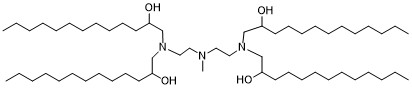
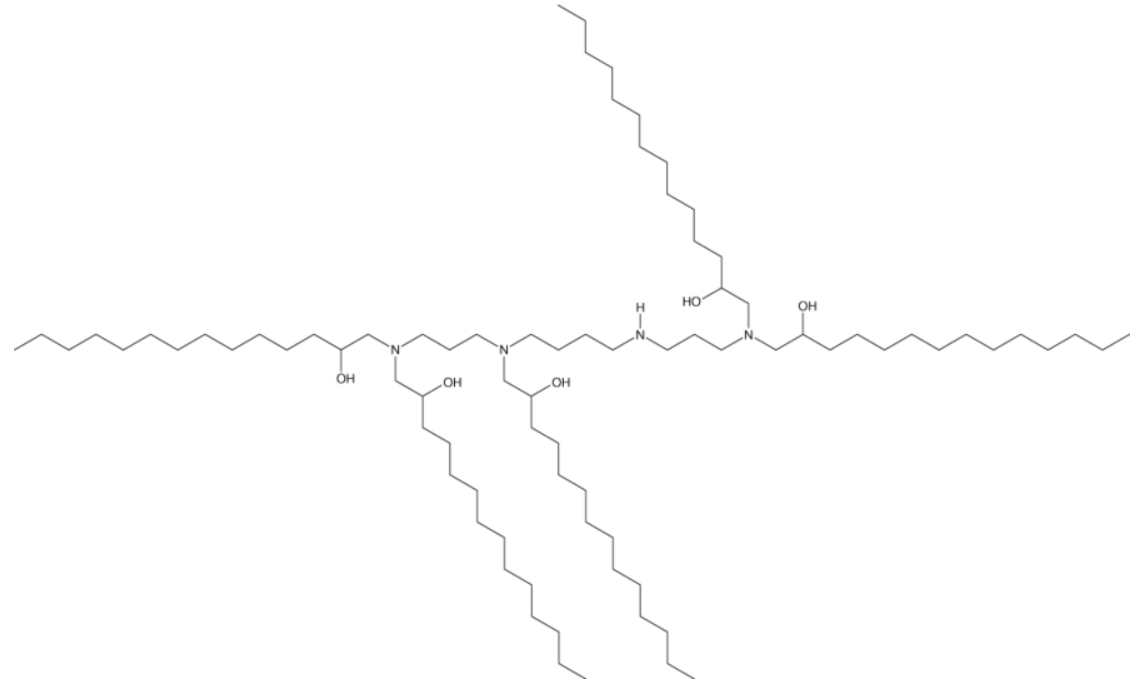
C13-113-tetra-tail is an ionizable lipid molecule designed for use in lipid nanoparticles (LNPs) for the delivery of therapeutic payloads, such as nucleic acids (e.g., siRNA, mRNA) or proteins.

Explore 849 lipid and RNA delivery products. Search the full catalog or browse by research category.
Search covers product name, catalog number, synonyms, available CAS numbers and categories. Spaces, hyphens and common punctuation are ignored. Duplicate legacy records are consolidated under one canonical product result.
C13-113-tetra-tail is an ionizable lipid molecule designed for use in lipid nanoparticles (LNPs) for the delivery of therapeutic payloads, such as nucleic acids (e.g., siRNA, mRNA) or proteins.
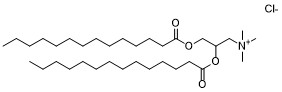
TAP (14:0) A cationic lipids that can be used for drug delivery, gene transfection and vaccine delivery. TAP has been proven to be efficient for in vitro and in vivo transfection applications, which makes it one of the most widely used cationic lipids for gene transfection applications. Reagent grade, for research use only.
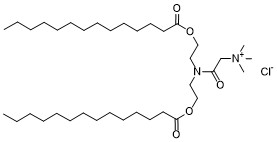
DC-6-14 is a cationic lipid that can be used for drug delivery, gene transfection and vaccine delivery. DC-6-14 may be used for research into in vitro and in vivo nucleic acid and protein delivery. Reagent grade, for research use only.
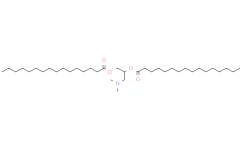
16:0 DAP, 1,2-dipalmitoyl-3-dimethylammonium-propane, is a cationic lipid that can be used to formulate lipid nanoparticles (LNPs). 18:0 DAP also serves as a pH-sensitive transfection reagent. Reagent grade, for research use only.
RM133-3 is an ionizable lipid for potent functional mRNA delivery in vivo. The LPN formulation RM133-3-21, is found to be roughly 4.5 times more potent than DLin-MC3-DMA.
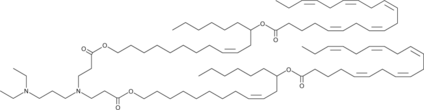
H9 is a new ionizable lipid driven from AI-Guided Ionizable Lipid Engineering (AGILE) platform for mRNA delivery. H9 LNPs shows superior mRNA transfection potency compared to LNPs containing (D-Lin-MC3-DMA).
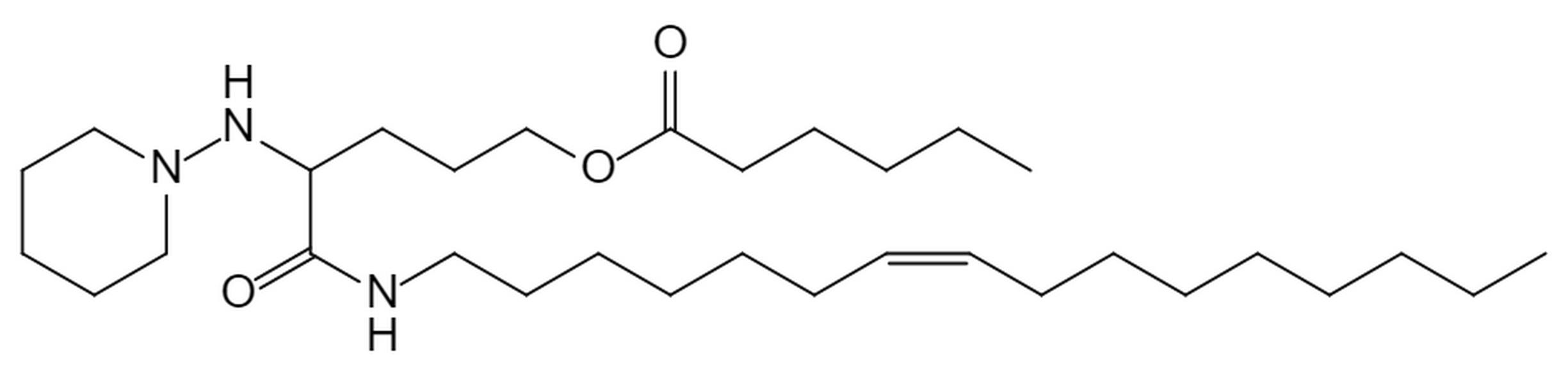
C12-TLRa is an adjuvant lipidoid. C12-TLRa substitution can enhance the immunogenicity of clinically relevant SARS-CoV-2 mRNA-LNP vaccines, which holds translational potential.
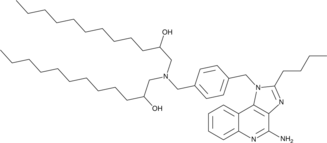
Lipid 16 is an ionizable lipid that can be used to synthesize lipid nanoparticles (LNP) for delivering mRNA and other payloads. Lipid 16 as a potent cell type-specific ionizable lipid for the CD11bhi macrophage population without an additional targeting moiety.
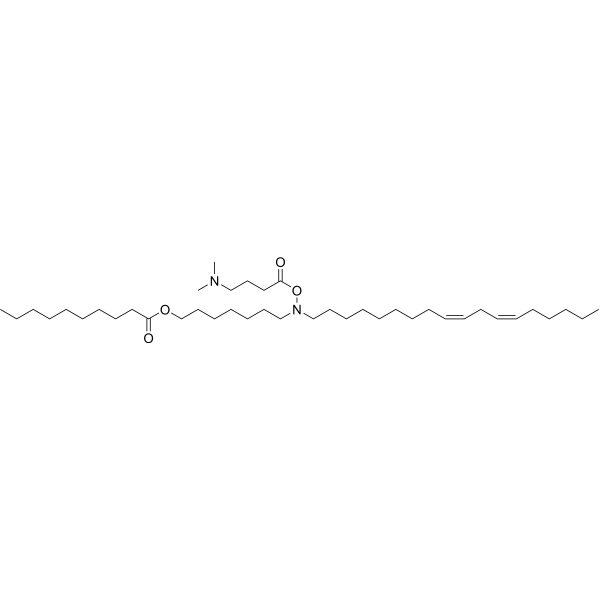
OC2-K3-E10 is an ionizable cationic lipid (pKa = 6.8).1 It has been used in the formation of lipid nanoparticles (LNPs) for the delivery of CRISPR complementary single-guide RNA (sgRNA) and Cas9 mRNA for genome editing in transgenic mice.
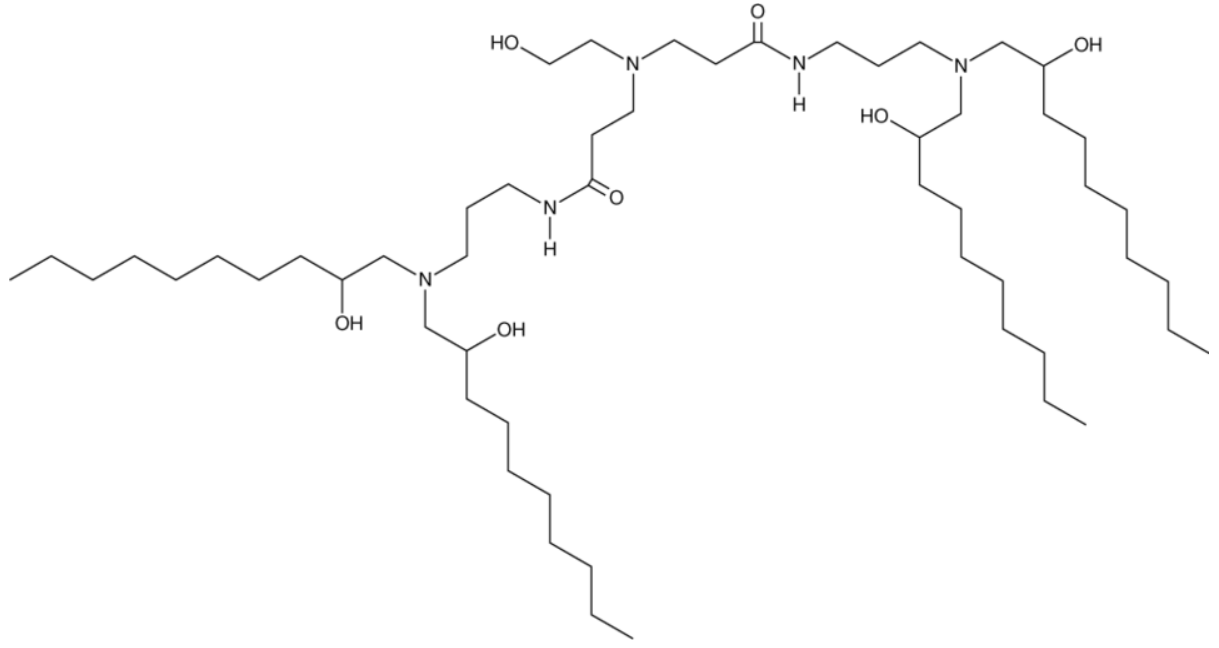
1O14 is an ionizable cationic lipid that has been used in combination with other lipids in the formation of lipid nanoparticles (LNPs).
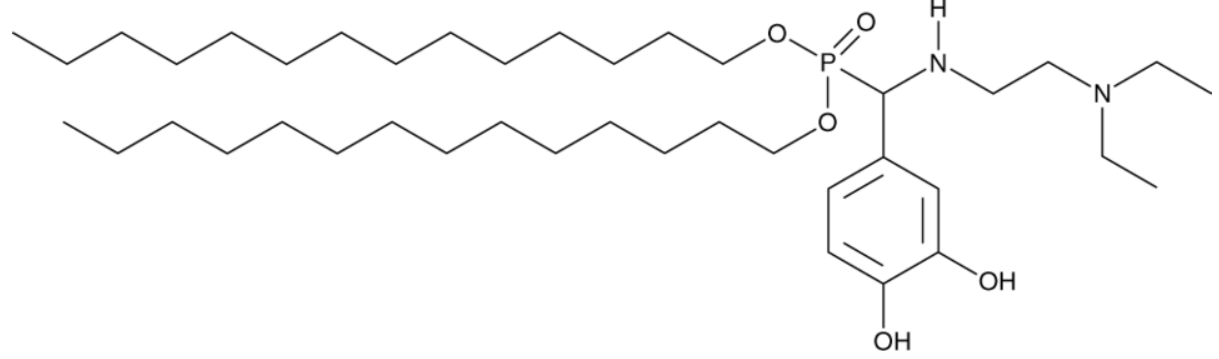
Lipid catechol is a lipid that contains an α-aminophosphonate group, two 14-carbon acyl chains, and a catechol ring that forms a covalent bond with boronic acid-containing compounds to form lipid prodrug nanoassemblies (LPNA).1 LPNAs composed of lipid catechol conjugated to phenylboronic acid-modified ciprofloxacin (CIP-PBA) inhibit the formation of, and disrupt preformed, S. aureus biofilms and eradicate staphylococci in a mouse model of peritoneal S. aureus infection. LPNAs composed of lipid catechol conjugated to bortezomib (BTZ) reduce tumor growth and increase survival in a 4T1 murine mammary carcinoma model.
DIM7S is a sugar-alcohol-derived ionizable lipid with mannitol as the precursor. DIM7S LNP is 10-fold, 30-fold, 20-fold, 4-fold and 3-fold superior in mRNA delivery than Lipo 3K, Electro, ALC-0315, MC3 and SM-102, respectively. DIM7S LNP enables effective CD40 mRNA delivery into human peripheral blood monocyte-derived DCs without obvious cytotoxicity.
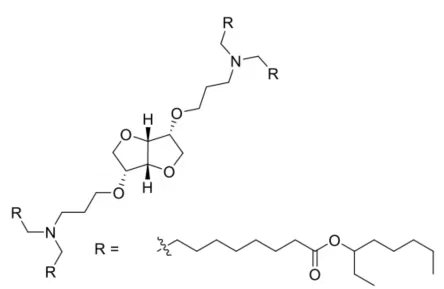
LIS10W is a sugar-alcohol-derived ionizable lipid with L-sorbitol as the precursor.
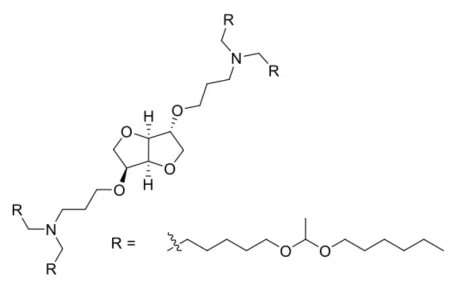
IAJD 288(IAJD-288) is a pentaerythritol-based one-component ionizable amphiphilic Janus Dendrimer (IAJD), delivery systems for mRNA delivery.
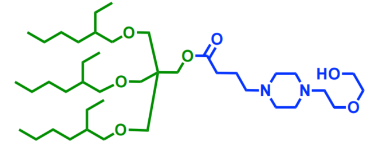
CL1H6 is an ionizable lipid designed for advanced nucleic acid delivery, and its lipid nanoparticle formulation, CL1H6-LNP, demonstrates exceptional efficiency in delivering both siRNA and mRNA into NK-92 cells. This innovative system enables precise and effective intracellular delivery, making it a valuable tool for enhancing therapeutic and research applications in natural killer cell biology.
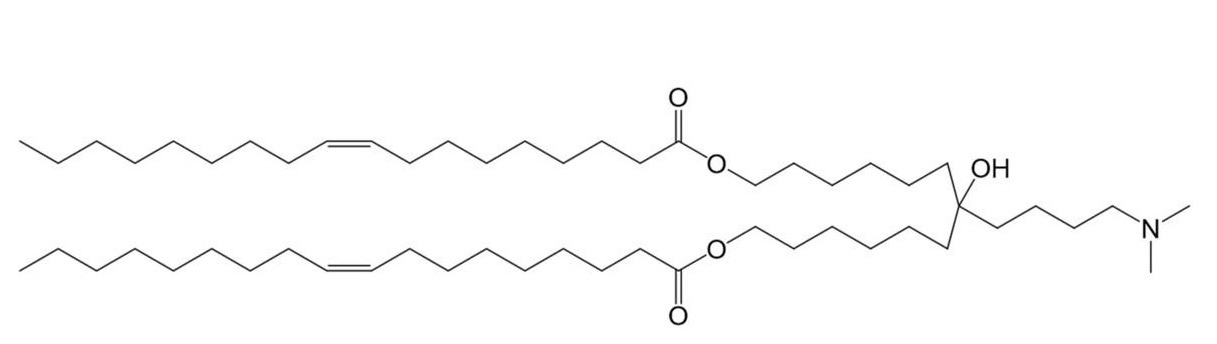
244cis is listed as a ionizable lipid for laboratory research use.
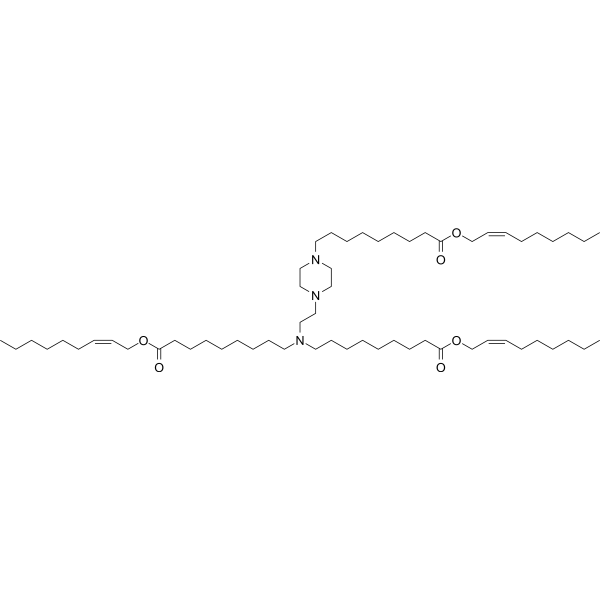
IR-19-Py(A20-0l) is listed as a ionizable lipid for laboratory research use.
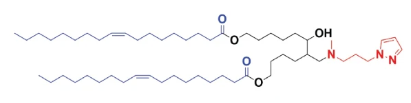
C14-O2 is an oxidized lipid for mRNA delivery. C14-O2-LNP is capable of potent and selective delivery of mRNA to blood monocytes. C14-O2 LNP is used to deliver a functional CD19-CAR mRNA and is shown to engineer functional CAR monocytes directly in situ.

Lipid CAD9 (3-A2-7b is a cationic degradable (CAD) lipid. 3-A2-7b formulated LNP, LNP-CAD9, can deliver FLuc mRNA to the lungs in vivo. LNP-CAD9 co-delivering Cas9 mRNA/VEGFR2 single guide RNA (sgRNA) effectively induces VEGFR2 knock out in lung endothelial cells of female mice.
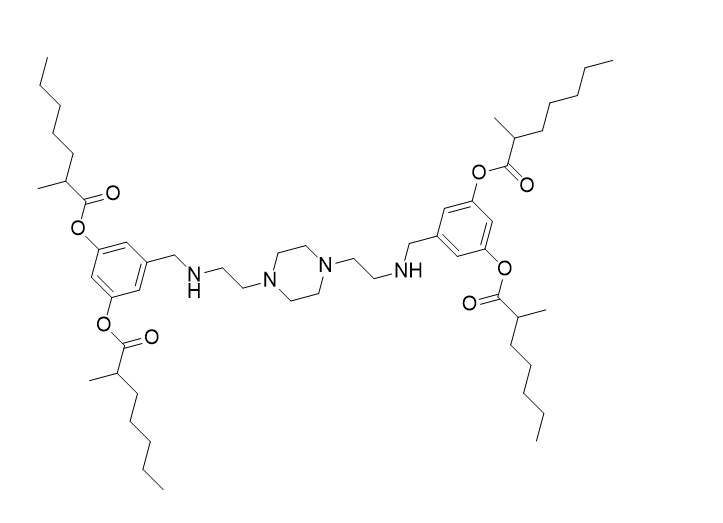
TE-EP8-S is a single-component, ionizable cationic lipid designed specifically for the targeted delivery of mRNA to T cells within the spleen. This innovative lipid formulation enhances the efficiency and precision of mRNA-based therapies by ensuring optimal cellular uptake and expression in immune cells. Its unique structure and properties make it a promising tool for advancing immunotherapeutic applications.
Page 36 of 43 · Browse all 849 products