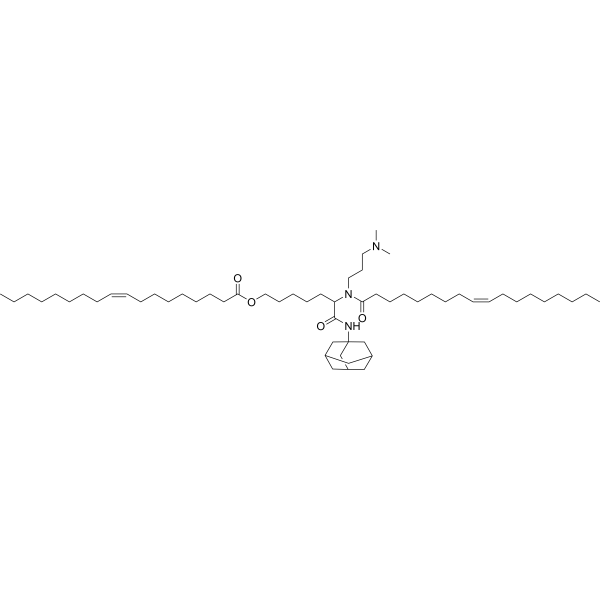
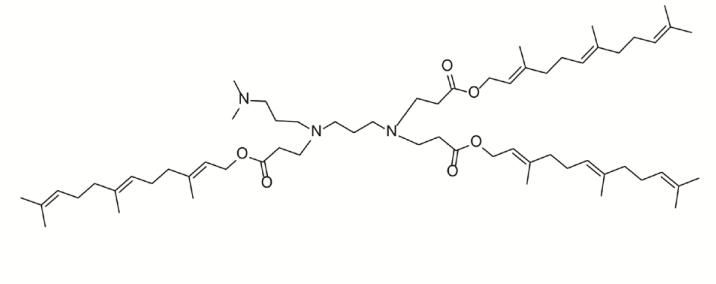
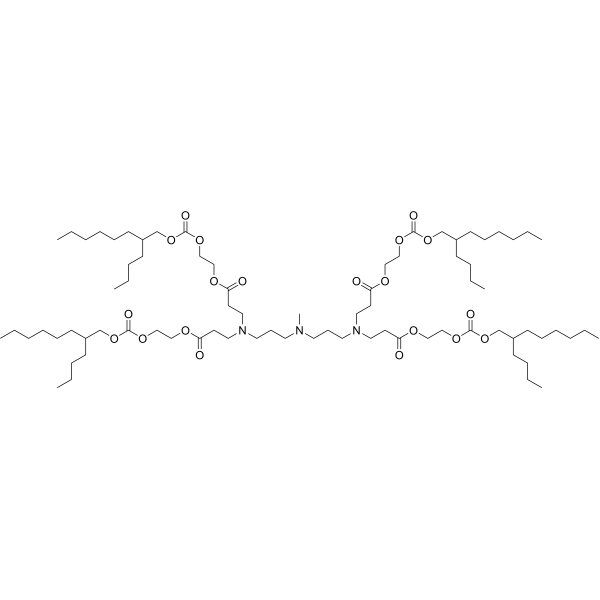
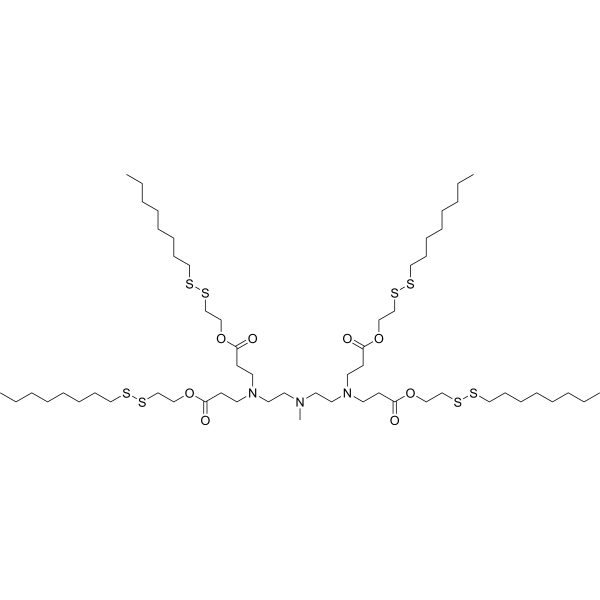
Compare functional RNA delivery to macrophages in defined tissue and cell settings. In vivo studies and ex vivo primary-cell transfection are identified separately, including any targeting features required by the formulation.
23 products currently listedResearch-use products only
Proprietary innovation · Co-development · GMP
From proprietary lipid design to GMP-grade custom synthesis
DC Chemicals has independently developed ionizable-lipid structures supported by company-owned intellectual property, and selected proprietary lipid programs have advanced to GMP-stage development.
We welcome joint development with customers—from molecular design and lipid synthesis through route and process development. We can also support custom synthesis of GMP-grade ionizable lipids to agreed technical specifications and quality requirements.
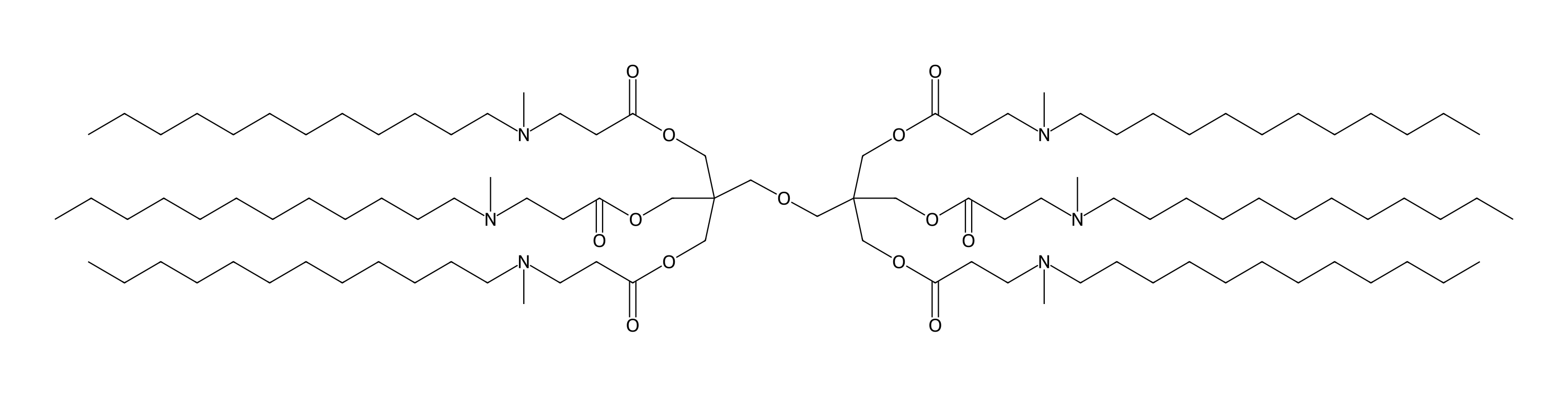
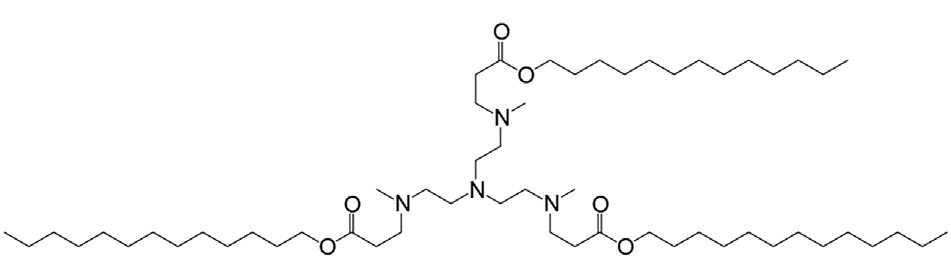
6Ac1-C12 is an ionizable cationic lipid with a hexaester degradable core and six C12 hydrophobic alkyl tails, featuring a pKa around 6.0 and strong endosomal escape capacity. Its four-component LNPs deliver mRNA mainly to liver endothelial cells after IV injection and remain stable for 30 days at 4°C. Formulated without cholesterol, its three-component system enables lung-targeted delivery with low in vivo toxicity, and the ester core facilitates biodegradation for versatile mRNA applications.
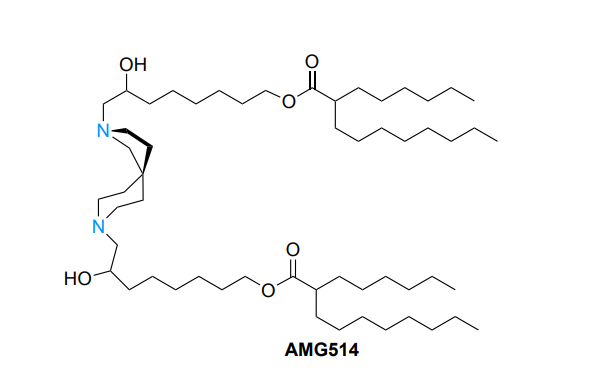
AMG514 is a novel ionizable lipid designed for formulating spleen-targeting lipid nanoparticles (LNPs) to deliver immune‑remodeling mRNAs (IR‑mRNAs). Its key advantage lies in the formation of a unique “protein corona” enriched with vitronectin, coagulation factors, and specific apolipoproteins (e.g., ApoA‑IV), together with its relatively high apparent pKa (~7.5), which actively redirects LNPs to the spleen instead of the liver. This precise spleen‑targeting property enables efficient transfection of splenic antigen‑presenting cells (APCs). As a vaccine adjuvant, AMG514‑LNPs therefore elicit a more robust activation of adaptive immunity compared to conventional LNPs (e.g., cKK‑E12), generating significantly enhanced antigen‑specific CD8⁺ T‑cell and antibody responses, and inducing durable anti‑tumor immune memory in preclinical models.
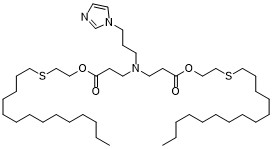
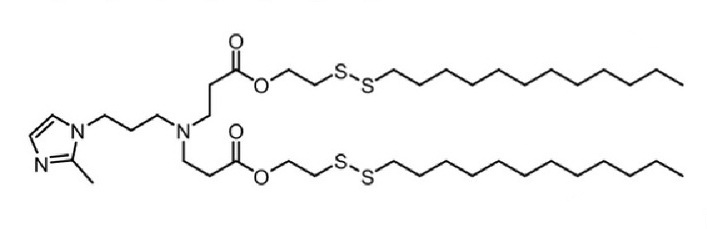
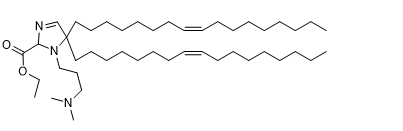
93-O17S is an imidazole-based synthetic lipidoid for in vivo mRNA delivery. Lipid nanoparticles (LNPs) with 93-O17S promotes both the cross-presentation of tumor antigens and the intracellular delivery of cGAMP (STING agonist).
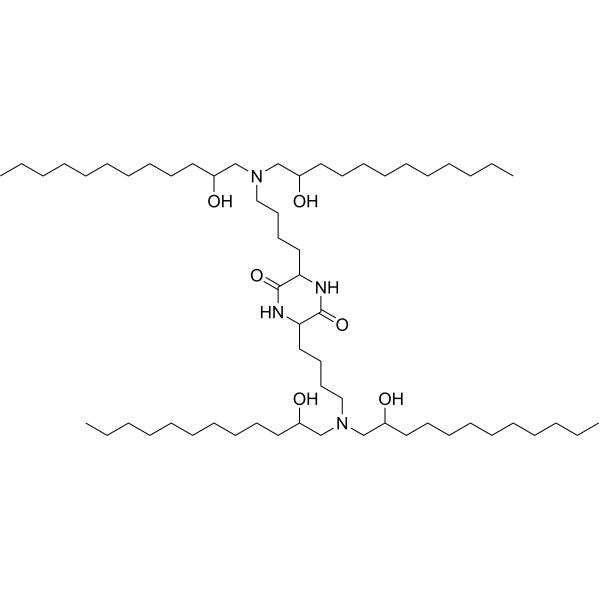
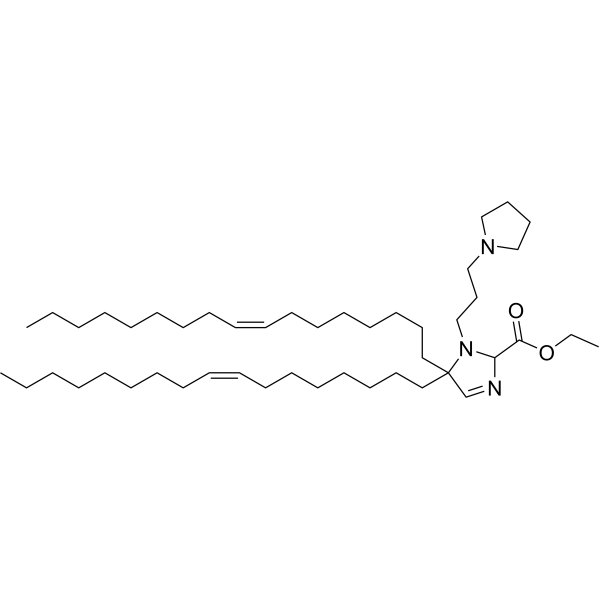
9322-O16B is a lipidoid for the efficient delivery of antiCD19 mRNA CAR to murine primary macrophages. LNP 9322-O16B is more efficient than delivery with lipofectamine 2000 (LPF2K) or MC3.
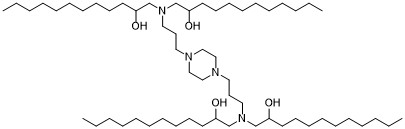
Lipid 119-23 is an ionizable lipid for mRNA delivery. 119-23 LNP exhibits an enhanced capability to express functional mCre in several categories of immune cells, spanning the liver, spleen and lung.
H5T5 is a leading ionizable lipid nanoparticle (LNP) formulation optimized for in vivomRNA delivery, featuring a pKa of 6.51, a size of ~154 nm, and a narrow polydispersity index (PDI) of 0.05. It demonstrated superior in vitromRNA transfection efficiency in primary immune cells, such as bone marrow-derived macrophages. Following intravenous administration, H5T5 exhibits precise organotropism, predominantly targeting the spleen and bone marrow, where it effectively delivers mRNA to a broad spectrum of immune cells, including macrophages, dendritic cells, T cells, B cells, and NK cells. This capability enables its core application: the in vivogeneration of "pan-CAR" immune cells. When loaded with anti-HER2 CAR mRNA, the H5T5-based therapy achieved potent tumor regression and prolonged survival in multiple solid tumor models. Preliminary safety assessments indicated a manageable cytokine profile and no significant organ toxicity, positioning it as a promising platform for in vivocell engineering.
Lipid88 is a high-performance, novel ionizable lipid component engineered for advanced mRNA-LNP vaccine delivery. LNP88 formulation demonstrates superior biodistribution, achieving >10-fold higher transfection efficiency in spleen and lymph nodes compared to benchmark lipids like ALC-0315 via intramuscular delivery. When encapsulating antigen-encoding mRNA (e.g., optimized mCSA construct), Lipid-88 based LNPs drive robust humoral and cellular immunity, enabling complete protection against challenging SARS-CoV-2 variants (WA1/2020, Omicron BA.1, BQ.1) in preclinical models. Its design prioritizes potent immunogenicity with favorable safety profiles.
A12-Iso5-2DC18 is a novel amine containing lipid can be used for mRNA delivery, activate the stimulator of interferon genes (STING) pathway, and exhibit anti-tumor immunity.
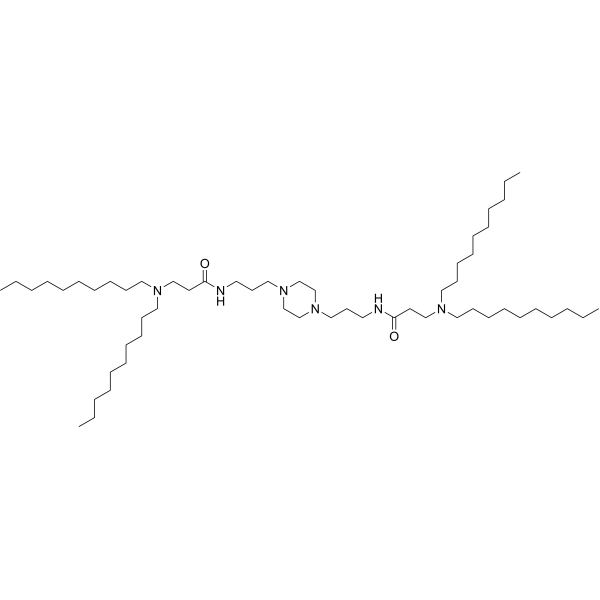
PPZ-A10 is an ionizable cationic lipid.It has been used in the generation of lipid nanoparticles (LNPs) for the delivery of siRNA and mRNA in vitro and in vivo. Intraperitoneal administration of LNPs containing PPZ-A10 and encapsulating an mRNA reporter preferentially accumulates in hepatic Kupffer cells and splenic macrophages in mice.
18-2-9b2 is a dendron-like degradable ionizable lipid which facilitates mRNA delivery to splenic macrophages. 18-2-9b2 LNP encapsulating therapeutic BTB domain and CNC homologue 1 (BACH1) mRNA exhibited proficient BACH1 expression and subsequent Spic downregulation in splenic red pulp macrophages (RPM) in a Spic-GFP transgene model.
Cl-4A3-LNSC8 represents a novel class of thiourea-functionalized ionizable lipids engineered for selective organ-targeted mRNA delivery. Its core innovation lies in an anion-coordination strategy, where the parent lipid, 4A3-LNSC8, binds chloride ions (Cl⁻) via hydrogen-bonding interactions with its thiourea groups. This binding event is not merely structural but functionally critical, as it induces a significant shift in the surface pKa of the resulting lipid nanoparticles (LNPs) from approximately 5.54 to 8.79. This pKa modulation is the key mechanism that redirects the organotropism of the LNPs upon systemic administration. While the unmodified 4A3-LNSC8 LNPs preferentially deliver mRNA to the liver, Cl-4A3-LNSC8 LNPs effectivelyreprogram this tropism, enabling highly efficient mRNA delivery to secondary lymphoid organs (SLOs), particularly the spleen and lymph nodes. This platform demonstrates remarkable efficacy, achieving up to 65.7% gene editing efficiency in splenic macrophages in vivo, significantly outperforming benchmark delivery systems. Furthermore, by leveraging the coordination with different halides, such as iodine for computed tomography (CT) contrast, the system can be adapted for dual-modal theranostic applications, enabling simultaneous lymphatic metastasis imaging and therapeutic mRNA delivery.
A1F5C5 is a core fluorinated ionizable lipid that forms the basis of the F5-LNP platform. Its key biological functions are multifaceted. Primarily, it enables efficient, targeted mRNA delivery in vivo. Following intravenous administration, F5-LNPs exhibit a strong tropism for the spleen and tumor sites, successfully transfecting over 70% of splenic macrophages and more than 20% of tumor-infiltrating macrophages. This allows for in situ cell engineering. Beyond delivery, A1F5C5 possesses intrinsic immunostimulatory activity. It promotes the maturation and activation of antigen-presenting cells (e.g., upregulating CD80/86 on dendritic cells) and enriches immune-related pathways like "cytokine-cytokine receptor interaction." Mechanistically, its unique 5-fluorine (F5) configuration confers superior membrane fusion capability, which is critical for efficient endosomal escape and cytosolic mRNA release. Therapeutically, when loaded with CAR mRNA, it serves as a platform for in vivo generation of CAR-macrophages (CAR-M). These CAR-M cells phagocytose tumors, reprogram the tumor microenvironment by shifting macrophages to an M1 phenotype, and activate CD8+ T cells. Notably, this approach synergizes powerfully with anti-PD-L1 therapy, achieving complete tumor regression in preclinical models.
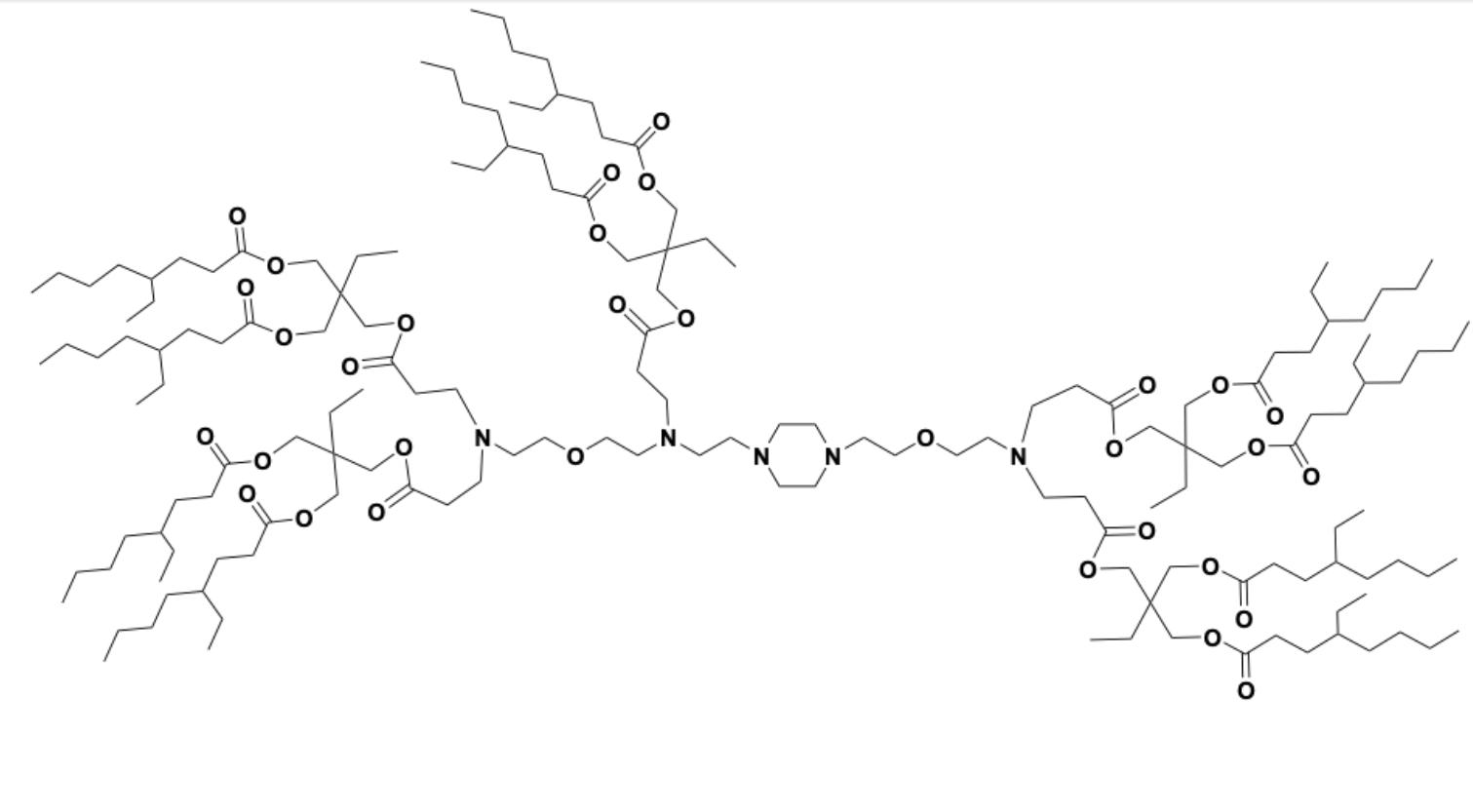
Lipid 16 is an ionizable lipid that can be used to synthesize lipid nanoparticles (LNP) for delivering mRNA and other payloads. Lipid 16 as a potent cell type-specific ionizable lipid for the CD11bhi macrophage population without an additional targeting moiety.
cKK-E15 is an ionizable cationic lipid and a derivative of cKK-E12 that has been used in the generation of lipid nanoparticles (LNPs).1 LNPs containing cKK-E15 and encapsulating Cre mRNA induce the expression of Cre in Kupffer cells, endothelial cells, and hepatocytes in Ai14 mice engineered to express the fluorescent protein tdTomato upon translation of Cre.
YHS-12 is an ionizable cationic lipid (pKa = 6.506) that has been used in the generation of lipid nanoparticles (LNPs) for the delivery of siRNA and mRNA in vitro and in vivo.1 LNPs containing YHS-12 and the macrophage targeting peptide CRVLRSGSC and encapsulating mRNA encoding chimeric antigen receptor targeting methicillin-resistant S. aureus (MRSA) and siRNA targeting caspase-11 increase the phagocytosis rate of MRSA in RAW 264.7 macrophages and primary mouse bone marrow-derived macrophages (BMDMs). Intravenous administration of these LNPs decreases blood bacterial burden and increases survival in a model of sepsis using cyclophosphamide-induced immunosuppressed mice.
4-O10b1 is an ionizable lipid used to generate lipid nanoparticles (LNPs) for delivering RNA to cells. LNPs comprised of 4-O10b1 and conjugated with the macrophage antibody F4/80 were able to delivery siRNA targeting TAK1 to RAW264.7 cells resulting in suppressed activation of NF-kB. Intranasal administration reduced lung injury in an influenza mouse model.
Lipid 114 (pKa ~6.8) is an ionizable cationic lipid optimized for siRNA delivery via LNPs, demonstrating predominant hepatic accumulation with secondary renal uptake in murine models. When formulated with IL-1β-targeting siRNA, these LNPs effectively suppress pro-inflammatory cytokine expression in both macrophage cell lines and primary cells in a dose-dependent manner. In LPS/galactosamine-induced acute liver failure models, the therapeutic LNPs significantly reduce IL-1β levels in target organs while attenuating hepatic inflammation and injury markers.