
Research lipid catalog
Ionizable Lipid Products
Explore 848 lipid and RNA delivery products. Search the full catalog or browse by research category.
Search covers product name, catalog number, synonyms, available CAS numbers and categories. Spaces, hyphens and common punctuation are ignored. Duplicate legacy records are consolidated under one canonical product result.
848 products · Showing 1–20 · 20 per page
DC Chemicals lipid expertise
Built for ionizable-lipid discovery and RNA delivery research
DC Chemicals supports formulation and delivery research with a broad, searchable portfolio of cationic and ionizable lipids. The current directory brings together 848 unique research-use products, with product specifications, pricing, chemical structures and literature-linked formulation data added as each record is verified.
Our experience spans complex lipid synthesis, purification, analytical release and process development. For custom molecules or larger-scale requirements, our team can discuss route development, technical specifications and scale-up options for the intended research workflow.
Learn about cationic and ionizable lipids →Proprietary innovation · Co-development · GMP
From proprietary lipid design to GMP-grade custom synthesis
DC Chemicals has independently developed ionizable-lipid structures supported by company-owned intellectual property, and selected proprietary lipid programs have advanced to GMP-stage development.
We welcome joint development with customers—from molecular design and lipid synthesis through route and process development. We can also support custom synthesis of GMP-grade ionizable lipids to agreed technical specifications and quality requirements.
Discuss a co-development project →Proprietary ionizable-lipid structuresCollaborative molecular designCustom lipid synthesisProcess development and scale-upGMP-grade project support
Product quick links
Explore ionizable lipids
Browse specifications, pricing and literature-linked product information.
Cat. No.Product NameField of ApplicationChemical Structure
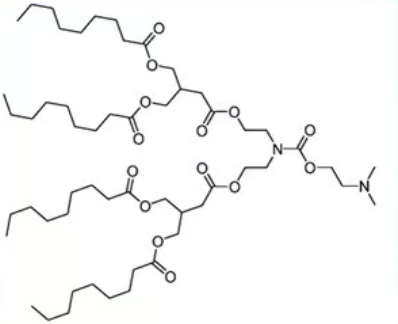
CICL-1 (L829)Featured
An ionizable lipid studied in targeted LNPs for immune-cell mRNA delivery and in vivo CAR research.
CICL-207Featured
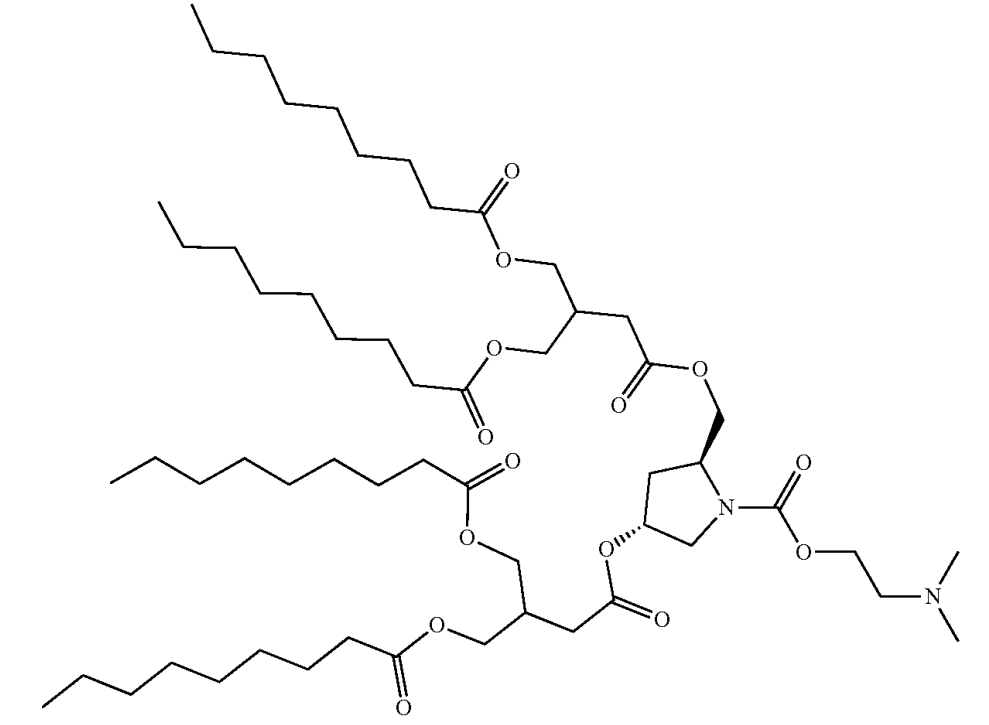
CICL 207 is structurally optimized based on Lipid CICL-1. CICL207 is a constrained ionizable cationic lipid designed for lipid nanoparticle (LNP) delivery systems developed by Capstan. Its structure features a rigid cyclic backbone (e.g., pyrrolidine-derived core) paired with a tertiary amine group that ionizes at acidic pH (pKa ~6.5–7.0), enhancing endosomal escape. The lipid includes asymmetric hydrophobic tails (likely C14–C18 alkyl/ester chains) to stabilize LNP membranes and improve nucleic acid encapsulation. Integrated into LNPs (e.g., 58% CICL-207, 10% DSPC, 30.5% cholesterol, PEG-lipids), it enables targeted delivery to T cells (anti-CD5/CD8 tLNPs) with high transfection efficiency (spleen T cells >70% mCherry+), reduced liver uptake, and low toxicity (no significant ALT/AST elevation in rats). Its constrained design balances stability, tissue specificity, and biocompatibility for gene therapy applications.CICL 207 (F50) significantly outperforms CICL-1 by delivering dramatically enhanced target cell transfection with reduced off-target effects. It achieves >50% transfection efficiency in splenic T-cells—nearly double that of CICL-1—while slashing off-target expression in liver cells to <5% (versus >15% for CICL-1. This precision translates to superior therapeutic outcomes: CICL-207 enables ~95% B-cell depletion in CAR-T applications, far exceeding CICL-1 ’s ~60% efficacy. Critically, it maintains an exceptional safety profile, showing no significant liver toxicity or inflammatory cytokine elevation even at high doses. Furthermore, CICL-207 demonstrates 2-fold higher transfection efficiency in hematopoietic stem cells, enabling robust gene editing. Its optimized pKa (~6.5) and constrained amine structure enhance endosomal escape while minimizing Kupffer cell uptake, making it ideal for targeted therapeutics requiring both potency and safety.
Genevant CL1 (lipid 10)Featured
Genevant CL1 (lipid 10) is a novel ionizable lipid for rna delivery.Lipid 10 rapidly accumulated in the liver within the first hour of dosing (reflecting LNP uptake), but levels then steadily declined over the ensuing 2 weeks period, similar to MC3.Lipid 10 afforded more than double the expression of either approved lipid. We also observed high splenic expression for ALC-0315, which correlated with higher MCP-1 levels.Animals received a single 5 µg IM dose of LNP encapsulating firefly luciferase (fLuc) mRNA. Whole body imaging was performed 6 h later and expression at the injection site quantified. Lipid 10, ALC-0315, and SM-102 showed similar expression at the injection site, all greater than the older generation benchmarks lipids (DLinDMA, KC2, MC3). Lipid 10 and ALC-0315 also showed high expression in the liver, while SM-102 was less, and more similar to MC3.Lipid 10-based LNP reported similar anti-HA IgG titers to MC3 and ALC-0315 (Comirnaty) LNP, and higher than the SM-102 (SpikeVax) LNP composition. MCP-1 levels were generally similar, although the ALC-0315 composition had a significantly higher response at the 5 µg dose. All formulations reported good stability when stored frozen at −80 °C or at 2–8 °C for 1 month.
Lipid-168Featured
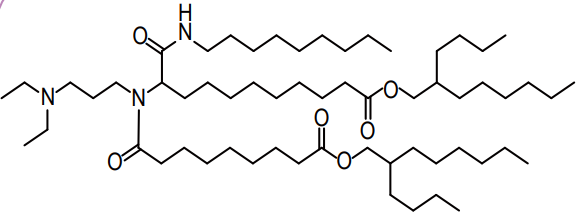
LIPID168(pKa ~6.5) is an optimized ionizable lipid engineered for in vivo mRNA delivery to hematopoietic stem cells (HSCs) in bone marrow. Developed by Yoltech Therapeutics through high-throughput screening of lipid libraries, it features a diethylamino head group and a tailored hydrophobic tail structure that enables antibody-free targeting. When Lipid 168 was formulated into lipid nanoparticles (LNPs), it achieved 48.5% base editing efficiency in bone marrow cells —surpassing benchmarks like LIPID-028 (19.7%)—and reduced off-target liver editing from 71% to 19% by incorporating miR-122 target sequences. In humanized β-thalassemia models, LNP 168 delivered ABE8e mRNA/sgRNA to patient-derived HSCs, yielding 42.6% editing at the HBG promoter, reactivating fetal hemoglobin (γ-globin) and rescuing erythroid defects . Its bone marrow specificity is driven by a unique protein corona enriched in albumin, fibronectin, and fibrinogen . Safety studies confirmed transient immune responses and no cumulative toxicity . LIPID-168 represents a promising non-viral platform for curative gene therapies in blood disorders.
5A2-SC8Featured
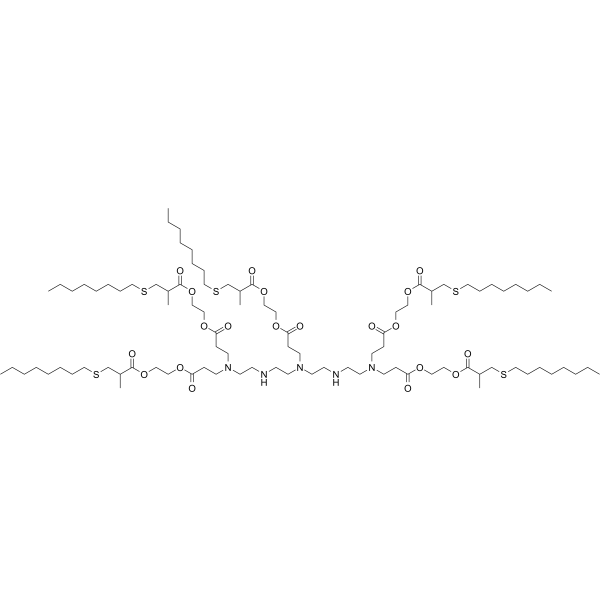
A degradable dendritic lipidoid reported for small-RNA delivery and subsequent mRNA-LNP research.
Lipid GVS-18-B6Featured
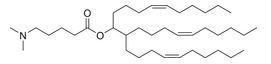
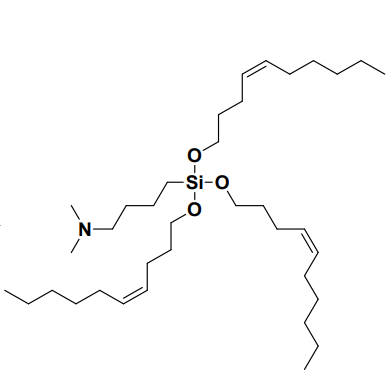
GVS-18-B6 is a silicon ether-based ionizable lipid (pKa:6.15) developed by Genevant, optimized for mRNA-LNP delivery, characterized by a short-chain trialkyl structure with three C10 alkyl chains (including a cis double bond) and a dimethylamino (DMA) head group linked via a 4-carbon spacer (pKa ~6.15). Its LNP formulations exhibit a narrow particle size distribution (89 nm, PDI=0.06), high mRNA encapsulation efficiency (90%), and pH-dependent surface charge (−0.11 mV at pH 7.5 vs. +2.69 mV at pH 5.5), facilitating endosomal escape. In vivo, GVS-18-B6 demonstrated superior liver-specific mRNA expression (5.30×10⁷ pg EGFP/g liver, 2.6× higher than MC3) with minimal spleen accumulation (liver/spleen ratio 92:1 vs. MC3’s 10:1), attributed to rapid non-enzymatic hydrolysis of its silicon ether bonds. This mechanism enables near-complete hepatic clearance within 6 hours in mice and 24 hours in NHPs, avoiding long-term organ retention (MC3 retained 25% in liver after 28 days). Compared to benchmarks (MC3, SM-102, LP-01), GVS-18-B6 showed enhanced potency in RBC hemolysis assays (pH 6.2), indicating earlier endosomal membrane disruption, and maintained stability through 12-month frozen storage or repeated freeze-thaw cycles. Toxicity profiling revealed minimal immunogenicity (MCP-1 levels 0.58×10⁶ vs. MC3’s 1.10×10⁶) and no ALT/AST elevation or anti-PEG antibody induction in NHPs after repeated dosing. Its species-agnostic clearance, low off-target effects, and high tolerability (6 mg/kg dose in mice) position GVS-18-B6 as a leading candidate for chronic disease therapies requiring frequent mRNA administration.
Lipid PL40Featured
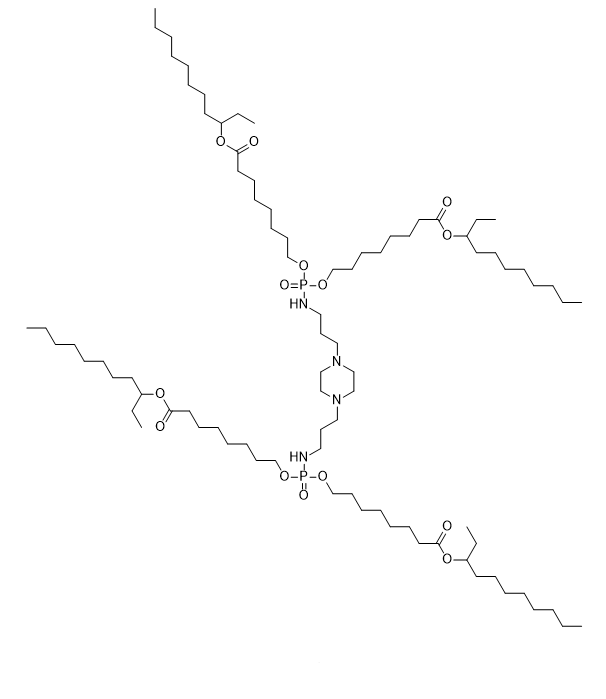
PL-40 is a cardiolipin-mimetic ionizable lipid engineered for high-efficiency, antibody-free mRNA delivery to T cells. PL 40 LNPs exhibit a mean particle size of 120 nm, zeta potential of -5.19 mV, and >80% mRNA encapsulation efficiency, with excellent plasma stability (≤5% size change after 6h in serum). Cryo-TEM reveals polyhedral nanoparticles with phase-separated domains, while SAXS confirms tight mRNA packing (d-spacing: ~3 nm vs. 6.64 nm in conventional LNPs). AFM demonstrates exceptional rigidity (high bending modulus), enabling T cell-selective uptake via actin-mediated endocytosis (>2× higher than ALC0315 LNPs).In primary human T cells, PL40 LNPs achieve >90% transfection at 0.5 μg mRNA dose and sustain >100× higher luciferase expression than benchmark lipids. When delivering circular RNA, they extend protein expression >5 days with superior spleen tropism (spleen:liver ratio = 2.63). Crucially, they reprogram T cells into functional CAR-Ts in vivo without antibody conjugation, evading exhaustion markers (no Tim-3/PD-1 upregulation). Therapeutically, PL40-based uPAR-targeted CAR mRNA reduces liver fibrosis (collagen↓50%, ALT↓50%) and rheumatoid arthritis severity (clinical scores↓60%) by clearing senescent cells. Humanized anti-uPAR CARs delivered via PL40 show near-complete cytotoxicity (>95%) against uPAR+ cells, underscoring clinical translatability.
SM-102Featured
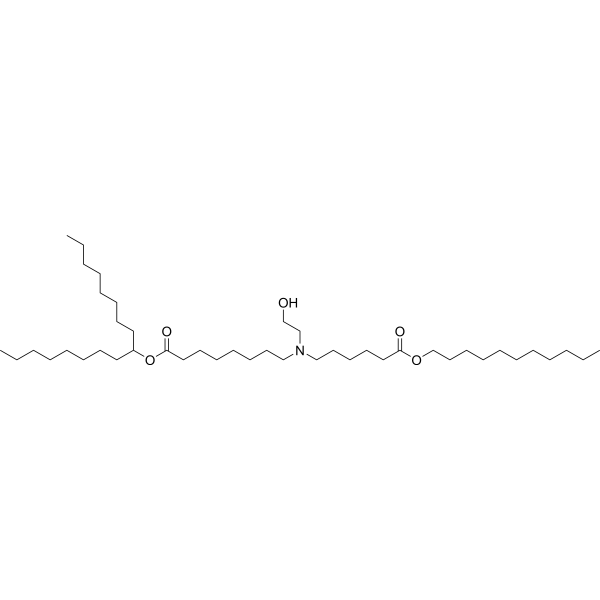
A widely used reference ionizable lipid for mRNA vaccine and LNP comparison studies.
ssPalmO-PheFeatured
ssPalmO-Phe(SS-OP) is a self-degradable material for the delivery of oligonucleotides. ssPalmO-Phe is a self-degradable derivative of ssPalm that is self-degraded in the intraparticle space by a specific hydrolytic reaction. ssPalmO-Phe is beneficial for overcoming the plasma/endosomal membrane, LNP-ssPalmO-Phe can be used to deliver both nucleic acids.

Lipid MK16Featured
An ionizable lipid studied in blood-brain-barrier-crossing LNPs for CNS mRNA delivery research.
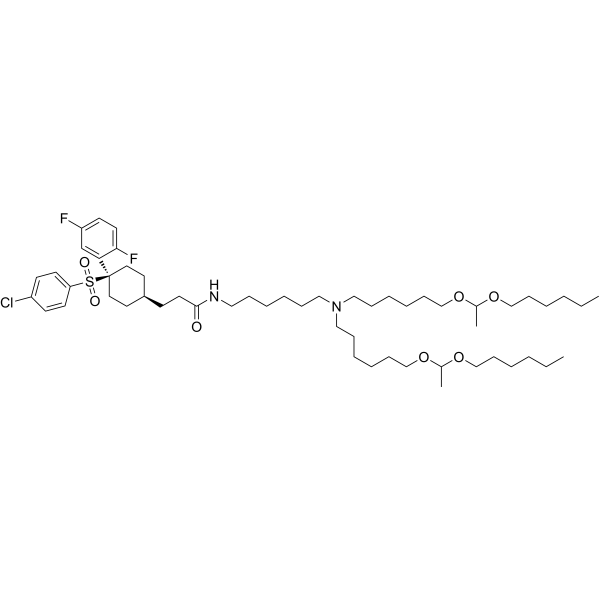
Lipid S4Featured
Lipid S4 is an advanced ionizable lipid engineered for systemic mRNA delivery to the brain, leveraging SR-57227—a high-affinity 5-HT3 receptor ligand—as its core head group to enable targeted blood-brain barrier (BBB) penetration via receptor-mediated transcytosis, while incorporating amino linkers for pH-responsive ionization and biodegradable branched ester tails to facilitate efficient endosomal escape and intracellular mRNA release; optimized through orthogonal screening into OS4 LNP (formulated at S4/DOPE/Chol/DMG-PEG2k = 40:40:60:0.75 molar ratio), it demonstrated a 13.3-fold increase in brain mRNA expression compared to FDA-approved MC3 LNPs, and further conjugation with the Tat cell-penetrating peptide yielded OS4T LNP, boosting delivery efficiency by 12.7-fold over OS4 alone and enabling broad mRNA expression across neurons, astrocytes, microglia, and endothelial cells; validated in orthotopic glioblastoma models, OS4T delivered engineered IL-12 mRNA, suppressing tumor growth and extending median survival to 37 days (vs. 17 days for controls) with minimal systemic toxicity, positioning S4-based LNPs as a robust, translatable platform for CNS-targeted therapeutics.
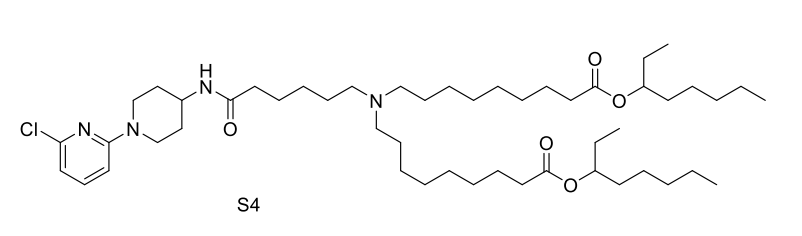
Iso-A11B5C1Featured
Iso-A11B5C1 is an ionizable lipid. The iso-A11B5C1 LNP demonstrates a high level of muscle-specific mRNA delivery efficiency. exhibiting transfection efficiency comparable to the commercially available lipid SM-102, while considerably reducing inadvertent mRNA expression in main organs such as the liver and spleen.Additionally, study results show that intramuscular administration of mRNA formulated with iso-A11B5C1 LNP caused potent cellular immune responses, even with limited expression observed in lymph nodes.
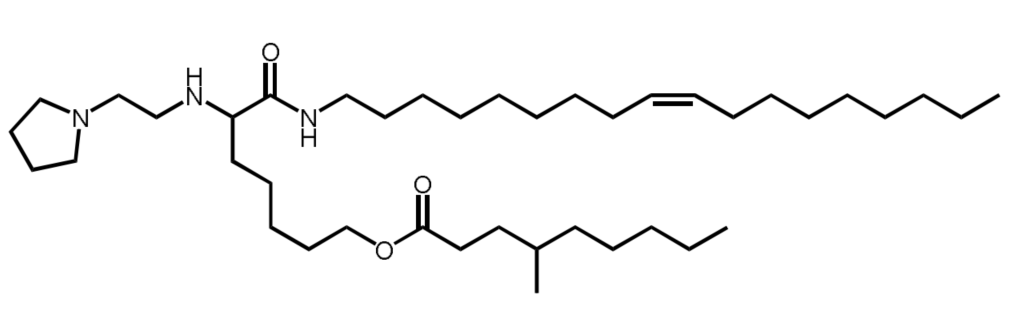
AMG1541Featured
AMG-1541 is a degradable cyclic amino alcohol ionizable lipid optimized for mRNA vaccine delivery using lipid nanoparticles (LNPs). Formulated typically with DOPE, cholesterol, and PEG-lipids, AMG 1541 LNPs have a diameter of ~85 nm, PDI of 0.107, and encapsulation efficiency of 67%, ensuring stability and efficient mRNA delivery. In vitro, it outperforms benchmarks like SM-102, showing enhanced transfection in cells such as C2C12 and PBMCs. In vivo, intramuscular administration in mice results in robust protein expression within 6 hours and induces potent immune responses, including high antibody titers and Th1-biased T-cell activation, with minimal inflammation. Mechanistically, its β-hydroxyl groups form hydrogen bonds with mRNA phosphate backbones, facilitating endosomal escape. AMG1541 degrades rapidly under enzymatic conditions, reducing long-term toxicity, and is effective for vaccines targeting pathogens like influenza and SARS-CoV-2, making it a promising candidate for clinical applications.
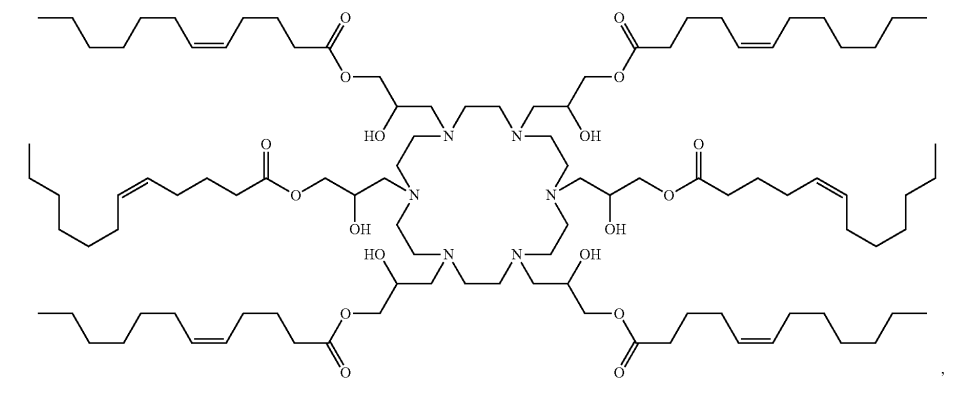
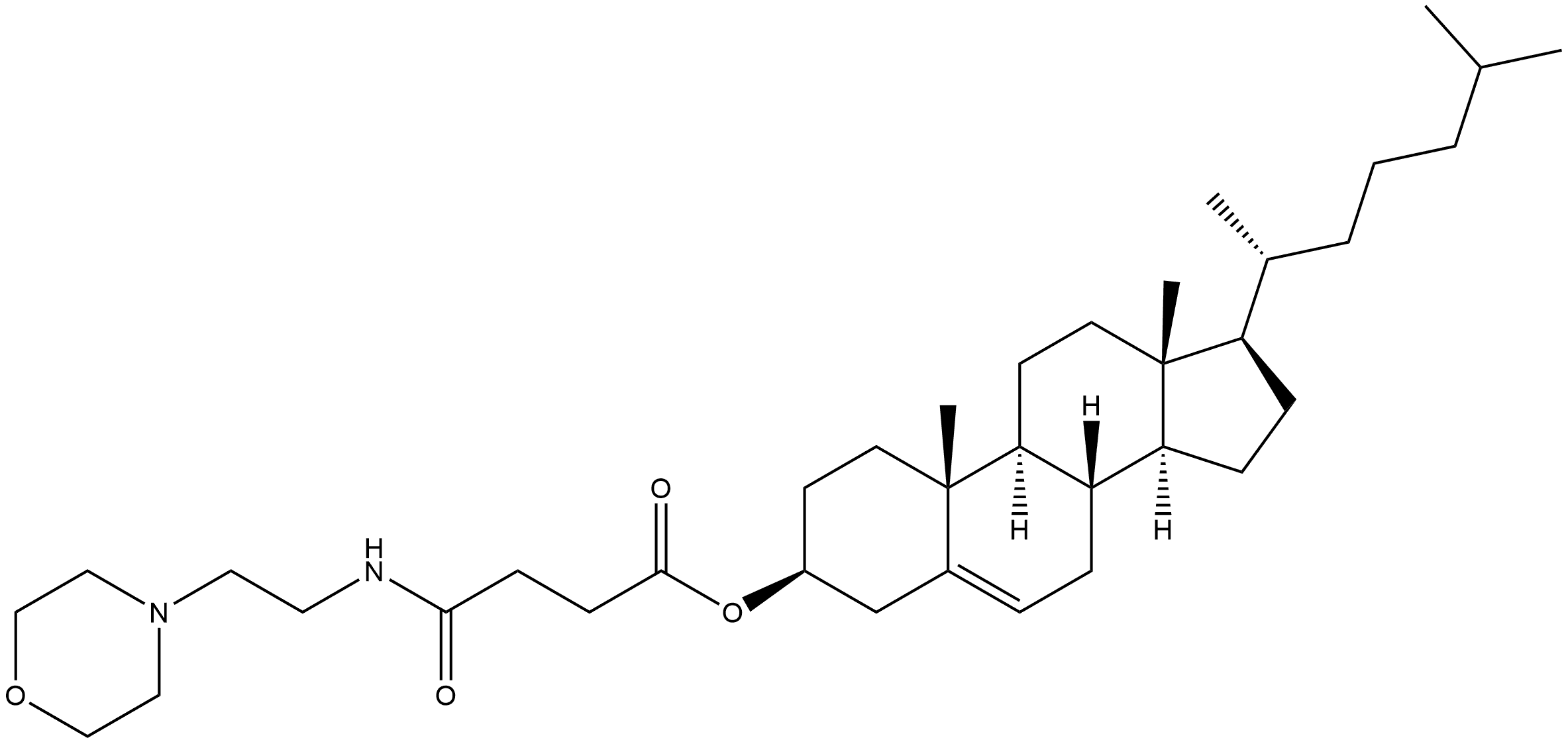
MOCHOLFeatured
MoChol is a cationic cholesterol derivative used as a membrane component in charge-reversible amphoteric nanoliposomes. It has been incorporated with CHEMS, DOPE and POPC into liposomal formulations for the delivery of anti-BCL-2 antisense oligonucleotides.
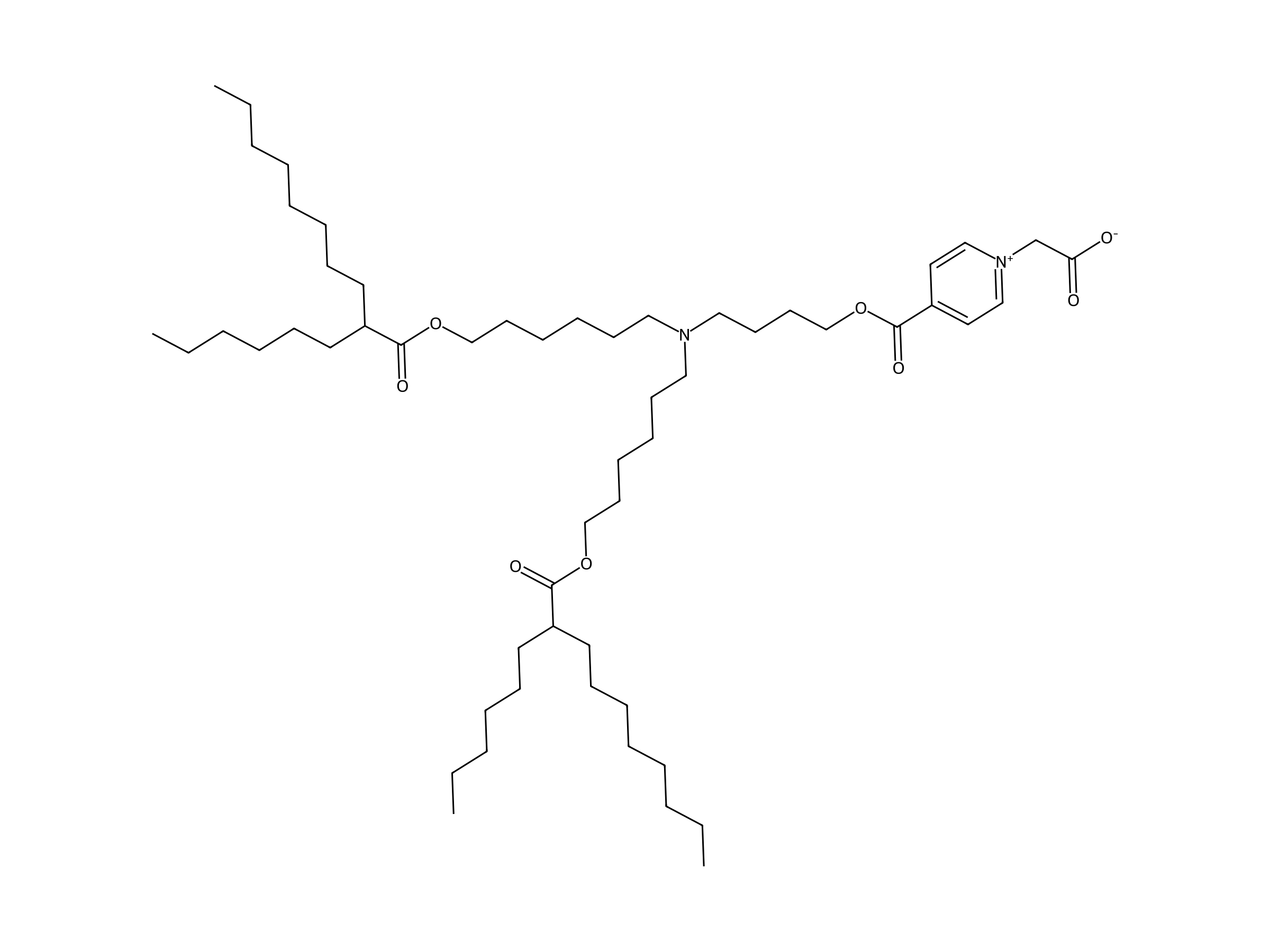
PyCB lipidFeatured
PyCB lipid (MeDZ) is a rationally designed zwitterionic ionizable lipid that serves as a core functional component in the novel three-component (ThrCo) lipid nanoparticle (LNP) platform. It is synthesized by covalently attaching a zwitterionic PyCB structure to the hydroxyl group of the clinically available ionizable lipid ALC-0315.Its key feature is its pH-responsive behavior. At physiological pH (~7.4), the PyCB headgroup exhibits zwitterionic properties, forming charge-assisted hydrogen bonds with water molecules (PyCB-H₂O complexes). This confers high hydrophilicity to the LNP surface, enhancing stability in aqueous environments and reducing nonspecific protein adsorption in the bloodstream. This zwitterionic surface effectively mimics and replaces PEGylated lipids, thereby avoiding PEG immunogenicity and the associated Accelerated Blood Clearance (ABC) effect upon repeated administrations.Crucially, in the acidic environment of endosomes (pH ~6.5), the PyCB group undergoes strong protonation, rapidly transforming into a cationic state (PyCB-H₃O⁺ complexes). This promotes efficient fusion with and disruption of the endosomal membrane, facilitating the escape and cytoplasmic release of encapsulated mRNA.By replacing both cholesterol and PEGylated lipids in traditional LNPs, PyCB lipid enables the redirection of LNP biodistribution from the liver to the spleen, achieving superior spleen-specific mRNA translation and enhancing antigen presentation for potent immune activation.
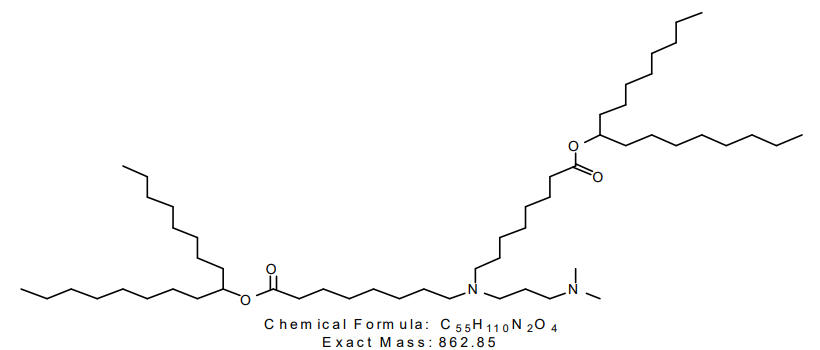
ALC-0307Featured
ALC 0307 is an ionizable amino lipid developed by Acuitas Therapeutics, serving as the critical functional component in lipid nanoparticles (LNPs) for targeted therapeutic delivery. As the core cationic lipid in specific LNP formulations (e.g., k-abe for CPS1-Q335X correction), its key feature is pH-dependent chargeability: it remains neutral at physiological pH but becomes positively charged in acidic environments like endosomes. This property enables efficient encapsulation of nucleic acid payloads (>97% efficiency, e.g., base editor mRNA/gRNA complexes) and facilitates endosomal escape via membrane disruption post-cellular uptake. Its optimized structure promotes selective hepatocyte targeting by binding endogenous apolipoprotein E (ApoE), which subsequently interacts with LDL receptors on liver cells. Preclinical studies show rapid clearance (>99.5% plasma reduction in 14 days) and manageable transient toxicity (mild, reversible cytoplasmic vacuolation in hepatocytes, short-term ALT/AST elevation). LNPs containing ALC0307, alongside helper lipids (cholesterol, DSPC, and PEG-lipid ALC-0159), form stable ~73 nm particles with low polydispersity. This combination enables repeatable, liver-directed delivery of gene editing therapeutics with minimized off-target effects, underpinning its use in individualized in vivo gene correction therapies.
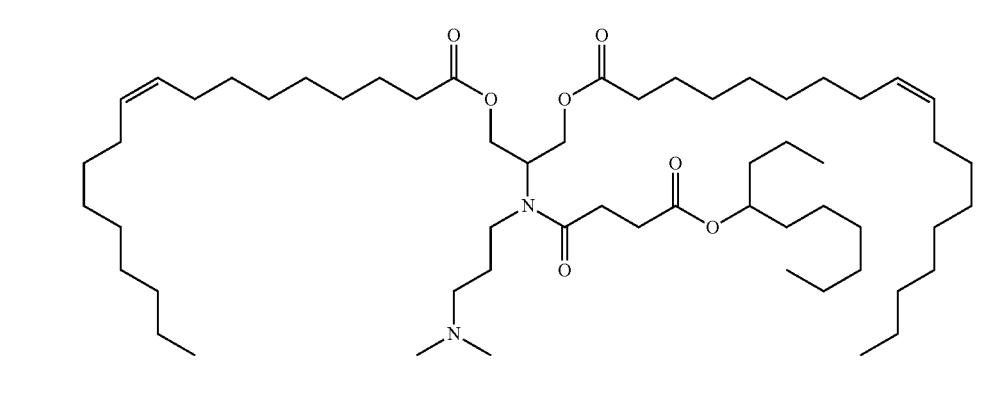
ILB-3132(E12LA6B603)Featured
ILB-3132 (E12LA6B603) is an ionizable lipid for mRNA-LNP research. View product specifications, available pack sizes and supporting information.
coming soon
Sanofi Lipid 15Featured
Lipid 15 is the lead ionizable cationic lipid (ICL) for CD8-targeted mRNA-LNPs. As the core LNP component, Lipid 15 yields ~100 nm uniform particles with near-neutral surface charge at physiological pH, while becoming strongly cationic in acidic endosomes—reducing hepatic off-target uptake and enabling efficient endosomal escape to release mRNA. Versus other ICL candidates, Lipid 15 achieves far higher mRNA transfection efficiency in primary human CD8⁺ T cells, supports robust transient CAR expression, and triggers minimal cytokine release in immunogenicity assays. It retains structural and functional stability after freeze storage. When formulated into anti-CD8 VHH-conjugated LNPs carrying CD22 CAR mRNA, Lipid 15 drives specific in vivo reprogramming of circulating CD8⁺ T cells into functional CAR-T cells, delivering potent tumor suppression in humanized hematological malignancy models without overt toxicity.
DLin-MC3-DMAFeatured
A reference ionizable lipid for hepatic siRNA delivery and comparative mRNA-LNP research.
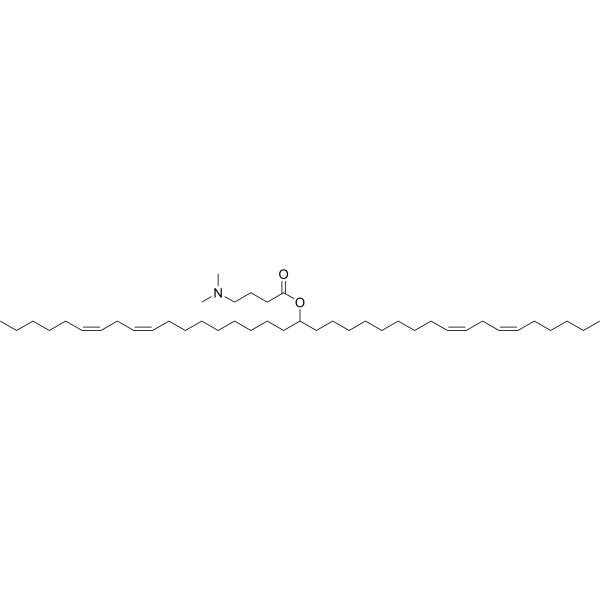
ATX-126(ATX-0126, lipid 10p)Featured
ATX-126(ATX-0126, 10p) is an ionizable cationic lipid (pKa = 6.38).It has been used in the generation of lipid nanoparticles (LNPs) for the delivery of siRNA. Intravenous administration of LNPs containing ATX-126(ATX-0126, 10p) and encapsulating Factor VII siRNA decrease Factor VII blood levels in mice.
No products match this search.
Page 1 of 43 · Browse all 848 products