For research use only. We do not sell to patients.
← All classifications
Lipid components & conjugates

Sterol lipids

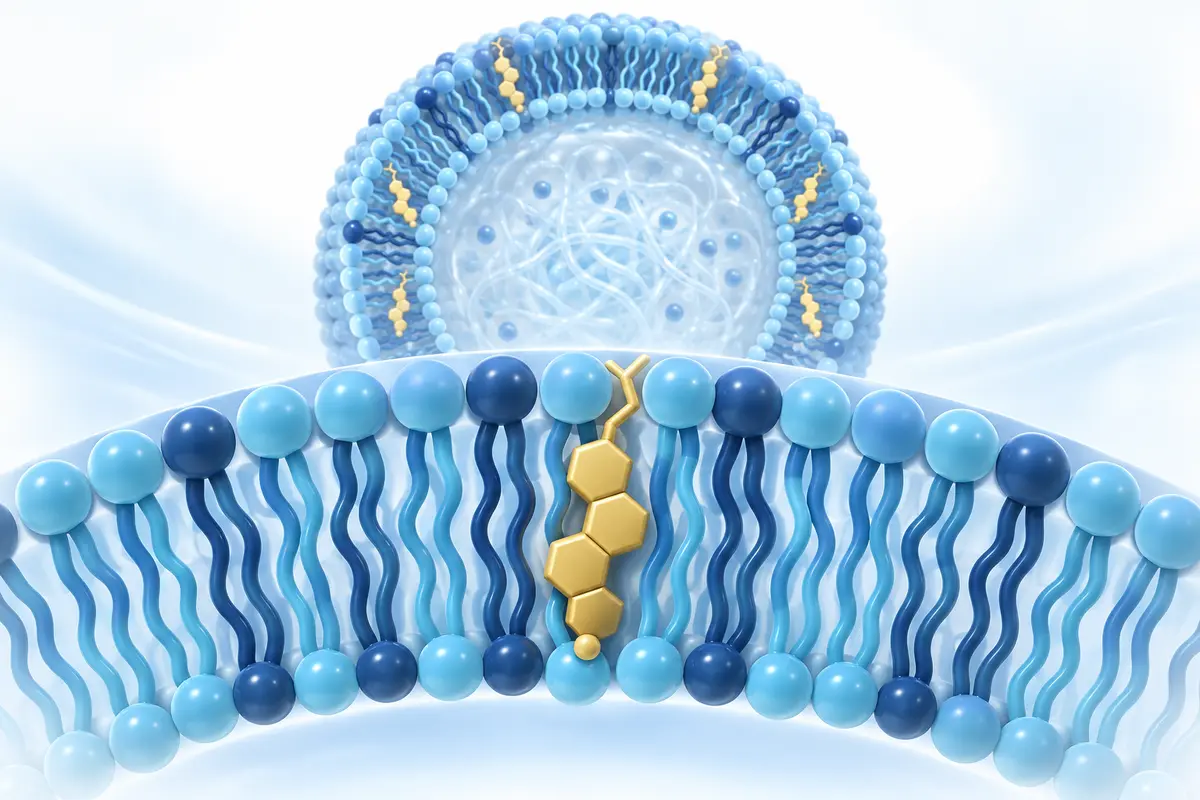
Sterol-derived and sterol-like lipids can influence LNP packing, stability, membrane interaction and biodistribution. This category supports formulation-component selection and comparative screening.

35 products currently listedResearch-use products only
Evidence noteCategory membership indicates research relevance. Organ targeting, cell specificity and performance must be verified from the formulation and study conditions cited for each product.
Scientific illustration for Sterol lipids
Browse this category

Sterol lipids products

35 products · 20 per page
Cat. No.Product NameField of ApplicationChemical Structure
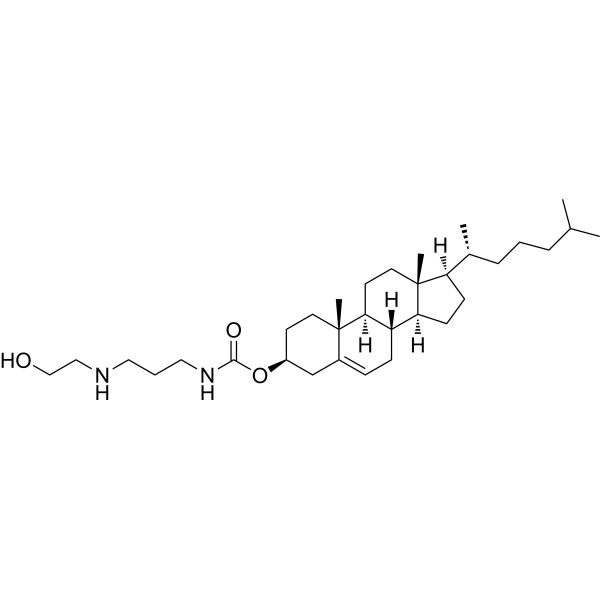
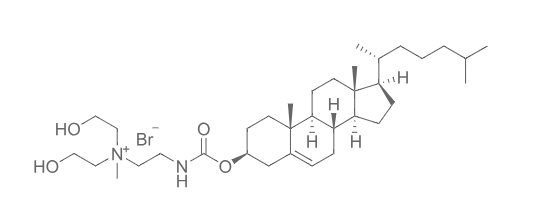
HAPC-CholFeaturedFeatured

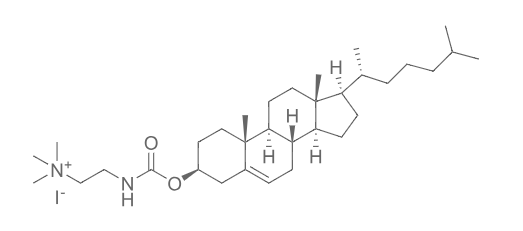
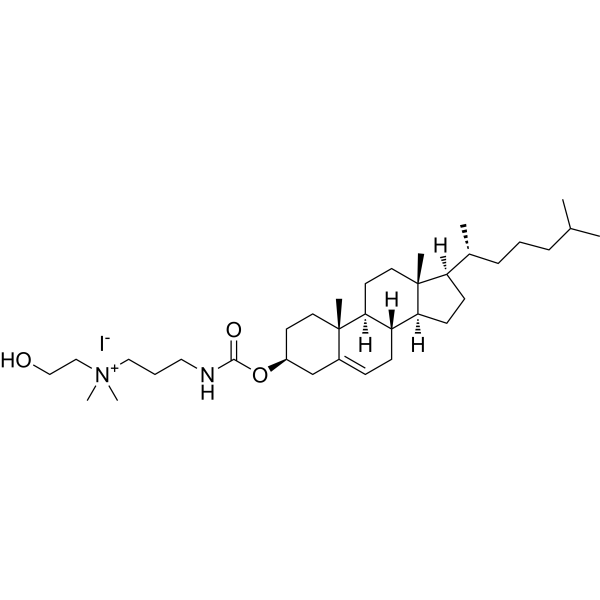
HAPC-Chol is a cationic cholesterol. HAPC-Chol, as part of a lipoplex with DOPE, has been used for siRNA delivery and gene silencing in MCF-7 cells in a luciferase assay without affecting cell viability. It has also been used to deliver siRNA into mice via intravenous injection, resulting in HAPC-chol accumulation in the lungs.

HAPC-Chol chemical structure
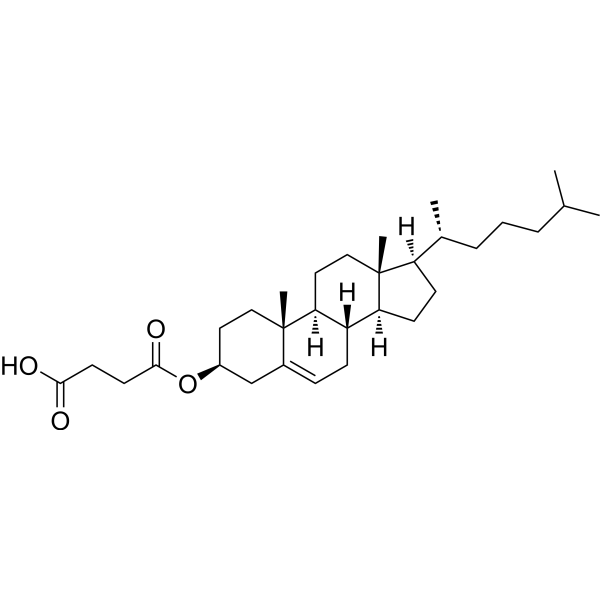
CHEMSFeaturedFeatured

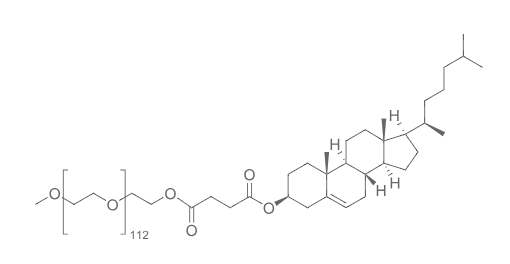
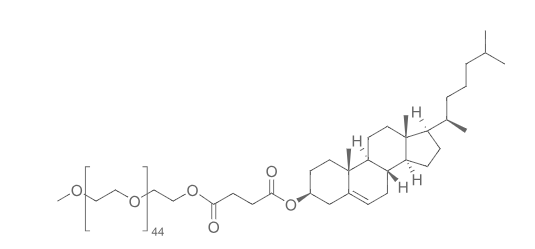
CHEMS is the analytical standard of Cholesteryl hemisuccinate. Cholesteryl hemisuccinate is a cholesterol ester with anticancer activity.

CHEMS chemical structure
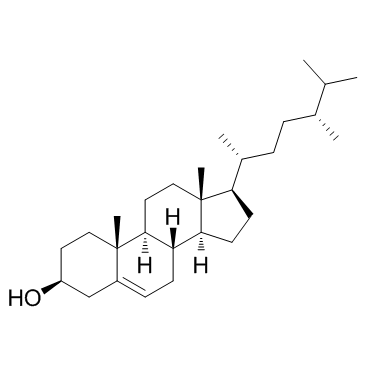
CampesterolFeaturedFeatured

Campesterol is a plant sterol with cholesterol lowering and anticarcinogenic effects.

Campesterol chemical structure
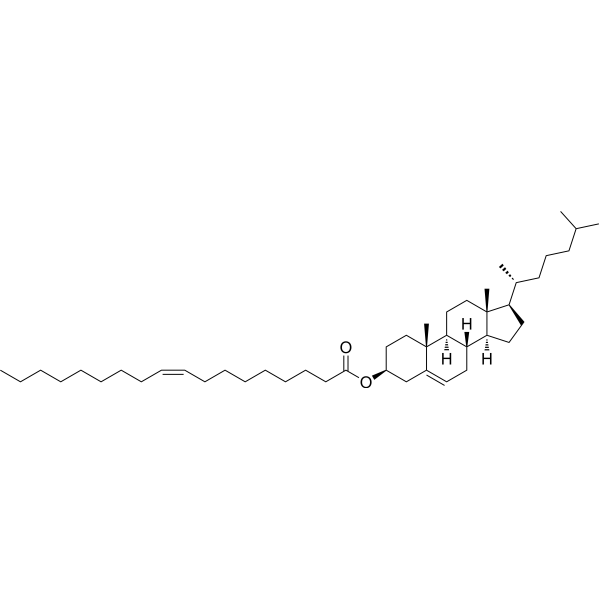
Cholesteryl oleateFeaturedFeatured

Cholesteryl oleate is an ester compound formed from Cholesterol (HY-N0322) and Oleic acid (HY-N1446), which is involved in lipid transport, storage and cell membrane formation in living organisms. Cholesteryl oleate may serve as a potential biomarker for prostate cancer. Cholesteryl oleate can also prepare cationic solid lipid nanoparticles (SLNs) for efficient gene silencing.

Cholesteryl oleate chemical structure
DC-Chol hydrochlorideFeaturedFeatured

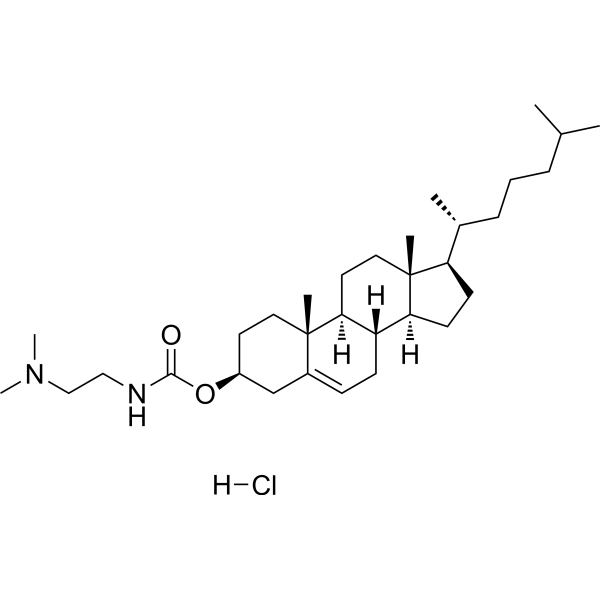
DC-Chol hydrochloride is a cationic lipid. DC-Chol hydrochloride could inhibit Aβ40 fibril formation under appropriate experimental conditions. DC-Chol hydrochloride strongly inhibits amyloidogenesis of oxidized hCT in a dose-dependent manner. DC-Chol hydrochloride induces the production of Th1 (IL-2 and IFN-γ) and Th2 (IL-5) cytokines. DC-Chol hydrochloride can enhance the body's immune response to antigens. DC-Chol hydrochloride is used as a gene delivery vector. DC-Chol hydrochloride can be used in research in areas such as hepatitis B vaccines to improve vaccine immunity.

DC-Chol hydrochloride chemical structure
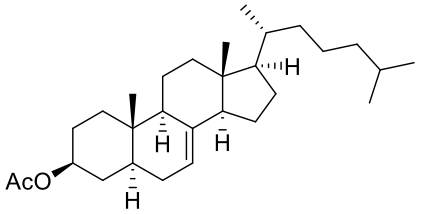
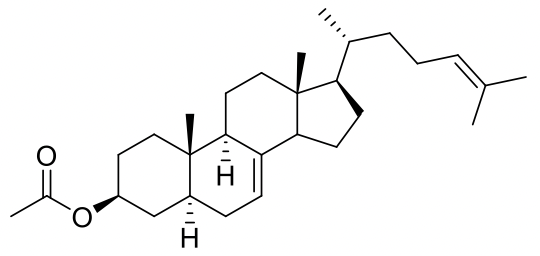
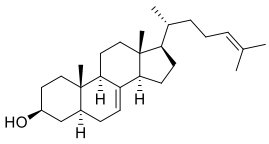
LathosterolFeaturedFeatured

Lathosterol is a cholesterol-like molecule. Serum Lathosterol concentration is an indicator of whole-body cholesterol synthesis.

Lathosterol chemical structure
β-SitosterolFeaturedFeatured

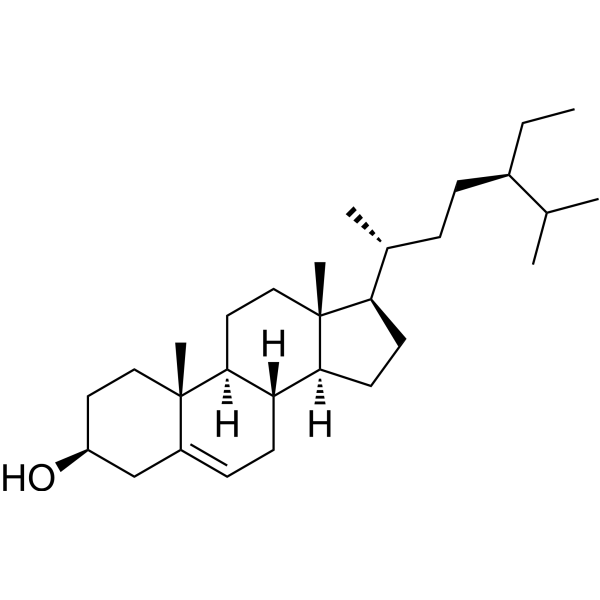
β-Sitosterol is orally active. Beta-Sitosterol exhibits multiple activities, including anti-inflammatory, anticancer, antioxidant, antimicrobial, antidiabetic, antioxidant enzyme, and analgesic. Beta-Sitosterol inhibits inflammation and impaired adipogenesis in bovine mammary epithelial cells by reducing levels of ROS, TNF-α, IL-1β, and NF-κB p65 and restoring the activity of the HIF-1α/mTOR signaling pathway. Beta-Sitosterol induces apoptosis in cancer cells through ROS-mediated mitochondrial dysregulation and p53 activation. Beta-Sitosterol exerts its anticancer effects in cancer cells by activating caspase-3, caspase-8, and caspase-9, mediating PARP inactivation, MMP loss, altered Bcl-2-Bax ratio, and cytochrome c release. Beta-Sitosterol modulates macrophage polarization and reduces rheumatoid inflammation in mice. Beta-Sitosterol inhibits tumor growth in multiple mouse cancer models. Beta-Sitosterol can be used in the research of arthritis, lung cancer, breast cancer and other cancers, diabetes, etc.

β-Sitosterol chemical structure
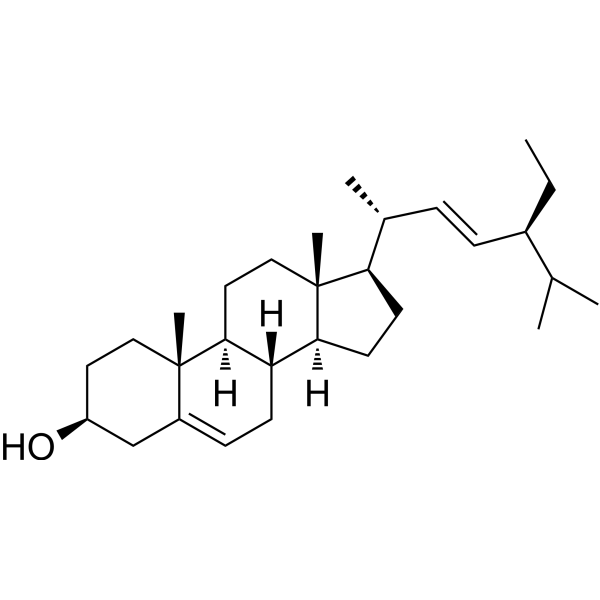
StigmasterolFeaturedFeatured

Stigmasterol is an orally acitve, immunomodulatory agent with anti-inflammatory and neuroprotective effect, as well as able to cross the blood-brain barrier. Stigmasterol activates AMPK, which in turn inhibits NF-κB and NLRP3 signaling pathways, reduces microglia-mediated neuroinflammation, and alleviates cognitive impairment and Alzheimer's disease. Stigmasterol regulates M1/M2 polarization of microglia through the TLR4/ NF-κB pathway, thereby reducing neuropathic pain. Stigmasterol can be used for neurodegenerative diseases, inflammatory diseases, and pain management, among others.

Stigmasterol chemical structure
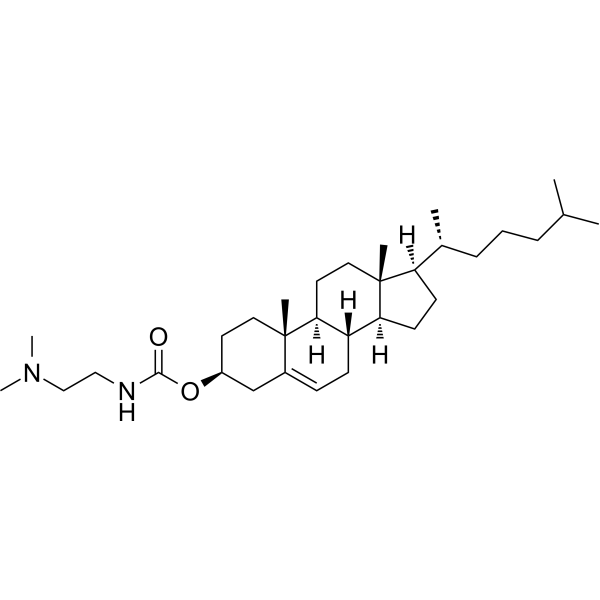
DC-cholesterolFeaturedFeatured

DC-cholesterol(3β-[N-(N′,N′-Dimethylaminoethyl)carbamoyl]cholesterol), a lipid, has been investigated in cancer gene therapy and vaccine delivery system.

DC-cholesterol chemical structure
SCSFeaturedFeatured

SCS is an orally active cholesterol biosynthesis agonist that targets NPC2. It activates SREBP2 by competitively binding to NPC2, thereby promoting cholesterol synthesis (EC50 = 50 μM).

SCS chemical structure
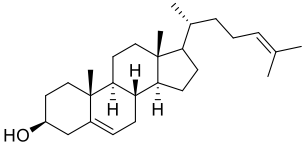
CholesterolFeaturedFeatured

Cholesterol is a component of Lipid nanoparticles (LNPs) for RNA delivery.

Cholesterol chemical structure

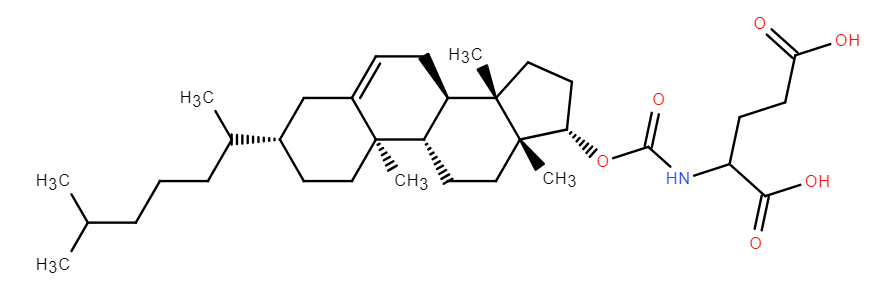
GA-Chol(glutamate-cholesterol) is a novel synthetic cholesterol derivative designed to overcome the liver tropism of conventional lipid nanoparticles (LNPs) after local administration. It is synthesized through a two-step reaction involving the covalent conjugation of glutamic acid to cholesterol. When incorporated into LNPs, GA-Chol replaces native cholesterol (typically 38.5 mol%), significantly altering the nanoparticles' properties. A key characteristic of GA-Chol LNPs is their strongly negative zeta potential, which contrasts with the nearly neutral charge of standard cholesterol-containing LNPs. This modification is crucial for altering the LNP's behavior in vivo. Following intramuscular or intratumoral injection, GA-Chol LNPs exhibit superior retention at the injection site, demonstrating robust localized transfection with minimal leakage into the systemic circulation and subsequent off-target expression in the liver. This localized retention effect is consistent across various cancer models. Furthermore, GA-Chol enhances in vitrotransfection efficiency by approximately 10 to 20-fold in different cell lines. Therapeutically, LNPs formulated with GA-Chol enable effective local delivery of potent mRNA cargoes, such as constitutively active caspase-3, achieving significant tumor growth inhibition in mouse models while mitigating risks of hepatotoxicity, showcasing its potential for targeted nucleic acid therapies.

GA-Chol(glutamate-cholesterol) chemical structure
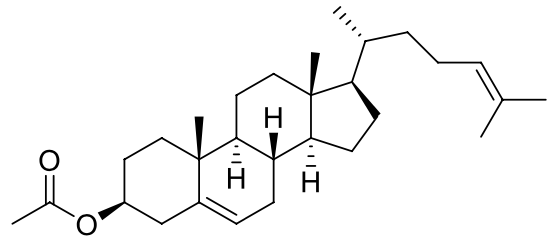
DesmosterolFeaturedFeatured

Desmosterol is an endogenous agonist of RORgamma; Intermediate in the synthesis of cholesterol.

Desmosterol chemical structure
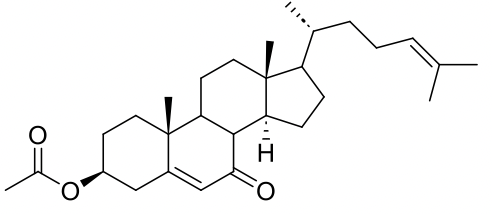
CholestenoneFeaturedFeatured

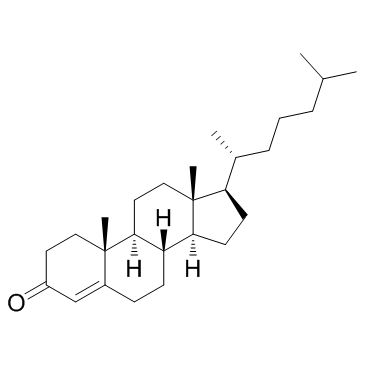
Cholestenone is the intermediate oxidation product of cholesterol.

Cholestenone chemical structure
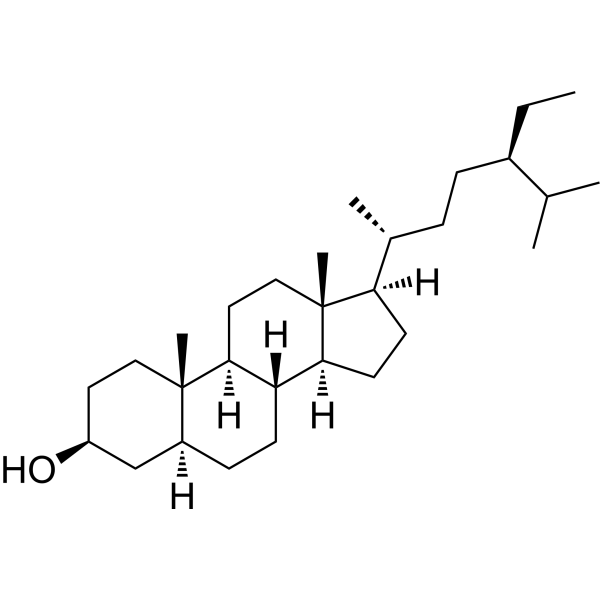
SitostanolFeaturedFeatured

Sitostanol is a saturated sterol found in a variety of plants, including corn, wheat, and rice and reduces cholesterol uptake in rats and rabbits.

Sitostanol chemical structure
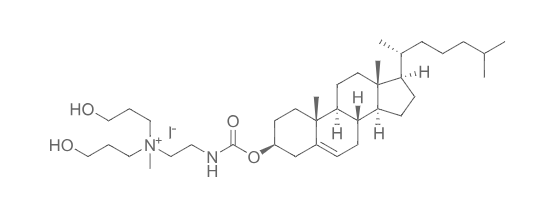
DMHAPC-CholFeaturedFeatured

DMHAPC-Chol is a cationic cholesterol. Liposomes containing DMHAPC-chol have been used for DNA plasmid delivery in vitro and in vivo in a B16-F10 mouse xenograft model. Liposomes containing DMHAPC-chol are cytotoxic to B16-F10 cells. DMHAPC-Chol, as part of a lipoplex with DOPE, has also been used to deliver DNA into mouse lung via intratracheal injection, resulting in a heterogeneous distribution in the bronchi and bronchioles, and to deliver VEGF siRNA into A431 and MDA-MB-231 cells, which secrete VEGF.

DMHAPC-Chol chemical structure