Search covers product name, catalog number, synonyms, available CAS numbers and categories. Spaces, hyphens and common punctuation are ignored. Duplicate legacy records are consolidated under one canonical product result.
849 products · Showing 161–180 · 20 per page
Cat. No.Product NameField of ApplicationChemical Structure
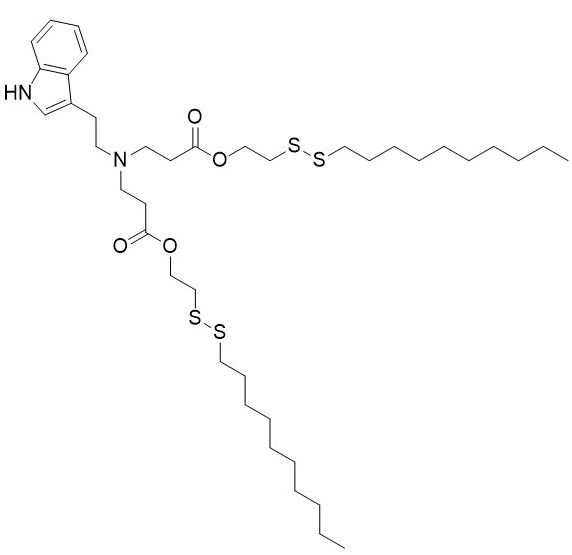
NT1-O14B is a tryptamine-containing cationic lipidoid.1 It has been used in combination with other lipids in the formation of lipid nanoparticles (LNPs). Intravenous administration of LNPs containing NT1-O14B and encapsulating antisense nucleotides against tau decreases tau brain levels in mice.
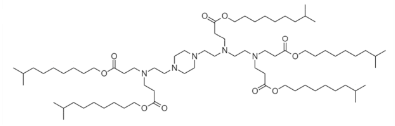
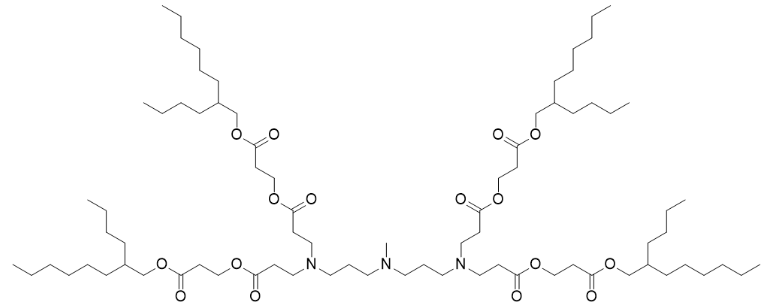
MIC2 is a set of multi-charged lipids with four tertiary amino nitrogen atoms (4N4T) which could be constructed and applied to form novel lipid nanoparticles developed by Westgen. 4N4T-LNPs based on MIC2 exhibit much higher mRNA translation efficiency than the approved SM-102-LNPs. 4N4T-LNPs are successfully applied to DS mRNA vaccine and the vaccines worked well against SARS-CoV-2 and its variants, including Delta and Omicron.
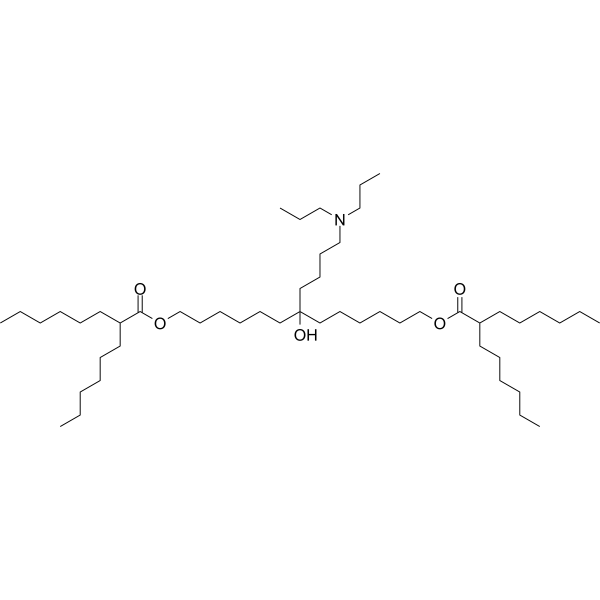
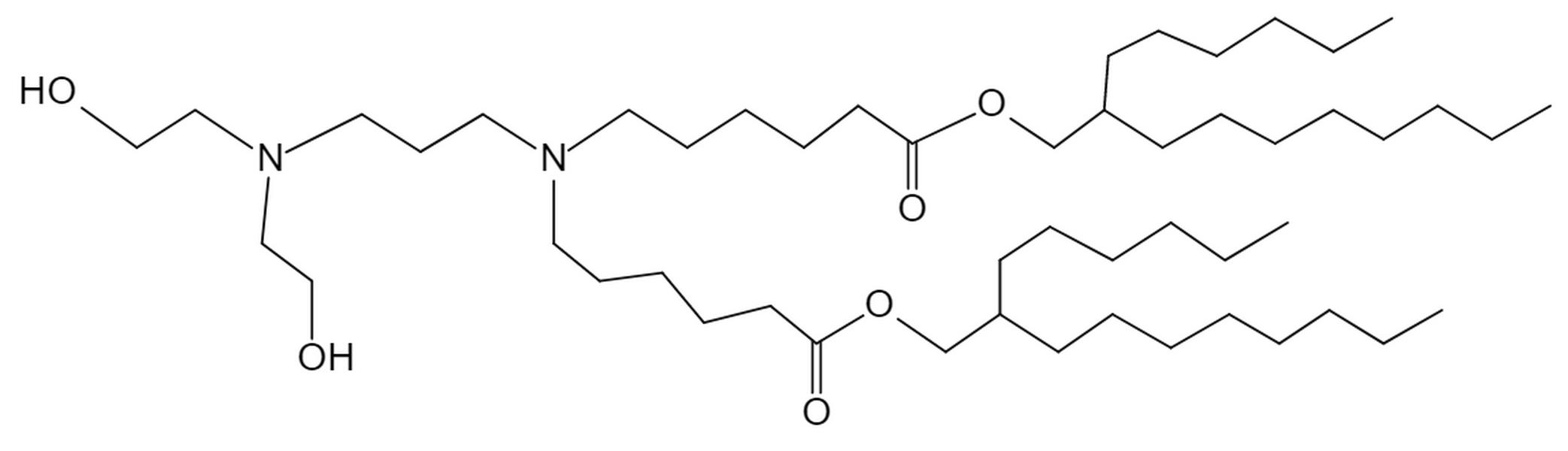
CL4F8-6 is an ionizable cationic lipid (pKa = 6.14) that has been used in combination with other lipids in the formation of lipid nanoparticles (LNPs).1 LNPs containing CL4F8-6 and encapsulating an mRNA reporter accumulate specifically in the mouse liver after intravenous administration. LNPs containing CL4F8-6 and encapsulating mRNA encoding the Cas9 nuclease (mCas9) and single-guide RNA (sgRNA) targeting Ttr (sgTtr), the gene encoding transthyretin, have been used to induce CRISPR-mediated gene knockdown in mice resulting in a reduction of serum levels of TTR.
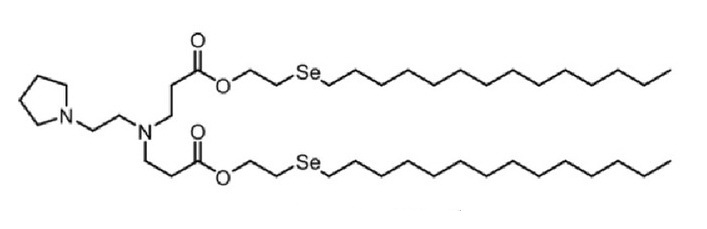
76-O17Se is a selenium-containing lipidoid investigated for intracellular delivery of mRNA and genome-editing proteins. In CAR-T cell engineering studies, 76-O17Se-based lipid nanoparticles delivered N1-methylpseudouridine-modified anti-CD19 CAR mRNA into CD8+ T lymphocytes. The resulting CAR-T cells demonstrated cytotoxic activity against B-cell lymphoma cells in vitro, supporting its application in nonviral mRNA delivery and transient immune-cell engineering research.
4A3-SCC-10 is a disulfide bond-containing biodegradable ionizable cationic lipid (pKa = 6.22) that has been used in the generation of lipid nanoparticles (LNPs) for the delivery of mRNA in vitro and in vivo. LNPs containing 4A3-SCC-10 and encapsulating a Cy5-RNA reporter have improved endosomal escape ability over Cy5-RNA-encapsulated LNPs containing 4A3-SC-10, which does not contain disulfide bonds, in HeLa cells. Intravenous administration of LNPs containing 4A3-SCC-10 and encapsulating an mRNA luciferase reporter selectively accumulate in mouse liver.
200Oi10 is a highly potent, biodegradable ionizable lipidoid optimized for targeted mRNA delivery, with its organ tropism dynamic to the route of administration. Under intravenous injection, it demonstrates an extraordinary 97.7% liver specificity mediated by endogenous ApoE binding. Strikingly, shifting to intraperitoneal injection redirects its tropism, yielding up to 46.4% pancreatic targeting, which can be further boosted when co-formulated with DOTAP. Featuring ester-conjugated cleavable tails, 200Oi10 guarantees rapid metabolic clearance and negligible tissue accumulation toxicity, making it an exceptional candidate for localized pancreatic therapy and efficient hepatic gene delivery.
U-101 is an ionizable lipid for mRNA delivery. U101-LNP/IL-2F mRNA formulation demonstrats effective antitumor activity and safety.LNPs containing lipid U 101 and encapsulating mRNA encoding a fusion protein composed of IL-2, a linker, and CD25 inhibit tumor growth in an MC-38 mouse xenograft model.
Lipid B3 is a biodegradable ionizable lipid for liver targeted delivery. Lipid B3-LNP shows high delivery efficacy and low toxicity in delivering RNA to liver cells.
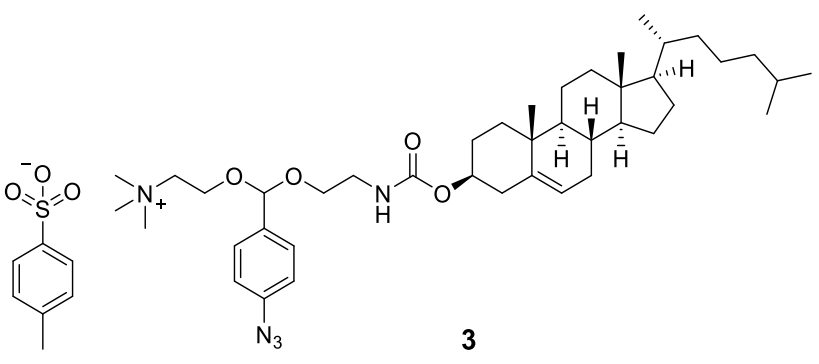
Acid-degradable Cationic Lipid (ADC) composed of cationic lipid is synthesized with the azido-acetal linker and used to generate RD-LNPs, which significantly improves the performance of LNP-mRNA complexes in vitro and in vivo.
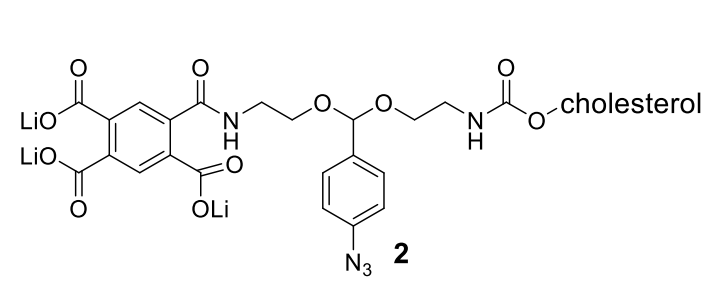
ADA (Acid-Degradable Anionic Lipids) is revolutionizing mRNA delivery with its unique azido-acetal linker, enabling rapid hydrolysis in endosomes (pH ~6.0). This breakthrough technology ensures efficient endosomal escape, significantly enhancing mRNA delivery to target cells. ADA-LNPs excel in delivering mRNA to the spleen and liver, making them ideal for immune-related therapies.By degrading into biocompatible byproducts, ADA minimizes long-term tissue persistence and toxicity.ADA-LNPs outperform traditional LNPs, delivering mRNA more effectively to immune cells like macrophages and B cells.
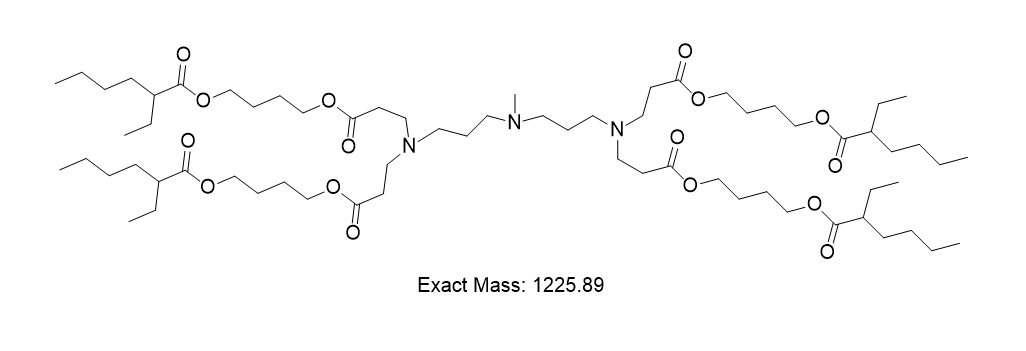
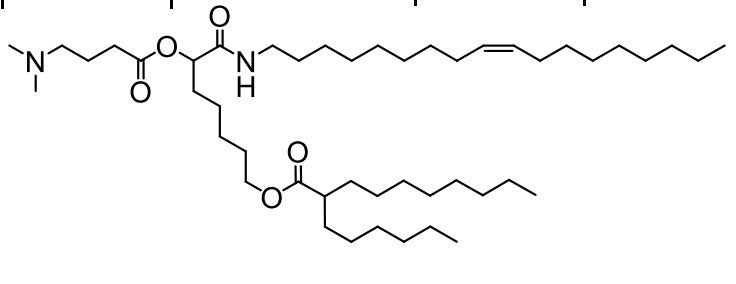
A4B4-S3 is a novel biodegradable ionizable lipid that has been meticulously designed through modular platforms and optimized specifically for mRNA delivery. It serves as a critical component of lipid nanoparticles (LNPs) and enhances mRNA delivery efficiency by facilitating endosomal escape. The structural design of A4B4-S3 leverages the Passerini reaction, a highly efficient and modular chemical method that enables the rapid generation of diverse lipid libraries. The design focuses on optimizing the methylene units between lipid headgroups and linkages to strengthen hydrogen bonding interactions with mRNA ribophosphate complexes. This enhanced hydrogen bonding allows for more effective release of mRNA from endosomes, thereby boosting delivery efficiency. Concurrently, the structural optimization improves biodegradability, reducing potential long-term toxicity risks. In experimental studies, A4B4-S3 has demonstrated superior gene editing efficacy in mouse liver compared to SM-102, a clinically prevalent lipid used in Moderna's COVID-19 vaccine. It also shows potential for repeat-dose protein replacement therapies, suggesting enhanced stability and safety for long-term treatment regimens. Technologically, A4B4-S3 not only provides a more efficient LNP formulation but also deepens the understanding of the relationship between structure and delivery efficiency. This offers new directions for the development of future mRNA therapeutics. In summary, A4B4-S3 represents a next-generation delivery carrier achieved through rational design and high-throughput screening strategies. Its performance enhancements and biodegradable properties position it as a promising candidate for gene therapies and vaccine applications.
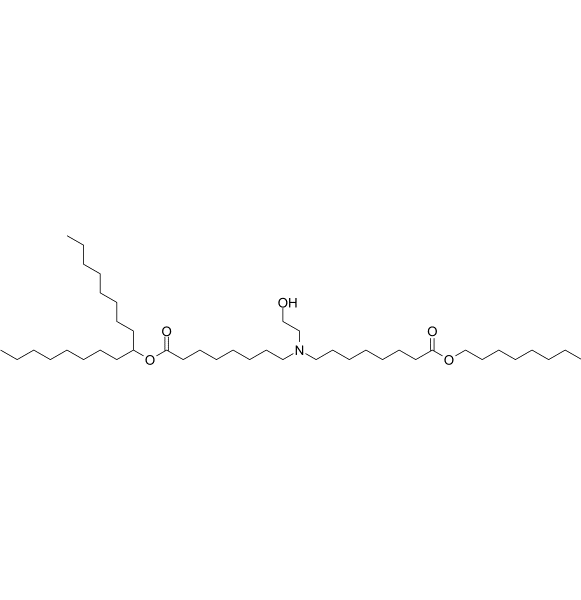
SM-86 Analog-1 is a novel ionizable lipid designed to improve the delivery of RNA via lipid nanoparticles (LNPs) It is derived from SM-86,with 8 carbon within its hydrophobic tail.
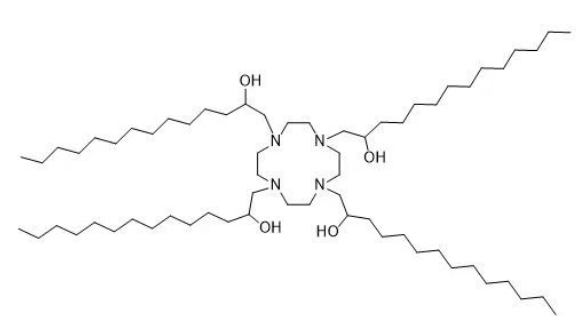
H7T4-4 is an ionizable lipid designed for mRNA delivery via lipid nanoparticles (LNPs). It features a cyclic amine headgroup (derived from cyclen tetrahydrochloride) and four C14 hydrophobic alkyl tails, synthesized through a Michael addition reaction between cyclen and 1,2-epoxytetradecane. With a high transition temperature (Tm = 58.6°C) due to strong intermolecular interactions from its cyclic headgroup and multi-tail structure, H7T4-4 alone forms rigid aggregates incompatible with mRNA encapsulation. However, when blended with low-Tm helper lipids (e.g., DOPE, Tm = -16°C), the system’s overall Tm decreases, enabling stable LNP formation. Optimized formulations (20% H7T4-4, 41% DOPE, 38% cholesterol, 1% DMG-PEG) exhibit efficient mRNA encapsulation (>90%) and transfection. Structural analyses (SAXS, cryo-TEM) confirm monodisperse LNPs with lamellar/hexagonal phases. In vivo, H7T4-4 LNPs show tumor-targeted and intranasal mRNA delivery with reduced off-target accumulation compared to SM-102-based LNPs. This rational design highlights Tm-guided helper lipid selection to overcome rigidity challenges in ionizable lipids.
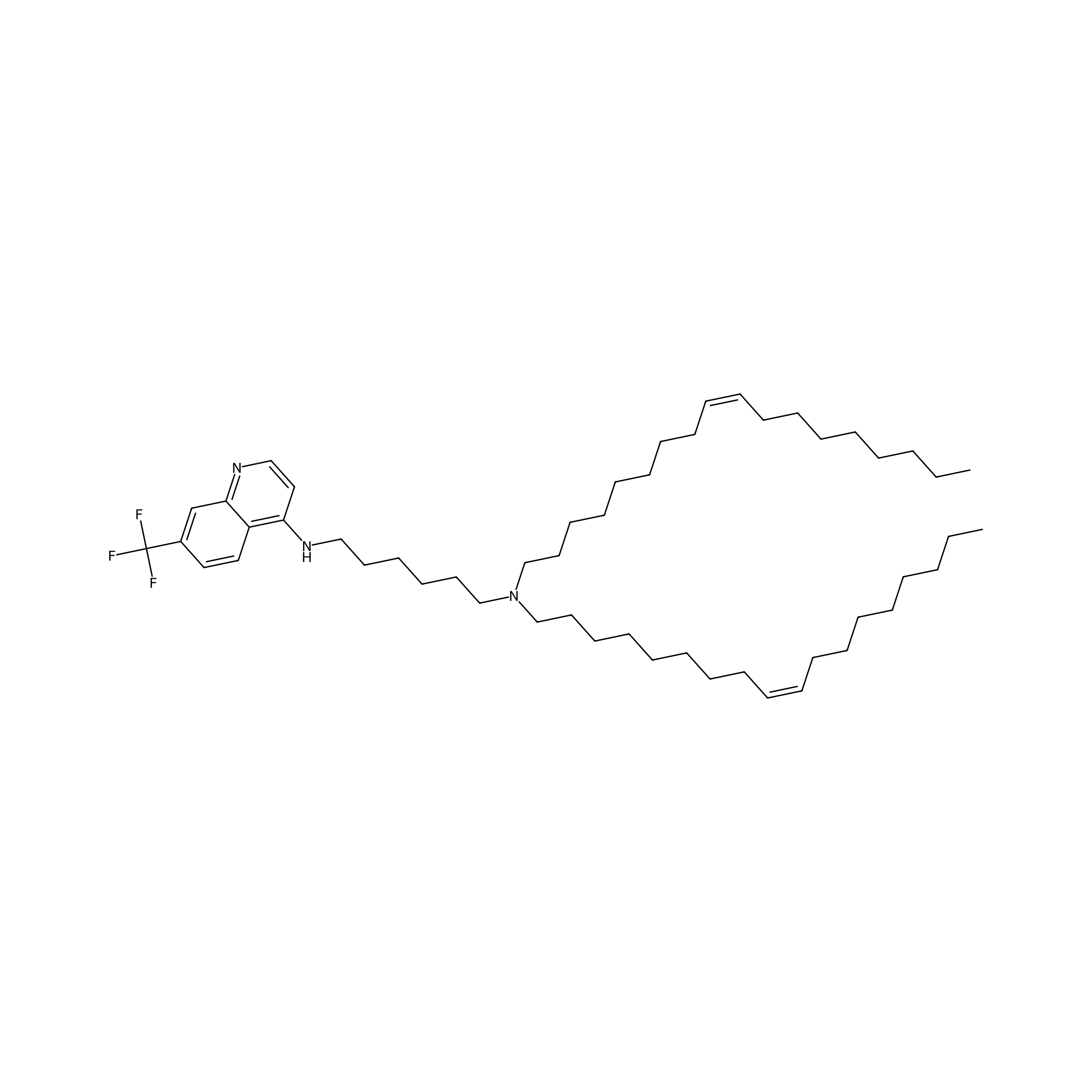
CF3-2N6-UC18 is a rationally designed chloroquine-inspired ionizable lipid that enables robust mRNA delivery and genome editing. It integrates three modular components: a 7-trifluoromethyl-substituted quinoline scaffold (mimicking chloroquine’s endosomolytic properties), a hexamethylenediamine linker with two ionizable nitrogen atoms (pH-responsive protonation), and two unsaturated oleyl (C18:1) hydrophobic tails (enhancing membrane fusion and nanoparticle stability). This lipid self-assembles into ecoLNPs (endosomolytic chloroquine-like lipid nanoparticles) with spherical morphology (~200 nm diameter, 98% mRNA encapsulation). Its pH-sensitive activity triggers endosomal escape through dual mechanisms: proton sponge effect (buffering endo-lysosomal pH) and saposin B-mediated membrane disruption (molecular docking confirms chloroquine-like binding to lysosomal saposin B). In vitro, ecoLNPs outperform commercial reagents (18.9-fold higher mRNA delivery than Lipofectamine 2000) and penetrate 3D cell models. They resist serum/RNase degradation and retain >90% activity after 7-day storage at 4°C. In vivo, ecoLNPs achieve tissue-specific mRNA expression via multiple routes (intravenous, intramuscular, etc.), with strong lymph node tropism (90.2% after intramuscular injection) comparable to SM-102 LNPs (Moderna’s COVID-19 vaccine carrier). They mediate efficient Cre mRNA-driven recombination and CRISPR-Cas9 editing in transgenic mice. CF3-2N6-UC18’s modular design, stability, and dual endosomal escape strategies position it as a versatile platform for mRNA vaccines, gene therapy, and genome editing applications.
Lipid 854 is an ionizable cationic lipid that has been used in the generation of lipid nanoparticles (LNPs) for the delivery of mRNA in vivo. Lipid 854 has been optimized based on Lipid 88.
TE AA3-Dlin is an optimized lipid nanoparticle (LNP) carrier designed for mRNA-based cancer immunotherapy, enabling precise in vivo dendritic cell (DC) reprogramming to enhance antitumor immunity. TE AA3-Dlin LNP exhibits superior serum stability, maintaining consistent particle size and low turbidity under physiological conditions, while protecting mRNA from degradation, which is crucial for effective delivery. Functionally, TE AA3-Dlin preferentially targets splenic DCs by leveraging ApoE-enriched protein coronas, facilitating efficient cellular uptake and mRNA expression, as demonstrated by enhanced EGFP signals in DCs.This targeting promotes DC maturation, antigen presentation, and membrane-bound IL-15 expression, activating cytotoxic T lymphocytes (CTLs) for tumor rejection. In models like melanoma and colon carcinoma, it synergizes with checkpoint inhibitors, showing minimal toxicity and robust immunological memory.
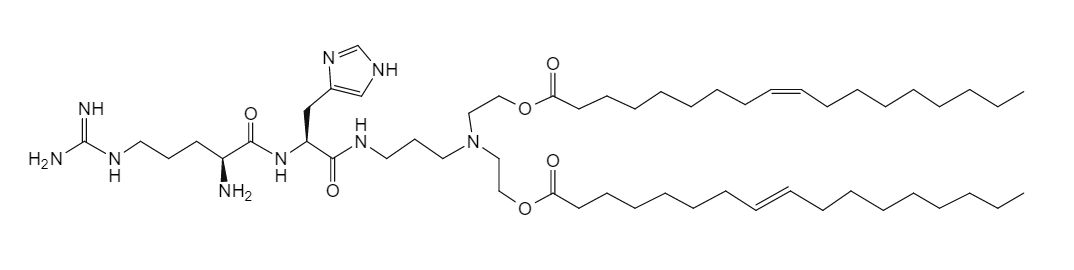
AA76-lipid is a dipeptide-modified ionizable lipid, engineered with an arginine-histidine motif, that constitutes the core of the pancreatic-targeted AH-LNP delivery platform. Its chemical architecture, characterized by an externally positioned and C-terminally modified arginine residue, was identified through systematic screening as the optimal structure for function. Upon intraperitoneal administration, AH-LNPs formulated with this lipid interact with proteins in the peritoneal fluid, undergoing dynamic assembly into significantly larger complexes. This substantial increase in size (from ~100 nm to over 360 nm) exploits a physical targeting principle termed the Capsule-filter-mediated pancreatic targeting (CAMP) mechanism. Large particles are selectively filtered out by the dense capsules of other abdominal organs, leading to preferential enrichment in the capsule-deficient pancreas. Concurrently, the arginine-histidine motif directs the formation of a distinct protein corona enriched with apolipoproteins (e.g., APOE, APOB-100), which mimics very-low-density lipoprotein (VLDL). This corona enables efficient cellular internalization primarily into pancreatic stromal cells via VLDL receptor (VLDLR)-mediated endocytosis, known as the VMP pathway. The synergistic integration of the physical CAMP targeting and the biological VMP uptake mechanisms empowers AA76-lipid-based AH-LNPs to achieve highly specific, potent, and sustained mRNA delivery and gene editing within the pancreas across multiple species, demonstrating exceptional therapeutic efficacy in models of both autoimmune pancreatitis and pancreatic cancer.
Lipid 2306 is a novel ionizable lipid developed by Sail Biomedicine demonstrates excellent performance with a spleen-to-liver ratio of 3.68 and a very high total expression level of 2.5E+07. Lipid 2306 offers a strong balance of efficient systemic protein production and clear preferential delivery to the spleen.
Lipid 2310 is a novel ionizable lipid developed by Sail Biomedicine demonstrates excellent performance with a spleen-to-liver ratio of 5.58 and a very high total expression level of 1.3E+07. Lipid 2310 offers a strong balance of efficient systemic protein production and clear preferential delivery to the spleen.