Explore ionizable lipids designed or studied with antioxidant functionality. Verify whether the reported effect arises from the lipid structure, the formulated nanoparticle or the experimental model before drawing mechanistic conclusions.
4 products currently listedResearch-use products only
Evidence noteCategory membership indicates research relevance. Organ targeting, cell specificity and performance must be verified from the formulation and study conditions cited for each product.
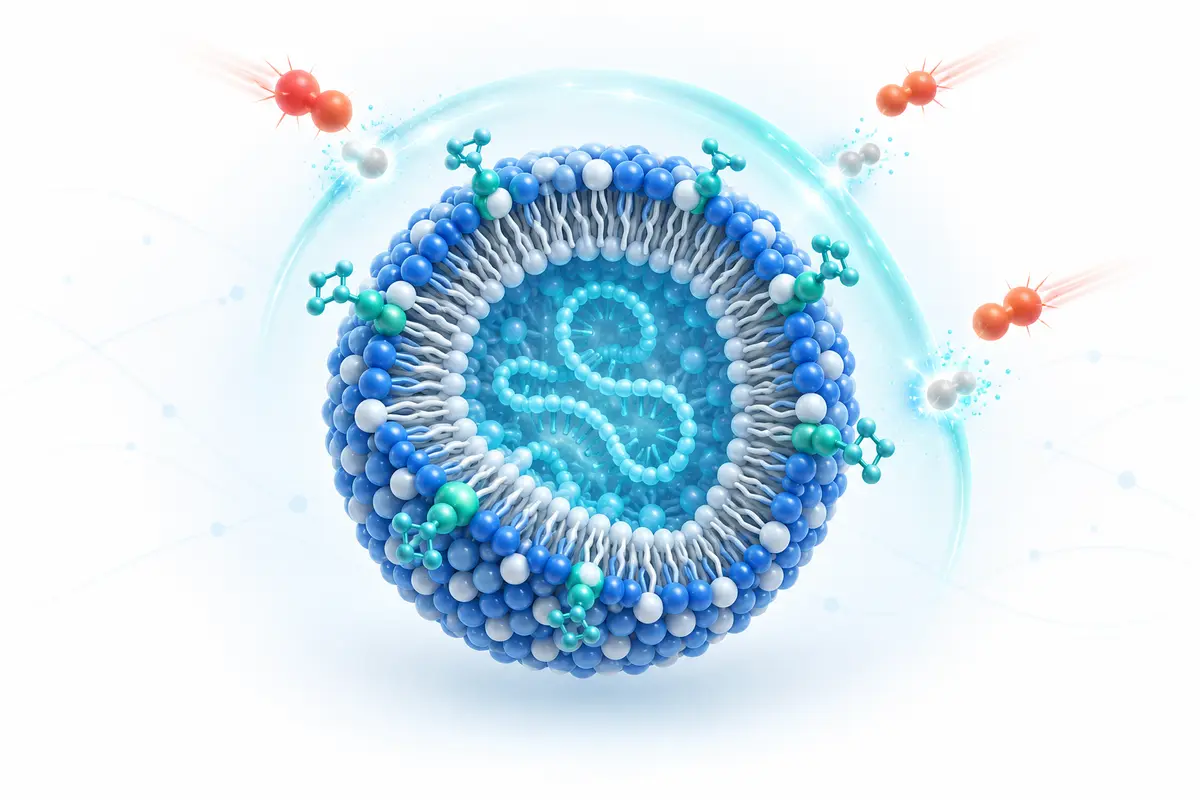
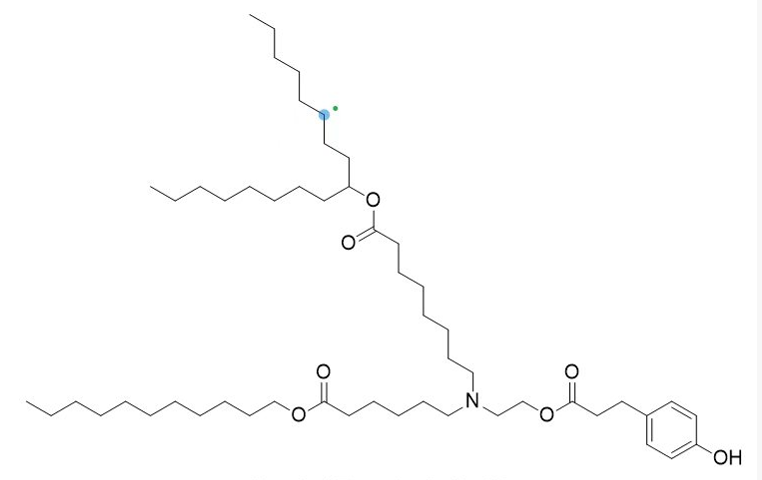
AO12 is a novel antioxidant ionizable lipid derived from SM-102 skeleton with para-hydroxyphenyl propionic acid side chains. Integrated into LNPs, it efficiently scavenges diverse reactive oxygen species including ·OH and ONOO⁻, shielding encapsulated mRNA from oxidative degradation. It retains fine LNP formulation features and cellular uptake capacity of conventional lipids, boosting in vivo mRNA translation. Applied for regenerative mRNA therapy and CRISPR gene editing against fibrosis and inflammatory disorders.
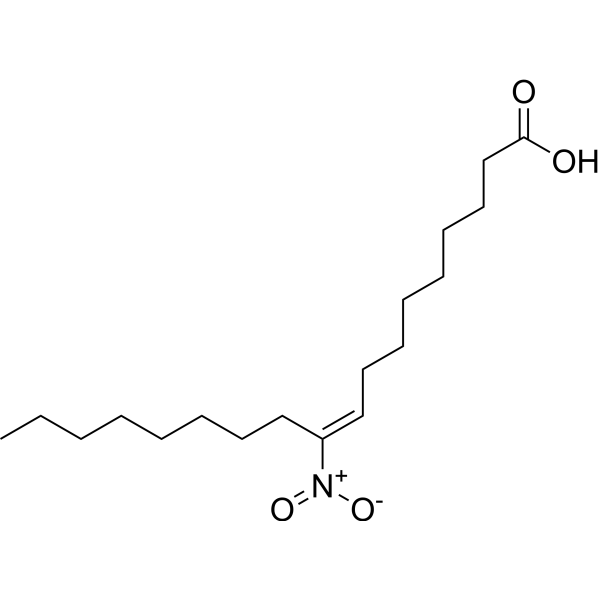
10-Nitrooleic acid (CXA-10), a nitro fatty acid, has potential effects in disease states in which oxidative stress, inflammation, fibrosis, and/or direct tissue toxicity play significant roles.
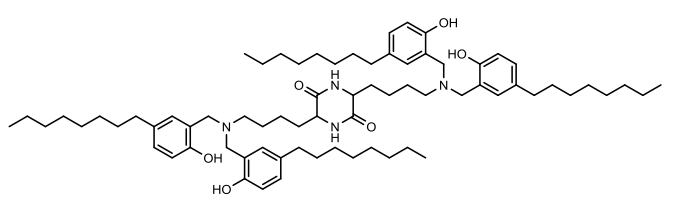
C-a16 is an ionizable lipid engineered through Mannich reaction chemistry, designed to revolutionize mRNA delivery by synergizing high efficiency with minimized immune activation. Synthesized by reacting a phenolic tail derivative, formaldehyde, and a branched tertiary amine core under optimized ethanol conditions, this lipid integrates antioxidant phenol groups directly into its structure. These phenol moieties serve as intrinsic radical scavengers, effectively neutralizing intracellular reactive oxygen species that typically degrade mRNA and trigger inflammation.In lipid nanoparticle formulations, C-a16 constitutes the functional backbone, enabling superior mRNA encapsulation efficiency while maintaining a stable nanoparticle size of approximately 80–100 nm. Critically, it outperforms conventional lipids like DLin-MC3-DMA by achieving significantly higher target-protein expression in vivo alongside markedly reduced pro-inflammatory cytokine secretion. The antioxidant capability is not incidental but fundamental—quenching the phenol groups drastically diminishes both ROS suppression and delivery efficacy, confirming the design's mechanistic elegance.C-a16 represents a paradigm shift: its biomimetic antioxidant architecture addresses the chronic trade-off between delivery potency and immunogenicity, unlocking safer therapeutic applications for vaccines and gene therapies.
9(10)-Nitrooleate(NOA)is an endogenous nitrated fatty acid that functions as a highly efficient bioactive molecule. Its primary role is the specific inhibition of the STING protein, a key inflammatory signaling sensor within cells. When STING is aberrantly activated, it can trigger a severe inflammatory response, leading to cellular damage.Mechanistically, NOA acts as an electrophile, capable of covalently modifying specific cysteine residues on the STING protein, thereby effectively blocking its ability to activate downstream signaling pathways. This inhibitory action establishes NOA as a potent endogenous anti-inflammatory agent. In practical application, loading NOA into delivery systems, such as lipid nanoparticles, equips them with an intrinsic "molecular fire extinguisher." It significantly mitigates the acute inflammatory response triggered by delivered cargo, effectively transforming otherwise toxic delivery vehicles into safe platforms. The core value of NOA lies in its ability to provide exceptional safety without compromising the functional expression of therapeutic payloads, offering a crucial safeguard for achieving long-term treatments.

-Nitrooleate.gif)