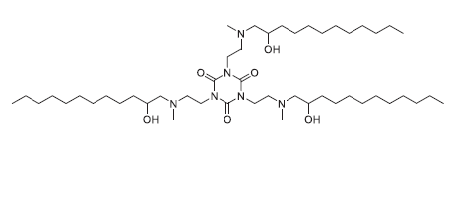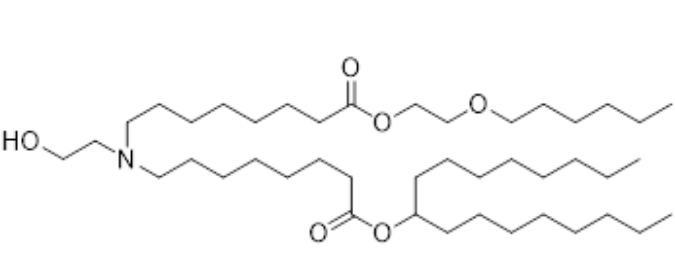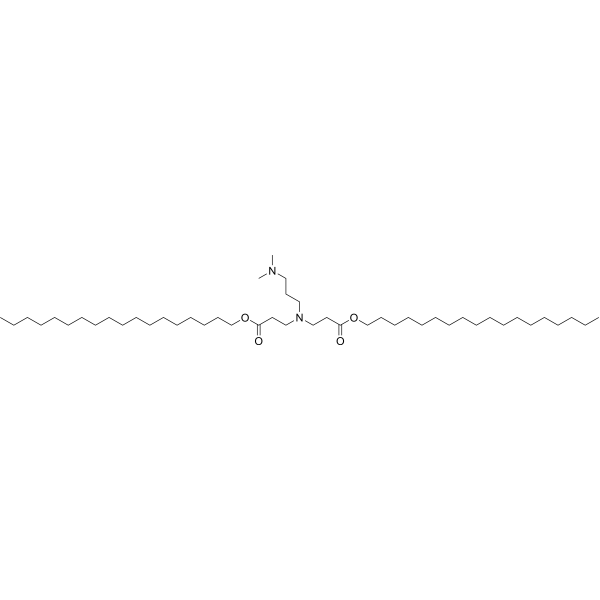
For research use only. We do not sell to patients.
← All classifications
Development stage & research systems

Classic ionizable lipids

A reference collection of established ionizable lipids widely used to benchmark LNP formulation and RNA delivery. Their historical use makes them useful controls, but performance remains dependent on the complete formulation and study design.

102 products currently listedResearch-use products only
Evidence noteCategory membership indicates research relevance. Organ targeting, cell specificity and performance must be verified from the formulation and study conditions cited for each product.
Scientific illustration for Classic ionizable lipids
Browse this category

Classic ionizable lipids products

102 products · 20 per page
Cat. No.Product NameField of ApplicationChemical Structure
LUMI6Featured

The LUMI-6 lipid, autonomously designed via the LUMI-lab platform, is a brominated ionizable lipid optimized for mRNA delivery. Formulated at a molar ratio of 35:28:34.5:2 (LUMI-6:DOTAP:cholesterol:C14-PEG2000), LNPs exhibit uniform physicochemical properties, including a hydrodynamic diameter of ~80 nm, polydispersity index (PDI) <0.2, and robust mRNA encapsulation efficiency. In vitro, LUMI-6 LNPs demonstrated 1.8-fold higher transfection potency in human bronchial epithelial cells compared to its debrominated counterpart (LUMI-6D), with minimal cytotoxicity confirmed by CCK-8 assays. In vivo, pulmonary delivery of CRISPR-Cas9 mRNA via LUMI-6 LNPs achieved ​20.3% gene editing efficiency in murine lung epithelial cells, surpassing SM-102 (Moderna’s clinical benchmark) and demonstrating ​preferential tropism for lung epithelium over endothelial cells—critical for inhaled therapies targeting cystic fibrosis and surfactant disorders. The brominated tail enhances endosomal escape through optimized protonation dynamics, though explicit pKa values remain unmeasured. Synthesized via high-throughput combinatorial chemistry and refined through AI-driven active learning, LUMI-6 combines scalable production with organ-selective delivery, positioning it as a transformative platform for pulmonary nucleic acid therapeutics.
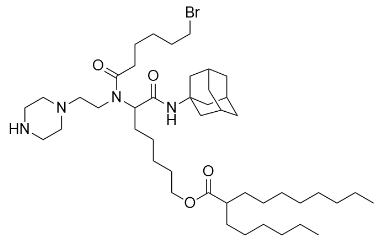
LUMI6 chemical structure
503O8,12Featured

503O8,12​​ is an ionizable lipidoid synthesized via Michael addition, combining a hydrophilic amine headgroup ("503" series) with two hydrophobic branched acrylate tails (C8 and C12 chains, likely with unsaturated bonds). Its design emphasizes organ-specific delivery, exhibiting ​​spleen-tropic targeting​​ in vivo.

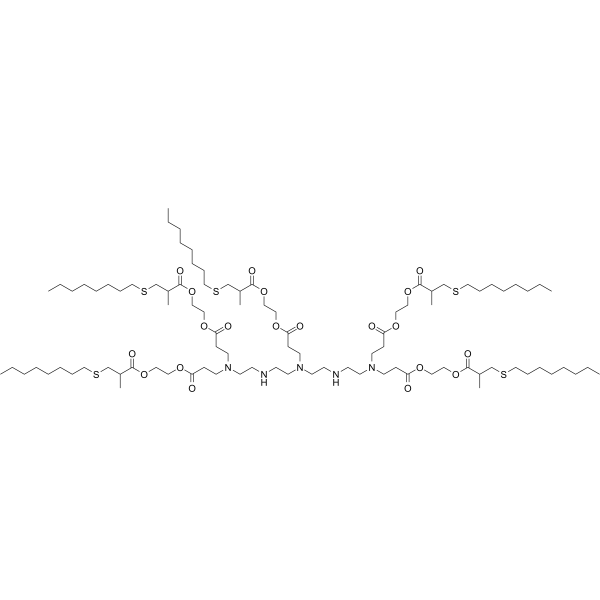
503O8,12 chemical structure
6Ac1-C12Featured

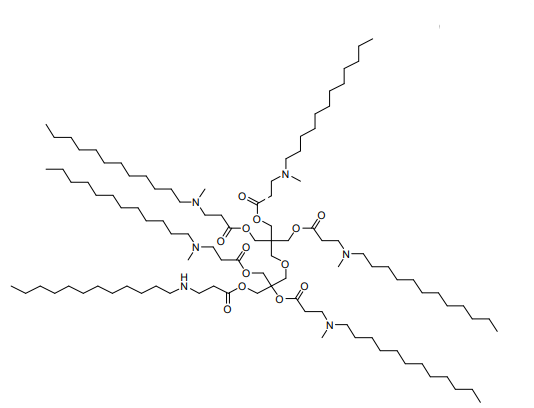
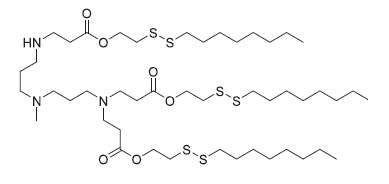
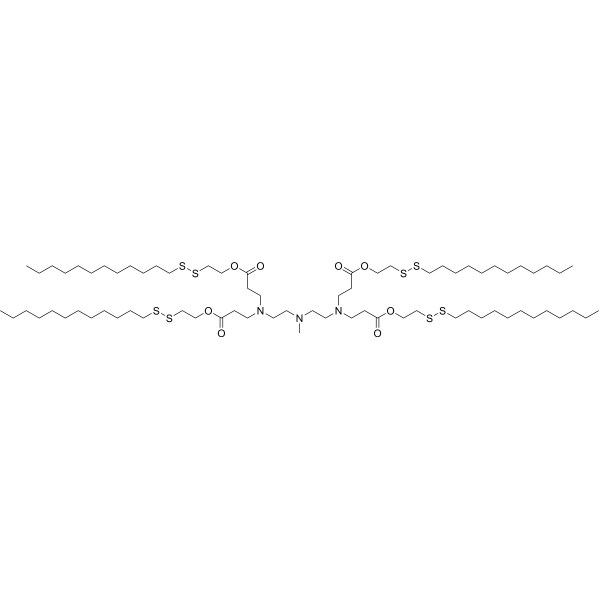
6Ac1-C12 is an ionizable cationic lipid with a hexaester degradable core and six C12 hydrophobic alkyl tails, featuring a pKa around 6.0 and strong endosomal escape capacity. Its four-component LNPs deliver mRNA mainly to liver endothelial cells after IV injection and remain stable for 30 days at 4°C. Formulated without cholesterol, its three-component system enables lung-targeted delivery with low in vivo toxicity, and the ester core facilitates biodegradation for versatile mRNA applications.

6Ac1-C12 chemical structure
Lipid TOT-5Featured

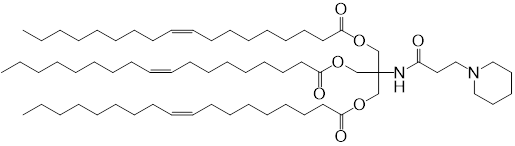
​TOT-5​​, a tri-oleoyl-Tris ionizable lipid (pKa 6.2), enables splenic B cell-targeted mRNA delivery via 15% DSPC-incorporated LNPs. Its charge-neutral, hydrophobic surface minimizes hepatic ApoE uptake and enhances complement C3 adsorption, facilitating CD21/35-mediated uptake by marginal zone B cells. In vivo, intravenous 15%DSPC-LNPs showed 8-fold higher spleen-to-liver luciferase expression vs 3%DSPC, with anti-CD21/35 blocking 60% B cell uptake. Intramuscular administration induced robust OVA-specific IgG (10^5 titer) and CTL responses (3.5% tetramer+ CD8+ T cells) while reducing hepatotoxicity (ALT/AST levels ≤40 U/L vs SM-102-LNPs' 80-120 U/L). Cryo-ET confirmed stable lamellar structures (80-100 nm, ζ-potential -2 mV). This formulation achieves safe, ligand-free splenic targeting for mRNA vaccines.

Lipid TOT-5 chemical structure
Lipid MK16Featured

MK16 is an MK-0752-derived ionizable lipid developed for blood-brain-barrier-crossing mRNA delivery in preclinical mouse models. In the cited MK16 BLNP formulation, the authors reported an apparent LNP pKa of 6.86, a particle diameter of 137.0 ± 4.1 nm, 84.8 ± 1.5% mRNA encapsulation, and brain FLuc expression 8.3-fold above an MC3 LNP comparator after intravenous administration. The study also reported mRNA expression in neurons, astrocytes, brain capillary endothelial cells and microglia, as well as proof-of-concept results in cocaine-conditioned-place-preference and orthotopic glioblastoma models. All formulation and performance information shown below is literature-derived study evidence, not a product specification or a guarantee of reproducible LNP performance.

Lipid MK16 chemical structure
CICL-207Featured

CICL 207 is structurally optimized based on Lipid CICL-1. CICL207​​ is a constrained ionizable cationic lipid designed for lipid nanoparticle (LNP) delivery systems developed by Capstan. Its structure features a ​​rigid cyclic backbone​​ (e.g., pyrrolidine-derived core) paired with a ​​tertiary amine group​​ that ionizes at acidic pH (pKa ~6.5–7.0), enhancing endosomal escape. The lipid includes ​​asymmetric hydrophobic tails​​ (likely C14–C18 alkyl/ester chains) to stabilize LNP membranes and improve nucleic acid encapsulation. Integrated into LNPs (e.g., 58% CICL-207, 10% DSPC, 30.5% cholesterol, PEG-lipids), it enables targeted delivery to T cells (anti-CD5/CD8 tLNPs) with ​​high transfection efficiency​​ (spleen T cells >70% mCherry+), ​​reduced liver uptake​​, and ​​low toxicity​​ (no significant ALT/AST elevation in rats). Its constrained design balances stability, tissue specificity, and biocompatibility for gene therapy applications.CICL 207 (F50) significantly outperforms CICL-1 by delivering dramatically enhanced target cell transfection with reduced off-target effects. It achieves >50% transfection efficiency in splenic T-cells—nearly double that of CICL-1—while slashing off-target expression in liver cells to <5% (versus >15% for CICL-1. This precision translates to superior therapeutic outcomes: CICL-207 enables ~95% B-cell depletion in CAR-T applications, far exceeding CICL-1 ’s ~60% efficacy. Critically, it maintains an exceptional safety profile, showing no significant liver toxicity or inflammatory cytokine elevation even at high doses. Furthermore, CICL-207 demonstrates 2-fold higher transfection efficiency in hematopoietic stem cells, enabling robust gene editing. Its optimized pKa (~6.5) and constrained amine structure enhance endosomal escape while minimizing Kupffer cell uptake, making it ideal for targeted therapeutics requiring both potency and safety.​

CICL-207 chemical structure
ALC-0307Featured

ALC 0307 is an ionizable amino lipid developed by Acuitas Therapeutics, serving as the critical functional component in lipid nanoparticles (LNPs) for targeted therapeutic delivery. As the core cationic lipid in specific LNP formulations (e.g., k-abe for CPS1-Q335X correction), its key feature is pH-dependent chargeability: it remains neutral at physiological pH but becomes positively charged in acidic environments like endosomes. This property enables efficient encapsulation of nucleic acid payloads (>97% efficiency, e.g., base editor mRNA/gRNA complexes) and facilitates endosomal escape via membrane disruption post-cellular uptake.​​ Its optimized structure promotes selective hepatocyte targeting by binding endogenous apolipoprotein E (ApoE), which subsequently interacts with LDL receptors on liver cells. Preclinical studies show rapid clearance (>99.5% plasma reduction in 14 days) and manageable transient toxicity (mild, reversible cytoplasmic vacuolation in hepatocytes, short-term ALT/AST elevation). LNPs containing ALC0307, alongside helper lipids (cholesterol, DSPC, and PEG-lipid ALC-0159), form stable ~73 nm particles with low polydispersity. This combination enables repeatable, liver-directed delivery of gene editing therapeutics with minimized off-target effects, underpinning its use in individualized in vivo gene correction therapies.

ALC-0307 chemical structure
Lipid PL40Featured

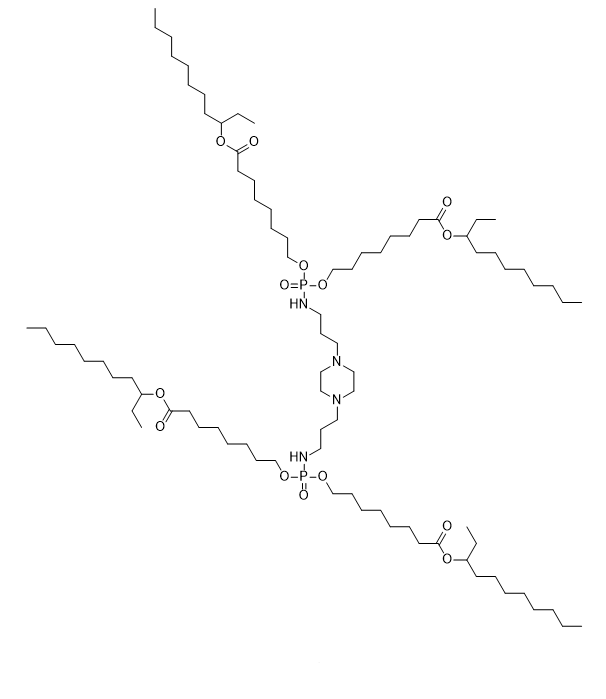
PL40 is a cardiolipin-mimic phosphoramide (CAMP) lipid developed for antibody-free, T-cell-favored mRNA delivery. The cited study reported approximately 100-fold higher luciferase expression than ALC-0315 LNP and MessengerMax in primary human T cells under a specific in vitro assay, more than 80% GFP-positive human T cells at tested doses of at least 0.5 micrograms per 100,000 cells, and spleen-favored expression after intravenous administration. PL40 LNPs carrying circular uPAR CAR mRNA were also evaluated in preclinical liver-fibrosis and collagen-induced-arthritis models. All formulation and performance information shown below is literature-derived study evidence, not a product specification or a guarantee of reproducible LNP performance.

Lipid PL40 chemical structure
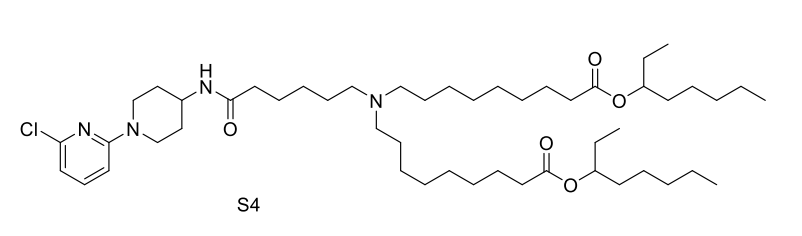
Lipid S4Featured

Lipid S4 is an advanced ionizable lipid engineered for systemic mRNA delivery to the brain, leveraging SR-57227—a high-affinity 5-HT3 receptor ligand—as its core head group to enable targeted blood-brain barrier (BBB) penetration via receptor-mediated transcytosis, while incorporating amino linkers for pH-responsive ionization and biodegradable branched ester tails to facilitate efficient endosomal escape and intracellular mRNA release; optimized through orthogonal screening into OS4 LNP (formulated at S4/DOPE/Chol/DMG-PEG2k = 40:40:60:0.75 molar ratio), it demonstrated a 13.3-fold increase in brain mRNA expression compared to FDA-approved MC3 LNPs, and further conjugation with the Tat cell-penetrating peptide yielded OS4T LNP, boosting delivery efficiency by 12.7-fold over OS4 alone and enabling broad mRNA expression across neurons, astrocytes, microglia, and endothelial cells; validated in orthotopic glioblastoma models, OS4T delivered engineered IL-12 mRNA, suppressing tumor growth and extending median survival to 37 days (vs. 17 days for controls) with minimal systemic toxicity, positioning S4-based LNPs as a robust, translatable platform for CNS-targeted therapeutics.

Lipid S4 chemical structure

CICL-1, identified in the cited study as Lipid 829 (L829), is an ionizable lipid used in targeted lipid nanoparticles for in vivo delivery of CAR mRNA to T cells. CD8-targeted L829 tLNPs preferentially engineered CD8-positive T cells in the reported models, produced rapid B-cell depletion, and controlled a humanized leukemia xenograft. In cynomolgus monkeys, anti-CD20 CAR mRNA tLNPs produced deep peripheral and tissue B-cell depletion, followed by repopulation dominated by naïve B cells; the authors described this finding as suggestive of immune reset. The supplied main article does not include Supplementary Table S1, so the complete five-lipid composition and N/P ratio are not presented as verified formulation values. All performance statements below are literature-reported study results, not product specifications or guaranteed outcomes.

CICL-1 (L829) chemical structure
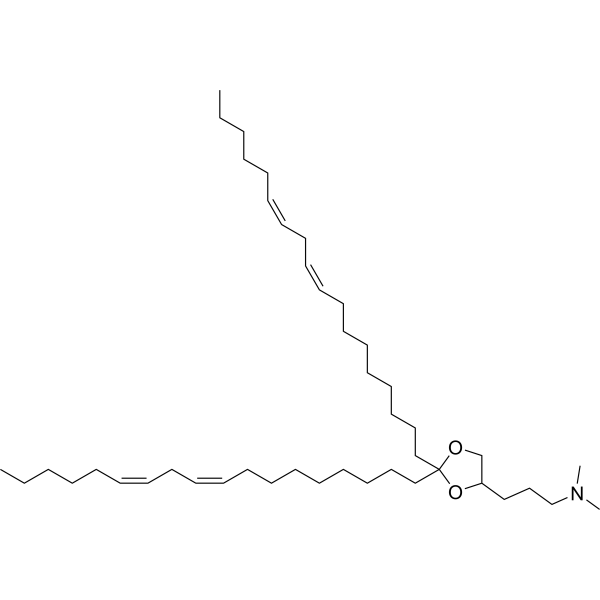
DLin-MC3-DMAFeatured

D-Lin-MC3-DMA(MC3) is the most potent cationic lipid that has been synthesized for Lipid nanoparticles (LNPs) to deliver the siRNA.

DLin-MC3-DMA chemical structure
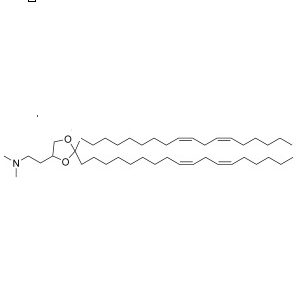
DLin-KC2-DMAFeatured

DLin-KC2-DMA is a highly potent ionizable lipid used in the formulation of lipid nanoparticles (LNPs) for the delivery of siRNA. It represents a significant advancement over earlier generations of lipids, such as DLin-DMA, due to its dramatically improved gene silencing efficiency.

DLin-KC2-DMA chemical structure
LP-01Featured

LP-01 is an ionizable cationic amino lipid (pKa = ~6.1). It has been used in the generation of lipid nanoparticles (LNPs). LNPs containing LP-01 and encapsulating both Cas9 mRNA and modified single-guide RNA (sgRNA) for the transport protein transthyretin (Ttr) induce gene editing in liver cells in mice in a dose-dependent manner resulting in reduced serum Ttr levels for at least 12 months.

LP-01 chemical structure

SM86 is a cationic, ionizable lipid developed by Moderna as a core component of its lipid nanoparticle (LNP) platform for mRNA therapeutic delivery.SM-086 is structurally optimized and analogous to SM-102 (used in Moderna’s COVID-19 vaccines), with modifications aimed at enhancing mRNA delivery efficiency and safety.SM-86 serves as the primary cationic lipid in three investigational mRNA therapies targeting rare metabolic disorders:mRNA-3927: Restores propionyl-CoA carboxylase activity in propionic acidemia (PA). mRNA-3705: Delivers methylmalonyl-CoA mutase mRNA for methylmalonic acidemia (MMA). mRNA-3210: Provides phenylalanine hydroxylase mRNA to treat phenylketonuria (PKU).

SM-86(Lipid 5) chemical structure
NT1-O12BFeatured

NT1-O12B, an endogenous chemical and a neurotransmitter-derived lipidoid (NT-lipidoid), is an effective carrier for enhanced brain delivery of several blood-brain barrier (BBB)-impermeable cargos. Doping NT1-O12B into BBB-impermeable lipid nanoparticles (LNPs) gives the LNPs the ability to cross the BBB. NT-lipidoids formulation not only facilitate cargo crossing of the BBB, but also delivery of the cargo into neuronal cells for functional gene silencing or gene recombination.

NT1-O12B chemical structure
ALC-0315Featured

ALC-0315 is an ionisable aminolipid that used for mRNA compaction and aids mRNA cellular delivery. ALC-0315 can be used to form lipid nanoparticle (LNP) delivery vehicles.

ALC-0315 chemical structure

DLin-KC3-DMA, a nucleic acid, shows in vivo silencing activity. DLin-K-C3-DMA can be used in the synthesis of nucleic acid-lipid particle to delivery of nucleic acid.

DLin-K-C3-DMA chemical structure
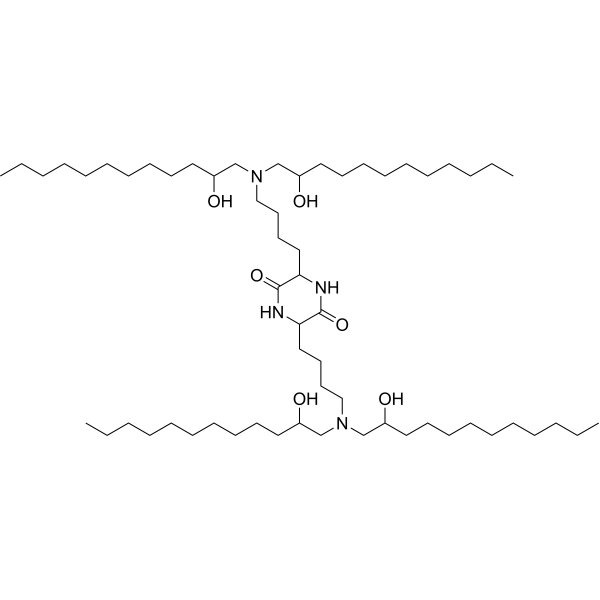
CKK-E12Featured

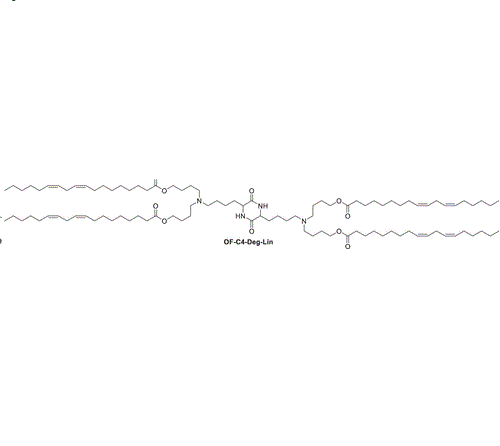
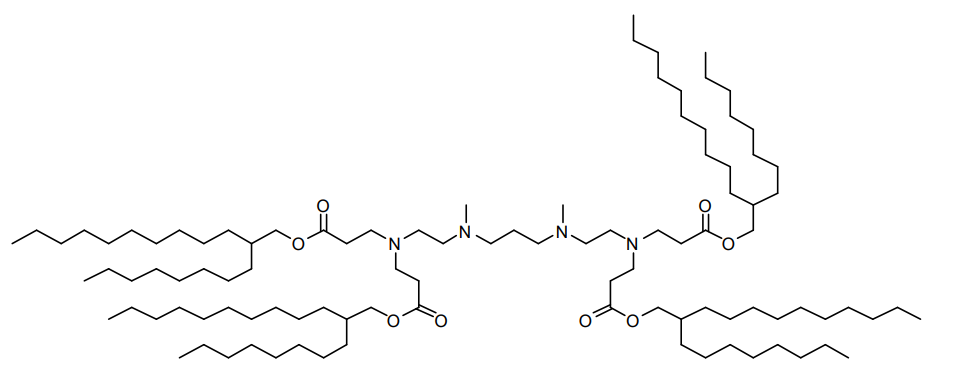
CKK-E12 is a ionizable lipid in combination with other lipids make up the lipid nanoparticles which are used to deliver RNA-based therapeutics. cKK-E12 was highly selective toward liver parenchymal cell in vivo.Multitail lipids usually have three or more tails and tend to form more cone-shaped structures due to the increase of tail crosssection, which enhances the endosome escape and mRNA delivery efficiency.CKK-E12 is an ionizable lipid with four lipid tails and diketopiperazine core-based head. It has shown excellent efficiency in delivering CRISPR-Cas9 mRNA and sgRNA.cKK-E12 iLNPs encapsulated mRNA was used to investigate the effect of Toll-like receptor 4 (TLR4) on iLNPsmediated mRNA delivery, and it has been demonstrated that the targeting, safety and efficacy of iLNPs are closely related to disease state. In other words, even though iLNP delivers therapeutic mRNA to a given cell type in one disease state, it is not guaranteed to deliver mRNA to the same cell type in another disease. As same as MC3 and C12-200, CKK-E12 is also used to be a positive control ionizable lipid when exploiting new ionizable lipids.

CKK-E12 chemical structure
503O13Featured

503O13 is a next-generation, biodegradable lipid nanoparticle (LNP) engineered for highly efficient and targeted siRNA delivery. Designed through rational structure-activity criteria—including optimal tail length (O13), tertiary amines, and a surface pKa ≥5.5—this single-component LNP achieves unparalleled gene silencing with an ultra-low EC50 of 0.01 mg/kg in preclinical models.503O13 outperforms non-degradable counterparts (e.g., C12-200) with improved toxicity profiles—no hepatic necrosis or pancreatic inflammation—while maintaining rapid blood clearance (t1/2: 6 min) and organ-specific accumulation (liver/spleen).

503O13 chemical structure
5A2-SC8Featured

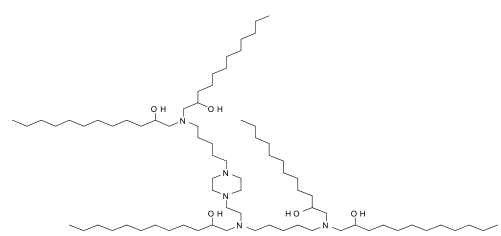
5A2-SC8 is a dendrimer for miRNA delivery to late-stage liver tumors with low hepatotoxicity. 5A2-SC8 shows potent EC50 < 0.02 mg/kg (siRNA against FVII (siFVII)) in dose-response experiments, and well tolerated in separate toxicity studies in chronically ill mice bearing MYC-driven tumors. 5A2-SC8 is a degradable lipid-like compound (ester-based dendrimer) for small RNAs delivery.5A2-SC8, was obtained by screening a large library of more than 1500 ester-based dendrimers containing ionizable amino groups, which have three tertiary amine heads and five lipid tails. Based on this library, the in vitro transfection efficiency of different formulations of 5A2-SC8 iLNPs was evaluated, discovering the optimal formulation (5A2-SC8, DOPE, cholesterol, PEG at a molar ratio of 15:15:30:3) of 5A2-SC8 iLNPs for delivering fumarylacetoacetate hydrolase (FAH) mRNA to liver.After the intravenous injection via tail, the model mice of hepatorenal tyrosinemia type I had strong FAH protein expression, which prevented body weight loss and increased the survival rate of hepatorenal tyrosinemia mice . In addition to introducing utility of 5A2-SC8 iLNPs for the therapeutic intervention, the 5A2-SC8 iLNPs containing DOTAP have been used to establish complex mouse models via intravenous injection, including in situ liverspecific cancer model and in situ lung-specific cancer model. Based on this iLNPs delivery system, 5A2-SC8 induced model construction method overcomes the time-consuming and costly disadvantages of traditional animal models establishing methods, including transgenesis and gene engineering in embryonic stem cells.

5A2-SC8 chemical structure
246C10Featured

246C10 is a synthesized ionizable lipid. 246C10 can be formulated into lipid nanoparticles (LNPs) with dioleoylphosphatidylethanolamine (DOPE), cholesterol, and C16-PEG2000 ceramide (PEG-lipid) as well as mRNA. The lipid nanoparticle formulations can be used for mRNA delivery. To obtain iLNPs that could specifically target liver sinusoidal endothelial cells (LSECs), six different ionizable lipids (241C10 to 246C10) were synthesized by an epoxide ring-opening reaction with piperazine- or piperidine-containing amines. Biodistribution and gene regulation of various iLNPs were assessed in vivo, and the results showed that the 246C10 iLNPs (containing piperazine amine) had the highest luciferase expression in the liver. When further analyzing the 246C10 iLNPs transfection efficiency in different types of liver cells, it was found that tdTomato fluorescence was mainly concentrated in hepatocytes, not in LSECs. Figure 6f shows that 80% of hepatocytes are fluorescent, 40% of LSECs are fluorescent, and 20% of Kupffer cells are fluorescent. Due to the mannose receptor on LSECs, mannose-PEG lipid was introduced into 246C10 iLNPs to alter the distribution of iLNPs in different liver cells. As shown in Figure 6g, tdTomato fluorescence distribution was 15% of hepatocytes, 70% of LSECs, and 15% of Kupffer cells, significantly improved the ability of iLNPs to actively target LSECs. In contrast, this work indirectly shows that the iLNPs with piperazine head lipid are more able to deliver mRNA to the liver and translate the target protein than the iLNPs with piperidine head lipid. It is worth mentioning that the preparation buffer of 246C10 iLNPs could influence the encapsulation efficiency of mRNA. With the addition of sodium chloride in the citrate buffer, the encapsulation efficiency of CRISPR-Cas9 mRNA and sgRNA was increased. These iLNPs were able to treat hemophilia safely, without causing hepatotoxicity, the immune response induced by Cas9 and off-target editing.

246C10 chemical structure
SM-102Featured

SM-102 is an ionizable amino lipid that has been used in combination with other lipids in the formation of lipid nanoparticles.Administration of luciferase mRNA in SM-102-containing lipid nanoparticles induces hepatic luciferase expression in mice. Formulations containing SM-102 have been used in the development of lipid nanoparticles for delivery of mRNA-based vaccines.

SM-102 chemical structure
93-O17SFeatured

93-O17S is an imidazole-based synthetic lipidoid for in vivo mRNA delivery. Lipid nanoparticles (LNPs) with 93-O17S promotes both the cross-presentation of tumor antigens and the intracellular delivery of cGAMP (STING agonist).

93-O17S chemical structure
LIPID C24Featured

C24 is a novel multiprotic ionizable lipid. C24 lipid nanoparticle (LNP) has a multistage protonation behavior resulting in greater endosomal protonation and greater translation compared to the standard reference MC3 LNP. C24 LNP also lower injection site inflammation and higher stability compared to MC3 LNP.

LIPID C24 chemical structure
L319Featured

L319 (LIPID 319) is a novel ionizable, biodegradable lipid for delivery of short interfering RNAs (siRNAs). L319-LPN displays rapid elimination with pKa of 6.38 and also shows well tolerated up to 10 mg/kg.

L319 chemical structure

ATX-126(ATX-0126, 10p) is an ionizable cationic lipid (pKa = 6.38).It has been used in the generation of lipid nanoparticles (LNPs) for the delivery of siRNA. Intravenous administration of LNPs containing ATX-126(ATX-0126, 10p) and encapsulating Factor VII siRNA decrease Factor VII blood levels in mice.

ATX-126(ATX-0126, lipid 10p) chemical structure
Acuitas A9Featured

Lipid A9 is an ionizable cationic lipid (pKa = 6.27) that has been used in the generation of lipid nanoparticles (LNPs) for the delivery of mRNA and siRNA in vivo. LNPs containing lipid A9 and encapsulating non-stimulatory siRNA increase plasma levels of chemokine (C-C motif) ligand 2 (CCL2), indicating activation of the innate immune response, and decrease body weight in mice.

Acuitas A9 chemical structure
C12-200Featured

C12-200 is a well-known cationic lipid used in the formulation of lipid nanoparticles (LNPs) for the delivery of therapeutic nucleic acids, including siRNA, mRNA, and CRISPR components. It is widely recognized for its high in vivo potency at low doses and is often used as a positive control ionizable lipid in research exploring new ionizable lipids.

C12-200 chemical structure
ssPalmO-PheFeatured

ssPalmO-Phe(SS-OP) is a self-degradable material for the delivery of oligonucleotides. ssPalmO-Phe is a self-degradable derivative of ssPalm that is self-degraded in the intraparticle space by a specific hydrolytic reaction. ssPalmO-Phe is beneficial for overcoming the plasma/endosomal membrane, LNP-ssPalmO-Phe can be used to deliver both nucleic acids.

ssPalmO-Phe chemical structure
C14-4Featured

C14-4 (C14-494,Lipid B-4,Lipid B4) is a novel ionizable lipid with the highest T-cell transfection efficiency and low cytotoxicity.The C14-4 ionizable lipid has been explored for CAR-T therapy.To screen the excellent formulations for mRNA delivery, a lipid library of 24 ionizable lipids was constructed to make iLNPs, which were used to deliver luciferase mRNA into Jurkat cells.[115] The optimal iLNPs formulation was C14-4 iLNPs (C14-4 ionizable lipid, DOPE, chol, and PEG at a molar ratio of 35%, 16%, 46.5%, and 2.5%) (Figure 6c). The optimal dose of luciferase mRNA for C14-4 iLNPs was 30 ng. Compared with electroporated CAR T cells, the CAR T cells engineered via C14-4 iLNPs showed potent cancer-killing activity when they were cocultured with Nalm-6 acute lymphoblastic leukemia cells. To obtain a safer and more effective CAR mRNA delivery vehicle, the orthogonal design provided 256 potential formulations, and 16 representative iLNPs formulations were evaluated.Through evaluating the safety, delivery efficiency, and transfection efficiency of 16 iLNPs, the formulation B10 (C14-4 ionizable lipid, DOPE, chol, PEG at a molar ratio of 40%, 30%, 25%, and 2.5%) was screened out as the optimal performing formulation. The luciferase expression based on B10 formulation was increased threefold than the initial formulation. Reducing the accumulation and clearance of iLNPs in the liver can increase the expression of CAR mRNA in T cells, further improving the therapeutic effect of CAR-T. Studies have shown that cholesterol analogs can alter the mechanisms of intracellular circulation and enhance the delivery of mRNA, which may be related to the reduced recognition of iLNPs by the Niemann Pick C1 (NPC1) enzyme.The addition of a hydroxyl group to various locations in the cholesterol molecule can alter the binding kinetics between the modified cholesterol and NPC1, and reduced NPC1 recognition of cholesterol. The results showed that replacement of 25% and 50% 7 α-hydroxycholesterol for cholesterol in iLNPs improved mRNA delivery to primary human T cells in vitro by 1.8-fold and twofold, respectively.C14-4 is one of the ionizable lipids to efficiently deliver mRNA to Jurkat cells or primary human T cells. It will effectively promote the development of mRNA delivery by iLNPs for CAR-T therapy.

C14-4 chemical structure

Genevant CL1 (lipid 10) is a novel ionizable lipid for rna delivery.Lipid 10 rapidly accumulated in the liver within the first hour of dosing (reflecting LNP uptake), but levels then steadily declined over the ensuing 2 weeks period, similar to MC3.Lipid 10 afforded more than double the expression of either approved lipid. We also observed high splenic expression for ALC-0315, which correlated with higher MCP-1 levels.Animals received a single 5 µg IM dose of LNP encapsulating firefly luciferase (fLuc) mRNA. Whole body imaging was performed 6 h later and expression at the injection site quantified. Lipid 10, ALC-0315, and SM-102 showed similar expression at the injection site, all greater than the older generation benchmarks lipids (DLinDMA, KC2, MC3). Lipid 10 and ALC-0315 also showed high expression in the liver, while SM-102 was less, and more similar to MC3.Lipid 10-based LNP reported similar anti-HA IgG titers to MC3 and ALC-0315 (Comirnaty) LNP, and higher than the SM-102 (SpikeVax) LNP composition. MCP-1 levels were generally similar, although the ALC-0315 composition had a significantly higher response at the 5 µg dose. All formulations reported good stability when stored frozen at −80 °C or at 2–8 °C for 1 month.

Genevant CL1 (lipid 10) chemical structure

Lipid 2,2(8,8) 4C CH3 is an ionizable cationic lipid (pKa = 6.69).1 It has been used in the generation of lipid nanoparticles (LNPs) for the delivery of siRNA in vivo. LNPs containing lipid 2,2(8,8) 4C CH3 and encapsulating siRNA targeting Factor VII decrease plasma Factor VII protein levels by 90% in mice.

Arcturus lipid 2(ATX-0114) chemical structure
TCL053Featured

TCL053 is an ionizable amino lipid.1 It has been used in the generation of lipid nanoparticles (LNPs) and has a pKa value of 6.8. LNPs containing TCL053 and encapsulating mRNA encoding the Cas9 nuclease, in combination with LNPs containing TCL053 and encapsulating single-guide RNA (sgRNA) targeting the Rosa26 locus, have been used to induce CRISPR-mediated gene editing in the mouse gastrocnemius muscle.TCL053 is an ionizable lipid that has received FDA approval for preparing mRNA vaccines. It is a three-tailed ionizable lipid to overcome the disadvantage of nonrepeatable administration of AAV vectors. In addition, combined with limb perfusion administration, TCL053 iLNPs could transiently deliver CRISPR-Cas9 mRNA and sgRNA to multiple muscle tissues, reducing immunogenicity and increasing the safety of iLNPs. It is great progress for treating Duchenne muscular dystrophy and other diseases that require multiple doses.

TCL053 chemical structure
NT1-O14BFeatured

NT1-O14B is a tryptamine-containing cationic lipidoid.1 It has been used in combination with other lipids in the formation of lipid nanoparticles (LNPs). Intravenous administration of LNPs containing NT1-O14B and encapsulating antisense nucleotides against tau decreases tau brain levels in mice.

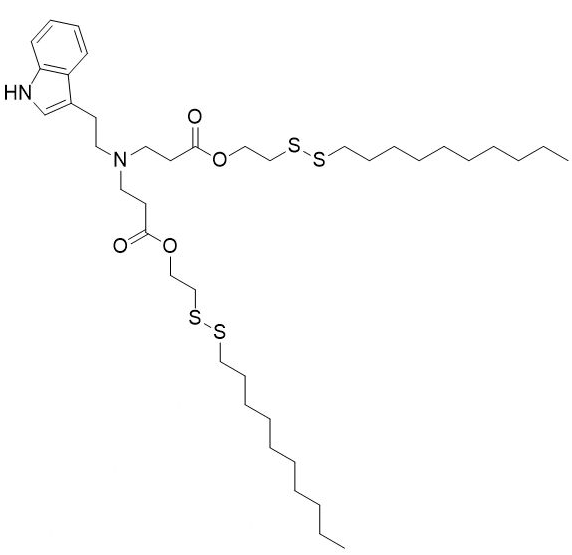
NT1-O14B chemical structure
ALC-0366Featured

ALC 0366 is an ionizable cationic lipid (pKa = 6.25) from Biontech,which is derived from ALC-0315. ALC0366 has been used as a key component of LNP to deliver BNT142, a lipid nanoparticle (LNP)-formulated RNA (RNA-LNP) encoding a T cell-engaging bispecific antibody that monovalently binds the T cell marker CD3 and bivalently binds claudin 6 (CLDN6), an oncofetal antigen that is absent from normal adult tissue but expressed on various solid tumors.

ALC-0366 chemical structure
9322-O16BFeatured

9322-O16B is a lipidoid for the efficient delivery of antiCD19 mRNA CAR to murine primary macrophages. LNP 9322-O16B is more efficient than delivery with lipofectamine 2000 (LPF2K) or MC3.

9322-O16B chemical structure
C14-A1Featured

Lipid C14-A1 is an ionizable lipid. C14-A1-LPN is a potent and safe LNP platform to deliver Foxp3 mRNA to CD4+ T cells to engineer immunosuppressive FP3T cells.

C14-A1 chemical structure
C12-A1Featured

Lipid C12-A1 is an ionizable lipid. C12-A1-LPN is a potent and safe LNP platform to deliver Foxp3 mRNA to CD4+ T cells to engineer immunosuppressive FP3T cells. C12-A1 has a slightly lower average cell viability than C14-A1.

C12-A1 chemical structure
4A3-SCC-10Featured

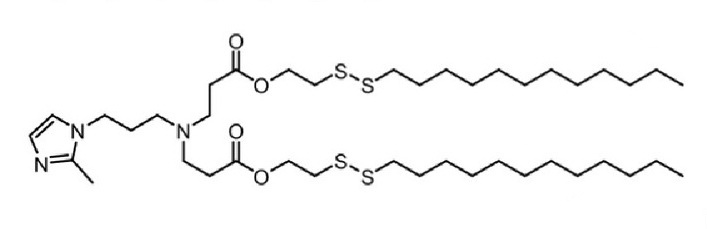
4A3-SCC-10 is a disulfide bond-containing biodegradable ionizable cationic lipid (pKa = 6.22) that has been used in the generation of lipid nanoparticles (LNPs) for the delivery of mRNA in vitro and in vivo. LNPs containing 4A3-SCC-10 and encapsulating a Cy5-RNA reporter have improved endosomal escape ability over Cy5-RNA-encapsulated LNPs containing 4A3-SC-10, which does not contain disulfide bonds, in HeLa cells. Intravenous administration of LNPs containing 4A3-SCC-10 and encapsulating an mRNA luciferase reporter selectively accumulate in mouse liver.

4A3-SCC-10 chemical structure
4A3-SCC-PHFeatured

4A3-SCC-PH is a groundbreaking linker-degradable ionizable lipid (LDIL) that features a glutathione (GSH)-responsive cone-shaped molecular structure. This unique architecture enables superior endosomal escape and rapid mRNA release, making it highly effective for mRNA delivery. In vivo studies have highlighted its exceptional performance, showing a 176-fold increase in mRNA delivery efficiency to the liver compared to DLin-MC3-DMA, a widely used benchmark lipid. Both 4A3-SCC-PH and its structural analog, 4A3-SCC-10, also demonstrated significantly enhanced mRNA delivery efficacy compared to their non-disulfide-containing parent compounds and disulfide-containing controls with modified lipid tails.

4A3-SCC-PH chemical structure
Iso-A11B5C1Featured

Iso-A11B5C1 is an asymmetric Ugi-reaction-derived ionizable lipid selected for muscle-focused mRNA delivery. In the cited mouse study, its optimized LNP produced muscle expression comparable to an SM-102 benchmark after intramuscular administration while showing no measurable reporter expression in the examined off-target organs. The same formulation delivered Cre mRNA for localized muscle gene editing and was evaluated with model-antigen and cancer-vaccine mRNAs. All formulation and performance information shown below is literature-derived study evidence, not a product specification or a guarantee of reproducible LNP performance.

Iso-A11B5C1 chemical structure
514O6,10Featured

514O6,10 is an ionizable lipidoid. 514O6,10 formulated LNPs facilitate mRNA delivery to the pancreas.

514O6,10 chemical structure

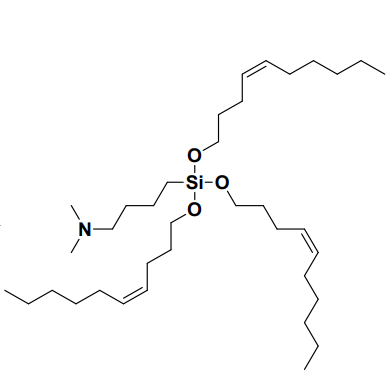
GVS-18-B6 is a biodegradable silicon-ether ionizable lipid reported for liver-directed mRNA delivery. The literature-verified structure contains a dimethylamino headgroup connected through a four-carbon linker to a silicon center bearing three cis-4-decenyl ether chains. In the cited study, GVS-18-B6 LNPs showed high mRNA encapsulation, an apparent LNP pKa of 6.15, preferential hepatic expression after intravenous administration, rapid tissue clearance, and favorable tolerability in the reported mouse and nonhuman-primate experiments. All formulation and performance values shown below are literature-reported study results, not specifications or guaranteed performance of the supplied lipid.

Lipid GVS-18-B6 chemical structure
U-101Featured

U-101 is an ionizable lipid for mRNA delivery. U101-LNP/IL-2F mRNA formulation demonstrats effective antitumor activity and safety.LNPs containing lipid U 101 and encapsulating mRNA encoding a fusion protein composed of IL-2, a linker, and CD25 inhibit tumor growth in an MC-38 mouse xenograft model.

U-101 chemical structure
Lipid 119-23Featured

Lipid 119-23 is an ionizable lipid for mRNA delivery. 119-23 LNP exhibits an enhanced capability to express functional mCre in several categories of immune cells, spanning the liver, spleen and lung.

Lipid 119-23 chemical structure

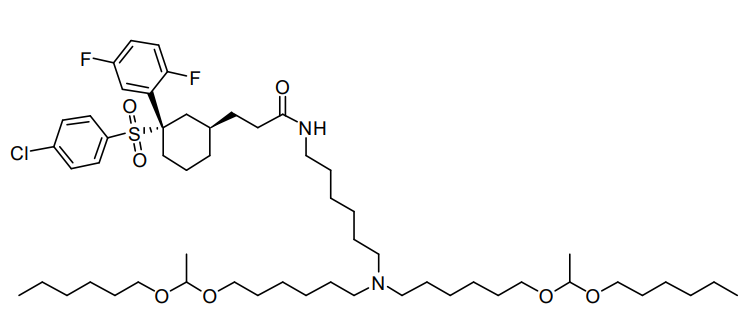
Acid-degradable Cationic Lipid (ADC) composed of cationic lipid is synthesized with the azido-acetal linker and used to generate RD-LNPs, which significantly improves the performance of LNP-mRNA complexes in vitro and in vivo.

Acid-degradable Cationic Lipid (ADC) chemical structure

ADA (Acid-Degradable Anionic Lipids) is revolutionizing mRNA delivery with its unique azido-acetal linker, enabling rapid hydrolysis in endosomes (pH ~6.0). This breakthrough technology ensures efficient endosomal escape, significantly enhancing mRNA delivery to target cells. ADA-LNPs excel in delivering mRNA to the spleen and liver, making them ideal for immune-related therapies.By degrading into biocompatible byproducts, ADA minimizes long-term tissue persistence and toxicity.ADA-LNPs outperform traditional LNPs, delivering mRNA more effectively to immune cells like macrophages and B cells.

Acid-degradable Anionic Lipid (ADA) chemical structure
Si5-N14Featured

Si5-N14 is a lipid-based molecule engineered with siloxane groups, designed specifically for efficient mRNA delivery to the lungs. The incorporation of siloxane units boosts the cellular uptake of mRNA-loaded lipid nanoparticles (LNPs) and enhances their ability to escape from endosomes. These properties significantly increase the overall effectiveness of mRNA delivery, making Si5-N14 a promising tool for targeted therapeutic applications.

Si5-N14 chemical structure

A4B4-S3 is a novel biodegradable ionizable lipid that has been meticulously designed through modular platforms and optimized specifically for mRNA delivery. It serves as a critical component of lipid nanoparticles (LNPs) and enhances mRNA delivery efficiency by facilitating endosomal escape. The structural design of A4B4-S3 leverages the Passerini reaction, a highly efficient and modular chemical method that enables the rapid generation of diverse lipid libraries. The design focuses on optimizing the methylene units between lipid headgroups and linkages to strengthen hydrogen bonding interactions with mRNA ribophosphate complexes. This enhanced hydrogen bonding allows for more effective release of mRNA from endosomes, thereby boosting delivery efficiency. Concurrently, the structural optimization improves biodegradability, reducing potential long-term toxicity risks. In experimental studies, A4B4-S3 has demonstrated superior gene editing efficacy in mouse liver compared to SM-102, a clinically prevalent lipid used in Moderna's COVID-19 vaccine. It also shows potential for repeat-dose protein replacement therapies, suggesting enhanced stability and safety for long-term treatment regimens. Technologically, A4B4-S3 not only provides a more efficient LNP formulation but also deepens the understanding of the relationship between structure and delivery efficiency. This offers new directions for the development of future mRNA therapeutics. In summary, A4B4-S3 represents a next-generation delivery carrier achieved through rational design and high-throughput screening strategies. Its performance enhancements and biodegradable properties position it as a promising candidate for gene therapies and vaccine applications.

Lipid A4B4-S3 chemical structure

SM-86 Analog-1 is a novel ionizable lipid designed to improve the delivery of RNA via lipid nanoparticles (LNPs) It is derived from SM-86,with 8 carbon within its hydrophobic tail.

SM-86 Analog-1 chemical structure
DMA4-H228Featured

DMA4-H228 is a novel, biodegradable lipidoid specifically engineered for spleen-targeted mRNA delivery.​​ Its structure combines a dimethylamino (DMA4) headgroup with a unique hyperbranched lipid tail (H228) synthesized via Michael addition, incorporating ester bonds for enhanced biodegradability. This design enables the formation of stable lipid nanoparticles (LNPs) (~170 nm) with high mRNA encapsulation efficiency (>96%). Critically, DMA4-H228 exhibits exceptional intrinsic tropism for the spleen (>98% targeting efficiency after IV administration), requiring no external targeting ligands. It selectively delivers mRNA to splenic antigen-presenting cells (APCs), including dendritic cells, macrophages, and B cells. This triggers potent immune activation: rapid IFNα secretion, upregulation of APC maturation markers (CD86/CD40), and robust antigen-specific immune responses. Demonstrating significant therapeutic potential, DMA4-H228-based mRNA vaccines effectively inhibit tumor growth in melanoma models (e.g., B16F10-OVA). This correlates with increased tumor-infiltrating CD8⁺ T cells, a shift towards pro-inflammatory M1 macrophages, elevated antigen-specific antibodies (IgG), and strong T cell responses (evidenced by IFNγ⁺ spots). Its ability to bypass liver tropism and directly activate splenic APCs makes DMA4-H228 a powerful platform for next-generation mRNA vaccines and cancer immunotherapy.

DMA4-H228 chemical structure
Dlin-MC4-DMAFeatured

D-Lin-MC4-DMA(MC4) is a cationic lipid that has been synthesized for Lipid nanoparticles (LNPs) to deliver the siRNA.

Dlin-MC4-DMA chemical structure
DLin-MC2-DMAFeatured

D-Lin-MC2-DMA(MC2) is a cationic lipid that has been synthesized for Lipid nanoparticles (LNPs) to deliver the siRNA.

DLin-MC2-DMA chemical structure

ALC-0315 analogue-2 is an analogue of ALC-0315. ALC-0315 is an ionisable aminolipid that is responsible for mRNA compaction and aids mRNA cellular delivery and its cytoplasmic release through suspected endosomal destabilization. ALC-0315 can be used to form lipid nanoparticle (LNP) delivery vehicles. Lipid-Nanoparticles have been used in the research of mRNA COVID-19 vaccine.

ALC-0315 analogue-2 chemical structure
Lipid 15Featured

Lipid 15 is an ionizable amino lipid used for the generation of Lipid nanoparticles .

Lipid 15 chemical structure

ALC-0315 analgous-3 is an butanolamine ionizable lipid with both ester bonds located adjacent to C8 relative to the amine head. The introduction of ester linkages can improve the clearance of the lipid in the liver. This compound is analgous to ALC-0315.

ALC-0315 analgous-3 chemical structure

Acuitas Lipid III-2 is an ionizable amine lipid with two identical ester tails adjacent to C6 position relative to amine from patent:WO2017075531A1 with the similar activity as ALC-0315. The head of lipid is propanolamine which can effectively encapsulate mRNA used in gene therapies which depends on the availability of a safe and efficient delivery vehicle.

Acuitas Lipid III-2 chemical structure

An analog of SM-102. The ethanolamine amino lipid head enhances encapsulation of mRNA. The lipid has primary esters at C7 position relative to the amine nitrogen. The primary lipid tail has 8 carbon tail. The lipid can be used for mRNA-based therapies which depends on the availability of a safe and efficient delivery vehicle.

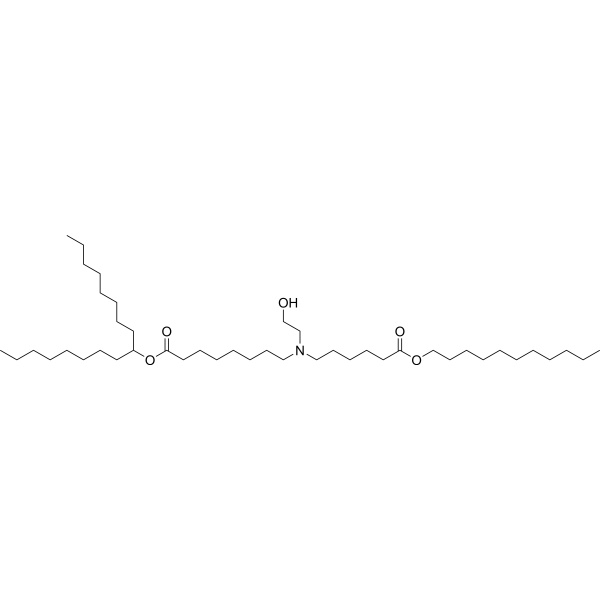
SM102 Analog 1 chemical structure
RCB-4-8Featured

RCB-4-8​​ is a biodegradable ionizable lipid nanoparticle (LNP) engineered for efficient pulmonary mRNA delivery and in vivo genome editing, as detailed in the primary research article ​​"Combinatorial design of nanoparticles for pulmonary mRNA delivery and genome editing"​​ (Li et al., Nature Biotechnology 2023). Synthesized from a combinatorial library of 720 biodegradable lipids via a three-component reaction system, RCB-4-8 features an alkyne-containing lipid tail and tertiary amine headgroup, optimized through high-throughput screening for superior lung-targeting capabilities. Its unique molecular design incorporates hydrolyzable ester and carbonate groups, enabling rapid biodegradation (<30% lung retention at 48 h vs. >90% for conventional lipids) while maintaining high transfection efficiency. When formulated with DOTAP instead of DOPE, RCB-4-8 LNPs achieved ​​100-fold higher luciferase mRNA expression​​ in murine lungs compared to FDA-approved MC3 LNPs and mediated ​​95% GFP knockout​​ in vitro. In Ai9 reporter mice, intratracheal delivery of RCB-4-8 loaded with Cre mRNA edited ​​53% of total lung cells​​ after three doses, while codelivery with Cas9 mRNA/sgRNA yielded ​​7.2% tdTomato<sup>+</sup> cells​​, rising to ​​17%​​ when combined with AAV-sgRNAs. With an optimal particle size of ​​85.7 nm​​ (PDI 0.11) and ​​>87% mRNA encapsulation​​, RCB-4-8 supports repeat dosing and represents a transformative platform for inhalable gene therapies targeting congenital lung diseases like cystic fibrosis.

RCB-4-8 chemical structure
L-369Featured

L-369 (Lipid 369,L369) is novel class of ionizable lipid for siRNA delivery with improved in vivo elimination profile with excellent translation across species,including NHP, wide safety margin.

L-369 chemical structure
Lipid 88Featured

Lipid88​​ is a high-performance, novel ionizable lipid component engineered for advanced mRNA-LNP vaccine delivery. LNP88 formulation demonstrates superior biodistribution, achieving >10-fold higher transfection efficiency in spleen and lymph nodes compared to benchmark lipids like ALC-0315 via intramuscular delivery. When encapsulating antigen-encoding mRNA (e.g., optimized mCSA construct), Lipid-88 based LNPs drive robust humoral and cellular immunity, enabling complete protection against challenging SARS-CoV-2 variants (WA1/2020, Omicron BA.1, BQ.1) in preclinical models. Its design prioritizes potent immunogenicity with favorable safety profiles.

Lipid 88 chemical structure

YSK 12C4 is an ionizable cationic lipid primarily used to enhance siRNA cellular delivery via multifunctional envelope-type nanodevices (MEND). YSK 12C4 promotes siRNA uptake and endosomal escape, effectively silencing genes in human immune cell lines.

YSK12-C4 (YSK12-MEND) chemical structure

Acuitas Lipid III-25 is an novel ionizable amine lipid used for mRNA delivery from Acuitas Therapeutics patent US 10,166,298 B2, with pKa 6.22, Liver Luc 1648 for 0.3mgkg(ng luc/g liver), Liver Luc 13880 for 1mgkg(ng luc/g liver) . It is an analgous of ALC-0315, showing higher activity than ALC-0315.

Acuitas Lipid III-25 chemical structure

Acuitas II-12 is an novel ionizable amine lipid used for mRNA delivery from Acuitas Therapeutics patent WO2016176330A1

Acuitas II-12 chemical structure

Acuitas Lipid III-7 is an novel ionizable amine lipid used for mRNA delivery from Acuitas Therapeutics patent US 10,166,298 B2.

Acuitas Lipid  III-7 chemical structure

Moderna Lipid 26(Lipid M) is an ionizable cationic lipid (pKa = 6.75) that has been used in the generation of lipid nanoparticles (LNPs) for mRNA delivery in vivo. LNPs containing lipid M and encapsulating mRNA encoding influenza virus genes increase anti-influenza virus IgG titers in cynomolgus monkeys without inducing local edema, erythema, or systemic levels of IL-6.

Moderna Lipid 26(Lipid M) chemical structure

Moderna Lipid 48 is an novel ionizable amine lipid used for mRNA delivery from Moderna patent WO2017049245A2

Moderna Lipid 48 chemical structure

Lipid 29 analogue-3 is an ionizable lipid designed for the delivery of RNA-based therapeutics, such as mRNA or siRNA.

Lipid 29 analogue-3 chemical structure
IAJD34Featured

IAJD-34 is a one-component ionizable amphiphilic Janus dendrimer specifically engineered for targeted mRNA delivery to the lung parenchyma, as described by Meshanni et al. in Nature Communications article "Targeted delivery of TGF-β mRNA to murine lung parenchyma using one-component ionizable amphiphilic Janus Dendrimers" . This synthetic nanoparticle self-assembles with mRNA through simple mixing in acetate buffer, forming stable dendrimersomes approximately 93-97 nm in size with high encapsulation efficiency (>95%) and a positive zeta potential (~48 mV). Its defining feature, highlighted in the study, is exceptional lung tropism after intravenous injection, enabling significantly higher luciferase expression in murine lungs compared to other organs. As demonstrated by Meshanni et al., IAJD 34 effectively delivers therapeutic mRNA (e.g., TGF-β mRNA) to the lower lung, inducing transient protein production with minimal systemic toxicity at appropriate doses (e.g., 10 µg), offering a promising strategy for treating parenchymal lung diseases.

IAJD34 chemical structure
XH-04Featured

XH-04 ​​is an ionizable lipid engineered for advanced mRNA delivery developed by ​​JiaChen West Lake Biotech. Its core structure features a central benzene ring with asymmetric hydrophobic tails (C9-C10 chains) and pH-responsive tertiary amines that enable efficient mRNA encapsulation and endosomal escape. As detailed in CN113993839A, XH04 outperforms industry benchmarks (e.g., MC3 lipid), boosting protein expression by ​​>10-fold​​ in BHK cells. In PCT/CN2024/121624, JiaChen further demonstrated its utility in lung-targeted LNPs (tLNP/tLCNP). When combined with cationic lipids (e.g., DOTMA at 2:1 molar ratio), XH 04 redirects >80% of mRNA delivery to murine lungs—overcoming liver tropism—while maintaining low toxicity. The lipid’s benzenic core and optimized alkyl chain geometry (patent claims 1-9) are credited for enhanced endosomal disruption and mRNA release kinetics. JiaChen’s innovations position XH-04 as a cornerstone for next-generation mRNA therapeutics.

XH-04 chemical structure
ARV-T1Featured

ARV-T1 is a novel ionizable lipid featuring a cholesterol moiety incorporated in its tail, designed to enhance mRNA delivery efficiency. With a pKa of 6.73, it exhibits optimal pH-dependent ionization for endosomal escape and mRNA release. Structurally, ARV-T1 contains a tertiary amine head group and ester-linked lipid tails, enabling rapid in vivo metabolism and improved biocompatibility.Compared to SM-102 (used in Moderna's vaccine), LNPs formulated with ARV-T1 demonstrate superior physicochemical properties: smaller particle size (~80 nm vs. 90 nm), lower polydispersity index (0.09 vs. 0.10), and higher absolute zeta potential (-10 mV vs. -5 mV). These characteristics correlate with >90% mRNA encapsulation efficiency and enhanced stability, maintaining performance for 12 weeks at -20°C.In vitro, ARV-T1 LNPs showed 7-fold higher protein expression than SM-102 LNPs. In vivo, they prolonged luciferase expression (>72 hours vs. <48 hours for SM-102) and induced 10-fold higher neutralizing antibodies against SARS-CoV-2 spike protein at low doses. The cholesterol tail promotes endosomal membrane fusion, while ester linkages facilitate metabolic clearance, yielding an excellent safety profile in toxicity studies. This combination of efficacy and safety positions ARV-T1 as a promising platform for mRNA vaccines and therapeutics.

ARV-T1 chemical structure
98N12-5Featured

98N12-5 is an ionizable cationic lipid. It has been used in combination with other lipids in the generation of lipid nanoparticles (LNPs). LNPs containing 98N12-5 and encapsulating proprotein convertase subtilisin kexin type 9 (PCSK9) siRNA selectively accumulate in the liver and reduce total serum cholesterol levels in mice and rats and serum LDL levels in cynomolgus monkeys.

98N12-5 chemical structure
YSK 05Featured

YSK 05 is a pH-sensitive cationic lipid. YSK 05 improves the intracellular trafficking of non-viral vectors. YSK 05-MEND shows significantly good gene silencing activity and hemolytic activity. YSK 05 overcomes the suppression of endosomal escape by PEGylation. YSK 05 effectively enhances siRNA delivery both in vitro and in vivo.

YSK 05 chemical structure
LIPID A6Featured

Lipid A6 is an ionizable cationic and biodegradable alkyne lipid (pKa = 6.65).It has been used with other lipids in the formation of lipid nanoparticles (LNPs) for the delivery of mRNA. LNPs containing lipid A6 and encapsulating mRNA encoding human erythropoietin (EPO) increase and then maintain homeostatic levels of hemoglobin in the blood in an adenine-induced mouse model of renal anemia.

LIPID A6 chemical structure
113-O12BFeatured

113-O12B LNP, an LN-targeting LNP delivery system, is developed for a mRNA cancer vaccine.

113-O12B chemical structure

A18-Iso5-2DC18 that could not only deliver mRNA vaccines robustly but also activate the stimulator of interferon genes (STING) pathway.

A18-Iso5-2DC18 chemical structure
4A3-SC8Featured

4A3-SC8 is a novel Ionizable amino lipid for RNA delivery.The CRISPR-Cas9 gene editing system has been a hotspot in the field of gene therapy, especially the gene correction induced by homology-directed repair (HDR). However, its application has various obstacles, such as large molecular weight, poor stability, off-target risk, and the complexity of codeliver multiple genes. Farbiak et al. established a novel ionizable lipid library consisting of four distinct amine cores (3A3, 3A5, 4A1, 4A3) and nine peripheries with different alkyl chain lengths (SC5-SC14), and screened out a class of iLNPs with ability of encapsulating Cas9 mRNA, sgRNA and donor DNA simultaneously. The delivery efficiency (quantified by luciferase mRNA expression) and iLNPs toxicity were evaluated with three different cell lines (HEK293T, HeLa, and IGROV-1), indicating the formulation containing 4A3-SC8 was the best. 4A3-SC8 iLNPs successfully induced HDR in HEK293 cells by one-pot delivery of Cas9 mRNA, sgRNA, and the correct ssDNA template. Confocal microscopy imaging showed that a portion of blue fluorescence in cells was corrected to green fluorescence. Furthermore, the nucleic acid ratios of Cas9: sgRNA: donor DNA loading in iLNPs at a ratio of 2:1:3 could maximize the HDR efficiency with the editing efficiency up to 23%, which breaks through the current bottleneck of HDR efficiency of only 1–5%. This progress is undoubtedly an important advance in the gene therapy field to cure diseases caused by genetic mutations.

4A3-SC8 chemical structure

A12-Iso5-2DC18 is a novel amine containing lipid can be used for mRNA delivery, activate the stimulator of interferon genes (STING) pathway, and exhibit anti-tumor immunity.

A12-Iso5-2DC18 chemical structure
306-O12B-3Featured

306-O12B-3 is an ionizable lipidoid with cationic properties, commonly used in lipid nanoparticle (LNP) formulations for antisense oligonucleotide (ASO) delivery. When administered intravenously in mice, LNPs incorporating 306-O12B-3 exhibit liver-specific accumulation. Studies show that ASO-loaded LNPs containing 306-O12B-3 effectively silence hepatic PCSK9 expression by targeting the proprotein convertase subtilisin/kexin type 9 gene. Additionally, when combined with the cationic lipidoid NT1-O14B (Item No. 37095), these LNPs can deliver tau-targeting ASOs to the brain, reducing tau protein levels in mice.

306-O12B-3 chemical structure
AA3-DLinFeatured

AA3-DLin is an ionizable cationic amino lipid (pKa = 5.8) that has been used in combination with other lipids in the formation of lipid nanoparticles (LNPs) for the delivery of mRNA.LNPs containing AA3-DLin and encapsulating mRNA for the severe acute respiratory syndrome coronavirus 2 (SARS-CoV-2) spike glycoprotein induce immunogenicity in mice.

AA3-DLin chemical structure
PPZ-A10Featured

PPZ-A10 is an ionizable cationic lipid.It has been used in the generation of lipid nanoparticles (LNPs) for the delivery of siRNA and mRNA in vitro and in vivo. Intraperitoneal administration of LNPs containing PPZ-A10 and encapsulating an mRNA reporter preferentially accumulates in hepatic Kupffer cells and splenic macrophages in mice.

PPZ-A10 chemical structure
93-O17OFeatured

93-O17O is a chalcogen-containing ionizable cationic lipidoid. It has been used in the generation of lipid nanoparticles (LNPs). LNPs containing 93-O17O localize to the spleen after intravenous injection into mice.LNPs containing 93-O17O have been used for the delivery of Cre recombinase and ribonucleoproteins for genome editing in mice and for the intratumoral delivery of cGAMP to enhance cross-presentation of tumor antigens.

93-O17O chemical structure
113-O16BFeatured

113-O16B is a disulfide bond-containing ionizable cationic lipidoid. It has been used in the generation of lipid nanoparticles (LNPs) for the delivery of mRNA.

113-O16B chemical structure
lipid 14Featured

LIPID 14 is a novel ionizable lipid used for mRNA delivery.In 2021, Elia et al. used lipid 2 LNPs and lipid 14 LNPs to deliver mRNA encoding SARSCoV-2 human Fc-conjugated receptor binding domain (RBDhFc mRNA). While both lipid 274 LNP RBD-hFc mRNA and lipid 14 LNP RBD-hFc mRNA induced equal cellular and humoral responses in mice at an mRNA dose of 5 μg, only lipid 14 LNP RBD-hFc mRNA exhibited strong immunogenicity following intradermal administration. Both intradermal administration and intramuscular administration of lipid 14 LNPs could activate antigen presenting cells (APCs), thus inducing cellular responses.

lipid 14 chemical structure
Lipid 10a-26Featured

​​Lipid 10a-26​​ is an ionizable lipid developed by Orna Therapeutics for lipid nanoparticle (LNP) formulations. Lipid 10a-26 is a key ionizable lipid in the LNP-6 formulation. Through structural modification, it exhibits reduced binding to ApoE proteins and lowered liver affinity compared to traditional ionizable lipids. Instead, Lipid 10a-26 demonstrates strong splenic tropism—in non-human primate studies, it effectively delivers payloads to the spleen and immune cells in peripheral blood, such as T cells, NK cells, and macrophages, enabling the possibility of "in vivo CAR-T" therapy. Its pKa is tuned to approximately 6.0–6.5, allowing rapid protonation in the acidic endosomal environment, which promotes endosomal membrane disruption and efficient cytosolic release of circular RNA.

Lipid 10a-26 chemical structure
80-O16BFeatured

80-O16B is a disulfide bond-containing ionizable cationic lipidoid. It has been used in the generation of lipid nanoparticles (LNPs) for the delivery of CRISPR complementary single-guide RNA (sgRNA) and Cas9 for genome editing in mice. LNPs containing 80-O16B conjugated to phenylboronic acid (PBA) and encapsulating an mRNA reporter increase luciferase reporter expression in HeLa cancer cells.2 LNPs containing 80-O16B conjugated to PBA and encapsulating p53 mRNA decrease the viability of DU145 prostate and SiHa and HeLa cervical cancer cells.

80-O16B chemical structure

ALC-0315 analogous-1 is a derivative of the ionizable cationic amino lipid ALC-0315. It has been used in the synthesis of ionizable cationic lipids used in the generation of lipid nanoparticles (LNPs).

ALC-0315 analogous-1 chemical structure
TNT-b10Featured

TNT-b10 is a novel Lipid-like compound suitable for delivery of siRNA and mRNA both in vitro and in vivo TNT-b10 LLNs was more than 10-fold more potent than TNT-a10 LLNs formulated under the same condition.

TNT-b10 chemical structure
Lipid 8Featured

Lipid 8 iLNPs were used to deliver CRISPR-Cas9 mRNA and sgRNA which targeted to the PLK1 gene. The safety and excellent intracerebral diffusion performance of lipid 8 iLNPs ensured that the survival of murine glioblastoma multiforme (GBM) mice was extended. The median survival was extended by approximately 50% and the overall survival was increased by 30%. The treatment of metastatic adenocarcinoma was executed by the EGFRtargeted lipid 8 iLNPs. These iLNPs possessed the ability of tumor targeting, which could increase the accumulation of CRISPR-Cas9 mRNA and sgRNA within the tumor cells. After a single intraperitoneal administration, 80% PLK1 gene was edited and the overall survival of mice with high-grade ovarian cancer malignant ascites was enhanced by 80% . These results demonstrate the clinical potential of CRISPR-Cas9 gene editing system can be delivered by iLNPs for treating tumors, and provide new ideas for tumor gene therapy.

Lipid 8 chemical structure

ND-O1 (SM-86 Analog-2) is a novel ionizable lipid designed to improve the delivery of siRNA via lipid nanoparticles (LNPs) for treating liver fibrosis. It is derived from SM-86 (structurally similar to SM-102, used in COVID-19 mRNA vaccines) but incorporates an ether bond within its hydrophobic tail, a first-of-its-kind modification aimed at enhancing delivery efficiency. In Vitro Efficiency: ND-O1 LNPs (LNP-O1) showed significantly higher siRNA transfection efficiency in activated fibroblasts compared to Lipid 5 LNPs (LNP-M). In Vivo Efficacy: In a CCl4-induced liver fibrosis mouse model, LNP-O1/siHSP47 (loaded with HSP47-targeting siRNA) reduced HSP47 expression by ~84%, threefold more effective than LNP-M. This led to a dramatic reduction in collagen deposition and marked improvement in liver fibrosis. Safety: The ether bond modification did not introduce additional toxicity, maintaining biocompatibility. ND-O1 represents a breakthrough in ionizable lipid design, demonstrating that strategic placement of ether bonds in hydrophobic tails can enhance LNP performance without compromising safety. Its success highlights its potential for clinical translation in RNA-based therapies for liver fibrosis and other hepatic diseases.

ND-O1 (SM-86 Analog-2) chemical structure

4A3-SC7​​ is a proprietary, ionizable lipid component central to the SORT LNP platform developed for targeted organ delivery. It features a unique ​​branched-tail structure​​ designed to enhance mRNA encapsulation and endosomal escape. In the study, it served as the ​​primary ionizable lipid​​ in both Liver SORT LNPs and updated Lung SORT LNPs. For liver targeting, it was formulated at ​​15.04 mol%​​ alongside helper lipids (DOPE: 23.04%, Cholesterol: 38.72%), PEG-lipid (DMG-PEG2000: 3.2%), and the liver-targeting lipid ​​4A3-Cit (20 mol%)​​. This specific composition (Total lipid:RNA = 20:1 wt/wt) yielded LNPs with ​​~74 nm size​​, ​​low PDI (0.17)​​, and ​​high encapsulation efficiency (87%)​​ for large mRNAs like ABE editors (~5000 nt). Its branched-tail architecture was critical for stabilizing nanoparticles encapsulating large RNAs, overcoming a key limitation of previous formulations. 4A3-SC7-based Liver SORT LNPs enabled ​​>40% base editing in hepatocytes​​ in vivo, achieving durable correction of the disease-causing SERPINA1 mutation in PiZ mice and significantly reducing pathological protein aggregates. In the updated DualSORT system, 4A3-SC7 was also paired with ​​DORI​​ (instead of DOTAP) for improved lung targeting, demonstrating its versatility as a foundational ionizable lipid for multi-organ gene editing therapeutics.

4A3-SC7​​ chemical structure

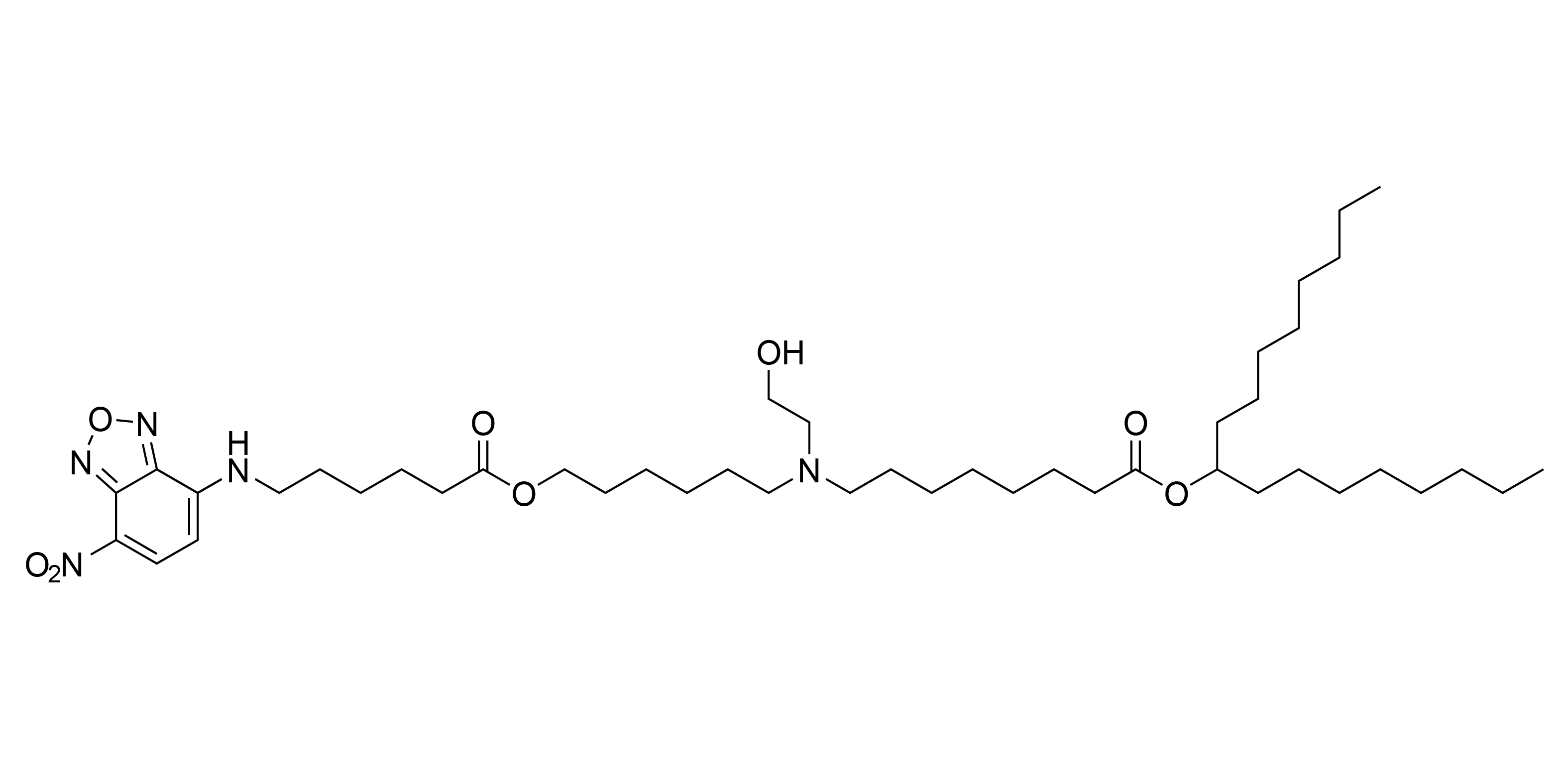
Fluorescent SM-102 (NBD-SM-102) is a premium, dye-conjugated ionizable cationic lipid designed for advanced nanomedicine and mRNA delivery research. By covalently integrating a bright, green-fluorescent nitrobenzofurazan (NBD) probe into the industry-standard SM-102 skeleton, this high-purity reagent operates as an indispensable visual tracer. It empowers researchers to seamlessly track cellular uptake, monitor tissue biodistribution, and quantify endosomal escape efficiencies via fluorescence microscopy and flow cytometry. Crucially, this NBD-SM-102 derivative preserves the native ionizable property (\(pK_a \approx 6.68\)) and optimal membrane-fusion dynamics required for lipid nanoparticle (LNP) assembly and transfection, ensuring experimental formulations accurately mimic functional delivery vectors. This reliable reagent is ideal for accelerating lipid-mix optimization, high-throughput screening, and nucleic acid therapeutics development pipeline.

Fluorescent SM-102 (NBD-SM-102) chemical structure
80-O18Featured

80-O18 is a lipidoid known for its exceptional ability to enhance overall cellular uptake, showcasing significant potential as an effective delivery agent.

80-O18 chemical structure

Acuitas II-10 is an novel ionizable amine lipid used for mRNA delivery from Acuitas Therapeutics patent WO2016176330A1

Acuitas Lipid II-10 chemical structure
ATX L1Featured

L1 is a biodegradable, branched self-immolative lipid optimized for ​​high-efficiency mRNA delivery​​. Its disulfide-based architecture enables rapid glutathione-triggered degradation in the cytosol (liver half-life: 4.2 days), promoting rapid clearance while maintaining serum stability. In vivo, L1 achieves ​​exceptional mRNA translation​​, producing twice the hEPO protein levels of the clinically approved MC3 lipid at 0.1 mg/kg. Its apparent pKa (6.57) facilitates efficient endosomal escape without compromising safety: even at 5 mg/kg, L1 causes no significant body weight loss or sustained inflammation. Structural features (C7 alkyl tails, carbamate linker) balance potency and biodegradability, making L1 ideal for mRNA vaccines and protein-replacement therapies.

ATX L1 chemical structure
TS-202Featured

TS-202 is a novel ionizable lipid for RNA delivery.

TS-202 chemical structure
304O13Featured

304O13 is a novel Biodegradable lipidoid for RNA delivery.

304O13 chemical structure

A1-EP10-O18A​​ is an ​​asymmetric ionizable lipid​​ developed by Starna Therapeutics for mRNA vaccine delivery. Synthesized via Michael addition between amine alcohols and acrylates, its optimized structure—combining a hydrophilic C10 chain and hydrophobic unsaturated C18 tail—enables pH-dependent ionization. As the core component of the ​​STAR0225 lipid nanoparticle (LNP)​​ platform, it efficiently encapsulates mRNA and facilitates endosomal escape. Preclinical studies demonstrate superior in vivo mRNA delivery (vs. commercial SM102 LNPs), with enhanced local biodistribution and minimal off-target accumulation. This lipid underpins ​​STR-V003​​, an RSV prefusion F mRNA vaccine showing robust immunogenicity and protection in animal models, supporting its clinical transition (NCT06344975).

Lipid A1-EP10-O18A chemical structure

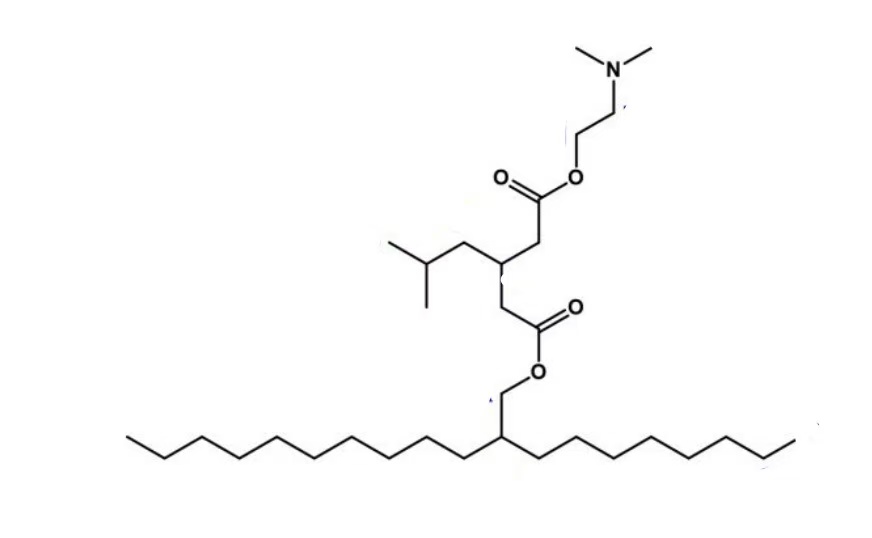
Lipid B1​ is a next-generation ionizable lipid engineered for superior mRNA delivery, featuring a patented ​β-isobutylglutarate branching linker​ that optimizes nanoparticle assembly and intracellular release. Its unique structure combines a pH-responsive tertiary amine headgroup with twin C18 alkyl tails connected via biodegradable ester bonds, enabling precise control over lipid packing and endosomal escape. Preclinical studies demonstrate that Lipid B1-based LNPs (bLNPs) achieve ​**>75% transfection efficiency in vitro​ at ultra-low mRNA doses (1 μg), outperforming commercial benchmarks like SM-102. In vivo, subcutaneous administration of bLNPs delivers ​10-fold higher luciferase expression**​ than linear-chain analogs, with targeted biodistribution to lymph nodes and tumor sites. Clinically relevant data show 100% tumor prevention in prophylactic cancer vaccine models and 70% tumor regression in therapeutic settings when combined with checkpoint inhibitors. The ester-based backbone ensures rapid metabolic clearance, minimizing systemic toxicity risks (NOAEL >10 mg/kg in mice). Compatible with mRNA, siRNA, and CRISPR-Cas9 payloads, Lipid B1 is ideal for vaccines, gene therapies, and immuno-oncology. Its scalable 3-step synthesis (yield >80%) and lyophilization stability (-80°C, 12 months) make it a cost-effective solution for GMP-grade production. For advanced delivery with unmatched safety and efficacy, Lipid B1 sets a new standard in nucleic acid therapeutics.

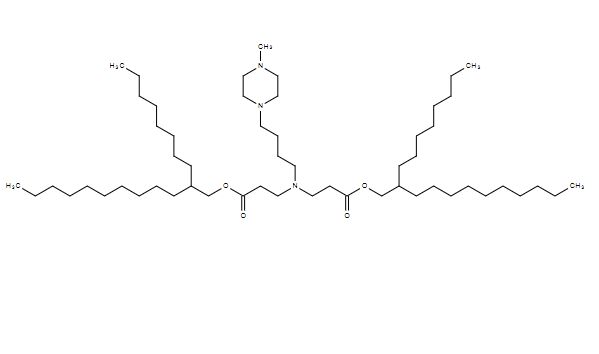
Lipid B1 chemical structure