WAY-327512FeaturedFeatured
activate TLR8-dependent NF-kB signaling

Explore 849 lipid and RNA delivery products. Search the full catalog or browse by research category.
Search covers product name, catalog number, synonyms, available CAS numbers and categories. Spaces, hyphens and common punctuation are ignored. Duplicate legacy records are consolidated under one canonical product result.
activate TLR8-dependent NF-kB signaling
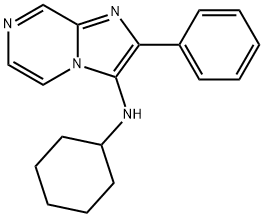
CU-CPT17e shows strong NF-κB activation in TLR3, TLR8 and TLR9 HEK293 cells with EC50 values of 4.80±0.73, 13.5±0.58 and 5.66±0.17 μM, respectively. CU-CPT17e significantly improves the activity with 13.9±0.9 fold of NF-κB activation and an EC50 value of 4.8±0.7 μM. CU-CPT17e inhibits the proliferation of HeLa cancer cells by triggering apoptosis and arresting the cell cycle at the S phase. The induction of apoptosis by CU-CPT17e in HeLa cells is investigated. HeLa cells are cultured with increasing concentrations of CU-CPT17e or poly I:C or blank control (DMSO) for 24 h. Treatment with CU-CPT17e for 24 h at different concentrations (10 to 40 μM) results in an elevation of apoptotic cell population ranging from 10% to 17%, which is more effective than poly I:C at 5 μg/mL. These results suggest that the antiproliferative activity of CU-CPT17e against HeLa cells might result from its ability to directly induce apoptosis[1].

TLR7-IN-1 is a novel TLR7 inhibitor.
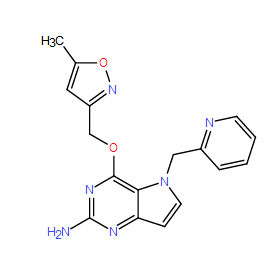
M1002 is a first-in-class HIF-2a agonists.
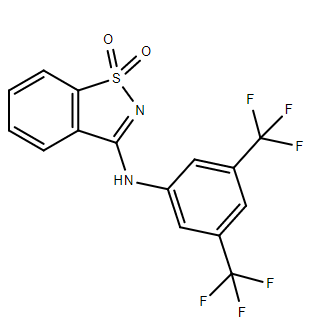
C29 is a Toll-like receptor 2 (TLR2) inhibitor.
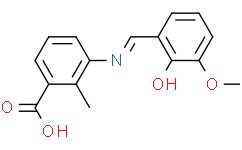
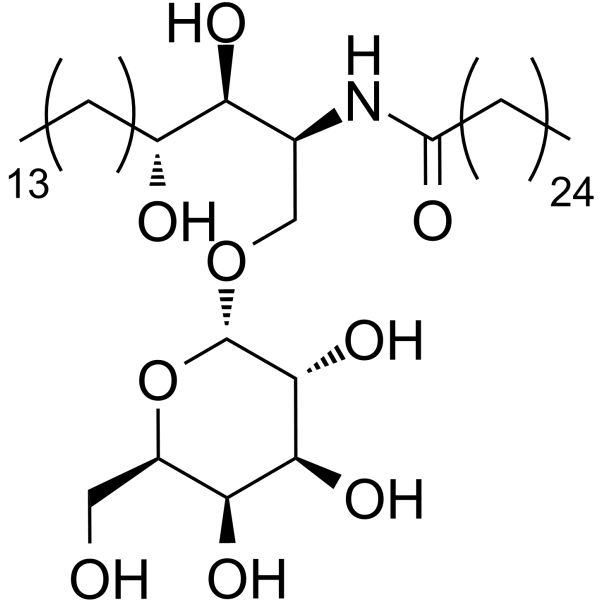
α-Galactosylceramide (α-GalCer) is a synthetic glycolipid with antitumorial and immunostimulatory. α-Galactosylceramide is a very potent NKT cell agonist and binds effectively to CD1d. The complex of α-Galactosylceramide plus CD1d binds the NKT cell TCR (T cell antigen receptor).
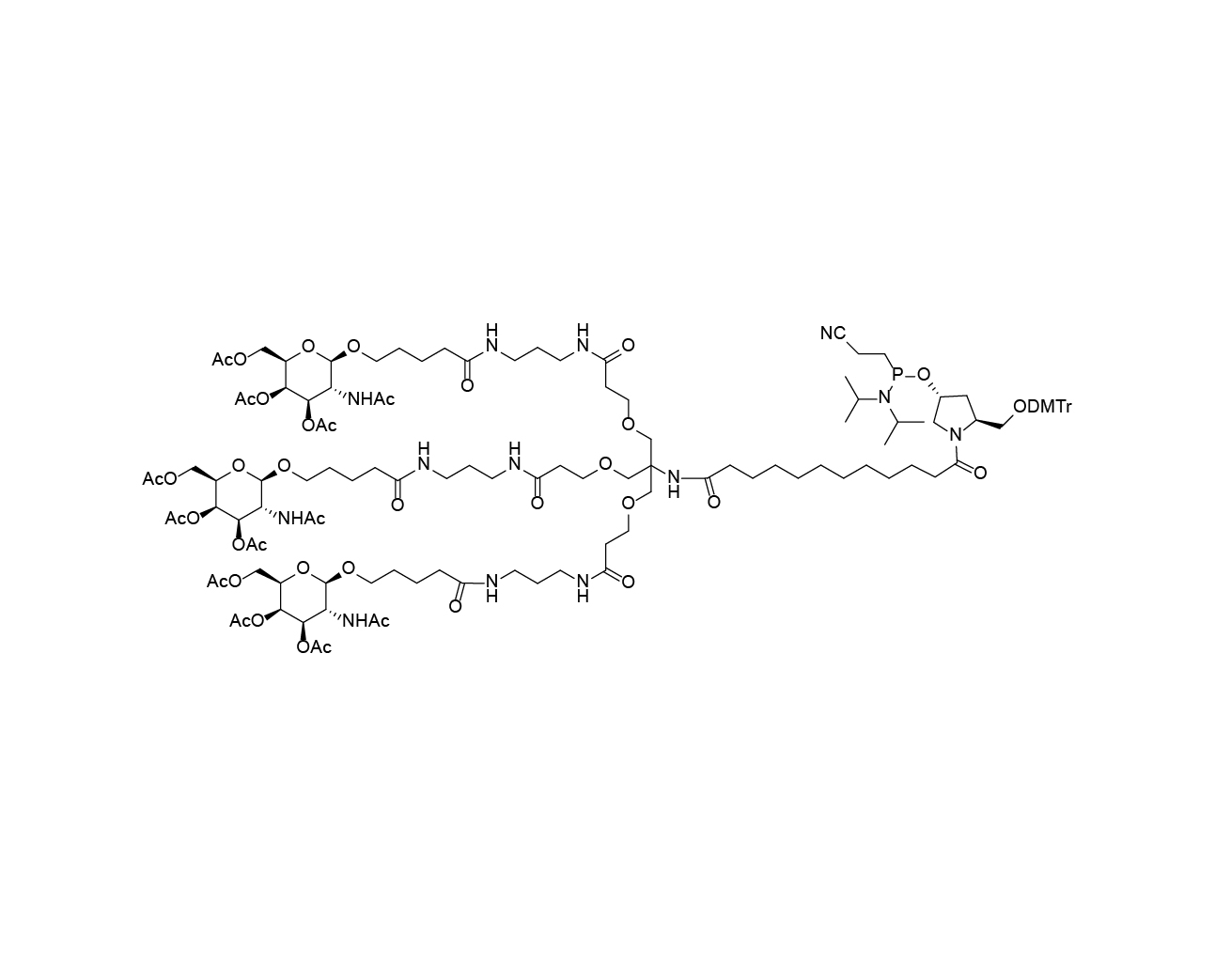
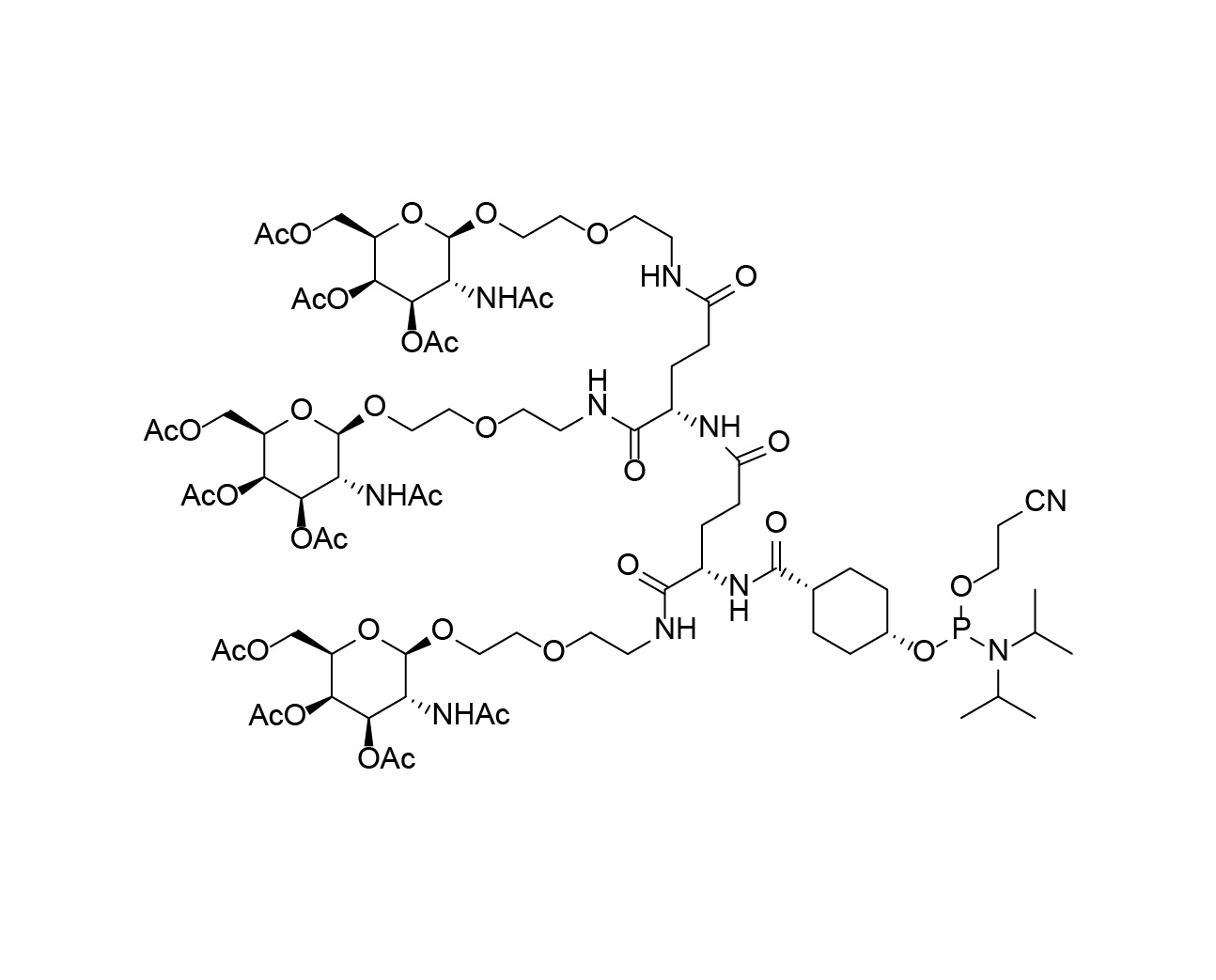
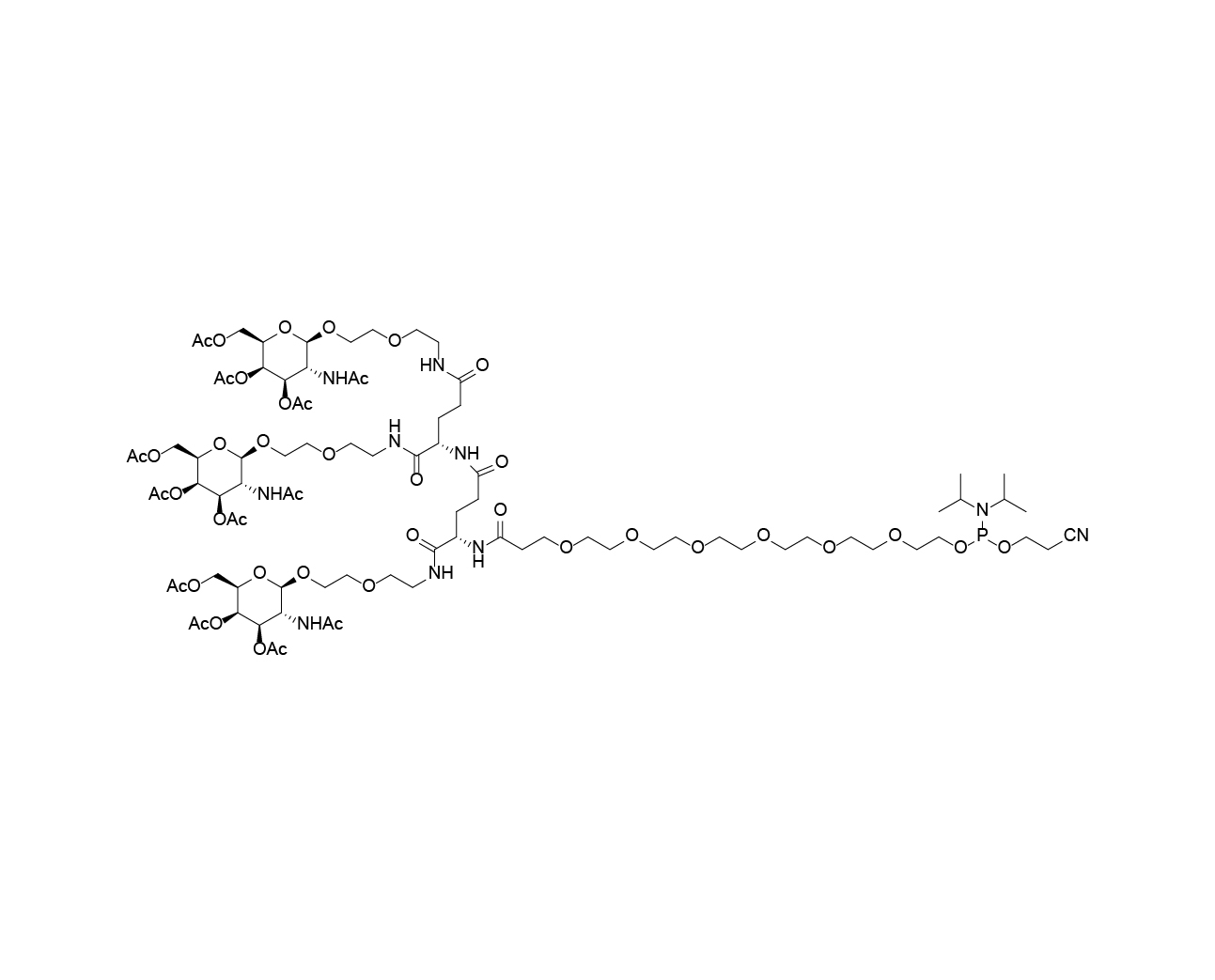
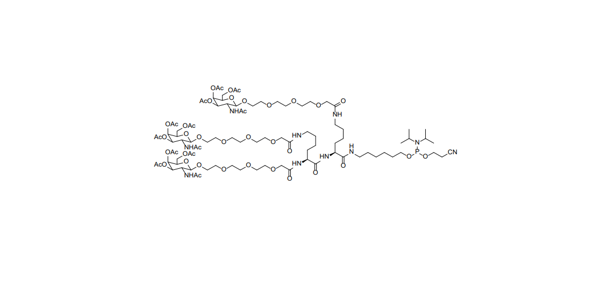
GLS-15 is a novel GalNAc-derived small molecule structure designed for siRNA delivery.
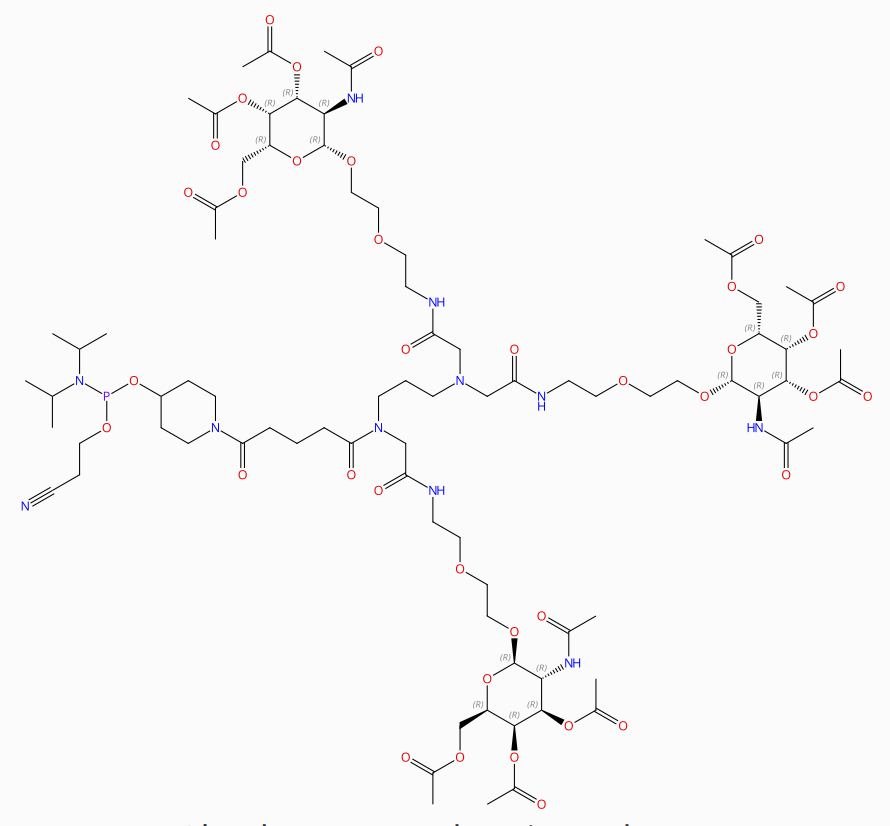
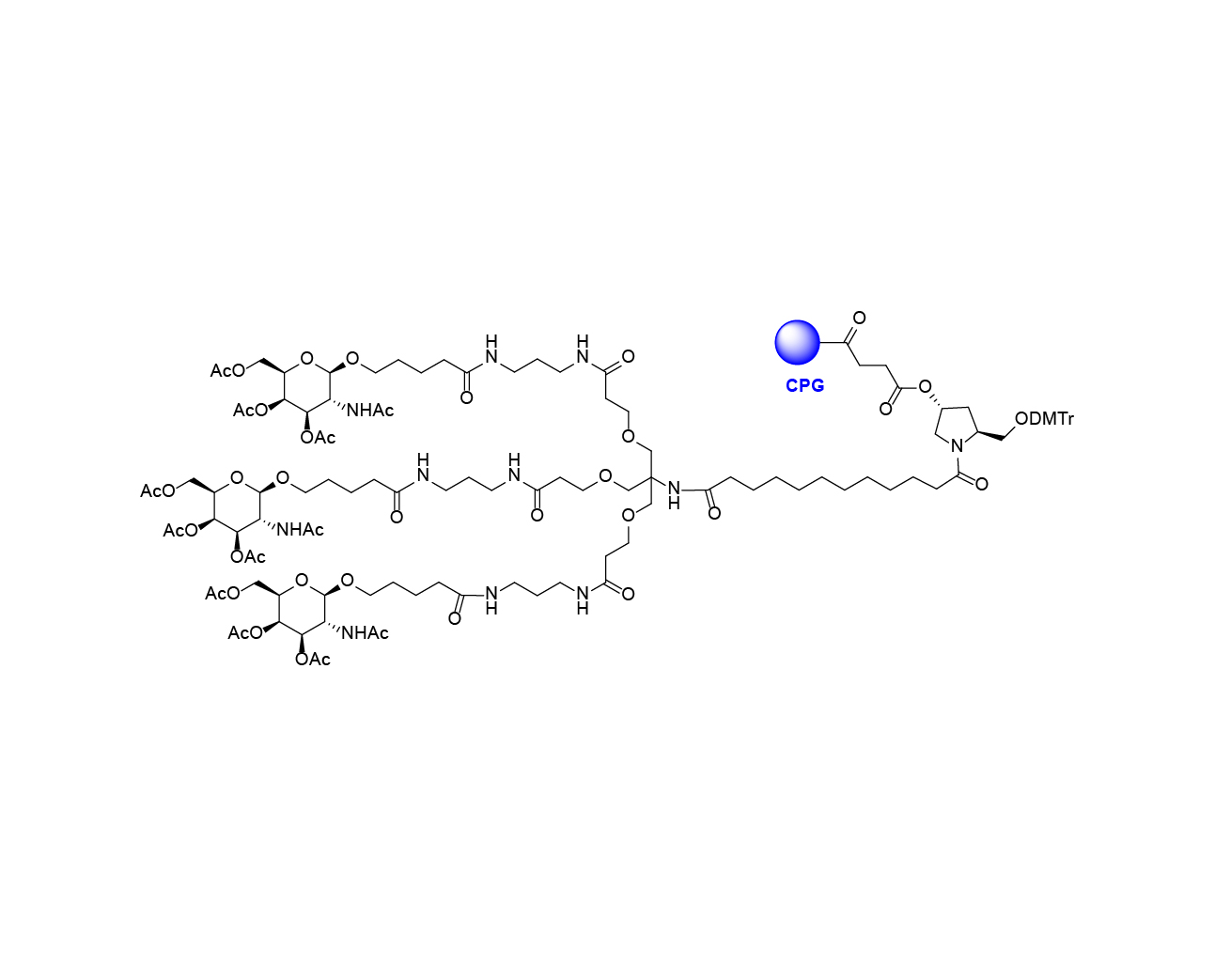
TriGalNAc CBz is a GalNAc derivative and tri-GalNAc is an asialoglycoprotein receptor (ASGPR) ligand. TriGalNAc CBz can be used for mRNA drug delivery as well as lysosomal targeted chimerism (LYTAC) studies.
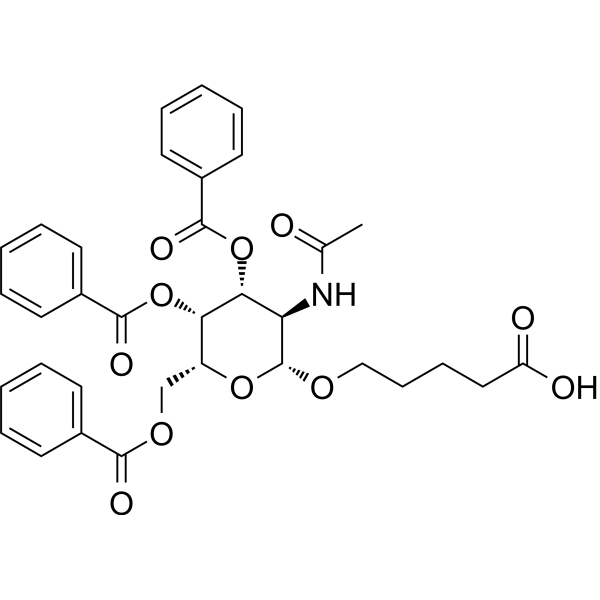

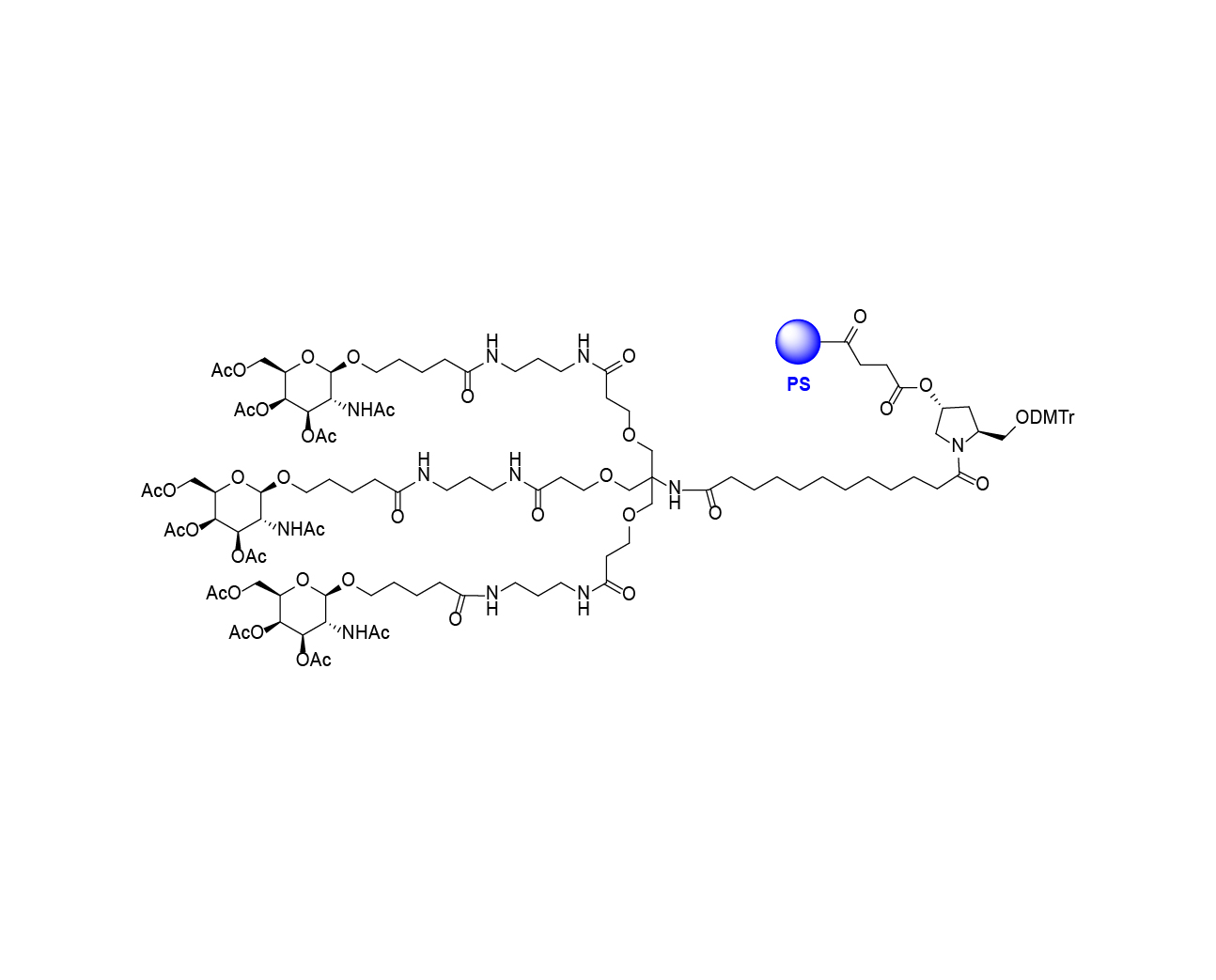
GalNAc-L96 free base, the G-rich oligonucleotides carrying the longer GalNAc linker that can be used for delivery of nucleic acid drugs.
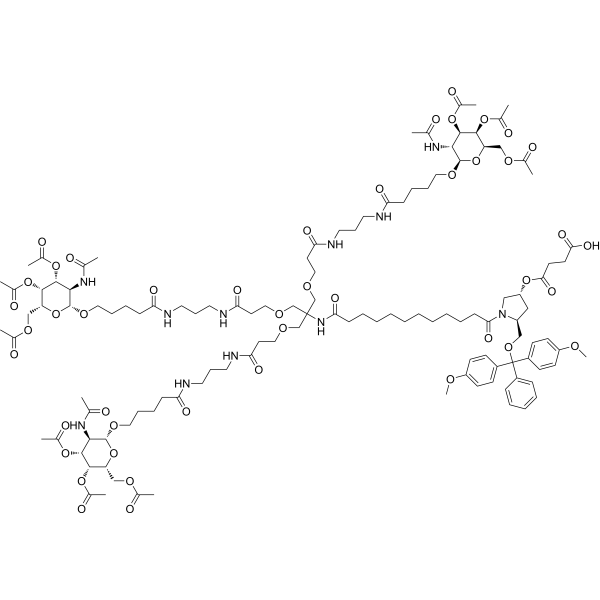
GalNAc-L96 analog is an intermediate in the synthesis of the asialoglycoprotein receptor (ASGPR) ligand GalNAc-L96.
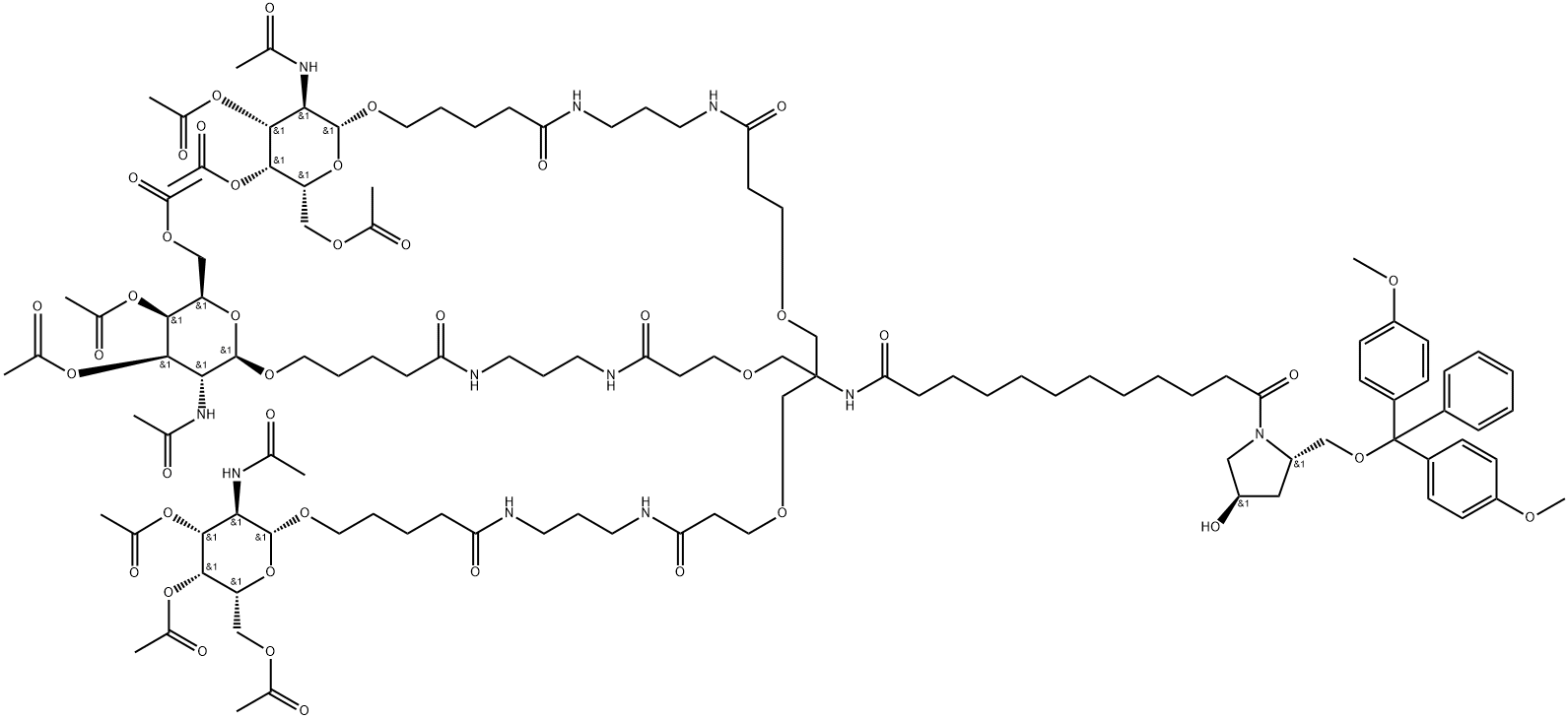
Tri-GalNAc(OAc)3 Cbz is a ligand for asialoglycoprotein receptor (ASGPR) where the sugars are protected by acetylation and the tris tertiary amine is protected by benzyloxycarbonyloxy (Cbz). This peracetylated tri-GalNAc(OAc)3 Cbz can be serve as a valuable building block for ASGPR-targeted therapies. Its three branches or arms, each ending in a GalNAc sugar, ensure strong binding to hepatocyte ASGPR. However, the key feature lies in its protective groups: acetylated sugars allow for controlled removal to expose reactive sites for conjugation, while the Cbz-protected amine provides stability and can be selectively cleaved to introduce a reactive amine group for further biomolecule attachment, ultimately enabling researchers to tailor tri-GalNAc(OAc)3 Cbz into customized conjugates for specific therapeutic applications.
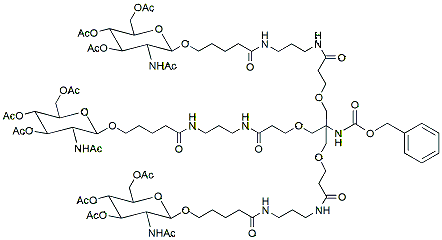
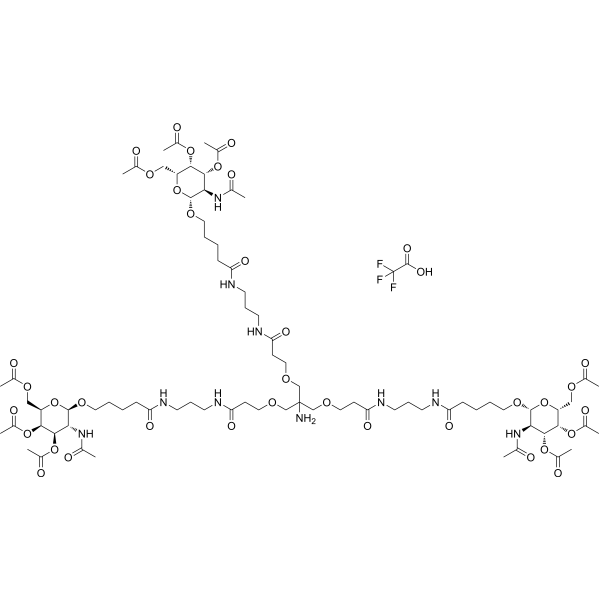
Tri-GalNAc(OAc)3 TFA is a tri-GalNAc ligand that can be used for the synthesis of GalNAc-LYTAC. GalNAc-LYTAC engages the asialoglycoprotein receptor for targeted protein degradation. tri-GalNAc: triantenerrary N-acetylgalactosamine; LYTAC: lysosome-targeting chimera.
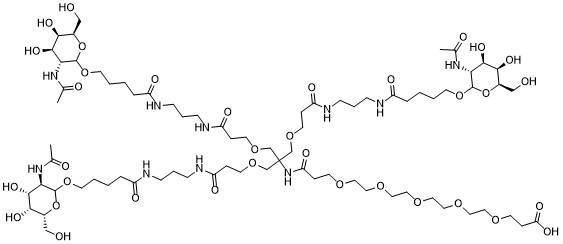
tri-GalNAc-COOH is an asialoglycoprotein receptor (ASGPR) ligand that can be used for LYsosome TArgeting Chimera (LYTAC) research.
Page 17 of 43 · Browse all 849 products