Search covers product name, catalog number, synonyms, available CAS numbers and categories. Spaces, hyphens and common punctuation are ignored. Duplicate legacy records are consolidated under one canonical product result.
849 products · Showing 61–80 · 20 per page
Cat. No.Product NameField of ApplicationChemical Structure
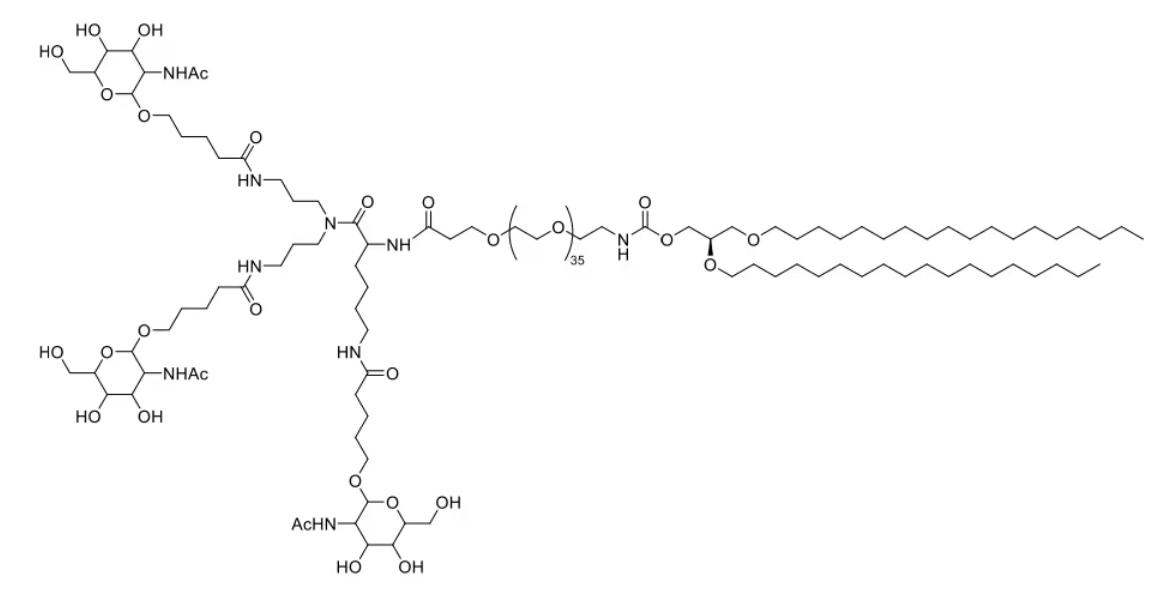
GL6 is a trivalent GalNAc-lipid conjugate designed for ASGPR-mediated hepatic delivery. It features a lysine-based scaffold covalently linked to three GalNAc moieties via a 36-unit PEG spacer, anchored by a 1,2-O-dioctadecyl-sn-glyceryl (DSG) lipid tail. This structure balances ligand accessibility (via optimized PEG length) and nanoparticle stability (via hydrophobic DSG anchoring). Compared to GL3 (TRIS scaffold, same PEG length), GL6’s simplified lysine scaffold improves manufacturability. In LDLR-deficient models, GL6 enabled 61% liver editing (vs. 5% with standard LNPs) at 2 mg/kg, demonstrating superior ASGPR targeting. Its design minimizes ligand crowding (0.05 mol% surface density) while maximizing endosomal escape and durable gene editing.
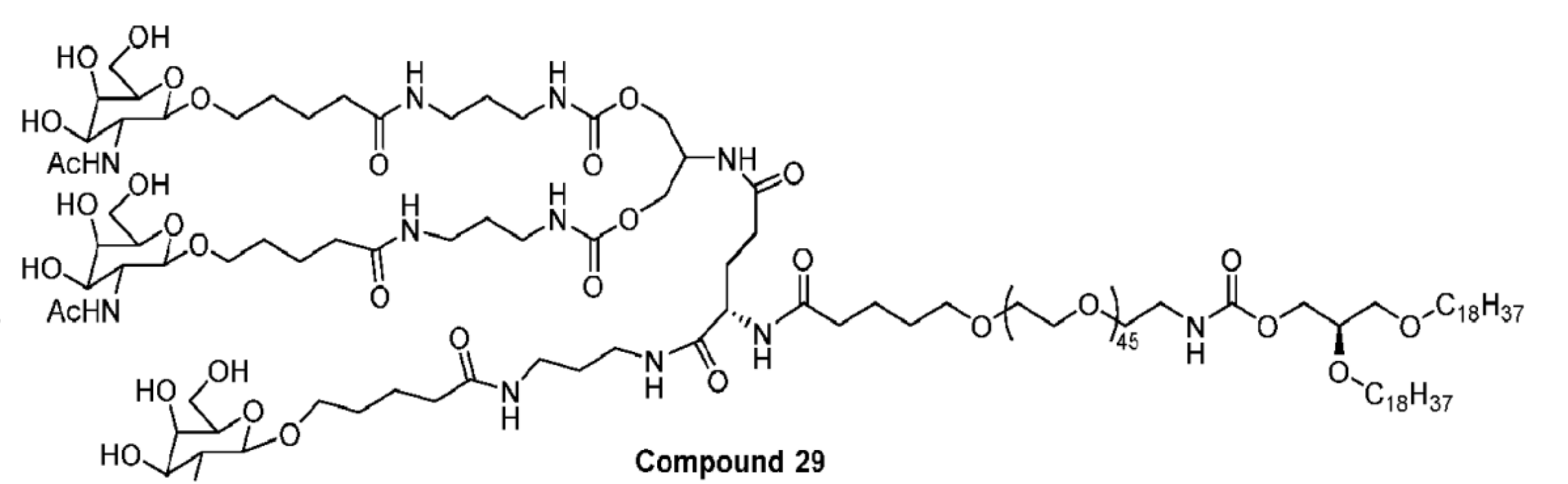
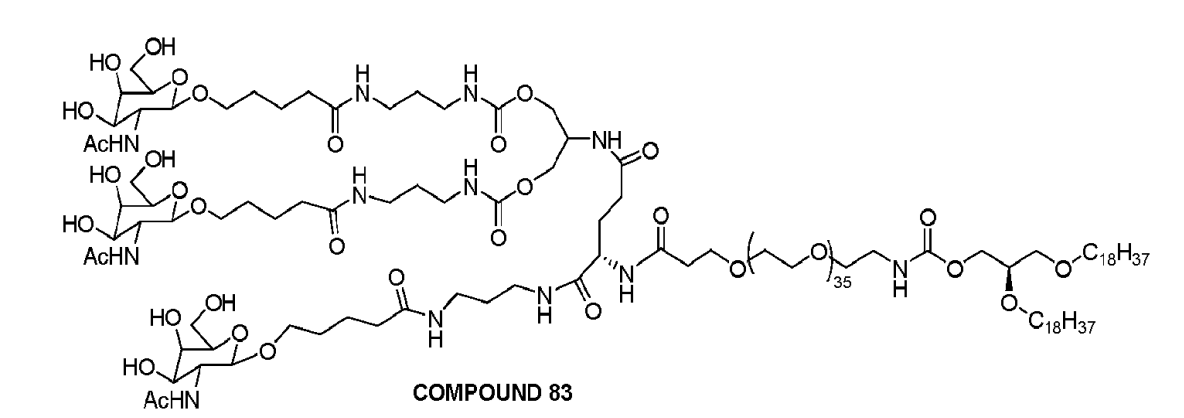
Galnac Lipid 83 is developed by Prime Medicine Patent: WO2024220807.Galnac Lipid 83 83 is a GalNAc-conjugated lipid designed for targeted liver delivery. It features a triantennary GalNAc ligand linked via a PEG spacer (e.g., -(CH2CH2O)n-) to a branched hydrophobic tail (C18 alkyl chains). The structure includes amide/ester bonds for stability and a stereospecific configuration (R/S) to optimize ASGPR receptor binding. Integrated into lipid nanoparticles (LNPs), it enhances hepatic uptake of nucleic acids (e.g., mRNA, gene editors) by leveraging ASGPR-mediated endocytosis. Its design balances hydrophilicity (PEG) and lipophilicity (alkyl chains) for efficient encapsulation and in vivo delivery, supporting therapeutic applications in liver-specific gene editing or RNA therapies.
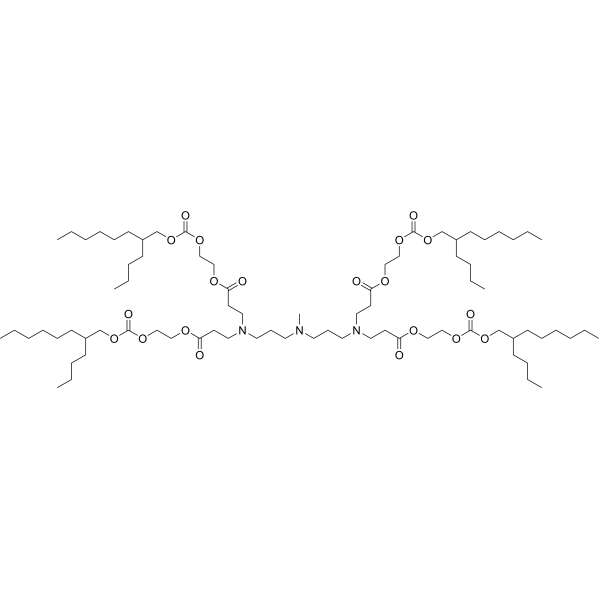
4A3-SC8 is a novel Ionizable amino lipid for RNA delivery.The CRISPR-Cas9 gene editing system has been a hotspot in the field of gene therapy, especially the gene correction induced by homology-directed repair (HDR). However, its application has various obstacles, such as large molecular weight, poor stability, off-target risk, and the complexity of codeliver multiple genes. Farbiak et al. established a novel ionizable lipid library consisting of four distinct amine cores (3A3, 3A5, 4A1, 4A3) and nine peripheries with different alkyl chain lengths (SC5-SC14), and screened out a class of iLNPs with ability of encapsulating Cas9 mRNA, sgRNA and donor DNA simultaneously. The delivery efficiency (quantified by luciferase mRNA expression) and iLNPs toxicity were evaluated with three different cell lines (HEK293T, HeLa, and IGROV-1), indicating the formulation containing 4A3-SC8 was the best. 4A3-SC8 iLNPs successfully induced HDR in HEK293 cells by one-pot delivery of Cas9 mRNA, sgRNA, and the correct ssDNA template. Confocal microscopy imaging showed that a portion of blue fluorescence in cells was corrected to green fluorescence. Furthermore, the nucleic acid ratios of Cas9: sgRNA: donor DNA loading in iLNPs at a ratio of 2:1:3 could maximize the HDR efficiency with the editing efficiency up to 23%, which breaks through the current bottleneck of HDR efficiency of only 1–5%. This progress is undoubtedly an important advance in the gene therapy field to cure diseases caused by genetic mutations.
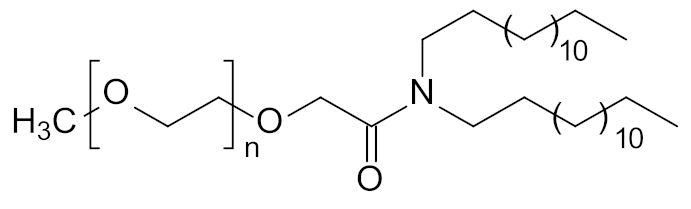
ALC-0159 is a PEG/lipid conjugate (i.e. PEGylated lipid). Formulations containing ALC-0159 have been used in the development of lipid nanoparticles (LNPs) for the delivery of mRNA-based vaccines.
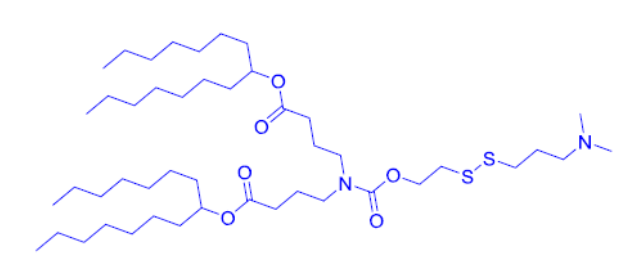
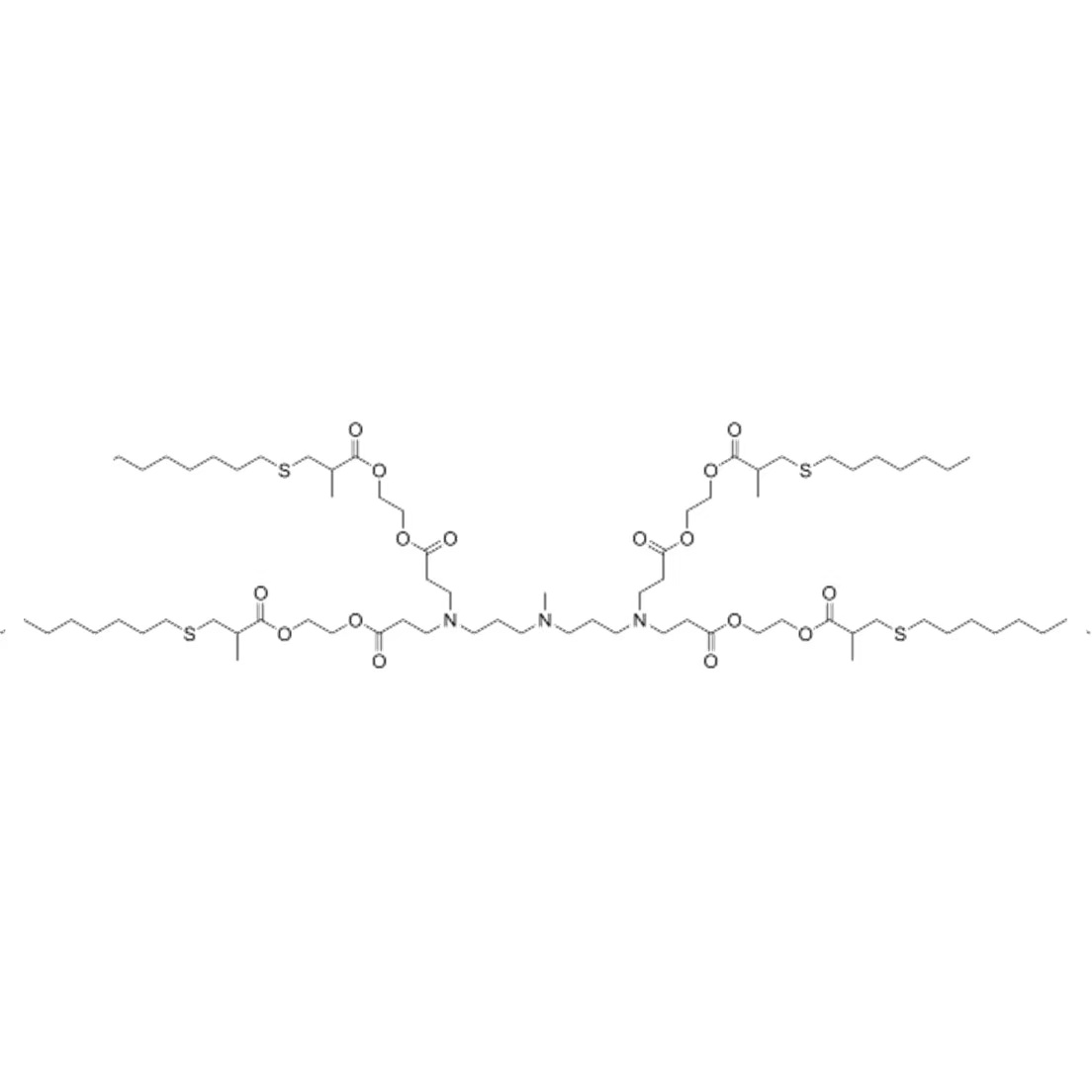
L1 is a biodegradable, branched self-immolative lipid optimized for high-efficiency mRNA delivery. Its disulfide-based architecture enables rapid glutathione-triggered degradation in the cytosol (liver half-life: 4.2 days), promoting rapid clearance while maintaining serum stability. In vivo, L1 achieves exceptional mRNA translation, producing twice the hEPO protein levels of the clinically approved MC3 lipid at 0.1 mg/kg. Its reported apparent pKa is 6.57. Tolerability is dose-dependent: supplementary clinical observations record abnormalities at 5 mg/kg through 48 hours; these findings should be considered alongside body-weight and cytokine measurements. Structural features (C7 alkyl tails, carbamate linker) balance potency and biodegradability, making L1 ideal for mRNA vaccines and protein-replacement therapies.
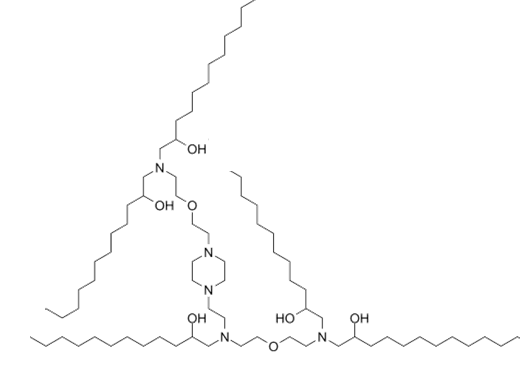
C12-4 (Lipid A-4,Lipid F3) is a branched-chain ionizable cationic lipidoid that has been used in the formation of lipid nanoparticles (LNPs) for the delivery of mRNA. LNPs containing lipid A4 and encapsulating an mRNA reporter accumulate in the uterus, placenta, and ovaries, as well as to the spleen and liver, in pregnant mouse dams unlike LNPs containing the branched-chain ionizable cationic lipidoid C12-200, which primarily accumulate in the liver. Intravenous administration of LNPs containing lipid A4 and encapsulating mRNA encoding VEGF increase placental VEGFR1 levels and mean fetal blood vessel area without inducing liver damage in pregnant mouse dams.
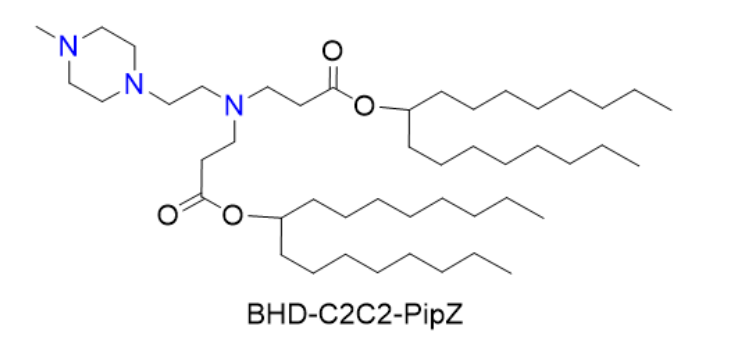
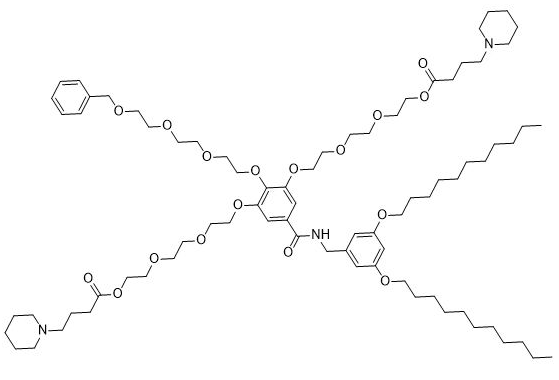
BHD-C2C2-PipZ, as an efficient ionizable cationic lipid, achieves high encapsulation efficiency and controllable release of mRNA through its unique chemical structure. In PEG-free 3P-LNPs, its electrostatic interaction with tripolyphosphate successfully replaces the steric stabilization effect of traditional PEG, offering a new strategy to circumvent PEG immunogenicity. Its hepatic distribution pattern further indicates that LNP design should take into account the heterogeneity of the organ microenvironment.
DSPE-PEG2K-triGalNAc is a polar lipid composed of DSPE and tri-N-acetylgalactosamine that can be used to construct liposomes target to asialoglycoprotein receptor (ASGPR).
4A3-SC7 is a proprietary, ionizable lipid component central to the SORT LNP platform developed for targeted organ delivery. It features a unique branched-tail structure designed to enhance mRNA encapsulation and endosomal escape. In the study, it served as the primary ionizable lipid in both Liver SORT LNPs and updated Lung SORT LNPs. For liver targeting, it was formulated at 15.04 mol% alongside helper lipids (DOPE: 23.04%, Cholesterol: 38.72%), PEG-lipid (DMG-PEG2000: 3.2%), and the liver-targeting lipid 4A3-Cit (20 mol%). This specific composition (Total lipid:RNA = 20:1 wt/wt) yielded LNPs with ~74 nm size, low PDI (0.17), and high encapsulation efficiency (87%) for large mRNAs like ABE editors (~5000 nt). Its branched-tail architecture was critical for stabilizing nanoparticles encapsulating large RNAs, overcoming a key limitation of previous formulations. 4A3-SC7-based Liver SORT LNPs enabled >40% base editing in hepatocytes in vivo, achieving durable correction of the disease-causing SERPINA1 mutation in PiZ mice and significantly reducing pathological protein aggregates. In the updated DualSORT system, 4A3-SC7 was also paired with DORI (instead of DOTAP) for improved lung targeting, demonstrating its versatility as a foundational ionizable lipid for multi-organ gene editing therapeutics.
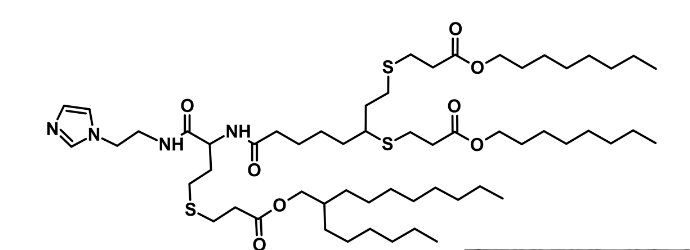
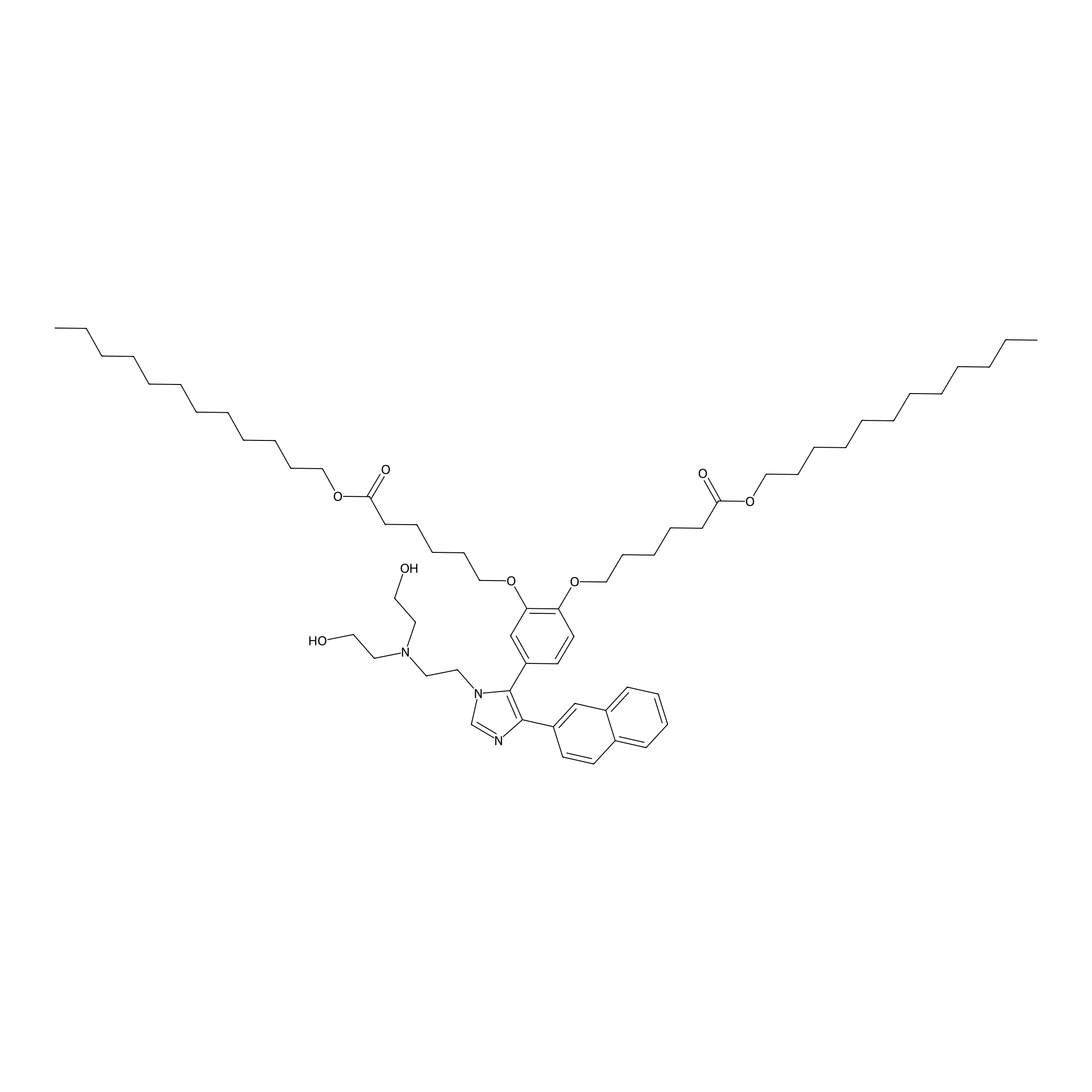
A2T2C9 (CP-LC-1465) is an imidazole-based ionizable lipid with branched hydrophobic chains and β-propionate linkers, formulated in four-component LNPs for spleen-targeted mRNA delivery. It achieves >80% spleen selectivity with protein expression exceeding 1×10⁷ p/s in mice, driven by its negative zeta potential (-9.7 to -19 mV). Structural features including imidazole polar head and branched acrylate (C9) enhance splenic tropism, potentially through distinct protein corona interactions. Demonstrated low cytotoxicity (>75% viability in splenic cells) and biodegradability via pH-sensitive linkers enable efficient mRNA delivery without permanent charged additives, outperforming conventional anionic SORT systems in selectivity and therapeutic potential.
IAJD-34 is a one-component ionizable amphiphilic Janus dendrimer specifically engineered for targeted mRNA delivery to the lung parenchyma, as described by Meshanni et al. in Nature Communications article "Targeted delivery of TGF-β mRNA to murine lung parenchyma using one-component ionizable amphiphilic Janus Dendrimers" . This synthetic nanoparticle self-assembles with mRNA through simple mixing in acetate buffer, forming stable dendrimersomes approximately 93-97 nm in size with high encapsulation efficiency (>95%) and a positive zeta potential (~48 mV). Its defining feature, highlighted in the study, is exceptional lung tropism after intravenous injection, enabling significantly higher luciferase expression in murine lungs compared to other organs. As demonstrated by Meshanni et al., IAJD 34 effectively delivers therapeutic mRNA (e.g., TGF-β mRNA) to the lower lung, inducing transient protein production with minimal systemic toxicity at appropriate doses (e.g., 10 µg), offering a promising strategy for treating parenchymal lung diseases.
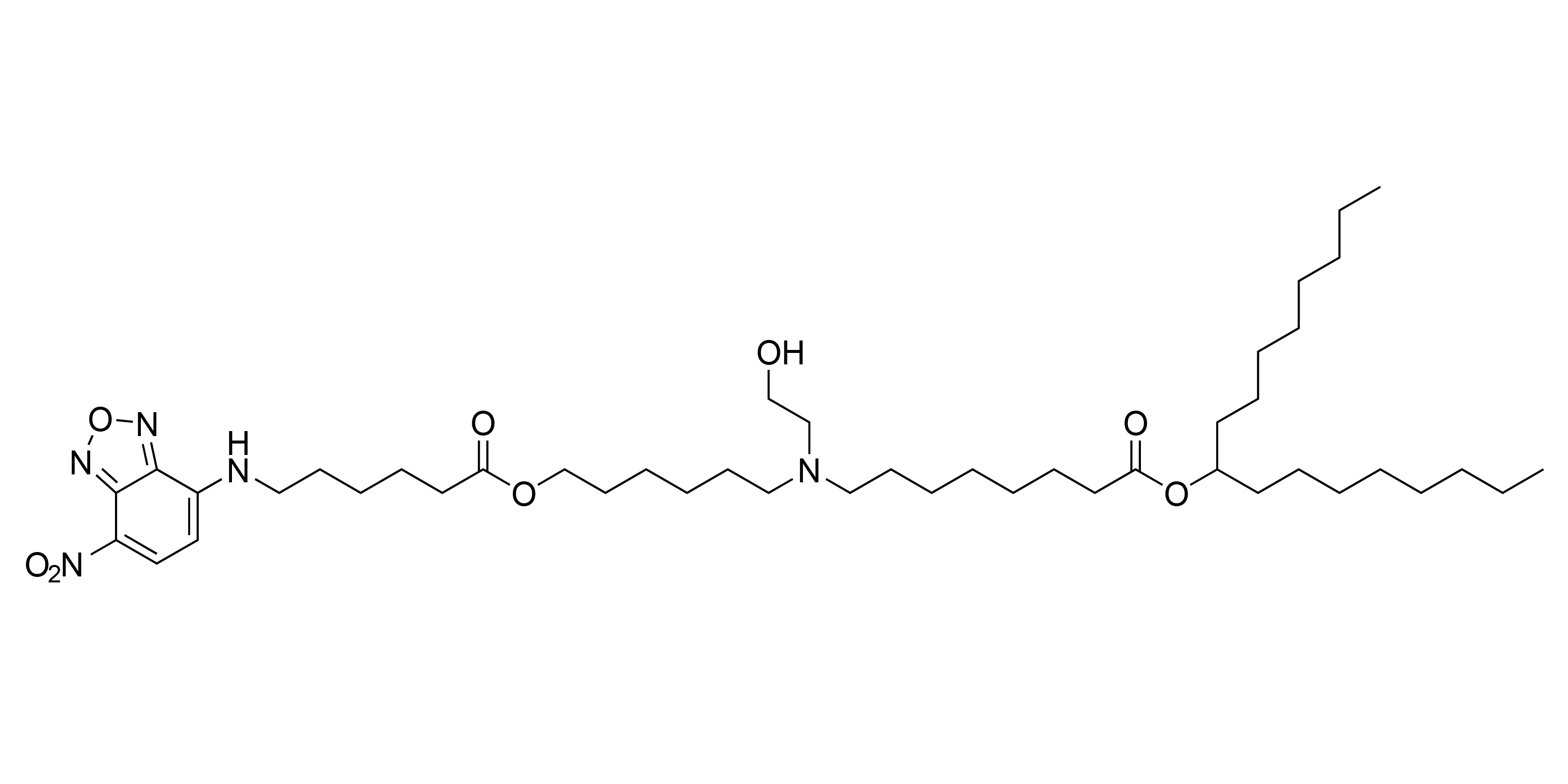
Fluorescent SM-102 (NBD-SM-102) is a premium, dye-conjugated ionizable cationic lipid designed for advanced nanomedicine and mRNA delivery research. By covalently integrating a bright, green-fluorescent nitrobenzofurazan (NBD) probe into the industry-standard SM-102 skeleton, this high-purity reagent operates as an indispensable visual tracer. It empowers researchers to seamlessly track cellular uptake, monitor tissue biodistribution, and quantify endosomal escape efficiencies via fluorescence microscopy and flow cytometry. Crucially, this NBD-SM-102 derivative preserves the native ionizable property (\(pK_a \approx 6.68\)) and optimal membrane-fusion dynamics required for lipid nanoparticle (LNP) assembly and transfection, ensuring experimental formulations accurately mimic functional delivery vectors. This reliable reagent is ideal for accelerating lipid-mix optimization, high-throughput screening, and nucleic acid therapeutics development pipeline.
DSPE-PEG-Streptavidin is an important biocoupling molecule widely used in biomedical research, especially in drug delivery, targeted therapies, immunodiagnostics and biosensors. Through the specific binding between streptavidin and biotin, DSPE-PEG-Streptavidin can help to achieve efficient loading and targeted action in targeted delivery systems. In addition, the molecule is widely used in molecular imaging and bioassays, especially for molecular recognition using the strong affinity between streptavidin and biotin in assay platforms that require high sensitivity and specificity.
YSK 12C4 is an ionizable cationic lipid primarily used to enhance siRNA cellular delivery via multifunctional envelope-type nanodevices (MEND). YSK 12C4 promotes siRNA uptake and endosomal escape, effectively silencing genes in human immune cell lines.
Lipid88 is a high-performance, novel ionizable lipid component engineered for advanced mRNA-LNP vaccine delivery. LNP88 formulation demonstrates superior biodistribution, achieving >10-fold higher transfection efficiency in spleen and lymph nodes compared to benchmark lipids like ALC-0315 via intramuscular delivery. When encapsulating antigen-encoding mRNA (e.g., optimized mCSA construct), Lipid-88 based LNPs drive robust humoral and cellular immunity, enabling complete protection against challenging SARS-CoV-2 variants (WA1/2020, Omicron BA.1, BQ.1) in preclinical models. Its design prioritizes potent immunogenicity with favorable safety profiles.