DOTMAFeatured
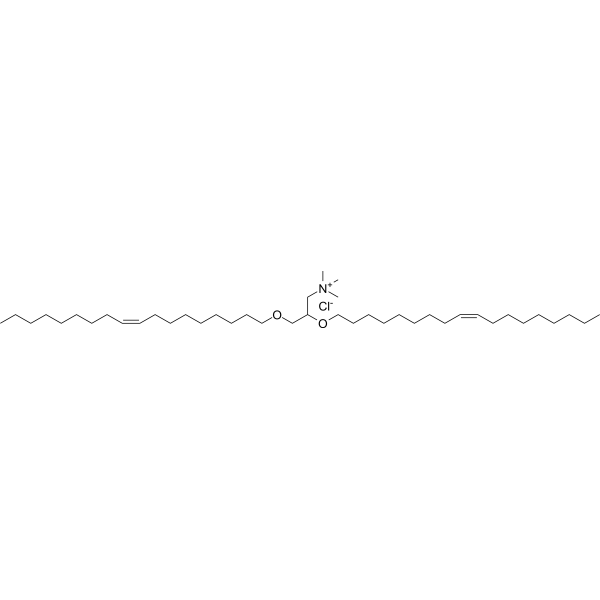
N-[1-(2,3-Dioleyloxy)propyl]-N,N,N-trimethylammonium (DOTMA) is a cationic lipid.It has been used as a component in liposomes that can be used to encapsulate siRNA, microRNAs, and oligonucleotides and for gene transfection in vitro.

Explore 849 lipid and RNA delivery products. Search the full catalog or browse by research category.
Search covers product name, catalog number, synonyms, available CAS numbers and categories. Spaces, hyphens and common punctuation are ignored. Duplicate legacy records are consolidated under one canonical product result.
N-[1-(2,3-Dioleyloxy)propyl]-N,N,N-trimethylammonium (DOTMA) is a cationic lipid.It has been used as a component in liposomes that can be used to encapsulate siRNA, microRNAs, and oligonucleotides and for gene transfection in vitro.
Lipid 331 is a biodegradable cyclic ionizable lipid. LNPs containing Lipid 331 result in robust transfection in the nasal and lung tissues of mice and efficient transfection of lung epithelial cells and lung-resident APCs. Lipid 331 is a promising candidate for mRNA vaccine delivery, offering the potential for further enhancing the potency of mRNA vaccines.
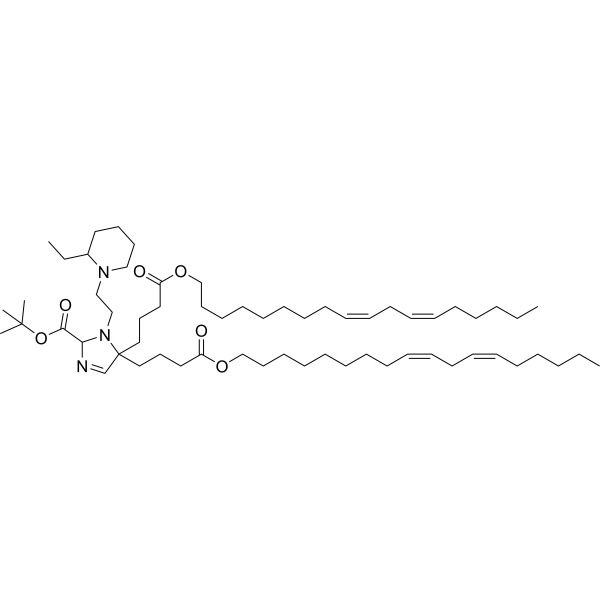
Lipid C12-A1 is an ionizable lipid. C12-A1-LPN is a potent and safe LNP platform to deliver Foxp3 mRNA to CD4+ T cells to engineer immunosuppressive FP3T cells. C12-A1 has a slightly lower average cell viability than C14-A1.
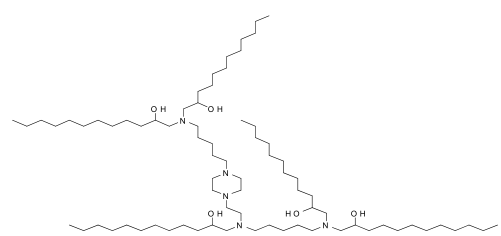
4A3-SCC-PH is a groundbreaking linker-degradable ionizable lipid (LDIL) that features a glutathione (GSH)-responsive cone-shaped molecular structure. This unique architecture enables superior endosomal escape and rapid mRNA release, making it highly effective for mRNA delivery. In vivo studies have highlighted its exceptional performance, showing a 176-fold increase in mRNA delivery efficiency to the liver compared to DLin-MC3-DMA, a widely used benchmark lipid. Both 4A3-SCC-PH and its structural analog, 4A3-SCC-10, also demonstrated significantly enhanced mRNA delivery efficacy compared to their non-disulfide-containing parent compounds and disulfide-containing controls with modified lipid tails.

Si5-N14 is a lipid-based molecule engineered with siloxane groups, designed specifically for efficient mRNA delivery to the lungs. The incorporation of siloxane units boosts the cellular uptake of mRNA-loaded lipid nanoparticles (LNPs) and enhances their ability to escape from endosomes. These properties significantly increase the overall effectiveness of mRNA delivery, making Si5-N14 a promising tool for targeted therapeutic applications.

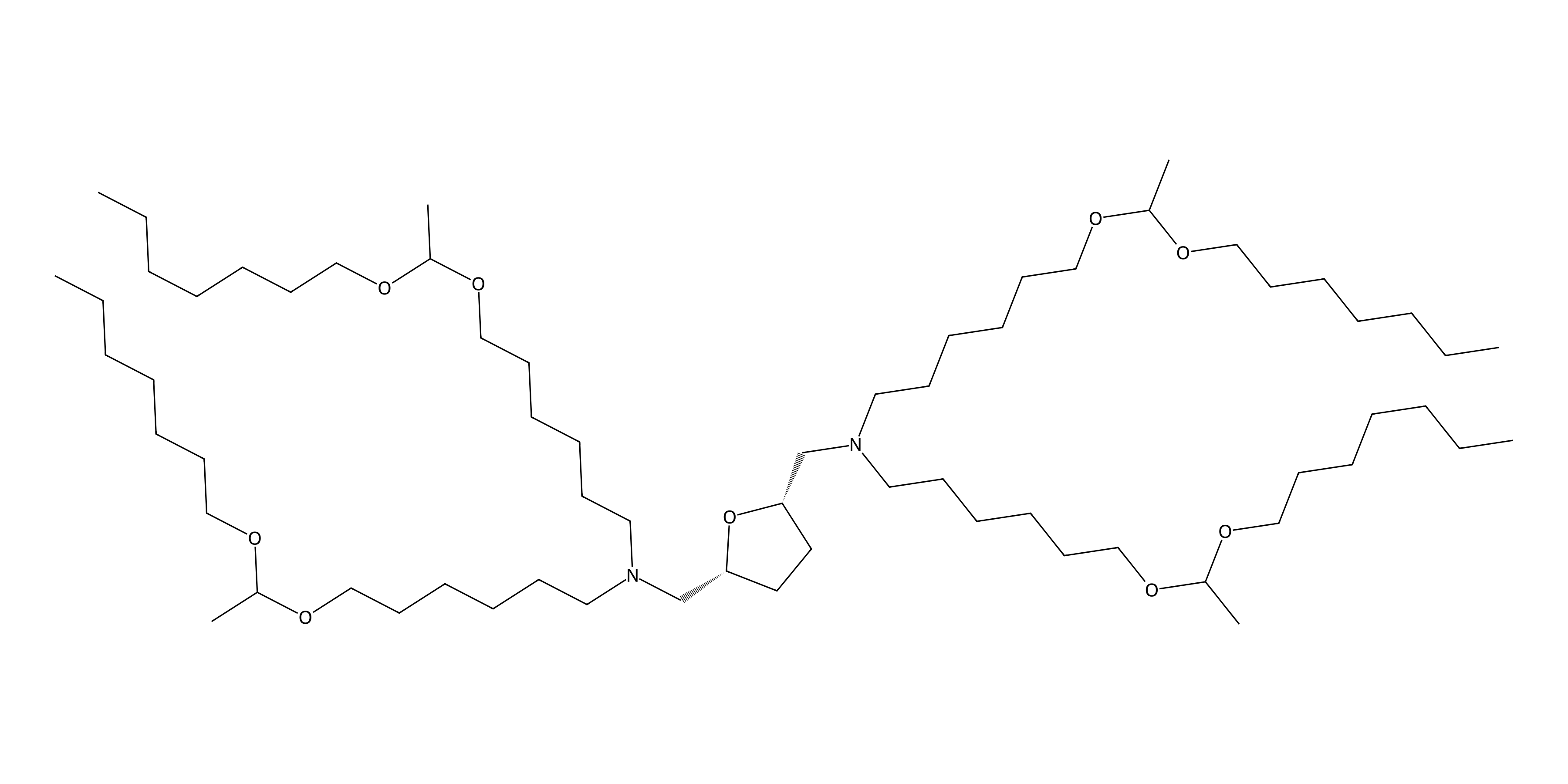
F10T5 is a furan-derived ionizable lipid developed for mRNA delivery to the central nervous system through the meningeal lymphatic pathway. Its architecture incorporates an ionizable polyamine region and four hydrophobic tails containing acid-sensitive acetal linkages. Following subcutaneous administration near the deep cervical lymph nodes, F10T5 LNPs enabled functional mRNA expression in neurons, microglia, and astrocytes while producing relatively low signals in peripheral organs. Cre mRNA delivery resulted in tdTomato expression in approximately 8.93% of neurons, 7.0% of microglia, and 9.9% of astrocytes in mice. Compared with the co-lead lipid F11T6, F10T5 showed comparable total brain luciferase expression, stronger astrocyte transfection, and lower peripheral-organ distribution. Its activity was associated primarily with improved endosomal escape rather than increased cellular uptake. F10T5 remains a preclinical research lipid, and its repeat-dose safety, pharmacokinetics, and performance in larger animals require further evaluation.
D-Lin-MC2-DMA(MC2) is a cationic lipid that has been synthesized for Lipid nanoparticles (LNPs) to deliver the siRNA.

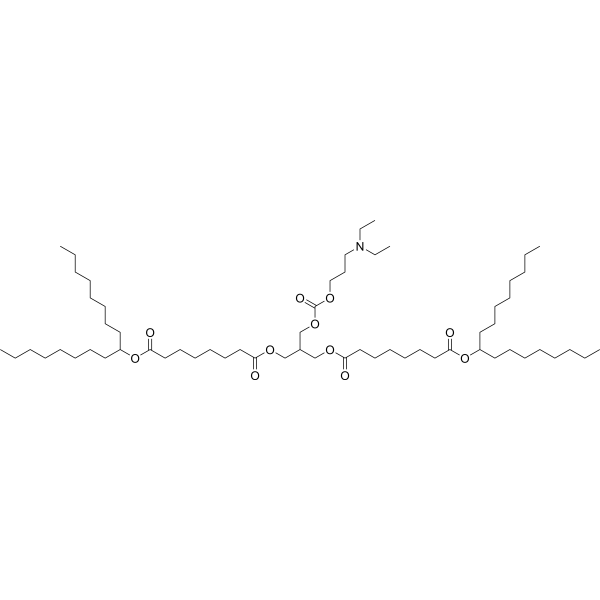
VL-422 is an ionizable cationic lipid. VL-422 delivers CRISPR complementary single-guide RNA (sgRNA) and Cas9 mRNA to enable in vitro and in vivo gene editing. LNPs containing VL-422 loaded with Cas9 mRNA and sgRNA targeting the ANGPTL3 gene induce the deletion of premature stop codons within the ANGPTL3 gene in the liver of cynomolgus monkeys. Loss-of-function of ANGPTL3 leads to decreased levels of LDL, HDL and cholesterol in plasma. The VL-422 delivery system can be used for the research of gene editing strategies targeting lipid metabolism diseases.
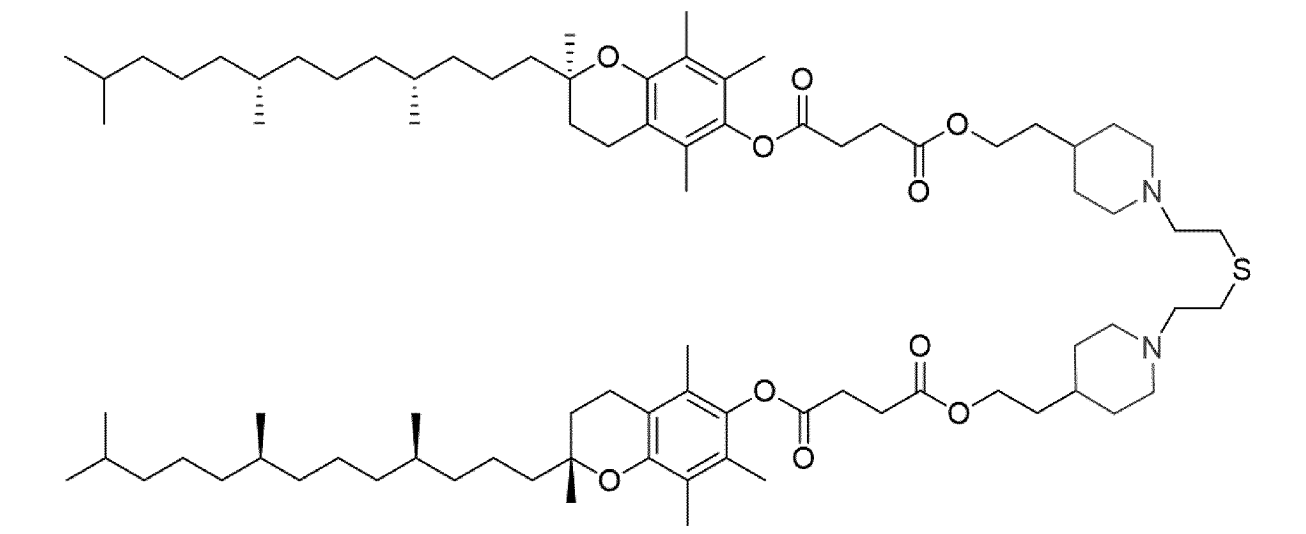
CVL1 (C24), also known as VitE-C4DE-Pip-S, is a vitamin E-derived ionizable lipid developed for lipid nanoparticle-mediated delivery of mRNA and other nucleic acids developed by CureVac. It features two hydrophobic α-tocopherol moieties connected to a bis-piperidine ionizable core through biodegradable succinate ester linkages, while a central thioether-containing spacer provides additional structural flexibility. CVL1 can be incorporated into LNP formulations to support nucleic acid encapsulation, cellular uptake, and intracellular delivery. CureVac has investigated CVL1-containing LNPs for mRNA expression in immune-related tissues and cells, including the spleen, lymph nodes, and antigen-presenting cells, making it a valuable research lipid for mRNA vaccines, cancer immunotherapy, and other nucleic acid delivery applications.
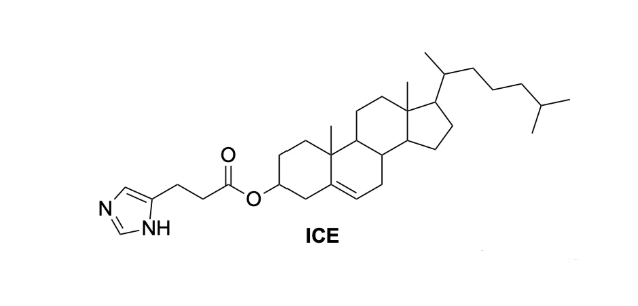
Imidazole cholesterol ester (ICE) is a sterol‑based ionizable cationic lipid invented by Translate‑Bio (WO2018/089790 A1) for mRNA‑loaded lipid‑nanoparticle (LNP) pulmonary delivery. It fuses an imidazole pH‑responsive headgroup with cholesterol via ester linkage. Typically formulated as a three‑component LNP (ICE : DOPE : DMG‑PEG2K = 60 : 35 : 5 mol ratio), ICE‑LNPs achieve high mRNA encapsulation (>80‑90 %), good nebulization stability and low toxicity. Upon cellular uptake, imidazole mediates endosomal escape; the ester bond degrades to yield cholesterol, conferring favorable biocompatibility. Animal studies demonstrate robust CFTR protein expression in bronchial and alveolar lung tissue after inhalation, making ICE promising for cystic‑fibrosis mRNA therapy.
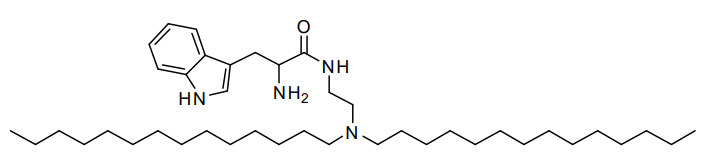
Trp-L1-T4 is a novel tryptophan-derived ionizable lipid that serves as the core functional component of the optimized lipid nanoparticle (TLNP/RLNP) platform. Its primary function is to enable the efficient encapsulation and in vivo delivery of self-amplifying RNA (saRNA) cargo. Specifically, it facilitates high transfection efficiency and cytosolic release of the RNA payload in target follicular helper T (Tfh) cells, with minimal cytotoxicity. This capability is crucial for reprogramming pathogenic Tfh cells into regulatory CAR-Tfh cells, forming the foundation of the study's therapeutic strategy.
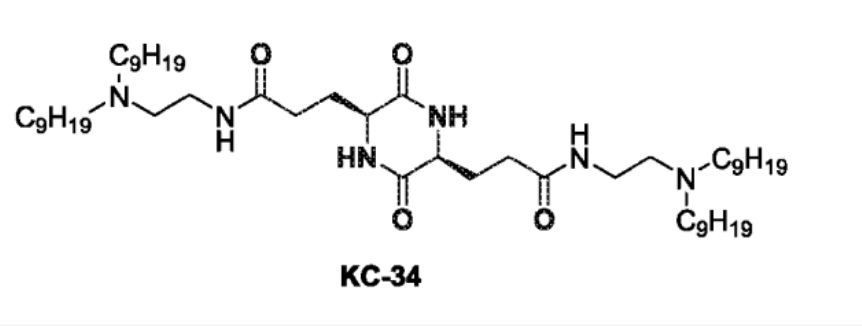
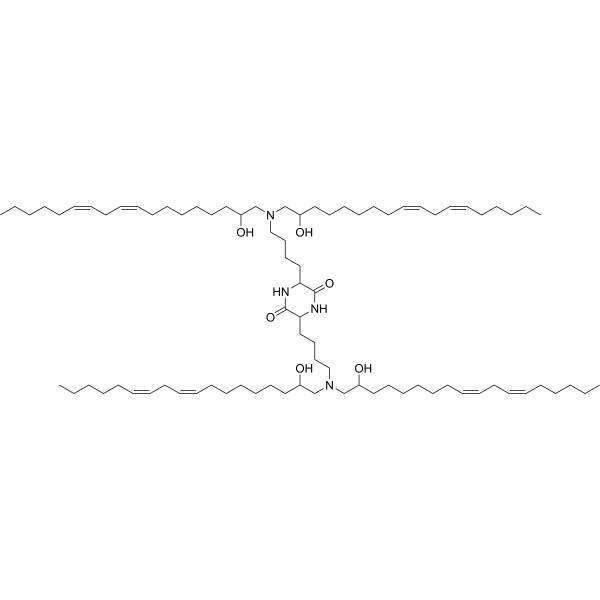
KC-34 (SPC-A9) is a novel stereopure, diketopiperazine-based ionizable cationic lipid engineered to overcome traditional liver-restricted delivery, achieving balanced multi-organ mRNA transfection. Upon systemic intravenous administration, its precisely optimized chiral configuration allows the lipid nanoparticles (LNPs) to efficiently cross endothelial barriers and target the bone marrow, offering immense therapeutic potential for in vivo hematopoietic stem cell gene editing. Concurrently, KC-34 mediates robust and long-lasting protein expression in the spleen and lungs with minimal hepatic off-target toxicity. Its stable structure provides excellent biocompatibility and high in vivo tolerance, making it ideal for systemic, multi-dose mRNA therapies.
YSK 05 is a pH-sensitive cationic lipid. YSK 05 improves the intracellular trafficking of non-viral vectors. YSK 05-MEND shows significantly good gene silencing activity and hemolytic activity. YSK 05 overcomes the suppression of endosomal escape by PEGylation. YSK 05 effectively enhances siRNA delivery both in vitro and in vivo.

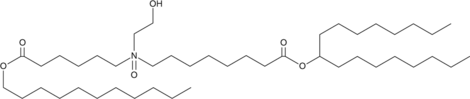
SM-102 N-oxide is potential impurity in commercial preparations of SM-102.
ALC-0159 (di-C18) is an analog of ALC-0159, in which the original C14 chain is replaced with C18 chain. C18-ALC-0159 demonstrates high stability in vivo, effectively prevents binding with proteins such as ApoE, and achieves a prolonged blood circulation time. It also reduces liver targeting and accumulation.

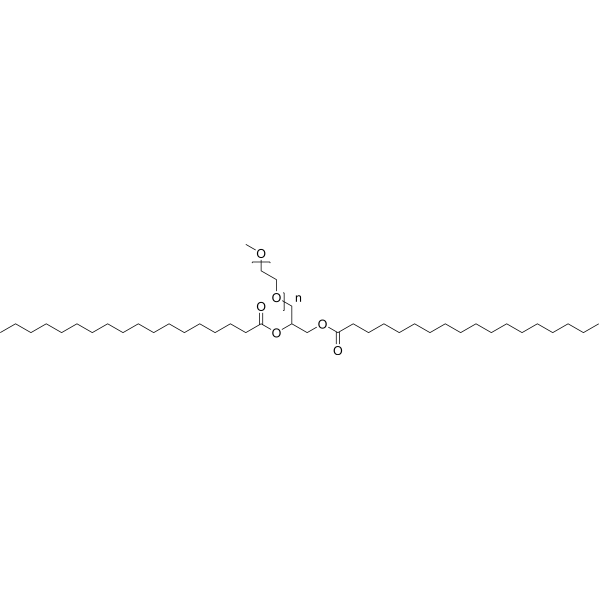
DSG-PEG2000 is used for liposome preparation. DSG-PEG, MW 2,000 has become known for lipid nanoparticle (LNP) preparation for siRNA (small interfering RNA) delivery research. .
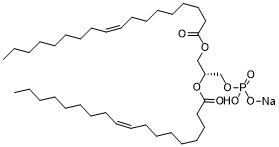
DOPA-NA is an anionic lipid that can be used to prepare liposomes, micelles and artificial membranes.
The transferrin receptor (TfR) is a transmembrane glycoprotein whose function is to mediate iron absorption through its interaction with transferrin. In normal cells, the expression level of the receptor is low, and the expression of the transferrin receptor in cells (chronic lymphocytic non-Hodgkin tumors) is significantly increased due to the increased demand for iron in rapidly growing cells [2-4]. At present, two transferrin receptors, TfR1 and TfR2, have been found, both of which are type II transmembrane glycoproteins that bind to transferrin and mediate iron absorption. TfR1 is expressed in many cells (such as red blood cells, hepatocytes, monocytes), and can change its conformation according to the change of environmental pH, and convert the results of conformational change into a change in the binding strength of transferrin. TfR2 is mainly expressed in the liver, and its main function may be to regulate and maintain the homeostasis of iron ions in the body, while its role in transporting iron ions to rapidly dividing tissues is weak. Using the effective targeting function of transferrin receptor, the cross-linking of transferrin and drugs can improve the specific binding ability of drugs, but also improve the effect.
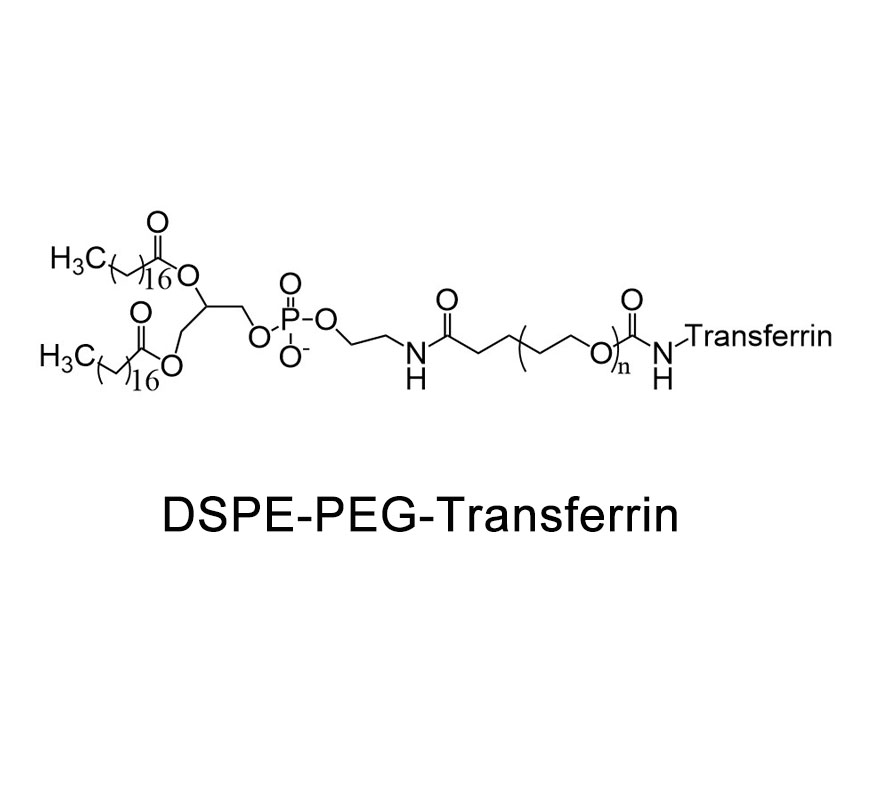
DSPE-PEG-Maleimide, MW 2,000 is a PEG compound with DSPE and maleimide groups. The DSPE-PEGs have been FDA approved for medical applications. The hydrophobic properties of the DSPE allow for the encapsulation and congregation of other hydrophobic drugs. The hydrophilic polyPEG increases the water solubility of the overall compound allowing for the delivery of the drug. Maleimide groups can react with thiol groups between pH 6.5 to 7.5.

OF-02 (OF-2) is an alkenyl amino alcohol (AAA) ionizable lipid for highly potent in vivo mRNA delivery.Alkenyl amino alcohols (AAA) are a functional group found in sphingosine and other bioactive molecules. It was used to prepare AAA-based ionizable lipids through ring-opening reactions between alkenyl epoxides (AEs) and polyamine cores. These AAA-based iLNPs could promote high-level protein expression Therefore, AAA-based ionizable lipids OF-00, OF-01, OF-02, and OF-03 were prepared. The results of in vivo delivery of human erythropoietin (hEPO) mRNA showed that the AAA ionizable lipid OF-02 with the linoleic acid derivative could effectively deliver hEPO mRNA. Compared with the positive control CKK-E12, OF-02 showed an increased ability to induce serum EPO protein expression by nearly twofold (Figure 7b). Likewise, it outperformed two benchmark ionizable lipids (503013 and C12-200) in the nucleic acid delivery field. Furthermore, the mRNA delivered by OF-02 iLNPs was mainly in vivo.translated into the liver. The liver-targeting ability of OF-02 iLNPs improves their delivery efficiency. Therefore, the OF-02 iLNPs may become excellent delivery vehicles for the treatment of liver diseases without other side effects of damage to other organs during the treatment
Page 6 of 43 · Browse all 849 products