Search covers product name, catalog number, synonyms, available CAS numbers and categories. Spaces, hyphens and common punctuation are ignored. Duplicate legacy records are consolidated under one canonical product result.
849 products · Showing 481–500 · 20 per page
Cat. No.Product NameField of ApplicationChemical Structure
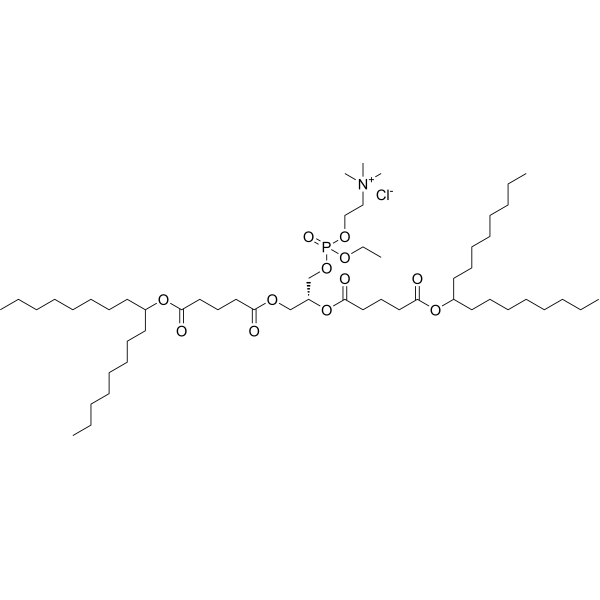
G9-1 is a nitric oxide (NO)-inhibitory ionizable lipid designed for anti-inflammatory mRNA delivery. Derived from the potent NO inhibitor G9, it retains the ability to suppress macrophage-driven inflammation while enabling efficient mRNA encapsulation and lung-targeted delivery. In a murine acute lung injury model, G9-1 lipid nanoparticles (LNPs) loaded with IL-10 mRNA demonstrated synergistic therapeutic effects by reducing inflammatory cell infiltration, suppressing pro-inflammatory cytokines, and improving systemic tissue injury markers. With its intrinsic immunomodulatory activity and preferential targeting of lung-resident cells, G9-1 represents a promising platform for safer and more effective mRNA therapeutics in inflammatory disorders.
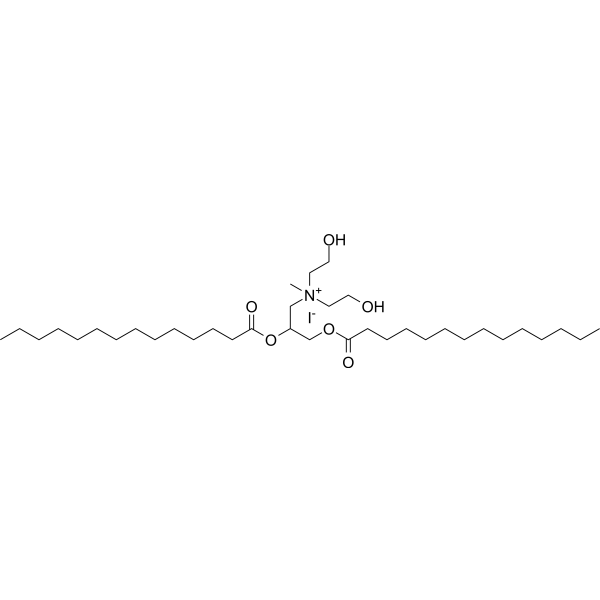
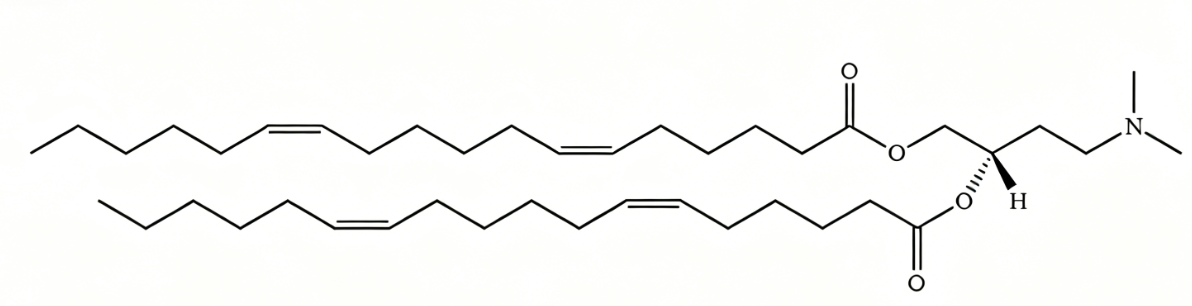
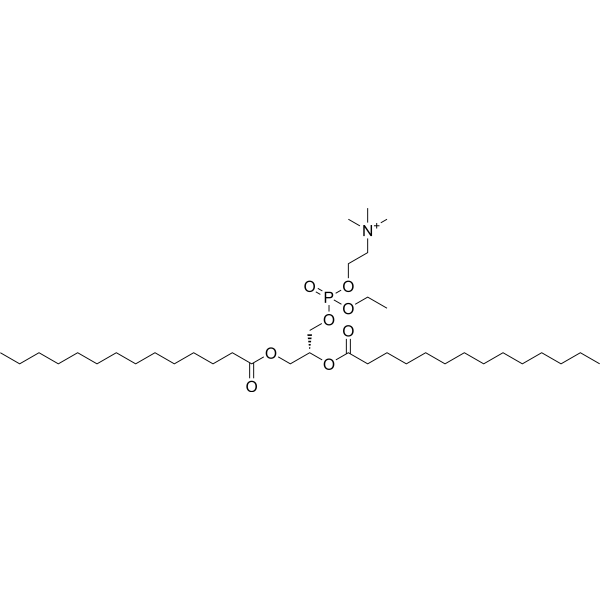
DMDHP ((±)-Dimyristoyl-2,3-dimethylhydroxypropylamine) is a cationic lipid with a polar head group containing a dihydroxy group. DMDHP exhibits superior transfection efficiency and lower toxicity at high DNA doses in mouse intrapulmonary transfection model. DMDHP is commonly used for gene delivery.
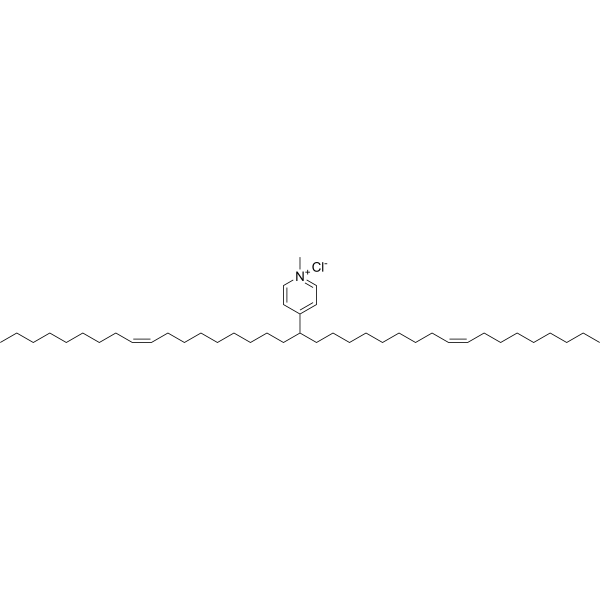
SAINT-2 is a cationic lipid with gene transfection activity and is a pyridyl lipid analog. Molecular membranes prepared by SAINT-2 can interact with plasmids to form lipid complexes. After the complex is taken up by cells, the plasmid dissociates from the lipid complex under the action of DOPE and the plasmid translocates across the endosome and/or nuclear membrane. Thus, SAINT-2 effectively transfers small oligonucleotides into cells。
DEA‑14‑DAP is a novel ionizable cationic SORT lipid. As a key component for central nervous system targeting, it enables lipid nanoparticles (LNPs) to specifically target microglia, significantly improving the delivery efficiency and cellular selectivity of nucleic acid drugs in the brain.
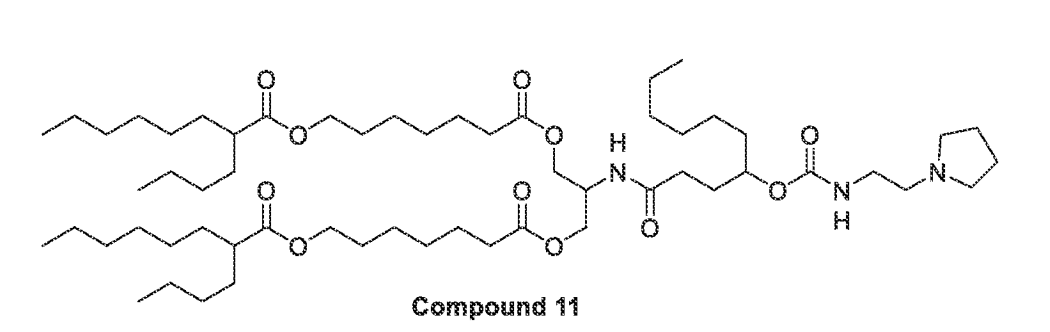
Lipid 11 is the optimal ionizable lipid disclosed by Liberate Bio, Inc. in patent WO2025/250730 A1, which can significantly improve the delivery efficiency of nucleic acid drugs to extrahepatic tissues including bone marrow, spleen and muscle, with excellent in vivo stability and safety.
AKG-UO-1 is an innovative ionizable lipid engineered for targeted nucleic acid delivery, exhibiting exceptional hepatic tropism and a high affinity for metabolically active tissues. Leveraging an alpha-ketoglutarate (AKG)-inspired design, it capitalizes on the liver’s high metabolic demand to achieve precise parenchymal accumulation via systemic injection. Crucially, AKG-UO-1 selectively homing into diseased or lipid-accumulated microenvironments, where it enhances endosomal escape and mRNA translation. Its unique degradation pathway actively synergizes with host cells to alleviate metabolic stress and maintain mitochondrial homeostasis, making it an ideal candidate for treating metabolic liver diseases and fatty liver disorders.
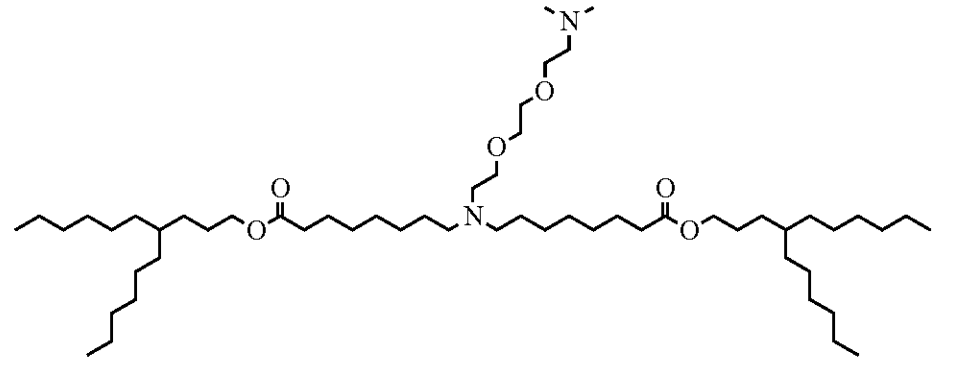
HGT5001, disclosed in patent US 2026/0125339 A1 by Translate Bio (now part of Sanofi), is a potent ionizable cationic lipid optimized for mRNA delivery, exhibiting versatile organ tropism governed by the route of administration. When delivered via intratracheal or pulmonary administration, it effectively crosses the mucosal barrier to achieve high transfection efficiency specifically within lung tissues. Conversely, intravenous injection redirects its tropism to the liver and spleen via endogenous ApoE mediation, facilitating systemic protein replacement therapies. Engineered with an optimized headgroup, HGT5001 ensures excellent encapsulation, rapid pH-responsive endosomal escape, and superior biocompatibility with minimal systemic toxicity, making it an exceptional candidate for cystic fibrosis therapies and hepatic treatments.
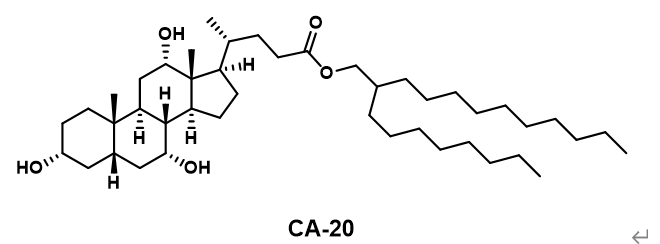
CA-20 is a bile acid-derived sterol designed to replace cholesterol in mRNA LNPs. It achieves high mRNA encapsulation efficiency up to 87.4% and forms uniform, spherical nanoparticles with ordered membrane structures confirmed by cryo-TEM and MD simulations. In vivo, CA-20 drastically cuts hepatic mRNA expression while shifting nearly all gene expression to the spleen, driven by reduced ApoE protein binding on LNP surfaces. Using HA mRNA vaccines, CA-20 LNPs trigger stronger antigen-specific IgG, neutralizing antibodies, memory B cells and IFN-γ-secreting T cells than cholesterol LNPs. Acute safety tests prove CA-20 causes minimal liver damage, with normal serum liver enzymes and intact organ histology, delivering balanced superior immunogenicity and low liver toxicity for spleen-targeted mRNA vaccine delivery.
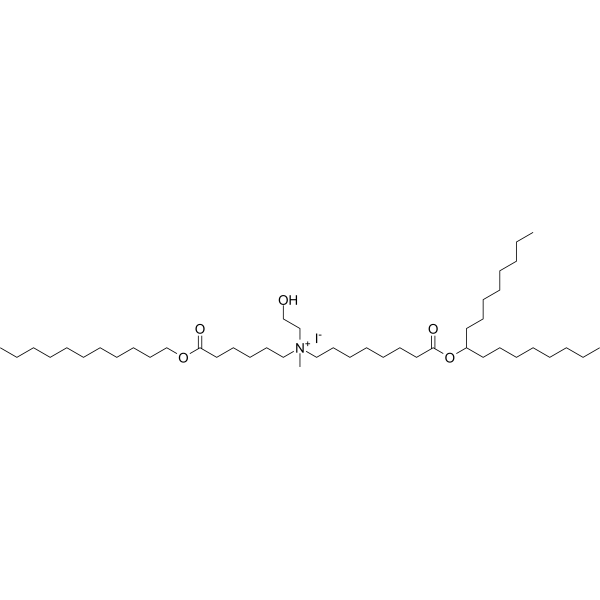
Q1-SM-102 iodide is a quaternary ammonium lipid derivative of SM-102. Q1-SM-102 iodide can be used to prepare lipid nanoparticles (LNPs) for the delivery of mRNA in vivo. Q1-SM-102 iodide is a carriers for targeting delivery of mRNA to immune organs.
Lipid 7669 is a premium, spleen-tropic ionizable lipid highly validated in US2025/0049948A1 for targeted mRNA delivery. Engineered for extrahepatic targeting, it achieves exceptional splenic protein expression while minimizing hepatic accumulation, significantly outperforming conventional liver-targeting lipids like MC3 and C12-200. In vivo bioluminescence data confirms its superior whole-body transfection efficiency and highly selective spleen tropism. This high-performance lipid is ideal for pioneering research in mRNA vaccines, splenic immune editing, and autoimmune disease therapies requiring precise extrahepatic delivery. Lipid 7669 is for research purpose.
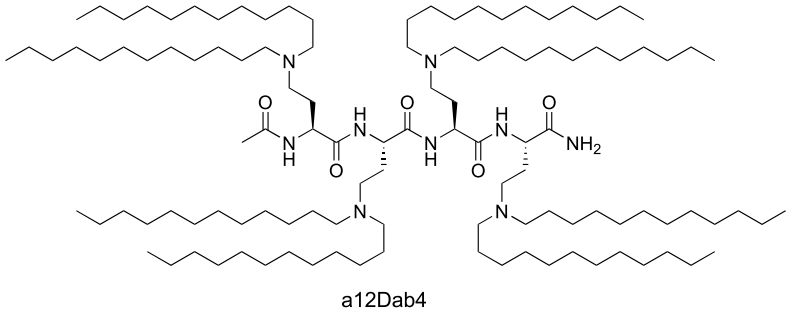
a12Dab4 is a novel, high-performance peptide-based ionizable lipid designed specifically as the core functional building block for lipid nanoparticles (LNPs) targeting challenging or quiescent cell types, such as human hematopoietic stem and progenitor cells (HSPCs). Chemically engineered to possess a unique peptide-mimetic backbone, it provides superior membrane fusion and exceptional endosomal escape capabilities compared to older-generation, industry-standard lipids like Dlin-MC3-DMA and ALC-0315. Functionally, its primary role within the LNP formulation is to complex and efficiently encapsulate sensitive nucleic acid payloads, such as mRNA or CRISPR/Cas9 editing machinery, at an optimal nitrogen-to-phosphate (N/P) ratio. When formulated, a12Dab4 enables maximum cellular transfection and robust genome editing while exhibiting minimal cytotoxicity and preserving the long-term proliferative, self-renewing functionality of primitive stem cell compartments. Although it delivers commendable baseline transfection independently, it functions as an exceptional molecular chassis that synergies seamlessly with surface antibody conjugation (such as anti-CD34) to unlock precise, therapeutic-grade in vivo gene engineering.
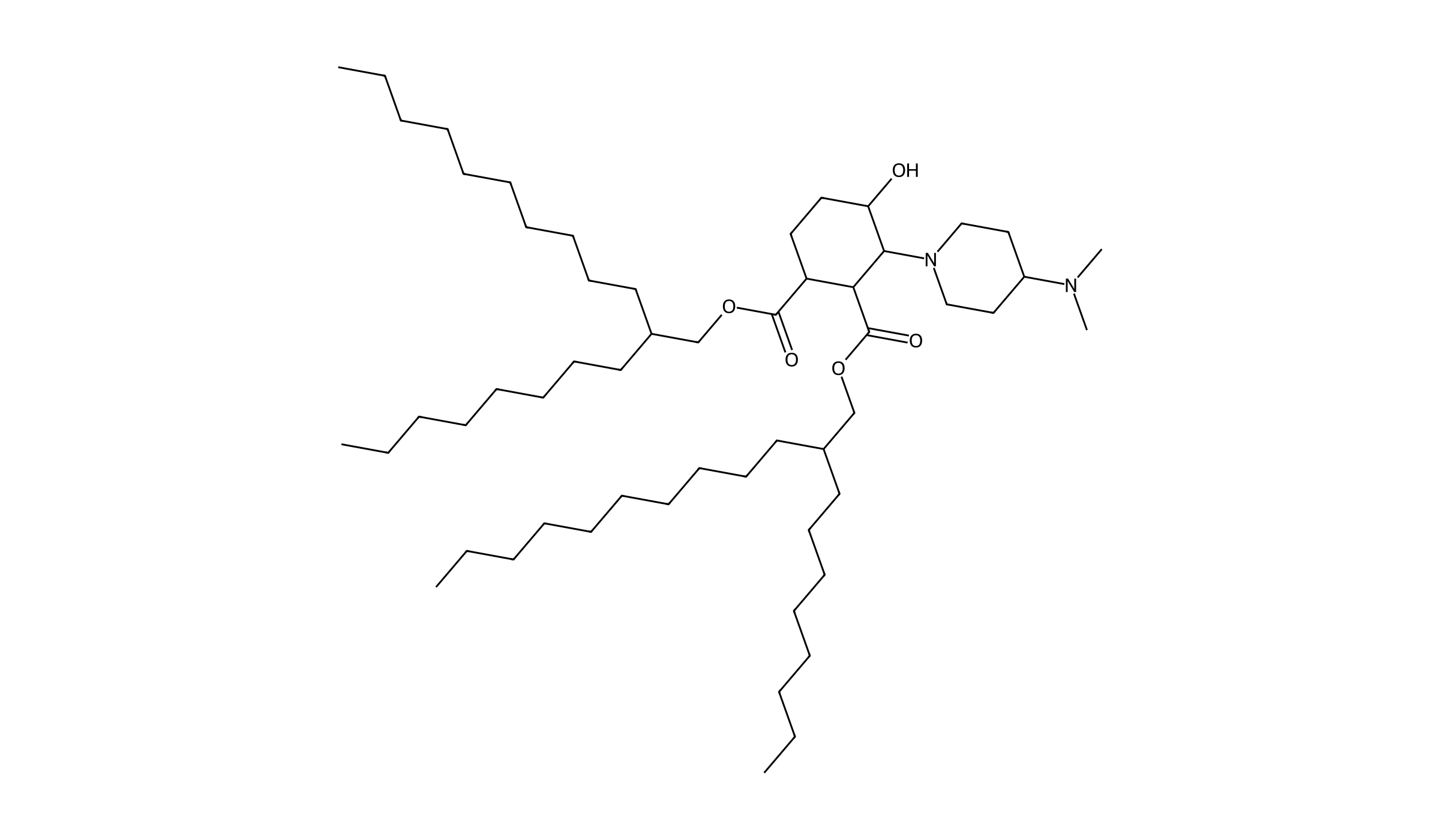
CY7 is an ionizable lipid engineered for localized pulmonary mRNA delivery. Its structure combines a cyclohexane-based core, a 4-dimethylaminopiperidine ionizable headgroup, two ester linkers, and four extended hydrophobic branches. In LNPs formulated with cholesterol, DSPC, and DMG-PEG, CY7 produced substantially higher local luciferase expression and lung-to-liver selectivity than SM-102 following intratracheal administration. CY7 LNPs also enhanced functional mRNA expression in pulmonary neutrophils, endothelial and epithelial cells, as well as dendritic and B cells in lung-draining lymph nodes. When used to deliver PcrV and OprF-I mRNAs, pulmonary CY7 LNP vaccination generated rapid antigen-independent innate protection followed by durable antigen-specific humoral, mucosal, and cellular immunity. In mouse models, it reduced bacterial burden and improved survival following challenge with laboratory and carbapenem-resistant Pseudomonas aeruginosa. CY7 remains a preclinical research lipid requiring further pharmacokinetic, repeat-dose, and translational safety evaluation.
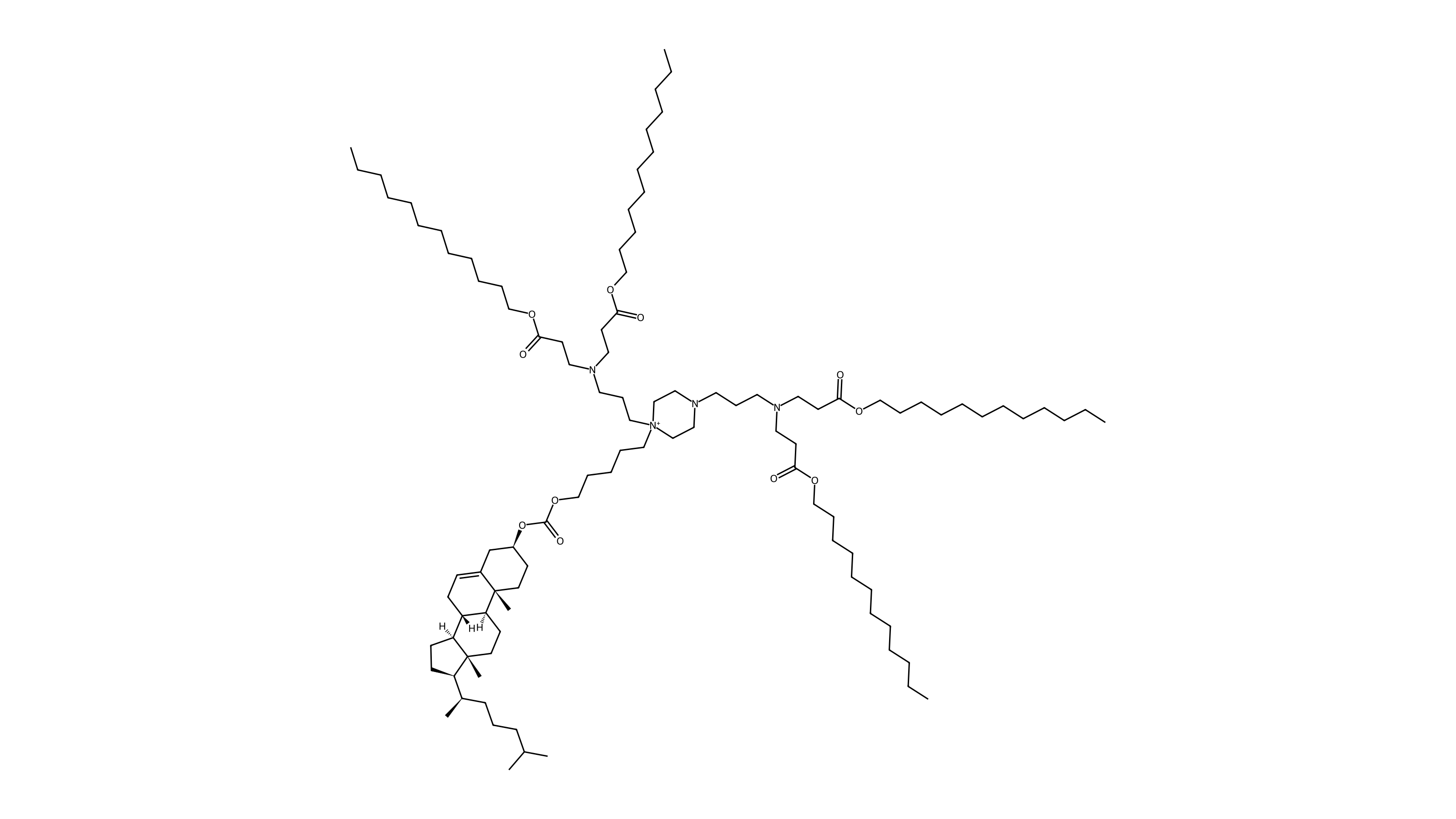
C6O2B2 is a cholesterol-conjugated cationic/ionizable lipid developed for ligand-free mRNA delivery to brain endothelial cells following intravenous administration. Its architecture combines a piperazine-containing polyamine core, four degradable ester-linked hydrophobic tails, and a covalently attached cholesterol moiety through a flexible five-carbon spacer. Among 51 newly synthesized cholesterol-based lipids, C6O2B2 produced the strongest brain luciferase expression. An optimized LNP formulation containing C6O2B2, DODAP, DSPC, and DMG-PEG enabled efficient functional mRNA expression throughout the cerebral vascular network, with preferential transfection of CD31-positive brain endothelial cells and minimal detectable neuronal or glial expression. The formulation preserved BBB integrity in Evans blue and contrast-enhanced MRI assessments. Mechanistic studies associated its activity with improved membrane fusion, enhanced endosomal escape, and ApoA-I enrichment in the protein corona. Delivery of IL-10 mRNA also reduced vascular leakage and inflammatory cytokines in a mouse model of acute neuroinflammation. C6O2B2 remains a preclinical research lipid requiring further pharmacokinetic and repeat-dose evaluation.
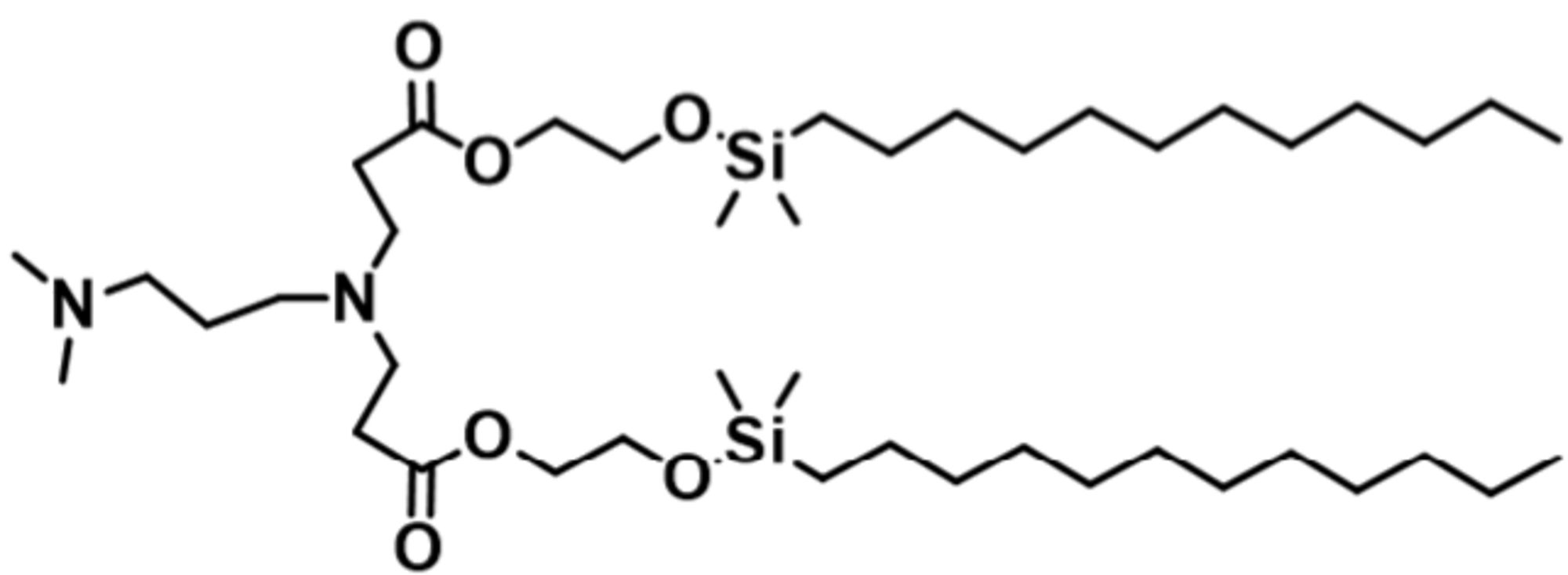
CSi12N3 is a bioorthogonally activatable ionizable lipid containing two cleavable silyl-ether-linked C12 tails and a dual-amine headgroup. Formulated as SiLNPs, it remains relatively silent before activation but undergoes Phe-BF3-triggered desilylation, nanoparticle destabilization, and accelerated cytosolic mRNA release. The reported formulation produced up to 44-fold higher mRNA expression than SM-102 LNPs in vitro, with an approximately 10-fold activation-to-silent ratio. In a B16-F10 melanoma model, CSi12N3-based SiLNPs delivering GDNT mRNA induced tumor-localized pyroptosis and inhibited tumor growth without detectable systemic toxicity in the reported study. CSi12N3 is therefore a promising preclinical research lipid for externally controlled, tumor-selective mRNA delivery.
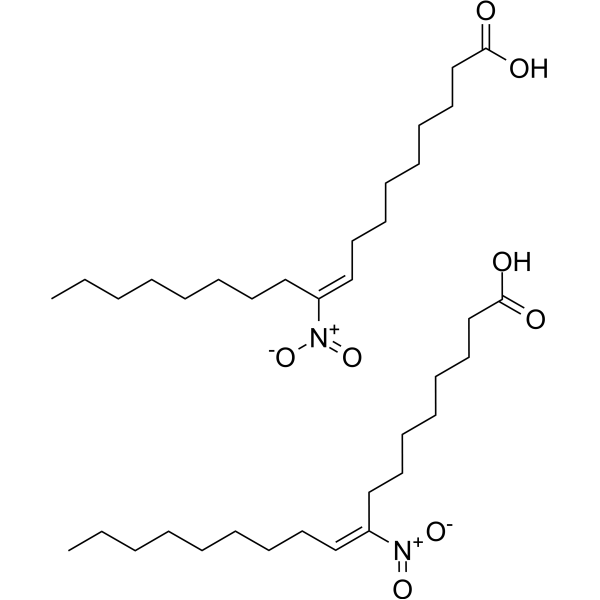
9(10)-Nitrooleate(NOA)is an endogenous nitrated fatty acid that functions as a highly efficient bioactive molecule. Its primary role is the specific inhibition of the STING protein, a key inflammatory signaling sensor within cells. When STING is aberrantly activated, it can trigger a severe inflammatory response, leading to cellular damage.Mechanistically, NOA acts as an electrophile, capable of covalently modifying specific cysteine residues on the STING protein, thereby effectively blocking its ability to activate downstream signaling pathways. This inhibitory action establishes NOA as a potent endogenous anti-inflammatory agent. In practical application, loading NOA into delivery systems, such as lipid nanoparticles, equips them with an intrinsic "molecular fire extinguisher." It significantly mitigates the acute inflammatory response triggered by delivered cargo, effectively transforming otherwise toxic delivery vehicles into safe platforms. The core value of NOA lies in its ability to provide exceptional safety without compromising the functional expression of therapeutic payloads, offering a crucial safeguard for achieving long-term treatments.
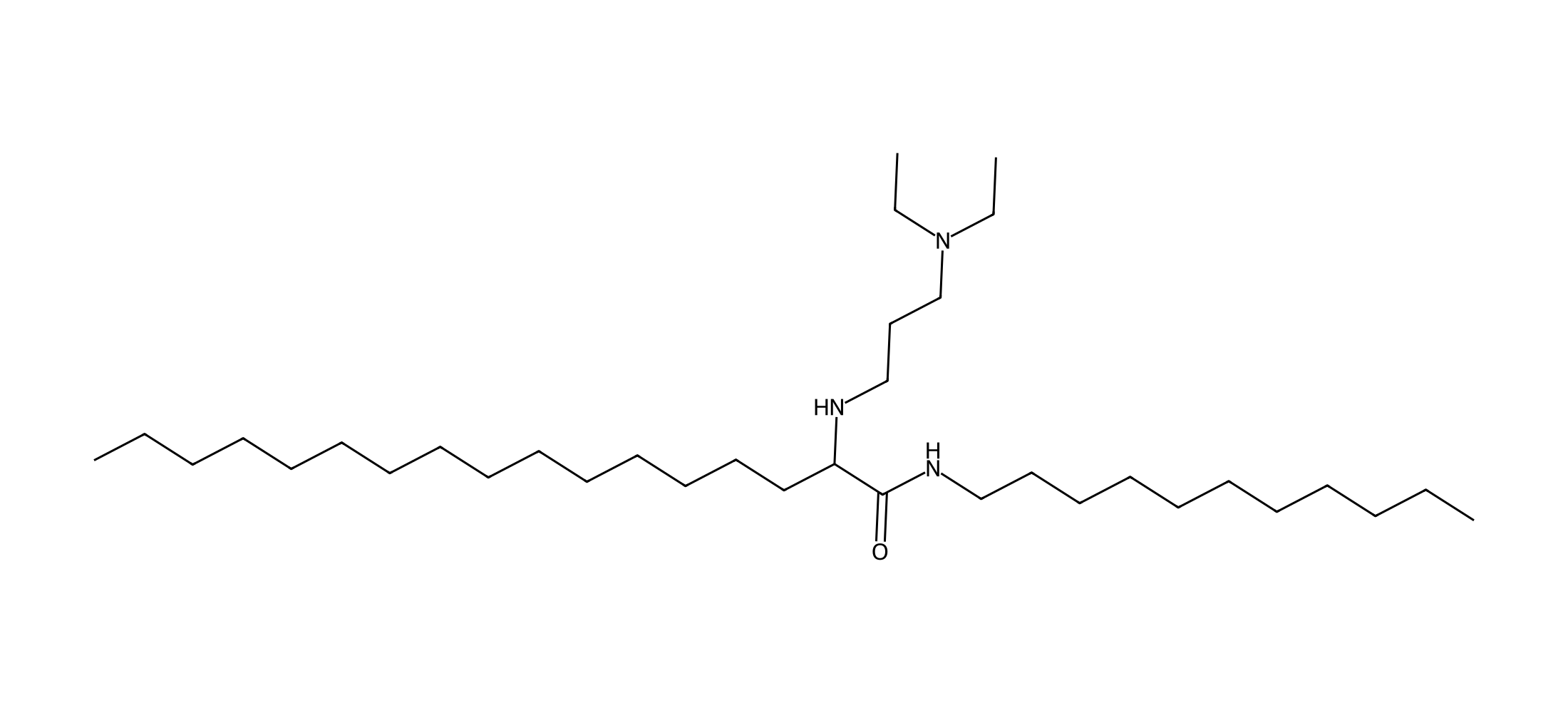
Lipid R6 is an AGILE-identified ionizable lipid for macrophage mRNA delivery research. Its acyclic diethylaminopropyl headgroup is linked to an asymmetric, saturated amino-amide scaffold. R6 LNPs supported higher mRNA-derived expression than H9 and MC3 LNPs in RAW 264.7 macrophages in the cited study. The reported GFP-positive population was 51.0% under the specified in vitro conditions. Its activity was cell-type dependent: H9 performed better in HeLa cells and muscle delivery. R6 is supplied as the lipid building block; formulation-specific results and composition discrepancies are detailed below.
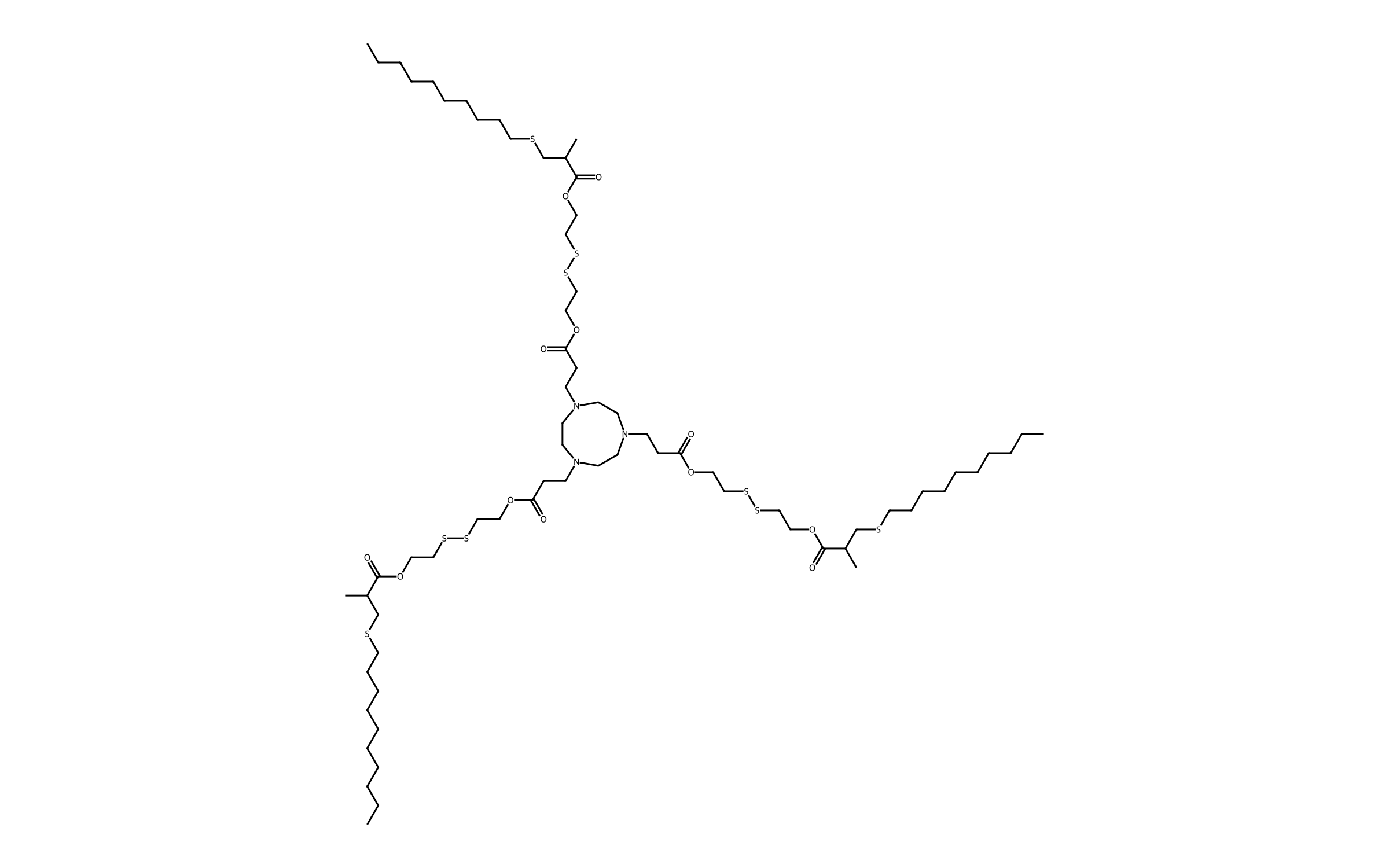
9C-SCC-10 is a biodegradable ionizable lipid with a nine-membered triaza crown-like headgroup and three disulfide-containing hydrophobic arms. In the cited mouse study, LNPs containing uncomplexed 9C-SCC-10 showed liver-biased mRNA-derived expression and an apparent LNP pKa of 6.42. Coordination with zinc produced the distinct Zn-9C-SCC-10 system, which shifted expression toward the lung. DC67451 refers to the uncomplexed lipid; the zinc-coordinated formulation is described separately in the literature analysis.