5A2-SC8
DC49907
Recommended because it shares a closely related research category or delivery context. Formulation and performance are product- and study-specific.
View product →
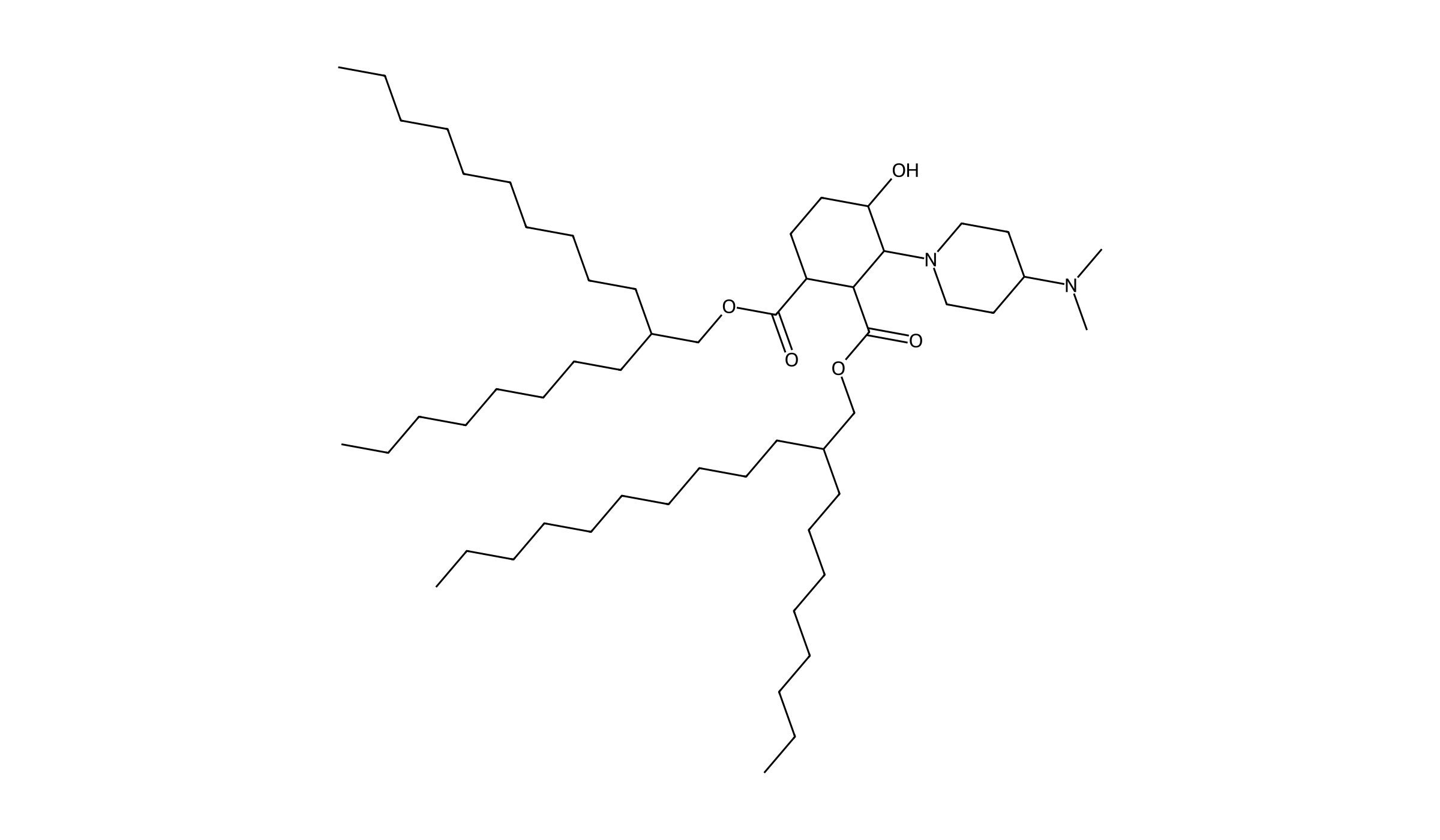
Ionizable lipid for LNP and nucleic-acid delivery research.
CY7 is an ionizable lipid engineered for localized pulmonary mRNA delivery. Its structure combines a cyclohexane-based core, a 4-dimethylaminopiperidine ionizable headgroup, two ester linkers, and four extended hydrophobic branches. In LNPs formulated with cholesterol, DSPC, and DMG-PEG, CY7 produced substantially higher local luciferase expression and lung-to-liver selectivity than SM-102 following intratracheal administration. CY7 LNPs also enhanced functional mRNA expression in pulmonary neutrophils, endothelial and epithelial cells, as well as dendritic and B cells in lung-draining lymph nodes. When used to deliver PcrV and OprF-I mRNAs, pulmonary CY7 LNP vaccination generated rapid antigen-independent innate protection followed by durable antigen-specific humoral, mucosal, and cellular immunity. In mouse models, it reduced bacterial burden and improved survival following challenge with laboratory and carbapenem-resistant Pseudomonas aeruginosa. CY7 remains a preclinical research lipid requiring further pharmacokinetic, repeat-dose, and translational safety evaluation.
| CAS No. | Not available |
| Chemical Name | Lipid CY7 |
| Synonyms | Not available |
| SMILES | Not available |
| Formula | Not available |
| M.Wt | Not available |
| Purity | >98% |
| Storage | Pure form: −20 °C, 1 year; In solvent: −80 °C, 6 months; −20 °C, 1 month. Sealed and protected from light. |
| Shipping condition | Ships from Shanghai. Pure lipid is stable during ice-pack transport. |
| Publication | Mastrangelo A, Robles-Vera I, Mañanes D, et al. Imidazole propionate is a driver and therapeutic target in atherosclerosis. Nature. 2025;645:254–261. |
The product molecular weight is prefilled when available and remains editable. Confirm solvent compatibility and solubility before preparation.
Solvent volumes update from the molecular weight above.
| Mass | 1 mM | 5 mM | 10 mM |
|---|---|---|---|
| 10 mg | Enter molecular weight | Enter molecular weight | Enter molecular weight |
| 25 mg | Enter molecular weight | Enter molecular weight | Enter molecular weight |
| 50 mg | Enter molecular weight | Enter molecular weight | Enter molecular weight |
| 100 mg | Enter molecular weight | Enter molecular weight | Enter molecular weight |
| 250 mg | Enter molecular weight | Enter molecular weight | Enter molecular weight |
Contact our team with the catalog number and requested quantity.