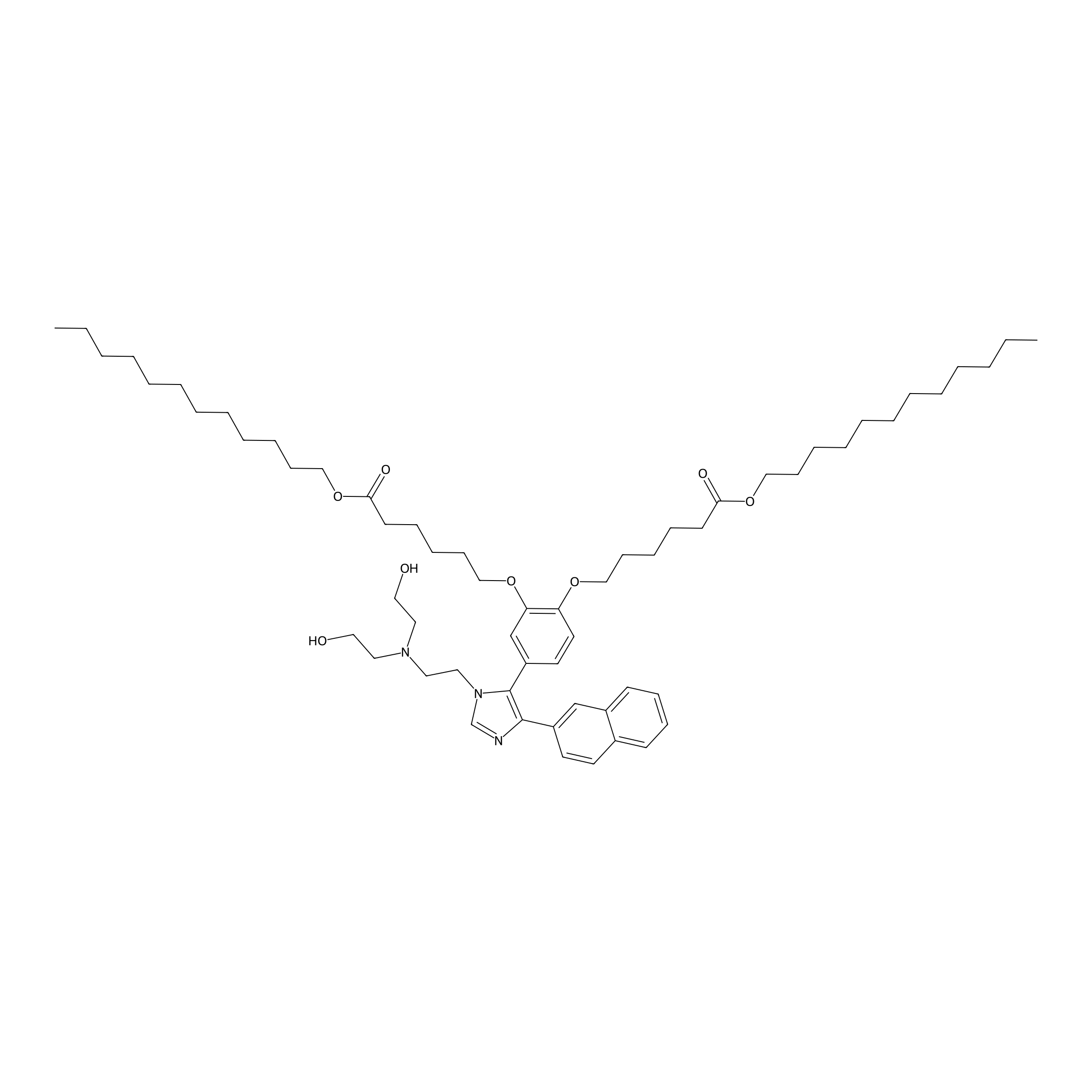
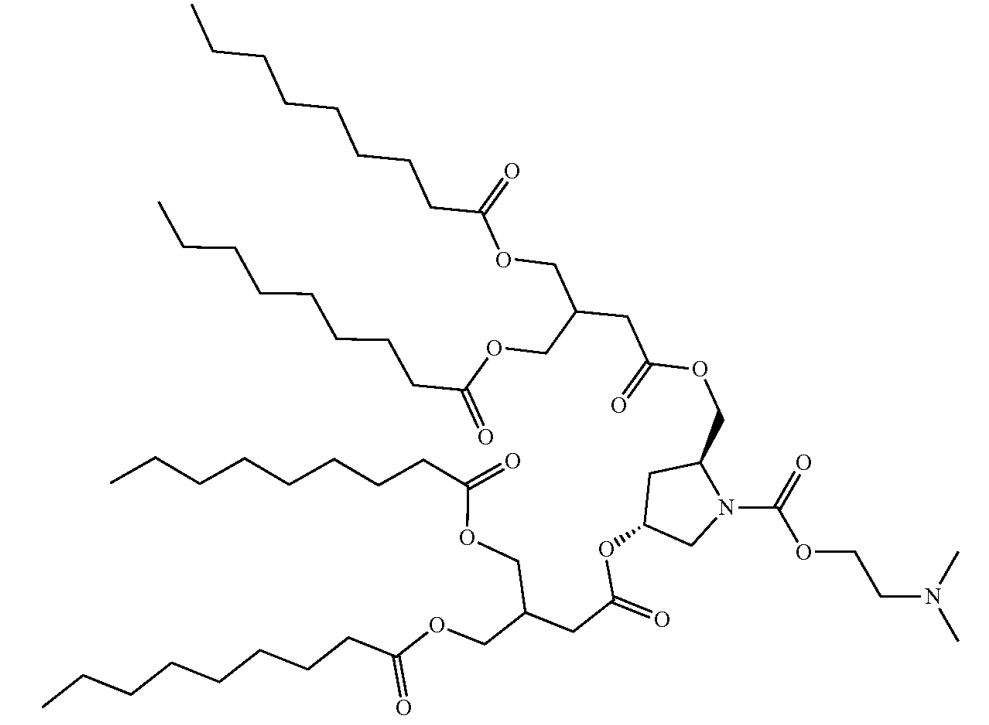
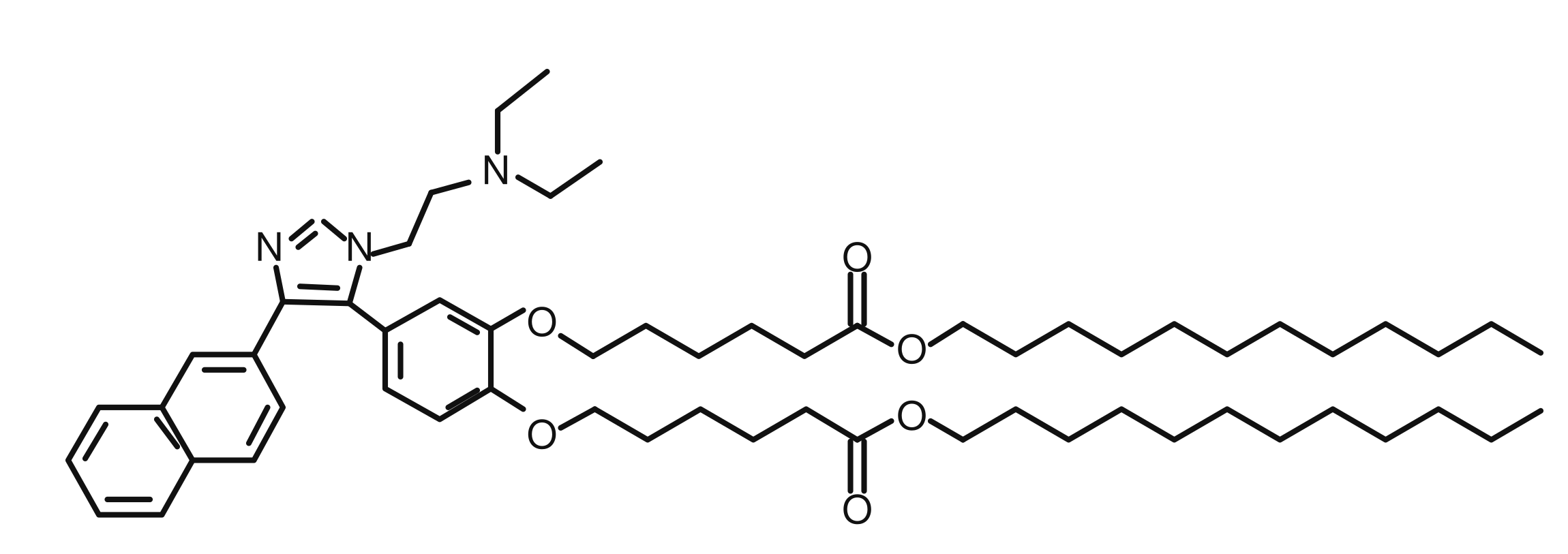
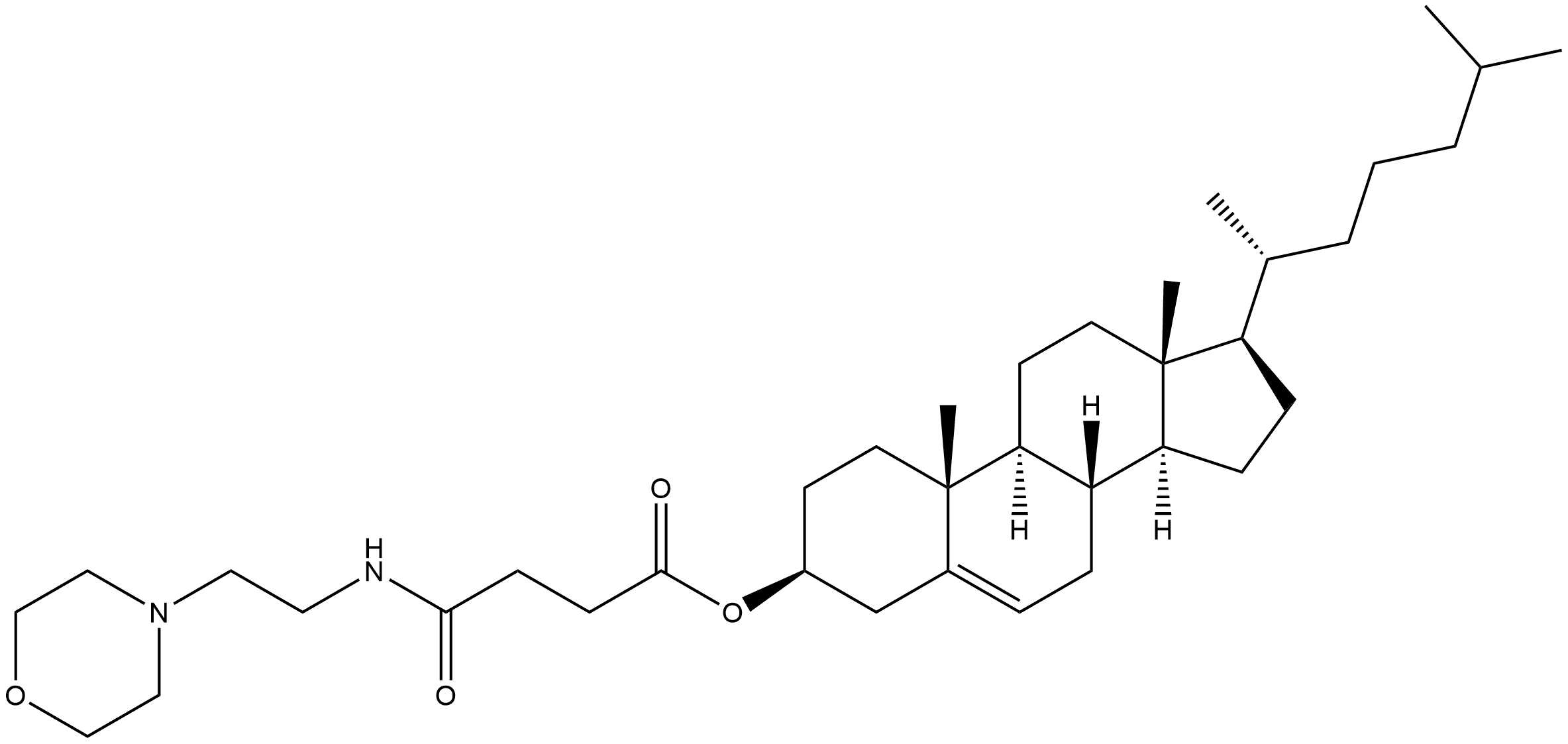
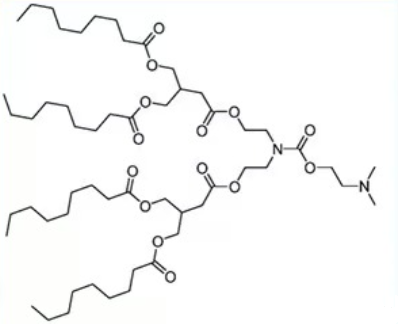
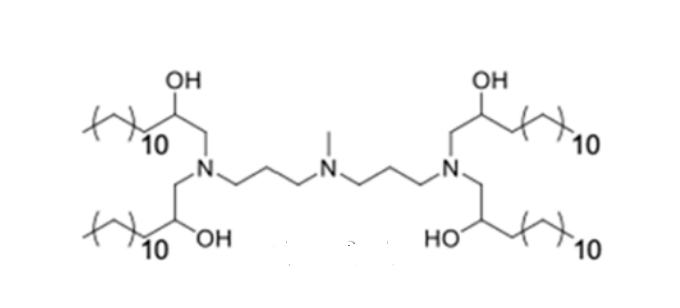
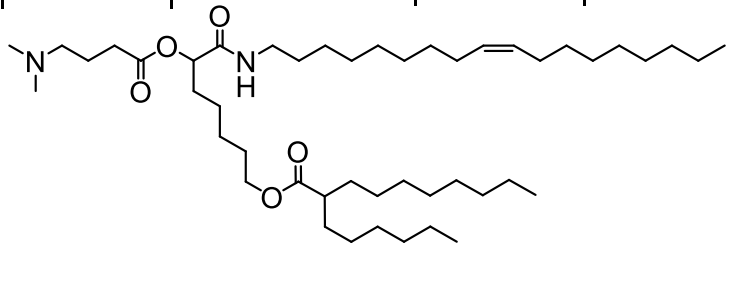
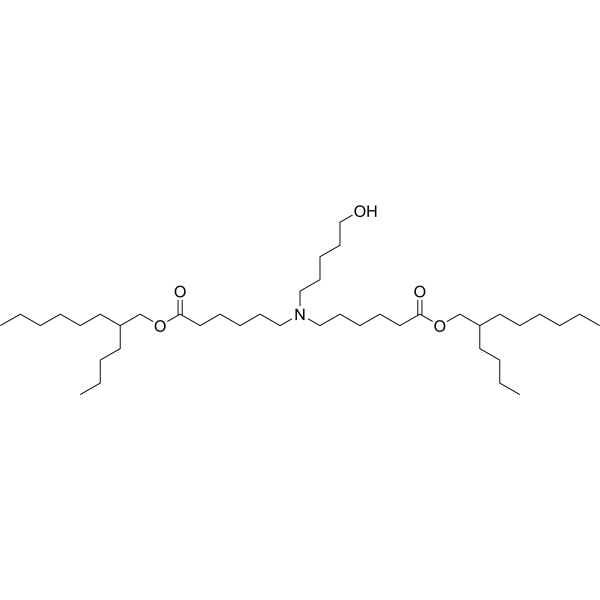
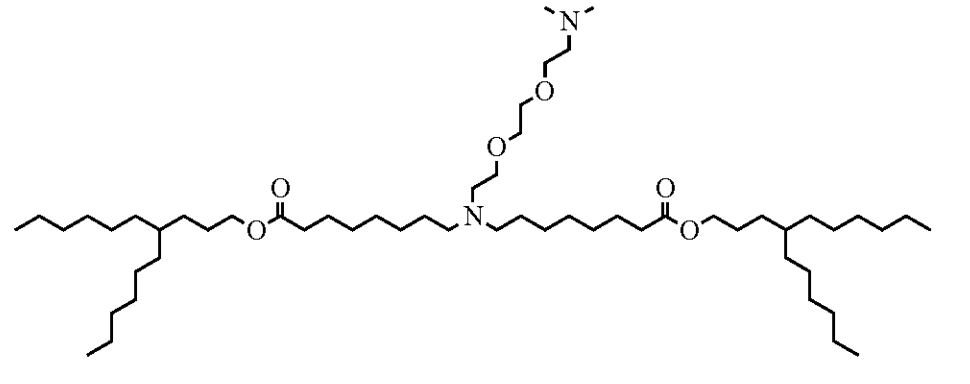
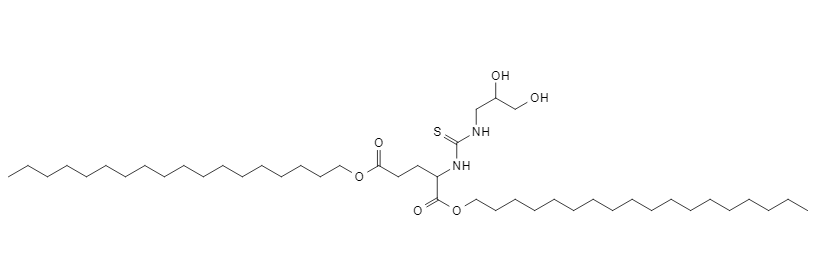
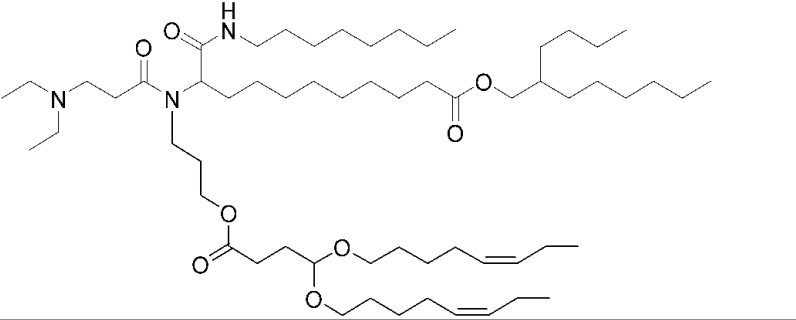
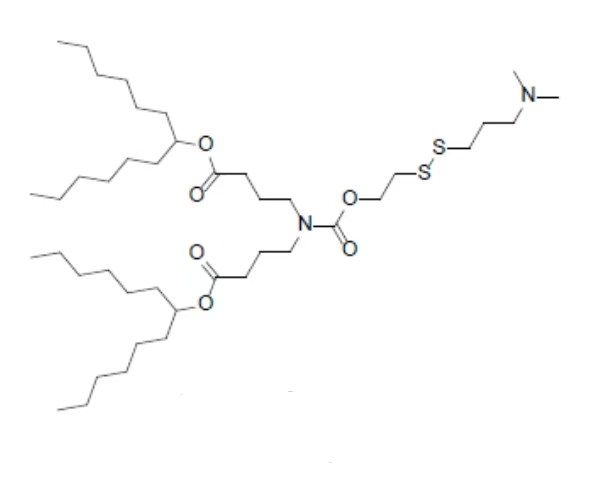
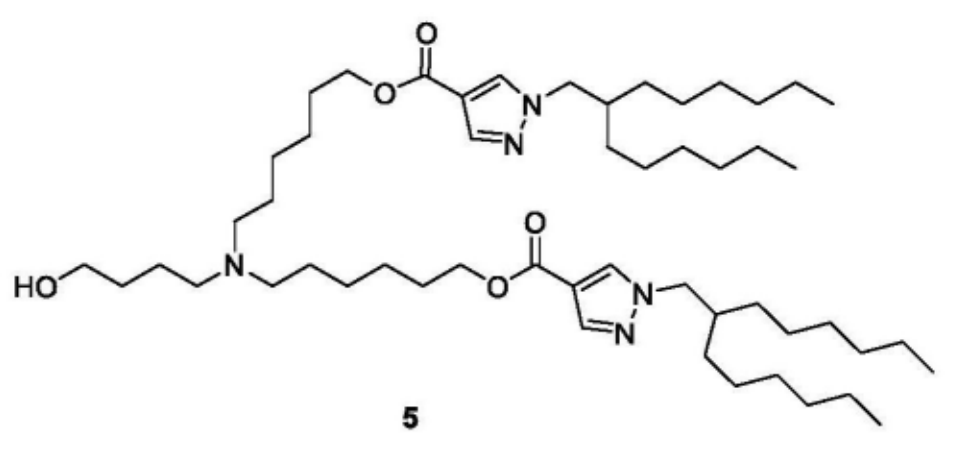
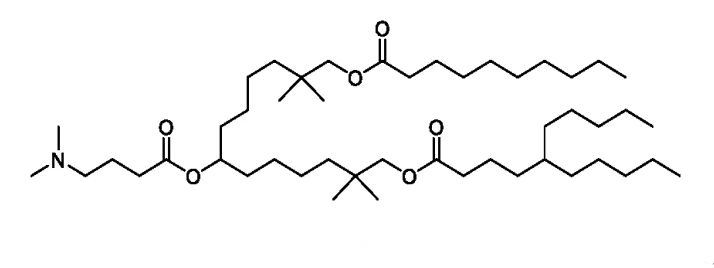
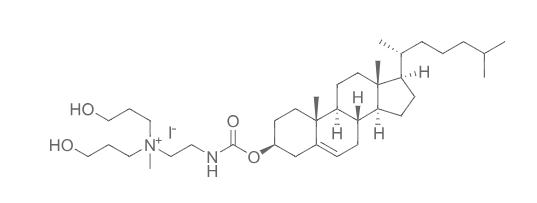
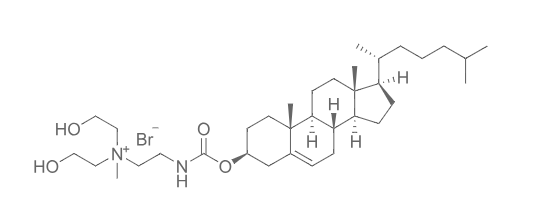
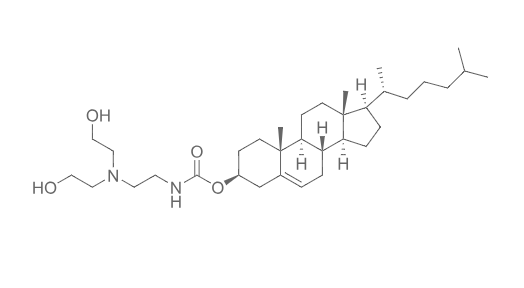
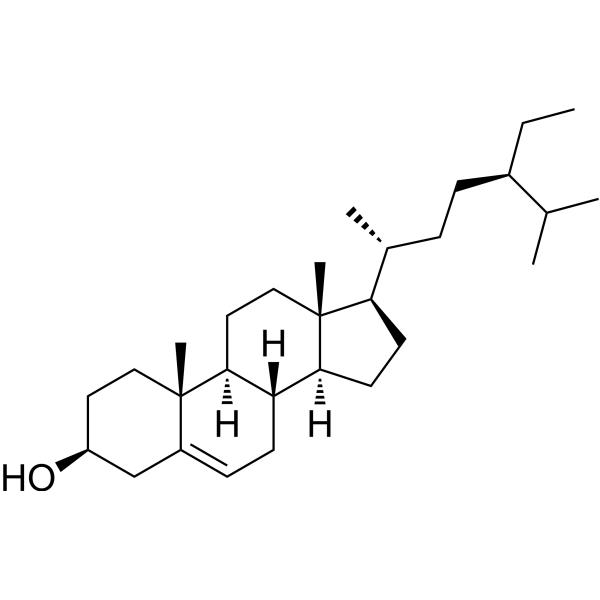
For research use only. We do not sell to patients.
← All classifications
RNA Delivery catalog

RNA Delivery

Browse ionizable lipids, formulation components, conjugation reagents, adjuvants and oligonucleotide research products.

834 products currently listedResearch-use products only
RNA Delivery catalog

Browse by product type

Products may appear in more than one group.

GalNAc & conjugates

Lipid libraries & kits

Adjuvant subcategories

Delivery research

81 productsIonizable Lipids for in vivo CARBrowse Ionizable Lipids for in vivo CAR in the DC Chemicals RNA Delivery catalog.View products →16 productsIonizable Lipids for brain-targeted deliveryBrowse Ionizable Lipids for brain-targeted delivery in the DC Chemicals RNA Delivery catalog.View products →35 productsIonizable Lipids for lung-targeted deliveryBrowse Ionizable Lipids for lung-targeted delivery in the DC Chemicals RNA Delivery catalog.View products →101 productsClassic ionizable lipids for RNA deliveryBrowse Classic ionizable lipids for RNA delivery in the DC Chemicals RNA Delivery catalog.View products →22 productsClinical-stage ionizable lipidsBrowse Clinical-stage ionizable lipids in the DC Chemicals RNA Delivery catalog.View products →14 productsIonizable Lipids for solid cancers deliveryBrowse Ionizable Lipids for solid cancers delivery in the DC Chemicals RNA Delivery catalog.View products →16 productsIonizable Lipids for Macrophage deliveryBrowse Ionizable Lipids for Macrophage delivery in the DC Chemicals RNA Delivery catalog.View products →26 productsIonizable Lipids for Gene EditingBrowse Ionizable Lipids for Gene Editing in the DC Chemicals RNA Delivery catalog.View products →7 productsIonizable Lipids for circRNA deliveryBrowse Ionizable Lipids for circRNA delivery in the DC Chemicals RNA Delivery catalog.View products →8 productsIonizable Lipids for muscle deliveryBrowse Ionizable Lipids for muscle delivery in the DC Chemicals RNA Delivery catalog.View products →3 productsIonizable Lipids for pancreatic-targeted deliveryBrowse Ionizable Lipids for pancreatic-targeted delivery in the DC Chemicals RNA Delivery catalog.View products →9 productsIonizable Lipids for bone marrow-targeted deliveryBrowse Ionizable Lipids for bone marrow-targeted delivery in the DC Chemicals RNA Delivery catalog.View products →6 productsIonizable Lipids for lymph-targeted deliveryBrowse Ionizable Lipids for lymph-targeted delivery in the DC Chemicals RNA Delivery catalog.View products →2 productsIonizable Lipids for eye-targeted deliveryBrowse Ionizable Lipids for eye-targeted delivery in the DC Chemicals RNA Delivery catalog.View products →1 productIonizable Lipids for knee-targeted deliveryBrowse Ionizable Lipids for knee-targeted delivery in the DC Chemicals RNA Delivery catalog.View products →7 productsIonizable Lipids for hematopoietic stem cells-targeted deliveryBrowse Ionizable Lipids for hematopoietic stem cells-targeted delivery in the DC Chemicals RNA Delivery catalog.View products →1 productIonizable Lipids for heart-targeted deliveryBrowse Ionizable Lipids for heart-targeted delivery in the DC Chemicals RNA Delivery catalog.View products →5 productsAntioxidant ionizable lipidsBrowse Antioxidant ionizable lipids in the DC Chemicals RNA Delivery catalog.View products →1 productROS-responsive ionizable lipidBrowse ROS-responsive ionizable lipid in the DC Chemicals RNA Delivery catalog.View products →55 productsIonizable Lipids for RNA Cancer VaccinesBrowse Ionizable Lipids for RNA Cancer Vaccines in the DC Chemicals RNA Delivery catalog.View products →
Browse this category

RNA Delivery products

836 products · 20 per page
Cat. No.Product NameField of ApplicationChemical Structure

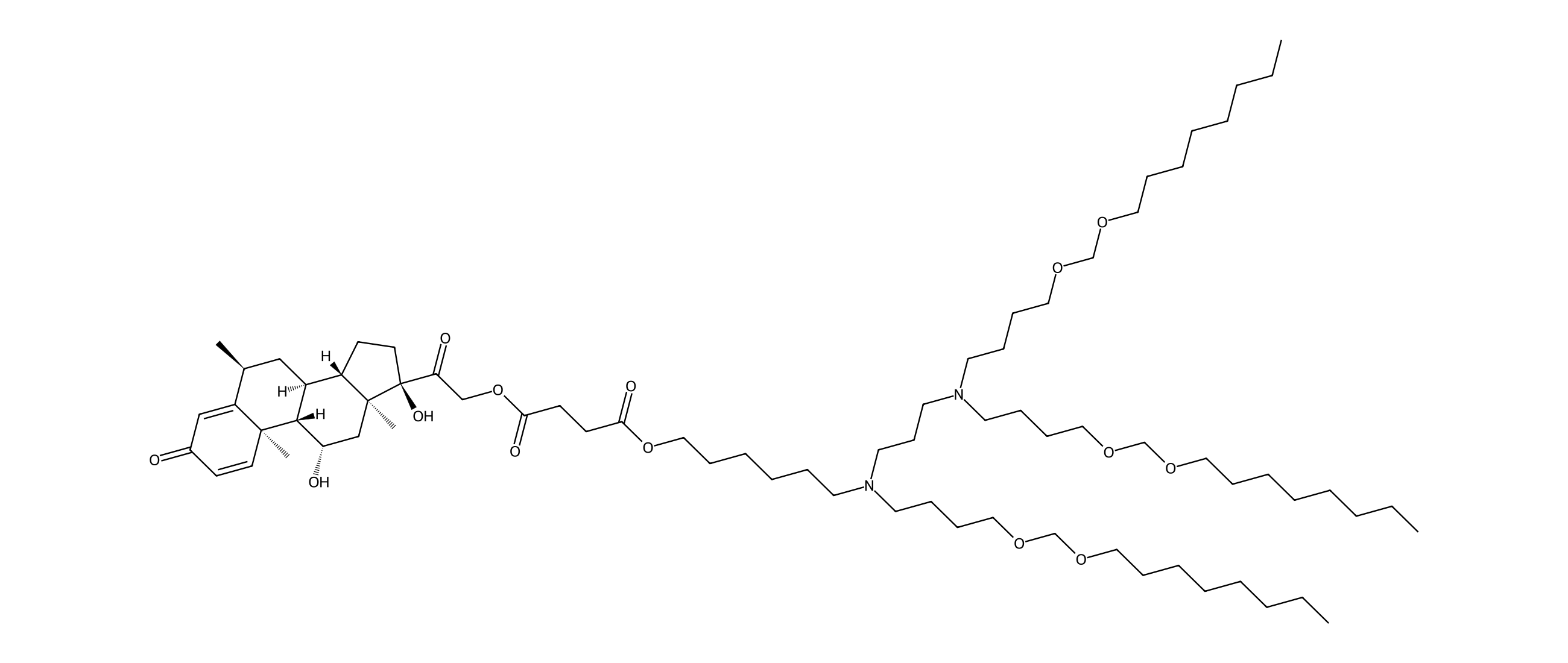
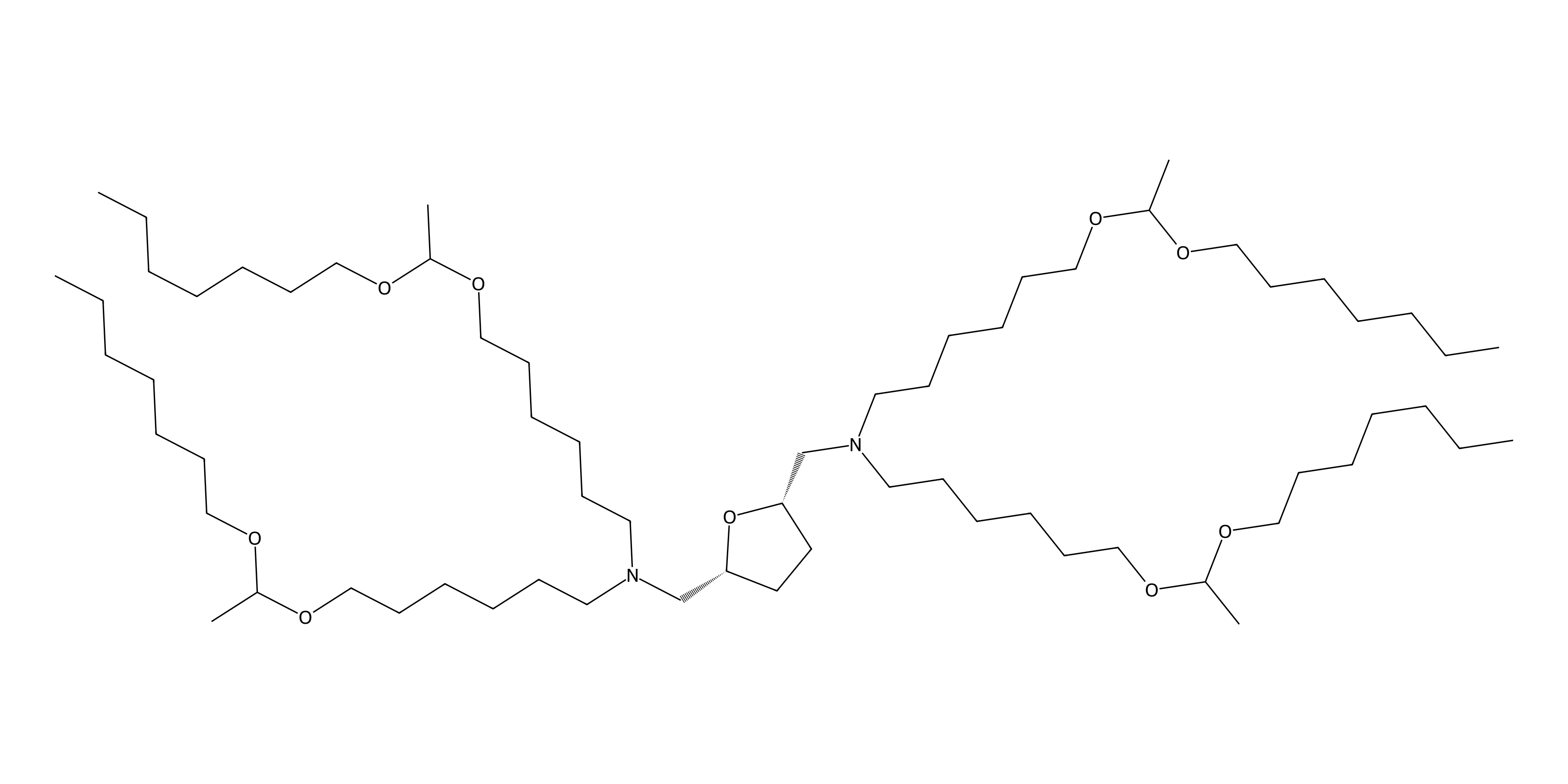
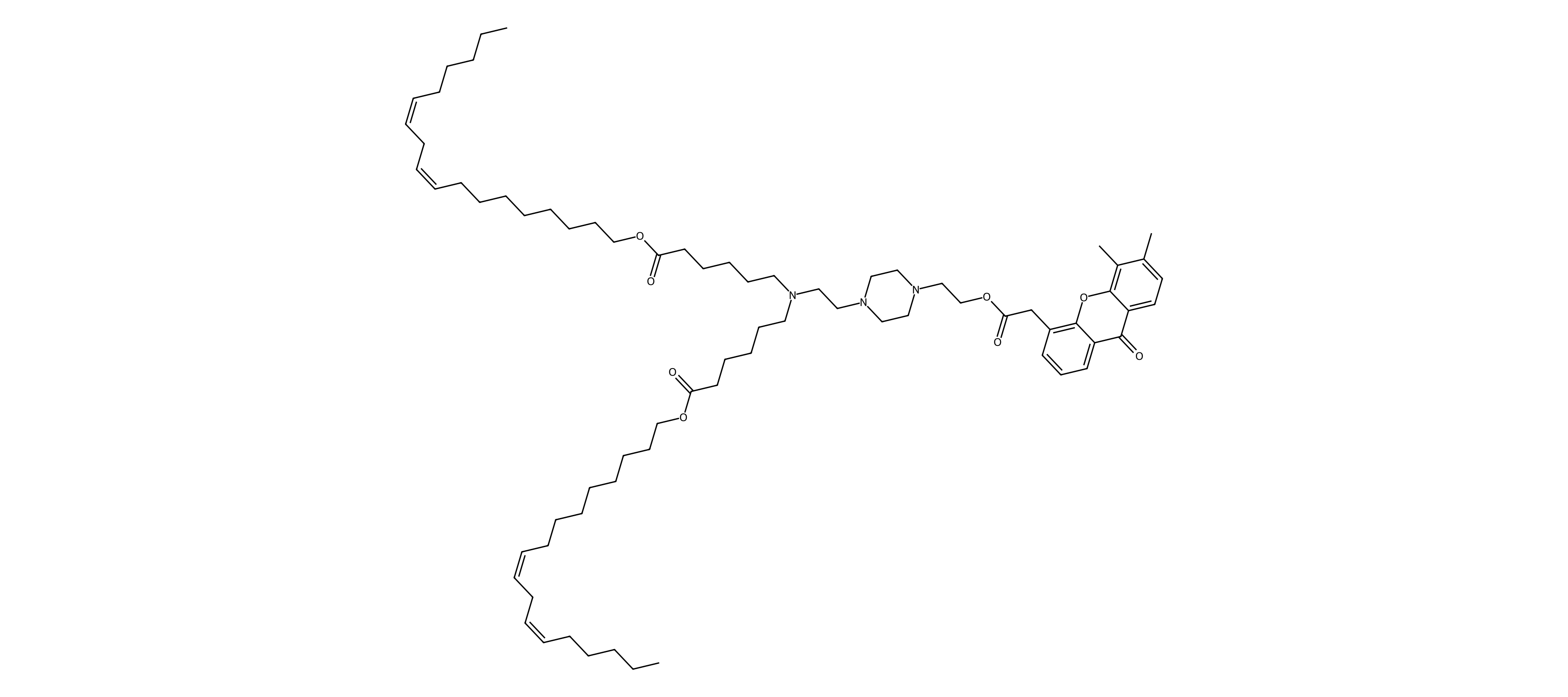
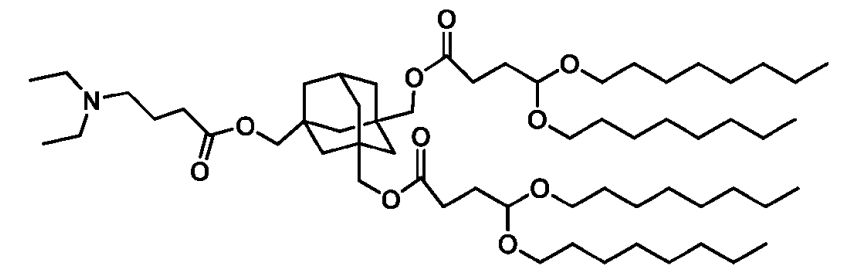
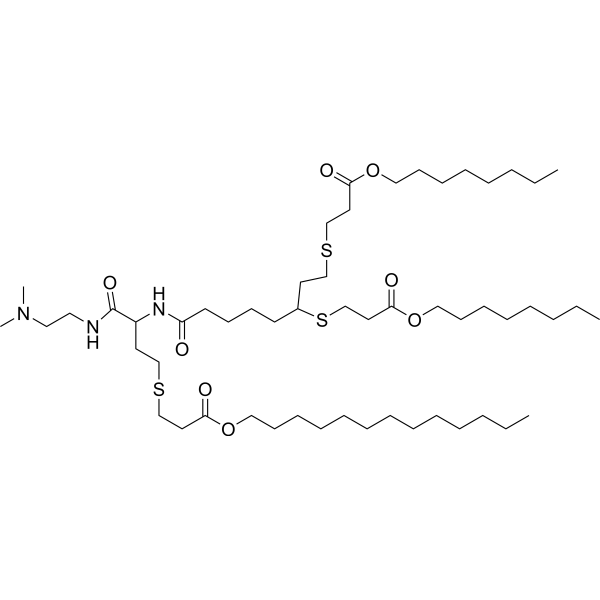
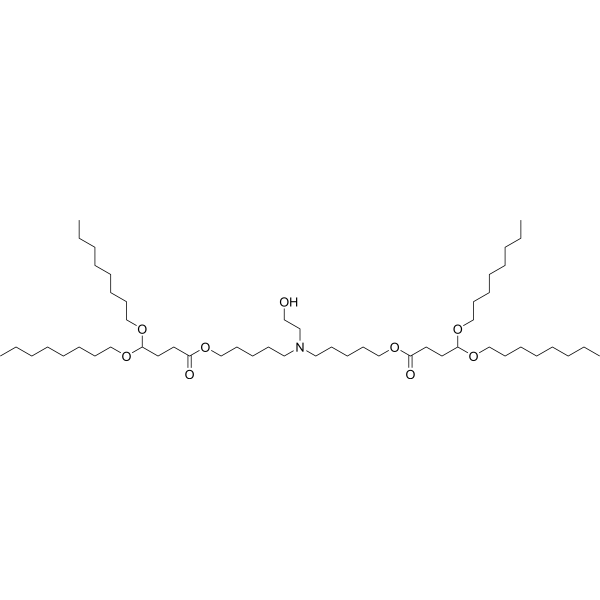
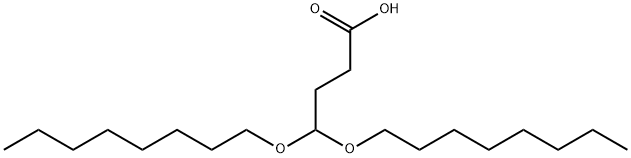
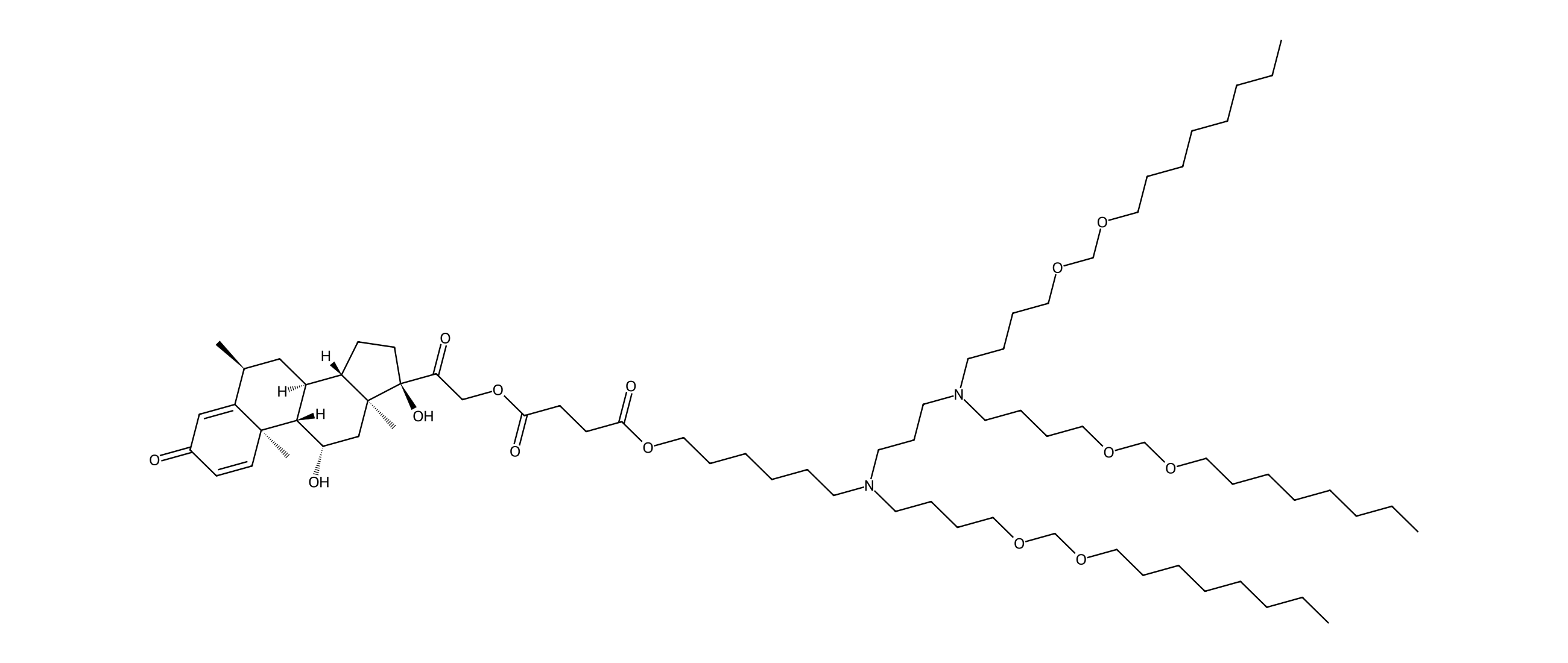
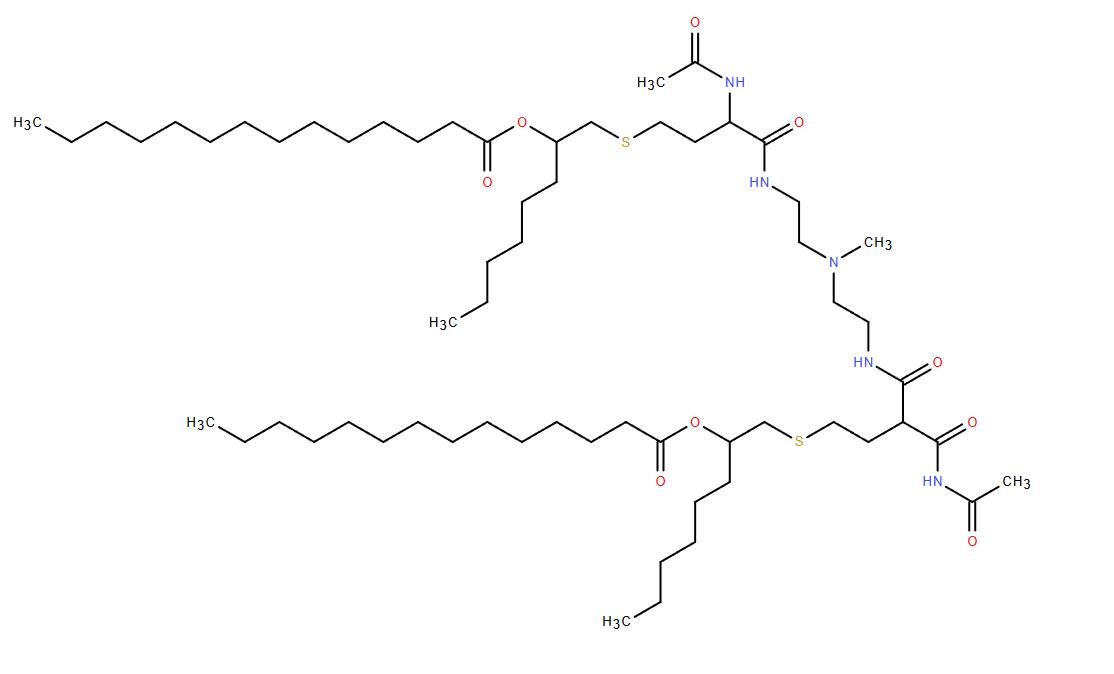
MP2 is a methylprednisolone-derived ionizable lipid with a steroidal headgroup and three acetal-containing C8 tails. In the cited study, MP2 was formulated with DOPE, cholesterol and DMG-PEG2k for rectal mRNA delivery to inflamed colonic tissue. The MP2 formulation produced about 15-fold higher colonic luciferase signal than the study's SM102 formulation in TNBS colitis mice.

MP2 chemical structure

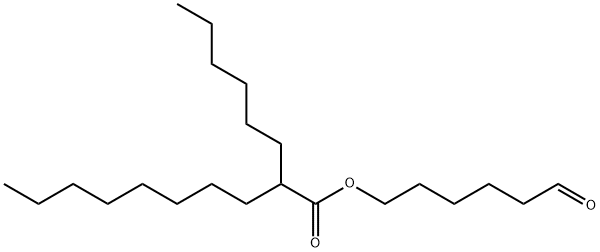
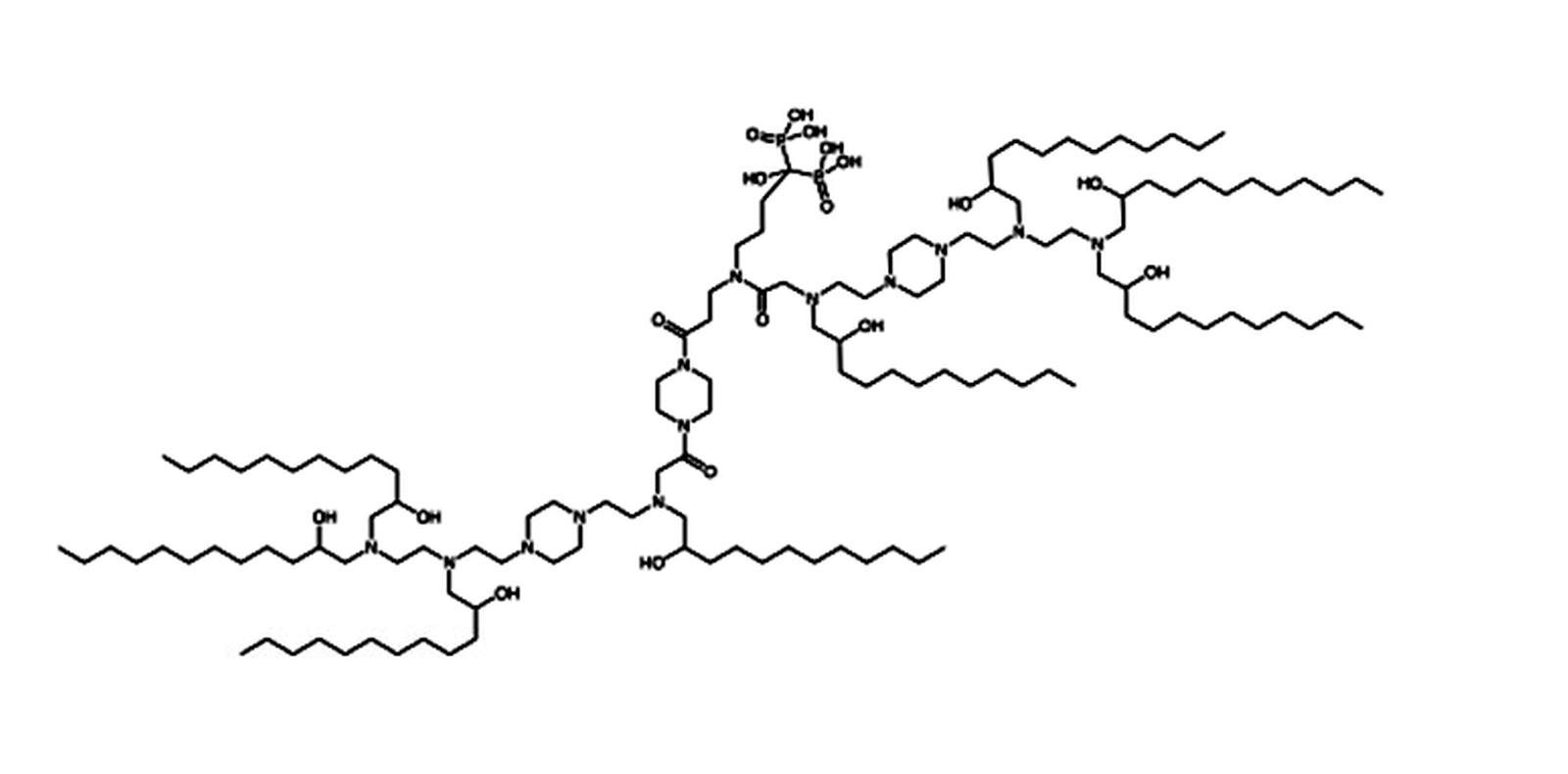
BP-200-C12 is a bisphosphonate-linked ionizable lipid selected from a 21-member library in Liu et al. for local RNA delivery at mineralized tissue interfaces.

BP-200-C12 chemical structure

Lipid 6 is the lead ionizable lipid among eight candidates screened by Gao et al. for mRNA delivery to primary human immune cells. Lipid 6 LNPs were used to generate MUC1-CAR T cells ex vivo and to assess their cytotoxicity against MUC1-positive cancer cell lines in vitro. Mouse reporter-mRNA expression was studied separately; in vivo antitumor efficacy of the CAR T cells was not established.

Lipid 6 chemical structure

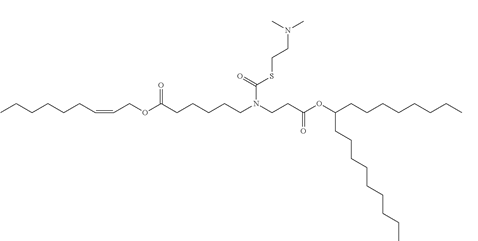
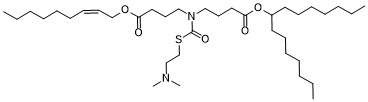
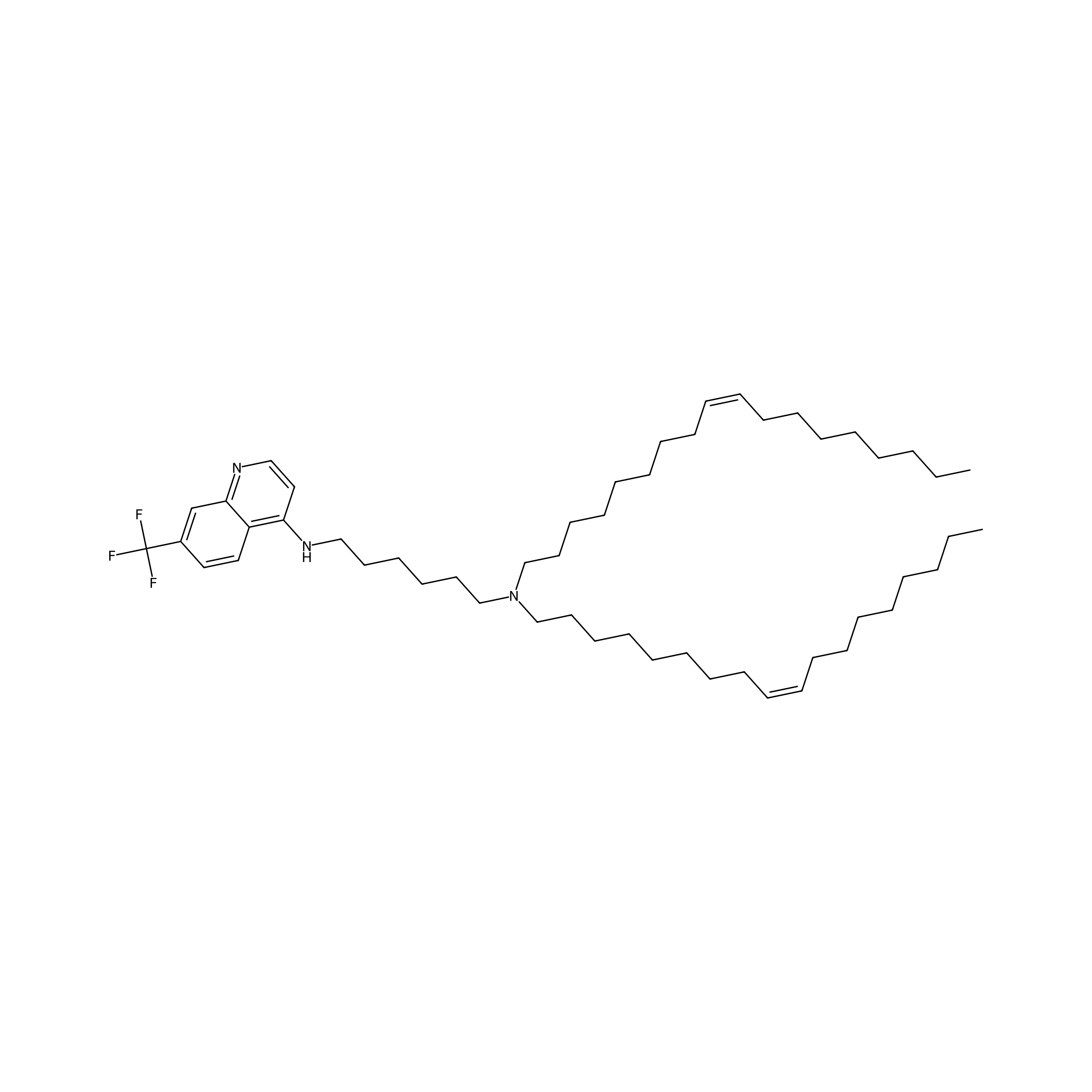
ATX-95 is an unsaturated ionizable lipid utilized in the formulation of lipid nanoparticles for drug delivery.

ATX-95 chemical structure

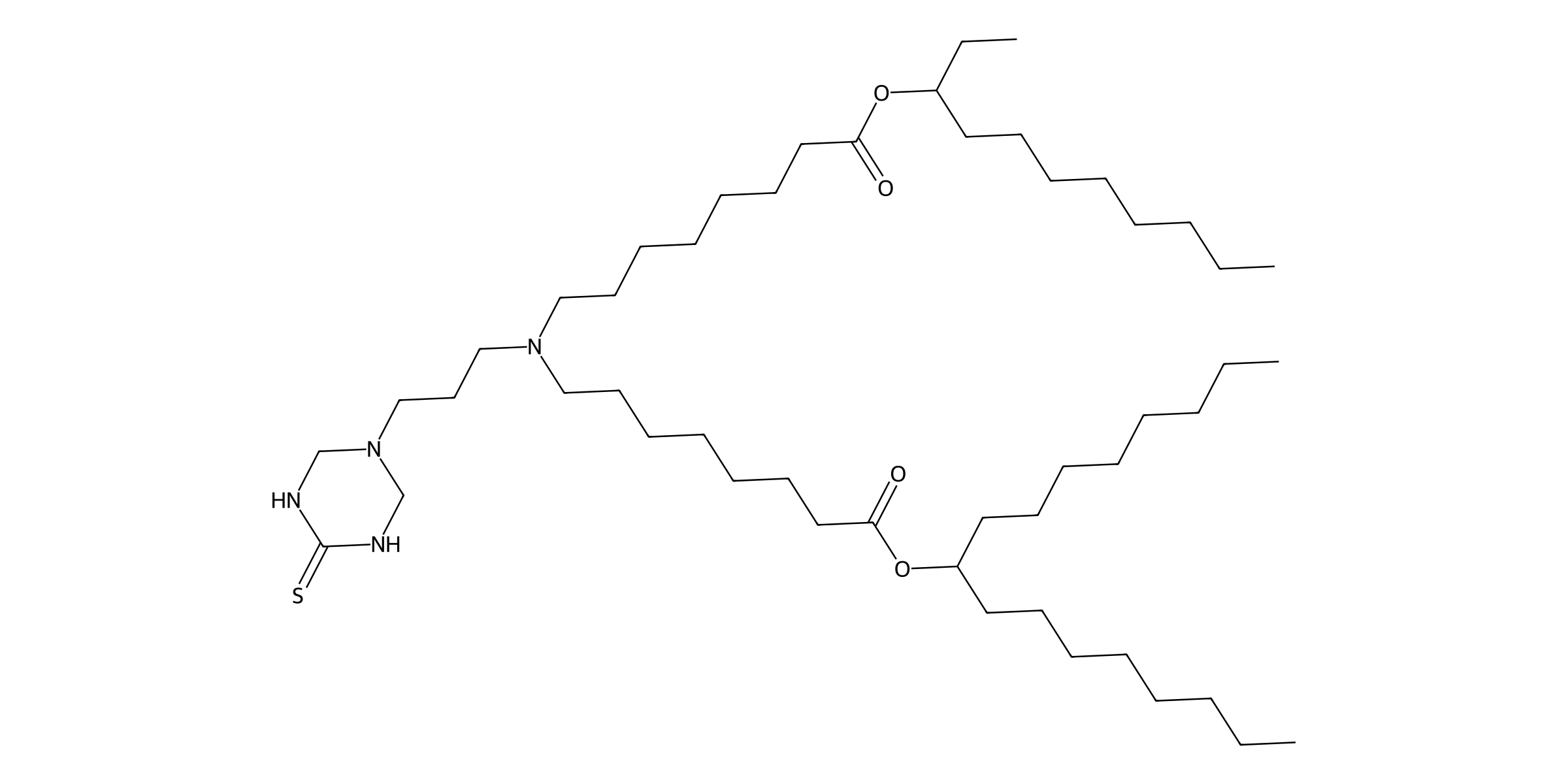
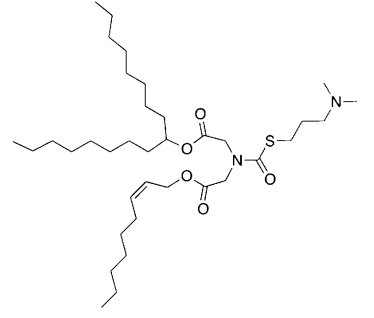
HI-62 is a cyclic-thiourea ionizable lipid reported as a lead component of onion-like multilamellar mRNA-LNPs. In the cited preprint, its E21 formulation supported high mRNA encapsulation, sustained reporter expression, frozen-storage stability and antitumor activity in a preclinical mRNA-vaccine model.

HI-62 chemical structure
CICL-207Featured

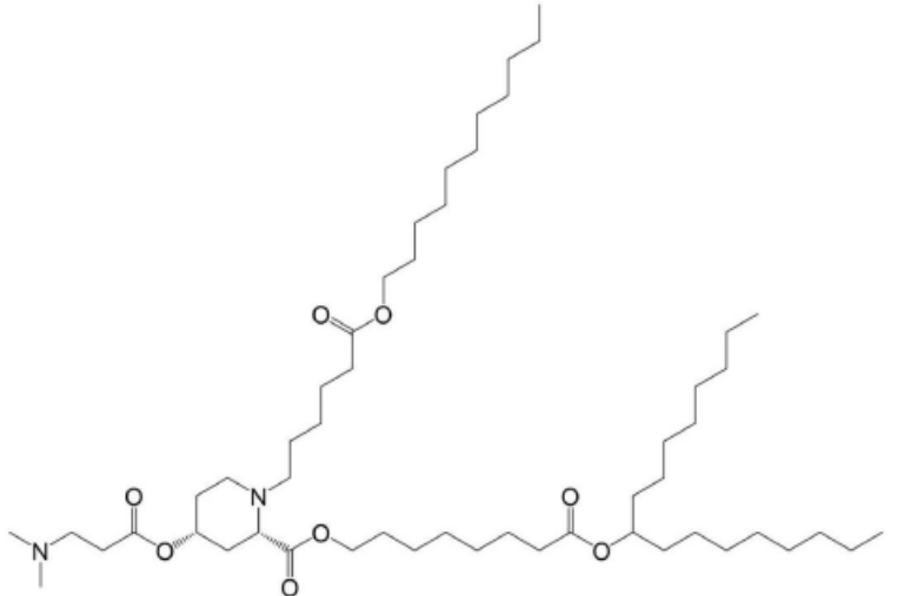
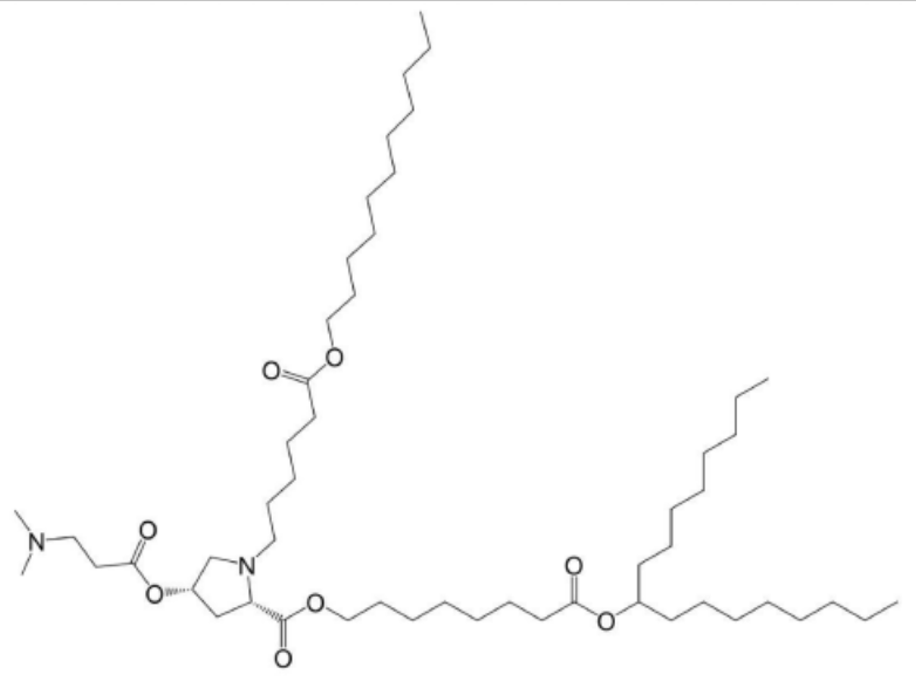
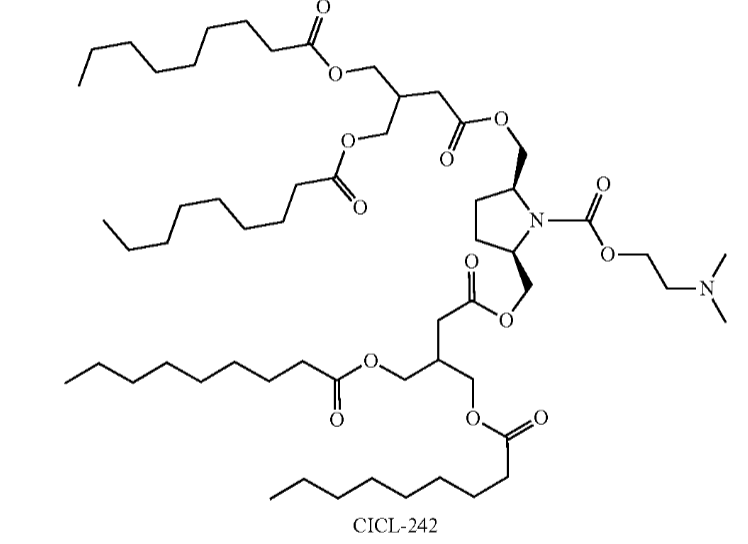
CICL 207 is structurally optimized based on Lipid CICL-1. CICL207​​ is a constrained ionizable cationic lipid designed for lipid nanoparticle (LNP) delivery systems developed by Capstan. Its structure features a ​​rigid cyclic backbone​​ (e.g., pyrrolidine-derived core) paired with a ​​tertiary amine group​​ that ionizes at acidic pH (pKa ~6.5–7.0), enhancing endosomal escape. The lipid includes ​​asymmetric hydrophobic tails​​ (likely C14–C18 alkyl/ester chains) to stabilize LNP membranes and improve nucleic acid encapsulation. Integrated into LNPs (e.g., 58% CICL-207, 10% DSPC, 30.5% cholesterol, PEG-lipids), it enables targeted delivery to T cells (anti-CD5/CD8 tLNPs) with ​​high transfection efficiency​​ (spleen T cells >70% mCherry+), ​​reduced liver uptake​​, and ​​low toxicity​​ (no significant ALT/AST elevation in rats). Its constrained design balances stability, tissue specificity, and biocompatibility for gene therapy applications.CICL 207 (F50) significantly outperforms CICL-1 by delivering dramatically enhanced target cell transfection with reduced off-target effects. It achieves >50% transfection efficiency in splenic T-cells—nearly double that of CICL-1—while slashing off-target expression in liver cells to <5% (versus >15% for CICL-1. This precision translates to superior therapeutic outcomes: CICL-207 enables ~95% B-cell depletion in CAR-T applications, far exceeding CICL-1 ’s ~60% efficacy. Critically, it maintains an exceptional safety profile, showing no significant liver toxicity or inflammatory cytokine elevation even at high doses. Furthermore, CICL-207 demonstrates 2-fold higher transfection efficiency in hematopoietic stem cells, enabling robust gene editing. Its optimized pKa (~6.5) and constrained amine structure enhance endosomal escape while minimizing Kupffer cell uptake, making it ideal for targeted therapeutics requiring both potency and safety.​

CICL-207 chemical structure

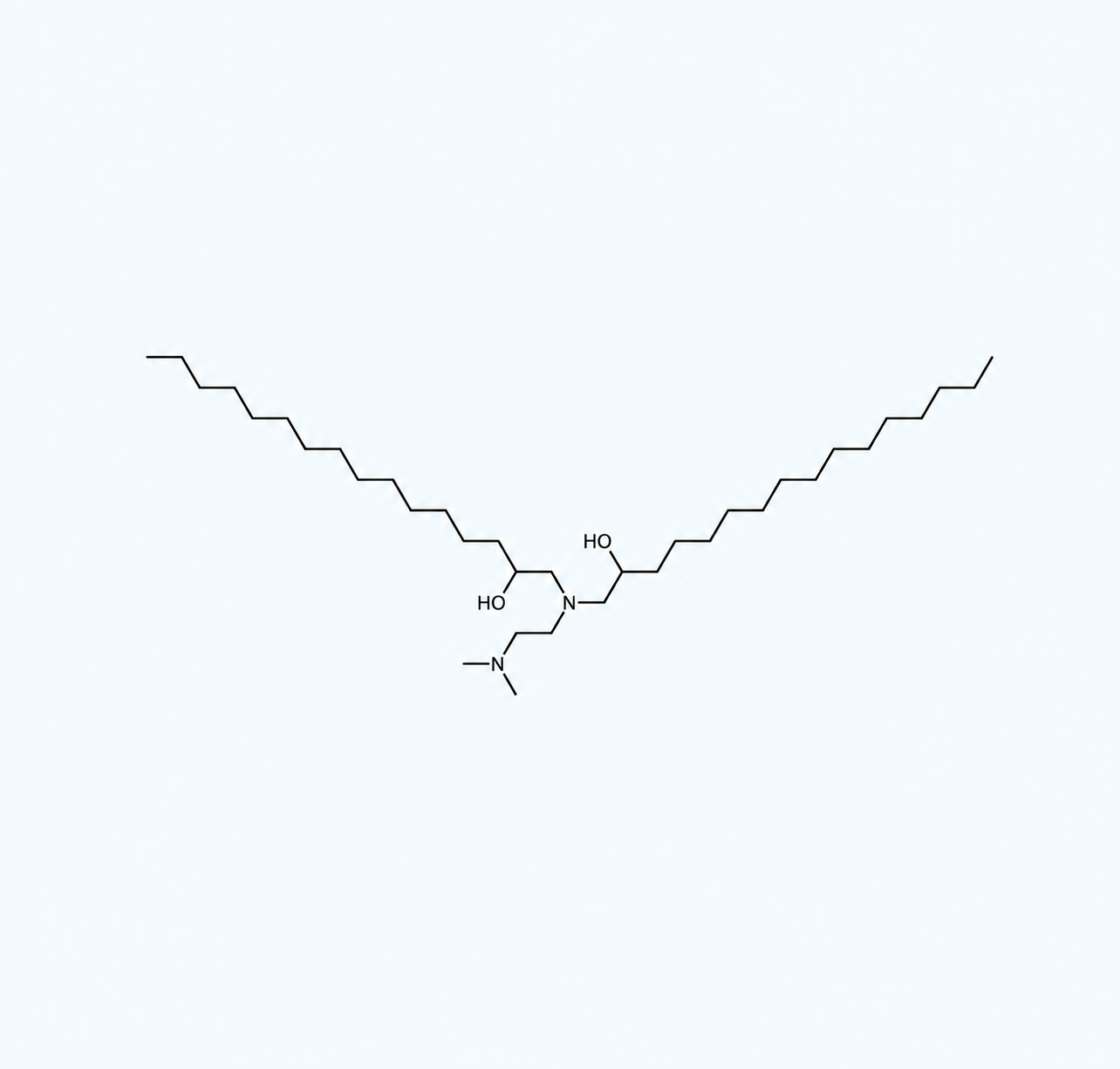
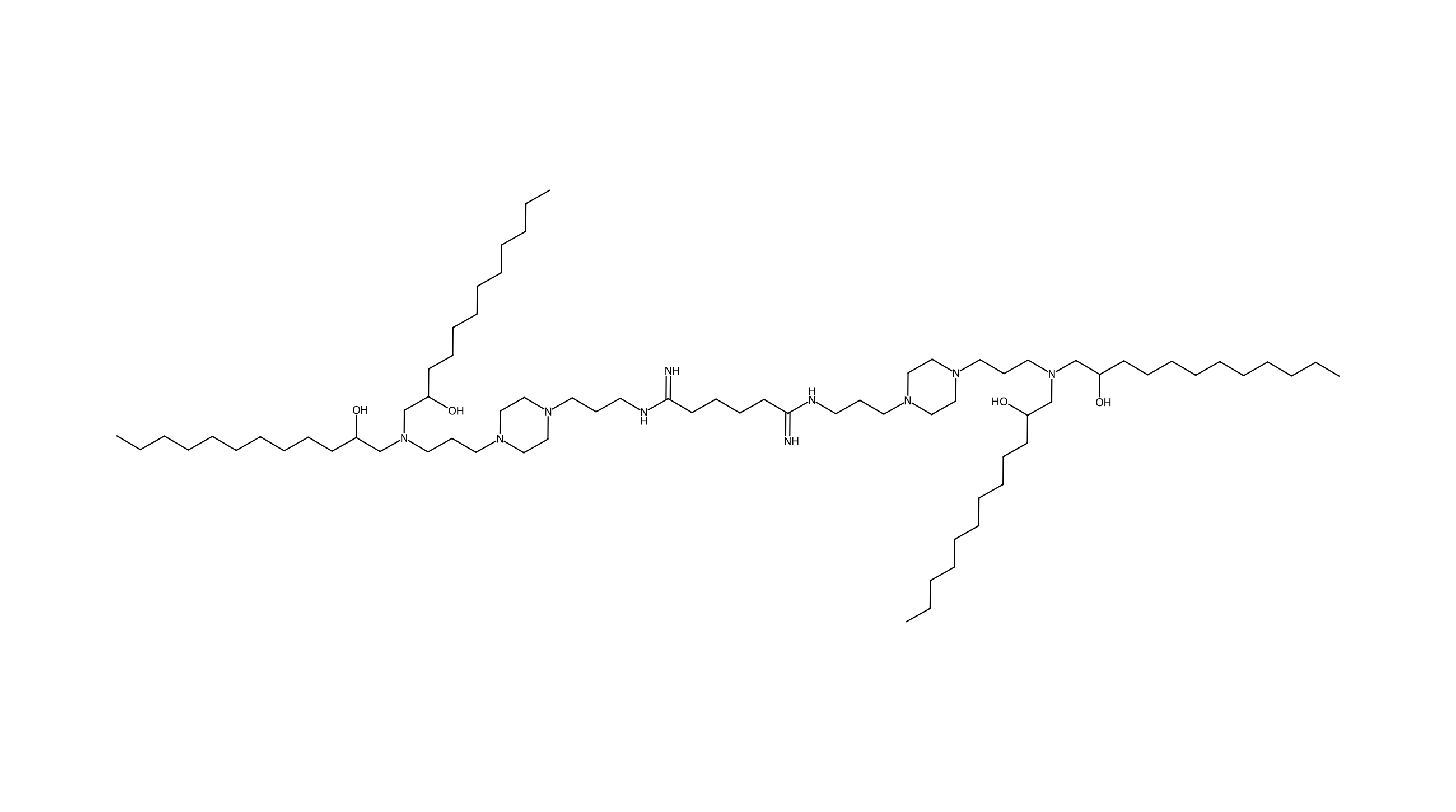
Lipid SG5 is a dual-amine ionizable lipid developed for systemic, lung-selective mRNA delivery. Its two tertiary amines and two C16 β-hydroxy tails support stepwise protonation in the reported fSG5 LNP system. The cited preclinical study evaluated pulmonary luciferase expression, functional Cre mRNA delivery and Nrf2 mRNA delivery in an acute lung-injury model.

Lipid SG5 chemical structure
25mg $350 · 50mg $600 · 100mg $950

11-10-8 is a degradable, branched ionizable lipidoid identified in a combinatorial screen for mRNA delivery. In the cited mouse study, its optimized LNP formulation supported liver-directed reporter mRNA expression, TTR gene editing with Cas9 mRNA and sgRNA, and FGF21 mRNA expression in a diet-induced obesity model.

lipid 11-10-8 chemical structure
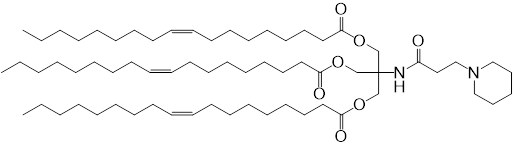
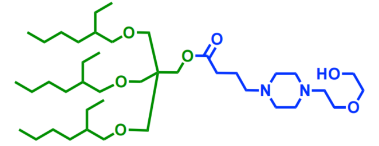
Lipid TOT-5Featured

​TOT-5​​, a tri-oleoyl-Tris ionizable lipid (pKa 6.2), enables splenic B cell-targeted mRNA delivery via 15% DSPC-incorporated LNPs. Its charge-neutral, hydrophobic surface minimizes hepatic ApoE uptake and enhances complement C3 adsorption, facilitating CD21/35-mediated uptake by marginal zone B cells. In vivo, intravenous 15%DSPC-LNPs showed 8-fold higher spleen-to-liver luciferase expression vs 3%DSPC, with anti-CD21/35 blocking 60% B cell uptake. Intramuscular administration induced robust OVA-specific IgG (10^5 titer) and CTL responses (3.5% tetramer+ CD8+ T cells) while reducing hepatotoxicity (ALT/AST levels ≤40 U/L vs SM-102-LNPs' 80-120 U/L). Cryo-ET confirmed stable lamellar structures (80-100 nm, ζ-potential -2 mV). This formulation achieves safe, ligand-free splenic targeting for mRNA vaccines.

Lipid TOT-5 chemical structure

E12LA6B603(ILB3132,ILB-3132) is a novel ionizable amino lipid disclosed in patent WO2024198497A1, developed by MagicRNA, representing a highly efficient component for lipid nanoparticle (LNP) delivery systems.When formulated into LNPs, E12LA6B603 LNP achieves a remarkable 98.26% encapsulation efficiency for mRNA. It mediates superior in vitro transfection in dendritic cells (1.8E+05 intensity) and demonstrates best-in-class in vivo protein expression after intramuscular injection (2.2E+09 intensity). Most notably, in a B16-OVA melanoma model, therapeutic OVA-mRNA vaccines delivered by E12LA6B603 LNPs induced 100% complete tumor regression, highlighting its superior efficacy over benchmarks like DLin-MC3 and SM-102. Its biodegradable ester linkages and balanced structure make it a promising, potent candidate for next-generation mRNA vaccines and therapeutics.

Structure image
coming soon

Lipid 87 is a proprietary ionizable lipid developed by Generation Bio. Used as a key ingredient in stealth LNPs, it greatly prolongs blood circulation time, maintains high nucleic acid encapsulation efficiency and low cytotoxicity, and enables effective liver targeting. Its relevant applications are documented in PCT patent WO2026/080826A1. As a core component (47.5–57.5 mol%) of stealth lipid nanoparticles (LNPs), it works synergistically with steric-stabilizing polymers like DSG-PEG₂₀₀₀-OMe to extend the in vivo blood half-life of LNPs to over 24 hours (compared to merely 30 minutes of conventional LNPs). It achieves an encapsulation efficiency above 95% for mRNA and closed-ended DNA (ceDNA), exhibits low cytotoxicity with an IC₅ value greater than 100 μM, and delivers robust liver-targeting performance, obtaining over 80% hepatocyte transfection at a dosage of 0.5 mpk. In preclinical models of hemophilia B, LNPs formulated with Lipid 87 can restore around 40% of clotting factor IX (FIX) activity for more than seven days.

Generation Lipid 87 chemical structure
DMHAPC-CholFeaturedFeatured

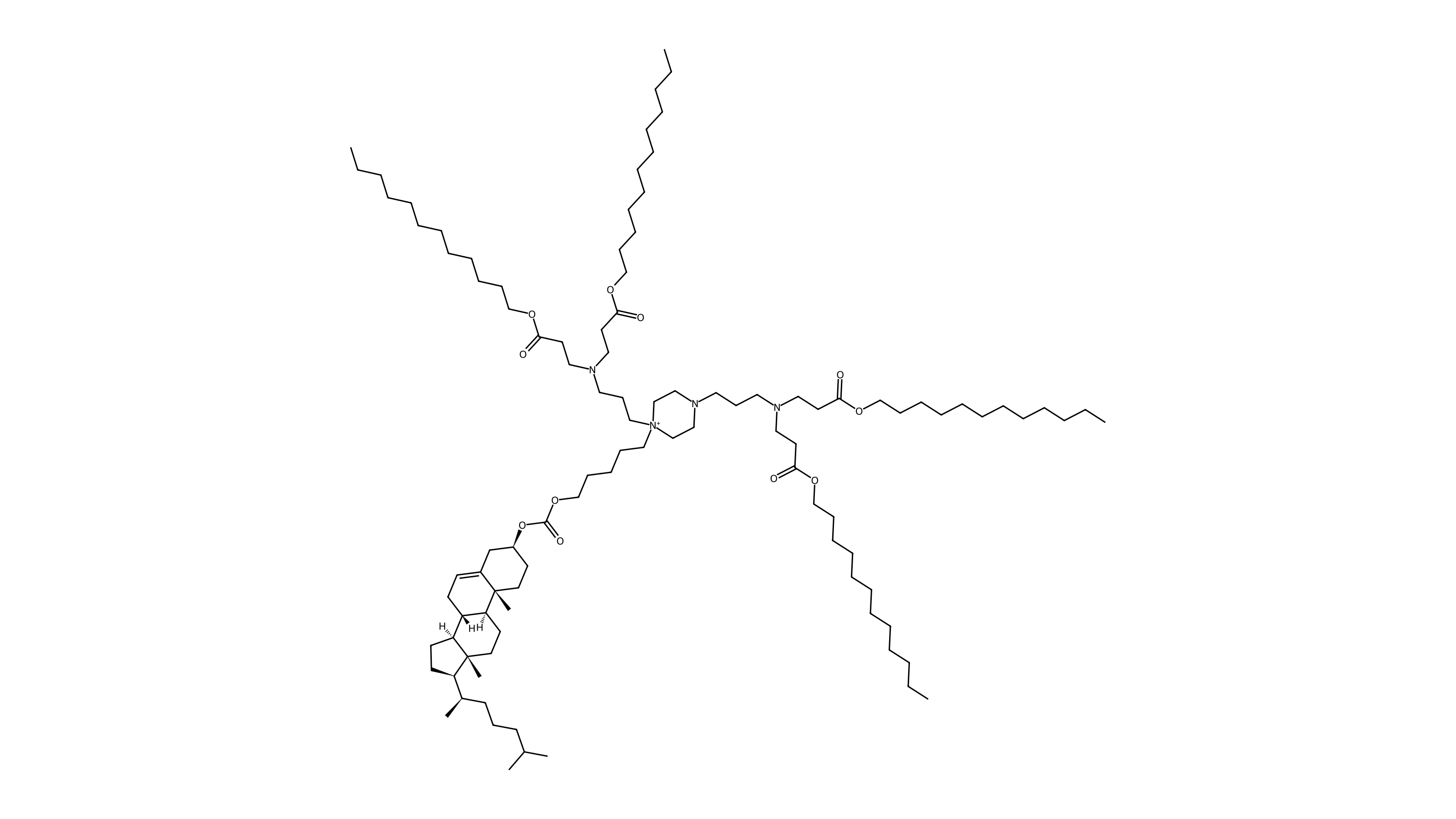
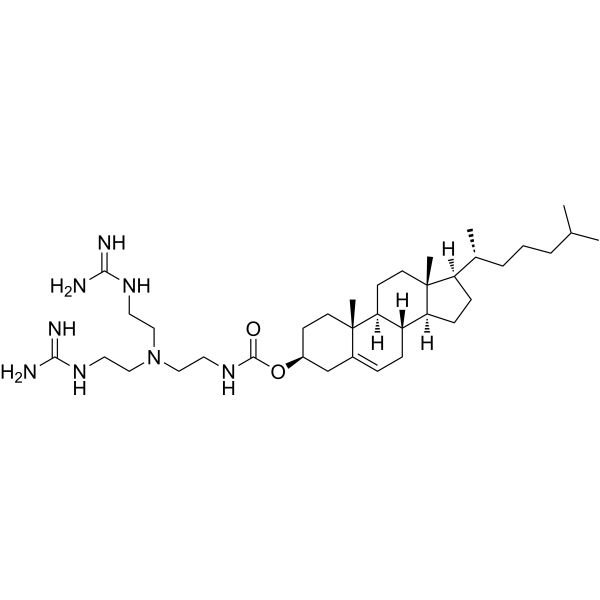
DMHAPC-Chol is a cationic cholesterol. Liposomes containing DMHAPC-chol have been used for DNA plasmid delivery in vitro and in vivo in a B16-F10 mouse xenograft model. Liposomes containing DMHAPC-chol are cytotoxic to B16-F10 cells. DMHAPC-Chol, as part of a lipoplex with DOPE, has also been used to deliver DNA into mouse lung via intratracheal injection, resulting in a heterogeneous distribution in the bronchi and bronchioles, and to deliver VEGF siRNA into A431 and MDA-MB-231 cells, which secrete VEGF.

DMHAPC-Chol chemical structure

C12-4 (Lipid A-4,Lipid F3) is a branched-chain ionizable cationic lipidoid that has been used in the formation of lipid nanoparticles (LNPs) for the delivery of mRNA. LNPs containing lipid A4 and encapsulating an mRNA reporter accumulate in the uterus, placenta, and ovaries, as well as to the spleen and liver, in pregnant mouse dams unlike LNPs containing the branched-chain ionizable cationic lipidoid C12-200, which primarily accumulate in the liver. Intravenous administration of LNPs containing lipid A4 and encapsulating mRNA encoding VEGF increase placental VEGFR1 levels and mean fetal blood vessel area without inducing liver damage in pregnant mouse dams.

C12-4 (Lipid A-4,Lipid F3,C12-494) chemical structure

Lipid 15 is the lead ionizable cationic lipid (ICL) for CD8-targeted mRNA-LNPs. As the core LNP component, Lipid 15 yields ~100 nm uniform particles with near-neutral surface charge at physiological pH, while becoming strongly cationic in acidic endosomes—reducing hepatic off-target uptake and enabling efficient endosomal escape to release mRNA. Versus other ICL candidates, Lipid 15 achieves far higher mRNA transfection efficiency in primary human CD8⁺ T cells, supports robust transient CAR expression, and triggers minimal cytokine release in immunogenicity assays. It retains structural and functional stability after freeze storage. When formulated into anti-CD8 VHH-conjugated LNPs carrying CD22 CAR mRNA, Lipid 15 drives specific in vivo reprogramming of circulating CD8⁺ T cells into functional CAR-T cells, delivering potent tumor suppression in humanized hematological malignancy models without overt toxicity.

Sanofi Lipid 15 chemical structure
LUMI6Featured

The LUMI-6 lipid, autonomously designed via the LUMI-lab platform, is a brominated ionizable lipid optimized for mRNA delivery. Formulated at a molar ratio of 35:28:34.5:2 (LUMI-6:DOTAP:cholesterol:C14-PEG2000), LNPs exhibit uniform physicochemical properties, including a hydrodynamic diameter of ~80 nm, polydispersity index (PDI) <0.2, and robust mRNA encapsulation efficiency. In vitro, LUMI-6 LNPs demonstrated 1.8-fold higher transfection potency in human bronchial epithelial cells compared to its debrominated counterpart (LUMI-6D), with minimal cytotoxicity confirmed by CCK-8 assays. In vivo, pulmonary delivery of CRISPR-Cas9 mRNA via LUMI-6 LNPs achieved ​20.3% gene editing efficiency in murine lung epithelial cells, surpassing SM-102 (Moderna’s clinical benchmark) and demonstrating ​preferential tropism for lung epithelium over endothelial cells—critical for inhaled therapies targeting cystic fibrosis and surfactant disorders. The brominated tail enhances endosomal escape through optimized protonation dynamics, though explicit pKa values remain unmeasured. Synthesized via high-throughput combinatorial chemistry and refined through AI-driven active learning, LUMI-6 combines scalable production with organ-selective delivery, positioning it as a transformative platform for pulmonary nucleic acid therapeutics.

LUMI6 chemical structure
ALC-0307Featured

ALC 0307 is an ionizable amino lipid developed by Acuitas Therapeutics, serving as the critical functional component in lipid nanoparticles (LNPs) for targeted therapeutic delivery. As the core cationic lipid in specific LNP formulations (e.g., k-abe for CPS1-Q335X correction), its key feature is pH-dependent chargeability: it remains neutral at physiological pH but becomes positively charged in acidic environments like endosomes. This property enables efficient encapsulation of nucleic acid payloads (>97% efficiency, e.g., base editor mRNA/gRNA complexes) and facilitates endosomal escape via membrane disruption post-cellular uptake.​​ Its optimized structure promotes selective hepatocyte targeting by binding endogenous apolipoprotein E (ApoE), which subsequently interacts with LDL receptors on liver cells. Preclinical studies show rapid clearance (>99.5% plasma reduction in 14 days) and manageable transient toxicity (mild, reversible cytoplasmic vacuolation in hepatocytes, short-term ALT/AST elevation). LNPs containing ALC0307, alongside helper lipids (cholesterol, DSPC, and PEG-lipid ALC-0159), form stable ~73 nm particles with low polydispersity. This combination enables repeatable, liver-directed delivery of gene editing therapeutics with minimized off-target effects, underpinning its use in individualized in vivo gene correction therapies.

ALC-0307 chemical structure
CL15F 7-5Featured

CL15F 7-5 is a piperidine-based ionizable lipid from the CL15F library, characterized by a symmetrically branched tail structure with a 7-carbon main chain and a 5-carbon side chain. This moderate tail length positions it between short-tail (e.g., CL15F 6-4) and long-tail (e.g., CL15F 14-12) variants, granting it a unique balance in mRNA delivery properties. Its LNPs exhibit optimized organ selectivity, enabling significant mRNA expression in both the spleen and muscle, as demonstrated by in vivo luciferase assays following intravenous and intramuscular administration. This lipid structure facilitates a favorable DSPC surface density on LNPs, which moderates interactions with serum proteins like ApoE, thereby reducing rapid hepatic clearance and promoting extrahepatic delivery. In vaccine applications, CL15F 7-5 LNPs encapsulating SARS-CoV-2 RBD mRNA elicited robust anti-RBD IgG titers and neutralizing antibodies in mice, outperforming the clinically benchmarked SM-102 lipid. The piperidine headgroup further contributes to storage stability by minimizing the generation of aldehyde impurities that can form mRNA-lipid adducts. Consequently, CL15F 7-5 represents a versatile lipid for developing stable, spleen-targeted mRNA vaccines and therapeutics, leveraging tail-length engineering for enhanced efficacy without complex formulation changes.

CL15F 7-5 chemical structure

​​L829​​ is a ​​novel ionizable cationic lipid​​ specifically engineered for ​​targeted lipid nanoparticles (tLNPs)​​ that enables efficient in vivo delivery of mRNA payloads to ​​CD8+ T cells​​. Designed to overcome limitations of conventional LNPs, L829 significantly ​​reduces off-target delivery to the liver​​ and exhibits ​​rapid clearance​​ compared to benchmark lipids like ALC-0315, while demonstrating ​​enhanced biodegradability and tolerability​​ in rodent and primate models. When incorporated into CD8-targeted tLNPs, L829 enables ​​preferential transfection of CD8+ T cells​​ over other immune subsets, facilitating the generation of functional ​​anti-CD19 or anti-CD20 CAR T cells directly *in vivo​​*. These tLNP-engineered CAR T cells mediate ​​rapid, deep B-cell depletion​​ in humanized mice and cynomolgus monkeys, with repopulating B cells exhibiting a naïve phenotype suggestive of immune reset. By eliminating the need for ex vivo manufacturing or lymphodepleting chemotherapy, the L829-tLNP platform represents a ​​safer, scalable approach​​ for accessible CAR T therapy in oncology and autoimmune diseases.

​​L829 chemical structure

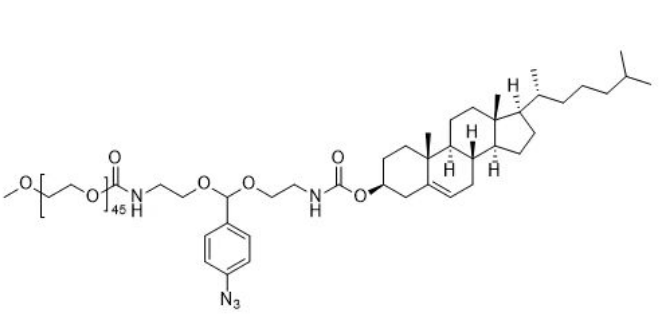
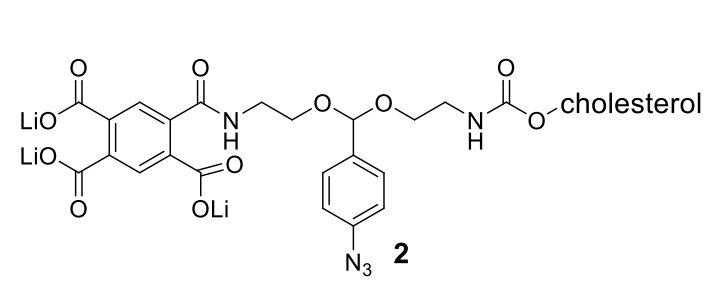
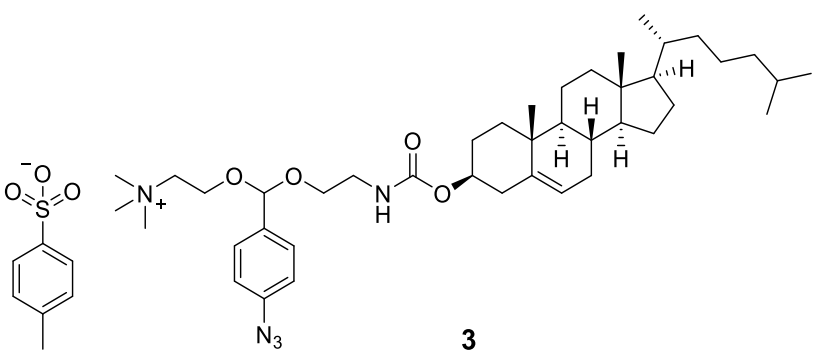
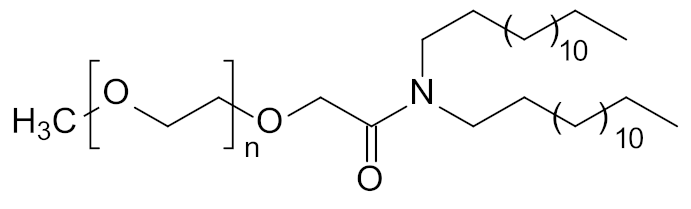
Acid-degradable PEG Lipid (ADP) composed of polyethylene glycol lipid is synthesized with the azido-acetal linker and used to generate RD-LNPs, which significantly improves the performance of LNP-mRNA complexes in vitro and in vivo.

Acid-degradable PEG Lipid (ADP-2k) chemical structure
MPEG-2000-DPPE NaFeaturedFeatured

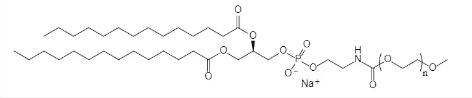
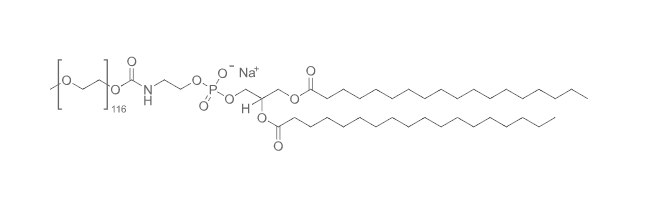
DPPE-MPEG(2000) is a PEGylated form of 1,2-dipalmitoyl-rac-glycero-3-PE (DPPE). It has been used in the synthesis of anionic liposomes for drug redistribution and toxicity prevention.

MPEG-2000-DPPE Na chemical structure
DMPE-PEG2000 ammoniumFeaturedFeatured

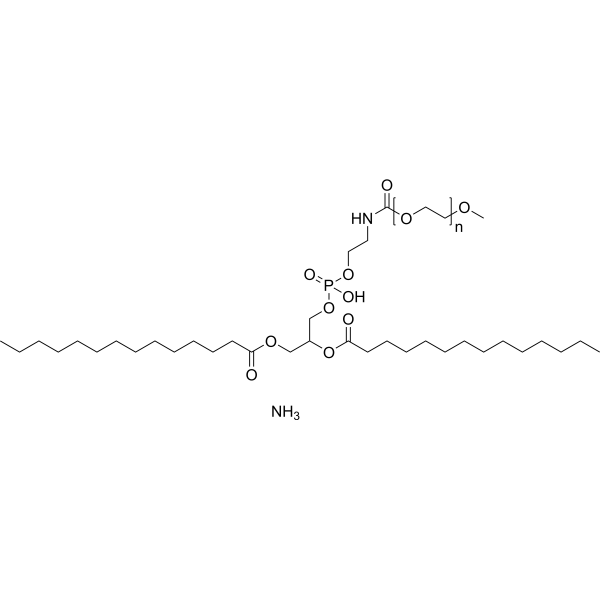
14:0 PEG2000 PE (DMPE-PEG2000) is a PEG-phospholipid conjugate to prepare nanostructured lipid carrier.

DMPE-PEG2000 ammonium chemical structure
DMG-PEG 1000 (14:1)FeaturedFeatured

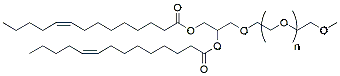
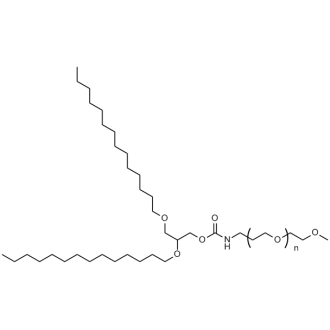
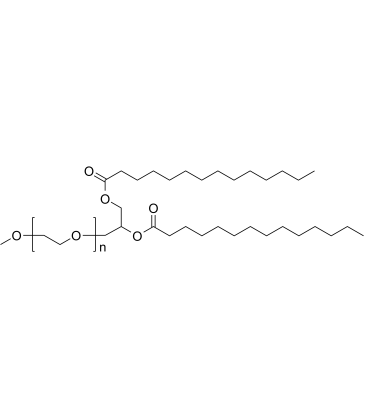
A methoxy-terminated PEG1000 functionalized with 1,2-dimyristoleoyl-sn-glycerol via an ether linkage. This compound may be used in the formulation of lipid nanoparticles (LNP's) for delivery applications. Reagent grade, for research purpose. Please contact us for GMP-grade inquiries.

DMG-PEG 1000 (14:1) chemical structure

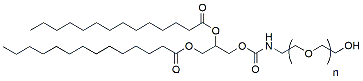
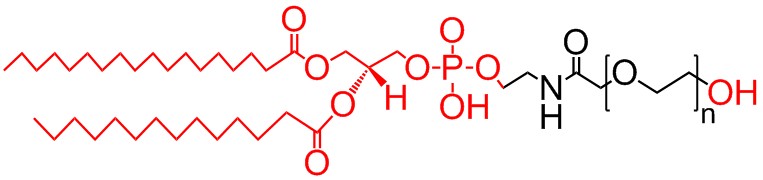
DMG-PEG-OH, MW 2,000 is a polyPEG lipid that may be used for liposome or lipid nanoparticle (LNP) preparation for RNA drug delivery. The 2k PEG units elevate the aqueous solubility of the molecule.

DMG-PEG-OH, MW 2,000 chemical structure
ALC-0159 (di-C18)FeaturedFeatured

ALC-0159 (di-C18) is an analog of ALC-0159, in which the original C14 chain is replaced with C18 chain. C18-ALC-0159 demonstrates high stability in vivo, effectively prevents binding with proteins such as ApoE, and achieves a prolonged blood circulation time. It also reduces liver targeting and accumulation.

ALC-0159 (di-C18) chemical structure

mPEG2000-DSPE is used in COVID 19 mRNA vaccines. It is a PEGylated derivative of 1,2-distearoyl-sn-glycero-3-PE . Formulations containing DSPE-MPEG(2000) have been used to prepare liposomes with long circulation time for the delivery of anticancer and antimalarial agents.. mPEG2000-DSPE has also been widely used as hydrophilic surface modifying agent for a variety types of hydrophobic nanoparticles, including recently reported lipid nanoparticle mRNA vaccines.

DSPE-mPEG2000((sodium salt)) chemical structure
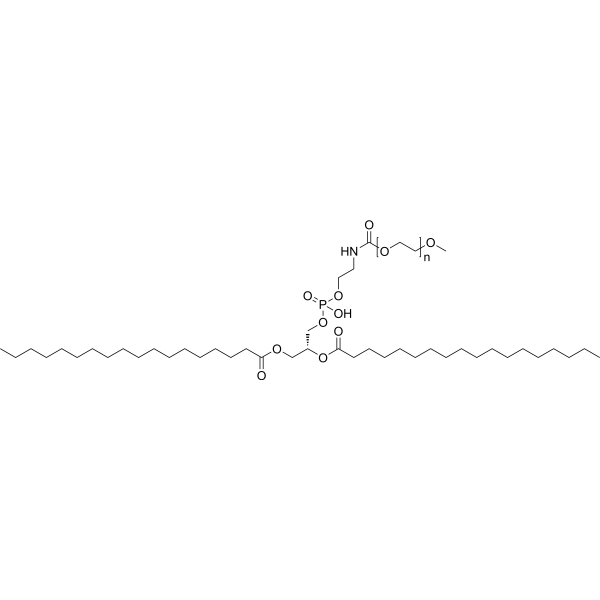
DSPE-mPEG2000FeaturedFeatured

18:0 mPEG2000 PE (DSPE-mPEG2000) is a PEG-based phospholipid. 18:0 mPEG2000 PE can be used to synthesis liposomes for delivering cancer agents.

DSPE-mPEG2000 chemical structure
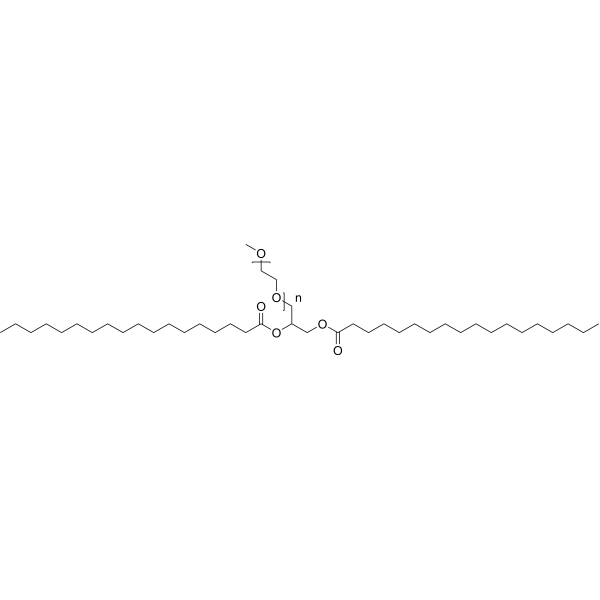
DSG-PEG2000FeaturedFeatured

DSG-PEG2000 is used for liposome preparation. DSG-PEG, MW 2,000 has become known for lipid nanoparticle (LNP) preparation for siRNA (small interfering RNA) delivery research. .

DSG-PEG2000 chemical structure
PEG2000-C-DMGFeaturedFeatured

PEG(2000)-C-DMG represents a PEGylated derivative synthesized from 1,2-dimyristoyl-sn-glycerol (1,2-DMG). This compound is instrumental in the formulation of lipid nanoparticles (LNPs), particularly when combined with other lipidic compounds, for the efficient delivery of small interfering RNA (siRNA). Specifically, LNPs incorporating PEG(2000)-C-DMG and encapsulating siRNA designed to target the genes responsible for encoding programmed cell death protein ligand 1 (PD-L1) and PD-L2 have demonstrated efficacy in reducing the expression levels of PD-L1 and PD-L2 in monocyte-derived dendritic cells. Furthermore, formulations that include PEG(2000)-C-DMG are being actively explored in the advancement of LNPs aimed at the delivery of siRNA-based vaccines, highlighting its critical role in the development of therapeutic and prophylactic strategies.

PEG2000-C-DMG chemical structure
mPEG-5000-DSPE, NaFeaturedFeatured

DSPE-MPEG(5000) is a PEGylated form of 1,2-distearoyl-rac-glycero-3-PE (DSPE). It has been used in the synthesis of lipid nanoparticles (LNPs) and liposomes for in vitro and in vivo two-photon bioimaging.

mPEG-5000-DSPE, Na chemical structure
18:1 PEG2000 PEFeaturedFeatured

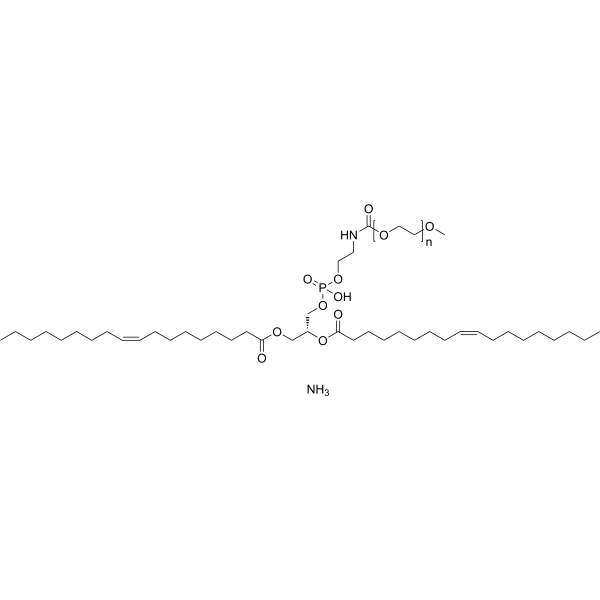
18:1 PEG2000 PE (18:1 PEG-PE) is a polyethyleneglycol/phosphatidyl-ethanolamine conjugate. 18:1 PEG2000 PE can be used for drug delivery.

18:1 PEG2000 PE chemical structure
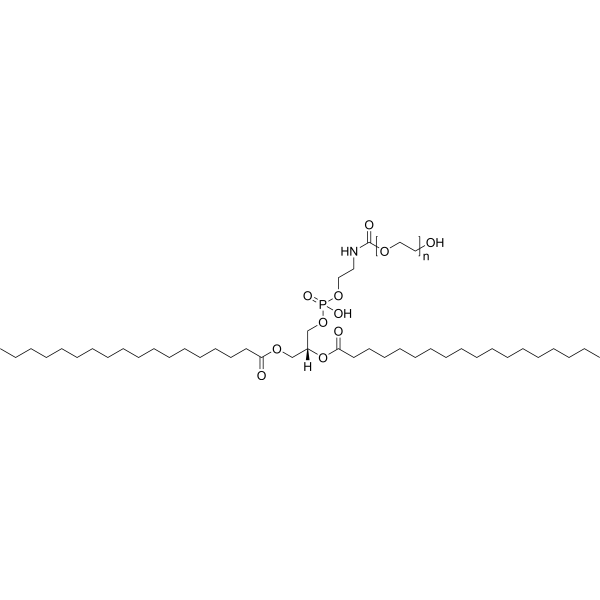
DPPE-PEG2000FeaturedFeatured

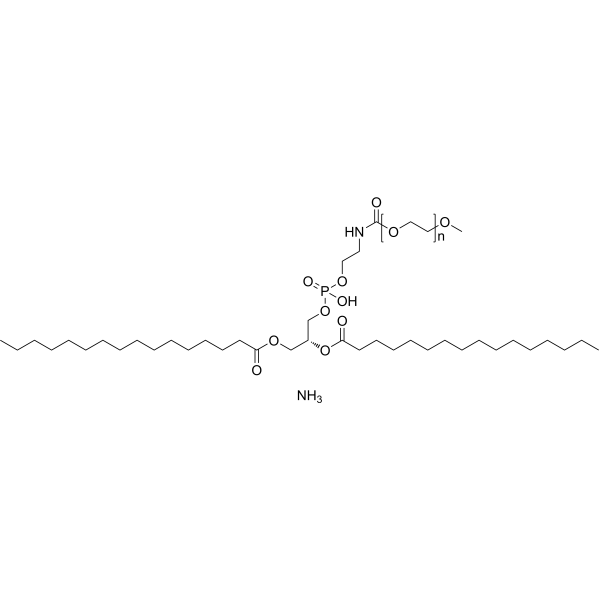
DPPE-PEG2000 (16:0 PEG2000 PE) is a PEG-modified lipids. 16:0 PEG2000 PE can reduce the nonspecific adsorption of protein and prolong circulation time in vivo.

DPPE-PEG2000 chemical structure
ALC-0159FeaturedFeatured

ALC-0159 is a PEG/lipid conjugate (i.e. PEGylated lipid). Formulations containing ALC-0159 have been used in the development of lipid nanoparticles (LNPs) for the delivery of mRNA-based vaccines.

ALC-0159 chemical structure
DMG-PEG2000FeaturedFeatured

DMG-PEG 2000 is used for the preparation of liposome for siRNA delivery with improved transfection efficiency in vitro. DMG-PEG 2000 is also used for the lipid nanoparticle for an oral plasmid DNA delivery approach in vivo through a facile surface modification to improve the mucus permeability and delivery efficiency of the nanoparticles1.

DMG-PEG2000 chemical structure

1,2-Dierucoyl->sn-glycero-3-PE is a phospholipid containing erucic acid (13(Z)-docosenoic acid;at the sn-1 and sn-2 positions. It has been used in the generation of lipid nanoparticles (LNPs) for the delivery of mRNA in vivo.

DEPE chemical structure
PSPCFeaturedFeatured

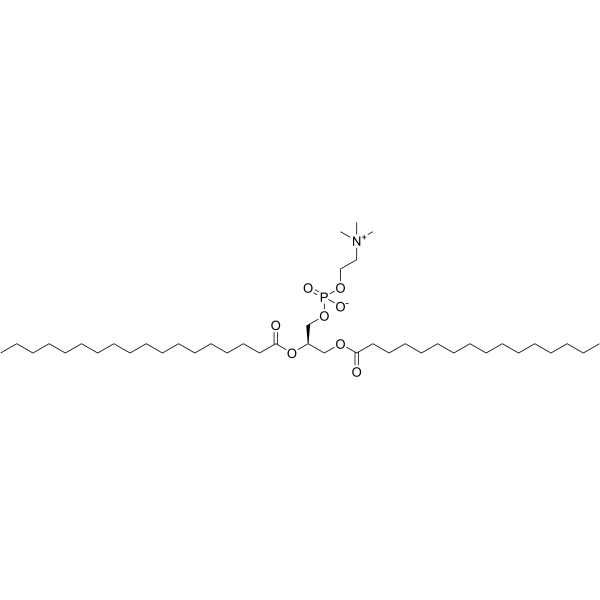
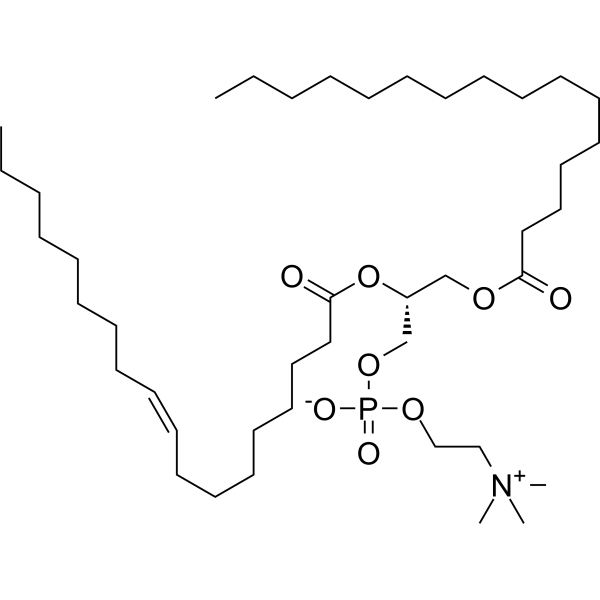
1-Palmitoyl-2-stearoyl-sn-glycero-3-phosphocholine is an assymetrical phospholipid containing saturated palmitic and stearic acid at the sn-1 and sn-2 position respectively. The phosphate group is attached to choline.

PSPC chemical structure
POPCFeaturedFeatured

1-Palmitoyl-2-oleoyl-sn-glycero-3-PC (POPC), a phospholipid, is a major component of biological membranes. 1-Palmitoyl-2-oleoyl-sn-glycero-3-PC is used for the preparation of liposomes and studying the properties of lipid bilayers.

POPC chemical structure
DOPCFeaturedFeatured

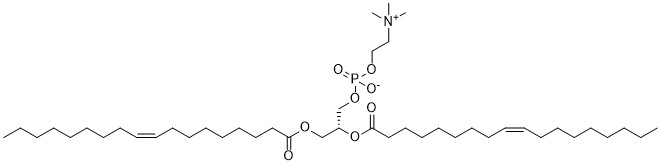
DOPC, also known as 18:1 (Δ9-Cis) PC, is a phospholipid containing the unsaturated long-chain (18:1) oleic acid inserted at the sn-1 and sn-2 positions. It is commonly used alone, or with other components, in the generation of micelles, liposomes, and other types of artificial membranes.

DOPC chemical structure
DPPG-NAFeaturedFeatured

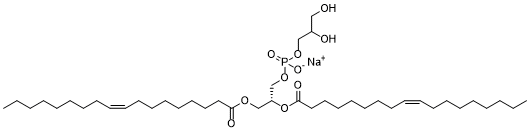
DPPG-NA(rac-DPPG sodium) is a biochemical reagent that can be used as a biological material or organic compound for life science related research.

DPPG-NA chemical structure
DSPG-NaFeaturedFeatured

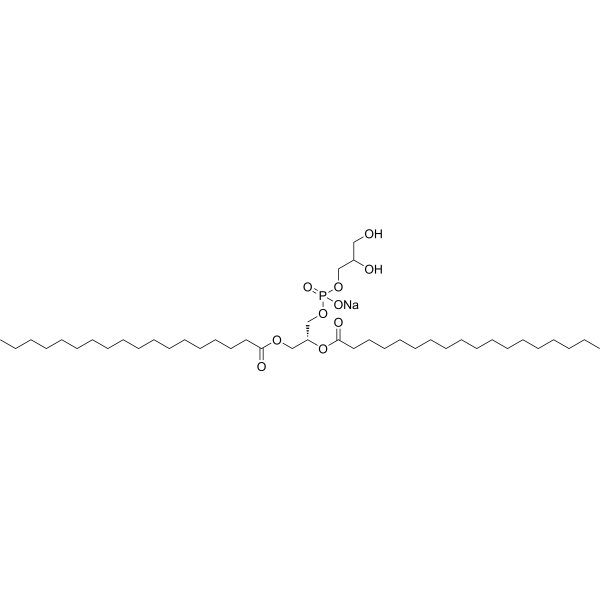
DSPG-Na is the component of liposomes for drug delivery.

DSPG-Na chemical structure
DEPCFeaturedFeatured

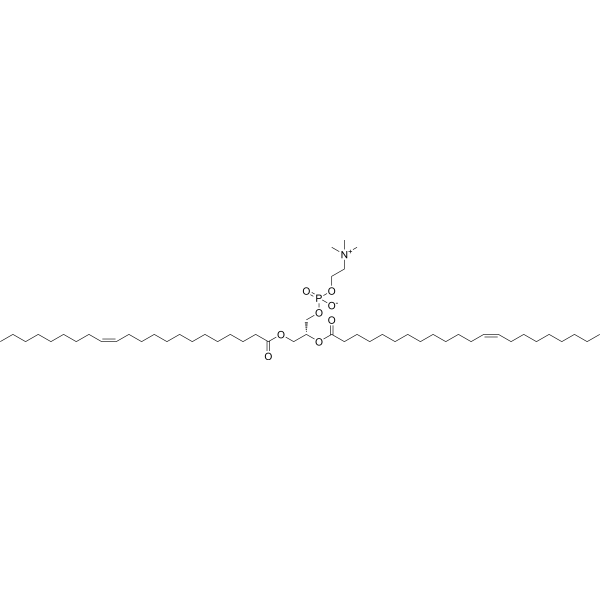
DEPC, also known as DC22:1PC or SJN79954, is a phospholipid containing erucic acid at the sn-1 and sn-2 positions. DEPC is a useful reagent in drug formulation study. It has been used in the study of lipid membranes and to determine the effect of long-chain phospholipids on the secondary structure of human islet amyloid polypeptide (hIAPP).

DEPC chemical structure
1,2-DSPCFeaturedFeatured

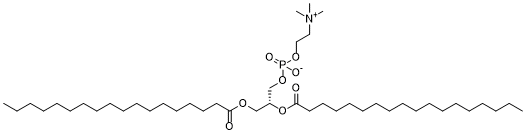
1,2-Distearoyl-sn-glycero-3-phosphorylcholine (1,2-Distearoyl-sn-glycero-3-PC; DSPC) is a cylindrical-shaped lipid. 1,2-Distearoyl-sn-glycero-3-phosphorylcholine is used to synthesize liposomes, and is the lipid component in the lipid nanoparticle (LNP) system12.

1,2-DSPC chemical structure
DPPCFeaturedFeatured

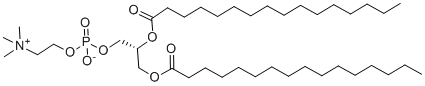
Colfosceril Palmitate, also known as 129Y-83 and DPPC, is the primary surface-active agent of natural lung surfactant and the major constituent of exogenous surface replacement preparations. Colfosceril Palmitate is used for the prophylaxis and treatment of neonatal respiratory distress syndrome.

DPPC chemical structure
DPPAFeaturedFeatured

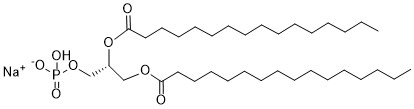
DPPA is a form of phosphatidic acid (PA).

DPPA chemical structure
DPPEFeaturedFeatured

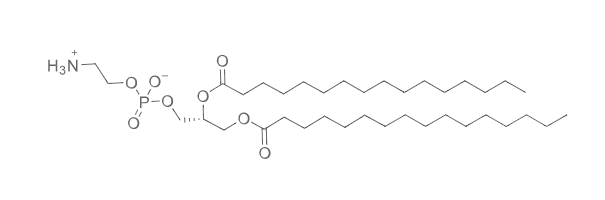
DPPE is a derivative of phosphatidylethanolamine with (16:0) palmitoyl acyl chains

DPPE chemical structure
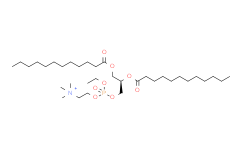
DMPCFeaturedFeatured

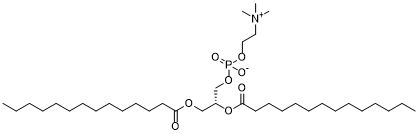
1,2-Dimyristoyl-sn-glycero-3-phosphocholine (DMPC) is a synthetic phospholipid used in liposomes. 1,2-Dimyristoyl-sn-glycero-3-phosphocholine is used for the study of lipid monolayers and bilayers.

DMPC chemical structure
DOPEFeaturedFeatured

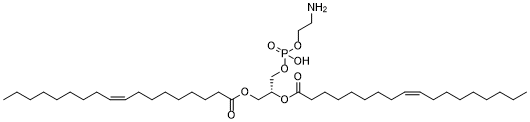
DOPE, also known as 1,2-Dioleoyl-sn-glycero-3-PE or 1,2-DOPE, is a synthetic analog of naturally-occurring PE containing 18:1 fatty acids at the sn-1 and sn-2 positions. 1,2-DOPE can be used as an emulsifier to facilitate DNA-liposome complex transport across membranes. It is used in combination with cationic phospholipids to increase efficiency during DNA transfection studies as a non-viral method of gene delivery.

DOPE chemical structure
DPyPEFeaturedFeatured

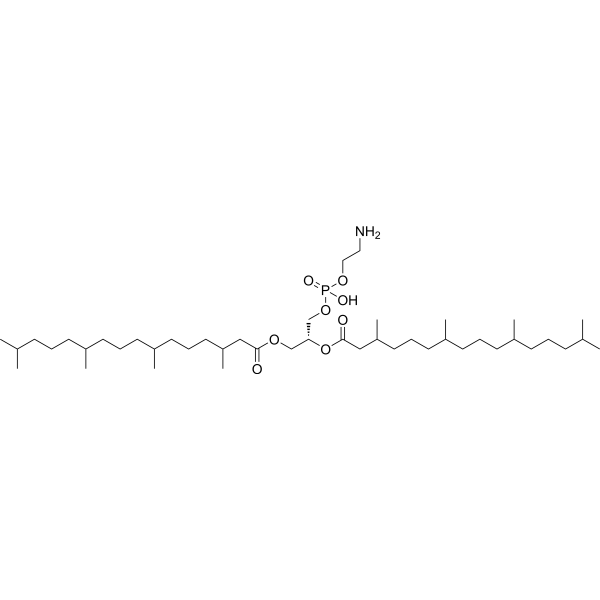
DPyPE is a phosphatidylethanolamine lipid composed of polyisoprene alkyl chains. DPyPE is a co-lipid forvaxfectin mixed with GAP-DMORIE in a 1:1 ratio.

DPyPE chemical structure
DOPA-NAFeaturedFeatured

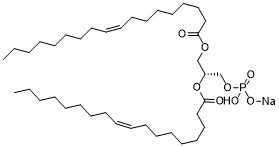
DOPA-NA is an anionic lipid that can be used to prepare liposomes, micelles and artificial membranes.

DOPA-NA chemical structure
DOPS-NAFeaturedFeatured

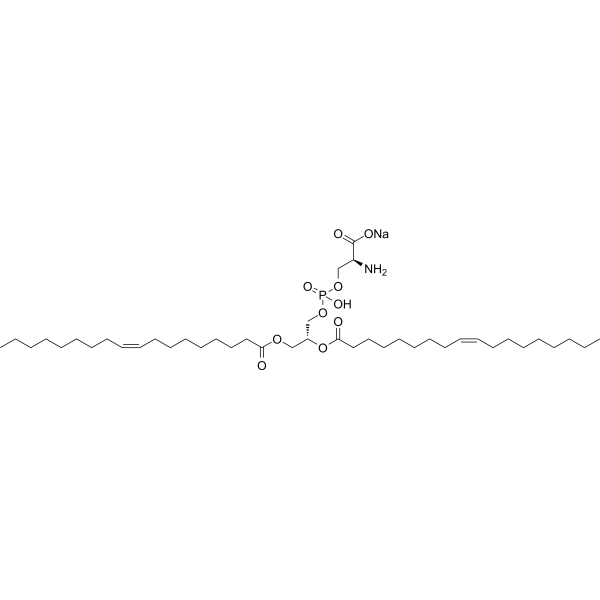
DOPS-NA is a ubstitute for Phosphoserine/phosphatidylserine. DOPS-NA can be used in lipid mixtures with DOPC and DOPE as effective nontoxic and nonviral DNA vectors.

DOPS-NA chemical structure
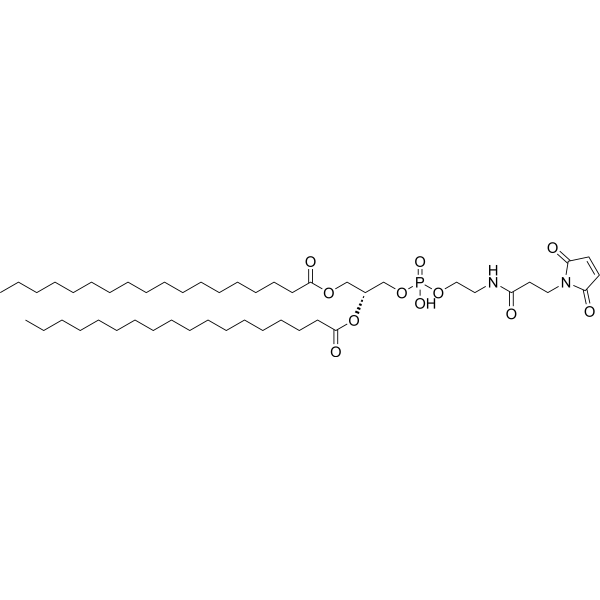
DSPE-MalFeaturedFeatured

DSPE-MAL is a thiol reactive a phospholipid compound. DSPE-MAL has two saturated fatty acids and can self-assemble in water to form lipid bilayer. DSPE-MAL can be used to prepare liposomes as drug nanocarrier.

DSPE-Mal chemical structure
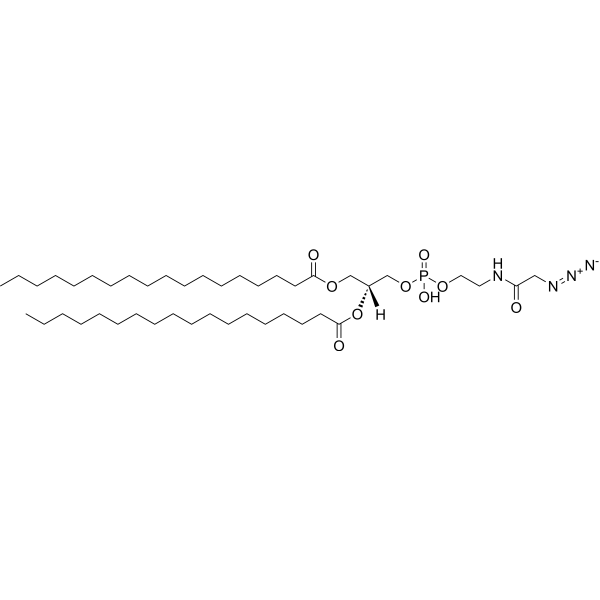
DSPE-N3FeaturedFeatured

DSPE-N3 is a lipid. DSPE-N3 can be used for the research of various biochemical.

DSPE-N3 chemical structure
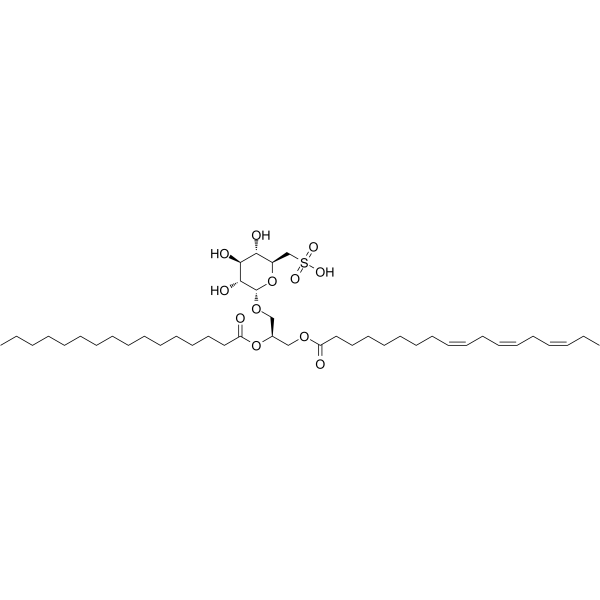
SQDGFeaturedFeatured

SQDG is a glycolipid that possesses sugar moieties in their head groups. SQDG is a membrane lipid that can be used to investigate the effects of structural lipid in LNP formulations.

SQDG chemical structure
DPPG sodiumFeaturedFeatured

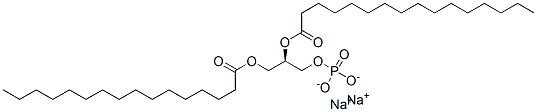
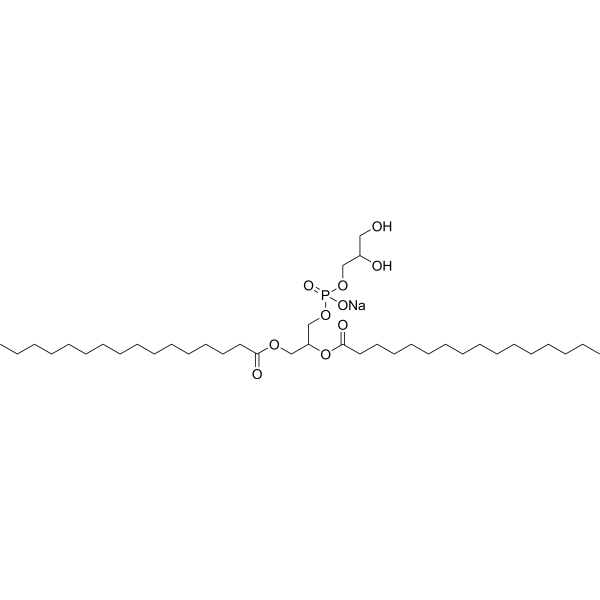
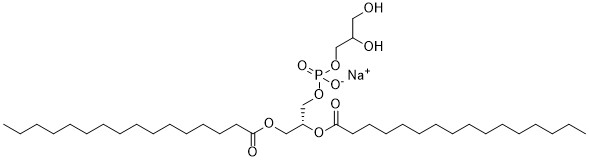
DPPG sodium (1,2-Dipalmitoyl-sn-glycero-3-PG sodium) is a phospholipid containing the long-chain(16:0) palmitic acid inserted at the sn-1 and sn-2 positions. DPPG sodium is used in the generation of micelles, liposomes and other types of artificial membranes.

DPPG sodium chemical structure
DMPGFeaturedFeatured

DMPG is a phospholipid containing the saturated long-chain (14:0) myristic acid.

DMPG chemical structure
DSPAFeaturedFeatured

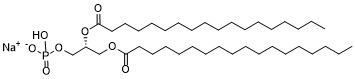
DSPA is a form of phosphatidic acid (PA) containing a phosphatidic acid head group and 18:0 fatty acids

DSPA chemical structure
POPEFeaturedFeatured

POPE is a phospholipid, and can be used for drug delivery.

POPE chemical structure
DSPEFeaturedFeatured

DSPE is a phosphoethanolamine (PE) lipid that can be used in the synthesis of liposomes.

DSPE chemical structure
HSPCFeaturedFeatured

HSPC is a natural product. Hydrogenated soya phosphatidylcholines can extend drug release in regard to drug loading and solubility for oral drug delivery of watersoluble drugs.

HSPC chemical structure
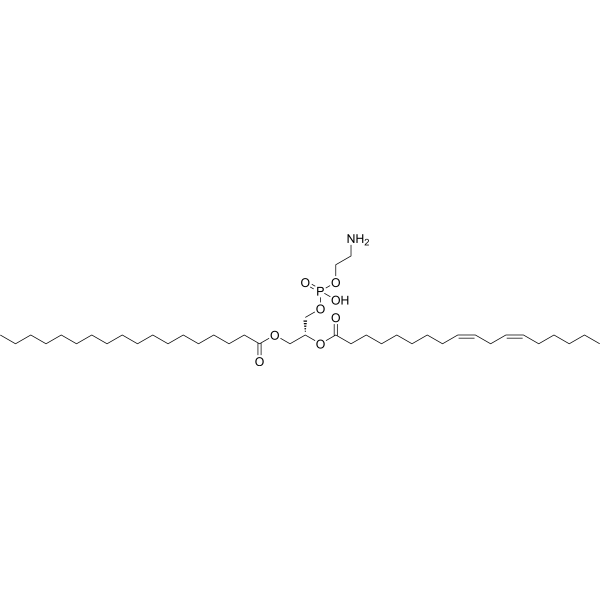
18:0-18:2 PEFeaturedFeatured

18:0-18:2 PE is a lipid for agents delivering. 18:0-18:2 PE is mainly composed of unsaturated fatty acids. 18:0-18:2 is considered important precursors of important odorants (IOs) in Eriocheir sinensis.

18:0-18:2 PE chemical structure
DOPG-NaFeaturedFeatured

DOPG-Na is a phospholipid containing the long-chain (18:1) fatty acid oleic acid inserted at the sn-1 and sn-2 positions. It can be used in the generation of micelles, liposomes, and other artificial membranes. DOPG is an anionic phospholipid derivative. The negatively charged liposomes prepared with DOPG has been found to possess the best loading capacity and encapsulation rate for Peptide Nucleic Acid (PNA) oligomers.

DOPG-Na chemical structure
HAPC-CholFeaturedFeatured

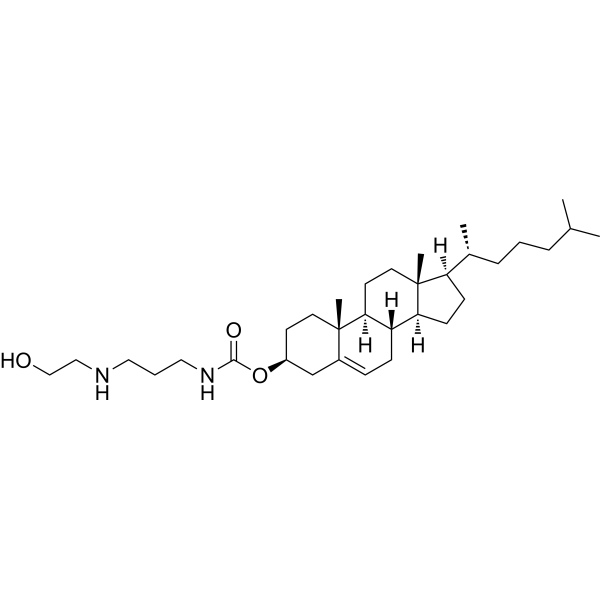
HAPC-Chol is a cationic cholesterol. HAPC-Chol, as part of a lipoplex with DOPE, has been used for siRNA delivery and gene silencing in MCF-7 cells in a luciferase assay without affecting cell viability. It has also been used to deliver siRNA into mice via intravenous injection, resulting in HAPC-chol accumulation in the lungs.

HAPC-Chol chemical structure
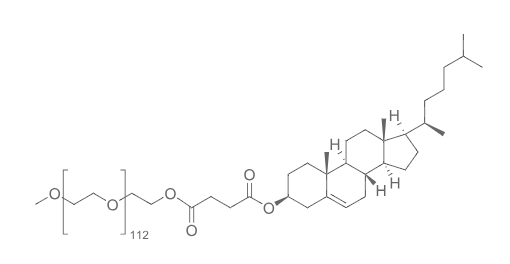
CHEMSFeaturedFeatured

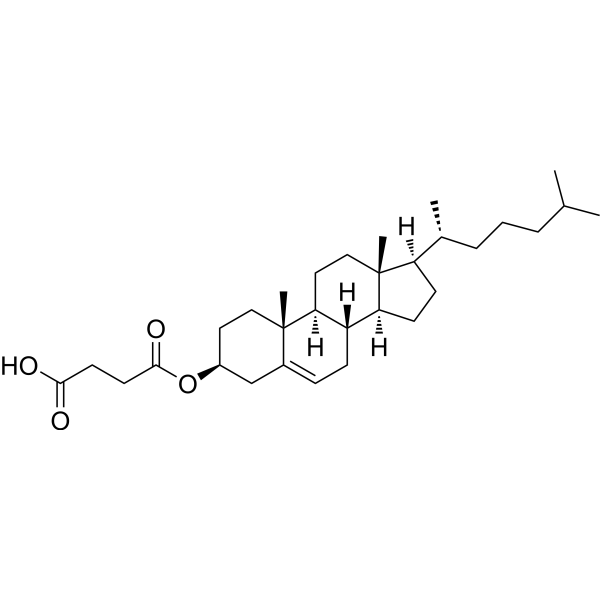
CHEMS is the analytical standard of Cholesteryl hemisuccinate. Cholesteryl hemisuccinate is a cholesterol ester with anticancer activity.

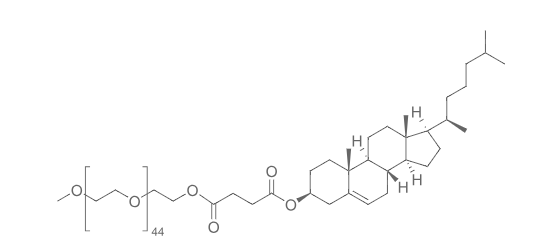
CHEMS chemical structure
CampesterolFeaturedFeatured

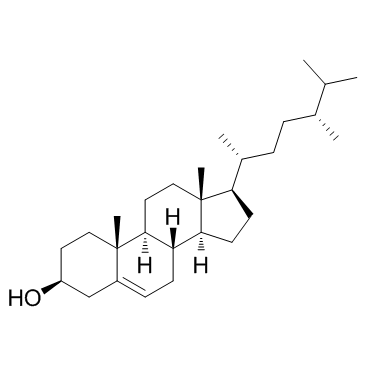
Campesterol is a plant sterol with cholesterol lowering and anticarcinogenic effects.

Campesterol chemical structure
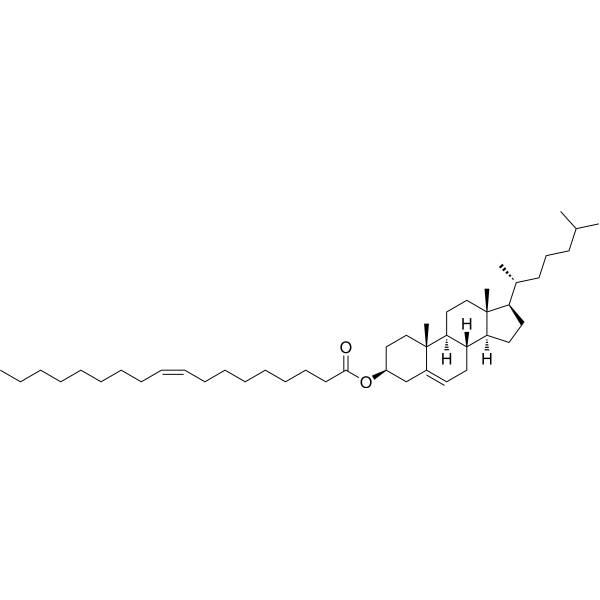
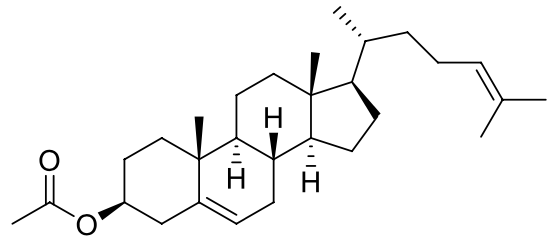
Cholesteryl oleateFeaturedFeatured

Cholesteryl oleate is an ester compound formed from Cholesterol (HY-N0322) and Oleic acid (HY-N1446), which is involved in lipid transport, storage and cell membrane formation in living organisms. Cholesteryl oleate may serve as a potential biomarker for prostate cancer. Cholesteryl oleate can also prepare cationic solid lipid nanoparticles (SLNs) for efficient gene silencing.

Cholesteryl oleate chemical structure

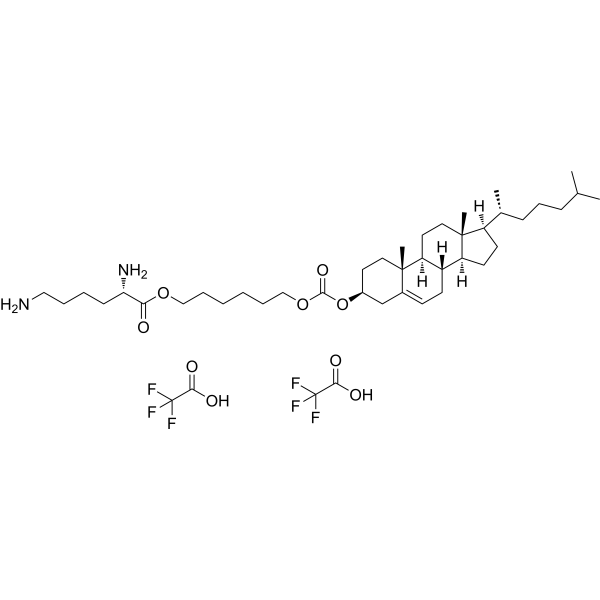
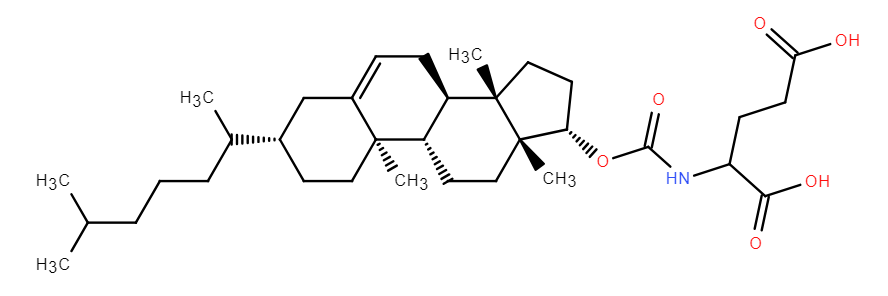
GA-Chol(glutamate-cholesterol) is a novel synthetic cholesterol derivative designed to overcome the liver tropism of conventional lipid nanoparticles (LNPs) after local administration. It is synthesized through a two-step reaction involving the covalent conjugation of glutamic acid to cholesterol. When incorporated into LNPs, GA-Chol replaces native cholesterol (typically 38.5 mol%), significantly altering the nanoparticles' properties. A key characteristic of GA-Chol LNPs is their strongly negative zeta potential, which contrasts with the nearly neutral charge of standard cholesterol-containing LNPs. This modification is crucial for altering the LNP's behavior in vivo. Following intramuscular or intratumoral injection, GA-Chol LNPs exhibit superior retention at the injection site, demonstrating robust localized transfection with minimal leakage into the systemic circulation and subsequent off-target expression in the liver. This localized retention effect is consistent across various cancer models. Furthermore, GA-Chol enhances in vitrotransfection efficiency by approximately 10 to 20-fold in different cell lines. Therapeutically, LNPs formulated with GA-Chol enable effective local delivery of potent mRNA cargoes, such as constitutively active caspase-3, achieving significant tumor growth inhibition in mouse models while mitigating risks of hepatotoxicity, showcasing its potential for targeted nucleic acid therapies.

GA-Chol(glutamate-cholesterol) chemical structure
DC-Chol hydrochlorideFeaturedFeatured

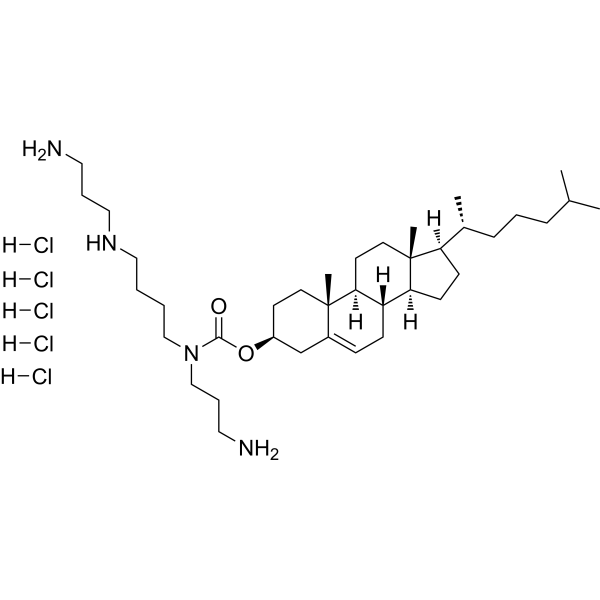
DC-Chol hydrochloride is a cationic lipid. DC-Chol hydrochloride could inhibit Aβ40 fibril formation under appropriate experimental conditions. DC-Chol hydrochloride strongly inhibits amyloidogenesis of oxidized hCT in a dose-dependent manner. DC-Chol hydrochloride induces the production of Th1 (IL-2 and IFN-γ) and Th2 (IL-5) cytokines. DC-Chol hydrochloride can enhance the body's immune response to antigens. DC-Chol hydrochloride is used as a gene delivery vector. DC-Chol hydrochloride can be used in research in areas such as hepatitis B vaccines to improve vaccine immunity.

DC-Chol hydrochloride chemical structure
DesmosterolFeaturedFeatured

Desmosterol is an endogenous agonist of RORgamma; Intermediate in the synthesis of cholesterol.

Desmosterol chemical structure
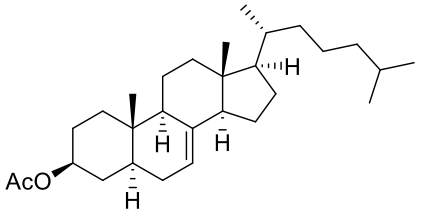
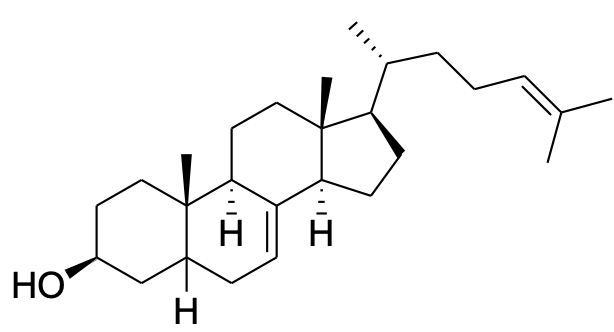
LathosterolFeaturedFeatured

Lathosterol is a cholesterol-like molecule. Serum Lathosterol concentration is an indicator of whole-body cholesterol synthesis.

Lathosterol chemical structure
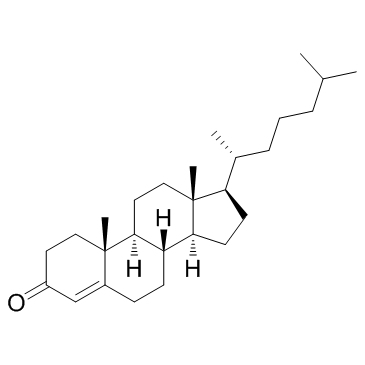
CholestenoneFeaturedFeatured

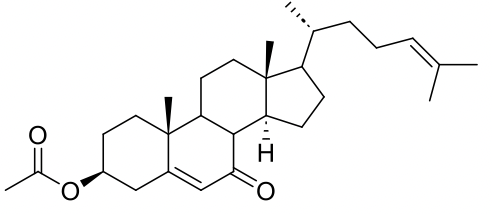
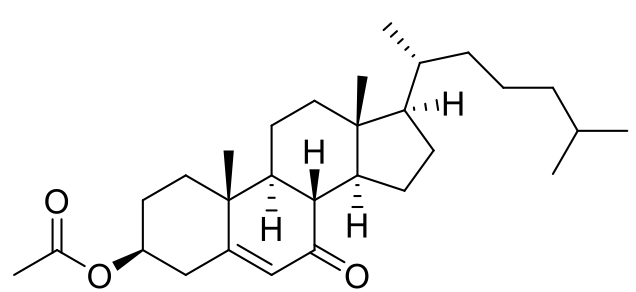
Cholestenone is the intermediate oxidation product of cholesterol.

Cholestenone chemical structure
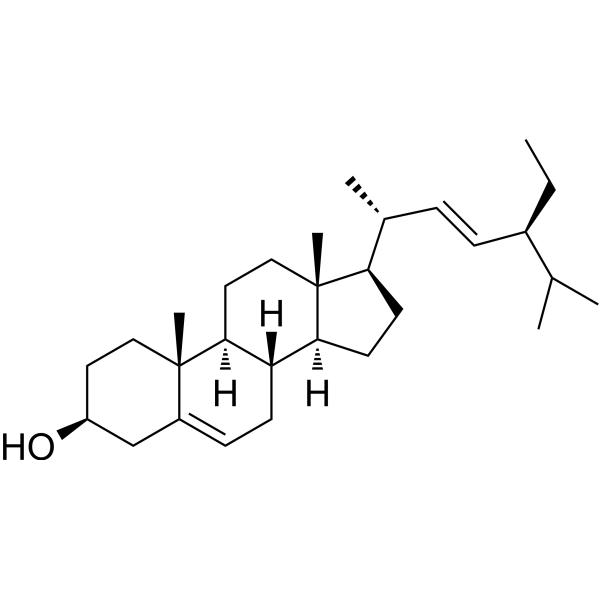
β-SitosterolFeaturedFeatured

β-Sitosterol is orally active. Beta-Sitosterol exhibits multiple activities, including anti-inflammatory, anticancer, antioxidant, antimicrobial, antidiabetic, antioxidant enzyme, and analgesic. Beta-Sitosterol inhibits inflammation and impaired adipogenesis in bovine mammary epithelial cells by reducing levels of ROS, TNF-α, IL-1β, and NF-κB p65 and restoring the activity of the HIF-1α/mTOR signaling pathway. Beta-Sitosterol induces apoptosis in cancer cells through ROS-mediated mitochondrial dysregulation and p53 activation. Beta-Sitosterol exerts its anticancer effects in cancer cells by activating caspase-3, caspase-8, and caspase-9, mediating PARP inactivation, MMP loss, altered Bcl-2-Bax ratio, and cytochrome c release. Beta-Sitosterol modulates macrophage polarization and reduces rheumatoid inflammation in mice. Beta-Sitosterol inhibits tumor growth in multiple mouse cancer models. Beta-Sitosterol can be used in the research of arthritis, lung cancer, breast cancer and other cancers, diabetes, etc.

β-Sitosterol chemical structure
StigmasterolFeaturedFeatured

Stigmasterol is an orally acitve, immunomodulatory agent with anti-inflammatory and neuroprotective effect, as well as able to cross the blood-brain barrier. Stigmasterol activates AMPK, which in turn inhibits NF-κB and NLRP3 signaling pathways, reduces microglia-mediated neuroinflammation, and alleviates cognitive impairment and Alzheimer's disease. Stigmasterol regulates M1/M2 polarization of microglia through the TLR4/ NF-κB pathway, thereby reducing neuropathic pain. Stigmasterol can be used for neurodegenerative diseases, inflammatory diseases, and pain management, among others.

Stigmasterol chemical structure
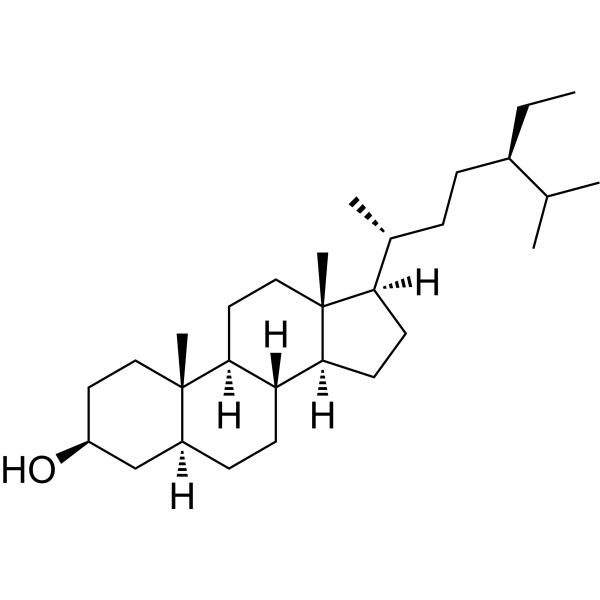
SitostanolFeaturedFeatured

Sitostanol is a saturated sterol found in a variety of plants, including corn, wheat, and rice and reduces cholesterol uptake in rats and rabbits.

Sitostanol chemical structure
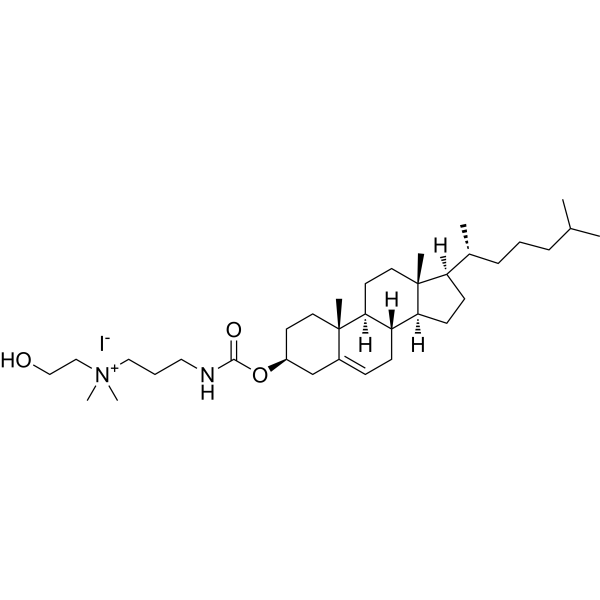
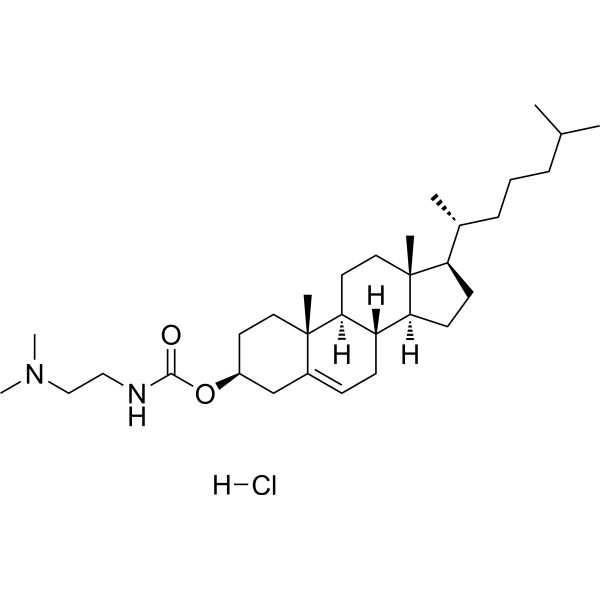
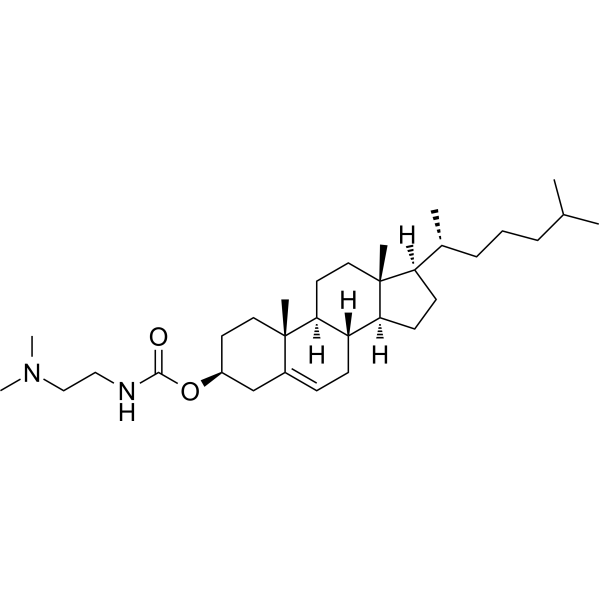
DC-cholesterolFeaturedFeatured

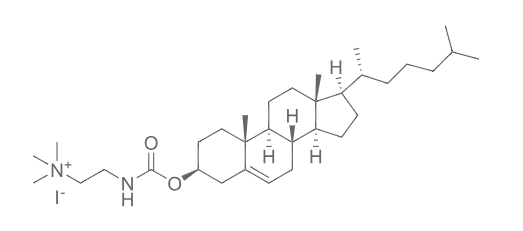
DC-cholesterol(3β-[N-(N′,N′-Dimethylaminoethyl)carbamoyl]cholesterol), a lipid, has been investigated in cancer gene therapy and vaccine delivery system.

DC-cholesterol chemical structure
SCSFeaturedFeatured

SCS is an orally active cholesterol biosynthesis agonist that targets NPC2. It activates SREBP2 by competitively binding to NPC2, thereby promoting cholesterol synthesis (EC50 = 50 μM).

SCS chemical structure
CholesterolFeaturedFeatured

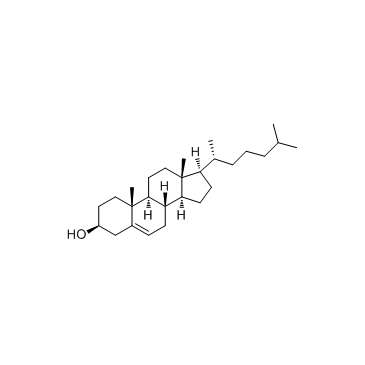
Cholesterol is a component of Lipid nanoparticles (LNPs) for RNA delivery.

Cholesterol chemical structure
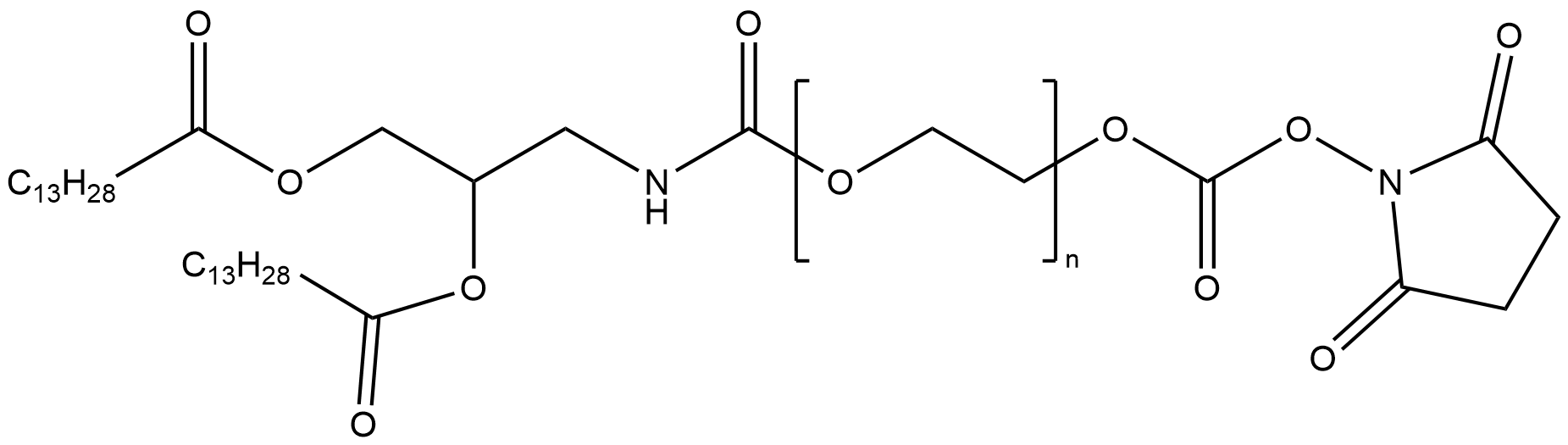
DMG-PEG2000-NHSFeaturedFeatured

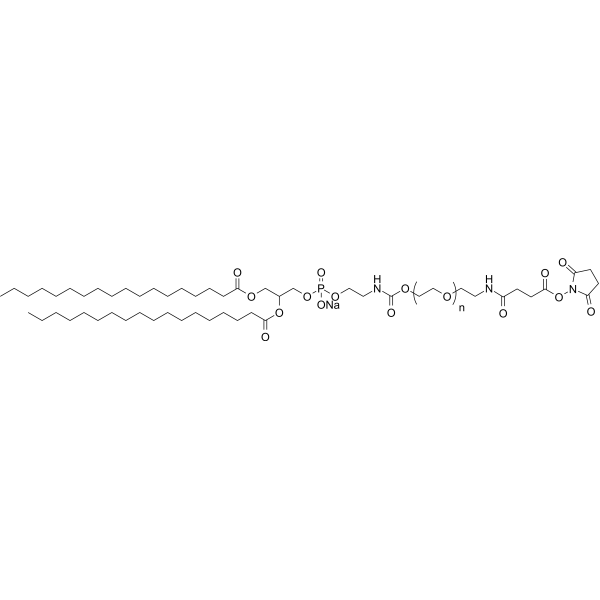
DMG-PEG2000-NHS is a PEG derivative that can be used in various biomedical applications, such as the construction of drug delivery systems (siRNA delivery liposomes, lipid nanoparticle, etc.). The active ester (NHS) can react with an amino group (-NH2) to form a stable amide bond, which can be used as a linker in a bioconjugation strategy to modify amino-linked peptide proteins as well as other small molecules.

DMG-PEG2000-NHS chemical structure
DSPE-RBFeaturedFeatured

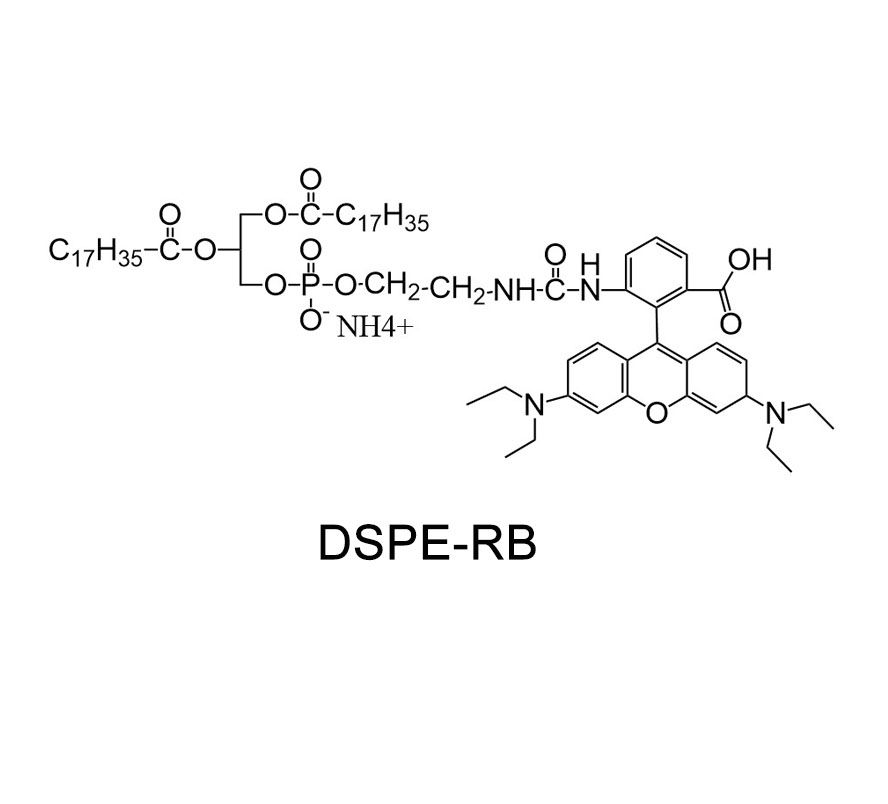
Phospholipids DSPE belong to the lipid family of biopolymers. Phospholipids consist of two fatty acids, a glycerol unit, a phosphate group, and a polar molecule. The phosphate groups and polar head regions of the molecule are hydrophilic (attracted to water), while the fatty acid tail is hydrophobic (repelled by water). When placed in water, the phospholipids Orient themselves into a double layer, where the non-polar tail region faces the inner region of the double layer. The polar head region faces outward and interacts with the water. Applications in drug release, nanotechnology and new materials research, cell culture. As well as ligand research, peptide synthesis support, grafted polymer compounds, new materials and pegylated modified functional coatings and other active compounds.

DSPE-RB chemical structure
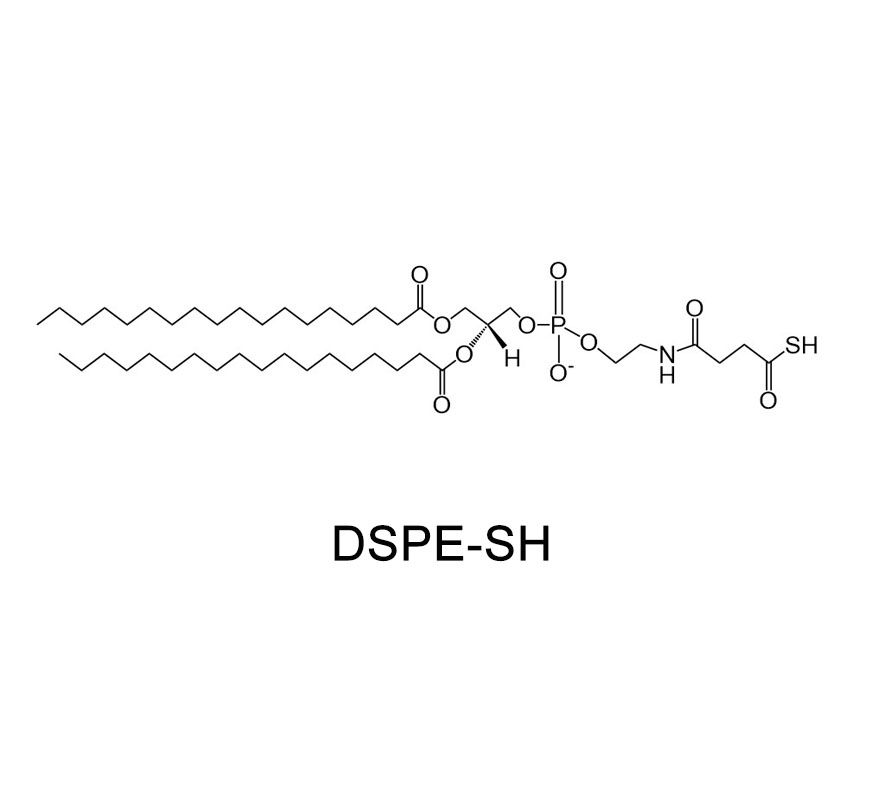
DSPE-SH(DSPE Thiol)FeaturedFeatured

Modified phospholipid products: it is to modify the amino group (primary amino group) -NH3 at the end of DSPE into NHS, COOH, N3, MAL, Thiol (SH), OPSS, FITC, FA, Biotin and other different active groups. Phospholipids DSPE belong to the lipid family of biopolymers. Phospholipids consist of two fatty acids, a glycerol unit, a phosphate group, and a polar molecule. The phosphate groups and polar head regions of the molecule are hydrophilic (attracted to water), while the fatty acid tail is hydrophobic (repelled by water). When placed in water, the phospholipids Orient themselves into a double layer, where the non-polar tail region faces the inner region of the double layer. The polar head region faces outward and interacts with the water.

DSPE-SH(DSPE Thiol) chemical structure
DSPE-NH2FeaturedFeatured

Phosphatidyl amino DSPE-NH2 is one of the most common materials in polymer modification. By grafting phospholipid bonds to amino molecules, polymeric polymers with different chain segments are formed by using phospholipid molecules, which reduces the thermal stability and weather resistance of the materials. At the same time, by introducing modifiers to improve the water resistance of the polymer itself, improve its processing performance, and finally obtain good water resistance, high mechanical properties, good weather resistance, good acid and alkali resistance products. DSPE-NH2 material is mainly composed of isopropyl alcohol butadiene, the isopropyl alcohol butadiene mixture is an aromatic polymer, with strong water absorption, hydrophilicity, and wide molecular weight distribution, good solubility, high mechanical strength characteristics, so the material can be used in many fields.

DSPE-NH2 chemical structure
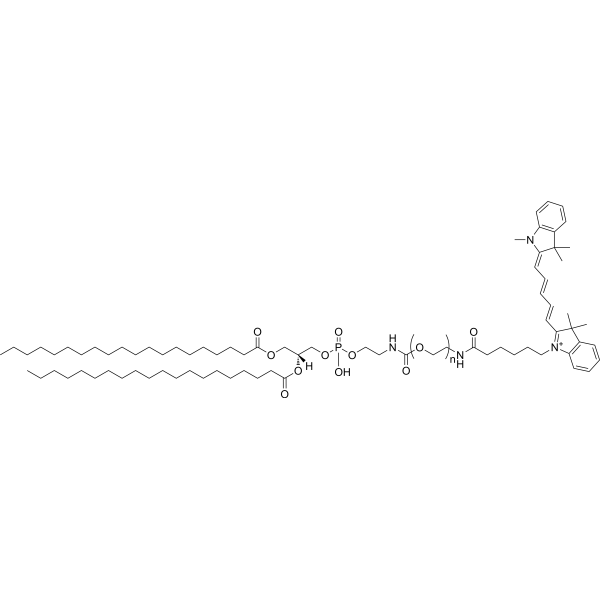
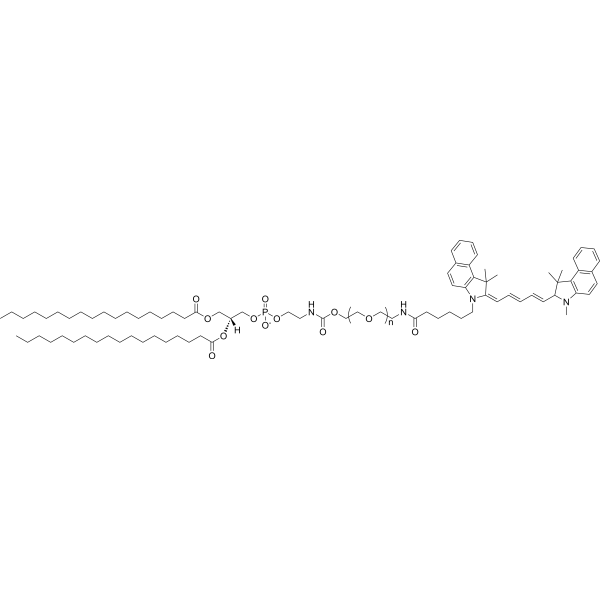
DSPE-CY5FeaturedFeatured

Phospholipids DSPE belong to the lipid family of biopolymers. Phospholipids consist of two fatty acids, a glycerol unit, a phosphate group, and a polar molecule. The phosphate groups and polar head regions of the molecule are hydrophilic (attracted to water), while the fatty acid tail is hydrophobic (repelled by water). When placed in water, the phospholipids Orient themselves into a double layer, where the non-polar tail region faces the inner region of the double layer. The polar head region faces outward and interacts with the water. Applications in drug release, nanotechnology and new materials research, cell culture. As well as ligand research, peptide synthesis support, grafted polymer compounds, new materials and pegylated modified functional coatings and other active compounds.

DSPE-CY5 chemical structure
DSPE-CY7FeaturedFeatured

Phospholipids DSPE belong to the lipid family of biopolymers. Phospholipids consist of two fatty acids, a glycerol unit, a phosphate group, and a polar molecule. The phosphate groups and polar head regions of the molecule are hydrophilic (attracted to water), while the fatty acid tail is hydrophobic (repelled by water). When placed in water, the phospholipids Orient themselves into a double layer, where the non-polar tail region faces the inner region of the double layer. The polar head region faces outward and interacts with the water. Applications in drug release, nanotechnology and new materials research, cell culture. As well as ligand research, peptide synthesis support, grafted polymer compounds, new materials and pegylated modified functional coatings and other active compounds.

DSPE-CY7 chemical structure
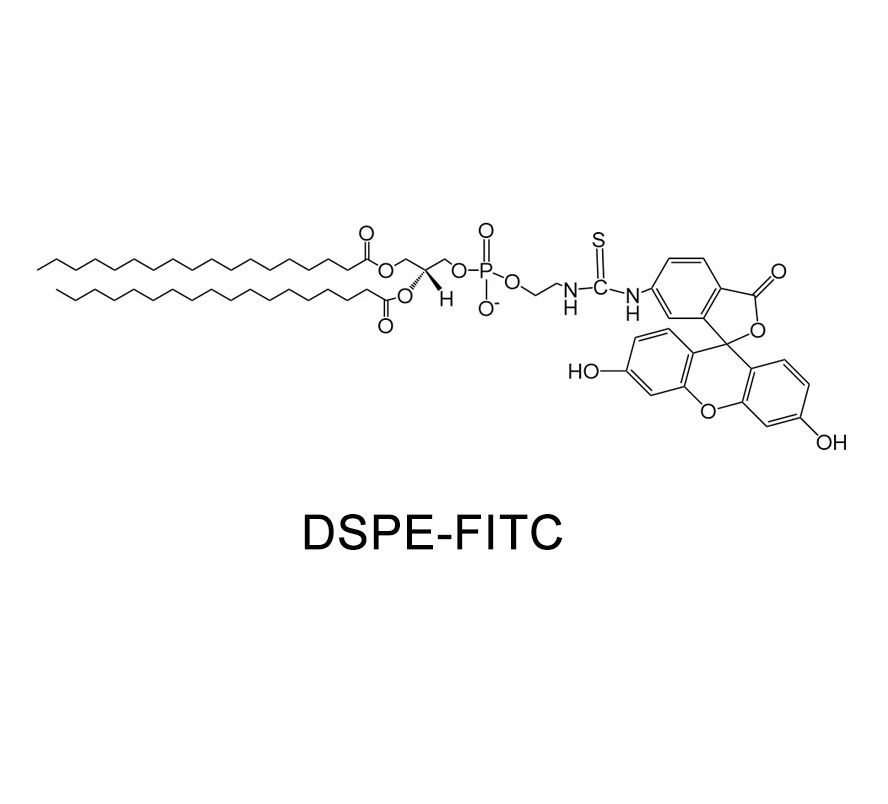
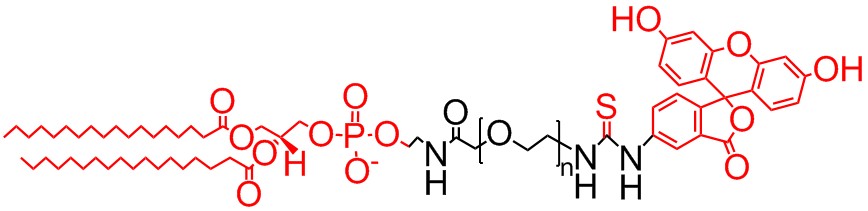
DSPE-FITCFeaturedFeatured

Phospholipids DSPE belong to the lipid family of biopolymers. Phospholipids consist of two fatty acids, a glycerol unit, a phosphate group, and a polar molecule. The phosphate groups and polar head regions of the molecule are hydrophilic (attracted to water), while the fatty acid tail is hydrophobic (repelled by water). When placed in water, the phospholipids Orient themselves into a double layer, where the non-polar tail region faces the inner region of the double layer. The polar head region faces outward and interacts with the water. Applications in drug release, nanotechnology and new materials research, cell culture. As well as ligand research, peptide synthesis support, grafted polymer compounds, new materials and pegylated modified functional coatings and other active compounds.

DSPE-FITC chemical structure
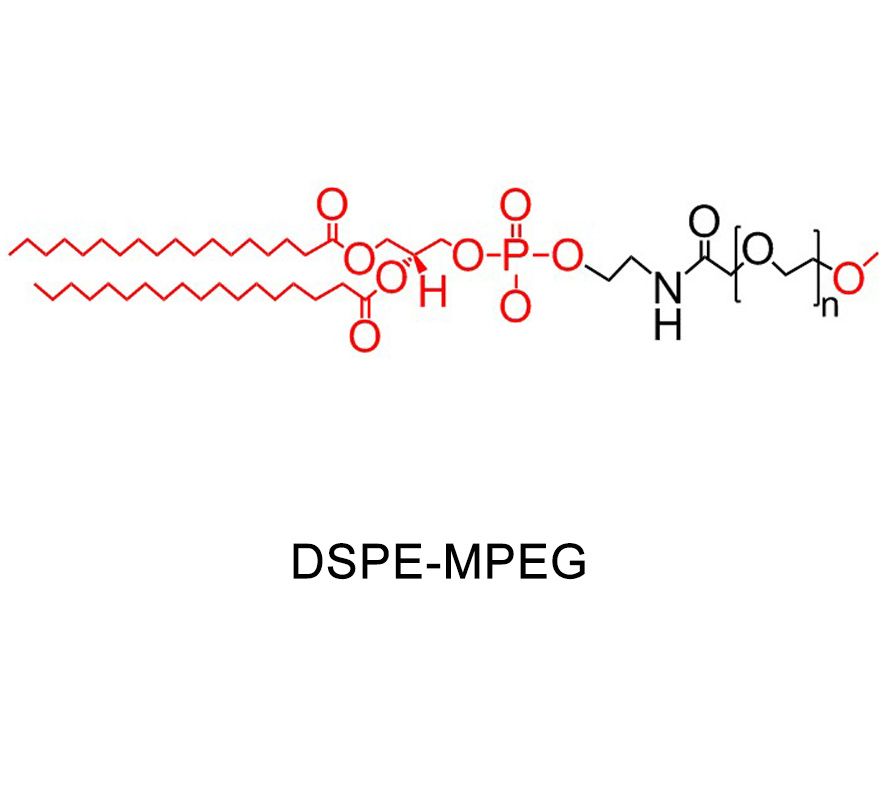
DSPE-MPEGFeaturedFeatured

2-Distearoyl-sn-Glycero-3-Phosphoethanolamine(DSPE) conjugated polyethylene glycol is a combination of phospholipid and polyethylene glycol, which has hydrophilicity and hydrophobicity. Polyethylene glycol phospholipid liposomes can be used for drug delivery, gene transfection and vaccine delivery. Pegylated phospholipids can significantly improve blood circulation time and stabilize drug encapsulation. These materials can also be used for targeted drug delivery by modifying ligands with target surfaces such as antibodies and peptides,Liposomes.

DSPE-MPEG chemical structure
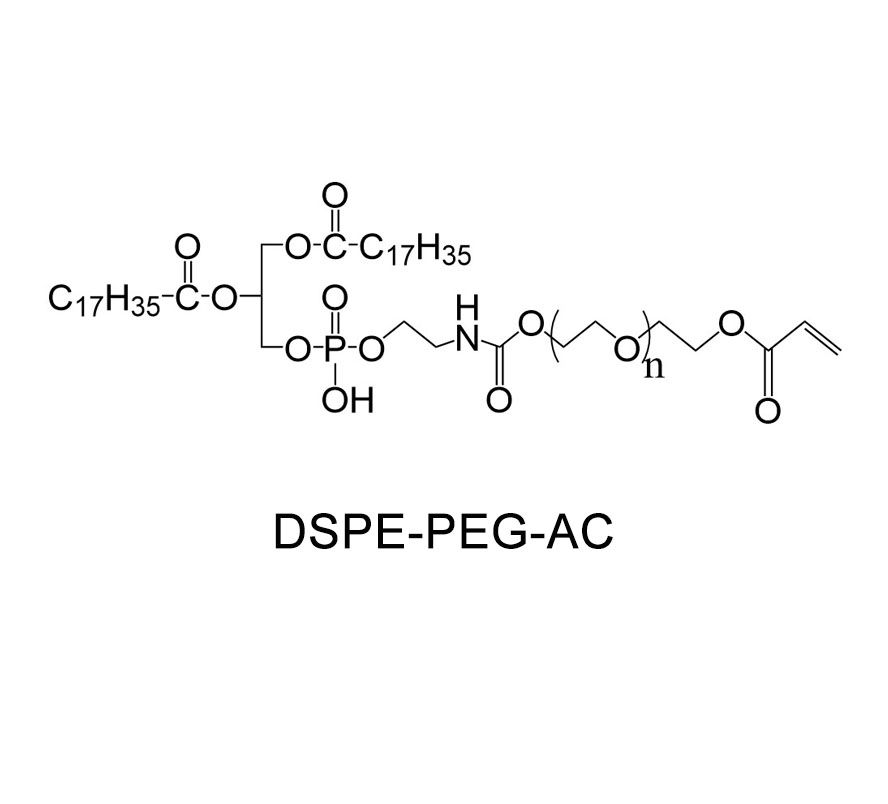
DSPE-PEG-ACFeaturedFeatured

DSPE-PEG-AC phospholipid PEG derivative used in the preparation of liposomes, phospholipatized polyethylene glycol binding has both hydrophilic and hydrophobic properties. Acrylate functionalized PEG is a common polymer for preparing biocompatible and biodegradable hydrogels and other biopolymers. Functionalized polyethylene glycol can be used to modify proteins, peptides, and materials, but also to increase solubility and stability, and reduce peptide and protein immunogenicity. It can also inhibit the non-specific combination of charged molecules to modify the surface. The product can be used in drug release, nanotechnology and new materials research, cell culture. As well as ligand research, peptide synthesis support, grafted polymer compounds, new materials and pegylated modified functional coatings and other active compounds.

DSPE-PEG-AC chemical structure
DSPE-PEG-CHOFeaturedFeatured

DSPE phospholipids can be used as pharmaceutical excipients for emulsification and drug solubilization, and are important materials for slow release drug preparations such as liposomes, fat milk and nanoparticles in recent years. Modification of phospholipid molecules can make these preparations have the ability of release and targeting under specific conditions. Common modification methods include: disintegration time; Introducing immune factors to enhance targeting; Introduce markers for diagnosis and tracking. A covalent bond in the carbonyl group is connected to the hydrogen atom and formed by a univalent atomic group, called aldehyde group, aldehyde group structure simple formula is -CHO, aldehyde group is a hydrophilic group, so the organic matter with aldehyde group (such as acetaldehyde, etc.) has a certain water solubility. Aldehydes, sugars, aldehydes, glucose, maltose and other molecules contain aldehyde groups. The aldehydes are active and prone to condensation and nucleophilic addition reactions. The aldehyde group can be reduced to hydroxymethyl (-CH2OH) or oxidized to carboxylic (-COOH).

DSPE-PEG-CHO chemical structure
DSPE-PEG-RGDFeaturedFeatured

RGD's receptors are integrins αvβ3 and αvβ5, which can mimic cell adhesion proteins and bind specifically to 11 kinds of integrins, which can effectively adhere to biological materials. DSPE-PEG-RGD can be used to make micelles and vesicles. The liposomes formed by RGD-PEG-DSPE can act directly on the target to form an active targeting effect. Rgd-peg-dspe peptide RGD polyethylene glycol phospholipid can be used for passive targeting of micelles and vesicles, active targeting research and drug delivery. DSPE (1, 2-distearoyl-SN-glycerol-3-phosphate ethanolamine) is a saturated 18-carbon phospholipid commonly used in the synthesis of liposomes. Polyethylene glycol (PEG) -coupled DSPE is hydrophilic and can be used for drug delivery, gene transfection, and biomolecular modification. Polyethylene glycol can enhance solubility and stability, reduce the nonspecific binding of charged molecules, and reduce the immunogenicity of polypeptides.

DSPE-PEG-RGD chemical structure
DSPE-PEG-ICGFeaturedFeatured

DSPE phospholipids can be used as pharmaceutical excipients for emulsification and drug solubilization, and are important materials for slow release drug preparations such as liposomes, fat milk and nanoparticles in recent years. Modification of phospholipid molecules can make these preparations have the ability of release and targeting under specific conditions. Common modification methods include: disintegration time; Introducing immune factors to enhance targeting; Introduce markers for diagnosis and tracking.

DSPE-PEG-ICG chemical structure
DSPE-PEG-CY7FeaturedFeatured

Polyethylene glycol phospholipid is an excellent material to form liposomes, which can be used for gene transfection, vaccine delivery, drug transportation, and targeted drug delivery. Phospholipids are hydrophobic and hydrophilic. It can be used to modify protein drugs, peptide compounds, organic small molecule drugs, biological materials, etc. Cy7 labeled PEG derivatives are used for fluorescence tracing or fluorescence observation.

DSPE-PEG-CY7 chemical structure
DSPE-PEG-NPCFeaturedFeatured

DSPE-PEG-NPC is a linear heterobifunctional polyglycolation reagent containing DSPE phospholipids and NPC groups. It is a useful self-assembly reagent for preparing PEGylated liposomes or micelles, and also provides a combination of NPC group and thiol containing molecules.

DSPE-PEG-NPC chemical structure
DSPE-PEG-FITCFeaturedFeatured

DSPE-PEG-FITC, is a fluorescein attached PEG lipid. It can be used to prepare liposomes as drug carrier in targeted drug delivery. The polymer is modified with fluorescein (green) dye which can be used for staining cells, tissues, biomarkers, or nanoparticles.

DSPE-PEG-FITC chemical structure
DSPE-PEG-OPSSFeaturedFeatured

DSPE-PEG-OPSS, DSPE (1,2-distearoyl-sn-glycerol-3-phosphoethanolamine) is a saturated 18 carbon phospholipid, commonly used in the synthesis of liposomes. Polyethylene glycol (PEG) - coupled DSPE is hydrophilic and can be used for drug delivery, gene transfection and biomolecular modification. The PEG of phospholipid significantly improved the blood circulation time and stability of the capsule drug. Polyethylene glycol can enhance the solubility and stability, reduce the non-specific binding of charged molecules on the surface, and reduce the immunogenicity of polypeptides. Mercaptopyridine reacts with mercapto group to release pyridine ring and generate stable disulfide bond.

DSPE-PEG-OPSS chemical structure
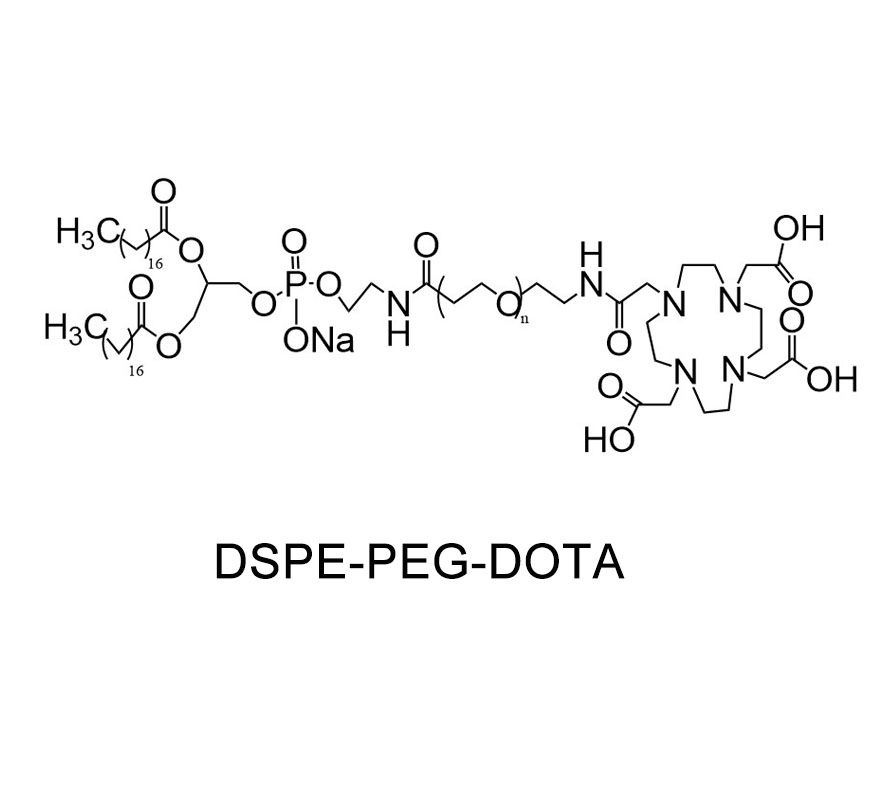
DSPE-PEG-DOTAFeaturedFeatured

Macrocyclic ligands are ring complexes formed by multi-dentate ligands with O, N, P, S and other coordination atoms on the ring skeleton. The range of complexes is wide. According to their structural characteristics, complexes can be divided into the following types: simple complexes, chelates, polynuclear complexes, carbonyl complexes, metal clusters, sandwich complexes, and macrocyclic ligand complexes.

DSPE-PEG-DOTA chemical structure
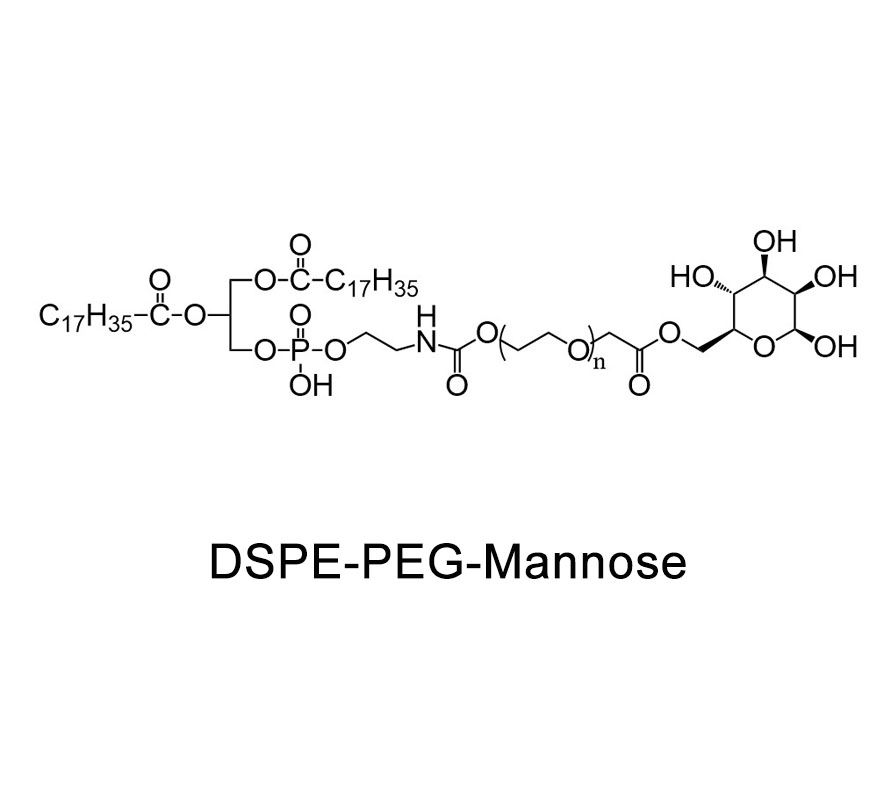
DSPE-PEG-MannoseFeaturedFeatured

DSPE (1,2-distearoyl-sn glycerol-3-phosphoethanolamine) is a saturated 18C phospholipid commonly used in liposome synthesis. Polyethylene glycol (PEG) conjugated DSPE has hydrophilicity and hydrophobicity, and can be used for drug delivery, gene transfection, and biomolecular modification. DSPE-PEG-Manose can be applied in medical research, drug release, nanotechnology and new material research, and cell culture. As well as ligand research, peptide synthesis support, grafting of polymer compounds, new materials, and polyethylene glycol modified functional coatings and other active compounds.

DSPE-PEG-Mannose chemical structure
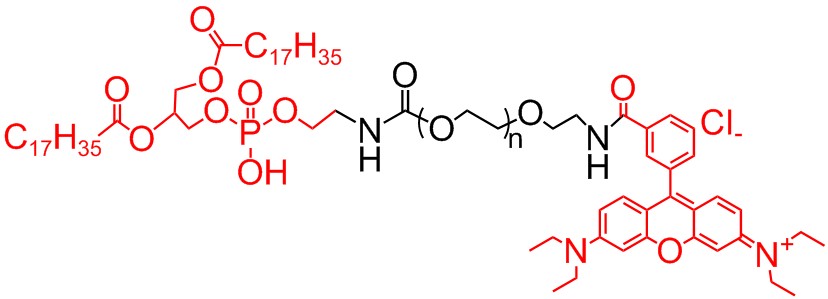
DSPE-PEG-RhodamineFeaturedFeatured

DSPE-PEG-FITC is a fluorescein attached PEG lipid. It can be used to prepare liposomes as drug carrier in targeted drug delivery. The polymer is modified with fluorescein (green) dye which can be used for staining cells, tissues, biomarkers, or nanoparticles.

DSPE-PEG-Rhodamine chemical structure
DSPE-PEG-GalactoseFeaturedFeatured

Long circulating liposomes were obtained by modifying the surface of liposomes with polyethylene glycol, which could prolong the half-life of liposomes, improve its stability in blood circulation, and change the biological distribution of liposomes.

DSPE-PEG-Galactose chemical structure
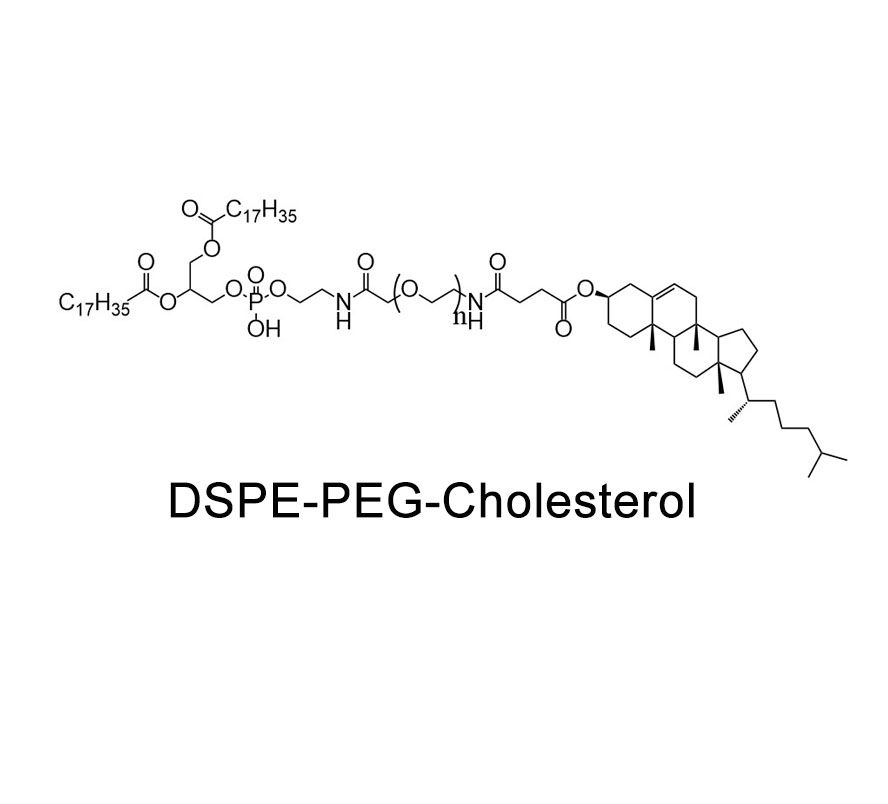
DSPE-PEG-CholesterolFeaturedFeatured

DSPE-PEG-CLS is a phospholipid PEG derivative used in liposome preparation, phospholipid polyethylene glycol binding with hydrophilic and hydrophobic, polyethylene glycol phospholipid liposome formation material, which can be used for drug delivery, gene transfection and vaccine delivery. Cholesterol is the basic substance of cell membrane and liposome, is also an indispensable important substance of animal tissue cells, it not only participates in the formation of cell membrane, but also is the raw material of synthesis of bile acid, vitamin D and steroid hormone.

DSPE-PEG-Cholesterol chemical structure

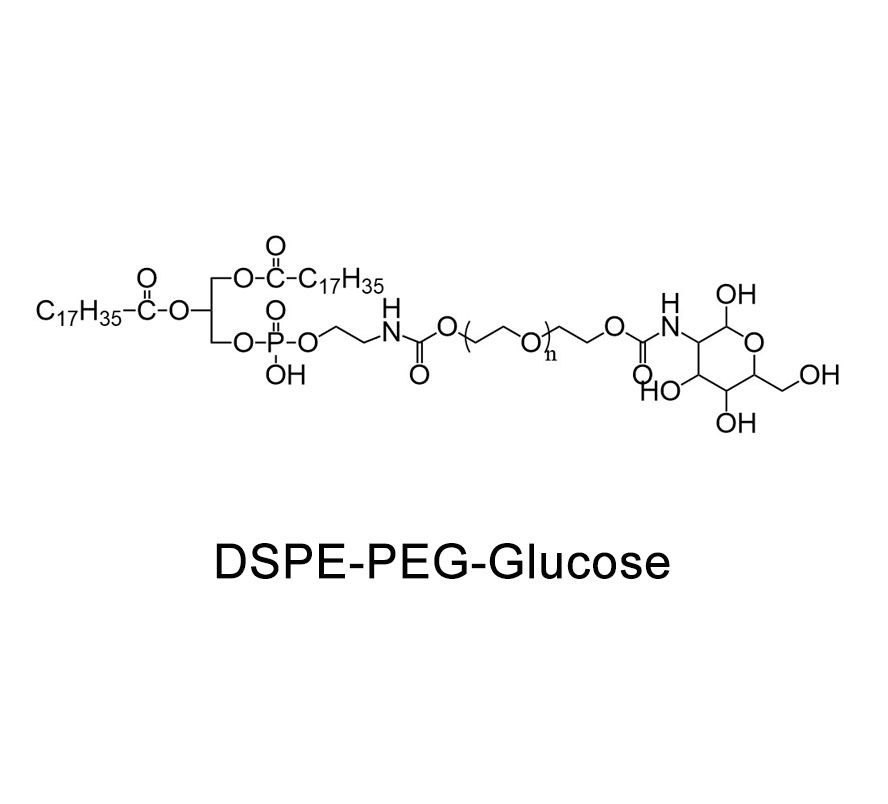
Glucose, organic compound, molecular formula C6H12O6. It is one of the most widely distributed and important monosaccharides in nature, and it is a polyhydroxyaldehyde. Glucose plays an important role in the field of biology, that is, the main energy supplier of living things. Plants produce glucose through photosynthesis. Liposome has the advantages of low toxicity, easy preparation, as a carrier of both water-soluble and fat-soluble drugs, suitable for a variety of drug delivery routes, improve drug stability, and achieve targeted drug delivery. However, after the liposome enters the body, it is easy to be taken up and cleared by RES cells due to the specific conditioning effect of opsonins in plasma on the liposome and the non-specific hydrophobic interaction between RES cells and liposome.

DSPE-PEG-Glucose;DSPE-PEG2000-Glucose chemical structure

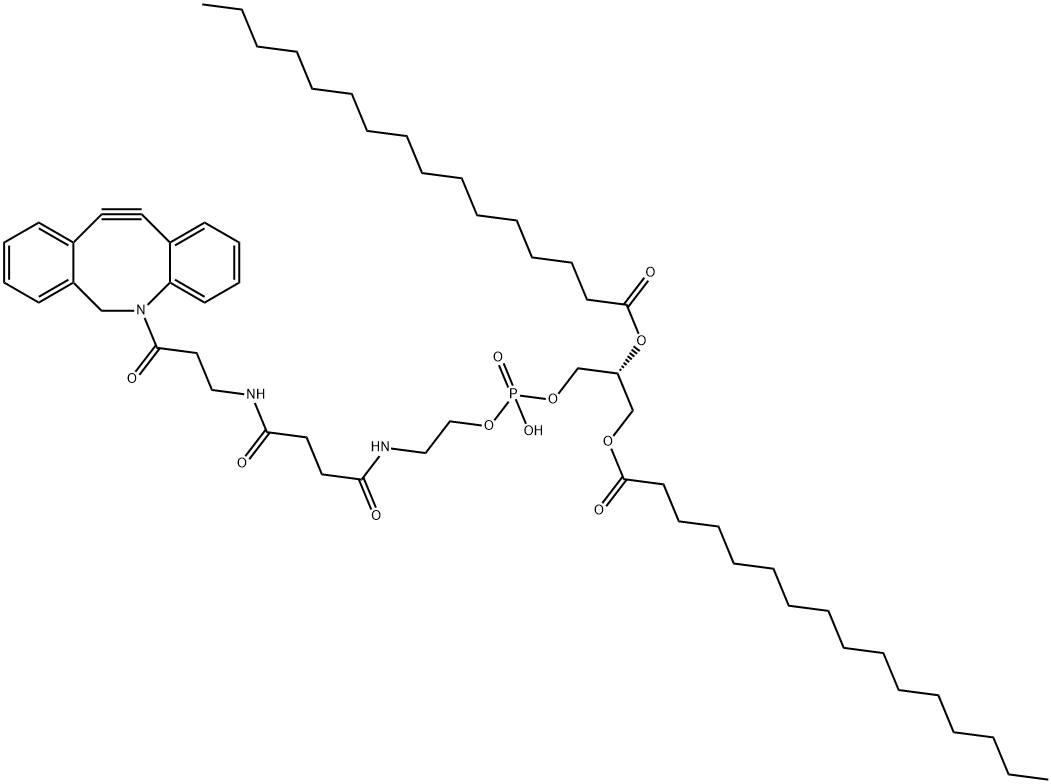
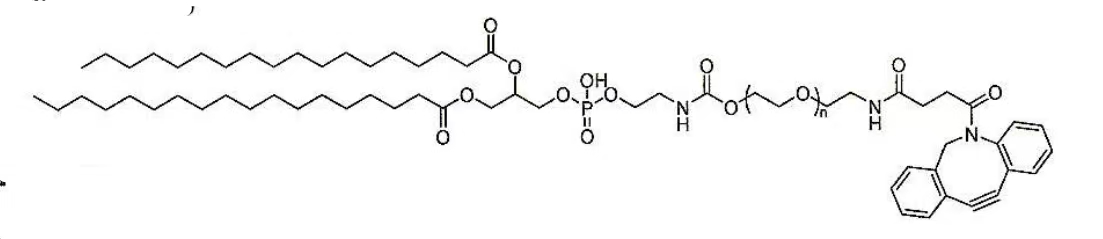
DSPE-PEG-DBCO ammonium is the ammonium salt form of DSPE-PEG-DBCO. DSPE-PEG-DBCO ammonium is utilized in copper-free click chemistry through SPAAC conjugation with an azido-functionalized peptide ligand. DSPE-PEG-DBCO ammonium is applied in drug-delivery and nanoparticle research.

DSPE-PEG2000-DBCO chemical structure
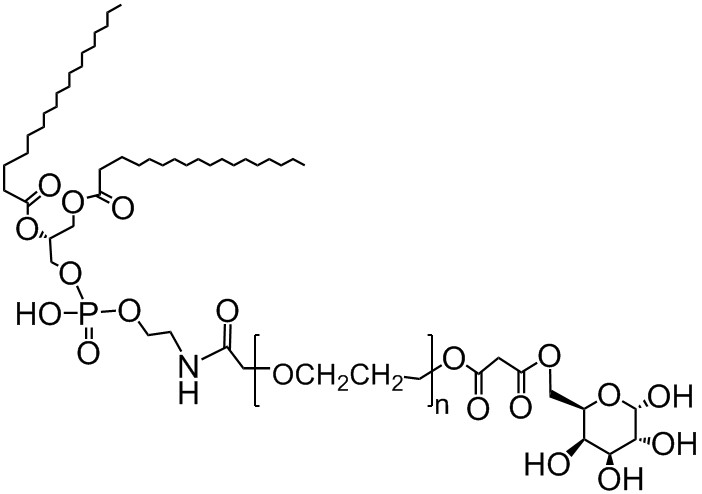
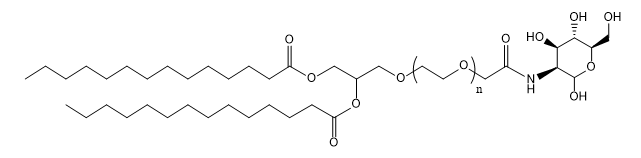
DMG-PEG-MannoseFeaturedFeatured

DMG-PEG-Mannose is a specialized functionalized lipid used primarily for the targeted delivery of lipid nanoparticles (LNPs) and liposomes to cells expressing mannose receptors, such as macrophages and dendritic cells. It combines a 1,2-dimyristoyl-sn-glycerol (DMG) lipid anchor with a polyethylene glycol (PEG) spacer and a terminal mannose sugar moiety.

DMG-PEG-Mannose chemical structure
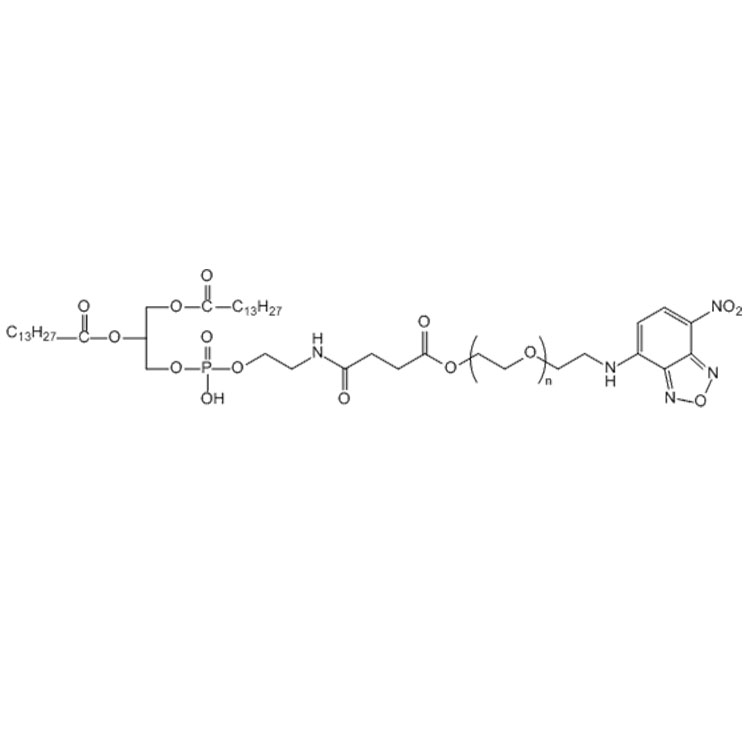
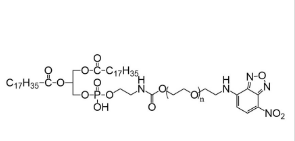
DMPE-PEG-NBD (PEG2000)FeaturedFeatured

DMPE-PEG, a synthetic lipid, possesses unique properties and finds extensive applications as liposomes. Firstly, DMPE-PEG exhibits excellent biocompatibility and solubility, allowing for its stable presence and efficient absorption and metabolism in vivo. Additionally, DMPE-PEG possesses good surface activity, aiding in the stabilization of liposome structures and enhancing their stability.

DMPE-PEG-NBD (PEG2000) chemical structure
DSPE-PEG-NBD(PEG2000)FeaturedFeatured

DSPE-PEG-NBD is a fluorescent phospholipid PEG conjugate, which can be used as a lipid membrane probe. The excitation/emission wavelength of NBD is 460 nm/534 nm.

DSPE-PEG-NBD(PEG2000) chemical structure

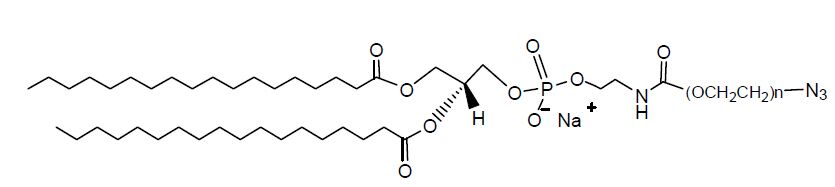
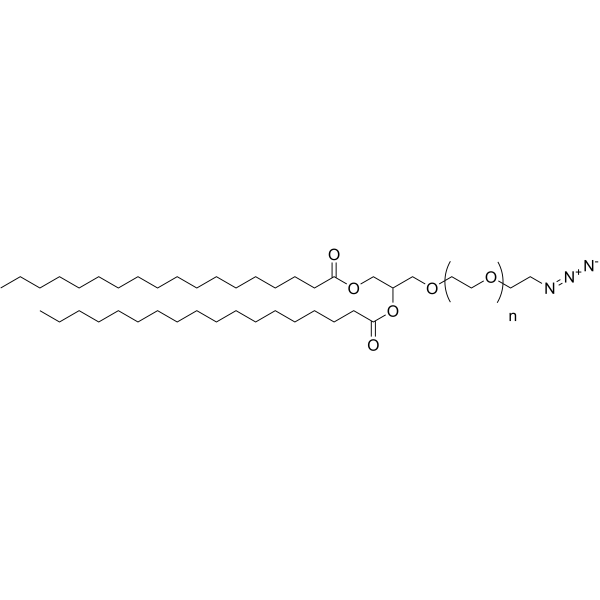
DSPE-PEG-N3 is a click chemical PEG reagent. Azide group is easy to react with alkynyl group under the catalysis of copper catalyst. It can also react directly with DBCO without any catalyst. DSPE (1,2-distearoyl-sn-glycerol-3-phosphoethanolamine) is a saturated 18 carbon phospholipid, which is commonly used in the synthesis of liposomes. Polyethylene glycol (PEG) - coupled DSPE is hydrophilic and can be used for drug delivery, gene transfection and biomolecular modification. The PEG of phospholipid significantly improved the blood circulation time and stability of the capsule drug. Polyethylene glycol can enhance the solubility and stability, reduce the non-specific binding of charged molecules on the surface, and reduce the immunogenicity of polypeptides. Azide (- N3) can react with copper catalyzed alkynes in aqueous solution and be reduced to amino groups. Polyethylene glycol can increase solubility and stability. It can also inhibit the nonspecific binding of charged molecules on the modified surface.

DSPE-PEG-N3(DSPE-PEG-Azide, MW2000) chemical structure
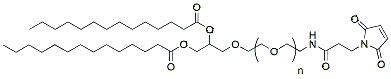
DMG-PEG-Mal, MW 2,000FeaturedFeatured

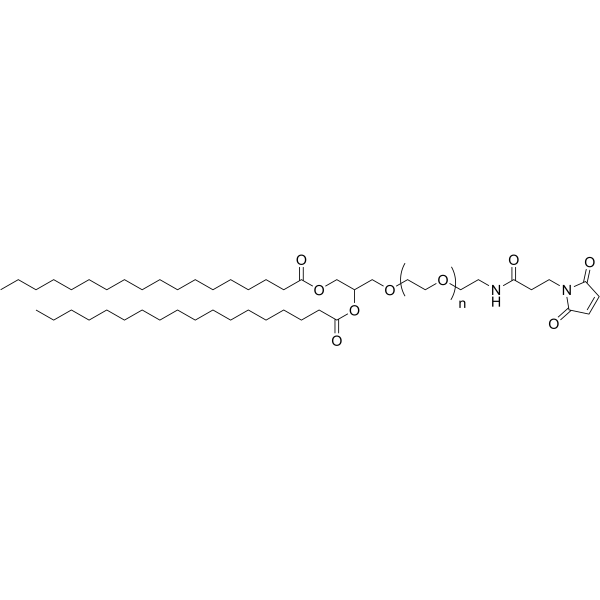
DMG-PEG-Mal, MW 2,000 is a lipid PEG consisting of DMG and maleimide for reacting with thiols between pH 6.5 to 7.5

DMG-PEG-Mal, MW 2,000 chemical structure
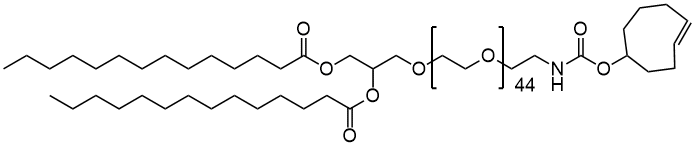
DMG-PEG-TCO (MW2000)FeaturedFeatured

DMG-PEG2000-TCO offer the ability to easily conjugate to specific biomolecules via metal free click chemistry to tetrazines. By changing the PEG length, one can change the micelle size, immunological safety, and change the drug release rate.

DMG-PEG-TCO (MW2000) chemical structure
DSG-PEG3400-MalFeaturedFeatured

DSG-PEG3400-Mal is a conjugate composed of DSG, PEG chains, and maleimide (Mal). The maleimide group in DSG-PEG3400-Mal can undergo a specific Michael addition reaction with thiol-containing (-SH) biomolecules (such as peptides, antibodies, and aptamers), enabling targeted modification of liposomes/nanoparticles.

DSG-PEG3400-Mal chemical structure
DSG-PEG3400-N3FeaturedFeatured

DSG-PEG3400-N3 is a conjugate composed of DSG, PEG chains, and terminal azido groups (-N3). DSG-PEG3400-Azide is a click chemistry reagent used for the targeted modification of liposomes/nanoparticles.

DSG-PEG3400-N3 chemical structure
DSPE-PEG-DSS6FeaturedFeatured

DSS6-PEG-DSPE,DSPE-PEG-DSS6 is a composite molecule composed of phospholipids(DSPE),polyethylene glycol(PEG),and bone targeting peptide DSS6,mainly used for bone targeted drug delivery and bone tissue repair. Its core structure achieves precise targeting and efficient delivery through the synergistic effect of three parts.The DSS6 peptide consists of six Asp-Ser-Ser amino acid repeat sequences and can specifically recognize hydroxyapatite(HAp)in bone tissue.

DSPE-PEG-DSS6 chemical structure
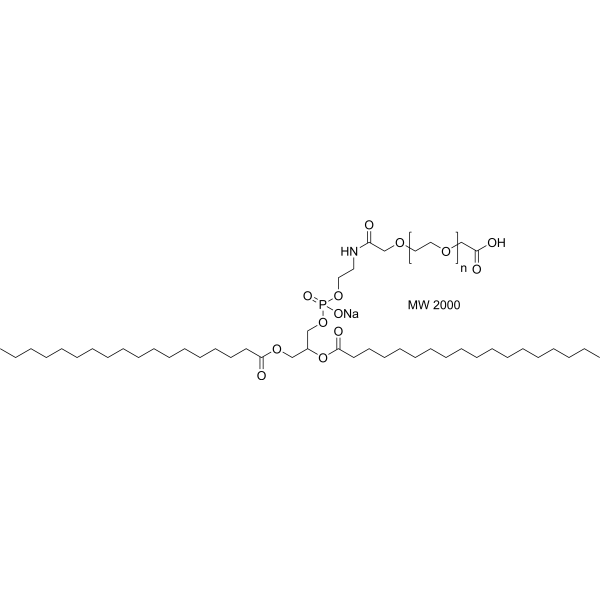
DSPE-PEG14-COOHFeaturedFeatured

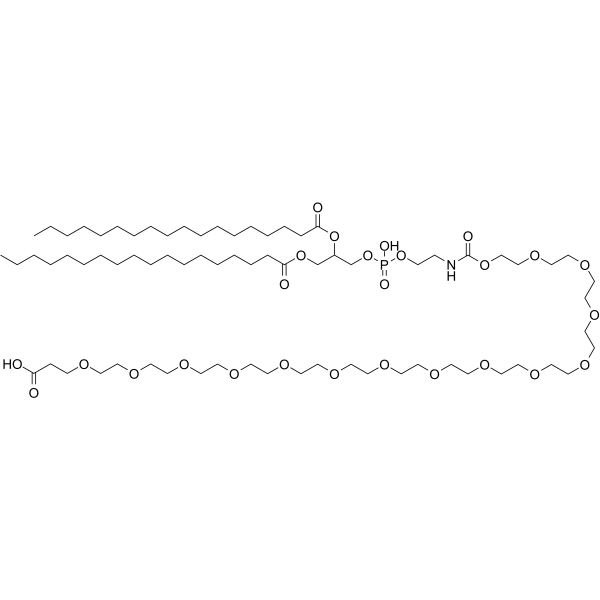
DSPE-PEG14-COOH is a PEG-based PROTAC linker that can be used in the synthesis of PROTACs.

DSPE-PEG14-COOH chemical structure
DMG-PEG2000-BiotinFeaturedFeatured

DMG-PEG2000-Biotin is a synthetic amphiphilic molecule composed of dimyristoyl glycerol (DMG), polyethylene glycol (PEG2000), and biotin functionalities. It is commonly employed in biomedical research for surface modification of lipid-based delivery platforms, such as lipid nanoparticles (LNPs) and liposomes. The PEG moiety enhances colloidal stability, prolongs circulation time, and reduces rapid clearance in vivo. The biotin termination facilitates conjugation to streptavidin-tagged biomolecules, exploiting the highly specific biotin-streptavidin interaction. Thus, DMG-PEG2000-Biotin is valuable for drug-delivery optimization, targeted therapeutic approaches, and in vitro diagnostic assay development.

DMG-PEG2000-Biotin chemical structure
Thiol-PEG2000-DMGFeaturedFeatured

Thiol-PEG2000-DMG is a phospholipid polyPEG which can be used to prepare liposomes or nanoparticles. The terminal thiol group reacts with maleimide, OPSS, vinylsulfone and transition metal surfaces including gold, silver, etc.

Thiol-PEG2000-DMG chemical structure
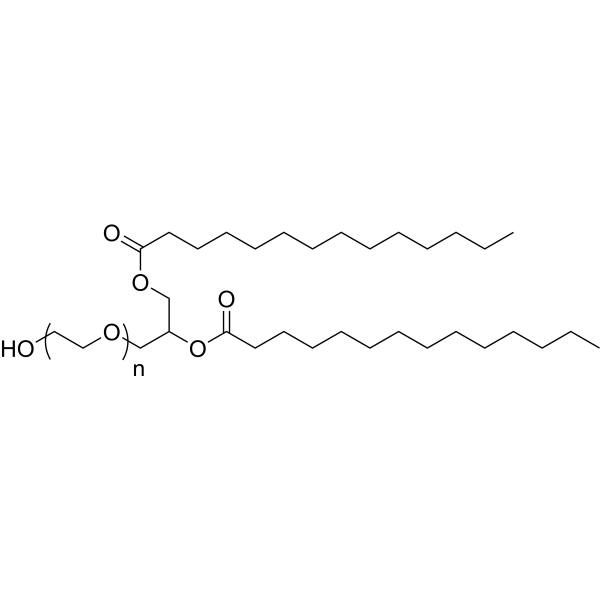
DMG-PEG2000-OHFeaturedFeatured

DMG-PEG2000-OH is a PEG derivative that can be used to construct drug delivery vehicles.

DMG-PEG2000-OH chemical structure
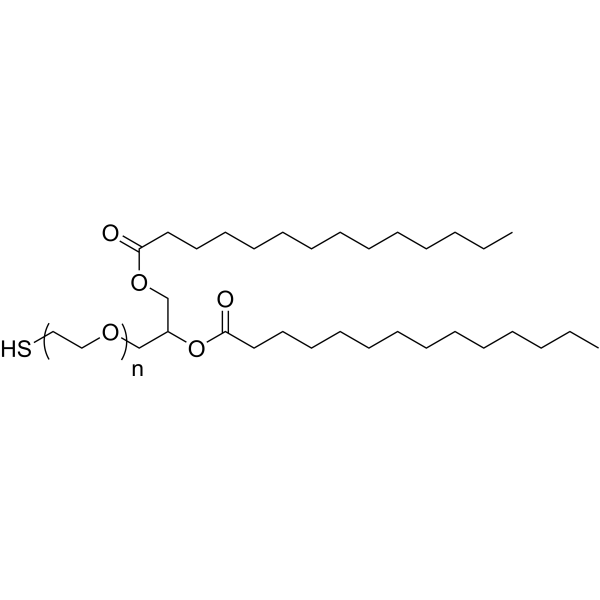
DMG-PEG2000-SHFeaturedFeatured

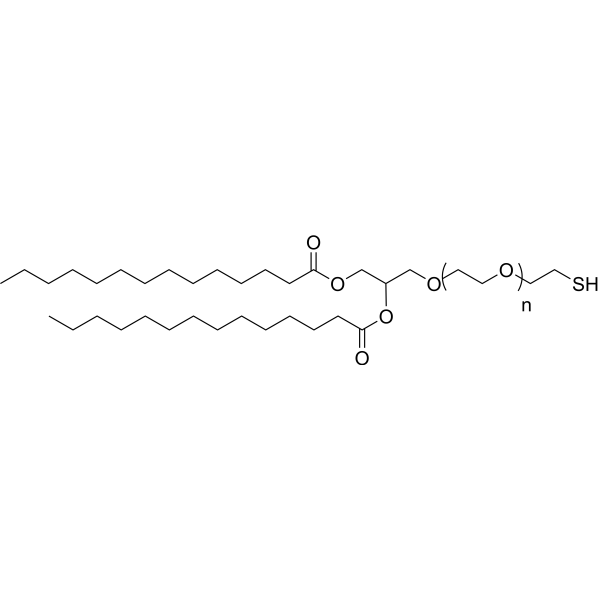
DMG-PEG2000-SH is a PEG derivative that can be used to construct drug delivery vehicles.

DMG-PEG2000-SH chemical structure
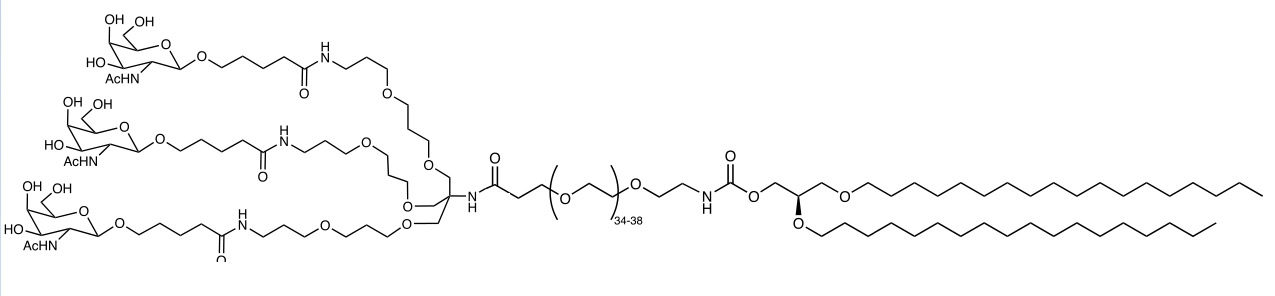
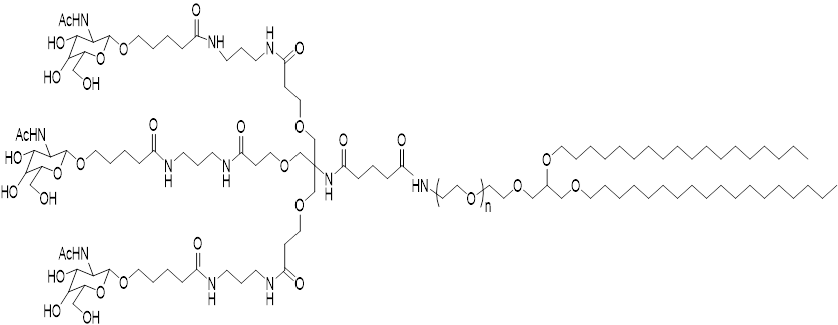
Tri-GalNAc-DSPE-PEG2000FeaturedFeatured

DSPE-PEG2K-triGalNAc is a polar lipid composed of DSPE and tri-N-acetylgalactosamine that can be used to construct liposomes target to asialoglycoprotein receptor (ASGPR).

Tri-GalNAc-DSPE-PEG2000 chemical structure
DSPE-PEG(2000)-AmineFeaturedFeatured

DSPE-PEG(2000)-Amine is used in the synthesis of solid lipid and thermosensitive liposomal nanoparticles for the delivery of anticancer agents.

DSPE-PEG(2000)-Amine chemical structure
DMPE-PEG-Rhodamine BFeaturedFeatured

DMPE-PEG, a synthetic lipid, possesses unique properties and finds extensive applications as liposomes. Firstly, DMPE-PEG exhibits excellent biocompatibility and solubility, allowing for its stable presence and efficient absorption and metabolism in vivo. Additionally, DMPE-PEG possesses good surface activity, aiding in the stabilization of liposome structures and enhancing their stability.

DMPE-PEG-Rhodamine B chemical structure
DOPE-PEG-NBDFeaturedFeatured

DOPE-PEG is a versatile phospholipid derivative with unique properties that make it suitable for various applications. Its hydrophobic and hydrophilic nature enables efficient encapsulation and delivery of drugs and nucleic acids, making it a valuable tool in drug delivery systems and gene therapy. Additionally, DOPE-PEG can enhance the stability and circulation time of liposomes, improving their efficacy as drug carriers.

DOPE-PEG-NBD chemical structure

DSPE-PEG-Streptavidin is an important biocoupling molecule widely used in biomedical research, especially in drug delivery, targeted therapies, immunodiagnostics and biosensors. Through the specific binding between streptavidin and biotin, DSPE-PEG-Streptavidin can help to achieve efficient loading and targeted action in targeted delivery systems. In addition, the molecule is widely used in molecular imaging and bioassays, especially for molecular recognition using the strong affinity between streptavidin and biotin in assay platforms that require high sensitivity and specificity.

DSPE-PEG-Streptavidin (MW2000) chemical structure

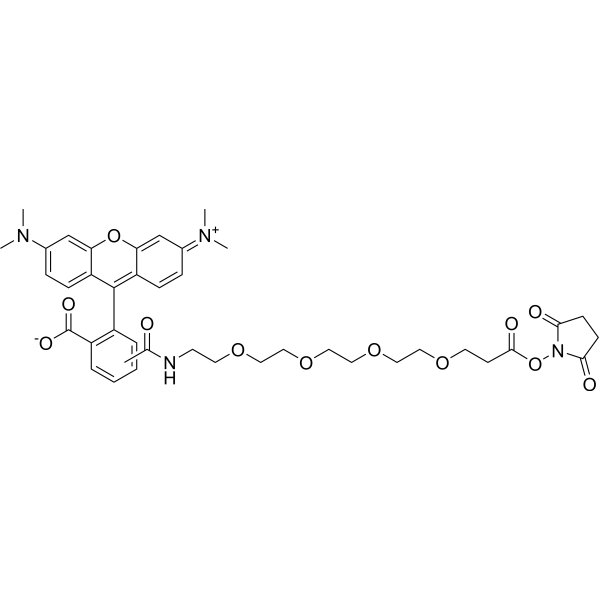
TAMRA-PEG4-NHS ester is a TAMRA red fluorescent dye derivative containing an NHS ester group which can be used to label the primary amines (-NH2) of proteins, amine-modified oligonucleotides, and other amine-containing molecules.

TAMRA-PEG4-NHS ester chemical structure
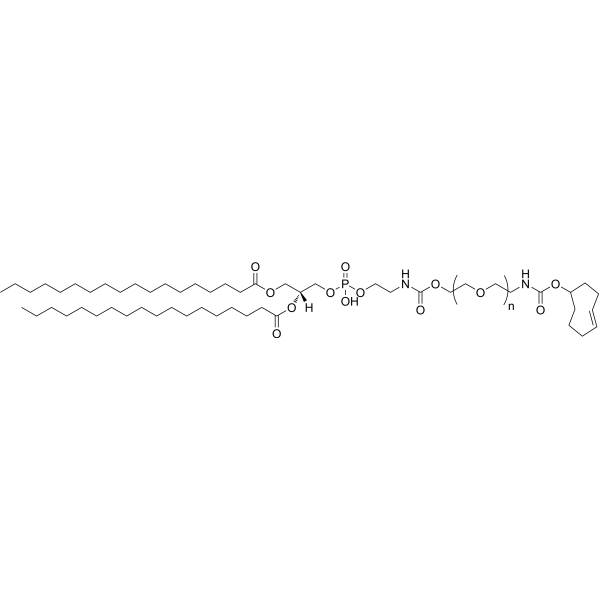
DSPE-PEG-TCO (MW 2000)FeaturedFeatured

DSPE-PEG-TCO (2000 Da) is a functionalized polyethylene glycol lipid conjugate engineered to enhance drug delivery systems. This amphiphilic polymer-lipid hybrid demonstrates unique capabilities in optimizing the bioavailability and targeted distribution of hydrophobic therapeutic compounds. Its molecular architecture combines a lipid anchor with a biocompatible PEG chain terminated by a trans-cyclooctene (TCO) group, enabling precise tissue-specific interactions while improving pharmacokinetic profiles. Researchers frequently employ this advanced biomaterial in developing nanoparticle formulations and ligand-directed therapeutic platforms for enhanced precision medicine applications.

DSPE-PEG-TCO (MW 2000) chemical structure
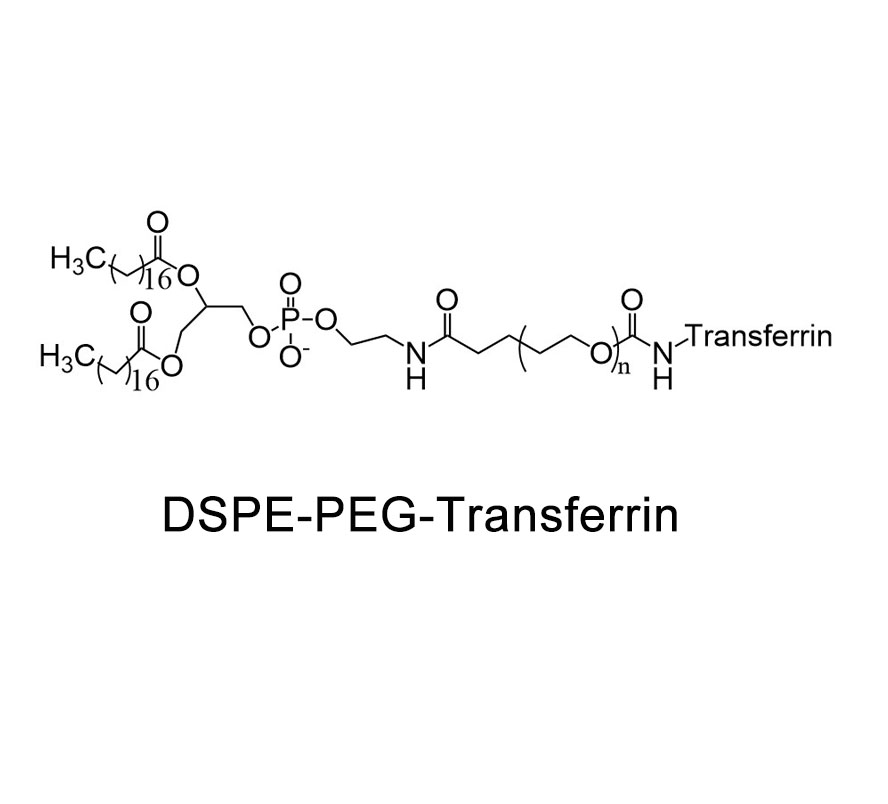
DSPE-PEG-TransferrinFeaturedFeatured

The transferrin receptor (TfR) is a transmembrane glycoprotein whose function is to mediate iron absorption through its interaction with transferrin. In normal cells, the expression level of the receptor is low, and the expression of the transferrin receptor in cells (chronic lymphocytic non-Hodgkin tumors) is significantly increased due to the increased demand for iron in rapidly growing cells [2-4]. At present, two transferrin receptors, TfR1 and TfR2, have been found, both of which are type II transmembrane glycoproteins that bind to transferrin and mediate iron absorption. TfR1 is expressed in many cells (such as red blood cells, hepatocytes, monocytes), and can change its conformation according to the change of environmental pH, and convert the results of conformational change into a change in the binding strength of transferrin. TfR2 is mainly expressed in the liver, and its main function may be to regulate and maintain the homeostasis of iron ions in the body, while its role in transporting iron ions to rapidly dividing tissues is weak. Using the effective targeting function of transferrin receptor, the cross-linking of transferrin and drugs can improve the specific binding ability of drugs, but also improve the effect.

DSPE-PEG-Transferrin chemical structure

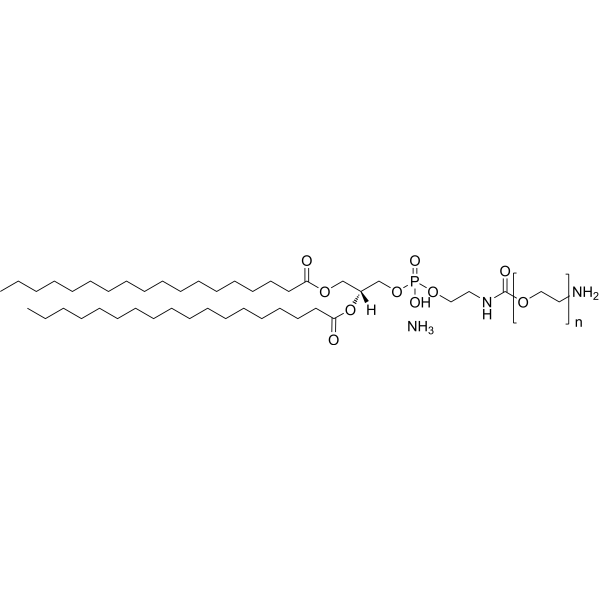
DSPE-PEG(2000)-amine is a PEGylated derivative of 1,2-distearoyl-sn-glycero-3-PE (DSPE; Item No. 15095). It has been used in the synthesis of solid lipid and thermosensitive liposomal nanoparticles for the delivery of anticancer agents. DSPE-PEG(2000)-amine has also been used in the synthesis of fluorescein isothiocyanate-loaded mesoporous silica nanoparticles for imaging applications.4 It can be conjugated to a variety of functional molecules for improved cellular targeting and uptake of DSPE-PEG(2000)-amine-containing nanoparticles.

DSPE-PEG(2000)-amine (sodium salt) chemical structure

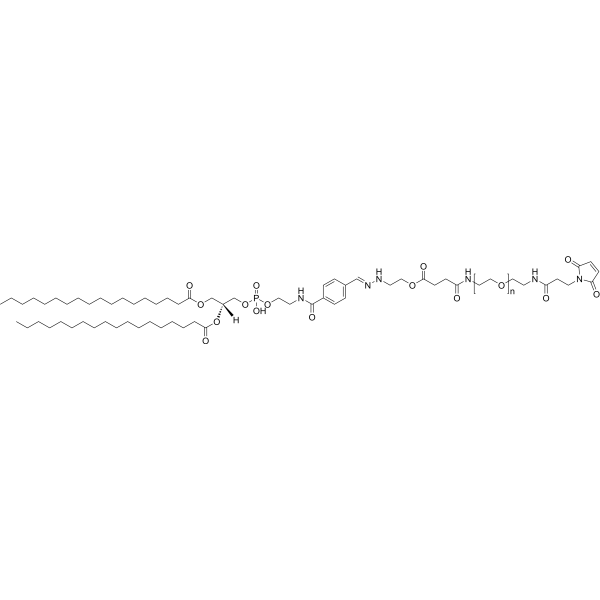
DSPE-Hyd-PEG, also known as distearoylphosphoethanolamine-hydrazide-polyethylene glycol, is a type of lipid-based polymer that has various applications in drug delivery and biomedical research. One of the main applications of DSPE-Hyd-PEG is in the field of targeted drug delivery. It is often used as a component of liposomes or lipid nanoparticles to improve the stability and targeting ability of drug carriers. DSPE-Hyd-PEG can be conjugated with targeting ligands, such as antibodies or peptides, to specifically bind to receptors on the surface of target cells. This targeted drug delivery system allows for more efficient and selective delivery of therapeutic agents to the desired site, while minimizing off-target effects.

DSPE-Hyd-PEG-Mal (MW 2000) chemical structure

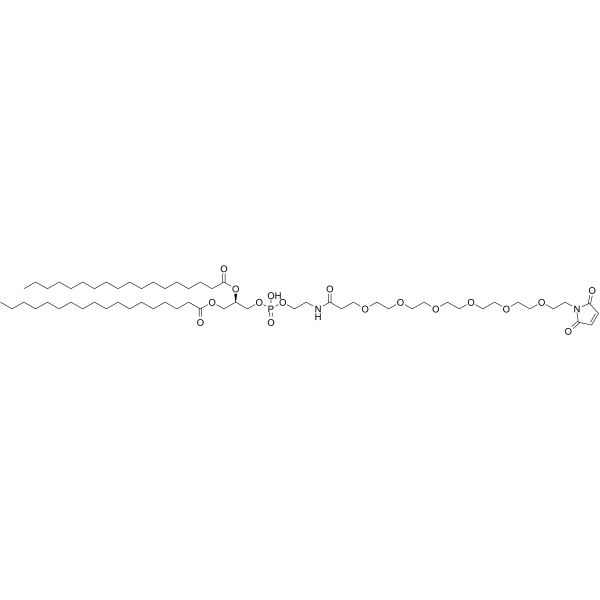
DSPE-PEG-Maleimide, MW 2,000 is a PEG compound with DSPE and maleimide groups. The DSPE-PEGs have been FDA approved for medical applications. The hydrophobic properties of the DSPE allow for the encapsulation and congregation of other hydrophobic drugs. The hydrophilic polyPEG increases the water solubility of the overall compound allowing for the delivery of the drug. Maleimide groups can react with thiol groups between pH 6.5 to 7.5.

DSPE-PEG-Maleimide (MW 2000) chemical structure

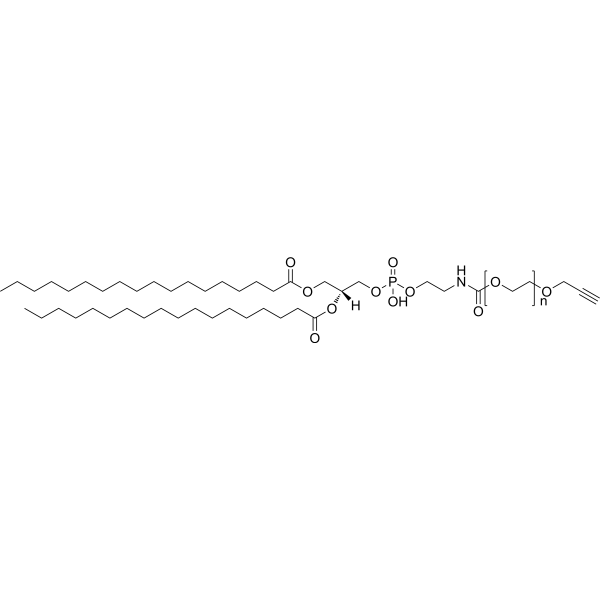
The phospholipid polyethylene glycol alkyne (DSPE PEG Alkyne) can be used to modify proteins, peptides and other materials or small molecules. Alkynyl (- ALK) can react with copper catalyzed azide in aqueous solution. 2-Distearoyl-sn-Glycero-3-Phosphoethanolamine (DSPE) conjugated polyethylene glycol is a combination of phospholipid and polyethylene glycol with hydrophilicity and hydrophobicity. Polyethylene glycol phospholipid liposomes form high-quality materials, which can be used for drug delivery, gene transfection and vaccine delivery. PEGylated phospholipid can significantly improve blood circulation time and stabilize drug encapsulation. These materials can also be used for targeted drug delivery by modifying ligands with target surfaces such as antibodies and peptides.

DSPE-PEG-alkyne (MW 2000) chemical structure
DSPE-m-PEG-NHS (MW 3400)FeaturedFeatured

DSPE-m-PEG-NHS (MW 3400) is a pegylated phospholipid derivatives which can be used to prepare liposome or lipid nanoparticles for targeted drug delivery system, such as DNA or mRNA vaccine.

DSPE-m-PEG-NHS (MW 3400) chemical structure
DSPE-Hyd-PEG-CholesterolFeaturedFeatured

DSPE-Hyd-PEG, also known as distearoylphosphoethanolamine-hydrazide-polyethylene glycol, is a type of lipid-based polymer that has various applications in drug delivery and biomedical research. One of the main applications of DSPE-Hyd-PEG is in the field of targeted drug delivery. It is often used as a component of liposomes or lipid nanoparticles to improve the stability and targeting ability of drug carriers. DSPE-Hyd-PEG can be conjugated with targeting ligands, such as antibodies or peptides, to specifically bind to receptors on the surface of target cells. This targeted drug delivery system allows for more efficient and selective delivery of therapeutic agents to the desired site, while minimizing off-target effects.

DSPE-Hyd-PEG-Cholesterol chemical structure
DSPE-PEG-Cy5(MW 2000 )FeaturedFeatured

The molecules can be labeled in the aqueous phase without organic solvents. Therefore, the product is especially suitable for labeling proteins that are easily denatured in the organic phase and proteins with low solubility. Polyethylene glycol phospholipid liposomes form high-quality materials, which can be used for drug delivery, gene transfection and vaccine delivery. Pegylated phospholipids can significantly improve blood circulation time and stabilize drug encapsulation. These materials can also be used for targeted drug delivery by modifying surface ligands such as antibodies and peptides. (DSPE) conjugated polyethylene glycol is a combination of phospholipids and polyethylene glycol, which has hydrophilicity and hydrophobicity. These materials can also be used for targeted drug delivery by modifying ligands with target surfaces, such as antibodies and peptides. Cyanogen dye cyanine is often used in biomolecular labeling, fluorescence imaging and other fluorescent biological analysis. Cy5 (sulfo-cyanine5) is a reactive dye used to label amino groups of peptides, proteins and oligonucleotides. Excitation wavelength (nm): 649, emission wavelength (nm): 670.

DSPE-PEG-Cy5(MW 2000 ) chemical structure
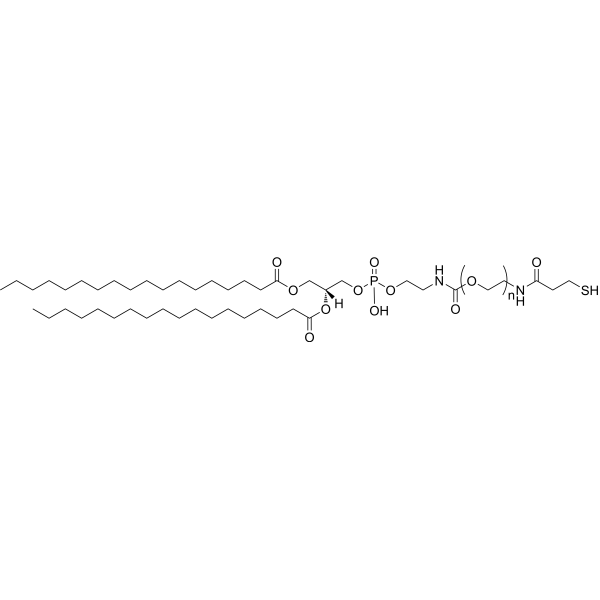
DSPE-PEG-SH, MW 2000FeaturedFeatured

DSPE-PEG-SH, MW 2000 is a pegylated phospholipid with thiol group which is reactive with maleimide to form a covalent thioether linkage. The amphiphatic polymer can form lipid bilayer in aqueous solution and be used to encapsulate agents for drug delivery system, such as mRNA vaccine.

DSPE-PEG-SH, MW 2000 chemical structure
DSPE-Hyd-PEG-BiotinFeaturedFeatured

DSPE-Hyd-PEG, also known as distearoylphosphoethanolamine-hydrazide-polyethylene glycol, is a type of lipid-based polymer that has various applications in drug delivery and biomedical research. One of the main applications of DSPE-Hyd-PEG is in the field of targeted drug delivery. It is often used as a component of liposomes or lipid nanoparticles to improve the stability and targeting ability of drug carriers. DSPE-Hyd-PEG can be conjugated with targeting ligands, such as antibodies or peptides, to specifically bind to receptors on the surface of target cells. This targeted drug delivery system allows for more efficient and selective delivery of therapeutic agents to the desired site, while minimizing off-target effects.

DSPE-Hyd-PEG-Biotin chemical structure
DSPE-Hyd-PEG-SilaneFeaturedFeatured

DSPE-Hyd-PEG, also known as distearoylphosphoethanolamine-hydrazide-polyethylene glycol, is a type of lipid-based polymer that has various applications in drug delivery and biomedical research. One of the main applications of DSPE-Hyd-PEG is in the field of targeted drug delivery. It is often used as a component of liposomes or lipid nanoparticles to improve the stability and targeting ability of drug carriers. DSPE-Hyd-PEG can be conjugated with targeting ligands, such as antibodies or peptides, to specifically bind to receptors on the surface of target cells. This targeted drug delivery system allows for more efficient and selective delivery of therapeutic agents to the desired site, while minimizing off-target effects.

DSPE-Hyd-PEG-Silane chemical structure
DSPE-PEG-LactoferrinFeaturedFeatured

The affinity between lactoferrin and iron ion is very high, which is 250 to 300 times that of transferrin. According to the difference of lactoferrin binding iron ions, it can be divided into three types: iron deficiency type, iron semi-satiation type and iron saturated type. Different types of lactoferrin have different ability to resist pasteurization thermal denaturation, in which iron saturated type resistance is strong, iron deficiency type resistance is weak. Lactoferrin can bind not only Fe3+ and Fe2+, but also Cu2+, Mn2+ and Zn2+.

DSPE-PEG-Lactoferrin chemical structure
DSPE-Hyd-PEG-AlkyneFeaturedFeatured

DSPE-Hyd-PEG, also known as distearoylphosphoethanolamine-hydrazide-polyethylene glycol, is a type of lipid-based polymer that has various applications in drug delivery and biomedical research. One of the main applications of DSPE-Hyd-PEG is in the field of targeted drug delivery. It is often used as a component of liposomes or lipid nanoparticles to improve the stability and targeting ability of drug carriers. DSPE-Hyd-PEG can be conjugated with targeting ligands, such as antibodies or peptides, to specifically bind to receptors on the surface of target cells. This targeted drug delivery system allows for more efficient and selective delivery of therapeutic agents to the desired site, while minimizing off-target effects.

DSPE-Hyd-PEG-Alkyne chemical structure
DSPE-SS-PEG-MannoseFeaturedFeatured

Phospholipids are commonly used polymeric gene carriers. DSPE with high molecular weight can effectively compound DNA, and has strong buffered capacity under endosomal pH conditions, showing good transfection efficiency for a variety of cells. However,DAPE is not easily degraded, and high molecular weight DAPE as a gene carrier may lead to short - or long-term cytotoxicity.

DSPE-SS-PEG-Mannose chemical structure
DSPE-glutaric acidFeaturedFeatured

DSPE-glutaric acid is a lipid. DSPE-glutaric acid can be used for the research of various biochemical.

DSPE-glutaric acid chemical structure
DSPE-Hyd-PEG-FITCFeaturedFeatured

DSPE-Hyd-PEG, also known as distearoylphosphoethanolamine-hydrazide-polyethylene glycol, is a type of lipid-based polymer that has various applications in drug delivery and biomedical research. One of the main applications of DSPE-Hyd-PEG is in the field of targeted drug delivery. It is often used as a component of liposomes or lipid nanoparticles to improve the stability and targeting ability of drug carriers. DSPE-Hyd-PEG can be conjugated with targeting ligands, such as antibodies or peptides, to specifically bind to receptors on the surface of target cells. This targeted drug delivery system allows for more efficient and selective delivery of therapeutic agents to the desired site, while minimizing off-target effects.

DSPE-Hyd-PEG-FITC chemical structure
DSPE-Hyd-PEG-cRGDFeaturedFeatured

DSPE-Hyd-PEG, also known as distearoylphosphoethanolamine-hydrazide-polyethylene glycol, is a type of lipid-based polymer that has various applications in drug delivery and biomedical research. One of the main applications of DSPE-Hyd-PEG is in the field of targeted drug delivery. It is often used as a component of liposomes or lipid nanoparticles to improve the stability and targeting ability of drug carriers. DSPE-Hyd-PEG can be conjugated with targeting ligands, such as antibodies or peptides, to specifically bind to receptors on the surface of target cells. This targeted drug delivery system allows for more efficient and selective delivery of therapeutic agents to the desired site, while minimizing off-target effects.

DSPE-Hyd-PEG-cRGD chemical structure
DSPE-Hyd-PEG-COOHFeaturedFeatured

DSPE-Hyd-PEG, also known as distearoylphosphoethanolamine-hydrazide-polyethylene glycol, is a type of lipid-based polymer that has various applications in drug delivery and biomedical research. One of the main applications of DSPE-Hyd-PEG is in the field of targeted drug delivery. It is often used as a component of liposomes or lipid nanoparticles to improve the stability and targeting ability of drug carriers. DSPE-Hyd-PEG can be conjugated with targeting ligands, such as antibodies or peptides, to specifically bind to receptors on the surface of target cells. This targeted drug delivery system allows for more efficient and selective delivery of therapeutic agents to the desired site, while minimizing off-target effects.

DSPE-Hyd-PEG-COOH chemical structure
DSPE-PEG-DopamineFeaturedFeatured

DSPE phospholipids can be used as pharmaceutical excipients for emulsification and drug solubilization, and are important materials for slow release drug preparations such as liposomes, fat milk and nanoparticles in recent years

DSPE-PEG-Dopamine chemical structure
DSPE-TK-PEG-COOHFeaturedFeatured

The polymer with ketone mercaptan as the fragment can form the shell of the nanocore, and simultaneously contain the polyorubicin and light sensitive compounds to achieve dual roles. Ketothiol polymers can also be used directly as drug carriers to contain paclitaxel ROS responsive groups, often in combination with a variety of methods. ROS, as the connecting part, connects the hydrophilic part and the hydrophobic part of the nanocarrier. When the nanocarrier encounters ROS, it breaks and releases drugs: the ROS responsive group can also act as the part connecting drug molecules and nanocarriers to release drugs under oxidation. Common ROS responsive groups generally contain sulfur, boron and tellurium. In addition, in order to inactivate the protein, ROS responsive groups can also be used to block the active center of the protein. Common ROS responsive genes include: polypropylene sulfide, borate, thione, tellurium, selenium, ferrocene, anthocyanins, etc.

DSPE-TK-PEG-COOH chemical structure
DSPE-PEG-HeparinFeaturedFeatured

Heparin, named after its discovery in the liver, is a mucopolysaccharide sulfate composed of glucosamine, L-idosaccharide, n-acetylglucosamine and D-glucuronic acid, with an average molecular weight of 15KDa and a strong acid. It is also found in tissues such as lungs and intestinal mucosa, and is a natural anticoagulant in animals. Naturally occurring in mast cells, it is now mainly extracted from the mucous membrane of the bovine lung or the small intestine of pigs. As an anticoagulant, it is a polymer formed by alternating connection of two polysaccharides, which has kang ningxue effect both in vivo and in vitro. Mainly used for extracorporeal circulation, hemodialysis and so on. With the development of pharmacology and clinical medicine, the application of heparin continues to expand.

DSPE-PEG-Heparin chemical structure
DSPE-Hyd-PEG-NHSFeaturedFeatured

DSPE-Hyd-PEG, also known as distearoylphosphoethanolamine-hydrazide-polyethylene glycol, is a type of lipid-based polymer that has various applications in drug delivery and biomedical research. One of the main applications of DSPE-Hyd-PEG is in the field of targeted drug delivery. It is often used as a component of liposomes or lipid nanoparticles to improve the stability and targeting ability of drug carriers. DSPE-Hyd-PEG can be conjugated with targeting ligands, such as antibodies or peptides, to specifically bind to receptors on the surface of target cells. This targeted drug delivery system allows for more efficient and selective delivery of therapeutic agents to the desired site, while minimizing off-target effects.

DSPE-Hyd-PEG-NHS chemical structure
DSPE-Hyd-PEG-NPCFeaturedFeatured

DSPE-Hyd-PEG, also known as distearoylphosphoethanolamine-hydrazide-polyethylene glycol, is a type of lipid-based polymer that has various applications in drug delivery and biomedical research. One of the main applications of DSPE-Hyd-PEG is in the field of targeted drug delivery. It is often used as a component of liposomes or lipid nanoparticles to improve the stability and targeting ability of drug carriers. DSPE-Hyd-PEG can be conjugated with targeting ligands, such as antibodies or peptides, to specifically bind to receptors on the surface of target cells. This targeted drug delivery system allows for more efficient and selective delivery of therapeutic agents to the desired site, while minimizing off-target effects.

DSPE-Hyd-PEG-NPC chemical structure
DSPE-PEG-SilaneFeaturedFeatured

DSPE-PEG-Silane is a surface-active phospholipid PEG derivative that can be used to modify the surfaces of glass, silica particles, and many other materials. DSPE-PEG-Silane is used as a PEG matrix in the preparation of pharmaceutical nanoparticles and can be used to control particle size and stability. It can also be applied to the preparation of biocompatible nanocarriers, such as nanoparticle carriers. Silyl groups are highly reactive to glass, silica, and many other materials. The reaction between alkoxysilane and the surface hydroxyl group makes the phospholipid PEG covalently attached to the surface of the modified material. Non-specific binding on the surface of PEG modified materials.

DSPE-PEG-Silane chemical structure
DSPE-Hyd-PEG-N3FeaturedFeatured

DSPE-Hyd-PEG, also known as distearoylphosphoethanolamine-hydrazide-polyethylene glycol, is a type of lipid-based polymer that has various applications in drug delivery and biomedical research. One of the main applications of DSPE-Hyd-PEG is in the field of targeted drug delivery. It is often used as a component of liposomes or lipid nanoparticles to improve the stability and targeting ability of drug carriers. DSPE-Hyd-PEG can be conjugated with targeting ligands, such as antibodies or peptides, to specifically bind to receptors on the surface of target cells. This targeted drug delivery system allows for more efficient and selective delivery of therapeutic agents to the desired site, while minimizing off-target effects.

DSPE-Hyd-PEG-N3 chemical structure
DSPE-Hyd-PEG-OHFeaturedFeatured

DSPE-Hyd-PEG, also known as distearoylphosphoethanolamine-hydrazide-polyethylene glycol, is a type of lipid-based polymer that has various applications in drug delivery and biomedical research. One of the main applications of DSPE-Hyd-PEG is in the field of targeted drug delivery. It is often used as a component of liposomes or lipid nanoparticles to improve the stability and targeting ability of drug carriers. DSPE-Hyd-PEG can be conjugated with targeting ligands, such as antibodies or peptides, to specifically bind to receptors on the surface of target cells. This targeted drug delivery system allows for more efficient and selective delivery of therapeutic agents to the desired site, while minimizing off-target effects.

DSPE-Hyd-PEG-OH chemical structure
DSPE-Hyd-PEG-FAFeaturedFeatured

DSPE-Hyd-PEG, also known as distearoylphosphoethanolamine-hydrazide-polyethylene glycol, is a type of lipid-based polymer that has various applications in drug delivery and biomedical research. One of the main applications of DSPE-Hyd-PEG is in the field of targeted drug delivery. It is often used as a component of liposomes or lipid nanoparticles to improve the stability and targeting ability of drug carriers. DSPE-Hyd-PEG can be conjugated with targeting ligands, such as antibodies or peptides, to specifically bind to receptors on the surface of target cells. This targeted drug delivery system allows for more efficient and selective delivery of therapeutic agents to the desired site, while minimizing off-target effects.

DSPE-Hyd-PEG-FA chemical structure
DSPE-Hyd-PEG-SHFeaturedFeatured

DSPE-Hyd-PEG, also known as distearoylphosphoethanolamine-hydrazide-polyethylene glycol, is a type of lipid-based polymer that has various applications in drug delivery and biomedical research. One of the main applications of DSPE-Hyd-PEG is in the field of targeted drug delivery. It is often used as a component of liposomes or lipid nanoparticles to improve the stability and targeting ability of drug carriers. DSPE-Hyd-PEG can be conjugated with targeting ligands, such as antibodies or peptides, to specifically bind to receptors on the surface of target cells. This targeted drug delivery system allows for more efficient and selective delivery of therapeutic agents to the desired site, while minimizing off-target effects.

DSPE-Hyd-PEG-SH chemical structure
DSPE-SS-PEG-N3FeaturedFeatured

Phospholipids are commonly used polymeric gene carriers. DSPE with high molecular weight can effectively compound DNA, and has strong buffered capacity under endosomal pH conditions, showing good transfection efficiency for a variety of cells. However,DAPE is not easily degraded, and high molecular weight DAPE as a gene carrier may lead to short - or long-term cytotoxicity.

DSPE-SS-PEG-N3 chemical structure
DSPE-PEG-Cy5.5FeaturedFeatured

DSPE-PEG-Cy5.5is a phospholipid. Phospholipids have good biocompatibility and significant amphiphilic characteristics, making them the main and suitable dosage form or excipient in drug formulations, thereby achieving better therapeutic effects. "&B26&"can be used in drug delivery research."

DSPE-PEG-Cy5.5 chemical structure
DSPE-TK-PEG-SHFeaturedFeatured

The polymer with ketone mercaptan as the fragment can form the shell of the nanocore, and simultaneously contain the polyorubicin and light sensitive compounds to achieve dual roles. Ketothiol polymers can also be used directly as drug carriers to contain paclitaxel ROS responsive groups, often in combination with a variety of methods. ROS, as the connecting part, connects the hydrophilic part and the hydrophobic part of the nanocarrier. When the nanocarrier encounters ROS, it breaks and releases drugs: the ROS responsive group can also act as the part connecting drug molecules and nanocarriers to release drugs under oxidation. Common ROS responsive groups generally contain sulfur, boron and tellurium. In addition, in order to inactivate the protein, ROS responsive groups can also be used to block the active center of the protein. Common ROS responsive genes include: polypropylene sulfide, borate, thione, tellurium, selenium, ferrocene, anthocyanins, etc.

DSPE-TK-PEG-SH chemical structure
DSPE-PEG6-MalFeaturedFeatured

DSPE-PEG6-Mal is a PEG-based PROTAC linker that can be used in the synthesis of PROTACs.

DSPE-PEG6-Mal chemical structure
DSPE-PEG2-malFeaturedFeatured

DSPE-PEG2-mal is a PEG-based PROTAC linker that can be used in the synthesis of PROTACs.

DSPE-PEG2-mal chemical structure
DSPE-PEG-COOHFeaturedFeatured

DSPE-PEG Carboxylic acid (sodium), MW 2000 is a PEG-lipid that can be used to form micelles as nanoparticles for drug delivery. DSPE-PEG Carboxylic acid (sodium), MW 2000 increases the blood circulation time of liposomes.

DSPE-PEG-COOH chemical structure
DSPE-PEG-HSAFeaturedFeatured

Serum protein is the most abundant protein in plasma. Each protein molecule can carry seven fatty acid molecules. These fatty acid molecules bind to gaps in the protein, where their carbon-rich tails are buried safely away from surrounding water molecules. Serum proteins can also carry many other molecules that are insoluble in water. Serum proteins, in particular, can carry many drug molecules, such as ibuprofen. Human serum albumin (HSA) is a highly water-soluble globular monomer plasma protein with a relative molecular weight of 67KDa, composed of 585 amino acid residues, one sulfhydryl group and 17 disulfide bonds. In nanoparticle carriers, HSA nanoparticles are characterized by their ability to bind to various drug molecules, stability during storage and in vivo use, non-toxicity and antigenicity, biodegradability, repeatability, amplification of the production process and better control of release characteristics

DSPE-PEG-HSA chemical structure
DSPE-PEG-BSAFeaturedFeatured

Bovine serum albumin (BSA), a globulin in bovine serum, contains 607 amino acid residues with a molecular weight of 66.446KDa and an isoelectric point of 4.7. Bovine serum albumin has been widely used in biochemical experiments. The total length of BSA precursor protein is 607 amino acids. The precursor protein removes 18 signaling peptides and 6 propeptides from the N terminal to form a mature BSA protein with 583 amino acids and a molecular weight of about 66.5kDa. The surface of BSA contains a large number of carboxyl and amino groups, which can be used to bind the activated groups on the surface, and can be used as a carrier of small molecules. BSA is coupled with antibodies to form carrier-haptens conjugate.

DSPE-PEG-BSA chemical structure
DSPE-PEG-TPPFeaturedFeatured

Triphenyl phosphate is odorless, odorless white crystalline block or powder, its chemical formula is C18H15O4P, it is insoluble in cold water, but soluble in hot water above 50℃, when the solution temperature is reduced to room temperature, hydrophobic, precipitated from the solution. Slightly soluble in alcohol, soluble in ben, chloroform, C tong, easily soluble in ethyl mi. Triphenyl phosphate can be used as cellulose resin, vinyl resin, natural rubber and synthetic rubber flame retardant plasticizer with high flame retardant efficiency, excellent mechanical properties retention rate, transparency, softness and toughness, used in cellulose nitrate, various coatings, triacetate thin fat and film. Rigid polyurethane foam, engineering plastics plasticizer, flame retardant additive. Plastics are more and more widely used in construction, transportation, aviation, electrical appliances, daily furniture and other fields, but the fire accidents caused by the flammability of plastics have increasingly become a major problem, so the research and production of flame retardants have developed rapidly. Triphenyl phosphate is one of the main phosphorous flame retardants. (Flame retardant TPP) is a phosphorus-containing compound that can be used as a halogen-free environmentally friendly flame retardant for dissolution in organic solvents. Mainly used as a flame retardant plasticizer for engineering plastics and phenolic resin laminates; Pegylated phospholipids modified by TPP can be applied in drug release, nanotechnology and new materials research, and cell culture. As well as ligand research, peptide synthesis support, grafted polymer compounds, new materials and pegylated modified functional coatings and other active compounds.

DSPE-PEG-TPP chemical structure
DSPE-PEG-VEFeaturedFeatured

2-Distearoyl-sn-Glycero-3-Phosphoethanolamine(DSPE) conjugated polyethylene glycol is a combination of phospholipid and polyethylene glycol, which has hydrophilicity and hydrophobicity. Polyethylene glycol phospholipid liposomes can be used for drug delivery, gene transfection and vaccine delivery. Pegylated phospholipids can significantly improve blood circulation time and stabilize drug encapsulation. These materials can also be used for targeted drug delivery by modifying ligands with target surfaces such as antibodies and peptides,Liposomes.

DSPE-PEG-VE chemical structure
DSPE-PEG-PEIFeaturedFeatured

Polyethyleneimine (PEI), also known as polyethyleneimine, is a water-soluble polymer. Colorless or yellowish viscous liquid, hygroscopic, soluble in water, ethanol, insoluble in benzene. PEG-PEI, a copolymer of cationic poly (ethylene imide) (PEI) and polyethylene glycol (PEG), is a well-studied compound that significantly improves the delivery of oligonucleotides and nucleic acids (DNA, siRNA) in vitro and in vivo. By varying the MW of PEI and PEG, PEG-PEI drug conjugates, polymers, or nanoparticles with dynamic range of size, surface charge, and stability can be prepared, all of which are important for transfection efficiency. PEI-PEG-DSPE, polyethylenimine-PEGyl-phospholipid is an AB block copolymer with phospholipids at the end of PEG that can be used in drug delivery systems. DSPE, 1, 2-distearoyl-SN-glycerol-3-phosphate ethanolamine is a synthetic phospholipid that can be used as a membrane material with solubility and is suitable for the development of liposomes and phospholipid complexes.

DSPE-PEG-PEI chemical structure
DSPE-PEG-OHFeaturedFeatured

DSPE-PEG-OH, MW 2000 is a PEG-based PROTAC linker that can be used in the synthesis of PROTACs. Additionally, DSPE-PEG-OH, MW 2000 can also be used for drug delivery.

DSPE-PEG-OH chemical structure
DSPE-PEG-FAFeaturedFeatured

Phospholipid polyethylene glycol folate (dspe-peg-fa), carboxyl group and amino group form amide bond. This reaction makes folate ligand attach to protein, antibody, peptide or particle surface. Pegylated folate has good water solubility and bioactivity. Folate functionalized substrates have been used for targeted drug delivery, imaging and bioassay. DSPE (1,2-distearyl-sn-glycerin-3-phosphate ethanolamine) is a saturated 18 carbon phospholipid, which is commonly used in the synthesis of liposomes. Polyethylene glycol (PEG) - coupled DSPE is hydrophilic and can be used for drug delivery, gene transfection and biomolecular modification.

DSPE-PEG-FA chemical structure
DSPE-BiotinFeaturedFeatured

DSPE-Biotin is a lipid. DSPE-Biotin can be used for the research of various biochemical.

DSPE-Biotin chemical structure
DSPE-CY5.5FeaturedFeatured

Phospholipids DSPE belong to the lipid family of biopolymers. Phospholipids consist of two fatty acids, a glycerol unit, a phosphate group, and a polar molecule. The phosphate groups and polar head regions of the molecule are hydrophilic (attracted to water), while the fatty acid tail is hydrophobic (repelled by water). When placed in water, the phospholipids Orient themselves into a double layer, where the non-polar tail region faces the inner region of the double layer. The polar head region faces outward and interacts with the water. Applications in drug release, nanotechnology and new materials research, cell culture. As well as ligand research, peptide synthesis support, grafted polymer compounds, new materials and pegylated modified functional coatings and other active compounds.

DSPE-CY5.5 chemical structure
DSPE-SPDPFeaturedFeatured

DSPE-SPDP is a phospholipid molecule. DSPE-SPDP can orient itself to form lipid bilayer in water. DSPE-SPDP can be used for the research of various biochemical.

DSPE-SPDP chemical structure
DSPE-CY3FeaturedFeatured

Phospholipids DSPE belong to the lipid family of biopolymers. Phospholipids consist of two fatty acids, a glycerol unit, a phosphate group, and a polar molecule. The phosphate groups and polar head regions of the molecule are hydrophilic (attracted to water), while the fatty acid tail is hydrophobic (repelled by water). When placed in water, the phospholipids Orient themselves into a double layer, where the non-polar tail region faces the inner region of the double layer. The polar head region faces outward and interacts with the water. Applications in drug release, nanotechnology and new materials research, cell culture. As well as ligand research, peptide synthesis support, grafted polymer compounds, new materials and pegylated modified functional coatings and other active compounds.

DSPE-CY3 chemical structure
DSPE-NHSFeaturedFeatured

DSPE-NHS is a bioconjugation phospholipid molecule with two hydrophobic lipid tails. DSPE-NHS is a self-assembling reagent which forms lipid bilayer in aqueous solution. DSPE-NHS can be used to prepare liposomes as drug nanocarrier.

DSPE-NHS chemical structure
DSPE-ICGFeaturedFeatured

ICG indocyanine green is a three carbon cyanine dye with good water solubility and a molecular weight of 775. Indocyanine green can almost completely bind to plasma proteins in plasma and whole blood, ensuring that it remains almost completely in Xueguan and is not easily diffused outward. Indocyanine green (ICG) is a near-infrared imaging reagent currently approved by the US Food and Drug Administration (FDA) for clinical use. ICG is a three carbon cyanine dye with near-infrared characteristic absorption peaks, emission wavelengths between 795 and 845nm, and has amphiphilic structures that are both hydrophilic and lipophilic. Near infrared light has a greater penetration depth in tissues and is less affected by biological tissue background, Due to its near-infrared absorption and emission fluorescence characteristics, ICG can be used as an excellent tissue penetrating agent in vivo.

DSPE-ICG chemical structure
Endosidin5(ES5)FeaturedFeatured

Endosidine 5 (ES5), is one of the most potent small molecules interferes with recycling endosomes through Annexin A6, thereby promoting the release and expression of mRNA into the cytoplasm. The delivered mRNAs is greatly enhanced via inhibition of endocytic recycling in cells and in live mice. NAV2729 (NAV) and endosidin 5 (ES5), resulted in significant enhancement (1.5–2 folds) of LNP-mediated delivery of Fluc mRNAs. Incubation of NAV and ES5 together caused modest further increases in Fluc expression in comparison to the sole application of either compound.

Endosidin5(ES5) chemical structure
ART558FeaturedFeatured

ART558 is a nanomolar potent, selective, low molecular weight, allosteric DNA polymerase activity of Polθ inhibitor (IC50=7.9 nM). Inhibition of TMEJ with ART558 increases the efficiency of HDR-mediated repair on Cas9-induced DSBs, most profoundly in combination with a NHEJ/DNA-PKcs inhibitor.

ART558 chemical structure
BropirimineFeaturedFeatured

Bropirimine is a synthetic agonist for toll-like receptor 7 (TLR7). Bropirimine inhibits differentiation of osteoclast precursor cells into osteoclasts via TLR7-mediated production of IFN-β. Bropirimine is an orally active immunomodulator that has demonstrated anticancer activity in transitional cell carcinoma in situ (CIS) in both the bladder and upper urinary Bropirimine could enhance the transfection efficiency to 2-fold to 5-fold of Lipofectamine 3000 and LNP, all of which are currently approved for clinical use in the treatment of the most common malignant tumors.

Bropirimine chemical structure
SCH58261FeaturedFeatured

SCH 58261 is a potent and selective A2a adenosine receptor antagonist with Ki of 2.3 nM and 2 nM for rat A2a and bovine A2a. SCH58261 could enhance the transfection efficiency to 2-fold to 5-fold of Lipofectamine 3000 and LNP, all of which are currently approved for clinical use in the treatment of the most common malignant tumors.

SCH58261 chemical structure
SH-BC-893FeaturedFeatured

SH-BC-893 is a water-soluble, orally bioavailable synthetic sphingolipid that triggers nutrient transporter internalization and also blocks lysosome-dependent nutrient generation pathways in cancer cells, activates protein phosphatase 2A (PP2A), leading to mislocalization of the lipid kinase PIKfyve; selectively kills cells expressing an activated form of the anabolic oncogene Ras in vitro and in vivo.SH-BC-893, increases the activity of antisense oligonucleotides (ASOs) and small interfering RNAs (siRNAs) up to 200-fold in vitro without permeabilizing endosomes. SH-BC-893 treatment trapped endocytosed oligonucleotides within extra-lysosomal compartments thought to be more permeable due to frequent membrane fission and fusion events. Simultaneous disruption of ARF6-dependent endocytic recycling and PIKfyve-dependent lysosomal fusion was necessary and sufficient for SH-BC-893 to increase non-lysosomal oligonucleotide levels and enhance their activity. In mice, oral administration of SH-BC-893 increased ASO potency in the liver by 15-fold without toxicity. More importantly, SH-BC-893 enabled target RNA knockdown in the CNS and lungs of mice treated subcutaneously with cholesterol-functionalized duplexed oligonucleotides or unmodified ASOs, respectively. Together, these results establish the feasibility of using a small molecule that disrupts endolysosomal trafficking to improve the activity of oligonucleotides in extrahepatic tissues.

SH-BC-893 chemical structure

NAV 2729 (NAV2729) is a chemical potentiator for mRNA-LNPs, increasing the delivery efficiencies of mRNA-LNPs in vitro and in vivo.

NAV-2729(Grassofermata) chemical structure
AZD-7648FeaturedFeatured

AZD-7648 is a potent and selective DNA-PK inhibitor. AZD7648,enhances HDR efficiency in CRISPR-Cas9 gene editing by shifting DNA repair from the error-prone NHEJ pathway to the precise HDR pathway, significantly improving gene targeting outcomes in human cells for effective ex vivo gene therapies.

AZD-7648 chemical structure

BP-1-102 is a potent, orally bioavailable and selective STAT3 inhibitor.BP-1-102 could enhance the transfection efficiency to 2-fold to 5-fold of Lipofectamine 3000 and LNP, all of which are currently approved for clinical use in the treatment of the most common malignant tumors.

STAT3 Inhibitor XVIII, BP-1-102 chemical structure
DexamethasoneFeaturedFeatured

Dexamethasone is a potent synthetic member of the glucocorticoid class of steroid drugs used as an anti-inflammatory and immunosuppressant.

Dexamethasone chemical structure
BAY11-7082FeaturedFeatured

BAY 11-7082 is a NF-κB inhibitor which decreases NF-κB by inhibiting TNF-α-induced phosphorylation of IκB-α. BAY 11-7082 inhibits ubiquitin-specific protease USP7 and USP21 with IC50s of 0.19 μM and 0.96 μM, respectively.

BAY11-7082 chemical structure

MCC950 (CP-456773) sodium is a potent, selective, small-molecule inhibitor of NLRP3 with IC50 of 7.5 nM in BMDMs.

MCC950 (CP-456773) sodium chemical structure
TAK-242 (Resatorvid)FeaturedFeatured

TAK-242 (Resatorvid), a small-molecule-specific inhibitor of Toll-like receptor (TLR) 4 signaling, inhibits the production of lipopolysaccharide-induced inflammatory mediators by binding to the intracellular domain of TLR4. IC50 value: 1.1-11 nM Target: TLR4 in vitro: In RAW264.7 cells and mouse peritoneal macrophages, TAK-242 suppressed lipopolysaccharide (LPS)-induced production of NO, tumor necrosis factor-alpha (TNF-alpha), and interleukin (IL)-6, with 50% inhibitory concentration (IC50) of 1.1 to 11 nM. TAK-242 also suppressed the production of these cytokines from LPS-stimulated human peripheral blood mononuclear cells (PBMCs) at IC50 values from 11 to 33 nM. In addition, the inhibitory effects on the LPS-induced IL-6 and IL-12 production were similar in human PBMCs, monocytes, and macrophages. TAK-242 inhibited mRNA expression of IL-6 and TNF-alpha induced by LPS and interferon-gamma in RAW264.7 cells . TAK-242 selectively bound to TLR4. The time course of the inhibitory effect of TAK-242 on inflammatory mediator production corresponded to that of the binding of TAK-242 to TLR4. TAK-242 inhibited the association of TLR4 with Toll/interleukin-1 receptor domain-containing adaptor protein (TIRAP) or Toll/interleukin-1 receptor domain-containing adaptor protein inducing interferon-β-related adaptor molecule (TRAM) in human embryonic kidney (HEK) 293 cells overexpressing TLR4, MD-2, and TIRAP or TRAM, respectively . in vivo: To evaluate the effect of blocking TLR4 on visceral nociception, TAK-242, a selective TLR4 antagonist, was administered peripherally (intravenous) and centrally (intracerebroventricular and intra-PFC) (n = 10-12/experimental group) . Intravenous administration of TAK-242 to mice 1 h be Fore LPS challenge dose-dependently inhibited LPS-induced increases in serum levels of TNF-alpha, IL-1beta, IL-6, IL-10, MIP-2, and NO metabolites. TAK-242 protected mice from LPS-induced lethality in a similar dose-dependent manner, and rescued 100% of mice at a dose of 1 mg/kg. Interestingly, TAK-242 worked quickly, and showed beneficial effects even when administered after LPS challenge .For the detailed information of TAK-242 (Resatorvid), the solubility of TAK-242 (Resatorvid) in water, the solubility of TAK-242 (Resatorvid) in DMSO, the solubility of TAK-242 (Resatorvid) in PBS buffer, the animal experiment (test) of TAK-242 (Resatorvid), the cell expriment (test) of TAK-242 (Resatorvid), the in vivo, in vitro and clinical trial test of TAK-242 (Resatorvid), the EC50, IC50,and Affinity of TAK-242 (Resatorvid), Please contact DC Chemicals.


TAK-242 (Resatorvid) chemical structure
EnpatoranFeaturedFeatured

Enpatoran (M5049) is an orally active and dual TLR7/8 inhibitor with IC50s of 11.1 nM and 24.1 nM in HEK293 cells, respectively. Enpatoran can block both innate and adaptive autoimmunity. Enpatoran is inactive against TLR3, TLR4 and TLR9. Enpatoran (M5049) can block molecule synthetic ligands and natural endogenous RNA ligands. Enpatoran (M5049) inhibits cytokine release, causing great potency in pharmacokinetic/pharmacodynamic properties.

Enpatoran chemical structure
Resiquimod(R848)FeaturedFeatured

Resiquimod is a Toll-like receptor 7 and 8 (TLR7/TLR8) agonist that induces the upregulation of cytokines such as TNF-α, IL-6 and IFN-α.

Resiquimod(R848) chemical structure

TLR7/8 agonist 4 hydroxy-PEG10-acid hydrochloride (compound 9) is a drug-linker conjugate for ADC with potent antitumor activity by using TLR7/8 agonist 4, linked via the cleavable ADC linker hydroxy-PEG10-acid.

TLR7/8 agonist 4 hydroxy-PEG10-acid hydrochloride chemical structure
Imiquimod hydrochlorideFeaturedFeatured

Imiquimod hydrochloride (R 837 hydrochloride), an immune response modifier, is a selective toll like receptor 7 (TLR7) agonist. Imiquimod hydrochloride exhibits antiviral and antitumor effects in vivo. Imiquimod hydrochloride can be used for the research of external genital, perianal warts, cancer and COVID-19.

Imiquimod hydrochloride chemical structure
Tasquinimod(ABR-215050)FeaturedFeatured

Tasquinimod is an oral antiangiogenic agent in clinical trials for the treatment of castration-resistant prostate cancer. Tasquinimod binds to the regulatory Zn2+ binding domain of HDAC4 with Kd of 10-30 nM.

Tasquinimod(ABR-215050) chemical structure
1V209(TLR7 agonist T7)FeaturedFeatured

1V209 (TLR7 agonist T7) is a Toll-like receptor 7 (TLR7) agonist and has anti-tumor effects. 1V209 can be conjugated with various polysaccharides to improve its water solubility, and enhance its efficacy, and maintain low toxicity12.

1V209(TLR7 agonist T7) chemical structure
GS-9620(Vesatolimod)FeaturedFeatured

GS-9620 is a potent and selective orally active small molecule agonist of Toll-like receptor 7(TLR-7) in chimpanzees with chronic HBV infection.

GS-9620(Vesatolimod) chemical structure
Motolimod (VTX-2337)FeaturedFeatured

Motolimod is a selective Toll-like receptor 8 (TLR8) agonist, with an EC50 of approximately 100 nM.

Motolimod (VTX-2337) chemical structure
TLR4-IN-C34-C2-COOHFeaturedFeatured

TLR4-IN-C34-C2-COO is a linker that incorporates TLR4 inhibitor TLR4-IN-C34. TLR4-IN-C34 inhibits TLR4 in enterocytes and macrophages, and reduces systemic inflammation in mouse models of endotoxemia and necrotizing enterocolitis.

TLR4-IN-C34-C2-COOH chemical structure
TLR7/8 agonist 3FeaturedFeatured

TLR7/8 agonist 3 is a potent TLR7 and TLR8 agonist, extracted from patent WO2016057618 (compound of formula (II))1.

TLR7/8 agonist 3 chemical structure
TLR7/8 agonist 1FeaturedFeatured

TLR7/8 agonist 1 is a toll-like receptor (TLR7)/TLR8 dual-agonistic imidazoquinoline.

TLR7/8 agonist 1 chemical structure
TelratolimodFeaturedFeatured

Telratolimod (MEDI 9197, 3M 052) is a novel, injectable, tissue-retained TLR7/8 agonist that forms a tissue depot with gradual, sustained release, allowing local TLR triggering activity without systemic cytokine release.

Telratolimod chemical structure
SMU127FeaturedFeatured

SMU127 (SMU-127, ZINC666243) is a specific TLR1-TLR2 small molecule agonist with EC50 of 0.55 uM; stimulates NF-κB activation and promotes TNFα secretion in human macrophages and mononuclear cells, inhibits the growth of breast cancer tumors in BABL/c mice.

SMU127 chemical structure
3M-003FeaturedFeatured

A potent TLR7/8 agonist that induces robust production of the Th1-polarizing cytokines TNF-alpha and IL-12 from neonatal antigen-presenting cells (APCs)..

3M-003 chemical structure
3M-002FeaturedFeatured

A selective TLR8 agonist that induces activation of NF-κB at 0.4 uM; induces similar cytokine profiles from human PBMC compared with TLR8 agonist ssRNA; effectively stimulates IL-12 production from mDC, but not pDC; induces TNF-α and IL-12 at 0.1 uM from monocytes and monocyte-derived DC (Mo-DC).

3M-002 chemical structure
3M-011FeaturedFeatured

3M-011 is a potent TLR7/8 agonist and cytokine inducer; stimulates type I interferon (IFN) and other cytokines such as TNF-alpha, IL-12, and IFN-gamma from rat peripheral blood mononuclear cells; induces IL-12 and COX-2 expression in mDC from HIV+ and HIV- individuals, and inhibits H3N2 influenza viral replication in the nasal cavity; potentiates NK cytotoxicity, and shows antitumor effects in scid/B6 mice and scid/NOD mice.

3M-011 chemical structure
ANA975FeaturedFeatured

ANA975 is an oral prodrug of the TLR-7 agonist Isatoribine (ANA245;7-Thia-8-oxoguanosine) against hepatitis C virus (HCV) infection.HCV InfectionPhase 1 Discontinued

ANA975 chemical structure
CU-115FeaturedFeatured

CU115 is a potent TLR8 antagonist (IC50=1.04 µM), and shows selective for TLR8 over TLR7 (IC50=>50 µM). CU 115 decreases TNF-α and IL-1β production activated by R-848 in THP-1 cells.
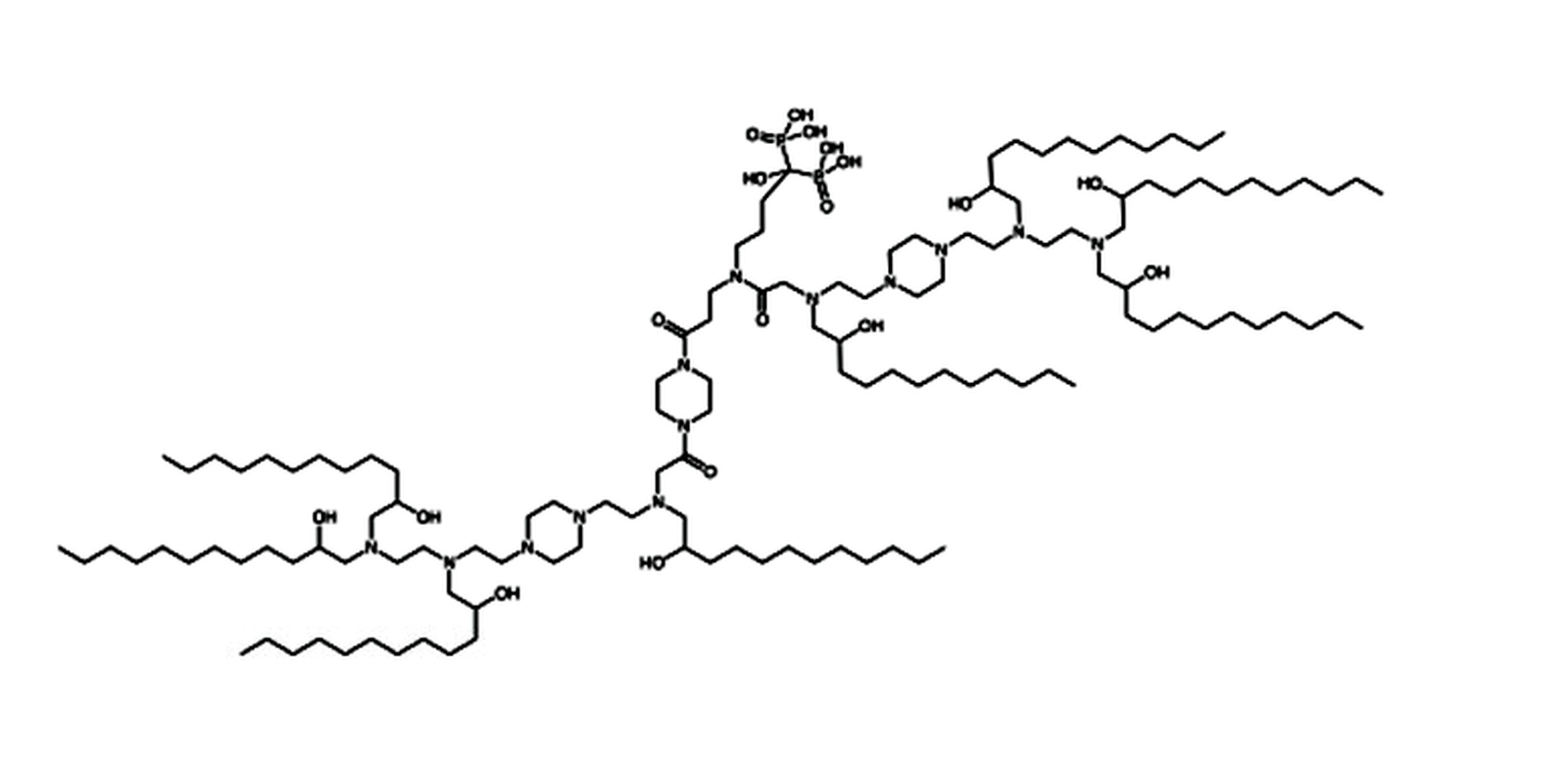
CU-115 chemical structure
Szu101FeaturedFeatured

Novel TLR7 agonist via immune response induction and tumor microenvironment modulation

Szu101 chemical structure
Malp-2FeaturedFeatured

Toll-like receptor 2/6 (TLR-2/6) agonist, regulating Lcn2 gene, promoting collateral growth

Malp-2 chemical structure
Vb-201FeaturedFeatured

Novel anticryptosporidial agent, acting as a toll-like receptor-2 (TLR2) antagonist

Vb-201 chemical structure
E6742FeaturedFeatured

E6742 (E6742) is a potent, selective, dual TLR7/8 inhibitor with binding Kd of 1.7 uM/37 nM in ITC assays, respectively, inhibits TLR7/8 agonist CL097 induced reporter activation with IC50 values of 22, 68, and 3.0 nM for hTLR7, mTLR7, and hTLR8, respecti

E6742 chemical structure
Smu-z1FeaturedFeatured

Novel potent TLR1/2 Specific Agonist, Suppressing Leukemia Cancer Cell Growth by Stimulating Cytotoxic T Lymphocytes

Smu-z1 chemical structure
CL097FeaturedFeatured

CL097, a potent TLR7/8 agonist, induces pro-inflammatory cytokines in macrophages. CL097 induces NADPH oxidase priming, resulting in an increase of the fMLF-stimulated ROS production.
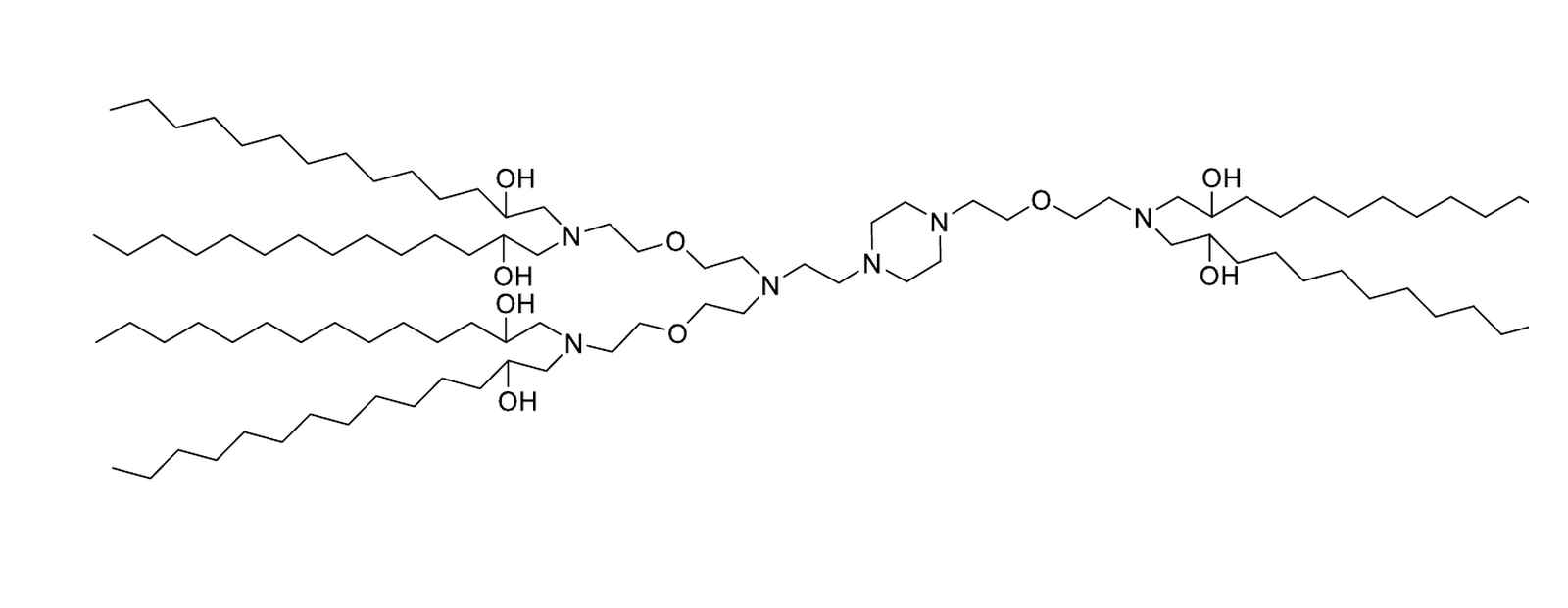
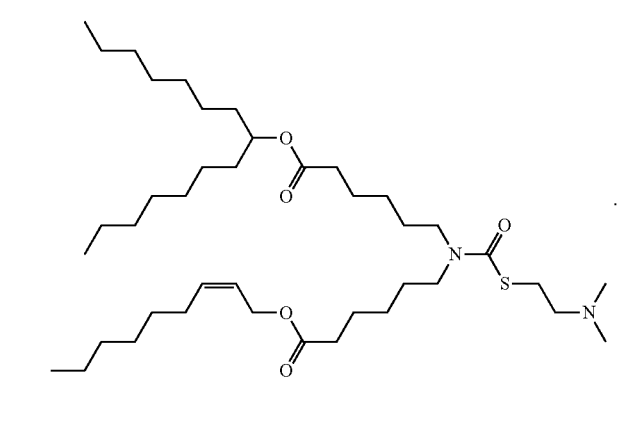
CL097 chemical structure
RS 09FeaturedFeatured

RS 09 is a TLR4 agonist. RS 09 promotes NF-κB nuclear translocation and induces inflammatory cytokine secretion in RAW264.7 macrophages in vitro. RS 09 acts as an adjuvant in vivo; RS 09 enhances X-15 specific antibody serum concentrations, when administered with X-15-KLH in mice.

RS 09 chemical structure
GardiquimodFeaturedFeatured

Gardiquimod, an imidazoquinoline analog, is a TLR7/8 agonist. Gardiquimod could inhibit HIV-1 infection of macrophages and activated peripheral blood mononuclear cells (PBMCs). Gardiquimod specifically activates TLR7 when used at concentrations below 10 μM12.

Gardiquimod chemical structure
TLR4-IN-C34FeaturedFeatured

TLR4-IN-C34 is an orally active TLR4 inhibitor and reduces systemic inflammation in models of endotoxemia and necrotizing enterocolitis[1][2].

TLR4-IN-C34 chemical structure
TJ-M2010-5FeaturedFeatured

TJ-M2010-5 is a MyD88 inhibitor that binds to the TIR domain of MyD88 to interfere with its homodimerization, and the TLR/MyD88 signal pathway. TJ-M2010-5 can be used for the research of myocardial ischemia/reperfusion injury (MIRI).

TJ-M2010-5 chemical structure
PaquinimodFeaturedFeatured

Paquinimod is a S100A9 inhibitor, which prevents S100A9 binding to TLR-4.

Paquinimod chemical structure
LoxoribineFeaturedFeatured

Loxoribine (7-Allyl-8-oxoguanosine) is a guanosine analog with anti-viral and anti-tumor activities. Loxoribine is an orally bioavailable and selective Toll-like receptor (TLR) 7 agonist123.

Loxoribine chemical structure
E104FeaturedFeatured

E014 is a potent, selective TLR7 agonist with EC50 of 69 nM in Ramos Blue reporter assays, >500-fold selective for TLR7 over TLR8.

E104 chemical structure
CU-CPT17eFeaturedFeatured

CU-CPT17e shows strong NF-κB activation in TLR3, TLR8 and TLR9 HEK293 cells with EC50 values of 4.80±0.73, 13.5±0.58 and 5.66±0.17 μM, respectively. CU-CPT17e significantly improves the activity with 13.9±0.9 fold of NF-κB activation and an EC50 value of 4.8±0.7 μM. CU-CPT17e inhibits the proliferation of HeLa cancer cells by triggering apoptosis and arresting the cell cycle at the S phase. The induction of apoptosis by CU-CPT17e in HeLa cells is investigated. HeLa cells are cultured with increasing concentrations of CU-CPT17e or poly I:C or blank control (DMSO) for 24 h. Treatment with CU-CPT17e for 24 h at different concentrations (10 to 40 μM) results in an elevation of apoptotic cell population ranging from 10% to 17%, which is more effective than poly I:C at 5 μg/mL. These results suggest that the antiproliferative activity of CU-CPT17e against HeLa cells might result from its ability to directly induce apoptosis[1].

CU-CPT17e chemical structure
CU-CPD107FeaturedFeatured

CU-CPD107 is a TLR8-specific small molecule with unique synergistic agonist activities in the presence of ssRNA, but inactive without the aid of ssRNA.CU-CPD107 significantly inhibited of R848-induced signaling in HEK-Blue hTLR8 cells with an IC50 of 13.7 uM.CU-CPD107 only inhibited synthesized small-molecule agonist-induced TLR8 signaling without affecting other TLRs.CU-CPD107 synergistically increased IFN-β, TNF-α, IL-1β, IL-6, and IL-8 mRNA expression levels in the presence of 5 μg/ml ssRNA40 in HEK-Blue hTLR8 cells, whereas CU-CPD107 alone did not. CU-CPD107 only activated TLR8-mediated signaling in the presence of ssRNA.CU-CPD107 showed no pure agonistic activity, addressing a major challenge that has existed for previous TLR7 and TLR8 agonists as vaccine adjuvants or antiviral drugs.

CU-CPD107 chemical structure
D18FeaturedFeatured

D18 is an immune modulator. D18 acts as a TLR7/8 dual agonist (EC50=24 nM for hTLR7 and 10 nM for hTLR8, respectively). D18 increases PD-L1 expression through epigenetic regulation, thus sensitizing tumors to PD-1/PD-L1 blockade. D18 is a ADC cytotoxin uesd for the systhesis of ADC HE-S2.

D18 chemical structure
M1002FeaturedFeatured

M1002 is a first-in-class HIF-2a agonists.

M1002 chemical structure
C29FeaturedFeatured

C29 is a Toll-like receptor 2 (TLR2) inhibitor.

C29 chemical structure
AYK004-C1FeaturedFeatured

AYK004-C1 is a TLR agonist. AYK004-C1 can be used to prepare immune adjuvants.

AYK004-C1 chemical structure
GSK2245035FeaturedFeatured

GSK2245035 is a highly potent and selective intranasal Toll-Like receptor 7 (TLR7) agonist with preferential Type-1 interferon (IFN)-stimulating properties. GSK2245035 has pEC50s of 9.3 and 6.5 for IFNα and TFNα. GSK2245035 effectively suppresses allergen-induced Th2 cytokine production in human peripheral blood cell cultures. GSK2245035 is used for asthma.

GSK2245035 chemical structure
α-GalactosylceramideFeaturedFeatured

α-Galactosylceramide (α-GalCer) is a synthetic glycolipid with antitumorial and immunostimulatory. α-Galactosylceramide is a very potent NKT cell agonist and binds effectively to CD1d. The complex of α-Galactosylceramide plus CD1d binds the NKT cell TCR (T cell antigen receptor).

α-Galactosylceramide chemical structure
TQL-1055FeaturedFeatured

TQL-1055 is a semi-synthetic analog of the saponin adjuvant QS-21 (HY-101092) and can be used as a prophylactic vaccine adjuvant. TQL-1055 exhibits robust adjuvant activity for influenza antigens. TQL-1055 combined with the acellular pertussis vaccine (aP) shows good tolerance and enhances the antibody response to pertussis toxin (PT) in mice and rabbits. TQL-1055 is promising for research of chronic hepatitis B.

TQL-1055 chemical structure
QS-7FeaturedFeatured

QS 7 (QS 7 Api) is a saponin compound that can be extracted from the Quillaja saponaria tree. QS 7 activates immune cells, enhances their antigen presentation ability and cytokine secretion. QS 7 can be used as vaccine adjuvant for immunostimulating, anti-tumor, and anti-infectious activities.

QS-7 chemical structure
QS-21FeaturedFeatured

QS-21, an immunostimulatory saponin, could be used as a potent vaccine adjuvant. QS-21 stimulates Th2 humoral and Th1 cell-mediated immune responses through action on antigen presenting cells (APCs) and T cells. QS-21 can activate the NLRP3 inflammasome with subsequent release of caspase-1 dependent cytokines, IL-1β and IL-18[1][2][3].
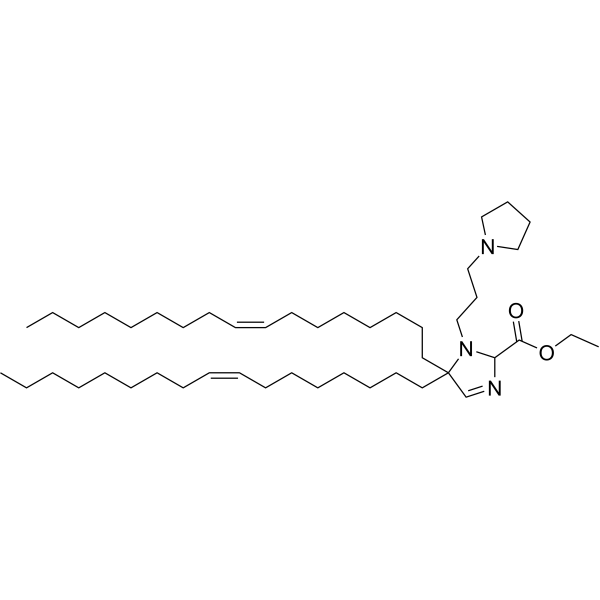
QS-21 chemical structure
AYK004-B1FeaturedFeatured

AYK004-B1 is a TLR7 agonist (EC50=0.2265 nM). AYK004-B1 can be used to prepare immune adjuvants.
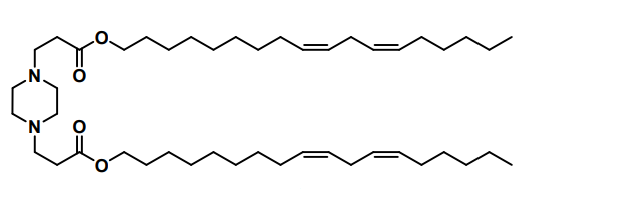
AYK004-B1 chemical structure
AYK004FeaturedFeatured

AYK004 is a TLR7/8 agonist that enhances immune responses by activating the TLR signaling pathway. AYK004 is an adenine derivative with a favorable hydrophilic-lipophilic balance, which improves the loading capacity and stability in immunoadjuvant systems such as liposomes, while reducing the side effects of the immunoadjuvant system in systemic immunity .
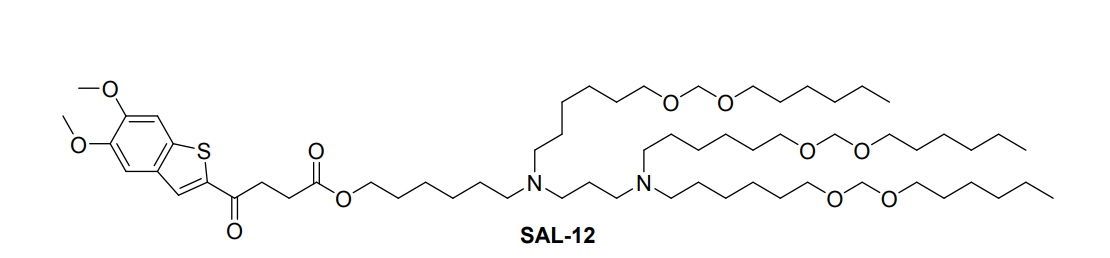
AYK004 chemical structure
AYK005FeaturedFeatured

AYK005 is a TLR7/8 immunologic adjuvant.

AYK005 chemical structure
UM-3006FeaturedFeatured

UM-3006 is a highly efficient TLR7/8 agonist that enhances immune responses by activating the TLR signaling pathway. UM-3006 holds significant research and application potential in the fields of vaccine adjuvants and immune diseases.

UM-3006 chemical structure
3D-MPLAFeaturedFeatured

3D-Monophosphoryl Lipid A-5 (3D-MPLA-5) is a TLR agonist that can be used as an adjuvant for vaccines to enhance their immunogenicity.

3D-MPLA chemical structure
3D-MPL(12;16)FeaturedFeatured

3D-Monophosphoryl Lipid (12,16) (3D-MPL (12,16)) free acid is a TLR agonist that can be used as a vaccine adjuvant to enhance the immunogenicity of vaccines[1].

3D-MPL(12;16) chemical structure
Monophosphoryl lipid AFeaturedFeatured

Monophosphoryl lipid A (Glucopyranosyl lipid A) is a toll-like receptor 4 agonist. Monophosphoryl lipid A is derived from the cell wall of nonpathogenic Salmonella. Monophosphoryl lipid A can be used for the research of immunization and vaccine.

Monophosphoryl lipid A chemical structure

Polyinosinic-polycytidylic acid (Poly(I:C)) sodium is a synthetic analog of double-stranded RNA and an agonist of toll-like receptor 3 (TLR3) and retinoic acid inducible gene I (RIG-I)-like receptors (RIG-I and MDA5). Polyinosinic-polycytidylic acid sodium can be used as a vaccine adjuvant to enhance innate and adaptive immune responses, and to alter the tumor microenvironment. Polyinosinic-polycytidylic acid sodium can directly trigger cancer cells to undergo apoptosis.

Polyinosinic-polycytidylic acid sodium chemical structure
Galnac GLS-15FeaturedFeatured

GLS-15 is a novel GalNAc-derived small molecule structure designed for siRNA delivery.

Galnac GLS-15 chemical structure
TriGalNAc CBzFeaturedFeatured

TriGalNAc CBz is a GalNAc derivative and tri-GalNAc is an asialoglycoprotein receptor (ASGPR) ligand. TriGalNAc CBz can be used for mRNA drug delivery as well as lysosomal targeted chimerism (LYTAC) studies.

TriGalNAc CBz chemical structure
GalNAc-L96 free baseFeaturedFeatured

GalNAc-L96 free base, the G-rich oligonucleotides carrying the longer GalNAc linker that can be used for delivery of nucleic acid drugs.

GalNAc-L96 free base chemical structure
GalNac-L96 analogFeaturedFeatured

GalNAc-L96 analog is an intermediate in the synthesis of the asialoglycoprotein receptor (ASGPR) ligand GalNAc-L96.

GalNac-L96 analog chemical structure
Tri-GalNAc(OAc)3 CbzFeaturedFeatured

Tri-GalNAc(OAc)3 Cbz is a ligand for asialoglycoprotein receptor (ASGPR) where the sugars are protected by acetylation and the tris tertiary amine is protected by benzyloxycarbonyloxy (Cbz). This peracetylated tri-GalNAc(OAc)3 Cbz can be serve as a valuable building block for ASGPR-targeted therapies. Its three branches or arms, each ending in a GalNAc sugar, ensure strong binding to hepatocyte ASGPR. However, the key feature lies in its protective groups: acetylated sugars allow for controlled removal to expose reactive sites for conjugation, while the Cbz-protected amine provides stability and can be selectively cleaved to introduce a reactive amine group for further biomolecule attachment, ultimately enabling researchers to tailor tri-GalNAc(OAc)3 Cbz into customized conjugates for specific therapeutic applications.

Tri-GalNAc(OAc)3 Cbz chemical structure
Tri-GalNAc(OAc)3 TFAFeaturedFeatured

Tri-GalNAc(OAc)3 TFA is a tri-GalNAc ligand that can be used for the synthesis of GalNAc-LYTAC. GalNAc-LYTAC engages the asialoglycoprotein receptor for targeted protein degradation. tri-GalNAc: triantenerrary N-acetylgalactosamine; LYTAC: lysosome-targeting chimera.

Tri-GalNAc(OAc)3 TFA chemical structure
Tri-GalNAc-COOHFeaturedFeatured

tri-GalNAc-COOH is an asialoglycoprotein receptor (ASGPR) ligand that can be used for LYsosome TArgeting Chimera (LYTAC) research.

Tri-GalNAc-COOH chemical structure
GalNac-L96FeaturedFeatured

GalNac-L96, the G-rich oligonucleotides carrying the longer GalNAc linker that can be used for delivery of nucleic acid drugs[1].

GalNac-L96 chemical structure

tri-GalNAc-COOH acetylation is the acetylated and modified form of tri-GalNAc-COOH. tri-GalNAc-COOH acetylation can be used for the synthesis of LYTAC.

tri-GalNAc-COOH (acetylation) chemical structure
ASGPR ligand-1FeaturedFeatured

ASGPR ligand-1 is a compound that targets the asialoglycoprotein receptor (ASGPR) and is utilized in various disease research contexts .

ASGPR ligand-1 chemical structure
Tri-GalNAc AcidFeaturedFeatured

Triantennary GalNAc Acid is an asialoglycoprotein receptor (ASGPR) ligand for lysosomal targeting chimera (LYTAC) research and development.

Tri-GalNAc Acid chemical structure
Tri-GalNAc-NHS esterFeaturedFeatured

Tri-GalNAc-NHS ester is a LYsosome TArgeting Chimera (LYTAC) and a ligand of asialoglycoprotein receptor (ASGPR). ASGPR is a lysosomal targeting receptor specifically expressed on liver cells, for the degradation of extracellular proteins including membrane proteins. Tri-GalNAc-NHS ester can be used as a protein degrader and it can be used for the research of LYTAC.

Tri-GalNAc-NHS ester chemical structure
Tri-GalNAc(OAc)3FeaturedFeatured

Tri-GalNAc(OAc)3 is a triantenerrary N-acetylgalactosamine (tri-GalNAc) with an amino group, which is useful precursor for synthesis of GalNAc-LYTAC that engage the asialoglycoprotein receptor for targeted protein degradation. Tri-GalNAc(OAc)3 was first reported in Nat Chem Biol. 2021 Sep;17(9):937-946 (compound ). This product has no formal name at the moment.

Tri-GalNAc(OAc)3 chemical structure
InclisiranFeaturedFeatured

Inclisiran (ALN-PCSsc) is a double-stranded small interfering RNA (siRNA) molecule that inhibits the transcription of PCSK-9. Inclisiran can be used for hyperlipidemia and cardiovascular disease (CVD) research.

Inclisiran chemical structure
RovanersenFeaturedFeatured

Rovanersen (WVE-120101) is an antisense oligonucleotide that can be used for huntington’s disease research.

Rovanersen chemical structure
RemlarsenFeaturedFeatured

Remlarsen (MRG-201), a miR-29b mimic, acts a miR-29b agonist. Remlarsen has the potential for preventiong formation of a fibrotic scar or cutaneous fibrosis.

Remlarsen chemical structure
MipomersenFeaturedFeatured

Mipomersen (ISIS 301012 free base) is an antisense oligonucleotide inhibitor of apolipoprotein B (apoB). Mipomersen has anti-HCV effect and reduces the infectivity of the HCV. Mipomersen can be used for the research of homozygous familial hypercholesterolemia (HoFH). The free form of the compound is prone to instability, it is advisable to consider the stable salt form (Mipomersen sodium) that retains the same biological activity.

Mipomersen chemical structure
LumasiranFeaturedFeatured

Lumasiran (ALN-G01), a siRNA product, reduces hepatic oxalate production by targeting glycolate oxidase. By silencing the gene encoding glycolate oxidase, Lumasiran depletes glycolate oxidase and thereby inhibits the synthesis of oxalate, which is the toxic metabolite that is directly associated with the clinical manifestations of Primary hyperoxaluria type 1 (PH1).

Lumasiran chemical structure
InotersenFeaturedFeatured

Inotersen is an antisense oligonucleotide that inhibits hepatic production of transthyretin (TTR). The free form of the compound is prone to instability, it is advisable to consider the stable salt form (Inotersen sodium) that retains the same biological activity.

Inotersen chemical structure
FomivirsenFeaturedFeatured

Fomivirsen (ISIS-2922 free base) is an antisense 21 mer phosphorothioate oligonucleotide. Fomivirsen is an antiviral agent that is used cytomegalovirus retinitis (CMV) research, incluiding in AIDs. Fomivirsen binds to and degrades the mRNAs encoding CMV immediate-early 2 protein, thus inhibiting virus proliferation.

Fomivirsen chemical structure
BepirovirsenFeaturedFeatured

Bepirovirsen is an antisense oligonucleotide targeting all HBV messenger RNAs. Bepirovirsen leads to reductions in HBV-derived RNAs, HBV DNA and viral proteins. Bepirovirsen can be used for the research of chronic HBV infection. Bepirovirsen binding site sequence (GCACTTCGCTTCACCTCTGC).

Bepirovirsen chemical structure
ARO-AATFeaturedFeatured

ARO-AAT is a second-generation RNAi drug. ARO-AAT consistes of a cholesterol-conjugated RNAi trigger (chol-RNAi) to selectively degrade AAT mRNA by RNAi and a melittin-derived peptide conjugated to N-acetylgalactosamine (NAG) formulated as the excipient EX1 to promote endosomal escape of the chol-RNAi in hepatocytes.

ARO-AAT chemical structure
TofersenFeaturedFeatured

Tofersen (BIIB067) is an antisense oligonucleotide that mediates RNase H-dependent degradation of superoxide dismutase 1 (SOD1) mRNA to reduce the synthesis of SOD1 protein. Tofersen can be used for the research of amyotrophic lateral sclerosis (ALS).

Tofersen chemical structure
TivanisiranFeaturedFeatured

Tivanisiran (SYL1001) is a siRNA used for the study of dry eye disease. Tivanisiran was designed to silence transient receptor potential vanilloid 1 (TRPV1).

Tivanisiran chemical structure
MiravirsenFeaturedFeatured

Miravirsen (SPC-3649), a β-d-oxy-locked nucleic acid-modified phosphorothioate antisense oligonucleotide, inhibit the biogenesis of miR-122. Miravirsen (SPC-3649) is used in the study for HCV infections.

Miravirsen chemical structure
NusinersenFeaturedFeatured

Nusinersen is an antisense oligonucleotide drug that modifies pre–messenger RNA splicing of the SMN2 gene and thus promotes increased production of full-length SMN protein.

Nusinersen chemical structure
Galnac Lipid I-1FeaturedFeatured

Disclosed in PCT patent WO2025/240833A1 from Acuitas Therapeutics Inc., Compound I‑1 is a trivalent tri-GalNAc PEGylated targeting lipid composed of three ASGPR-binding GalNAc moieties, a PEG spacer and double C18 alkyl lipid tails that insert into LNP lipid bilayer.

Galnac Lipid I-1 chemical structure
Tri-GalNAc-DSG-PEG2000FeaturedFeatured

DSG-PEG2K-triGalNAc is a functionalized PEG lipid that enhances targeted drug delivery by binding to the Asialoglycoprotein Receptor (ASGPR) which are predominantly found on the surface of liver cells. By functionalizing DSG-PEG2K with triGalNac, it allows this PEG lipid to be used in the formation of liposomes or LNPs that target the liver for drug delivery.

Tri-GalNAc-DSG-PEG2000 chemical structure
Price on request

Lipid 6 is a literature-reported ionizable lipid for ex vivo mRNA delivery to primary human T cells. In Gao et al. (2026), LNPs containing Lipid 6 generated MUC1-CAR T cells that were assessed against MUC1-positive cancer cell lines in vitro.

Lipid 6 chemical structure
m7GpppAmpG Na saltFeaturedFeatured

m7GpppAmpG Na salt is a trinucleotide 5′ cap analog with the capping efficiencies for the obtained RNAs of 90%.

m7GpppAmpG Na salt chemical structure
m7GpppAmpG ammoniumFeaturedFeatured

m7GpppAmpG ammonium is a trinucleotide 5′ cap analog with the capping efficiencies for the obtained RNAs of 90%.

m7GpppAmpG ammonium chemical structure

3'OMe-m7GpppAmpG ammonium solution (100mM) is a trinucleotide Cap analogue. 3'OMe-m7GpppAmpG ammonium shows a significant translational efficiency. 3'OMe-m7GpppAmpG ammonium can be used as a potential molecular biology tool in the field of mRNA vaccines and mRNA transfection, such as protein production, gene therapy and anti-cancer immunization.

3'OMe-m7GpppAmpG (ammonium) solution (100mM) chemical structure

N4-Acetylcytidine triphosphate is efficiently used as a substrate in T7 Polymerase-catalyzed in vitro transcription and can be incorporated into multiple templates.

N4-Acetylcytidine triphosphate image unavailable

SM-6.1 is a small molecule delivery vehicle developed by Arrowhead, targeting αvβ6, which selectively delivers therapeutic siRNA to lung epithelial cells and mediates durable gene silencing post-inhalation.

SM6.1 azide (αvβ6 ligand) chemical structure

SM-6.1 is a small molecule delivery vehicle developed by Arrowhead, targeting αvβ6, which selectively delivers therapeutic siRNA to lung epithelial cells and mediates durable gene silencing post-inhalation.

SM6.1 tetrafluorophenyl ester chemical structure
Tri-SM6.1FeaturedFeatured

Tri-SM6.1 is a tridentate small-molecule ligand targeting integrin αvβ6. Tri-SM6.1 binds to integrin αvβ6 on epithelial cells to deliver conjugated α-ENaC RNAi agents。

Tri-SM6.1 chemical structure

6-[1-(Hexyloxy)ethoxy]hexanal is the tail fragement for MK16.MK16 is a novel blood-brain barrier (BBB)-crossing lipid nanoparticle (BLNP) platform developed for efficient mRNA delivery to the central nervous system (CNS).

6-[1-(Hexyloxy)ethoxy]hexanal chemical structure
MP2FeaturedFeatured

MP2 is a methylprednisolone-derived ionizable lipid studied for local colonic mRNA delivery. Its IL-35 mRNA LNP formulation was evaluated in acute and chronic colitis mouse models and ex vivo human colonic biopsies.

MP2 chemical structure
Lipid 03-135Featured
Price on request

Lipid 03-135 is an ionizable lipid studied for intravenous delivery of mRNA encoding a CD19/CD3 bispecific antibody. Its formulation showed the highest plotted serum expression at 24 and 48 hours among five tested lipids in NOD/SCID mice.

Lipid 03-135 chemical structure
Lipid 01-1Featured
Price on request

Ionizable lipid used for intravenous mRNA-encoded CD19/CD3 bispecific antibody delivery and an antitumor study in a human PBMC / Nalm6 leukemia model.

Lipid 01-1 chemical structure
Price on request

BP-200-C12 is a bisphosphonate-linked ionizable lipid selected from a 21-member library in Liu et al. for local RNA delivery at mineralized tissue interfaces.

BP-200-C12 chemical structure
AMG1541Featured

AMG-1541 is a degradable cyclic amino alcohol ionizable lipid optimized for mRNA vaccine delivery using lipid nanoparticles (LNPs). Formulated typically with DOPE, cholesterol, and PEG-lipids, AMG 1541 LNPs have a diameter of ~85 nm, PDI of 0.107, and encapsulation efficiency of 67%, ensuring stability and efficient mRNA delivery. In vitro, it outperforms benchmarks like SM-102, showing enhanced transfection in cells such as C2C12 and PBMCs. In vivo, intramuscular administration in mice results in robust protein expression within 6 hours and induces potent immune responses, including high antibody titers and Th1-biased T-cell activation, with minimal inflammation. Mechanistically, its β-hydroxyl groups form hydrogen bonds with mRNA phosphate backbones, facilitating endosomal escape. AMG1541 degrades rapidly under enzymatic conditions, reducing long-term toxicity, and is effective for vaccines targeting pathogens like influenza and SARS-CoV-2, making it a promising candidate for clinical applications.

AMG1541 chemical structure
Lipid PL40Featured

PL-40​​ is a ​​cardiolipin-mimetic ionizable lipid​​ engineered for high-efficiency, antibody-free mRNA delivery to T cells. PL 40 LNPs exhibit a mean particle size of ​​120 nm​​, zeta potential of ​​-5.19 mV​​, and >80% mRNA encapsulation efficiency, with excellent plasma stability (≤5% size change after 6h in serum). Cryo-TEM reveals ​​polyhedral nanoparticles​​ with phase-separated domains, while SAXS confirms tight mRNA packing (d-spacing: ​​~3 nm​​ vs. 6.64 nm in conventional LNPs). AFM demonstrates exceptional rigidity (high bending modulus), enabling T cell-selective uptake via actin-mediated endocytosis (>2× higher than ALC0315 LNPs).In primary human T cells, PL40 LNPs achieve ​​>90% transfection​​ at 0.5 μg mRNA dose and sustain >100× higher luciferase expression than benchmark lipids. When delivering circular RNA, they extend protein expression ​​>5 days​​ with superior spleen tropism (spleen:liver ratio = ​​2.63​​). Crucially, they reprogram T cells into functional CAR-Ts in vivo without antibody conjugation, evading exhaustion markers (no Tim-3/PD-1 upregulation). Therapeutically, PL40-based uPAR-targeted CAR mRNA reduces liver fibrosis (​​collagen↓50%​​, ALT↓50%) and rheumatoid arthritis severity (​​clinical scores↓60%​​) by clearing senescent cells. Humanized anti-uPAR CARs delivered via PL40 show near-complete cytotoxicity (>95%) against uPAR+ cells, underscoring clinical translatability.

Lipid PL40 chemical structure
Lipid MK16Featured

MK-16(pKa 6.86) is a specialized lipid designed to traverse the blood-brain barrier (BBB) for effective mRNA delivery. Its formulation, MK 16 BLNP, leverages dual mechanisms involving caveolae and γ-secretase to facilitate BBB penetration, ensuring the targeted and efficient transport of functional mRNA to diverse brain cell types. Demonstrating excellent tolerability across a range of dosing regimens, MK16 BLNP represents a promising platform for brain-targeted therapeutic applications.

Lipid MK16 chemical structure
Lipid S4Featured

Lipid S4 is an advanced ionizable lipid engineered for systemic mRNA delivery to the brain, leveraging SR-57227—a high-affinity 5-HT3 receptor ligand—as its core head group to enable targeted blood-brain barrier (BBB) penetration via receptor-mediated transcytosis, while incorporating amino linkers for pH-responsive ionization and biodegradable branched ester tails to facilitate efficient endosomal escape and intracellular mRNA release; optimized through orthogonal screening into OS4 LNP (formulated at S4/DOPE/Chol/DMG-PEG2k = 40:40:60:0.75 molar ratio), it demonstrated a 13.3-fold increase in brain mRNA expression compared to FDA-approved MC3 LNPs, and further conjugation with the Tat cell-penetrating peptide yielded OS4T LNP, boosting delivery efficiency by 12.7-fold over OS4 alone and enabling broad mRNA expression across neurons, astrocytes, microglia, and endothelial cells; validated in orthotopic glioblastoma models, OS4T delivered engineered IL-12 mRNA, suppressing tumor growth and extending median survival to 37 days (vs. 17 days for controls) with minimal systemic toxicity, positioning S4-based LNPs as a robust, translatable platform for CNS-targeted therapeutics.

Lipid S4 chemical structure
6Ac1-C12Featured

6Ac1-C12 is an ionizable cationic lipid with a hexaester degradable core and six C12 hydrophobic alkyl tails, featuring a pKa around 6.0 and strong endosomal escape capacity. Its four-component LNPs deliver mRNA mainly to liver endothelial cells after IV injection and remain stable for 30 days at 4°C. Formulated without cholesterol, its three-component system enables lung-targeted delivery with low in vivo toxicity, and the ester core facilitates biodegradation for versatile mRNA applications.

6Ac1-C12 chemical structure
503O8,12Featured

503O8,12 is a branched-tail ionizable lipidoid prepared from amine head 503 and saturated 2-octyldodecyl acrylate. In a four-component, DOPE-containing LNP, it produced predominantly splenic reporter expression after intravenous mRNA administration in mice. It is a research candidate for extrahepatic mRNA formulation screening; cell-specific spleen delivery and therapeutic efficacy were not established in this study.

503O8,12 chemical structure
PyCB lipidFeatured

PyCB lipid (MeDZ) is a rationally designed zwitterionic ionizable lipid that serves as a core functional component in the novel three-component (ThrCo) lipid nanoparticle (LNP) platform. It is synthesized by covalently attaching a zwitterionic PyCB structure to the hydroxyl group of the clinically available ionizable lipid ALC-0315.Its key feature is its pH-responsive behavior. At physiological pH (~7.4), the PyCB headgroup exhibits zwitterionic properties, forming charge-assisted hydrogen bonds with water molecules (PyCB-H₂O complexes). This confers high hydrophilicity to the LNP surface, enhancing stability in aqueous environments and reducing nonspecific protein adsorption in the bloodstream. This zwitterionic surface effectively mimics and replaces PEGylated lipids, thereby avoiding PEG immunogenicity and the associated Accelerated Blood Clearance (ABC) effect upon repeated administrations.Crucially, in the acidic environment of endosomes (pH ~6.5), the PyCB group undergoes strong protonation, rapidly transforming into a cationic state (PyCB-H₃O⁺ complexes). This promotes efficient fusion with and disruption of the endosomal membrane, facilitating the escape and cytoplasmic release of encapsulated mRNA.By replacing both cholesterol and PEGylated lipids in traditional LNPs, PyCB lipid enables the redirection of LNP biodistribution from the liver to the spleen, achieving superior spleen-specific mRNA translation and enhancing antigen presentation for potent immune activation.

PyCB lipid chemical structure
AMG514Featured

AMG514 is a novel ionizable lipid designed for formulating spleen-targeting lipid nanoparticles (LNPs) to deliver immune‑remodeling mRNAs (IR‑mRNAs). Its key advantage lies in the formation of a unique “protein corona” enriched with vitronectin, coagulation factors, and specific apolipoproteins (e.g., ApoA‑IV), together with its relatively high apparent pKa (~7.5), which actively redirects LNPs to the spleen instead of the liver. This precise spleen‑targeting property enables efficient transfection of splenic antigen‑presenting cells (APCs). As a vaccine adjuvant, AMG514‑LNPs therefore elicit a more robust activation of adaptive immunity compared to conventional LNPs (e.g., cKK‑E12), generating significantly enhanced antigen‑specific CD8⁺ T‑cell and antibody responses, and inducing durable anti‑tumor immune memory in preclinical models.

AMG514 chemical structure