Browse lipids with named reactive handles for conjugation research, including activated esters, maleimides, azides, alkynes, amines, thiols, aldehydes and carboxyl groups. The collection also includes a fluorescent labeling reagent.
48 products currently listedResearch-use products only
DSPE-PEG3400-TFP is a functionalized PEG lipid combining a DSPE lipid anchor with a nominal PEG3400 spacer and a terminal TFP group. It is offered for bioconjugation, surface-functionalization and lipid-based delivery research.
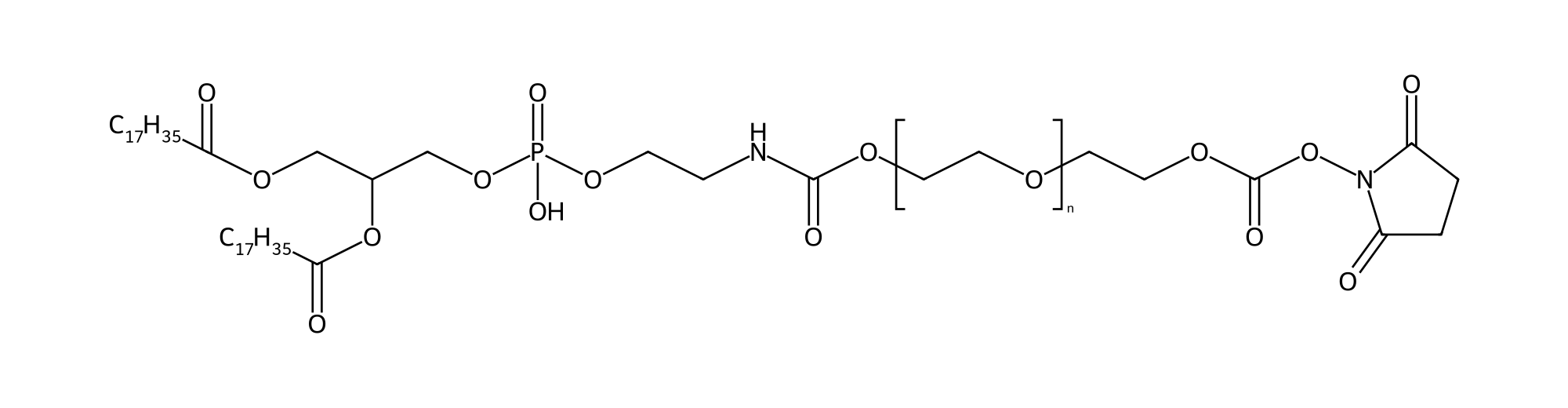
DSPE-PEG2000-SC is a functionalized PEG lipid comprising a DSPE anchor, a PEG2000 spacer and a terminal succinimidyl carbonate group for conjugation with amine-containing molecules. It is suitable for bioconjugation and the development of ligand-functionalized lipid delivery systems. For research use only.
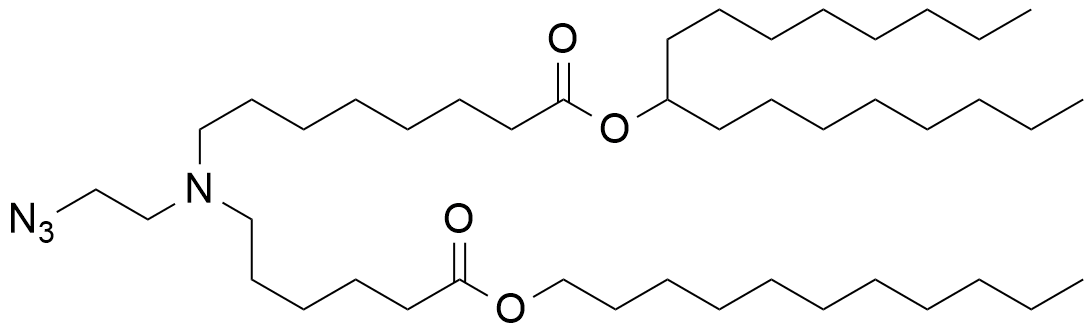
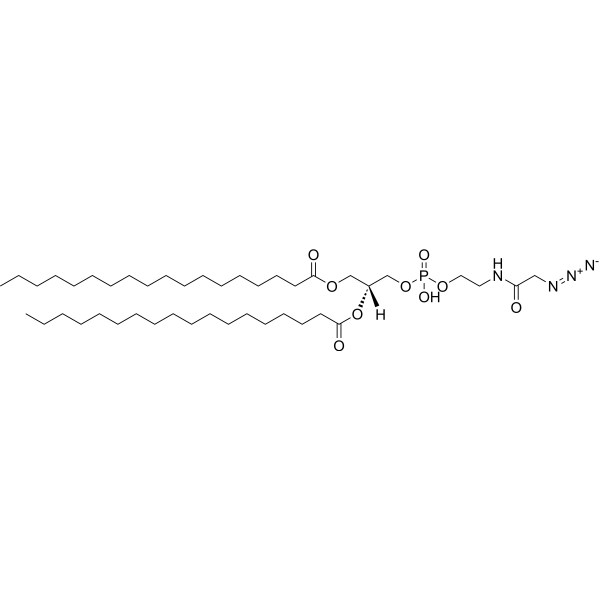
SM-102 azide is an azide-modified derivative of the clinically validated SM-102 ionizable lipid. Designed specifically for advanced Lipid Nanoparticle (LNP) formulation, this product integrates a reactive azide (-N₃) group to enable effortless, high-yield functionalization via click chemistry. It is the ideal tool for researchers and developers looking to construct targeted nucleic acid delivery systems, build diverse lipid libraries, or track LNPs in vivo.
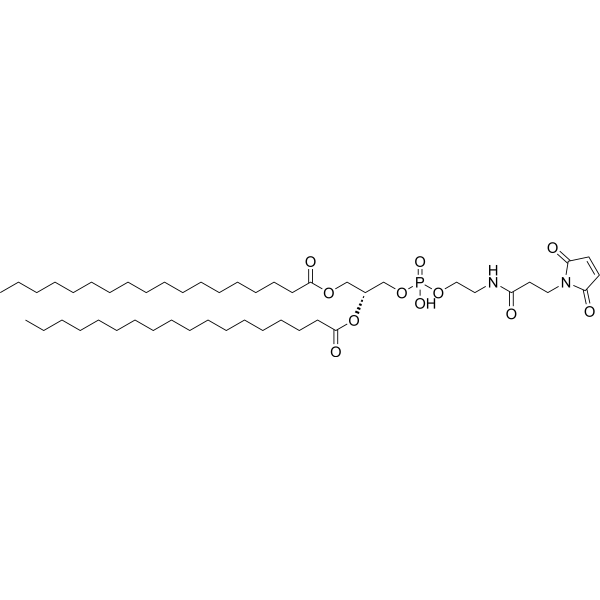
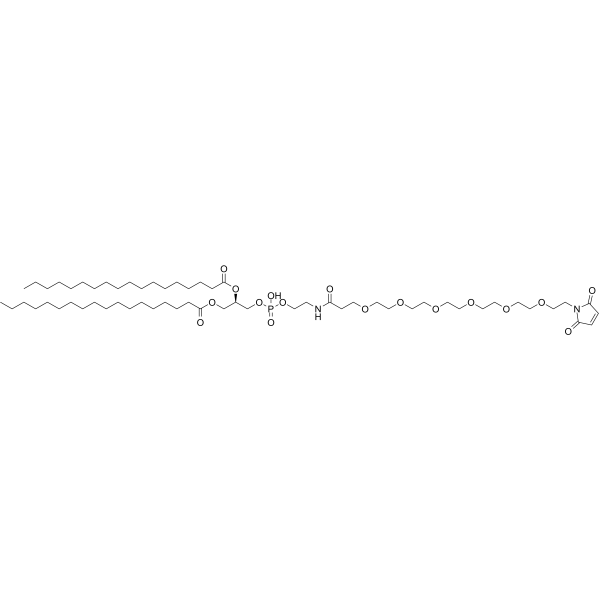
DSPE-MAL is a thiol reactive a phospholipid compound. DSPE-MAL has two saturated fatty acids and can self-assemble in water to form lipid bilayer. DSPE-MAL can be used to prepare liposomes as drug nanocarrier.
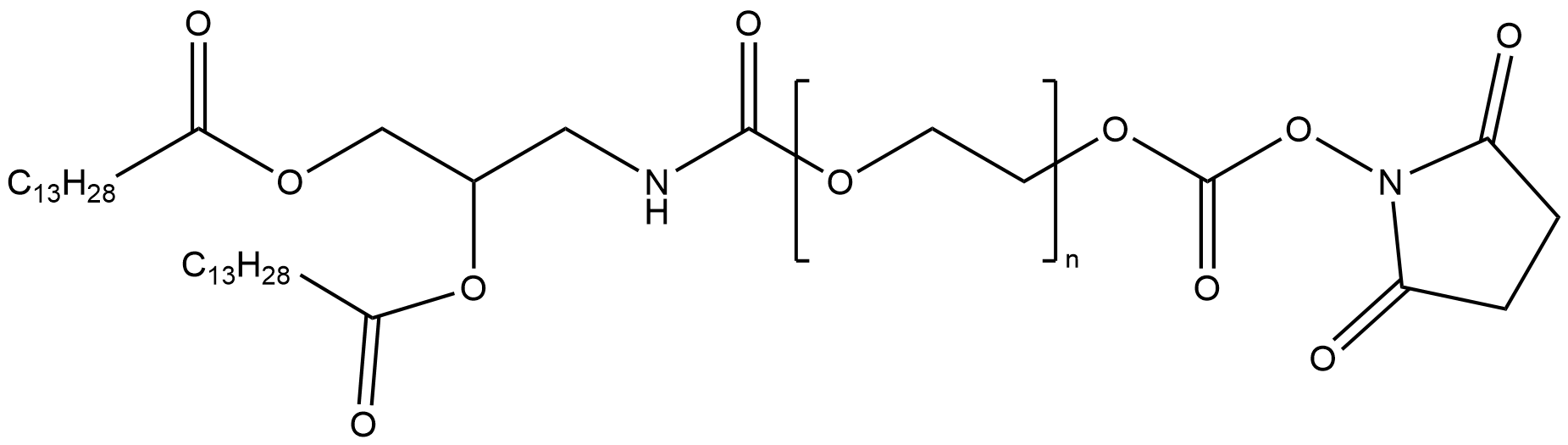
DMG-PEG2000-NHS is a PEG derivative that can be used in various biomedical applications, such as the construction of drug delivery systems (siRNA delivery liposomes, lipid nanoparticle, etc.). The active ester (NHS) can react with an amino group (-NH2) to form a stable amide bond, which can be used as a linker in a bioconjugation strategy to modify amino-linked peptide proteins as well as other small molecules.
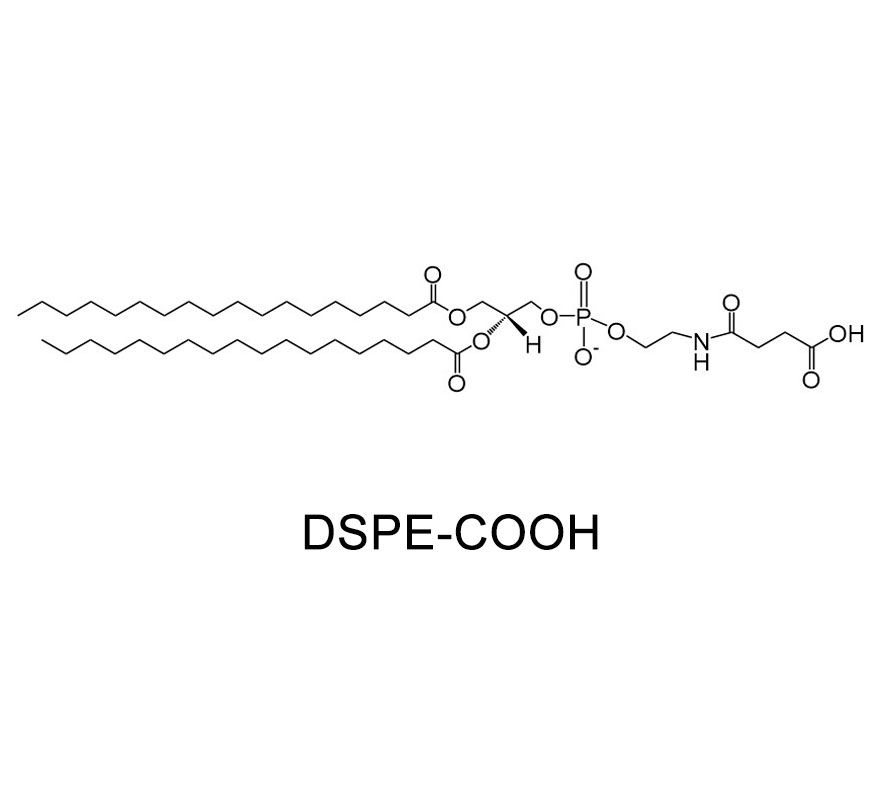
Modified phospholipid products: it is to modify the amino group (primary amino group) -NH3 at the end of DSPE into NHS, COOH, N3, MAL, Thiol (SH), OPSS, FITC, FA, Biotin and other different active groups. Phospholipids DSPE belong to the lipid family of biopolymers. Phospholipids consist of two fatty acids, a glycerol unit, a phosphate group, and a polar molecule. The phosphate groups and polar head regions of the molecule are hydrophilic (attracted to water), while the fatty acid tail is hydrophobic (repelled by water). When placed in water, the phospholipids Orient themselves into a double layer, where the non-polar tail region faces the inner region of the double layer. The polar head region faces outward and interacts with the water.
Phosphatidyl amino DSPE-NH2 is one of the most common materials in polymer modification. By grafting phospholipid bonds to amino molecules, polymeric polymers with different chain segments are formed by using phospholipid molecules, which reduces the thermal stability and weather resistance of the materials. At the same time, by introducing modifiers to improve the water resistance of the polymer itself, improve its processing performance, and finally obtain good water resistance, high mechanical properties, good weather resistance, good acid and alkali resistance products. DSPE-NH2 material is mainly composed of isopropyl alcohol butadiene, the isopropyl alcohol butadiene mixture is an aromatic polymer, with strong water absorption, hydrophilicity, and wide molecular weight distribution, good solubility, high mechanical strength characteristics, so the material can be used in many fields.
DSPE phospholipids can be used as pharmaceutical excipients for emulsification and drug solubilization, and are important materials for slow release drug preparations such as liposomes, fat milk and nanoparticles in recent years. Modification of phospholipid molecules can make these preparations have the ability of release and targeting under specific conditions. Common modification methods include: disintegration time; Introducing immune factors to enhance targeting; Introduce markers for diagnosis and tracking. A covalent bond in the carbonyl group is connected to the hydrogen atom and formed by a univalent atomic group, called aldehyde group, aldehyde group structure simple formula is -CHO, aldehyde group is a hydrophilic group, so the organic matter with aldehyde group (such as acetaldehyde, etc.) has a certain water solubility. Aldehydes, sugars, aldehydes, glucose, maltose and other molecules contain aldehyde groups. The aldehydes are active and prone to condensation and nucleophilic addition reactions. The aldehyde group can be reduced to hydroxymethyl (-CH2OH) or oxidized to carboxylic (-COOH).
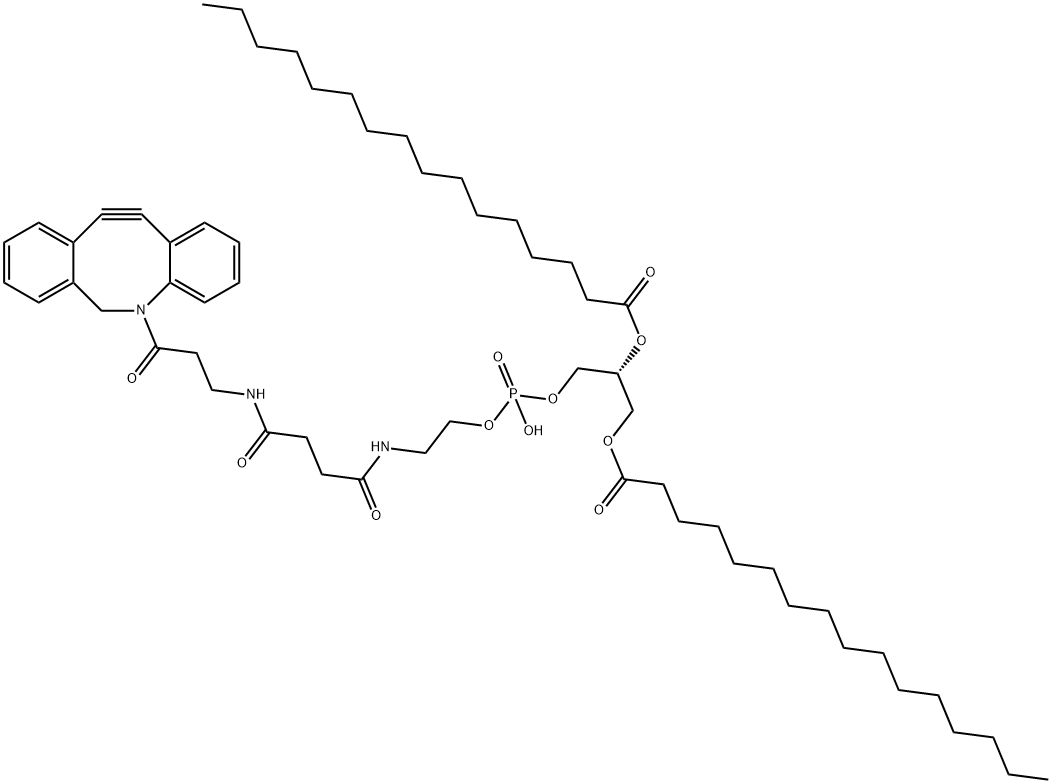
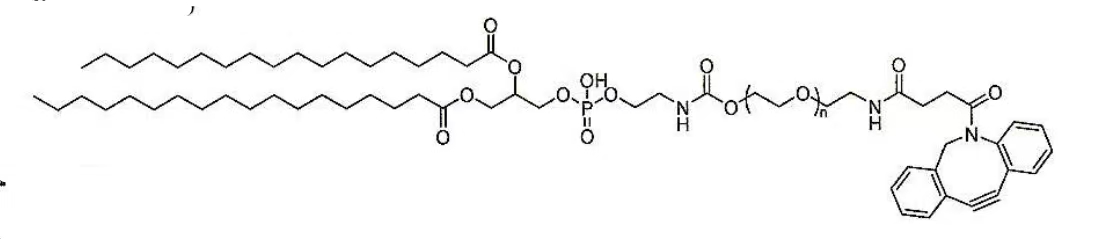
DSPE-PEG-DBCO ammonium is the ammonium salt form of DSPE-PEG-DBCO. DSPE-PEG-DBCO ammonium is utilized in copper-free click chemistry through SPAAC conjugation with an azido-functionalized peptide ligand. DSPE-PEG-DBCO ammonium is applied in drug-delivery and nanoparticle research.
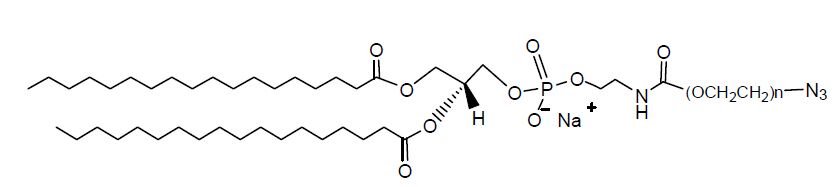
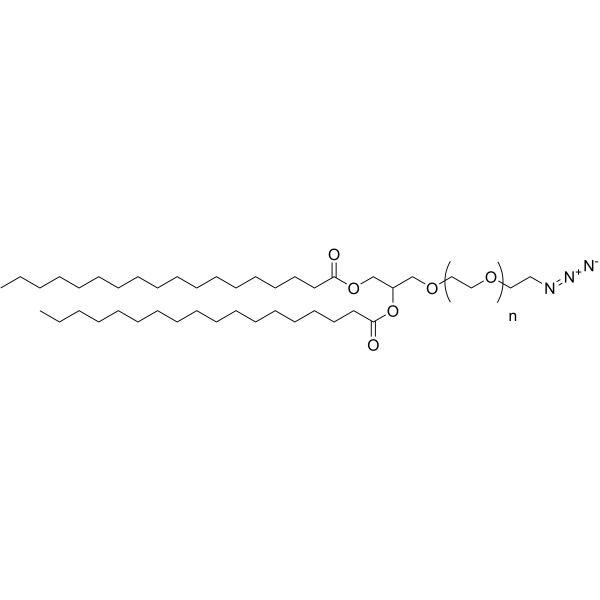
DSPE-PEG-N3 is a click chemical PEG reagent. Azide group is easy to react with alkynyl group under the catalysis of copper catalyst. It can also react directly with DBCO without any catalyst. DSPE (1,2-distearoyl-sn-glycerol-3-phosphoethanolamine) is a saturated 18 carbon phospholipid, which is commonly used in the synthesis of liposomes. Polyethylene glycol (PEG) - coupled DSPE is hydrophilic and can be used for drug delivery, gene transfection and biomolecular modification. The PEG of phospholipid significantly improved the blood circulation time and stability of the capsule drug. Polyethylene glycol can enhance the solubility and stability, reduce the non-specific binding of charged molecules on the surface, and reduce the immunogenicity of polypeptides. Azide (- N3) can react with copper catalyzed alkynes in aqueous solution and be reduced to amino groups. Polyethylene glycol can increase solubility and stability. It can also inhibit the nonspecific binding of charged molecules on the modified surface.
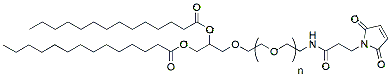
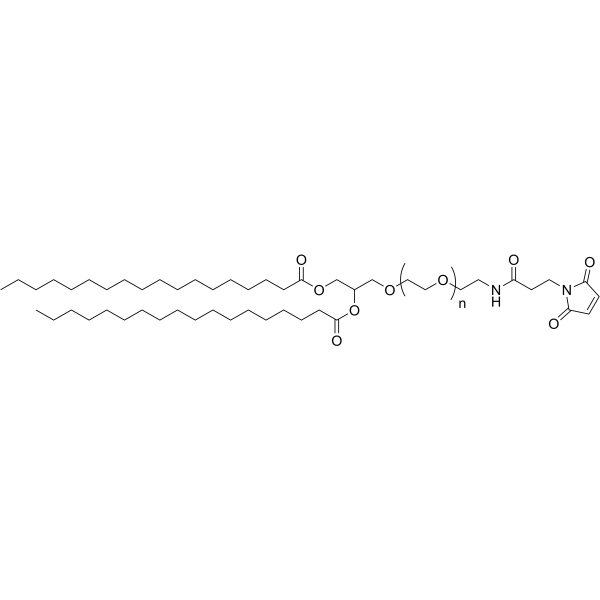
DSG-PEG3400-Mal is a conjugate composed of DSG, PEG chains, and maleimide (Mal). The maleimide group in DSG-PEG3400-Mal can undergo a specific Michael addition reaction with thiol-containing (-SH) biomolecules (such as peptides, antibodies, and aptamers), enabling targeted modification of liposomes/nanoparticles.
DSG-PEG3400-N3 is a conjugate composed of DSG, PEG chains, and terminal azido groups (-N3). DSG-PEG3400-Azide is a click chemistry reagent used for the targeted modification of liposomes/nanoparticles.
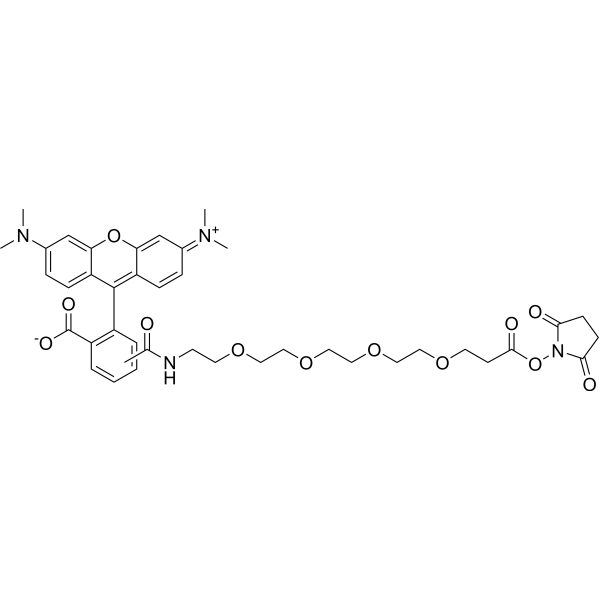
TAMRA-PEG4-NHS ester is a TAMRA red fluorescent dye derivative containing an NHS ester group which can be used to label the primary amines (-NH2) of proteins, amine-modified oligonucleotides, and other amine-containing molecules.
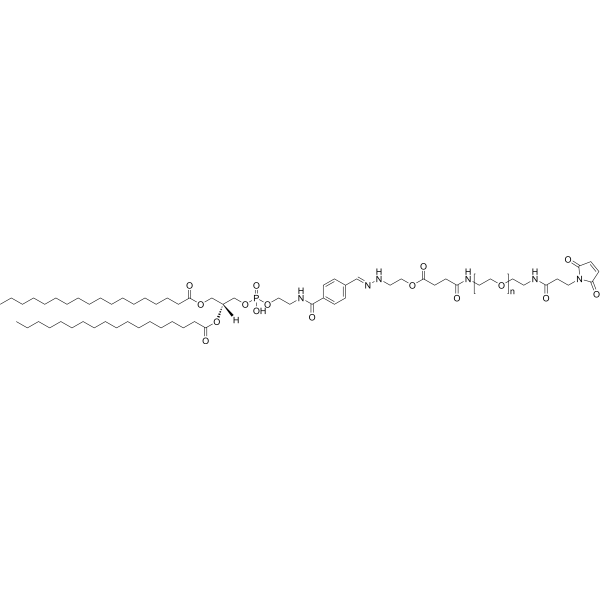
DSPE-Hyd-PEG, also known as distearoylphosphoethanolamine-hydrazide-polyethylene glycol, is a type of lipid-based polymer that has various applications in drug delivery and biomedical research. One of the main applications of DSPE-Hyd-PEG is in the field of targeted drug delivery. It is often used as a component of liposomes or lipid nanoparticles to improve the stability and targeting ability of drug carriers. DSPE-Hyd-PEG can be conjugated with targeting ligands, such as antibodies or peptides, to specifically bind to receptors on the surface of target cells. This targeted drug delivery system allows for more efficient and selective delivery of therapeutic agents to the desired site, while minimizing off-target effects.
DSPE-PEG-Maleimide, MW 2,000 is a PEG compound with DSPE and maleimide groups. The DSPE-PEGs have been FDA approved for medical applications. The hydrophobic properties of the DSPE allow for the encapsulation and congregation of other hydrophobic drugs. The hydrophilic polyPEG increases the water solubility of the overall compound allowing for the delivery of the drug. Maleimide groups can react with thiol groups between pH 6.5 to 7.5.
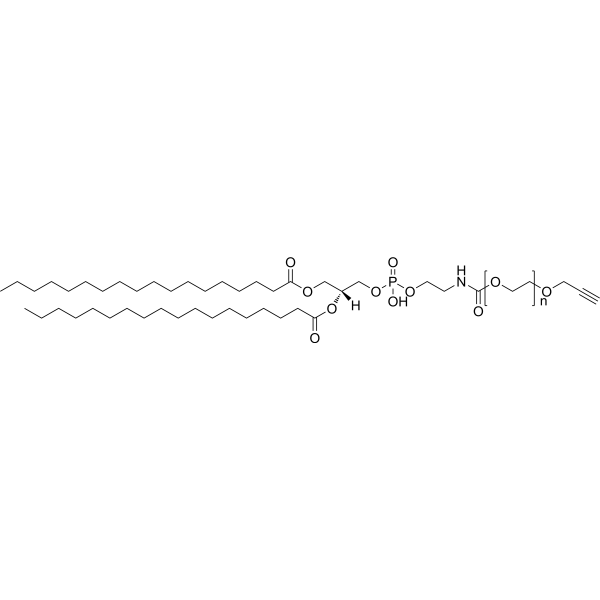
The phospholipid polyethylene glycol alkyne (DSPE PEG Alkyne) can be used to modify proteins, peptides and other materials or small molecules. Alkynyl (- ALK) can react with copper catalyzed azide in aqueous solution. 2-Distearoyl-sn-Glycero-3-Phosphoethanolamine (DSPE) conjugated polyethylene glycol is a combination of phospholipid and polyethylene glycol with hydrophilicity and hydrophobicity. Polyethylene glycol phospholipid liposomes form high-quality materials, which can be used for drug delivery, gene transfection and vaccine delivery. PEGylated phospholipid can significantly improve blood circulation time and stabilize drug encapsulation. These materials can also be used for targeted drug delivery by modifying ligands with target surfaces such as antibodies and peptides.
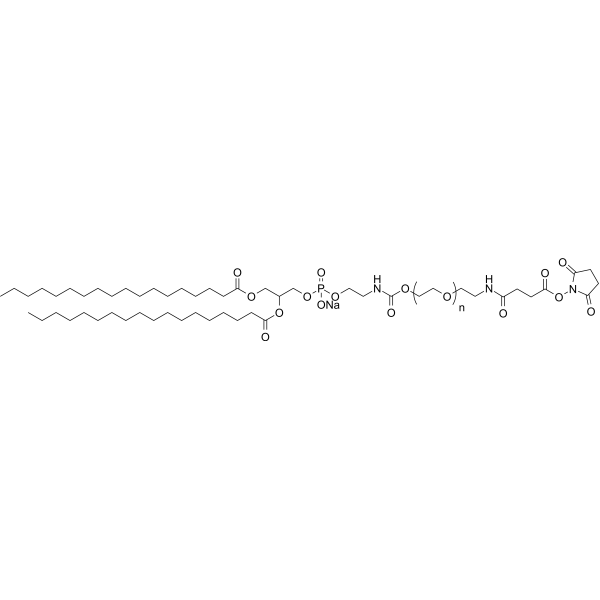
DSPE-m-PEG-NHS (MW 3400) is a pegylated phospholipid derivatives which can be used to prepare liposome or lipid nanoparticles for targeted drug delivery system, such as DNA or mRNA vaccine.
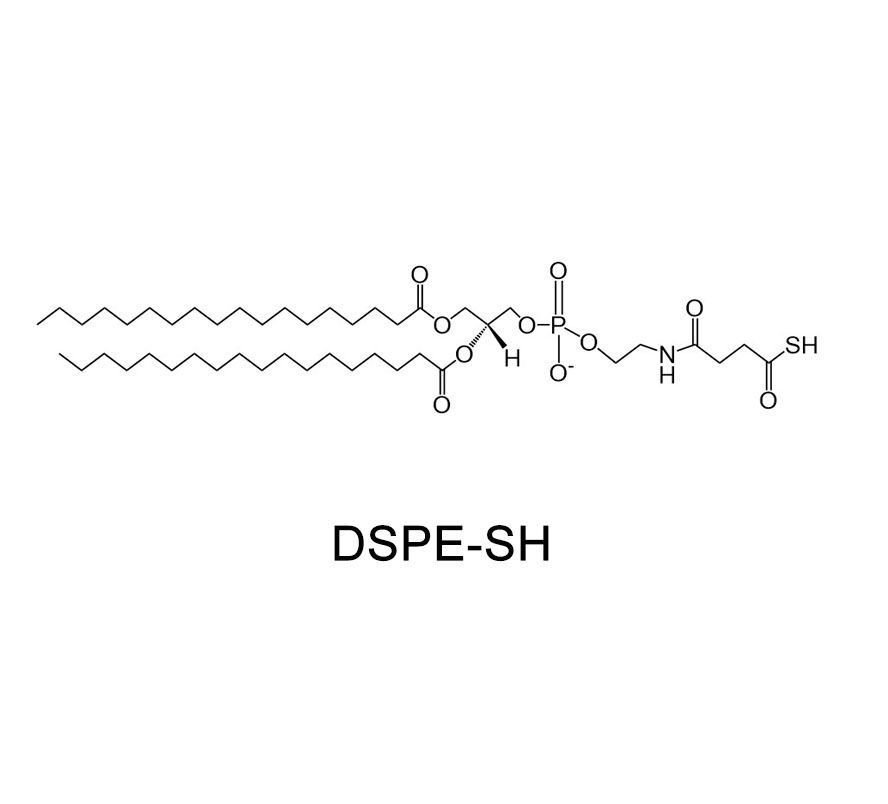
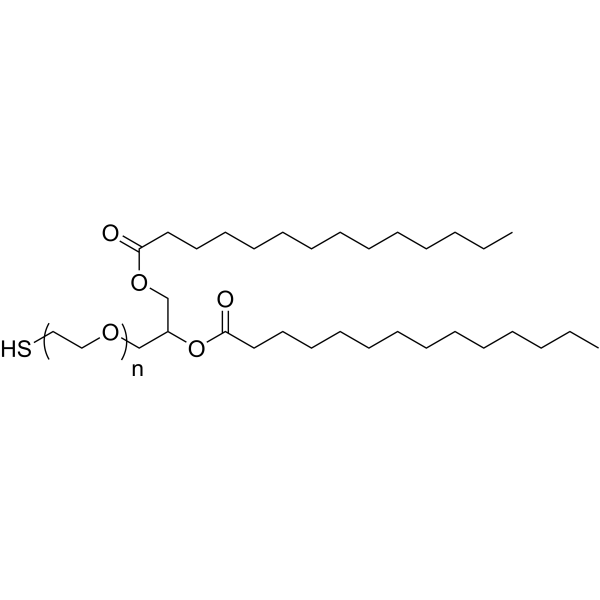
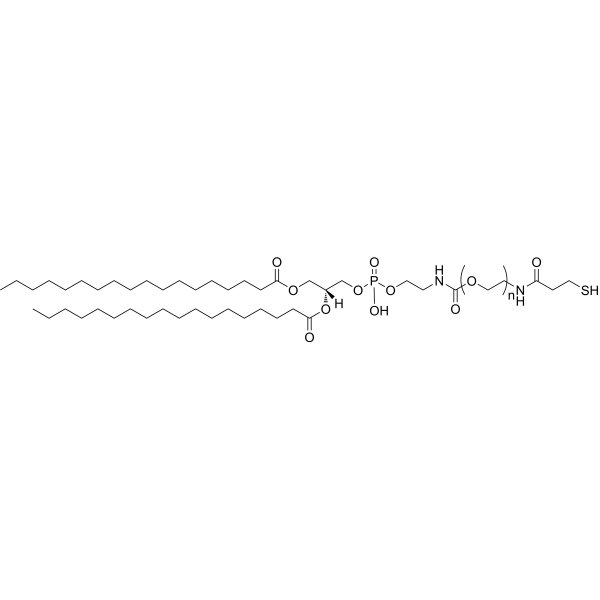
DSPE-PEG-SH, MW 2000 is a pegylated phospholipid with thiol group which is reactive with maleimide to form a covalent thioether linkage. The amphiphatic polymer can form lipid bilayer in aqueous solution and be used to encapsulate agents for drug delivery system, such as mRNA vaccine.
DSPE-Hyd-PEG, also known as distearoylphosphoethanolamine-hydrazide-polyethylene glycol, is a type of lipid-based polymer that has various applications in drug delivery and biomedical research. One of the main applications of DSPE-Hyd-PEG is in the field of targeted drug delivery. It is often used as a component of liposomes or lipid nanoparticles to improve the stability and targeting ability of drug carriers. DSPE-Hyd-PEG can be conjugated with targeting ligands, such as antibodies or peptides, to specifically bind to receptors on the surface of target cells. This targeted drug delivery system allows for more efficient and selective delivery of therapeutic agents to the desired site, while minimizing off-target effects.
DSPE-Hyd-PEG, also known as distearoylphosphoethanolamine-hydrazide-polyethylene glycol, is a type of lipid-based polymer that has various applications in drug delivery and biomedical research. One of the main applications of DSPE-Hyd-PEG is in the field of targeted drug delivery. It is often used as a component of liposomes or lipid nanoparticles to improve the stability and targeting ability of drug carriers. DSPE-Hyd-PEG can be conjugated with targeting ligands, such as antibodies or peptides, to specifically bind to receptors on the surface of target cells. This targeted drug delivery system allows for more efficient and selective delivery of therapeutic agents to the desired site, while minimizing off-target effects.
The polymer with ketone mercaptan as the fragment can form the shell of the nanocore, and simultaneously contain the polyorubicin and light sensitive compounds to achieve dual roles. Ketothiol polymers can also be used directly as drug carriers to contain paclitaxel ROS responsive groups, often in combination with a variety of methods. ROS, as the connecting part, connects the hydrophilic part and the hydrophobic part of the nanocarrier. When the nanocarrier encounters ROS, it breaks and releases drugs: the ROS responsive group can also act as the part connecting drug molecules and nanocarriers to release drugs under oxidation. Common ROS responsive groups generally contain sulfur, boron and tellurium. In addition, in order to inactivate the protein, ROS responsive groups can also be used to block the active center of the protein. Common ROS responsive genes include: polypropylene sulfide, borate, thione, tellurium, selenium, ferrocene, anthocyanins, etc.
DSPE-Hyd-PEG, also known as distearoylphosphoethanolamine-hydrazide-polyethylene glycol, is a type of lipid-based polymer that has various applications in drug delivery and biomedical research. One of the main applications of DSPE-Hyd-PEG is in the field of targeted drug delivery. It is often used as a component of liposomes or lipid nanoparticles to improve the stability and targeting ability of drug carriers. DSPE-Hyd-PEG can be conjugated with targeting ligands, such as antibodies or peptides, to specifically bind to receptors on the surface of target cells. This targeted drug delivery system allows for more efficient and selective delivery of therapeutic agents to the desired site, while minimizing off-target effects.
DSPE-Hyd-PEG, also known as distearoylphosphoethanolamine-hydrazide-polyethylene glycol, is a type of lipid-based polymer that has various applications in drug delivery and biomedical research. One of the main applications of DSPE-Hyd-PEG is in the field of targeted drug delivery. It is often used as a component of liposomes or lipid nanoparticles to improve the stability and targeting ability of drug carriers. DSPE-Hyd-PEG can be conjugated with targeting ligands, such as antibodies or peptides, to specifically bind to receptors on the surface of target cells. This targeted drug delivery system allows for more efficient and selective delivery of therapeutic agents to the desired site, while minimizing off-target effects.
DSPE-Hyd-PEG, also known as distearoylphosphoethanolamine-hydrazide-polyethylene glycol, is a type of lipid-based polymer that has various applications in drug delivery and biomedical research. One of the main applications of DSPE-Hyd-PEG is in the field of targeted drug delivery. It is often used as a component of liposomes or lipid nanoparticles to improve the stability and targeting ability of drug carriers. DSPE-Hyd-PEG can be conjugated with targeting ligands, such as antibodies or peptides, to specifically bind to receptors on the surface of target cells. This targeted drug delivery system allows for more efficient and selective delivery of therapeutic agents to the desired site, while minimizing off-target effects.
Phospholipids are commonly used polymeric gene carriers. DSPE with high molecular weight can effectively compound DNA, and has strong buffered capacity under endosomal pH conditions, showing good transfection efficiency for a variety of cells. However,DAPE is not easily degraded, and high molecular weight DAPE as a gene carrier may lead to short - or long-term cytotoxicity.
The polymer with ketone mercaptan as the fragment can form the shell of the nanocore, and simultaneously contain the polyorubicin and light sensitive compounds to achieve dual roles. Ketothiol polymers can also be used directly as drug carriers to contain paclitaxel ROS responsive groups, often in combination with a variety of methods. ROS, as the connecting part, connects the hydrophilic part and the hydrophobic part of the nanocarrier. When the nanocarrier encounters ROS, it breaks and releases drugs: the ROS responsive group can also act as the part connecting drug molecules and nanocarriers to release drugs under oxidation. Common ROS responsive groups generally contain sulfur, boron and tellurium. In addition, in order to inactivate the protein, ROS responsive groups can also be used to block the active center of the protein. Common ROS responsive genes include: polypropylene sulfide, borate, thione, tellurium, selenium, ferrocene, anthocyanins, etc.
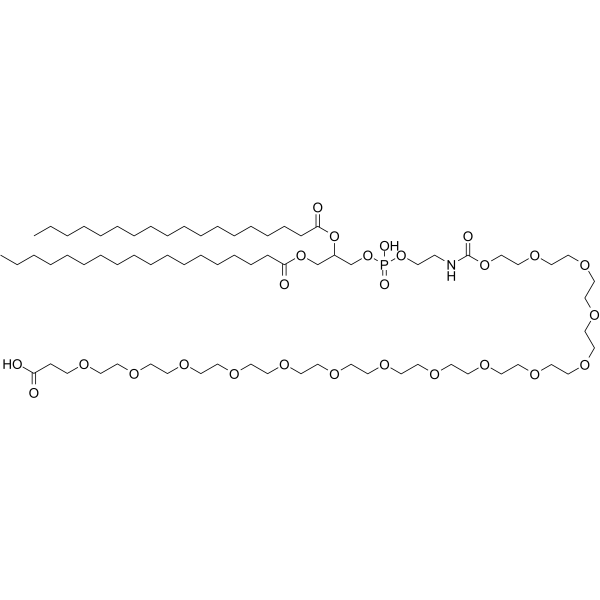
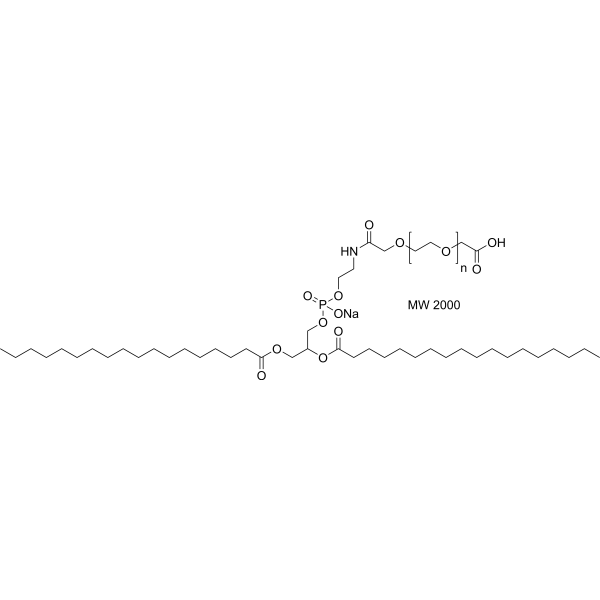
DSPE-PEG Carboxylic acid (sodium), MW 2000 is a PEG-lipid that can be used to form micelles as nanoparticles for drug delivery. DSPE-PEG Carboxylic acid (sodium), MW 2000 increases the blood circulation time of liposomes.
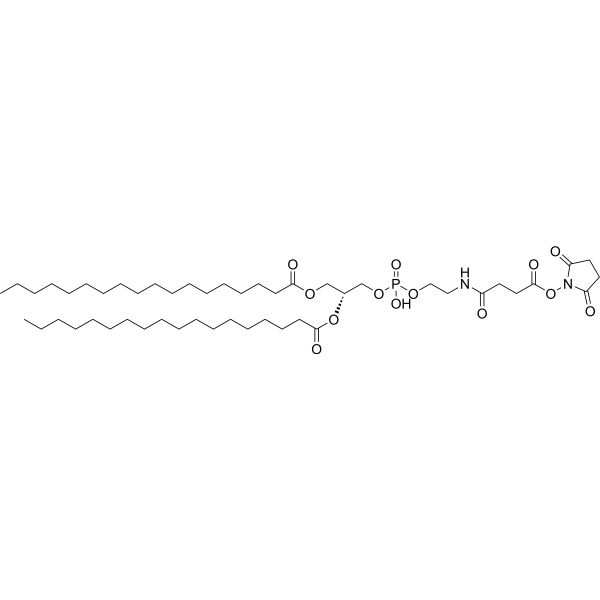
DSPE-NHS is a bioconjugation phospholipid molecule with two hydrophobic lipid tails. DSPE-NHS is a self-assembling reagent which forms lipid bilayer in aqueous solution. DSPE-NHS can be used to prepare liposomes as drug nanocarrier.