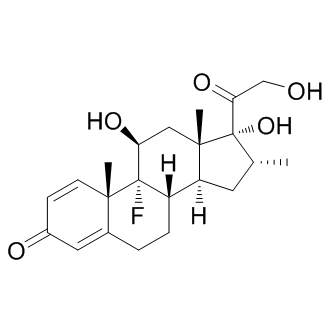
DexamethasoneFeaturedFeatured
Dexamethasone is a potent synthetic member of the glucocorticoid class of steroid drugs used as an anti-inflammatory and immunosuppressant.

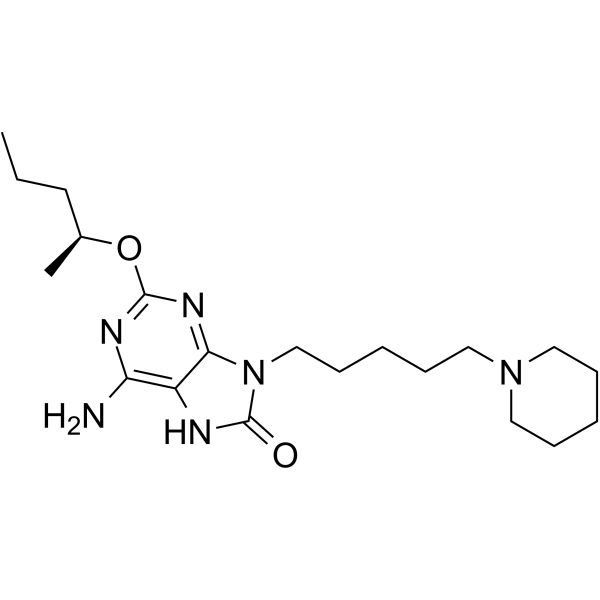
Browse TLR agonist small molecule in the DC Chemicals RNA Delivery catalog.
Dexamethasone is a potent synthetic member of the glucocorticoid class of steroid drugs used as an anti-inflammatory and immunosuppressant.
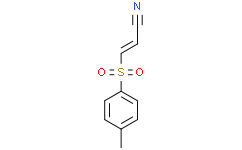
BAY 11-7082 is a NF-κB inhibitor which decreases NF-κB by inhibiting TNF-α-induced phosphorylation of IκB-α. BAY 11-7082 inhibits ubiquitin-specific protease USP7 and USP21 with IC50s of 0.19 μM and 0.96 μM, respectively.
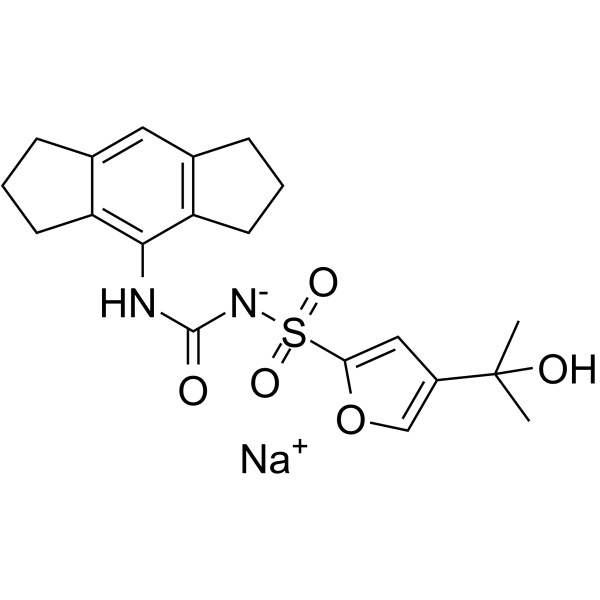
MCC950 (CP-456773) sodium is a potent, selective, small-molecule inhibitor of NLRP3 with IC50 of 7.5 nM in BMDMs.
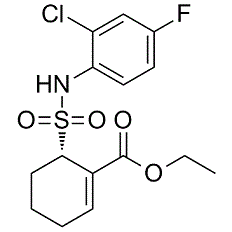
TAK-242 (Resatorvid), a small-molecule-specific inhibitor of Toll-like receptor (TLR) 4 signaling, inhibits the production of lipopolysaccharide-induced inflammatory mediators by binding to the intracellular domain of TLR4. IC50 value: 1.1-11 nM Target: TLR4 in vitro: In RAW264.7 cells and mouse peritoneal macrophages, TAK-242 suppressed lipopolysaccharide (LPS)-induced production of NO, tumor necrosis factor-alpha (TNF-alpha), and interleukin (IL)-6, with 50% inhibitory concentration (IC50) of 1.1 to 11 nM. TAK-242 also suppressed the production of these cytokines from LPS-stimulated human peripheral blood mononuclear cells (PBMCs) at IC50 values from 11 to 33 nM. In addition, the inhibitory effects on the LPS-induced IL-6 and IL-12 production were similar in human PBMCs, monocytes, and macrophages. TAK-242 inhibited mRNA expression of IL-6 and TNF-alpha induced by LPS and interferon-gamma in RAW264.7 cells . TAK-242 selectively bound to TLR4. The time course of the inhibitory effect of TAK-242 on inflammatory mediator production corresponded to that of the binding of TAK-242 to TLR4. TAK-242 inhibited the association of TLR4 with Toll/interleukin-1 receptor domain-containing adaptor protein (TIRAP) or Toll/interleukin-1 receptor domain-containing adaptor protein inducing interferon-β-related adaptor molecule (TRAM) in human embryonic kidney (HEK) 293 cells overexpressing TLR4, MD-2, and TIRAP or TRAM, respectively . in vivo: To evaluate the effect of blocking TLR4 on visceral nociception, TAK-242, a selective TLR4 antagonist, was administered peripherally (intravenous) and centrally (intracerebroventricular and intra-PFC) (n = 10-12/experimental group) . Intravenous administration of TAK-242 to mice 1 h be Fore LPS challenge dose-dependently inhibited LPS-induced increases in serum levels of TNF-alpha, IL-1beta, IL-6, IL-10, MIP-2, and NO metabolites. TAK-242 protected mice from LPS-induced lethality in a similar dose-dependent manner, and rescued 100% of mice at a dose of 1 mg/kg. Interestingly, TAK-242 worked quickly, and showed beneficial effects even when administered after LPS challenge .For the detailed information of TAK-242 (Resatorvid), the solubility of TAK-242 (Resatorvid) in water, the solubility of TAK-242 (Resatorvid) in DMSO, the solubility of TAK-242 (Resatorvid) in PBS buffer, the animal experiment (test) of TAK-242 (Resatorvid), the cell expriment (test) of TAK-242 (Resatorvid), the in vivo, in vitro and clinical trial test of TAK-242 (Resatorvid), the EC50, IC50,and Affinity of TAK-242 (Resatorvid), Please contact DC Chemicals.
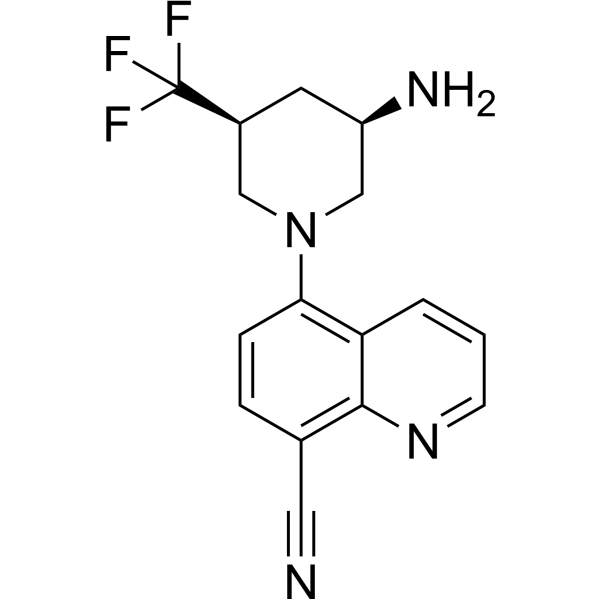
Enpatoran (M5049) is an orally active and dual TLR7/8 inhibitor with IC50s of 11.1 nM and 24.1 nM in HEK293 cells, respectively. Enpatoran can block both innate and adaptive autoimmunity. Enpatoran is inactive against TLR3, TLR4 and TLR9. Enpatoran (M5049) can block molecule synthetic ligands and natural endogenous RNA ligands. Enpatoran (M5049) inhibits cytokine release, causing great potency in pharmacokinetic/pharmacodynamic properties.
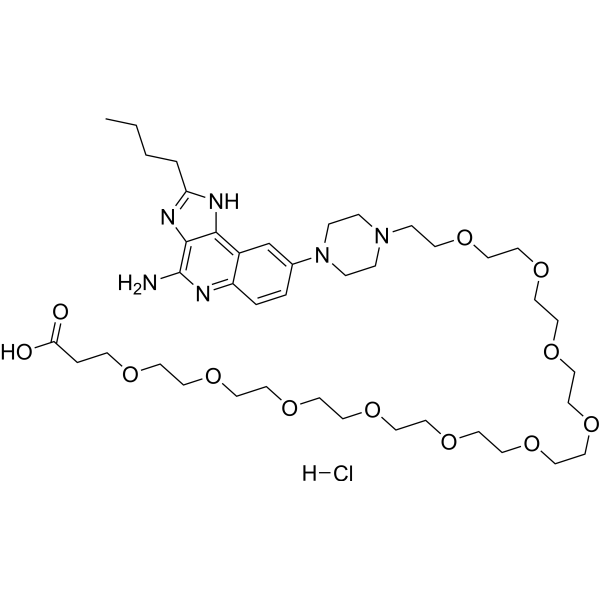
TLR7/8 agonist 4 hydroxy-PEG10-acid hydrochloride (compound 9) is a drug-linker conjugate for ADC with potent antitumor activity by using TLR7/8 agonist 4, linked via the cleavable ADC linker hydroxy-PEG10-acid.
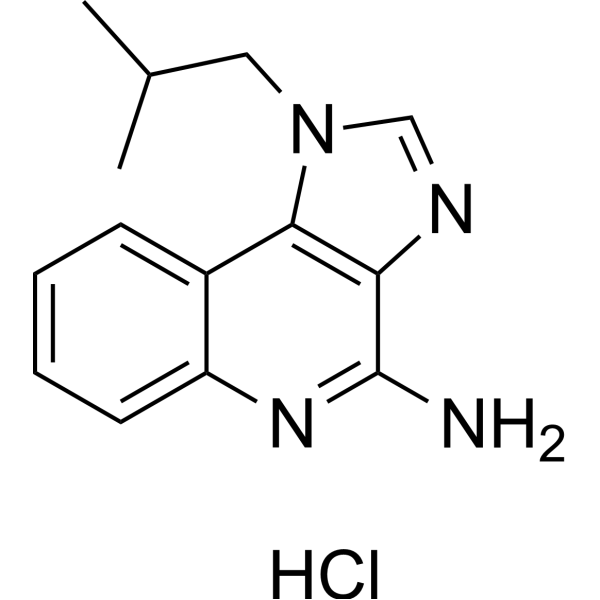
Imiquimod hydrochloride (R 837 hydrochloride), an immune response modifier, is a selective toll like receptor 7 (TLR7) agonist. Imiquimod hydrochloride exhibits antiviral and antitumor effects in vivo. Imiquimod hydrochloride can be used for the research of external genital, perianal warts, cancer and COVID-19.
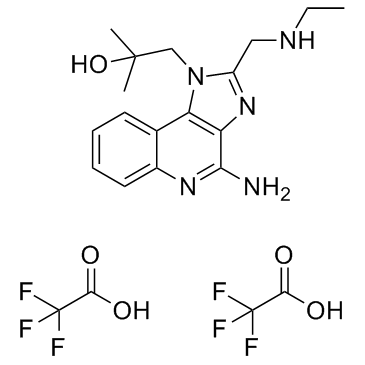
Gardiquimod trifluoroacetate is a specific TLR7 agonist which can also inhibit HIV-1 reverse transcriptase.
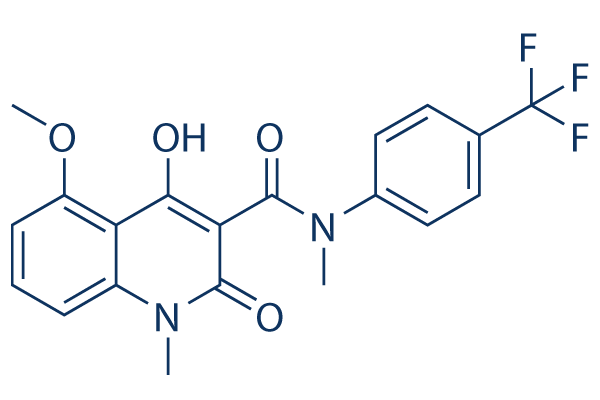
Tasquinimod is an oral antiangiogenic agent in clinical trials for the treatment of castration-resistant prostate cancer. Tasquinimod binds to the regulatory Zn2+ binding domain of HDAC4 with Kd of 10-30 nM.
1V209 (TLR7 agonist T7) is a Toll-like receptor 7 (TLR7) agonist and has anti-tumor effects. 1V209 can be conjugated with various polysaccharides to improve its water solubility, and enhance its efficacy, and maintain low toxicity12.
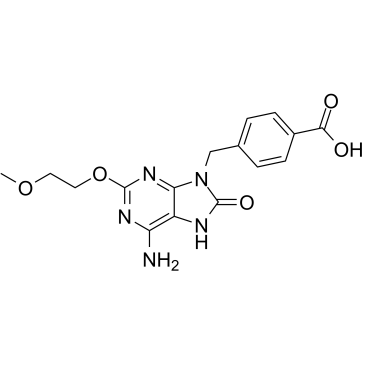
GS-9620 is a potent and selective orally active small molecule agonist of Toll-like receptor 7(TLR-7) in chimpanzees with chronic HBV infection.
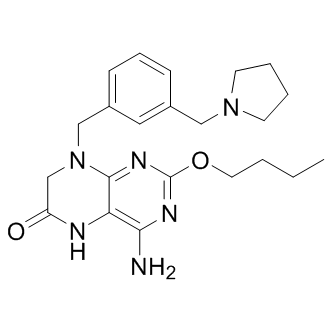
Motolimod is a selective Toll-like receptor 8 (TLR8) agonist, with an EC50 of approximately 100 nM.
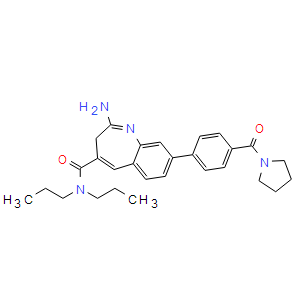
TLR4-IN-C34-C2-COO is a linker that incorporates TLR4 inhibitor TLR4-IN-C34. TLR4-IN-C34 inhibits TLR4 in enterocytes and macrophages, and reduces systemic inflammation in mouse models of endotoxemia and necrotizing enterocolitis.
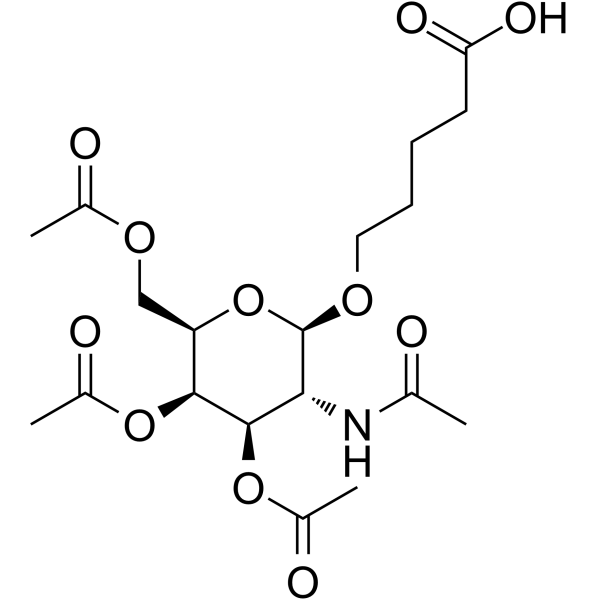
TLR7/8 agonist 3 is a potent TLR7 and TLR8 agonist, extracted from patent WO2016057618 (compound of formula (II))1.
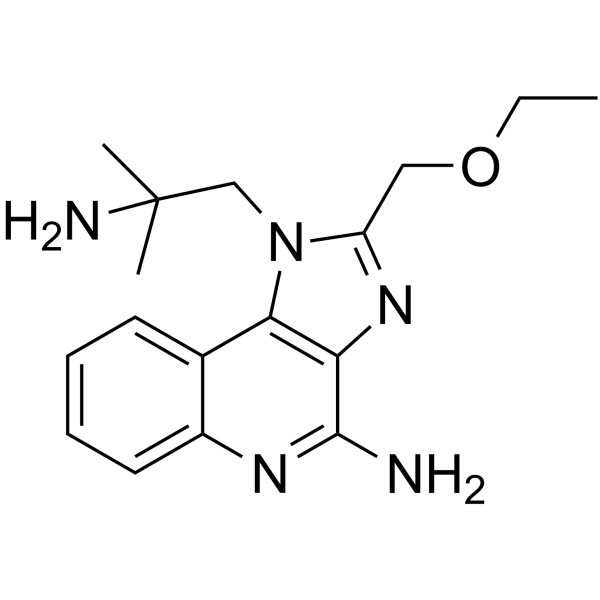
TLR7/8 agonist 1 is a toll-like receptor (TLR7)/TLR8 dual-agonistic imidazoquinoline.
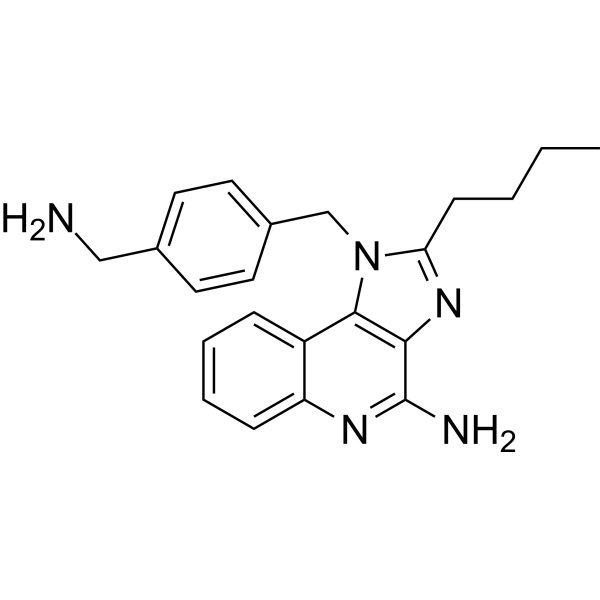
Telratolimod (MEDI 9197, 3M 052) is a novel, injectable, tissue-retained TLR7/8 agonist that forms a tissue depot with gradual, sustained release, allowing local TLR triggering activity without systemic cytokine release.
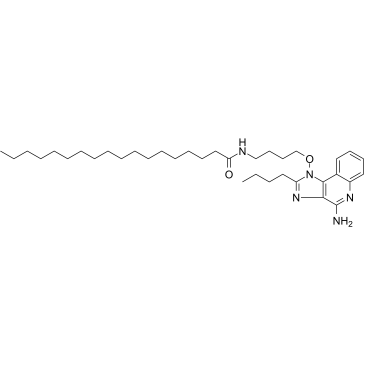
SMU127 (SMU-127, ZINC666243) is a specific TLR1-TLR2 small molecule agonist with EC50 of 0.55 uM; stimulates NF-κB activation and promotes TNFα secretion in human macrophages and mononuclear cells, inhibits the growth of breast cancer tumors in BABL/c mice.
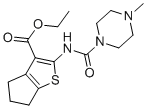
A potent TLR7/8 agonist that induces robust production of the Th1-polarizing cytokines TNF-alpha and IL-12 from neonatal antigen-presenting cells (APCs)..

A selective TLR8 agonist that induces activation of NF-κB at 0.4 uM; induces similar cytokine profiles from human PBMC compared with TLR8 agonist ssRNA; effectively stimulates IL-12 production from mDC, but not pDC; induces TNF-α and IL-12 at 0.1 uM from monocytes and monocyte-derived DC (Mo-DC).

3M-011 is a potent TLR7/8 agonist and cytokine inducer; stimulates type I interferon (IFN) and other cytokines such as TNF-alpha, IL-12, and IFN-gamma from rat peripheral blood mononuclear cells; induces IL-12 and COX-2 expression in mDC from HIV+ and HIV- individuals, and inhibits H3N2 influenza viral replication in the nasal cavity; potentiates NK cytotoxicity, and shows antitumor effects in scid/B6 mice and scid/NOD mice.
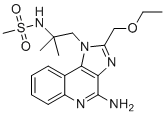
ANA975 is an oral prodrug of the TLR-7 agonist Isatoribine (ANA245;7-Thia-8-oxoguanosine) against hepatitis C virus (HCV) infection.HCV InfectionPhase 1 Discontinued

CU115 is a potent TLR8 antagonist (IC50=1.04 µM), and shows selective for TLR8 over TLR7 (IC50=>50 µM). CU 115 decreases TNF-α and IL-1β production activated by R-848 in THP-1 cells.
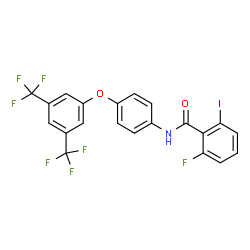
Novel TLR7 agonist via immune response induction and tumor microenvironment modulation

Toll-like receptor 2/6 (TLR-2/6) agonist, regulating Lcn2 gene, promoting collateral growth

Novel anticryptosporidial agent, acting as a toll-like receptor-2 (TLR2) antagonist

E6742 (E6742) is a potent, selective, dual TLR7/8 inhibitor with binding Kd of 1.7 uM/37 nM in ITC assays, respectively, inhibits TLR7/8 agonist CL097 induced reporter activation with IC50 values of 22, 68, and 3.0 nM for hTLR7, mTLR7, and hTLR8, respecti

Novel potent TLR1/2 Specific Agonist, Suppressing Leukemia Cancer Cell Growth by Stimulating Cytotoxic T Lymphocytes

CL097, a potent TLR7/8 agonist, induces pro-inflammatory cytokines in macrophages. CL097 induces NADPH oxidase priming, resulting in an increase of the fMLF-stimulated ROS production.

RS 09 is a TLR4 agonist. RS 09 promotes NF-κB nuclear translocation and induces inflammatory cytokine secretion in RAW264.7 macrophages in vitro. RS 09 acts as an adjuvant in vivo; RS 09 enhances X-15 specific antibody serum concentrations, when administered with X-15-KLH in mice.

AZ617 is a potent TLR4 agonist.
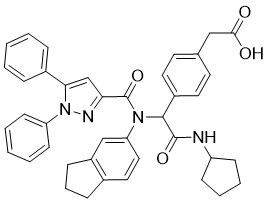
Gardiquimod, an imidazoquinoline analog, is a TLR7/8 agonist. Gardiquimod could inhibit HIV-1 infection of macrophages and activated peripheral blood mononuclear cells (PBMCs). Gardiquimod specifically activates TLR7 when used at concentrations below 10 μM12.
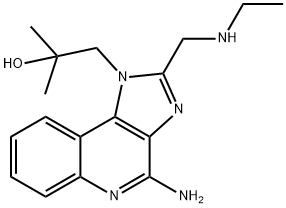
TLR4-IN-C34 is an orally active TLR4 inhibitor and reduces systemic inflammation in models of endotoxemia and necrotizing enterocolitis[1][2].
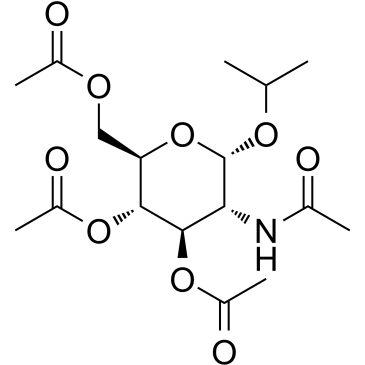
TJ-M2010-5 is a MyD88 inhibitor that binds to the TIR domain of MyD88 to interfere with its homodimerization, and the TLR/MyD88 signal pathway. TJ-M2010-5 can be used for the research of myocardial ischemia/reperfusion injury (MIRI).
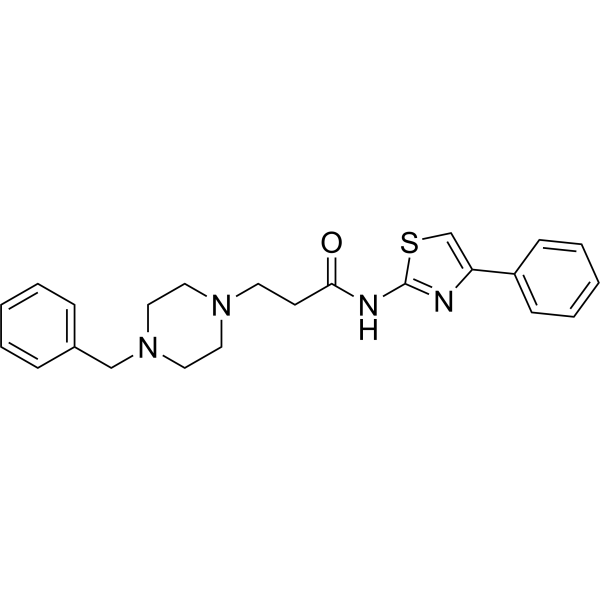
Paquinimod is a S100A9 inhibitor, which prevents S100A9 binding to TLR-4.
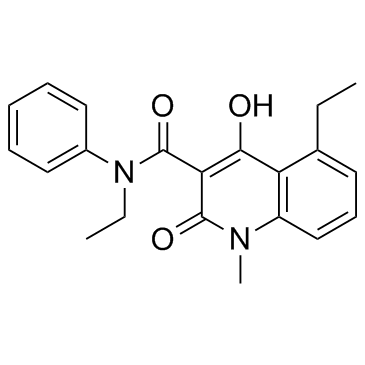
Loxoribine (7-Allyl-8-oxoguanosine) is a guanosine analog with anti-viral and anti-tumor activities. Loxoribine is an orally bioavailable and selective Toll-like receptor (TLR) 7 agonist123.
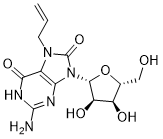
activate TLR8-dependent NF-kB signaling
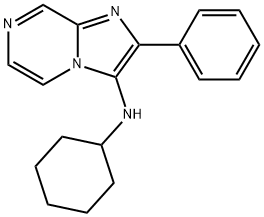
E014 is a potent, selective TLR7 agonist with EC50 of 69 nM in Ramos Blue reporter assays, >500-fold selective for TLR7 over TLR8.

CU-CPT17e shows strong NF-κB activation in TLR3, TLR8 and TLR9 HEK293 cells with EC50 values of 4.80±0.73, 13.5±0.58 and 5.66±0.17 μM, respectively. CU-CPT17e significantly improves the activity with 13.9±0.9 fold of NF-κB activation and an EC50 value of 4.8±0.7 μM. CU-CPT17e inhibits the proliferation of HeLa cancer cells by triggering apoptosis and arresting the cell cycle at the S phase. The induction of apoptosis by CU-CPT17e in HeLa cells is investigated. HeLa cells are cultured with increasing concentrations of CU-CPT17e or poly I:C or blank control (DMSO) for 24 h. Treatment with CU-CPT17e for 24 h at different concentrations (10 to 40 μM) results in an elevation of apoptotic cell population ranging from 10% to 17%, which is more effective than poly I:C at 5 μg/mL. These results suggest that the antiproliferative activity of CU-CPT17e against HeLa cells might result from its ability to directly induce apoptosis[1].

CU-CPD107 is a TLR8-specific small molecule with unique synergistic agonist activities in the presence of ssRNA, but inactive without the aid of ssRNA.CU-CPD107 significantly inhibited of R848-induced signaling in HEK-Blue hTLR8 cells with an IC50 of 13.7 uM.CU-CPD107 only inhibited synthesized small-molecule agonist-induced TLR8 signaling without affecting other TLRs.CU-CPD107 synergistically increased IFN-β, TNF-α, IL-1β, IL-6, and IL-8 mRNA expression levels in the presence of 5 μg/ml ssRNA40 in HEK-Blue hTLR8 cells, whereas CU-CPD107 alone did not. CU-CPD107 only activated TLR8-mediated signaling in the presence of ssRNA.CU-CPD107 showed no pure agonistic activity, addressing a major challenge that has existed for previous TLR7 and TLR8 agonists as vaccine adjuvants or antiviral drugs.
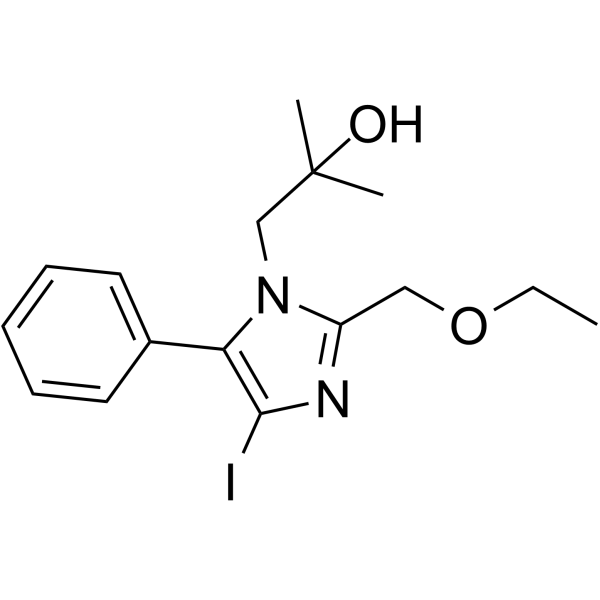
D18 is an immune modulator. D18 acts as a TLR7/8 dual agonist (EC50=24 nM for hTLR7 and 10 nM for hTLR8, respectively). D18 increases PD-L1 expression through epigenetic regulation, thus sensitizing tumors to PD-1/PD-L1 blockade. D18 is a ADC cytotoxin uesd for the systhesis of ADC HE-S2.

TLR7-IN-1 is a novel TLR7 inhibitor.
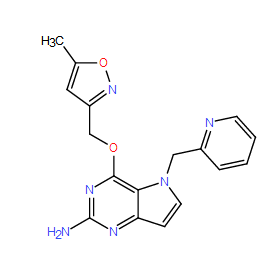
M1002 is a first-in-class HIF-2a agonists.
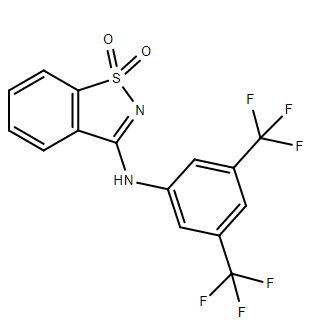
C29 is a Toll-like receptor 2 (TLR2) inhibitor.
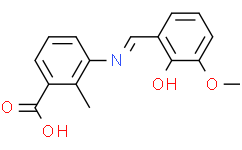
AYK004-C1 is a TLR agonist. AYK004-C1 can be used to prepare immune adjuvants.
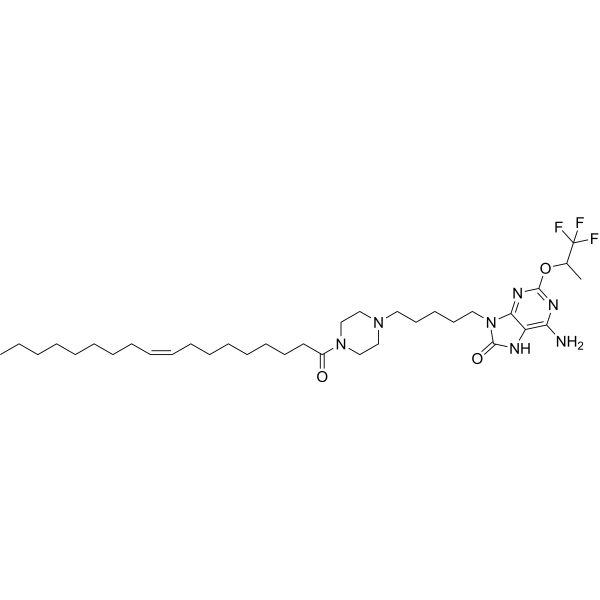
GSK2245035 is a highly potent and selective intranasal Toll-Like receptor 7 (TLR7) agonist with preferential Type-1 interferon (IFN)-stimulating properties. GSK2245035 has pEC50s of 9.3 and 6.5 for IFNα and TFNα. GSK2245035 effectively suppresses allergen-induced Th2 cytokine production in human peripheral blood cell cultures. GSK2245035 is used for asthma.