For research use only. We do not sell to patients.
← All classifications
RNA Delivery catalog

Functionalized lipids

Reactive and labeled lipids for conjugation, imaging, and formulation research.

128 products currently listedResearch-use products only
Functionalized lipids products
Browse this category

Functionalized lipids products

128 products · 20 per page
Cat. No.Product NameField of ApplicationChemical Structure
DMG-PEG2000-NHSFeaturedFeatured

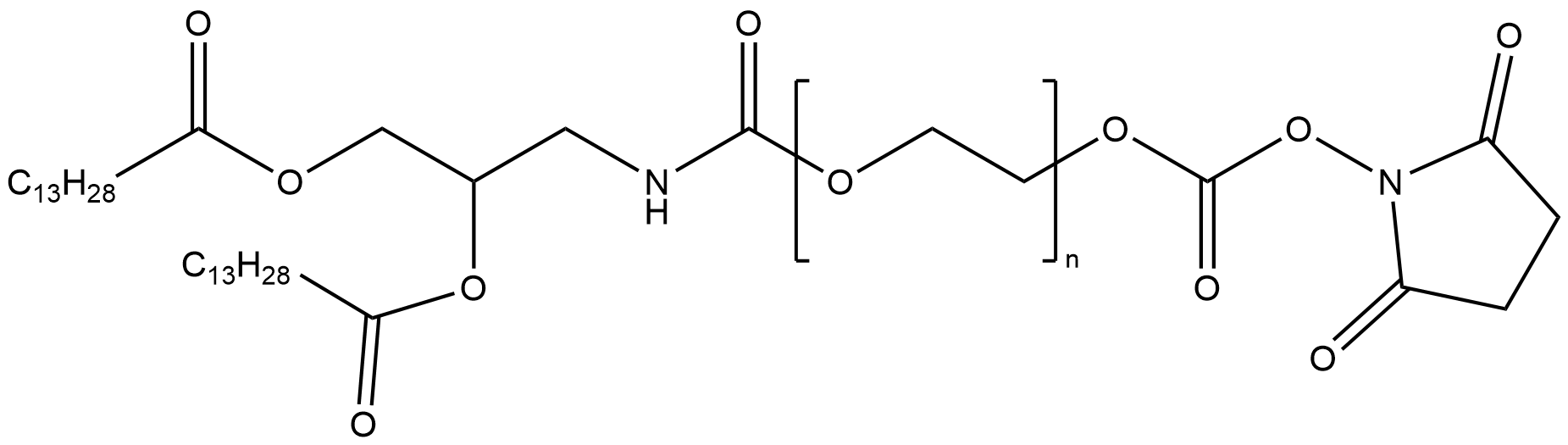
DMG-PEG2000-NHS is a PEG derivative that can be used in various biomedical applications, such as the construction of drug delivery systems (siRNA delivery liposomes, lipid nanoparticle, etc.). The active ester (NHS) can react with an amino group (-NH2) to form a stable amide bond, which can be used as a linker in a bioconjugation strategy to modify amino-linked peptide proteins as well as other small molecules.

DMG-PEG2000-NHS chemical structure
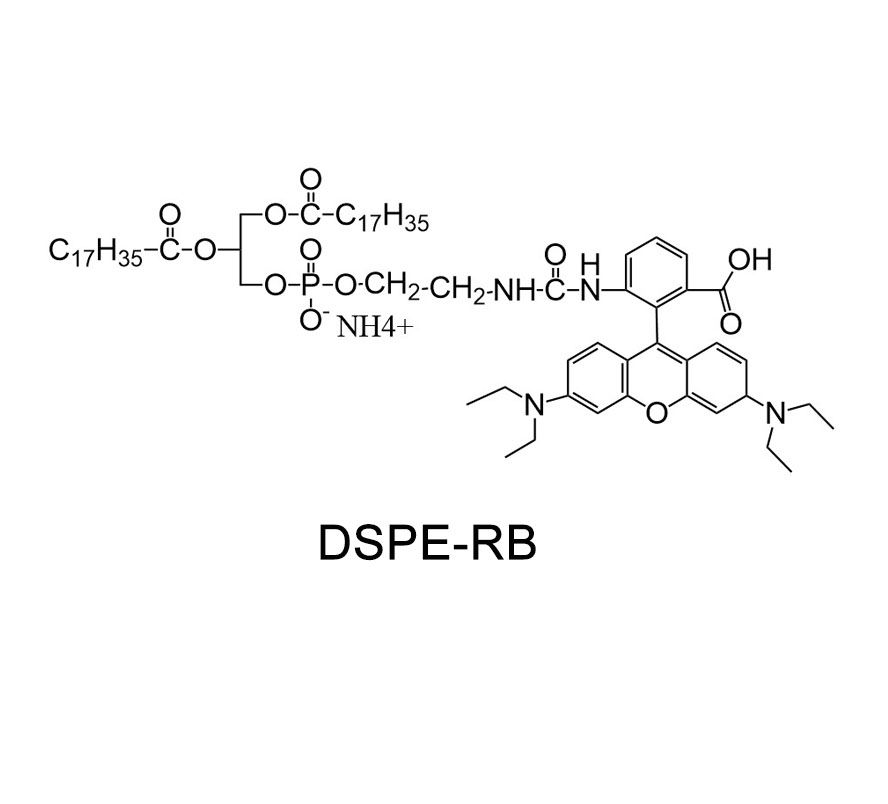
DSPE-RBFeaturedFeatured

Phospholipids DSPE belong to the lipid family of biopolymers. Phospholipids consist of two fatty acids, a glycerol unit, a phosphate group, and a polar molecule. The phosphate groups and polar head regions of the molecule are hydrophilic (attracted to water), while the fatty acid tail is hydrophobic (repelled by water). When placed in water, the phospholipids Orient themselves into a double layer, where the non-polar tail region faces the inner region of the double layer. The polar head region faces outward and interacts with the water. Applications in drug release, nanotechnology and new materials research, cell culture. As well as ligand research, peptide synthesis support, grafted polymer compounds, new materials and pegylated modified functional coatings and other active compounds.

DSPE-RB chemical structure
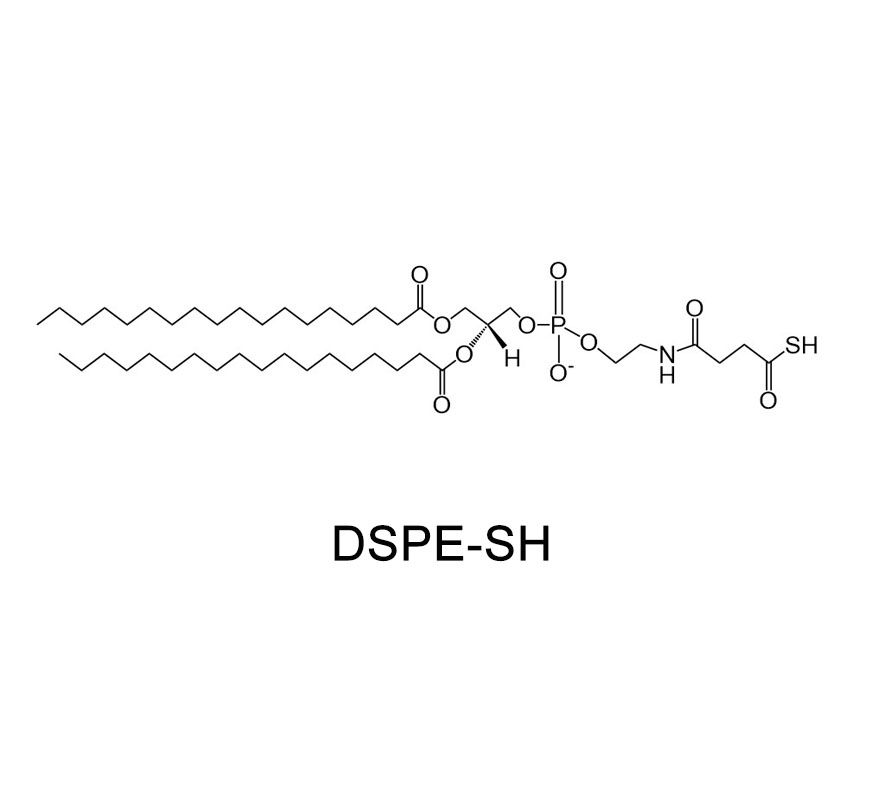
DSPE-SH(DSPE Thiol)FeaturedFeatured

Modified phospholipid products: it is to modify the amino group (primary amino group) -NH3 at the end of DSPE into NHS, COOH, N3, MAL, Thiol (SH), OPSS, FITC, FA, Biotin and other different active groups. Phospholipids DSPE belong to the lipid family of biopolymers. Phospholipids consist of two fatty acids, a glycerol unit, a phosphate group, and a polar molecule. The phosphate groups and polar head regions of the molecule are hydrophilic (attracted to water), while the fatty acid tail is hydrophobic (repelled by water). When placed in water, the phospholipids Orient themselves into a double layer, where the non-polar tail region faces the inner region of the double layer. The polar head region faces outward and interacts with the water.

DSPE-SH(DSPE Thiol) chemical structure
DSPE-NH2FeaturedFeatured

Phosphatidyl amino DSPE-NH2 is one of the most common materials in polymer modification. By grafting phospholipid bonds to amino molecules, polymeric polymers with different chain segments are formed by using phospholipid molecules, which reduces the thermal stability and weather resistance of the materials. At the same time, by introducing modifiers to improve the water resistance of the polymer itself, improve its processing performance, and finally obtain good water resistance, high mechanical properties, good weather resistance, good acid and alkali resistance products. DSPE-NH2 material is mainly composed of isopropyl alcohol butadiene, the isopropyl alcohol butadiene mixture is an aromatic polymer, with strong water absorption, hydrophilicity, and wide molecular weight distribution, good solubility, high mechanical strength characteristics, so the material can be used in many fields.

DSPE-NH2 chemical structure
DSPE-CY5FeaturedFeatured

Phospholipids DSPE belong to the lipid family of biopolymers. Phospholipids consist of two fatty acids, a glycerol unit, a phosphate group, and a polar molecule. The phosphate groups and polar head regions of the molecule are hydrophilic (attracted to water), while the fatty acid tail is hydrophobic (repelled by water). When placed in water, the phospholipids Orient themselves into a double layer, where the non-polar tail region faces the inner region of the double layer. The polar head region faces outward and interacts with the water. Applications in drug release, nanotechnology and new materials research, cell culture. As well as ligand research, peptide synthesis support, grafted polymer compounds, new materials and pegylated modified functional coatings and other active compounds.
DSPE-CY5 chemical structure
DSPE-CY7FeaturedFeatured

Phospholipids DSPE belong to the lipid family of biopolymers. Phospholipids consist of two fatty acids, a glycerol unit, a phosphate group, and a polar molecule. The phosphate groups and polar head regions of the molecule are hydrophilic (attracted to water), while the fatty acid tail is hydrophobic (repelled by water). When placed in water, the phospholipids Orient themselves into a double layer, where the non-polar tail region faces the inner region of the double layer. The polar head region faces outward and interacts with the water. Applications in drug release, nanotechnology and new materials research, cell culture. As well as ligand research, peptide synthesis support, grafted polymer compounds, new materials and pegylated modified functional coatings and other active compounds.
DSPE-CY7 chemical structure
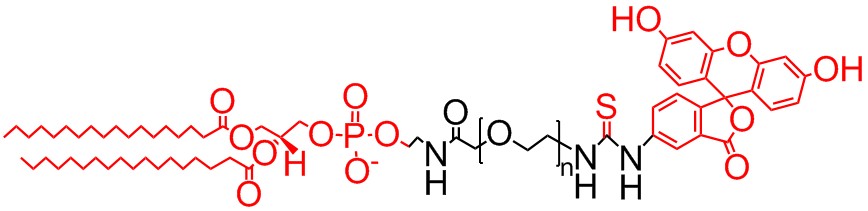
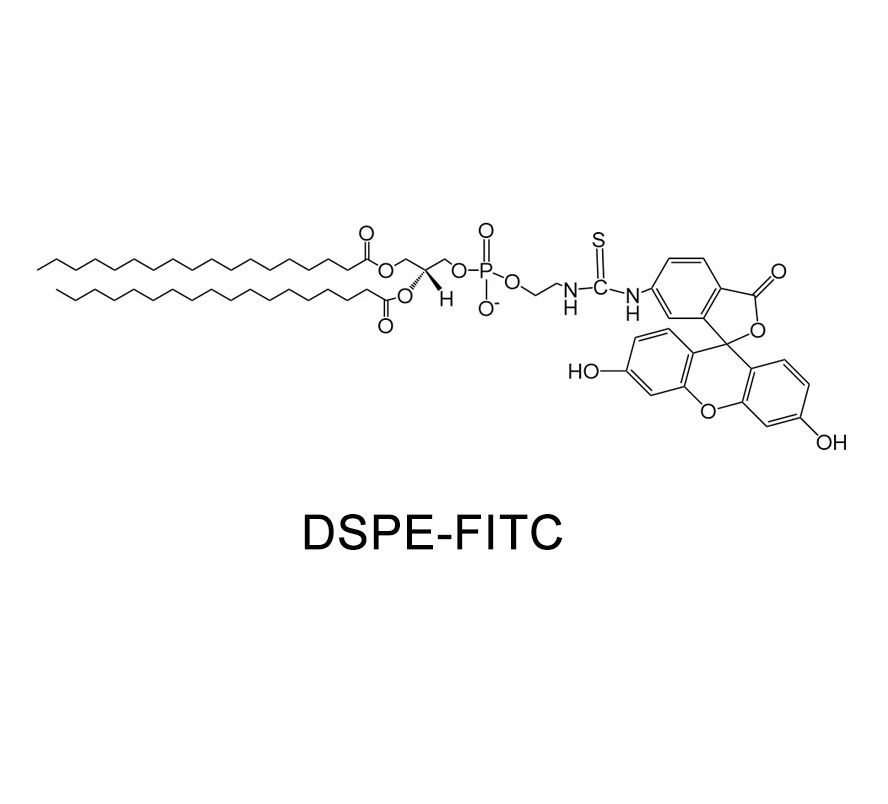
DSPE-FITCFeaturedFeatured

Phospholipids DSPE belong to the lipid family of biopolymers. Phospholipids consist of two fatty acids, a glycerol unit, a phosphate group, and a polar molecule. The phosphate groups and polar head regions of the molecule are hydrophilic (attracted to water), while the fatty acid tail is hydrophobic (repelled by water). When placed in water, the phospholipids Orient themselves into a double layer, where the non-polar tail region faces the inner region of the double layer. The polar head region faces outward and interacts with the water. Applications in drug release, nanotechnology and new materials research, cell culture. As well as ligand research, peptide synthesis support, grafted polymer compounds, new materials and pegylated modified functional coatings and other active compounds.

DSPE-FITC chemical structure
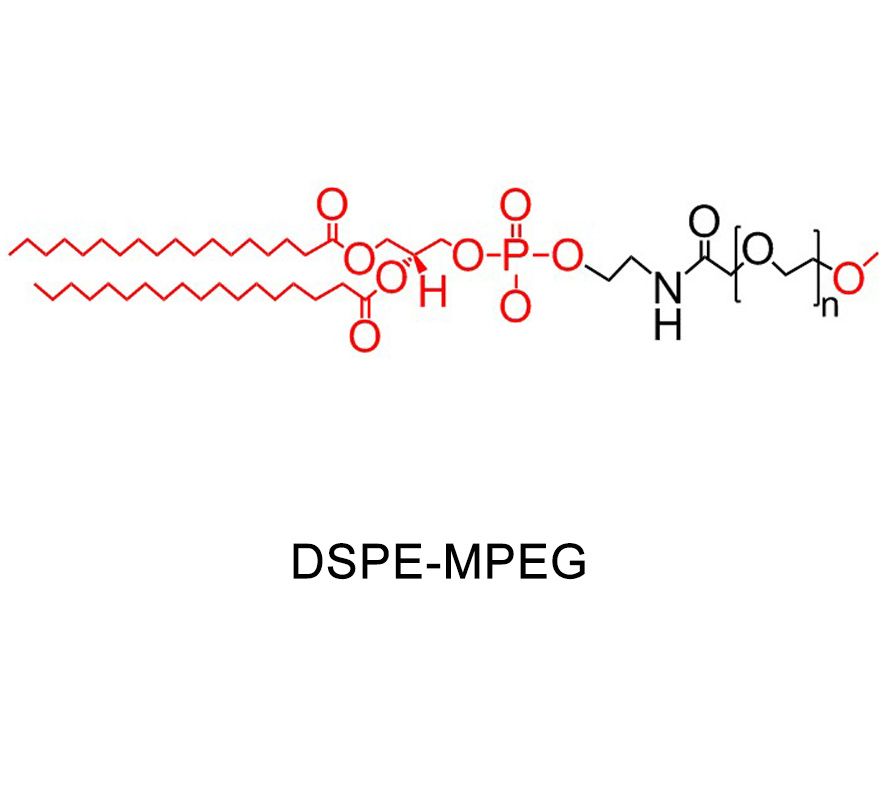
DSPE-MPEGFeaturedFeatured

2-Distearoyl-sn-Glycero-3-Phosphoethanolamine(DSPE) conjugated polyethylene glycol is a combination of phospholipid and polyethylene glycol, which has hydrophilicity and hydrophobicity. Polyethylene glycol phospholipid liposomes can be used for drug delivery, gene transfection and vaccine delivery. Pegylated phospholipids can significantly improve blood circulation time and stabilize drug encapsulation. These materials can also be used for targeted drug delivery by modifying ligands with target surfaces such as antibodies and peptides,Liposomes.

DSPE-MPEG chemical structure
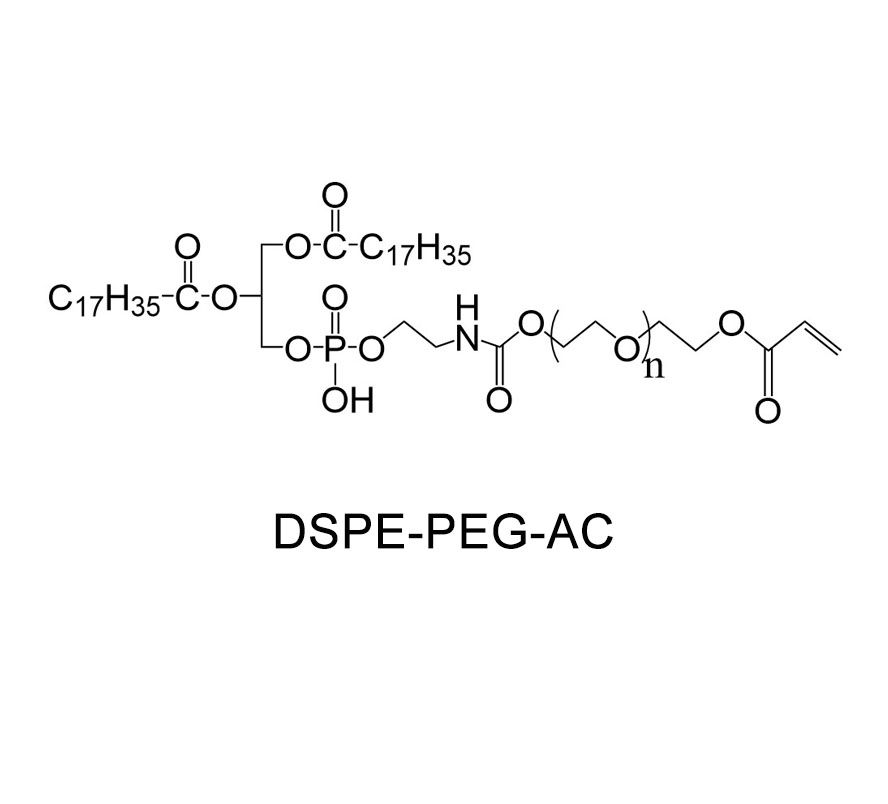
DSPE-PEG-ACFeaturedFeatured

DSPE-PEG-AC phospholipid PEG derivative used in the preparation of liposomes, phospholipatized polyethylene glycol binding has both hydrophilic and hydrophobic properties. Acrylate functionalized PEG is a common polymer for preparing biocompatible and biodegradable hydrogels and other biopolymers. Functionalized polyethylene glycol can be used to modify proteins, peptides, and materials, but also to increase solubility and stability, and reduce peptide and protein immunogenicity. It can also inhibit the non-specific combination of charged molecules to modify the surface. The product can be used in drug release, nanotechnology and new materials research, cell culture. As well as ligand research, peptide synthesis support, grafted polymer compounds, new materials and pegylated modified functional coatings and other active compounds.
DSPE-PEG-AC chemical structure
DSPE-PEG-CHOFeaturedFeatured

DSPE phospholipids can be used as pharmaceutical excipients for emulsification and drug solubilization, and are important materials for slow release drug preparations such as liposomes, fat milk and nanoparticles in recent years. Modification of phospholipid molecules can make these preparations have the ability of release and targeting under specific conditions. Common modification methods include: disintegration time; Introducing immune factors to enhance targeting; Introduce markers for diagnosis and tracking. A covalent bond in the carbonyl group is connected to the hydrogen atom and formed by a univalent atomic group, called aldehyde group, aldehyde group structure simple formula is -CHO, aldehyde group is a hydrophilic group, so the organic matter with aldehyde group (such as acetaldehyde, etc.) has a certain water solubility. Aldehydes, sugars, aldehydes, glucose, maltose and other molecules contain aldehyde groups. The aldehydes are active and prone to condensation and nucleophilic addition reactions. The aldehyde group can be reduced to hydroxymethyl (-CH2OH) or oxidized to carboxylic (-COOH).

DSPE-PEG-CHO chemical structure
DSPE-PEG-RGDFeaturedFeatured

RGD's receptors are integrins αvβ3 and αvβ5, which can mimic cell adhesion proteins and bind specifically to 11 kinds of integrins, which can effectively adhere to biological materials. DSPE-PEG-RGD can be used to make micelles and vesicles. The liposomes formed by RGD-PEG-DSPE can act directly on the target to form an active targeting effect. Rgd-peg-dspe peptide RGD polyethylene glycol phospholipid can be used for passive targeting of micelles and vesicles, active targeting research and drug delivery. DSPE (1, 2-distearoyl-SN-glycerol-3-phosphate ethanolamine) is a saturated 18-carbon phospholipid commonly used in the synthesis of liposomes. Polyethylene glycol (PEG) -coupled DSPE is hydrophilic and can be used for drug delivery, gene transfection, and biomolecular modification. Polyethylene glycol can enhance solubility and stability, reduce the nonspecific binding of charged molecules, and reduce the immunogenicity of polypeptides.

DSPE-PEG-RGD chemical structure
DSPE-PEG-ICGFeaturedFeatured

DSPE phospholipids can be used as pharmaceutical excipients for emulsification and drug solubilization, and are important materials for slow release drug preparations such as liposomes, fat milk and nanoparticles in recent years. Modification of phospholipid molecules can make these preparations have the ability of release and targeting under specific conditions. Common modification methods include: disintegration time; Introducing immune factors to enhance targeting; Introduce markers for diagnosis and tracking.

DSPE-PEG-ICG chemical structure
DSPE-PEG-CY7FeaturedFeatured

Polyethylene glycol phospholipid is an excellent material to form liposomes, which can be used for gene transfection, vaccine delivery, drug transportation, and targeted drug delivery. Phospholipids are hydrophobic and hydrophilic. It can be used to modify protein drugs, peptide compounds, organic small molecule drugs, biological materials, etc. Cy7 labeled PEG derivatives are used for fluorescence tracing or fluorescence observation.

DSPE-PEG-CY7 chemical structure
DSPE-PEG-NPCFeaturedFeatured

DSPE-PEG-NPC is a linear heterobifunctional polyglycolation reagent containing DSPE phospholipids and NPC groups. It is a useful self-assembly reagent for preparing PEGylated liposomes or micelles, and also provides a combination of NPC group and thiol containing molecules.

DSPE-PEG-NPC chemical structure
DSPE-PEG-FITCFeaturedFeatured

DSPE-PEG-FITC, is a fluorescein attached PEG lipid. It can be used to prepare liposomes as drug carrier in targeted drug delivery. The polymer is modified with fluorescein (green) dye which can be used for staining cells, tissues, biomarkers, or nanoparticles.

DSPE-PEG-FITC chemical structure
DSPE-PEG-OPSSFeaturedFeatured

DSPE-PEG-OPSS, DSPE (1,2-distearoyl-sn-glycerol-3-phosphoethanolamine) is a saturated 18 carbon phospholipid, commonly used in the synthesis of liposomes. Polyethylene glycol (PEG) - coupled DSPE is hydrophilic and can be used for drug delivery, gene transfection and biomolecular modification. The PEG of phospholipid significantly improved the blood circulation time and stability of the capsule drug. Polyethylene glycol can enhance the solubility and stability, reduce the non-specific binding of charged molecules on the surface, and reduce the immunogenicity of polypeptides. Mercaptopyridine reacts with mercapto group to release pyridine ring and generate stable disulfide bond.

DSPE-PEG-OPSS chemical structure
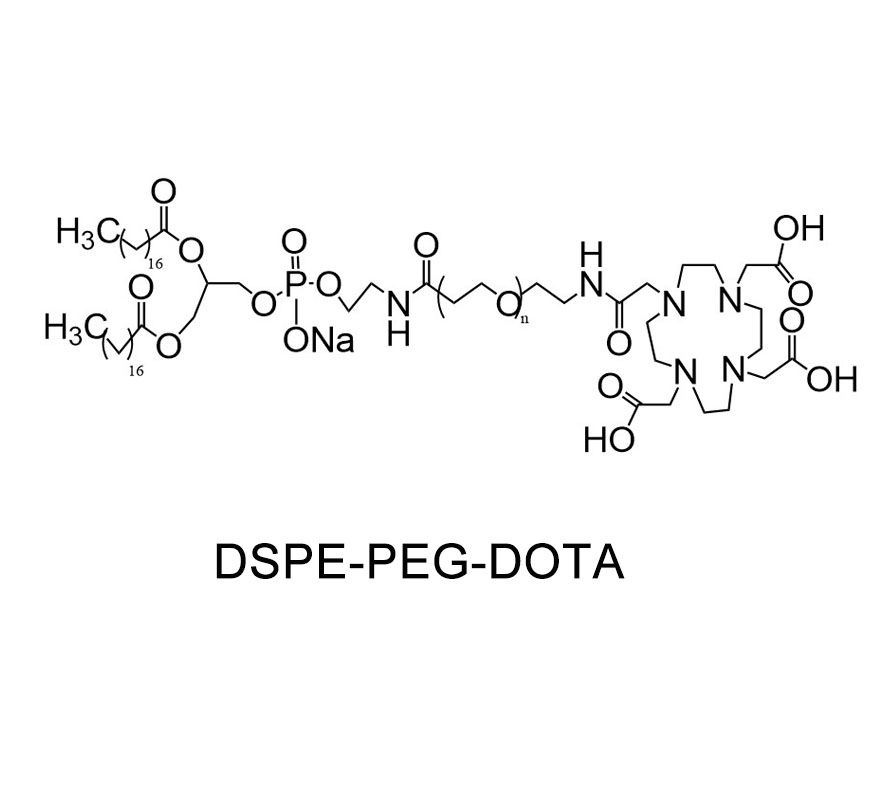
DSPE-PEG-DOTAFeaturedFeatured

Macrocyclic ligands are ring complexes formed by multi-dentate ligands with O, N, P, S and other coordination atoms on the ring skeleton. The range of complexes is wide. According to their structural characteristics, complexes can be divided into the following types: simple complexes, chelates, polynuclear complexes, carbonyl complexes, metal clusters, sandwich complexes, and macrocyclic ligand complexes.

DSPE-PEG-DOTA chemical structure
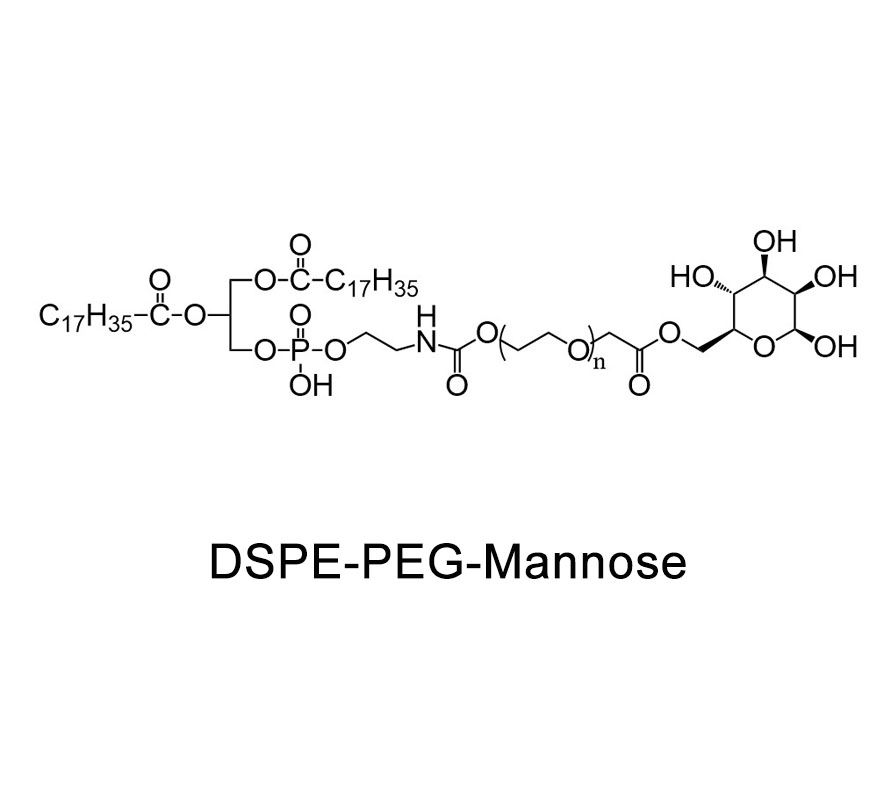
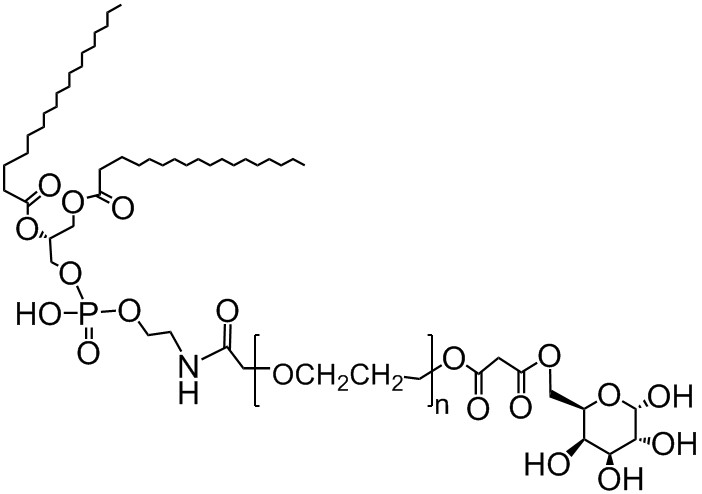
DSPE-PEG-MannoseFeaturedFeatured

DSPE (1,2-distearoyl-sn glycerol-3-phosphoethanolamine) is a saturated 18C phospholipid commonly used in liposome synthesis. Polyethylene glycol (PEG) conjugated DSPE has hydrophilicity and hydrophobicity, and can be used for drug delivery, gene transfection, and biomolecular modification. DSPE-PEG-Manose can be applied in medical research, drug release, nanotechnology and new material research, and cell culture. As well as ligand research, peptide synthesis support, grafting of polymer compounds, new materials, and polyethylene glycol modified functional coatings and other active compounds.

DSPE-PEG-Mannose chemical structure
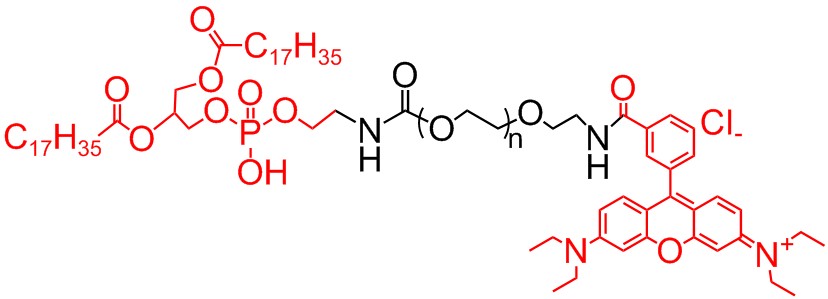
DSPE-PEG-RhodamineFeaturedFeatured

DSPE-PEG-FITC is a fluorescein attached PEG lipid. It can be used to prepare liposomes as drug carrier in targeted drug delivery. The polymer is modified with fluorescein (green) dye which can be used for staining cells, tissues, biomarkers, or nanoparticles.

DSPE-PEG-Rhodamine chemical structure
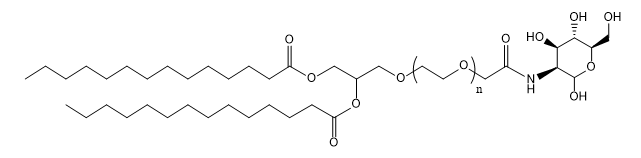
DSPE-PEG-GalactoseFeaturedFeatured

Long circulating liposomes were obtained by modifying the surface of liposomes with polyethylene glycol, which could prolong the half-life of liposomes, improve its stability in blood circulation, and change the biological distribution of liposomes.

DSPE-PEG-Galactose chemical structure
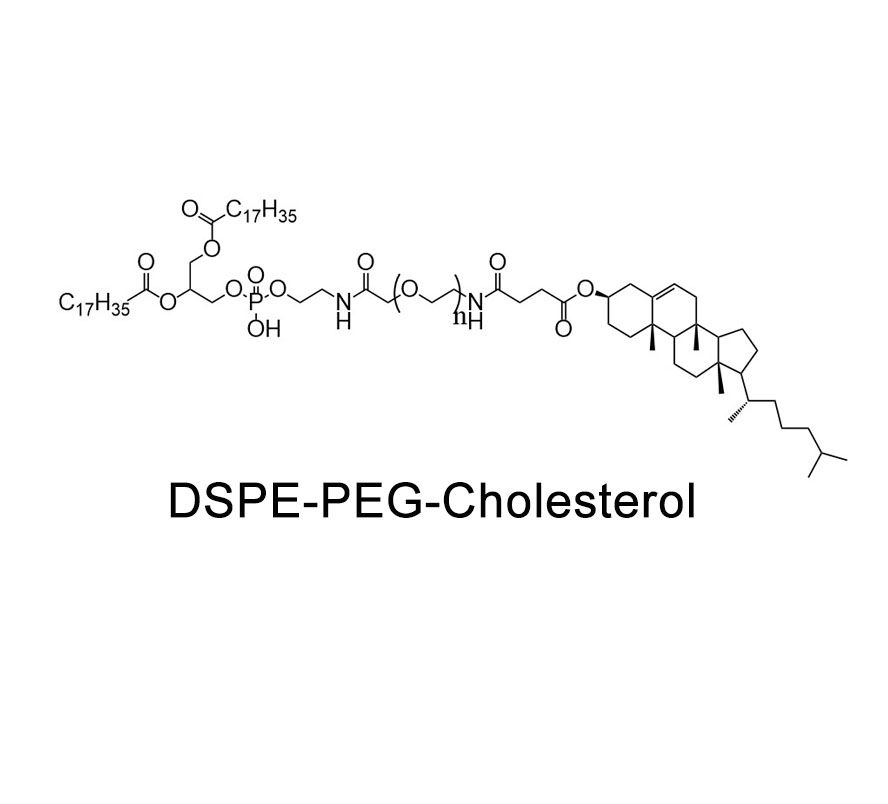
DSPE-PEG-CholesterolFeaturedFeatured

DSPE-PEG-CLS is a phospholipid PEG derivative used in liposome preparation, phospholipid polyethylene glycol binding with hydrophilic and hydrophobic, polyethylene glycol phospholipid liposome formation material, which can be used for drug delivery, gene transfection and vaccine delivery. Cholesterol is the basic substance of cell membrane and liposome, is also an indispensable important substance of animal tissue cells, it not only participates in the formation of cell membrane, but also is the raw material of synthesis of bile acid, vitamin D and steroid hormone.

DSPE-PEG-Cholesterol chemical structure

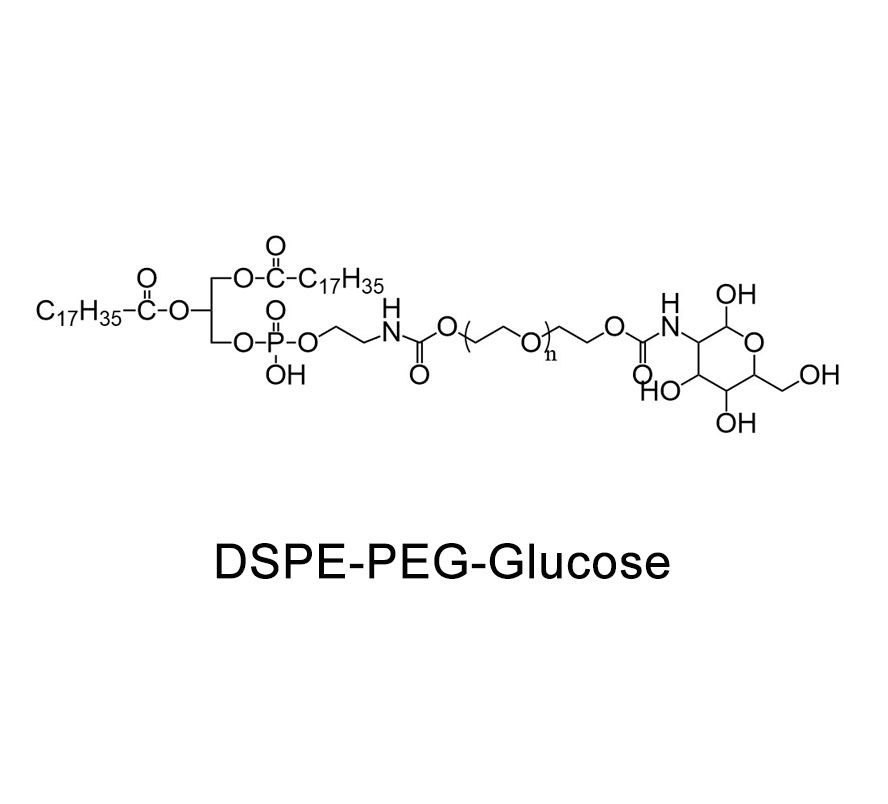
Glucose, organic compound, molecular formula C6H12O6. It is one of the most widely distributed and important monosaccharides in nature, and it is a polyhydroxyaldehyde. Glucose plays an important role in the field of biology, that is, the main energy supplier of living things. Plants produce glucose through photosynthesis. Liposome has the advantages of low toxicity, easy preparation, as a carrier of both water-soluble and fat-soluble drugs, suitable for a variety of drug delivery routes, improve drug stability, and achieve targeted drug delivery. However, after the liposome enters the body, it is easy to be taken up and cleared by RES cells due to the specific conditioning effect of opsonins in plasma on the liposome and the non-specific hydrophobic interaction between RES cells and liposome.

DSPE-PEG-Glucose;DSPE-PEG2000-Glucose chemical structure

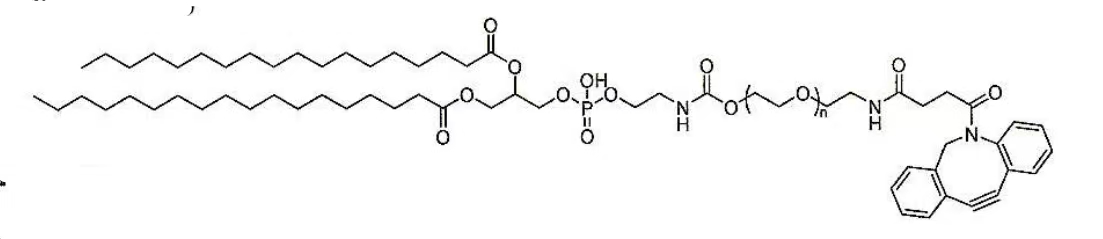
DSPE-PEG-DBCO ammonium is the ammonium salt form of DSPE-PEG-DBCO. DSPE-PEG-DBCO ammonium is utilized in copper-free click chemistry through SPAAC conjugation with an azido-functionalized peptide ligand. DSPE-PEG-DBCO ammonium is applied in drug-delivery and nanoparticle research.

DSPE-PEG2000-DBCO chemical structure
DMG-PEG-MannoseFeaturedFeatured

DMG-PEG-Mannose is a specialized functionalized lipid used primarily for the targeted delivery of lipid nanoparticles (LNPs) and liposomes to cells expressing mannose receptors, such as macrophages and dendritic cells. It combines a 1,2-dimyristoyl-sn-glycerol (DMG) lipid anchor with a polyethylene glycol (PEG) spacer and a terminal mannose sugar moiety.

DMG-PEG-Mannose chemical structure
DMPE-PEG-NBD (PEG2000)FeaturedFeatured

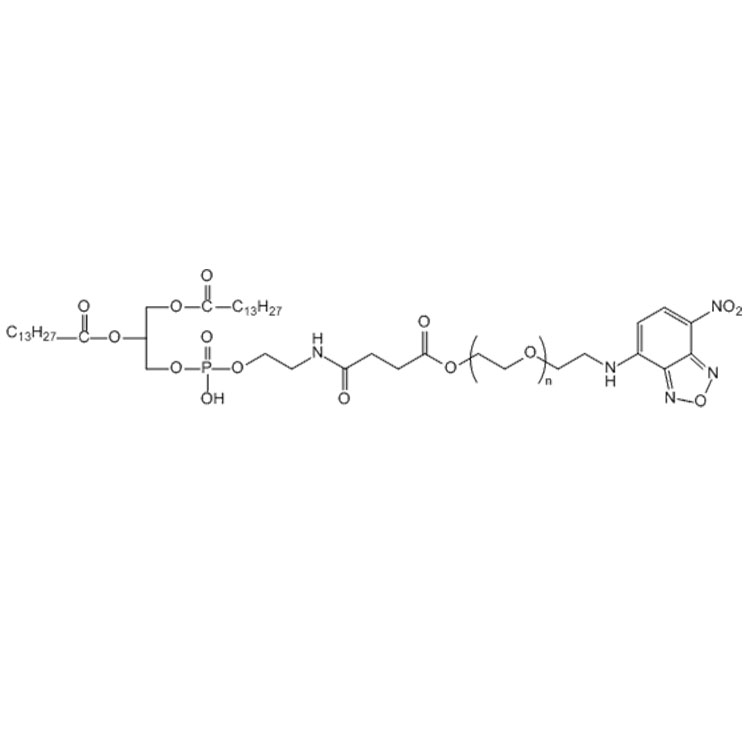
DMPE-PEG, a synthetic lipid, possesses unique properties and finds extensive applications as liposomes. Firstly, DMPE-PEG exhibits excellent biocompatibility and solubility, allowing for its stable presence and efficient absorption and metabolism in vivo. Additionally, DMPE-PEG possesses good surface activity, aiding in the stabilization of liposome structures and enhancing their stability.

DMPE-PEG-NBD (PEG2000) chemical structure
DSPE-PEG-NBD(PEG2000)FeaturedFeatured

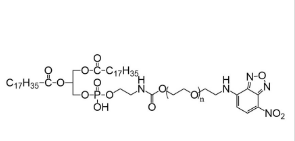
DSPE-PEG-NBD is a fluorescent phospholipid PEG conjugate, which can be used as a lipid membrane probe. The excitation/emission wavelength of NBD is 460 nm/534 nm.

DSPE-PEG-NBD(PEG2000) chemical structure

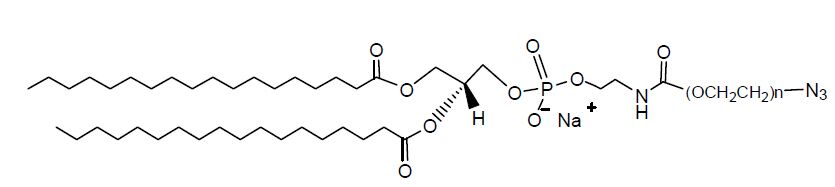
DSPE-PEG-N3 is a click chemical PEG reagent. Azide group is easy to react with alkynyl group under the catalysis of copper catalyst. It can also react directly with DBCO without any catalyst. DSPE (1,2-distearoyl-sn-glycerol-3-phosphoethanolamine) is a saturated 18 carbon phospholipid, which is commonly used in the synthesis of liposomes. Polyethylene glycol (PEG) - coupled DSPE is hydrophilic and can be used for drug delivery, gene transfection and biomolecular modification. The PEG of phospholipid significantly improved the blood circulation time and stability of the capsule drug. Polyethylene glycol can enhance the solubility and stability, reduce the non-specific binding of charged molecules on the surface, and reduce the immunogenicity of polypeptides. Azide (- N3) can react with copper catalyzed alkynes in aqueous solution and be reduced to amino groups. Polyethylene glycol can increase solubility and stability. It can also inhibit the nonspecific binding of charged molecules on the modified surface.

DSPE-PEG-N3(DSPE-PEG-Azide, MW2000) chemical structure
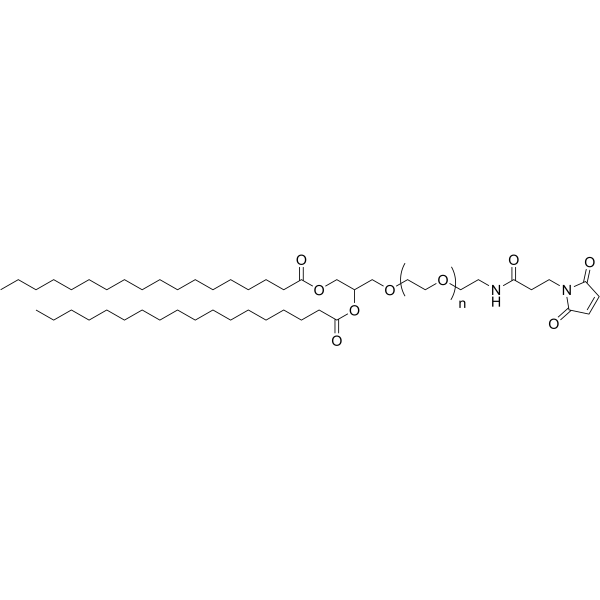
DMG-PEG-Mal, MW 2,000FeaturedFeatured

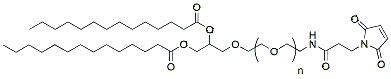
DMG-PEG-Mal, MW 2,000 is a lipid PEG consisting of DMG and maleimide for reacting with thiols between pH 6.5 to 7.5

DMG-PEG-Mal, MW 2,000 chemical structure
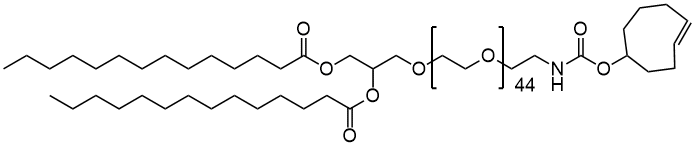
DMG-PEG-TCO (MW2000)FeaturedFeatured

DMG-PEG2000-TCO offer the ability to easily conjugate to specific biomolecules via metal free click chemistry to tetrazines. By changing the PEG length, one can change the micelle size, immunological safety, and change the drug release rate.

DMG-PEG-TCO (MW2000) chemical structure
DSG-PEG3400-MalFeaturedFeatured

DSG-PEG3400-Mal is a conjugate composed of DSG, PEG chains, and maleimide (Mal). The maleimide group in DSG-PEG3400-Mal can undergo a specific Michael addition reaction with thiol-containing (-SH) biomolecules (such as peptides, antibodies, and aptamers), enabling targeted modification of liposomes/nanoparticles.

DSG-PEG3400-Mal chemical structure
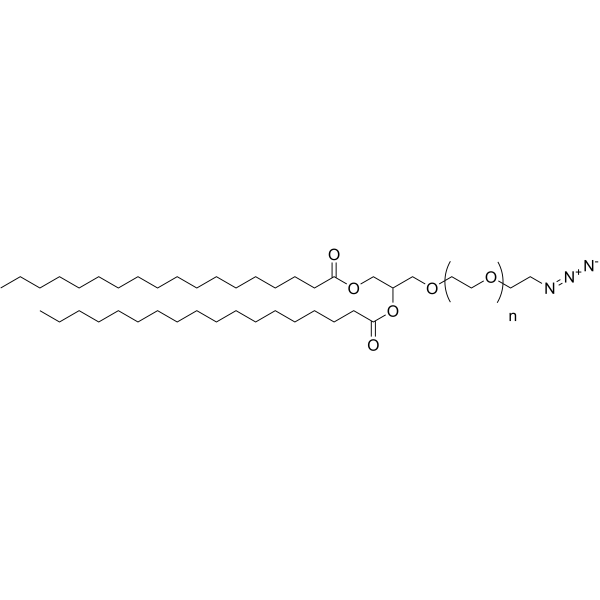
DSG-PEG3400-N3FeaturedFeatured

DSG-PEG3400-N3 is a conjugate composed of DSG, PEG chains, and terminal azido groups (-N3). DSG-PEG3400-Azide is a click chemistry reagent used for the targeted modification of liposomes/nanoparticles.

DSG-PEG3400-N3 chemical structure
DSPE-PEG-DSS6FeaturedFeatured

DSS6-PEG-DSPE,DSPE-PEG-DSS6 is a composite molecule composed of phospholipids(DSPE),polyethylene glycol(PEG),and bone targeting peptide DSS6,mainly used for bone targeted drug delivery and bone tissue repair. Its core structure achieves precise targeting and efficient delivery through the synergistic effect of three parts.The DSS6 peptide consists of six Asp-Ser-Ser amino acid repeat sequences and can specifically recognize hydroxyapatite(HAp)in bone tissue.

DSPE-PEG-DSS6 chemical structure
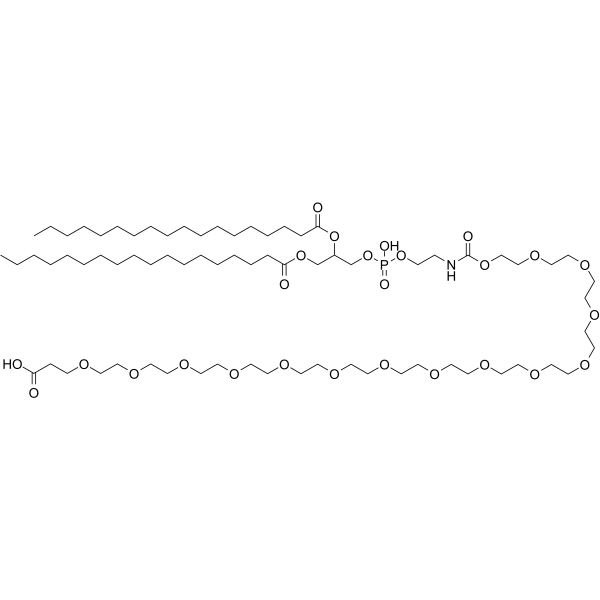
DSPE-PEG14-COOHFeaturedFeatured

DSPE-PEG14-COOH is a PEG-based PROTAC linker that can be used in the synthesis of PROTACs.

DSPE-PEG14-COOH chemical structure
DMG-PEG2000-BiotinFeaturedFeatured

DMG-PEG2000-Biotin is a synthetic amphiphilic molecule composed of dimyristoyl glycerol (DMG), polyethylene glycol (PEG2000), and biotin functionalities. It is commonly employed in biomedical research for surface modification of lipid-based delivery platforms, such as lipid nanoparticles (LNPs) and liposomes. The PEG moiety enhances colloidal stability, prolongs circulation time, and reduces rapid clearance in vivo. The biotin termination facilitates conjugation to streptavidin-tagged biomolecules, exploiting the highly specific biotin-streptavidin interaction. Thus, DMG-PEG2000-Biotin is valuable for drug-delivery optimization, targeted therapeutic approaches, and in vitro diagnostic assay development.

DMG-PEG2000-Biotin chemical structure
Thiol-PEG2000-DMGFeaturedFeatured

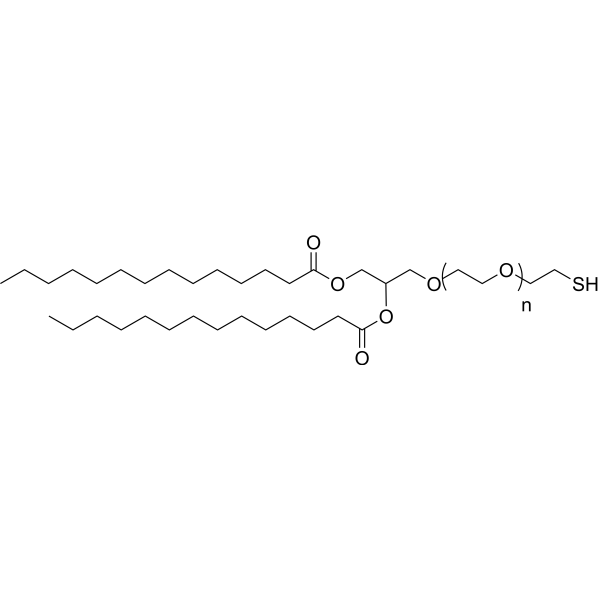
Thiol-PEG2000-DMG is a phospholipid polyPEG which can be used to prepare liposomes or nanoparticles. The terminal thiol group reacts with maleimide, OPSS, vinylsulfone and transition metal surfaces including gold, silver, etc.

Thiol-PEG2000-DMG chemical structure
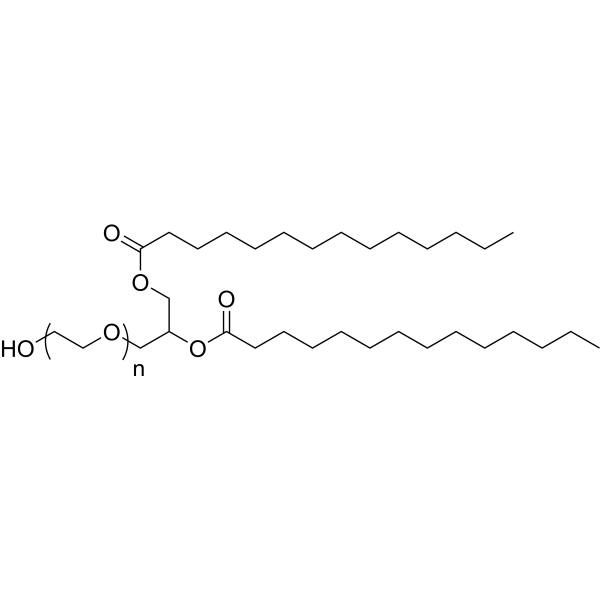
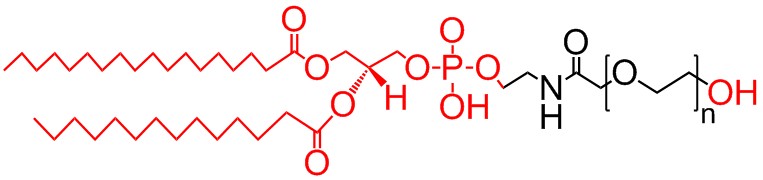
DMG-PEG2000-OHFeaturedFeatured

DMG-PEG2000-OH is a PEG derivative that can be used to construct drug delivery vehicles.

DMG-PEG2000-OH chemical structure
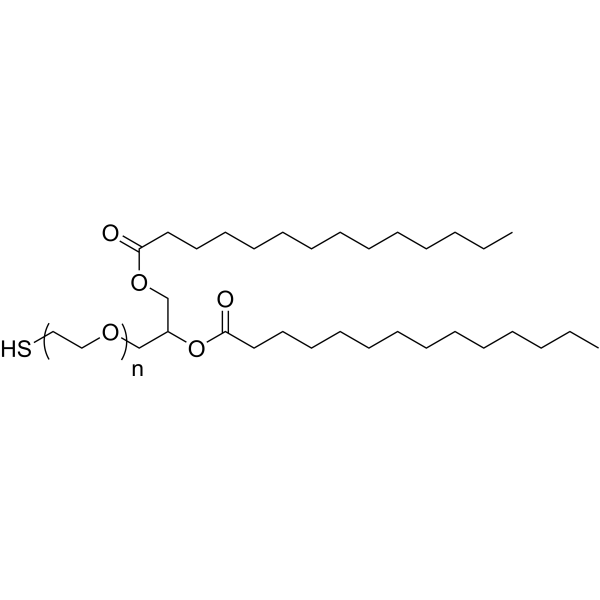
DMG-PEG2000-SHFeaturedFeatured

DMG-PEG2000-SH is a PEG derivative that can be used to construct drug delivery vehicles.

DMG-PEG2000-SH chemical structure
Tri-GalNAc-DSPE-PEG2000FeaturedFeatured

DSPE-PEG2K-triGalNAc is a polar lipid composed of DSPE and tri-N-acetylgalactosamine that can be used to construct liposomes target to asialoglycoprotein receptor (ASGPR).

Tri-GalNAc-DSPE-PEG2000 chemical structure
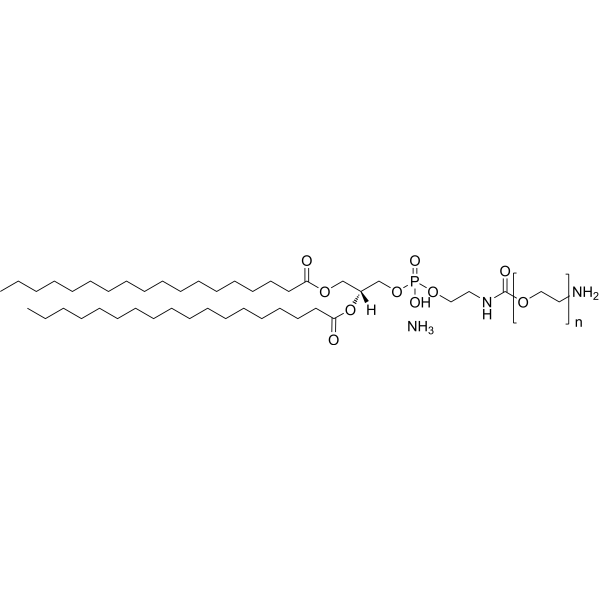
DSPE-PEG(2000)-AmineFeaturedFeatured

DSPE-PEG(2000)-Amine is used in the synthesis of solid lipid and thermosensitive liposomal nanoparticles for the delivery of anticancer agents.

DSPE-PEG(2000)-Amine chemical structure

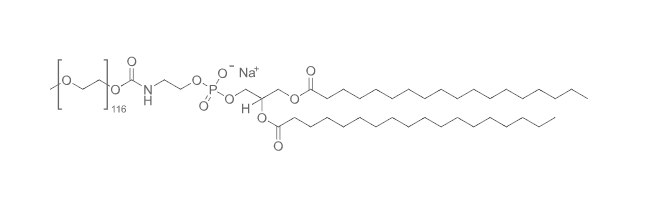
mPEG2000-DSPE is used in COVID 19 mRNA vaccines. It is a PEGylated derivative of 1,2-distearoyl-sn-glycero-3-PE . Formulations containing DSPE-MPEG(2000) have been used to prepare liposomes with long circulation time for the delivery of anticancer and antimalarial agents.. mPEG2000-DSPE has also been widely used as hydrophilic surface modifying agent for a variety types of hydrophobic nanoparticles, including recently reported lipid nanoparticle mRNA vaccines.

DSPE-mPEG2000((sodium salt)) chemical structure
DMPE-PEG-Rhodamine BFeaturedFeatured

DMPE-PEG, a synthetic lipid, possesses unique properties and finds extensive applications as liposomes. Firstly, DMPE-PEG exhibits excellent biocompatibility and solubility, allowing for its stable presence and efficient absorption and metabolism in vivo. Additionally, DMPE-PEG possesses good surface activity, aiding in the stabilization of liposome structures and enhancing their stability.

DMPE-PEG-Rhodamine B chemical structure
DOPE-PEG-NBDFeaturedFeatured

DOPE-PEG is a versatile phospholipid derivative with unique properties that make it suitable for various applications. Its hydrophobic and hydrophilic nature enables efficient encapsulation and delivery of drugs and nucleic acids, making it a valuable tool in drug delivery systems and gene therapy. Additionally, DOPE-PEG can enhance the stability and circulation time of liposomes, improving their efficacy as drug carriers.

DOPE-PEG-NBD chemical structure

DSPE-PEG-Streptavidin is an important biocoupling molecule widely used in biomedical research, especially in drug delivery, targeted therapies, immunodiagnostics and biosensors. Through the specific binding between streptavidin and biotin, DSPE-PEG-Streptavidin can help to achieve efficient loading and targeted action in targeted delivery systems. In addition, the molecule is widely used in molecular imaging and bioassays, especially for molecular recognition using the strong affinity between streptavidin and biotin in assay platforms that require high sensitivity and specificity.

DSPE-PEG-Streptavidin (MW2000) chemical structure

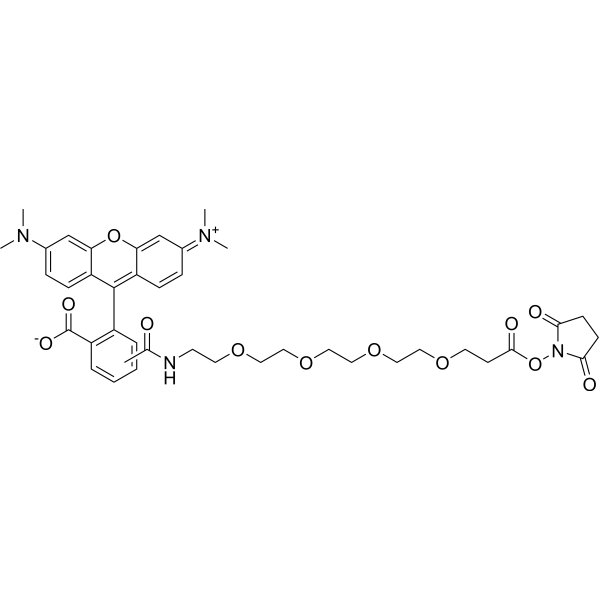
TAMRA-PEG4-NHS ester is a TAMRA red fluorescent dye derivative containing an NHS ester group which can be used to label the primary amines (-NH2) of proteins, amine-modified oligonucleotides, and other amine-containing molecules.

TAMRA-PEG4-NHS ester chemical structure
DSPE-PEG-TCO (MW 2000)FeaturedFeatured

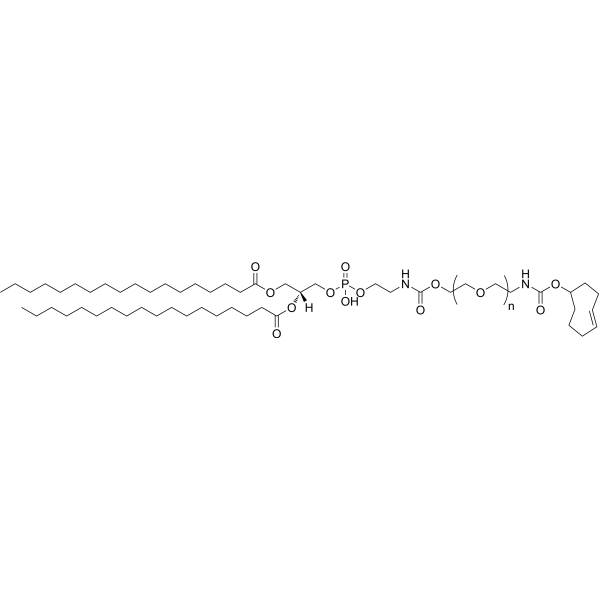
DSPE-PEG-TCO (2000 Da) is a functionalized polyethylene glycol lipid conjugate engineered to enhance drug delivery systems. This amphiphilic polymer-lipid hybrid demonstrates unique capabilities in optimizing the bioavailability and targeted distribution of hydrophobic therapeutic compounds. Its molecular architecture combines a lipid anchor with a biocompatible PEG chain terminated by a trans-cyclooctene (TCO) group, enabling precise tissue-specific interactions while improving pharmacokinetic profiles. Researchers frequently employ this advanced biomaterial in developing nanoparticle formulations and ligand-directed therapeutic platforms for enhanced precision medicine applications.

DSPE-PEG-TCO (MW 2000) chemical structure
DSPE-PEG-TransferrinFeaturedFeatured

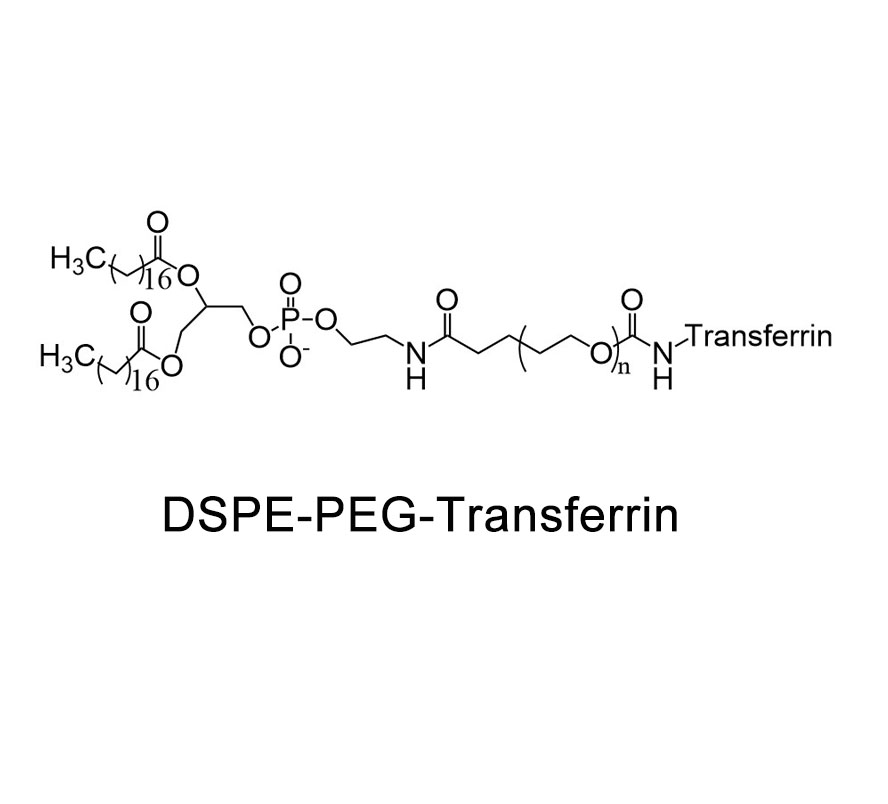
The transferrin receptor (TfR) is a transmembrane glycoprotein whose function is to mediate iron absorption through its interaction with transferrin. In normal cells, the expression level of the receptor is low, and the expression of the transferrin receptor in cells (chronic lymphocytic non-Hodgkin tumors) is significantly increased due to the increased demand for iron in rapidly growing cells [2-4]. At present, two transferrin receptors, TfR1 and TfR2, have been found, both of which are type II transmembrane glycoproteins that bind to transferrin and mediate iron absorption. TfR1 is expressed in many cells (such as red blood cells, hepatocytes, monocytes), and can change its conformation according to the change of environmental pH, and convert the results of conformational change into a change in the binding strength of transferrin. TfR2 is mainly expressed in the liver, and its main function may be to regulate and maintain the homeostasis of iron ions in the body, while its role in transporting iron ions to rapidly dividing tissues is weak. Using the effective targeting function of transferrin receptor, the cross-linking of transferrin and drugs can improve the specific binding ability of drugs, but also improve the effect.

DSPE-PEG-Transferrin chemical structure

DSPE-PEG(2000)-amine is a PEGylated derivative of 1,2-distearoyl-sn-glycero-3-PE (DSPE; Item No. 15095). It has been used in the synthesis of solid lipid and thermosensitive liposomal nanoparticles for the delivery of anticancer agents. DSPE-PEG(2000)-amine has also been used in the synthesis of fluorescein isothiocyanate-loaded mesoporous silica nanoparticles for imaging applications.4 It can be conjugated to a variety of functional molecules for improved cellular targeting and uptake of DSPE-PEG(2000)-amine-containing nanoparticles.

DSPE-PEG(2000)-amine (sodium salt) chemical structure

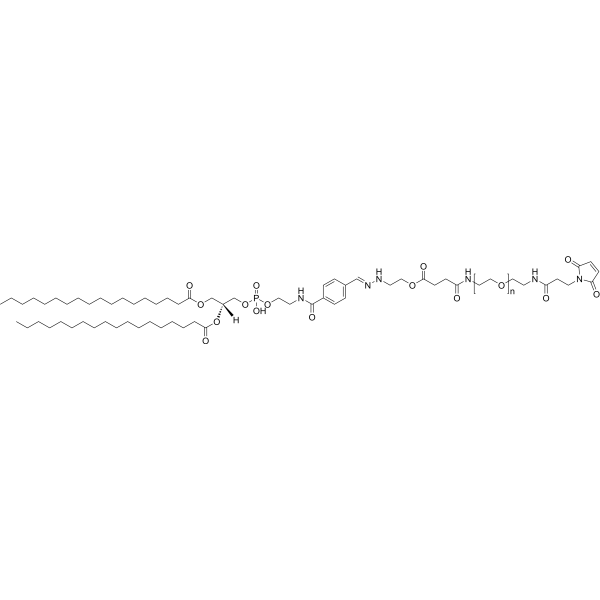
DSPE-Hyd-PEG, also known as distearoylphosphoethanolamine-hydrazide-polyethylene glycol, is a type of lipid-based polymer that has various applications in drug delivery and biomedical research. One of the main applications of DSPE-Hyd-PEG is in the field of targeted drug delivery. It is often used as a component of liposomes or lipid nanoparticles to improve the stability and targeting ability of drug carriers. DSPE-Hyd-PEG can be conjugated with targeting ligands, such as antibodies or peptides, to specifically bind to receptors on the surface of target cells. This targeted drug delivery system allows for more efficient and selective delivery of therapeutic agents to the desired site, while minimizing off-target effects.

DSPE-Hyd-PEG-Mal (MW 2000) chemical structure

DSPE-PEG-Maleimide, MW 2,000 is a PEG compound with DSPE and maleimide groups. The DSPE-PEGs have been FDA approved for medical applications. The hydrophobic properties of the DSPE allow for the encapsulation and congregation of other hydrophobic drugs. The hydrophilic polyPEG increases the water solubility of the overall compound allowing for the delivery of the drug. Maleimide groups can react with thiol groups between pH 6.5 to 7.5.

DSPE-PEG-Maleimide (MW 2000) chemical structure

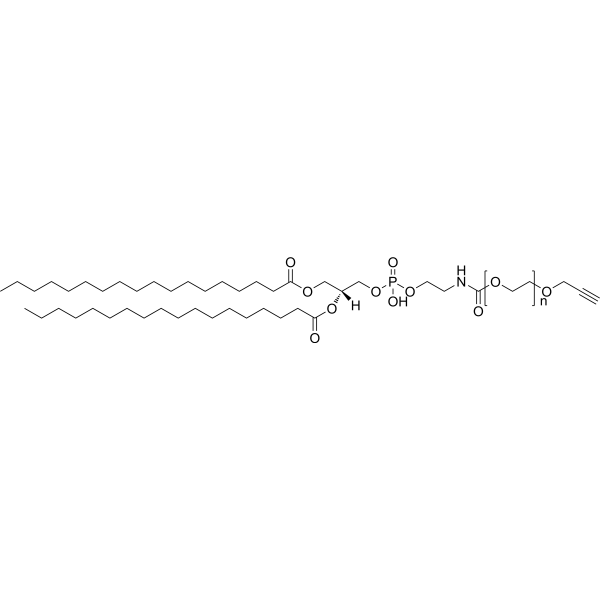
The phospholipid polyethylene glycol alkyne (DSPE PEG Alkyne) can be used to modify proteins, peptides and other materials or small molecules. Alkynyl (- ALK) can react with copper catalyzed azide in aqueous solution. 2-Distearoyl-sn-Glycero-3-Phosphoethanolamine (DSPE) conjugated polyethylene glycol is a combination of phospholipid and polyethylene glycol with hydrophilicity and hydrophobicity. Polyethylene glycol phospholipid liposomes form high-quality materials, which can be used for drug delivery, gene transfection and vaccine delivery. PEGylated phospholipid can significantly improve blood circulation time and stabilize drug encapsulation. These materials can also be used for targeted drug delivery by modifying ligands with target surfaces such as antibodies and peptides.

DSPE-PEG-alkyne (MW 2000) chemical structure
DSPE-m-PEG-NHS (MW 3400)FeaturedFeatured

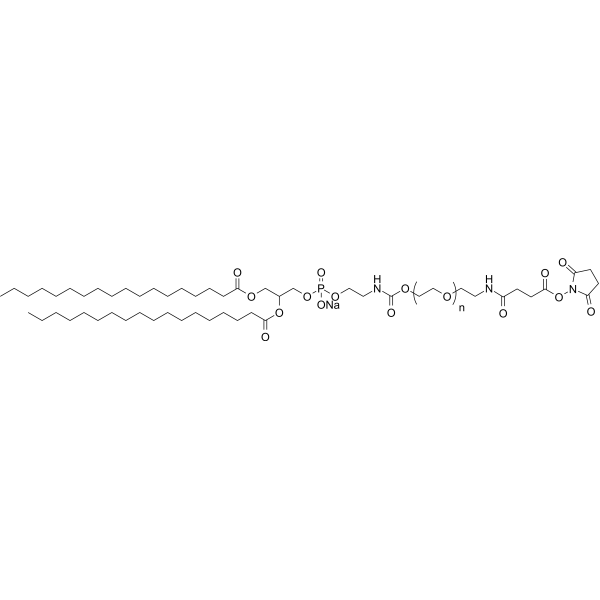
DSPE-m-PEG-NHS (MW 3400) is a pegylated phospholipid derivatives which can be used to prepare liposome or lipid nanoparticles for targeted drug delivery system, such as DNA or mRNA vaccine.

DSPE-m-PEG-NHS (MW 3400) chemical structure
DSPE-Hyd-PEG-CholesterolFeaturedFeatured

DSPE-Hyd-PEG, also known as distearoylphosphoethanolamine-hydrazide-polyethylene glycol, is a type of lipid-based polymer that has various applications in drug delivery and biomedical research. One of the main applications of DSPE-Hyd-PEG is in the field of targeted drug delivery. It is often used as a component of liposomes or lipid nanoparticles to improve the stability and targeting ability of drug carriers. DSPE-Hyd-PEG can be conjugated with targeting ligands, such as antibodies or peptides, to specifically bind to receptors on the surface of target cells. This targeted drug delivery system allows for more efficient and selective delivery of therapeutic agents to the desired site, while minimizing off-target effects.

DSPE-Hyd-PEG-Cholesterol chemical structure
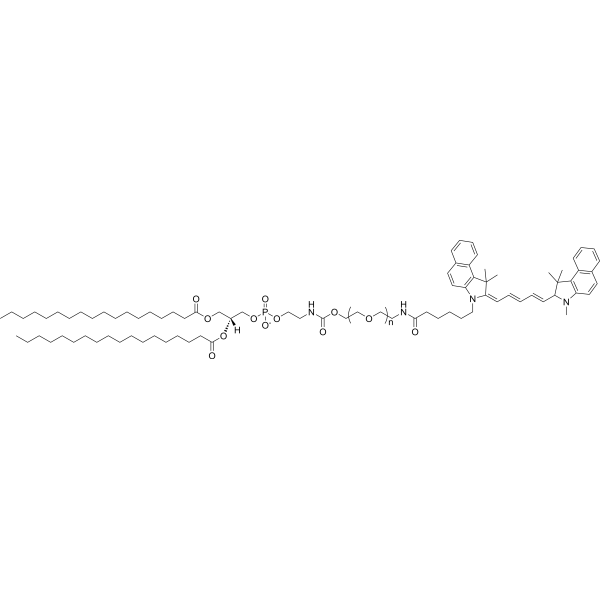
DSPE-PEG-Cy5(MW 2000 )FeaturedFeatured

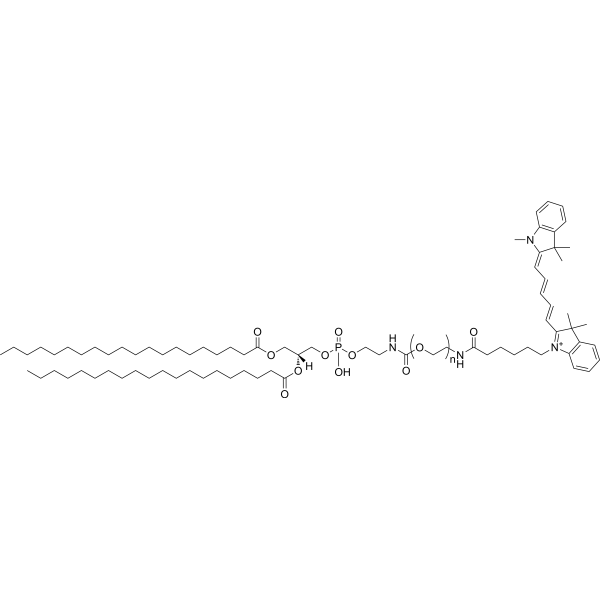
The molecules can be labeled in the aqueous phase without organic solvents. Therefore, the product is especially suitable for labeling proteins that are easily denatured in the organic phase and proteins with low solubility. Polyethylene glycol phospholipid liposomes form high-quality materials, which can be used for drug delivery, gene transfection and vaccine delivery. Pegylated phospholipids can significantly improve blood circulation time and stabilize drug encapsulation. These materials can also be used for targeted drug delivery by modifying surface ligands such as antibodies and peptides. (DSPE) conjugated polyethylene glycol is a combination of phospholipids and polyethylene glycol, which has hydrophilicity and hydrophobicity. These materials can also be used for targeted drug delivery by modifying ligands with target surfaces, such as antibodies and peptides. Cyanogen dye cyanine is often used in biomolecular labeling, fluorescence imaging and other fluorescent biological analysis. Cy5 (sulfo-cyanine5) is a reactive dye used to label amino groups of peptides, proteins and oligonucleotides. Excitation wavelength (nm): 649, emission wavelength (nm): 670.

DSPE-PEG-Cy5(MW 2000 ) chemical structure
DSPE-PEG-SH, MW 2000FeaturedFeatured

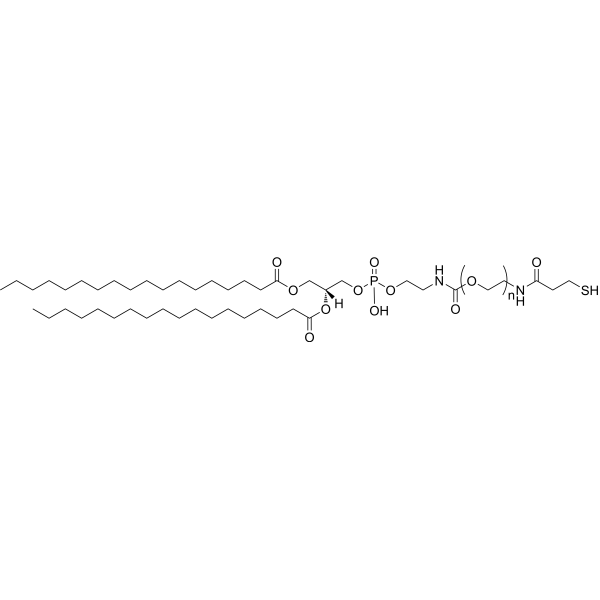
DSPE-PEG-SH, MW 2000 is a pegylated phospholipid with thiol group which is reactive with maleimide to form a covalent thioether linkage. The amphiphatic polymer can form lipid bilayer in aqueous solution and be used to encapsulate agents for drug delivery system, such as mRNA vaccine.

DSPE-PEG-SH, MW 2000 chemical structure
DSPE-Hyd-PEG-BiotinFeaturedFeatured

DSPE-Hyd-PEG, also known as distearoylphosphoethanolamine-hydrazide-polyethylene glycol, is a type of lipid-based polymer that has various applications in drug delivery and biomedical research. One of the main applications of DSPE-Hyd-PEG is in the field of targeted drug delivery. It is often used as a component of liposomes or lipid nanoparticles to improve the stability and targeting ability of drug carriers. DSPE-Hyd-PEG can be conjugated with targeting ligands, such as antibodies or peptides, to specifically bind to receptors on the surface of target cells. This targeted drug delivery system allows for more efficient and selective delivery of therapeutic agents to the desired site, while minimizing off-target effects.

DSPE-Hyd-PEG-Biotin chemical structure
DSPE-Hyd-PEG-SilaneFeaturedFeatured

DSPE-Hyd-PEG, also known as distearoylphosphoethanolamine-hydrazide-polyethylene glycol, is a type of lipid-based polymer that has various applications in drug delivery and biomedical research. One of the main applications of DSPE-Hyd-PEG is in the field of targeted drug delivery. It is often used as a component of liposomes or lipid nanoparticles to improve the stability and targeting ability of drug carriers. DSPE-Hyd-PEG can be conjugated with targeting ligands, such as antibodies or peptides, to specifically bind to receptors on the surface of target cells. This targeted drug delivery system allows for more efficient and selective delivery of therapeutic agents to the desired site, while minimizing off-target effects.

DSPE-Hyd-PEG-Silane chemical structure
DSPE-PEG-LactoferrinFeaturedFeatured

The affinity between lactoferrin and iron ion is very high, which is 250 to 300 times that of transferrin. According to the difference of lactoferrin binding iron ions, it can be divided into three types: iron deficiency type, iron semi-satiation type and iron saturated type. Different types of lactoferrin have different ability to resist pasteurization thermal denaturation, in which iron saturated type resistance is strong, iron deficiency type resistance is weak. Lactoferrin can bind not only Fe3+ and Fe2+, but also Cu2+, Mn2+ and Zn2+.

DSPE-PEG-Lactoferrin chemical structure
DSPE-Hyd-PEG-AlkyneFeaturedFeatured

DSPE-Hyd-PEG, also known as distearoylphosphoethanolamine-hydrazide-polyethylene glycol, is a type of lipid-based polymer that has various applications in drug delivery and biomedical research. One of the main applications of DSPE-Hyd-PEG is in the field of targeted drug delivery. It is often used as a component of liposomes or lipid nanoparticles to improve the stability and targeting ability of drug carriers. DSPE-Hyd-PEG can be conjugated with targeting ligands, such as antibodies or peptides, to specifically bind to receptors on the surface of target cells. This targeted drug delivery system allows for more efficient and selective delivery of therapeutic agents to the desired site, while minimizing off-target effects.

DSPE-Hyd-PEG-Alkyne chemical structure
DSPE-SS-PEG-MannoseFeaturedFeatured

Phospholipids are commonly used polymeric gene carriers. DSPE with high molecular weight can effectively compound DNA, and has strong buffered capacity under endosomal pH conditions, showing good transfection efficiency for a variety of cells. However,DAPE is not easily degraded, and high molecular weight DAPE as a gene carrier may lead to short - or long-term cytotoxicity.

DSPE-SS-PEG-Mannose chemical structure
mPEG-5000-DSPE, NaFeaturedFeatured

DSPE-MPEG(5000) is a PEGylated form of 1,2-distearoyl-rac-glycero-3-PE (DSPE). It has been used in the synthesis of lipid nanoparticles (LNPs) and liposomes for in vitro and in vivo two-photon bioimaging.

mPEG-5000-DSPE, Na chemical structure
DSPE-glutaric acidFeaturedFeatured

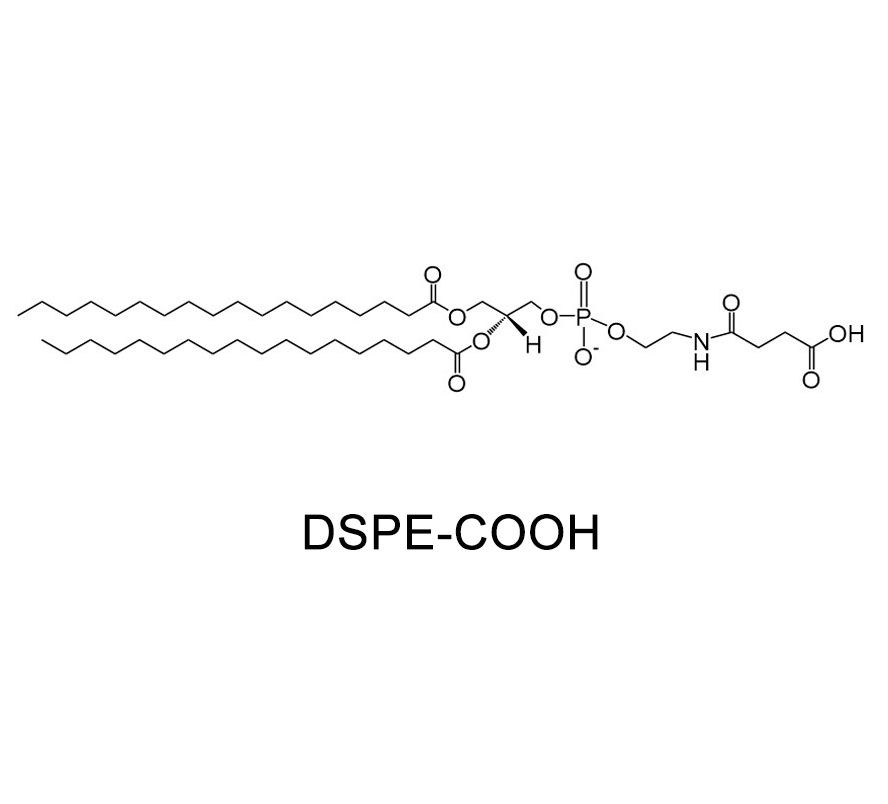
DSPE-glutaric acid is a lipid. DSPE-glutaric acid can be used for the research of various biochemical.

DSPE-glutaric acid chemical structure
DSPE-Hyd-PEG-FITCFeaturedFeatured

DSPE-Hyd-PEG, also known as distearoylphosphoethanolamine-hydrazide-polyethylene glycol, is a type of lipid-based polymer that has various applications in drug delivery and biomedical research. One of the main applications of DSPE-Hyd-PEG is in the field of targeted drug delivery. It is often used as a component of liposomes or lipid nanoparticles to improve the stability and targeting ability of drug carriers. DSPE-Hyd-PEG can be conjugated with targeting ligands, such as antibodies or peptides, to specifically bind to receptors on the surface of target cells. This targeted drug delivery system allows for more efficient and selective delivery of therapeutic agents to the desired site, while minimizing off-target effects.

DSPE-Hyd-PEG-FITC chemical structure
DSPE-Hyd-PEG-cRGDFeaturedFeatured

DSPE-Hyd-PEG, also known as distearoylphosphoethanolamine-hydrazide-polyethylene glycol, is a type of lipid-based polymer that has various applications in drug delivery and biomedical research. One of the main applications of DSPE-Hyd-PEG is in the field of targeted drug delivery. It is often used as a component of liposomes or lipid nanoparticles to improve the stability and targeting ability of drug carriers. DSPE-Hyd-PEG can be conjugated with targeting ligands, such as antibodies or peptides, to specifically bind to receptors on the surface of target cells. This targeted drug delivery system allows for more efficient and selective delivery of therapeutic agents to the desired site, while minimizing off-target effects.

DSPE-Hyd-PEG-cRGD chemical structure
DSPE-Hyd-PEG-COOHFeaturedFeatured

DSPE-Hyd-PEG, also known as distearoylphosphoethanolamine-hydrazide-polyethylene glycol, is a type of lipid-based polymer that has various applications in drug delivery and biomedical research. One of the main applications of DSPE-Hyd-PEG is in the field of targeted drug delivery. It is often used as a component of liposomes or lipid nanoparticles to improve the stability and targeting ability of drug carriers. DSPE-Hyd-PEG can be conjugated with targeting ligands, such as antibodies or peptides, to specifically bind to receptors on the surface of target cells. This targeted drug delivery system allows for more efficient and selective delivery of therapeutic agents to the desired site, while minimizing off-target effects.

DSPE-Hyd-PEG-COOH chemical structure
DSPE-PEG-DopamineFeaturedFeatured

DSPE phospholipids can be used as pharmaceutical excipients for emulsification and drug solubilization, and are important materials for slow release drug preparations such as liposomes, fat milk and nanoparticles in recent years

DSPE-PEG-Dopamine chemical structure
DSPE-TK-PEG-COOHFeaturedFeatured

The polymer with ketone mercaptan as the fragment can form the shell of the nanocore, and simultaneously contain the polyorubicin and light sensitive compounds to achieve dual roles. Ketothiol polymers can also be used directly as drug carriers to contain paclitaxel ROS responsive groups, often in combination with a variety of methods. ROS, as the connecting part, connects the hydrophilic part and the hydrophobic part of the nanocarrier. When the nanocarrier encounters ROS, it breaks and releases drugs: the ROS responsive group can also act as the part connecting drug molecules and nanocarriers to release drugs under oxidation. Common ROS responsive groups generally contain sulfur, boron and tellurium. In addition, in order to inactivate the protein, ROS responsive groups can also be used to block the active center of the protein. Common ROS responsive genes include: polypropylene sulfide, borate, thione, tellurium, selenium, ferrocene, anthocyanins, etc.

DSPE-TK-PEG-COOH chemical structure
DSPE-PEG-HeparinFeaturedFeatured

Heparin, named after its discovery in the liver, is a mucopolysaccharide sulfate composed of glucosamine, L-idosaccharide, n-acetylglucosamine and D-glucuronic acid, with an average molecular weight of 15KDa and a strong acid. It is also found in tissues such as lungs and intestinal mucosa, and is a natural anticoagulant in animals. Naturally occurring in mast cells, it is now mainly extracted from the mucous membrane of the bovine lung or the small intestine of pigs. As an anticoagulant, it is a polymer formed by alternating connection of two polysaccharides, which has kang ningxue effect both in vivo and in vitro. Mainly used for extracorporeal circulation, hemodialysis and so on. With the development of pharmacology and clinical medicine, the application of heparin continues to expand.

DSPE-PEG-Heparin chemical structure
DSPE-Hyd-PEG-NHSFeaturedFeatured

DSPE-Hyd-PEG, also known as distearoylphosphoethanolamine-hydrazide-polyethylene glycol, is a type of lipid-based polymer that has various applications in drug delivery and biomedical research. One of the main applications of DSPE-Hyd-PEG is in the field of targeted drug delivery. It is often used as a component of liposomes or lipid nanoparticles to improve the stability and targeting ability of drug carriers. DSPE-Hyd-PEG can be conjugated with targeting ligands, such as antibodies or peptides, to specifically bind to receptors on the surface of target cells. This targeted drug delivery system allows for more efficient and selective delivery of therapeutic agents to the desired site, while minimizing off-target effects.

DSPE-Hyd-PEG-NHS chemical structure
DSPE-Hyd-PEG-NPCFeaturedFeatured

DSPE-Hyd-PEG, also known as distearoylphosphoethanolamine-hydrazide-polyethylene glycol, is a type of lipid-based polymer that has various applications in drug delivery and biomedical research. One of the main applications of DSPE-Hyd-PEG is in the field of targeted drug delivery. It is often used as a component of liposomes or lipid nanoparticles to improve the stability and targeting ability of drug carriers. DSPE-Hyd-PEG can be conjugated with targeting ligands, such as antibodies or peptides, to specifically bind to receptors on the surface of target cells. This targeted drug delivery system allows for more efficient and selective delivery of therapeutic agents to the desired site, while minimizing off-target effects.

DSPE-Hyd-PEG-NPC chemical structure
DSPE-PEG-SilaneFeaturedFeatured

DSPE-PEG-Silane is a surface-active phospholipid PEG derivative that can be used to modify the surfaces of glass, silica particles, and many other materials. DSPE-PEG-Silane is used as a PEG matrix in the preparation of pharmaceutical nanoparticles and can be used to control particle size and stability. It can also be applied to the preparation of biocompatible nanocarriers, such as nanoparticle carriers. Silyl groups are highly reactive to glass, silica, and many other materials. The reaction between alkoxysilane and the surface hydroxyl group makes the phospholipid PEG covalently attached to the surface of the modified material. Non-specific binding on the surface of PEG modified materials.

DSPE-PEG-Silane chemical structure
DSPE-Hyd-PEG-N3FeaturedFeatured

DSPE-Hyd-PEG, also known as distearoylphosphoethanolamine-hydrazide-polyethylene glycol, is a type of lipid-based polymer that has various applications in drug delivery and biomedical research. One of the main applications of DSPE-Hyd-PEG is in the field of targeted drug delivery. It is often used as a component of liposomes or lipid nanoparticles to improve the stability and targeting ability of drug carriers. DSPE-Hyd-PEG can be conjugated with targeting ligands, such as antibodies or peptides, to specifically bind to receptors on the surface of target cells. This targeted drug delivery system allows for more efficient and selective delivery of therapeutic agents to the desired site, while minimizing off-target effects.

DSPE-Hyd-PEG-N3 chemical structure
DSPE-Hyd-PEG-OHFeaturedFeatured

DSPE-Hyd-PEG, also known as distearoylphosphoethanolamine-hydrazide-polyethylene glycol, is a type of lipid-based polymer that has various applications in drug delivery and biomedical research. One of the main applications of DSPE-Hyd-PEG is in the field of targeted drug delivery. It is often used as a component of liposomes or lipid nanoparticles to improve the stability and targeting ability of drug carriers. DSPE-Hyd-PEG can be conjugated with targeting ligands, such as antibodies or peptides, to specifically bind to receptors on the surface of target cells. This targeted drug delivery system allows for more efficient and selective delivery of therapeutic agents to the desired site, while minimizing off-target effects.

DSPE-Hyd-PEG-OH chemical structure
DSPE-Hyd-PEG-FAFeaturedFeatured

DSPE-Hyd-PEG, also known as distearoylphosphoethanolamine-hydrazide-polyethylene glycol, is a type of lipid-based polymer that has various applications in drug delivery and biomedical research. One of the main applications of DSPE-Hyd-PEG is in the field of targeted drug delivery. It is often used as a component of liposomes or lipid nanoparticles to improve the stability and targeting ability of drug carriers. DSPE-Hyd-PEG can be conjugated with targeting ligands, such as antibodies or peptides, to specifically bind to receptors on the surface of target cells. This targeted drug delivery system allows for more efficient and selective delivery of therapeutic agents to the desired site, while minimizing off-target effects.

DSPE-Hyd-PEG-FA chemical structure
DSPE-Hyd-PEG-SHFeaturedFeatured

DSPE-Hyd-PEG, also known as distearoylphosphoethanolamine-hydrazide-polyethylene glycol, is a type of lipid-based polymer that has various applications in drug delivery and biomedical research. One of the main applications of DSPE-Hyd-PEG is in the field of targeted drug delivery. It is often used as a component of liposomes or lipid nanoparticles to improve the stability and targeting ability of drug carriers. DSPE-Hyd-PEG can be conjugated with targeting ligands, such as antibodies or peptides, to specifically bind to receptors on the surface of target cells. This targeted drug delivery system allows for more efficient and selective delivery of therapeutic agents to the desired site, while minimizing off-target effects.

DSPE-Hyd-PEG-SH chemical structure
DSPE-SS-PEG-N3FeaturedFeatured

Phospholipids are commonly used polymeric gene carriers. DSPE with high molecular weight can effectively compound DNA, and has strong buffered capacity under endosomal pH conditions, showing good transfection efficiency for a variety of cells. However,DAPE is not easily degraded, and high molecular weight DAPE as a gene carrier may lead to short - or long-term cytotoxicity.

DSPE-SS-PEG-N3 chemical structure
DSPE-PEG-Cy5.5FeaturedFeatured

DSPE-PEG-Cy5.5is a phospholipid. Phospholipids have good biocompatibility and significant amphiphilic characteristics, making them the main and suitable dosage form or excipient in drug formulations, thereby achieving better therapeutic effects. "&B26&"can be used in drug delivery research."

DSPE-PEG-Cy5.5 chemical structure
DSPE-TK-PEG-SHFeaturedFeatured

The polymer with ketone mercaptan as the fragment can form the shell of the nanocore, and simultaneously contain the polyorubicin and light sensitive compounds to achieve dual roles. Ketothiol polymers can also be used directly as drug carriers to contain paclitaxel ROS responsive groups, often in combination with a variety of methods. ROS, as the connecting part, connects the hydrophilic part and the hydrophobic part of the nanocarrier. When the nanocarrier encounters ROS, it breaks and releases drugs: the ROS responsive group can also act as the part connecting drug molecules and nanocarriers to release drugs under oxidation. Common ROS responsive groups generally contain sulfur, boron and tellurium. In addition, in order to inactivate the protein, ROS responsive groups can also be used to block the active center of the protein. Common ROS responsive genes include: polypropylene sulfide, borate, thione, tellurium, selenium, ferrocene, anthocyanins, etc.

DSPE-TK-PEG-SH chemical structure
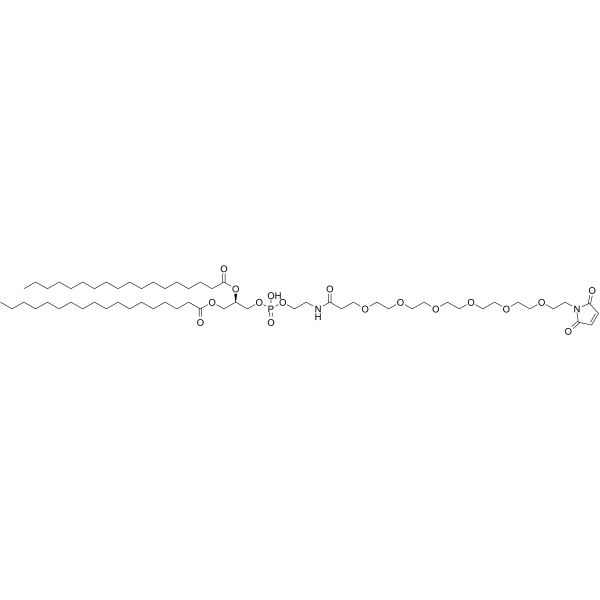
DSPE-PEG6-MalFeaturedFeatured

DSPE-PEG6-Mal is a PEG-based PROTAC linker that can be used in the synthesis of PROTACs.

DSPE-PEG6-Mal chemical structure
DSPE-PEG2-malFeaturedFeatured

DSPE-PEG2-mal is a PEG-based PROTAC linker that can be used in the synthesis of PROTACs.

DSPE-PEG2-mal chemical structure
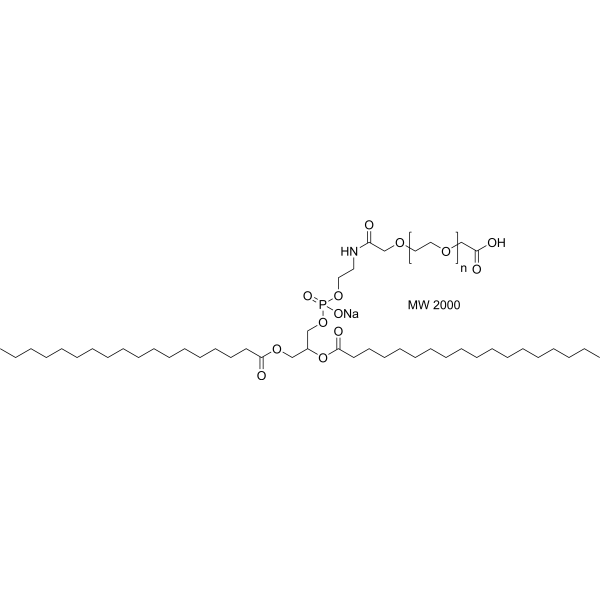
DSPE-PEG-COOHFeaturedFeatured

DSPE-PEG Carboxylic acid (sodium), MW 2000 is a PEG-lipid that can be used to form micelles as nanoparticles for drug delivery. DSPE-PEG Carboxylic acid (sodium), MW 2000 increases the blood circulation time of liposomes.

DSPE-PEG-COOH chemical structure
DSPE-PEG-HSAFeaturedFeatured

Serum protein is the most abundant protein in plasma. Each protein molecule can carry seven fatty acid molecules. These fatty acid molecules bind to gaps in the protein, where their carbon-rich tails are buried safely away from surrounding water molecules. Serum proteins can also carry many other molecules that are insoluble in water. Serum proteins, in particular, can carry many drug molecules, such as ibuprofen. Human serum albumin (HSA) is a highly water-soluble globular monomer plasma protein with a relative molecular weight of 67KDa, composed of 585 amino acid residues, one sulfhydryl group and 17 disulfide bonds. In nanoparticle carriers, HSA nanoparticles are characterized by their ability to bind to various drug molecules, stability during storage and in vivo use, non-toxicity and antigenicity, biodegradability, repeatability, amplification of the production process and better control of release characteristics

DSPE-PEG-HSA chemical structure
DSPE-PEG-BSAFeaturedFeatured

Bovine serum albumin (BSA), a globulin in bovine serum, contains 607 amino acid residues with a molecular weight of 66.446KDa and an isoelectric point of 4.7. Bovine serum albumin has been widely used in biochemical experiments. The total length of BSA precursor protein is 607 amino acids. The precursor protein removes 18 signaling peptides and 6 propeptides from the N terminal to form a mature BSA protein with 583 amino acids and a molecular weight of about 66.5kDa. The surface of BSA contains a large number of carboxyl and amino groups, which can be used to bind the activated groups on the surface, and can be used as a carrier of small molecules. BSA is coupled with antibodies to form carrier-haptens conjugate.

DSPE-PEG-BSA chemical structure
DSPE-PEG-TPPFeaturedFeatured

Triphenyl phosphate is odorless, odorless white crystalline block or powder, its chemical formula is C18H15O4P, it is insoluble in cold water, but soluble in hot water above 50℃, when the solution temperature is reduced to room temperature, hydrophobic, precipitated from the solution. Slightly soluble in alcohol, soluble in ben, chloroform, C tong, easily soluble in ethyl mi. Triphenyl phosphate can be used as cellulose resin, vinyl resin, natural rubber and synthetic rubber flame retardant plasticizer with high flame retardant efficiency, excellent mechanical properties retention rate, transparency, softness and toughness, used in cellulose nitrate, various coatings, triacetate thin fat and film. Rigid polyurethane foam, engineering plastics plasticizer, flame retardant additive. Plastics are more and more widely used in construction, transportation, aviation, electrical appliances, daily furniture and other fields, but the fire accidents caused by the flammability of plastics have increasingly become a major problem, so the research and production of flame retardants have developed rapidly. Triphenyl phosphate is one of the main phosphorous flame retardants. (Flame retardant TPP) is a phosphorus-containing compound that can be used as a halogen-free environmentally friendly flame retardant for dissolution in organic solvents. Mainly used as a flame retardant plasticizer for engineering plastics and phenolic resin laminates; Pegylated phospholipids modified by TPP can be applied in drug release, nanotechnology and new materials research, and cell culture. As well as ligand research, peptide synthesis support, grafted polymer compounds, new materials and pegylated modified functional coatings and other active compounds.

DSPE-PEG-TPP chemical structure
DSPE-PEG-VEFeaturedFeatured

2-Distearoyl-sn-Glycero-3-Phosphoethanolamine(DSPE) conjugated polyethylene glycol is a combination of phospholipid and polyethylene glycol, which has hydrophilicity and hydrophobicity. Polyethylene glycol phospholipid liposomes can be used for drug delivery, gene transfection and vaccine delivery. Pegylated phospholipids can significantly improve blood circulation time and stabilize drug encapsulation. These materials can also be used for targeted drug delivery by modifying ligands with target surfaces such as antibodies and peptides,Liposomes.

DSPE-PEG-VE chemical structure
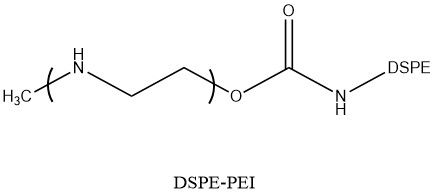
DSPE-PEG-PEIFeaturedFeatured

Polyethyleneimine (PEI), also known as polyethyleneimine, is a water-soluble polymer. Colorless or yellowish viscous liquid, hygroscopic, soluble in water, ethanol, insoluble in benzene. PEG-PEI, a copolymer of cationic poly (ethylene imide) (PEI) and polyethylene glycol (PEG), is a well-studied compound that significantly improves the delivery of oligonucleotides and nucleic acids (DNA, siRNA) in vitro and in vivo. By varying the MW of PEI and PEG, PEG-PEI drug conjugates, polymers, or nanoparticles with dynamic range of size, surface charge, and stability can be prepared, all of which are important for transfection efficiency. PEI-PEG-DSPE, polyethylenimine-PEGyl-phospholipid is an AB block copolymer with phospholipids at the end of PEG that can be used in drug delivery systems. DSPE, 1, 2-distearoyl-SN-glycerol-3-phosphate ethanolamine is a synthetic phospholipid that can be used as a membrane material with solubility and is suitable for the development of liposomes and phospholipid complexes.

DSPE-PEG-PEI chemical structure
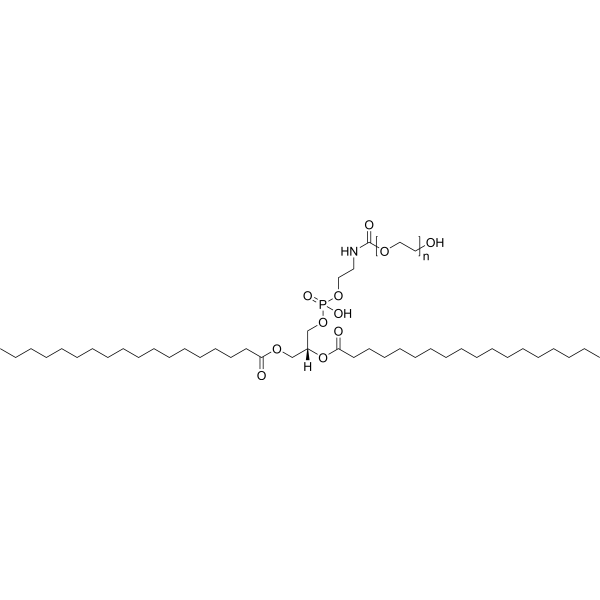
DSPE-PEG-OHFeaturedFeatured

DSPE-PEG-OH, MW 2000 is a PEG-based PROTAC linker that can be used in the synthesis of PROTACs. Additionally, DSPE-PEG-OH, MW 2000 can also be used for drug delivery.

DSPE-PEG-OH chemical structure
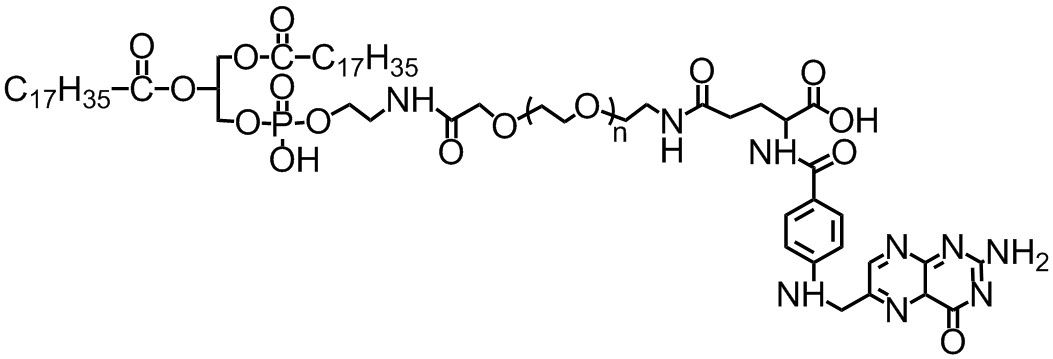
DSPE-PEG-FAFeaturedFeatured

Phospholipid polyethylene glycol folate (dspe-peg-fa), carboxyl group and amino group form amide bond. This reaction makes folate ligand attach to protein, antibody, peptide or particle surface. Pegylated folate has good water solubility and bioactivity. Folate functionalized substrates have been used for targeted drug delivery, imaging and bioassay. DSPE (1,2-distearyl-sn-glycerin-3-phosphate ethanolamine) is a saturated 18 carbon phospholipid, which is commonly used in the synthesis of liposomes. Polyethylene glycol (PEG) - coupled DSPE is hydrophilic and can be used for drug delivery, gene transfection and biomolecular modification.

DSPE-PEG-FA chemical structure
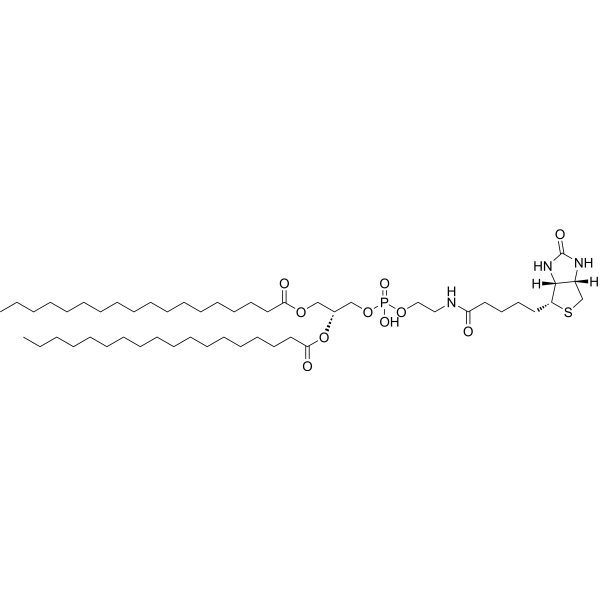
DSPE-BiotinFeaturedFeatured

DSPE-Biotin is a lipid. DSPE-Biotin can be used for the research of various biochemical.

DSPE-Biotin chemical structure
DSPE-CY5.5FeaturedFeatured

Phospholipids DSPE belong to the lipid family of biopolymers. Phospholipids consist of two fatty acids, a glycerol unit, a phosphate group, and a polar molecule. The phosphate groups and polar head regions of the molecule are hydrophilic (attracted to water), while the fatty acid tail is hydrophobic (repelled by water). When placed in water, the phospholipids Orient themselves into a double layer, where the non-polar tail region faces the inner region of the double layer. The polar head region faces outward and interacts with the water. Applications in drug release, nanotechnology and new materials research, cell culture. As well as ligand research, peptide synthesis support, grafted polymer compounds, new materials and pegylated modified functional coatings and other active compounds.

DSPE-CY5.5 chemical structure
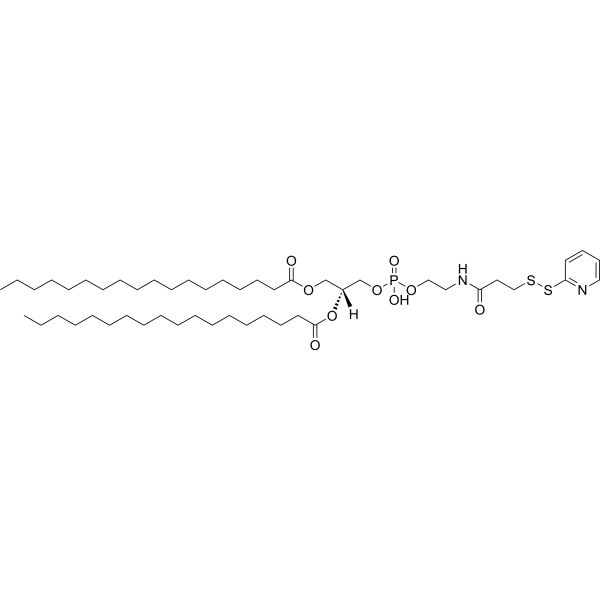
DSPE-SPDPFeaturedFeatured

DSPE-SPDP is a phospholipid molecule. DSPE-SPDP can orient itself to form lipid bilayer in water. DSPE-SPDP can be used for the research of various biochemical.

DSPE-SPDP chemical structure
DSPE-CY3FeaturedFeatured

Phospholipids DSPE belong to the lipid family of biopolymers. Phospholipids consist of two fatty acids, a glycerol unit, a phosphate group, and a polar molecule. The phosphate groups and polar head regions of the molecule are hydrophilic (attracted to water), while the fatty acid tail is hydrophobic (repelled by water). When placed in water, the phospholipids Orient themselves into a double layer, where the non-polar tail region faces the inner region of the double layer. The polar head region faces outward and interacts with the water. Applications in drug release, nanotechnology and new materials research, cell culture. As well as ligand research, peptide synthesis support, grafted polymer compounds, new materials and pegylated modified functional coatings and other active compounds.
DSPE-CY3 chemical structure
DSPE-NHSFeaturedFeatured

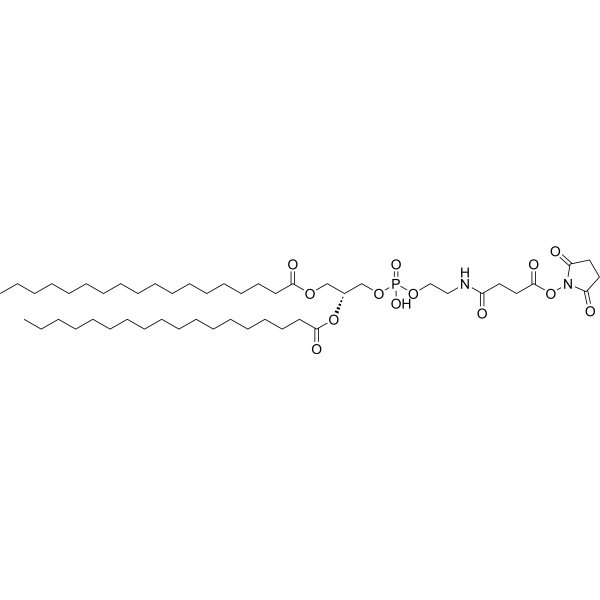
DSPE-NHS is a bioconjugation phospholipid molecule with two hydrophobic lipid tails. DSPE-NHS is a self-assembling reagent which forms lipid bilayer in aqueous solution. DSPE-NHS can be used to prepare liposomes as drug nanocarrier.


DSPE-NHS chemical structure
DSPE-MalFeaturedFeatured

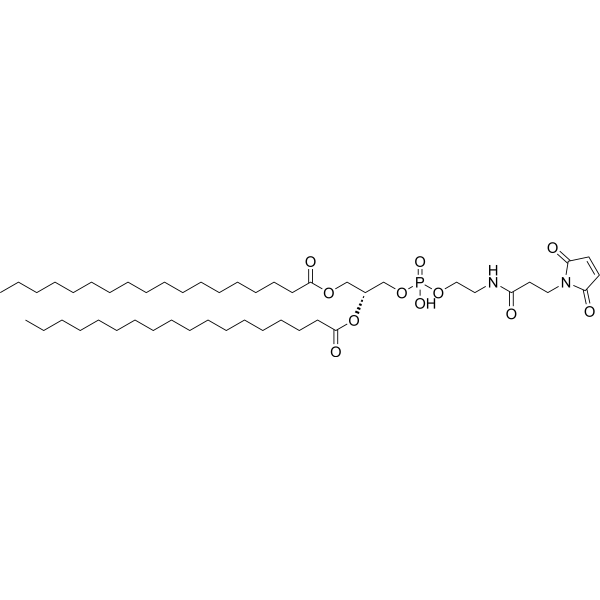
DSPE-MAL is a thiol reactive a phospholipid compound. DSPE-MAL has two saturated fatty acids and can self-assemble in water to form lipid bilayer. DSPE-MAL can be used to prepare liposomes as drug nanocarrier.

DSPE-Mal chemical structure
DSPE-ICGFeaturedFeatured

ICG indocyanine green is a three carbon cyanine dye with good water solubility and a molecular weight of 775. Indocyanine green can almost completely bind to plasma proteins in plasma and whole blood, ensuring that it remains almost completely in Xueguan and is not easily diffused outward. Indocyanine green (ICG) is a near-infrared imaging reagent currently approved by the US Food and Drug Administration (FDA) for clinical use. ICG is a three carbon cyanine dye with near-infrared characteristic absorption peaks, emission wavelengths between 795 and 845nm, and has amphiphilic structures that are both hydrophilic and lipophilic. Near infrared light has a greater penetration depth in tissues and is less affected by biological tissue background, Due to its near-infrared absorption and emission fluorescence characteristics, ICG can be used as an excellent tissue penetrating agent in vivo.

DSPE-ICG chemical structure
DSPE-N3FeaturedFeatured

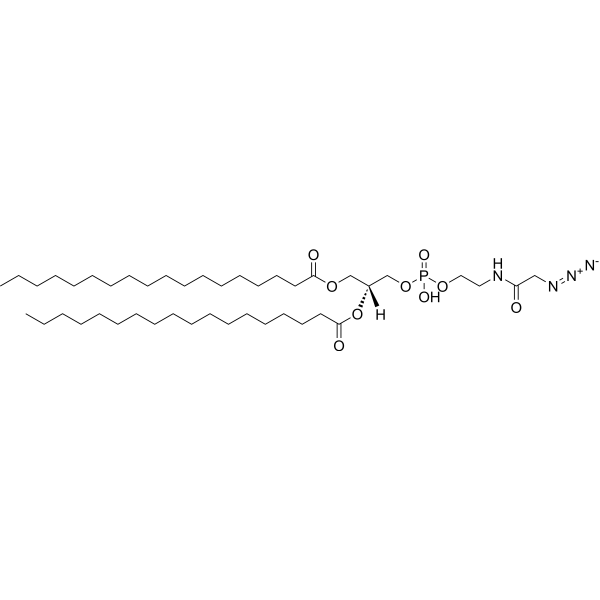
DSPE-N3 is a lipid. DSPE-N3 can be used for the research of various biochemical.

DSPE-N3 chemical structure