GalNAc-L96 Linker-AcidFeaturedFeatured

Browse siRNA Delivery in the DC Chemicals RNA Delivery catalog.
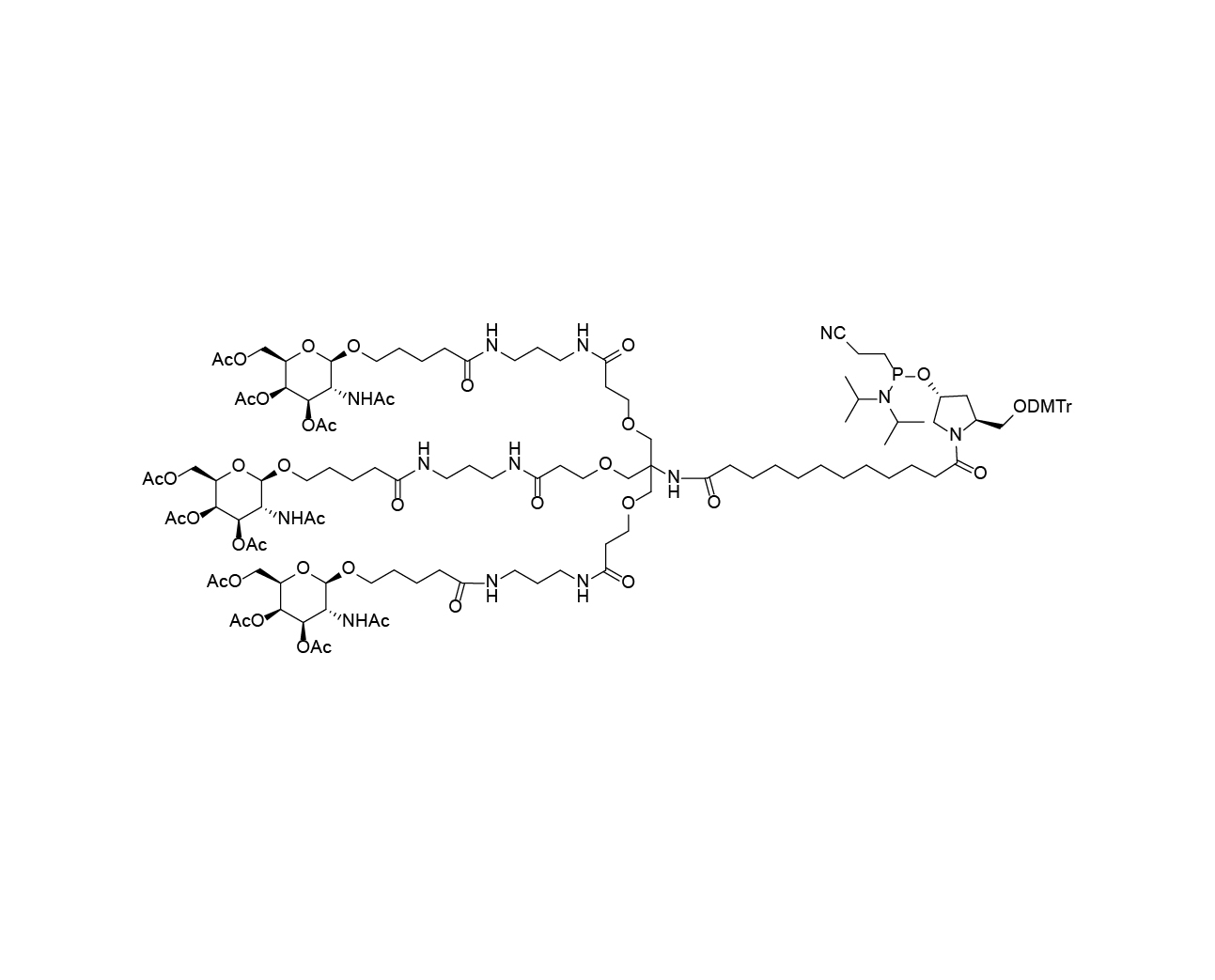
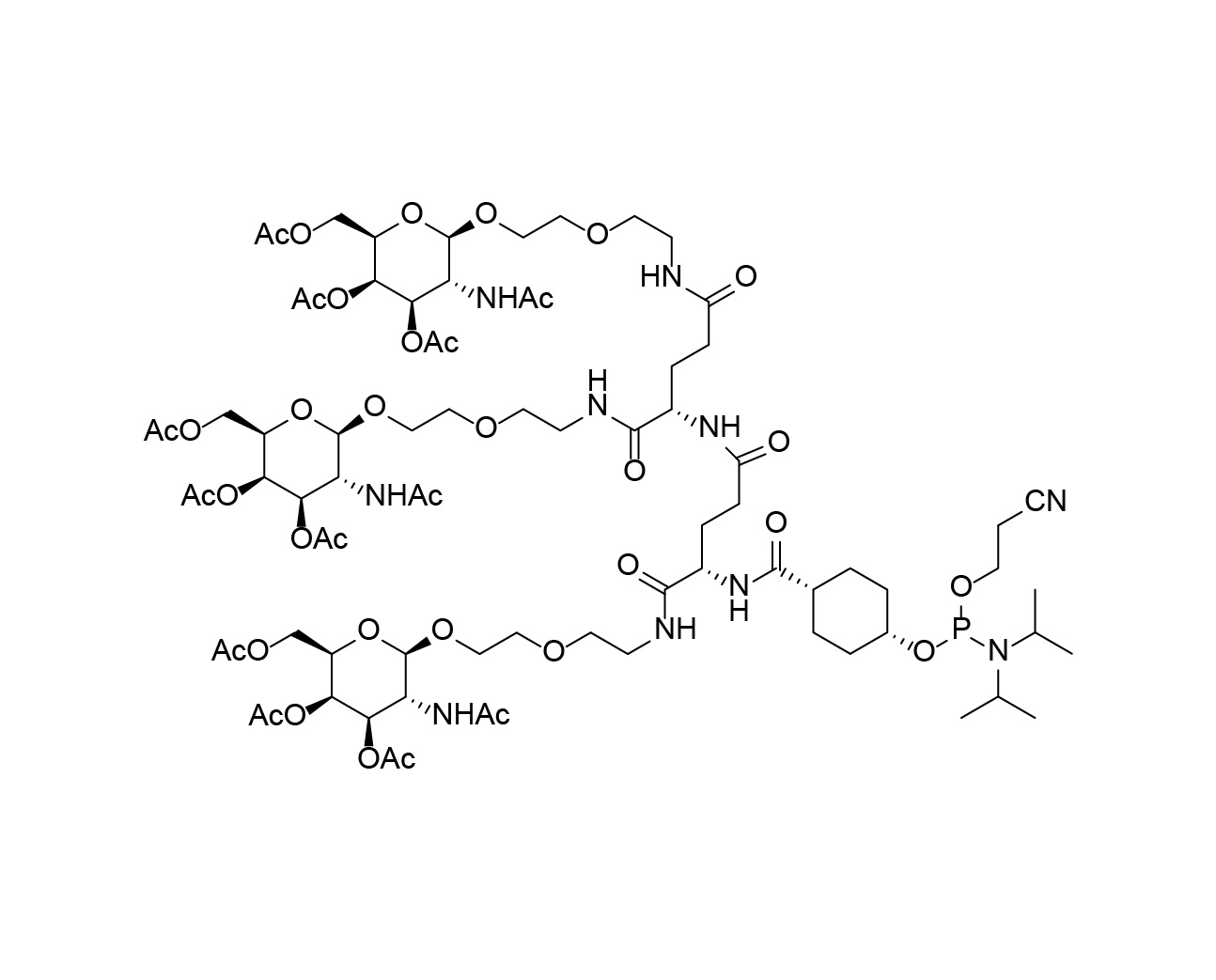
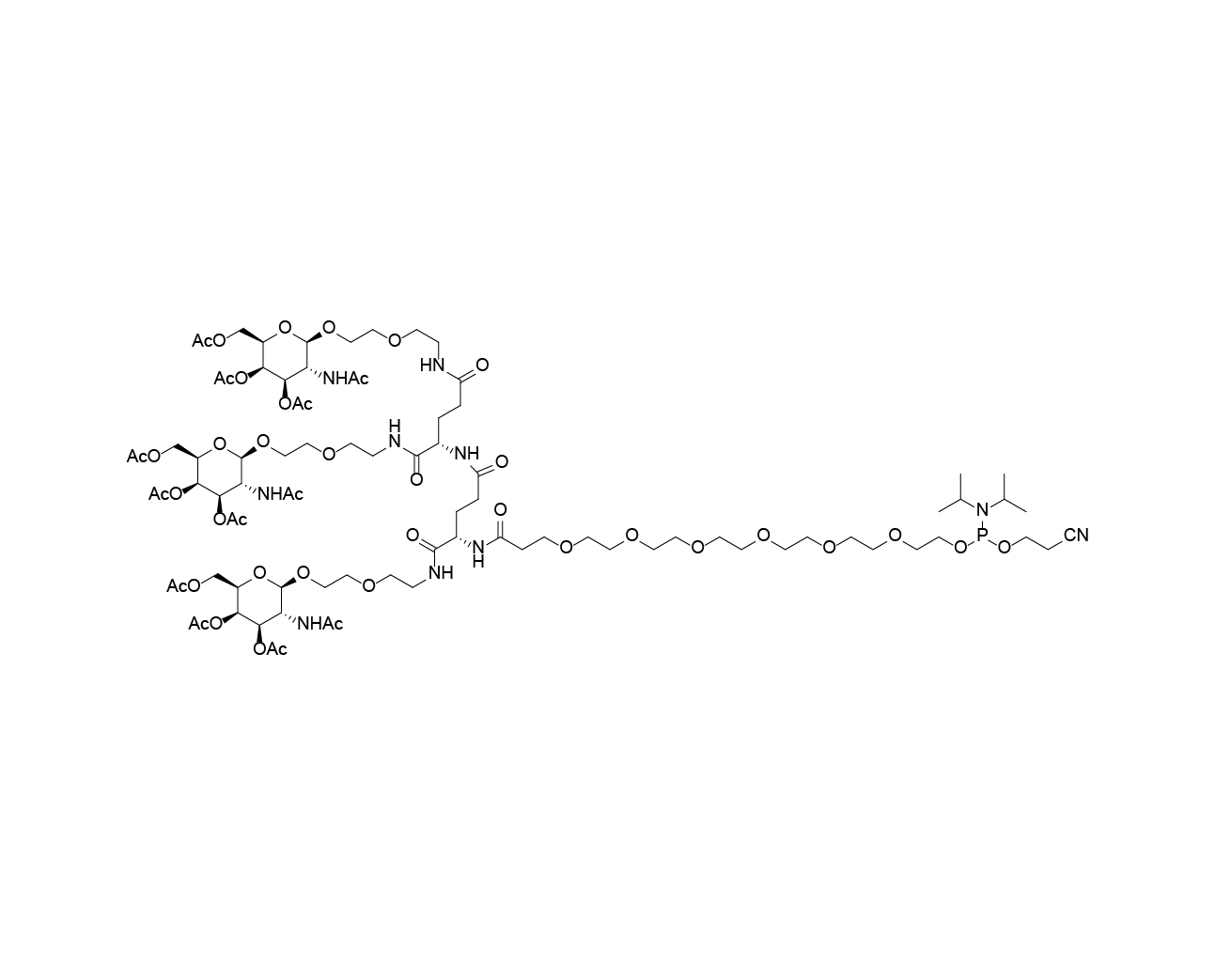
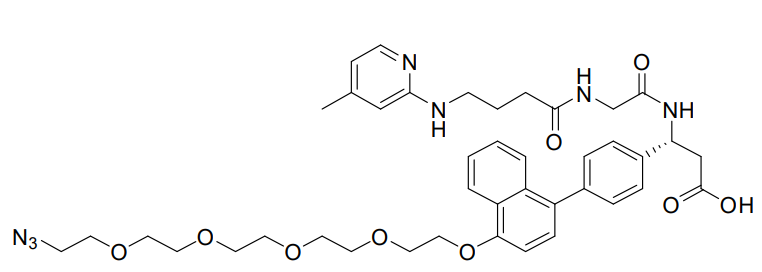
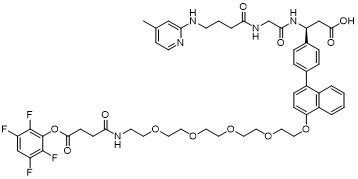
SM-6.1 is a small molecule delivery vehicle developed by Arrowhead, targeting αvβ6, which selectively delivers therapeutic siRNA to lung epithelial cells and mediates durable gene silencing post-inhalation.
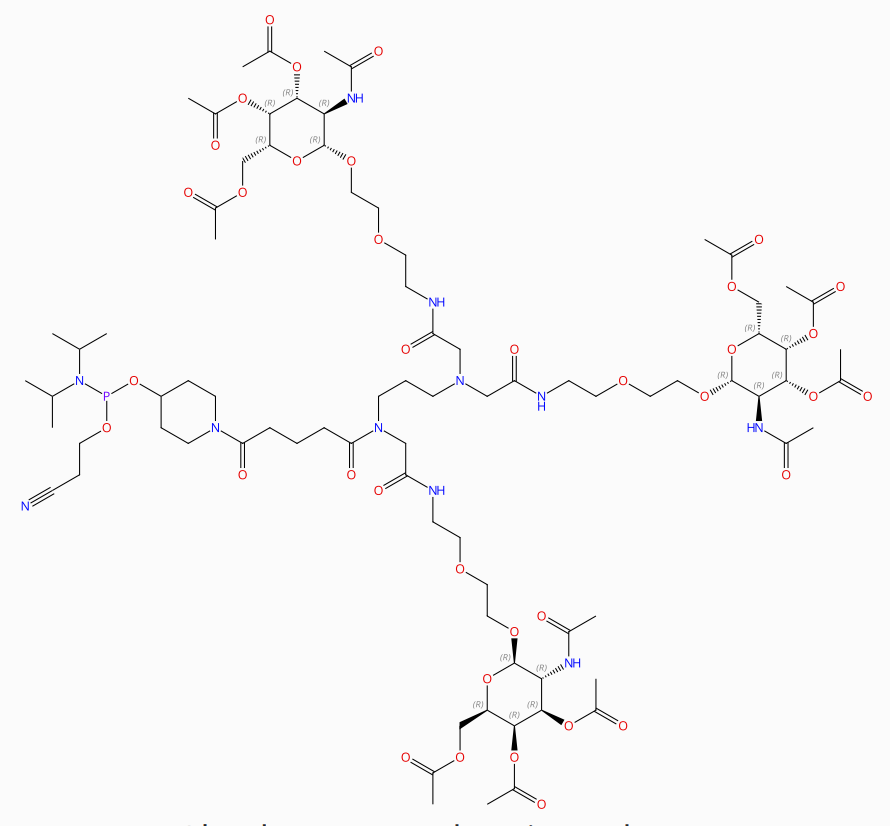
GLS-15 is a novel GalNAc-derived small molecule structure designed for siRNA delivery.
SM-6.1 is a small molecule delivery vehicle developed by Arrowhead, targeting αvβ6, which selectively delivers therapeutic siRNA to lung epithelial cells and mediates durable gene silencing post-inhalation.
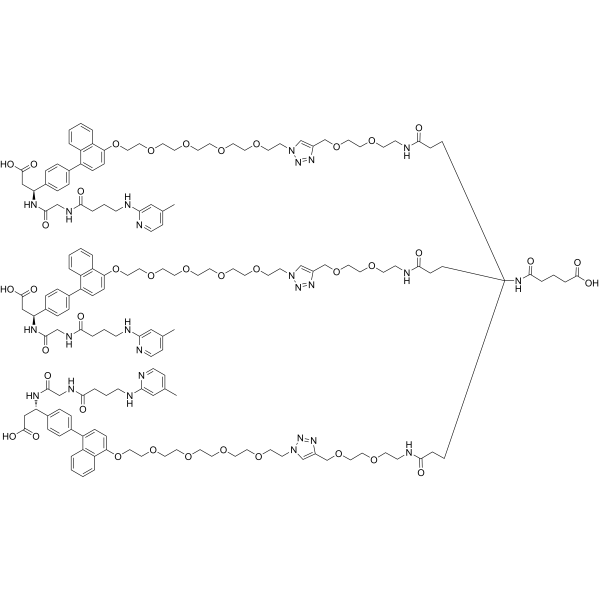
Tri-SM6.1 is a tridentate small-molecule ligand targeting integrin αvβ6. Tri-SM6.1 binds to integrin αvβ6 on epithelial cells to deliver conjugated α-ENaC RNAi agents。
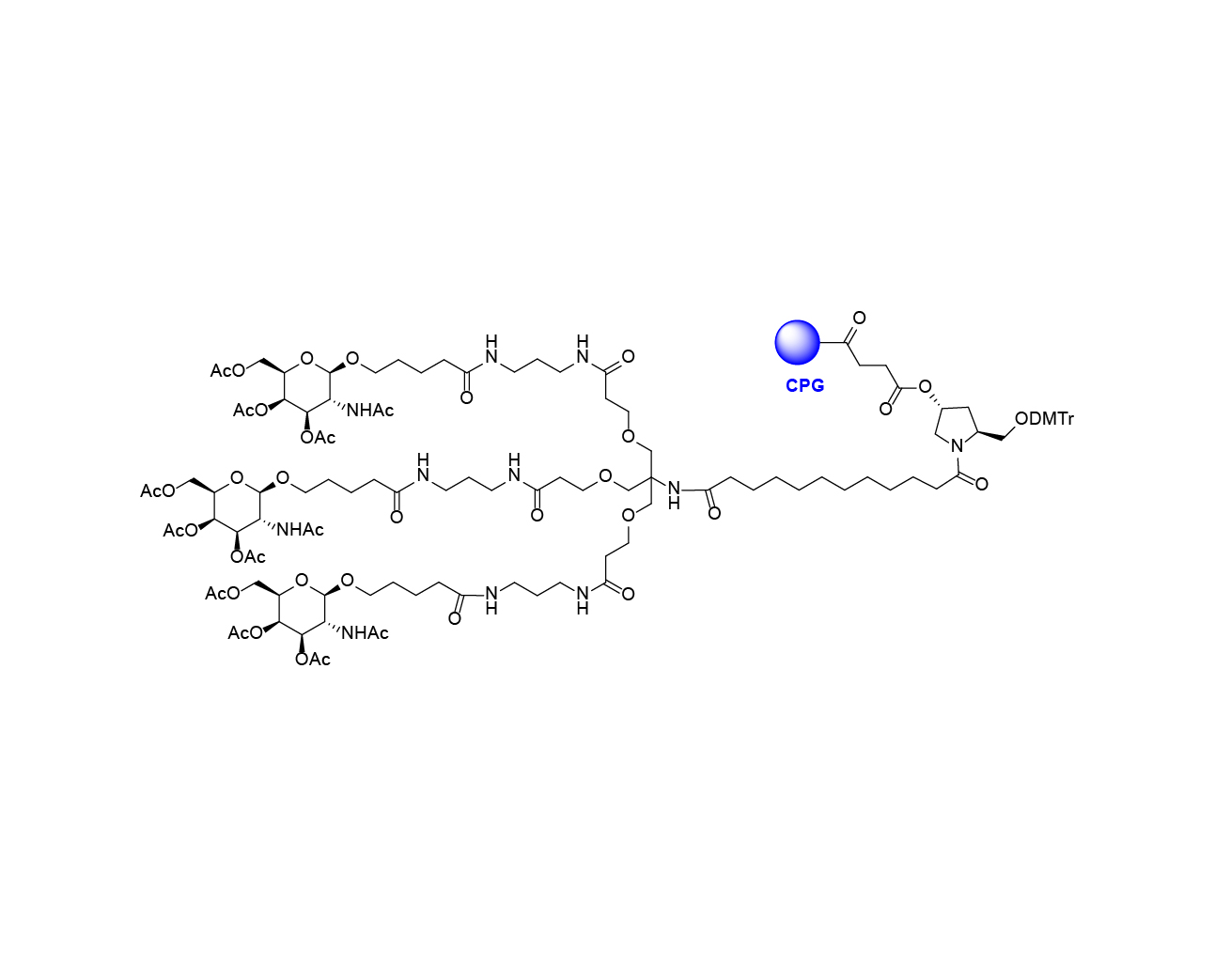
TriGalNAc CBz is a GalNAc derivative and tri-GalNAc is an asialoglycoprotein receptor (ASGPR) ligand. TriGalNAc CBz can be used for mRNA drug delivery as well as lysosomal targeted chimerism (LYTAC) studies.
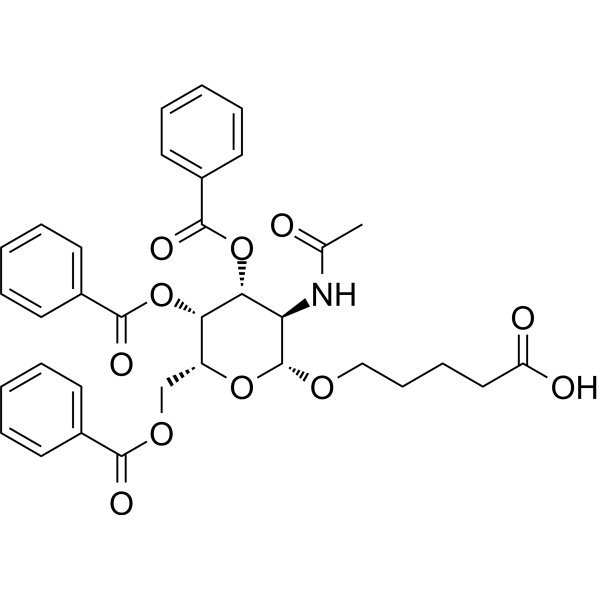

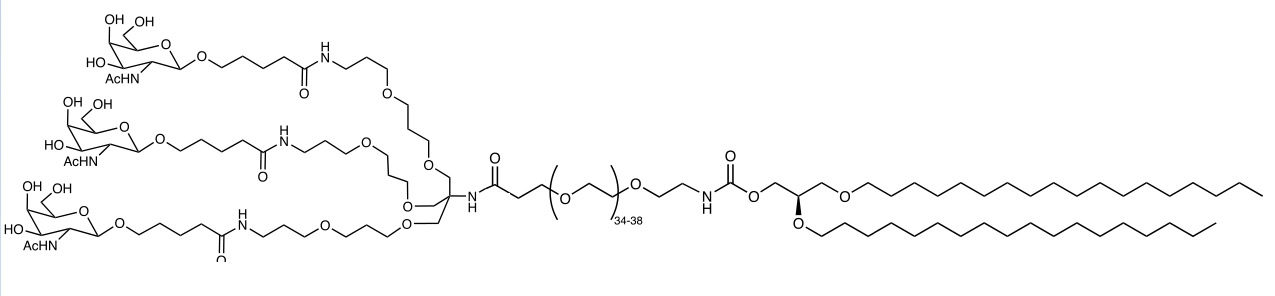
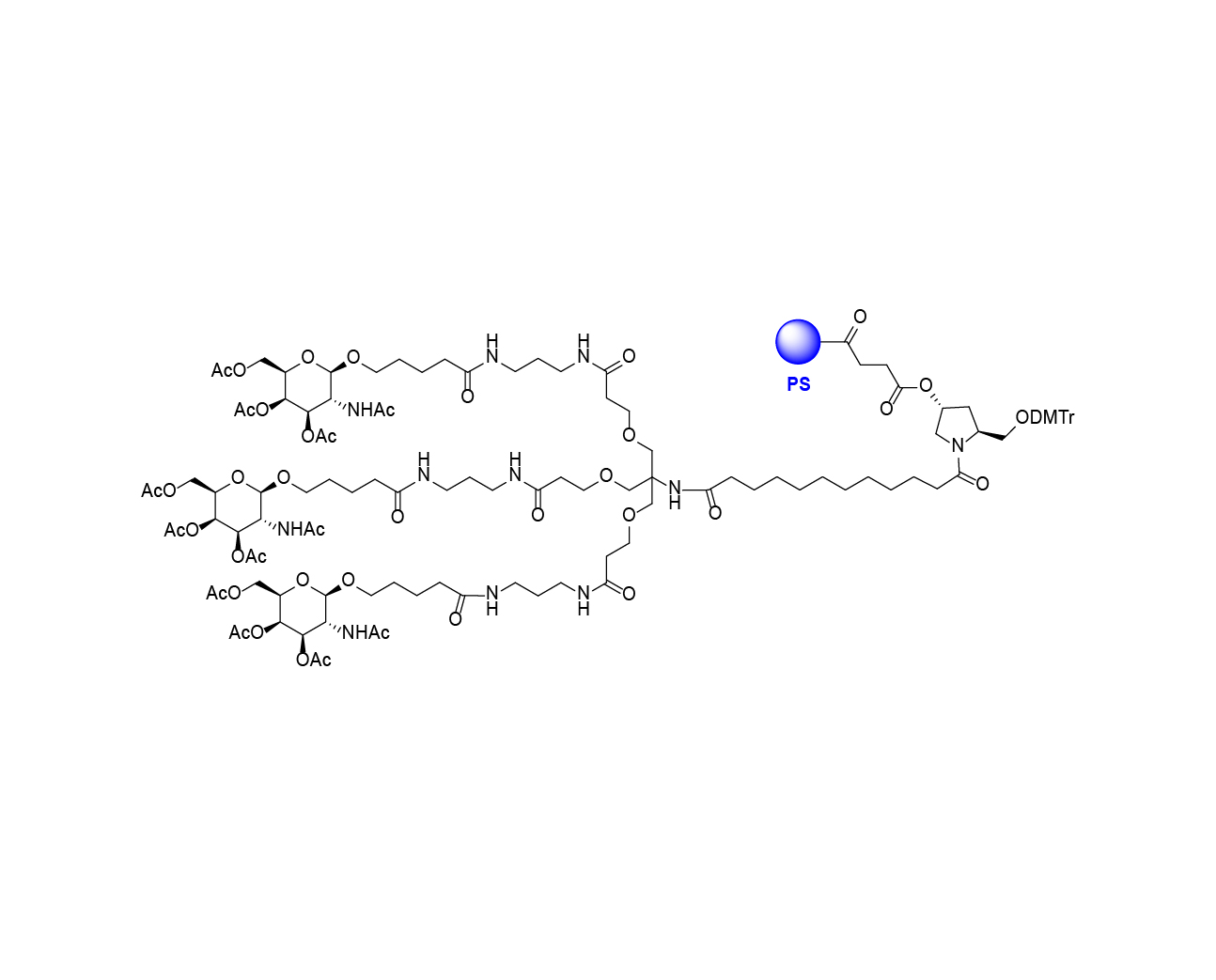
GalNAc-L96 free base, the G-rich oligonucleotides carrying the longer GalNAc linker that can be used for delivery of nucleic acid drugs.
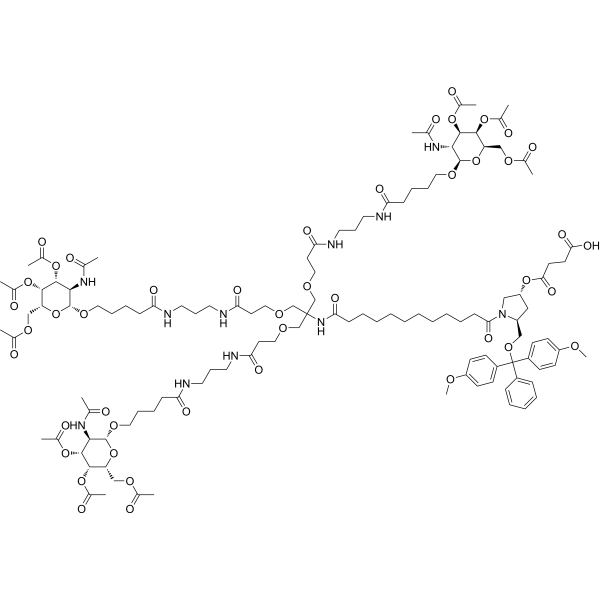
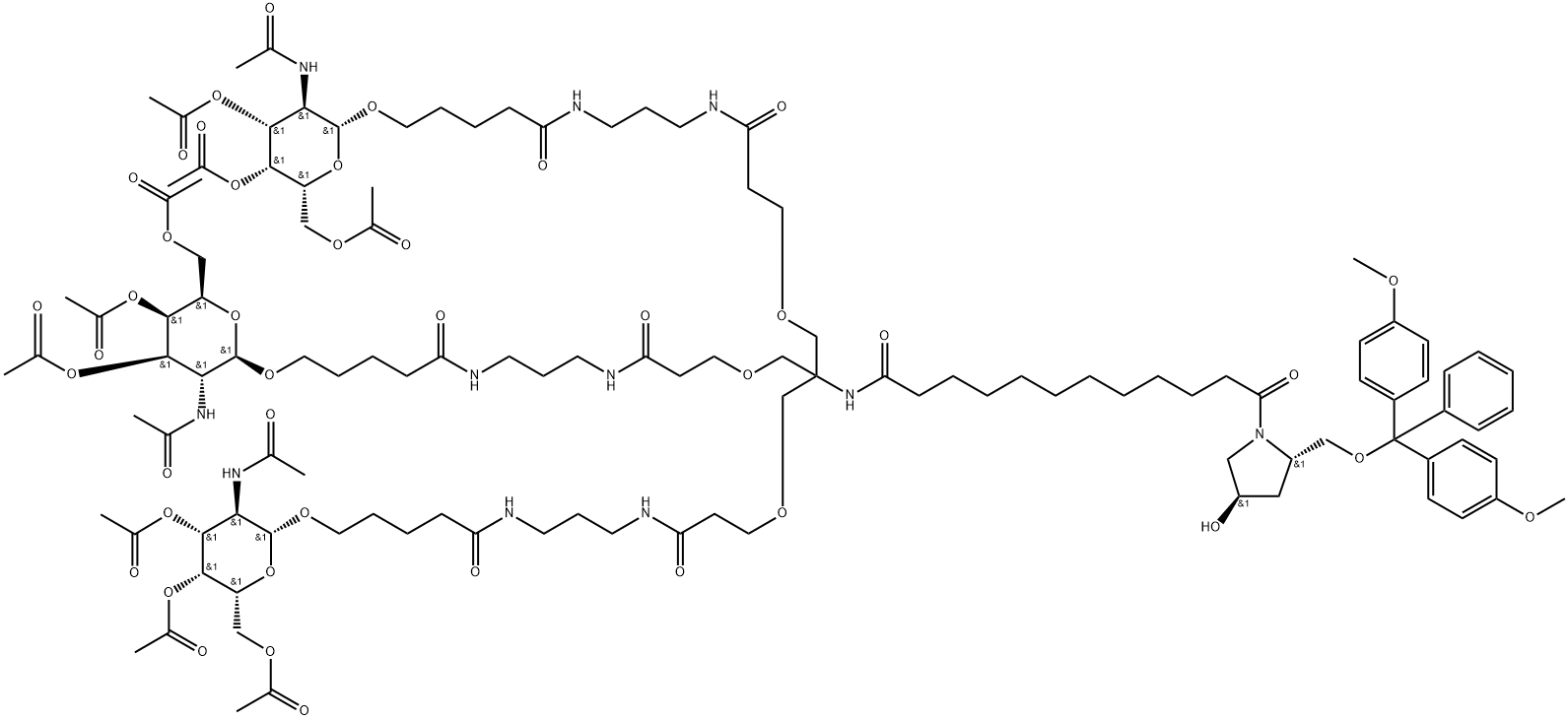
GalNAc-L96 analog is an intermediate in the synthesis of the asialoglycoprotein receptor (ASGPR) ligand GalNAc-L96.
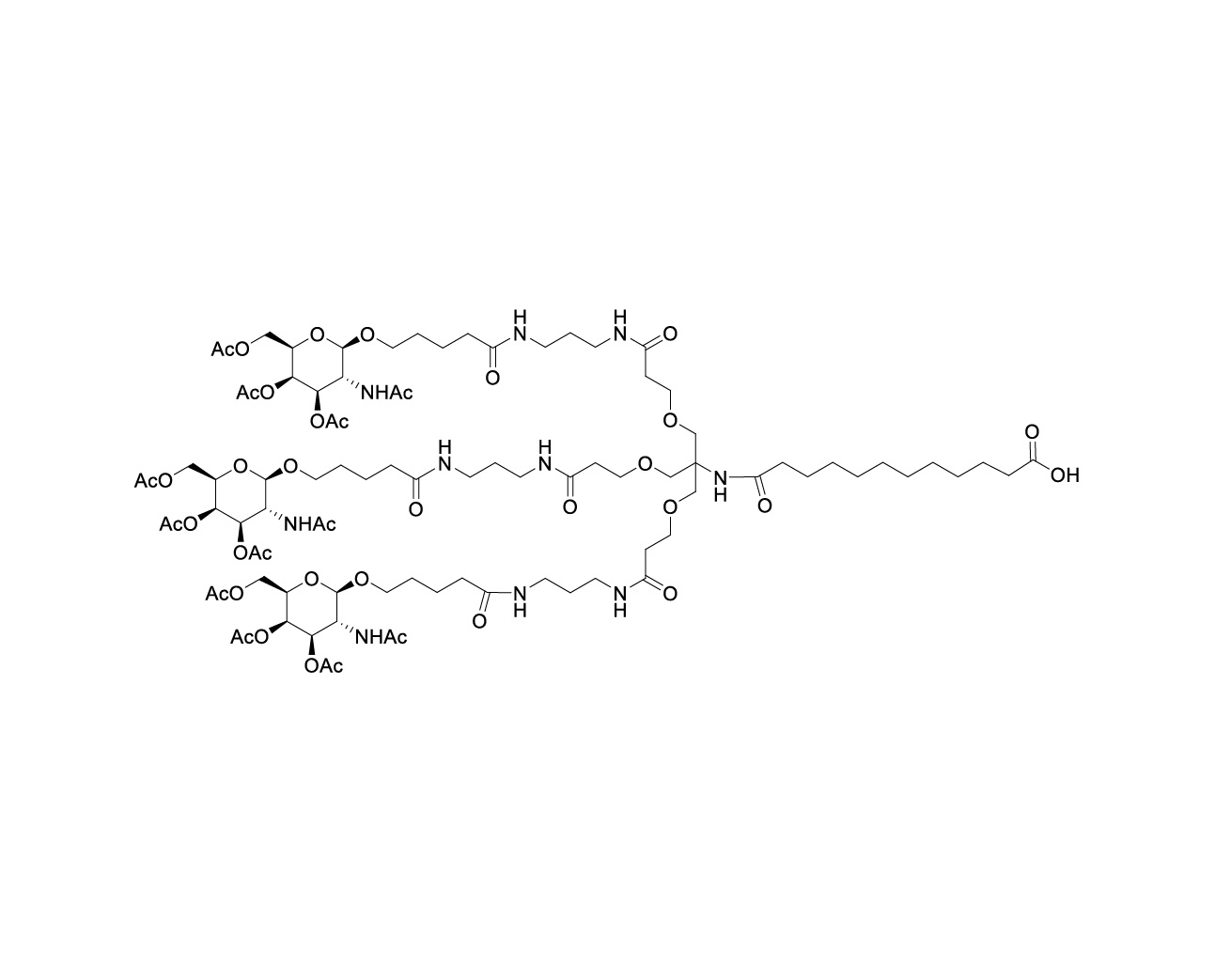
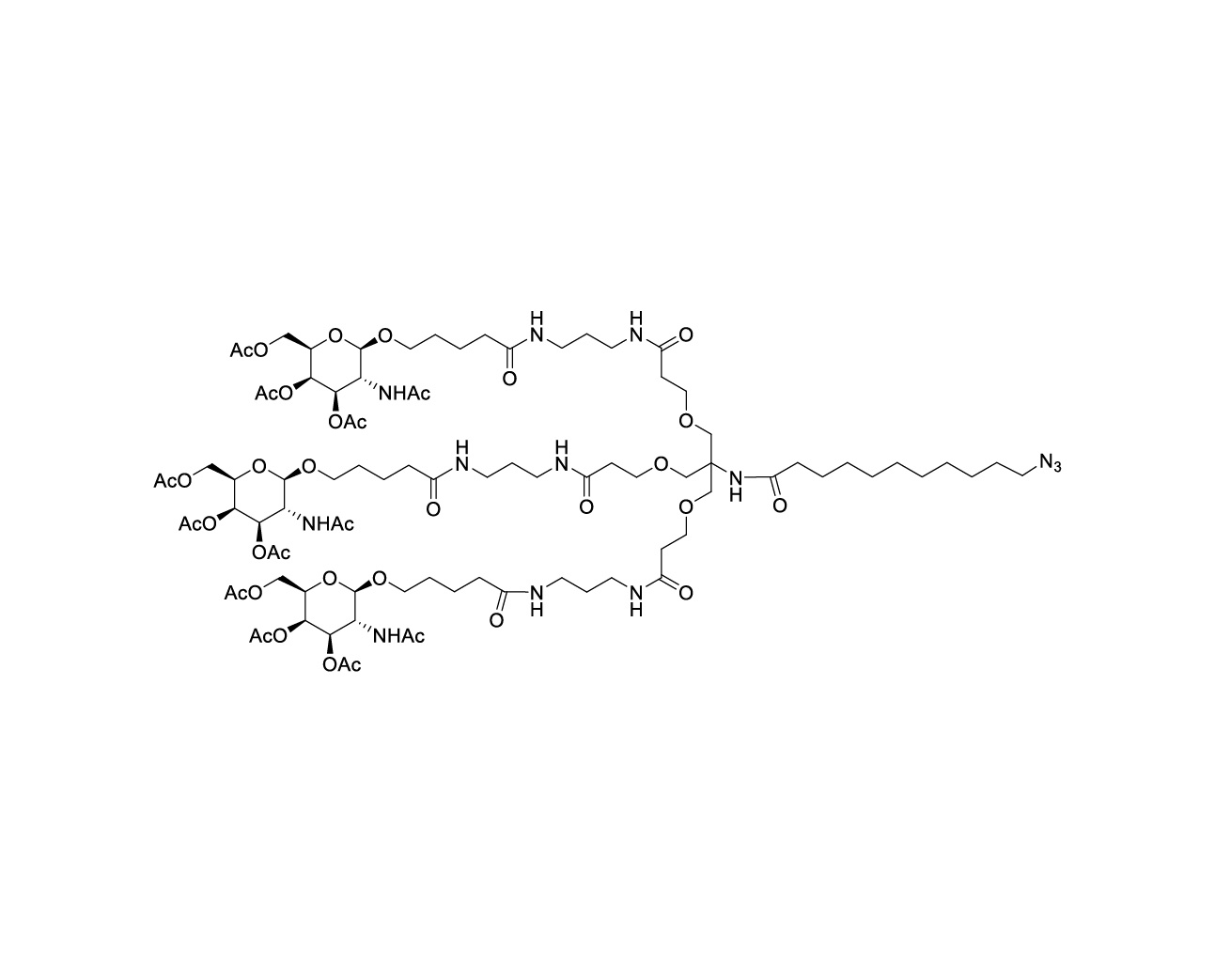
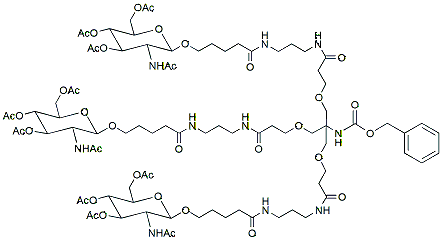
Tri-GalNAc(OAc)3 Cbz is a ligand for asialoglycoprotein receptor (ASGPR) where the sugars are protected by acetylation and the tris tertiary amine is protected by benzyloxycarbonyloxy (Cbz). This peracetylated tri-GalNAc(OAc)3 Cbz can be serve as a valuable building block for ASGPR-targeted therapies. Its three branches or arms, each ending in a GalNAc sugar, ensure strong binding to hepatocyte ASGPR. However, the key feature lies in its protective groups: acetylated sugars allow for controlled removal to expose reactive sites for conjugation, while the Cbz-protected amine provides stability and can be selectively cleaved to introduce a reactive amine group for further biomolecule attachment, ultimately enabling researchers to tailor tri-GalNAc(OAc)3 Cbz into customized conjugates for specific therapeutic applications.
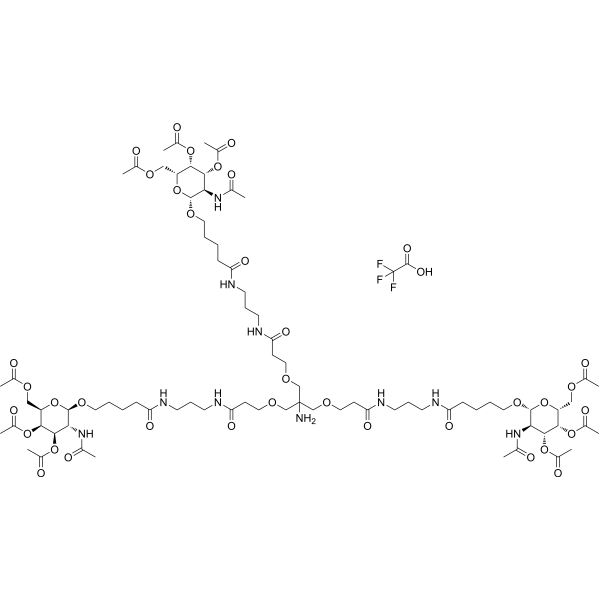
Tri-GalNAc(OAc)3 TFA is a tri-GalNAc ligand that can be used for the synthesis of GalNAc-LYTAC. GalNAc-LYTAC engages the asialoglycoprotein receptor for targeted protein degradation. tri-GalNAc: triantenerrary N-acetylgalactosamine; LYTAC: lysosome-targeting chimera.
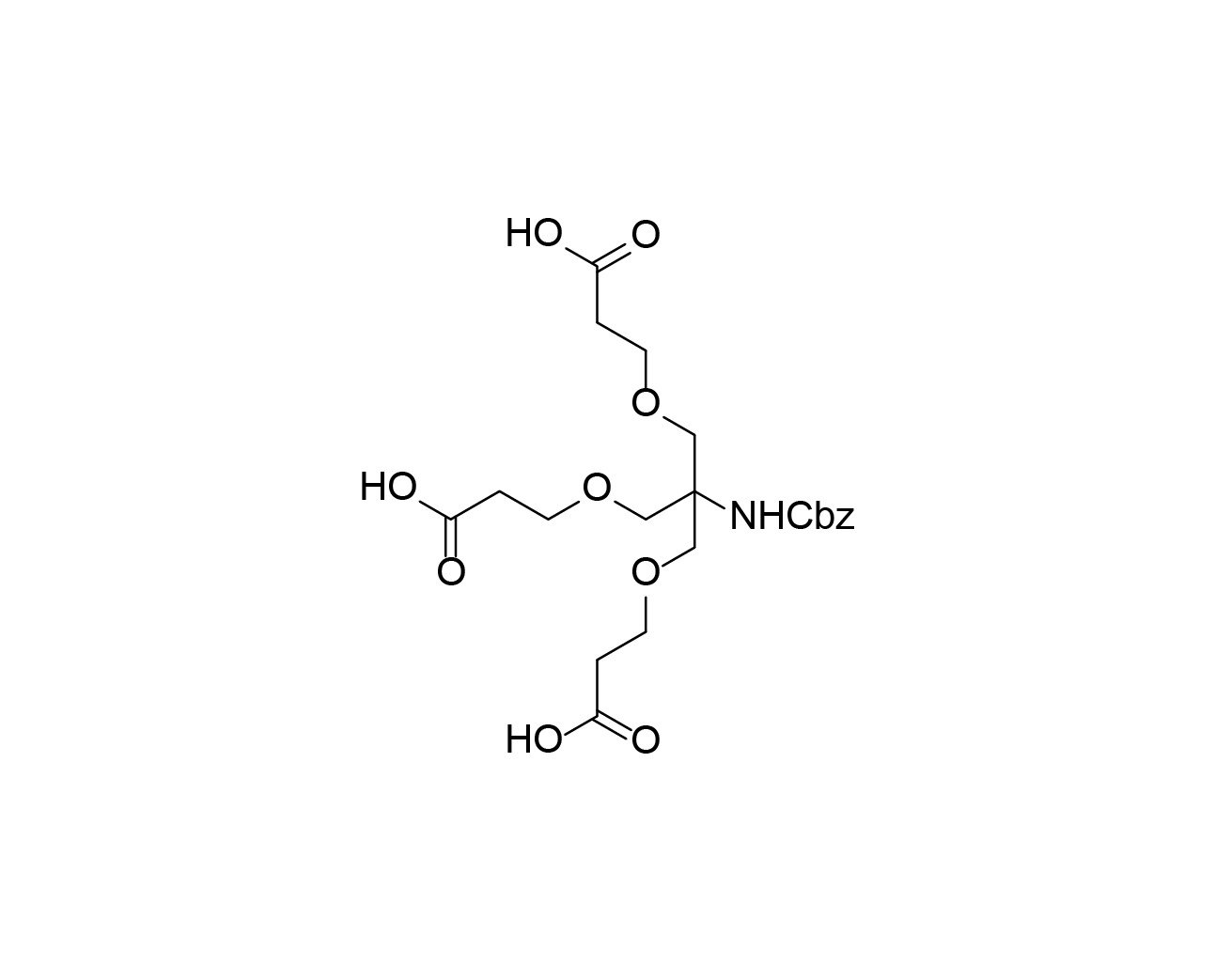
tri-GalNAc-COOH is an asialoglycoprotein receptor (ASGPR) ligand that can be used for LYsosome TArgeting Chimera (LYTAC) research.
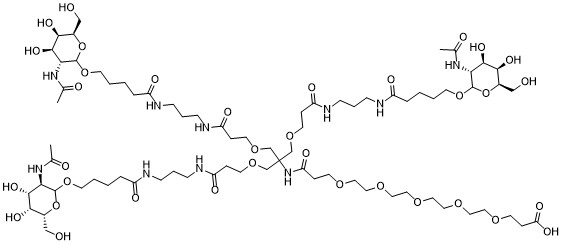
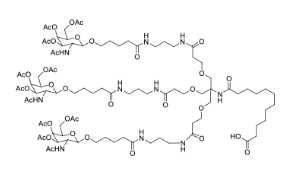

GalNac-L96, the G-rich oligonucleotides carrying the longer GalNAc linker that can be used for delivery of nucleic acid drugs[1].
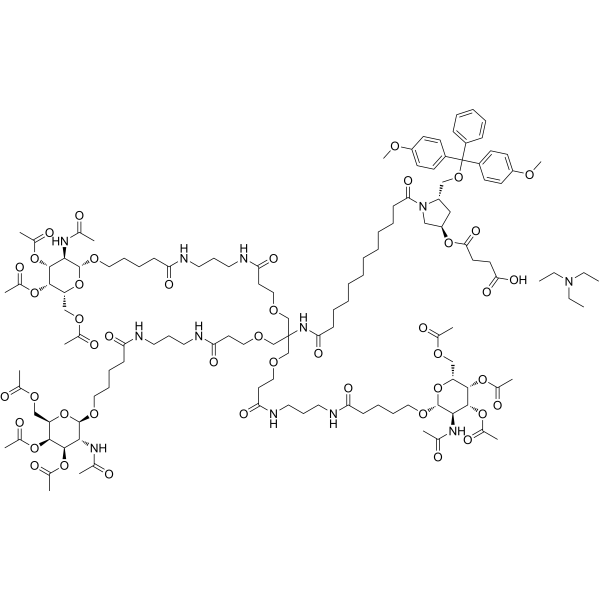
tri-GalNAc-COOH acetylation is the acetylated and modified form of tri-GalNAc-COOH. tri-GalNAc-COOH acetylation can be used for the synthesis of LYTAC.
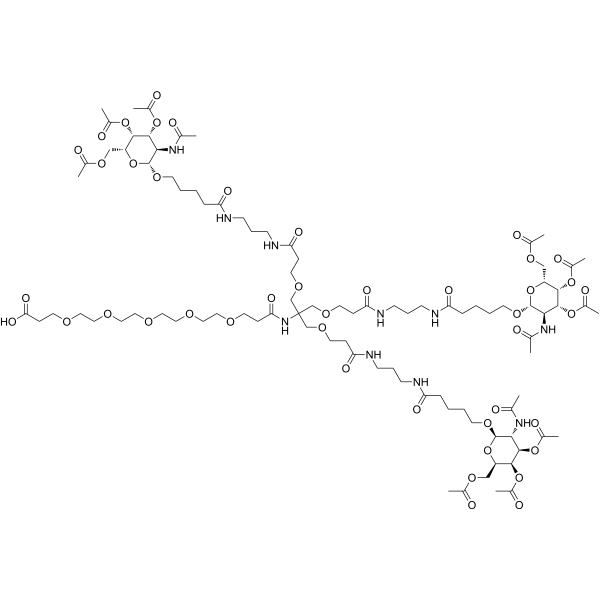



ASGPR ligand-1 is a compound that targets the asialoglycoprotein receptor (ASGPR) and is utilized in various disease research contexts .
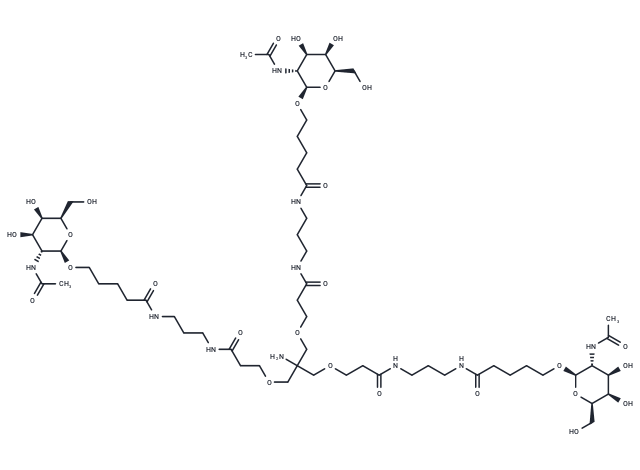


Triantennary GalNAc Acid is an asialoglycoprotein receptor (ASGPR) ligand for lysosomal targeting chimera (LYTAC) research and development.

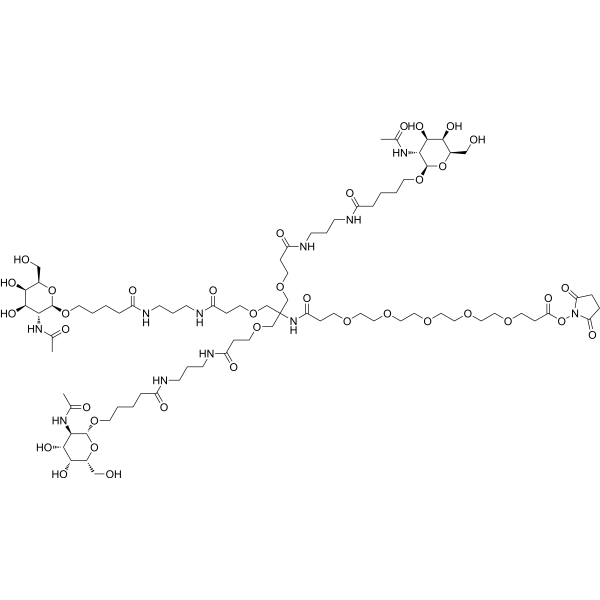
Tri-GalNAc-NHS ester is a LYsosome TArgeting Chimera (LYTAC) and a ligand of asialoglycoprotein receptor (ASGPR). ASGPR is a lysosomal targeting receptor specifically expressed on liver cells, for the degradation of extracellular proteins including membrane proteins. Tri-GalNAc-NHS ester can be used as a protein degrader and it can be used for the research of LYTAC.