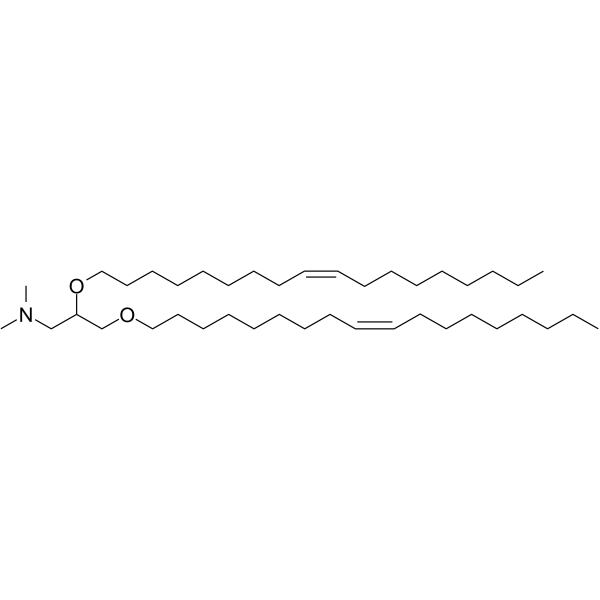
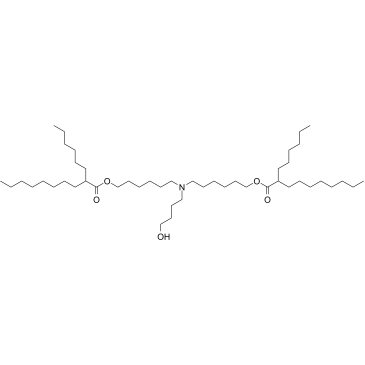
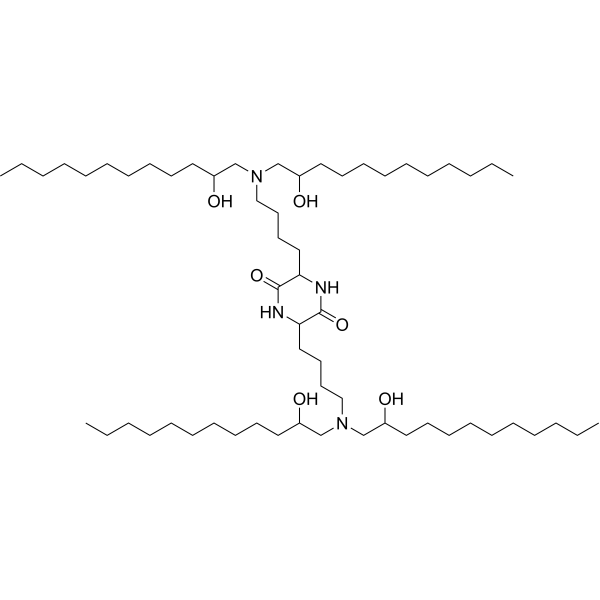
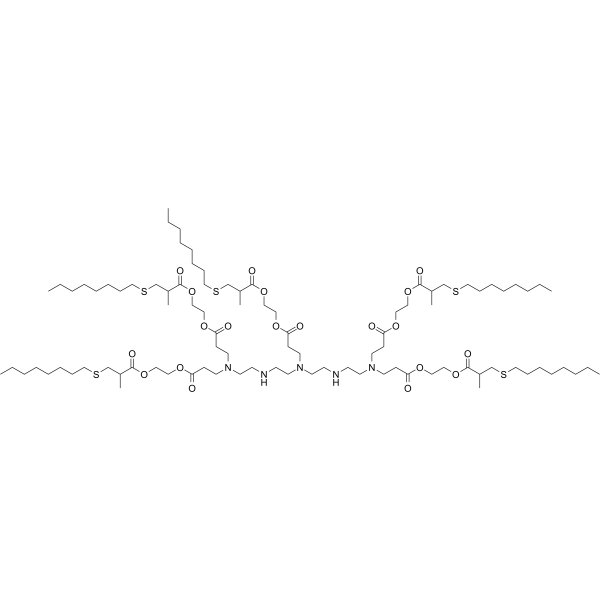
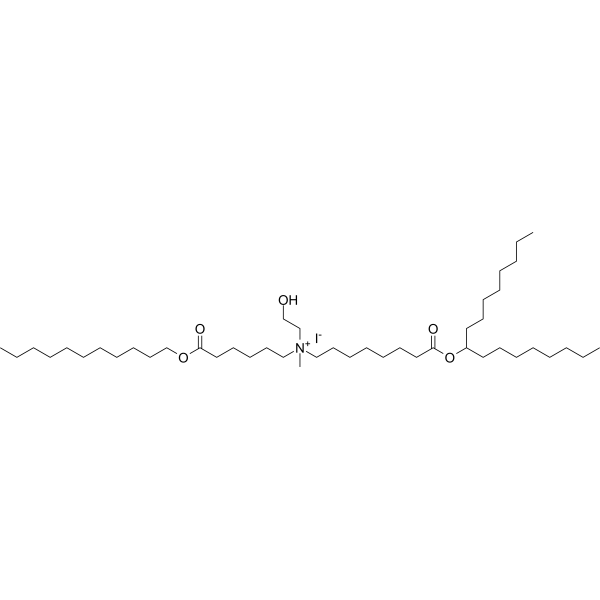
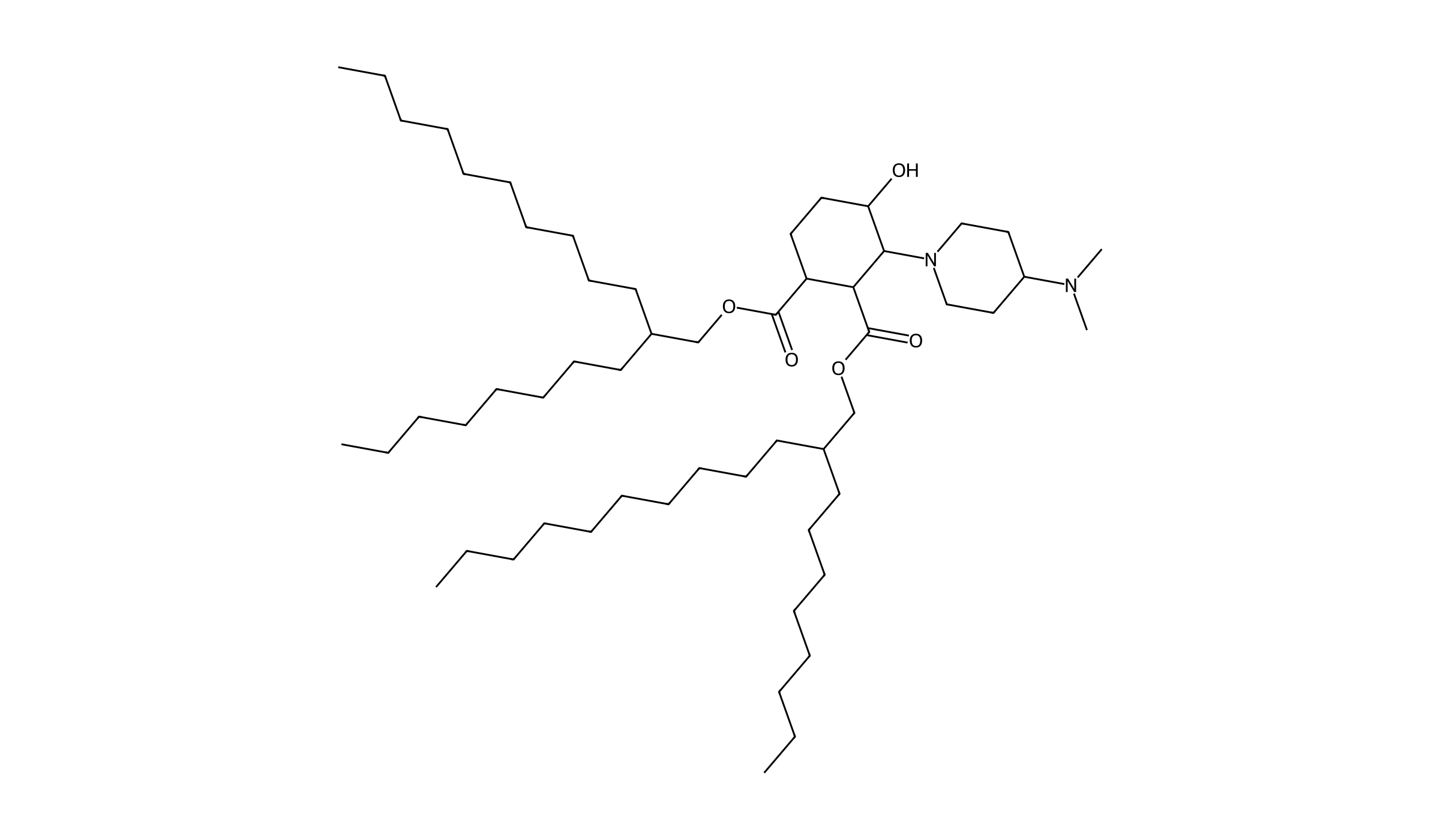
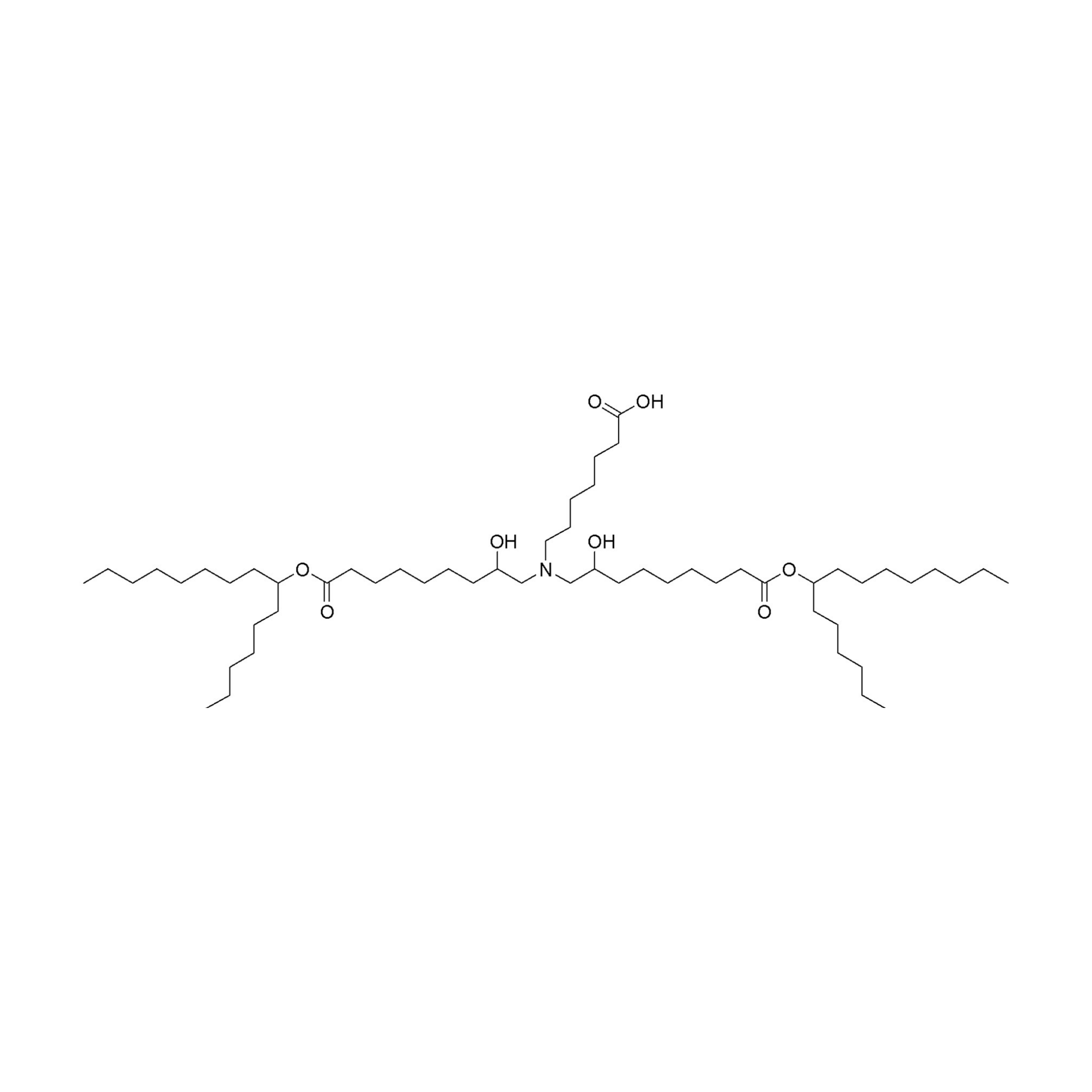
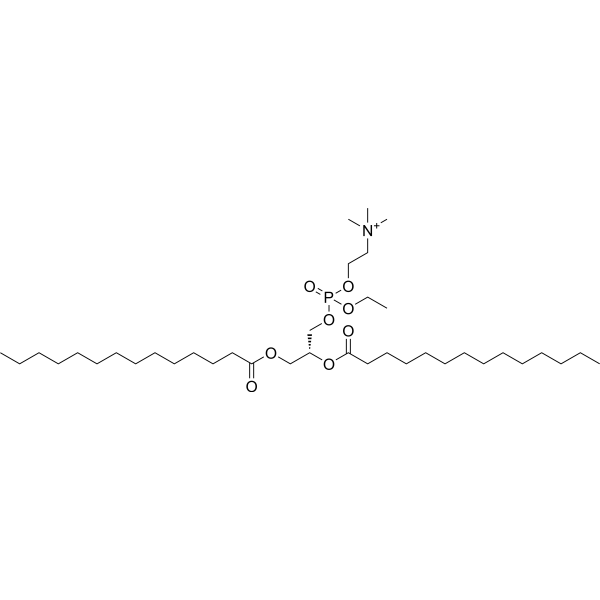
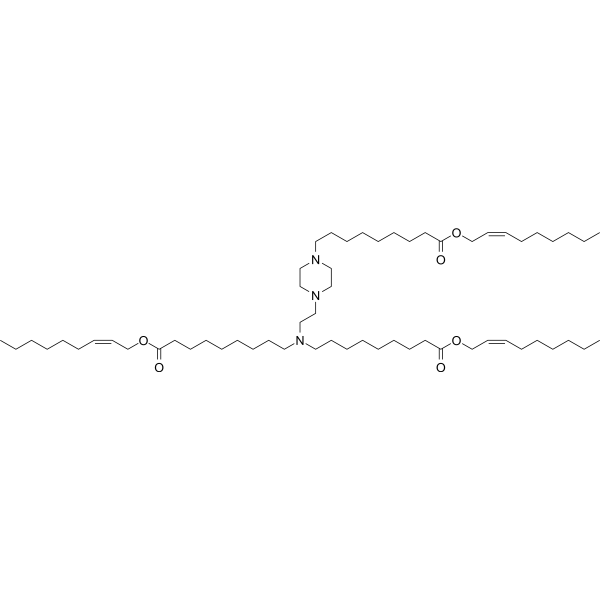
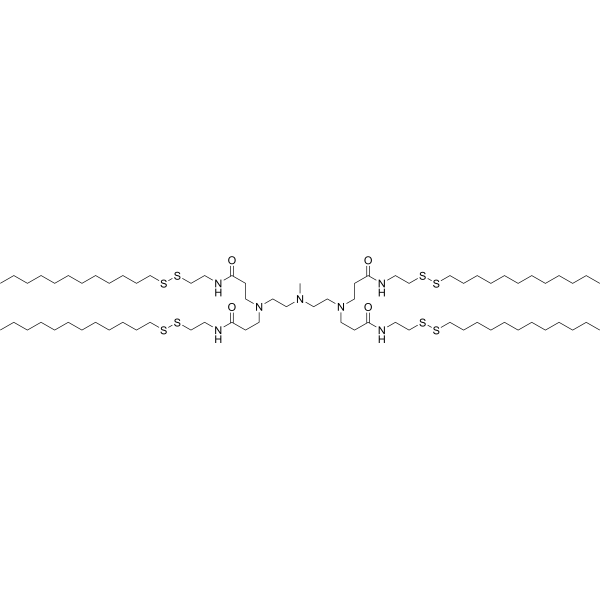
Lipid-392
DCL0020 | Intravenous Lipid-392 stLNPs supported pulmonary mRNA expression, gene editing and siRNA delivery in mice. These results apply to the optimized Lipid-392/POPE/DMG-PEG2000 formulation. | [1] Source
Main Figs. 1–6; Methods pp. 15357–15359. |
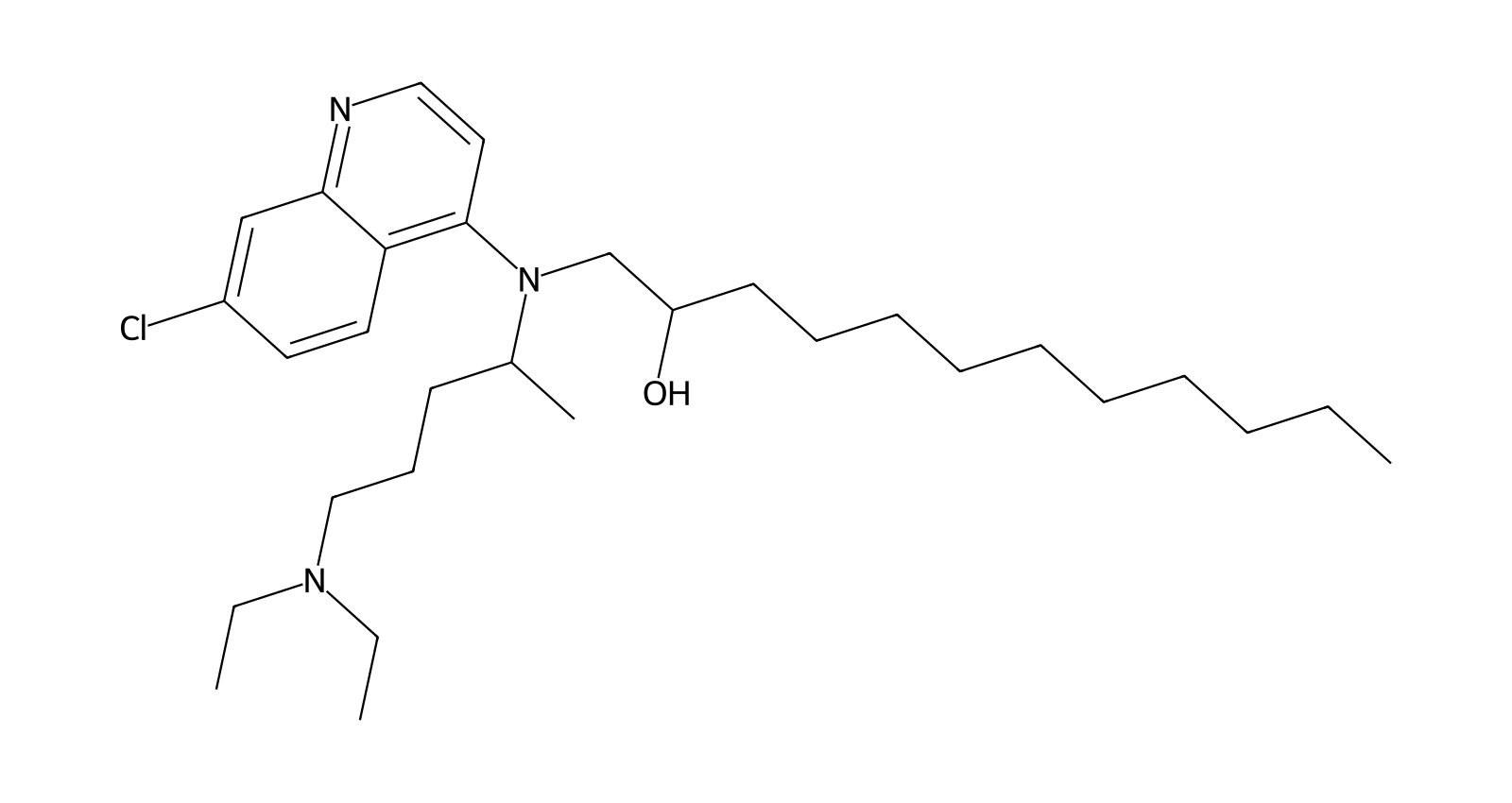
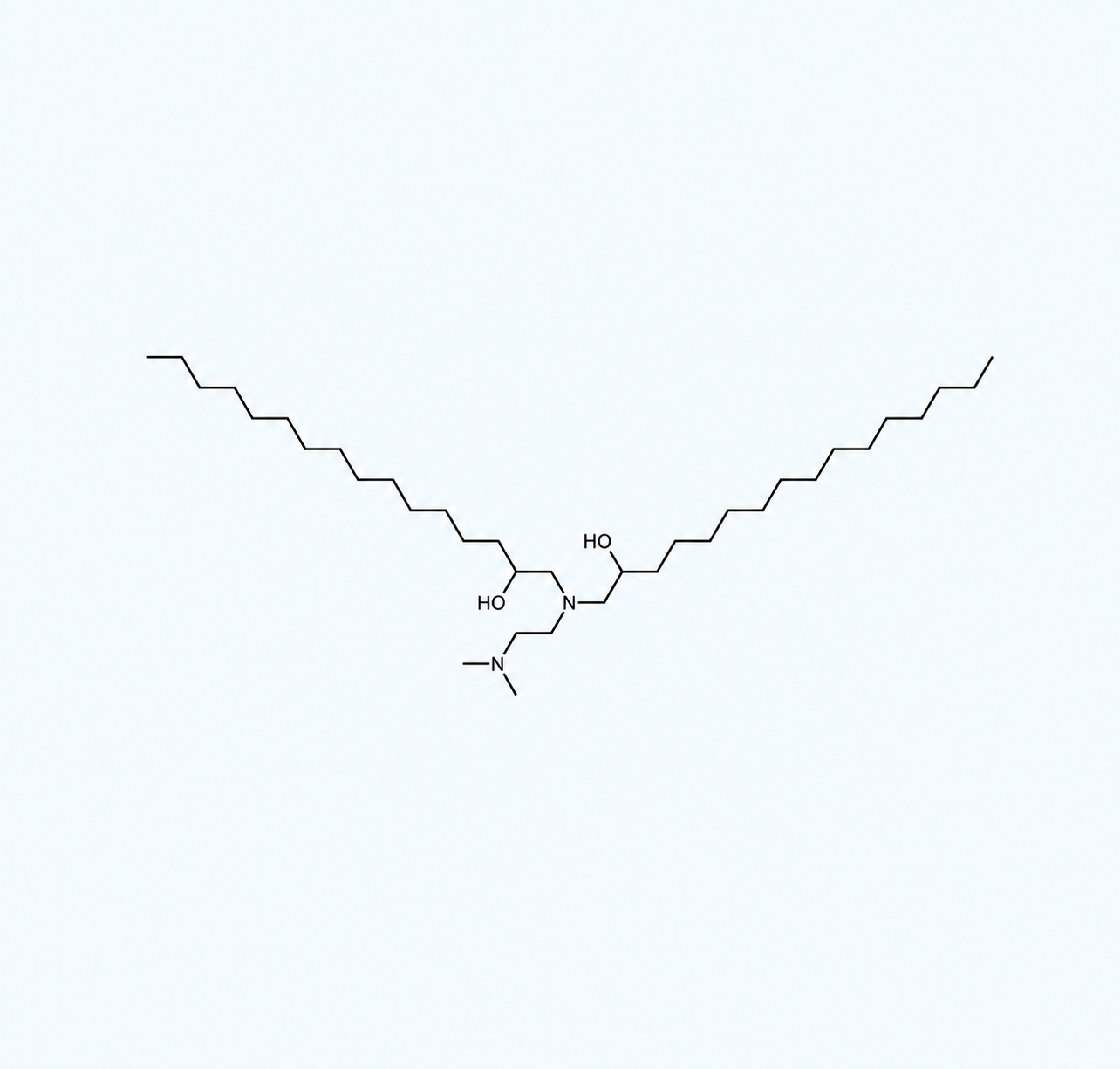
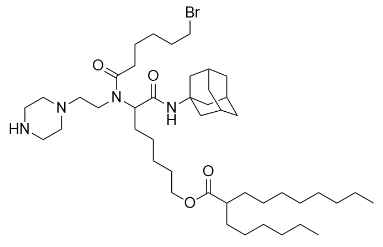
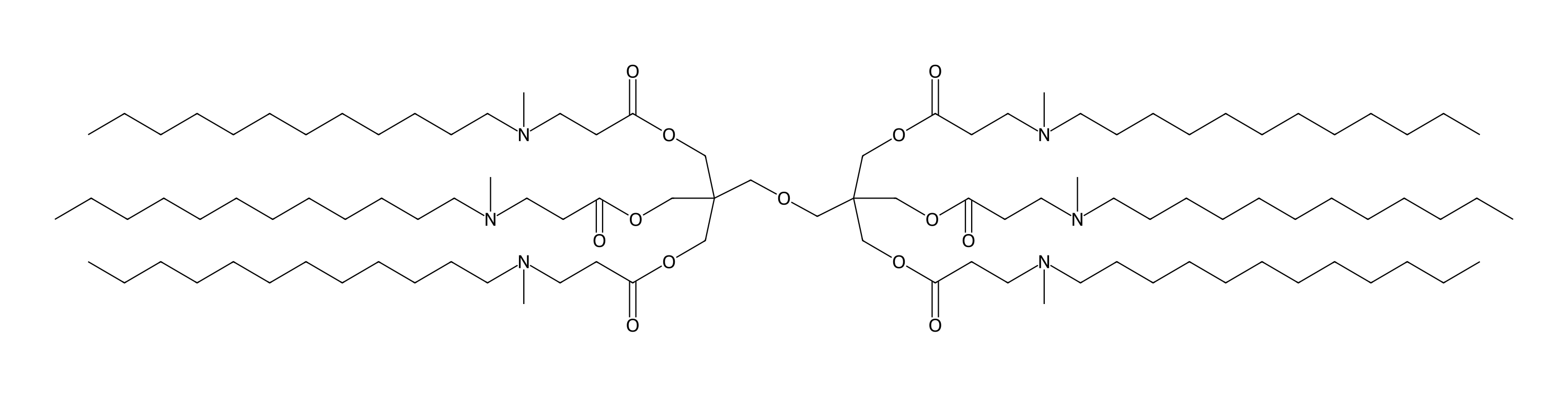
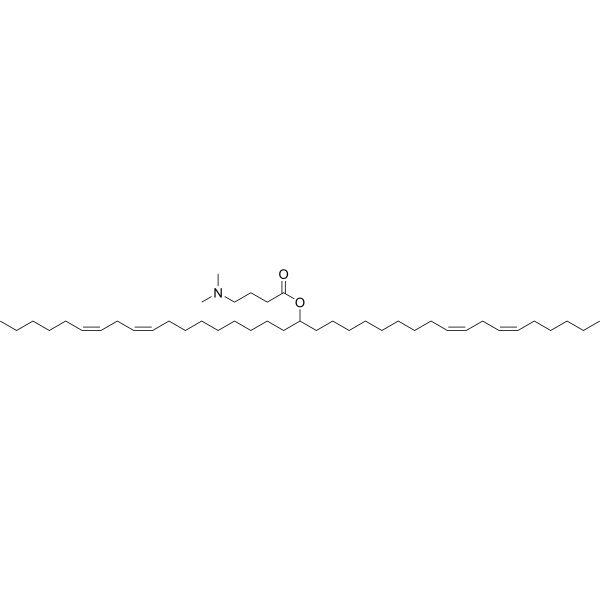
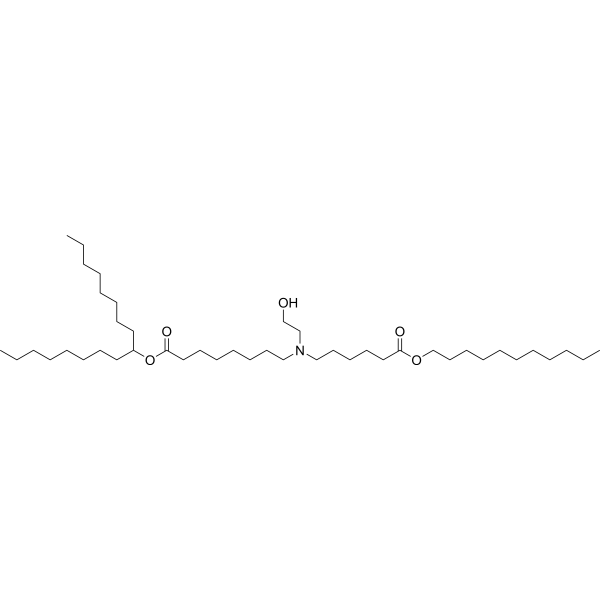
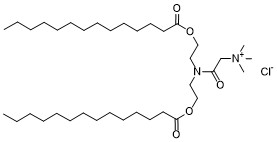
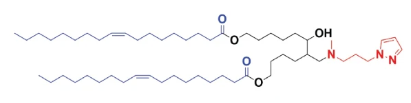
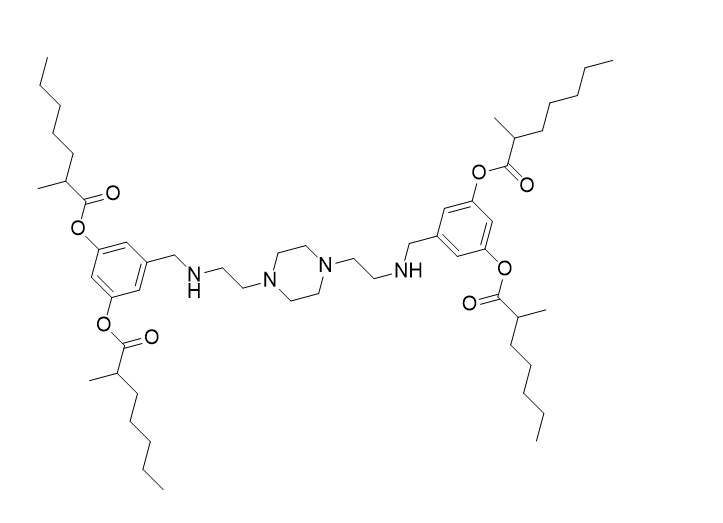
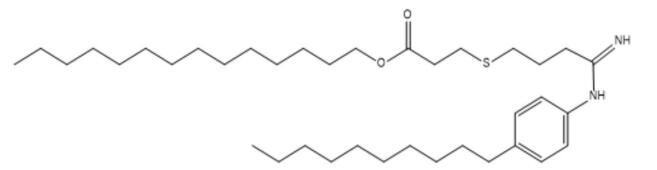
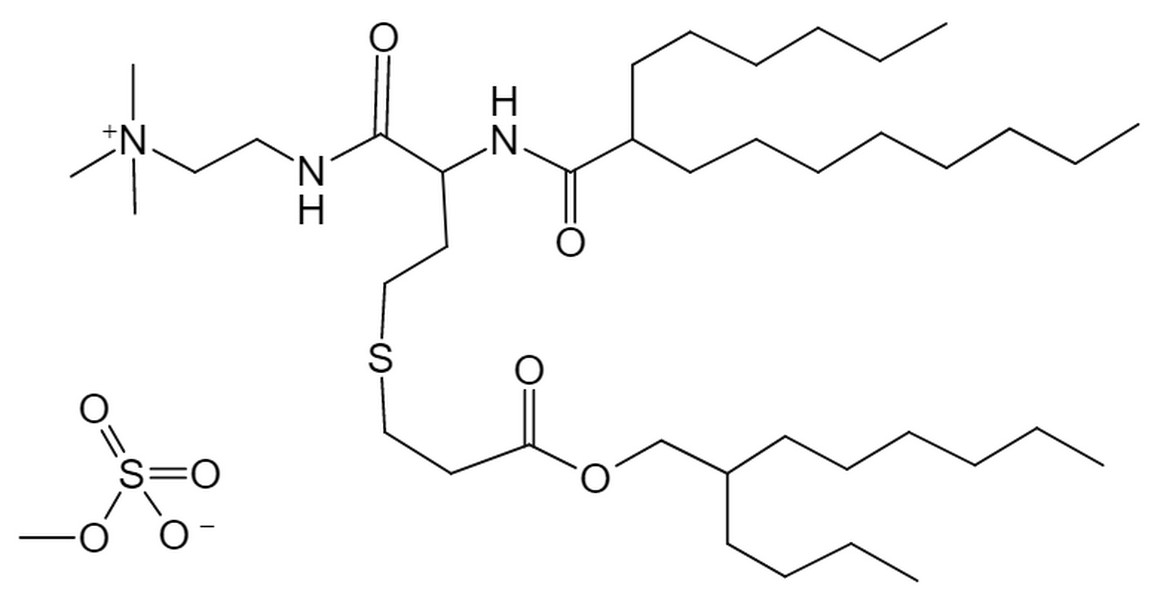
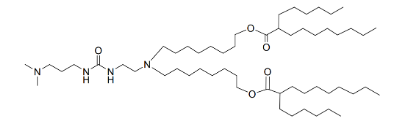
CQ-12
DCL0019 | Intratracheal CQ-12/SM-102 mixed-lipid AUDI-LNPs supported functional pulmonary mRNA delivery in a mouse acute-lung-injury model. CQ-12 is used with a separate ionizable lipid. | [2] Source
Pulmonary cytokine-therapy experiments and formulation Methods. |
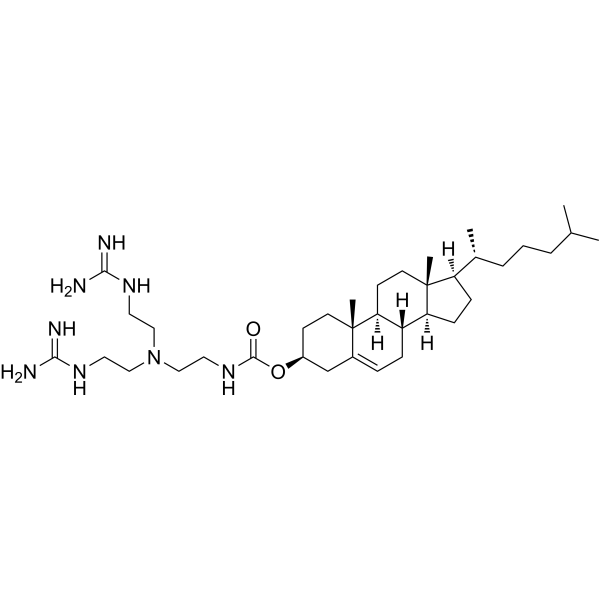
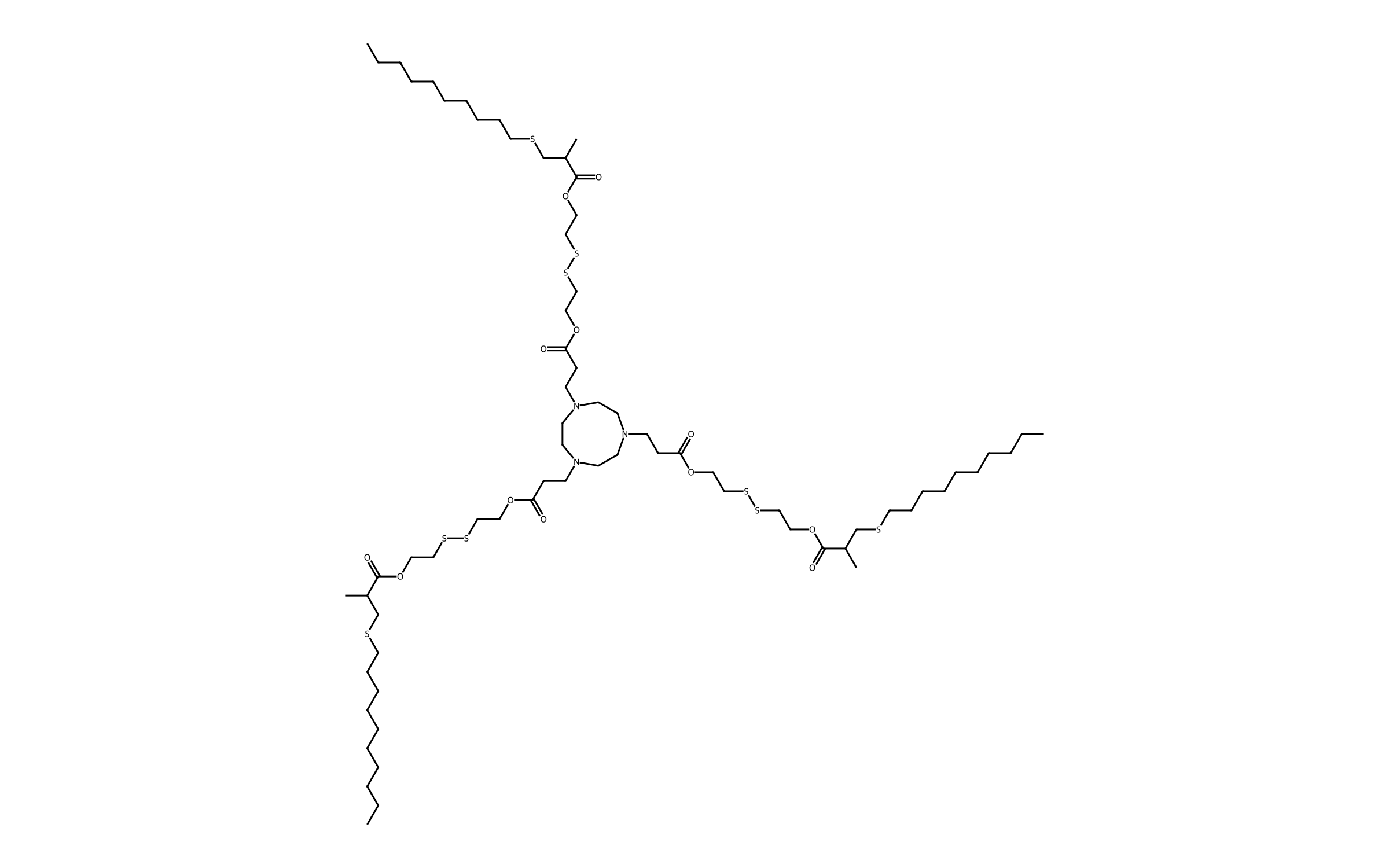
LC-1
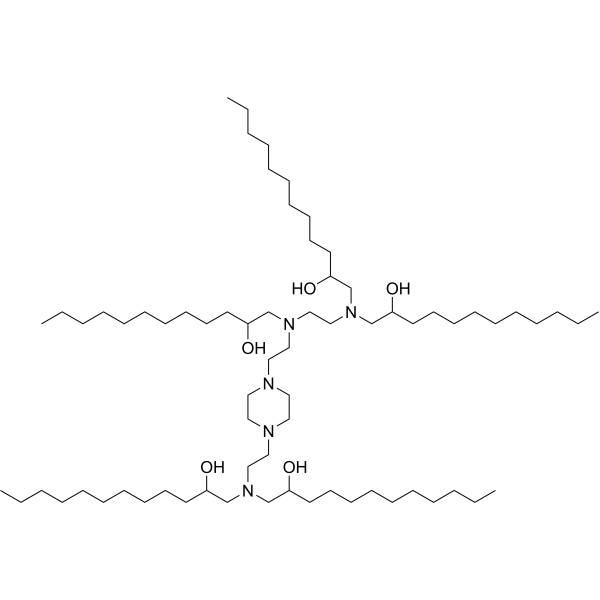
DCL0004 | Intratracheal LC-1 LNPs delivered genome editors to mouse lung epithelial and endothelial cells, including CFTR base-editing experiments. The pulmonary DOE07 formulation differs from the liver formulation. | [3] Source
Fig. 2; Figs. 3 and 6; Supplementary Figs. 59–61; pulmonary DOE07 formulation. |
Lipid SG5
DC68228 | Intravenous fSG5 LNPs supported pulmonary luciferase expression and Cre-dependent recombination, with Nrf2 mRNA tested in an acute-lung-injury model. | [4] Source
Figs. 1c and 2i,j; Nrf2 pulmonary treatment experiments. |
LUMI6
DC60793 | Intratracheal LUMI6/DOTAP-containing LNPs delivered Cas9 mRNA and guide RNA to lung epithelial cells in mice. Classification uses the supplied preprint analysis; it does not establish nebulized delivery. | [5] Source
Figs. 5b,e,f and 6a,c,d; Methods 4.8–4.9, pp. 21–22. |
6Ac1-C12
DC60809 | Intravenous, cholesterol-free 6Ac1-C12/DOTAP/DMG-PEG2000 LNPs produced pulmonary reporter expression and Cre-dependent recombination in mouse lung cells. The liver recipe is a separate formulation. | [6] Source
Supplementary Figs. 17 and 22; pulmonary cell transfection data and Methods p. 9. |
DLin-MC3-DMA
DC10800 | Intravenous LNPs combining MC3 with the amidine lipid 12T-O14 supported functional pulmonary mRNA delivery and gene editing under the studied formulation conditions. | [7] Source
Pulmonary MC3/12T-O14 expression and gene-editing experiments. |
DODMA
DC33580 | Intravenous LNP24 containing the ionizable lipid DODMA supported lung luciferase expression in mice. The five-component system combines IM21.7c with DODMA, DPyPE, cholesterol and DSG-PEG2000. | [8] Source
Fig. 2d; section 3.1.4; Fig. 5. |
DOTAP
DC33636 | Permanently cationic DOTAP served as a lung SORT component with 5A2-SC8 in intravenous multicomponent LNPs supporting functional mRNA expression and gene editing in mouse lung cells. | [9] Source
Cationic SORT-lipid comparisons and 5A2-SC8 lung formulations; Fig. 1 and lung editing experiments. |
ALC-0315
DC42537 | Intravenous cationic-lipid-pair formulations containing ALC-0315 shifted functional mRNA expression toward lungs. The pairing of an ionizable lipid with its quaternized counterpart is essential context. | [10] Source
Q1-SM-102/SM-102 and Q1-ALC-0315/ALC-0315 paired-lipid experiments. |
CKK-E12
DC49882 | Intravenous cKK-E12 LNPs containing cationic DDAB supported functional mRNA delivery to mouse lung cells. This assignment concerns the DDAB-containing Cat-LNP formulation. | [11] Source
Cat-LNP composition and lung-cell functional delivery experiments. |
5A2-SC8
DC49907 | Intravenous lung SORT formulations supported functional mRNA expression and gene editing in mouse lung cells. This lipid is a component of the specified multicomponent SORT system. | [9] Source
Cationic SORT-lipid comparisons and 5A2-SC8 lung formulations; Fig. 1 and lung editing experiments. |
SM-102
DC52025 | Intravenous cationic-lipid-pair formulations containing SM-102 shifted functional mRNA expression toward lungs. The pairing of an ionizable lipid with its quaternized counterpart is essential context. | [10] Source
Q1-SM-102/SM-102 and Q1-ALC-0315/ALC-0315 paired-lipid experiments. |
C12-200
DC58046 | Nebulized C12-200 LNPs were evaluated by functional lung luciferase expression in mice. Evidence is specific to the optimized aerosol formulation and excipients; nasal and pulmonary signals are distinguished. | [12] Source
Nebulized dose-response and time-course lung/nose reporter experiments; IR-117-17, IR-19-Py and C12-200 comparators. |
DOTMA
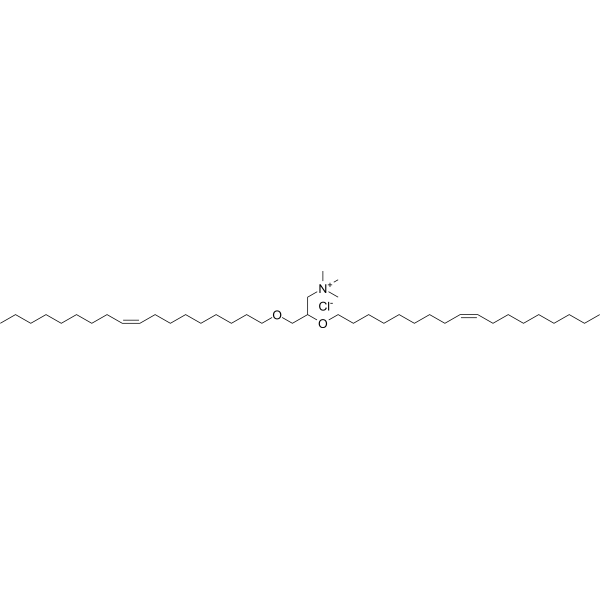
DC60213 | Locally administered DOTMA/DOPE DNA complexes supported reporter-gene transfer to rat pulmonary epithelium. This is plasmid-DNA evidence from a cationic-liposome formulation. | [13] Source
Primary abstract; rat respiratory epithelial reporter and CFTR gene-transfer experiments. |
DDAB
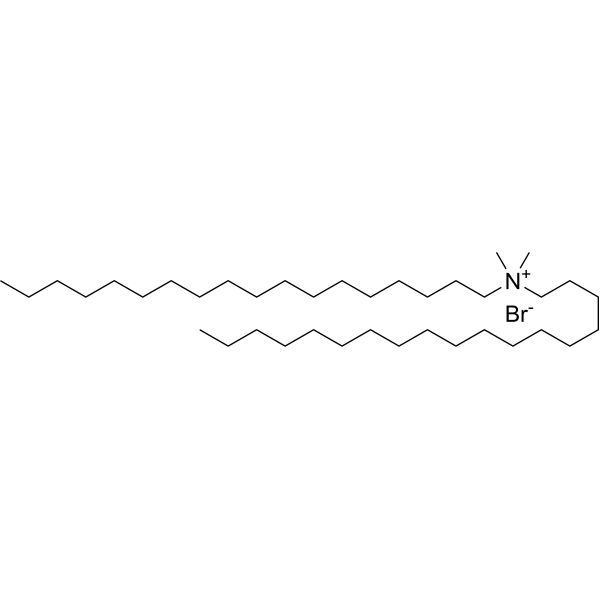
DC60352 | Permanently cationic DDAB served as a lung SORT component in intravenous multicomponent LNPs supporting pulmonary mRNA expression. The catalog is dioctadecyl DDAB (CAS 3700-67-2), distinct from short-chain compounds sharing the abbreviation. | [9] Source
Cationic SORT-lipid comparisons and 5A2-SC8 lung formulations; Fig. 1 and lung editing experiments. |
LIPID 331
DC60489 | Intranasal lipid 331 LNPs supported reporter expression in the respiratory tract and lung epithelial and antigen-presenting cells in the cited mouse study. | [14] Source
Intranasal administration and lung cell-expression experiments in the article and SI. |
514O6,10
DC60546 | Intravenous 514O6,10 LNPs produced functional GFP expression in mouse lung cells in the reported branched-lipid study. Results are specific to 514O6,10, not the related 503O8,12 lipid. | [15] Source
Figs. 4–5; intravenous GFP-mRNA lung-cell experiment. |
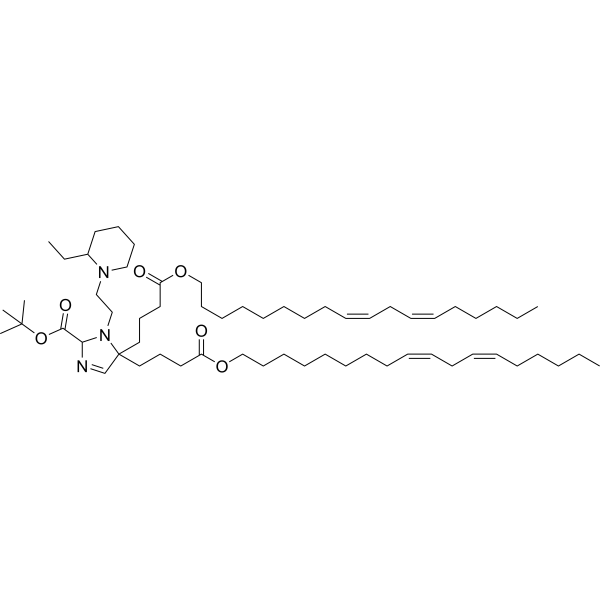
Lipid 119-23
DC60605 | Intravenous 119-23-containing five-component SORT formulations were evaluated for functional mRNA delivery to lung immune and endothelial cells in mice. This assignment is specific to the lung SORT formulation. | [16] Source
Supporting Information, mCre lung-cell experiments and five-component SORT formulation captions. |
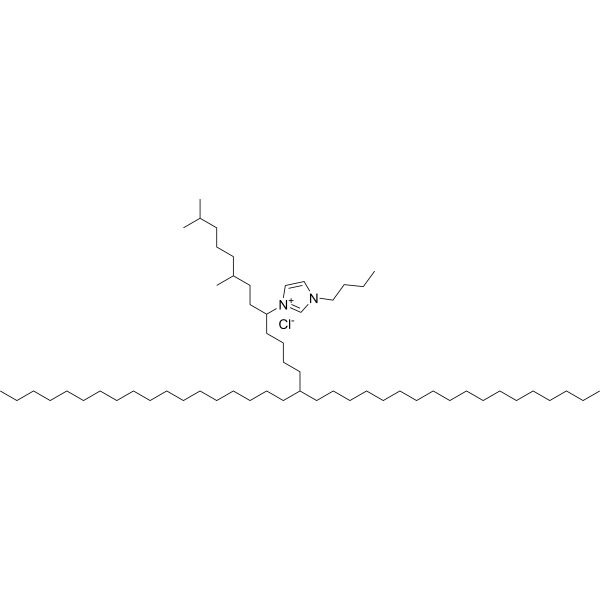
Acid-degradable Cationic Lipid (ADC)
DC60636 | Intravenous ADC-containing LNPs delivered a stable CRISPR-Cas9 ribonucleoprotein for editing in mouse lung epithelial and endothelial cells. ADC is an acid-degradable cationic component; this is RNP-delivery evidence. | [17] Source
FC8m ADC formulation and pulmonary iGeoCas9-RNP editing experiments. |
Si5-N14
DC60663 | Intravenous Si5-N14 LNPs produced lung luciferase expression in mice; the reported organ preference is specific to the tested siloxane-lipid formulation. | [18] Source
Main Fig. 3, p. 6; intravenous FLuc experiment. |
Antioxidant lipid AO12
DC60941 | AO12 served as an antioxidant co-lipid in intravenous, DOTAP-containing lung-targeting LNPs. Functional FLuc expression was measured in injured and fibrotic mouse lungs. | [19] Source
Fig. 4f–h; Supplementary Figs. 84–85. |
RCB-4-8
DC65682 | Intratracheal RCB4-8/DOTAP-containing LNPs supported lung mRNA expression and gene editing in mice; evidence is formulation-specific and does not imply aerosol equivalence. | [20] Source
Fig. 1j; pulmonary FLuc, Cre and Cas9 experiments; Supplementary Fig. 8. |
IAJD34
DC67292 | Intravenous IAJD34 single-component nanoparticles supported functional RNA delivery to lung parenchyma in the cited mouse experiments. | [21] Source
Fig. 1B,D; pulmonary expression experiments. |
Lipid TG4C
DC67449 | Nebulized TG4C LNPs delivered mRNA to the mouse lung, including an HGF mRNA study in emphysema. Evidence is tied to the inhaled TG4C formulation. | [22] Source
Abstract and nebulized pulmonary reporter/HGF experiments. |
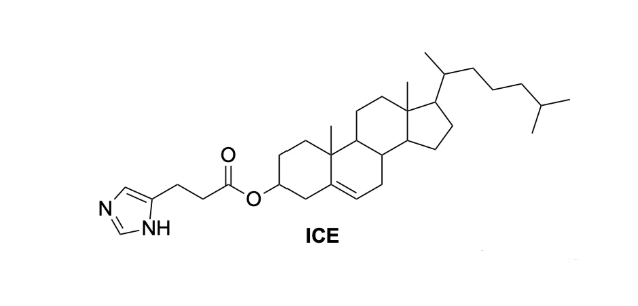
Imidazole cholesteryl Easter(ICE)
DC67653 | Patent-reported pulmonary ICE/DOPE/DMG-PEG2000 formulations produced CFTR protein in rodent lungs following local respiratory delivery. | [23] Source
Paragraphs [0264]–[0281], Figs. 1–6; [0292]–[0299], Figs. 10–13. |
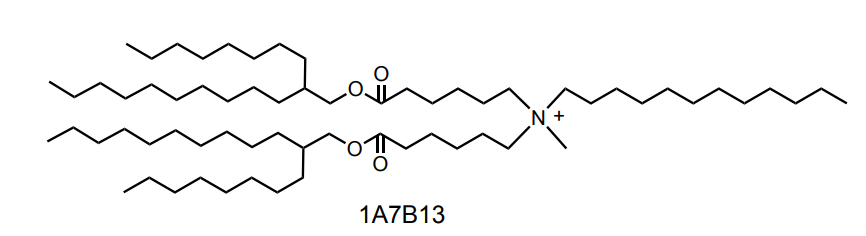
Lipid 1A7B13
DC68023 | Intravenous 1A7B13-containing LuT LNPs supported lung mRNA expression and CRISPR-Cas9 editing, with IL-10 mRNA evaluated in acute lung injury. This quaternary lipid is a lung-targeting formulation component. | [24] Source
Fig. 6c–e; lung expression and IL-10 experiments. |
DORI
DC60432 | Permanently cationic DORI served as the lung SORT component with 4A3-SC7 in intravenous LNPs that supported base editing in mouse lung AT2 cells. | [25] Source
Fig. 3l–o; 4A3-SC7/DORI lung SORT formulation. |
4A3-SC7
DC60855 | Intravenous 4A3-SC7 LNPs containing the lung-targeting co-lipid DORI supported base editing in lung AT2 cells. The liver SORT formulation is separate. | [25] Source
Fig. 3l–o; 4A3-SC7/DORI lung SORT formulation. |
306-N16B
DC65327 | Intravenous 306-N16B LNPs supported lung Cre-mRNA delivery and recombination in reporter mice. Lung and liver preferences depend on the lipid and formulation. | [26] Source
Pulmonary Cre reporter experiments, panels comparing 306-N16B and 113-N16B. |
CHCha-10
DC68039 | Locally delivered CHCha10 LNPs enabled lung epithelial base editing in preclinical pulmonary-delivery experiments, including mice and ferrets. | [27] Source
Abstract; local pulmonary delivery and base-editing experiments. |
Lipid 29d
DC60556 | Intravenous Lipid 29d LNPs produced functional luciferase expression in mouse lungs and spleen. This is distinct from the related liver-biased Lipid 20b. | [28] Source
Intravenous reporter study; ex vivo organ luminescence for Lipid 29d. |
FO-32
DC60705 | FO-32 LNPs supported functional respiratory mRNA delivery after local administration in the cited study. Lung and nasal expression were measured separately; formulation and route determine the observed distribution. | [29] Source
Intranasal mouse and intratracheal ferret reporter-expression comparisons; lung/nose readouts. |
FO-35
DC60706 | FO-35 LNPs supported functional respiratory mRNA delivery after local administration in the cited study. Lung and nasal expression were measured separately; formulation and route determine the observed distribution. | [29] Source
Intranasal mouse and intratracheal ferret reporter-expression comparisons; lung/nose readouts. |
TTP-3
DC60964 | Intratracheal TTP3 LNPs delivered suppressor tRNA to mouse lungs, with functional reporter and cystic-fibrosis experiments. This is tRNA-delivery evidence. | [30] Source
Figs. 3K and 4C–F; TTP3 pulmonary formulation. |
IM21.7c
DC67134 | Intravenous LNP24 containing the permanently cationic lipid IM21.7c supported lung luciferase expression in mice. The five-component system combines IM21.7c with DODMA, DPyPE, cholesterol and DSG-PEG2000. | [8] Source
Fig. 2d; section 3.1.4; Fig. 5. |
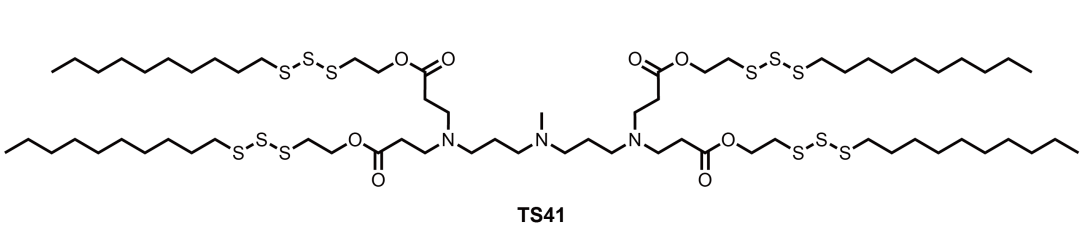
Lipid TS41
DC67657 | Intratracheal TS41S LNPs supported pulmonary reporter expression and peptibody mRNA delivery in preclinical pneumonia studies. TS41 is the ionizable component of the optimized formulation. | [31] Source
TS41S pulmonary reporter, Cre and peptibody experiments. |
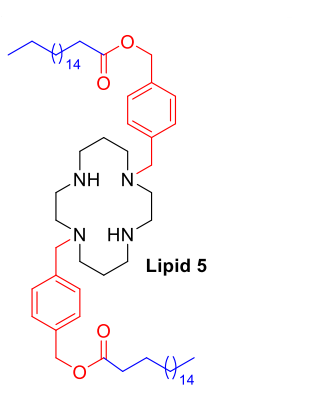
Macrocyclic Lipid 5
DC67721 | Intravenous macrocyclic Lipid 5 LNPs produced lung reporter expression and Cre-dependent recombination in Ai9 mice. Evidence is from the author preprint. | [32] Source
Lead Lipid 5 comparison; Ai9 lung gene-recombination experiment and supporting information. |
A1T2C3(CP-LC-1067)
DC68056 | Intravenous four-component LNPs containing A1T2C3 / CP-LC-1067 produced pulmonary reporter expression in the cited mouse screening and validation study. | [33] Source
In vivo pulmonary reporter screening and purified lead-lipid validation. |
Lipid G9-1
DC68144 | Intravenous G9-1/DOPE/DOTAP/DMG-PEG2000 LNPs produced pulmonary luciferase expression in mice. The author preprint also evaluated IL-10 mRNA in acute lung injury; cell-type Cy5 uptake is a separate endpoint. | [34] Source
Fig. 4g–h, p. 6; pulmonary IL-10 study Fig. 5. |
HGT5001
DC68162 | HGT5001 LNPs supported pulmonary luciferase expression after intratracheal delivery in mice; the patent also reports expression outside the lung. | [35] Source
IT spray of modified FFL mRNA in HGT5001 nanoparticles; Figs. 8–12. |
Q1-SM-102 iodide
DC68207 | Permanently cationic Q1-SM-102 was paired with ionizable SM-102 in intravenous LNPs that shifted functional mRNA expression toward mouse lungs. This is mixed-lipid formulation evidence. | [10] Source
Q1-SM-102/SM-102 and Q1-ALC-0315/ALC-0315 paired-lipid experiments. |
Lipid CY7
DC68219 | Locally administered CY7 LNPs produced functional reporter expression in mouse lungs and supported pulmonary mRNA vaccination. | [36] Source
CY7 structure; intratracheal reporter and Cre lung-cell experiments. |
E20
DC68227 | Intratracheal E20 LNPs delivered IL-22 mRNA in a mouse acute-lung-injury model; pulmonary expression and therapeutic response were evaluated. | [37] Source
Pulmonary IL-22 study; Supplementary Information section 6.4. |
EDMPC
DC71034 | Local pulmonary administration of cationic phospholipid EDMPC/DNA complexes supported transgene expression in rodent lungs. This is plasmid-DNA delivery evidence. | [38] Source
Primary abstract; pulmonary DNA-expression experiments. |
IR-117-17
DC60506 | Nebulized IR-117-17 LNPs were evaluated by functional lung luciferase expression in mice. Evidence is specific to the optimized aerosol formulation and excipients; nasal and pulmonary signals are distinguished. | [12] Source
Nebulized dose-response and time-course lung/nose reporter experiments; IR-117-17, IR-19-Py and C12-200 comparators. |
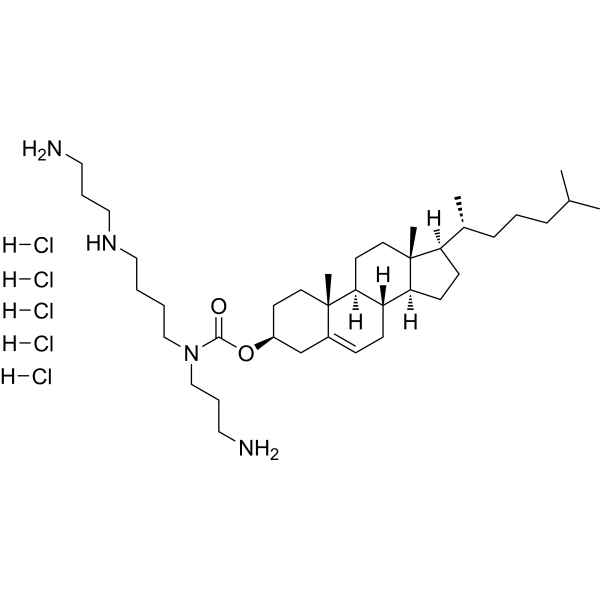
GL67 pentahydrochloride
DC67322 | GL67-containing GL67A/DNA lipoplexes supported transgene expression after local pulmonary administration. The cited sheep study measured lung transgene mRNA and protein. | [39] Source
Primary abstract; localized pulmonary pDNA:GL67 administration and CAT mRNA/protein measurements. |
DMRIE
DC60356 | Locally administered DMRIE/DOPE DNA complexes supported reporter-gene transfer to rat pulmonary epithelium. This is plasmid-DNA evidence from a cationic-liposome formulation. | [13] Source
Primary abstract; rat respiratory epithelial reporter and CFTR gene-transfer experiments. |
BGTC
DC60365 | BGTC/DOPE DNA complexes supported reporter-gene transfer to airway epithelium in vivo. This is cationic-liposome/plasmid-DNA evidence following local respiratory administration. | [40] Source
In vivo airway epithelial reporter experiments; BGTC/DOPE formulation. |
DC-6-14
DC60421 | Intravenous DC-6-14/DOPE/cholesterol TFL-3 DNA complexes produced transgene expression in tumor-bearing mouse lungs. The reported pulmonary activity was tumor-context dependent and was not reproduced in normal lungs. | [41] Source
Primary abstract; TFL-3 composition and area-specific lung transgene expression. |
244cis
DC60492 | Intravenous 244cis LNPs containing a cationic helper lipid supported mRNA expression in healthy and fibrotic mouse lungs, including endothelial cells and fibroblasts. | [42] Source
244cis formulation; pulmonary reporter and repeated-dose fibrotic-lung experiments. |
IR-19-Py(A20-0l)
DC60505 | Nebulized IR-19-Py LNPs were evaluated by functional lung luciferase expression in mice. Evidence is specific to the optimized aerosol formulation and excipients; nasal and pulmonary signals are distinguished. | [12] Source
Nebulized dose-response and time-course lung/nose reporter experiments; IR-117-17, IR-19-Py and C12-200 comparators. |
Lipid CAD9 (3-A2-7b)
DC60566 | Intravenous CAD9 (3A2-7b) LNPs supported pulmonary endothelial Cre expression and CRISPR-mediated VEGFR2 editing in mice. | [43] Source
Figs. 4–5; pulmonary Cre and VEGFR2 editing experiments. |
12T-O14
DC60619 | Intravenous LNPs combining MC3 with the amidine lipid 12T-O14 supported functional pulmonary mRNA delivery and gene editing under the studied formulation conditions. | [7] Source
Pulmonary MC3/12T-O14 expression and gene-editing experiments. |
(+)CP-LC-0729
DC60673 | Intravenous LNPs combining neutral CP-LC-0729 with permanently cationic (+)CP-LC-0729 shifted functional mRNA expression toward mouse lungs. The effect belongs to the mixed pair, not either lipid alone. | [44] Source
Mixed CP-LC-0729/(+)CP-LC-0729 formulation and organ luciferase-expression comparisons. |
A3T2C7 (CP-LC-1495)
DC60838 | Intravenous four-component LNPs containing A3T2C7 / CP-LC-1495 produced pulmonary reporter expression in the cited mouse screening and validation study. | [33] Source
In vivo pulmonary reporter screening and purified lead-lipid validation. |
G0-C14
DC65004 | Inhaled G0-C14/PLGA-PEG hybrid nanoparticles delivered IL11-targeting siRNA to mouse lungs with gene suppression in a pulmonary-fibrosis model. This is a lipid–polymer system rather than a conventional four-lipid LNP. | [45] Source
Pulmonary siIL11 delivery, target knockdown and bleomycin-treatment experiments. |
9A1P9
DC66528 | Intravenous 9A1P9/DDAB ionizable-phospholipid nanoparticles supported pulmonary mRNA expression and gene editing. Lung delivery requires the specific cationic-helper formulation. | [46] Source
Organ-selectivity figure panels h,i; lung DDAB formulation and Cre/Cas9 experiments. |
CP-LC-0729
DC66650 | Intravenous LNPs combining neutral CP-LC-0729 with permanently cationic (+)CP-LC-0729 shifted functional mRNA expression toward mouse lungs. The effect belongs to the mixed pair, not either lipid alone. | [44] Source
Mixed CP-LC-0729/(+)CP-LC-0729 formulation and organ luciferase-expression comparisons. |
113-N16B
DC67117 | Intravenous 113-N16B LNPs supported lung Cre-mRNA delivery and recombination in reporter mice. Lung and liver preferences depend on the lipid and formulation. | [26] Source
Pulmonary Cre reporter experiments, panels comparing 306-N16B and 113-N16B. |
4-O10b1
DC67241 | Intranasal, anti-F4/80-modified 4-O10b1 Mac-LNPs delivered mRNA and siRNA to lung macrophages in a viral-pneumonia study. Evidence applies to the antibody-targeted formulation. | [47] Source
Mac-LNP formulation; intranasal GFP-mRNA and siTAK1 pulmonary experiments. |
Lipid 35
DC67280 | Intravenous Lipid 35 LNPs produced lung-selective mRNA expression; functional payload delivery was tested in a lung-tumor model. | [48] Source
Lipid 35 lung-cell transfection and therapeutic mRNA experiments. |
9C-SCC-10
DC67451 | Zinc-coordinated 9C-SCC-10 LNPs supported lung-selective mRNA expression after intravenous dosing. The zinc-coordinated formulation must be distinguished from uncomplexed 9C-SCC-10. | [49] Source
Zn-coordinated formulation experiments; Supplementary Fig. S7. |
Lipid PPz-2R1
DC67452 | PPz2R1 LNPs supported systemic PTEN mRNA delivery in an orthotopic lung-tumor model, with functional PTEN expression evaluated. This is tumor-context pulmonary evidence. | [50] Source
Primary abstract; PPz2R1 PTEN transfection and orthotopic lung-tumor experiments. |
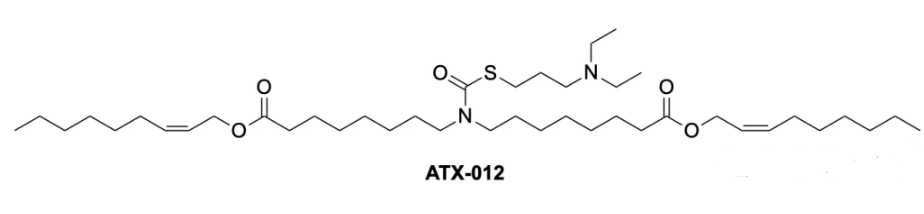
ATX-012
DC67654 | Intratracheal ATX-012/DOTAP LNPs produced tdTomato protein in mouse lung airways before and after a nebulization step. The in vivo test used an intratracheal bolus, not inhalation exposure. | [51] Source
Example 41, paragraph [00715], Fig. 50G. |