KRN-7000(S34)FeaturedFeatured

Adjuvant and immunomodulatory compounds in the archived RNA Delivery catalog.
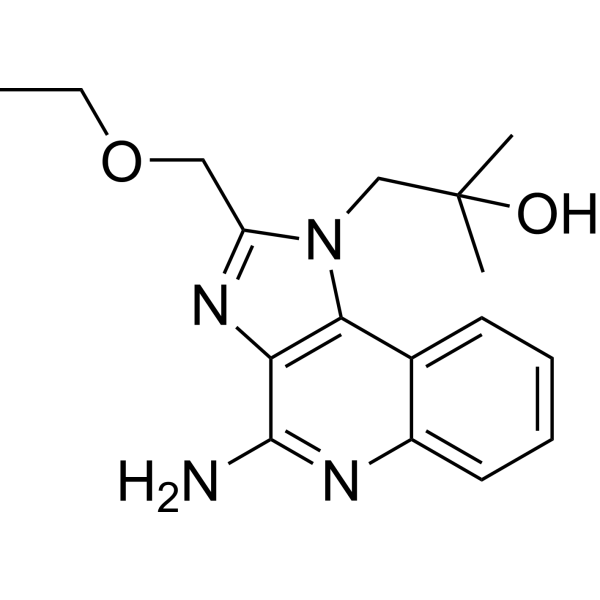
Resiquimod is a Toll-like receptor 7 and 8 (TLR7/TLR8) agonist that induces the upregulation of cytokines such as TNF-α, IL-6 and IFN-α.
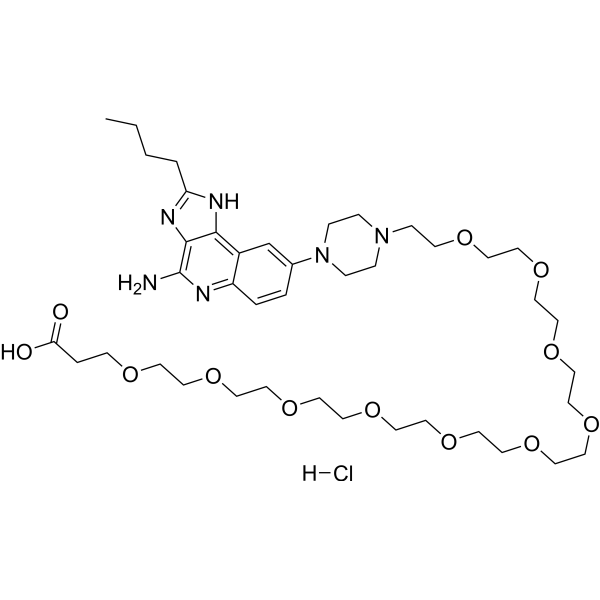
TLR7/8 agonist 4 hydroxy-PEG10-acid hydrochloride (compound 9) is a drug-linker conjugate for ADC with potent antitumor activity by using TLR7/8 agonist 4, linked via the cleavable ADC linker hydroxy-PEG10-acid.
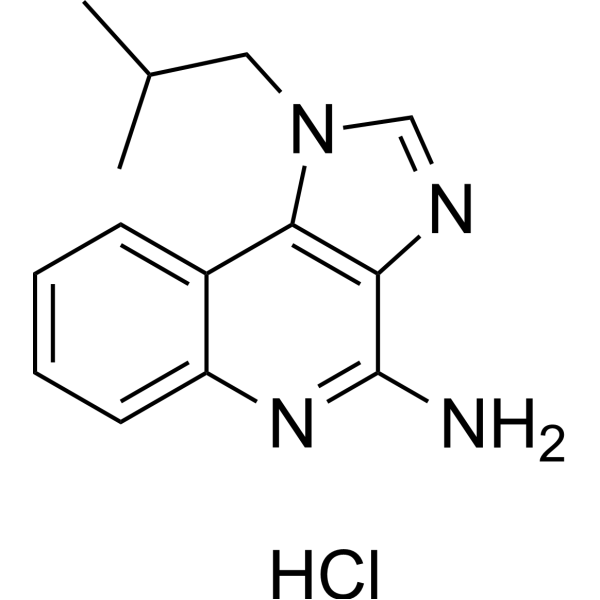
Imiquimod hydrochloride (R 837 hydrochloride), an immune response modifier, is a selective toll like receptor 7 (TLR7) agonist. Imiquimod hydrochloride exhibits antiviral and antitumor effects in vivo. Imiquimod hydrochloride can be used for the research of external genital, perianal warts, cancer and COVID-19.
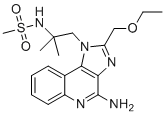
Gardiquimod trifluoroacetate is a specific TLR7 agonist which can also inhibit HIV-1 reverse transcriptase.
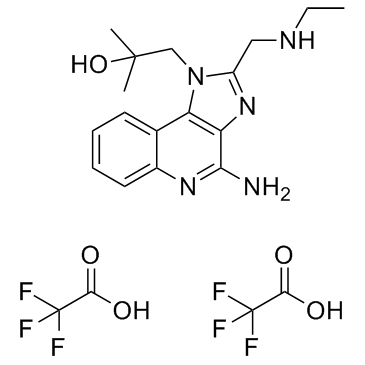
1V209 (TLR7 agonist T7) is a Toll-like receptor 7 (TLR7) agonist and has anti-tumor effects. 1V209 can be conjugated with various polysaccharides to improve its water solubility, and enhance its efficacy, and maintain low toxicity12.
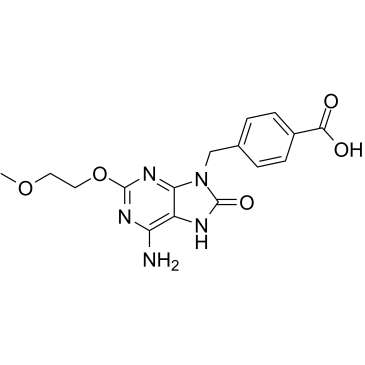
GS-9620 is a potent and selective orally active small molecule agonist of Toll-like receptor 7(TLR-7) in chimpanzees with chronic HBV infection.
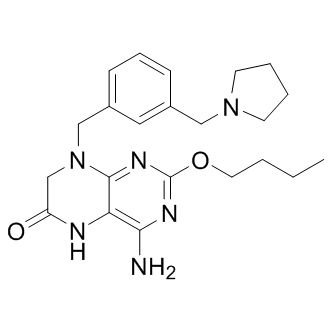
Motolimod is a selective Toll-like receptor 8 (TLR8) agonist, with an EC50 of approximately 100 nM.
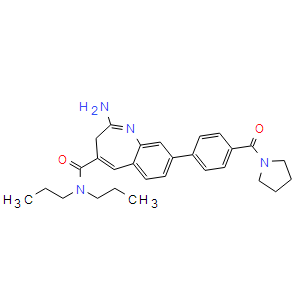
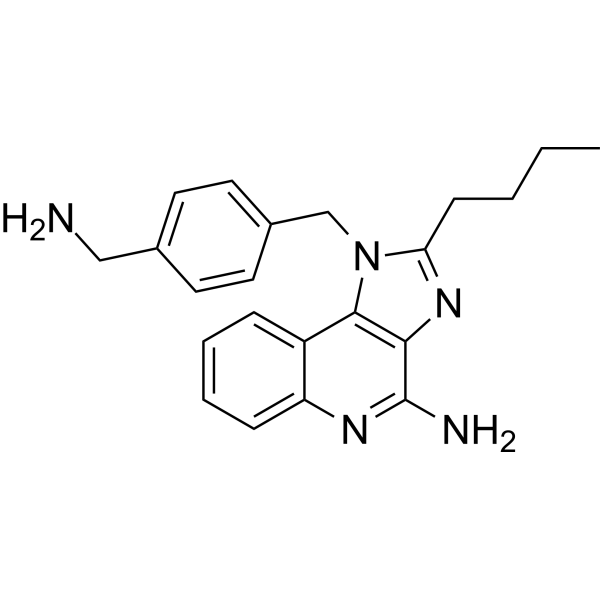
TLR7/8 agonist 3 is a potent TLR7 and TLR8 agonist, extracted from patent WO2016057618 (compound of formula (II))1.
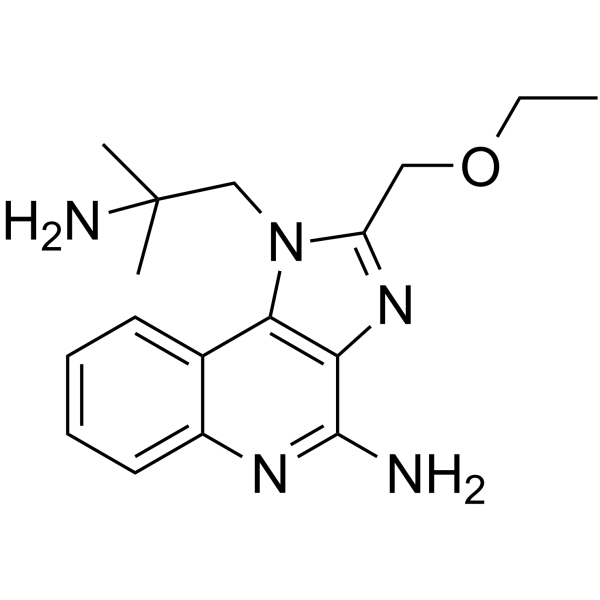
TLR7/8 agonist 1 is a toll-like receptor (TLR7)/TLR8 dual-agonistic imidazoquinoline.
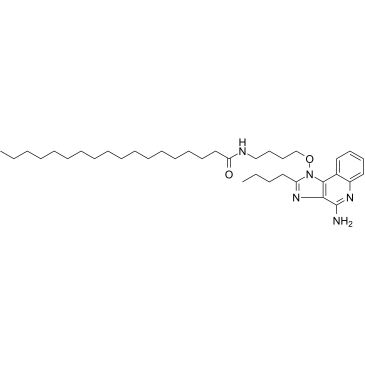
Telratolimod (MEDI 9197, 3M 052) is a novel, injectable, tissue-retained TLR7/8 agonist that forms a tissue depot with gradual, sustained release, allowing local TLR triggering activity without systemic cytokine release.
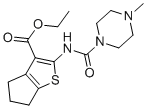
SMU127 (SMU-127, ZINC666243) is a specific TLR1-TLR2 small molecule agonist with EC50 of 0.55 uM; stimulates NF-κB activation and promotes TNFα secretion in human macrophages and mononuclear cells, inhibits the growth of breast cancer tumors in BABL/c mice.
A potent TLR7/8 agonist that induces robust production of the Th1-polarizing cytokines TNF-alpha and IL-12 from neonatal antigen-presenting cells (APCs)..

A selective TLR8 agonist that induces activation of NF-κB at 0.4 uM; induces similar cytokine profiles from human PBMC compared with TLR8 agonist ssRNA; effectively stimulates IL-12 production from mDC, but not pDC; induces TNF-α and IL-12 at 0.1 uM from monocytes and monocyte-derived DC (Mo-DC).

3M-011 is a potent TLR7/8 agonist and cytokine inducer; stimulates type I interferon (IFN) and other cytokines such as TNF-alpha, IL-12, and IFN-gamma from rat peripheral blood mononuclear cells; induces IL-12 and COX-2 expression in mDC from HIV+ and HIV- individuals, and inhibits H3N2 influenza viral replication in the nasal cavity; potentiates NK cytotoxicity, and shows antitumor effects in scid/B6 mice and scid/NOD mice.
ANA975 is an oral prodrug of the TLR-7 agonist Isatoribine (ANA245;7-Thia-8-oxoguanosine) against hepatitis C virus (HCV) infection.HCV InfectionPhase 1 Discontinued

Novel TLR7 agonist via immune response induction and tumor microenvironment modulation

Toll-like receptor 2/6 (TLR-2/6) agonist, regulating Lcn2 gene, promoting collateral growth

Novel potent TLR1/2 Specific Agonist, Suppressing Leukemia Cancer Cell Growth by Stimulating Cytotoxic T Lymphocytes

CL097, a potent TLR7/8 agonist, induces pro-inflammatory cytokines in macrophages. CL097 induces NADPH oxidase priming, resulting in an increase of the fMLF-stimulated ROS production.

RS 09 is a TLR4 agonist. RS 09 promotes NF-κB nuclear translocation and induces inflammatory cytokine secretion in RAW264.7 macrophages in vitro. RS 09 acts as an adjuvant in vivo; RS 09 enhances X-15 specific antibody serum concentrations, when administered with X-15-KLH in mice.

AZ617 is a potent TLR4 agonist.
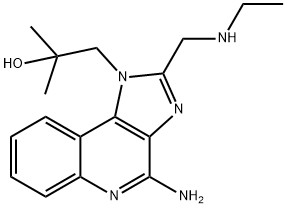
Gardiquimod, an imidazoquinoline analog, is a TLR7/8 agonist. Gardiquimod could inhibit HIV-1 infection of macrophages and activated peripheral blood mononuclear cells (PBMCs). Gardiquimod specifically activates TLR7 when used at concentrations below 10 μM12.
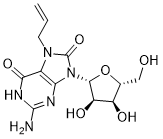
Loxoribine (7-Allyl-8-oxoguanosine) is a guanosine analog with anti-viral and anti-tumor activities. Loxoribine is an orally bioavailable and selective Toll-like receptor (TLR) 7 agonist123.
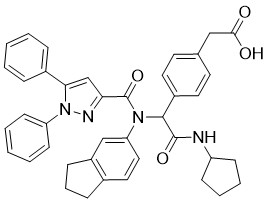
activate TLR8-dependent NF-kB signaling
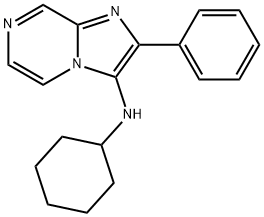
CU-CPT17e shows strong NF-κB activation in TLR3, TLR8 and TLR9 HEK293 cells with EC50 values of 4.80±0.73, 13.5±0.58 and 5.66±0.17 μM, respectively. CU-CPT17e significantly improves the activity with 13.9±0.9 fold of NF-κB activation and an EC50 value of 4.8±0.7 μM. CU-CPT17e inhibits the proliferation of HeLa cancer cells by triggering apoptosis and arresting the cell cycle at the S phase. The induction of apoptosis by CU-CPT17e in HeLa cells is investigated. HeLa cells are cultured with increasing concentrations of CU-CPT17e or poly I:C or blank control (DMSO) for 24 h. Treatment with CU-CPT17e for 24 h at different concentrations (10 to 40 μM) results in an elevation of apoptotic cell population ranging from 10% to 17%, which is more effective than poly I:C at 5 μg/mL. These results suggest that the antiproliferative activity of CU-CPT17e against HeLa cells might result from its ability to directly induce apoptosis[1].

CU-CPD107 is a TLR8-specific small molecule with unique synergistic agonist activities in the presence of ssRNA, but inactive without the aid of ssRNA.CU-CPD107 significantly inhibited of R848-induced signaling in HEK-Blue hTLR8 cells with an IC50 of 13.7 uM.CU-CPD107 only inhibited synthesized small-molecule agonist-induced TLR8 signaling without affecting other TLRs.CU-CPD107 synergistically increased IFN-β, TNF-α, IL-1β, IL-6, and IL-8 mRNA expression levels in the presence of 5 μg/ml ssRNA40 in HEK-Blue hTLR8 cells, whereas CU-CPD107 alone did not. CU-CPD107 only activated TLR8-mediated signaling in the presence of ssRNA.CU-CPD107 showed no pure agonistic activity, addressing a major challenge that has existed for previous TLR7 and TLR8 agonists as vaccine adjuvants or antiviral drugs.
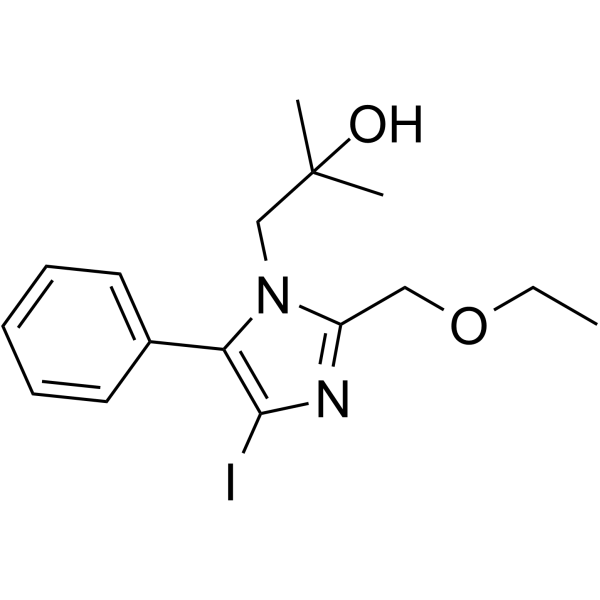
D18 is an immune modulator. D18 acts as a TLR7/8 dual agonist (EC50=24 nM for hTLR7 and 10 nM for hTLR8, respectively). D18 increases PD-L1 expression through epigenetic regulation, thus sensitizing tumors to PD-1/PD-L1 blockade. D18 is a ADC cytotoxin uesd for the systhesis of ADC HE-S2.

AYK004-C1 is a TLR agonist. AYK004-C1 can be used to prepare immune adjuvants.
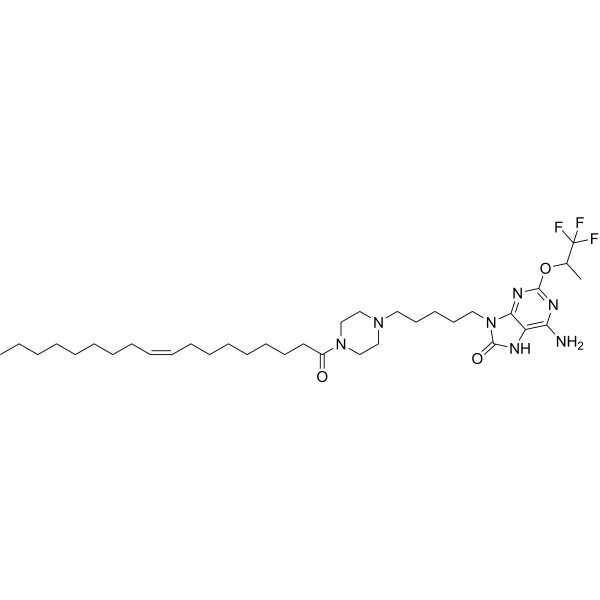
GSK2245035 is a highly potent and selective intranasal Toll-Like receptor 7 (TLR7) agonist with preferential Type-1 interferon (IFN)-stimulating properties. GSK2245035 has pEC50s of 9.3 and 6.5 for IFNα and TFNα. GSK2245035 effectively suppresses allergen-induced Th2 cytokine production in human peripheral blood cell cultures. GSK2245035 is used for asthma.
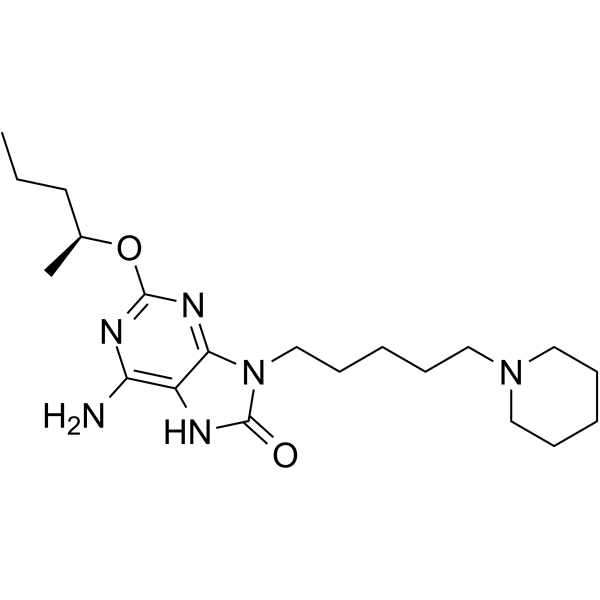
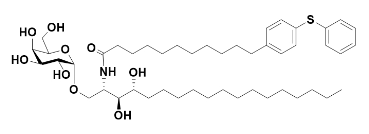
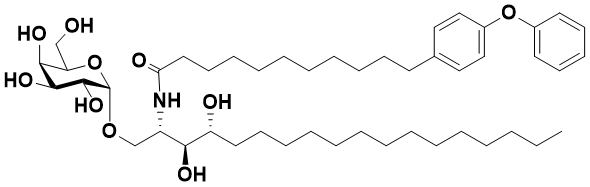
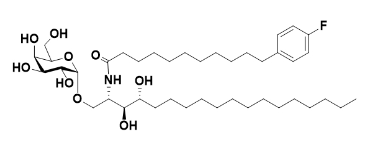
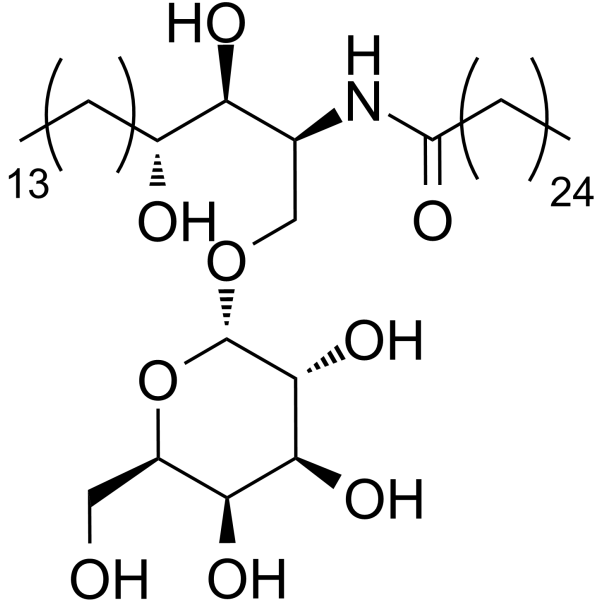
α-Galactosylceramide (α-GalCer) is a synthetic glycolipid with antitumorial and immunostimulatory. α-Galactosylceramide is a very potent NKT cell agonist and binds effectively to CD1d. The complex of α-Galactosylceramide plus CD1d binds the NKT cell TCR (T cell antigen receptor).
TQL-1055 is a semi-synthetic analog of the saponin adjuvant QS-21 (HY-101092) and can be used as a prophylactic vaccine adjuvant. TQL-1055 exhibits robust adjuvant activity for influenza antigens. TQL-1055 combined with the acellular pertussis vaccine (aP) shows good tolerance and enhances the antibody response to pertussis toxin (PT) in mice and rabbits. TQL-1055 is promising for research of chronic hepatitis B.
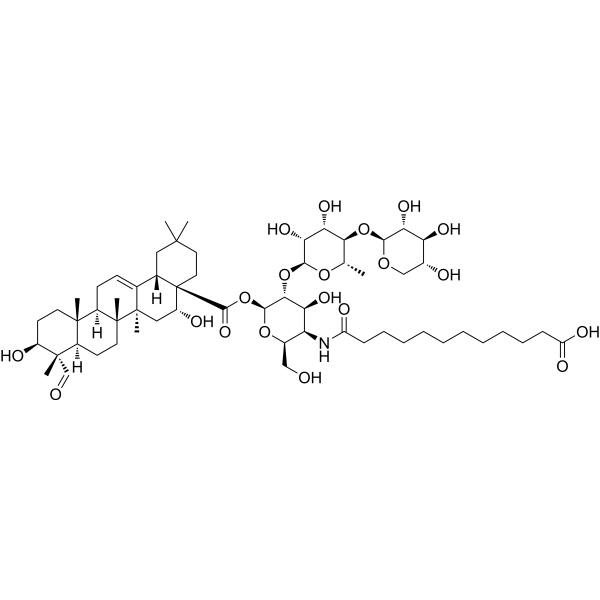
QS 7 (QS 7 Api) is a saponin compound that can be extracted from the Quillaja saponaria tree. QS 7 activates immune cells, enhances their antigen presentation ability and cytokine secretion. QS 7 can be used as vaccine adjuvant for immunostimulating, anti-tumor, and anti-infectious activities.
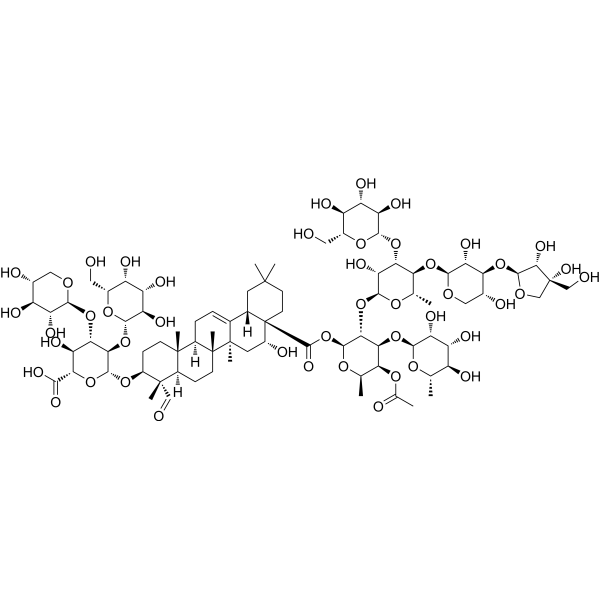


QS-21, an immunostimulatory saponin, could be used as a potent vaccine adjuvant. QS-21 stimulates Th2 humoral and Th1 cell-mediated immune responses through action on antigen presenting cells (APCs) and T cells. QS-21 can activate the NLRP3 inflammasome with subsequent release of caspase-1 dependent cytokines, IL-1β and IL-18[1][2][3].
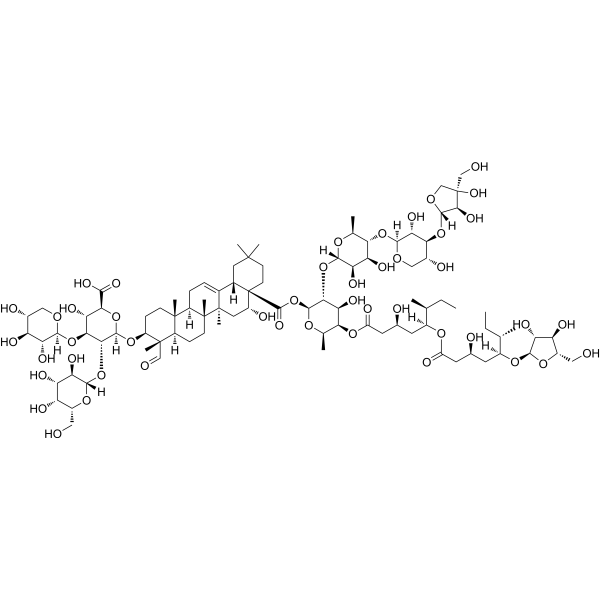
AYK004-B1 is a TLR7 agonist (EC50=0.2265 nM). AYK004-B1 can be used to prepare immune adjuvants.
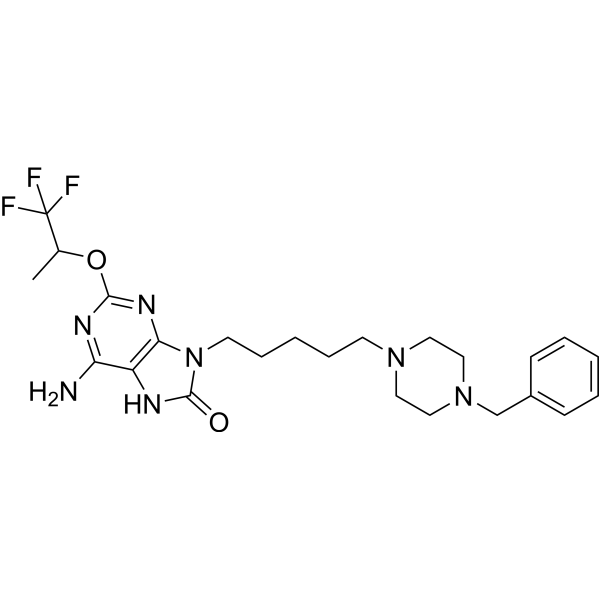
AYK004 is a TLR7/8 agonist that enhances immune responses by activating the TLR signaling pathway. AYK004 is an adenine derivative with a favorable hydrophilic-lipophilic balance, which improves the loading capacity and stability in immunoadjuvant systems such as liposomes, while reducing the side effects of the immunoadjuvant system in systemic immunity .
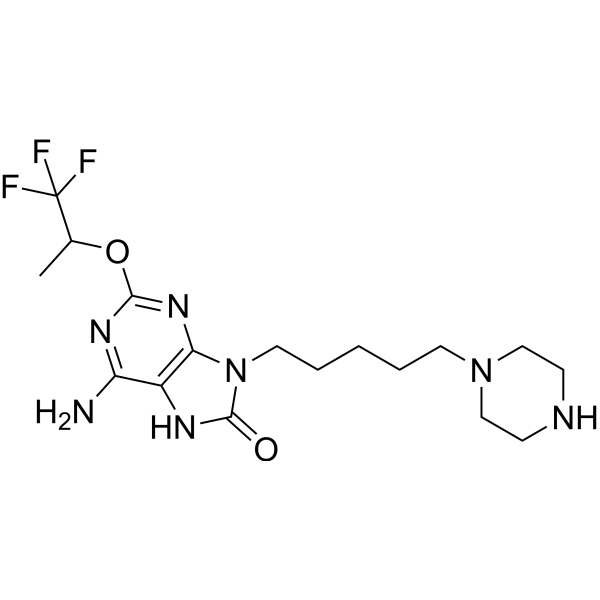
AYK005 is a TLR7/8 immunologic adjuvant.
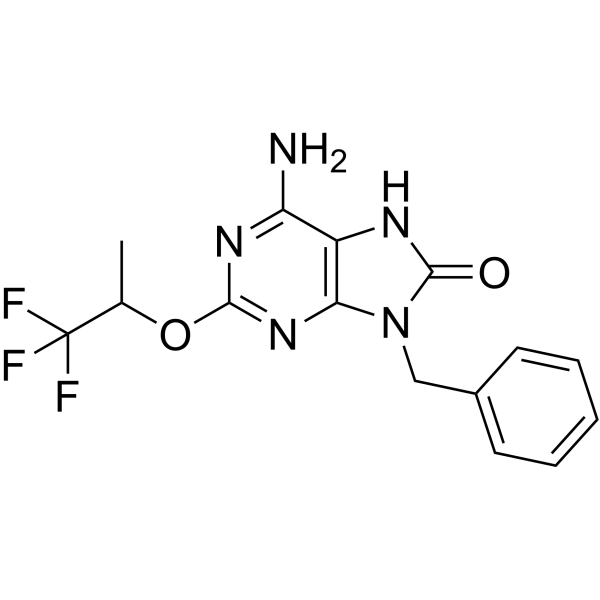
UM-3006 is a highly efficient TLR7/8 agonist that enhances immune responses by activating the TLR signaling pathway. UM-3006 holds significant research and application potential in the fields of vaccine adjuvants and immune diseases.
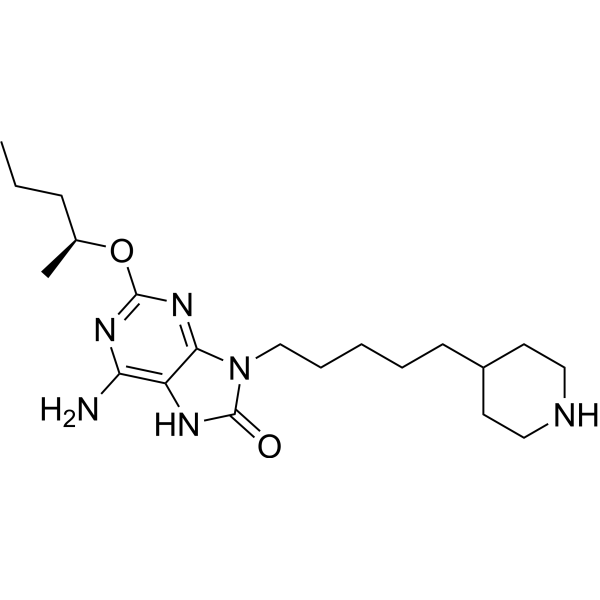
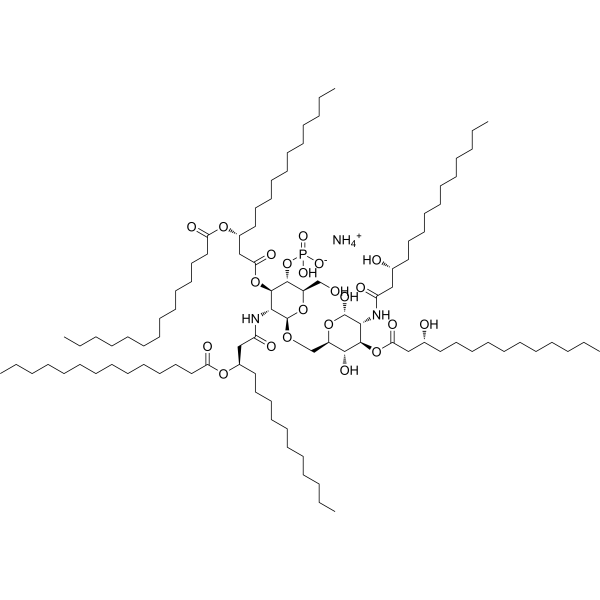
3D-Monophosphoryl Lipid A-5 (3D-MPLA-5) is a TLR agonist that can be used as an adjuvant for vaccines to enhance their immunogenicity.
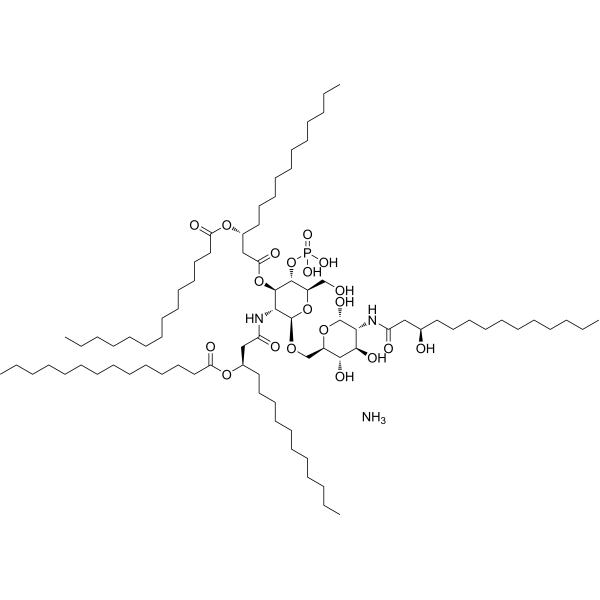
3D-Monophosphoryl Lipid (12,16) (3D-MPL (12,16)) free acid is a TLR agonist that can be used as a vaccine adjuvant to enhance the immunogenicity of vaccines[1].
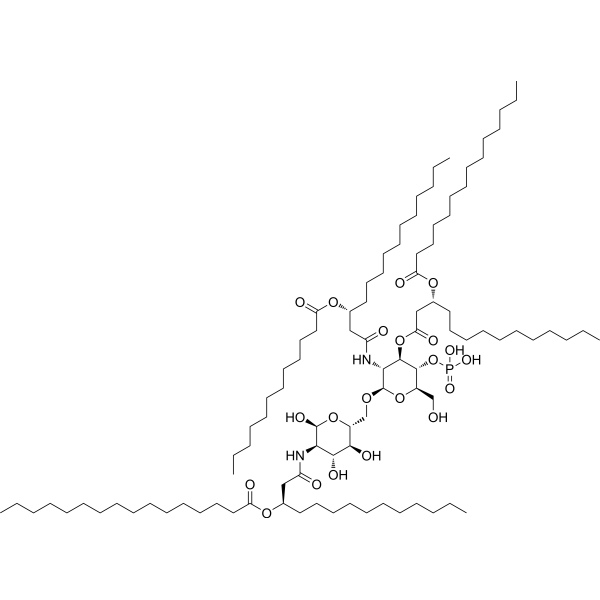
3D-Monophosphoryl Lipid (14) (3D-MPL (14)) is a biochemical reagent.
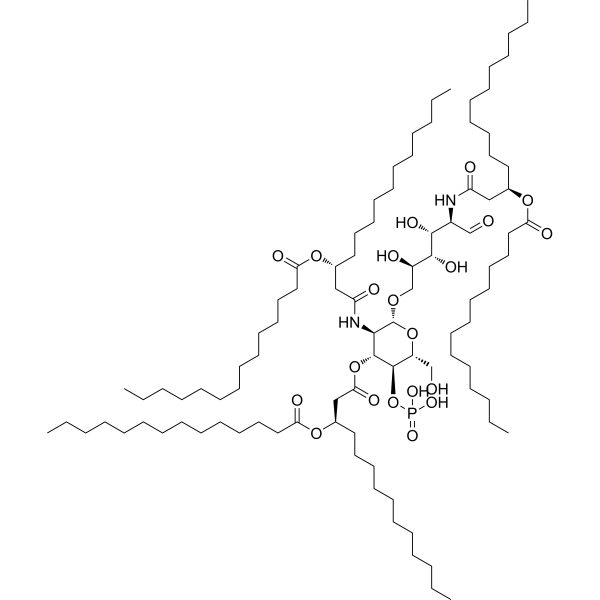
Monophosphoryl Lipid A-12 (MPLA-12) is a biochemical reagent.
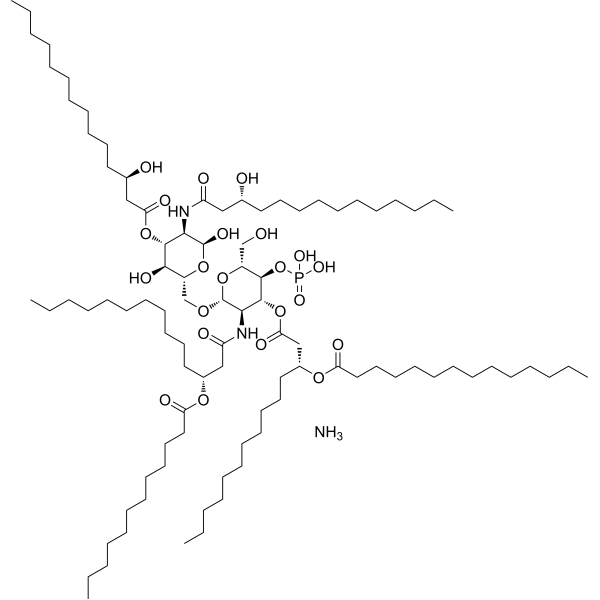
Monophosphoryl lipid A (Glucopyranosyl lipid A) is a toll-like receptor 4 agonist. Monophosphoryl lipid A is derived from the cell wall of nonpathogenic Salmonella. Monophosphoryl lipid A can be used for the research of immunization and vaccine.
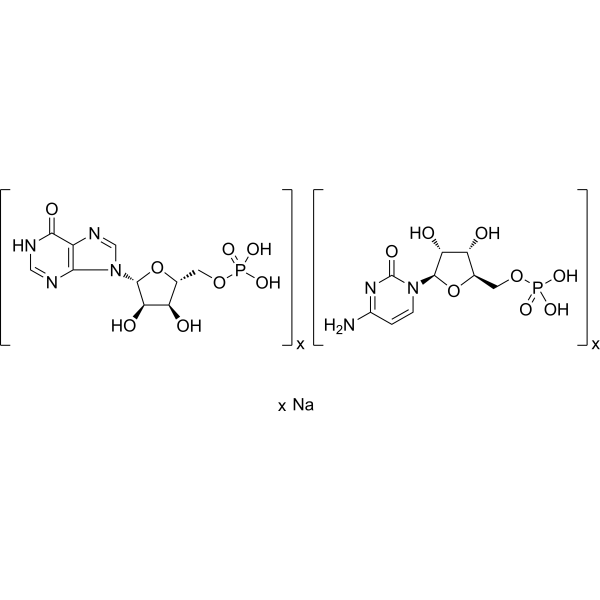
Polyinosinic-polycytidylic acid (Poly(I:C)) sodium is a synthetic analog of double-stranded RNA and an agonist of toll-like receptor 3 (TLR3) and retinoic acid inducible gene I (RIG-I)-like receptors (RIG-I and MDA5). Polyinosinic-polycytidylic acid sodium can be used as a vaccine adjuvant to enhance innate and adaptive immune responses, and to alter the tumor microenvironment. Polyinosinic-polycytidylic acid sodium can directly trigger cancer cells to undergo apoptosis.