Search covers product name, catalog number, synonyms, available CAS numbers and categories. Spaces, hyphens and common punctuation are ignored. Duplicate legacy records are consolidated under one canonical product result.
849 products · Showing 41–60 · 20 per page
Cat. No.Product NameField of ApplicationChemical Structure
LP-01 is an ionizable cationic amino lipid (pKa = ~6.1). It has been used in the generation of lipid nanoparticles (LNPs). LNPs containing LP-01 and encapsulating both Cas9 mRNA and modified single-guide RNA (sgRNA) for the transport protein transthyretin (Ttr) induce gene editing in liver cells in mice in a dose-dependent manner resulting in reduced serum Ttr levels for at least 12 months.
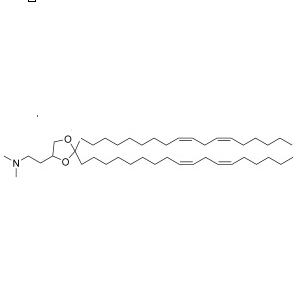
DLin-KC2-DMA is a highly potent ionizable lipid used in the formulation of lipid nanoparticles (LNPs) for the delivery of siRNA. It represents a significant advancement over earlier generations of lipids, such as DLin-DMA, due to its dramatically improved gene silencing efficiency.
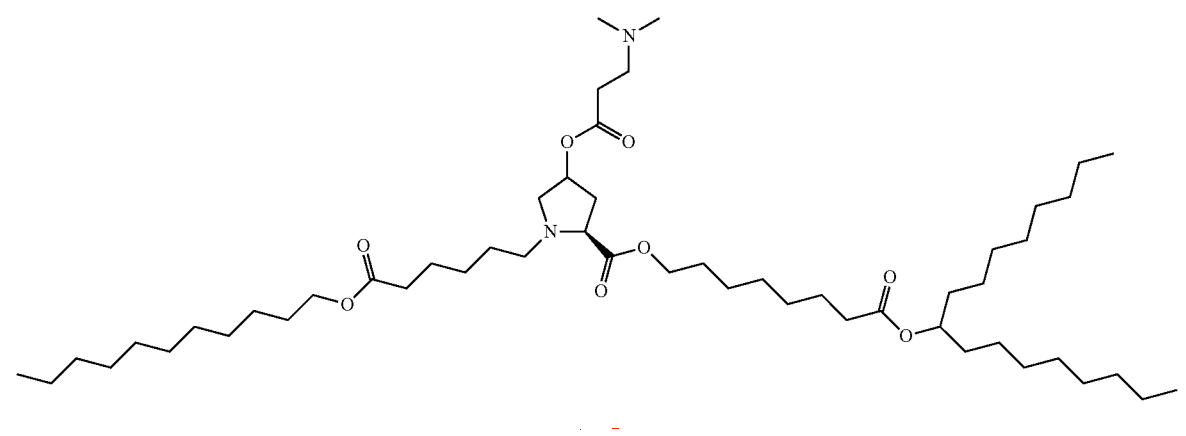
Sail Lipid 2231 is a novel ionizable lipid targeting to spleen developed by Sai Biomedicine.As described on US20250205167A1 Lipid 2231 features a pyrrolidine core (5-membered ring) with biodegradable ester linkages and asymmetric C17/C11 hydrophobic chains. In vivo data shows moderate spleen targeting (Spleen RLU: 3.8E+06) with a spleen-to-liver ratio of 12.767.
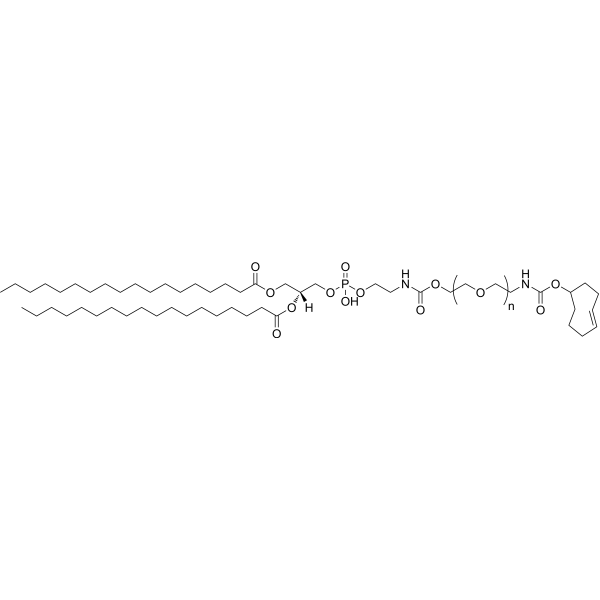
DSPE-PEG-TCO (2000 Da) is a functionalized polyethylene glycol lipid conjugate engineered to enhance drug delivery systems. This amphiphilic polymer-lipid hybrid demonstrates unique capabilities in optimizing the bioavailability and targeted distribution of hydrophobic therapeutic compounds. Its molecular architecture combines a lipid anchor with a biocompatible PEG chain terminated by a trans-cyclooctene (TCO) group, enabling precise tissue-specific interactions while improving pharmacokinetic profiles. Researchers frequently employ this advanced biomaterial in developing nanoparticle formulations and ligand-directed therapeutic platforms for enhanced precision medicine applications.
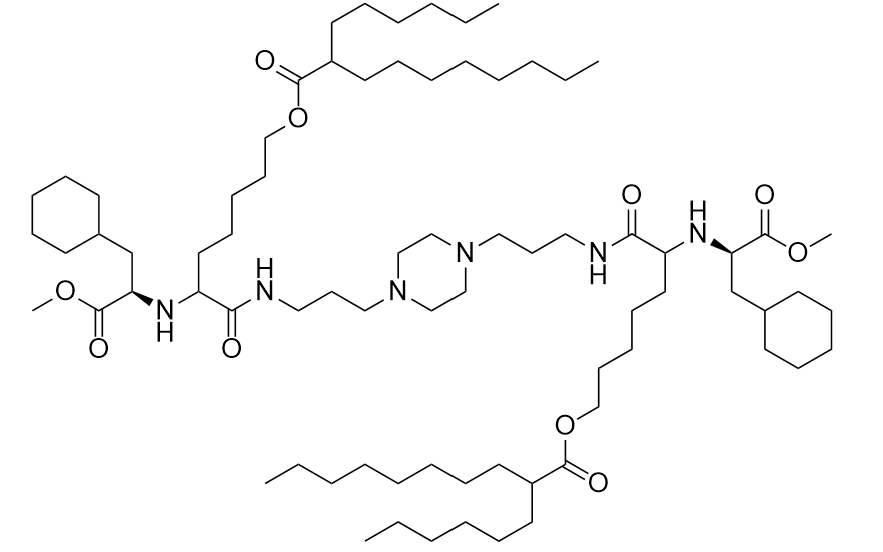
CHCha-10 is an amino acid-derived ionizable lipid engineered for pulmonary gene therapy. Its optimal surface charge (-0.126 mV) enables efficient mucus penetration, while a pKa of ~7.0 facilitates endosomal escape. Its unique conical structure promotes membrane fusion and mRNA release. In animal models, CHCha-10-based LNPs achieved highly efficient and specific editing of lung epithelial cells, particularly stem-like basal cells (~44%), with effects persisting through tissue renewal. It also demonstrated excellent efficacy and safety in ferrets, a model closely mimicking human lung physiology.
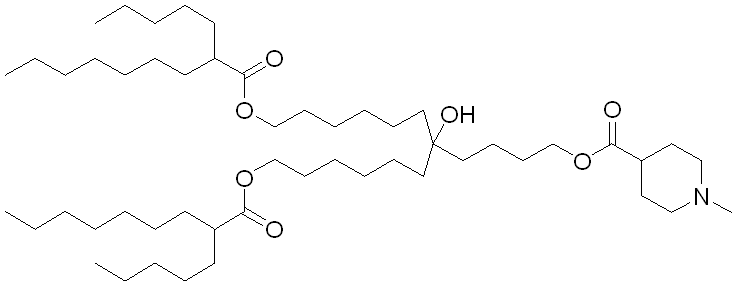
CL15F 9-5, a piperidine-based ionizable lipid, exhibits favorable properties for mRNA delivery in lipid nanoparticles (LNPs). Its apparent pKa ranges between 6.24–7.15, ideal for mRNA encapsulation and endosomal escape. LNPs formulated with CL15F 9-5 (50:38.5:10:1.5 molar ratio of ionizable lipid:cholesterol:DSPC:DMG-PEG2k) demonstrated high mRNA encapsulation efficiency (>90%) and maintained physicochemical stability (size, PDI, zeta potential) during storage at 4°C for 5 months . In vitro, CL15F 9-5 LNPs showed superior luciferase expression in HEK-293T cells compared to CL4F-based LNPs. In vivo, liver-targeted LNPs delivered hEPO mRNA effectively, with sustained serum hEPO levels post-storage. Intravenous administration of FLuc mRNA-loaded CL15F 9-5 LNPs yielded strong hepatic bioluminescence, confirming liver tropism. As a vaccine candidate, CL15F 9-5 induced robust antigen-specific cellular immunity in mice, with a 14-fold increase in IFN-γ spots compared to SM-102. Its enhanced stability is attributed to reduced aldehyde impurities, minimizing mRNA-lipid adduct formation.
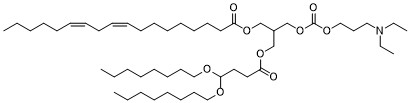
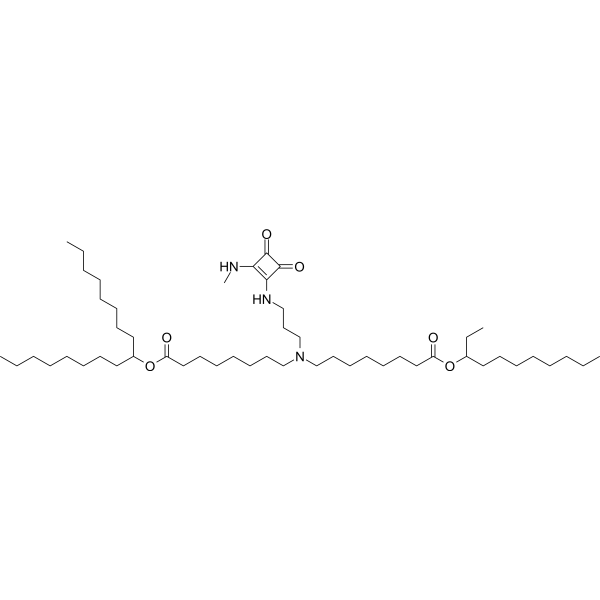
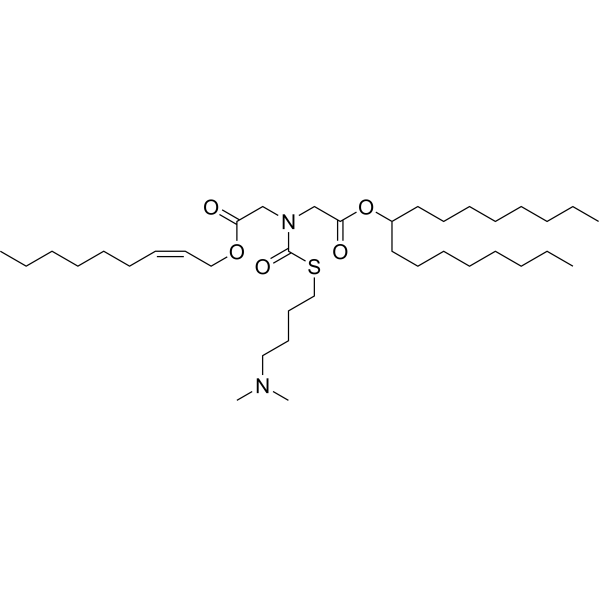
Lipid A-12 is an ionizable cationic lipid from Capstan Therapeutics and a close analog of CICL-1 (L829). The structure was modified by the extension of the headgroup linker from a two-carbon (C2) to a three-carbon (C3) spacer compared to CICL-1 (L829).
Lipid 29 is an ionizable amino lipid (pKa = 6.91) from Moderna platform that has been used in combination with other lipids in the formation of lipid nanoparticles (LNPs).Administration of human erythropoietin (EPO) mRNA in lipid 29-containing LNPs increases serum EPO levels in mice.
Lipid C14-A1 is an ionizable lipid. C14-A1-LPN is a potent and safe LNP platform to deliver Foxp3 mRNA to CD4+ T cells to engineer immunosuppressive FP3T cells.
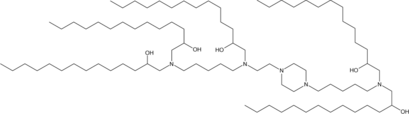
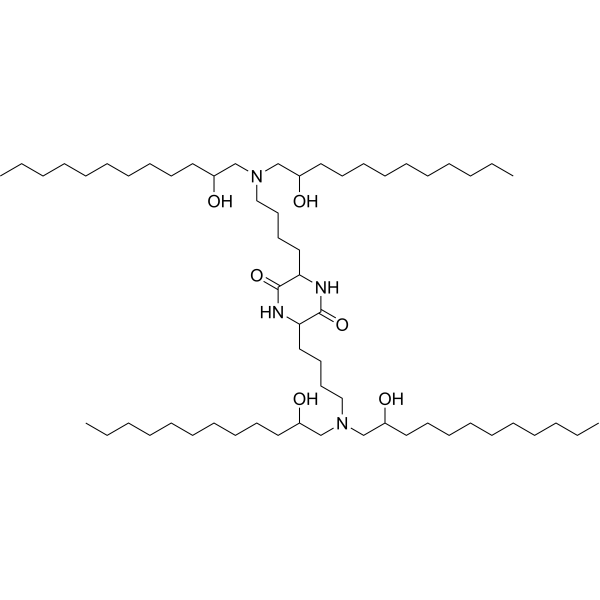
CKK-E12 is a ionizable lipid in combination with other lipids make up the lipid nanoparticles which are used to deliver RNA-based therapeutics. cKK-E12 was highly selective toward liver parenchymal cell in vivo.Multitail lipids usually have three or more tails and tend to form more cone-shaped structures due to the increase of tail crosssection, which enhances the endosome escape and mRNA delivery efficiency.CKK-E12 is an ionizable lipid with four lipid tails and diketopiperazine core-based head. It has shown excellent efficiency in delivering CRISPR-Cas9 mRNA and sgRNA.cKK-E12 iLNPs encapsulated mRNA was used to investigate the effect of Toll-like receptor 4 (TLR4) on iLNPsmediated mRNA delivery, and it has been demonstrated that the targeting, safety and efficacy of iLNPs are closely related to disease state. In other words, even though iLNP delivers therapeutic mRNA to a given cell type in one disease state, it is not guaranteed to deliver mRNA to the same cell type in another disease. As same as MC3 and C12-200, CKK-E12 is also used to be a positive control ionizable lipid when exploiting new ionizable lipids.
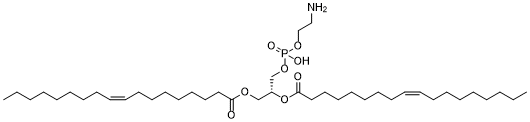
DOPE, also known as 1,2-Dioleoyl-sn-glycero-3-PE or 1,2-DOPE, is a synthetic analog of naturally-occurring PE containing 18:1 fatty acids at the sn-1 and sn-2 positions. 1,2-DOPE can be used as an emulsifier to facilitate DNA-liposome complex transport across membranes. It is used in combination with cationic phospholipids to increase efficiency during DNA transfection studies as a non-viral method of gene delivery.
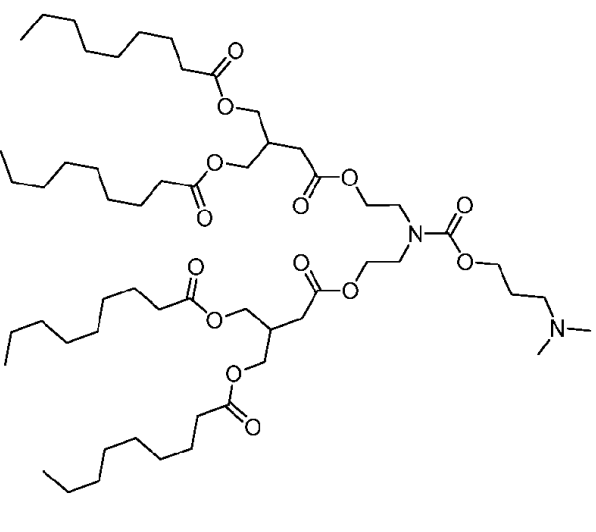
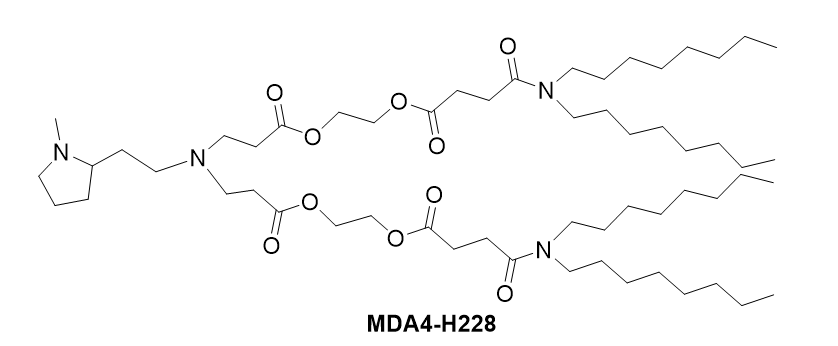
DMA4-H228 is a novel, biodegradable lipidoid specifically engineered for spleen-targeted mRNA delivery. Its structure combines a dimethylamino (DMA4) headgroup with a unique hyperbranched lipid tail (H228) synthesized via Michael addition, incorporating ester bonds for enhanced biodegradability. This design enables the formation of stable lipid nanoparticles (LNPs) (~170 nm) with high mRNA encapsulation efficiency (>96%). Critically, DMA4-H228 exhibits exceptional intrinsic tropism for the spleen (>98% targeting efficiency after IV administration), requiring no external targeting ligands. It selectively delivers mRNA to splenic antigen-presenting cells (APCs), including dendritic cells, macrophages, and B cells. This triggers potent immune activation: rapid IFNα secretion, upregulation of APC maturation markers (CD86/CD40), and robust antigen-specific immune responses. Demonstrating significant therapeutic potential, DMA4-H228-based mRNA vaccines effectively inhibit tumor growth in melanoma models (e.g., B16F10-OVA). This correlates with increased tumor-infiltrating CD8⁺ T cells, a shift towards pro-inflammatory M1 macrophages, elevated antigen-specific antibodies (IgG), and strong T cell responses (evidenced by IFNγ⁺ spots). Its ability to bypass liver tropism and directly activate splenic APCs makes DMA4-H228 a powerful platform for next-generation mRNA vaccines and cancer immunotherapy.
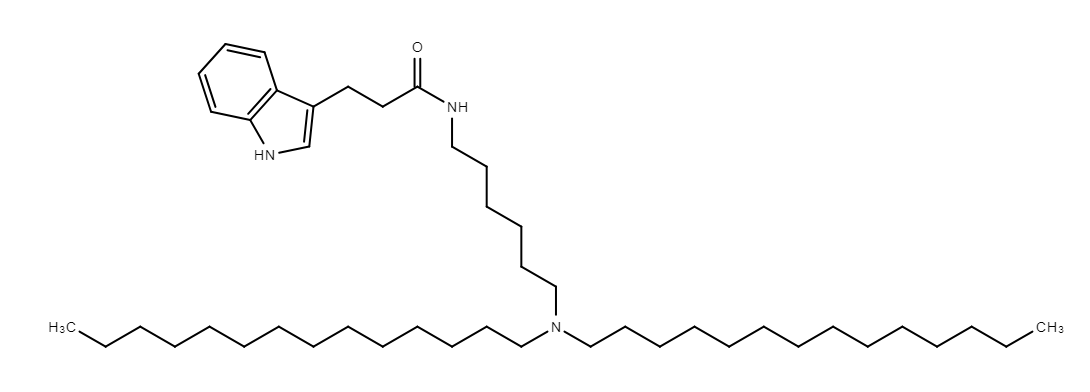
TD5 is a tryptamine-derived ionizable cationic lipid used to prepare LNPs for mRNA delivery. In the reported formulation, TD5 supported pH-dependent mRNA encapsulation and CNS delivery after intrathecal administration. Reported performance values below remain tied to the stated formulation and study conditions; they should not be compared across methods without reviewing those conditions.
306Oi10 is a branched ionizable lipid that can be used to construct lipid nanoparticles (LNPs) for delivering messenger RNA. The surface ionization of lipid nanoparticles is related to the effectiveness of mRNA delivery. The tail of 306Oi10 has a one-carbon branch, which provides it with stronger surface ionization compared to lipids with linear tails, thereby enhancing its mRNA delivery efficacy. 306Oi10 can be used in research related to mRNA delivery.
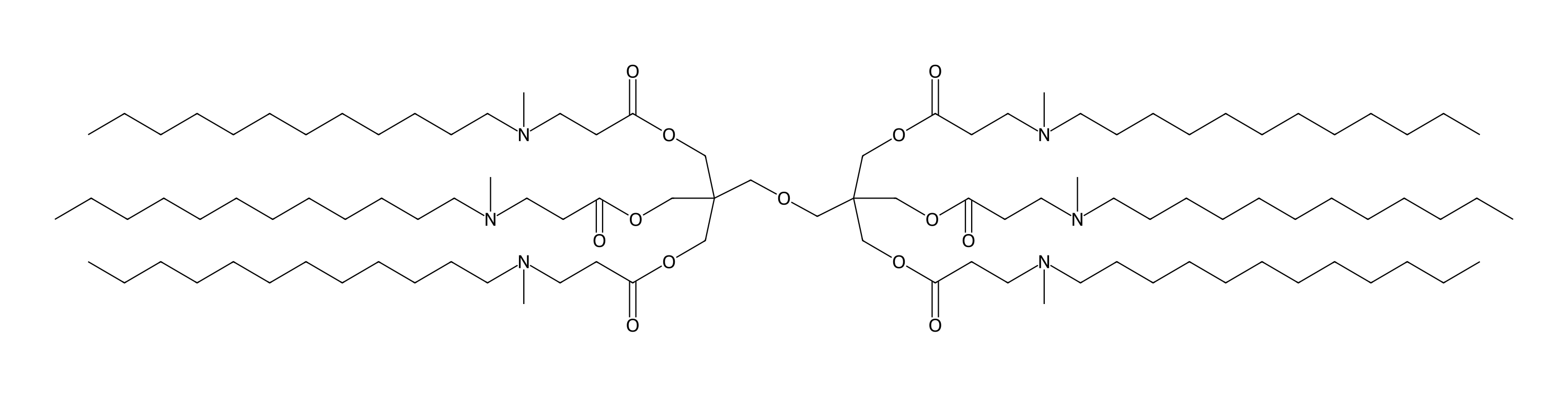
6Ac1-C12 is an ionizable cationic lipid with a hexaester degradable core and six C12 hydrophobic alkyl tails, featuring a pKa around 6.0 and strong endosomal escape capacity. Its four-component LNPs deliver mRNA mainly to liver endothelial cells after IV injection and remain stable for 30 days at 4°C. Formulated without cholesterol, its three-component system enables lung-targeted delivery with low in vivo toxicity, and the ester core facilitates biodegradation for versatile mRNA applications.
RCB-4-8 is a biodegradable ionizable lipid nanoparticle (LNP) engineered for efficient pulmonary mRNA delivery and in vivo genome editing, as detailed in the primary research article "Combinatorial design of nanoparticles for pulmonary mRNA delivery and genome editing" (Li et al., Nature Biotechnology 2023). Synthesized from a combinatorial library of 720 biodegradable lipids via a three-component reaction system, RCB-4-8 features an alkyne-containing lipid tail and tertiary amine headgroup, optimized through high-throughput screening for superior lung-targeting capabilities. Its unique molecular design incorporates hydrolyzable ester and carbonate groups, enabling rapid biodegradation (<30% lung retention at 48 h vs. >90% for conventional lipids) while maintaining high transfection efficiency. When formulated with DOTAP instead of DOPE, RCB-4-8 LNPs achieved 100-fold higher luciferase mRNA expression in murine lungs compared to FDA-approved MC3 LNPs and mediated 95% GFP knockout in vitro. In Ai9 reporter mice, intratracheal delivery of RCB-4-8 loaded with Cre mRNA edited 53% of total lung cells after three doses, while codelivery with Cas9 mRNA/sgRNA yielded 7.2% tdTomato+ cells, rising to 17% when combined with AAV-sgRNAs. With an optimal particle size of 85.7 nm (PDI 0.11) and >87% mRNA encapsulation, RCB-4-8 supports repeat dosing and represents a transformative platform for inhalable gene therapies targeting congenital lung diseases like cystic fibrosis.
Lipid 2,2(8,8) 4C CH3 is an ionizable cationic lipid (pKa = 6.69).1 It has been used in the generation of lipid nanoparticles (LNPs) for the delivery of siRNA in vivo. LNPs containing lipid 2,2(8,8) 4C CH3 and encapsulating siRNA targeting Factor VII decrease plasma Factor VII protein levels by 90% in mice.
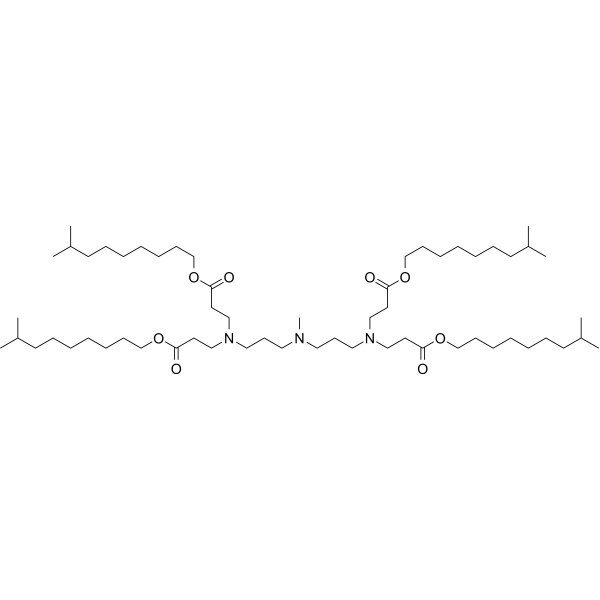
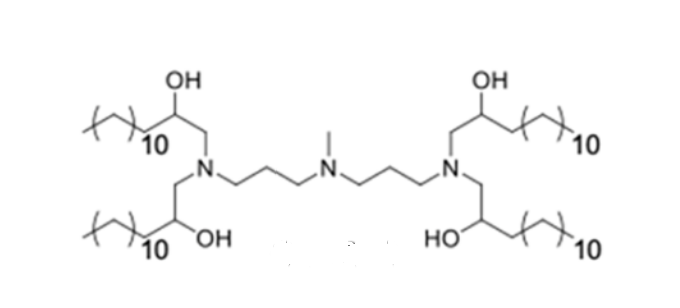
C14-306 is a rationally designed ionizable lipid for brain targeting delivery, characterized by a linear 3,3'-diamino-N-methyldipropylamine (306) core conjugated with tetradecyl (C14) tails. This specific architectural configuration, synthesized via epoxide ring-opening amination, yields a molecular structure that optimally balances hydrophobic character and protonation capacity. The C14 alkyl chains enhance membrane integration and LNP stability, while the multiamine core facilitates efficient mRNA complexation and pH-dependent endosomal disruption. When formulated into LNPs with standard helper lipids (DOPE, cholesterol, DMG-PEG2000), C14-306-based nanoparticles exhibit favorable physicochemical properties, including a monodisperse size distribution near 110 nm and high mRNA encapsulation efficiency (>84%). High-throughput in vivo barcoding screening identified C14-306 LNPs as lead candidates for brain delivery, demonstrating a significant tropism for neuronal cells over liver tissue. In validation studies, LNPs incorporating C14-306 achieved a 6.9-fold increase in luciferase mRNA transfection in the mouse brain compared to the SM-102 benchmark, coupled with a substantial reduction in hepatic off-target expression. Flow cytometry confirmed preferential transfection of NeuN+ neurons, and safety assessments indicated no significant blood-brain barrier compromise or induction of systemic inflammation. The efficacy of C14-306 is attributed to its tailored pKa, promoting extended circulation and enhanced endosomal escape within brain cells. C14-306 represents a promising platform for systemic mRNA therapeutics targeting neurological disorders.
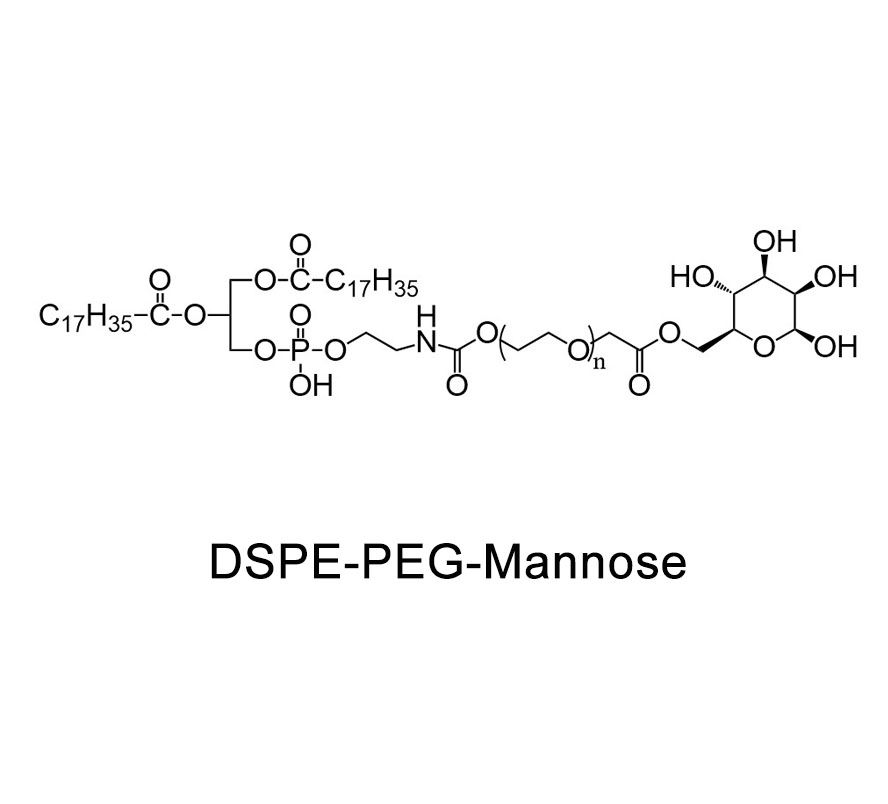
DSPE (1,2-distearoyl-sn glycerol-3-phosphoethanolamine) is a saturated 18C phospholipid commonly used in liposome synthesis. Polyethylene glycol (PEG) conjugated DSPE has hydrophilicity and hydrophobicity, and can be used for drug delivery, gene transfection, and biomolecular modification. DSPE-PEG-Manose can be applied in medical research, drug release, nanotechnology and new material research, and cell culture. As well as ligand research, peptide synthesis support, grafting of polymer compounds, new materials, and polyethylene glycol modified functional coatings and other active compounds.
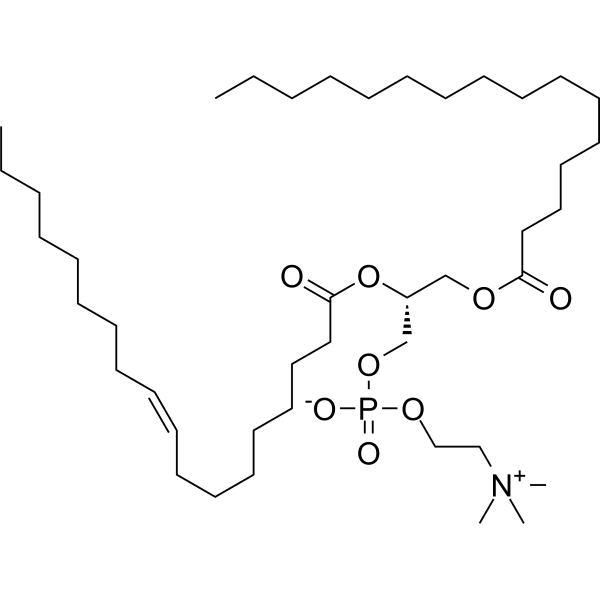
1-Palmitoyl-2-oleoyl-sn-glycero-3-PC (POPC), a phospholipid, is a major component of biological membranes. 1-Palmitoyl-2-oleoyl-sn-glycero-3-PC is used for the preparation of liposomes and studying the properties of lipid bilayers.