IAJD93Featured
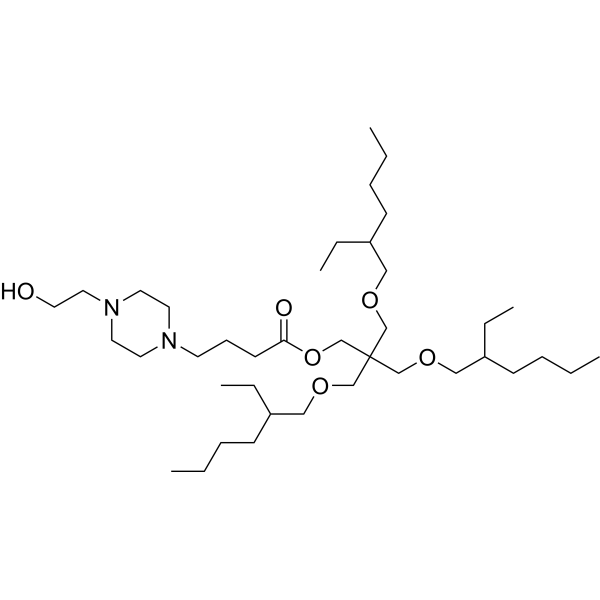
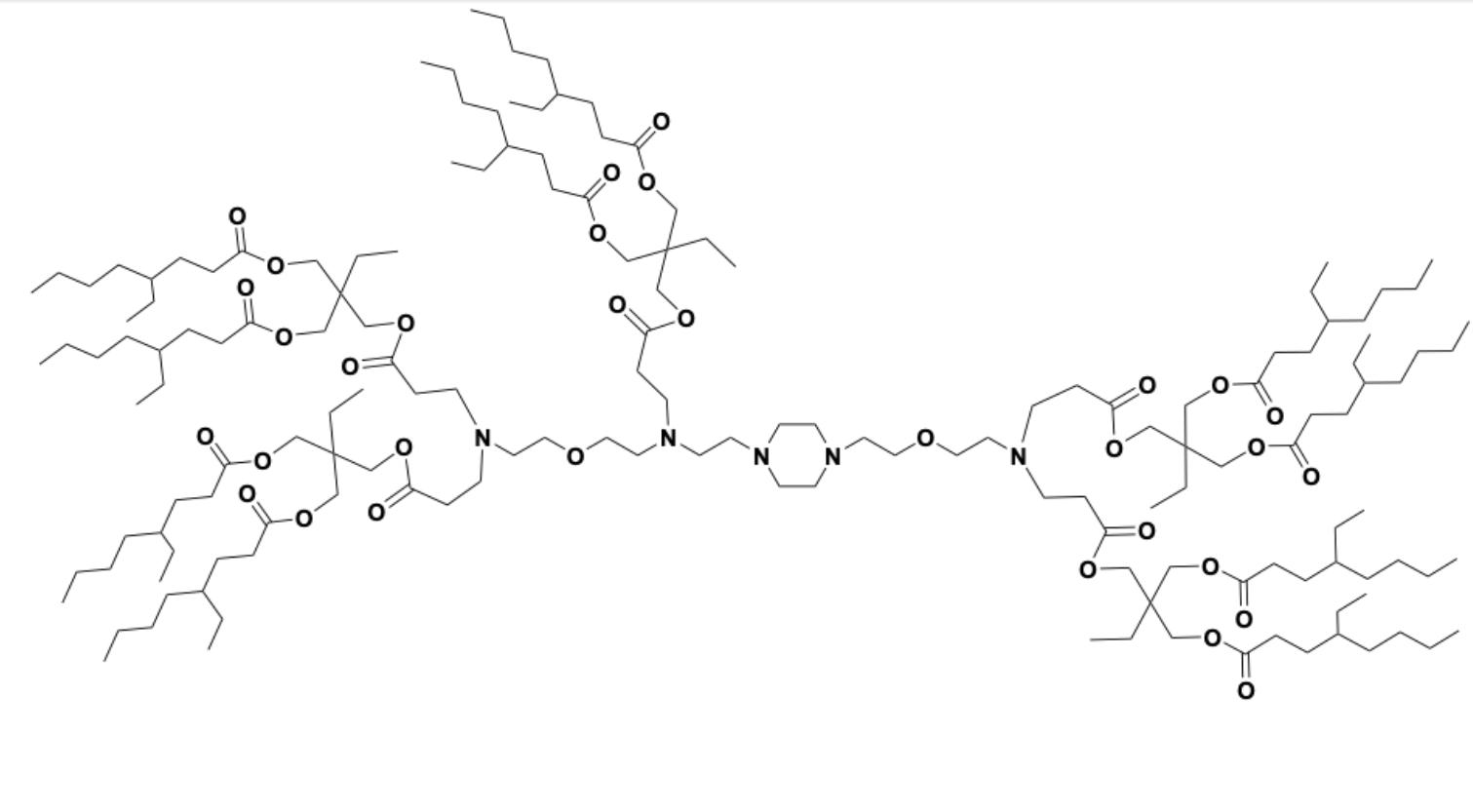
IAJD93(IAJD-93) is a pentaerythritol-based one-component ionizable amphiphilic Janus Dendrimer (IAJD), delivery systems for mRNA delivery.

Explore 849 lipid and RNA delivery products. Search the full catalog or browse by research category.
Search covers product name, catalog number, synonyms, available CAS numbers and categories. Spaces, hyphens and common punctuation are ignored. Duplicate legacy records are consolidated under one canonical product result.
IAJD93(IAJD-93) is a pentaerythritol-based one-component ionizable amphiphilic Janus Dendrimer (IAJD), delivery systems for mRNA delivery.
Lipid 20b is a thiophene-based ionizable lipid synthesized via the Gewald reaction. It features dual unsaturated linoleic tails (C18:2) attached to the same side of the thiophene core and a tertiary amine headgroup. Formulated into LNPs (~100 nm, PDI ~0.2) with DSPC/cholesterol/DMG-PEG, it exhibits high mRNA encapsulation (>90%). Unlike traditional lipids, 20b lacks a pH-dependent ionization profile, likely due to electron delocalization in the thiophene ring. Intravenously, 20b LNPs transfect the liver and spleen in mice. Notably, subretinal delivery in mice and non-human primates (NHPs) achieved robust mRNA expression in photoreceptors (35% rods, 45% cones at high dose) and retinal pigment epithelium (RPE) with minimal acute toxicity. Immunosuppression enhanced rod transfection efficiency. High-dose administration in NHPs caused subretinal debris, but low doses (2.5 µg mRNA) maintained retinal health. This lipid demonstrates potential for liver and retinal gene therapy.
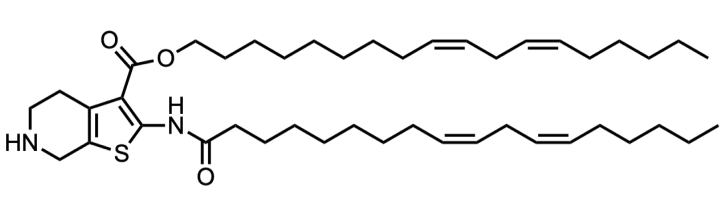
Lipid 29d is an ionizable lipid containing a thiophene moiety (Thio-lipid) for mRNA delivery. Lipid 29d enables LNPs to transfect the lung and spleen.
FO-32 is an artificial intelligence-guided designed ionizable lipid for RNA delivery to the muscle, lung and nose. FO-32 LNPs enable potent transfection throughout the whole ferret lung epithelium, from trachea to alveoli.
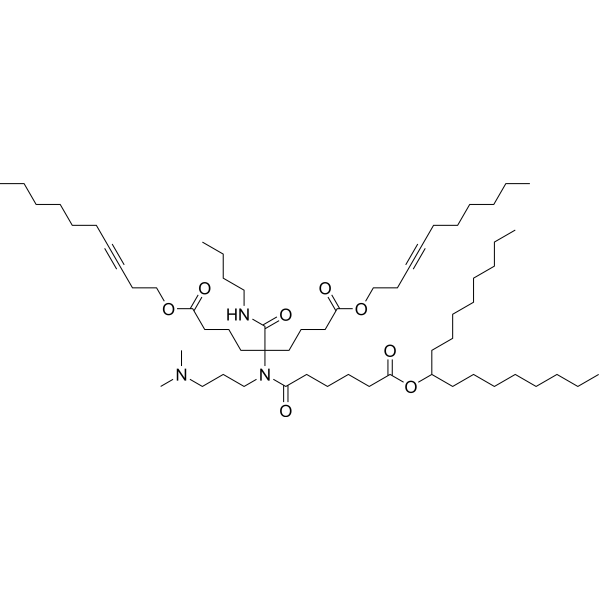
FO35 is an artificial intelligence-guided designed ionizable lipid for RNA delivery to the muscle, lung and nose. FO-35 LNPs enable potent transfection throughout the whole ferret lung epithelium, from trachea to alveoli.
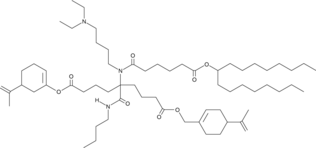
18-2-9b2 is a dendron-like degradable ionizable lipid which facilitates mRNA delivery to splenic macrophages. 18-2-9b2 LNP encapsulating therapeutic BTB domain and CNC homologue 1 (BACH1) mRNA exhibited proficient BACH1 expression and subsequent Spic downregulation in splenic red pulp macrophages (RPM) in a Spic-GFP transgene model.
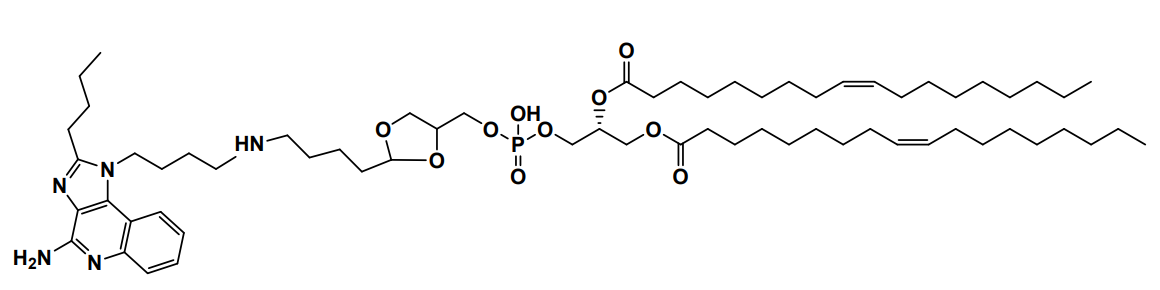
YK-TLR-001 is a cyclic acetal-based ionizable lipid for mRNA delivery. YK-TLR-001 LNPs are demonstrated to enhance mRNA expression in the spleens and to induce exceptional maturation of antigen-presenting cells (APCs) and to promote antigen presentation.
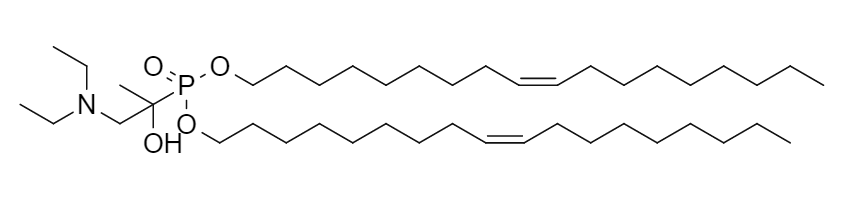
AP60 is a novel, biomimetic ionizable lipid, identified as the lead compound from a library of 67 aminophosphonate-derived lipids. Inspired by the structure of natural phospholipids, it forms the core component of lipid nanoparticles within the CROSS delivery platform. AP60-based LNPs demonstrate superior efficiency in delivering mRNA and circular RNA to neuronal cells and astrocytes compared to the clinically used MC3 LNP. In a mouse model of spinal cord injury, AP60 LNPs achieved significantly higher protein expression at the lesion site (13.7-fold locally, 4.6-fold intravenously) while concurrently reducing off-target accumulation in the liver by nearly 5-fold. This indicates improved targeting to the central nervous system injury site and a potentially better safety profile. Its cellular uptake is primarily mediated by clathrin-mediated endocytosis and macropinocytosis, followed by efficient endosomal escape. By encapsulating therapeutic circular RNAs encoding Sox2, Ascl1, and GDNF, AP60 LNPs enable effective in vivo reprogramming and neuroprotection, leading to significant functional recovery of bladder and locomotor functions after spinal cord injury.
Lipid 2298 is a novel ionizable lipid developed by Sai Biomedicine demonstrates excellent performance with a spleen-to-liver ratio of 3.448 and a very high total expression level of 2.4E+07. Lipid 2298 offers a strong balance of efficient systemic protein production and clear preferential delivery to the spleen.
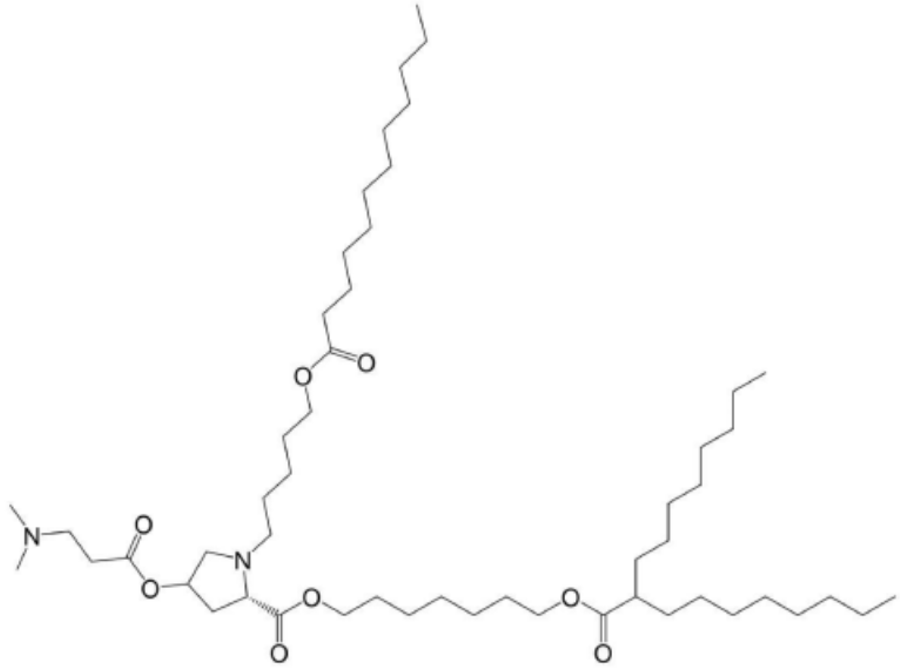
D-2 is a novel, custom-synthesized ionizable cationic lipid that serves as the core functional component of the targeted lipid nanoparticle (LNP) delivery system. Its key function is to enable the efficient in vivo delivery of therapeutic mRNAs. Under acidic conditions, it ionizes to a positive charge, allowing it to complex with and encapsulate the negatively charged mRNAs encoding the anti-FAP CAR and Lgmn protease. At physiological pH, it returns to a neutral state, which helps reduce systemic toxicity and is crucial for promoting the release of the mRNA payload inside the target macrophages within the infarcted heart. As part of the optimized LNP formulation, D-2 is fundamental for achieving high transfection efficiency, thereby enabling the in situ generation of efferocytosis-boosted CAR-Ms to treat cardiac fibrosis.
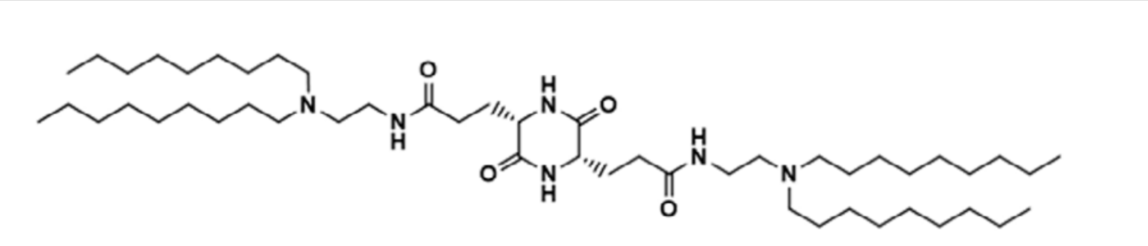
113-AA-C8C14 is a spleen-tropic ionizable lipid with inherent splenic organ selectivity. Its formulated LNPs drastically reduce off-target liver uptake and drive 57-fold higher mRNA expression in spleen versus benchmark LNPs. It preferentially delivers nucleic acids to splenic immune cells like macrophages and T lymphocytes, supporting in vivo CAR-T engineering and mRNA vaccine research with minimal accumulation in other visceral organs.
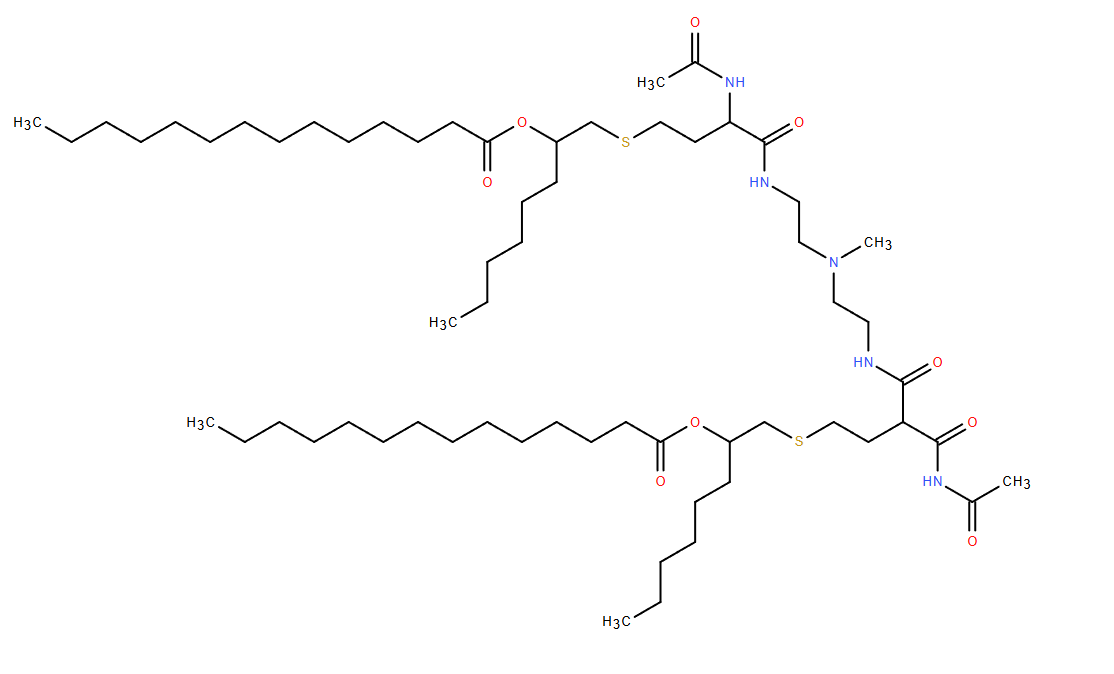
Lipid 51 is a top-performing thioglycerol-based biodegradable ionizable lipid disclosed in PCT patent WO2026/147683 (Eli Lilly, filed Dec 16, 2025). Built with cleavable thioester linkages, it balances neutral surface charge at physiological pH and protonatable amines in acidic endosomes for efficient mRNA encapsulation and endosomal escape. Formulated into LNPs with DSPC, cholesterol and DMG-PEG2K, it exhibits favorable particle size, low PDI and high RNA loading efficiency. In intracerebroventricular (ICV) mouse tests targeting central nervous system (CNS), it delivers Cre mRNA to brain neurons far more potently than Lipid 1/2/3, with the highest tissue fluorescent signal among all tested candidates. It shows low cellular toxicity in vitro and robust CNS tropism, making it an optimal carrier for brain-targeted mRNA and CRISPR gene editing therapeutics.
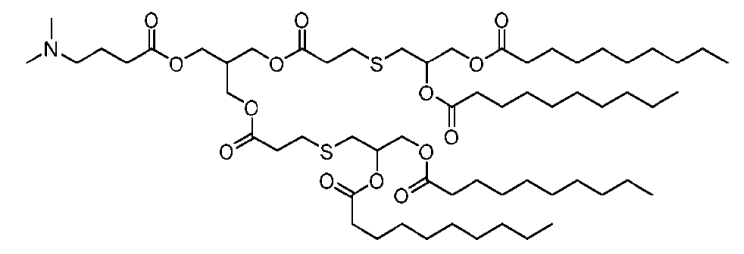
FL0445 is a biodegradable, multi-branched ionizable lipid featuring an ionizable amine-containing headgroup together with ester and carbonate linkages. When formulated with DOPE, cholesterol, and a PEG lipid, FL0445-LNP enabled efficient delivery of both linear mRNA and structurally constrained capped circular RNA (Cap-cirRNA). In the reported study, the optimized formulation produced substantially higher in vitro protein expression than benchmark LNPs based on MC3, SM-102, or ALC-0315 and demonstrated functional nucleic-acid delivery following intravenous, intramuscular, and subcutaneous administration in mice. The platform was also evaluated for mRNA vaccination, ASO-mediated gene silencing, pDNA delivery, and GLP-1-encoding Cap-cirRNA. FL0445-LNP induced comparatively low inflammatory cytokine responses and showed favorable single-dose tolerability in the tested mouse models, supporting its further evaluation as a versatile preclinical delivery lipid for mRNA, circular RNA, and other nucleic-acid modalities.
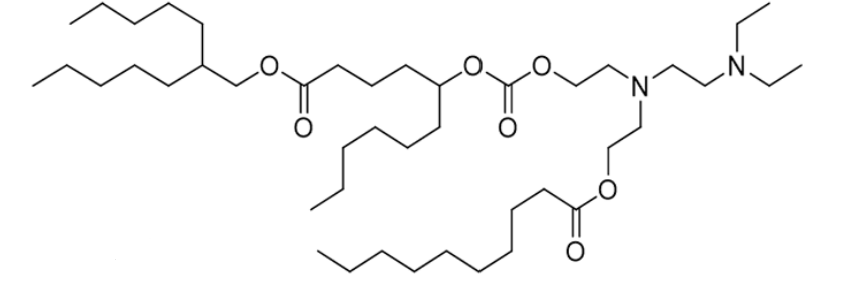
TTP-3 is an asymmetric Ugi-derived ionizable lipid developed specifically for pulmonary delivery of structured suppressor tRNA cargo. Its architecture combines a dimethylaminopropyl ionizable headgroup, two amide-containing linkages, and chemically distinct hydrophobic tails. Selected from a 1,000-member lipid library, TTP-3 showed the strongest suppressor-tRNA delivery in a cystic-fibrosis-relevant air–liquid interface model containing artificial mucus. An optimized formulation containing TTP-3, DOPE, β-sitosterol, and C14-PEG2000 produced approximately 38-fold higher functional pulmonary reporter expression than MC3 following intratracheal administration in mice. TTP-3 LNPs preferentially delivered tRNA to airway epithelial cells, including ciliated, club, ionocyte, and basal progenitor populations. When combined with chemically modified suppressor tRNAs, the platform restored CFTR expression and function in cellular, mouse, and patient-derived organoid models. TTP-3 remains a preclinical research lipid, and further optimization is required for aerosol delivery, repeat dosing, and clinical translation.
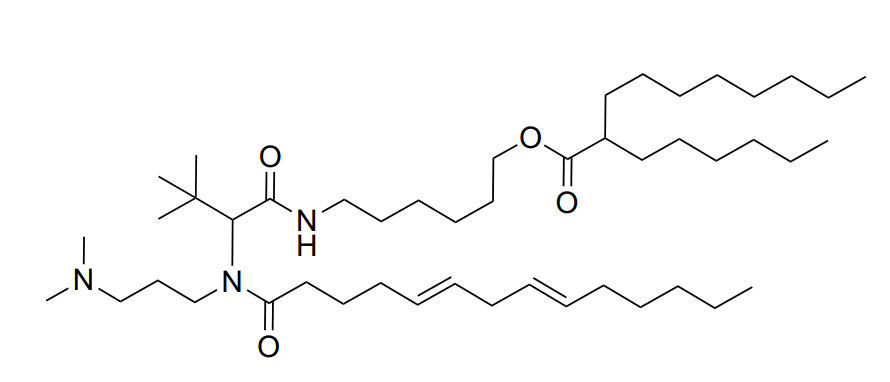
C12-2aN is a crosslinked ionizable lipid developed for mRNA vaccine delivery and dendritic-cell metabolic reprogramming. Its structure combines two piperazine-based ionizable amine cores, a bis-amidine crosslinker, and four hydroxylated C12 hydrophobic tails. When formulated with DOPE, cholesterol, and C14-PEG2000, C12-2aN LNPs enhanced mRNA endosomal escape and activated AMPK–mTORC2-dependent glycolysis, supporting dendritic-cell maturation and antigen presentation. In preclinical mouse studies, C12-2aN LNPs generated robust humoral and cellular immune responses in SARS-CoV-2 RBD and OVA cancer-vaccine models. The formulation also demonstrated reduced liver-associated off-target expression and lower acute inflammatory markers than the tested control formulations. C12-2aN is a preclinical research lipid intended for evaluating metabolically active mRNA vaccine delivery systems.
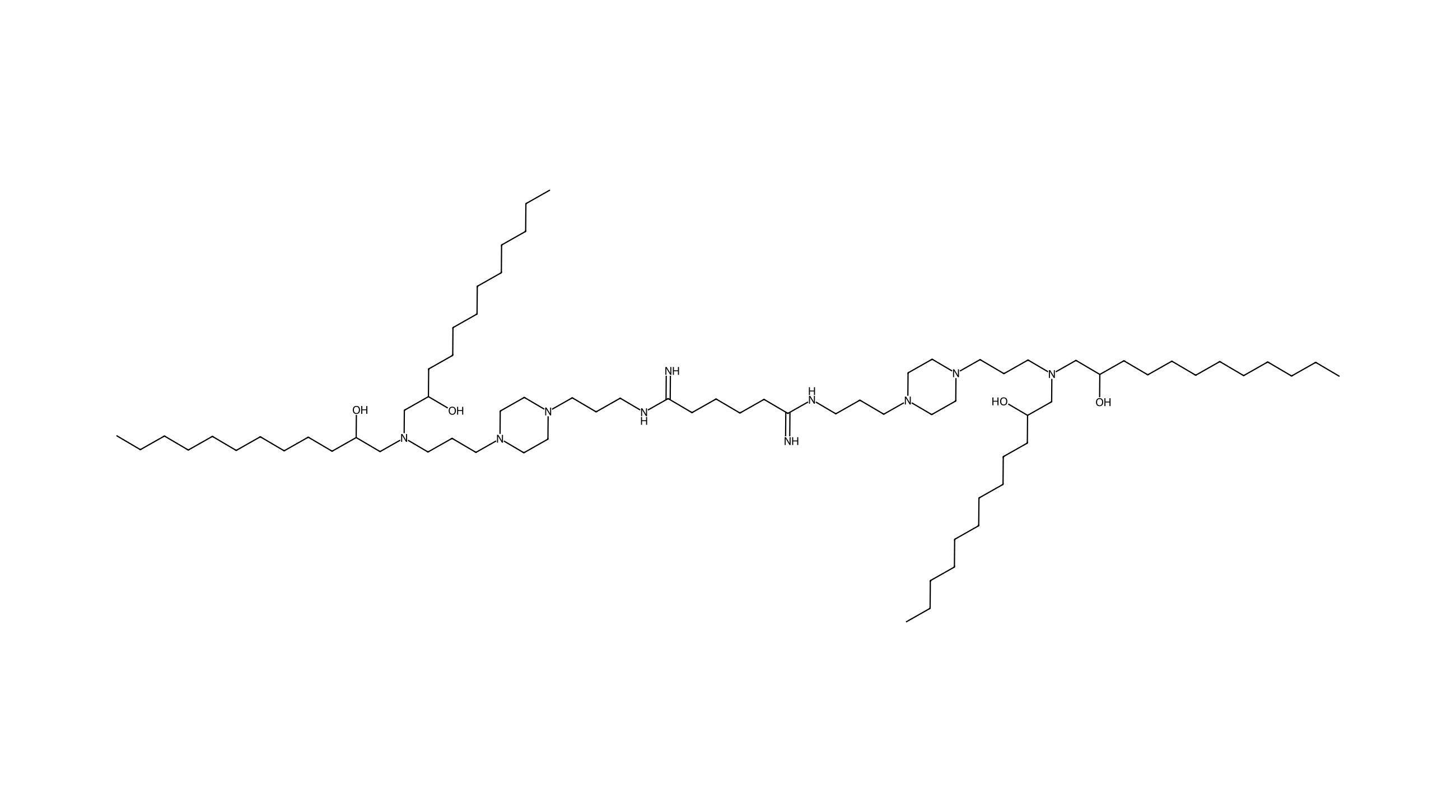
ST12 is a lipid-conjugated DMXAA prodrug designed for temporally controlled STING activation in mRNA vaccine formulations. Its structure integrates a mouse-specific STING agonist, a biodegradable ester linker, an RNA-interacting tertiary amine domain, and two hydrophobic tails. When incorporated as a partial replacement for SM-102, ST12 preserves early antigen mRNA translation and subsequently releases DMXAA to activate STING. This delayed activation supports localized type I interferon signaling, enhanced antigen-specific CD8-positive T-cell responses, and improved antitumor immunity. In preclinical OVA and HPV tumor models, ST12-based Syn-STING vaccines suppressed tumor growth and prolonged survival. ST12 remains a preclinical research lipid developed specifically around DMXAA-sensitive STING systems.
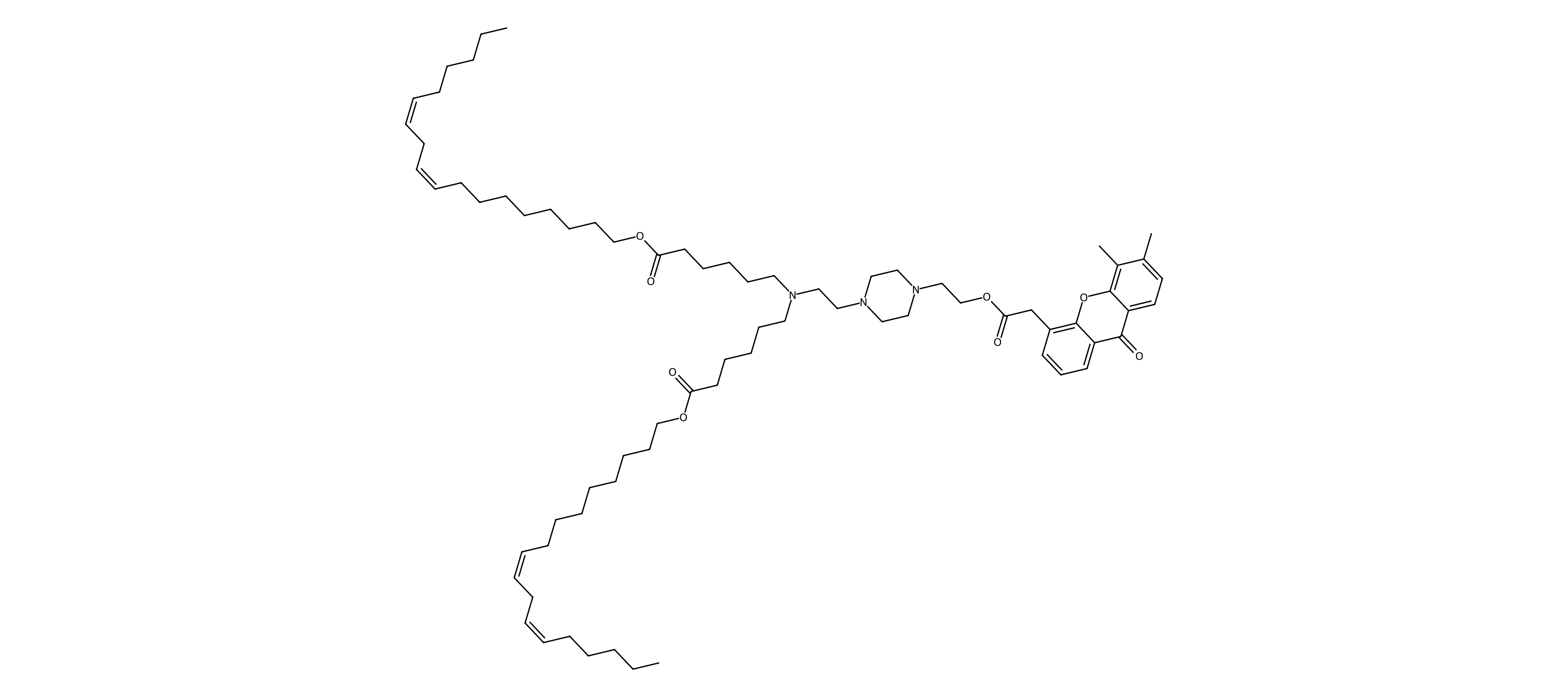
Lipid C3 is an ionizable cationic lipid (pKa = 5.05-5.671).1,2 It has been used in the formation of lipid nanoparticles (LNPs) for the delivery of mRNA in vitro and in vivo.
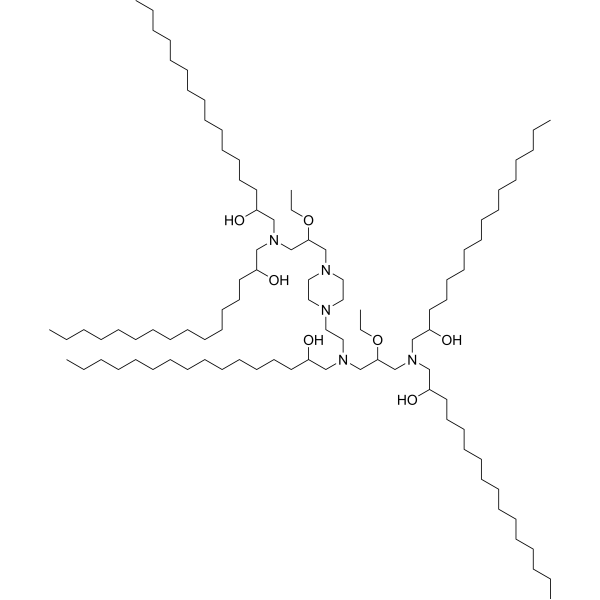
CP-LC-1254 is listed as a ionizable lipid for laboratory research use.
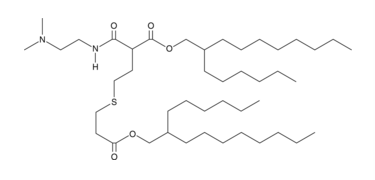
Lipid N2-3L is listed as a ionizable lipid for laboratory research use.
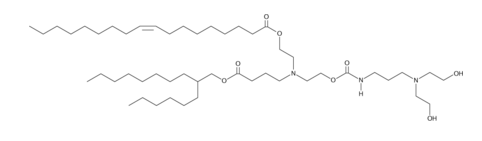
80-O14B is listed as a ionizable lipid for laboratory research use.
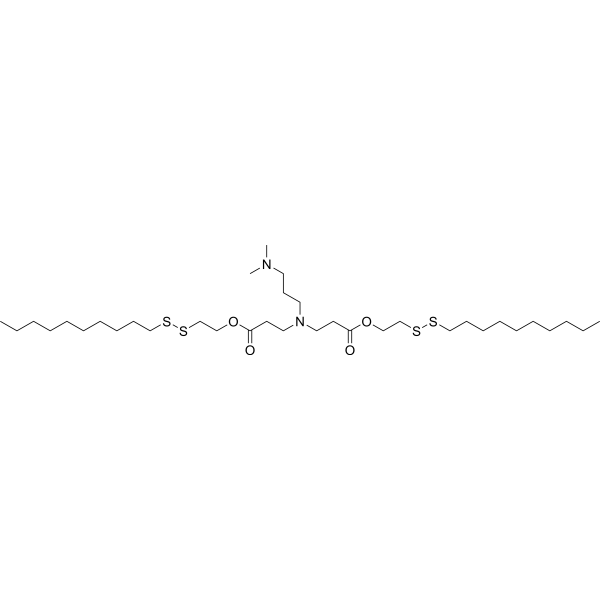
Page 22 of 43 · Browse all 849 products