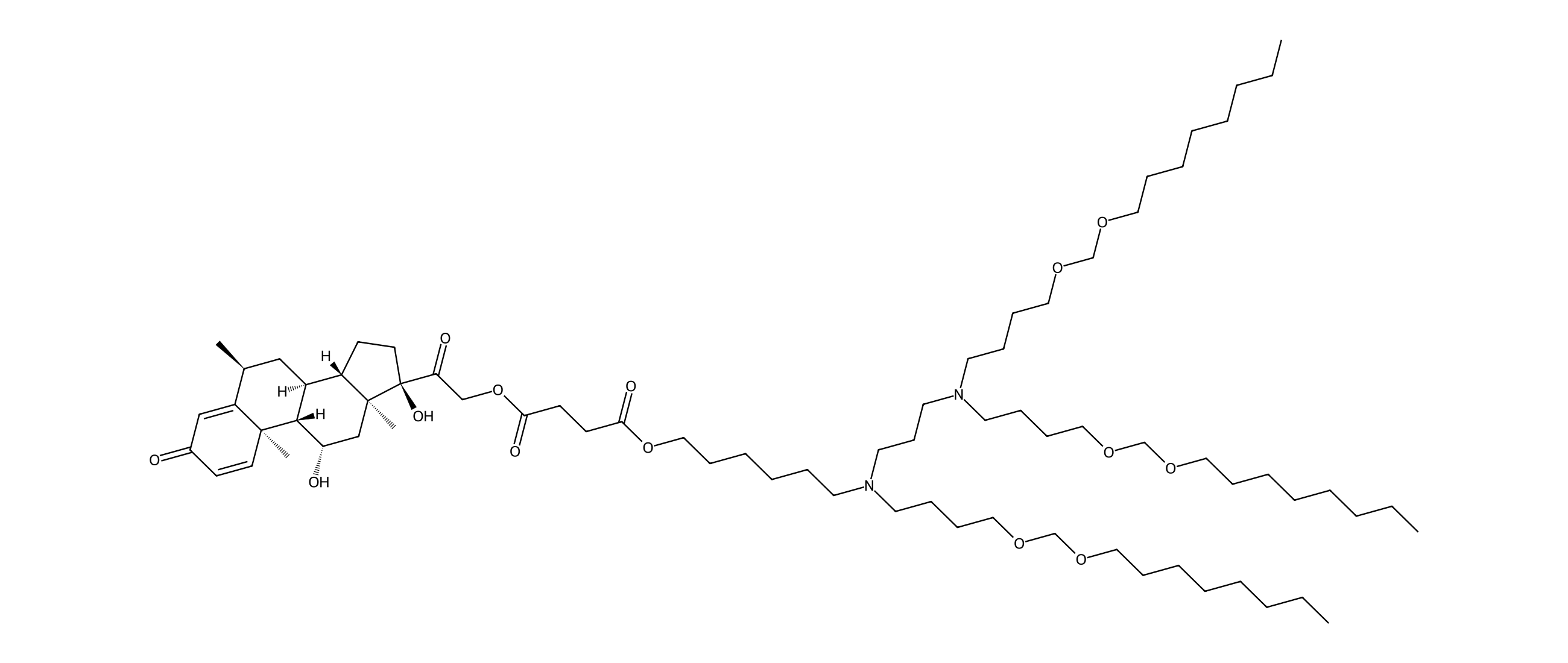
MP2 is a methylprednisolone-derived ionizable lipid with a steroidal headgroup and three acetal-containing C8 tails. In the cited study, MP2 was formulated with DOPE, cholesterol and DMG-PEG2k for rectal mRNA delivery to inflamed colonic tissue. The MP2 formulation produced about 15-fold higher colonic luciferase signal than the study's SM102 formulation in TNBS colitis mice.
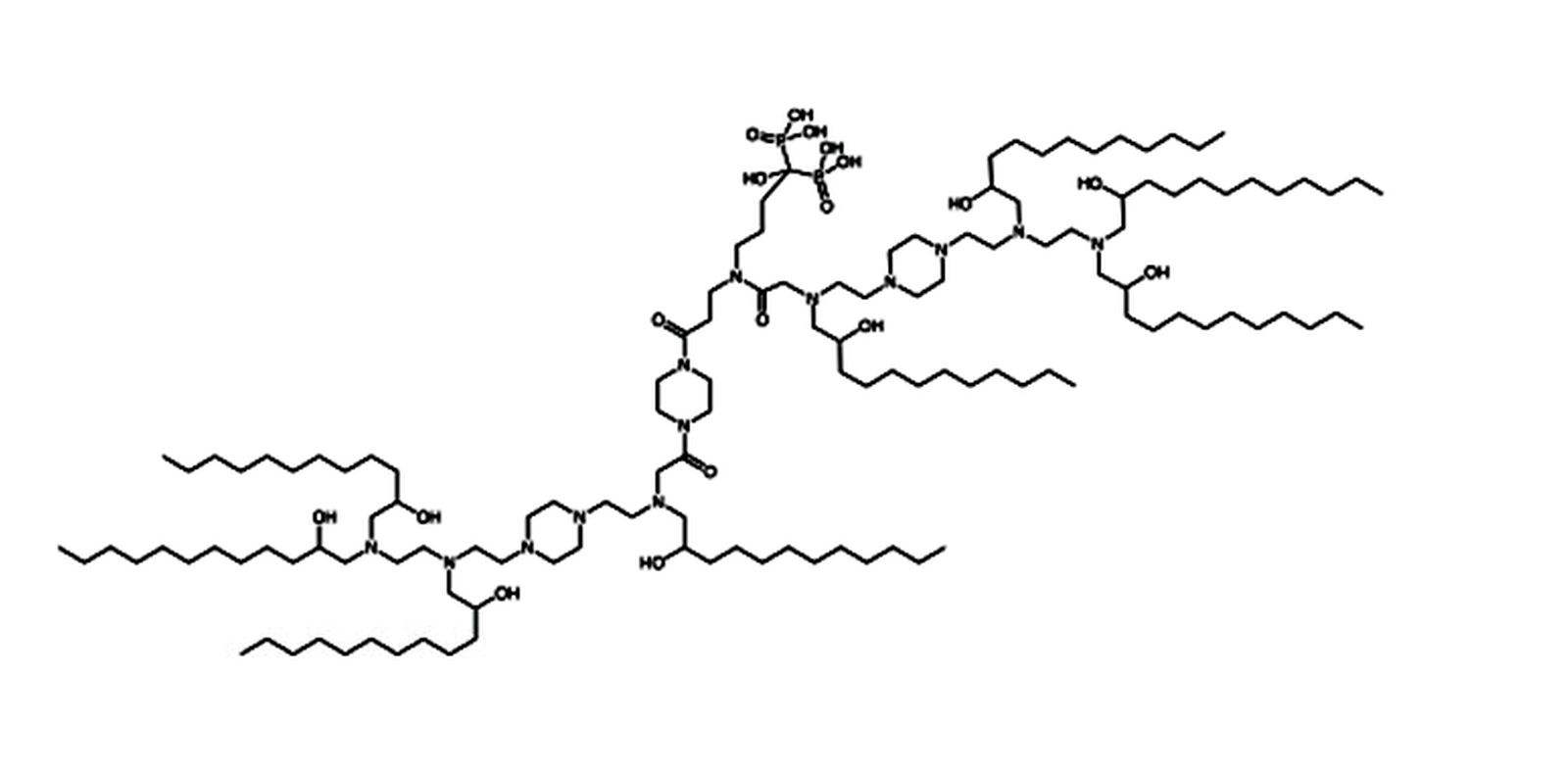
BP-200-C12 is a bisphosphonate-linked ionizable lipid selected from a 21-member library in Liu et al. for local RNA delivery at mineralized tissue interfaces.
Lipid 6 is the lead ionizable lipid among eight candidates screened by Gao et al. for mRNA delivery to primary human immune cells. Lipid 6 LNPs were used to generate MUC1-CAR T cells ex vivo and to assess their cytotoxicity against MUC1-positive cancer cell lines in vitro. Mouse reporter-mRNA expression was studied separately; in vivo antitumor efficacy of the CAR T cells was not established.
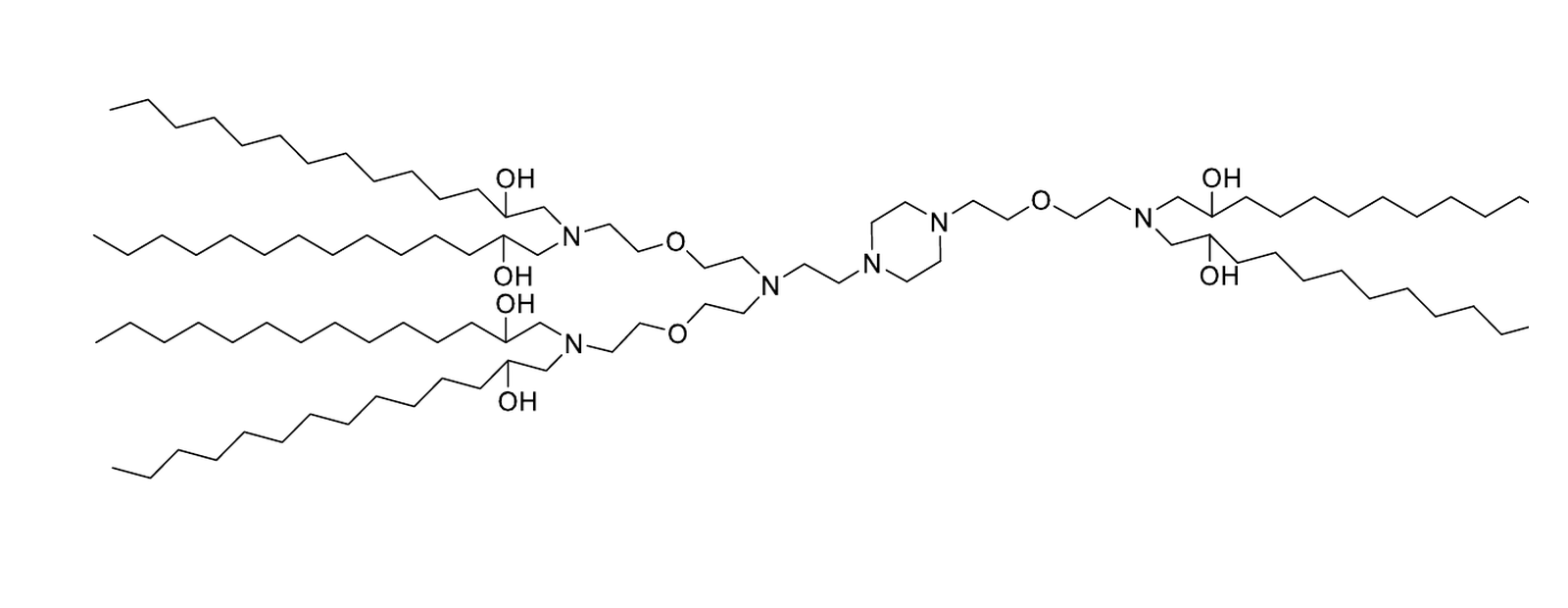
ATX-95 is an unsaturated ionizable lipid utilized in the formulation of lipid nanoparticles for drug delivery.
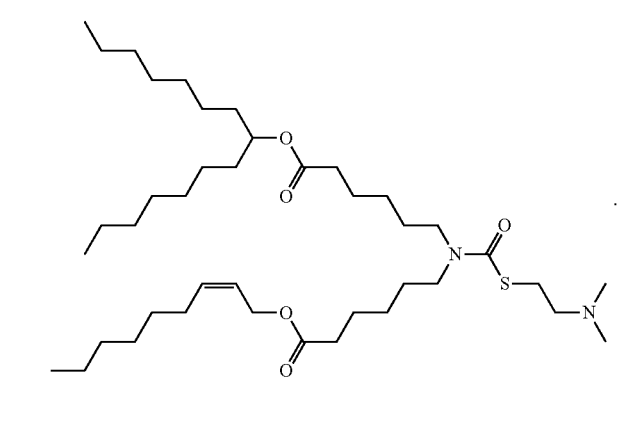
L829 is a novel ionizable cationic lipid specifically engineered for targeted lipid nanoparticles (tLNPs) that enables efficient in vivo delivery of mRNA payloads to CD8+ T cells. Designed to overcome limitations of conventional LNPs, L829 significantly reduces off-target delivery to the liver and exhibits rapid clearance compared to benchmark lipids like ALC-0315, while demonstrating enhanced biodegradability and tolerability in rodent and primate models. When incorporated into CD8-targeted tLNPs, L829 enables preferential transfection of CD8+ T cells over other immune subsets, facilitating the generation of functional anti-CD19 or anti-CD20 CAR T cells directly *in vivo*. These tLNP-engineered CAR T cells mediate rapid, deep B-cell depletion in humanized mice and cynomolgus monkeys, with repopulating B cells exhibiting a naïve phenotype suggestive of immune reset. By eliminating the need for ex vivo manufacturing or lymphodepleting chemotherapy, the L829-tLNP platform represents a safer, scalable approach for accessible CAR T therapy in oncology and autoimmune diseases.

18:1 PEG2000 PE (18:1 PEG-PE) is a polyethyleneglycol/phosphatidyl-ethanolamine conjugate. 18:1 PEG2000 PE can be used for drug delivery.
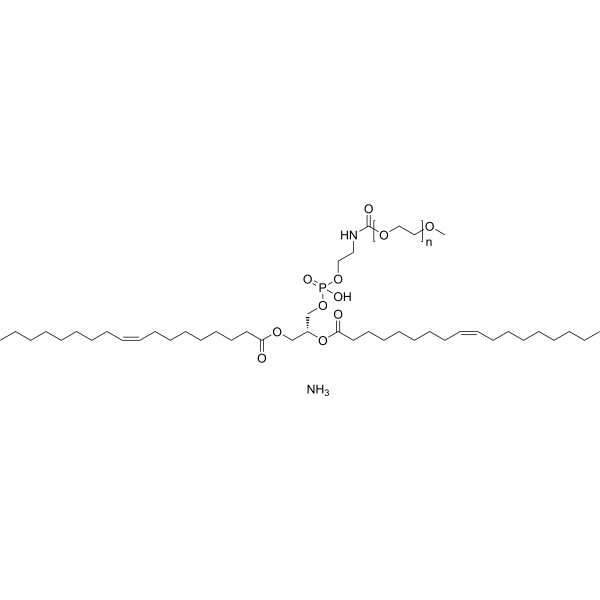
DPPE-PEG2000 (16:0 PEG2000 PE) is a PEG-modified lipids. 16:0 PEG2000 PE can reduce the nonspecific adsorption of protein and prolong circulation time in vivo.
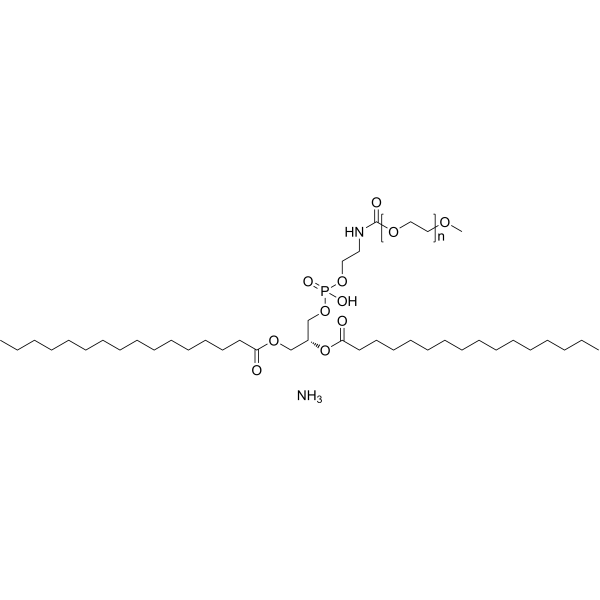
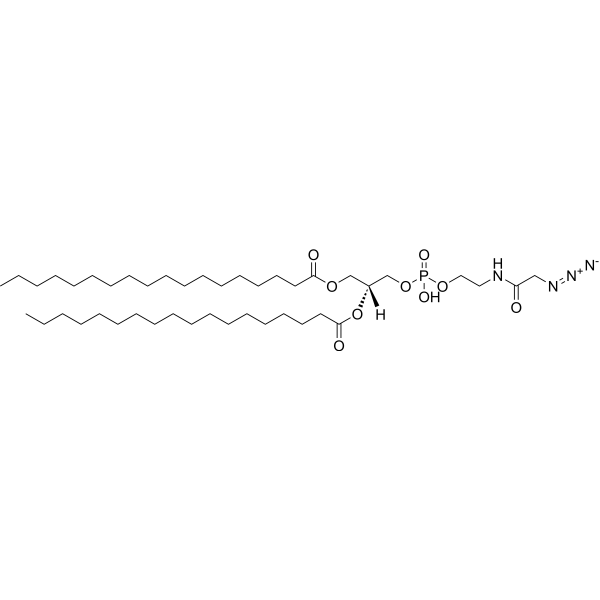
DSPE-N3 is a lipid. DSPE-N3 can be used for the research of various biochemical.
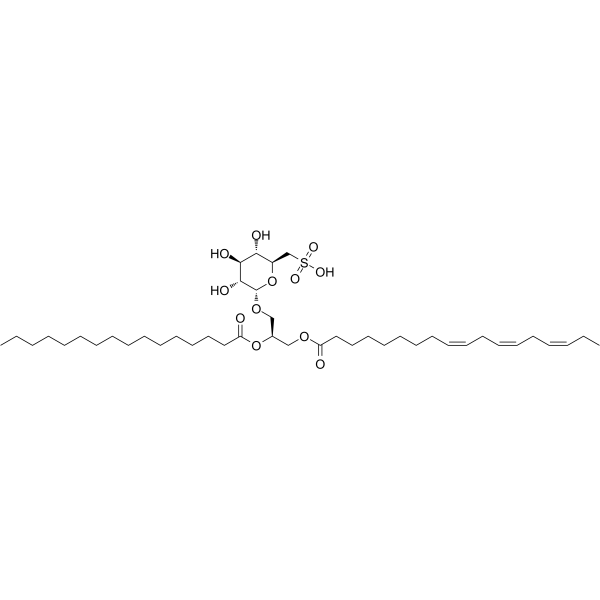
SQDG is a glycolipid that possesses sugar moieties in their head groups. SQDG is a membrane lipid that can be used to investigate the effects of structural lipid in LNP formulations.
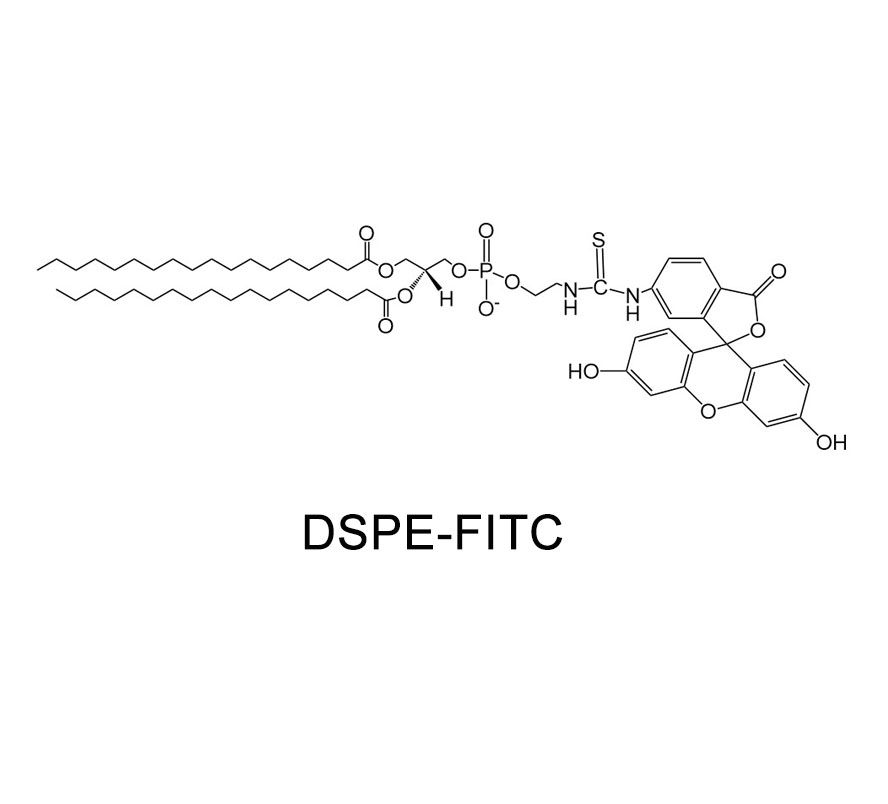
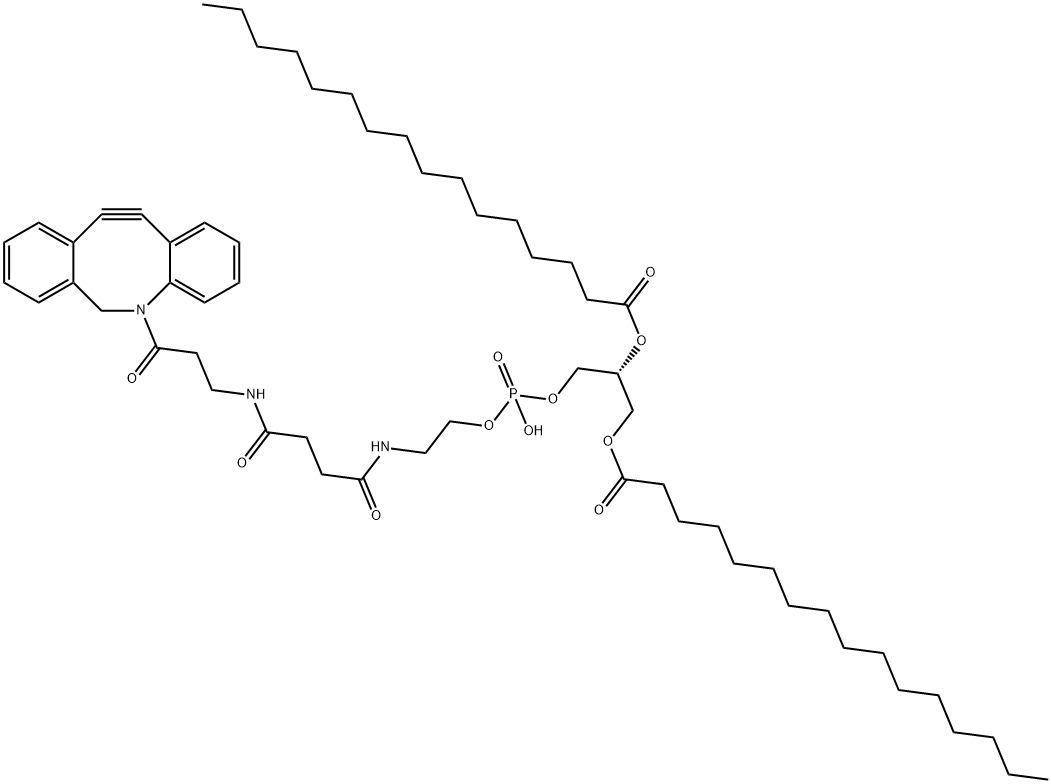
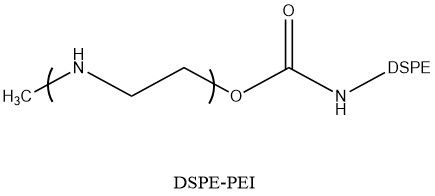
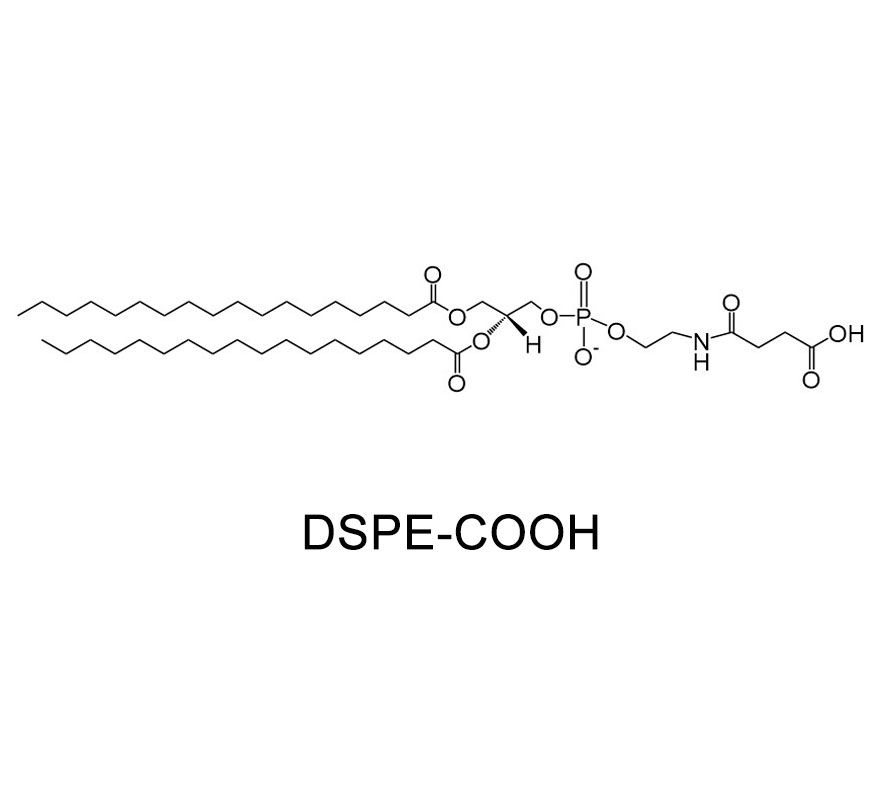
Phospholipids DSPE belong to the lipid family of biopolymers. Phospholipids consist of two fatty acids, a glycerol unit, a phosphate group, and a polar molecule. The phosphate groups and polar head regions of the molecule are hydrophilic (attracted to water), while the fatty acid tail is hydrophobic (repelled by water). When placed in water, the phospholipids Orient themselves into a double layer, where the non-polar tail region faces the inner region of the double layer. The polar head region faces outward and interacts with the water. Applications in drug release, nanotechnology and new materials research, cell culture. As well as ligand research, peptide synthesis support, grafted polymer compounds, new materials and pegylated modified functional coatings and other active compounds.
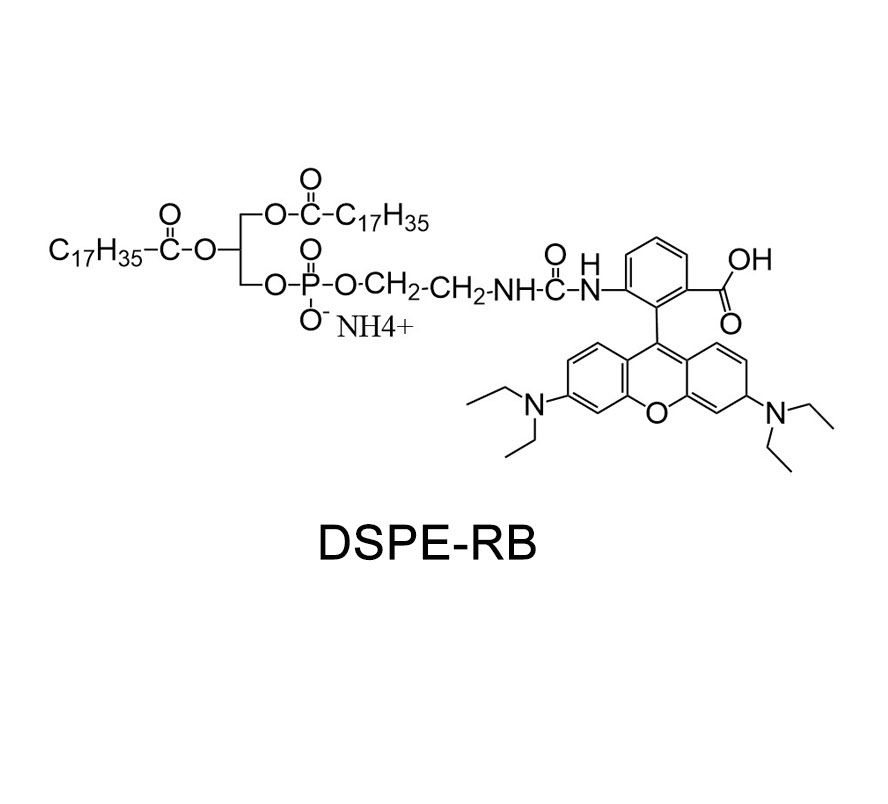
Phosphatidyl amino DSPE-NH2 is one of the most common materials in polymer modification. By grafting phospholipid bonds to amino molecules, polymeric polymers with different chain segments are formed by using phospholipid molecules, which reduces the thermal stability and weather resistance of the materials. At the same time, by introducing modifiers to improve the water resistance of the polymer itself, improve its processing performance, and finally obtain good water resistance, high mechanical properties, good weather resistance, good acid and alkali resistance products. DSPE-NH2 material is mainly composed of isopropyl alcohol butadiene, the isopropyl alcohol butadiene mixture is an aromatic polymer, with strong water absorption, hydrophilicity, and wide molecular weight distribution, good solubility, high mechanical strength characteristics, so the material can be used in many fields.

Phospholipids DSPE belong to the lipid family of biopolymers. Phospholipids consist of two fatty acids, a glycerol unit, a phosphate group, and a polar molecule. The phosphate groups and polar head regions of the molecule are hydrophilic (attracted to water), while the fatty acid tail is hydrophobic (repelled by water). When placed in water, the phospholipids Orient themselves into a double layer, where the non-polar tail region faces the inner region of the double layer. The polar head region faces outward and interacts with the water. Applications in drug release, nanotechnology and new materials research, cell culture. As well as ligand research, peptide synthesis support, grafted polymer compounds, new materials and pegylated modified functional coatings and other active compounds.

Phospholipids DSPE belong to the lipid family of biopolymers. Phospholipids consist of two fatty acids, a glycerol unit, a phosphate group, and a polar molecule. The phosphate groups and polar head regions of the molecule are hydrophilic (attracted to water), while the fatty acid tail is hydrophobic (repelled by water). When placed in water, the phospholipids Orient themselves into a double layer, where the non-polar tail region faces the inner region of the double layer. The polar head region faces outward and interacts with the water. Applications in drug release, nanotechnology and new materials research, cell culture. As well as ligand research, peptide synthesis support, grafted polymer compounds, new materials and pegylated modified functional coatings and other active compounds.

Phospholipids DSPE belong to the lipid family of biopolymers. Phospholipids consist of two fatty acids, a glycerol unit, a phosphate group, and a polar molecule. The phosphate groups and polar head regions of the molecule are hydrophilic (attracted to water), while the fatty acid tail is hydrophobic (repelled by water). When placed in water, the phospholipids Orient themselves into a double layer, where the non-polar tail region faces the inner region of the double layer. The polar head region faces outward and interacts with the water. Applications in drug release, nanotechnology and new materials research, cell culture. As well as ligand research, peptide synthesis support, grafted polymer compounds, new materials and pegylated modified functional coatings and other active compounds.