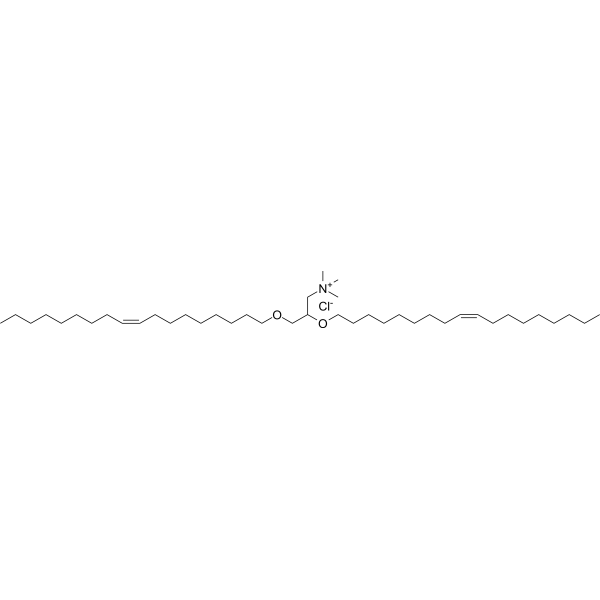
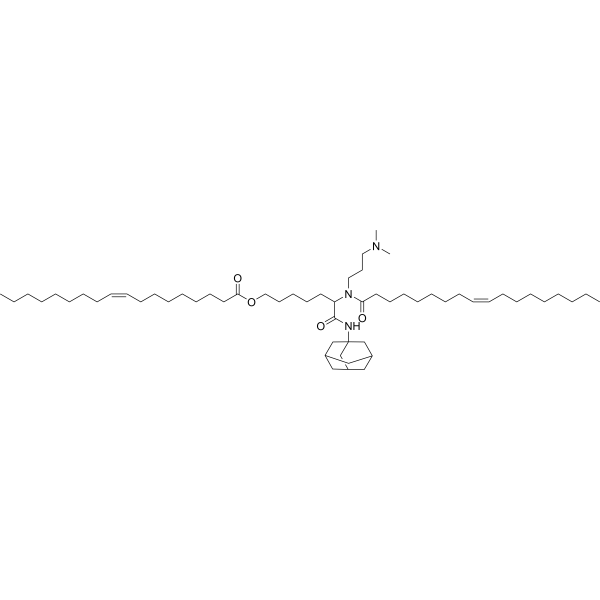
For research use only. We do not sell to patients.
← All classifications
Organ & tissue delivery

Lipids for Spleen Delivery

Find ionizable lipids with reported splenic RNA expression, gene silencing or editing. Compare whole-organ and immune-cell delivery within their documented formulations and administration routes.

51 products currently listedResearch-use products only
Evidence noteCategory membership indicates research relevance. Organ targeting, cell specificity and performance must be verified from the formulation and study conditions cited for each product.
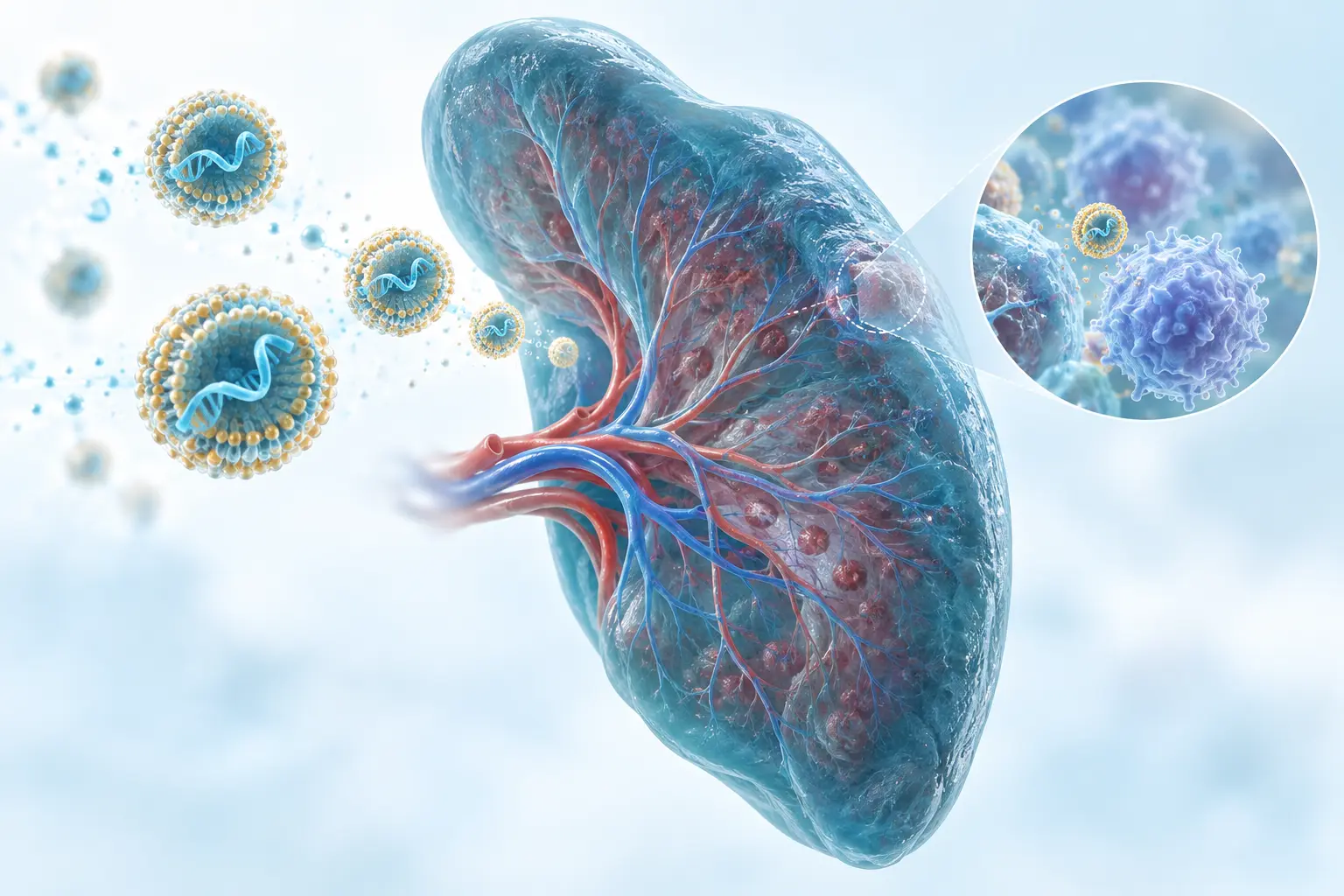
Conceptual illustration of lipid nanoparticles and splenic immune cells
About this lipid class

Lipids for Spleen Delivery in LNP research

Ionizable lipids are central components of many lipid nanoparticle systems for nucleic-acid delivery. During formulation they contribute to cargo association and particle assembly. Lipids designed to remain comparatively neutral near physiological pH can become protonated under acidic endosomal conditions, which may support membrane interaction and cytosolic cargo release.

DC Chemicals provides research-use lipids for candidate screening, formulation development and mechanistic studies. Our capabilities include complex lipid synthesis, purification, analytical release and process-development support; product-specific commercial specifications remain separate from any literature-reported formulation or biological performance.

Proprietary innovation · Co-development · GMP

From proprietary lipid design to GMP-grade custom synthesis

DC Chemicals has independently developed ionizable-lipid structures supported by company-owned intellectual property, and selected proprietary lipid programs have advanced to GMP-stage development.

We welcome joint development with customers—from molecular design and lipid synthesis through route and process development. We can also support custom synthesis of GMP-grade ionizable lipids to agreed technical specifications and quality requirements.

Discuss a co-development project →
Proprietary ionizable-lipid structuresCollaborative molecular designCustom lipid synthesisProcess development and scale-upGMP-grade project support
Browse this category

Lipids for spleen delivery

51 products · 20 per page
Cat. No.Product NameField of ApplicationChemical Structure
CQ-12Featured
Price on request

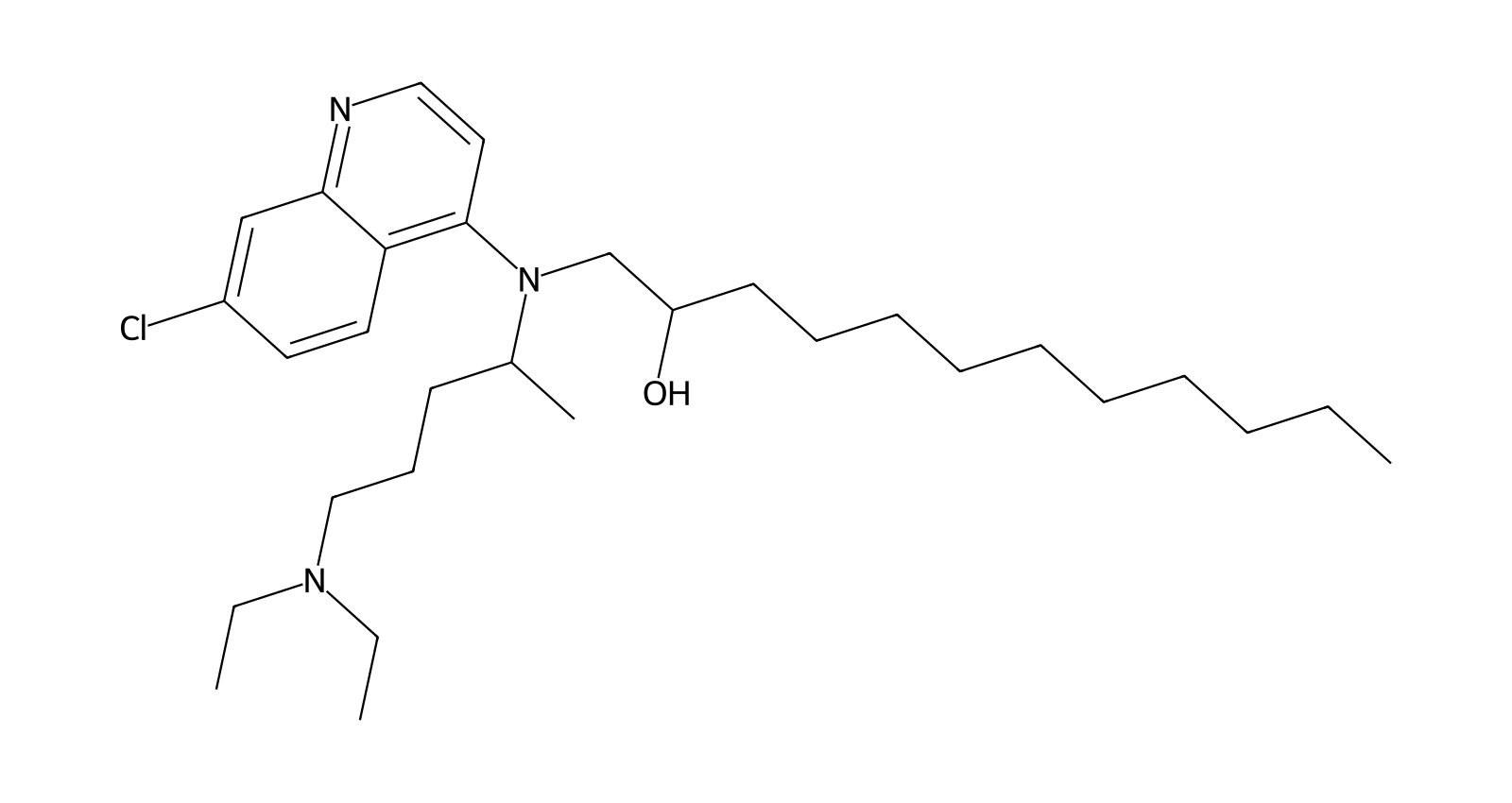
CQ-12 (CQ12) is a chloroquine-derived, autophagy-inhibitory lipidoid containing a 7-chloroquinoline headgroup and a hydroxyl-bearing C12 lipid chain. It was selected from the CQ6–CQ18 series for incorporation into autolysosomal degradation-inhibitory lipid nanoparticles (AUDI-LNPs). Replacing 30% of the SM-102 molar fraction with CQ-12 produced a five-component formulation containing 15 mol% CQ-12 and increased luciferase expression approximately 5.3-fold in HEK293T cells under the reported conditions. The study also evaluated CQ-12-substituted MC3 and ALC-0315 formulations, subcutaneous and intravenous mRNA delivery, and local intratracheal delivery. IL-10 and TGF-β mRNA formulations were investigated in mouse models of psoriasis and acute lung injury, respectively. CQ-12 supports research into autophagy-modulating LNPs and cytokine mRNA delivery.

CQ-12 chemical structure
U-510Featured
Price on request

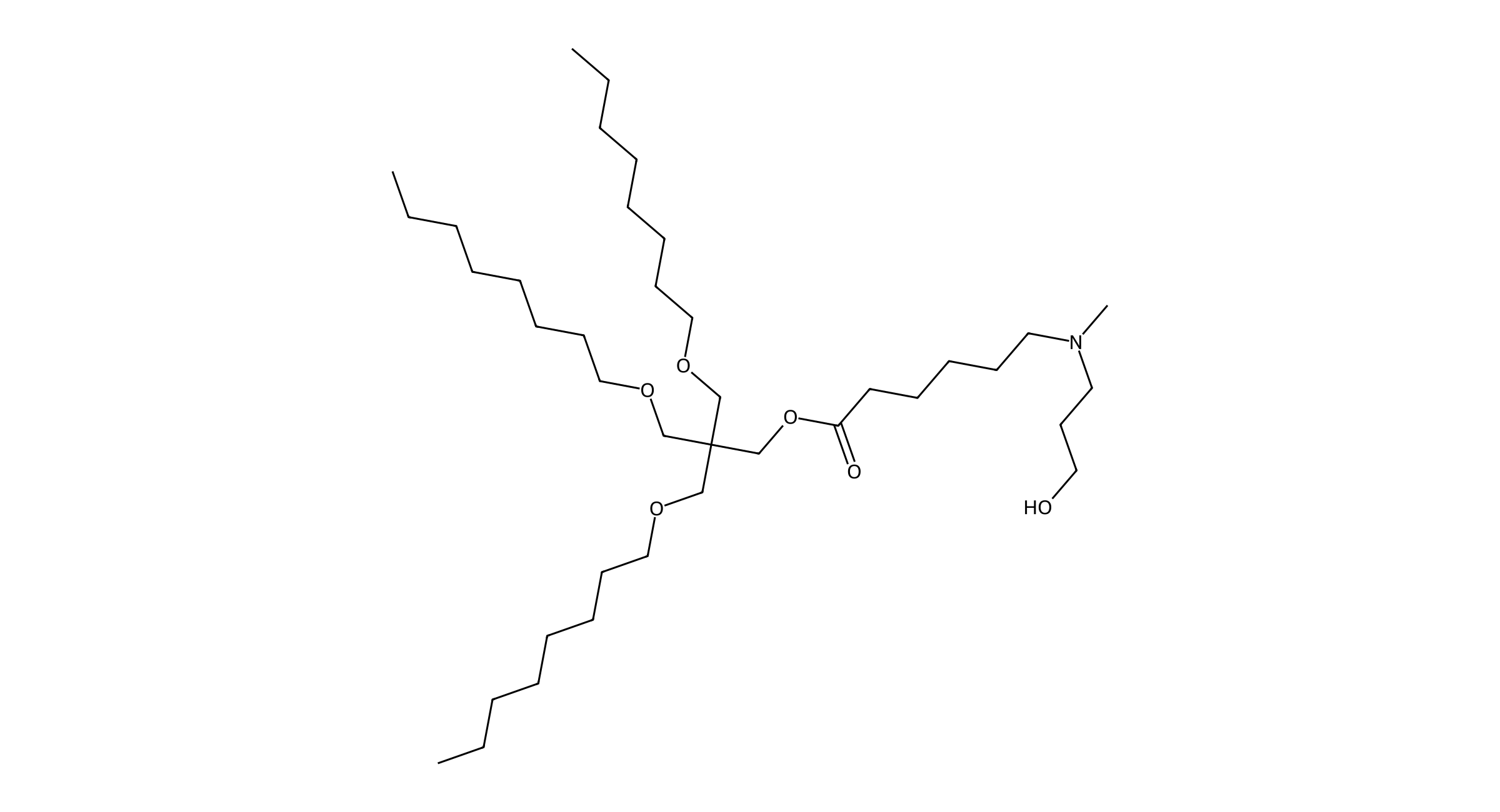
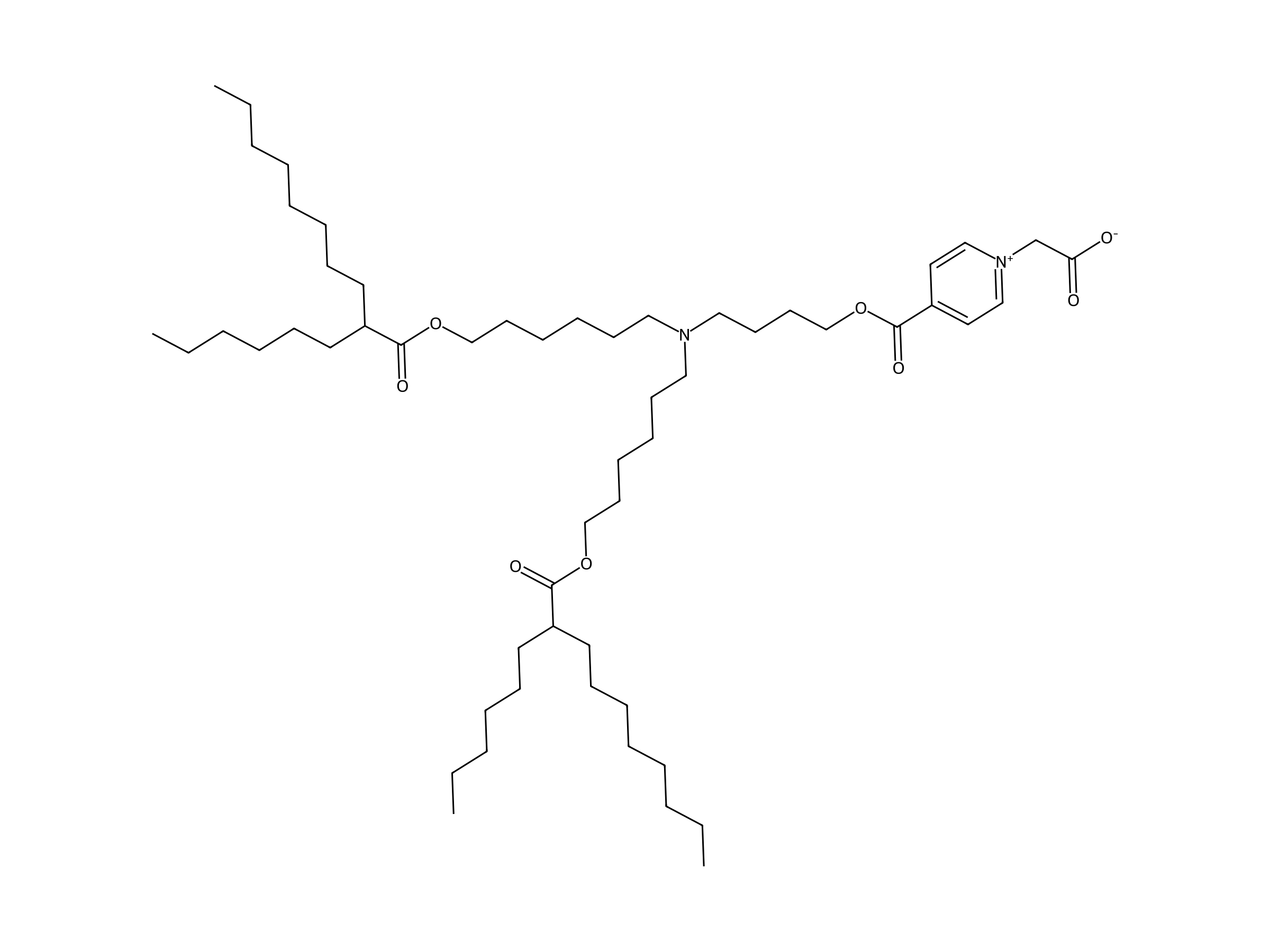
U-510 is a three-tail Janus dendritic ionizable lipid containing an N-methyl tertiary amine, a hydroxypropyl head segment, an ester linker and three C8 ether-linked hydrophobic tails. In an intravenous luciferase-mRNA study in BALB/c mice, it showed a spleen-biased organ-expression profile within the U-509–U-512 series. The authors reported 52% spleen-targeting efficiency in the context of liver and spleen luminescence at 3 hours after 0.5 mg/kg mRNA; this is not a percentage of transfected spleen cells or injected dose. The U-510 LNP formulation had a reported size of 113 nm, PDI of 0.146, apparent LNP pKa of 6.38 and encapsulation efficiency of 87.88%. It supports preclinical evaluation of splenic mRNA expression rather than maximum whole-animal expression.

U-510 chemical structure
503O8,12Featured

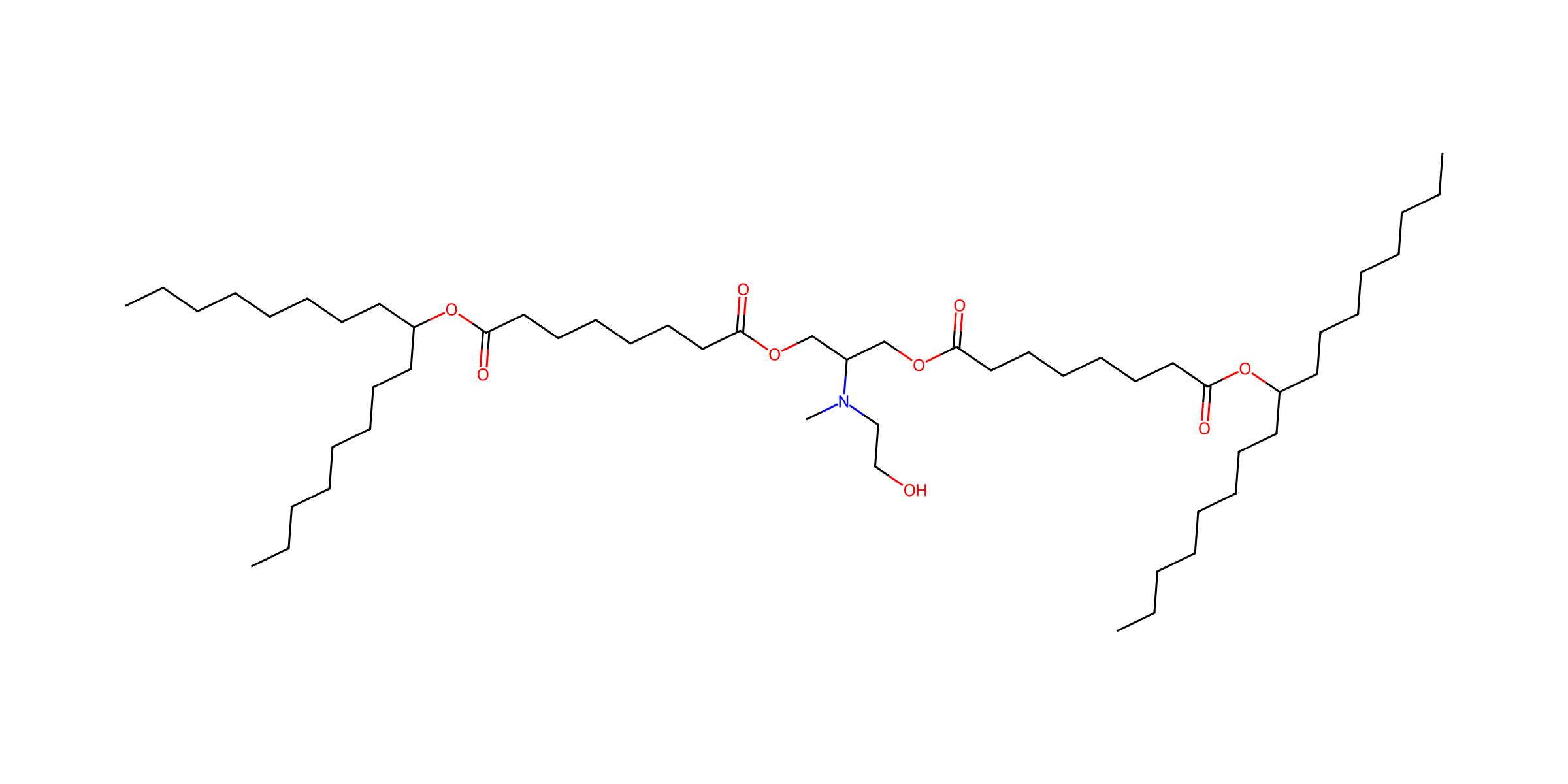
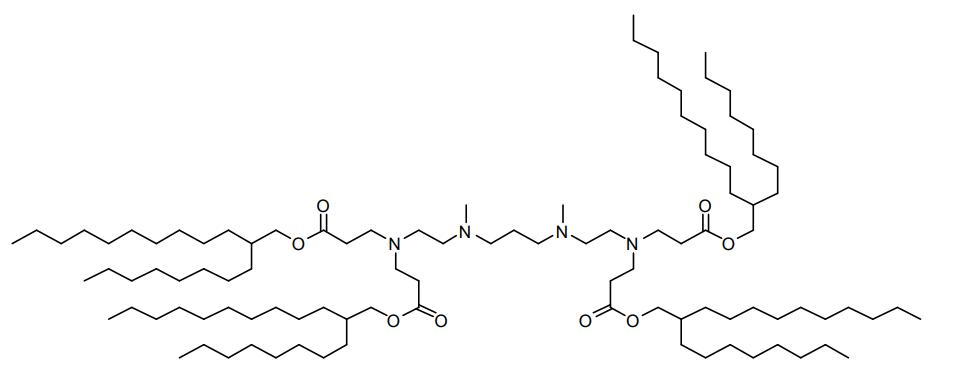
503O8,12 is a branched-tail ionizable lipidoid prepared from amine head 503 and saturated 2-octyldodecyl acrylate. In a four-component, DOPE-containing LNP, it produced predominantly splenic reporter expression after intravenous mRNA administration in mice. It is a research candidate for extrahepatic mRNA formulation screening; cell-specific spleen delivery and therapeutic efficacy were not established in this study.

503O8,12 chemical structure
Lipid TOT-5Featured

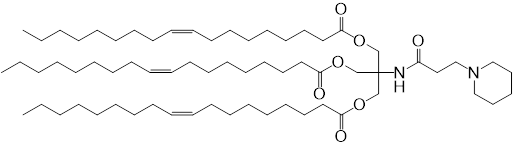
​TOT-5​​, a tri-oleoyl-Tris ionizable lipid (pKa 6.2), enables splenic B cell-targeted mRNA delivery via 15% DSPC-incorporated LNPs. Its charge-neutral, hydrophobic surface minimizes hepatic ApoE uptake and enhances complement C3 adsorption, facilitating CD21/35-mediated uptake by marginal zone B cells. In vivo, intravenous 15%DSPC-LNPs showed 8-fold higher spleen-to-liver luciferase expression vs 3%DSPC, with anti-CD21/35 blocking 60% B cell uptake. Intramuscular administration induced robust OVA-specific IgG (10^5 titer) and CTL responses (3.5% tetramer+ CD8+ T cells) while reducing hepatotoxicity (ALT/AST levels ≤40 U/L vs SM-102-LNPs' 80-120 U/L). Cryo-ET confirmed stable lamellar structures (80-100 nm, ζ-potential -2 mV). This formulation achieves safe, ligand-free splenic targeting for mRNA vaccines.

Lipid TOT-5 chemical structure
CL15F 7-5Featured

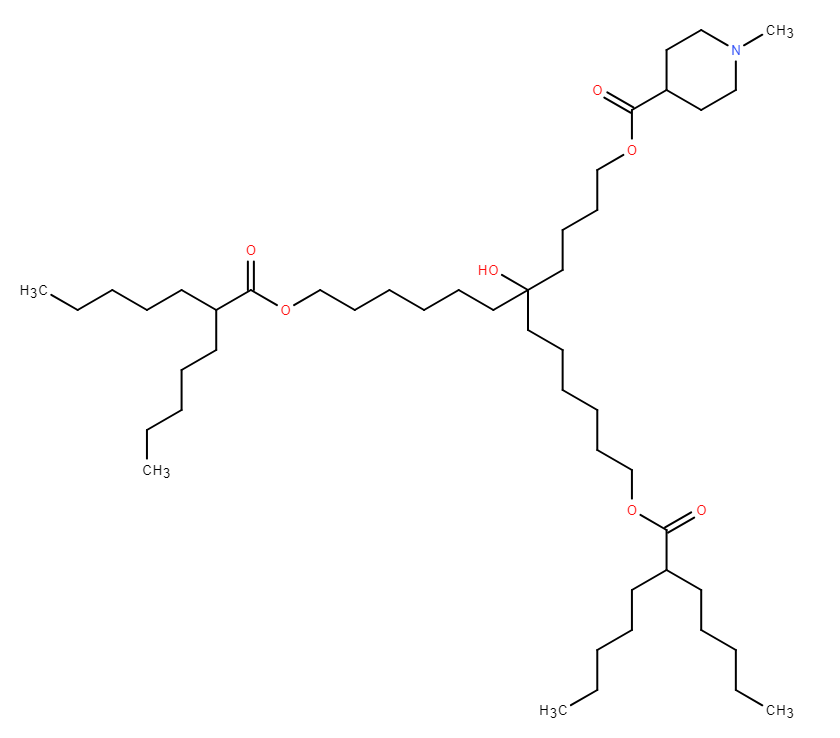
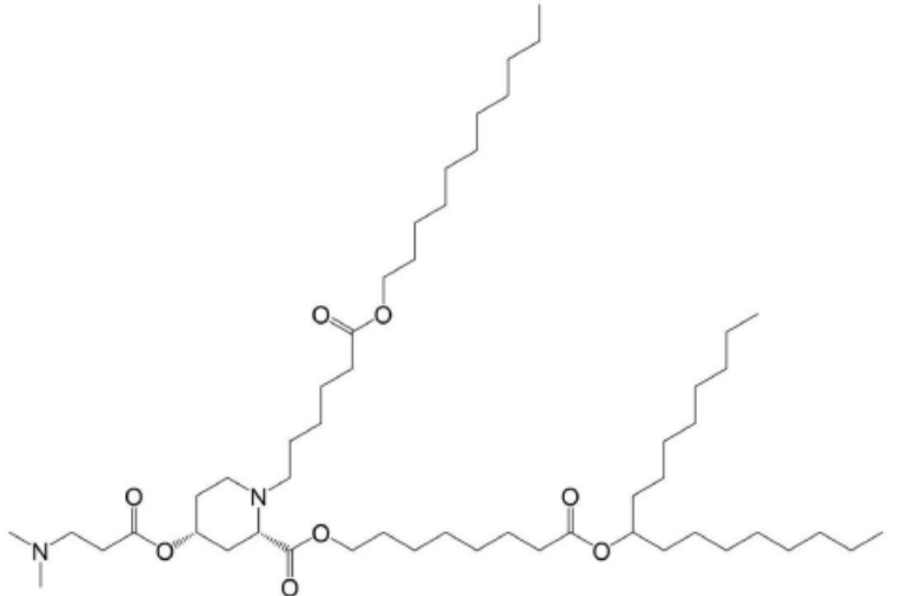
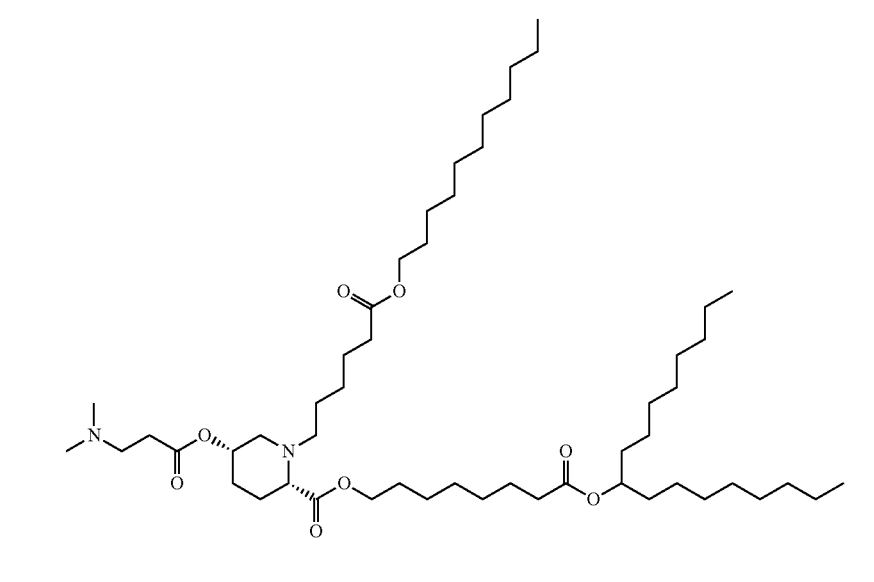
CL15F 7-5 is a piperidine-based ionizable lipid from the CL15F library, characterized by a symmetrically branched tail structure with a 7-carbon main chain and a 5-carbon side chain. This moderate tail length positions it between short-tail (e.g., CL15F 6-4) and long-tail (e.g., CL15F 14-12) variants, granting it a unique balance in mRNA delivery properties. Its LNPs exhibit optimized organ selectivity, enabling significant mRNA expression in both the spleen and muscle, as demonstrated by in vivo luciferase assays following intravenous and intramuscular administration. This lipid structure facilitates a favorable DSPC surface density on LNPs, which moderates interactions with serum proteins like ApoE, thereby reducing rapid hepatic clearance and promoting extrahepatic delivery. In vaccine applications, CL15F 7-5 LNPs encapsulating SARS-CoV-2 RBD mRNA elicited robust anti-RBD IgG titers and neutralizing antibodies in mice, outperforming the clinically benchmarked SM-102 lipid. The piperidine headgroup further contributes to storage stability by minimizing the generation of aldehyde impurities that can form mRNA-lipid adducts. Consequently, CL15F 7-5 represents a versatile lipid for developing stable, spleen-targeted mRNA vaccines and therapeutics, leveraging tail-length engineering for enhanced efficacy without complex formulation changes.

CL15F 7-5 chemical structure
CICL-207Featured

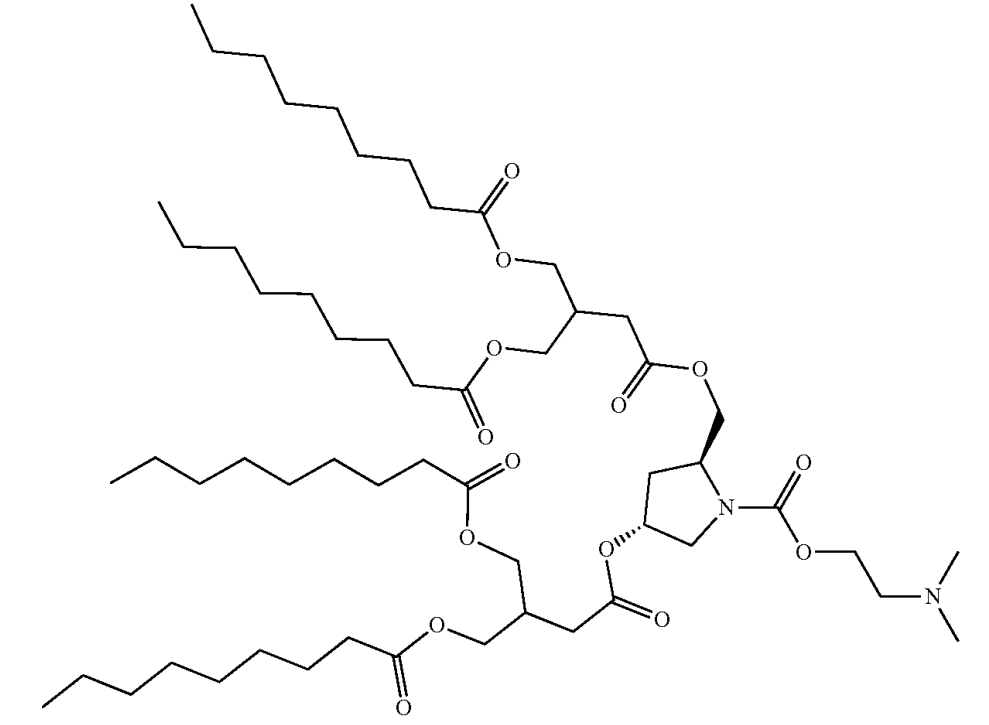
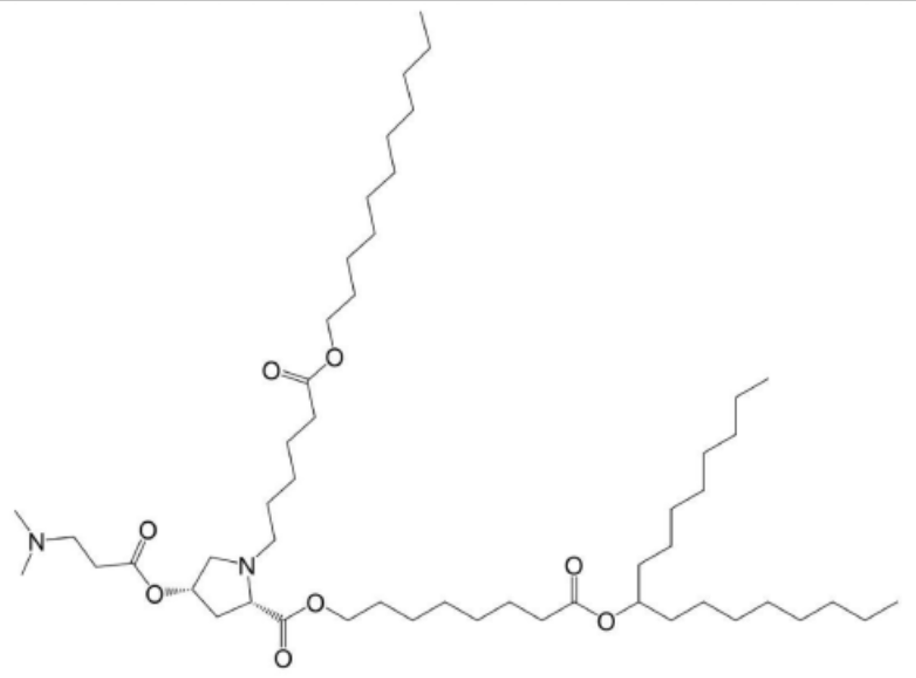
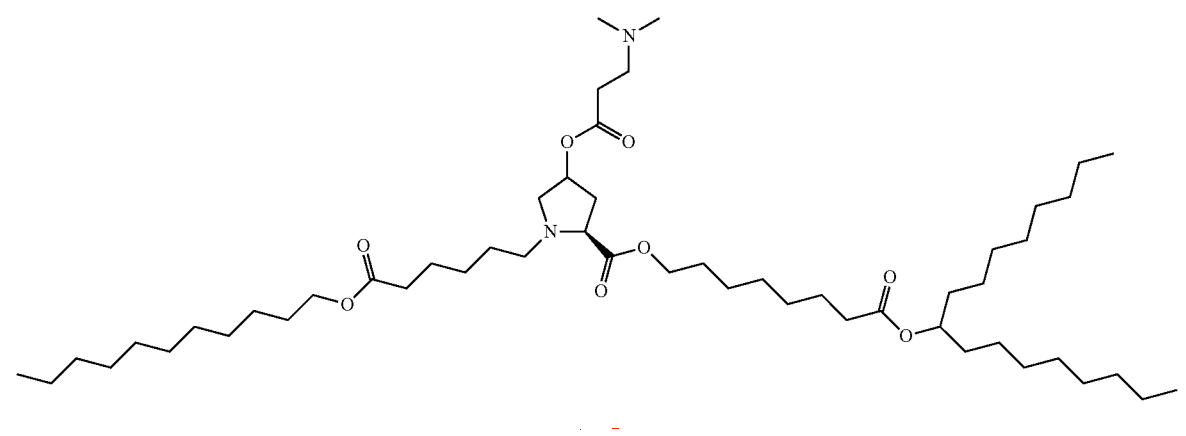
CICL 207 is structurally optimized based on Lipid CICL-1. CICL207​​ is a constrained ionizable cationic lipid designed for lipid nanoparticle (LNP) delivery systems developed by Capstan. Its structure features a ​​rigid cyclic backbone​​ (e.g., pyrrolidine-derived core) paired with a ​​tertiary amine group​​ that ionizes at acidic pH (pKa ~6.5–7.0), enhancing endosomal escape. The lipid includes ​​asymmetric hydrophobic tails​​ (likely C14–C18 alkyl/ester chains) to stabilize LNP membranes and improve nucleic acid encapsulation. Integrated into LNPs (e.g., 58% CICL-207, 10% DSPC, 30.5% cholesterol, PEG-lipids), it enables targeted delivery to T cells (anti-CD5/CD8 tLNPs) with ​​high transfection efficiency​​ (spleen T cells >70% mCherry+), ​​reduced liver uptake​​, and ​​low toxicity​​ (no significant ALT/AST elevation in rats). Its constrained design balances stability, tissue specificity, and biocompatibility for gene therapy applications.CICL 207 (F50) significantly outperforms CICL-1 by delivering dramatically enhanced target cell transfection with reduced off-target effects. It achieves >50% transfection efficiency in splenic T-cells—nearly double that of CICL-1—while slashing off-target expression in liver cells to <5% (versus >15% for CICL-1. This precision translates to superior therapeutic outcomes: CICL-207 enables ~95% B-cell depletion in CAR-T applications, far exceeding CICL-1 ’s ~60% efficacy. Critically, it maintains an exceptional safety profile, showing no significant liver toxicity or inflammatory cytokine elevation even at high doses. Furthermore, CICL-207 demonstrates 2-fold higher transfection efficiency in hematopoietic stem cells, enabling robust gene editing. Its optimized pKa (~6.5) and constrained amine structure enhance endosomal escape while minimizing Kupffer cell uptake, making it ideal for targeted therapeutics requiring both potency and safety.​

CICL-207 chemical structure
Lipid PL40Featured

PL-40​​ is a ​​cardiolipin-mimetic ionizable lipid​​ engineered for high-efficiency, antibody-free mRNA delivery to T cells. PL 40 LNPs exhibit a mean particle size of ​​120 nm​​, zeta potential of ​​-5.19 mV​​, and >80% mRNA encapsulation efficiency, with excellent plasma stability (≤5% size change after 6h in serum). Cryo-TEM reveals ​​polyhedral nanoparticles​​ with phase-separated domains, while SAXS confirms tight mRNA packing (d-spacing: ​​~3 nm​​ vs. 6.64 nm in conventional LNPs). AFM demonstrates exceptional rigidity (high bending modulus), enabling T cell-selective uptake via actin-mediated endocytosis (>2× higher than ALC0315 LNPs).In primary human T cells, PL40 LNPs achieve ​​>90% transfection​​ at 0.5 μg mRNA dose and sustain >100× higher luciferase expression than benchmark lipids. When delivering circular RNA, they extend protein expression ​​>5 days​​ with superior spleen tropism (spleen:liver ratio = ​​2.63​​). Crucially, they reprogram T cells into functional CAR-Ts in vivo without antibody conjugation, evading exhaustion markers (no Tim-3/PD-1 upregulation). Therapeutically, PL40-based uPAR-targeted CAR mRNA reduces liver fibrosis (​​collagen↓50%​​, ALT↓50%) and rheumatoid arthritis severity (​​clinical scores↓60%​​) by clearing senescent cells. Humanized anti-uPAR CARs delivered via PL40 show near-complete cytotoxicity (>95%) against uPAR+ cells, underscoring clinical translatability.

Lipid PL40 chemical structure
PyCB lipidFeatured

PyCB lipid (MeDZ) is a rationally designed zwitterionic ionizable lipid that serves as a core functional component in the novel three-component (ThrCo) lipid nanoparticle (LNP) platform. It is synthesized by covalently attaching a zwitterionic PyCB structure to the hydroxyl group of the clinically available ionizable lipid ALC-0315.Its key feature is its pH-responsive behavior. At physiological pH (~7.4), the PyCB headgroup exhibits zwitterionic properties, forming charge-assisted hydrogen bonds with water molecules (PyCB-H₂O complexes). This confers high hydrophilicity to the LNP surface, enhancing stability in aqueous environments and reducing nonspecific protein adsorption in the bloodstream. This zwitterionic surface effectively mimics and replaces PEGylated lipids, thereby avoiding PEG immunogenicity and the associated Accelerated Blood Clearance (ABC) effect upon repeated administrations.Crucially, in the acidic environment of endosomes (pH ~6.5), the PyCB group undergoes strong protonation, rapidly transforming into a cationic state (PyCB-H₃O⁺ complexes). This promotes efficient fusion with and disruption of the endosomal membrane, facilitating the escape and cytoplasmic release of encapsulated mRNA.By replacing both cholesterol and PEGylated lipids in traditional LNPs, PyCB lipid enables the redirection of LNP biodistribution from the liver to the spleen, achieving superior spleen-specific mRNA translation and enhancing antigen presentation for potent immune activation.

PyCB lipid chemical structure
AMG514Featured

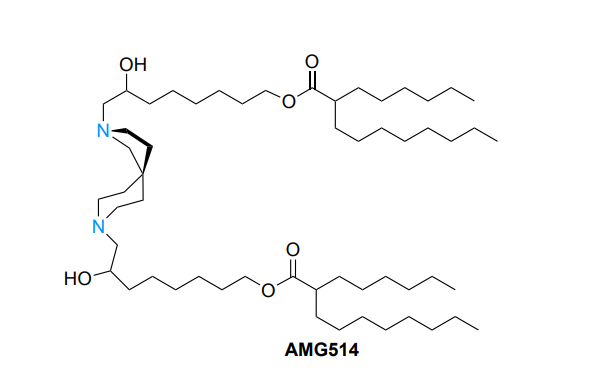
AMG514 is a novel ionizable lipid designed for formulating spleen-targeting lipid nanoparticles (LNPs) to deliver immune‑remodeling mRNAs (IR‑mRNAs). Its key advantage lies in the formation of a unique “protein corona” enriched with vitronectin, coagulation factors, and specific apolipoproteins (e.g., ApoA‑IV), together with its relatively high apparent pKa (~7.5), which actively redirects LNPs to the spleen instead of the liver. This precise spleen‑targeting property enables efficient transfection of splenic antigen‑presenting cells (APCs). As a vaccine adjuvant, AMG514‑LNPs therefore elicit a more robust activation of adaptive immunity compared to conventional LNPs (e.g., cKK‑E12), generating significantly enhanced antigen‑specific CD8⁺ T‑cell and antibody responses, and inducing durable anti‑tumor immune memory in preclinical models.

AMG514 chemical structure
CF3-2N6-UC18Featured

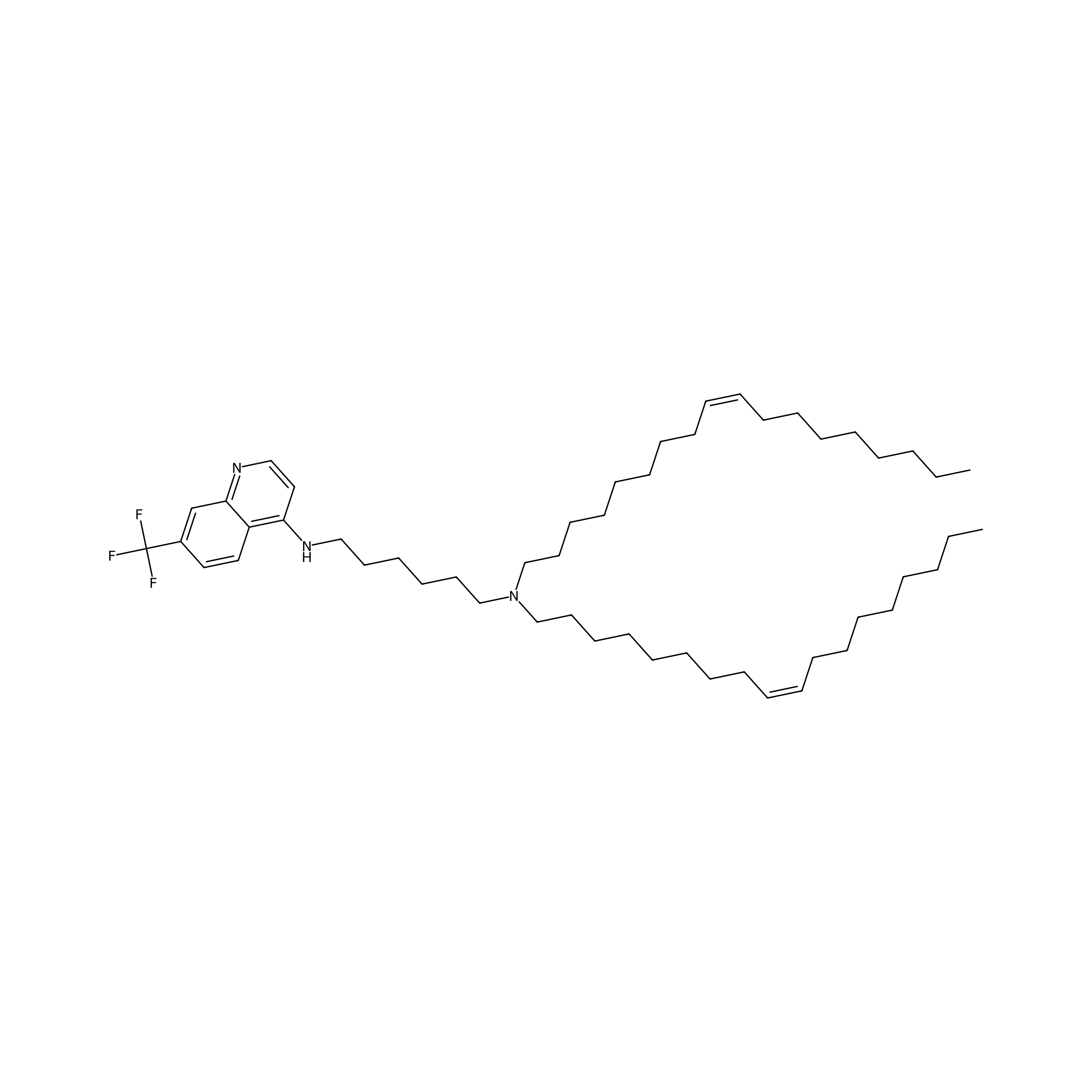
CF3-2N6-UC18​​ is a rationally designed chloroquine-inspired ionizable lipid that enables robust mRNA delivery and genome editing. It integrates three modular components: a 7-trifluoromethyl-substituted quinoline scaffold (mimicking chloroquine’s endosomolytic properties), a hexamethylenediamine linker with two ionizable nitrogen atoms (pH-responsive protonation), and two unsaturated oleyl (C18:1) hydrophobic tails (enhancing membrane fusion and nanoparticle stability). This lipid self-assembles into ecoLNPs (endosomolytic chloroquine-like lipid nanoparticles) with spherical morphology (~200 nm diameter, 98% mRNA encapsulation). Its pH-sensitive activity triggers endosomal escape through dual mechanisms: ​​proton sponge effect​​ (buffering endo-lysosomal pH) and ​​saposin B-mediated membrane disruption​​ (molecular docking confirms chloroquine-like binding to lysosomal saposin B). In vitro, ecoLNPs outperform commercial reagents (18.9-fold higher mRNA delivery than Lipofectamine 2000) and penetrate 3D cell models. They resist serum/RNase degradation and retain >90% activity after 7-day storage at 4°C. In vivo, ecoLNPs achieve tissue-specific mRNA expression via multiple routes (intravenous, intramuscular, etc.), with strong lymph node tropism (90.2% after intramuscular injection) comparable to SM-102 LNPs (Moderna’s COVID-19 vaccine carrier). They mediate efficient Cre mRNA-driven recombination and CRISPR-Cas9 editing in transgenic mice. CF3-2N6-UC18’s modular design, stability, and dual endosomal escape strategies position it as a versatile platform for mRNA vaccines, gene therapy, and genome editing applications.

CF3-2N6-UC18 chemical structure
2Ac3-C18Featured
25mg $600 · 50mg $900 · 100mg $1,350

2Ac3-C18 is a core-degradable ionizable lipid with two ester-linked branches, two tertiary amines and two C18 alkyl tails. Its four-component LNPs, formulated with DOPE, cholesterol and DMG-PEG2000, showed spleen-selective reporter-mRNA expression after intravenous administration in mice.

2Ac3-C18 chemical structure
113-AA-C8C14Featured

113-AA-C8C14 is a spleen-tropic ionizable lipid with inherent splenic organ selectivity. Its formulated LNPs drastically reduce off-target liver uptake and drive 57-fold higher mRNA expression in spleen versus benchmark LNPs. It preferentially delivers nucleic acids to splenic immune cells like macrophages and T lymphocytes, supporting in vivo CAR-T engineering and mRNA vaccine research with minimal accumulation in other visceral organs.

113-AA-C8C14 chemical structure

​​L829​​ is a ​​novel ionizable cationic lipid​​ specifically engineered for ​​targeted lipid nanoparticles (tLNPs)​​ that enables efficient in vivo delivery of mRNA payloads to ​​CD8+ T cells​​. Designed to overcome limitations of conventional LNPs, L829 significantly ​​reduces off-target delivery to the liver​​ and exhibits ​​rapid clearance​​ compared to benchmark lipids like ALC-0315, while demonstrating ​​enhanced biodegradability and tolerability​​ in rodent and primate models. When incorporated into CD8-targeted tLNPs, L829 enables ​​preferential transfection of CD8+ T cells​​ over other immune subsets, facilitating the generation of functional ​​anti-CD19 or anti-CD20 CAR T cells directly *in vivo​​*. These tLNP-engineered CAR T cells mediate ​​rapid, deep B-cell depletion​​ in humanized mice and cynomolgus monkeys, with repopulating B cells exhibiting a naïve phenotype suggestive of immune reset. By eliminating the need for ex vivo manufacturing or lymphodepleting chemotherapy, the L829-tLNP platform represents a ​​safer, scalable approach​​ for accessible CAR T therapy in oncology and autoimmune diseases.

​​L829 chemical structure

Study context & references

LipidReported research contextSource & study details
CQ-12
DCL0019
Mouse IV study: CQ-12 was a co-lipid in an SM-102-containing formulation that expressed reporter RNA in liver and spleen.[1] Source
Figure 6J–L; SI Figure S29
U-510
DCL0016
Mouse IV study: U-510 supported splenic reporter expression at 0.5 mg/kg and 3 h, with concurrent hepatic expression.[2] Source
Figure 2g; section 3.3
Lipid 43
DCL0003
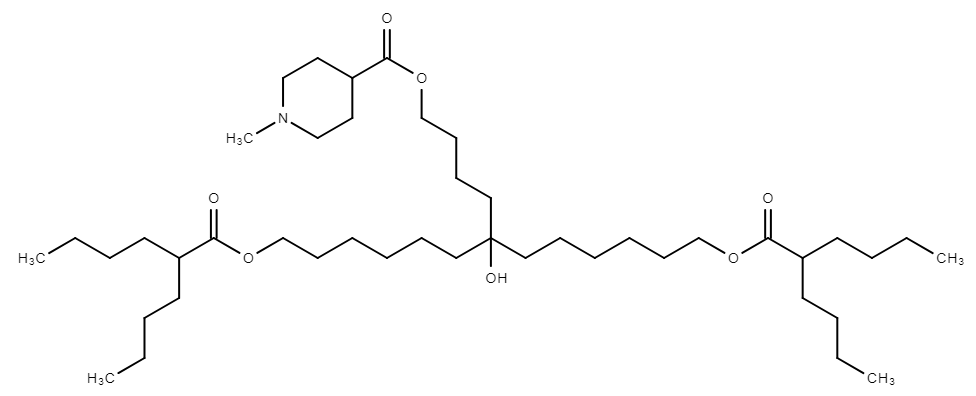
Patent-stage mouse IV luciferase study: TMF30 produced spleen-predominant reporter expression, with measurable liver expression.[3] Source
Table 5; paragraph [0517]; TMF30 compound 43
503O8,12
DC60808
Mouse IV luciferase study: predominantly splenic expression at 3 h with the reported DOPE-containing four-component formulation.[4] Source
Section 2.3; Figures 2B and 3C
Lipid TOT-5
DC60821
Mouse IV study: TOT-5 LNPs containing 15 mol% DSPC supported splenic B-cell mRNA delivery; organ targeting depended on helper-lipid content.[5] Source
Abstract; DSPC-content and B-cell-targeting experiments
CL15F 7-5
DC60910
Patent-stage mouse IV study: the specified CL15F lipid supported splenic and hepatic luciferase expression at 0.1 mg/kg and 6 h.[6] Source
Table 7; paragraphs [0124] and [0129]–[0133]
CICL-207
DC67515
Patent-stage IV studies: antibody-targeted LNPs supported reporter/CAR expression in splenic T cells. This is targeted-formulation evidence, not intrinsic spleen selectivity.[7] Source
Examples 66–67; Figures 1–7; anti-CD5/anti-CD8 targeted LNP studies
Lipid PL40
DC67553
Mouse IV study: PL40 formulations expressed linear and circular reporter RNA in spleen; spleen:liver expression ratios differed by RNA format.[8] Source
Figure 3B
PyCB lipid
DC67605
Mouse IV study: three-component ThrCo LNPs supported splenic luciferase expression; reporter translation was assessed separately from dye accumulation.[9] Source
Figure 2J–M; SI Figure S6
AMG514
DC68141
Mouse IV study: AMG514 LNPs supported spleen-biased reporter expression and functional delivery to splenic antigen-presenting cells.[10] Source
Main text p.9; Extended Data Figure 4c,d; Ai14/Cre reporter experiment
CICL-1 (L829)
DC99010
Patent-stage IV studies: antibody-targeted LNPs supported reporter/CAR expression in splenic T cells. This is targeted-formulation evidence, not intrinsic spleen selectivity.[7] Source
Examples 66–67; Figures 1–7; anti-CD5/anti-CD8 targeted LNP studies
DLin-MC3-DMA
DC10800
Mouse IV study: mixed MC3/12T-O14 LNPs supported splenic functional delivery at a 10:1 lipid:RNA mass ratio; changing composition/ratio changed organ preference.[11] Source
Figures 5–6; mixed MC3/12T-O14 formulations
DOTAP
DC33636
Mouse IV study: DOTAP acted as a permanently cationic SORT co-lipid; intermediate proportions shifted reporter expression toward spleen, while higher proportions favored lung.[12] Source
Figure 1b,c; DOTAP molar-fraction series
5A2-SC8
DC49907
Mouse IV study: 5A2-SC8-based LNPs containing an anionic 18PA SORT lipid supported splenic mRNA expression and functional gene delivery.[12] Source
Figures 2–3; spleen-SORT formulation
93-O17S
DC53130
Mouse IV study: 93-O17S LNPs supported functional Cre-mRNA delivery to splenic CD4+ and CD8+ T cells.[13] Source
Figures 10A–C and 12; Cre-mRNA splenocyte flow cytometry
C12-200
DC58046
Mouse IV reporter study: C12-200 was tested in an 18PA-containing spleen-SORT formulation; the result belongs to that mixture.[11] Source
Spleen-SORT comparator; Supplementary Table 3
DOTMA
DC60213
Mouse IV study: permanently cationic DOTMA/DOPE RNA lipoplexes supported splenic expression; targeting depended on lipid:RNA charge ratio.[14] Source
Figure 1; Extended Data DOTMA/DOPE charge-ratio organ-expression experiments
Lipid 119-23
DC60605
Mouse IV study: 119-23 LNPs supported splenic luciferase expression and Cre-reporter delivery to splenic dendritic cells and macrophages; liver delivery was also observed.[15] Source
Example 4; Figures 4F, 4J and 14
CF3-2N6-UC18
DC60843
Mouse IV reporter study: expression in both liver and spleen. The separate intramuscular lymph-node study does not establish IV spleen selectivity.[16] Source
Figure 6a; IV organ-expression comparison
DMA4-H228
DC60856
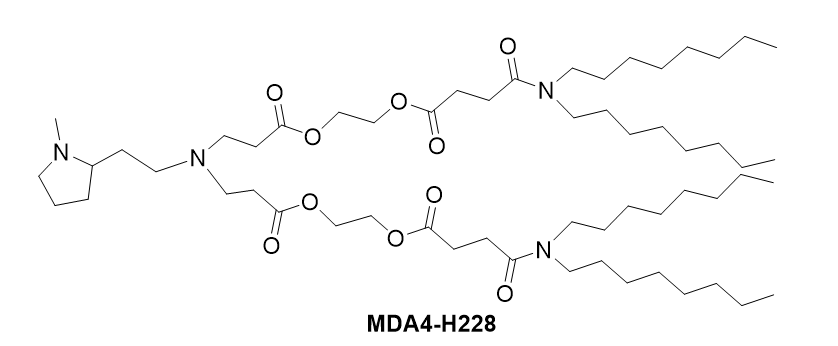
Mouse IV FLuc study: spleen-dominant reporter expression at 6 h; the plotted organ-expression fraction is not percent injected dose.[17] Source
Figure 1D–E; main PDF p.4
Lipid H5T5
DC60925
Mouse IV study: H5T5 LNPs supported splenic reporter expression and CAR expression across several splenic immune-cell populations.[18] Source
Figure 3A–F
Lipid 2306
DC60928
Patent-stage mouse IV FLuc/EPO study: the specified four-component LNP showed splenic reporter expression exceeding liver expression at 4–6 h.[19] Source
Examples 7 and later in-vivo bioluminescence tables; exact compound row
Lipid 2310
DC60929
Patent-stage mouse IV FLuc/EPO study: the specified four-component LNP showed splenic reporter expression exceeding liver expression at 4–6 h.[19] Source
Examples 7 and later in-vivo bioluminescence tables; exact compound row
CL15F6
DC65851
Patent-stage mouse IV study: the specified CL15F lipid supported splenic and hepatic luciferase expression at 0.1 mg/kg and 6 h.[6] Source
Table 7; paragraphs [0124] and [0129]–[0133]
Lipid 2231
DC67555
Patent-stage mouse IV FLuc/EPO study: the specified four-component LNP showed splenic reporter expression exceeding liver expression at 4–6 h.[19] Source
Examples 7 and later in-vivo bioluminescence tables; exact compound row
Lipid 2308
DC67556
Patent-stage mouse IV FLuc/EPO study: the specified four-component LNP showed splenic reporter expression exceeding liver expression at 4–6 h.[19] Source
Examples 7 and later in-vivo bioluminescence tables; exact compound row
CL15F 6-4
DC67812
Mouse IV study: CL15F 6-4 LNPs supported increased absolute and relative splenic reporter expression under the reported formulation.[20] Source
CL15F 6-4 intravenous organ-expression comparison
Lipid A3B7C2
DC68212
Mouse IV study: A3B7C2 four-component LNPs supported spleen-selective luciferase expression at 0.1 mg/kg and 6 h.[21] Source
Figure 4e,f; main PDF p.8
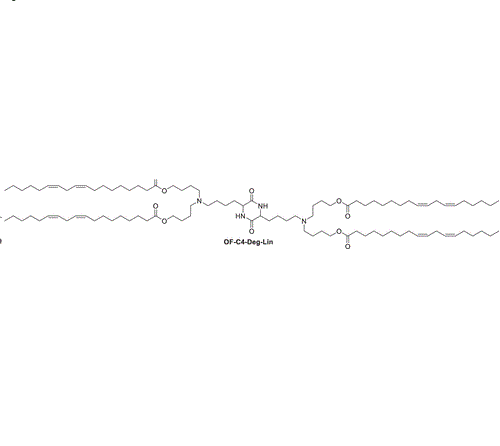
OF-C4-Deg-Lin
DC80080
Mouse IV study: OF-C4-Deg-Lin LNPs supported predominantly splenic luciferase expression in the reported formulation.[22] Source
Figure 4A
PPZ-A10
DC82102
Mouse IV Cre-mRNA study: PPZ-A10 LNPs produced reporter recombination in splenic macrophages and dendritic cells at day 3.[23] Source
Figure 3c–e; Ai14 Cre study
93-O17O
DC82105
Mouse IV study: 93-O17O served as a spleen-delivery formulation comparator in a luciferase assay at 0.25 mg/kg and 6 h.[9] Source
SI Figure S6
CL15F 9-5
DC60711
Patent-stage mouse IV study: the specified CL15F lipid supported splenic and hepatic luciferase expression at 0.1 mg/kg and 6 h.[6] Source
Table 7; paragraphs [0124] and [0129]–[0133]
A2T2C9 (CP-LC-1465)
DC60839
Mouse IV study: A2T2C9 four-component LNPs supported spleen-directed reporter-mRNA expression.[24] Source
Organ-expression experiments; A2T2C9 lead formulation
Lipid 11-A-M
DC65619
Mouse IV study: 11-A-M nanoparticles supported GFP silencing in splenic T cells at 0.5 mg/kg siRNA.[25] Source
Figure 4C–D
IAJD93
DC60485
Patent-stage systemic mouse study: the specified IAJD dendrimersome supported splenic reporter expression alongside expression in other organs.[26] Source
Figures 4, 6 and 15; exact IAJD compound/formulation row
Lipid 20b
DC60554
Mouse IV study: reporter expression included spleen; 20b also delivered to liver, whereas 29d also delivered to lung.[27] Source
Abstract; intravenous organ-expression screen
Lipid 29d
DC60556
Mouse IV study: reporter expression included spleen; 20b also delivered to liver, whereas 29d also delivered to lung.[27] Source
Abstract; intravenous organ-expression screen
18-2-9b2
DC60800
Mouse IV study: 18-2-9b2 LNPs supported functional Cre-reporter delivery and therapeutic mRNA expression in splenic cells.[28] Source
Figure 5c; SI Figure S29; Figure 6
2Ac3-C18
DC60880
Mouse IV study: 2Ac3-C18/DOPE/cholesterol/DMG-PEG2000 LNPs produced preferential splenic luciferase expression at 6 h.[29] Source
Main Figure 4e; Supplementary Figure 13; Figure 4e source data
Lipid 2298
DC60927
Patent-stage mouse IV FLuc/EPO study: the specified four-component LNP showed splenic reporter expression exceeding liver expression at 4–6 h.[19] Source
Examples 7 and later in-vivo bioluminescence tables; exact compound row
113-AA-C8C14
DC60942
Mouse IV study: the B-2 formulation supported spleen-tropic reporter expression and CAR-mRNA research; performance is formulation-specific.[30] Source
SI Figure S13; main Figure 4
Cl-4A3-LNSC8
DC67989
Systemic mouse study: the chloride-complexed Cl4A3-LN-SC8 formulation supported splenic mRNA expression. This does not transfer to uncomplexed 4A3-LN-SC8.[31] Source
Abstract; systemic splenic mRNA-expression comparison
OF-DEG-LIN
DC80069
Mouse IV study: OF-Deg-Lin LNPs supported predominantly splenic reporter-protein expression, distinguished from lipid tracer distribution.[32] Source
In-vivo luciferase organ-expression experiment
IAJD 288
DC60486
Patent-stage systemic mouse study: the specified IAJD dendrimersome supported splenic reporter expression alongside expression in other organs.[26] Source
Figures 4, 6 and 15; exact IAJD compound/formulation row
TE-EP8-S
DC60578
Systemic mouse study: one-component TE-EP8-S nanoparticles supported functional mRNA delivery to splenic T cells.[33] Source
Abstract; Figure 4 Cre/lox reporter assay
12T-O14
DC60619
Mouse IV study: mixed MC3/12T-O14 LNPs supported splenic functional delivery at a 10:1 lipid:RNA mass ratio; changing composition/ratio changed organ preference.[11] Source
Figures 5–6; mixed MC3/12T-O14 formulations
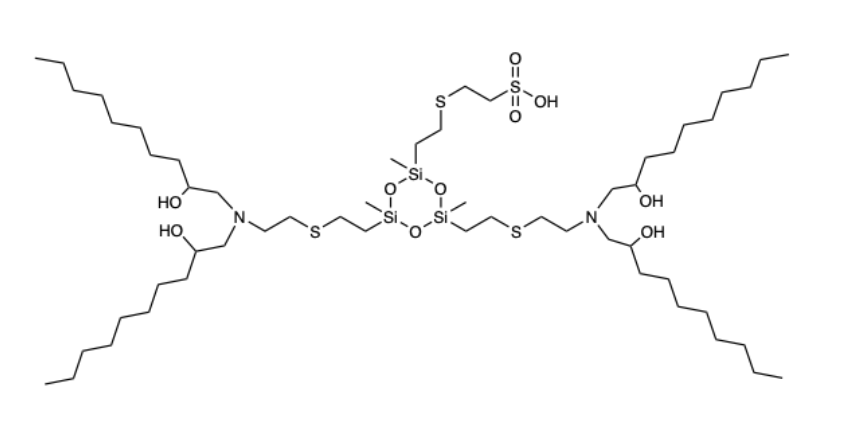
Si12-C10
DC60664
Mouse IV FLuc screen: Si12-C10 was the spleen-directed lead at 0.25 mg/kg, assessed at 6 h.[34] Source
Main Figure 3; PDF p.6
Lipid I97
DC60684
Mouse IV study: I97-containing LNP 5097 produced splenic luciferase expression. Intramuscular administration instead favored the injection site and draining lymph node.[35] Source
Figure 6B; SI Figure S26B
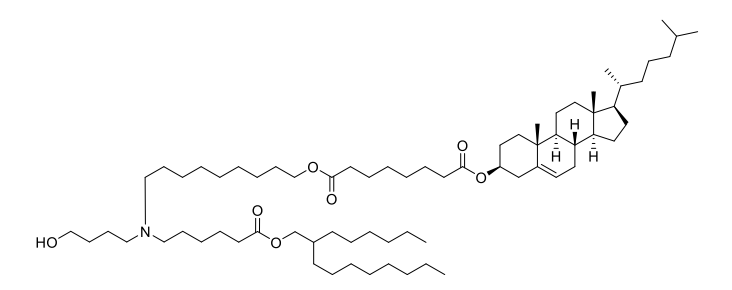
iChol15-C4A2
DC67617
Mouse IV study: optimized iChol15-C4A2 LNPs produced a spleen:liver luciferase ratio of 4.78 at 0.1 mg/kg and 6 h.[36] Source
Main Figure 5; SI pp.4–5
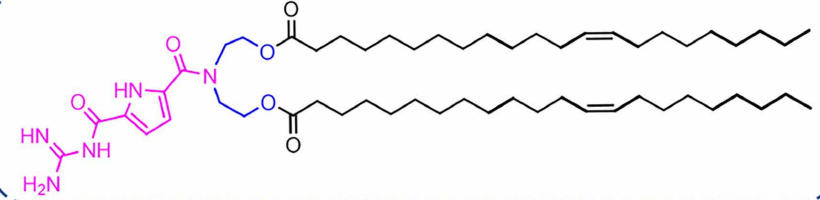
Lipid GL5
DC67632
Mouse IV study: cholesterol-free three-component GL5-3 LNPs supported spleen-directed reporter-mRNA expression; dye uptake is a separate endpoint.[37] Source
GL5-3 in-vivo organ reporter-expression experiments
​​L829
DC60860
Patent-stage IV studies: antibody-targeted LNPs supported reporter/CAR expression in splenic T cells. This is targeted-formulation evidence, not intrinsic spleen selectivity.[7] Source
Examples 66–67; Figures 1–7; anti-CD5/anti-CD8 targeted LNP studies

Evidence is specific to the reported formulation, cargo and administration route. Inclusion does not imply exclusive spleen targeting.

References (37)
  1. CQ-12 co-lipid mRNA delivery study
  2. U-series ionizable lipids for mRNA delivery
  3. WO2024109794A1
  4. 503O8,12 organ-selective mRNA delivery study
  5. Splenic B cell-targeting lipid nanoparticles for safe and effective mRNA vaccine delivery
  6. CA3194148A1: Lipid nanoparticle
  7. US20250127728A1
  8. Cardiolipin-mimic lipid nanoparticles for RNA delivery
  9. Replacing cholesterol and PEGylated lipids with zwitterionic ionizable lipids in LNPs for spleen-specific mRNA translation
  10. AMG514 immune-remodeling mRNA delivery study
  11. Fast and facile synthesis of amidine-incorporated degradable lipids for versatile mRNA delivery in vivo
  12. Selective organ targeting (SORT) nanoparticles for tissue-specific mRNA delivery and CRISPR–Cas gene editing
  13. Imidazole-based synthetic lipidoids for in vivo mRNA delivery into immune cells
  14. Systemic RNA delivery to dendritic cells exploits antiviral defence for cancer immunotherapy
  15. US20250387490A9: Ionizable lipids for multiple organ targeting
  16. CF3-2N6-UC18 mRNA delivery study
  17. Dimethylamino-based synthetic lipidoid nanoparticles for selective mRNA delivery to splenic antigen-presenting cells
  18. Lipid nanoparticle-mediated in vivo generation of pan-CAR immune cells for solid tumor immunotherapy
  19. US20250205167A1
  20. Impact of Lipid Tail Length on the Organ Selectivity of mRNA-Lipid Nanoparticles
  21. Multicomponent Synthesis of Imidazole-Based Ionizable Lipids for Highly Efficient and Spleen-Selective mRNA Delivery
  22. Customizable Lipid Nanoparticle Materials for the Delivery of siRNAs and mRNAs
  23. PPZ-A10 mRNA delivery study
  24. Predictive Lung- and Spleen-Targeted mRNA Delivery with Biodegradable Ionizable Lipids in Four-Component LNPs
  25. Constrained nanoparticles deliver siRNA and sgRNA to T cells in vivo without targeting ligands
  26. WO2025038627A2
  27. Thiophene-based lipids for mRNA delivery to pulmonary and retinal tissues
  28. Multiarm-Assisted Design of Dendron-like Degradable Ionizable Lipids Facilitates Systemic mRNA Delivery to the Spleen
  29. 2Ac3-C18 organ-selective mRNA delivery study
  30. β-Hydroxy Thioether-Derived Ionizable Lipids for Spleen-Tropic mRNA Delivery and In Vivo Chimeric Antigen Receptor T Cell Engineering
  31. Thiourea-Functionalized Ionizable Lipids Enable Systemic mRNA Delivery to Secondary Lymphoid Organs and Dual-Modal Lymphatic Metastasis Imaging
  32. Fenton et al., Advanced Materials (2017), OF-Deg-Lin lipid nanoparticles
  33. One-Component Cationic Lipids for Systemic mRNA Delivery to Splenic T Cells
  34. Combinatorial design of siloxane-incorporated lipids for organ-selective mRNA delivery
  35. Novel Less Toxic, Lymphoid Tissue-Targeted Lipid Nanoparticles Containing a Vitamin B5-Derived Ionizable Lipid for mRNA Vaccine Delivery
  36. Computationally Aided Design of Ionizable Cholesteryl Lipids
  37. Ionizable guanidine-based lipid nanoparticle for targeted mRNA delivery and cancer immunotherapy