Lipid 29 analogue-3Featured
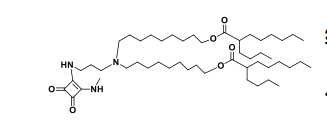
Lipid 29 analogue-3 is an ionizable lipid designed for the delivery of RNA-based therapeutics, such as mRNA or siRNA.

Explore 849 lipid and RNA delivery products. Search the full catalog or browse by research category.
Search covers product name, catalog number, synonyms, available CAS numbers and categories. Spaces, hyphens and common punctuation are ignored. Duplicate legacy records are consolidated under one canonical product result.
Lipid 29 analogue-3 is an ionizable lipid designed for the delivery of RNA-based therapeutics, such as mRNA or siRNA.
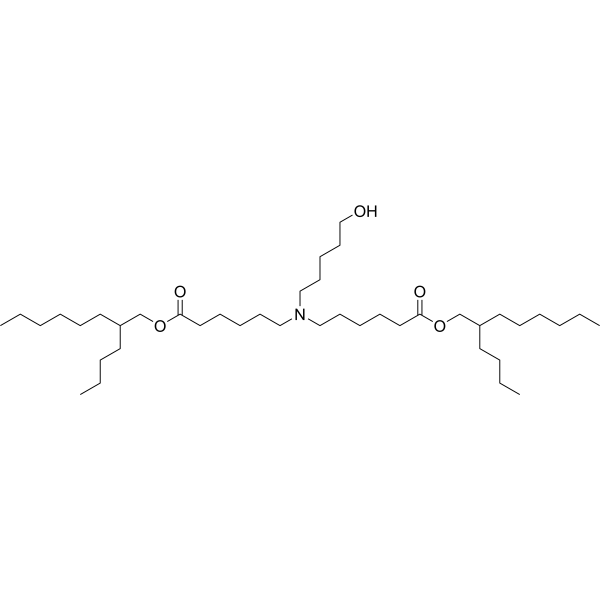
TG4C is an ionizable cationic lipid (pKa 6.71) optimized for mRNA delivery via lipid nanoparticles (LNPs). When formulated into LNPs carrying human EPO mRNA, it significantly elevates serum EPO levels in mice. Furthermore, aerosolized TG4C-based LNPs containing HGF mRNA demonstrate therapeutic potential in pulmonary emphysema models, showing reduced inflammatory cytokines (IL-1β, IL-6, TNF-α) in bronchoalveolar lavage fluid after elastase-induced lung injury.
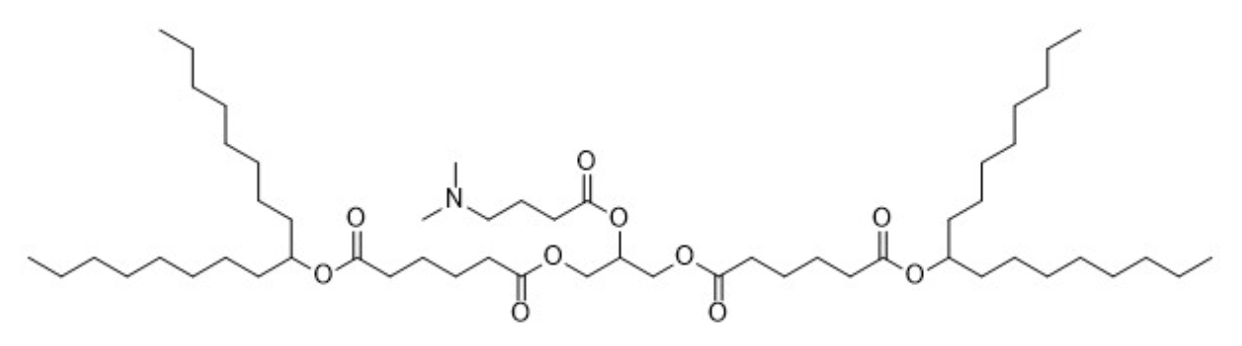
A28-C6B2 is a biodegradable ionizable lipid specifically engineered for spleen-targeted delivery. Through its unique branched structure, it bypasses hepatic uptake to achieve highly efficient transfection of F4/80+ macrophages and CD11c+ dendritic cells within the spleen. This lipid remains neutral in the bloodstream to minimize non-specific interactions, while undergoing protonation in the acidic environment of the endosome to facilitate nucleic acid release, thereby significantly enhancing the potency of mRNA vaccines and immunotherapies.
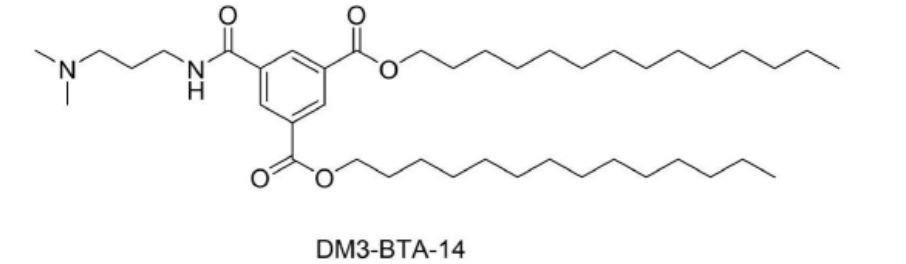
DM3-BTA-14 is a cationic lipid compound engineered for high-efficiency mRNA delivery developed by Hefei AlphaNA Biotechnology. Its structure features a rigid benzene-1,3,5-tricarboxamide core linked to a protonatable dimethylamino headgroup (-N(CH₃)₂) via a propylene spacer (-CH₂CH₂CH₂-) and two saturated C14 alkyl chains. This design enables ≈90% endosomal escape efficiency , superior lymph node targeting for vaccines , and effective tumor-specific mRNA delivery . It outperforms benchmark lipids while maintaining low cytotoxicity, forming stable nanoparticles with cholesterol/DSPC/DSPE-PEG (50:39:10:1 ratio) for therapeutic applications.
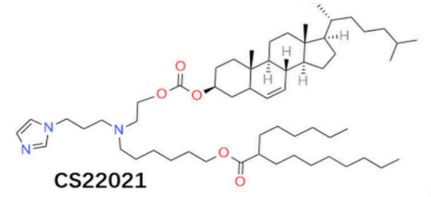
CS22021 is a novel, synthetically engineered ionizable sterol lipid (ISL) developed by CanSino, specifically designed for advanced mRNA delivery via lipid nanoparticles (LNPs). Its core innovation lies in its unique molecular architecture, which integrates a cholesterol moiety directly conjugated to a branched aliphatic tail (derived from ALC-0315) and a hydrophilic headgroup containing tertiary amines. This bifunctional design allows CS22021 to simultaneously fulfill the roles of both the ionizable lipid (for mRNA binding/encapsulation and endosomal escape) and the structural cholesterol component within LNPs. Consequently, CS22021 enables the formulation of highly efficient three-component LNPs (ISL-3C-LNPs), eliminating the need for free cholesterol, using only itself, the phospholipid DOPE (crucial for forming stable, uniform nanoparticles without defects), and a PEGylated lipid. When formulated into LNPs and administered intramuscularly, CS22021 demonstrates a critical property: it achieves localized mRNA expression predominantly at the injection site, significantly minimizing off-target delivery (especially to the liver/spleen) and associated systemic toxicity. Furthermore, mRNA vaccines delivered by CS22021-based LNPs elicit robust and balanced immune responses, including strong antigen-specific IgG antibodies and, notably, a significantly enhanced CD8+ T cell response compared to conventional four-component LNPs. This combination of efficient mRNA encapsulation/delivery, localized expression for improved safety, and potent induction of cellular immunity, particularly CD8+ T cells, positions CS22021 as a highly promising lipid platform, especially for next-generation mRNA vaccine applications like cancer immunotherapy.
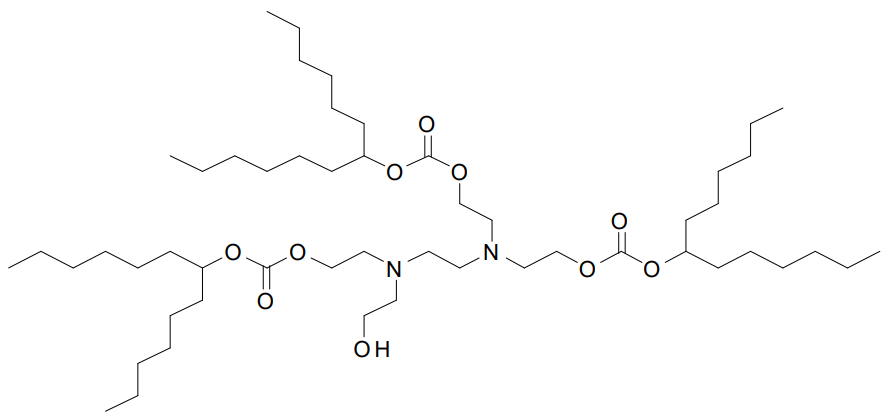
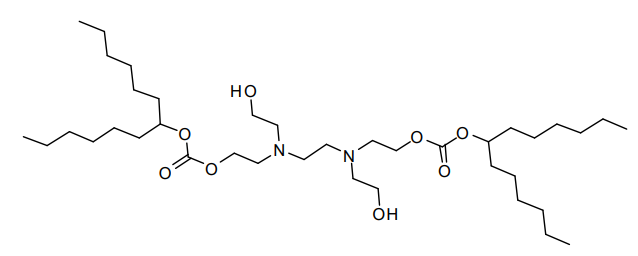
A5-CE-C7-6 (3-tail analog) is a structural control compound derived from the standard 2-tail lipid(A5-CE-C7-6), with three carbonate alkyl chains linked to the A5 amine core.
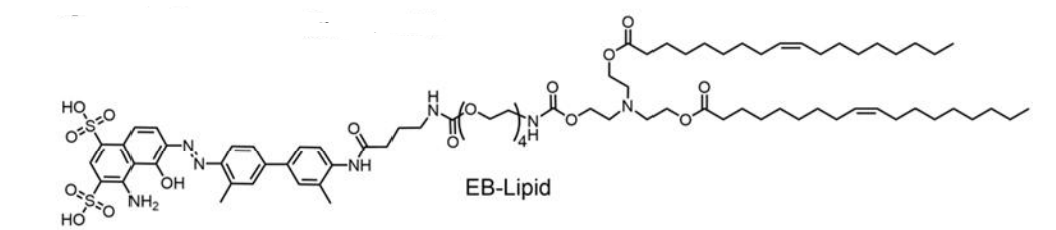
EB-Lipid is an innovatively engineered ionizable lipid designed to replace conventional PEG-lipid in mRNA vaccine formulations. Its structure comprises three key components: an Evans Blue-derived headgroup with high affinity for albumin, a tetraethylene glycol linker that enhances colloidal stability, and dual oleate tails for anchoring into lipid bilayers. This molecular design enables EB-Lipid to actively recruit endogenous albumin, forming an albumin-rich protein corona on the surface of lipid nanoparticles (LNPs). Following intramuscular administration, these albumin-bound EB-LNPs are preferentially transported through lymphatic vessels rather than entering the bloodstream, thereby avoiding hepatic accumulation and associated hepatotoxicity risks.Experimental data demonstrate that EB-LNPs achieve significantly higher accumulation in lymph nodes, where they are efficiently internalized by dendritic cells via albumin receptor-mediated endocytosis (e.g., gp60). This process enhances antigen presentation and activates robust cellular and humoral immune responses. In both tumor models (B16-OVA and HPV-associated) and infectious disease models (H1N1 and SARS-CoV-2 Omicron), EB-LNP-based mRNA vaccines elicited potent cytotoxic T-cell activation and durable neutralizing antibody production at low doses. Unlike traditional PEG-LNPs, EB-LNPs show minimal liver distribution, reduced immunogenicity, and improved safety profiles after repeated administrations.By leveraging albumin’s natural trafficking pathway, EB-Lipid represents a transformative delivery platform that combines targeted lymph node delivery with enhanced biosafety, positioning it as a promising candidate for next-generation mRNA vaccines and therapeutics.
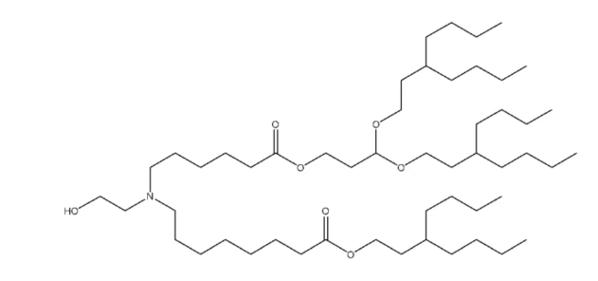
L52715 is a novel ionizable lipid developed by Shanghai Vitalgen, used to deliver mRNA.
A5-CE-C7-6 is an ionizable lipid engineered for spleen-targeted mRNA delivery, integrating a hydroxylated dual-amine core (A5) for enhanced mRNA binding and endosomal escape, a biodegradable carbonate ester linker (CE) enabling rapid hydrolysis (61% degradation in 24 h), and branched heptyl hydrophobic tails (C7-6) that optimize nanoparticle stability and spleen tropism. When formulated into cholesterol-free lipid nanoparticles (B-8 formulation), its unique architecture—combining hydroxyl groups for cellular uptake, carbonate-mediated biodegradability, and branched-chain fluidity—achieves unprecedented efficiency: low pKa (~6.0) minimizes liver accumulation while enabling 21% transfection of splenic NK cells, outperforming benchmark systems like MC3 SORT LNPs by >10-fold in spleen-specific delivery and establishing a new standard for in vivo immune cell engineering.
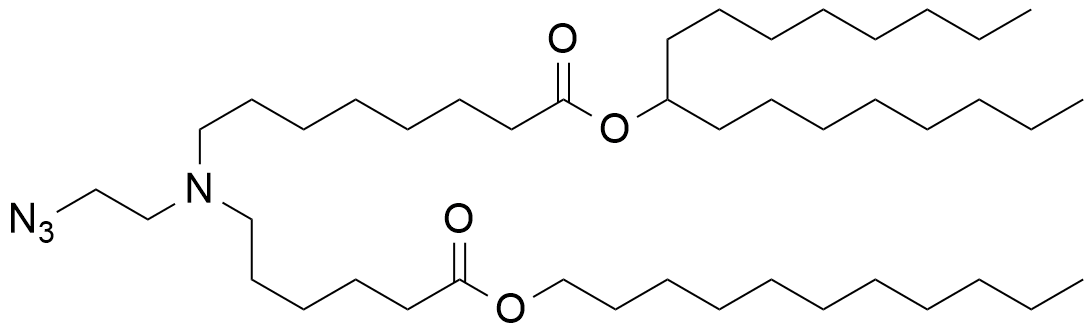
SM-102 azide is an azide-modified derivative of the clinically validated SM-102 ionizable lipid. Designed specifically for advanced Lipid Nanoparticle (LNP) formulation, this product integrates a reactive azide (-N₃) group to enable effortless, high-yield functionalization via click chemistry. It is the ideal tool for researchers and developers looking to construct targeted nucleic acid delivery systems, build diverse lipid libraries, or track LNPs in vivo.
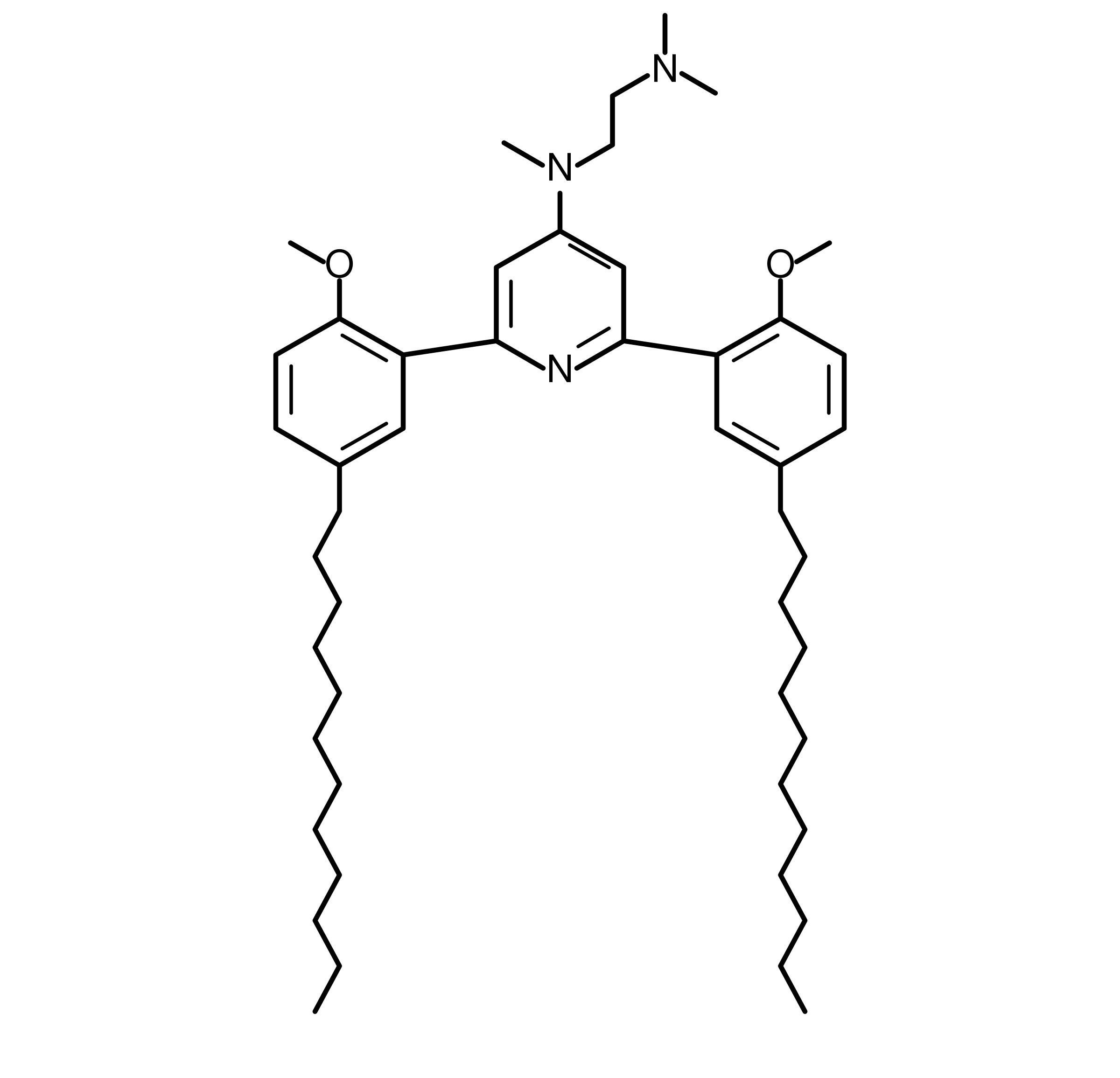
CSL3 is a pH-switchable cationic lipid optimized for siRNA LNP delivery. Its core design features central pyridine and two ortho-methoxy groups, forming intramolecular hydrogen bonds under endosomal pH 5–6 to trigger conformational flip, which drives membrane fusion and efficient endosomal escape—an advantage absent in control lipid CSL4 without methoxy moieties. Formulated with DSPC, cholesterol and DMG-PEG2000 at a fixed molar ratio, CSL3-based LNPs achieve 85–95% siRNA encapsulation, uniform particle size and decent serum stability. In vitro tests show potent gene silencing with low cytotoxicity; in vivo intravenous administration enables obvious liver accumulation and dose-dependent Factor VII knockdown in mice, proving its great potential for hepatic RNAi therapeutic research.
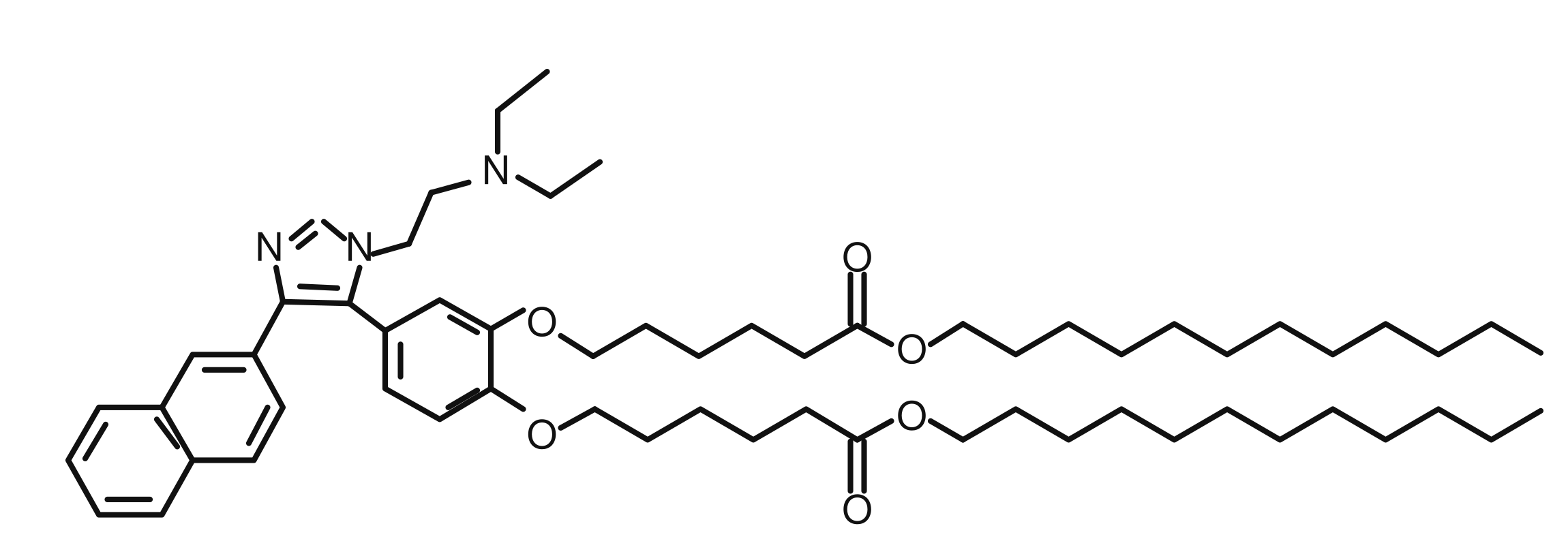
A1B7C2 is an imidazole‑based ionizable lipid from the IMIL library. It features dimethylamino‑propyl imidazole head group, paired with B7 hydrophobic tails and C2 degradable ester linkers. LNPs assembled from A1B7C2 can effectively accumulate within the spleen after systemic administration. It mediates mRNA expression in splenic tissue, and is applied as a key control compound to investigate structure‑activity relationships for spleen‑targeted nucleic acid delivery.
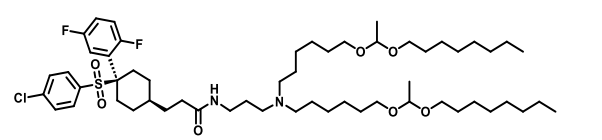
CA2d is an ionizable lipid developed for systemic mRNA delivery to the central nervous system. Its architecture combines an MK-0752-derived CNS-accessing moiety, a short three-carbon diamine spacer, a tertiary ionizable amine, and two acetal-containing hydrophobic tails. When formulated with DOPE, cholesterol and DMG-PEG2000, CA2d LNPs crossed the blood-brain barrier through caveolae- and γ-secretase-associated transcytosis and delivered mRNA to neurons, astrocytes, microglia and brain endothelial cells. Following intravenous administration of FLuc mRNA at 0.5 mg/kg in mice, CA2d produced 16.6-fold higher brain expression than MC3 and 8.6-fold higher expression than SM-102 at 6 hours. CA2d was further evaluated in repeated brain-cell transfection studies, a pilot rhesus macaque experiment and a tPA-modified TGF-β1 mRNA formulation for ischemic stroke. These results support CA2d as a promising preclinical research lipid for investigating non-viral CNS mRNA delivery; it has not been clinically validated.
98N12-5 is an ionizable cationic lipid. It has been used in combination with other lipids in the generation of lipid nanoparticles (LNPs). LNPs containing 98N12-5 and encapsulating proprotein convertase subtilisin kexin type 9 (PCSK9) siRNA selectively accumulate in the liver and reduce total serum cholesterol levels in mice and rats and serum LDL levels in cynomolgus monkeys.
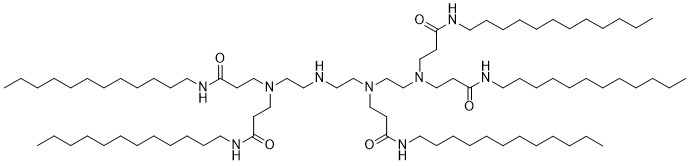
Lipid A6 is an ionizable cationic and biodegradable alkyne lipid (pKa = 6.65).It has been used with other lipids in the formation of lipid nanoparticles (LNPs) for the delivery of mRNA. LNPs containing lipid A6 and encapsulating mRNA encoding human erythropoietin (EPO) increase and then maintain homeostatic levels of hemoglobin in the blood in an adenine-induced mouse model of renal anemia.

113-O12B LNP, an LN-targeting LNP delivery system, is developed for a mRNA cancer vaccine.
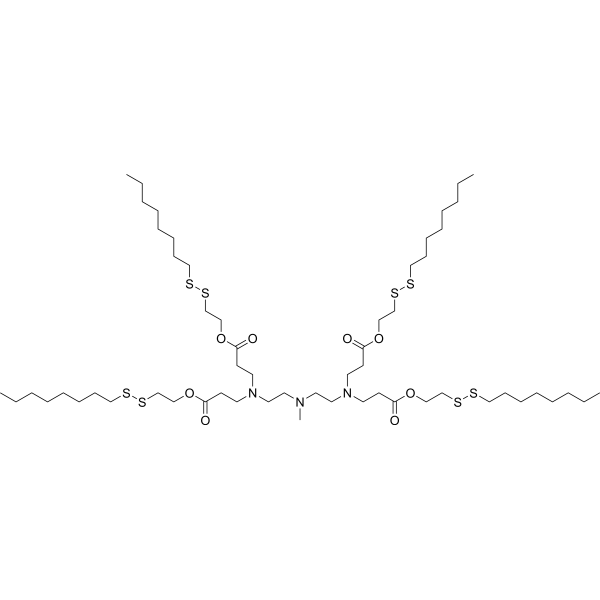
A2-Iso5-2DC18 is a top-performing lipid for mRNA delivery in bone marrow-derived dendritic cells (BMDCs), BMDMs and HeLa cells.
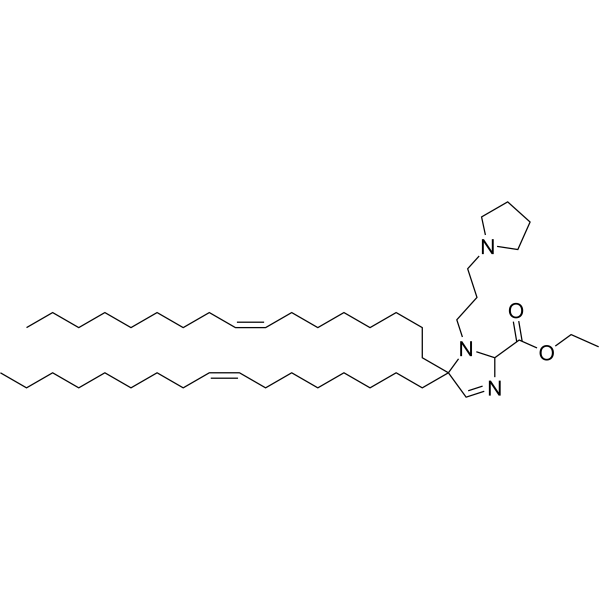
A18-Iso5-2DC18 that could not only deliver mRNA vaccines robustly but also activate the stimulator of interferon genes (STING) pathway.
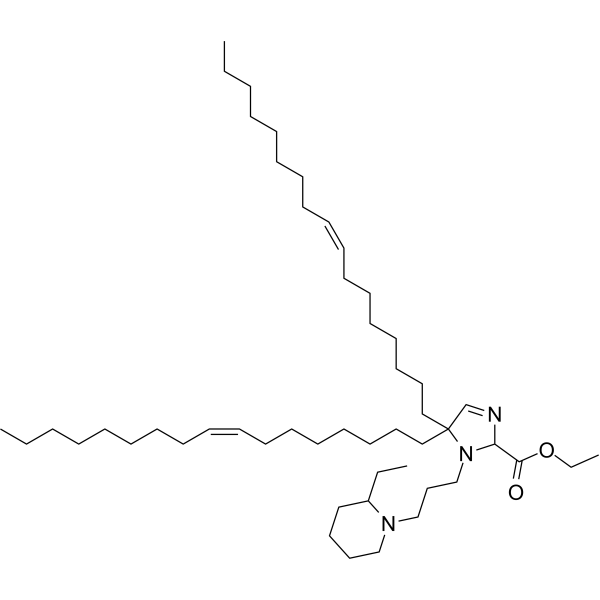
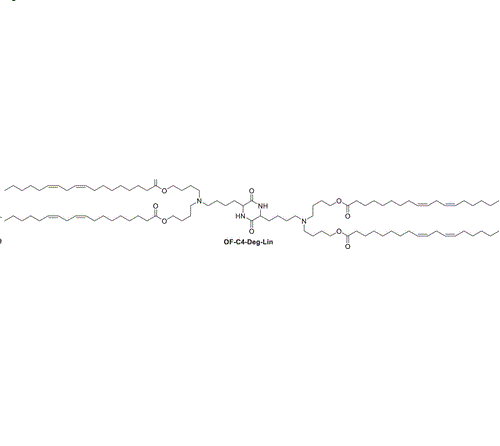
OF-C4-Deg-Lin is a novel ionizable lipid for RNA delivery.
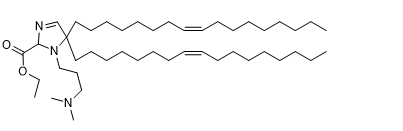
A12-Iso5-2DC18 is a novel amine containing lipid can be used for mRNA delivery, activate the stimulator of interferon genes (STING) pathway, and exhibit anti-tumor immunity.
Page 11 of 43 · Browse all 849 products