Search covers product name, catalog number, synonyms, available CAS numbers and categories. Spaces, hyphens and common punctuation are ignored. Duplicate legacy records are consolidated under one canonical product result.
849 products · Showing 121–140 · 20 per page
Cat. No.Product NameField of ApplicationChemical Structure
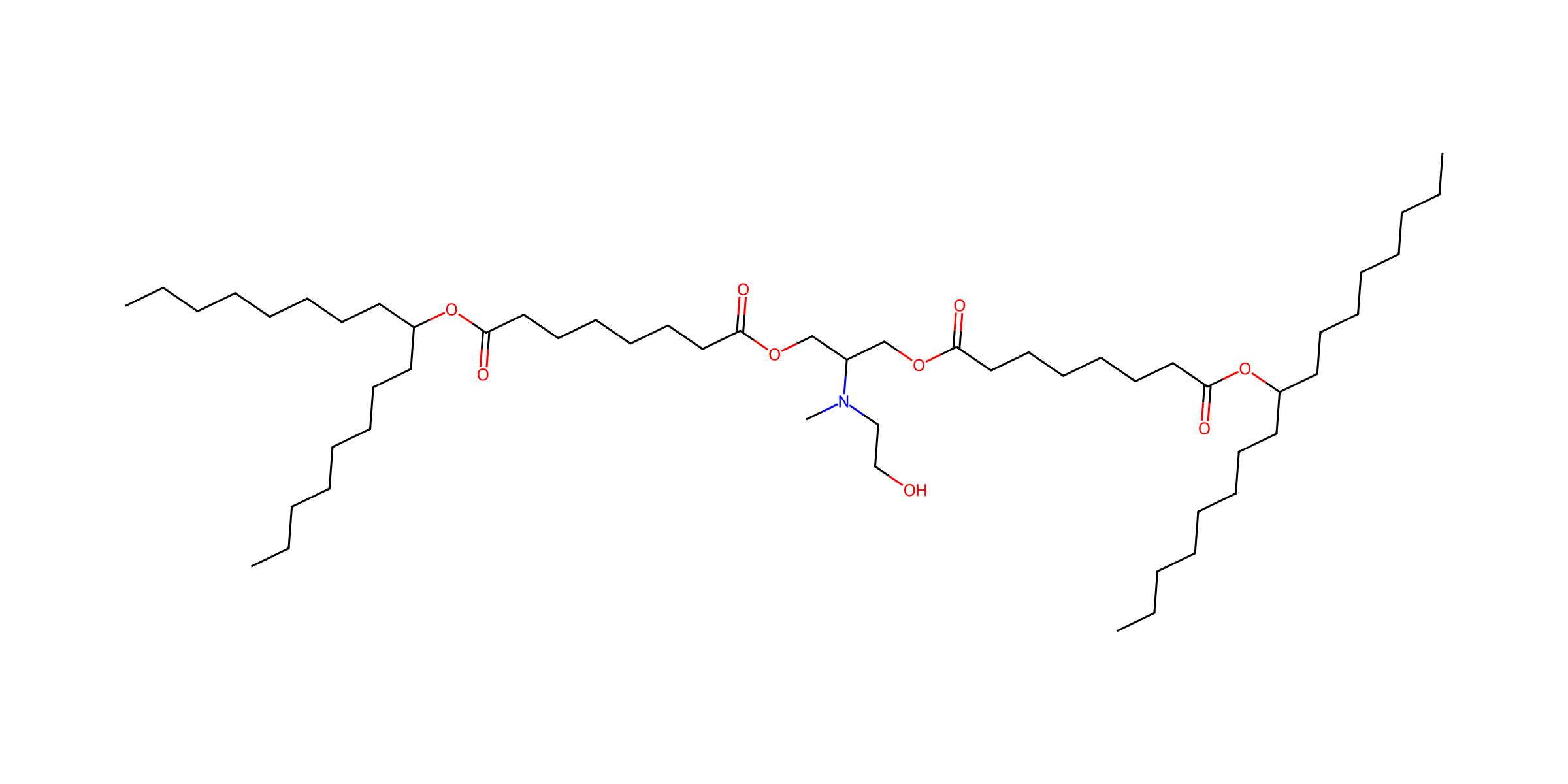
Lipid 43 is an ionizable lipid disclosed as Compound 43 in WO 2024/109794. In the patent's TMF30 formulation, mRNA-LNPs showed predominantly splenic reporter expression after administration in mice. Its structure, molecular formula, molecular weight and SMILES were assigned from the compound-specific synthesis scheme and checked against the reported proton count.
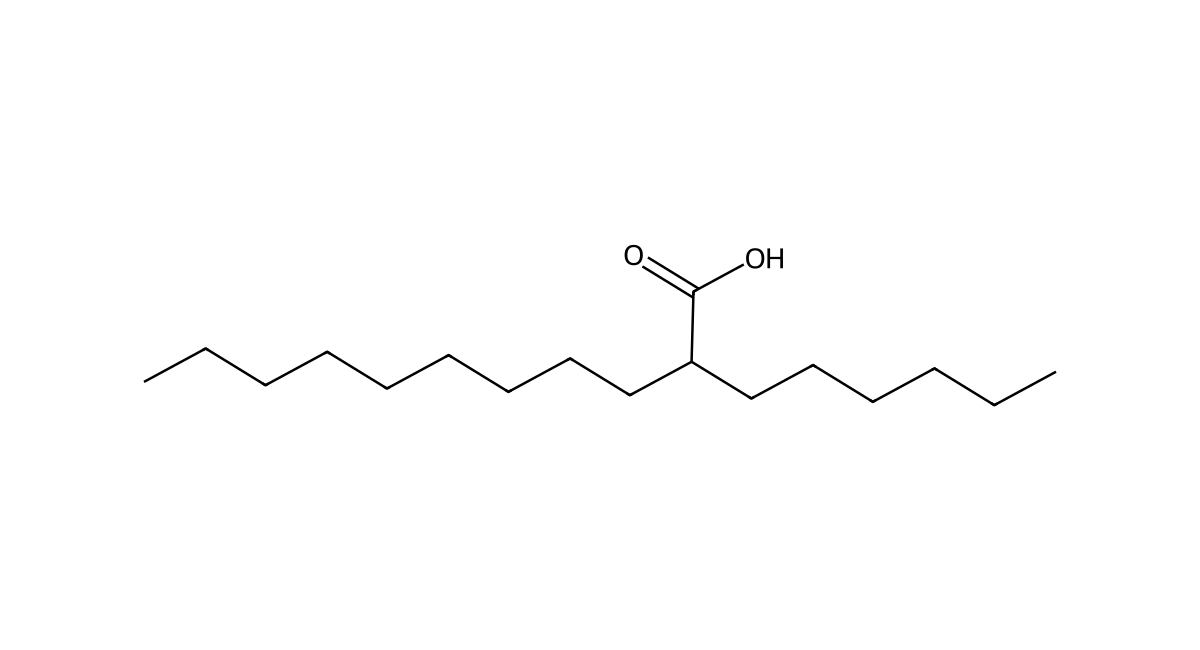
2-Hexylundecanoic acid is an alpha-branched C17 carboxylic acid building block for lipid synthesis. Its carboxyl group provides a site for ester or amide coupling, while the branched hydrocarbon segment can be incorporated into hydrophobic lipid tails. Supplied for chemical synthesis and research.
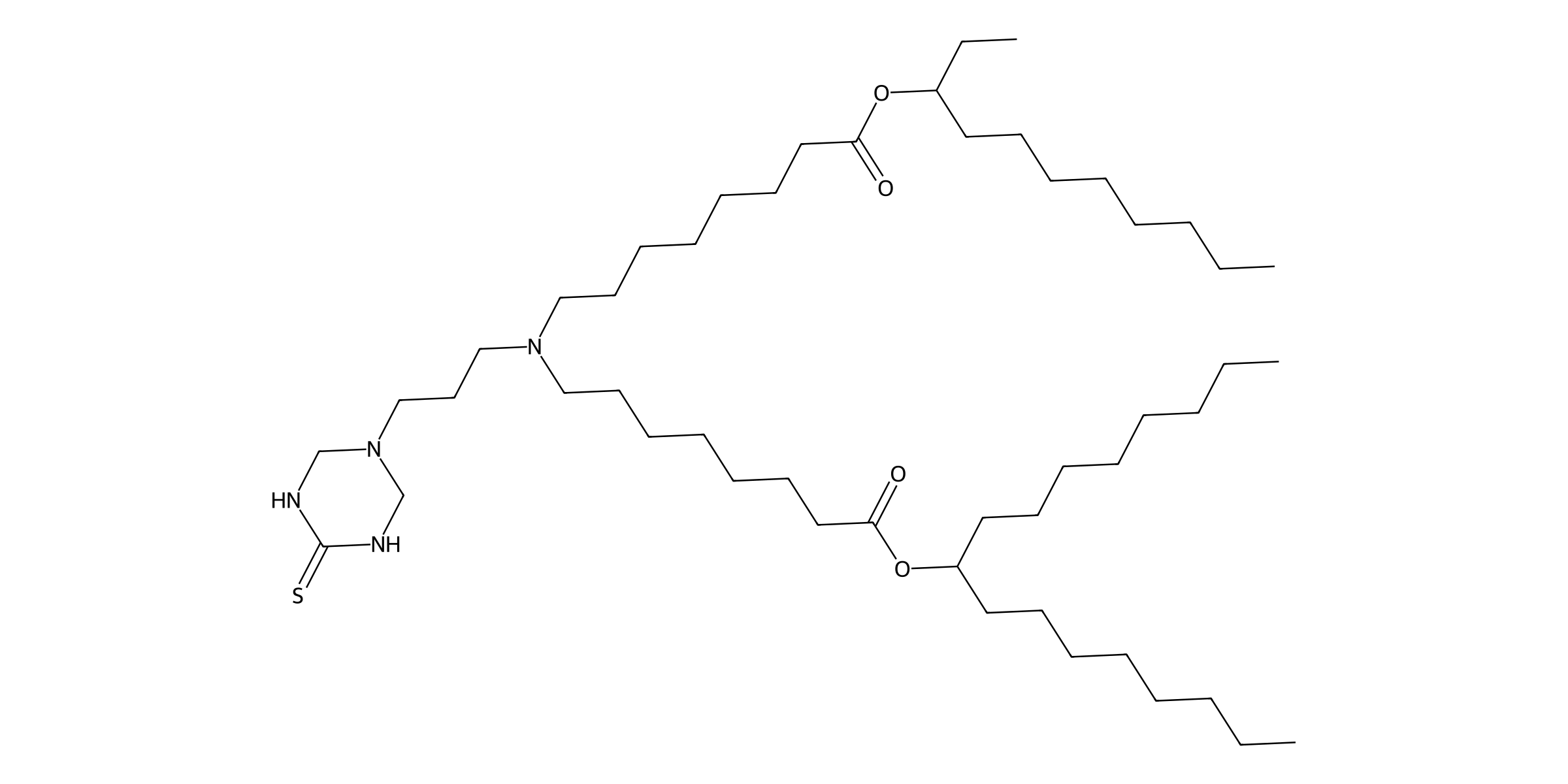
HI-62 is a cyclic-thiourea ionizable lipid reported as a lead component of onion-like multilamellar mRNA-LNPs. In the cited preprint, its E21 formulation supported high mRNA encapsulation, sustained reporter expression, frozen-storage stability and antitumor activity in a preclinical mRNA-vaccine model.
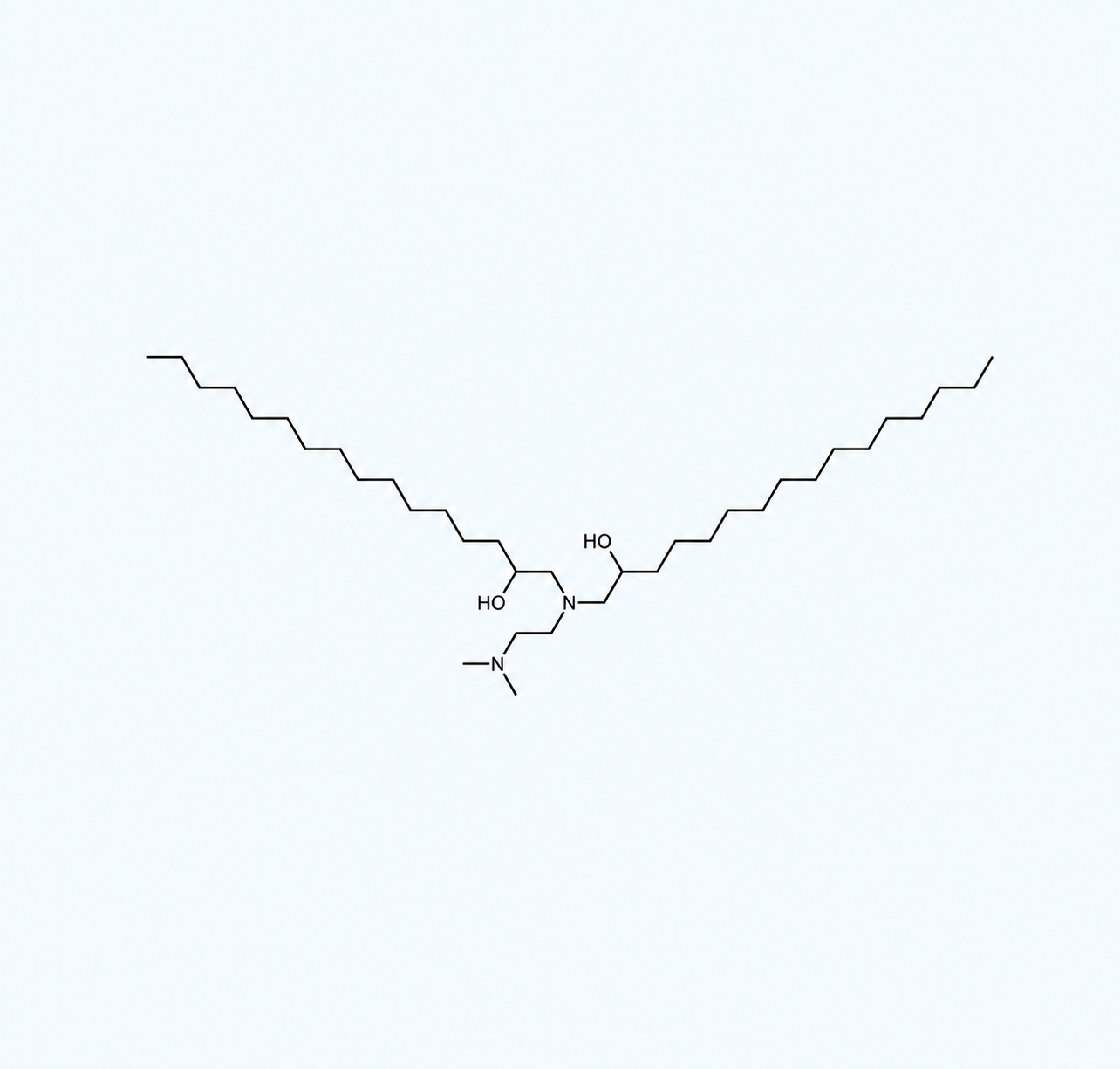
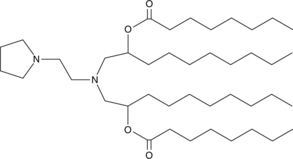
Lipid SG5 is a dual-amine ionizable lipid developed for systemic, lung-selective mRNA delivery. Its two tertiary amines and two C16 β-hydroxy tails support stepwise protonation in the reported fSG5 LNP system. The cited preclinical study evaluated pulmonary luciferase expression, functional Cre mRNA delivery and Nrf2 mRNA delivery in an acute lung-injury model.
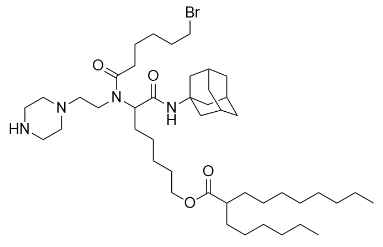
The LUMI-6 lipid, autonomously designed via the LUMI-lab platform, is a brominated ionizable lipid optimized for mRNA delivery. Formulated at a molar ratio of 35:28:34.5:2 (LUMI-6:DOTAP:cholesterol:C14-PEG2000), LNPs exhibit uniform physicochemical properties, including a hydrodynamic diameter of ~80 nm, polydispersity index (PDI) <0.2, and robust mRNA encapsulation efficiency. In vitro, LUMI-6 LNPs demonstrated 1.8-fold higher transfection potency in human bronchial epithelial cells compared to its debrominated counterpart (LUMI-6D), with minimal cytotoxicity confirmed by CCK-8 assays. In vivo, pulmonary delivery of CRISPR-Cas9 mRNA via LUMI-6 LNPs achieved 20.3% gene editing efficiency in murine lung epithelial cells, surpassing SM-102 (Moderna’s clinical benchmark) and demonstrating preferential tropism for lung epithelium over endothelial cells—critical for inhaled therapies targeting cystic fibrosis and surfactant disorders. The brominated tail enhances endosomal escape through optimized protonation dynamics, though explicit pKa values remain unmeasured. Synthesized via high-throughput combinatorial chemistry and refined through AI-driven active learning, LUMI-6 combines scalable production with organ-selective delivery, positioning it as a transformative platform for pulmonary nucleic acid therapeutics.
503O8,12 is a branched-tail ionizable lipidoid prepared from amine head 503 and saturated 2-octyldodecyl acrylate. In a four-component, DOPE-containing LNP, it produced predominantly splenic reporter expression after intravenous mRNA administration in mice. It is a research candidate for extrahepatic mRNA formulation screening; cell-specific spleen delivery and therapeutic efficacy were not established in this study.
11-10-8 is a degradable, branched ionizable lipidoid identified in a combinatorial screen for mRNA delivery. In the cited mouse study, its optimized LNP formulation supported liver-directed reporter mRNA expression, TTR gene editing with Cas9 mRNA and sgRNA, and FGF21 mRNA expression in a diet-induced obesity model.
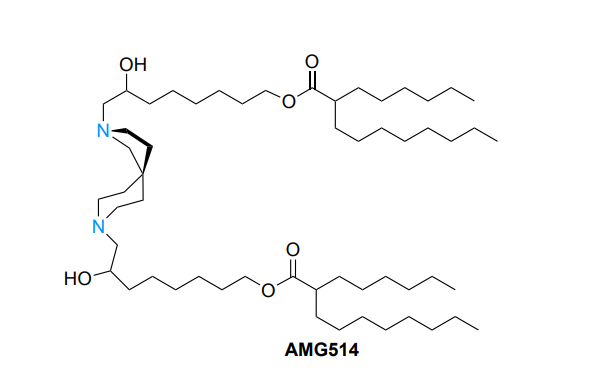
AMG514 is a novel ionizable lipid designed for formulating spleen-targeting lipid nanoparticles (LNPs) to deliver immune‑remodeling mRNAs (IR‑mRNAs). Its key advantage lies in the formation of a unique “protein corona” enriched with vitronectin, coagulation factors, and specific apolipoproteins (e.g., ApoA‑IV), together with its relatively high apparent pKa (~7.5), which actively redirects LNPs to the spleen instead of the liver. This precise spleen‑targeting property enables efficient transfection of splenic antigen‑presenting cells (APCs). As a vaccine adjuvant, AMG514‑LNPs therefore elicit a more robust activation of adaptive immunity compared to conventional LNPs (e.g., cKK‑E12), generating significantly enhanced antigen‑specific CD8⁺ T‑cell and antibody responses, and inducing durable anti‑tumor immune memory in preclinical models.
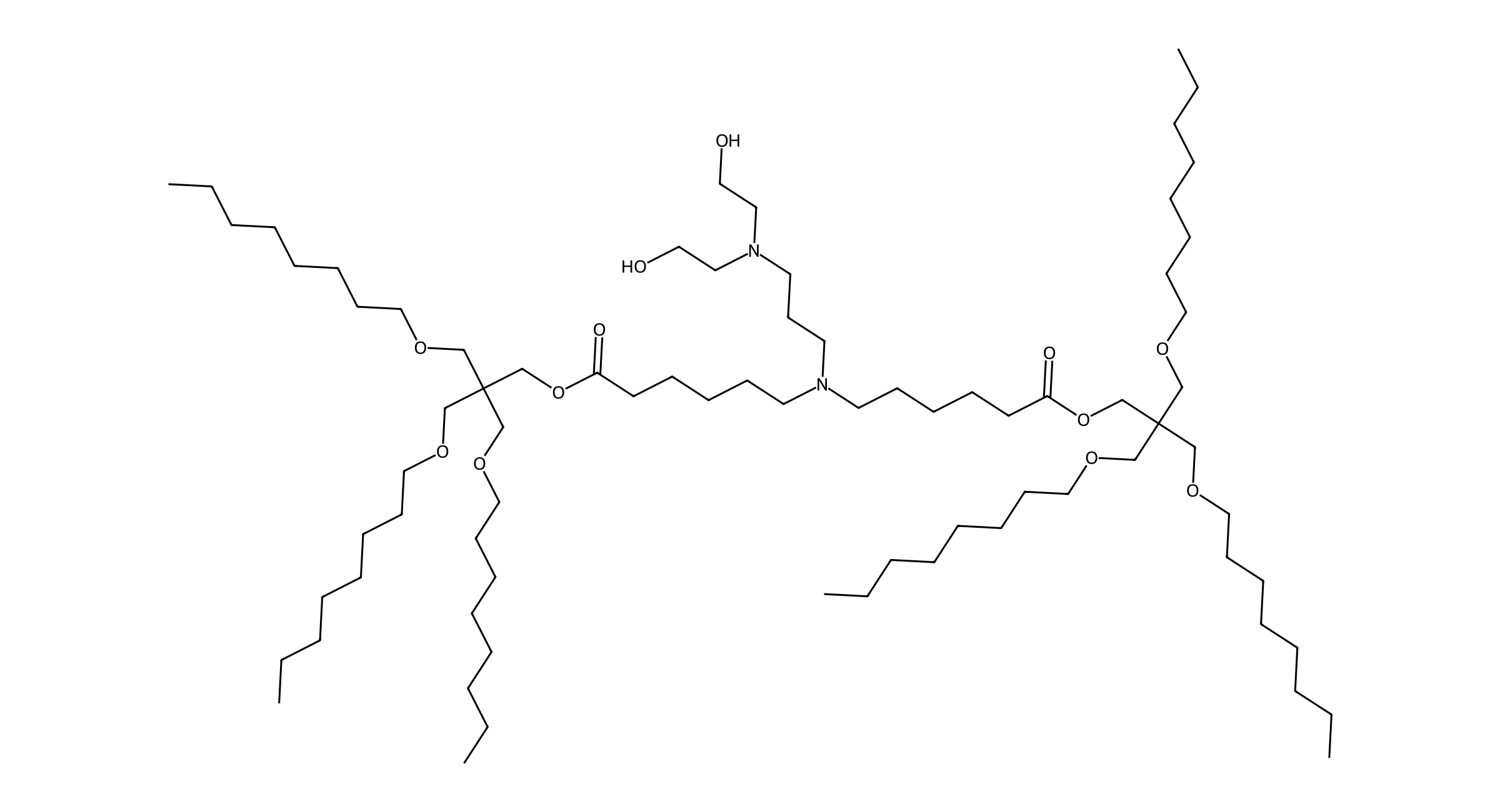
U-502 is a Janus dendritic ionizable lipid with two tertiary amines, two hydroxyl groups and six C8 alkyl tails attached through ether-containing dendrons and ester linkers. In a 16-lipid study, U-502 and U-503 were the leading intravenous mRNA-expression candidates, with modestly higher luciferase signals than ALC-0315 in BALB/c mice at 0.5 mg/kg mRNA and a 3-hour readout. The U-502 formulation had a reported size of 108 nm, PDI of 0.125, apparent LNP pKa of 6.36 and mRNA encapsulation efficiency of 91.83%. U-502 also underwent cell transfection, lysosomal colocalization and representative tissue-histology studies. It supports preclinical research into liver-dominant systemic mRNA delivery and headgroup–tail structure–activity relationships.
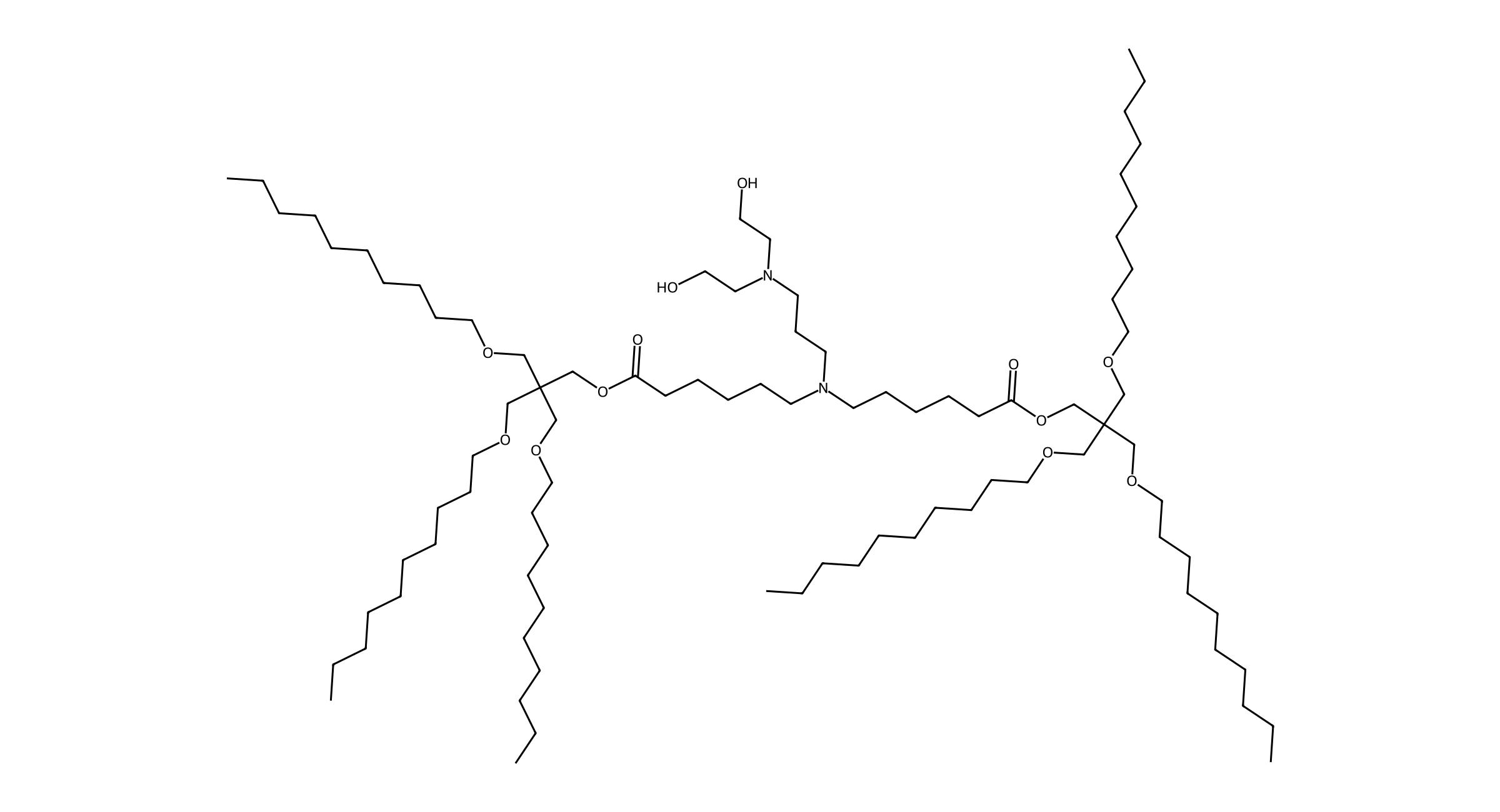
U-503 is a Janus dendritic ionizable lipid with two tertiary amines, two hydroxyl groups, two ester linkers and six C10 alkyl tails connected to dendritic cores through ether bonds. It was identified alongside the C8-tail analogue U-502 as a leading intravenous mRNA-expression candidate in a 16-lipid study. In BALB/c mice given 0.5 mg/kg luciferase mRNA, U-503 produced a modestly higher 3-hour expression signal than the ALC-0315 comparator under the reported formulation conditions. Its LNP formulation had a size of 114 nm, PDI of 0.122, apparent LNP pKa of 6.31 and encapsulation efficiency of 89.36%. U-503 is a preclinical research candidate for systemic mRNA delivery and matched tail-length comparisons with U-502.
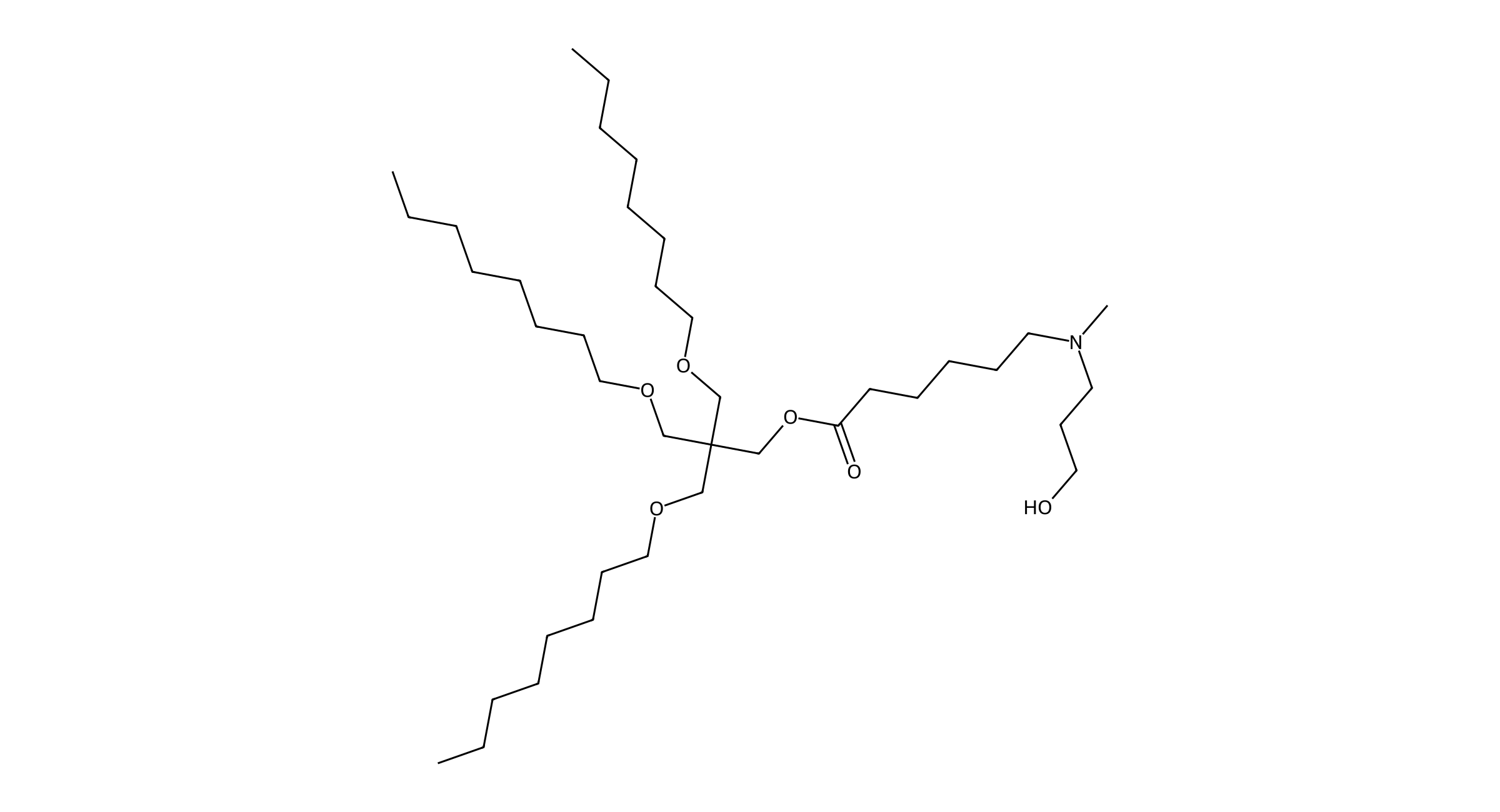
U-510 is a three-tail Janus dendritic ionizable lipid containing an N-methyl tertiary amine, a hydroxypropyl head segment, an ester linker and three C8 ether-linked hydrophobic tails. In an intravenous luciferase-mRNA study in BALB/c mice, it showed a spleen-biased organ-expression profile within the U-509–U-512 series. The authors reported 52% spleen-targeting efficiency in the context of liver and spleen luminescence at 3 hours after 0.5 mg/kg mRNA; this is not a percentage of transfected spleen cells or injected dose. The U-510 LNP formulation had a reported size of 113 nm, PDI of 0.146, apparent LNP pKa of 6.38 and encapsulation efficiency of 87.88%. It supports preclinical evaluation of splenic mRNA expression rather than maximum whole-animal expression.
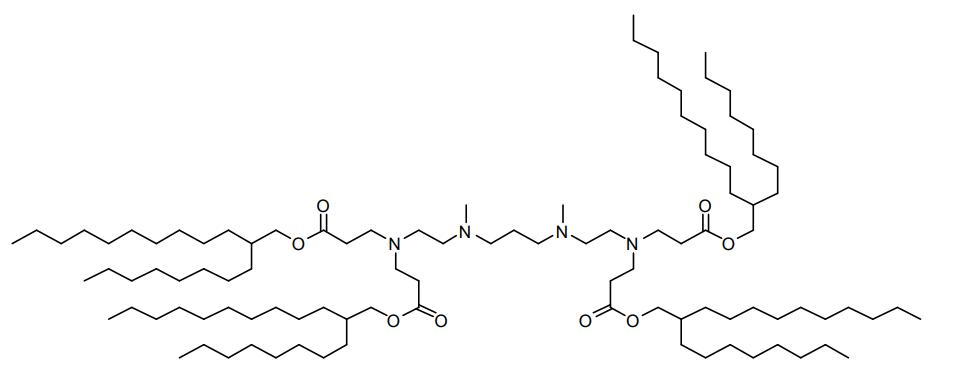
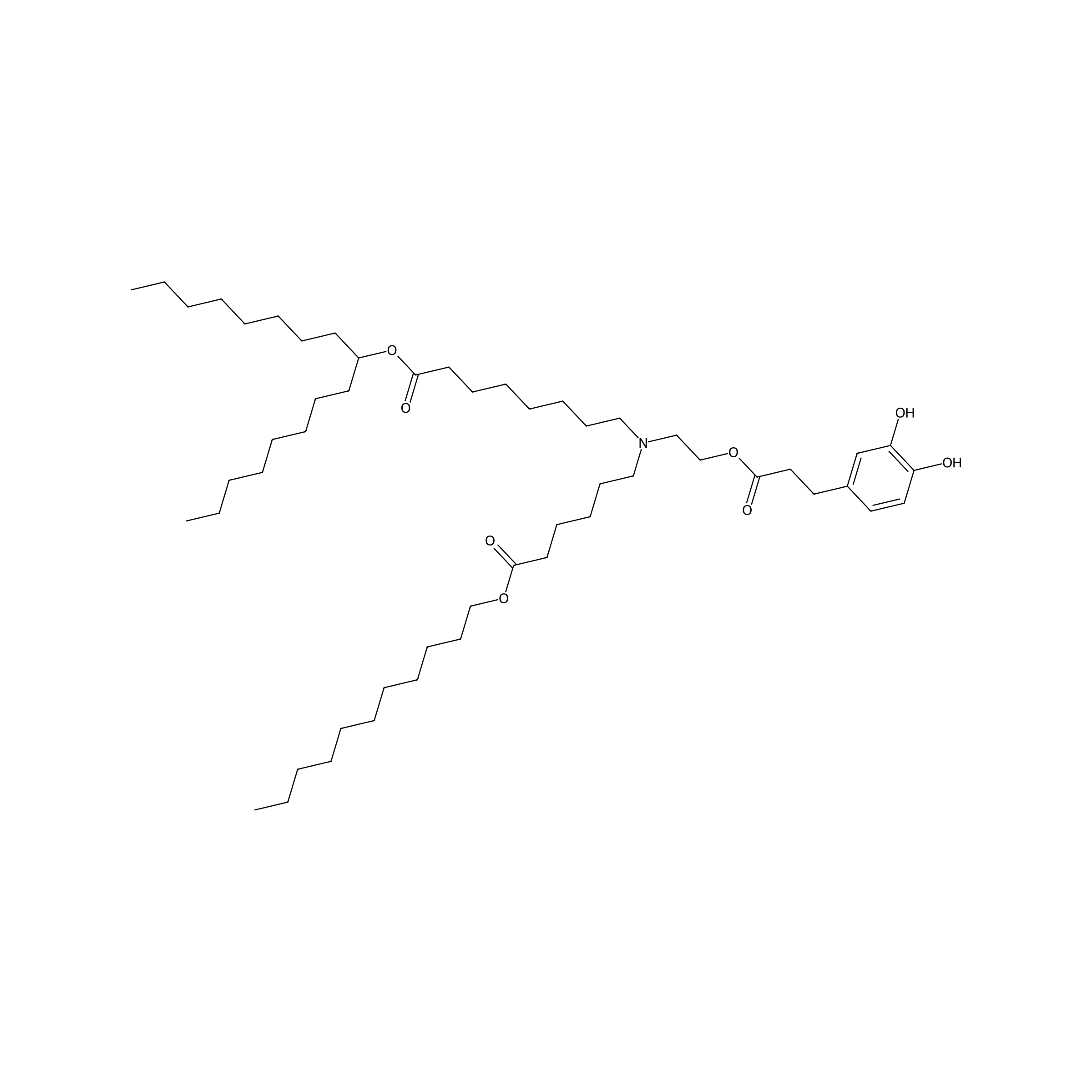
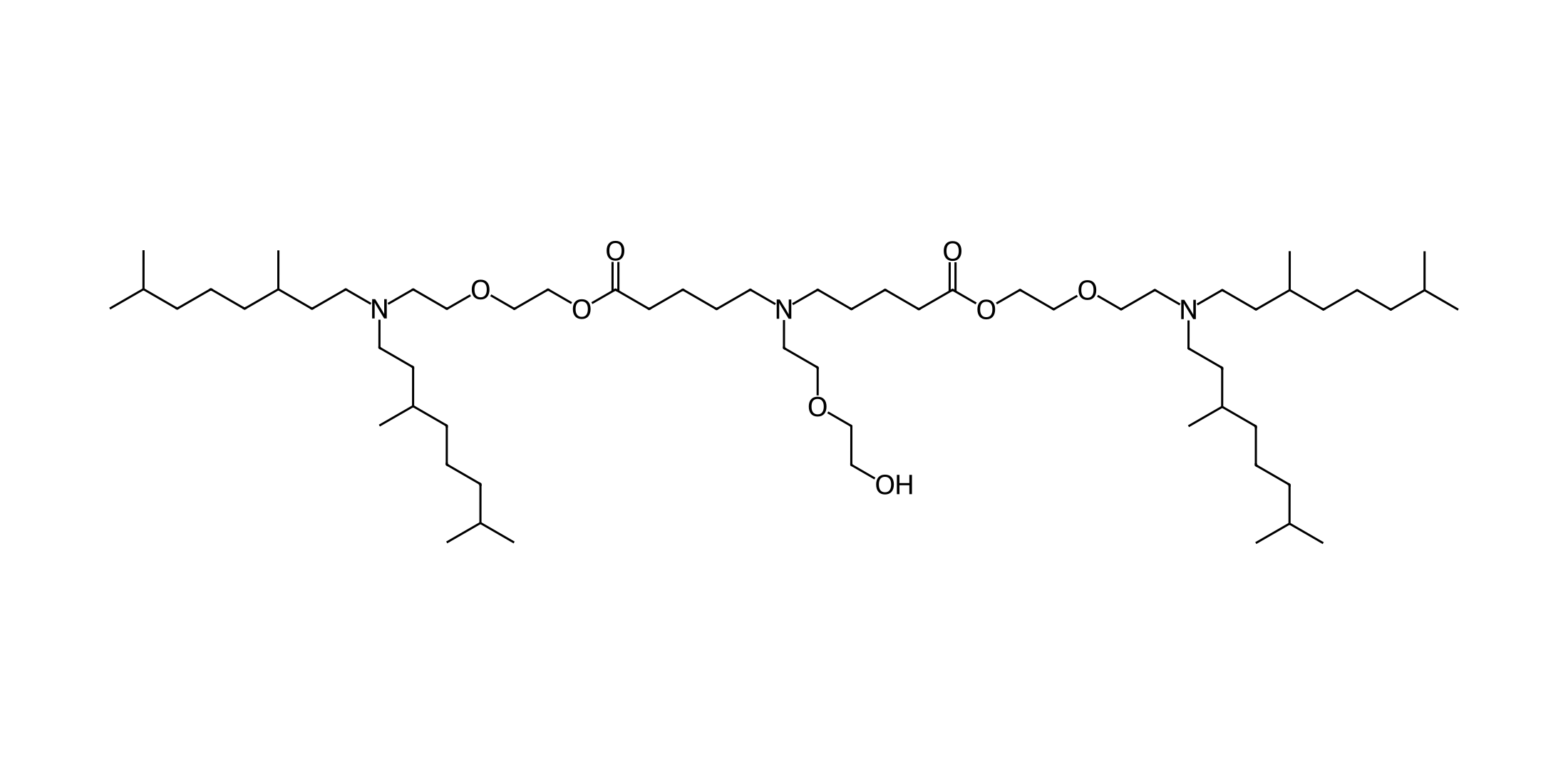
iL-19 is an aminoethoxy-functionalized ionizable lipid with a triamine scaffold, two ester linkages and four doubly branched hydrophobic tails. It was identified as the overall lead for circular RNA delivery in a 2026 JACS study. With circRNA encoding firefly luciferase, iL-19 LNPs produced approximately 28-fold higher expression than the SM-102 benchmark in C2C12 cells and approximately 2.5-fold higher expression after intramuscular administration in BALB/c mice under the reported conditions. The reported circRNA formulation uses iL-19, DSPC, cholesterol and DMG-PEG2000 at 50:10:38.5:1.5 mol%. It supports preclinical investigation of circular RNA delivery to muscle; comprehensive safety and immunogenicity evaluation remains outstanding.
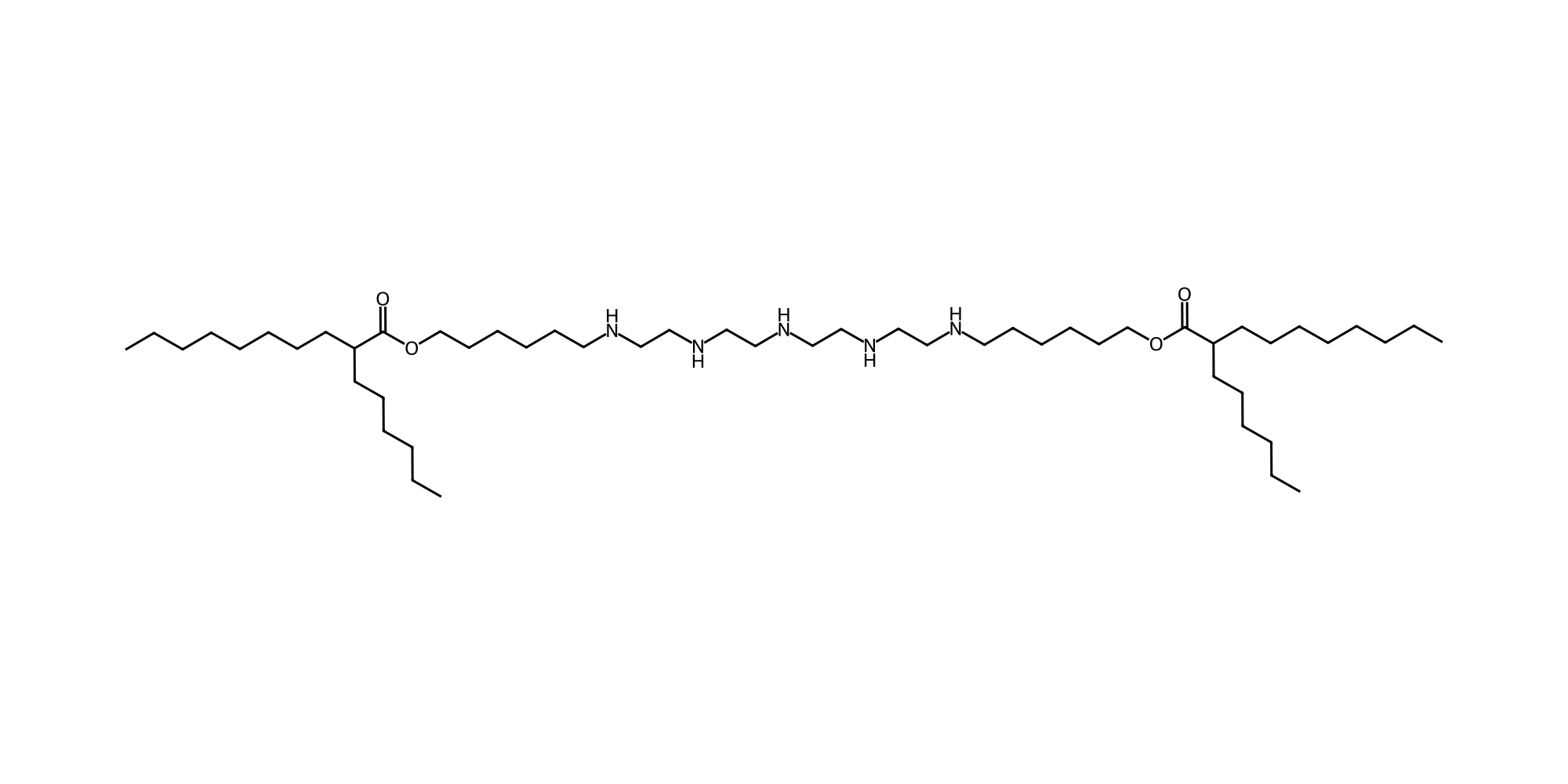
PA97MD101 is an ester-containing ionizable lipid with a tetraethylenepentamine-derived headgroup and two branched hydrophobic ester arms. Identified through machine-learning-guided screening and independent animal validation, its LNPs produced approximately fourfold higher hepatic luciferase expression than SM-102 in mice after intravenous Fluc mRNA delivery at 0.1 mg/kg. The study also demonstrated Cre-dependent liver recombination and Cas9/sgTtr-mediated TTR suppression. Formulation-dependent activity was associated with acidic-pH membrane activity and reduced lysosomal colocalization. PA97MD101 is a preclinical research candidate for hepatic mRNA and CRISPR cargo delivery.
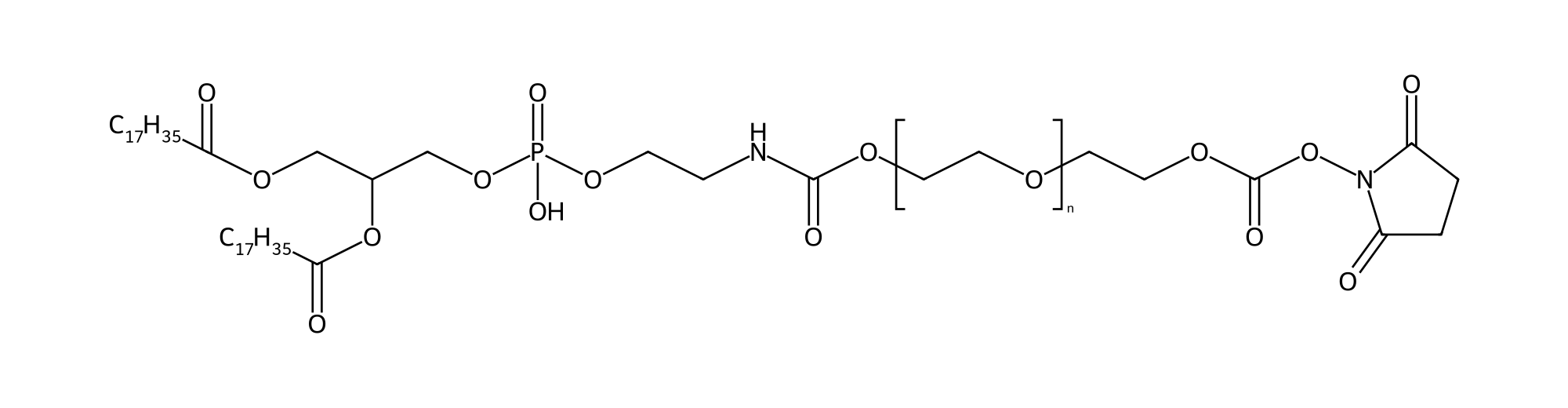
DSPE-PEG2000-SC is a functionalized PEG lipid comprising a DSPE anchor, a PEG2000 spacer and a terminal succinimidyl carbonate group for conjugation with amine-containing molecules. It is suitable for bioconjugation and the development of ligand-functionalized lipid delivery systems. For research use only.
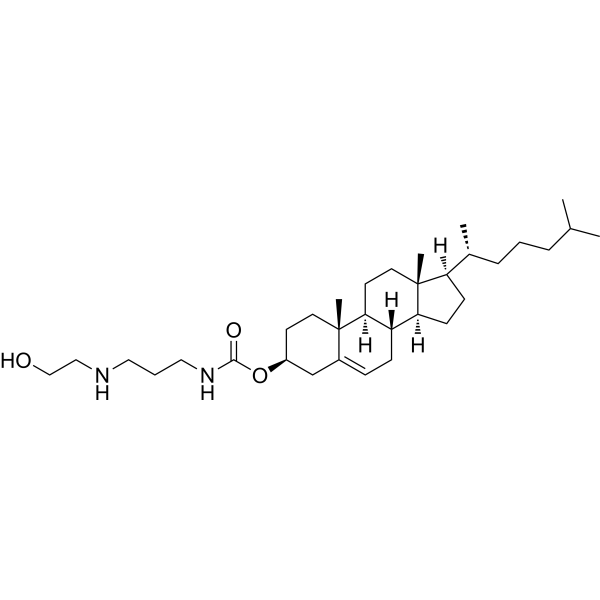
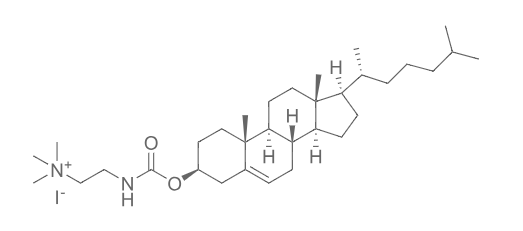
HAPC-Chol is a cationic cholesterol. HAPC-Chol, as part of a lipoplex with DOPE, has been used for siRNA delivery and gene silencing in MCF-7 cells in a luciferase assay without affecting cell viability. It has also been used to deliver siRNA into mice via intravenous injection, resulting in HAPC-chol accumulation in the lungs.
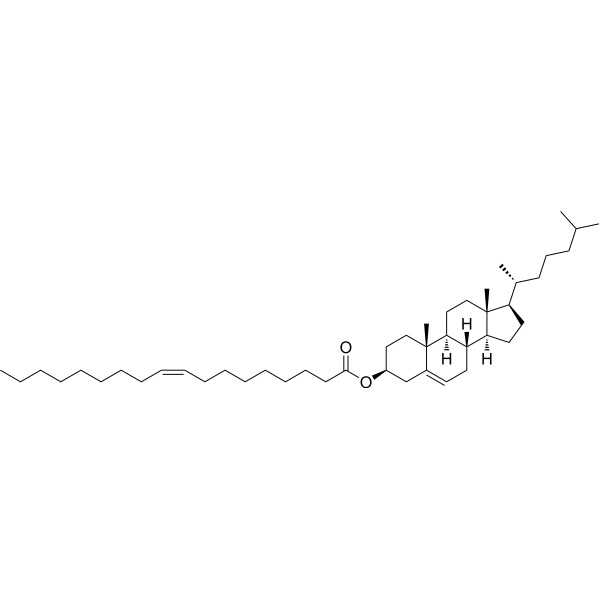
Cholesteryl oleate is an ester compound formed from Cholesterol (HY-N0322) and Oleic acid (HY-N1446), which is involved in lipid transport, storage and cell membrane formation in living organisms. Cholesteryl oleate may serve as a potential biomarker for prostate cancer. Cholesteryl oleate can also prepare cationic solid lipid nanoparticles (SLNs) for efficient gene silencing.
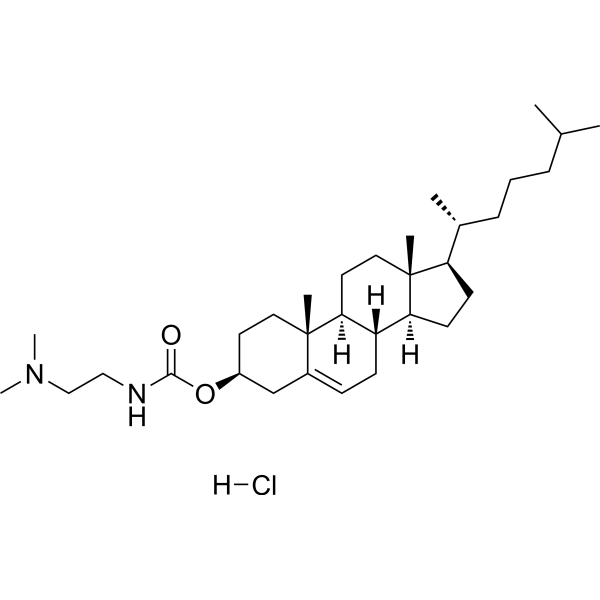
DC-Chol hydrochloride is a cationic lipid. DC-Chol hydrochloride could inhibit Aβ40 fibril formation under appropriate experimental conditions. DC-Chol hydrochloride strongly inhibits amyloidogenesis of oxidized hCT in a dose-dependent manner. DC-Chol hydrochloride induces the production of Th1 (IL-2 and IFN-γ) and Th2 (IL-5) cytokines. DC-Chol hydrochloride can enhance the body's immune response to antigens. DC-Chol hydrochloride is used as a gene delivery vector. DC-Chol hydrochloride can be used in research in areas such as hepatitis B vaccines to improve vaccine immunity.