2-Distearoyl-sn-Glycero-3-Phosphoethanolamine(DSPE) conjugated polyethylene glycol is a combination of phospholipid and polyethylene glycol, which has hydrophilicity and hydrophobicity. Polyethylene glycol phospholipid liposomes can be used for drug delivery, gene transfection and vaccine delivery. Pegylated phospholipids can significantly improve blood circulation time and stabilize drug encapsulation. These materials can also be used for targeted drug delivery by modifying ligands with target surfaces such as antibodies and peptides,Liposomes.
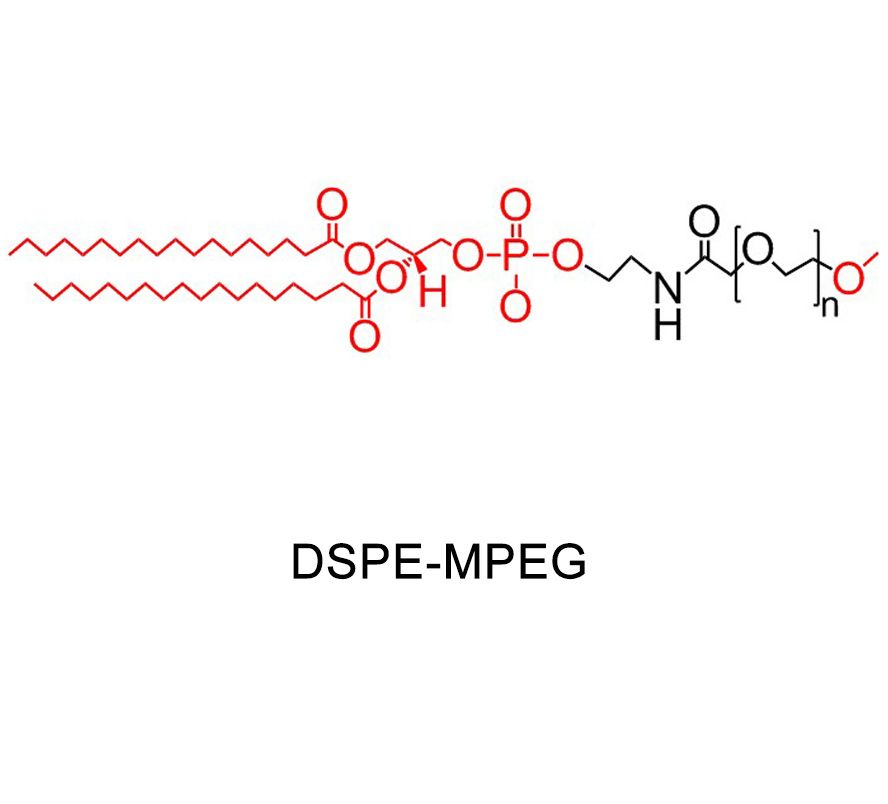
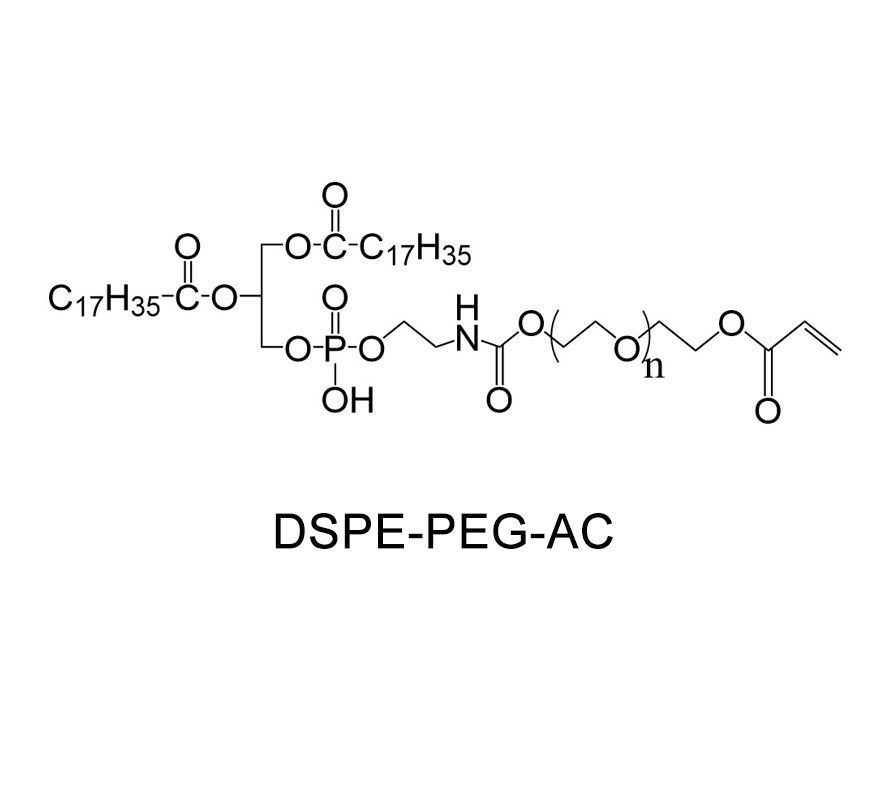
DSPE-PEG-AC phospholipid PEG derivative used in the preparation of liposomes, phospholipatized polyethylene glycol binding has both hydrophilic and hydrophobic properties. Acrylate functionalized PEG is a common polymer for preparing biocompatible and biodegradable hydrogels and other biopolymers. Functionalized polyethylene glycol can be used to modify proteins, peptides, and materials, but also to increase solubility and stability, and reduce peptide and protein immunogenicity. It can also inhibit the non-specific combination of charged molecules to modify the surface. The product can be used in drug release, nanotechnology and new materials research, cell culture. As well as ligand research, peptide synthesis support, grafted polymer compounds, new materials and pegylated modified functional coatings and other active compounds.
DSPE phospholipids can be used as pharmaceutical excipients for emulsification and drug solubilization, and are important materials for slow release drug preparations such as liposomes, fat milk and nanoparticles in recent years. Modification of phospholipid molecules can make these preparations have the ability of release and targeting under specific conditions. Common modification methods include: disintegration time; Introducing immune factors to enhance targeting; Introduce markers for diagnosis and tracking. A covalent bond in the carbonyl group is connected to the hydrogen atom and formed by a univalent atomic group, called aldehyde group, aldehyde group structure simple formula is -CHO, aldehyde group is a hydrophilic group, so the organic matter with aldehyde group (such as acetaldehyde, etc.) has a certain water solubility. Aldehydes, sugars, aldehydes, glucose, maltose and other molecules contain aldehyde groups. The aldehydes are active and prone to condensation and nucleophilic addition reactions. The aldehyde group can be reduced to hydroxymethyl (-CH2OH) or oxidized to carboxylic (-COOH).

RGD's receptors are integrins αvβ3 and αvβ5, which can mimic cell adhesion proteins and bind specifically to 11 kinds of integrins, which can effectively adhere to biological materials. DSPE-PEG-RGD can be used to make micelles and vesicles. The liposomes formed by RGD-PEG-DSPE can act directly on the target to form an active targeting effect. Rgd-peg-dspe peptide RGD polyethylene glycol phospholipid can be used for passive targeting of micelles and vesicles, active targeting research and drug delivery. DSPE (1, 2-distearoyl-SN-glycerol-3-phosphate ethanolamine) is a saturated 18-carbon phospholipid commonly used in the synthesis of liposomes. Polyethylene glycol (PEG) -coupled DSPE is hydrophilic and can be used for drug delivery, gene transfection, and biomolecular modification. Polyethylene glycol can enhance solubility and stability, reduce the nonspecific binding of charged molecules, and reduce the immunogenicity of polypeptides.

DSPE phospholipids can be used as pharmaceutical excipients for emulsification and drug solubilization, and are important materials for slow release drug preparations such as liposomes, fat milk and nanoparticles in recent years. Modification of phospholipid molecules can make these preparations have the ability of release and targeting under specific conditions. Common modification methods include: disintegration time; Introducing immune factors to enhance targeting; Introduce markers for diagnosis and tracking.

Polyethylene glycol phospholipid is an excellent material to form liposomes, which can be used for gene transfection, vaccine delivery, drug transportation, and targeted drug delivery. Phospholipids are hydrophobic and hydrophilic. It can be used to modify protein drugs, peptide compounds, organic small molecule drugs, biological materials, etc. Cy7 labeled PEG derivatives are used for fluorescence tracing or fluorescence observation.

DSPE-PEG-NPC is a linear heterobifunctional polyglycolation reagent containing DSPE phospholipids and NPC groups. It is a useful self-assembly reagent for preparing PEGylated liposomes or micelles, and also provides a combination of NPC group and thiol containing molecules.

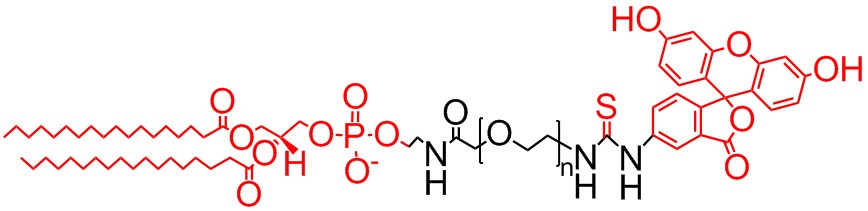
DSPE-PEG-FITC, is a fluorescein attached PEG lipid. It can be used to prepare liposomes as drug carrier in targeted drug delivery. The polymer is modified with fluorescein (green) dye which can be used for staining cells, tissues, biomarkers, or nanoparticles.
DSPE-PEG-OPSS, DSPE (1,2-distearoyl-sn-glycerol-3-phosphoethanolamine) is a saturated 18 carbon phospholipid, commonly used in the synthesis of liposomes. Polyethylene glycol (PEG) - coupled DSPE is hydrophilic and can be used for drug delivery, gene transfection and biomolecular modification. The PEG of phospholipid significantly improved the blood circulation time and stability of the capsule drug. Polyethylene glycol can enhance the solubility and stability, reduce the non-specific binding of charged molecules on the surface, and reduce the immunogenicity of polypeptides. Mercaptopyridine reacts with mercapto group to release pyridine ring and generate stable disulfide bond.

Macrocyclic ligands are ring complexes formed by multi-dentate ligands with O, N, P, S and other coordination atoms on the ring skeleton. The range of complexes is wide. According to their structural characteristics, complexes can be divided into the following types: simple complexes, chelates, polynuclear complexes, carbonyl complexes, metal clusters, sandwich complexes, and macrocyclic ligand complexes.
DSPE-PEG-FITC is a fluorescein attached PEG lipid. It can be used to prepare liposomes as drug carrier in targeted drug delivery. The polymer is modified with fluorescein (green) dye which can be used for staining cells, tissues, biomarkers, or nanoparticles.
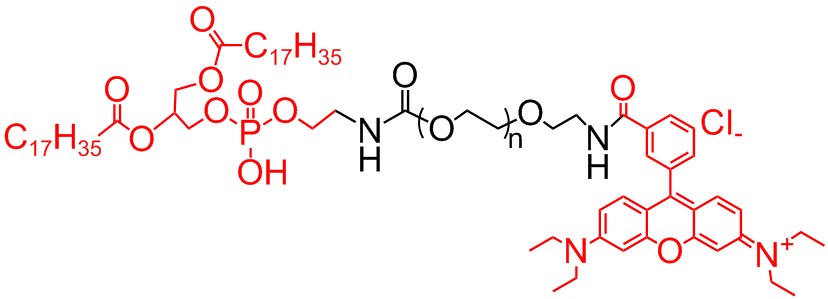
Long circulating liposomes were obtained by modifying the surface of liposomes with polyethylene glycol, which could prolong the half-life of liposomes, improve its stability in blood circulation, and change the biological distribution of liposomes.
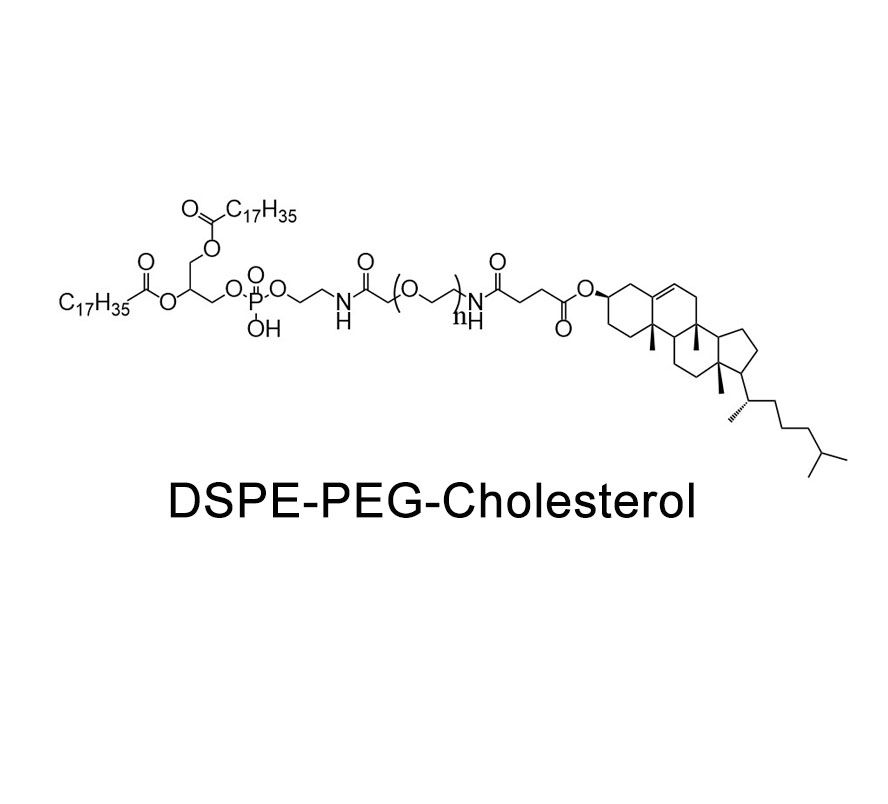
DSPE-PEG-CLS is a phospholipid PEG derivative used in liposome preparation, phospholipid polyethylene glycol binding with hydrophilic and hydrophobic, polyethylene glycol phospholipid liposome formation material, which can be used for drug delivery, gene transfection and vaccine delivery. Cholesterol is the basic substance of cell membrane and liposome, is also an indispensable important substance of animal tissue cells, it not only participates in the formation of cell membrane, but also is the raw material of synthesis of bile acid, vitamin D and steroid hormone.
DSS6-PEG-DSPE,DSPE-PEG-DSS6 is a composite molecule composed of phospholipids(DSPE),polyethylene glycol(PEG),and bone targeting peptide DSS6,mainly used for bone targeted drug delivery and bone tissue repair. Its core structure achieves precise targeting and efficient delivery through the synergistic effect of three parts.The DSS6 peptide consists of six Asp-Ser-Ser amino acid repeat sequences and can specifically recognize hydroxyapatite(HAp)in bone tissue.

DSPE-PEG14-COOH is a PEG-based PROTAC linker that can be used in the synthesis of PROTACs.
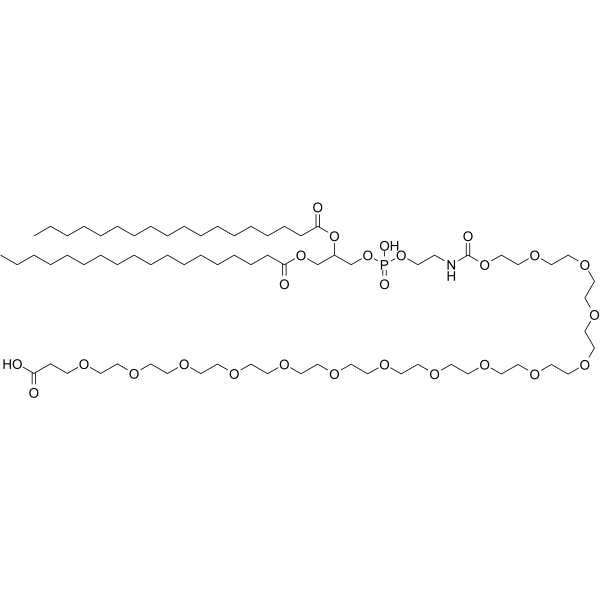
DMG-PEG2000-Biotin is a synthetic amphiphilic molecule composed of dimyristoyl glycerol (DMG), polyethylene glycol (PEG2000), and biotin functionalities. It is commonly employed in biomedical research for surface modification of lipid-based delivery platforms, such as lipid nanoparticles (LNPs) and liposomes. The PEG moiety enhances colloidal stability, prolongs circulation time, and reduces rapid clearance in vivo. The biotin termination facilitates conjugation to streptavidin-tagged biomolecules, exploiting the highly specific biotin-streptavidin interaction. Thus, DMG-PEG2000-Biotin is valuable for drug-delivery optimization, targeted therapeutic approaches, and in vitro diagnostic assay development.

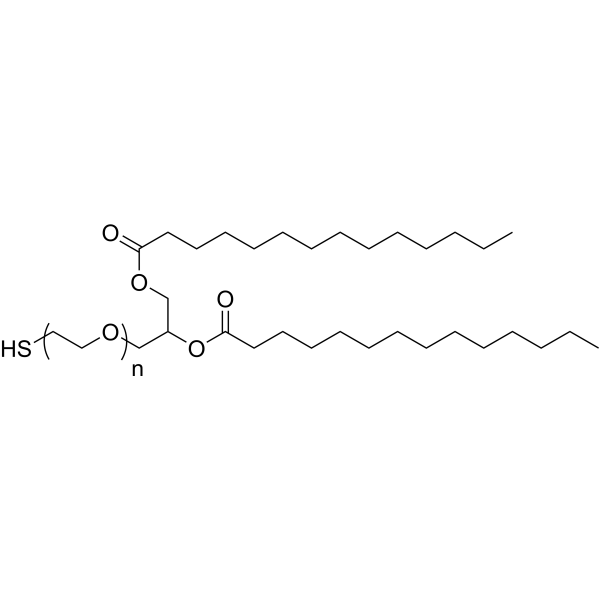
Thiol-PEG2000-DMG is a phospholipid polyPEG which can be used to prepare liposomes or nanoparticles. The terminal thiol group reacts with maleimide, OPSS, vinylsulfone and transition metal surfaces including gold, silver, etc.
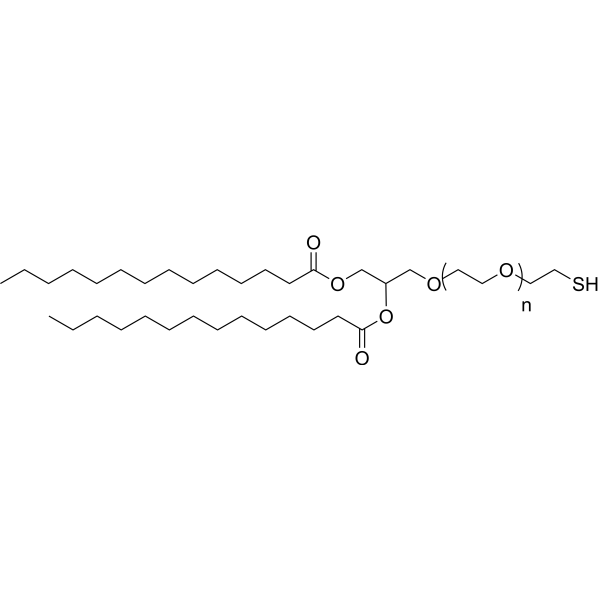
DMG-PEG2000-OH is a PEG derivative that can be used to construct drug delivery vehicles.
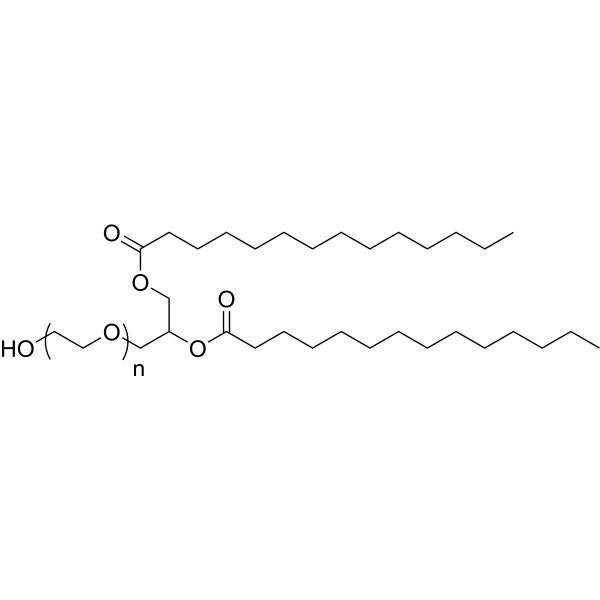
DMG-PEG2000-SH is a PEG derivative that can be used to construct drug delivery vehicles.