LathosterolFeaturedFeatured
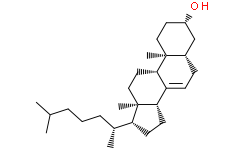
Lathosterol is a cholesterol-like molecule. Serum Lathosterol concentration is an indicator of whole-body cholesterol synthesis.

Explore 849 lipid and RNA delivery products. Search the full catalog or browse by research category.
Search covers product name, catalog number, synonyms, available CAS numbers and categories. Spaces, hyphens and common punctuation are ignored. Duplicate legacy records are consolidated under one canonical product result.
Lathosterol is a cholesterol-like molecule. Serum Lathosterol concentration is an indicator of whole-body cholesterol synthesis.
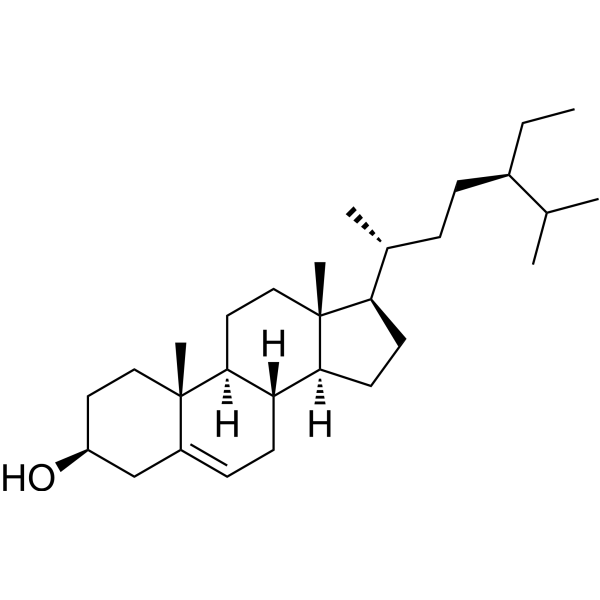
β-Sitosterol is orally active. Beta-Sitosterol exhibits multiple activities, including anti-inflammatory, anticancer, antioxidant, antimicrobial, antidiabetic, antioxidant enzyme, and analgesic. Beta-Sitosterol inhibits inflammation and impaired adipogenesis in bovine mammary epithelial cells by reducing levels of ROS, TNF-α, IL-1β, and NF-κB p65 and restoring the activity of the HIF-1α/mTOR signaling pathway. Beta-Sitosterol induces apoptosis in cancer cells through ROS-mediated mitochondrial dysregulation and p53 activation. Beta-Sitosterol exerts its anticancer effects in cancer cells by activating caspase-3, caspase-8, and caspase-9, mediating PARP inactivation, MMP loss, altered Bcl-2-Bax ratio, and cytochrome c release. Beta-Sitosterol modulates macrophage polarization and reduces rheumatoid inflammation in mice. Beta-Sitosterol inhibits tumor growth in multiple mouse cancer models. Beta-Sitosterol can be used in the research of arthritis, lung cancer, breast cancer and other cancers, diabetes, etc.
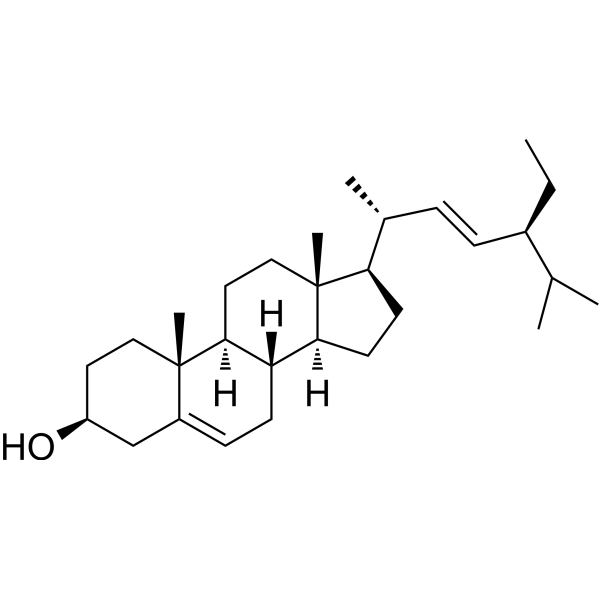
Stigmasterol is an orally acitve, immunomodulatory agent with anti-inflammatory and neuroprotective effect, as well as able to cross the blood-brain barrier. Stigmasterol activates AMPK, which in turn inhibits NF-κB and NLRP3 signaling pathways, reduces microglia-mediated neuroinflammation, and alleviates cognitive impairment and Alzheimer's disease. Stigmasterol regulates M1/M2 polarization of microglia through the TLR4/ NF-κB pathway, thereby reducing neuropathic pain. Stigmasterol can be used for neurodegenerative diseases, inflammatory diseases, and pain management, among others.
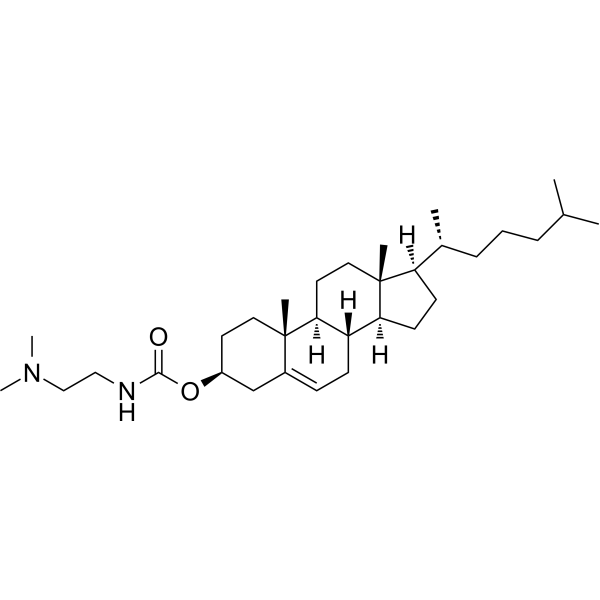
DC-cholesterol(3β-[N-(N′,N′-Dimethylaminoethyl)carbamoyl]cholesterol), a lipid, has been investigated in cancer gene therapy and vaccine delivery system.
SCS is an orally active cholesterol biosynthesis agonist that targets NPC2. It activates SREBP2 by competitively binding to NPC2, thereby promoting cholesterol synthesis (EC50 = 50 μM).
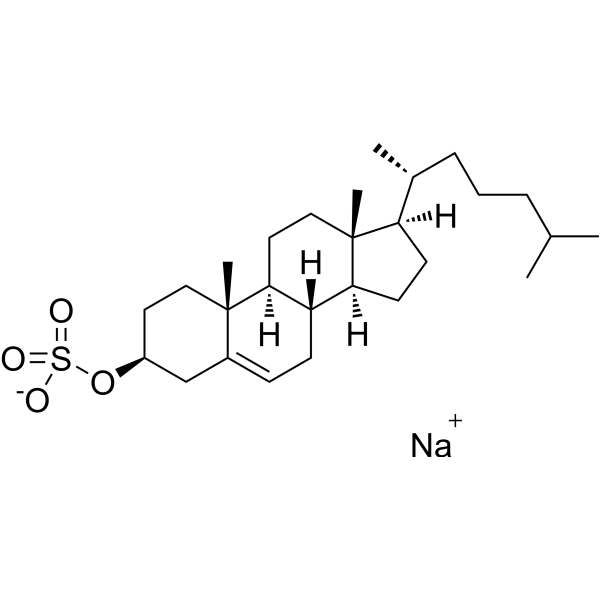
MP2 is a methylprednisolone-derived ionizable lipid studied for local colonic mRNA delivery. Its IL-35 mRNA LNP formulation was evaluated in acute and chronic colitis mouse models and ex vivo human colonic biopsies.
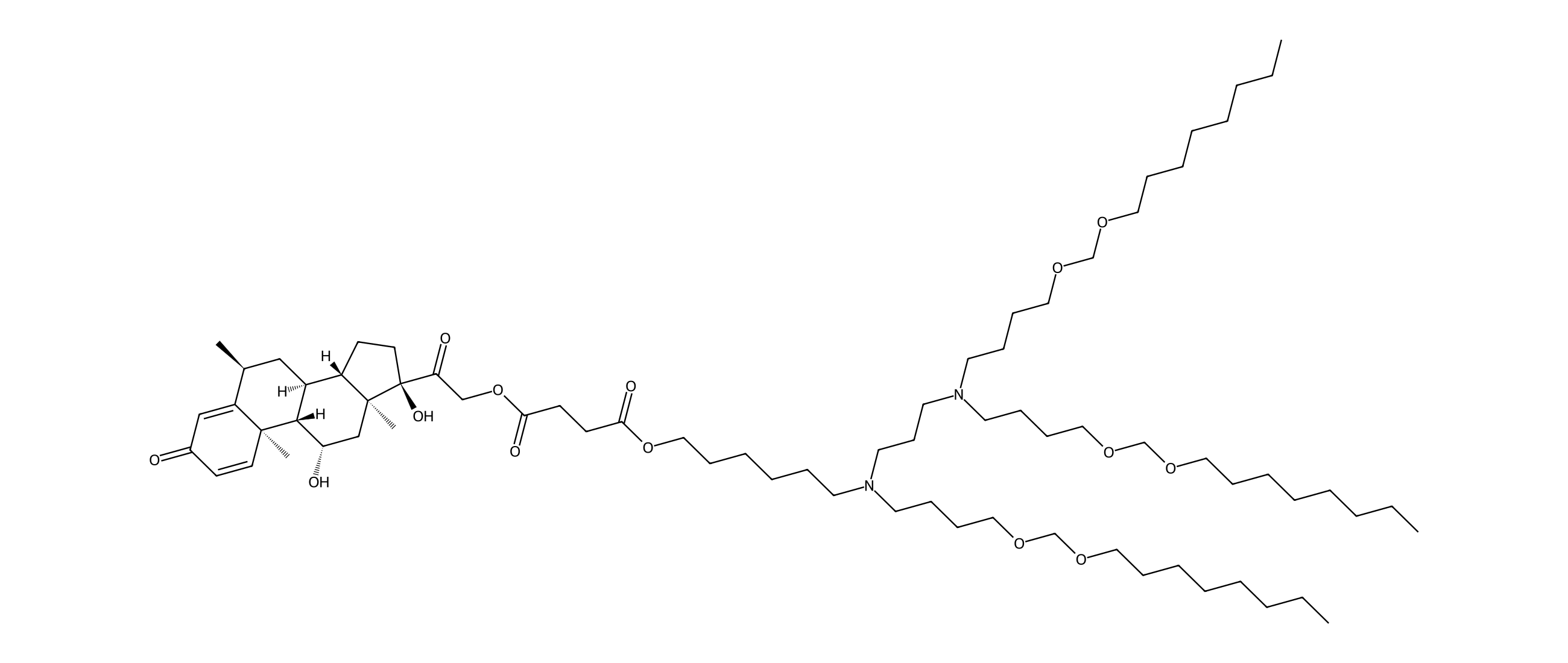
Lipid 03-135 is an ionizable lipid investigated for lipid nanoparticle delivery of mRNA encoding a CD19/CD3 bispecific T-cell engager developed by Abogen. In WO2024131874A1, its formulation showed the highest plotted serum antibody concentrations at 24 and 48 hours among five tested lipids after a single intravenous dose of mRNA1 in NOD/SCID mice.
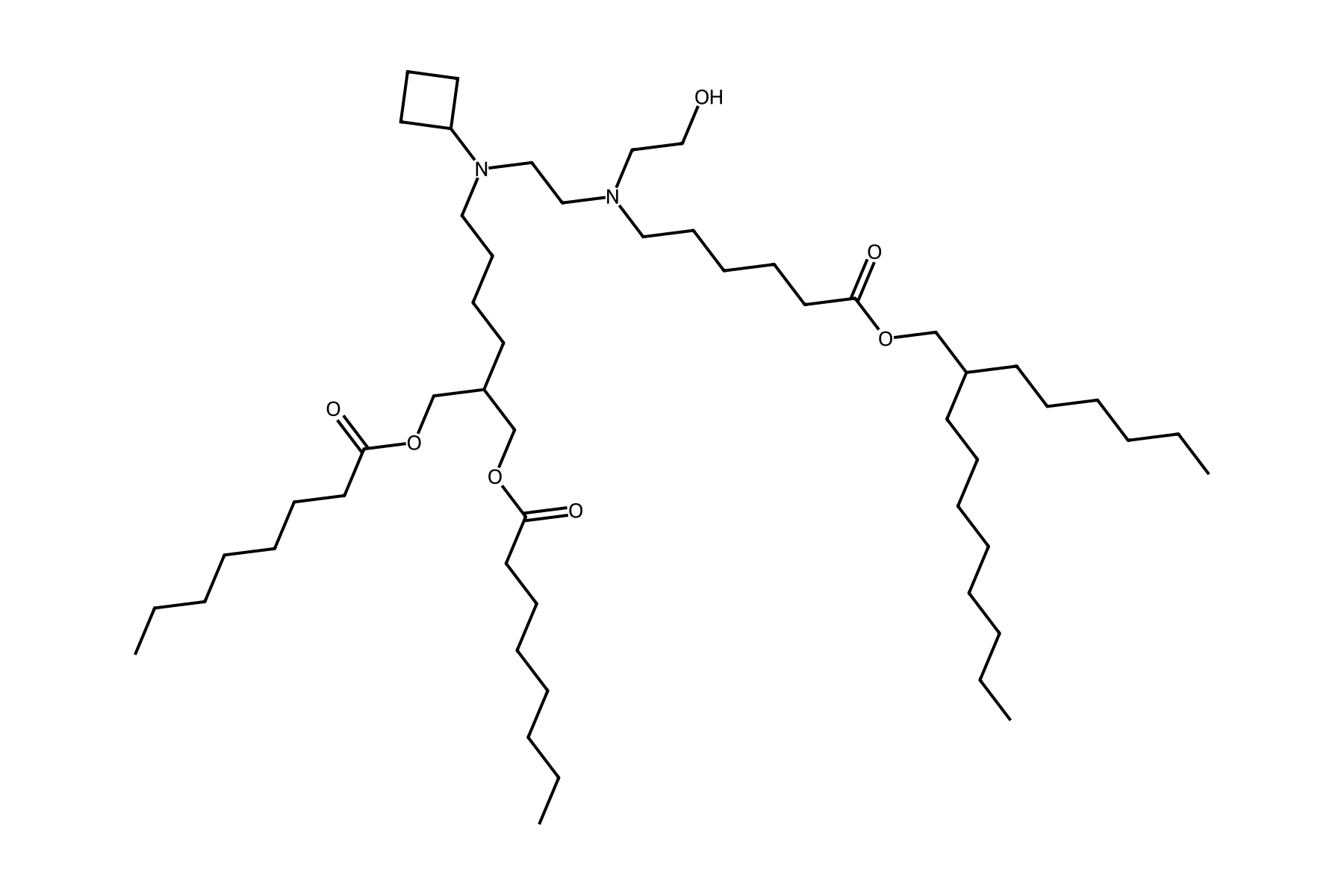
Ionizable lipid used for intravenous mRNA-encoded CD19/CD3 bispecific antibody delivery and an antitumor study in a human PBMC / Nalm6 leukemia model.
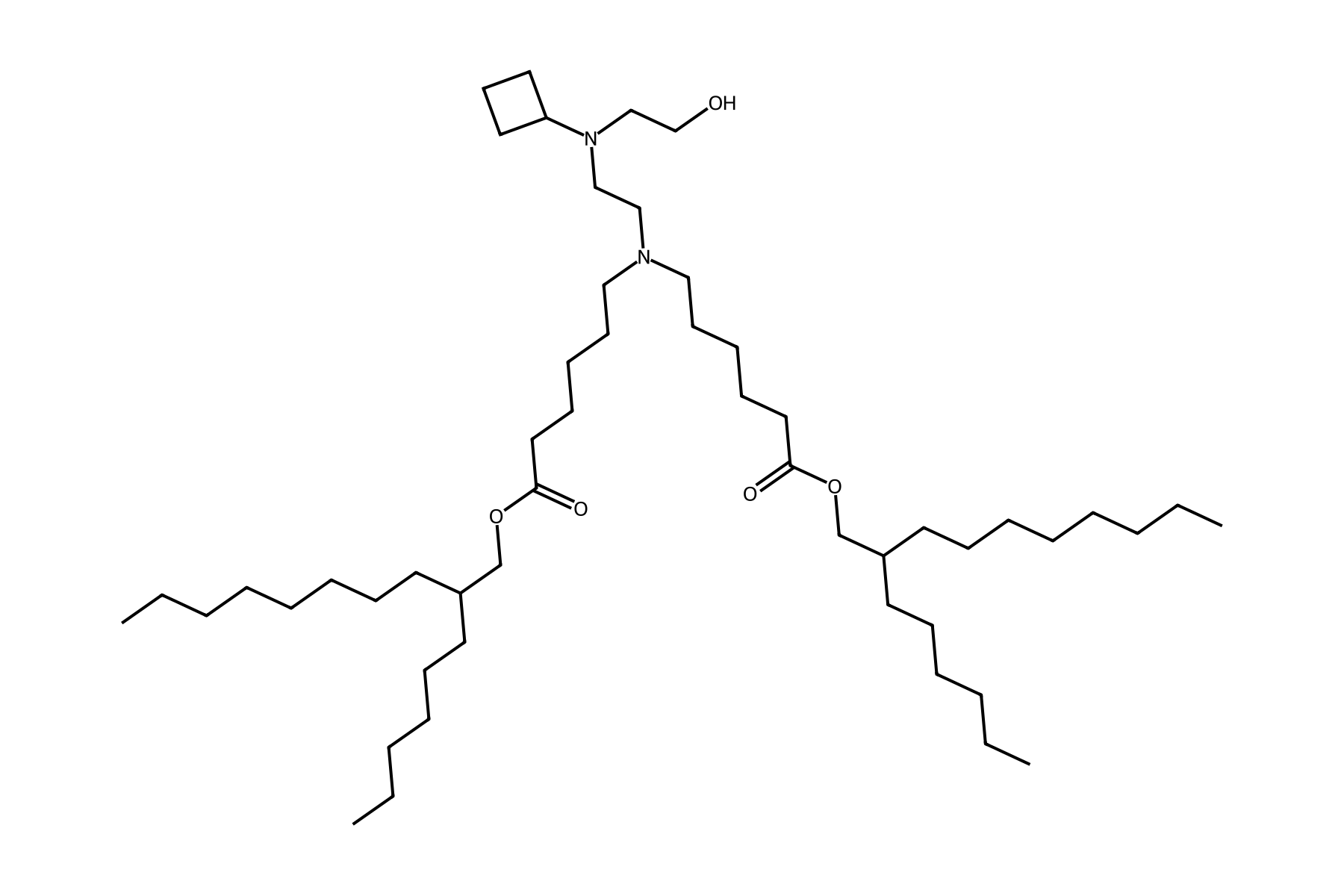
Lipid 6 is a literature-reported ionizable lipid for ex vivo mRNA delivery to primary human T cells. In Gao et al. (2026), LNPs containing Lipid 6 generated MUC1-CAR T cells that were assessed against MUC1-positive cancer cell lines in vitro.
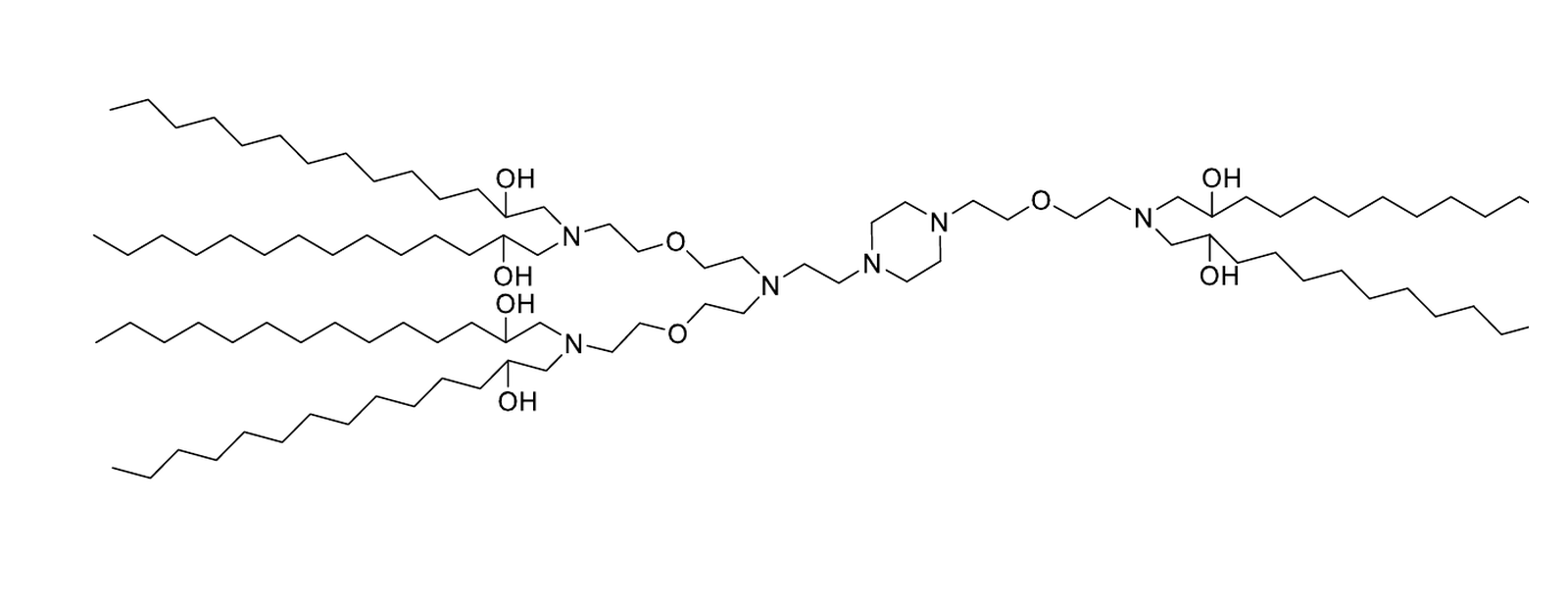
DODMA, also known as MBN 305A is a a cationic lipid containing the unsaturated long-chain (18:1) oleic acid inserted at both the sn-1 and sn-2 positions. It has been used in the composition of lipospomes formulated as stable nucleic acid lipid particles that can encapsulate siRNA or other small molecules to be used for drug delivery
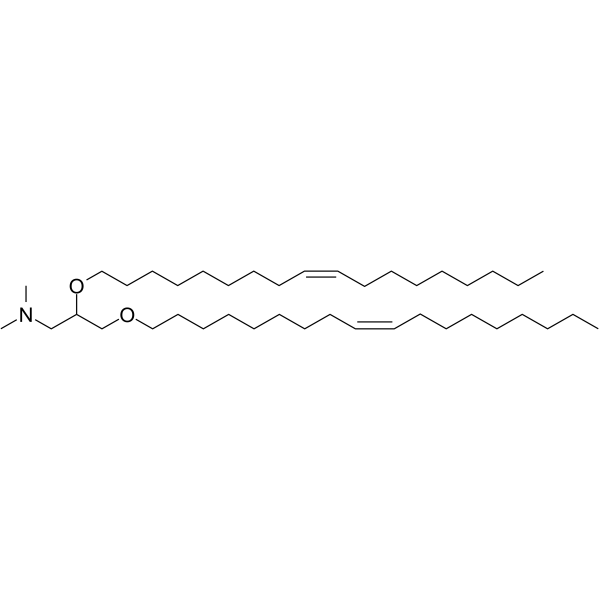
DODAP, also known as 1,2-Dioleoyl-3-dimethylammonium-propane, is a cationic lipid. It has been used as a component in liposomes that can be used to encapsulate siRNA, immunostimulatory oligodeoxynucleotides, antisense oligonucleotides, or chemotherapeutic agents for in vitro and in vivo delivery.

DOTAP, also known as 1,2-Dioleoyl-3-trimethylammoniumpropane, is a cationic liposome-forming compound used for transfection of DNA, RNA, and other negatively charged molecules into eukaryotic cells. It has been used in gene delivery vectors for gene ther

NT1-O12B is a tryptamine-derived bioreducible lipidoid evaluated as a brain-delivery component. The cited study identified NT1-O12B as the strongest DiR brain-delivery member of the tested NT-lipidoid series and used it with PBA-Q76-O16B at a 3:7 weight ratio for optimized DiR and amphotericin B delivery. Results apply to these formulations and must not be extended to the NT1-O14B systems used for Tau-ASO and Cre protein delivery.

503O13 is a degradable, four-tail ionizable lipidoid from a second-generation siRNA-delivery library. In the cited mouse Factor VII study, the non-optimized 500-series formulation was screened at 5 mg/kg and optimization of the 503O13 formulation reduced its reported EC50 to 0.01 mg/kg. The exact optimized helper-lipid molar ratio was not disclosed. Results below apply to the cited LNP, not to the neat lipid or a commercial batch.
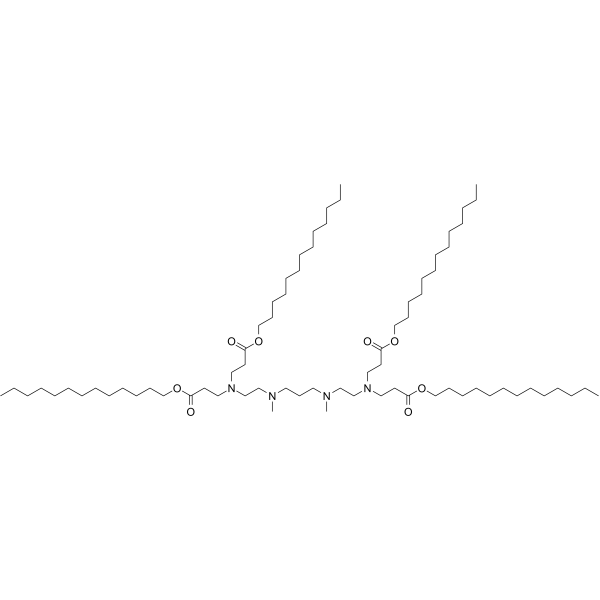
FTT5 is a lipid-like compound for efficient delivery of long mRNAs in vivo.

C24 is a novel multiprotic ionizable lipid. C24 lipid nanoparticle (LNP) has a multistage protonation behavior resulting in greater endosomal protonation and greater translation compared to the standard reference MC3 LNP. C24 LNP also lower injection site inflammation and higher stability compared to MC3 LNP.
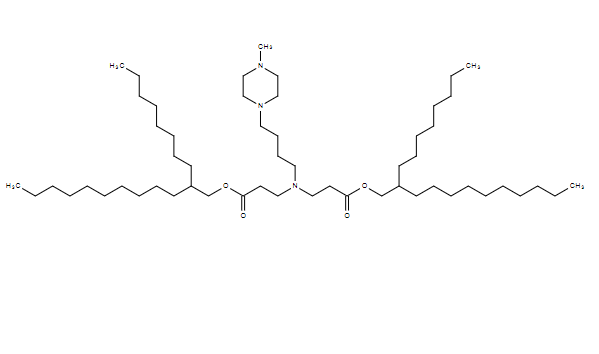
L319 (LIPID 319) is a novel ionizable, biodegradable lipid for delivery of short interfering RNAs (siRNAs). L319-LPN displays rapid elimination with pKa of 6.38 and also shows well tolerated up to 10 mg/kg.

Lipid A9 is an ionizable cationic lipid (pKa = 6.27) that has been used in the generation of lipid nanoparticles (LNPs) for the delivery of mRNA and siRNA in vivo. LNPs containing lipid A9 and encapsulating non-stimulatory siRNA increase plasma levels of chemokine (C-C motif) ligand 2 (CCL2), indicating activation of the innate immune response, and decrease body weight in mice.
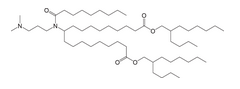
C12-200 is a well-known cationic lipid used in the formulation of lipid nanoparticles (LNPs) for the delivery of therapeutic nucleic acids, including siRNA, mRNA, and CRISPR components. It is widely recognized for its high in vivo potency at low doses and is often used as a positive control ionizable lipid in research exploring new ionizable lipids.
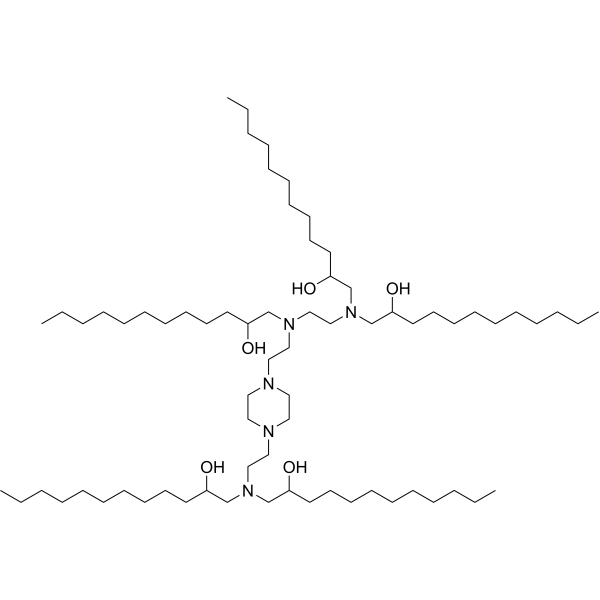
C14-4 (C14-494,Lipid B-4,Lipid B4) is a novel ionizable lipid with the highest T-cell transfection efficiency and low cytotoxicity.The C14-4 ionizable lipid has been explored for CAR-T therapy.To screen the excellent formulations for mRNA delivery, a lipid library of 24 ionizable lipids was constructed to make iLNPs, which were used to deliver luciferase mRNA into Jurkat cells.[115] The optimal iLNPs formulation was C14-4 iLNPs (C14-4 ionizable lipid, DOPE, chol, and PEG at a molar ratio of 35%, 16%, 46.5%, and 2.5%) (Figure 6c). The optimal dose of luciferase mRNA for C14-4 iLNPs was 30 ng. Compared with electroporated CAR T cells, the CAR T cells engineered via C14-4 iLNPs showed potent cancer-killing activity when they were cocultured with Nalm-6 acute lymphoblastic leukemia cells. To obtain a safer and more effective CAR mRNA delivery vehicle, the orthogonal design provided 256 potential formulations, and 16 representative iLNPs formulations were evaluated.Through evaluating the safety, delivery efficiency, and transfection efficiency of 16 iLNPs, the formulation B10 (C14-4 ionizable lipid, DOPE, chol, PEG at a molar ratio of 40%, 30%, 25%, and 2.5%) was screened out as the optimal performing formulation. The luciferase expression based on B10 formulation was increased threefold than the initial formulation. Reducing the accumulation and clearance of iLNPs in the liver can increase the expression of CAR mRNA in T cells, further improving the therapeutic effect of CAR-T. Studies have shown that cholesterol analogs can alter the mechanisms of intracellular circulation and enhance the delivery of mRNA, which may be related to the reduced recognition of iLNPs by the Niemann Pick C1 (NPC1) enzyme.The addition of a hydroxyl group to various locations in the cholesterol molecule can alter the binding kinetics between the modified cholesterol and NPC1, and reduced NPC1 recognition of cholesterol. The results showed that replacement of 25% and 50% 7 α-hydroxycholesterol for cholesterol in iLNPs improved mRNA delivery to primary human T cells in vitro by 1.8-fold and twofold, respectively.C14-4 is one of the ionizable lipids to efficiently deliver mRNA to Jurkat cells or primary human T cells. It will effectively promote the development of mRNA delivery by iLNPs for CAR-T therapy.
Page 8 of 43 · Browse all 849 products