
Research lipid catalog
Ionizable Lipid Products
Explore 848 lipid and RNA delivery products. Search the full catalog or browse by research category.
Search covers product name, catalog number, synonyms, available CAS numbers and categories. Spaces, hyphens and common punctuation are ignored. Duplicate legacy records are consolidated under one canonical product result.
4176 products · Showing 3841–3860 · 20 per page
DC Chemicals lipid expertise
Built for ionizable-lipid discovery and RNA delivery research
DC Chemicals supports formulation and delivery research with a broad, searchable portfolio of cationic and ionizable lipids. The current directory brings together 848 unique research-use products, with product specifications, pricing, chemical structures and literature-linked formulation data added as each record is verified.
Our experience spans complex lipid synthesis, purification, analytical release and process development. For custom molecules or larger-scale requirements, our team can discuss route development, technical specifications and scale-up options for the intended research workflow.
Learn about cationic and ionizable lipids →Proprietary innovation · Co-development · GMP
From proprietary lipid design to GMP-grade custom synthesis
DC Chemicals has independently developed ionizable-lipid structures supported by company-owned intellectual property, and selected proprietary lipid programs have advanced to GMP-stage development.
We welcome joint development with customers—from molecular design and lipid synthesis through route and process development. We can also support custom synthesis of GMP-grade ionizable lipids to agreed technical specifications and quality requirements.
Discuss a co-development project →Proprietary ionizable-lipid structuresCollaborative molecular designCustom lipid synthesisProcess development and scale-upGMP-grade project support
Product quick links
Explore New ionizable lipids
Explore our five most recently added ionizable lipids, with specifications, pricing and literature-linked product information.
DCL0028HX1Brain RNA delivery researchView product →DCL0024A1I4R13C18-2Spleen-targeted RNA delivery researchView product →DCL0023A1I4R2C18-2Spleen-targeted RNA delivery researchView product →DCL0022FS01Local joint RNA delivery researchView product →DCL0020Lipid-392Lung RNA delivery and gene editing researchView product →
Cat. No.Product NameField of ApplicationChemical Structure
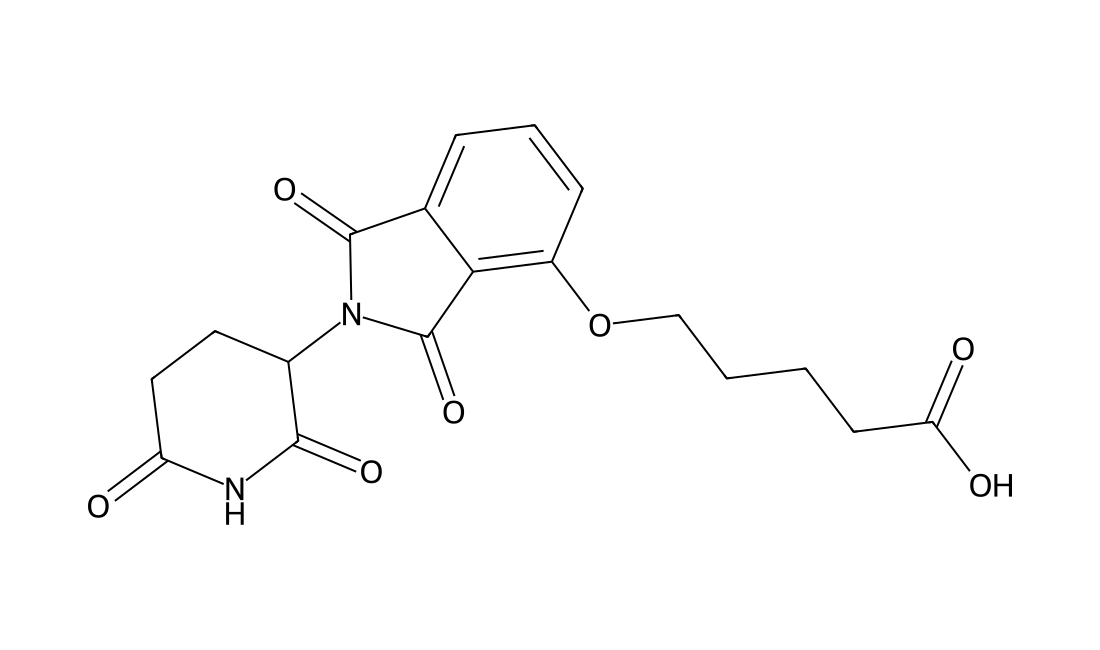
Thalidomide-O-C4-COOH is a synthesized E3 ligase ligand-linker conjugate that incorporates the Thalidomide based cereblon ligand and a linker used in PROTAC technology.
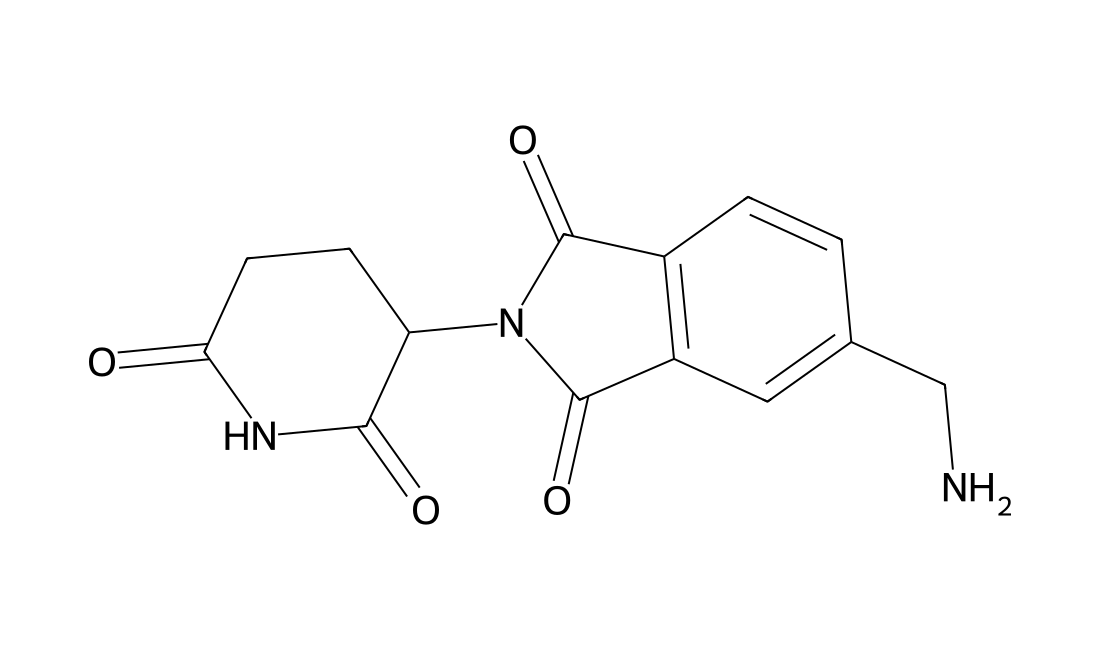
Thalidomide-5-CH2-NH2 (hydrochloride) is the Thalidomide-based cereblon ligand used in the recruitment of CRBN protein. Thalidomide-5-CH2-NH2 (hydrochloride) can be connected to the ligand for protein by a linker to form PROTACs.
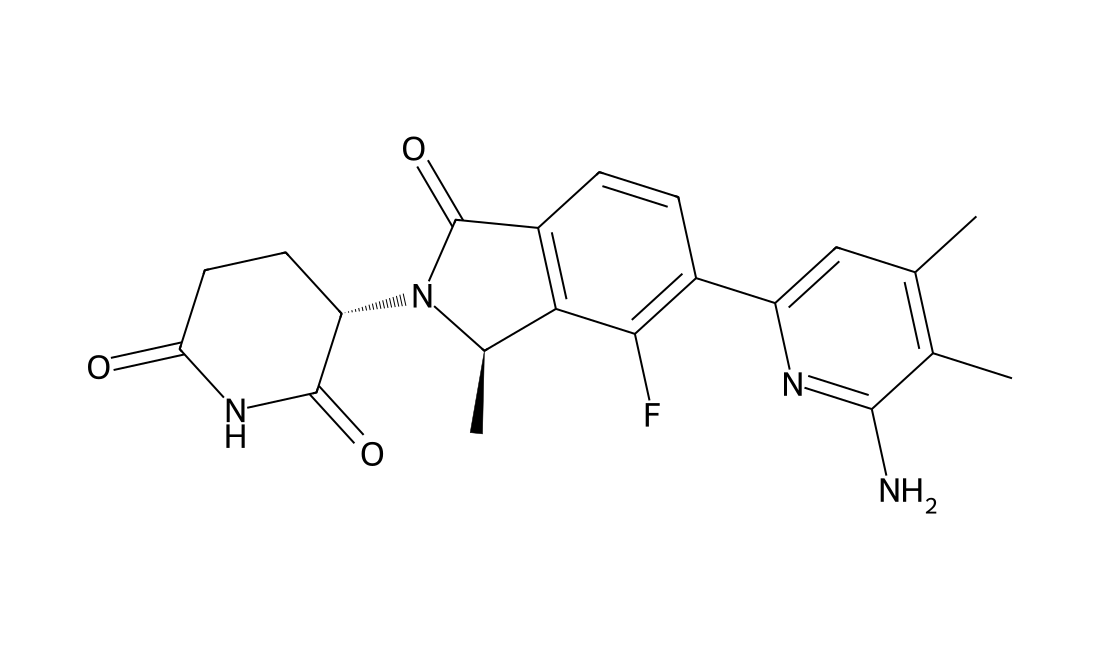
BMS-986449 is a CELMoD molecular glue and an IKZF2/IKZF4 degrader. BMS-986449 targets the degradation of transcription factors Helios (IKZF2) and Eos (IKZF4) in regulatory T (Treg) cells. BMS-986449 redirects the E3 ubiquitin ligase Cereblon to induce the degradation of Helios and Eos, reprogramming Treg cells and enhancing antitumor immunity. BMS-986449 is promising for research of advanced solid tumors.
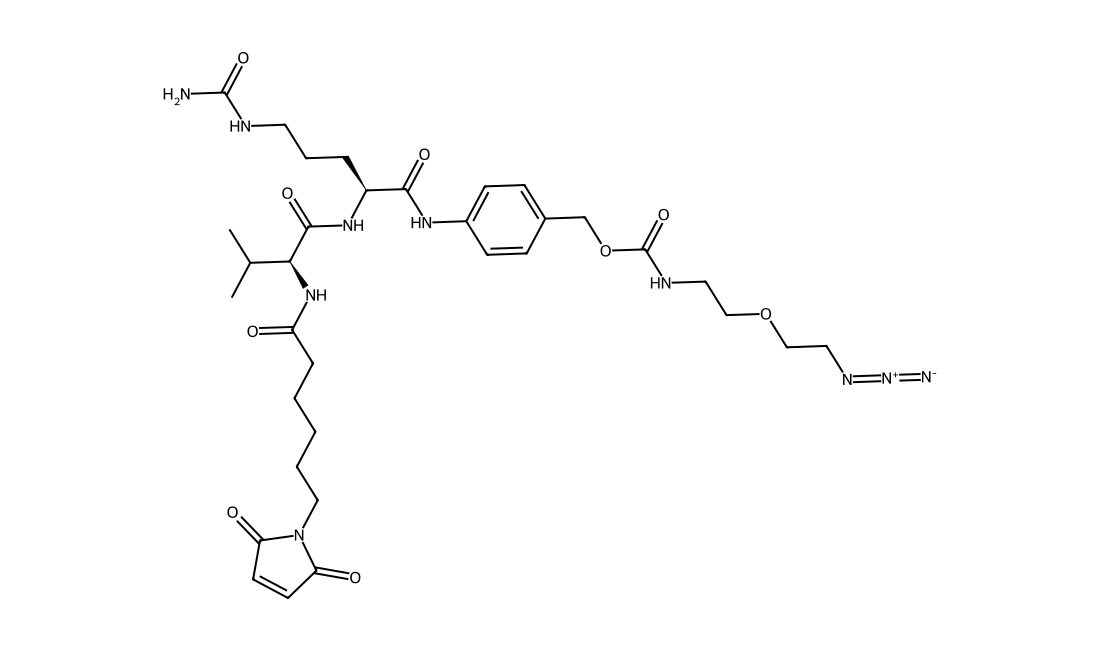
MC-VC-PAB-Azide is a cleavable ADC linker used in the synthesis of antibody-drug conjugates (ADCs).
HQ005 is a highly efficient molecular glue degrader that induces the selective degradation of Cyclin K (CCNK) with exceptional potency (DC50 = 41 nM). By facilitating novel protein-protein interactions between CCNK and the ubiquitin-proteasome system, HQ005 promotes targeted ubiquitination and proteasomal clearance of CCNK, offering a precise pharmacological tool for modulating CDK12/13-dependent transcription and DNA damage response pathways.
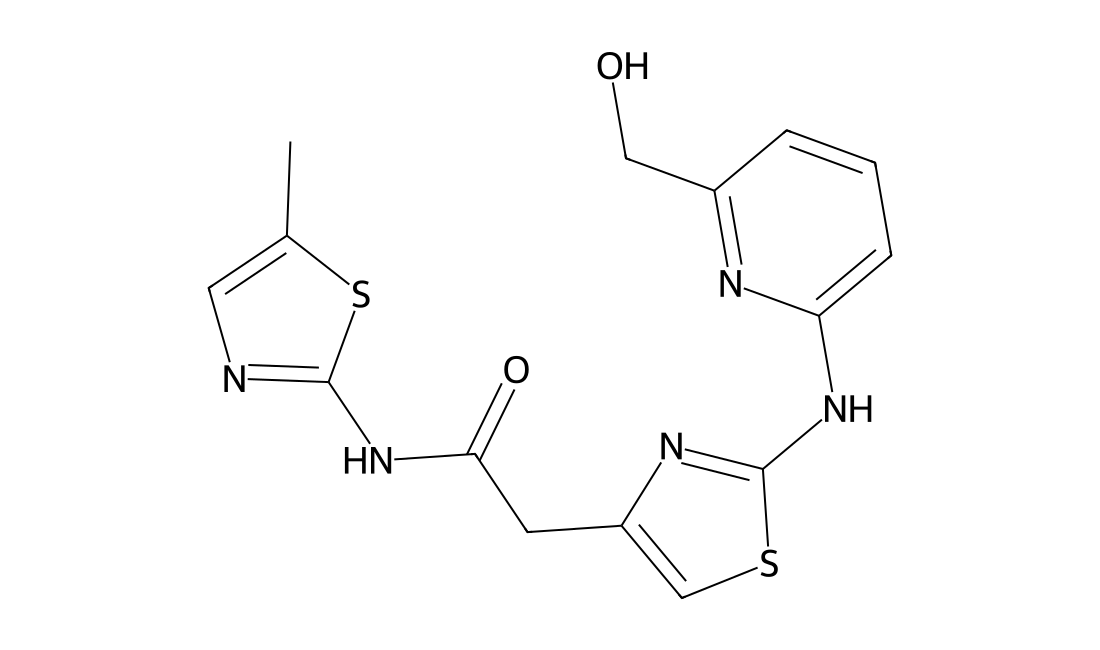
THAL-SNS-032 is a novel CDK9 degrader PROTAC consisting of a CDK-binding SNS-032 ligand linked to a thalidomide derivative that binds the E3 ubiquitin ligase Cereblon (CRBN).
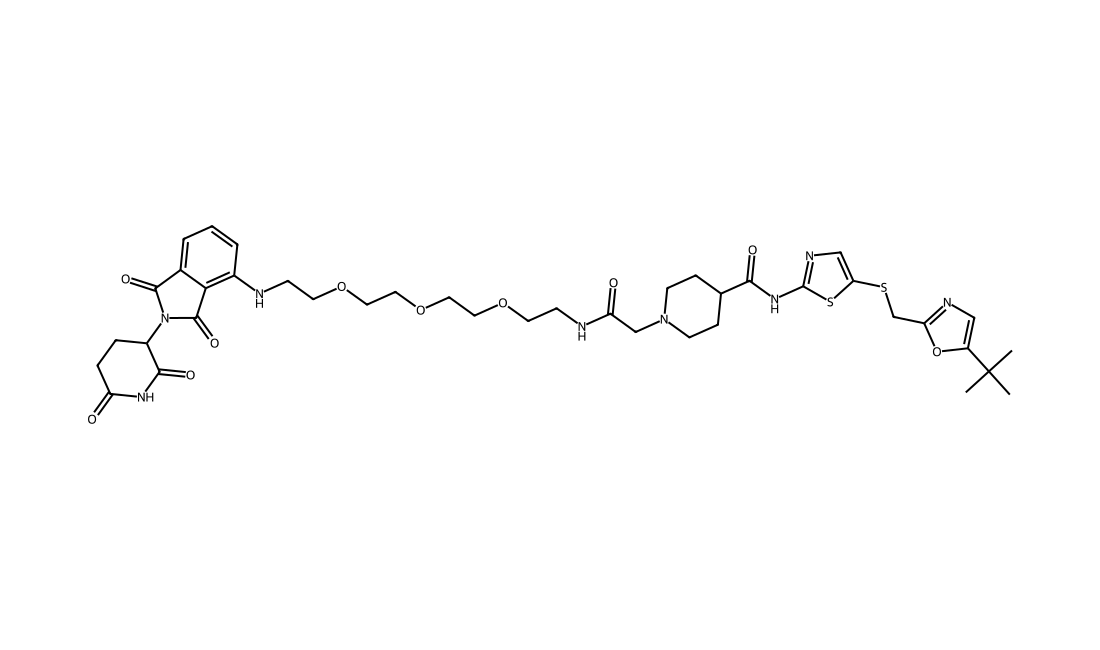
SD-436 is a highly potent and selective STAT3 degrader with DC50 of 0.1 nM in human PBMCs and displays >10,000-fold degradation selectivity for STAT3 over other STAT proteins.
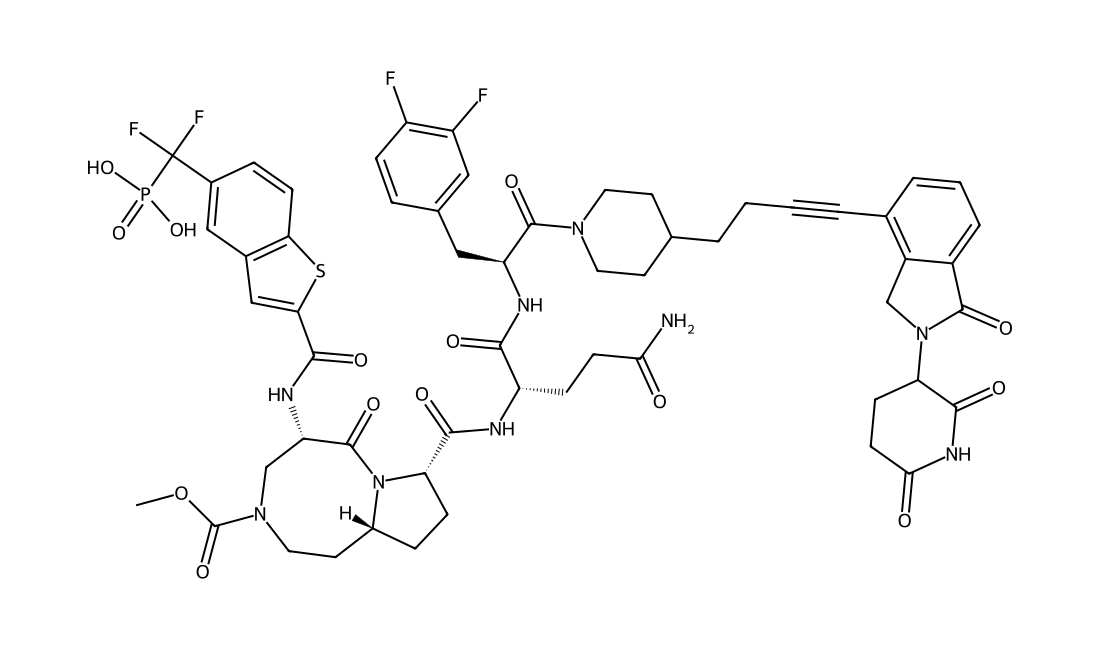
YJ1206 is an orally bioavailable PROTAC compound that selectively degrades CDK12 and CDK13, demonstrating potent activity (IC50 = 12.55 nM) in VCaP cells. It induces DNA damage, triggers apoptosis, and drives tumor regression in treatment-resistant prostate cancer PDX models, highlighting its therapeutic potential.
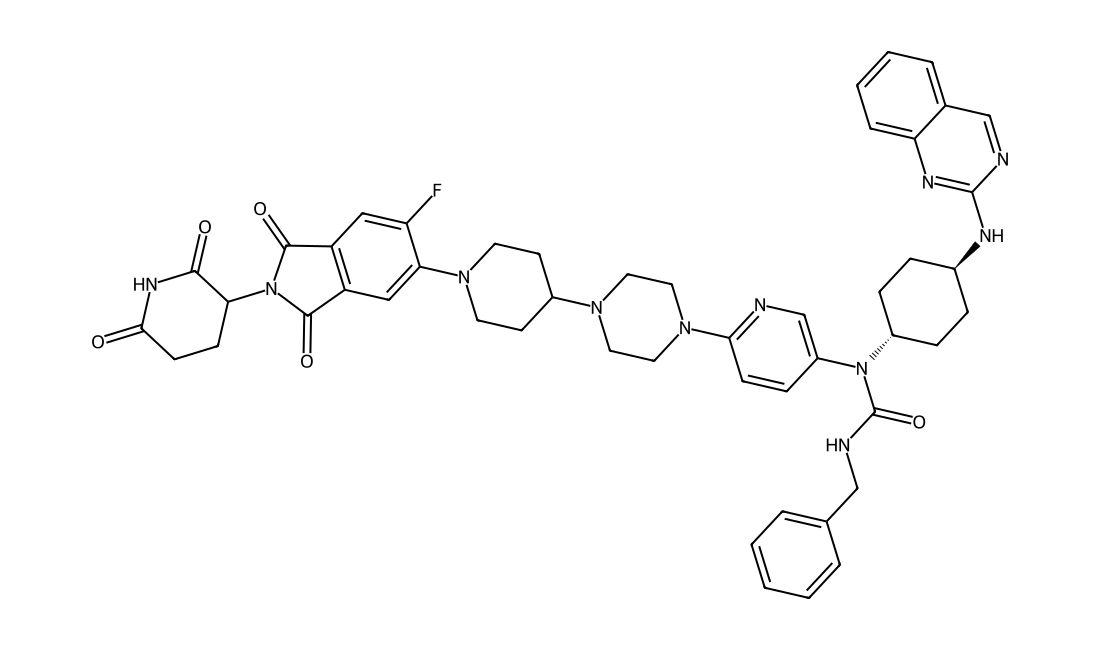
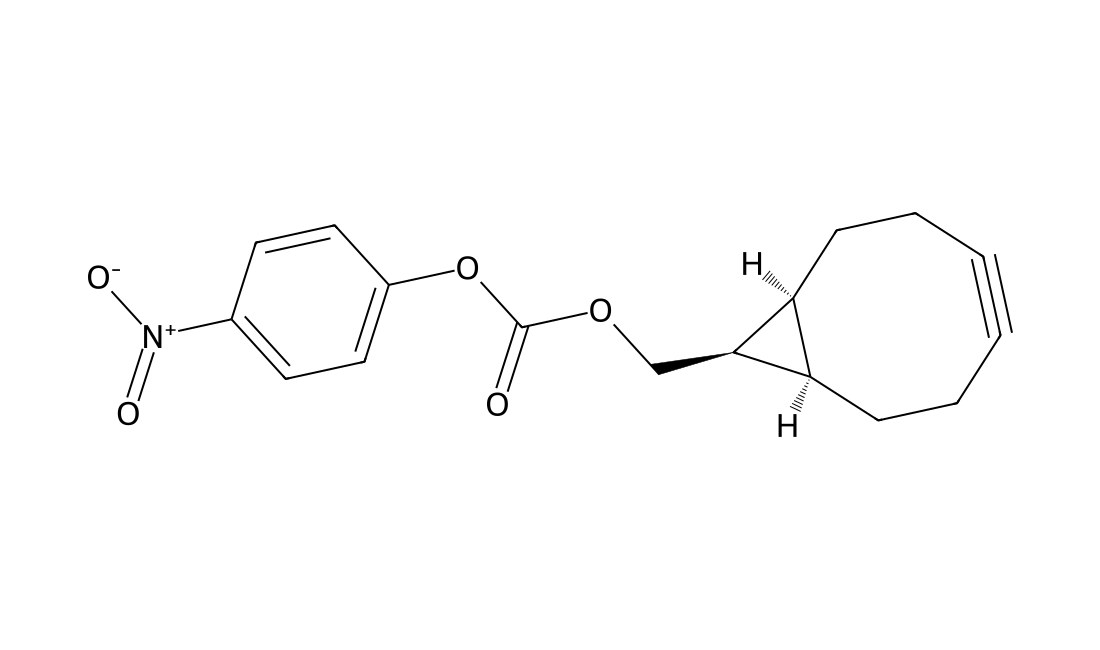
endo-BCN-O-PNB is an alkyl/ether-based PROTAC linker that can be used in the synthesis of PROTACs.
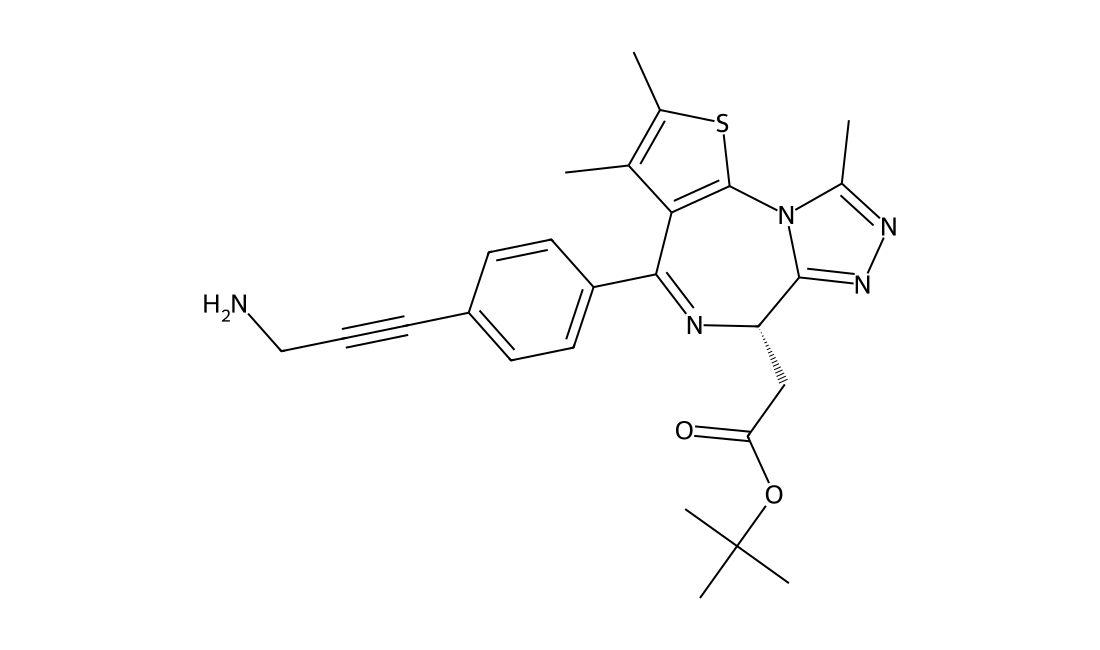
GNE-0011 is a monovalent, JQ1-based BRD4 degrader that is not linked to an E3 ligase binder, triggers proteasomal and ubiquitin-dependent selective degradation of BRD4 over BRD2 and BRD3.
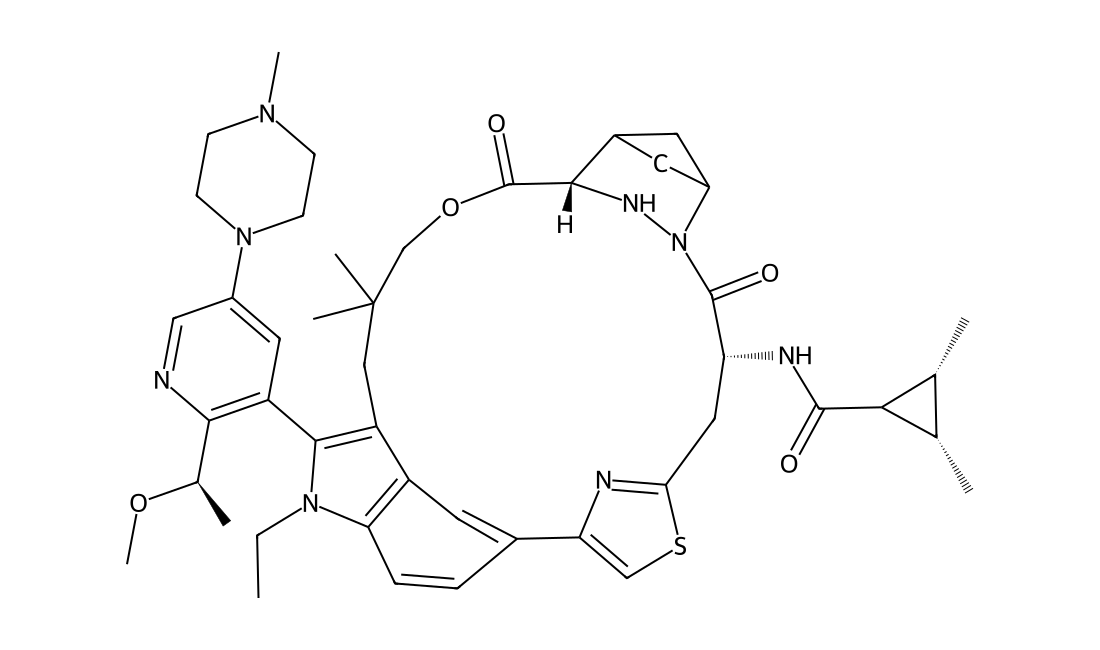
Pan-rasin-2 (Compound 6A) is a novel molecular glue that selectively targets RAS, a critical oncoprotein frequently mutated in cancers. It exhibits potent anti-proliferative effects in RAS-driven cancer cell lines by disrupting oncogenic signaling.
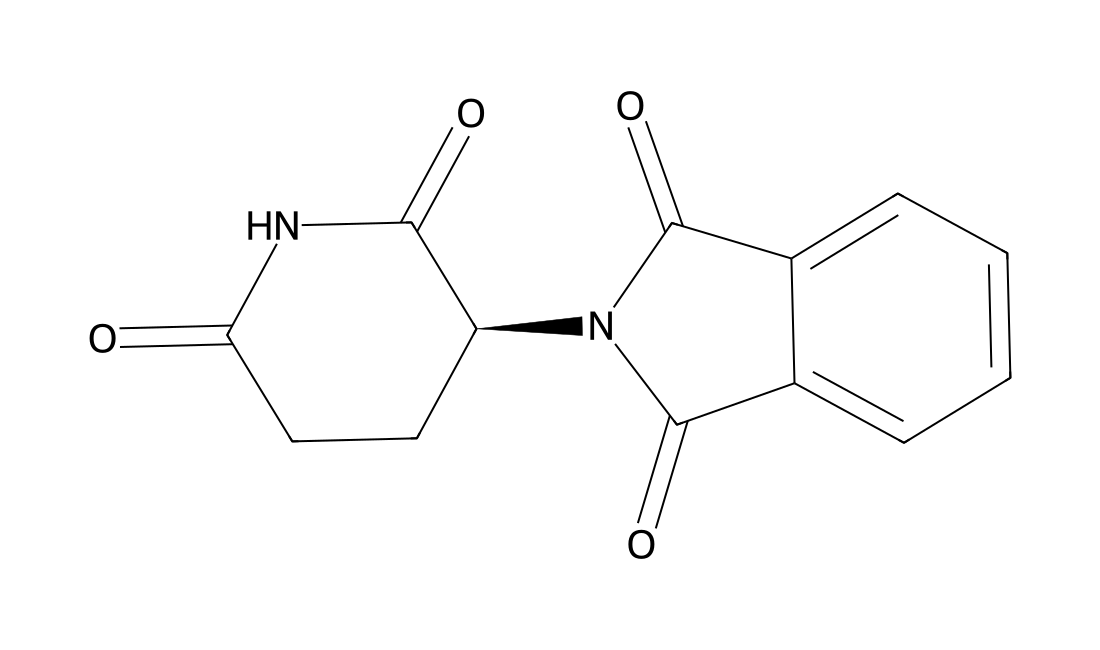
(S)-Thalidomide ((S)-(-)-Thalidomide) is the S-enantiomer of Thalidomide, known for its immunomodulatory, anti-inflammatory, antiangiogenic, and pro-apoptotic properties. It induces teratogenic effects through its binding to cereblon (CRBN).
NRX-252114 is a potent enhancer of the interaction between β-catenin and its cognate E3 ligase, SCFβ-TrCP. It significantly strengthens the binding of the pSer33/S37A β-catenin peptide to β-TrCP, exhibiting an EC50 of 6.5 nM and a Kd of 0.4 nM. NRX-252114 also induces the degradation of mutant β-catenin.
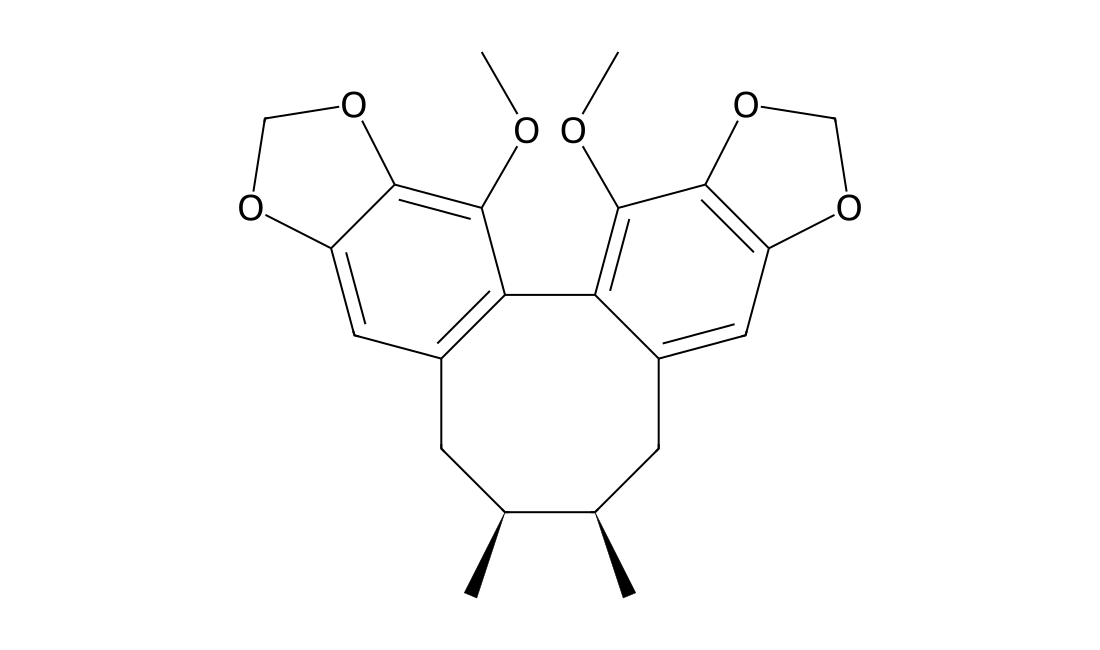
Schisandrin C (Schizandrin-C) is a lignan derived from Schisandra chinensis. It has been investigated for anti-inflammatory, antioxidant and apoptosis-related effects.
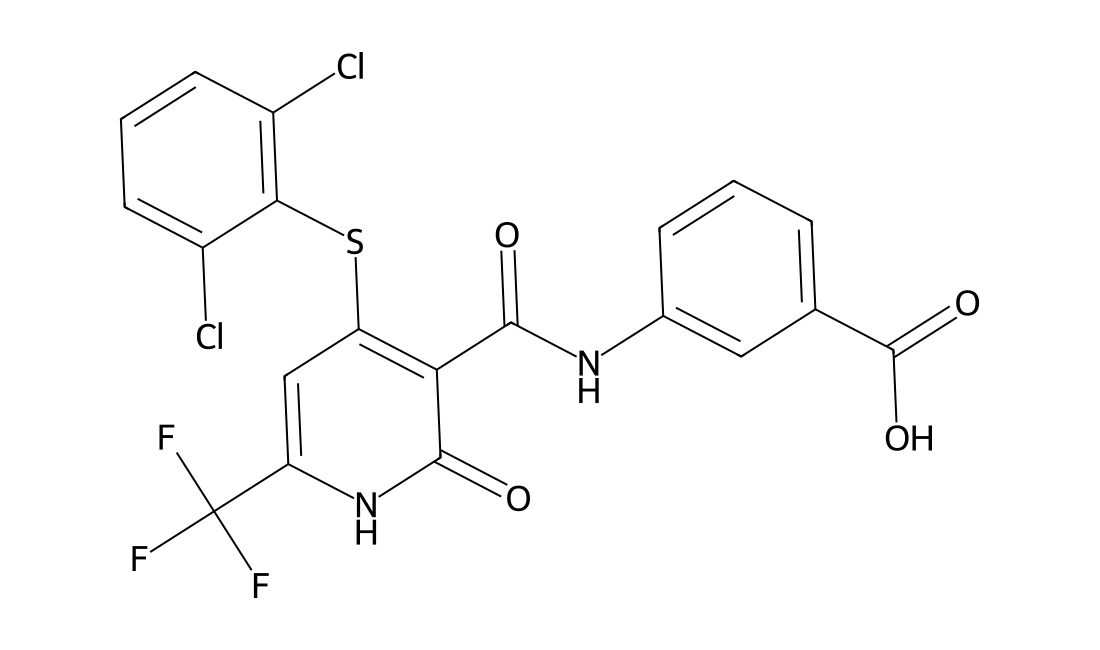
NRX-103094 is a potent enhancer of the interaction between β-catenin and its cognate E3 ligase, SCFβ-TrCP. It significantly strengthens the binding of the pSer33/Ser37 β-catenin peptide to β-TrCP, exhibiting an EC50 of 62 nM and a Kd of 0.6 nM.
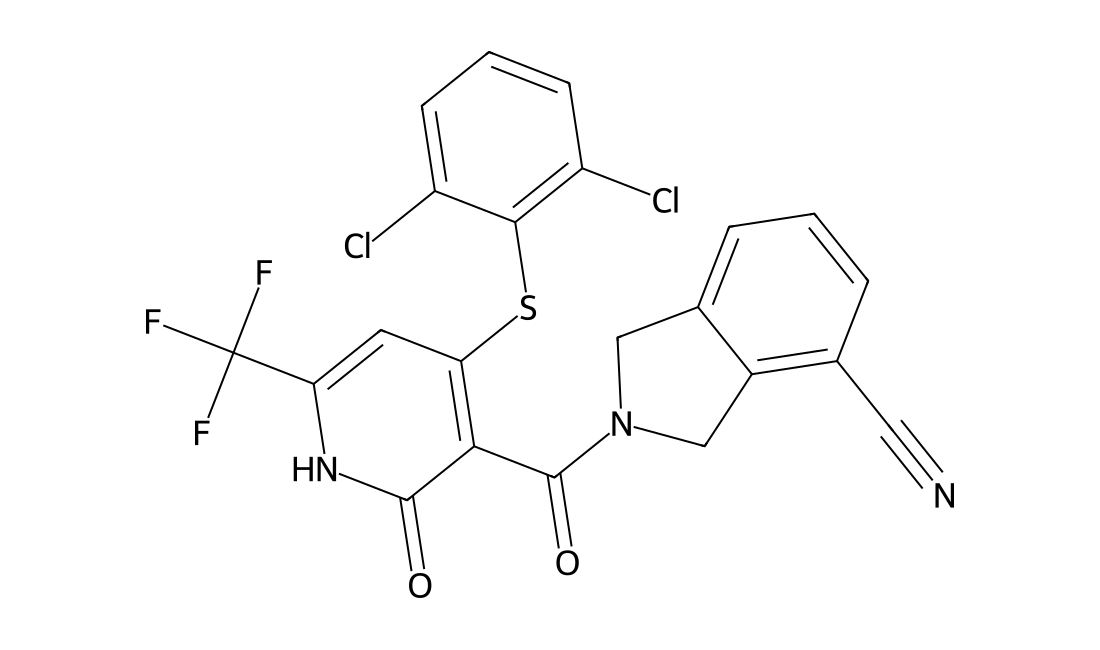
NVS-STG2 is a molecular glue that targets STING and activates STING-mediated immune signaling. It promotes higher-order oligomerization of human STING by binding to pockets between adjacent STING dimer transmembrane domains, effectively functioning as a molecular glue. NVS-STG2 enhances the activity of cGAMP by inducing the formation of more abundant and larger oligomers. It demonstrates significant antitumor activity in animal models.
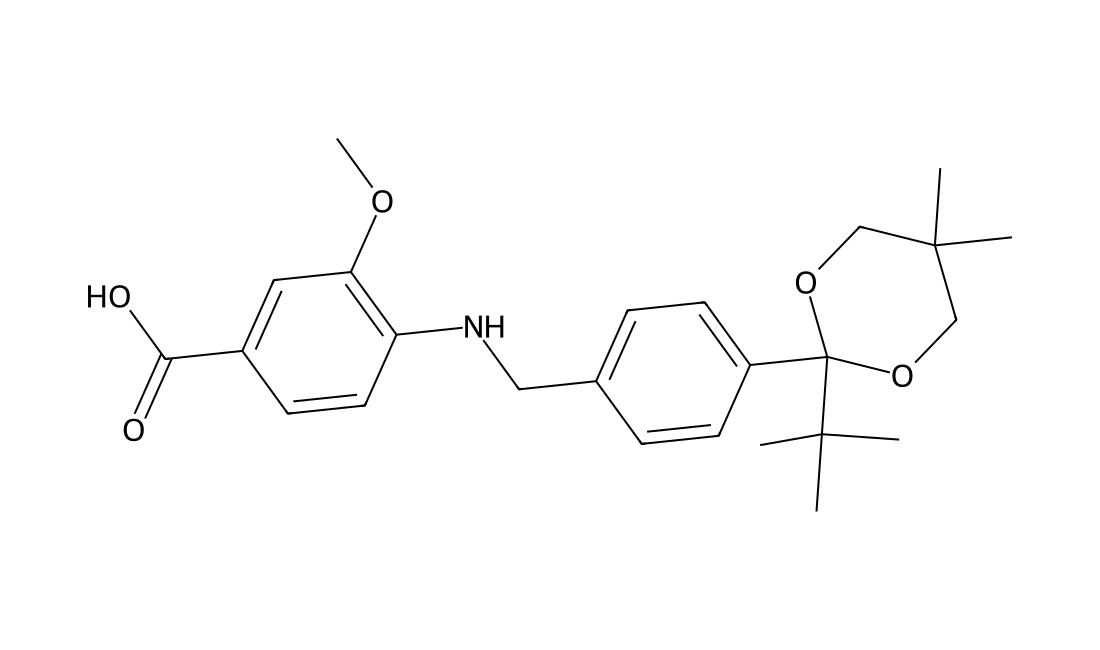
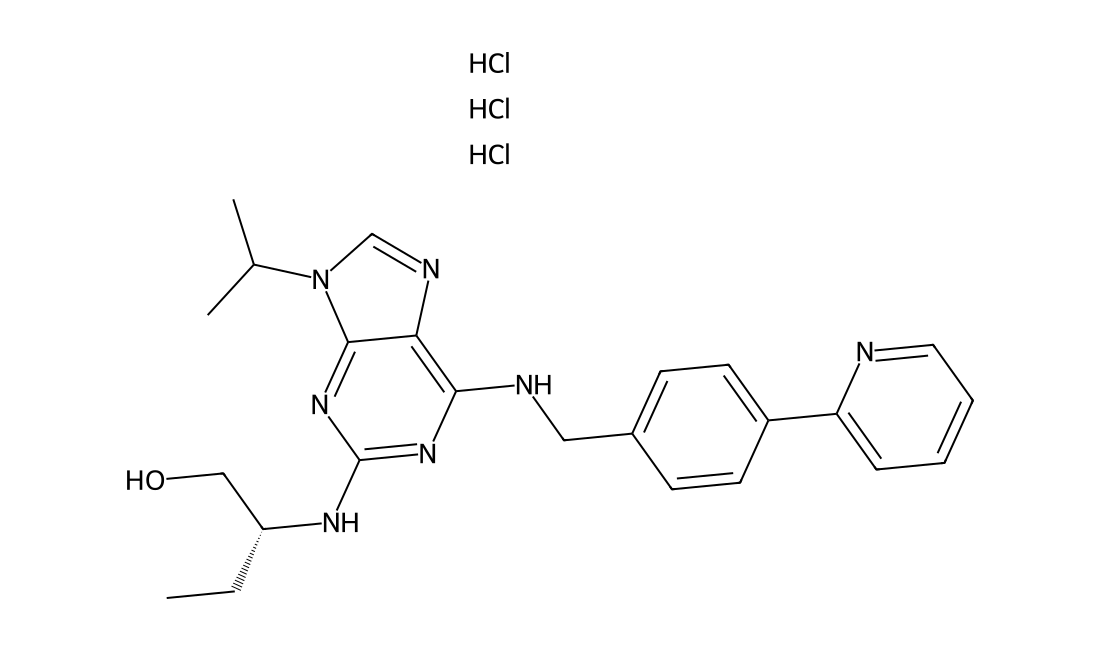
(R)-CR8 trihydrochloride (CR8 trihydrochloride), a second-generation derivative of Roscovitine, is a highly potent inhibitor of CDK1/2/5/7/9. It exhibits inhibitory activity against CDK1/cyclin B (IC50=0.09 μM), CDK2/cyclin A (0.072 μM), CDK2/cyclin E (0.041 μM), CDK5/p25 (0.11 μM), CDK7/cyclin H (1.1 μM), CDK9/cyclin T (0.18 μM), and CK1δ/ε (0.4 μM). (R)-CR8 trihydrochloride induces apoptosis and demonstrates neuroprotective properties.
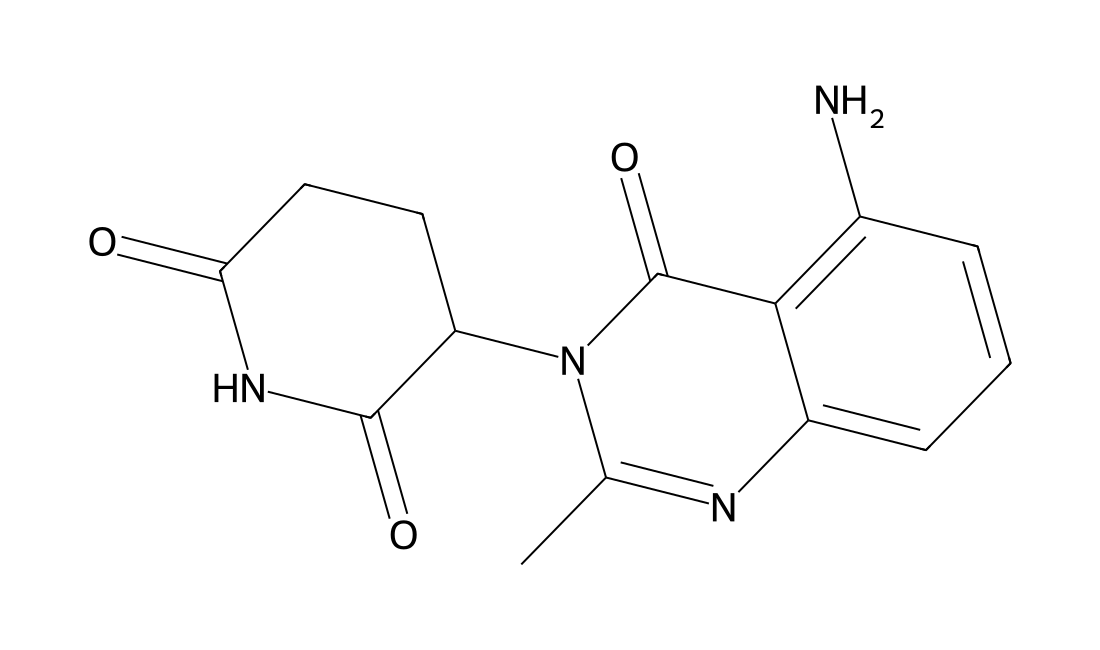
Avadomide is an orally bioavailable cereblon modulator that regulates cereblon E3 ligase activity, inhibits the NF-κB pathway, and induces cell cycle arrest at the G1 phase, leading to apoptosis in pancreatic ductal adenocarcinoma (PDAC) cells. It demonstrates significant antitumor and immunomodulatory effects.
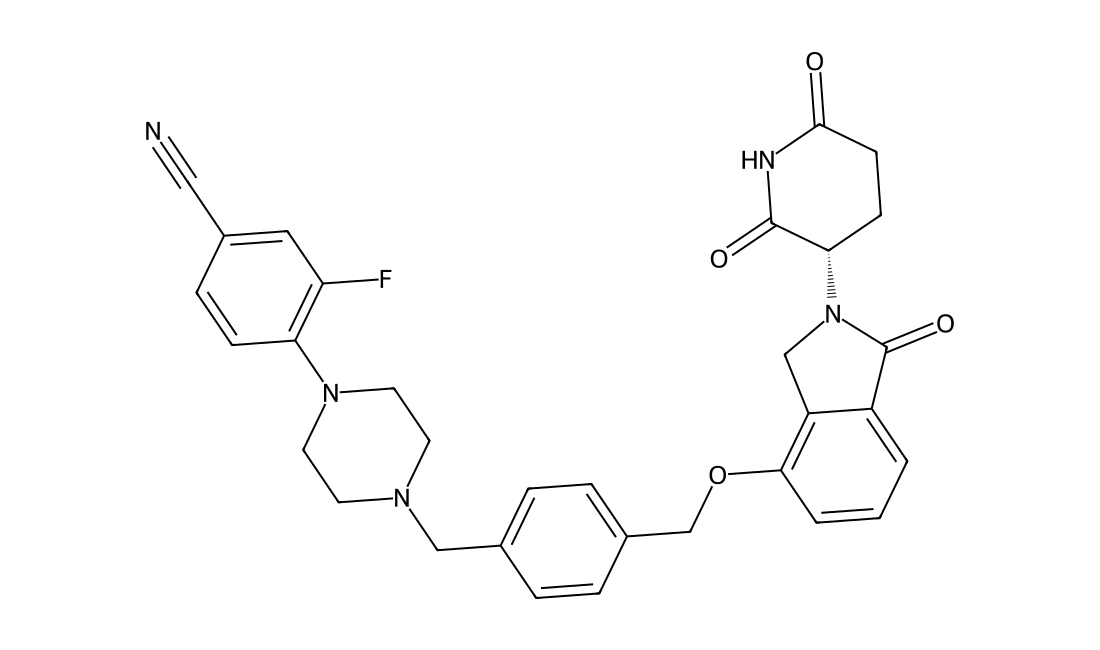
Mezigdomide is a cereblon E3 ubiquitin ligase modulator with immunomodulatory and antineoplastic properties. By specifically binding to cereblon (CRBN), it alters the activity of the ubiquitin E3 ligase complex, leading to the ubiquitination and subsequent proteasome-mediated degradation of specific transcription factors, including those that act as transcriptional repressors in T cells. This process modulates immune system activity, such as T lymphocyte activation, and suppresses the function of proteins critical for the proliferation of certain cancer cells.
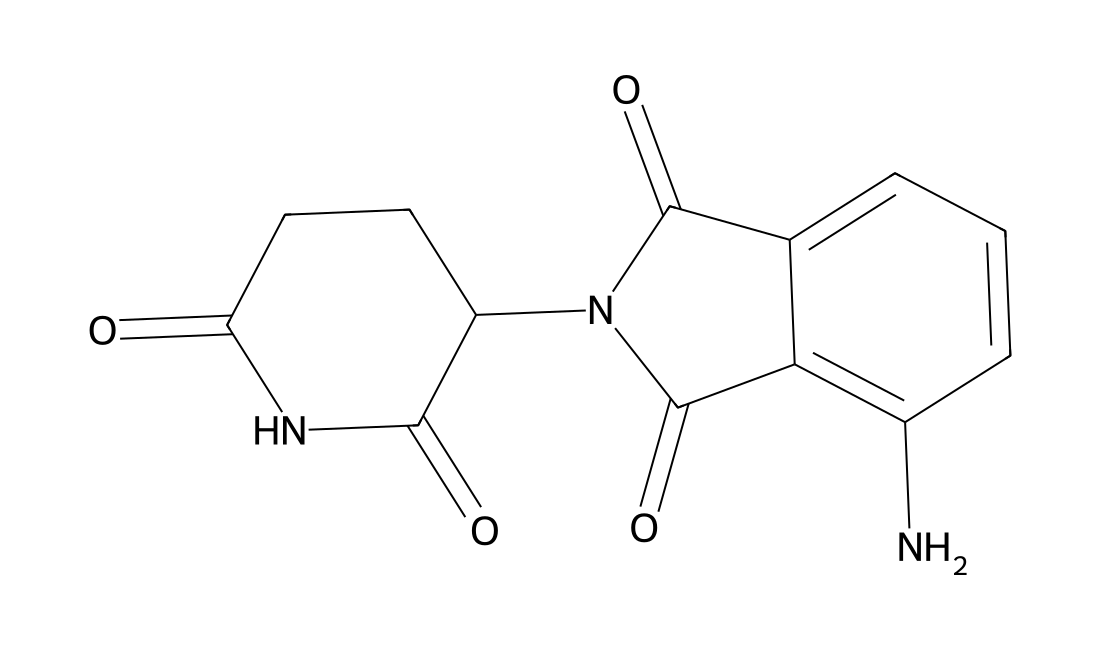
Pomalidomide, a third-generation immunomodulatory compound, functions as a molecular glue by binding to the E3 ligase cereblon, leading to the targeted degradation of critical Ikaros transcription factors.
No products match this search.
Page 193 of 209 · Browse all 4176 products
Jump to a product page
Featured literature product: HX1 · DCL0028
HX1 is a hydroxyzine-derived ionizable lipid with acetal-containing tails, studied in lipid nanoparticles for brain mRNA delivery and CRISPR–Cas9 delivery. It was the lead in the reported in vivo brain-delivery screen; evidence is preclinical and formulation-dependent.
Read full formulation and performance →