
Research lipid catalog
Ionizable Lipid Products
Explore 848 lipid and RNA delivery products. Search the full catalog or browse by research category.
Search covers product name, catalog number, synonyms, available CAS numbers and categories. Spaces, hyphens and common punctuation are ignored. Duplicate legacy records are consolidated under one canonical product result.
3666 products · Showing 1101–1120 · 20 per page
DC Chemicals lipid expertise
Built for ionizable-lipid discovery and RNA delivery research
DC Chemicals supports formulation and delivery research with a broad, searchable portfolio of cationic and ionizable lipids. The current directory brings together 848 unique research-use products, with product specifications, pricing, chemical structures and literature-linked formulation data added as each record is verified.
Our experience spans complex lipid synthesis, purification, analytical release and process development. For custom molecules or larger-scale requirements, our team can discuss route development, technical specifications and scale-up options for the intended research workflow.
Learn about cationic and ionizable lipids →Proprietary innovation · Co-development · GMP
From proprietary lipid design to GMP-grade custom synthesis
DC Chemicals has independently developed ionizable-lipid structures supported by company-owned intellectual property, and selected proprietary lipid programs have advanced to GMP-stage development.
We welcome joint development with customers—from molecular design and lipid synthesis through route and process development. We can also support custom synthesis of GMP-grade ionizable lipids to agreed technical specifications and quality requirements.
Discuss a co-development project →Proprietary ionizable-lipid structuresCollaborative molecular designCustom lipid synthesisProcess development and scale-upGMP-grade project support
Product quick links
Explore ionizable lipids
Browse specifications, pricing and literature-linked product information.
Cat. No.Product NameField of ApplicationChemical Structure
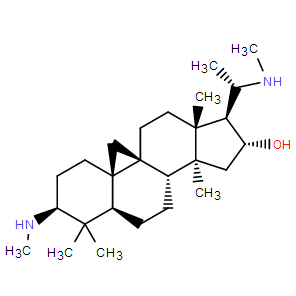
Cyclovirobuxin D(Bebuxine)Featured
100 mg USD 275 · 250 mg USD 550 · 1 g USD 1,100 · 10 mM * 1 mL in DMSO USD 150Cyclovirobuxine D (CVB-D) is the main active component of the traditional Chinese medicine Buxus microphylla. Cyclovirobuxine D induces autophagy and attenuates the phosphorylation of Akt and mTOR[1]. Cyclovirobuxine D inhibits cell proliferation of gastric cancer cells through suppression of cell cycle progression and inducement of mitochondria-mediated apoptosis[2]. Cyclovirobuxine D is beneficial for heart failure induced by myocardial infarction[3].
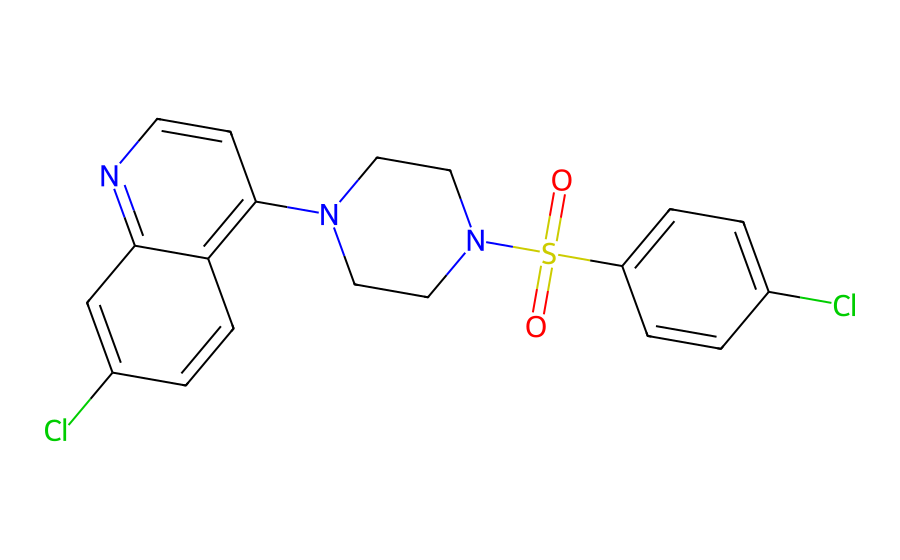
KM 11060Featured
100 mg USD 300 · 250 mg USD 600 · 1 g USD 1,200 · 10 mM * 1 mL in DMSO USD 150KM11060 is a novel corrector of the F508del-CFTR trafficking defect.Target: CFTRin vitro: Small-molecule correctors such as KM11060 may serve as useful pharmacological tools in studies of the F508del-CFTR processing defect and in the development of cystic fibrosis therapeutics. KM11060 rescues F508del-CFTR trafficking in cultured cells and native epithelial tissues. KM11060 partially corrects F508del-CFTR processing and increases surface expression to 75% of that observed in cells incubated at low temperature. Up to 50% of the F508del-CFTR in cells treated with KM11060 was complex-glycosylated, indicating passage through the Golgi. KM11060 as a promising compound for further development of CF therapeutics. [1]in vivo: In LPS-induced acute lung inflammation, blockade of PSGL-1 (P-selectin glycoprotein ligand-1) or P-selectin, antagonism of PAF by WEB2086, or correction of mutated CFTR trafficking by KM11060 could significantly increase plasma lipoxin A4 levels in F508del relevant to wildtype mice. [2]
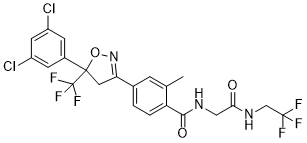
FluralanerFeatured
100 mg USD 450 · 250 mg USD 800 · 1 g USD 1,600Fluralaner (INN) is a systemic insecticide and acaricide Fluralaner through potent blockage of GABA and L-glutamate gated chloride channels.
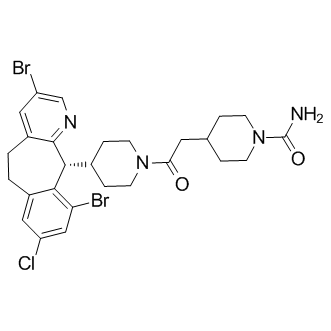
LonafarnibFeatured
100 mg USD 800 · 250 mg USD 1,500 · 1 g USD 2,900 · 10 mM * 1 mL in DMSO USD 220Lonafarnib is an orally bioavailable farnesyl protein transferase (FPTase) inhibitor for H-ras, K-ras and N-ras with IC50 of 1.9 nM, 5.2 nM and 2.8 nM, respectively.
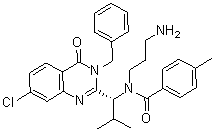
SB-715992 (Ispinesib)Featured
100 mg USD 450 · 250 mg USD 900 · 1 g USD 1,800 · 10 mM * 1 mL in DMSO USD 220Ispinesib is a specific inhibitor of KSP, with a Ki app of 1.7 nM.
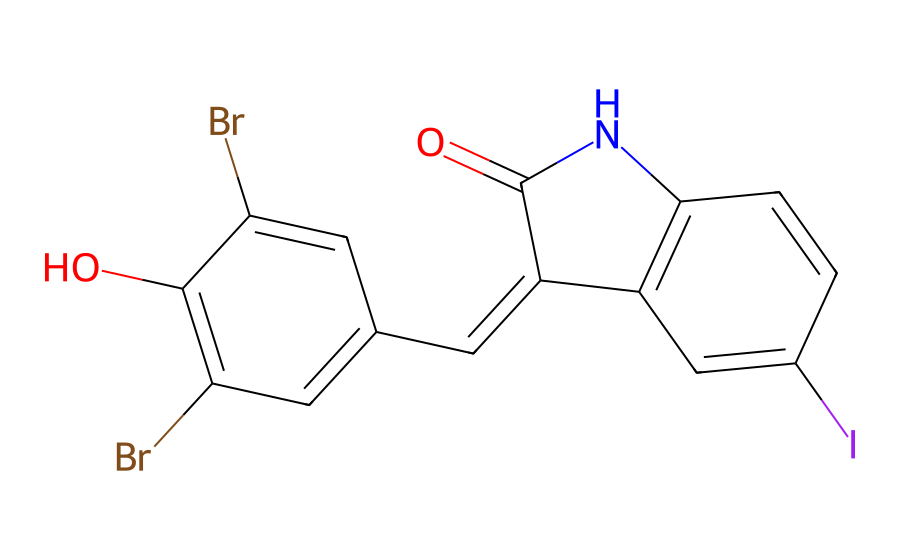
GW-5074Featured
100 mg USD 350 · 250 mg USD 650 · 1 g USD 1,300 · 10 mM * 1 mL in DMSO USD 150GW 5074 is a potent and selective c-Raf inhibitor with IC50 of 9 nM, and has no effect on the activities of JNK1/2/3, MEK1, MKK6/7, CDK1/2, c-Src, p38 MAP, VEGFR2 or c-Fms.
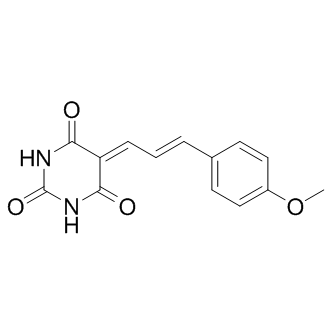
ML-346Featured
100 mg USD 550 · 250 mg USD 900 · 1 g USD 1,700 · 10 mM * 1 mL in DMSO USD 220ML346 is an activator of Hsp70 expression and HSF-1 activity, with an EC50 of 4.6 μM for Hsp70. ML346 restores protein folding in conformational disease models, without significant cytotoxicity or lack of specificity. ML346 induces specific increases in genes and protein effectors of the heat shock response (HSR), including chaperones such as Hsp70, Hsp40, and Hsp27[1].
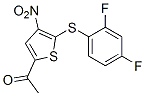
P22077Featured
100 mg USD 300 · 250 mg USD 600 · 1 g USD 1,200 · 10 mM * 1 mL in DMSO USD 150P 22077 is a cell-permeable ubiquitin-specific protease 7 (USP7) inhibitor with an EC50 of 8.01 μM. It also inhibits USP47 with an EC50 of 8.74 μM.
RAF709Featured
100 mg USD 500 · 250 mg USD 900 · 1 g USD 1,800 · 10 mM * 1 mL in DMSO USD 220RAF709 is a potent, selective, and efficacious RAF inhibitor with IC50s of 0.4 nM and 0.5 nM for BRAF and CRAF, respectively[1]. Antitumor efficacy[1].
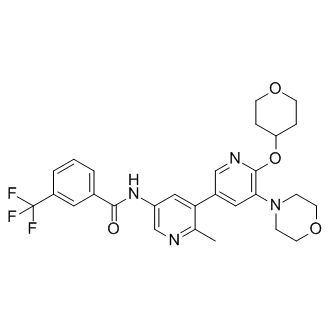
NS11394Featured
100 mg USD 600 · 250 mg USD 1,000 · 1 g USD 1,800 · 10 mM * 1 mL in DMSO USD 220NS11394 is a potent and subtype-selective GABA(A) receptor-positive modulator; possesses a functional efficacy selectivity profile of alpha(5) > alpha(3) > alpha(2) > alpha(1) at GABA(A) alpha subunit-containing receptors.
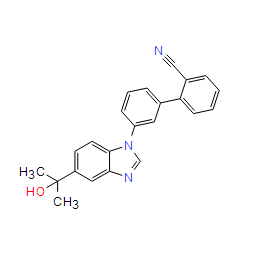
DAPTFeatured
100 mg USD 250 · 250 mg USD 500 · 1 g USD 1,000 · 10 mM * 1 mL in DMSO USD 150DAPT is a γ-secretase inhibitor with IC50s of 115 and 200 nM for total Aβ and Aβ42, respectively.
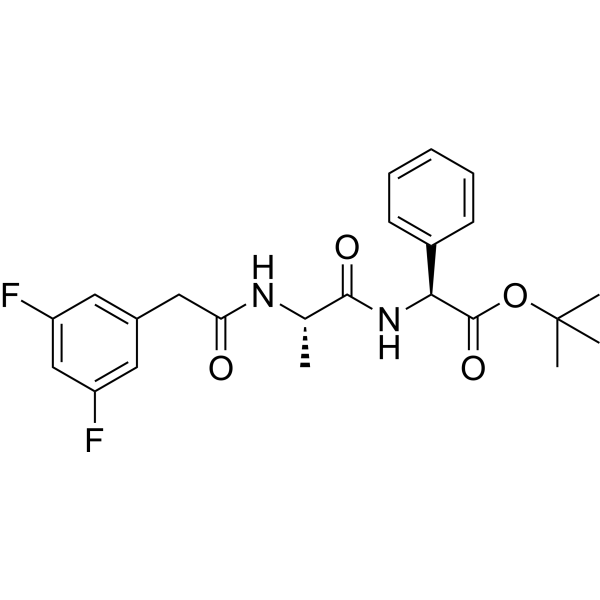
AN3365(Epetraborole)Featured
100 mg USD 550 · 250 mg USD 1,000 · 1 g USD 1,900 · 10 mM * 1 mL in DMSO USD 220Epetraborole hydrochloride is a novel leucyl-tRNA synthetase (LeuRS) inhibitor, which inhibits protein synthesis by binding "to the terminal adenosine ribose (A76) of leucyl-tRNA synthetase". It is intended for the treatment of infections caused by Gram-negative bacteria. Epetraborole hydrochloride is a bacteriostatic compound that can against a wide range of anaerobic and Gram-negative bacteria, including multidrug-resistant pathogens, such as extended-spectrum-β-lactamase-, metallo-β-lactamase-, and carbapenemase-producing organism.
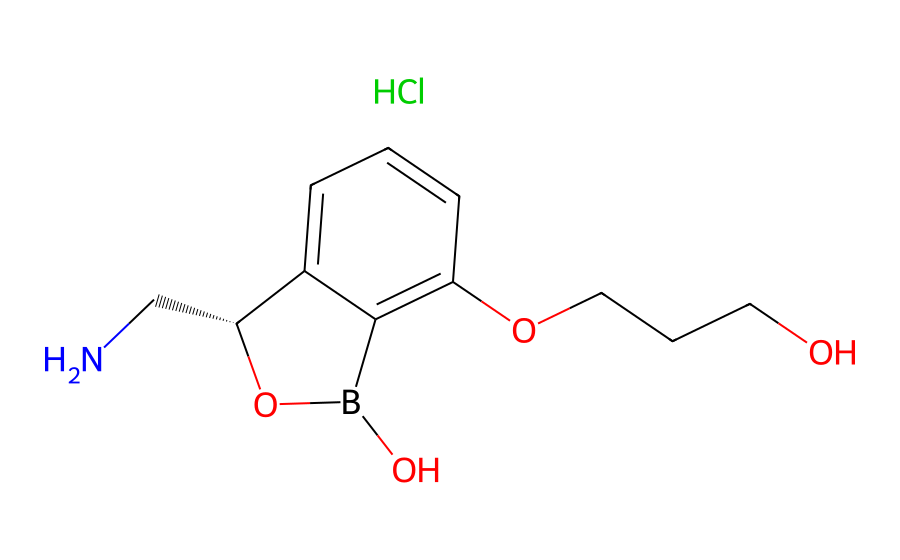
RelebactamFeatured
100mg USD 700 · 250 mg USD 1,200 · 1g USD 2,400 · 10 mM * 1 mL in DMSO USD 220Relebactam is a diazabicyclooctane inhibitor with activity against a wide spectrum of β-lactamases, including class A (extended-spectrum β-lactamases [ESBLs] and KPC) and class C (AmpC) enzymes.Target: beta-lactamaseImipenem with Relebactam is active against Escherichia coli, Klebsiella pneumoniae, and Enterobacter spp., including K. pneumoniae carbapenemase (KPC)-producing isolates. The combination of Imipenem with Relebactam demonstrated activity against KPC-producing Enterobacteriaceae and multidrug-resistant P. aeruginosa. The imipenem MIC50 and MIC90 values for the ESBL-producing isolates were 0.25 and 0.5 μg/ml, respectively; with the addition of Relebactam, the corresponding values were 0.25 and 0.25 μg/ml. Five isolates harbored blaKPC. For these 5 isolates, the imipenem MICs ranged from 0.5 to >32 μg/ml. With the addition of Relebactam, the MICs decreased to 0.12 to 0.5 μg/ml.[1] Relebactam inhibits most class A and class C β-lactamases, with selected inhibition of class D enzymes by avibactam. β-Lactamase inhibitors (BLIs) have played an important role in combatting β-lactam resistance in Gram-negative bacteria, but their effectiveness has diminished with the evolution of diverse and deleterious varieties of β-lactamases.[2]
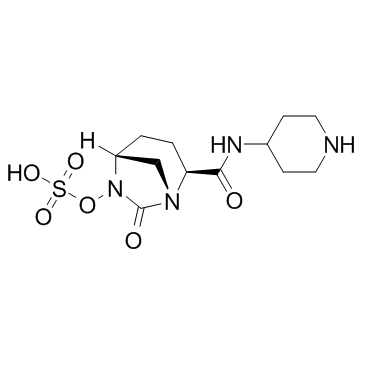
10 mg USD 850 · 25 mg USD 1,700 · 50 mg USD 3,500
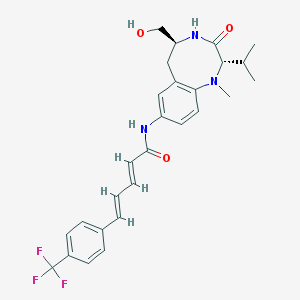
α-Amyloid Precursor Protein Modulator(TPPB) is a cell-permeable benzolactam-derived protein kinase C (PKC) activator with a Ki of 11.9 nM.
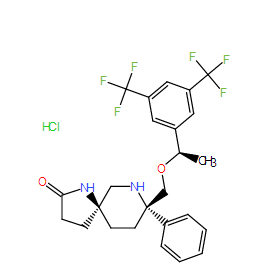
RolapitantFeatured
250 mg USD 900 · 1 g USD 1,800 · 100 mg USD 500 · 10 mM * 1 mL in DMSO USD 220Rolapitant (SCH619734) is a potent, selective and orally active neurokinin NK1 receptor antagonist with a Ki of 0.66 nM.
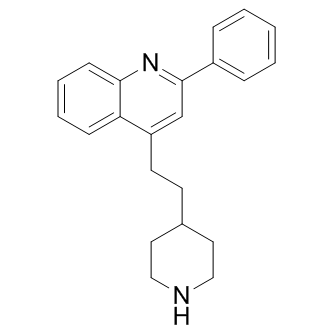
PipequalineFeatured
100 mg USD 500 · 250 mg USD 900 · 1 g USD 1,800 · 10 mM * 1 mL in DMSO USD 220Pipequaline (PK 8165) is a non-selective GABAA receptor partial agonist with anxiolytic activity.
Torin1Featured
100 mg USD 500 · 250 mg USD 900 · 1 g USD 1,800 · 10 mM * 1 mL in DMSO USD 220Torin 1 is a potent inhibitor of mTOR with an IC50 of 3 nM. Torin 1 inhibits both mTORC1/2 complexes with IC50 values between 2 and 10 nM.
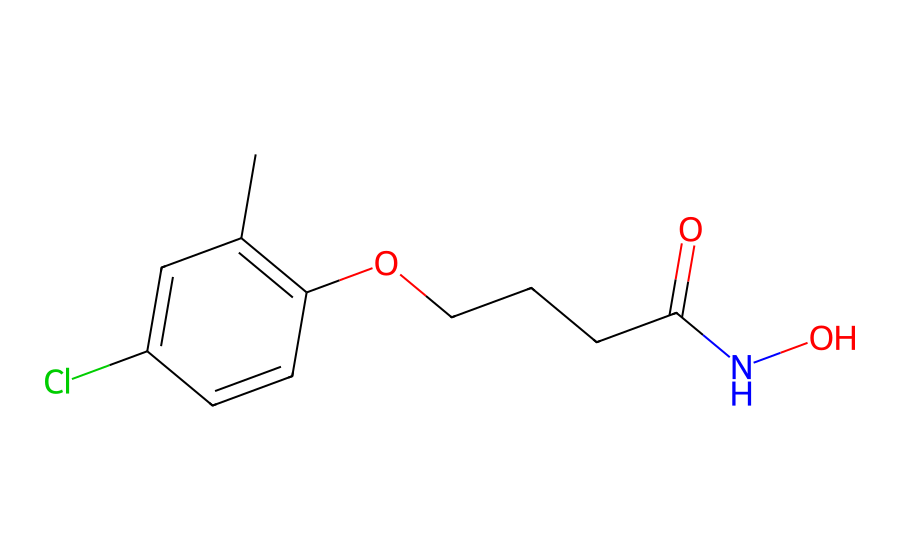
DroxinostatFeatured
100 mg USD 350 · 250 mg USD 700 · 1 g USD 1,450 · 10 mM * 1 mL in DMSO USD 150Selective HDAC3, HDAC6 and HDAC8 inhibitor (IC50 values are 16.9, 2.47 and 1.46 μM for HDAC3, 6 and 8 respectively). Induces apoptosis. Shows antitumor effects in vivo. For the detailed information of Droxinostat, the solubility of Droxinostat in water, the solubility of Droxinostat in DMSO, the solubility of Droxinostat in PBS buffer, the animal experiment (test) of Droxinostat, the cell expriment (test) of Droxinostat, the in vivo, in vitro and clinical trial test of Droxinostat, the EC50, IC50,and affinity,of Droxinostat, For the detailed information of Droxinostat, the solubility of Droxinostat in water, the solubility of Droxinostat in DMSO, the solubility of Droxinostat in PBS buffer, the animal experiment (test) of Droxinostat, the cell expriment (test) of Droxinostat, the in vivo, in vitro and clinical trial test of Droxinostat, the EC50, IC50,and affinity,of Droxinostat, Please contact DC Chemicals.
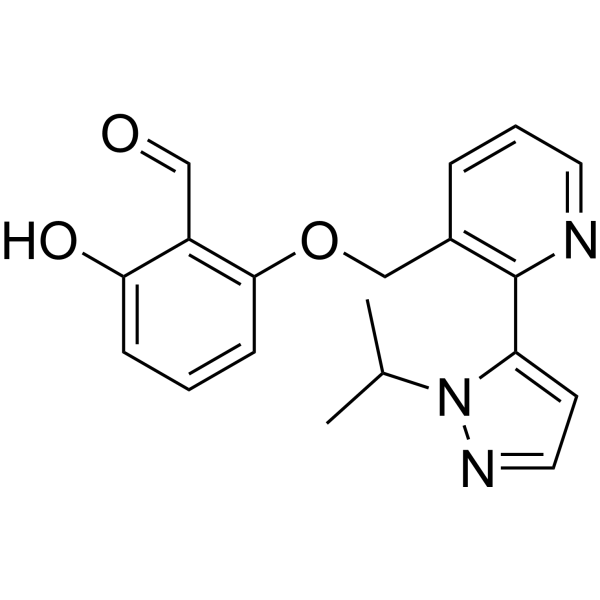
GBT-440(Voxelotor)Featured
100 mg USD 300 · 250 mg USD 550 · 1 g USD 1,100GBT 440 (Voxelotor) is an orally bioavailable modulator of sickle cell hemoglobin.
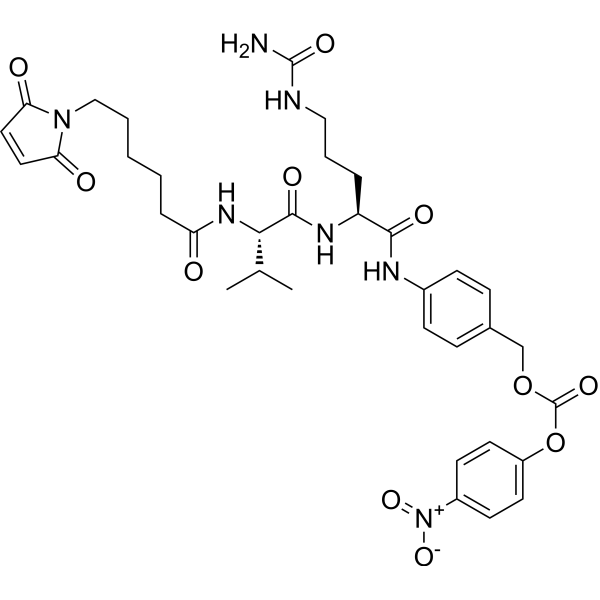
100 mg USD 400 · 250 mg USD 700 · 1 g USD 1,300 · 10 mM * 1 mL in DMSO USD 150
Mc-Val-Cit-PABC-PNP is a cathepsin cleavable ADC linker used in the synthesis of antibody-drug conjugates (ADCs).
No products match this search.
Page 56 of 184 · Browse all 3666 products