
Research lipid catalog
Ionizable Lipid Products
Explore 848 lipid and RNA delivery products. Search the full catalog or browse by research category.
Search covers product name, catalog number, synonyms, available CAS numbers and categories. Spaces, hyphens and common punctuation are ignored. Duplicate legacy records are consolidated under one canonical product result.
3666 products · Showing 1081–1100 · 20 per page
DC Chemicals lipid expertise
Built for ionizable-lipid discovery and RNA delivery research
DC Chemicals supports formulation and delivery research with a broad, searchable portfolio of cationic and ionizable lipids. The current directory brings together 848 unique research-use products, with product specifications, pricing, chemical structures and literature-linked formulation data added as each record is verified.
Our experience spans complex lipid synthesis, purification, analytical release and process development. For custom molecules or larger-scale requirements, our team can discuss route development, technical specifications and scale-up options for the intended research workflow.
Learn about cationic and ionizable lipids →Proprietary innovation · Co-development · GMP
From proprietary lipid design to GMP-grade custom synthesis
DC Chemicals has independently developed ionizable-lipid structures supported by company-owned intellectual property, and selected proprietary lipid programs have advanced to GMP-stage development.
We welcome joint development with customers—from molecular design and lipid synthesis through route and process development. We can also support custom synthesis of GMP-grade ionizable lipids to agreed technical specifications and quality requirements.
Discuss a co-development project →Proprietary ionizable-lipid structuresCollaborative molecular designCustom lipid synthesisProcess development and scale-upGMP-grade project support
Product quick links
Explore ionizable lipids
Browse specifications, pricing and literature-linked product information.
Cat. No.Product NameField of ApplicationChemical Structure
HZ-1157Featured
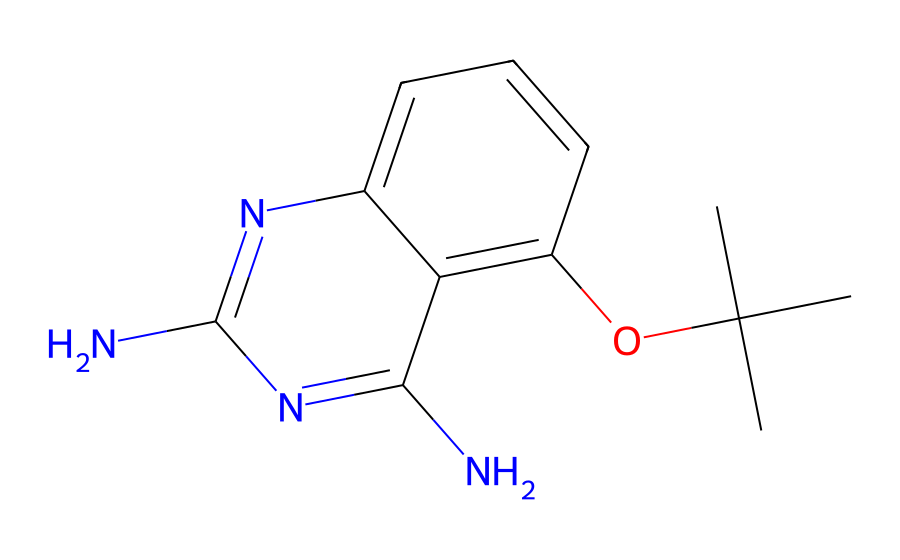
100 mg USD 500 · 250 mg USD 900 · 1 g USD 1,800 · 10 mM * 1 mL in DMSO USD 220HZ-1157 inhibits HCV NS3/4A protease with an IC50 of 1.0 μmol/L. HZ-1157 (4a) has a high dengue virus inhibitory activity (EC50 = 0.15 μM) and is a relatively nontoxic (CC50 > 10 μM) dengue antiviral agent[1][2].
TG6-10-1Featured
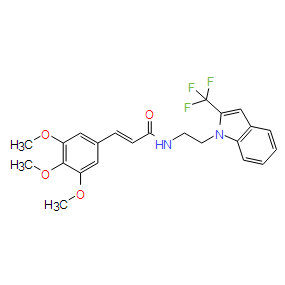
100 mg USD 600 · 250 mg USD 1,100 · 1 g USD 2,200 · 10 mM * 1 mL in DMSO USD 220TG6-10-1 is an EP2 antagonist, shows low-nanomolar antagonist activity against only EP2, >300-fold selectivity over human EP3, EP4, and IP receptors, 100-fold selectivity over EP1 receptors.
PQR-309(Bimiralisib)Featured
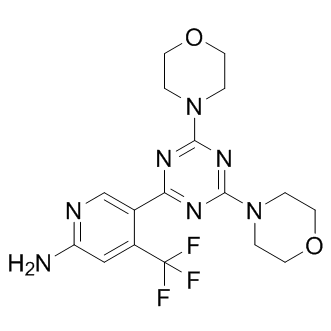
100 mg USD 550 · 250 mg USD 1,000 · 1 g USD 1,900 · 10 mM * 1 mL in DMSO USD 220Bimiralisib is a potent, brain-penetrant, orally bioavailable, pan-class I PI3K/mTOR inhibitor with IC50s of 33 nM, 451 nM, 661 nM, 708 nM and 89 nM for PI3Kα, PI3Kδ, PI3Kβ, PI3Kγ and mTOR, respectively. Bimiralisib is an mTORC1 and mTORC2 inhibitor.
YM 90709Featured
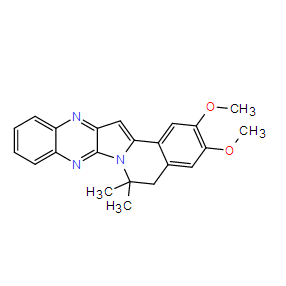
100 mg USD 300 · 250 mg USD 600 · 1 g USD 1,200 · 10 mM * 1 mL in DMSO USD 150YM-90709 is a novel antagonist which inhibits the binding of interleukin-5 to interleukin-5 receptor.
Solcitinib(GLPG0778)Featured
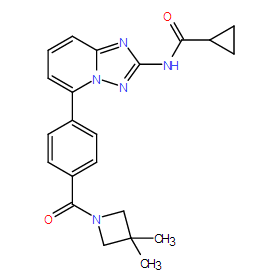
100 mg USD 450 · 250 mg USD 900 · 1 g USD 1,800 · 10 mM * 1 mL in DMSO USD 220Solcitinib is an orally active, competitive, potent, selective JAK1 inhibitor, with an IC50 of 9.8 nM, and 11-, 55- and 23-fold selectivity over JAK2, JAK3 and TYK2, respectively; Solcitinib is used in the research of moderate-to-severe plaque-type psoriasis.
WHI-P258Featured
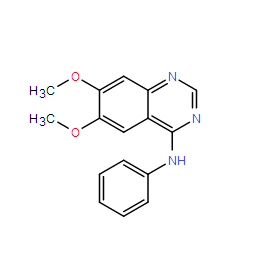
100 mg USD 500 · 250 mg USD 850 · 1 g USD 1,600 · 10 mM * 1 mL in DMSO USD 220WHI-P258, a quinazoline compound, binds to the active site of JAK3 with an estimated Ki of 72 µM. WHI-P258 does not inhibit JAK3 and does not affect the thrombin-induced aggregation of platelets even at 100 μM[1][2].
DAA1106Featured
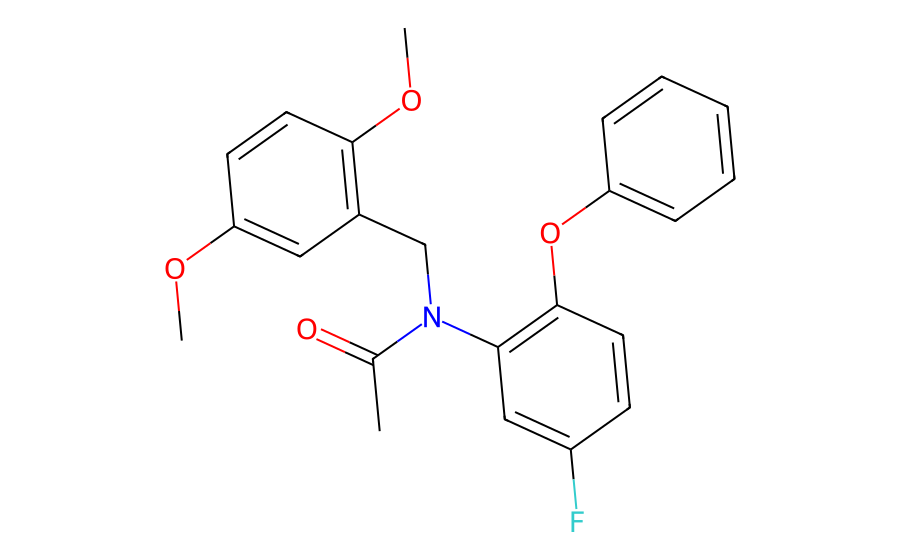
100 mg USD 450 · 250 mg USD 800 · 1 g USD 1,700 · 10 mM * 1 mL in DMSO USD 220DAA1106 is a potent and selective ligand for peripheral benzodiazepine receptor (PBR), as a potent and selective agonist at the peripheral benzodiazepine receptor.Target:PBRin vitro: DAA1106 binding to PBR was significantly increased in widespread areas in MCI subjects when compared to healthy controls.[1] DAA-1106 is a drug which acts as a potent and selective agonist at the peripheral benzodiazepine receptor, also known as the mitochondrial 18 kDa translocator protein or TSPO, but with no affinity at the GABAA receptor. [2]in vivo: DAA-1106 has anxiolytic effects in animal studies. DAA-1106 has a sub-nanomolar binding affinity (Ki) of 0.28nM, and has been used extensively in its 3H or 11C radiolabelled form to map TSPO in the body and brain, which has proved especially helpful in monitoring the progress of neurodegenerative diseases such as Alzheimer's disease. [2]
SW-044248Featured
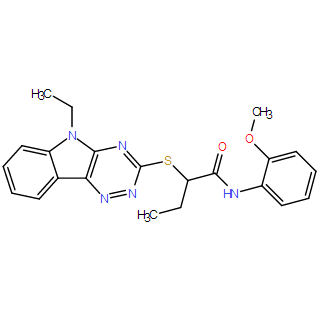
100 mg USD 550 · 250 mg USD 1,000 · 1 g USD 1,900 · 10 mM * 1 mL in DMSO USD 220SW044248 is a non-canonical topoisomerase I inhibitor, and selectively toxic for certain non-small cell lung cancer (NSCLC) cell lines.
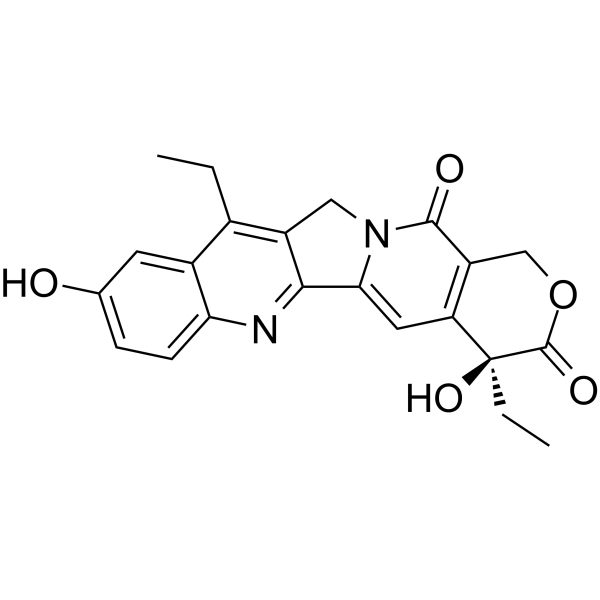
SN-38(NK-012)Featured
1 g USD 300 · 10 mM * 1 mL in DMSO USD 150SN-38 is an active metabolite of the Topoisomerase I inhibitor Irinotecan. SN-38 inhibits DNA and RNA synthesis with IC50s of 0.077 and 1.3 μM, respectively.
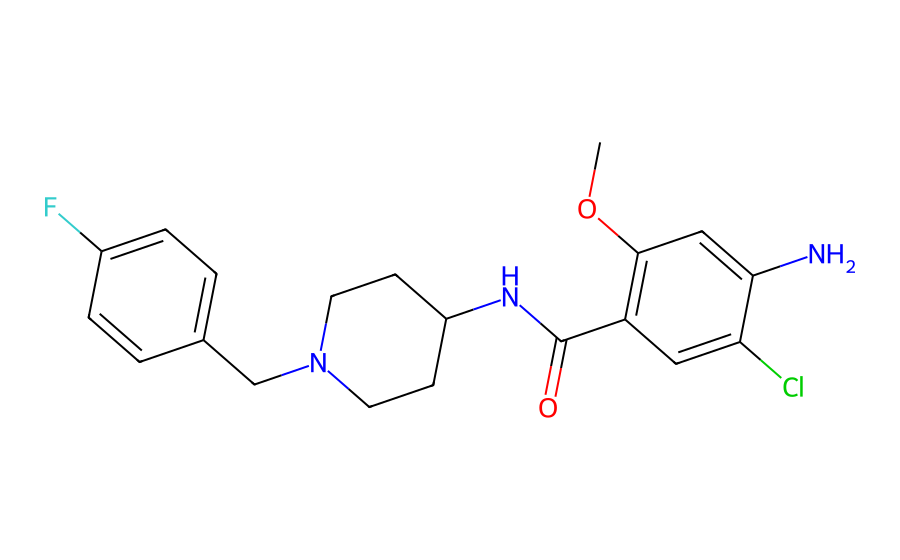
FluorocleboprideFeatured
100 mg USD 500 · 250 mg USD 900 · 1 g USD 1,800 · 10 mM * 1 mL in DMSO USD 220Fluoroclebopride is useful chemical for PET image study. [18F]fluoroclebopride had been used for PET imaging of dopamine D2 receptors in monkeys
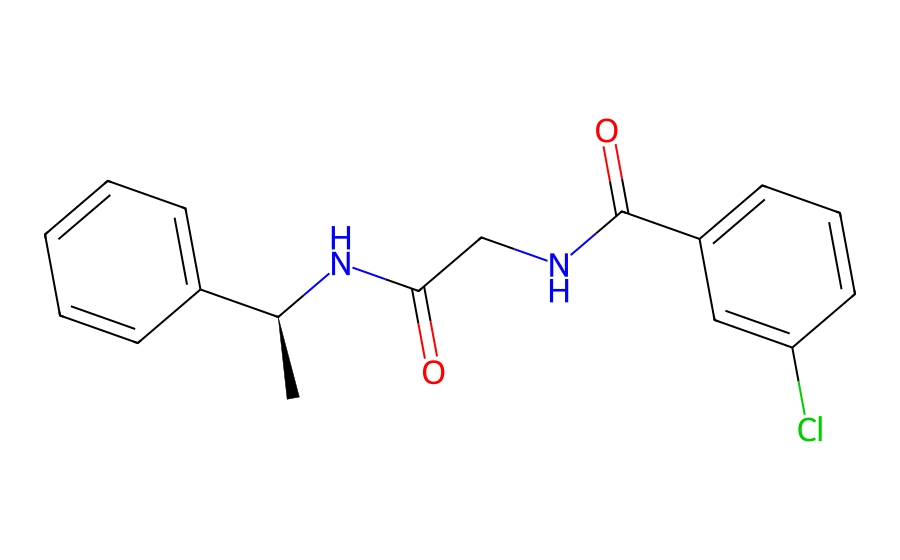
JNJ-63533054Featured
100 mg USD 400 · 250 mg USD 750 · 1 g USD 1,600 · 10 mM * 1 mL in DMSO USD 150JNJ-63533054 is a potent and selective agonist of hGPR139 with an EC50 = 16 nM.IC50 value: 16 nM (EC50)Target: hGPR139in vitro: JNJ-63533054 is a selective small-molecule agonist. JNJ-63533054 specifically activates human GPR139 in the calcium mobilization (EC50 = 16 ± 6 nM) and GTPγS binding (EC50 = 17 ± 4 nM) assays. [2] JNJ-63533054 is found to be clean of any cross reactivity as judged by an external selectivity panel of 50 known GPCRs, ion channels, and transporters as well as our own internal whole cell lead generation biology selectivity panel.[1]in vivo: JNJ-63533054 is found to cross the blood-brain barrier and have good drug-like properties amenable for oral dosing in rat. JNJ-63533054 exhibits good stability in both human and rat microsomes and high solubility in aqueous media, and no DDI potential was found. [1] JNJ-63533054 also activates the rat and mouse GPR139 receptor with similar potency (rat EC50 = 63 ± 24 nM, mouse EC50 = 28 ± 7 nM). [2]
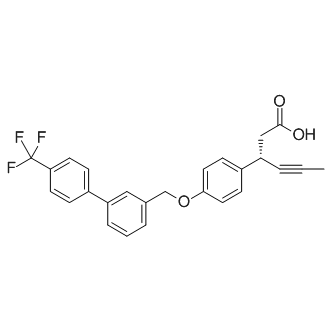
AMG-837Featured
100 mg USD 700 · 250 mg USD 1,400 · 1 g USD 2,800 · 10 mM * 1 mL in DMSO USD 220AMG 837 is a potent GPR40 agonist(EC50=13 nM) with a superior pharmacokinetic profile and robust glucose-dependent stimulation of insulin secretion in rodents.AMG 837 displayed the expected two-fold increase in potency on GPR4 (EC50 = 13 [±7] nM) compared to the racemic compound and its activity crossed over to the rat and mouse forms of GPR40 (EC50 = 23 and 13 nM, respectively). AMG 837 was found to be a partial agonist on GPR40 with maximal activity 85% of that shown by DHA under our standard assay conditions. AMG 837 is a highly potent stimulator of insulin secretion in MIN6 cells with an EC50 comparable to that seen in the aequorin Ca2+-flux assay. showedno significant activity in cell-based assays against PPARα, δ, and γ. An external panel of 64 receptors also revealed no significant activity with the exception of weak inhibition (IC50 = 3 uM) on the a2-adrenergic receptor. Overall, AMG 837 was both highly potentand selective in vitro.
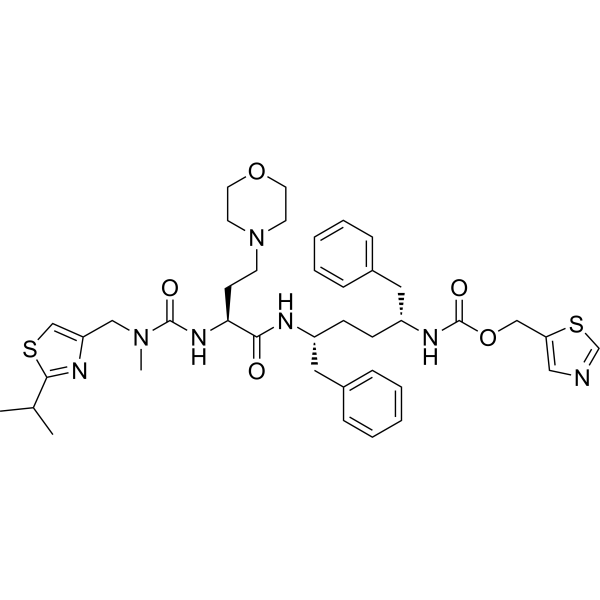
Cobicistat (GS-9350)Featured
100 mg USD 500 · 250 mg USD 1,000 · 1 g USD 2,000 · 10 mM * 1 mL in DMSO USD 220Cobicistat is a potent, and selective inhibitor of cytochrome P450 3A (CYP3A) enzymes with IC50 of 30-285 nM.
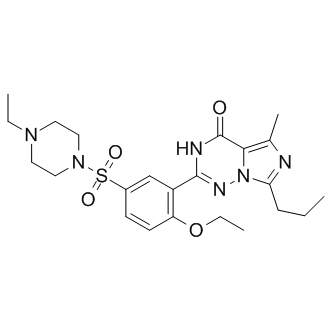
1 g USD 300 · 10 mM * 1 mL in DMSO USD 150
Vardenafil is a PDE5 inhibitor used for treating erectile dysfunction.Vardenafil specifically inhibited the hydrolysis of cGMP by PDE5 with an IC50 of 0.7 nM (6.6 nM). In contrast, the IC50 of vardenafil for PDE1 was 180 nM; for PDE6, 11 nM; for PDE2, PDE3 and PDE4, more than 1000 nM. Relative to PDE5, the ratios of the IC50 for PDE1 were 257 (60), for PDE6 16 (7.4). Vardenafil significantly enhanced the SNP-induced relaxation of human trabecular smooth muscle at 3 nM (10 nM). Vardenafil also significantly potentiated both ACh-induced and transmural electrical stimulation-induced relaxation of trabecular smooth muscle. Both vardenafil doses(10 mg or 20 mg) significantly enhanced the rates of successful penetration (P < 0.0001) and successful intercourse (P < 0.0001) compared with placebo. Vardenafil treatment was effective in increasing intercourse success rates at all levels of baseline ED severity, at each level of plasma HbA1c, and for type 1 and 2 diabetes.
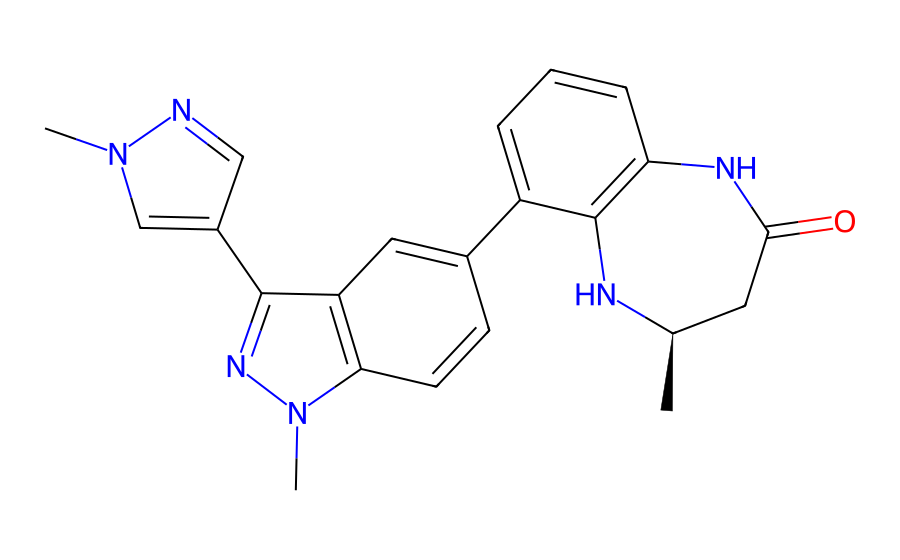
CPI-637Featured
100 mg USD 500 · 250 mg USD 900 · 1 g USD 1,800 · 10 mM * 1 mL in DMSO USD 220CPI-637 is a potent and selective CBP/EP300 bromodomains inhibitor with IC50 of 0.03±0.01μM and 11.0±0.6 μM for CBP/EP300 and BRD4, respectively.IC50:0.03±0.01μM (CBP/EP300)[1]IC50:11.0±0.6 μM(BRD4)[1]CPI-637, which demonstrated substantial biochemical potency that was confirmed by isothermal titration calorimetry. A cocrystal structure of CPI-637 in the CBP bromodomain indicated that the compound recapitulated the key hydrogen bonding interactions observed with the parent compound, with the substituted indazole filling space above Pro1110 and the Pro/Arg cleft . As expected, CPI-637 was also potent against EP300, and its opposite enantiomer displayed a >200-fold loss in potency. The biochemical potency of CPI-637 translated well into cells (CBP BRET EC50 = 0.3 μM), and the compound demonstrated a >700-fold selectivity over the BET family of bromodomains (BRD4 IC50 = 11.0 ± 0.6 μM).CPI-637 was also highly selective against other bromodomains (detailed list in the Supporting Information), displaying substantial biochemical activity only against BRD9, which is acceptable, since inhibition of the BRD9 bromodomain has not been shown to produce a pronounced cellular phenotype . In a cellular assay, CPI-637 inhibits the expression of MYC, a transcription factor widely expressed in human cancer,with an EC50 of 0.60 μM, providing an orthogonal measure of the target engagement of the compound .The inactive enantiomer of CPI-637 displayed an EC50 in the same assay of >10 μM.[1]
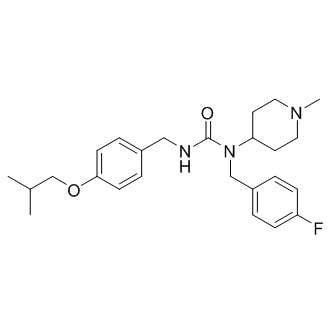
Pimavanserin(ACP-103)Featured
100 mg USD 250 · 250 mg USD 500 · 1 g USD 1,000 · 10 mM * 1 mL in DMSO USD 150Pimavanserin is a selective inverse agonist of the 5-HT2A receptor with pIC50 and pKd of 8.73 and 9.3, respectively.
NVP-ACC-789Featured
100 mg USD 550 · 250 mg USD 950 · 1 g USD 1,800 · 10 mM * 1 mL in DMSO USD 220NVP-ACC789 is an inhibitor of human VEGFR-1, VEGFR-2 (mouse VEGFR-2), VEGFR-3 and PDGFR-β with IC50s of 0.38, 0.02 (0.23), 0.18, 1.4 μM, respectively.
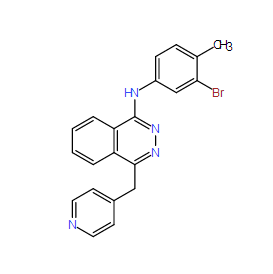
R788 disodium (Fostamatinib)Featured
100 mg USD 350 · 250 mg USD 650 · 1 g USD 1,300 · 10 mM * 1 mL in DMSO USD 150Fostamatinib Disodium (R788 Disodium), a prodrug of the active metabolite R406, is a potent Syk inhibitor with IC50 of 41 nM.
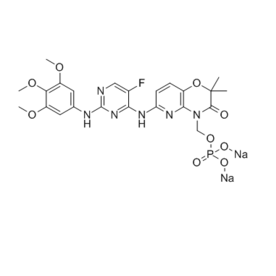
GW806742XFeatured
100 mg USD 650 · 250 mg USD 1,200 · 1 g USD 2,500 · 10 mM * 1 mL in DMSO USD 220GW806742X is a Mixed Lineage Kinase Domain-Like (MLKL) inhibitor which binds the MLKL pseudokinase domain with a Kd value of 9.3 μM and anti-necroptosis activity. GW806742X has activity against VEGFR2[1][2].
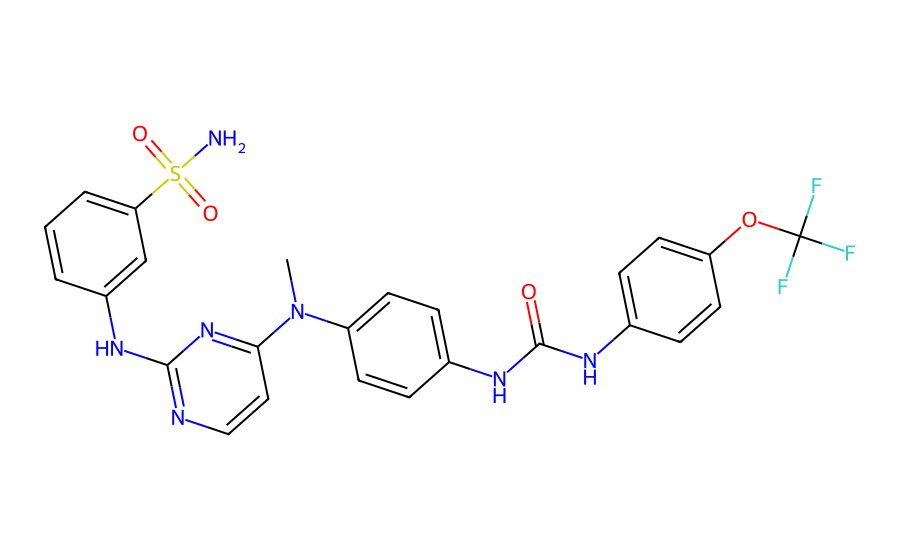
AL 082D06(D-06)Featured
100 mg USD 480 · 250 mg USD 850 · 1 g USD 1,700 · 10 mM * 1 mL in DMSO USD 220AL 082D06 is a selective, nonsteroidal glucocorticoid receptor (GR) antagonist with Ki of 210 nM.
No products match this search.
Page 55 of 184 · Browse all 3666 products