
Research lipid catalog
Ionizable Lipid Products
Explore 848 lipid and RNA delivery products. Search the full catalog or browse by research category.
Search covers product name, catalog number, synonyms, available CAS numbers and categories. Spaces, hyphens and common punctuation are ignored. Duplicate legacy records are consolidated under one canonical product result.
3666 products · Showing 1061–1080 · 20 per page
DC Chemicals lipid expertise
Built for ionizable-lipid discovery and RNA delivery research
DC Chemicals supports formulation and delivery research with a broad, searchable portfolio of cationic and ionizable lipids. The current directory brings together 848 unique research-use products, with product specifications, pricing, chemical structures and literature-linked formulation data added as each record is verified.
Our experience spans complex lipid synthesis, purification, analytical release and process development. For custom molecules or larger-scale requirements, our team can discuss route development, technical specifications and scale-up options for the intended research workflow.
Learn about cationic and ionizable lipids →Proprietary innovation · Co-development · GMP
From proprietary lipid design to GMP-grade custom synthesis
DC Chemicals has independently developed ionizable-lipid structures supported by company-owned intellectual property, and selected proprietary lipid programs have advanced to GMP-stage development.
We welcome joint development with customers—from molecular design and lipid synthesis through route and process development. We can also support custom synthesis of GMP-grade ionizable lipids to agreed technical specifications and quality requirements.
Discuss a co-development project →Proprietary ionizable-lipid structuresCollaborative molecular designCustom lipid synthesisProcess development and scale-upGMP-grade project support
Product quick links
Explore ionizable lipids
Browse specifications, pricing and literature-linked product information.
Cat. No.Product NameField of ApplicationChemical Structure
MadrasinFeatured
100 mg USD 400 · 250 mg USD 750 · 1 g USD 1,500 · 10 mM * 1 mL in DMSO USD 150Madrasin is a potent and cell penetrant splicing inhibitor that interferes with the early stages of spliceosome assembly. Madrasin is cytotoxic at higher concentrations, although at lower concentrations it induces cell cycle arrest, promotes a specific reorganization of subnuclear protein localization, and modulates splicing of multiple pre-mRNAs in both HeLa and HEK293 cells.
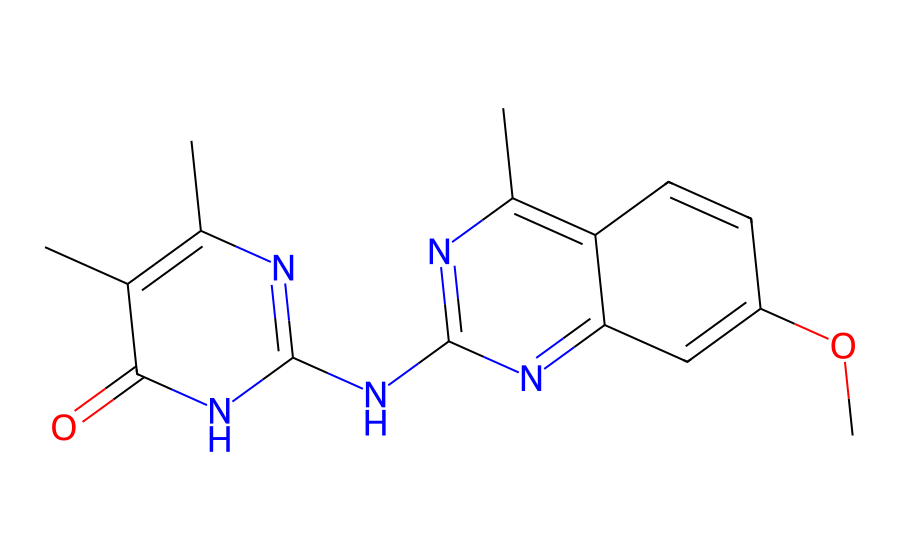
SB 415286Featured
100 mg USD 400 · 250 mg USD 800 · 1 g USD 1,600 · 10 mM * 1 mL in DMSO USD 150SB 415286 is a potent and selective cell permeable inhibitor of GSK-3α, with an IC50 of 77.5 nM, and a Ki of 30.75 nM; SB 415286 is equally effective at inhibiting human GSK-3α and GSK-3β.
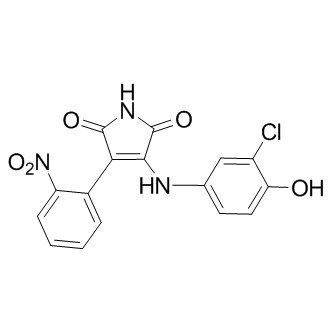
Pexidartinib(PLX3397)Featured
100 mg USD 200 · 250 mg USD 400 · 1 g USD 800 · 10 mM * 1 mL in DMSO USD 150Pexidartinib (PLX-3397) is a multi-targeted receptor tyrosine kinase inhibitor with IC50s of 13 nM, 27 nM, and 11 nM for CSF1R, c-Kit, and FLT3, respectively.
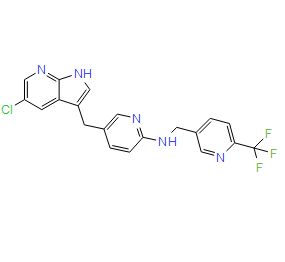
EptapironeFeatured
100 mg USD 450 · 250 mg USD 800 · 1 g USD 1,700 · 10 mM * 1 mL in DMSO USD 220F 11440 is a potent, selective, high efficacy 5-HT1A receptor agonist with marked anxiolytic and antidepressant potential.Target: 5-HT1AThe affinity of F 11440 for 5-HT1Abinding sites (pKi, 8.33) was higher than that of buspirone (pKi , 7.50), and somewhat lower than that of flesinoxan (pKi , 8.91).In vivo, F 11440 was 4- to 20-fold more potent than flesinoxan, and 30- to 60-fold more potent than buspirone, in exerting 5-HT1A agonist activity at pre- and postsynaptic receptors in rats (measured by, for example, its ability to decrease hippocampal extracellular serotonin (5-HT) levels and to increase plasma corticosterone levels, respectively). F 11440, shown here to be a potent, selective, high efficacy 5-HT1Areceptor agonist, appears to have the potential to exert marked anxiolytic and antidepressant activity in humans.[1]
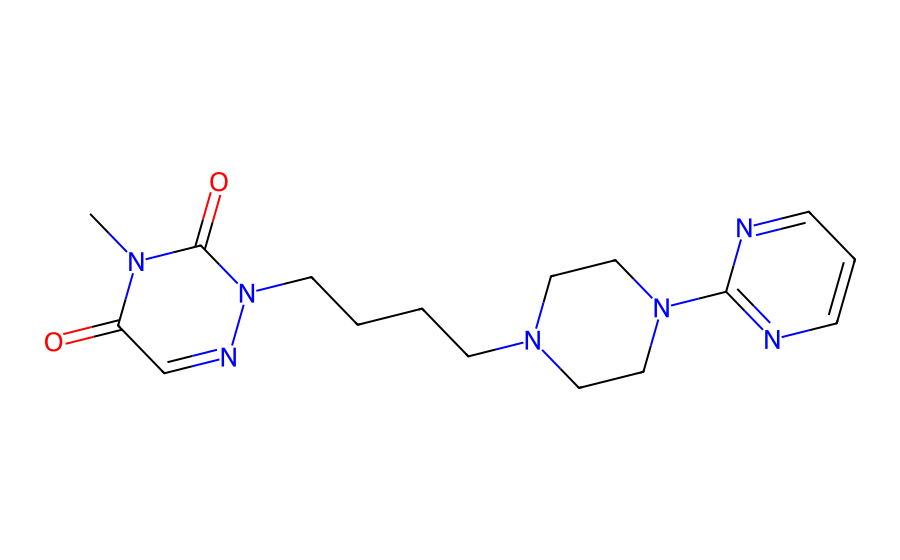
NIBR189Featured
100 mg USD 450 · 250 mg USD 900 · 1 g USD 1,800 · 10 mM * 1 mL in DMSO USD 220NIBR189 is a small molecule antagonist of the Epstein-Barr virus-induced gene 2 (EBI2; GPR183) receptor with IC50 of 16 nM(Binding) and 11 nM (Functional).NIBR189 is a potent and selective EBI2 antagonist with improved pharmacokinetic properties which will help to probe the physiological function of EBI2 in health and disease.
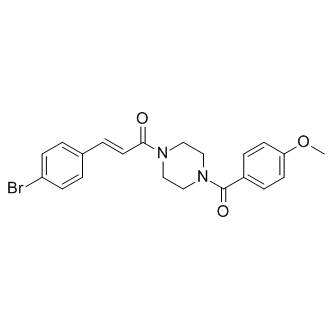
MSX-122Featured
100 mg USD 400 · 250 mg USD 750 · 1 g USD 1,600 · 10 mM * 1 mL in DMSO USD 150MSX-122 is a partial antagonist of CXCR4, inhibiting CXCR4/CXCL12 actions, with an IC50 of ∼10 nM; MSX-122 has anti-inflammatory and anti-metastatic activity.
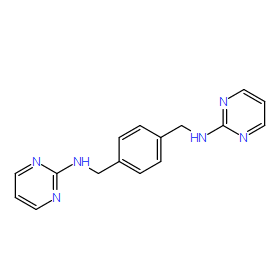
PD 151746Featured
100 mg USD 350 · 250 mg USD 630 · 1 g USD 1,300 · 10 mM * 1 mL in DMSO USD 150PD151746 is a calpain inhibitor, shows a 20-fold selectivity for u-calpain (Ki = 0.26 ± 0.03 μM) over m-calpain (Ki = 5.33 ± 0.77 μM).
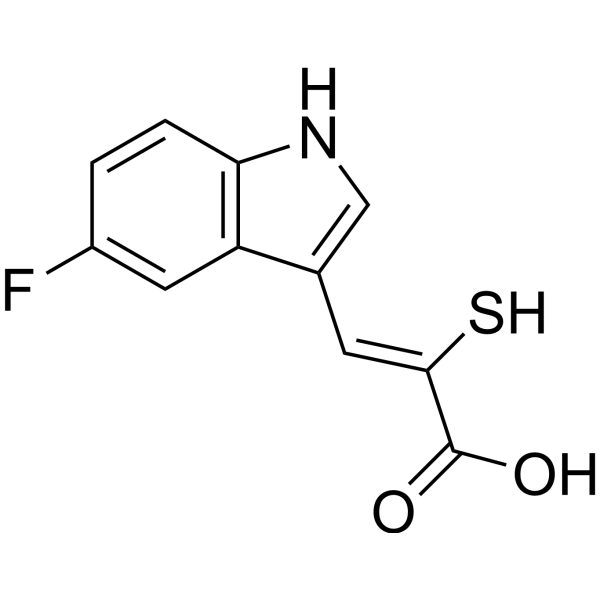
PIK-294Featured
100 mg USD 550 · 250 mg USD 1,000 · 1 g USD 1,900 · 10 mM * 1 mL in DMSO USD 220PIK-294 is a potent p110δ-selective inhibitor with an IC50 of 10 nM.
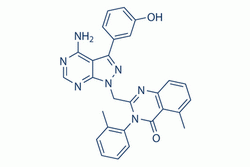
Nedaplatin (Aqupla)Featured
100 mg USD 250 · 250 mg USD 500 · 1 g USD 1,000 · 10 mM * 1 mL in DMSO USD 150Nedaplatin is a derivative of cisplatin and DNA damage agent.Target: OthersNedaplatin(NDP) is a derivative of cisplatin which produced less nausea & vomiting and nephrotoxicity. the effect of NDP on the 7-ethyl-1-hydroxy-CPT (the active form of CPT-11)-induced inhibitory effect on DNA topoisomerase I was examined. The topoisomerase I-inhibitory effect of 7-ethyl-1-hydroxy-CPT was enhanced 10-fold in the presence of NDP at microgram/milliliter concentrations [1]. NDP was developed as a second generation platinum complex. Because it has greater antitumour activity and lower nephrotoxicity than cisplatin (CDDP). At the high-dose of NDP in FN therapy, a reduction of tumour size and long-term tumour-free survival were frequently observed. The survival effect of the combinations of NDP with 5-FU was superior to those of the combination of CDDP with 5-FU. In conclusion, the sequence-dependent antitumour efficacy and toxicity of the combination of NDP or CDDP with 5-FU was demonstrated in this study, and FN therapy appeared to be the most efficient regimen as a clinical therapy [2].

RS-127445Featured
100 mg USD 250 · 250 mg USD 500 · 1 g USD 1,000 · 10 mM * 1 mL in DMSO USD 150RS-127445 is a selective, high affinity, orally bioavailable 5-HT2B receptor antagonist with a pKi of 9.5. RS-127445 shows 1000 fold selectivity for this receptor as compared to numerous other receptor and ion channel binding sites[1].
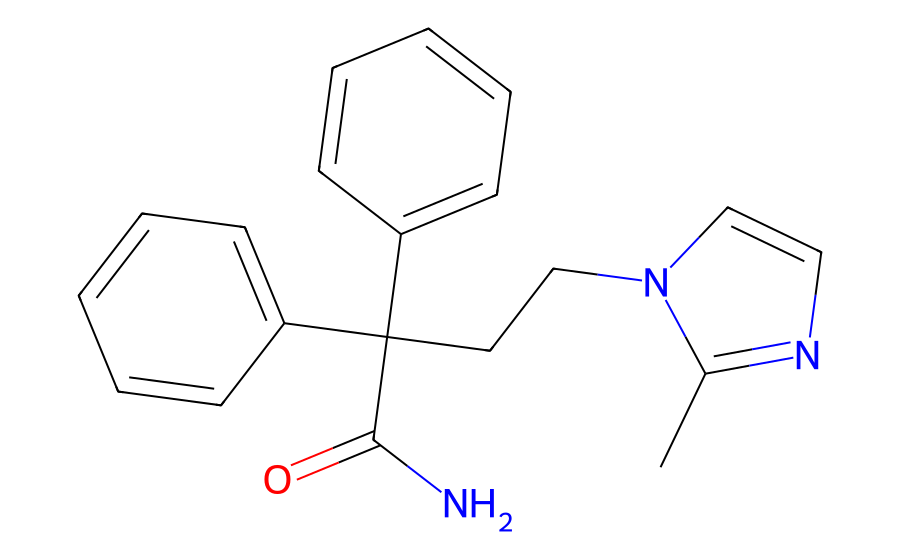
ImidafenacinFeatured
1 g USD 300 · 10 mM * 1 mL in DMSO USD 150Imidafenacin(KRP-197; ONO-8025) is a potent and selective inhibitor of M3 receptors with Kb of 0.317 nM; less potent for M2 receptors(IC50=4.13 nM).IC50 value: 0.3 nM(M3) [1]in vitro: KRP-197 showed equipotent anti-M2 and anti-M3 activity and decreased subtype-selectivity [1]. in vivo: Intraduodenal administration of KRP-197 (0.04±0.30 mg/kg) inhibited bladder contraction dose-dependently, and the ED30 value was 0.11 mg/kg. The inhibitory action of KRP-197 on the bladder contraction was 19 times as potent as that of oxybutynin. KRP-197 showed preventive action againstthe decrease in bladder capacity induced by carbachol(ED50 0.074 mg/kg, intragastric administration), andthe potency of the inhibitory action was 15-fold greaterthan that of oxybutynin [1]. The learning-inhibitory doses of intravenous oxybutynin hydrochloride and tolterodine tartrate were 0.3 and 3 mg/kg in sham-operated rats and 0.1 and 1 mg/kg in nbM-lesioned rats, respectively. Thus, the learning impairments by those antimuscarinics were more sensitive in nbM-lesioned rats than in sham-operated rats. On the other hand, intravenous administration of imidafenacin had no influence on learning in either case of the rats. In normal rats, however, intracerebroventricular administration of imidafenacin impaired learning to the same degree as that of oxybutynin hydrochloride [2].
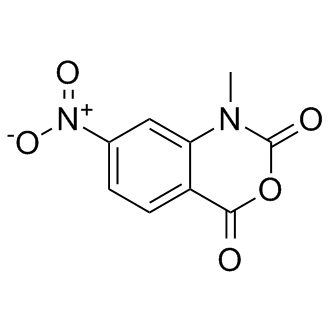
100 mg USD 450 · 250 mg USD 810 · 1 g USD 1,620 · 10 mM * 1 mL in DMSO USD 220
1-methyl-7-nitroisatoic anhydride is a reagent that detects local nucleotide flexibility, for probing 2'-hydroxyl reactivity.
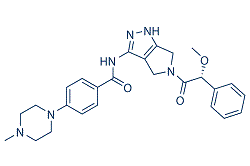
PHA-739358 (danusertib)Featured
100 mg USD 300 · 250 mg USD 600 · 1 g USD 1,200 · 10 mM * 1 mL in DMSO USD 150Description of Danusertib: Danusertib is a small-molecule 3-aminopyrazole derivative with potential antineoplastic activity. Aurora kinase inhibitor PHA-739358 binds to and inhibits the Aurora kinases, which may result in cell growth arrest and apoptosis in tumor cells in which Aurora kinases are overexpressed. This agent may preferentially bind to and inhibit Aurora B kinase. Aurora kinases, a family of serine-threonine kinases, are important regulators of cellular proliferation and division. Check For active clinical trials or closed clinical trials using this agent. (NCI Thesaurus) . For the detailed information about the solubility of PHA-739358 danusertib in water, the solubility of PHA-739358 danusertib in DMSO, the solubility of PHA-739358 danusertib in PBS buffer, the animal experiment(test) of PHA-739358 danusertib,the in vivo,in vitro and clinical trial test of PHA-739358 danusertib,the cell experiment(test) of PHA-739358 danusertib,the IC50, EC50 and Affinity of PHA-739358 danusertib, please contact DC Chemicals.
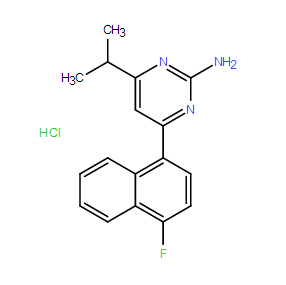
NSC5844 (RE640)Featured
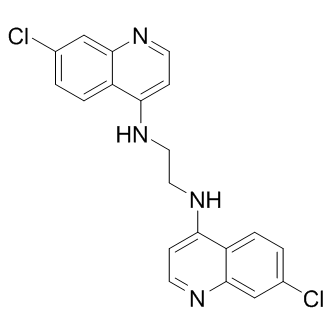
100 mg USD 550 · 250 mg USD 950 · 1 g USD 1,800 · 10 mM * 1 mL in DMSO USD 220NSC5844 is a 4-aminoquinoline derivative, with antitumor and antimalarial activity.
7ACC2Featured
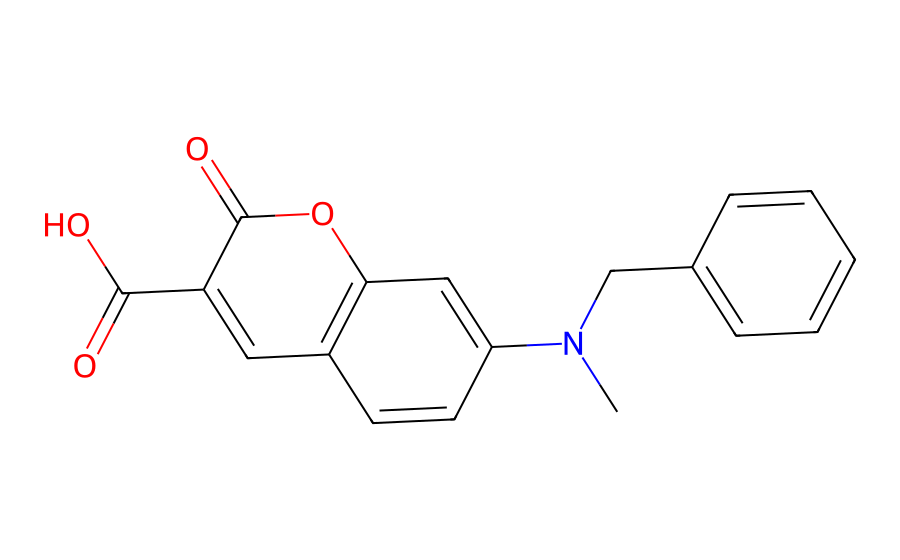
100 mg USD 480 · 250 mg USD 850 · 1 g USD 1,700 · 10 mM * 1 mL in DMSO USD 2207ACC2 is a new potent MCT inhibitor with IC50 of 11 nM for inhibition of [14C]-lactate influx; new antitumor treatment targeting lactate transport in cancer cells.IC50 value: 11 nM ([14C]-lactate influx) [1]Target: MCT inhibitor; lactate transport inhibitor7ACC2 did not influence the prothrombin time which, together with a good in vitro ADME profile, supports the potential of this new family of compounds to act as anticancer drugs through inhibition of lactate flux.
SLx-2119(KD-025,Belumosudil )Featured
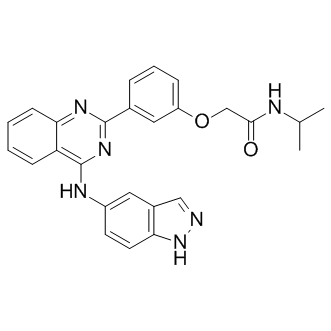
100 mg USD 300 · 250 mg USD 600 · 1 g USD 1,200 · 10 mM * 1 mL in DMSO USD 220SLx-2119 is a selective inhibitor of ROCK2 with an IC50 of 105 nM.
MI 2 (MALT1 inhibitor)Featured
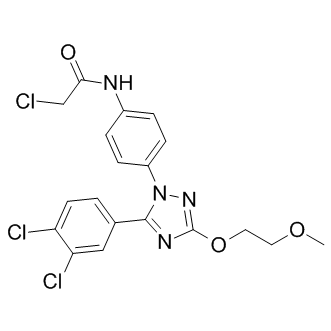
100 mg USD 550 · 250 mg USD 1,100 · 1 g USD 2,200 · 10 mM * 1 mL in DMSO USD 220MI 2 (MALT1 inhibitor) is an irreversible MALT1 protease inhibitor with an IC50 of 5.84 μM.
pardoprunox (SLV308)Featured
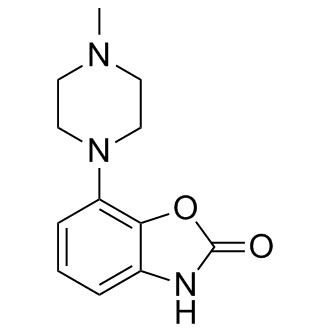
100 mg USD 650 · 250 mg USD 1,100 · 1 g USD 2,100 · 10 mM * 1 mL in DMSO USD 220Pardoprunox(SLV-308) is a novel partial dopamine D2 and D3 receptor agonist and serotonin 5-HT1A receptor agonist; D2 (pKi = 8.1) and D3 receptor (pKi = 8.6) partial agonist (IA = 50% and 67%, respectively) and 5-HT1A receptor (pKi = 8.5) full agonist (IA = 100%); also binds to D4 (pKi = 7.8), α1-adrenergic (pKi = 7.8), α2-adrenergic (pKi = 7.4), and 5-HT7 receptors (pKi = 7.2) with lower affinity.
WHI-P180(Janex 3)Featured
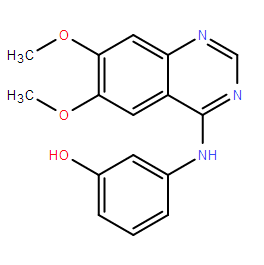
100 mg USD 450 · 250 mg USD 850 · 1 g USD 1,600 · 10 mM * 1 mL in DMSO USD 220WHI-P180 (Janex 3) is a multi-kinase inhibitor; inhibits RET, KDR and EGFR with IC50s of 5 nM, 66 nM and 4 μM, respectively.
SM-164Featured
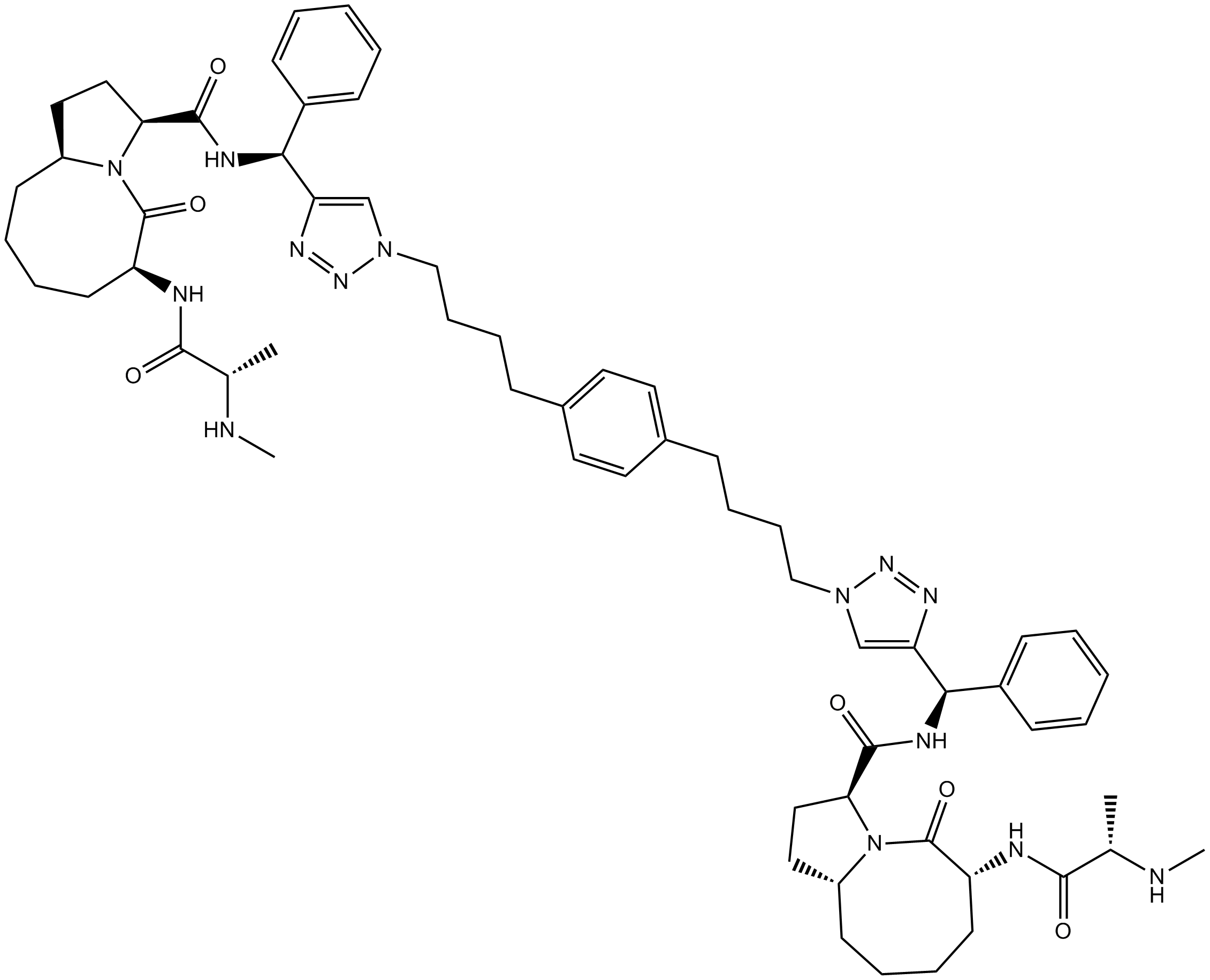
50 mg USD 750 · 100 mg USD 1,400 · 250 mg USD 2,500SM-164 is a cell-permeable Smac mimetic compound. SM-164 binds to XIAP protein containing both the BIR2 and BIR3 domains with an IC50 value of 1.39 nM and functions as an extremely potent antagonist of XIAP.
No products match this search.
Page 54 of 184 · Browse all 3666 products