
Research lipid catalog
Ionizable Lipid Products
Explore 848 lipid and RNA delivery products. Search the full catalog or browse by research category.
Search covers product name, catalog number, synonyms, available CAS numbers and categories. Spaces, hyphens and common punctuation are ignored. Duplicate legacy records are consolidated under one canonical product result.
4176 products · Showing 4121–4140 · 20 per page
DC Chemicals lipid expertise
Built for ionizable-lipid discovery and RNA delivery research
DC Chemicals supports formulation and delivery research with a broad, searchable portfolio of cationic and ionizable lipids. The current directory brings together 848 unique research-use products, with product specifications, pricing, chemical structures and literature-linked formulation data added as each record is verified.
Our experience spans complex lipid synthesis, purification, analytical release and process development. For custom molecules or larger-scale requirements, our team can discuss route development, technical specifications and scale-up options for the intended research workflow.
Learn about cationic and ionizable lipids →Proprietary innovation · Co-development · GMP
From proprietary lipid design to GMP-grade custom synthesis
DC Chemicals has independently developed ionizable-lipid structures supported by company-owned intellectual property, and selected proprietary lipid programs have advanced to GMP-stage development.
We welcome joint development with customers—from molecular design and lipid synthesis through route and process development. We can also support custom synthesis of GMP-grade ionizable lipids to agreed technical specifications and quality requirements.
Discuss a co-development project →Proprietary ionizable-lipid structuresCollaborative molecular designCustom lipid synthesisProcess development and scale-upGMP-grade project support
Product quick links
Explore New ionizable lipids
Explore our five most recently added ionizable lipids, with specifications, pricing and literature-linked product information.
DCL0028HX1Brain RNA delivery researchView product →DCL0024A1I4R13C18-2Spleen-targeted RNA delivery researchView product →DCL0023A1I4R2C18-2Spleen-targeted RNA delivery researchView product →DCL0022FS01Local joint RNA delivery researchView product →DCL0020Lipid-392Lung RNA delivery and gene editing researchView product →
Cat. No.Product NameField of ApplicationChemical Structure
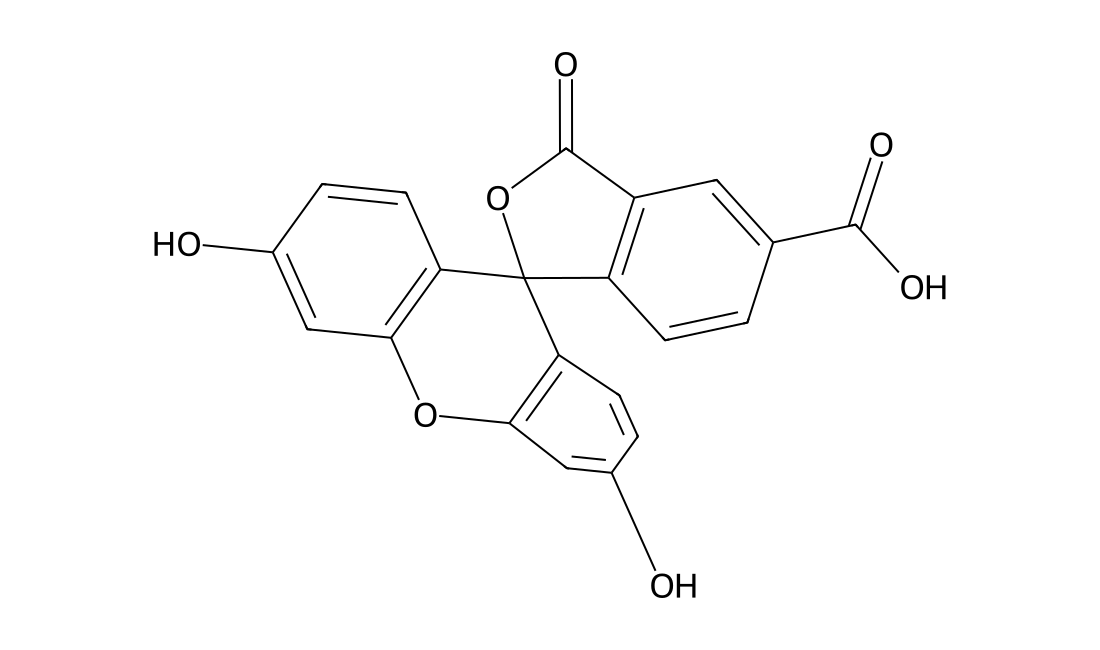
The single isomer, 5-FAM, contains a carboxylic acid that can be used to react with primary amines via carbodiimide activation of the carboxylic acid. Fluorescein is the most common fluorescent derivatization reagent for labeling biomolecules. In addition
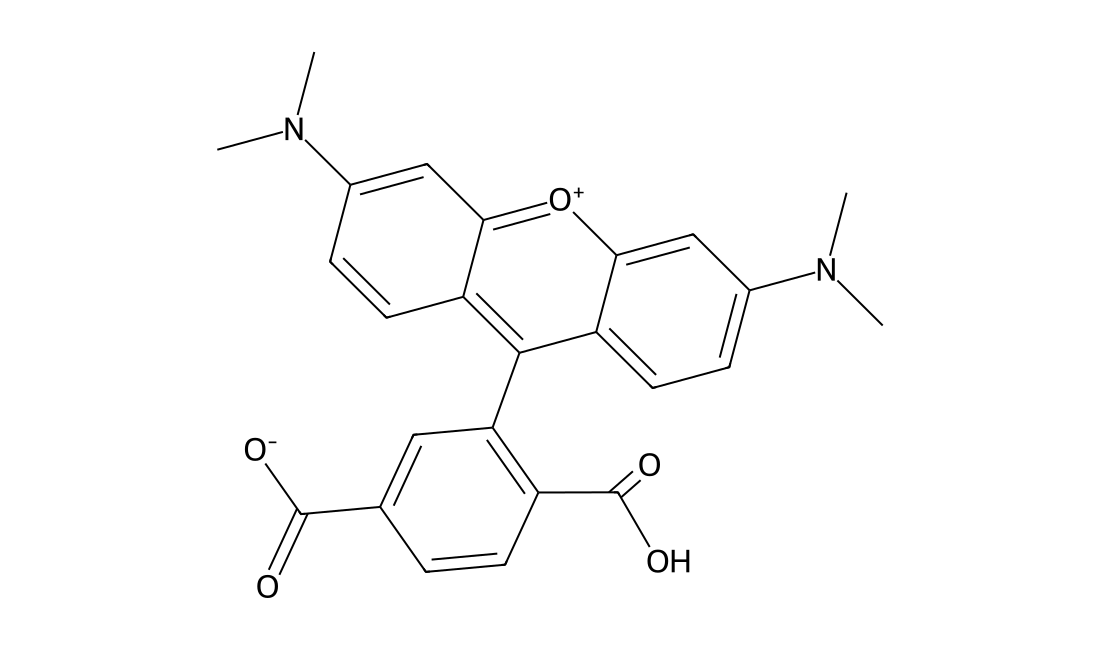
Tetramethylrhodamine (TMR, TRITC) has been a widely used fluorophore for preparing bioconjugates, especially fluorescent antibody and avidin derivatives used in immunochemistry.
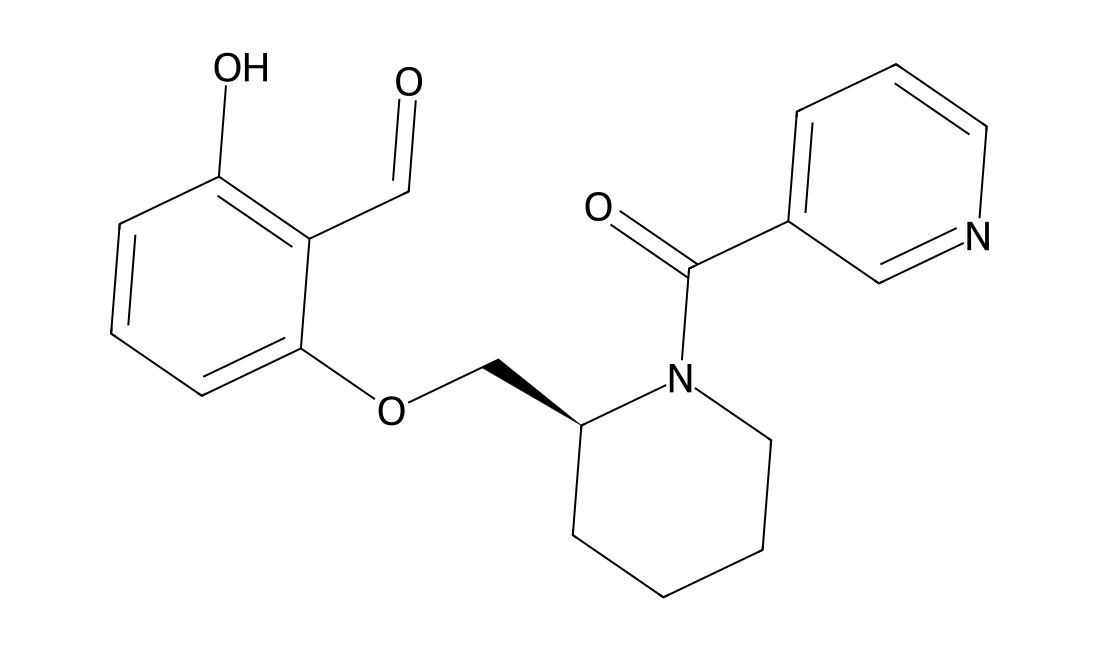
GBT1118 is a potent and orally active allosteric modifier of hemoglobin oxygen affinity. GBT1118 increases tolerance to severe hypoxia.
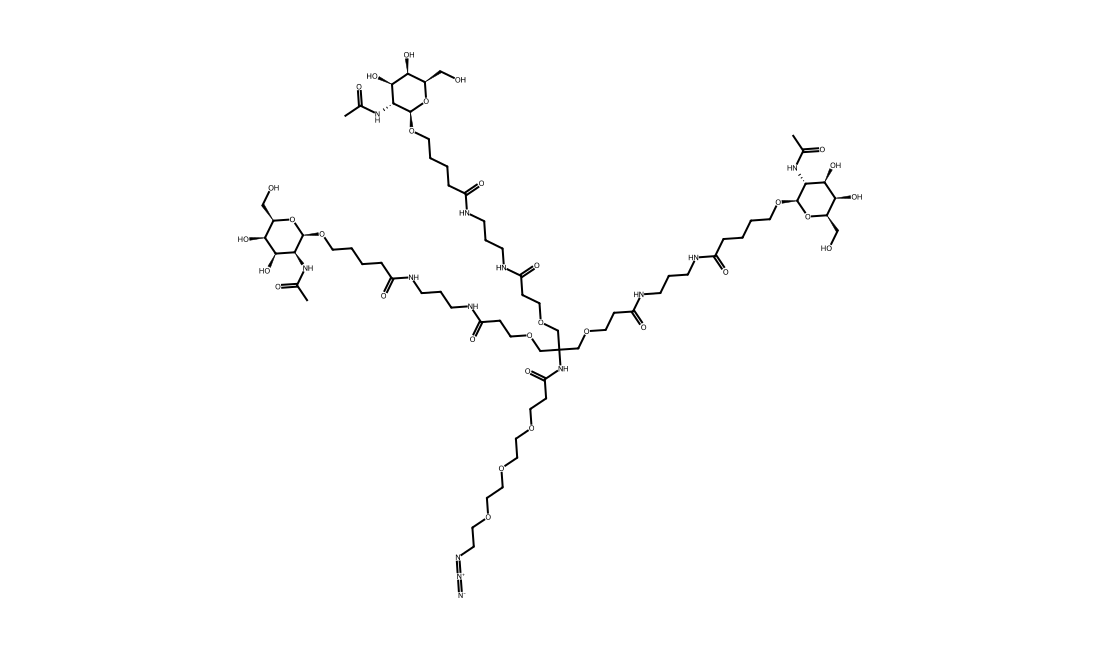
tri-GalNAc-PEG3-Azide is a functionalized asialoglycoprotein receptor (ASGPR) ligand for lysosomal targeting chimera (LYTAC) research and development; each molecule incorporates three ASGPR ligands with a PEG3 linker and azide group reactive handle ready for conjugation. Upon binding to the ASGPR, tri-GalNAc conjugates are efficiently internalized via ASGPR-mediated endocytosis. tri-GalNAc conjugation can be employed as a strategy to effectively deliver cargo such as RNA or Cas9 complexes in a cell-specific manner to hepatocytes. Can be used to generate LYTACs, or labeled with dye for tissue imaging.
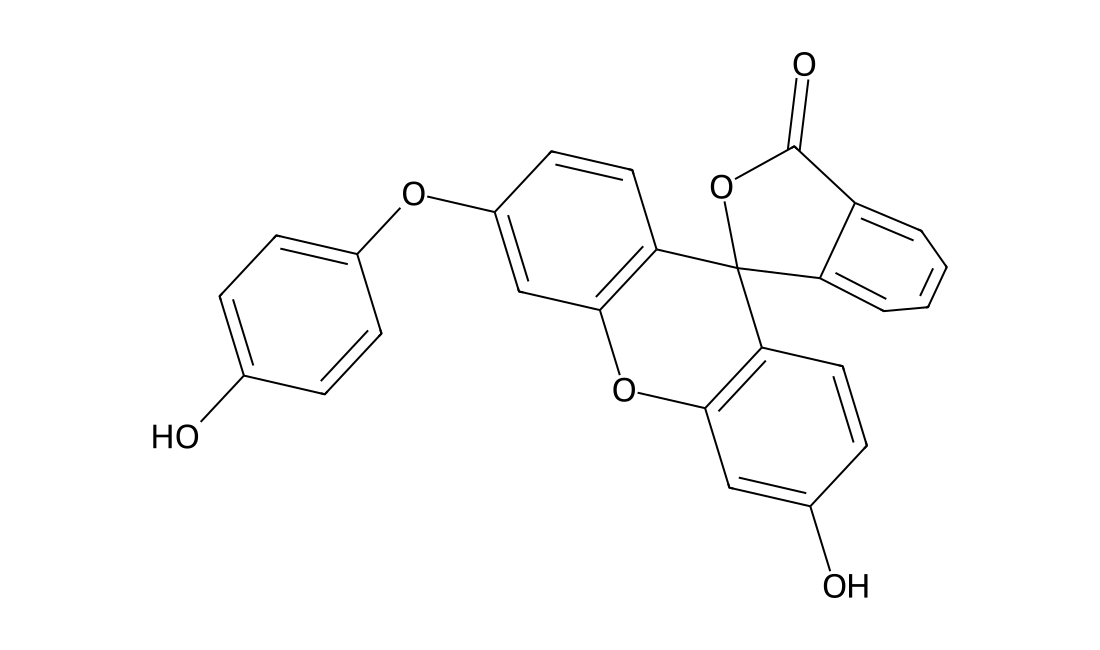
Hydroxyphenyl fluorescein (HPF) is the reagent that can directly detect highly reactive oxygen species (hROS). Hydroxyphenyl fluorescein selectively and dose-dependently reacts with hROS, such as the hydroxyl radical and peroxynitrite, which exhibit strong fluorescence.
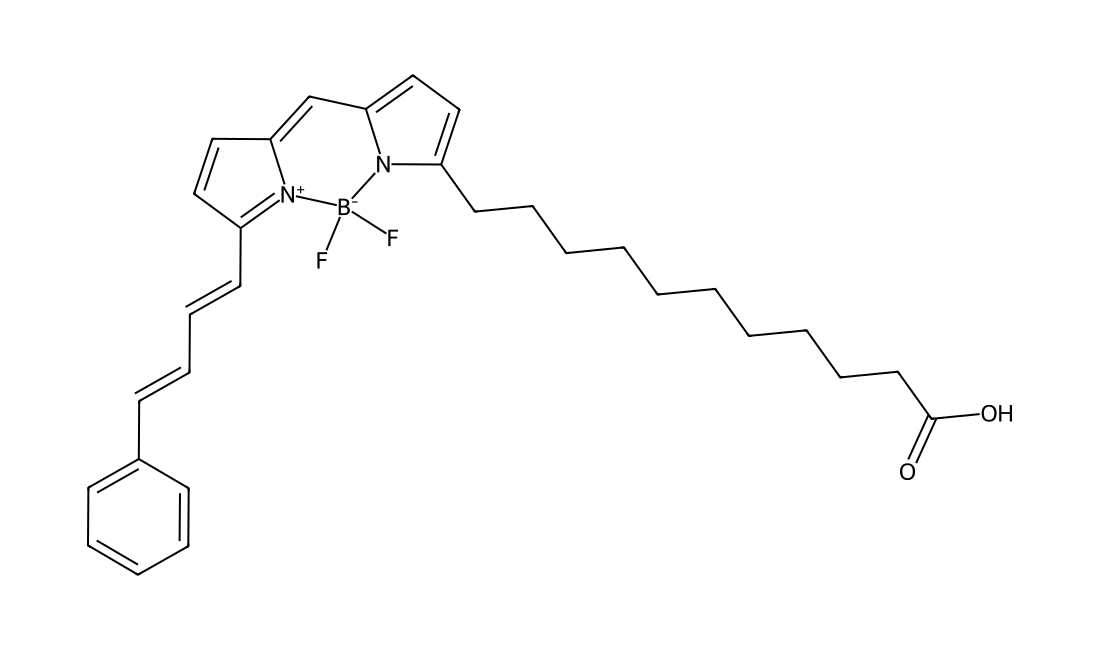
BODIPY 581/591 C11 is a fluorescent probe used to study lipid peroxidation and antioxidant effects in living cells, including ferroptosis-related measurements. Its fluorescence changes upon oxidation.
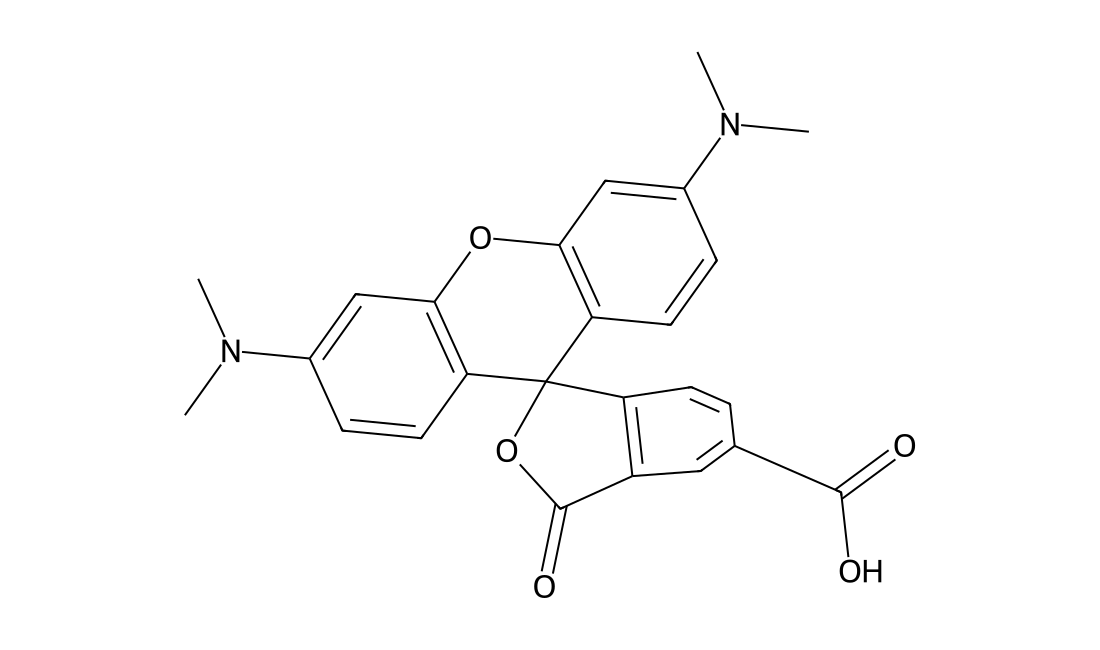
5-Carboxytetramethylrhodamine can be used as a fluorescent probe of nucleic acids and proteins. 5-Carboxytetramethylrhodamine displays excitation maxima of 558 nm and an emission maximum of 586 nm.
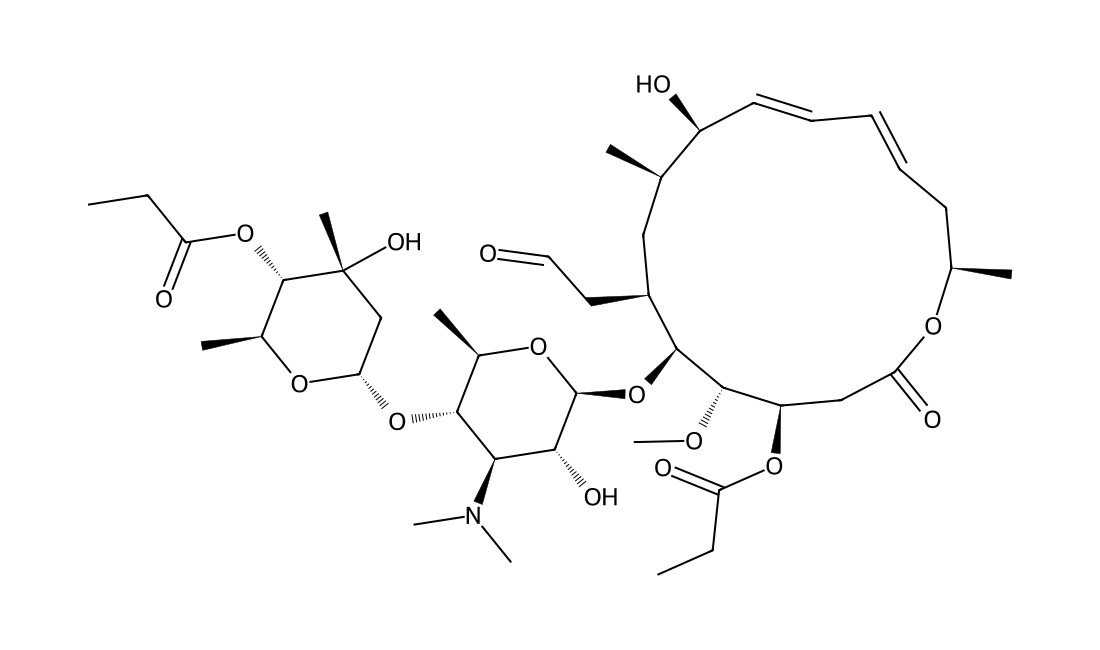
Midecamycin is a naturally occurring 16-membered macrolide that fits under the category of acetoxy-substituted macrolide antibiotics. In this molecule, an acetoxy group is substituted on the position 9 of the 16-member ring and on position 4 of the terminal sugar.
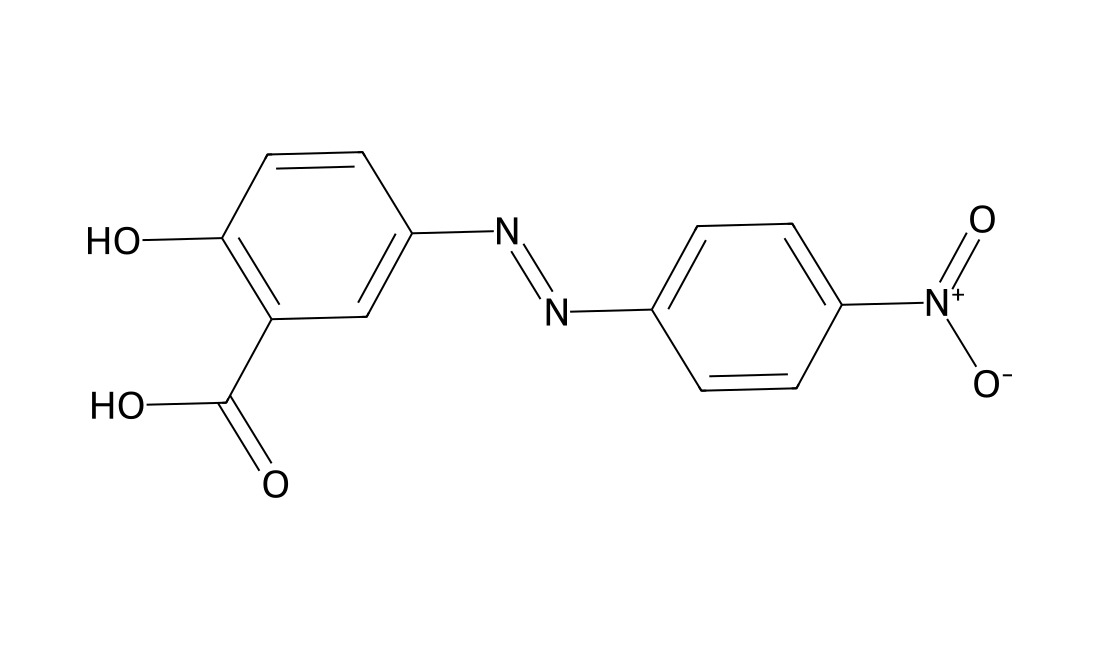
Alizarine Yellow R is a yellow colored azo dye made by the diazo coupling reaction.
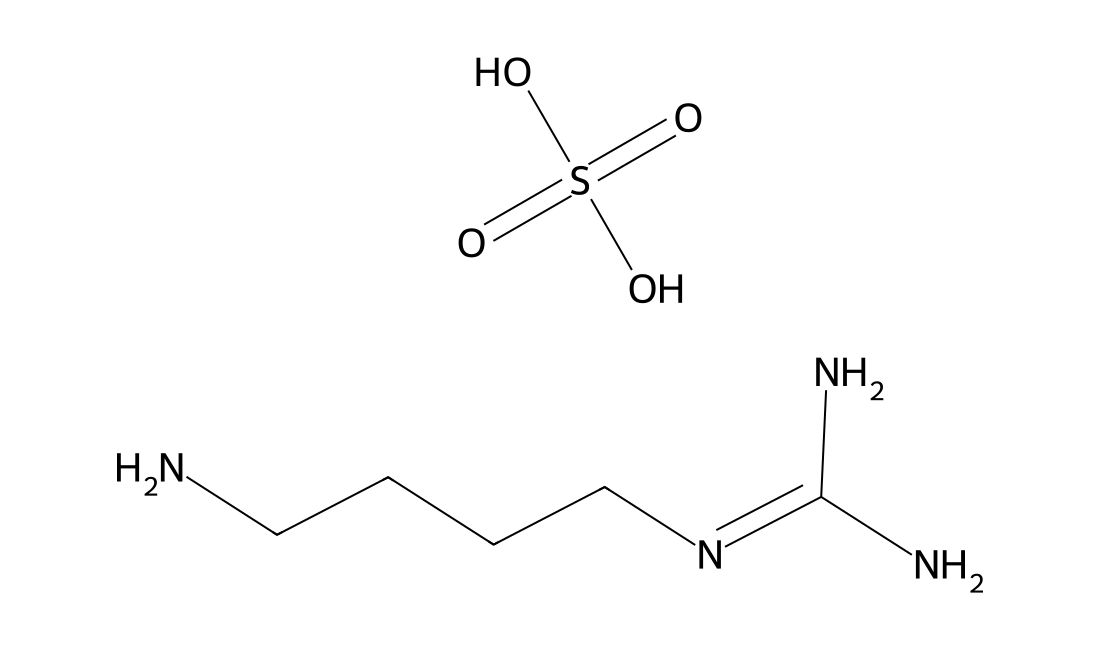
Agmatine Sulfate is a neurotransmitter and neuromodulator, inhibiting N-methyl-D-aspartate (NMDA), nicotinic acetylcholine receptors nitric oxide synthase, calcium channels and certain serotonin receptors, activating imidazoline receptors.
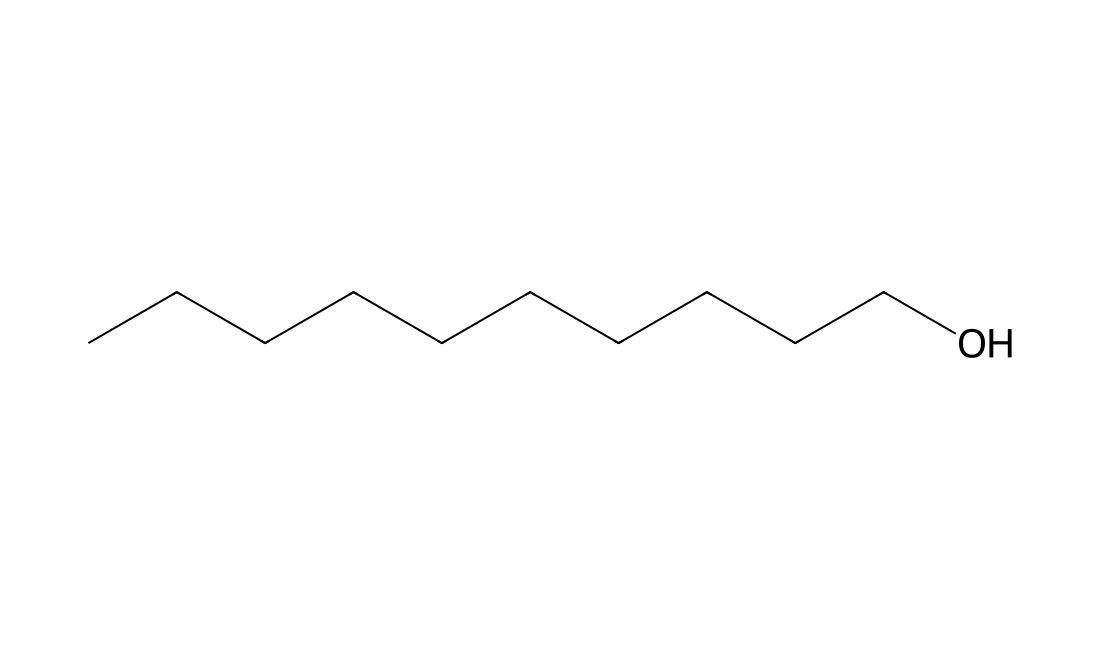
1-Decanol is used in the production of plasticizers, lubricants, surfactants and solvents. It is also used to study the thermal properties of polymer-monolithic stationary phases. Further, it is used to enhance homomeric glycine receptor function. In addition to this, it is used in daily flavor, food flavor and cosmetics.
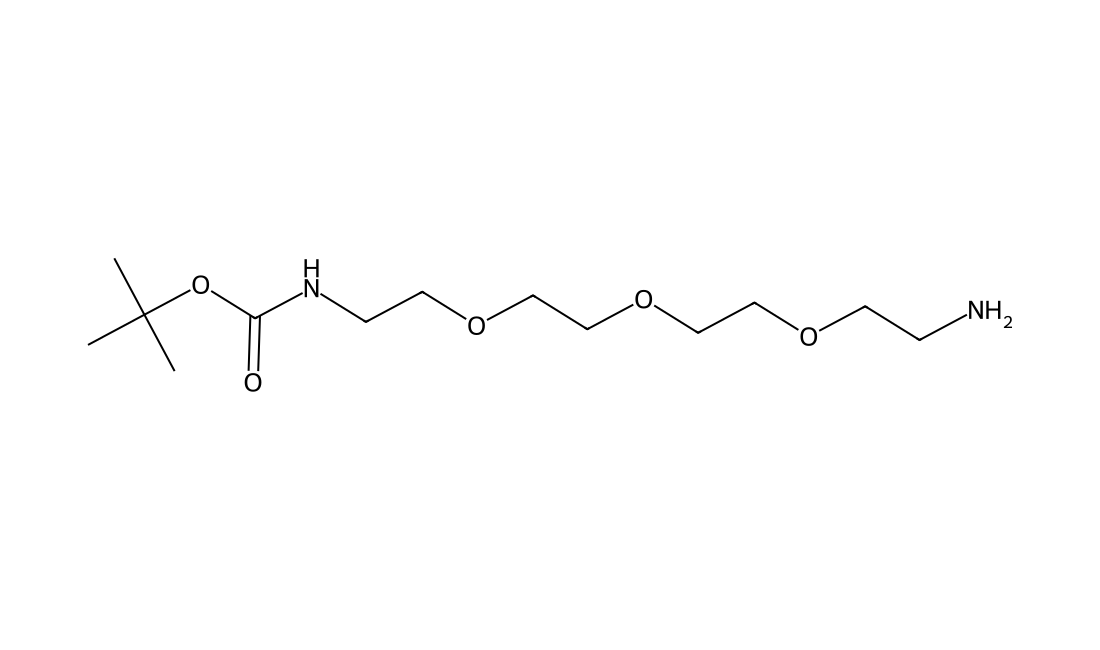
t-Boc-N-Amido-PEG3-amine is a PEG derivative containing an amino group and Boc-protected amino group. The amino group is reactive with carboxylic acids, activated NHS esters, carbonyls (ketone, aldehyde) etc. The Boc group can be deprotected under mild acidic conditions to form the free amine. PEG Linkers may be useful in the development of antibody drug conjugates.
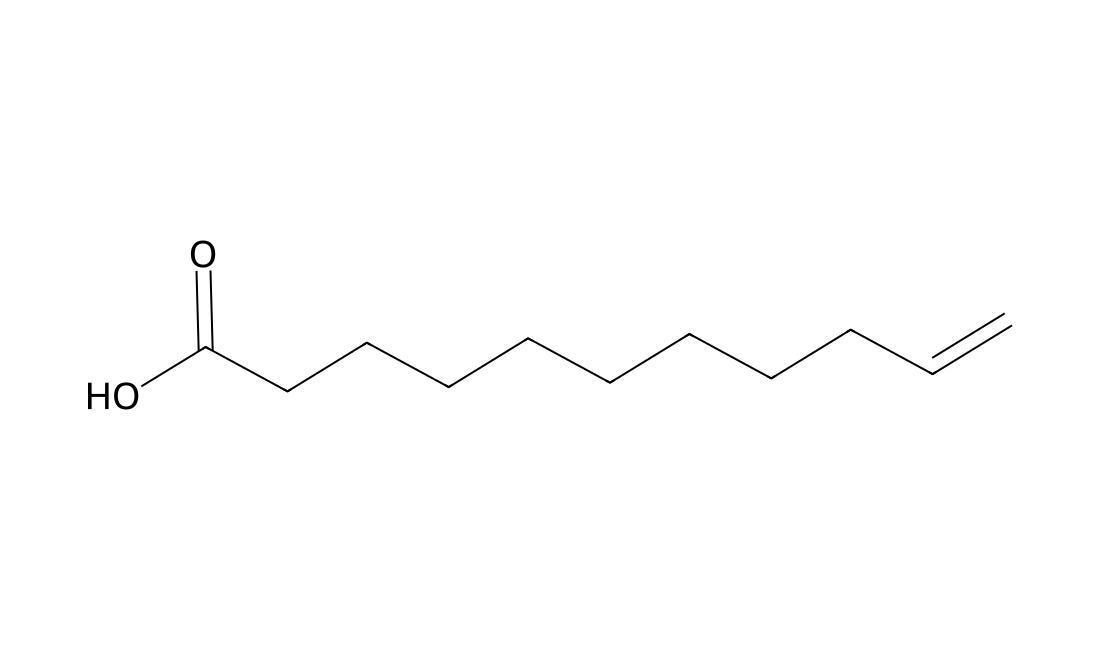
Undecylenic acid is a fatty acid with a terminal double bond. Undecylenic acid is an active ingredient in medications for skin infections, and to relieve itching, burning, and irritation associated with skin problems.
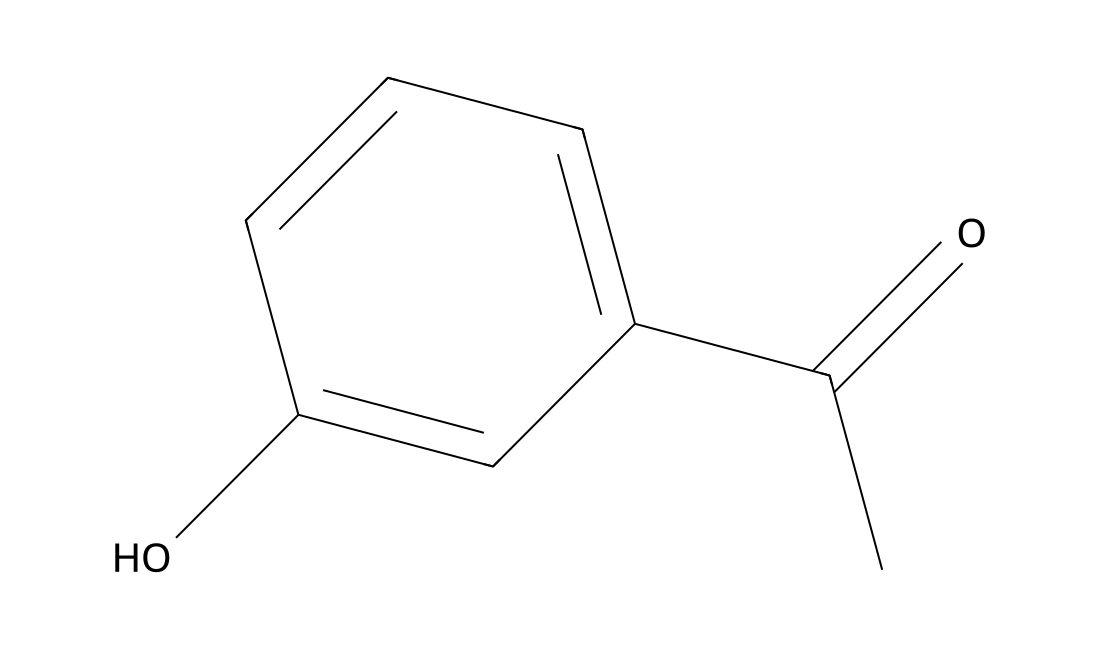
3'-Hydroxyacetophenone, also called m-hydroxyacetophenone, is a hydroxyl-substituted aromatic ketone.
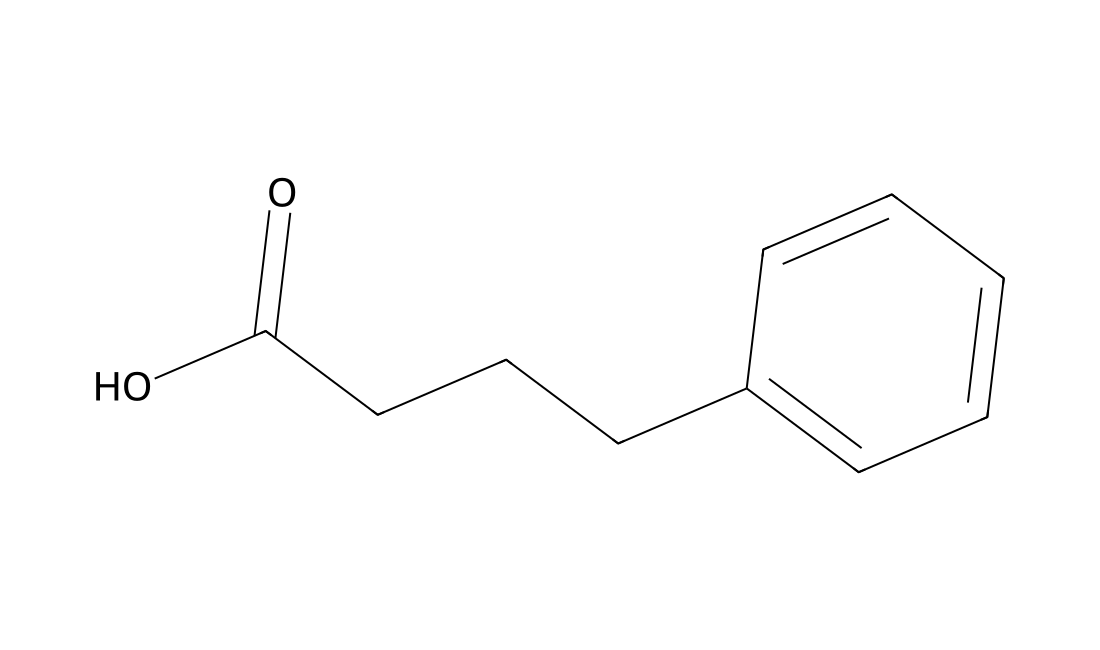
4-Phenylbutyric acid is an antineoplastic agent.
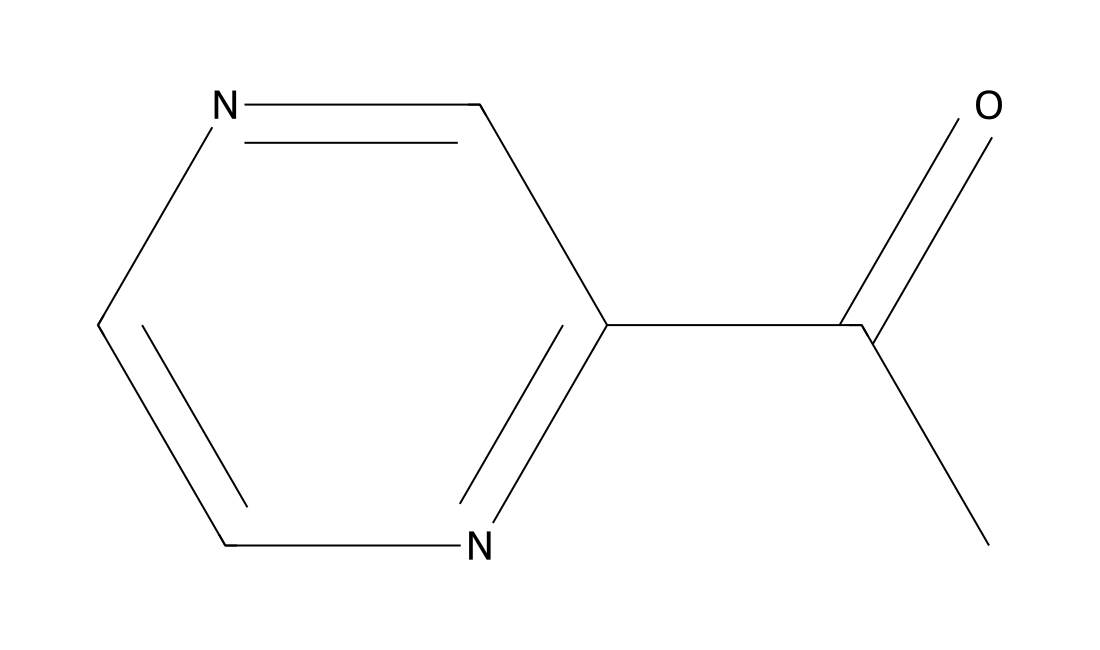
2-Acetylpyrazine is a pyrazine and a ketone. It is a yellow-brown powder at room temperature.
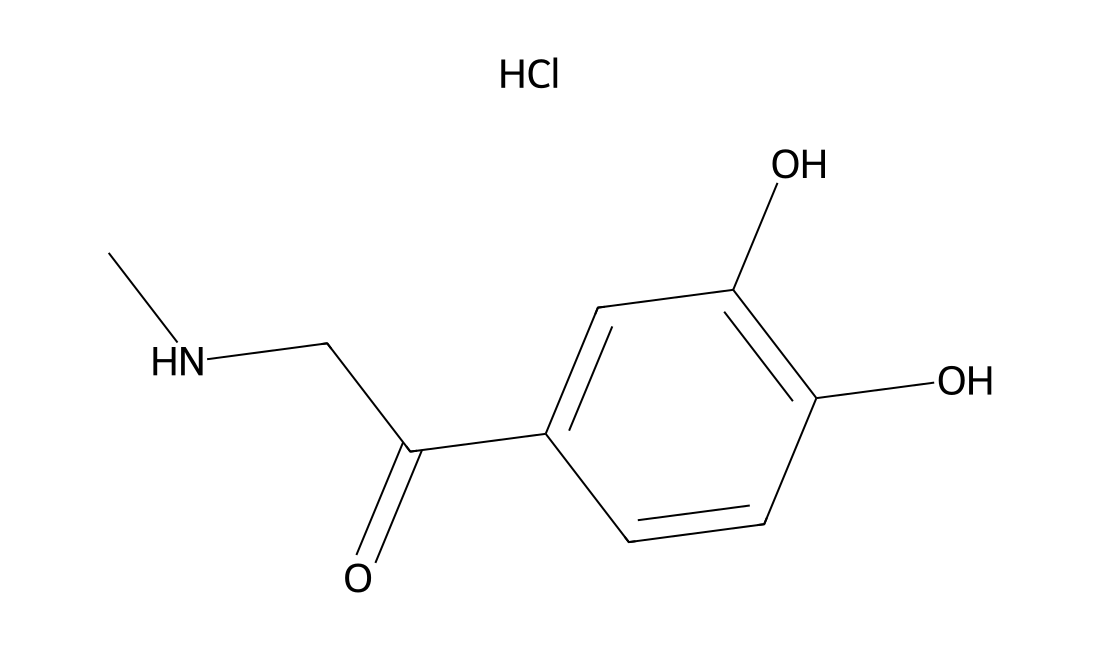
Adrenone hydrochloride displays antineoplastic activity and has been shown to inhibit growth of Ehrlich ascites tumors in mice.
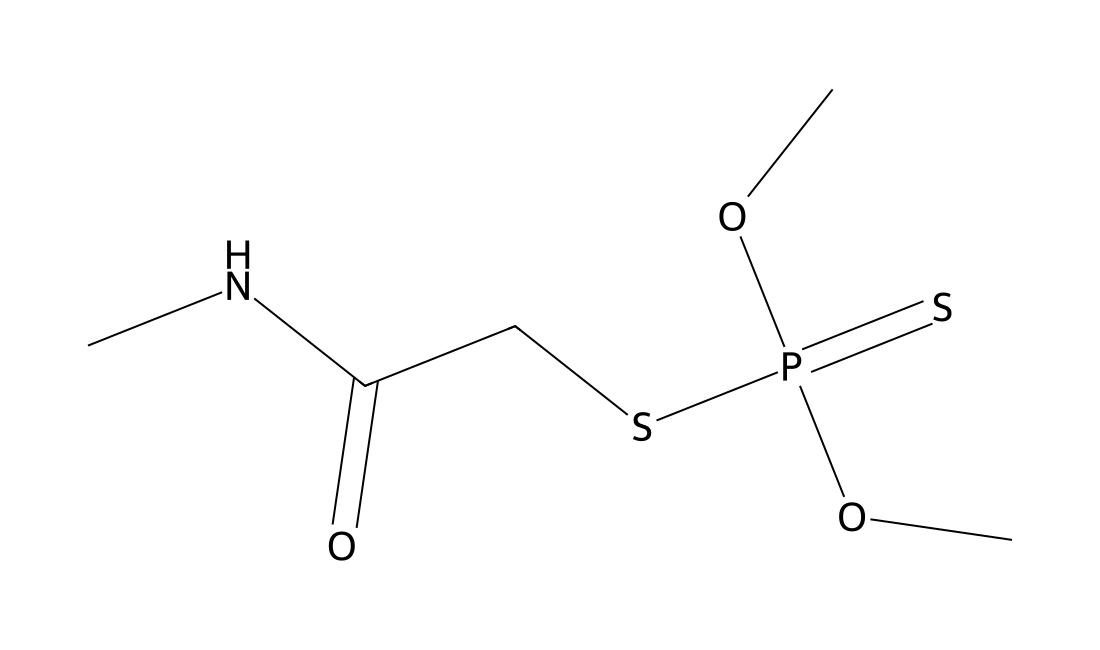
Dimethoate is an organothiophosphorus cholinesterase inhibitor that is used as a systemic and contact insecticide.
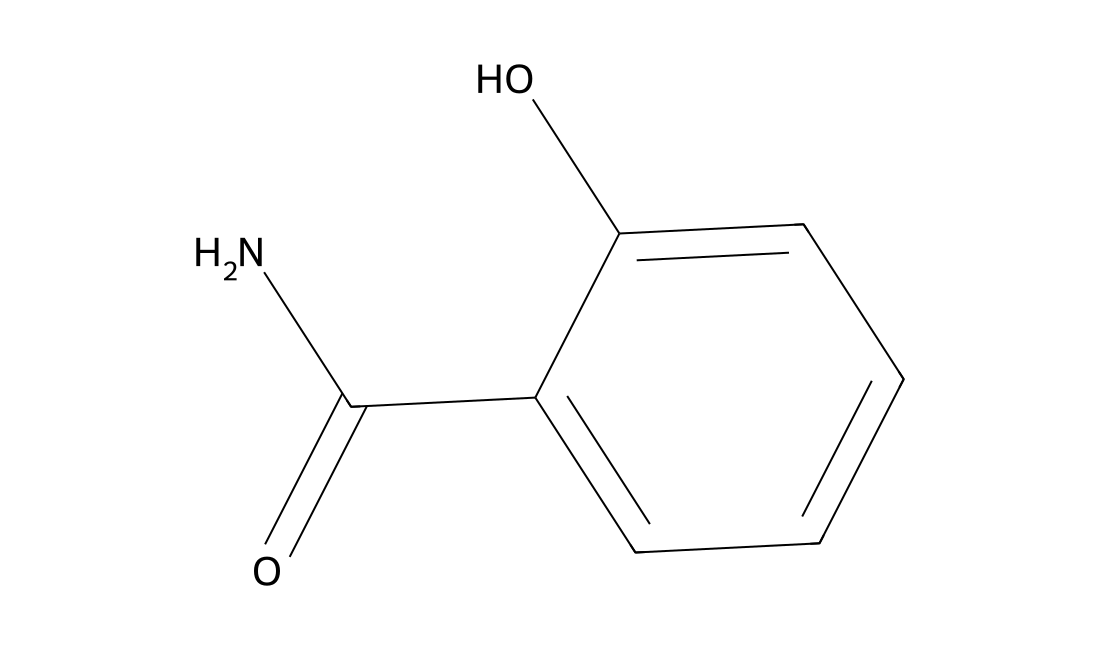
Salicylamide is a non-steroidal anti-inflammatory agent with analgesic and antipyretic properties. Its medicinal uses are similar to those of aspirin.
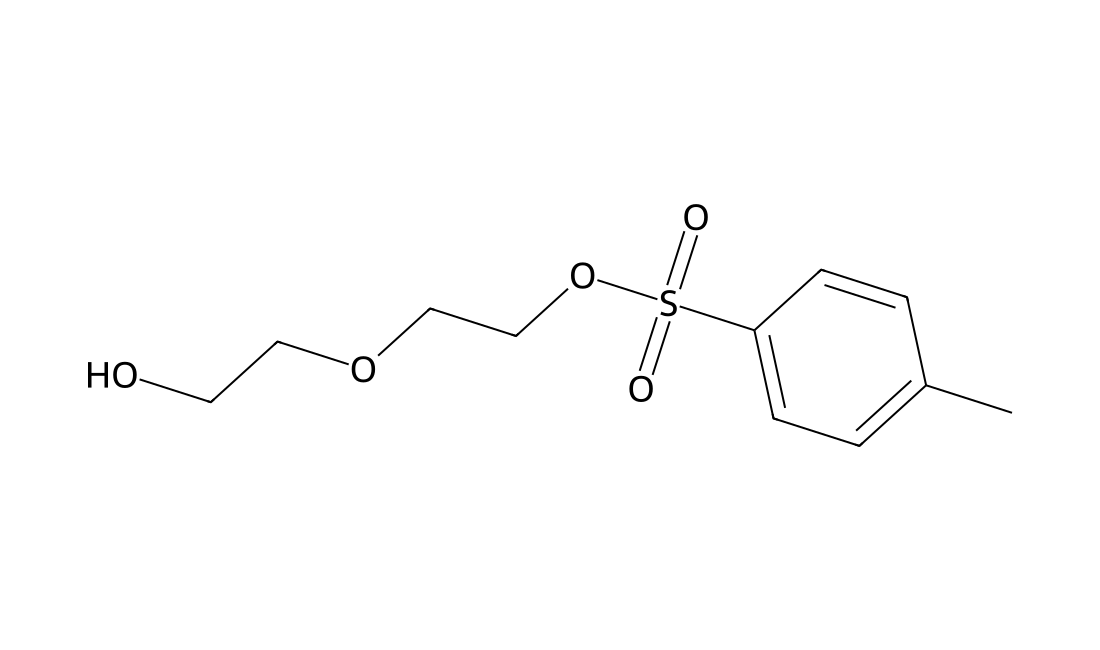
PEG3-Tos is a PEG derivative containing a hydroxyl group and a tosyl group. The hydrophilic PEG spacer increases solubility in aqueous media. The hydroxyl group enables further derivatization or replacement with other reactive functional groups. The tosyl group is a very good leaving group for nucleophilic substitution reactions.
No products match this search.
Page 207 of 209 · Browse all 4176 products
Jump to a product page
Featured literature product: HX1 · DCL0028
HX1 is a hydroxyzine-derived ionizable lipid with acetal-containing tails, studied in lipid nanoparticles for brain mRNA delivery and CRISPR–Cas9 delivery. It was the lead in the reported in vivo brain-delivery screen; evidence is preclinical and formulation-dependent.
Read full formulation and performance →