
Research lipid catalog
Ionizable Lipid Products
Explore 848 lipid and RNA delivery products. Search the full catalog or browse by research category.
Search covers product name, catalog number, synonyms, available CAS numbers and categories. Spaces, hyphens and common punctuation are ignored. Duplicate legacy records are consolidated under one canonical product result.
4176 products · Showing 4101–4120 · 20 per page
DC Chemicals lipid expertise
Built for ionizable-lipid discovery and RNA delivery research
DC Chemicals supports formulation and delivery research with a broad, searchable portfolio of cationic and ionizable lipids. The current directory brings together 848 unique research-use products, with product specifications, pricing, chemical structures and literature-linked formulation data added as each record is verified.
Our experience spans complex lipid synthesis, purification, analytical release and process development. For custom molecules or larger-scale requirements, our team can discuss route development, technical specifications and scale-up options for the intended research workflow.
Learn about cationic and ionizable lipids →Proprietary innovation · Co-development · GMP
From proprietary lipid design to GMP-grade custom synthesis
DC Chemicals has independently developed ionizable-lipid structures supported by company-owned intellectual property, and selected proprietary lipid programs have advanced to GMP-stage development.
We welcome joint development with customers—from molecular design and lipid synthesis through route and process development. We can also support custom synthesis of GMP-grade ionizable lipids to agreed technical specifications and quality requirements.
Discuss a co-development project →Proprietary ionizable-lipid structuresCollaborative molecular designCustom lipid synthesisProcess development and scale-upGMP-grade project support
Product quick links
Explore New ionizable lipids
Explore our five most recently added ionizable lipids, with specifications, pricing and literature-linked product information.
DCL0028HX1Brain RNA delivery researchView product →DCL0024A1I4R13C18-2Spleen-targeted RNA delivery researchView product →DCL0023A1I4R2C18-2Spleen-targeted RNA delivery researchView product →DCL0022FS01Local joint RNA delivery researchView product →DCL0020Lipid-392Lung RNA delivery and gene editing researchView product →
Cat. No.Product NameField of ApplicationChemical Structure
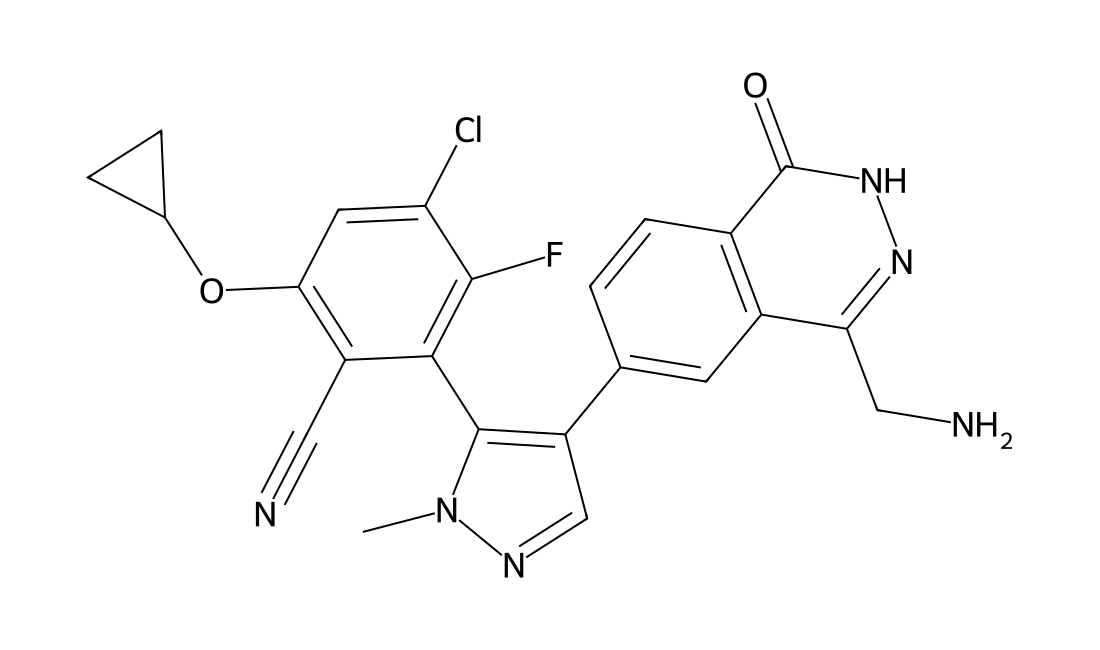
MRTX-1719 is a potent first-in-class selective inhibitor of the PRMT5/MTA complex, with an IC50 of less than 10 nM in PRMT5/MTA MTAPDEL SDMA cells.
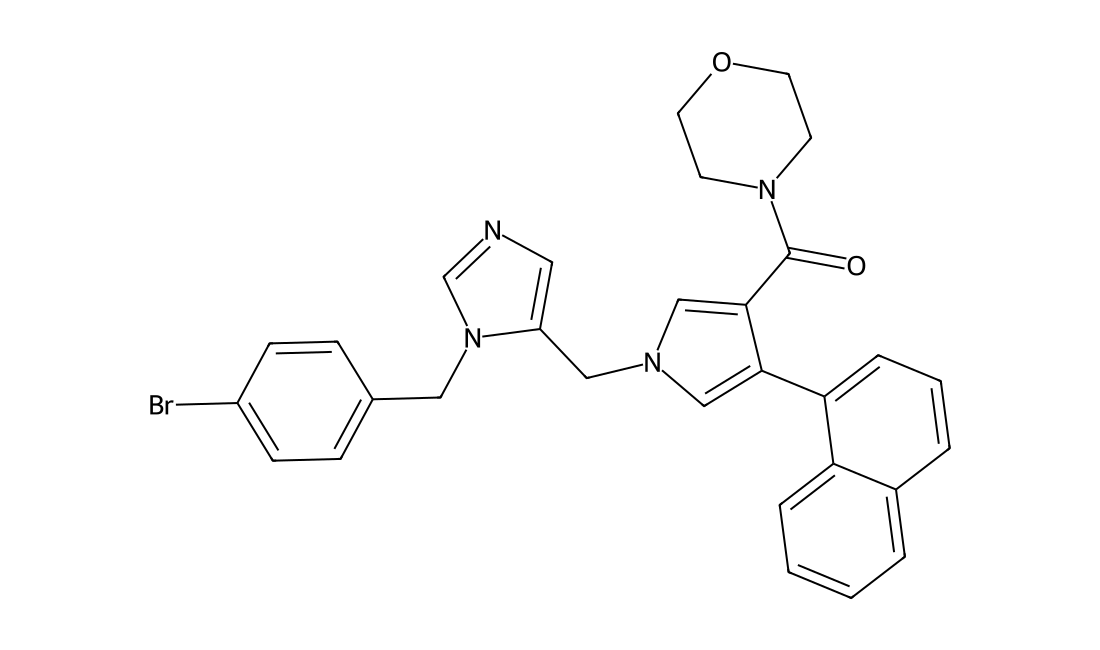
LB42708 is an orally active farnesyltransferase (FTase) inhibitor with IC50 of 0.8, 1.2, and 2.0 nM toward H-ras, N-ras, and K-ras, respectively
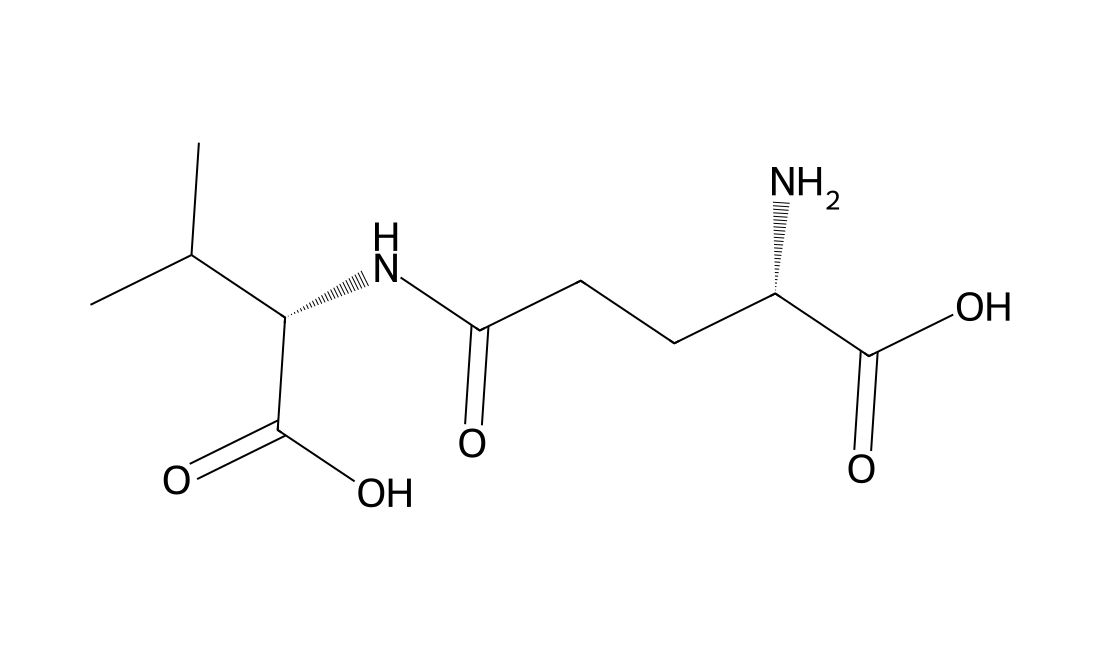
G-Glu-Val, also known as gamma-Glutamyl-L-valine or H-gGlu-Val-OH, is a taste-modulating dipeptide and a main contributor to the "kokumi" taste of edible beans.
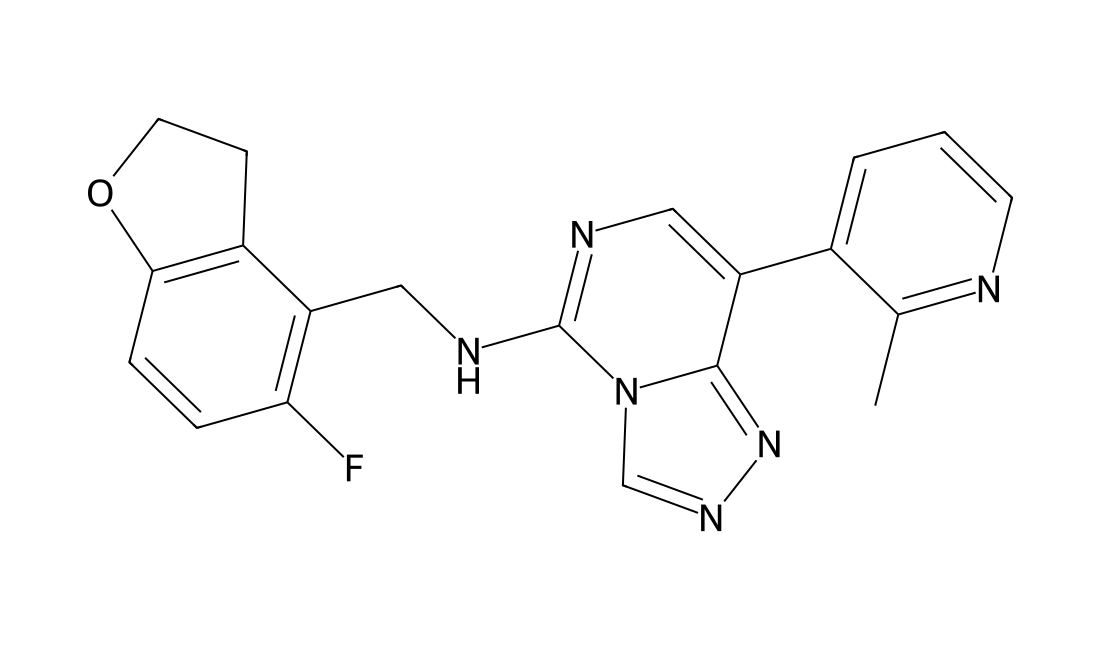
MAK683 is a novel PRC2/EED inhibitor.
DS-6051b is a potent and selective ROS1 and TRK family inhibitor with IC50 of 0.207 nM, 0.622 nM and 0.980 nM against ROS1, NTRK1 and NTRK3. DS-6051b especially inhibits ROS1 G2032R and other crizotinib-resistant ROS1 mutants.
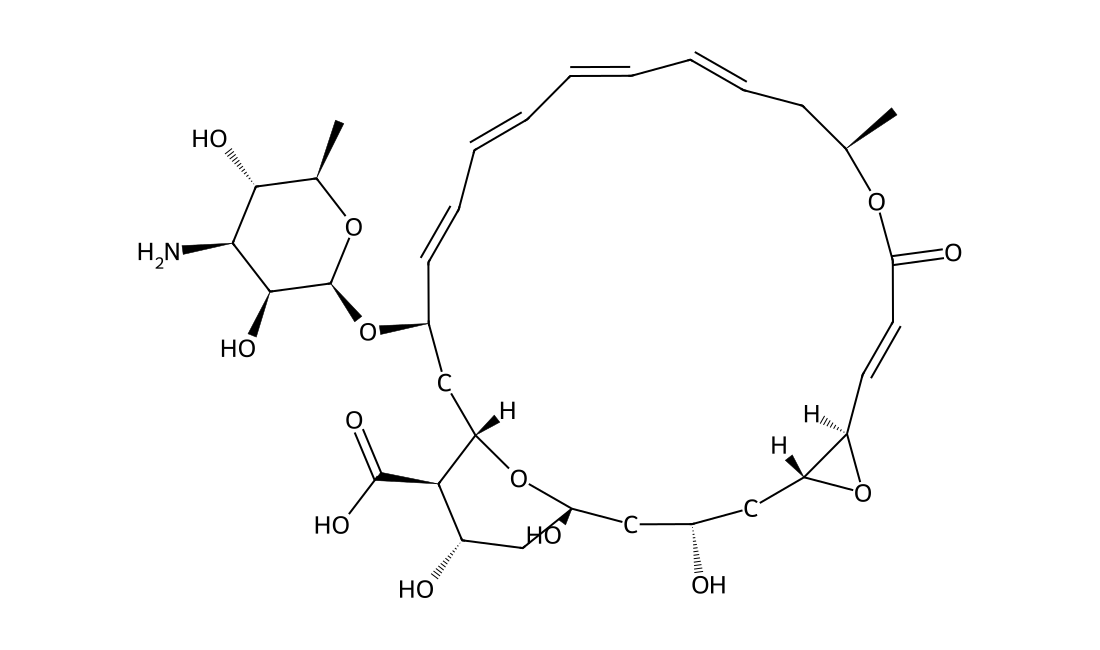
Natamycin is a naturally occurring polyene macrolide antifungal agent produced by Streptomyces natalensis, exhibiting potent in vitro and in vivo activity against a broad spectrum of yeasts and filamentous fungi. In vitro studies show strong inhibition of Candida spp., Aspergillus spp., and other food- and ocular-relevant fungi, with reported MIC values typically in the low µg/mL range (often ~1–10 µg/mL depending on species and strain).
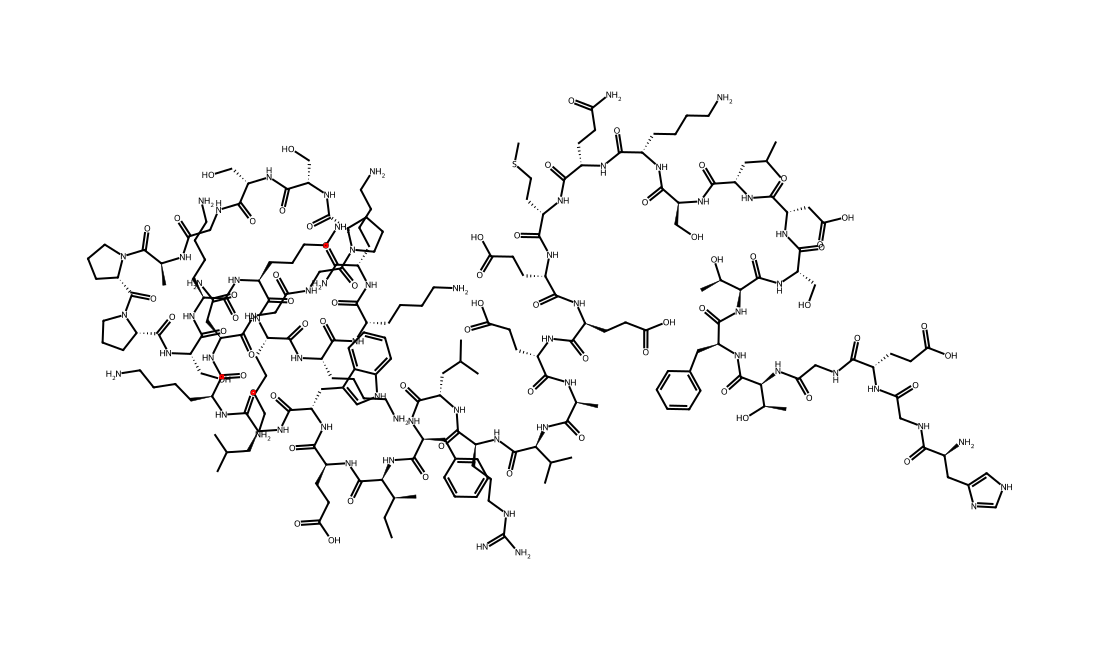
Lixisenatide is a glucagon-like peptide-1 (GLP-1) receptor agonist. Lixisenatide inhibits the inflammatory response through down regulation of pro-inflammatory cytokines, and suppresses of the Akt-MEK1/2 signaling pathway. Lixisenatide can inhibit oxidative stress, mitochondrial dysfunction and apoptosis. Lixisenatide can be used for the researches of inflammation, metabolic disease, neurological disease and cardiovascular disease, such as rheumatoid arthritis, diabetes, Alzheimer's disease and atherosclerosis.
SBI-810 hydrochloride is a functionally selected β-arrestin-biased neurotensin receptor 1 (NTSR1) allosteric modulator. SBI-810 hydrochloride modulates NTSR1 G protein signaling in a G protein-specific manner in the presence of the endogenous ligand, neurotensin (NT). SBI-810 hydrochloride fully antagonizes NT-induced activation of Gq, partially antagonizes NT-induced activation of Gi1 and is permissive of NTSR1 activation of GoA and G12.
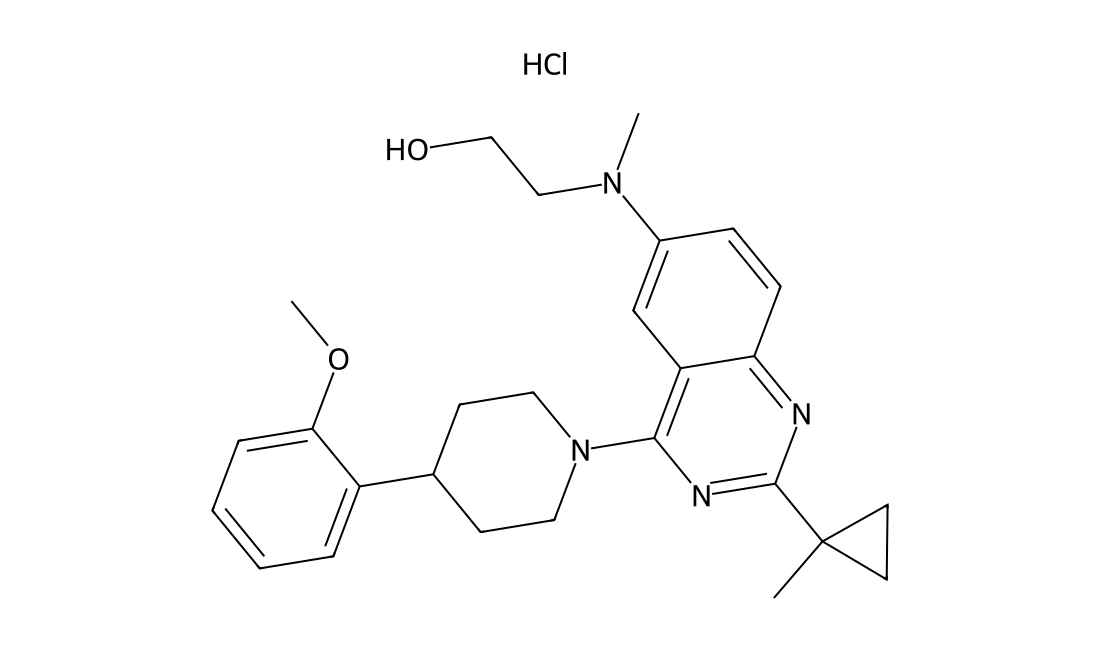
SBI-810 is a functionally selected β-arrestin-biased neurotensin receptor 1 (NTSR1) allosteric modulator. SBI-810 modulates NTSR1 G protein signaling in a G protein-specific manner in the presence of the endogenous ligand, neurotensin (NT). SBI-810 fully antagonizes NT-induced activation of Gq, partially antagonizes NT-induced activation of Gi1 and is permissive of NTSR1 activation of GoA and G12.
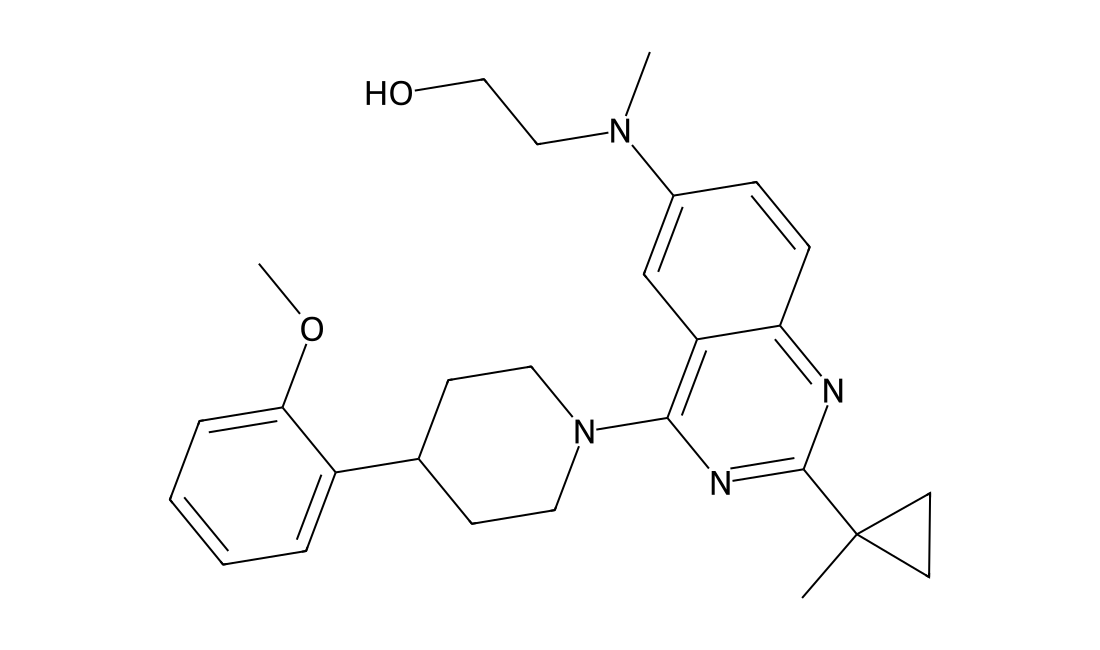
SR 48692 is a neurotensin antagonist; selective for NTS1 over NTS2 (apparent affinity, Ke, is 36 nM for NTS1). Competitively inhibits binding of [125I]-neurotensin to HT29 and N1E115 cell membranes (IC50 values are 15.3 and 20.4 nM respectively).
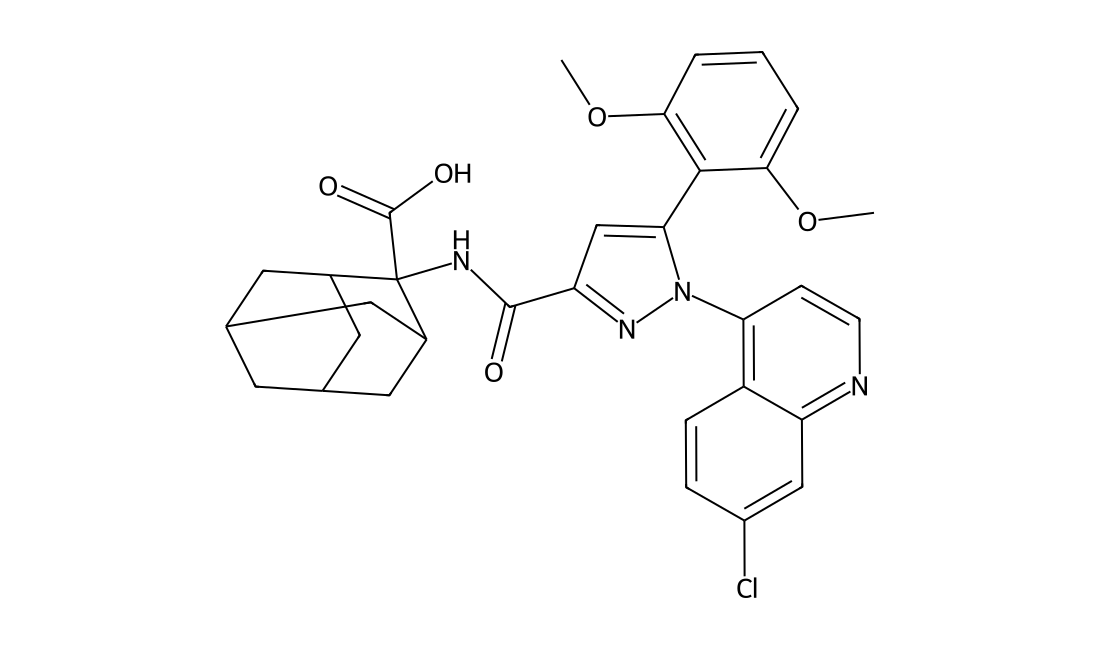
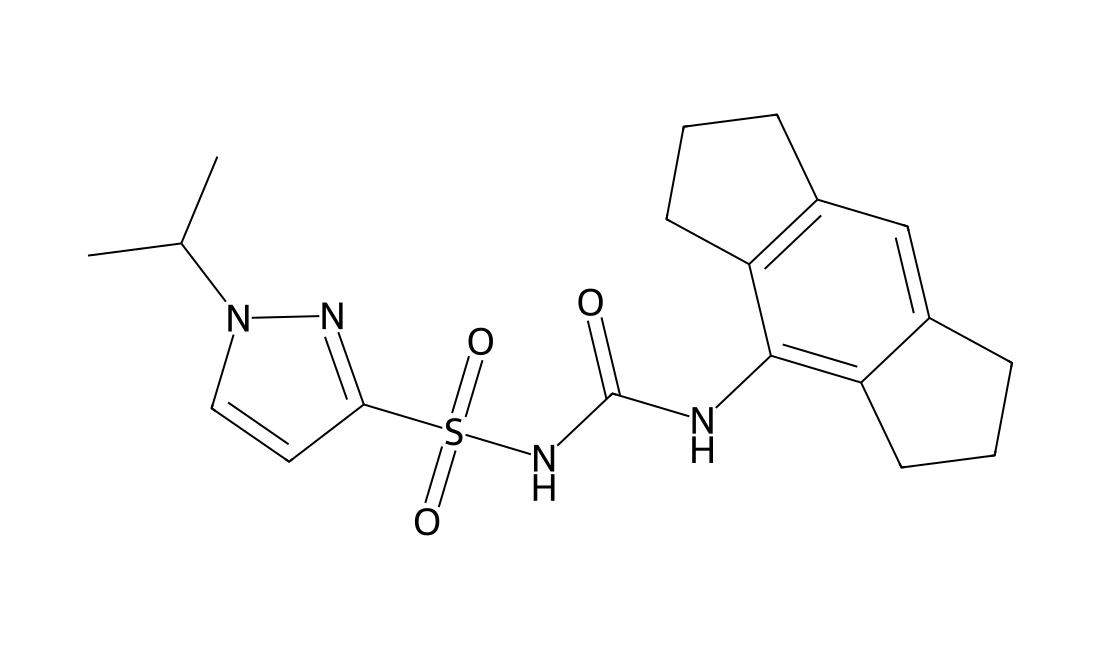
MCC7840, a sulfonylurea, is a potent and selective inhibitor of NLRP3 inflammasome, with an IC50 of <100 nM. MCC7840 can be used for the research of inflammatory diseases.
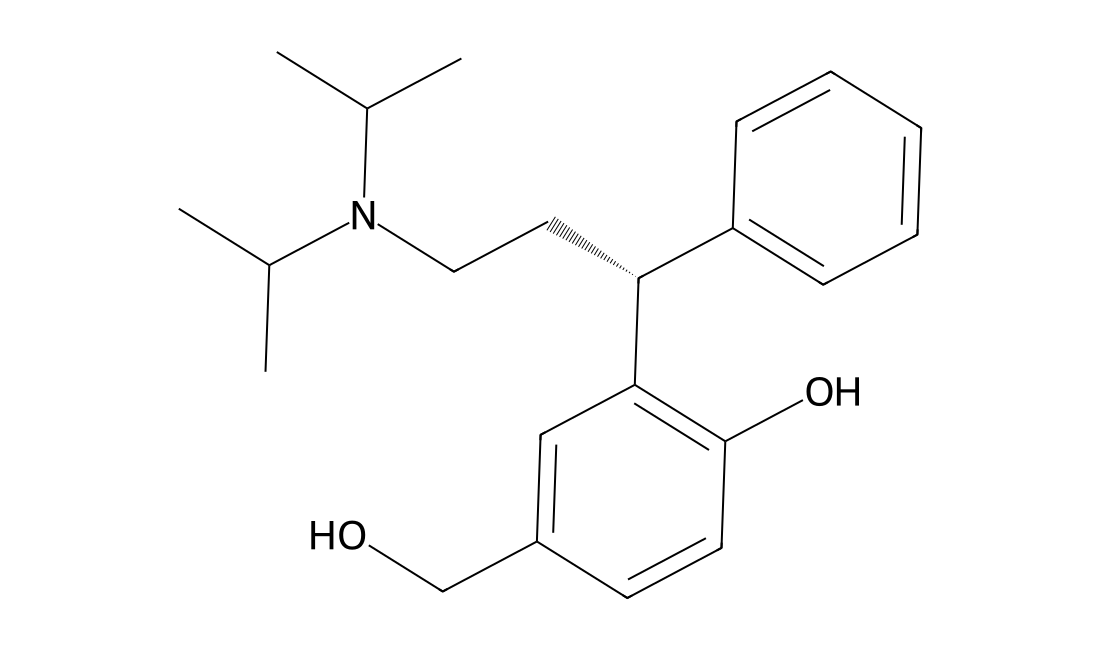
Desfesoterodine (PNU-200577) is a potent and selective muscarinic receptor (mAChR) antagonist with a KB and a pA2 of 0.84 nM and 9.14, respectively.
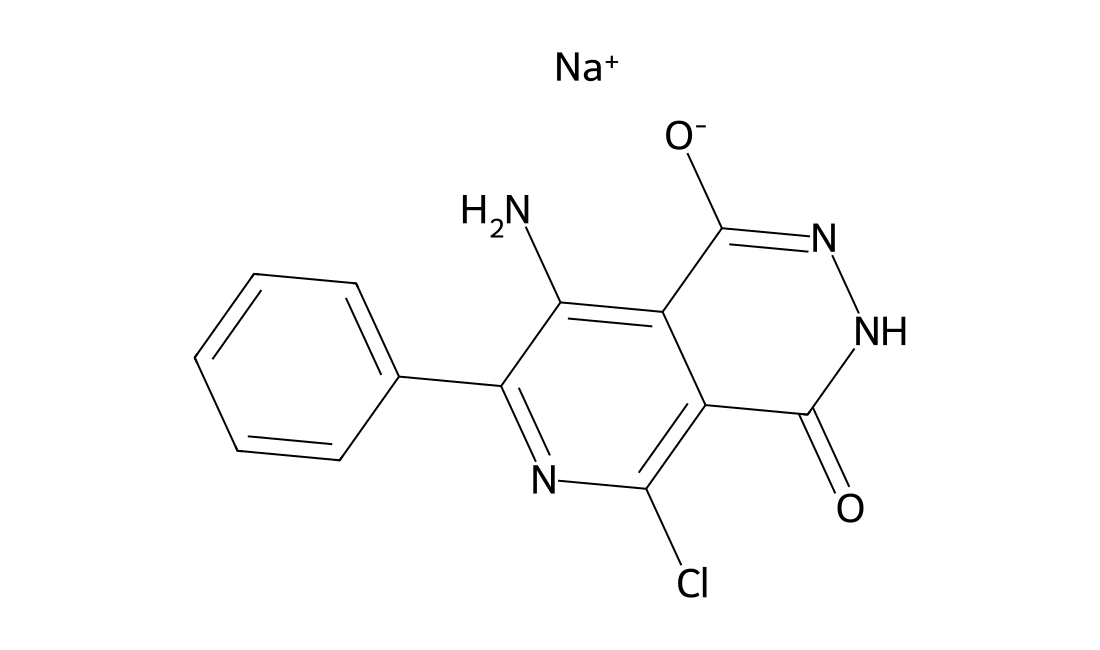
L 012 sodium salt a luminol-based chemiluminescent (CL) probe, is widely used in vitro and in vivo to detect NADPH oxidase (Nox)-derived superoxide (O2•−) and identify Nox inhibitors.
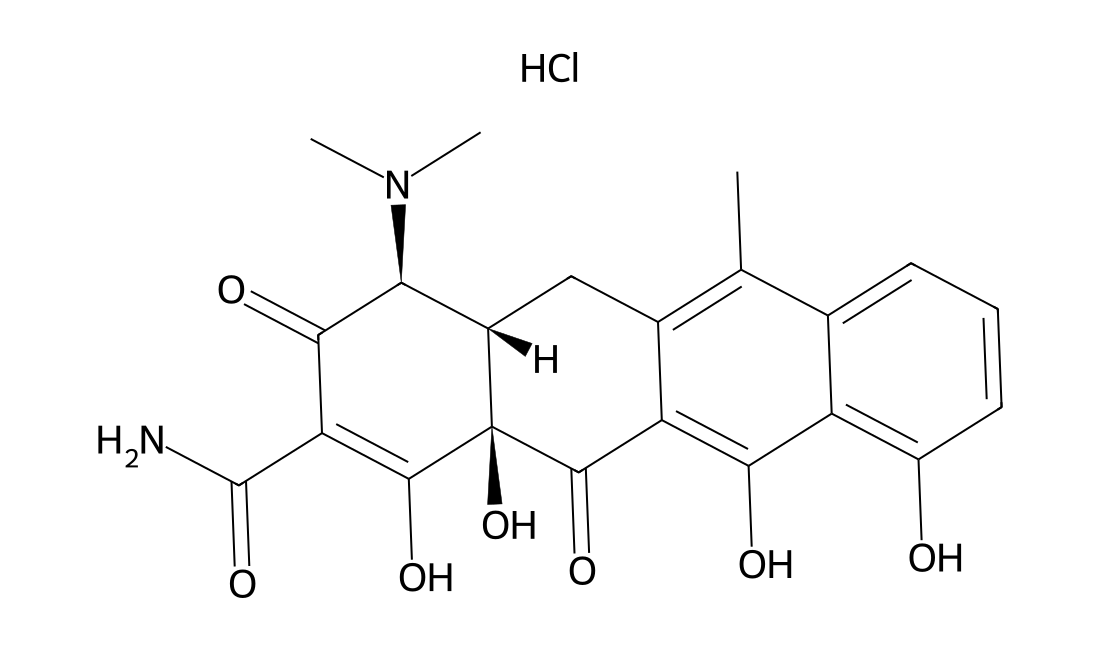
Anhydrotetracycline hydrochloride, a tetracycline biosynthetic precursor, is a potent competitive broad-spectrum tetracycline destructase enzymes inhibitor.
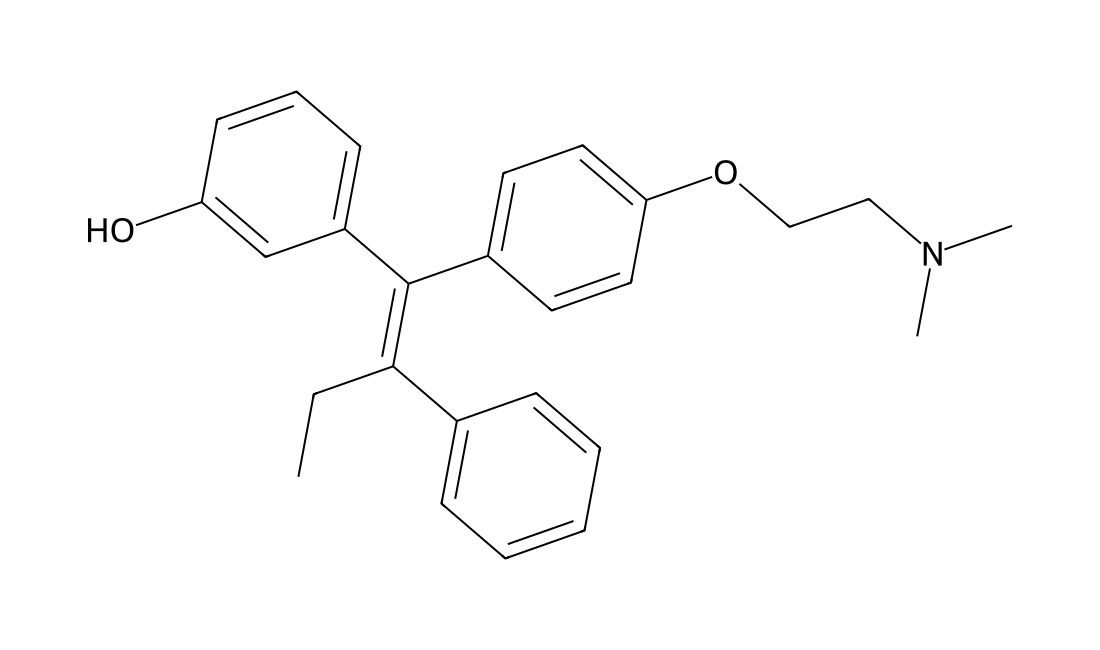
A nonsteroidal selective estrogen receptor modulator (SERM) that shows 10- to 60-fold increased affinity for the estrogen receptor compared with Tamoxifen.
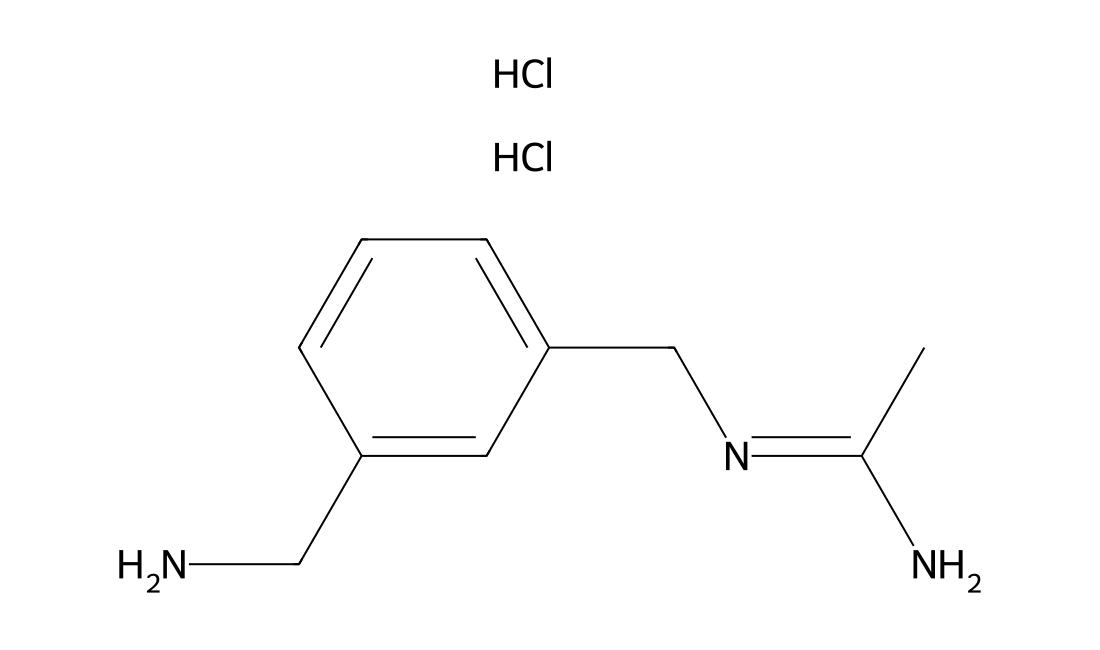
1400W dihydrochloride is a slow, tight binding, potent and highly selective inhibitor of inducible nitric oxide synthase (Kd = 7 nM).
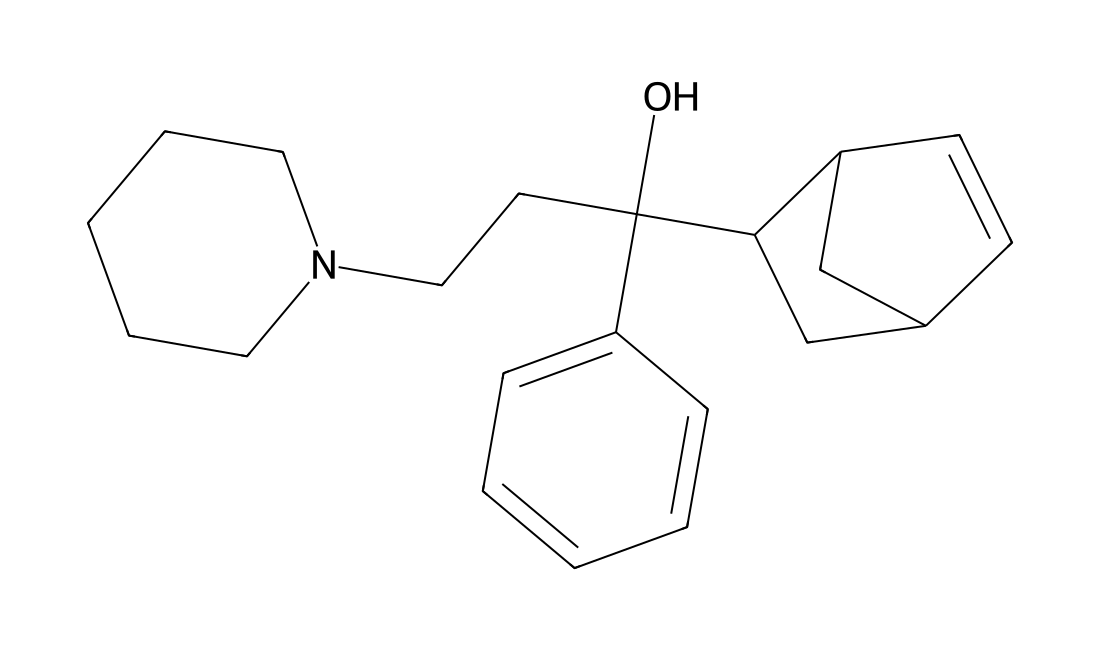
Biperiden (KL 373) is a non-selective muscarinic receptor antagonist that competitively binds to M1 muscarinic receptors, thereby inhibiting acetylcholine and enhancing dopamine signaling in the central nervous system.
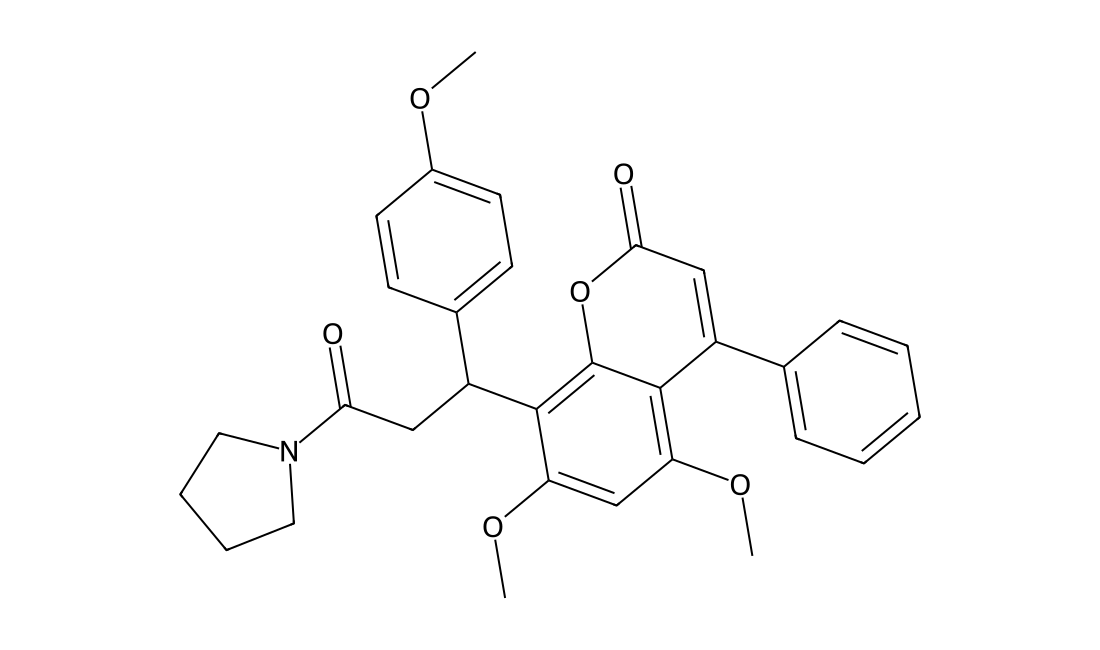
A novel small molecule disruptor of HuR-mRNA interaction with Ki of 350 nM.
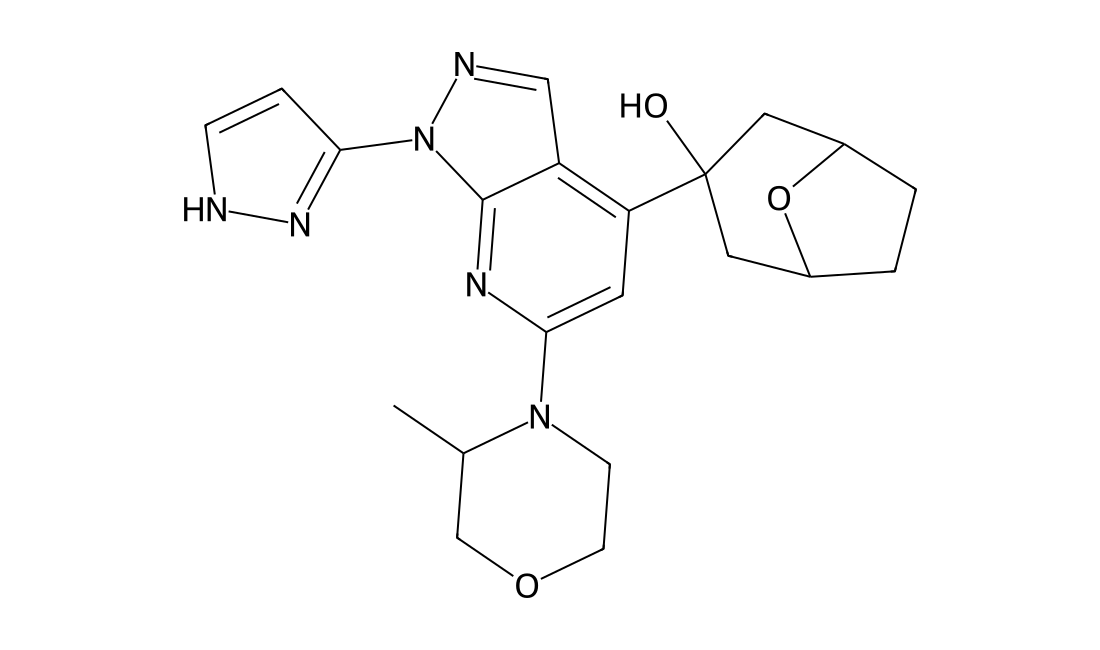
Camonsertib is a potent ATR inhibitor. ATR inhibitor 4 has antitumor activity.
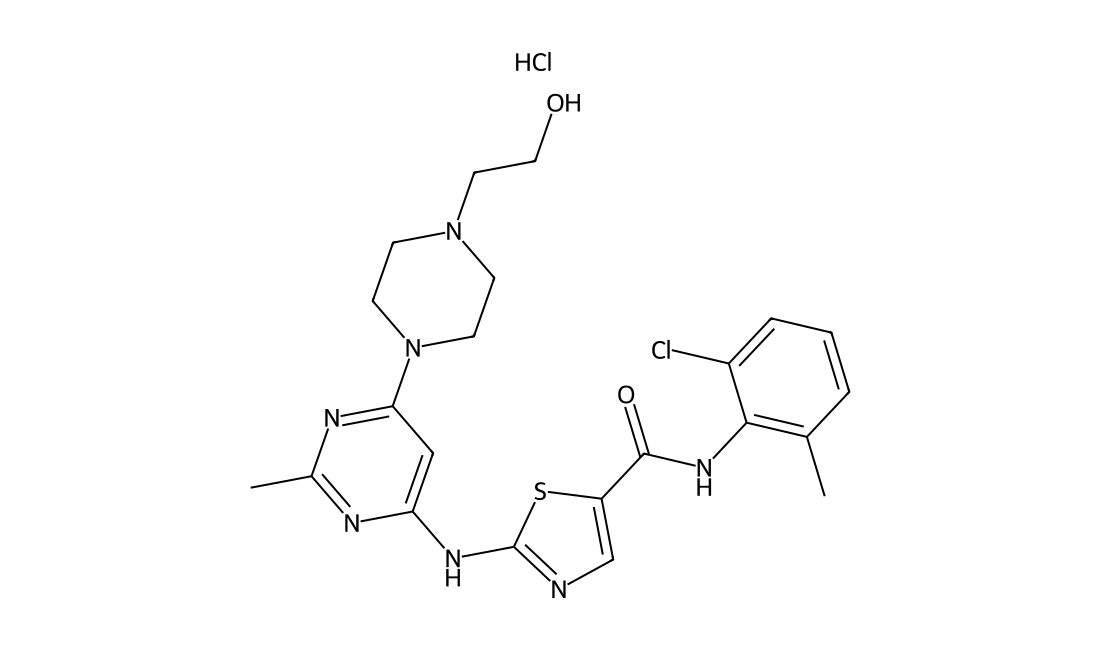
A potent, orally bioavailable, dual Src/Abl kinase inhibitor with IC50 of 0.5, 0.4, 0.5 and <1 nM for Src, Lck, Yes and Bcr-Abl, respectively.
No products match this search.
Page 206 of 209 · Browse all 4176 products
Jump to a product page
Featured literature product: HX1 · DCL0028
HX1 is a hydroxyzine-derived ionizable lipid with acetal-containing tails, studied in lipid nanoparticles for brain mRNA delivery and CRISPR–Cas9 delivery. It was the lead in the reported in vivo brain-delivery screen; evidence is preclinical and formulation-dependent.
Read full formulation and performance →