
Research lipid catalog
Ionizable Lipid Products
Explore 848 lipid and RNA delivery products. Search the full catalog or browse by research category.
Search covers product name, catalog number, synonyms, available CAS numbers and categories. Spaces, hyphens and common punctuation are ignored. Duplicate legacy records are consolidated under one canonical product result.
4176 products · Showing 4061–4080 · 20 per page
DC Chemicals lipid expertise
Built for ionizable-lipid discovery and RNA delivery research
DC Chemicals supports formulation and delivery research with a broad, searchable portfolio of cationic and ionizable lipids. The current directory brings together 848 unique research-use products, with product specifications, pricing, chemical structures and literature-linked formulation data added as each record is verified.
Our experience spans complex lipid synthesis, purification, analytical release and process development. For custom molecules or larger-scale requirements, our team can discuss route development, technical specifications and scale-up options for the intended research workflow.
Learn about cationic and ionizable lipids →Proprietary innovation · Co-development · GMP
From proprietary lipid design to GMP-grade custom synthesis
DC Chemicals has independently developed ionizable-lipid structures supported by company-owned intellectual property, and selected proprietary lipid programs have advanced to GMP-stage development.
We welcome joint development with customers—from molecular design and lipid synthesis through route and process development. We can also support custom synthesis of GMP-grade ionizable lipids to agreed technical specifications and quality requirements.
Discuss a co-development project →Proprietary ionizable-lipid structuresCollaborative molecular designCustom lipid synthesisProcess development and scale-upGMP-grade project support
Product quick links
Explore New ionizable lipids
Explore our five most recently added ionizable lipids, with specifications, pricing and literature-linked product information.
DCL0028HX1Brain RNA delivery researchView product →DCL0024A1I4R13C18-2Spleen-targeted RNA delivery researchView product →DCL0023A1I4R2C18-2Spleen-targeted RNA delivery researchView product →DCL0022FS01Local joint RNA delivery researchView product →DCL0020Lipid-392Lung RNA delivery and gene editing researchView product →
Cat. No.Product NameField of ApplicationChemical Structure
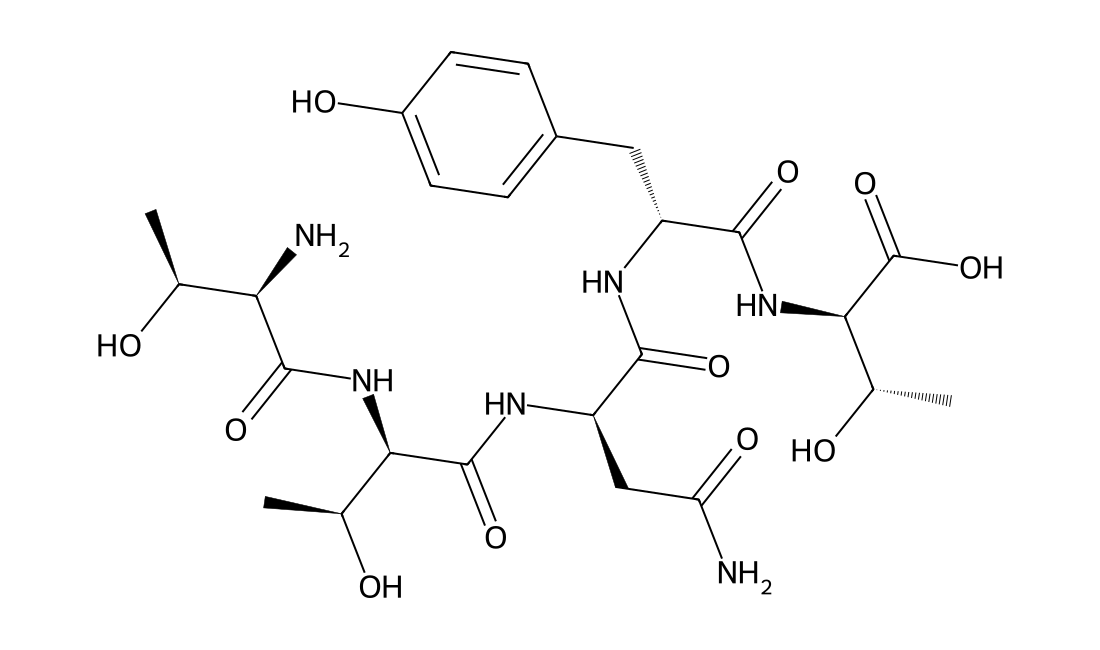
RAP-103 is an orally active, stabilized pentapeptide analog of DAPTA (D-ala-peptide T-amide), and multi-chemokine receptor antagonist.
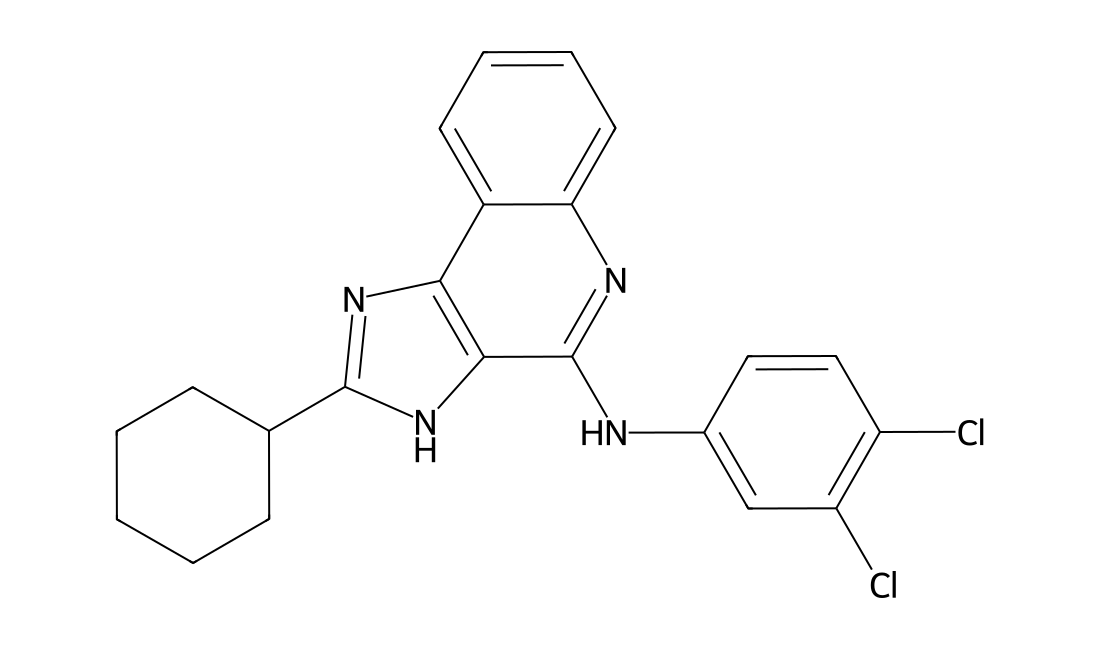
LUF6000 is a potent, selective, positive allosteric modulator (enhancer) of human A3 adenosine receptor, enhance Emax but without affecting agonist potency.
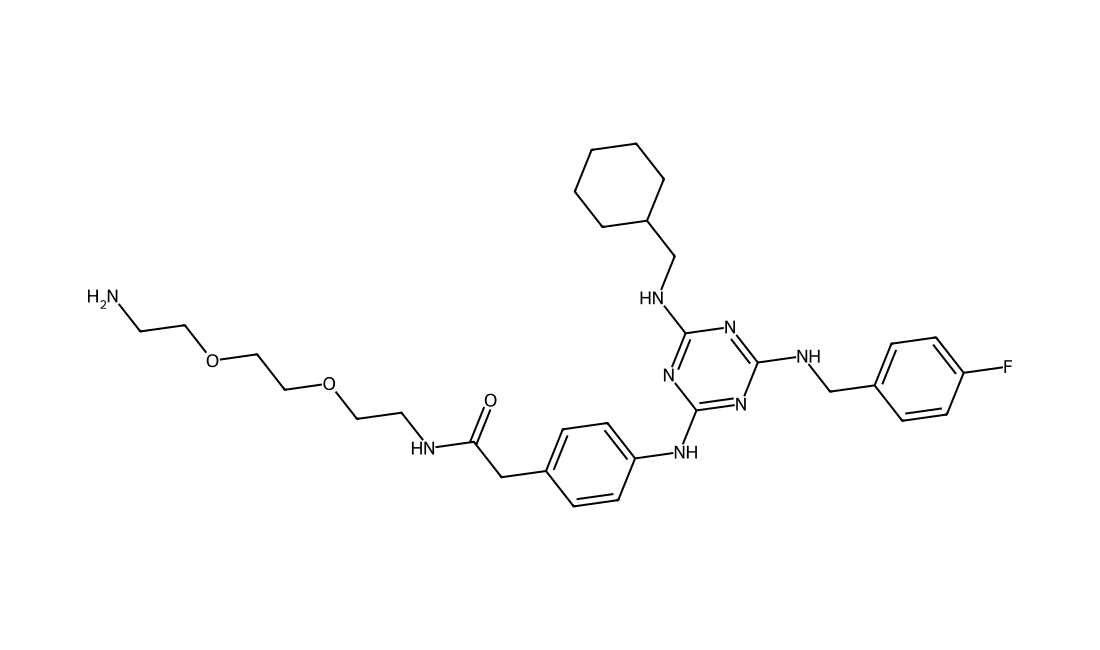
ENOblock(AP-III-a4) is a novel small molecule which is the first, nonsubstrate analogue that directly binds to enolase and inhibits its activity (IC50=0.576 uM); inhibit cancer cell metastasis in vivo.
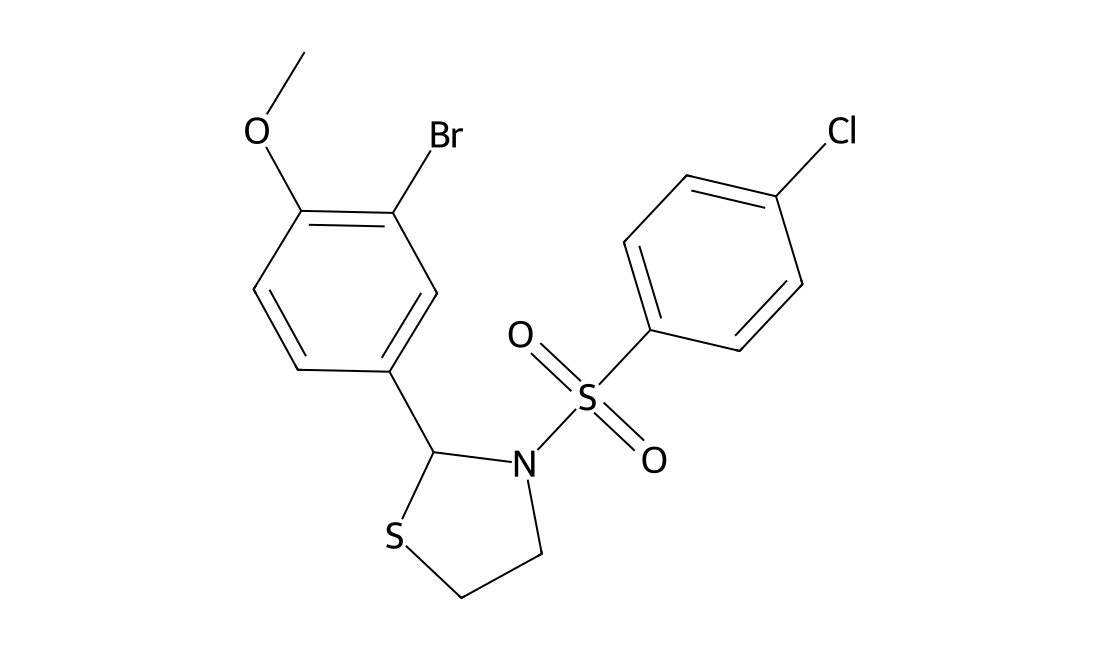
BMS-986122 is a potent positive allosteric modulator of μ-opioid receptor, significantly increases the inhibition of forskolin-stimulated adenylyl cyclase activity produced by an EC10 (30 pM) concentration of endomorphin-I in CHO-μ cells..
YY-20394 is a novel PI3K inhibitor suppresses tumor progression by immune modulation.
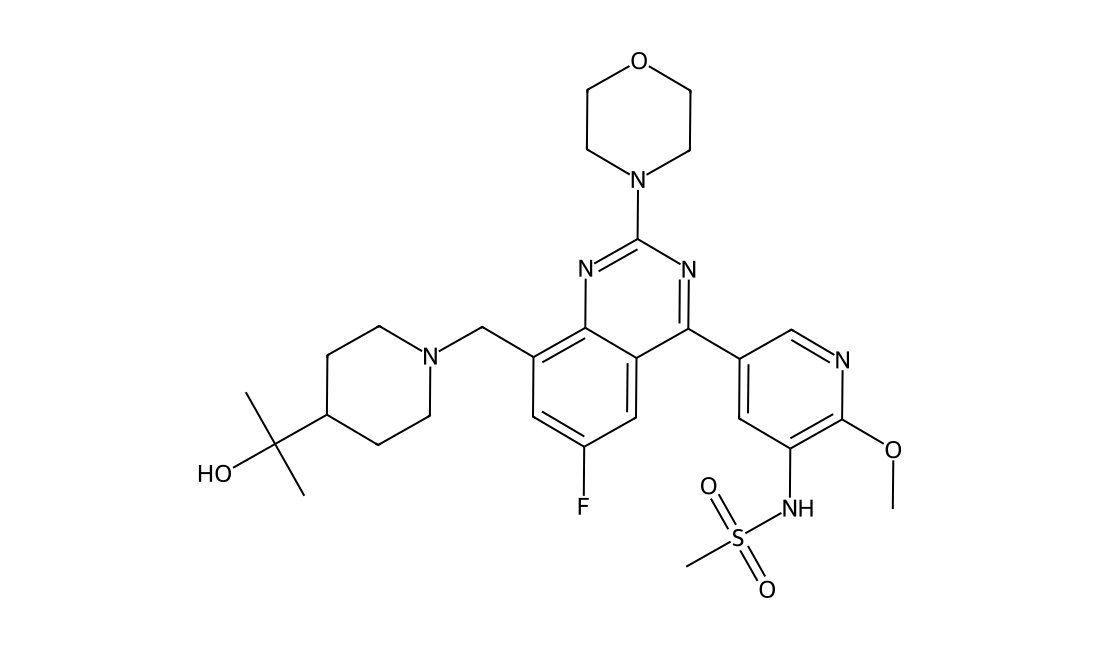
Aminopyrifen is a GWT-1 inhibitor. Aminopyrifen inhibits the inositol acylation of phosphatidylinositol, disrupting the maturation process of GPI-anchored proteins and the integrity of fungal cell walls. Aminopyrifen strongly inhibits germ tube elongation of Botrytis cinerea, delays spore germination, prevents appressorium formation, and blocks the infection of plant tissues by pathogenic fungi.
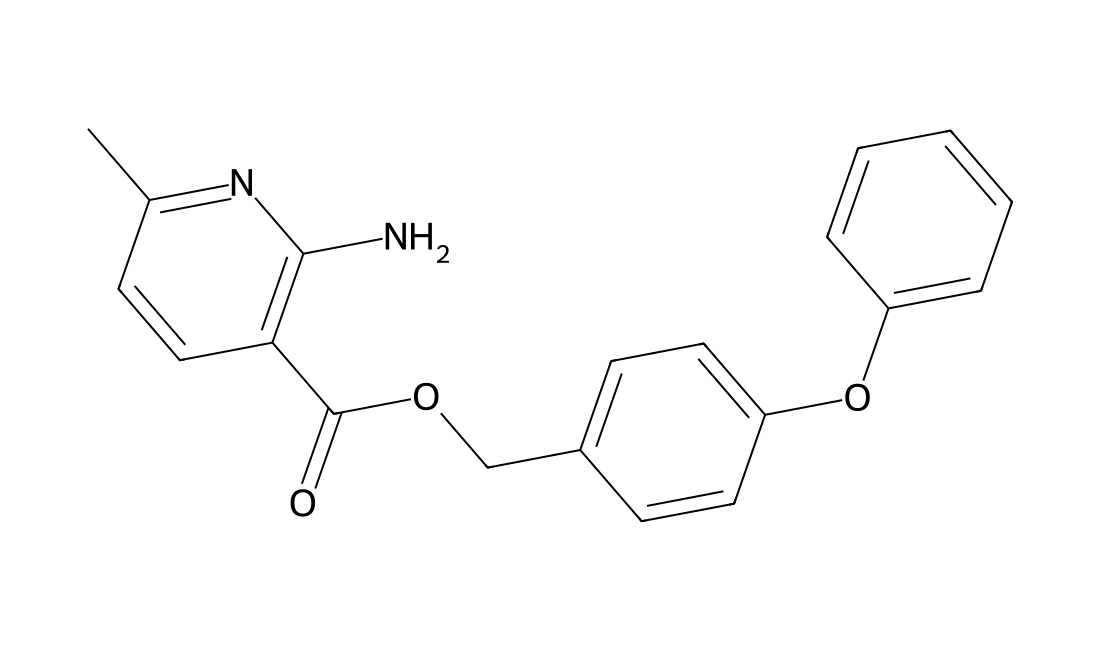
IM176OUT05 is a novel, and safe small molecule that improves the acquisition and maintenance of stem cell pluripotency, inhibits electron transport chain (ETC) in the A549 lung carcinoma cell line with IC50 of 3.2 uM.
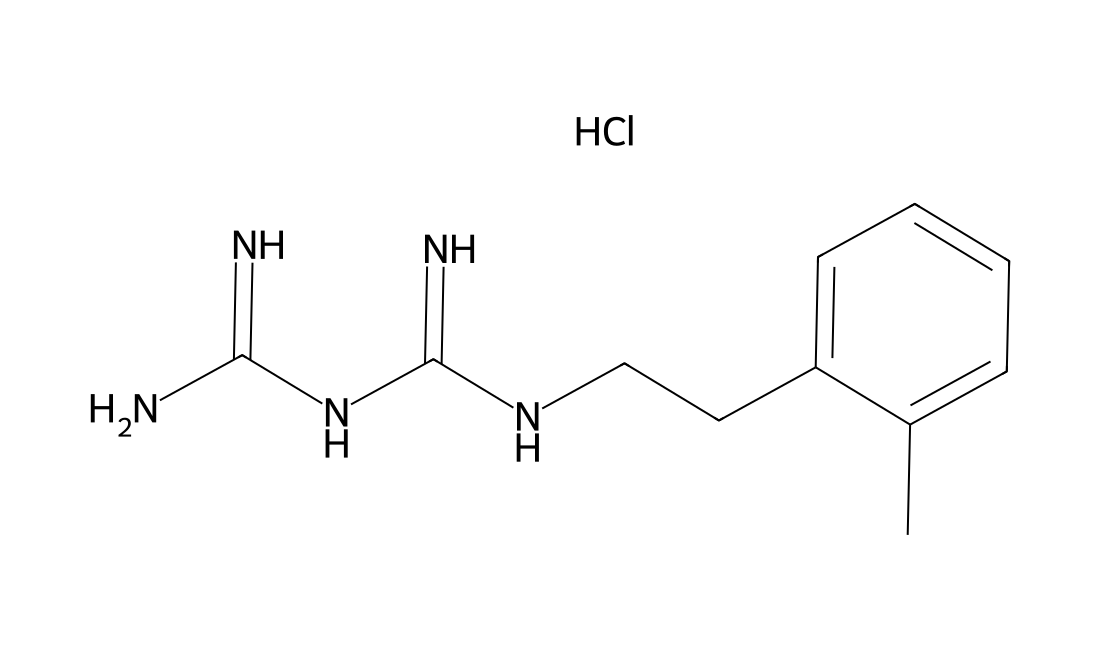
AM4113 is a cannabinoid receptor 1 (CB1)-selective antagonist.
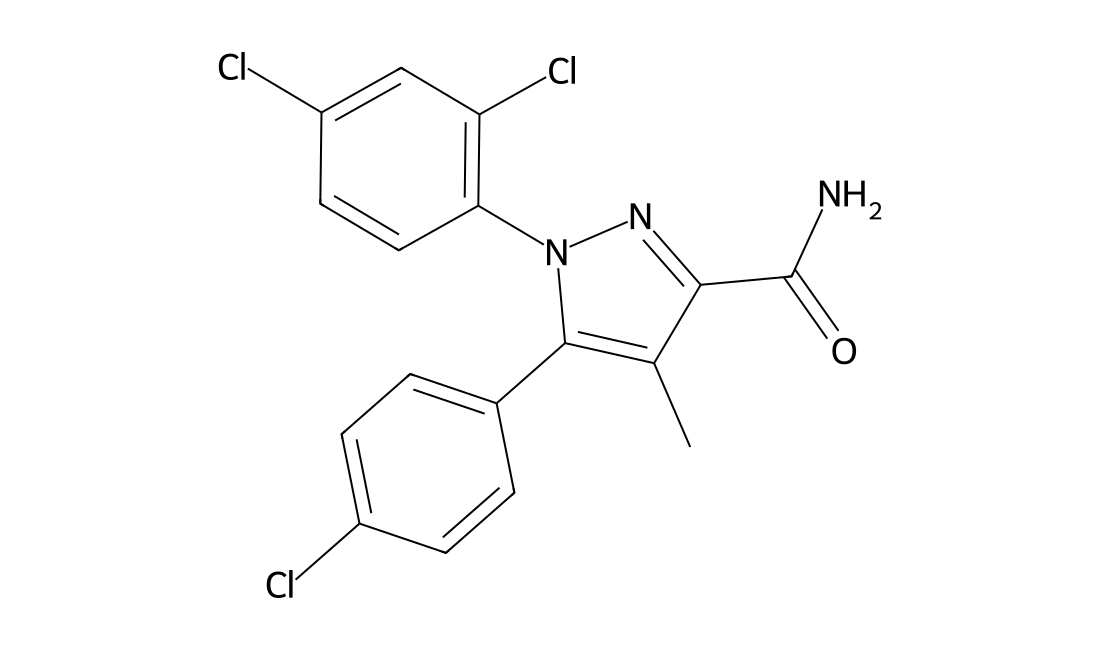
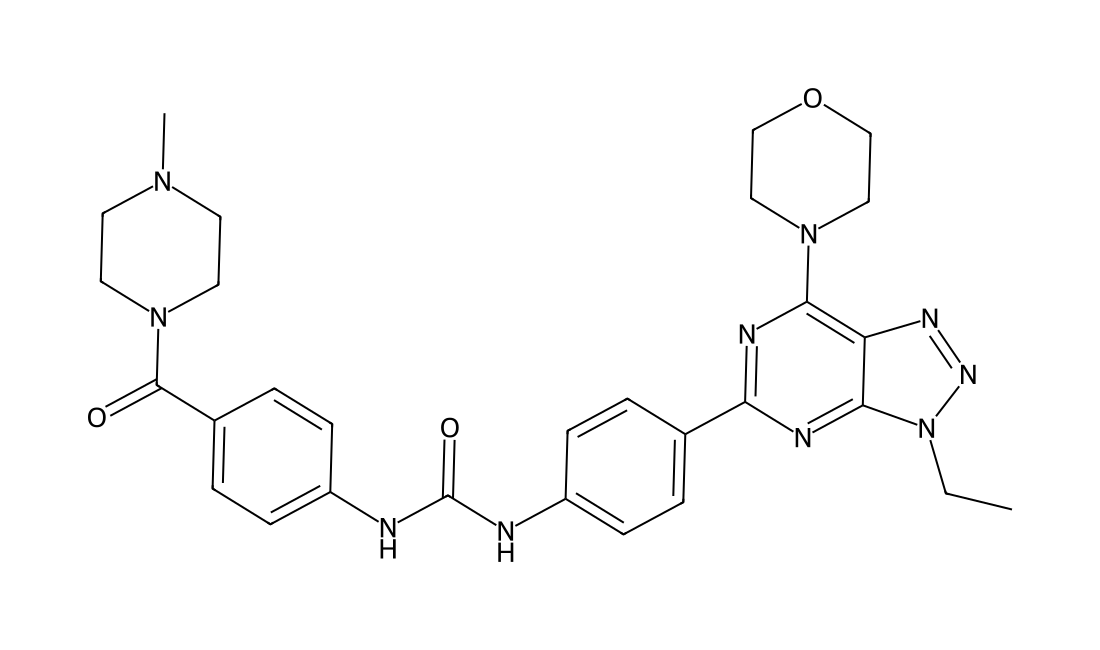
PKI-402 is a potent dual pan-PI3K/mTOR inhibitor targeting PI3Kα/β/γ/δ and mTOR with IC50 of 2 nM/7 nM/16 nM/14 nM and 3 nM, respectively; also potent to PI3Kα mutants E545K and H1047R.
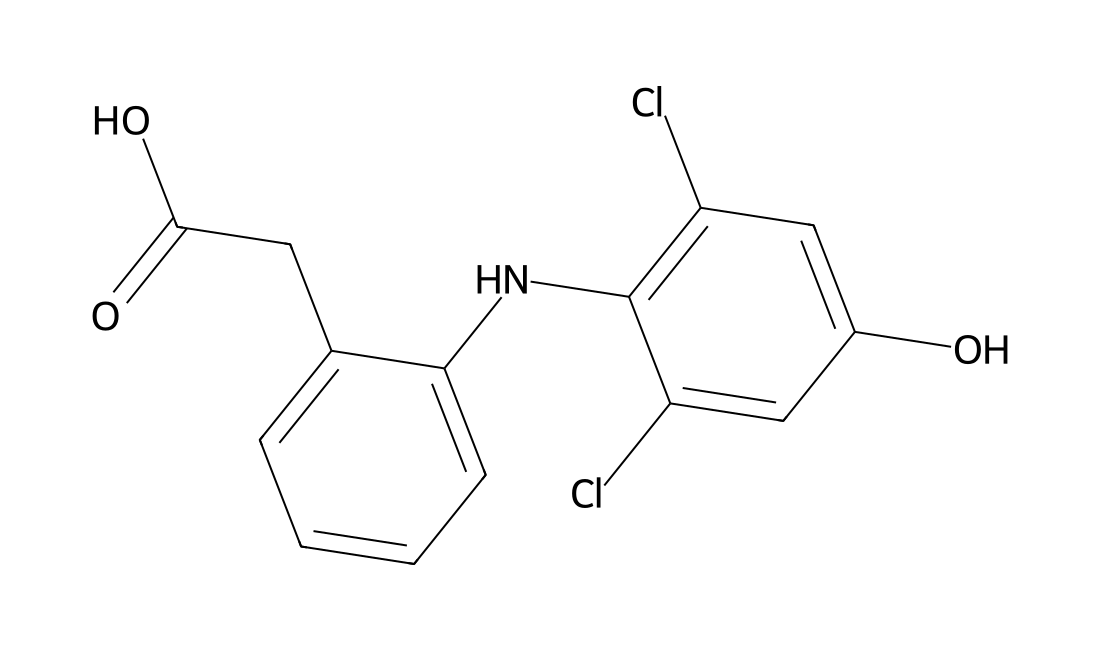
4'-Hydroxy diclofenac is an orally active metabolite of Diclofenac by cytochrome P450 2C9 (CYP2C9). 4'-Hydroxy diclofenac has anti-inflammatory and analgesic properties.
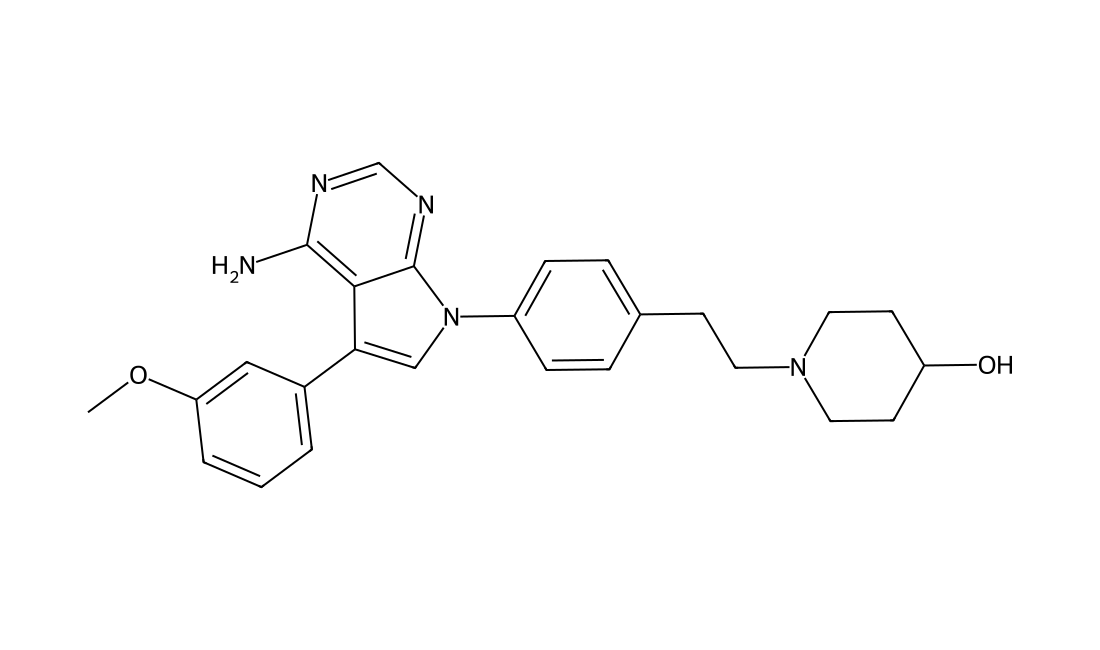
CGP-77675 is a potent and selective Src family kinase (SFK) inhibitor. CGP-77675 inhibited phosphorylation of peptide substrates and autophosphorylation of purified Src (IC50: 5-20 and 40 nM, respectively). The dual inhibition of Src and GSK-3 signaling by CGP 77675 and CHIR 99021 was found to maintain mouse embryonic stem cell (mESC) self-renewal and pluripotency marker expression as efficiently as the dual inhibition of MAPK and GSK-3 by PD 0325901 and CHIR 99021.
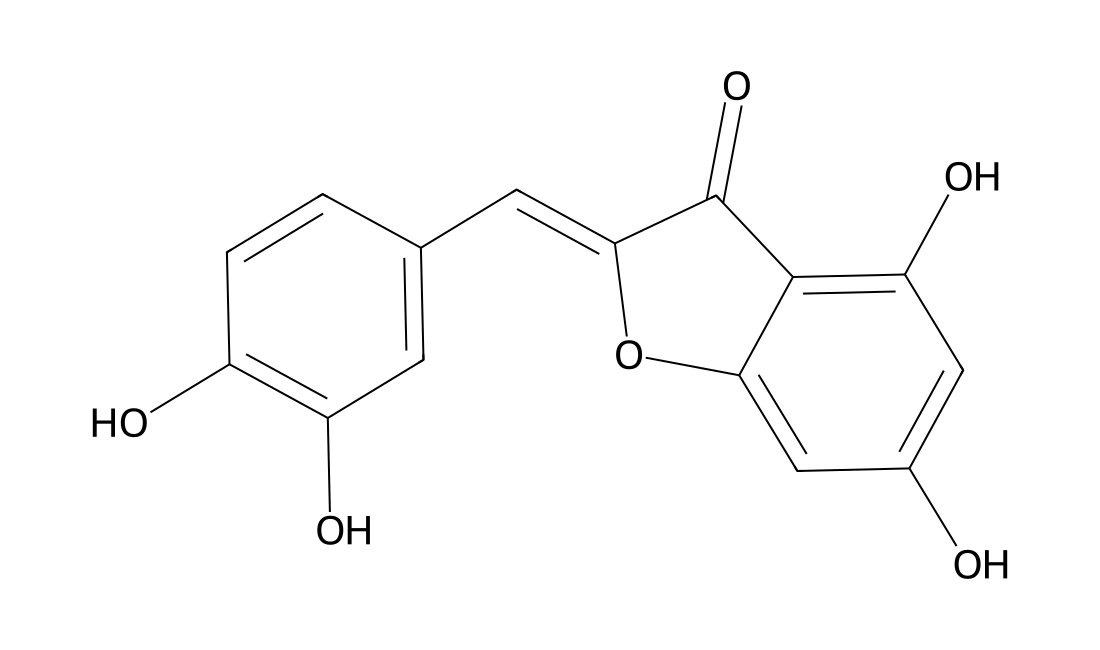
Aureusidin is an aurone with high antioxidant and lipoxygenase inhibitory activity. Aureusidin also shows anti-inflammatory effects.
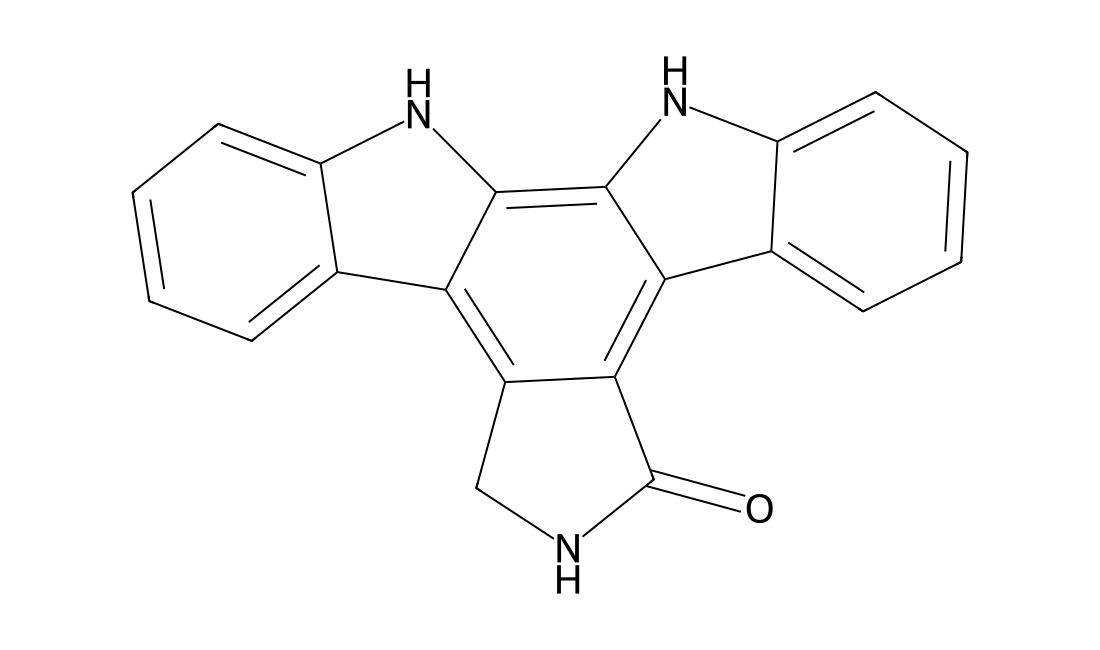
K252c is a staurosporine analog and inhibitor of PKC and PKA. It inhibits proliferation of human cytomegalovirus and induces apoptosis in cancer cells.
GI 181771 is a cholecystokinin 1 receptor agonist investigated for the treatment of obesity.
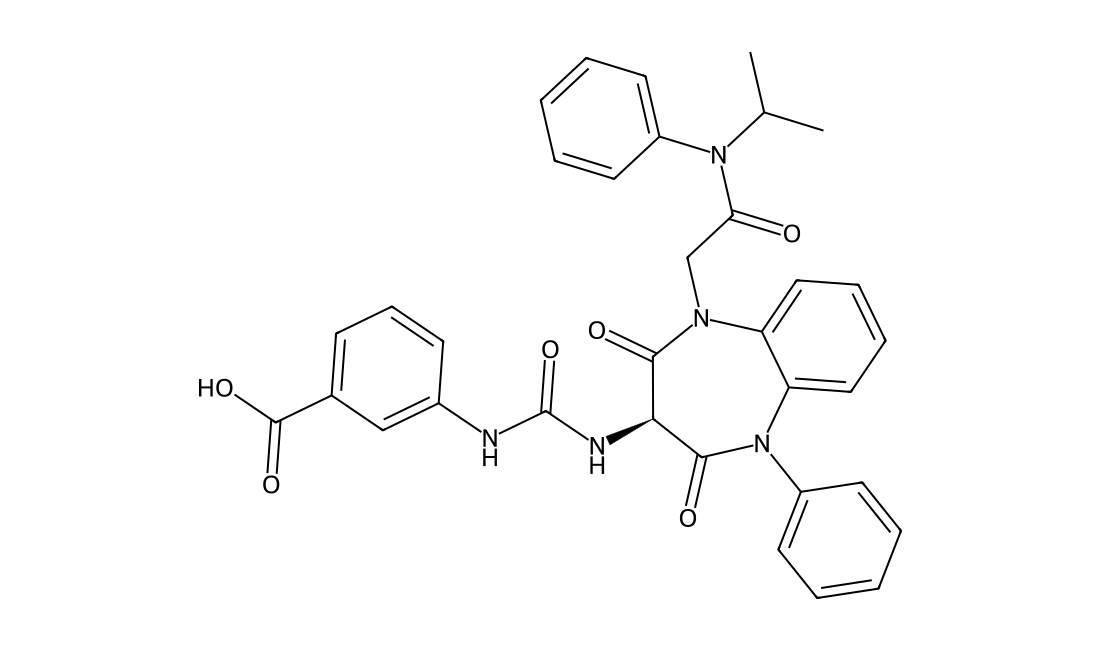
LSN3172176 is a novel potent, selectiive M1 mAChR partial agonist (EC50 2.4-7.0nM, Emax 43%-73%), shows binding selectivity for M1 mAChRs (Kd=1.5 nM); LSN3172176 is a potential PET tracer for assessment of M1 mAChR target engagement in the clinic and to further elucidate the function of M1 mAChRs in health and disease.
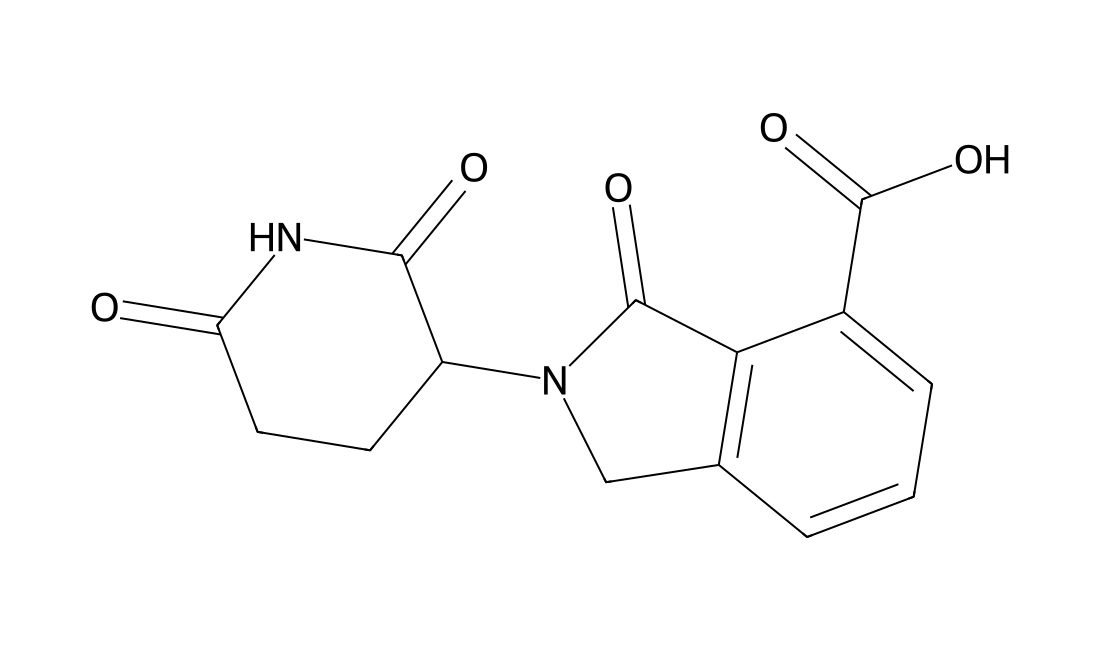
Desamino lenalidomide-4-COOH is an E3 ubiquitin ligase cereblon (CRBN) ligand used to recruit the cereblon protein. Desamino lenalidomide-4-COOH can be linked to a target protein ligand via a linker to form a PROTAC.
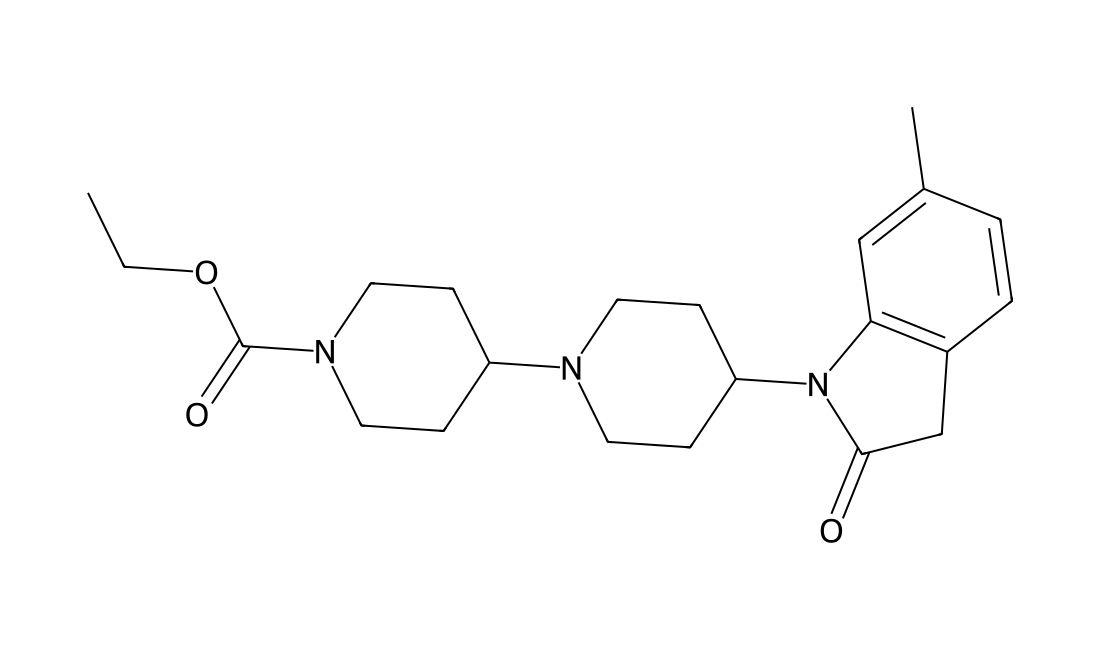
VU6007477 is a novel potent, selective, CNS penetrant M1 positive allosteric modulator (PAM) with EC50 of 230 nM, 93% ACh max with minimal M1 agonist activity.
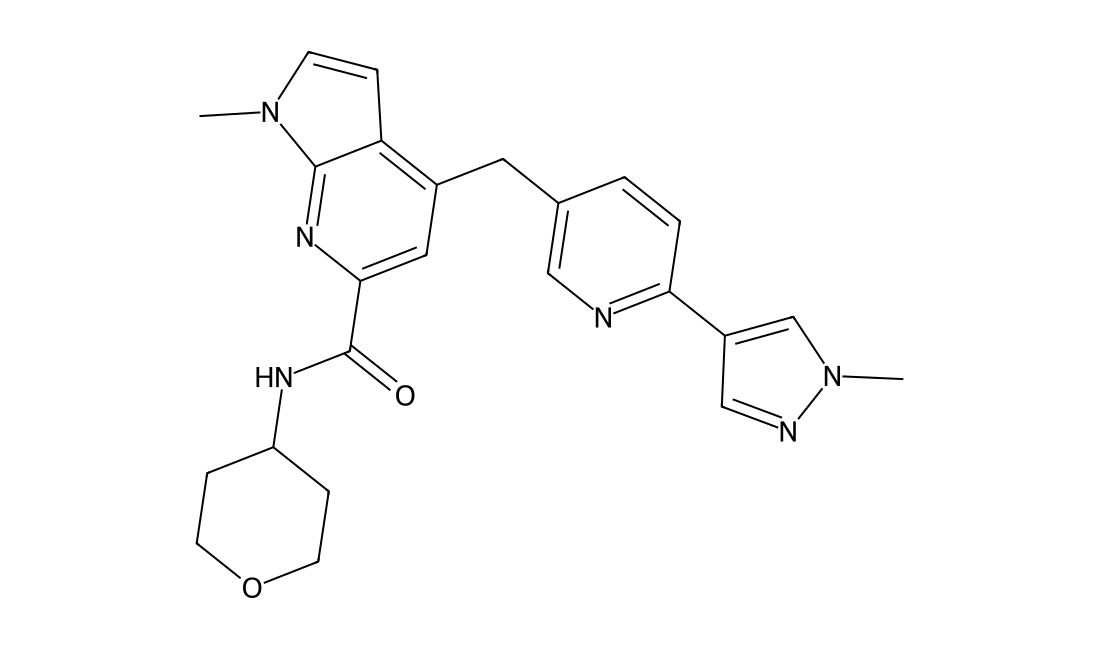
Gene-selective LXR modulator that mediates potent transcriptional activation of ABCA1 gene expression while exhibiting minimal effects on SREBP-1c
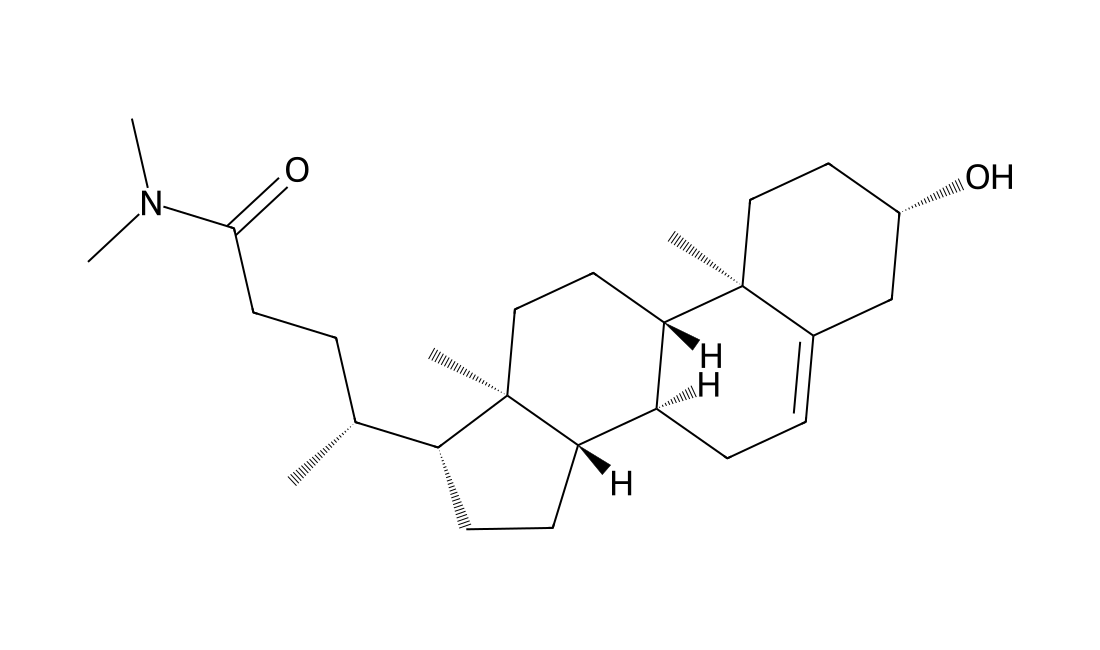
ML-191 is a potent, selective GPR55 antagonist with 160 nM potency for GPR55 and >100-fold selectivity against GPR35, CB1 and CB2.
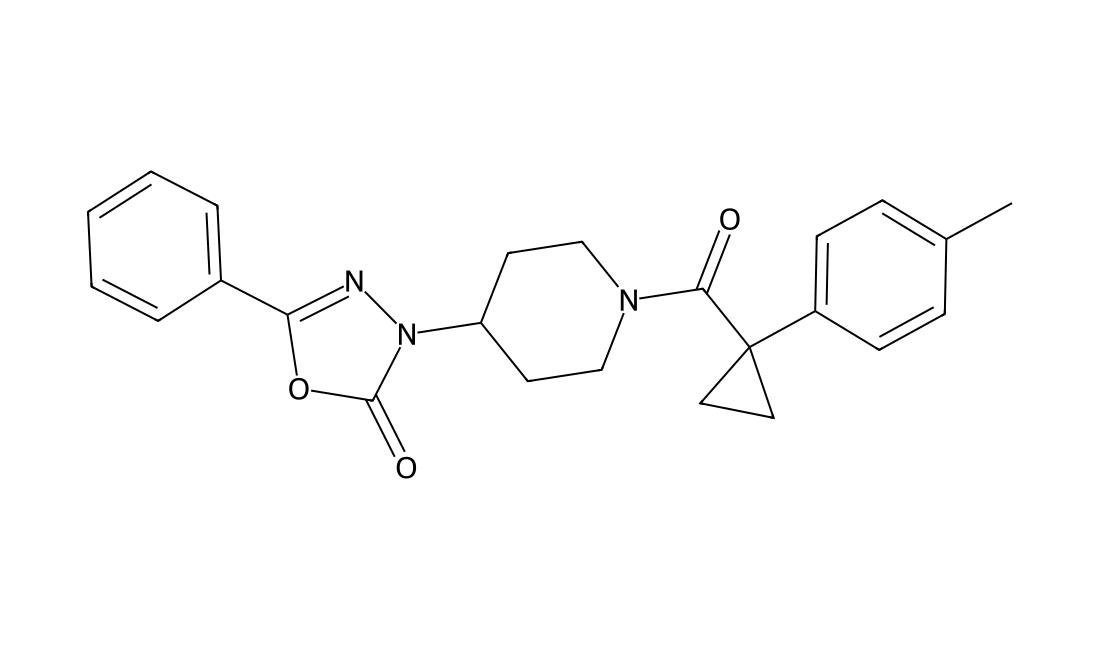
Tolterodine impurity 1 is an impurity of Tolterodine.
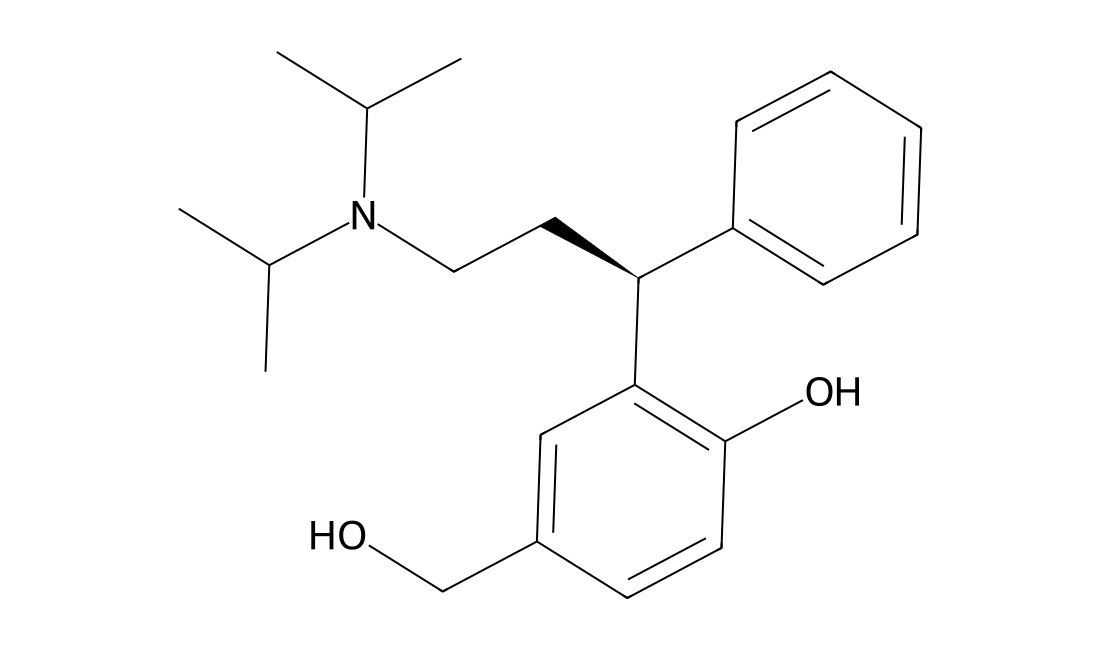
No products match this search.
Page 204 of 209 · Browse all 4176 products
Jump to a product page
Featured literature product: HX1 · DCL0028
HX1 is a hydroxyzine-derived ionizable lipid with acetal-containing tails, studied in lipid nanoparticles for brain mRNA delivery and CRISPR–Cas9 delivery. It was the lead in the reported in vivo brain-delivery screen; evidence is preclinical and formulation-dependent.
Read full formulation and performance →