
Research lipid catalog
Ionizable Lipid Products
Explore 848 lipid and RNA delivery products. Search the full catalog or browse by research category.
Search covers product name, catalog number, synonyms, available CAS numbers and categories. Spaces, hyphens and common punctuation are ignored. Duplicate legacy records are consolidated under one canonical product result.
4176 products · Showing 4041–4060 · 20 per page
DC Chemicals lipid expertise
Built for ionizable-lipid discovery and RNA delivery research
DC Chemicals supports formulation and delivery research with a broad, searchable portfolio of cationic and ionizable lipids. The current directory brings together 848 unique research-use products, with product specifications, pricing, chemical structures and literature-linked formulation data added as each record is verified.
Our experience spans complex lipid synthesis, purification, analytical release and process development. For custom molecules or larger-scale requirements, our team can discuss route development, technical specifications and scale-up options for the intended research workflow.
Learn about cationic and ionizable lipids →Proprietary innovation · Co-development · GMP
From proprietary lipid design to GMP-grade custom synthesis
DC Chemicals has independently developed ionizable-lipid structures supported by company-owned intellectual property, and selected proprietary lipid programs have advanced to GMP-stage development.
We welcome joint development with customers—from molecular design and lipid synthesis through route and process development. We can also support custom synthesis of GMP-grade ionizable lipids to agreed technical specifications and quality requirements.
Discuss a co-development project →Proprietary ionizable-lipid structuresCollaborative molecular designCustom lipid synthesisProcess development and scale-upGMP-grade project support
Product quick links
Explore New ionizable lipids
Explore our five most recently added ionizable lipids, with specifications, pricing and literature-linked product information.
DCL0028HX1Brain RNA delivery researchView product →DCL0024A1I4R13C18-2Spleen-targeted RNA delivery researchView product →DCL0023A1I4R2C18-2Spleen-targeted RNA delivery researchView product →DCL0022FS01Local joint RNA delivery researchView product →DCL0020Lipid-392Lung RNA delivery and gene editing researchView product →
Cat. No.Product NameField of ApplicationChemical Structure
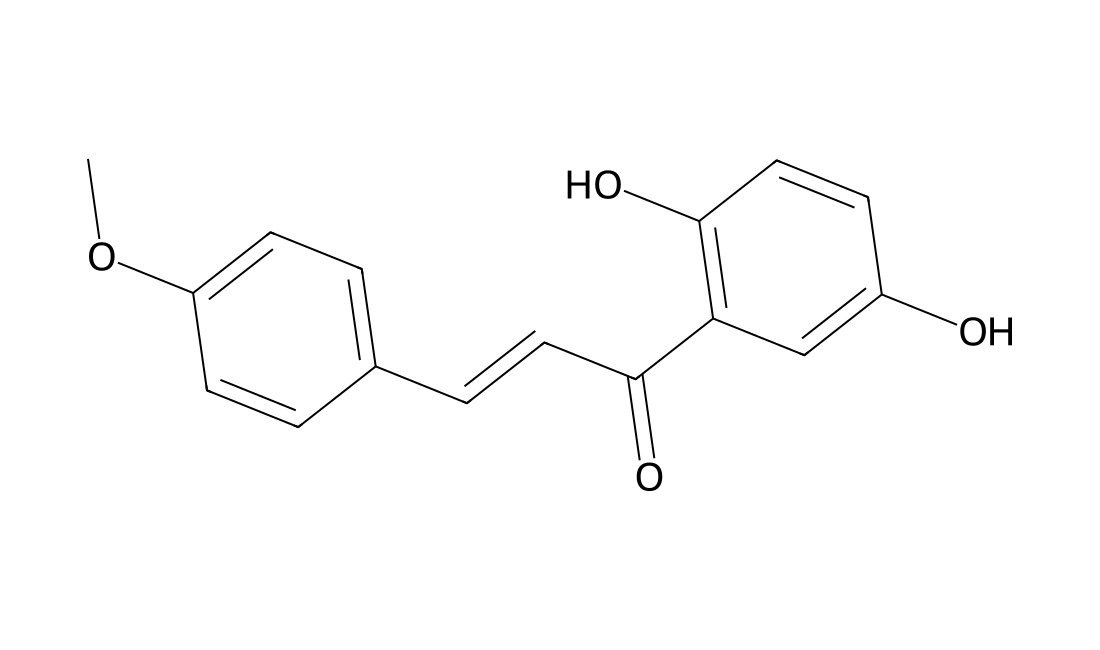
SPI-21 (Spt5-Pol II inhibitor 21) is a small-molecule inhibitor of Spt5-Pol II with IC50 of 25.2 uM.
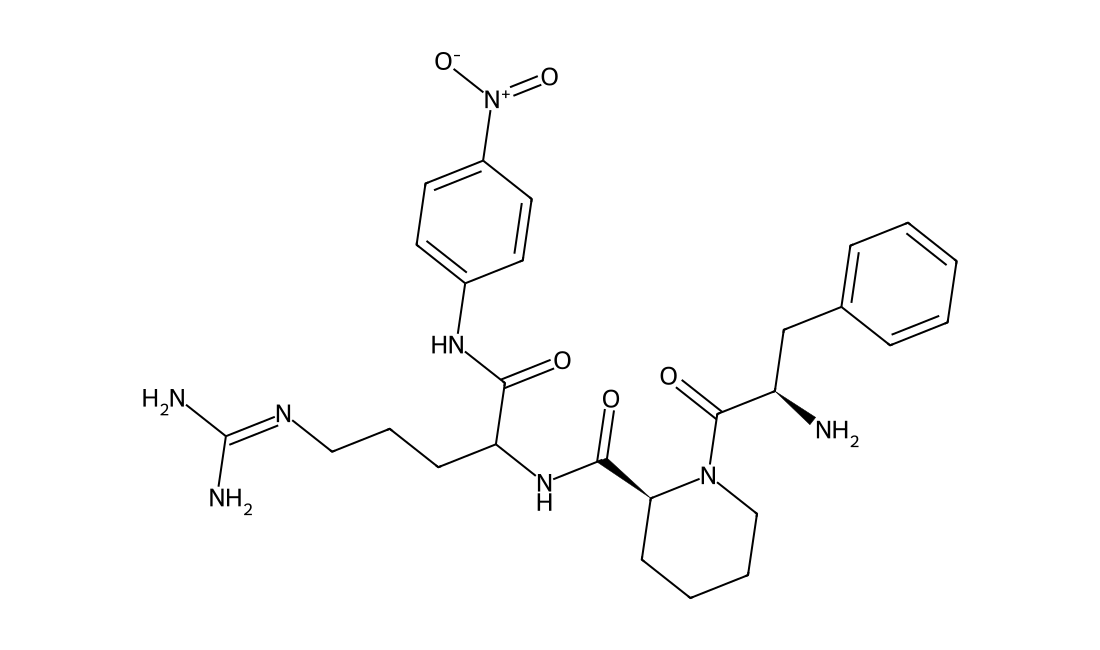
H-D-Phe-Pip-Arg-pNA (S-2238), a chromogenic substrate, is patterned after the N-terminal portion of the A alpha chain of fibrinogen, which is the natural substrate of thrombin. H-D-Phe-Pip-Arg-pNA is specific for thrombin and is used to measure antithrombin-heparin cofactor (AT-III). The AT-III assay using H-D-Phe-Pip-Arg-pNA is sensitive, accurate, and easy to perform.
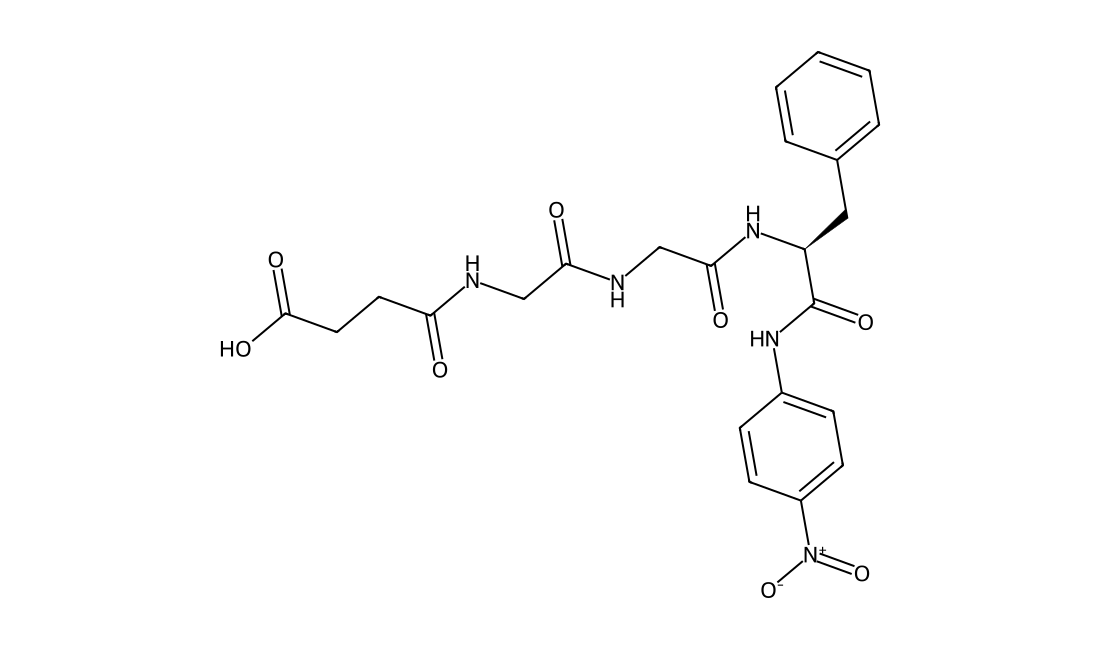
The synthetic peptide Suc-Gly-Gly-Phe-pNA serves as a specific substrate for the enzyme chymotrypsin, demonstrating a Michaelis constant (Km) of 1.6 mM. This value reflects the substrate concentration at which the enzyme achieves half of its maximum reaction rate, indicating its affinity for the peptide.
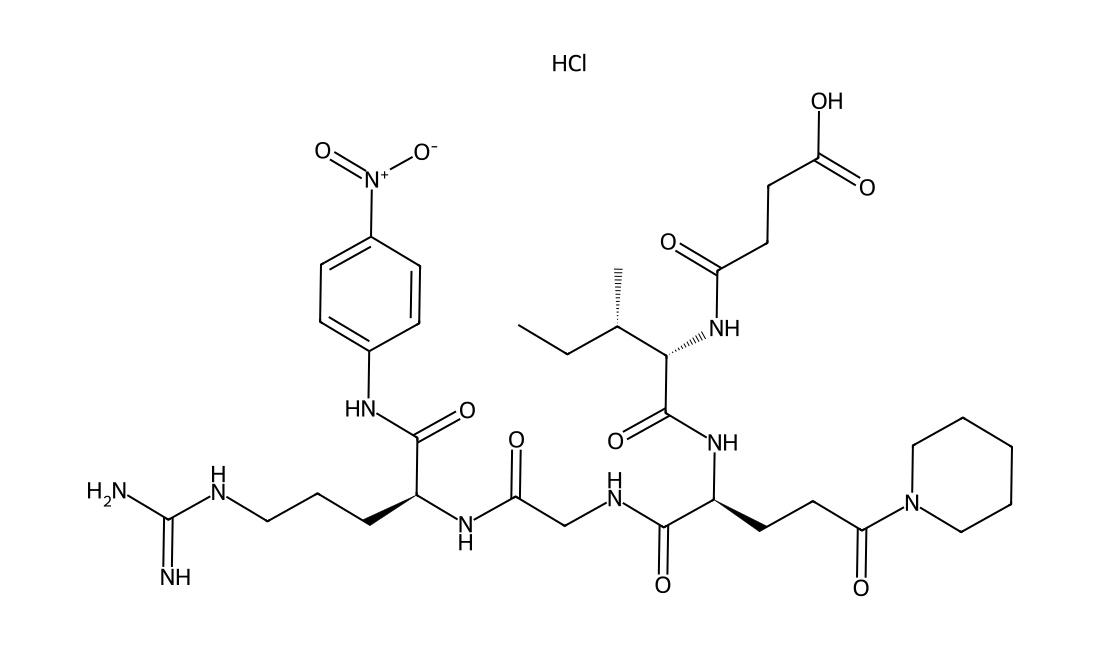
The activated factor X (FXa)-specific chromogenic substrate S-2732 is a short peptide covalently bound to pNA (4-nitroaniline). A free pNA will be cleaved off the peptide chain by activated factor X, thus enabling quantitive detection by a spectrophotometer.
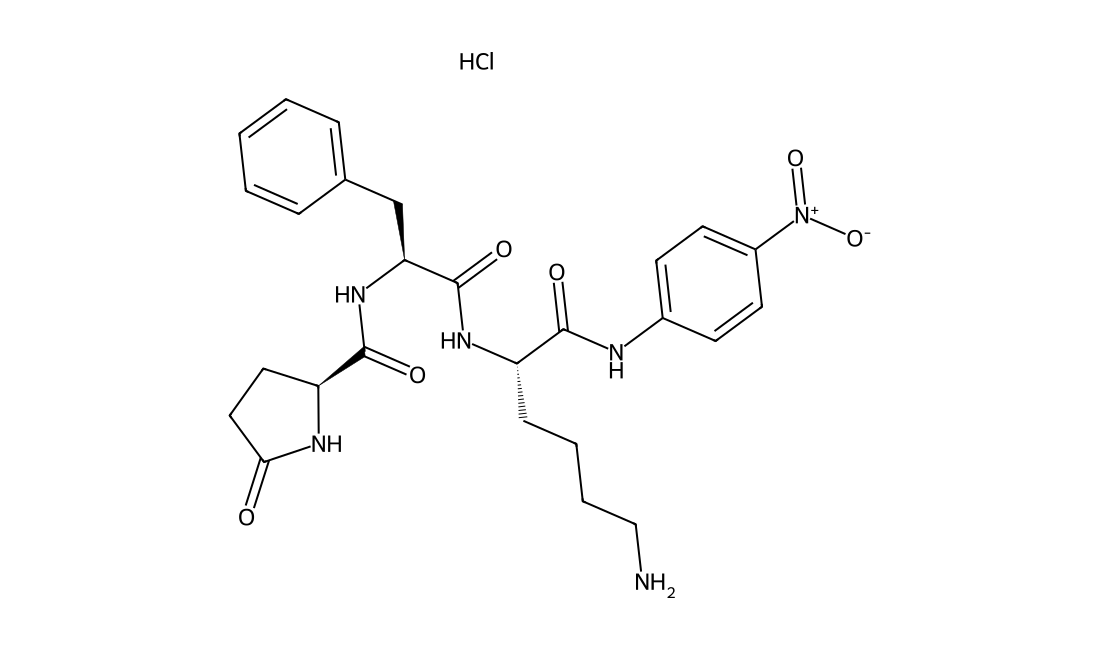
S-2403 is a chromogenic substrate for plasmin and streptokinase-activated plasminoge
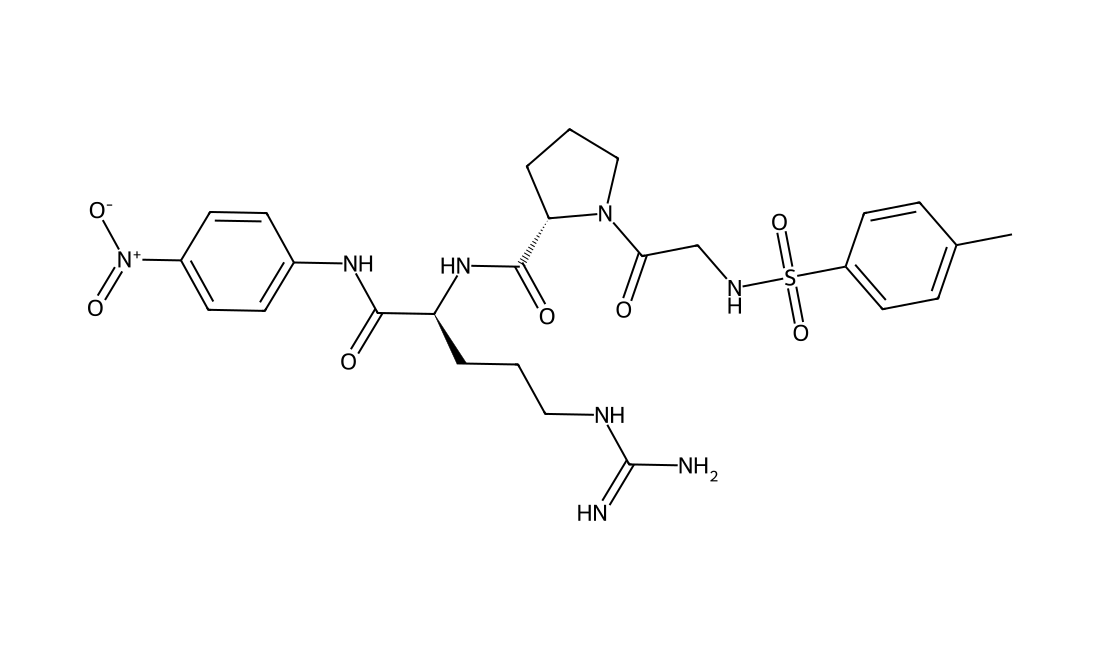
Tos-Gly-Pro-Arg-pNa is a chromogenic substrate for Thrombin.
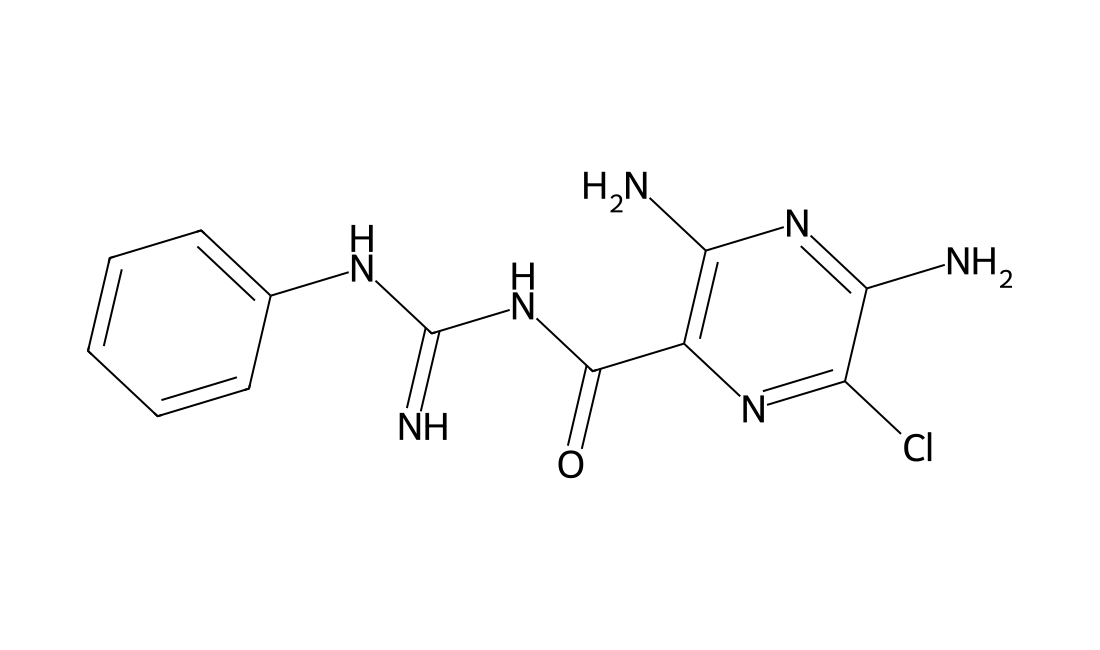
Irreversible inhibitor of amiloride-sensitive Na channels; derivative of amiloride
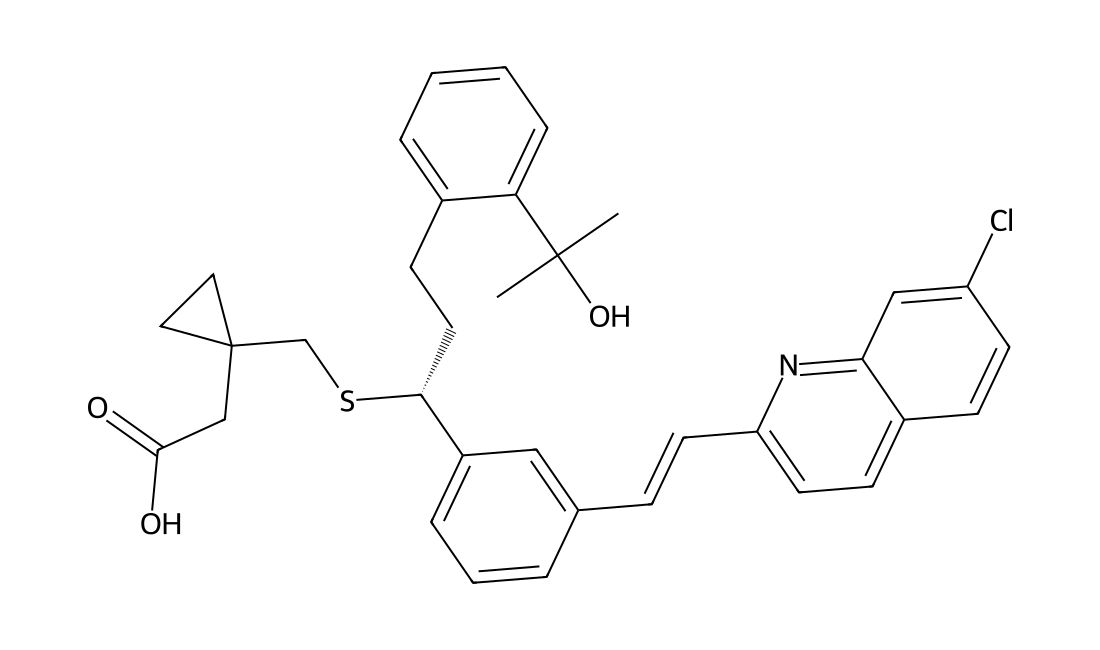
Montelukast is a potent, selective and orally active antagonist of cysteinyl leukotriene receptor 1 (CysLT1). Montelukast can be used for the reseach of asthma and liver injury. Montelukast also has an antioxidant effect in intestinal ischemia-reperfusion injury, and could reduce cardiac damage.
Izilendustat is a potent inhibitor of prolyl hydroxylase which can stabilize hypoxia inducible factor- 1 alpha (HIF- lα) and hypoxia inducible factor-2 (HIF-2). Izilendustat has the potential for researching diseases that relate to the body’s inmmune response like colitis and other inflammatory bowel diseases (extracted from patent WO2011057115A1 and WO2011057121A1).
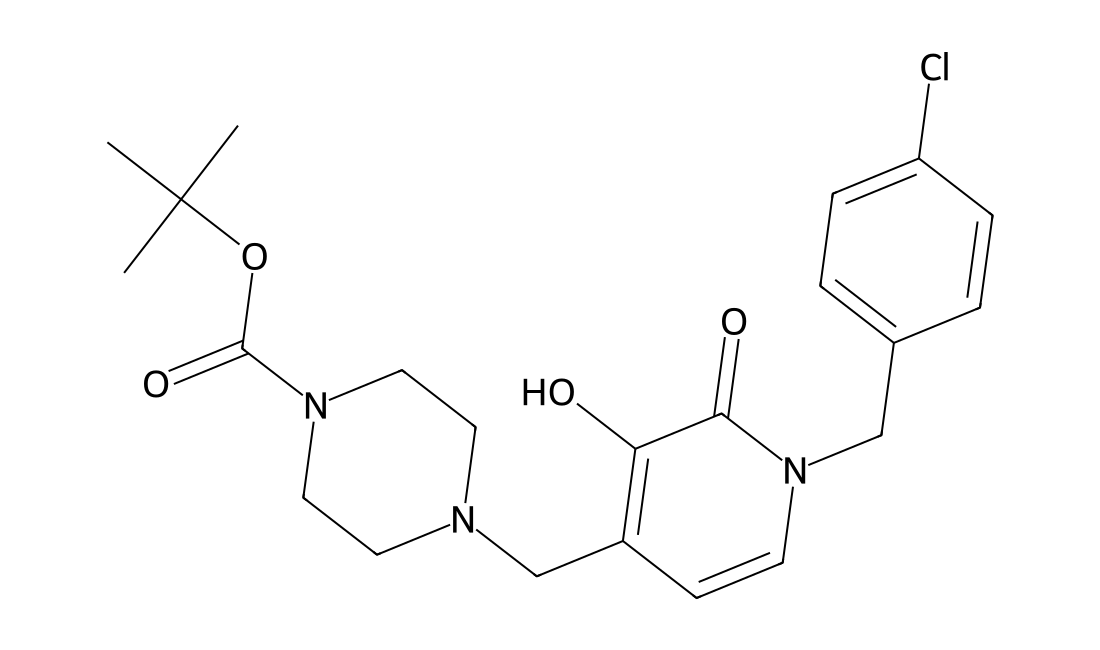
Seltorexant hydrochloride (JNJ-42847922 hydrochloride) is an orally active, high-affinity, and selective OX2R antagonist (pKi values of 8.0 and 8.1 for human and rat OX2R). Seltorexant hydrochloride crosses the blood-brain barrier and quickly occupies OX2R binding sites in the rat brain.
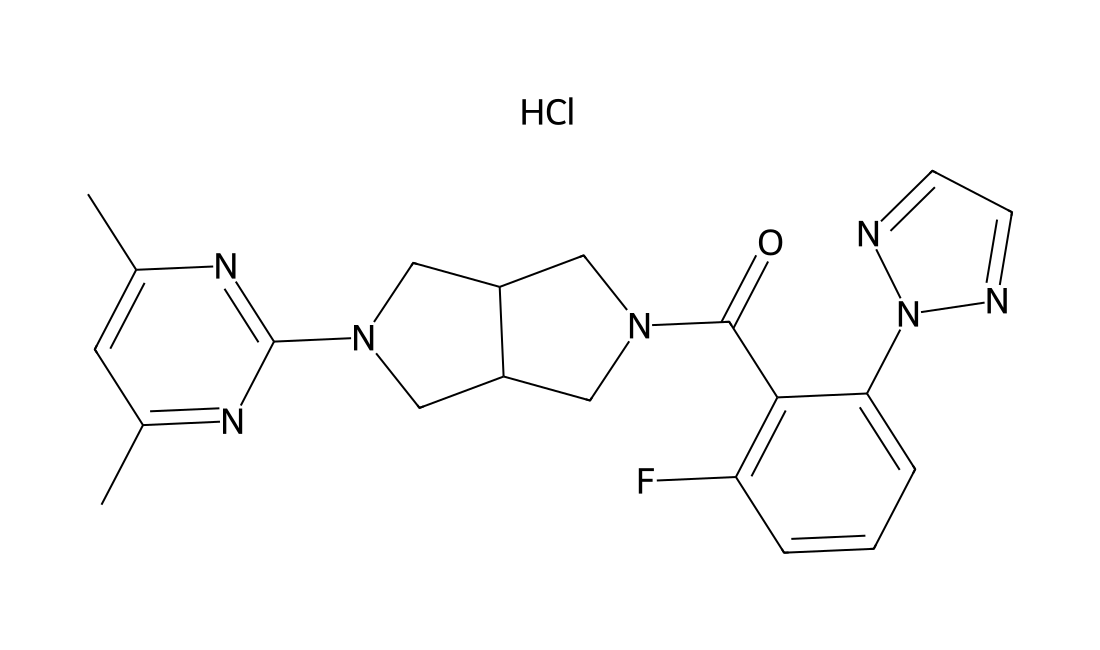
SD133 (Sd-133) is a drug-like small molecule inhibitor of adhesion molecule cadherin 11 (CDH11), binds specifically to the CDH11 binding pocket with KD of 25.2 uM in SPR assays.
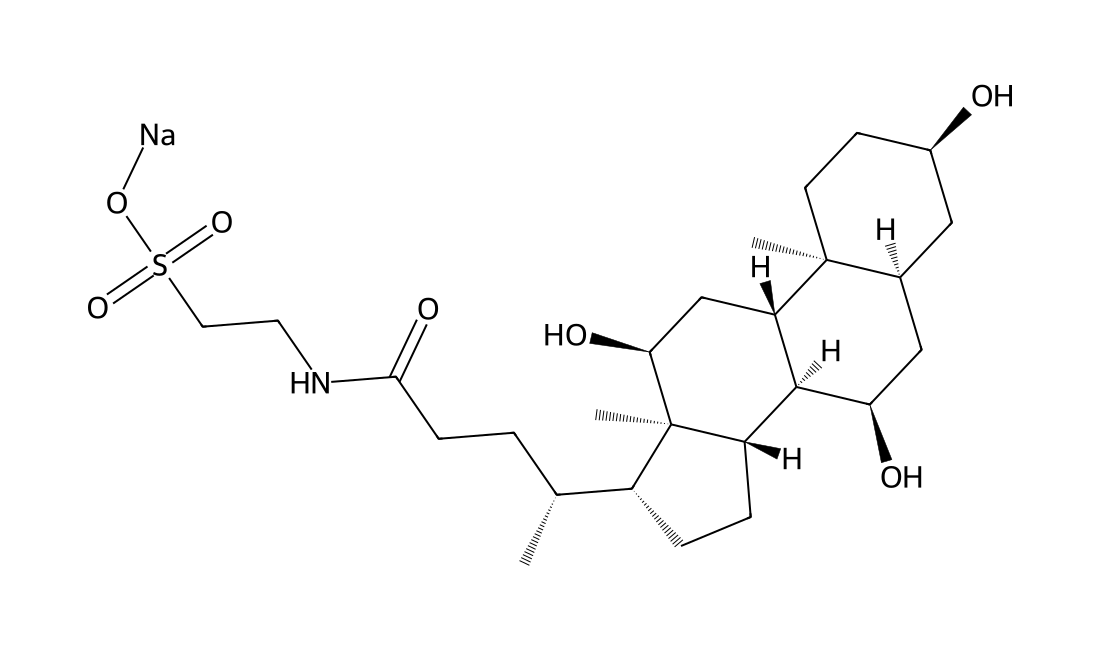
Sodium taurocholate is a GPBAR1 protein agonist potentially for the treatment of type 2 diabetes and obesity in rats.
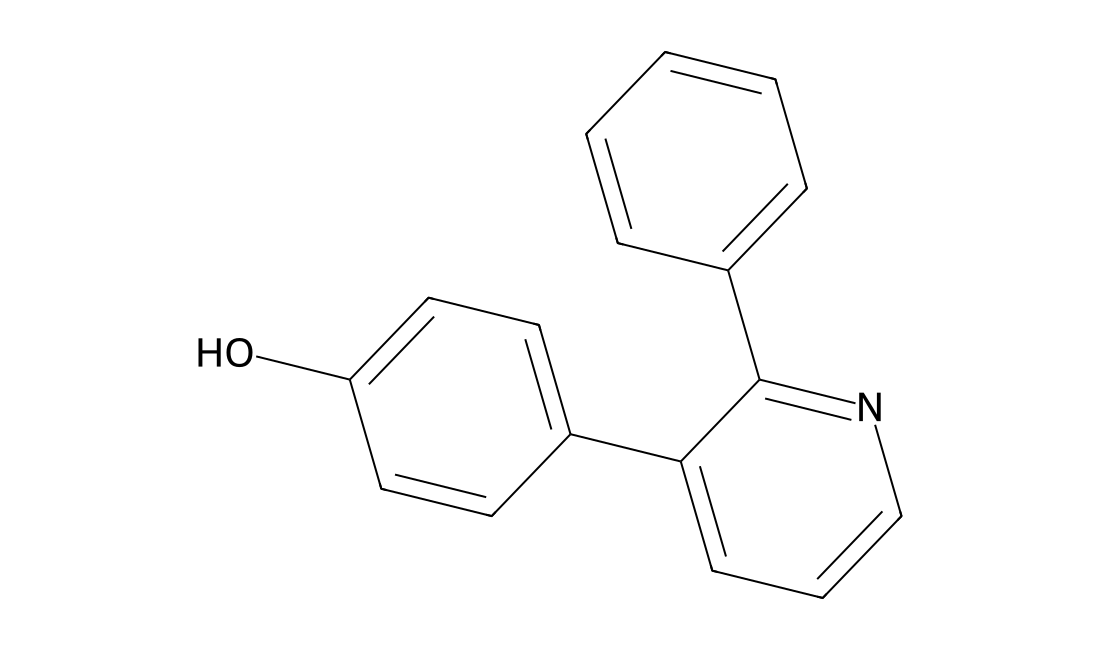
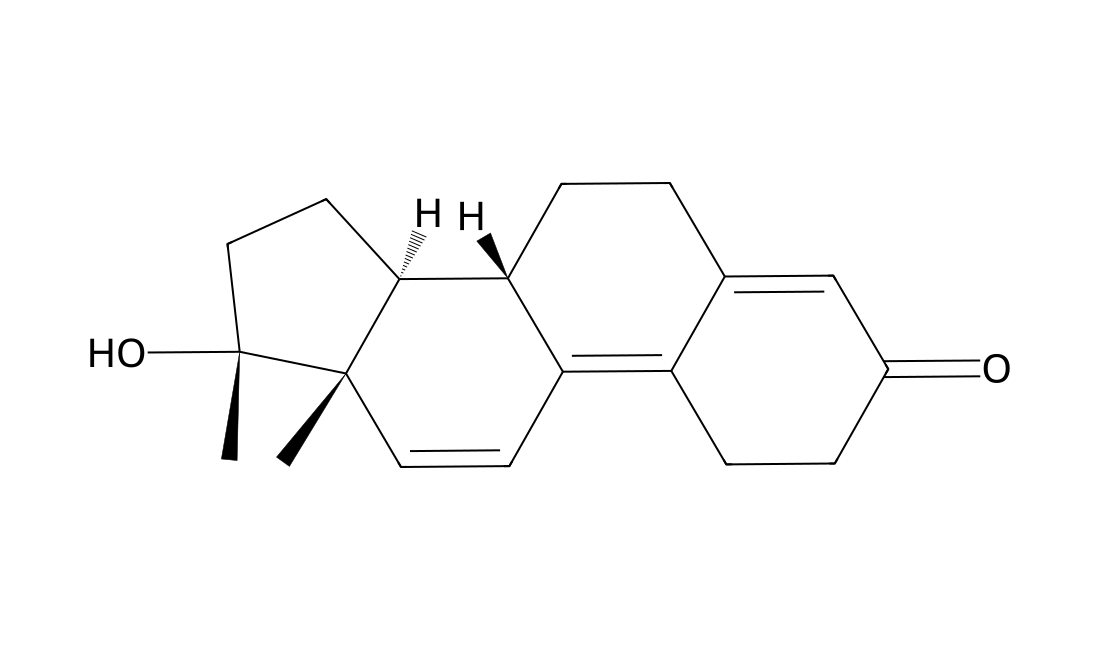
An orally active anabolic-androgenic steroid and a 19-nortestosterone derivative that has been widely used in scientific research as a hot ligand in androgen receptor (AR) ligand binding assays (LBAs) and as a photoaffinity label for the AR..
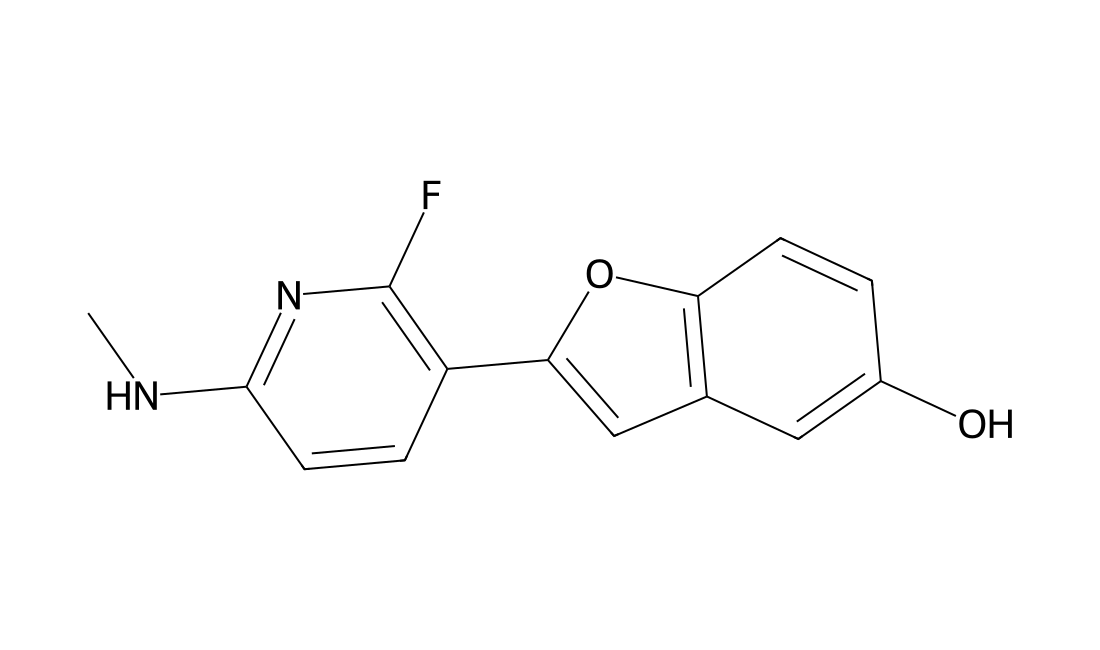
AZD4694, a fluorinated β-amyloid (Aβ) plaque neuroimaging PET radioligand, shows high affinity for Aβ fibrils (Kd = 2.3 nM).
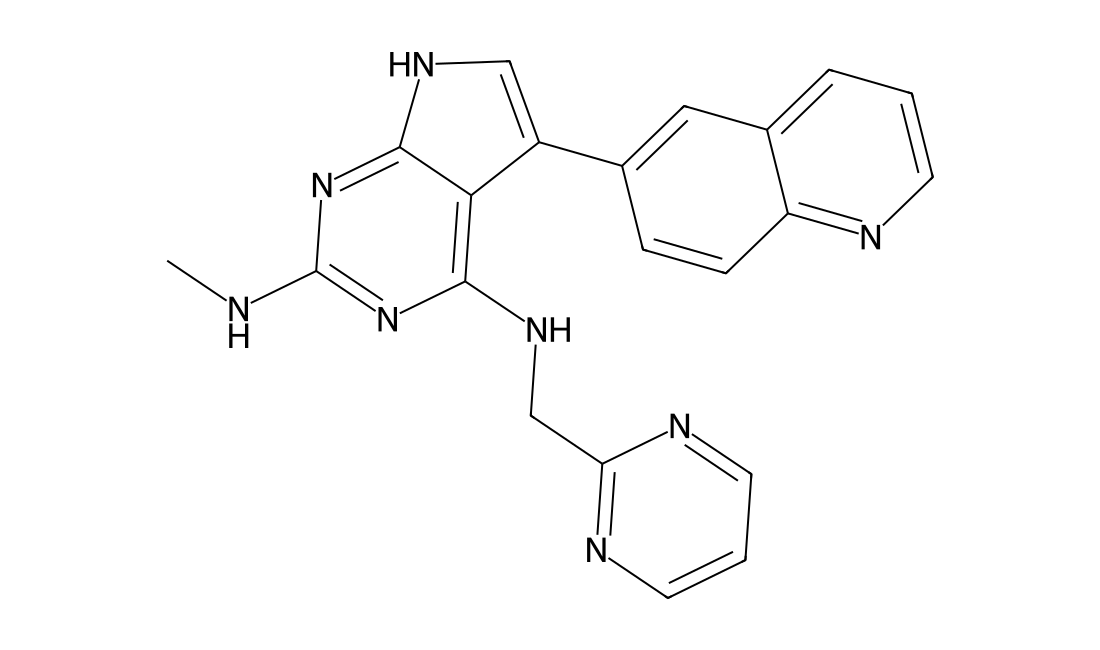
T025 is as an orally available and potent inhibitor of Cdc2‐like kinases (CLKs) with an IC50s of 0.93 nM, 1 nM, 14 nM, 1.5 nM for CLK1, CLK2, CLK3, DYRK1B respectively. It exhibits anti‐tumor efficacy and can be used in MYC‐driven cancer research.
Vicadrostat (compound 29 A) is a potent and selective inhibitor of aldosterone synthase(CYP11B2) with an IC50 of 16 nM. It exhibits potential in renal disease, diabetic nephropathy, cardiovascular diseases and fibrotic disorder research.
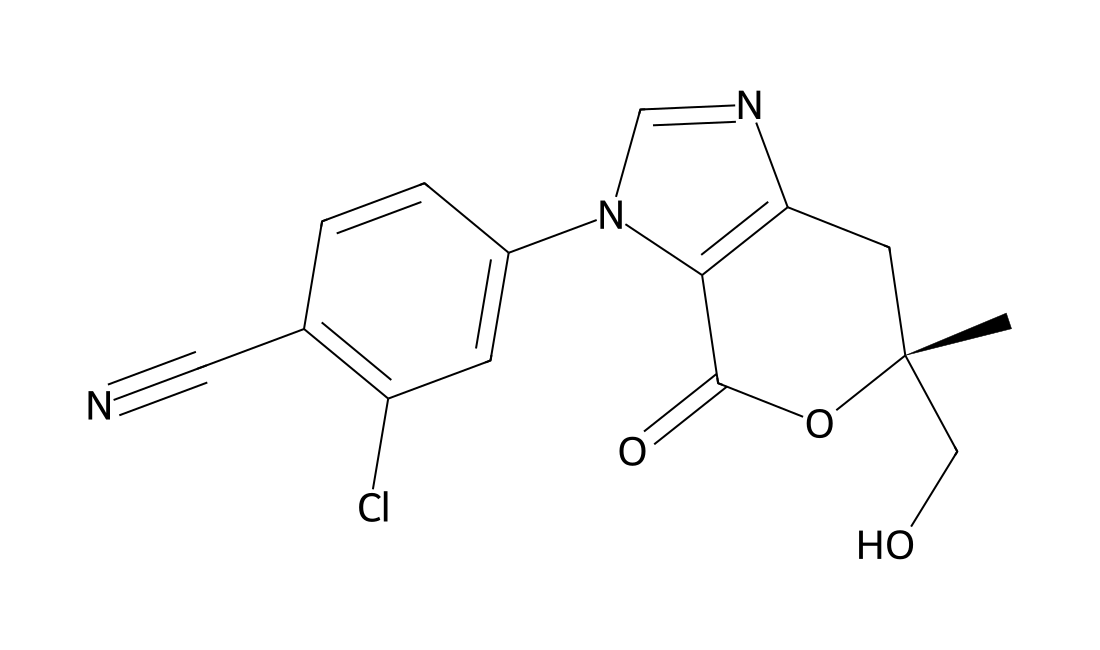
ALG-055009 is a potent and selective thyroid hormone receptor beta (THR-β) agonist with EC50 of 0.063 μM. ALG-055009 is highly metabolically stable, with good permeability and a relatively low efflux ratio.
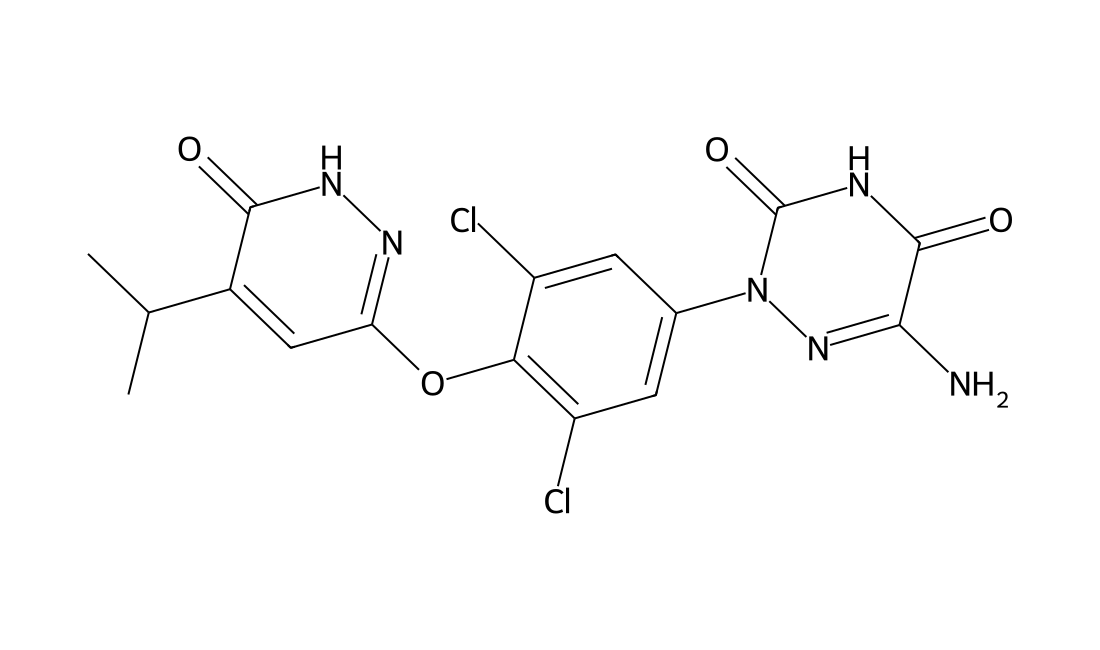
Lp(a)-IN-5 (Compound A) is an orally active lipoprotein (a) (Lp(a)) inhibitor. Lp(a)-IN-5 inhibits the assembly of Apo(a) and ApoB proteins with an IC50 value of 0.41 nM. Lp(a)-IN-5 is promising for research of diseases related to elevated plasma Lp(a) levels, such as cardiovascular diseases.
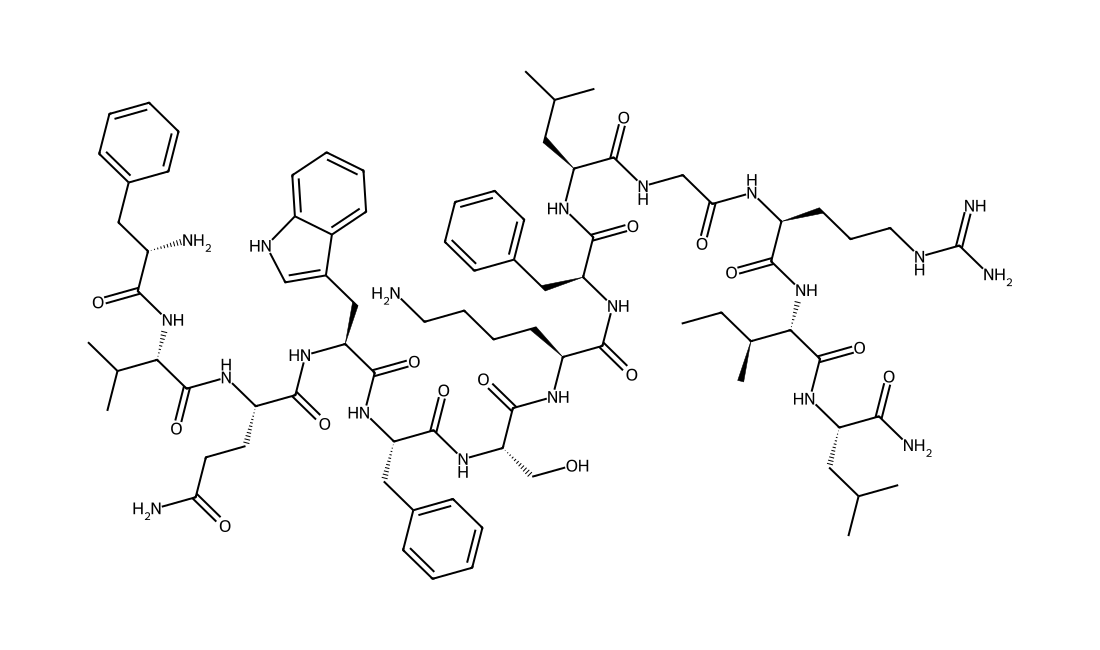
Temporin L is a potent antimicrobial peptide and is active against Gram-negative bacteria and yeast strains. Temporin L also has antiendotoxin properties.
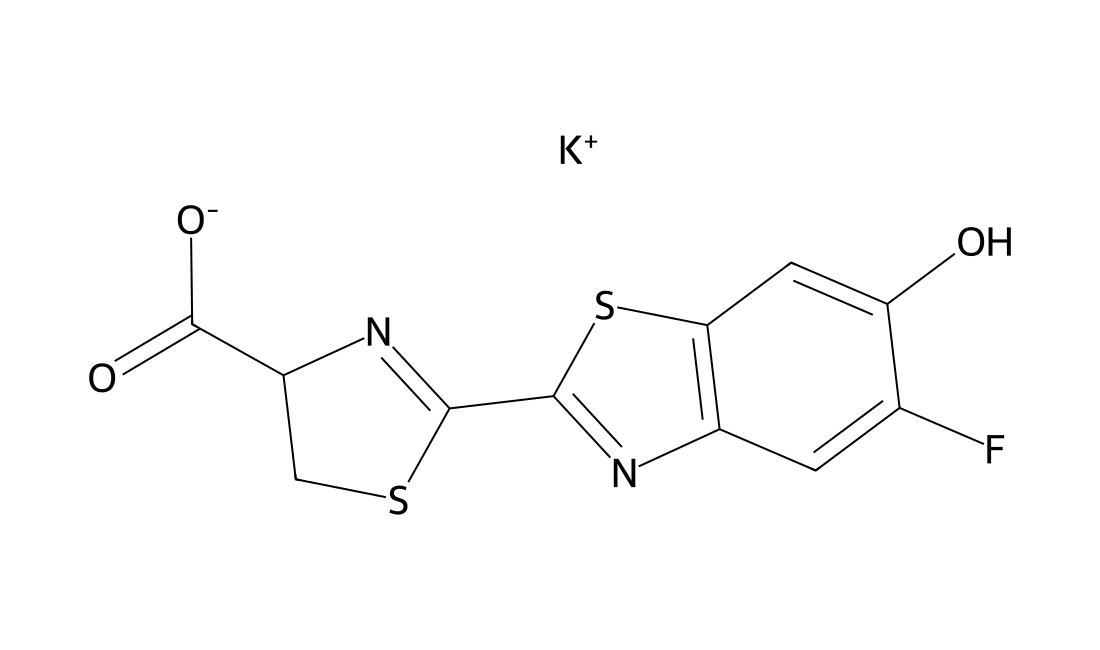
5-fluoro-D-Luciferin potassium salt is a derivative of D-Luciferin potassium salt. Its biological activity and main applications are similar to those of D-Luciferin potassium salt.
No products match this search.
Page 203 of 209 · Browse all 4176 products
Jump to a product page
Featured literature product: HX1 · DCL0028
HX1 is a hydroxyzine-derived ionizable lipid with acetal-containing tails, studied in lipid nanoparticles for brain mRNA delivery and CRISPR–Cas9 delivery. It was the lead in the reported in vivo brain-delivery screen; evidence is preclinical and formulation-dependent.
Read full formulation and performance →