
Research lipid catalog
Ionizable Lipid Products
Explore 848 lipid and RNA delivery products. Search the full catalog or browse by research category.
Search covers product name, catalog number, synonyms, available CAS numbers and categories. Spaces, hyphens and common punctuation are ignored. Duplicate legacy records are consolidated under one canonical product result.
4176 products · Showing 4001–4020 · 20 per page
DC Chemicals lipid expertise
Built for ionizable-lipid discovery and RNA delivery research
DC Chemicals supports formulation and delivery research with a broad, searchable portfolio of cationic and ionizable lipids. The current directory brings together 848 unique research-use products, with product specifications, pricing, chemical structures and literature-linked formulation data added as each record is verified.
Our experience spans complex lipid synthesis, purification, analytical release and process development. For custom molecules or larger-scale requirements, our team can discuss route development, technical specifications and scale-up options for the intended research workflow.
Learn about cationic and ionizable lipids →Proprietary innovation · Co-development · GMP
From proprietary lipid design to GMP-grade custom synthesis
DC Chemicals has independently developed ionizable-lipid structures supported by company-owned intellectual property, and selected proprietary lipid programs have advanced to GMP-stage development.
We welcome joint development with customers—from molecular design and lipid synthesis through route and process development. We can also support custom synthesis of GMP-grade ionizable lipids to agreed technical specifications and quality requirements.
Discuss a co-development project →Proprietary ionizable-lipid structuresCollaborative molecular designCustom lipid synthesisProcess development and scale-upGMP-grade project support
Product quick links
Explore New ionizable lipids
Explore our five most recently added ionizable lipids, with specifications, pricing and literature-linked product information.
DCL0028HX1Brain RNA delivery researchView product →DCL0024A1I4R13C18-2Spleen-targeted RNA delivery researchView product →DCL0023A1I4R2C18-2Spleen-targeted RNA delivery researchView product →DCL0022FS01Local joint RNA delivery researchView product →DCL0020Lipid-392Lung RNA delivery and gene editing researchView product →
Cat. No.Product NameField of ApplicationChemical Structure
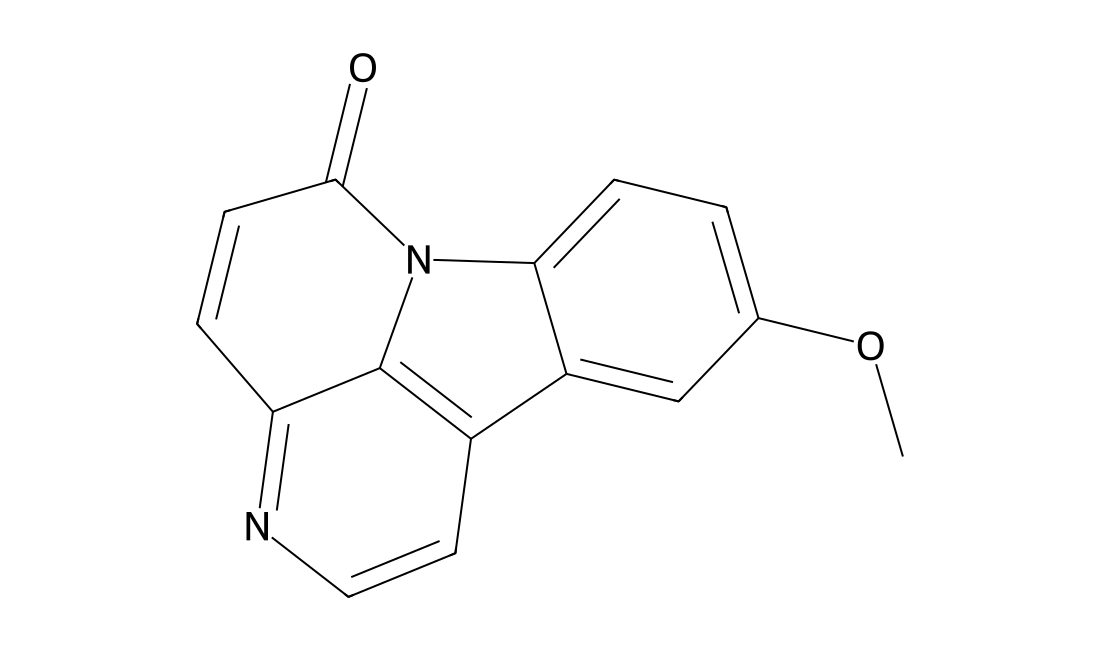
Natural antifungal agent, significantly inducing lipid peroxidation, activating the antioxidant enzymes, and exhibiting effective activity against F. solani (EC50 = 10.56 µM)
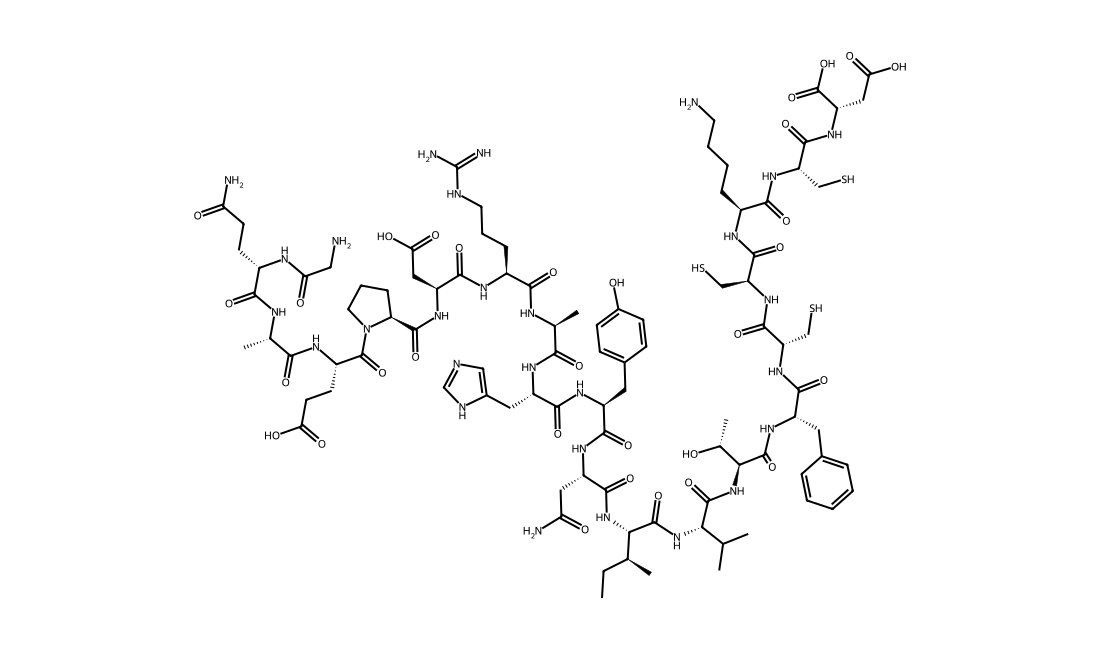
Protein E7(43-62) is an E7-derived peptide with anti-tumor effects (short peptide spanning the 43th to 62th amino acid residues in the E7 protein).
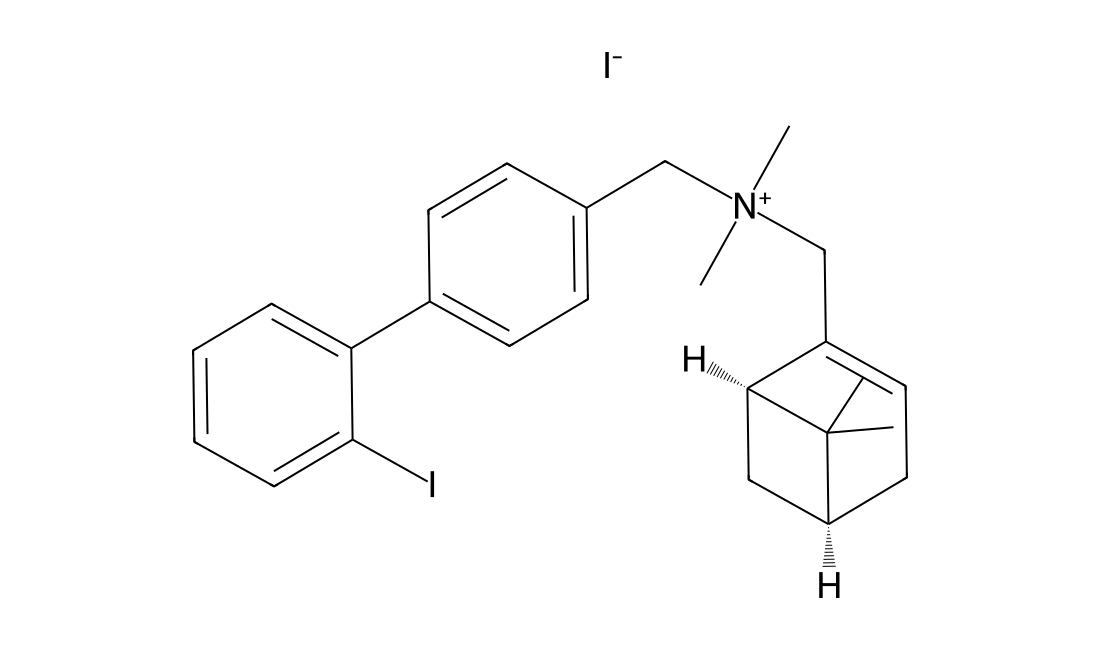
First reported nonpeptidomimetic agonist on the G protein-coupled chemokine receptor CXCR-3
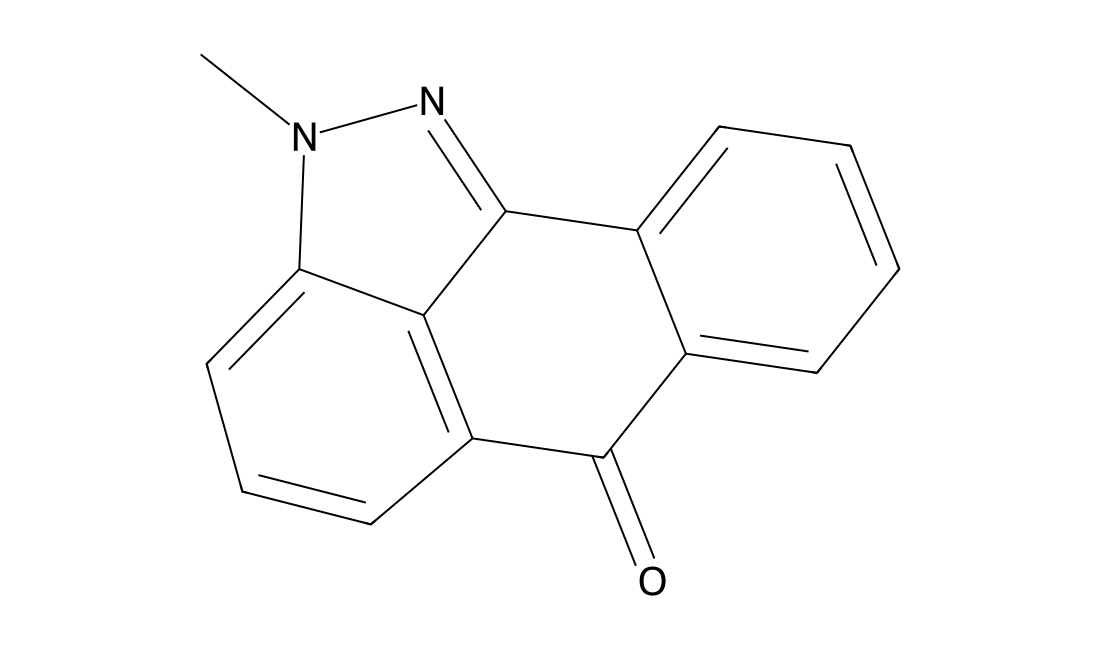
SP 600125, negative control (SPM1) is an alkyl derivative of pyrazoloanthrone, which can be used as a negative control for SP600125.
A novel and seletive HDAC6 inhibitor.
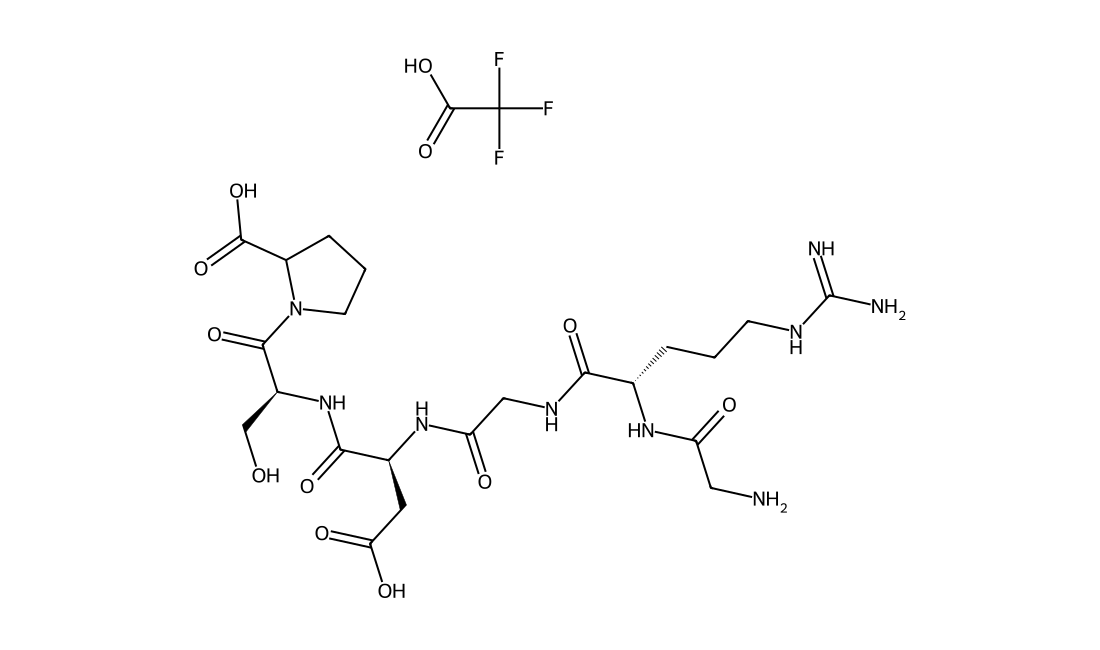
GRGDSP (TFA) is an integrin inhibitor.
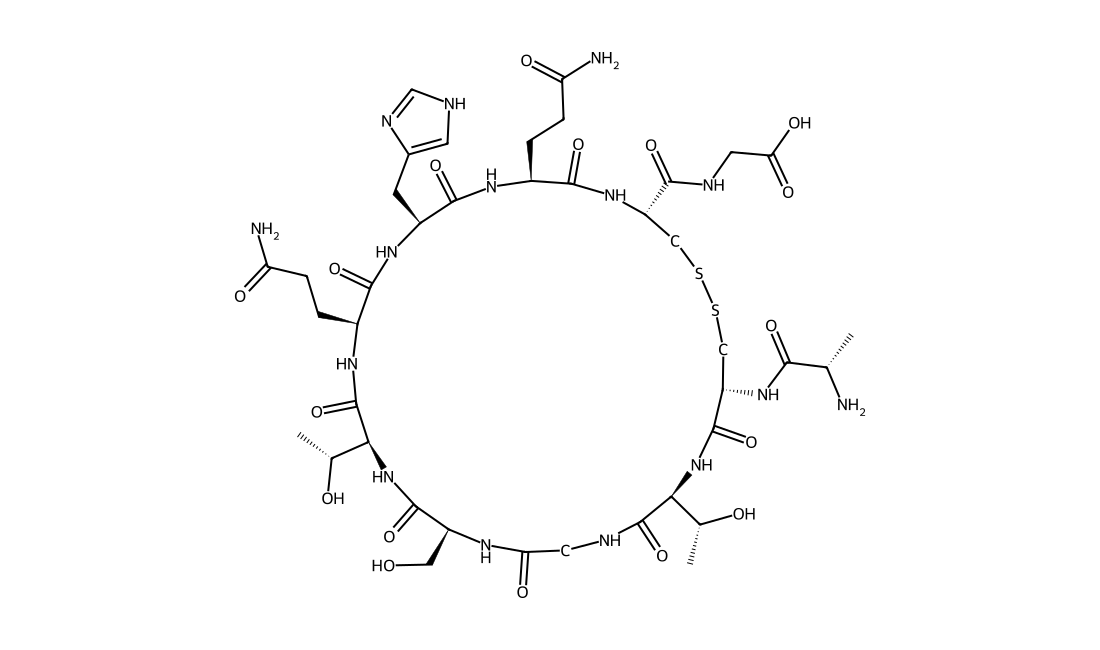
SPACE peptide is a skin penetrating peptide which facilitates the delivery of molecules through the skin.
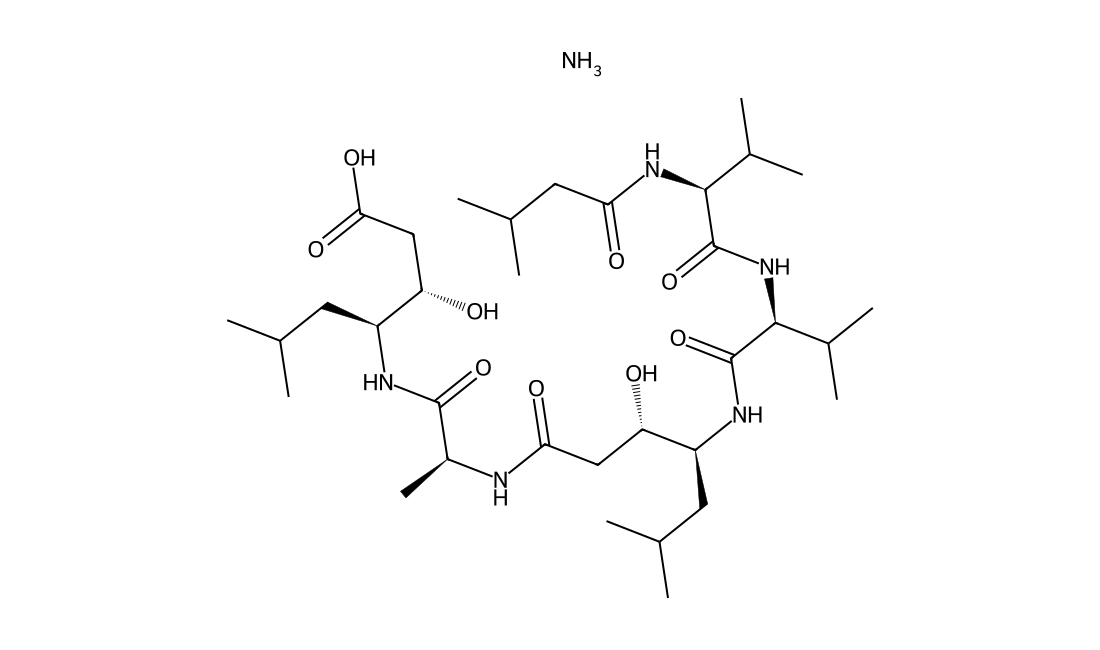
Pepstatin Ammonium is a specific aspartic protease inhibitor produced by actinomycetes, with IC50s of 4.5 nM, 6.2 nM, 150 nM, 290 nM, 520 nM and 260 nM for hemoglobin-pepsin, hemoglobin-proctase, casein-pepsin, casein-proctase, casein-acid protease and he
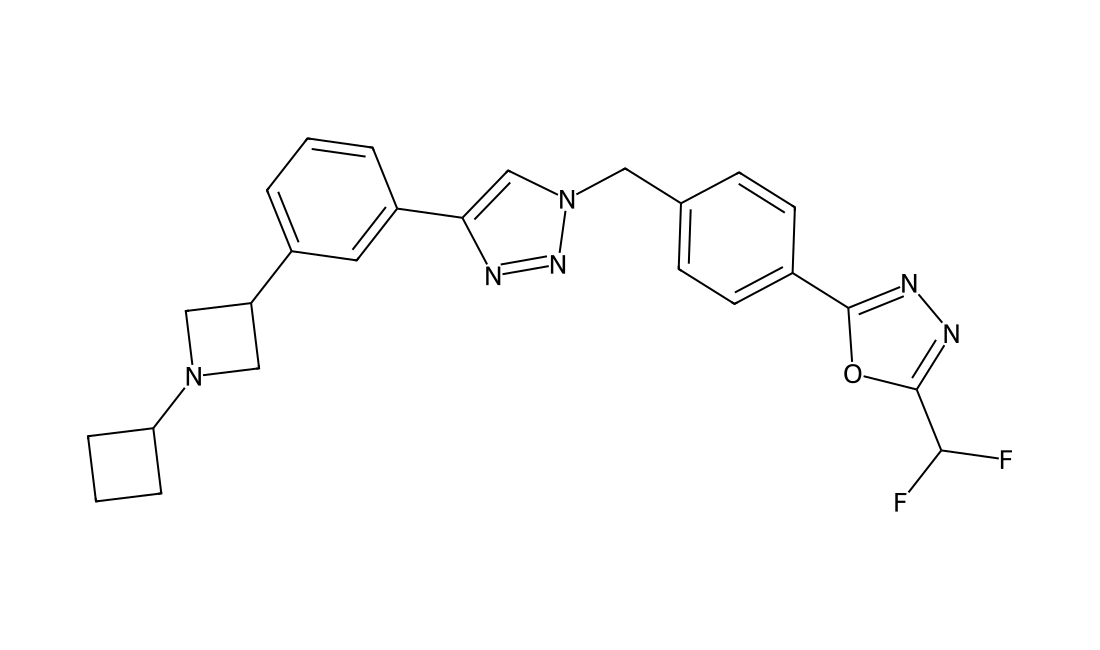
JNJ-39758979 2HCl is an antagonist of histamine receptor H4.
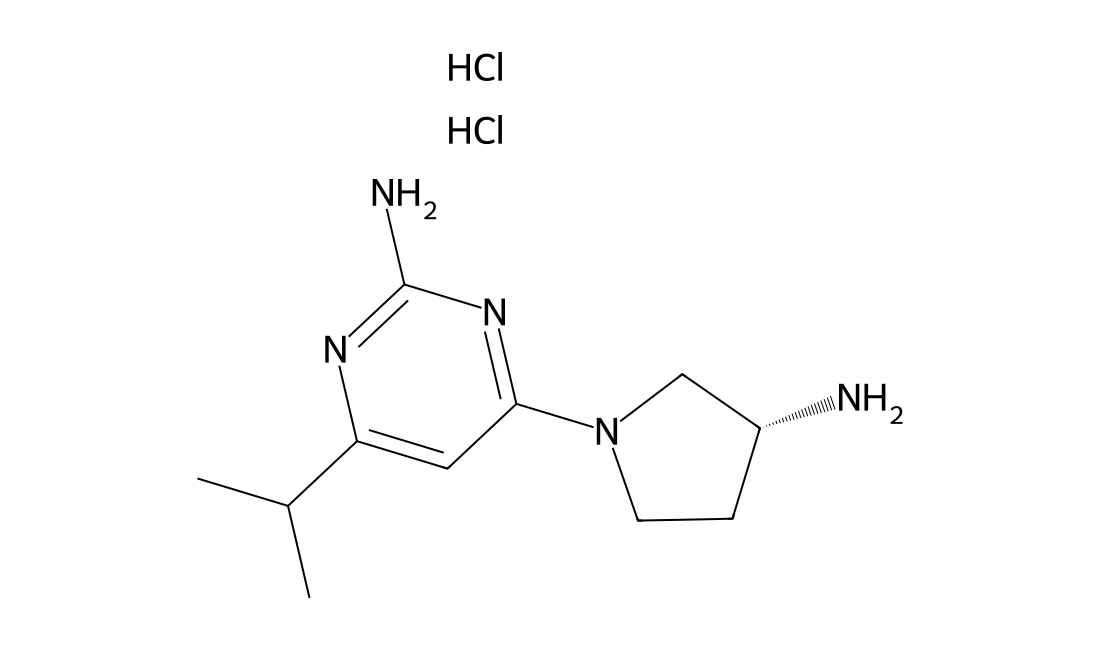
ZH97 is a selective and covalent small-molecule inhibitor of BFL-1 protein with binding Ki of 0.41 uM, >200-fold selectivity over MCL-1.ZH97 does not bind to BCL-xL, BCL-2, TEAD2, TEAD4, MDM2, MDMX, BRD2 BD1, BRD2 BD2, BRD3 BD1, BRD3 BD2, BCL9, PD1/PD-L1 (Ki>400 uM).ZH97 modifies BFL-1 at the C55 residue, blocks BFL-1/BID interaction in vitro.ZH97 dose-dependently increased cytoplasmic cytochrome c level in U937 cells, has cell growth inhibition with IC50 of 2.8 uM, 5.5 uM, 7.7 uM, 6.8 uM, and 3.9 uM in U937, Kasumi-1, K562, MM.1S, and MV4-11 cell lines, respectively.ZH97 inhibits BFL-1/PUMA interaction in cell lysate and is effective in cancer cells that harboring highexpression level of BFL-1.
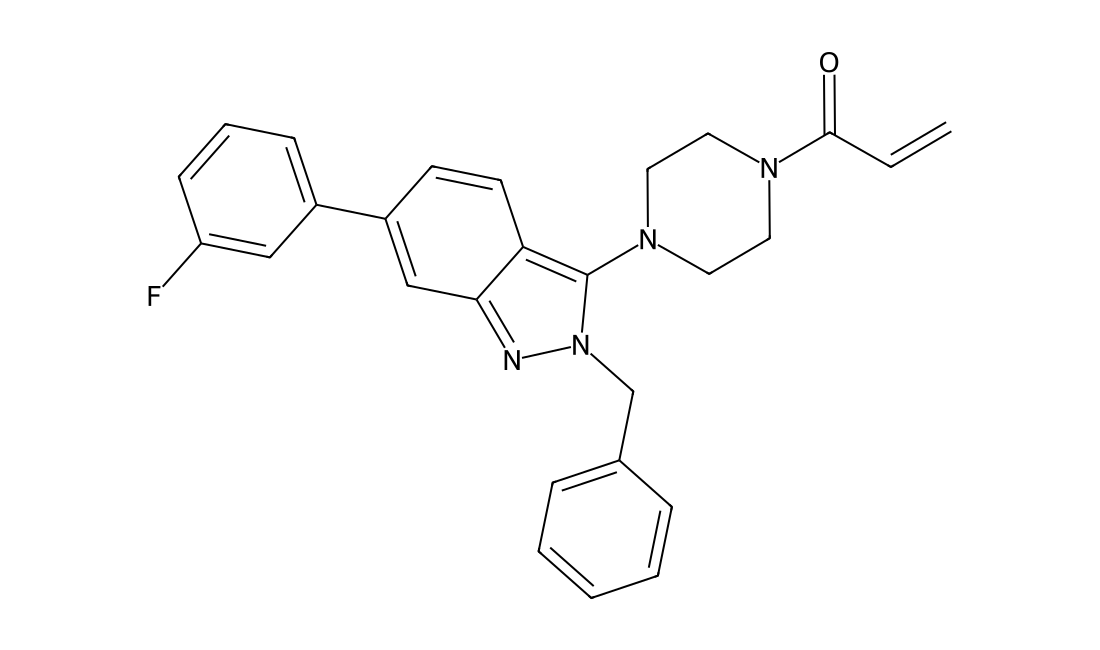
Pixantrone is a synthetic, noncardiotoxic aza-anthracenedione analogue with potential antineoplastic activity. Pixantrone intercalates into DNA and induces topoisomerase II-mediated DNA strand crosslinks, resulting in inhibition of DNA replication and tumor cell cytotoxicity. Pixantrone is a potentially more effective, less cardiotoxic alternative to doxorubicin for patients with aggressive non-Hodgkin lymphoma (aNHL).
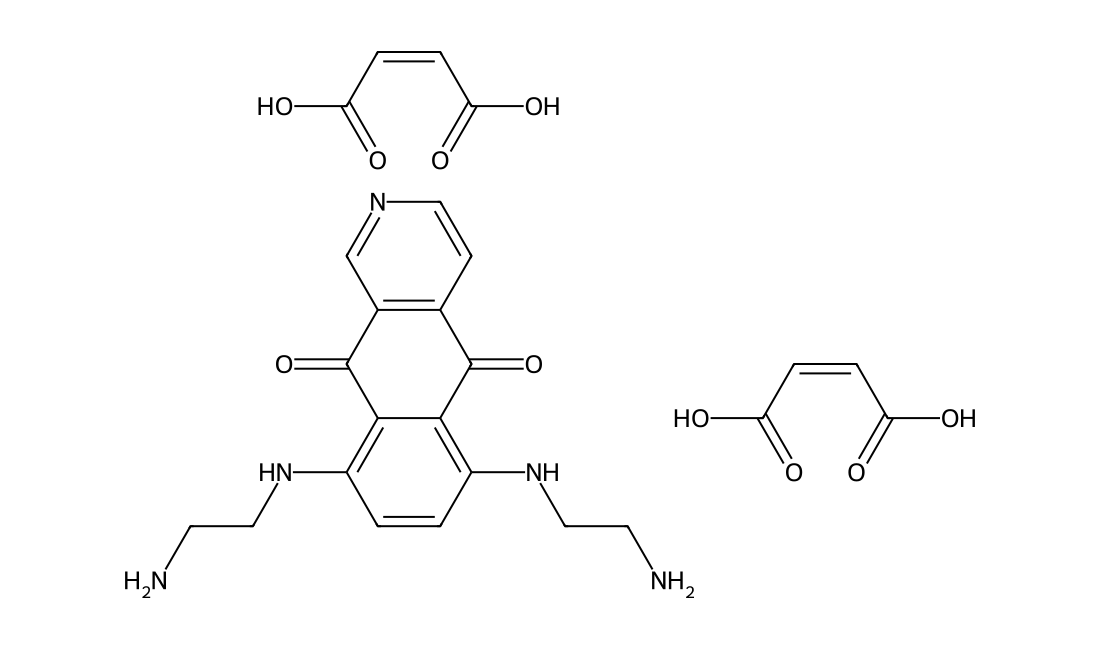
BC-DXI-32982 is a potent inhibitor of the interaction between DX2 and KRAS4B with a half-maximal inhibitory concentration (IC50) of 0.18 μM, showing little effect on the PRKACA-PRKAR2A interaction.
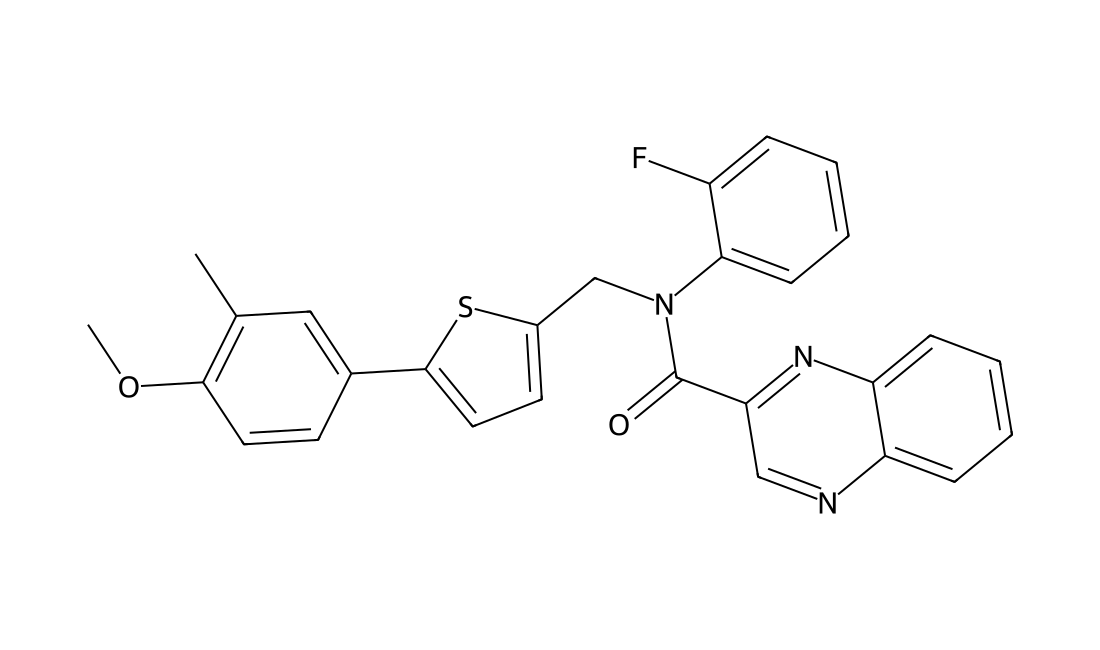
CTIBD is a novel potent activator of the BKCa channel with EC50 of 3.9 uM.CTIBD showed significantly higher potency compared with three other known BKCa activators: NS 1619, NS 11021, and rottlerin.CTIBD induced a reversible potentiation of macroscopic outward currents of the BKCa channel, CTIBD activates both rSlo/rβ1 and rSlo/rβ4 coexpressed channels mainly by decreasing the closing rate of the channel.CTIBD concentration-dependently reduced ACh-induced contractions in isolated rat urinary bladder strips. CTIBD effectively restored frequent voiding contraction and lowered voiding volume without affecting other bladder function parameters in acetic acid-induced overactive bladder (OAB) model (i.p. 20 mg/kg).
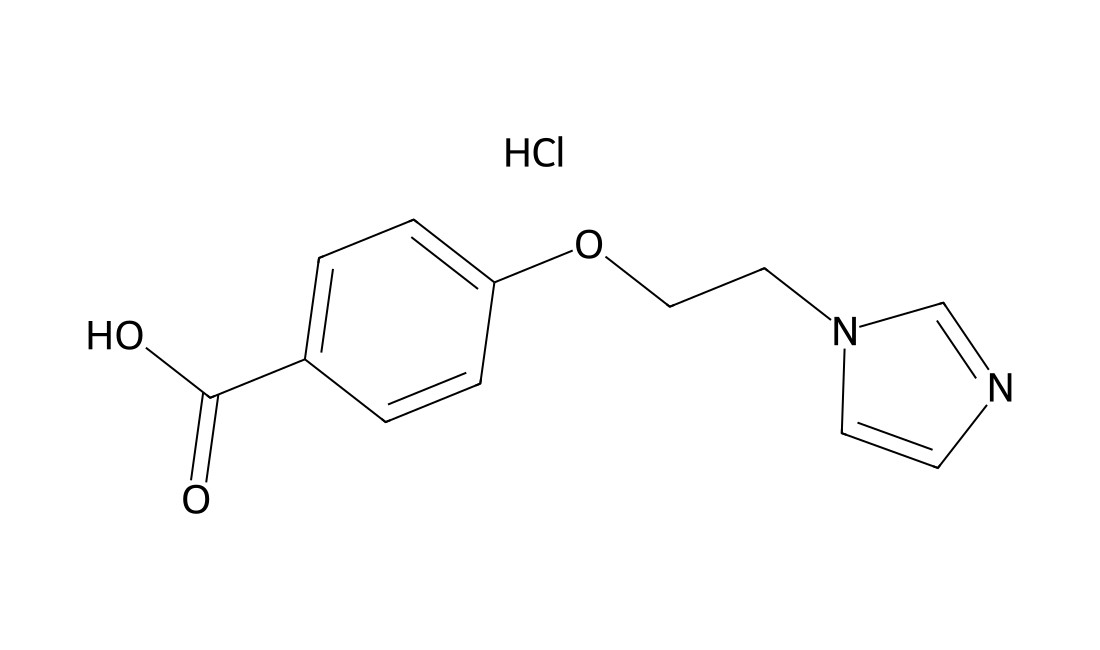
Dazoxiben hydrochloride is a potent and orally active thromboxane (TX) synthase inhibitor.
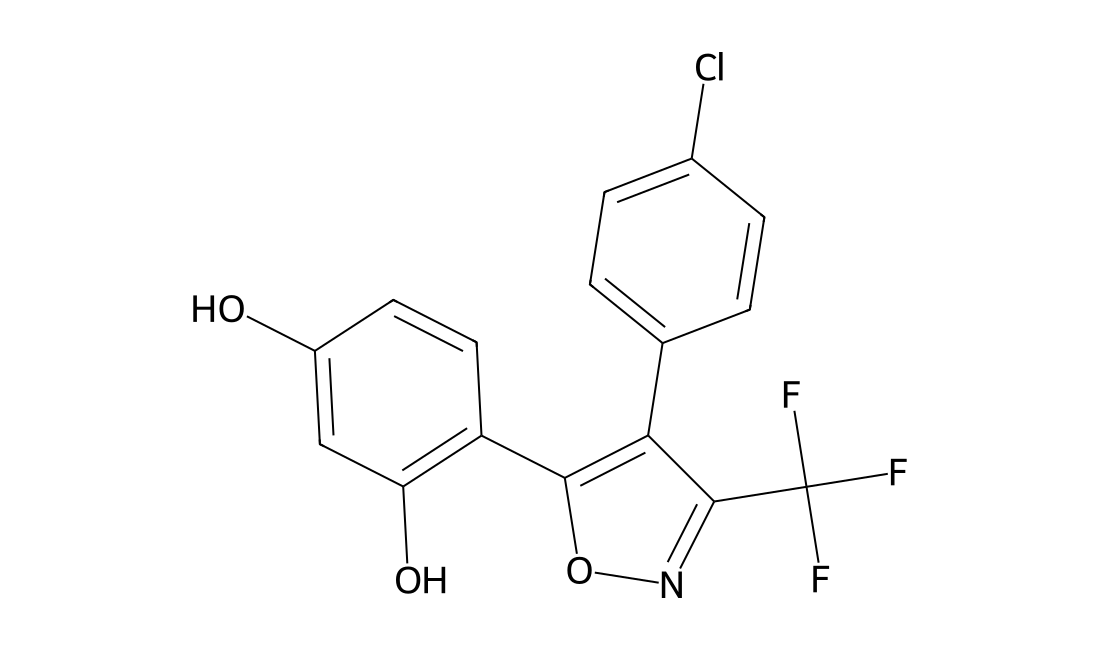
Novel TRPM8 channel blocker
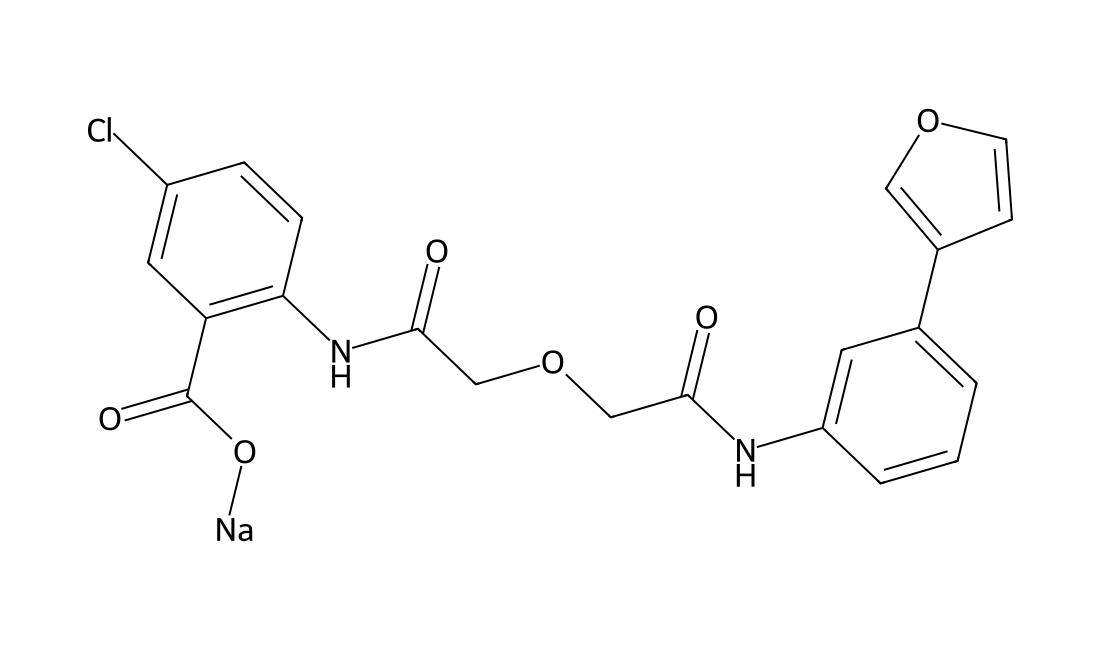
TM5441 is an orally bioavailable inhibitor of plasminogen activator inhibitor-1 (PAI-1), has IC50 values between 13.9 and 51.1 μM. TM5441 induces intrinsic apoptosis in several human cancer cell lines. TM5441 attenuates Nω-nitro-l-arginine methyl ester-induced cardiac hypertension and vascular senescence.
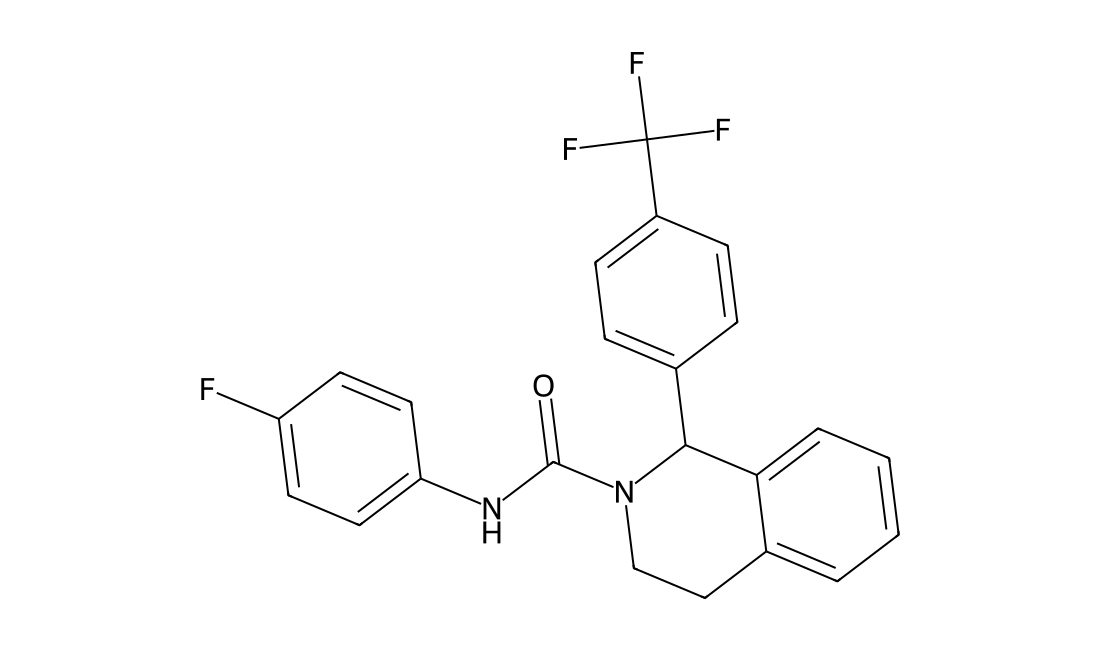
VY-3-135 is an orally active, selective acetyl-CoA synthetase 2 (ACSS2) inhibitor with an IC50 value of 44 nM. VY-3-135 displayes no inhibitory activity towards recombinant human ACSS1 or ACSS3. VY-3-135 potently inhibits ACSS2 dependent fatty acid metabolism but has no effect on gene expression in tumors. VY-3-135 inhibits triple negative breast cancer (TNBC) tumor growth in mouse ACSS2high but not ACSS2low tumors models.
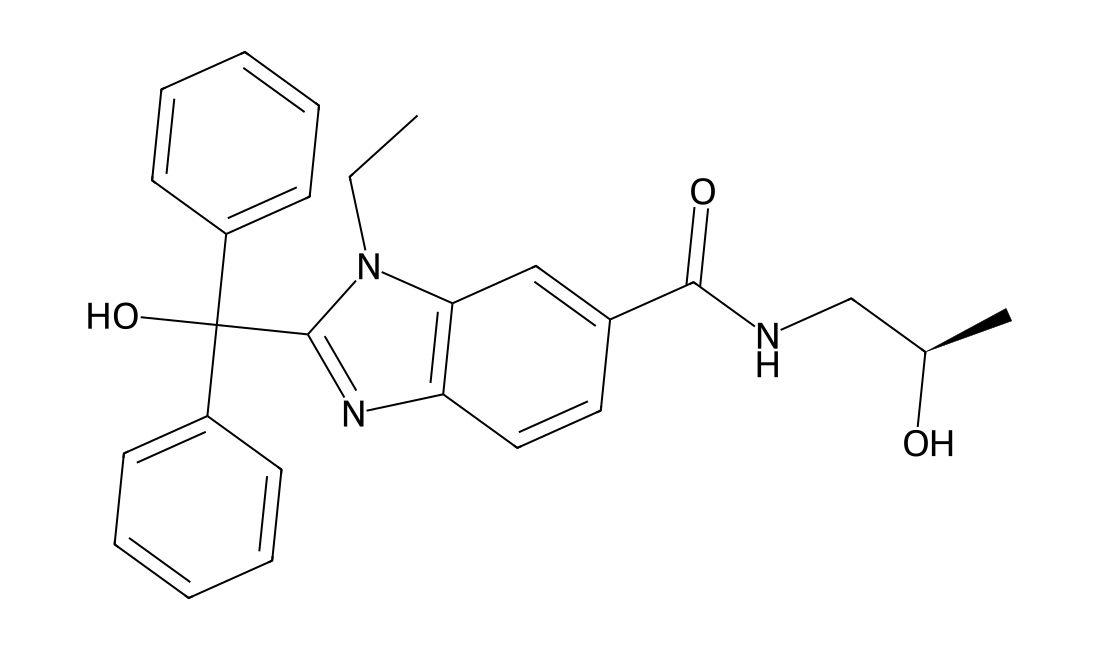
GN13 is a potent, selective, and cell-permeable inhibitor of Gαs, with a strong binding affinity for the active, GTP-bound state of Gαs (KD = 0.19 μM). Its high selectivity and ability to penetrate cells make it a powerful tool for studying Gαs signaling in both basic research and potential therapeutic applications.
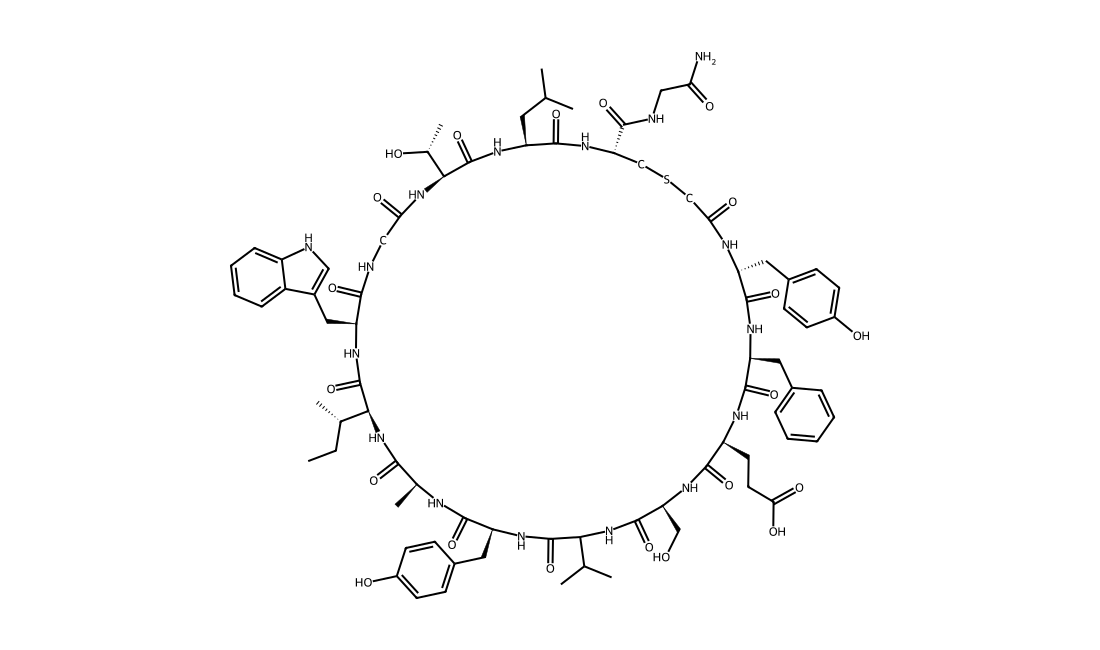
FHP01 (BA103) is a potent, small molecule inhibitor of DDX3X helicase activity with IC50 of 0.3 uM in in vitro enzyme assays, exhibits very effective antiproliferative and killing activity against different breast cancer cell types (IC50=3.058 and 3.21 μM in MDA MB 468 and MDA MB 231, respectively). FHP01 does not inhibit the ATPase activity of DDX3X and the helicase activity of DDX1 (IC50>100 uM). FHP01 also inhibited WNT signaling, a key tumorigenic pathway already correlated to DDX3X functions in breast cancer model cell lines. FHP01 inhibits ER+/PR+ (IC50 = 12.43 and 10.62 μM in MCF7 and T47D cells, respectively) and HER2+ (IC50 = 13.46 μM in SKBR3) cells, but lower in control MCF10A cells (IC50 = 28.71 μM). FHP01 (45 mg/kg, i.p. injection) suppresses rowth of MDA MB 231 tumor xenografts in nude mice.
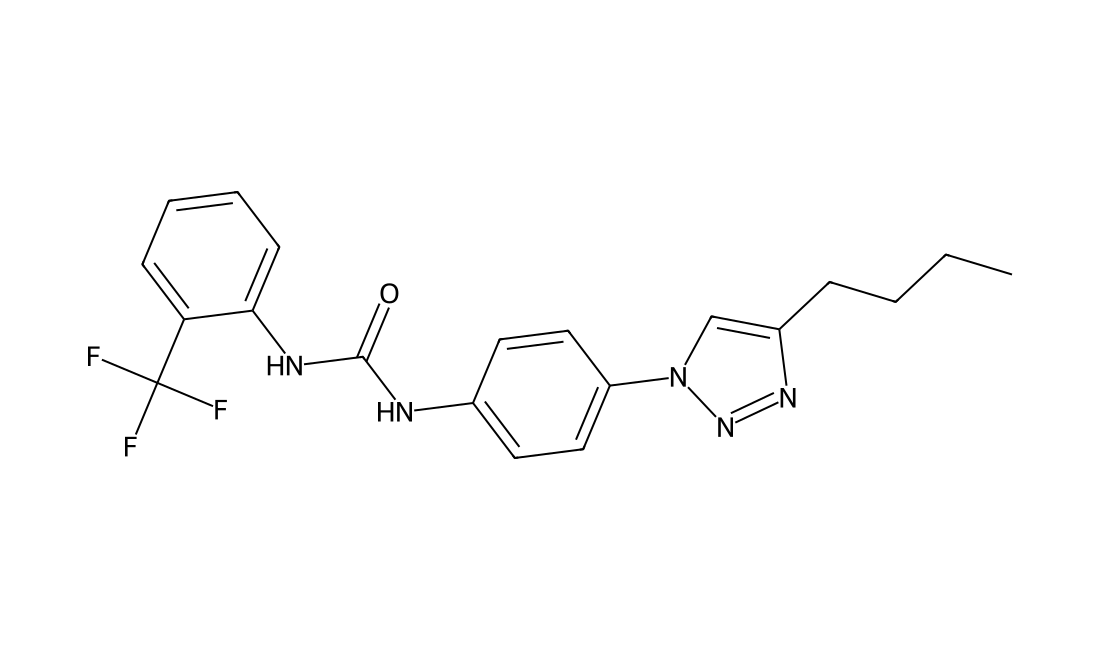
EP055 (EP-055) is a small molecule that targets EPPIN on the surface of sperm and inhibits motility (IC50=199.5 uM, CASA assay using human sperm), binds to the C-terminal domain of EPPIN.
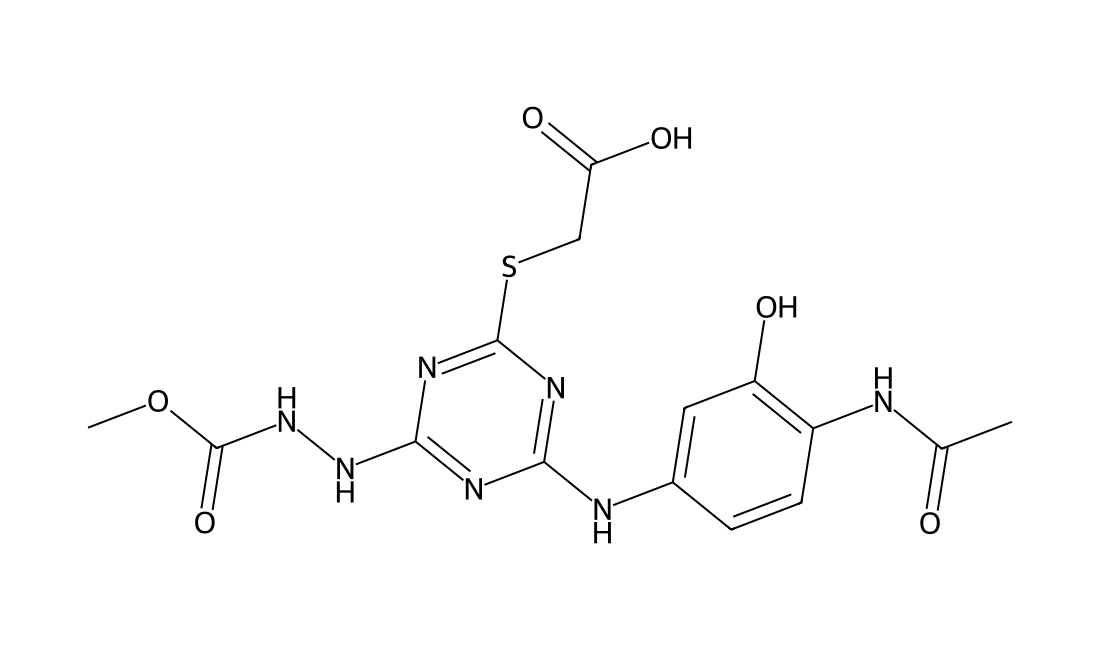
No products match this search.
Page 201 of 209 · Browse all 4176 products
Jump to a product page
Featured literature product: HX1 · DCL0028
HX1 is a hydroxyzine-derived ionizable lipid with acetal-containing tails, studied in lipid nanoparticles for brain mRNA delivery and CRISPR–Cas9 delivery. It was the lead in the reported in vivo brain-delivery screen; evidence is preclinical and formulation-dependent.
Read full formulation and performance →