
Research lipid catalog
Ionizable Lipid Products
Explore 848 lipid and RNA delivery products. Search the full catalog or browse by research category.
Search covers product name, catalog number, synonyms, available CAS numbers and categories. Spaces, hyphens and common punctuation are ignored. Duplicate legacy records are consolidated under one canonical product result.
4176 products · Showing 3961–3980 · 20 per page
DC Chemicals lipid expertise
Built for ionizable-lipid discovery and RNA delivery research
DC Chemicals supports formulation and delivery research with a broad, searchable portfolio of cationic and ionizable lipids. The current directory brings together 848 unique research-use products, with product specifications, pricing, chemical structures and literature-linked formulation data added as each record is verified.
Our experience spans complex lipid synthesis, purification, analytical release and process development. For custom molecules or larger-scale requirements, our team can discuss route development, technical specifications and scale-up options for the intended research workflow.
Learn about cationic and ionizable lipids →Proprietary innovation · Co-development · GMP
From proprietary lipid design to GMP-grade custom synthesis
DC Chemicals has independently developed ionizable-lipid structures supported by company-owned intellectual property, and selected proprietary lipid programs have advanced to GMP-stage development.
We welcome joint development with customers—from molecular design and lipid synthesis through route and process development. We can also support custom synthesis of GMP-grade ionizable lipids to agreed technical specifications and quality requirements.
Discuss a co-development project →Proprietary ionizable-lipid structuresCollaborative molecular designCustom lipid synthesisProcess development and scale-upGMP-grade project support
Product quick links
Explore New ionizable lipids
Explore our five most recently added ionizable lipids, with specifications, pricing and literature-linked product information.
DCL0028HX1Brain RNA delivery researchView product →DCL0024A1I4R13C18-2Spleen-targeted RNA delivery researchView product →DCL0023A1I4R2C18-2Spleen-targeted RNA delivery researchView product →DCL0022FS01Local joint RNA delivery researchView product →DCL0020Lipid-392Lung RNA delivery and gene editing researchView product →
Cat. No.Product NameField of ApplicationChemical Structure
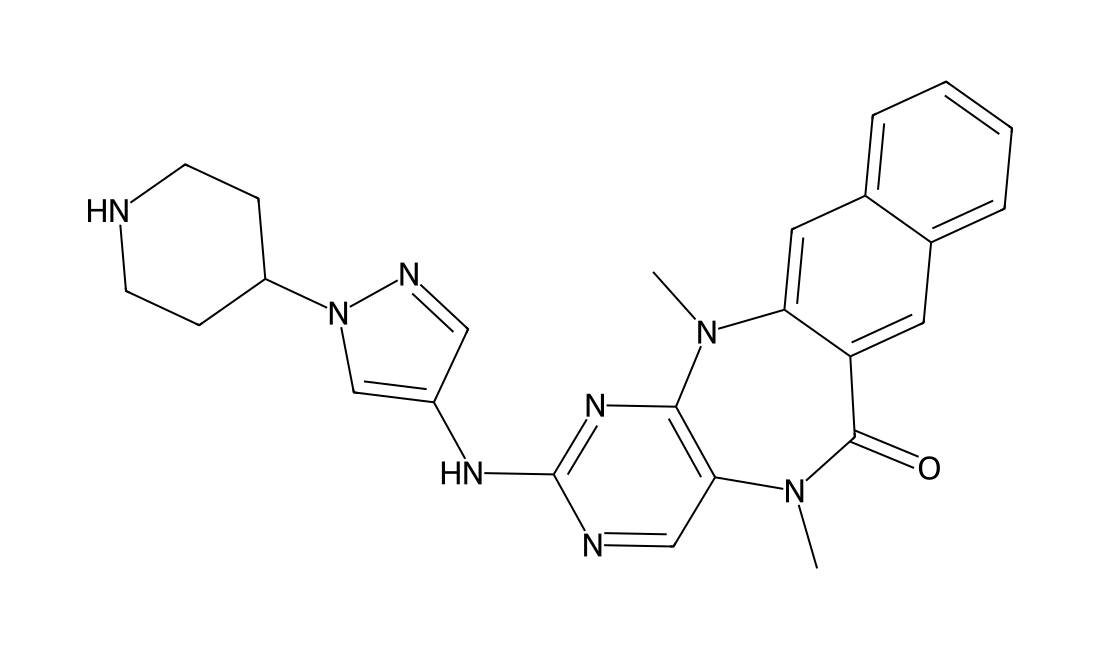
XMD-18-42 is a NUAK1-sepcific inhibitor.
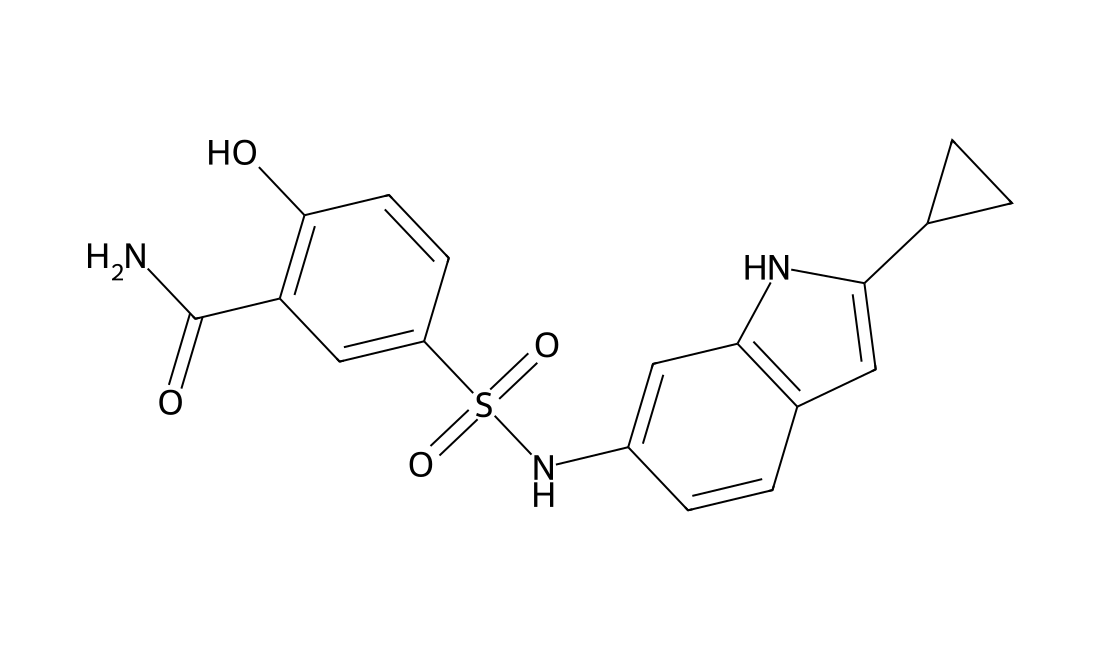
A novel VPS34 inhibitor.
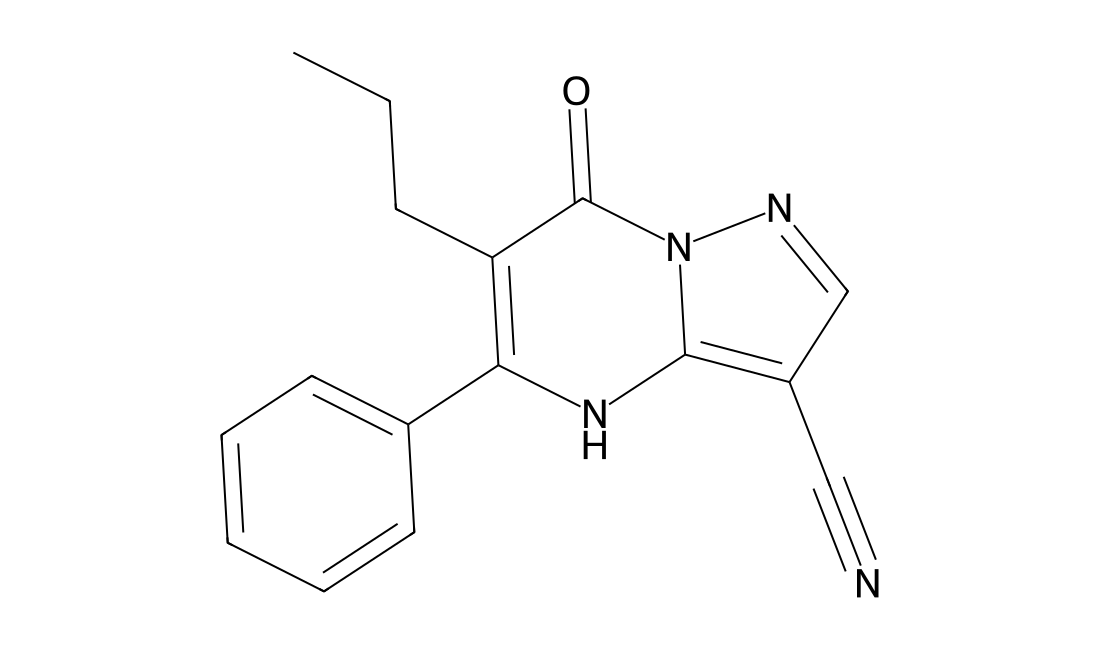
CPI-455 analogue is a selective inhibitor of KDM5 demethylases.
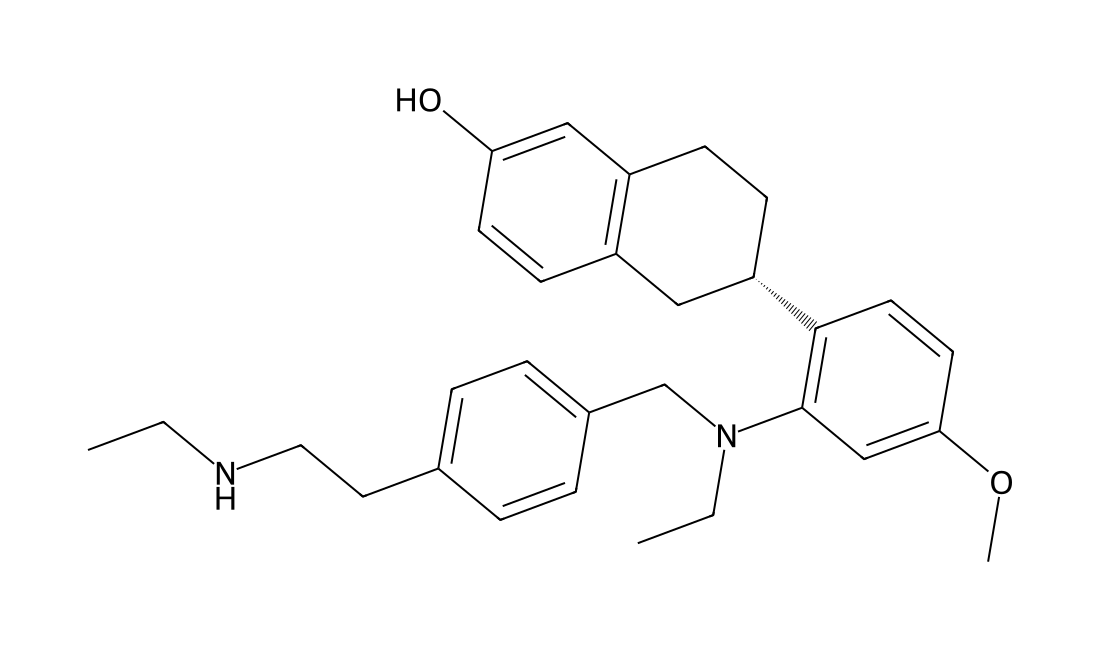
Elacestrant S enantiomer is an low activity enantiomer of elacestrant. Elacestrant (RAD1901) is a selective and orally available estrogen receptor (ERR) degrader with IC50 values of 48 and 870 nM for ERα and ERβ, respectively.
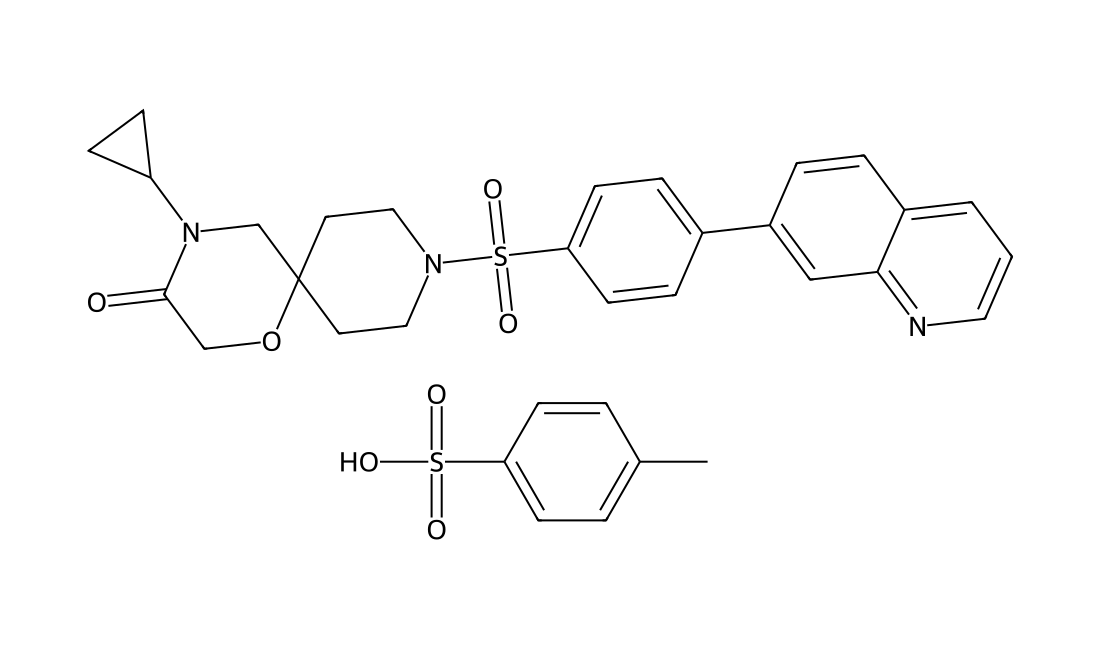
FAS-IN-1 tosylate is a potent inhibitor of fatty acid synthase (FAS) extracted from patent WO 2012064642 A1, compound 29; has an IC50 of 10 nM.
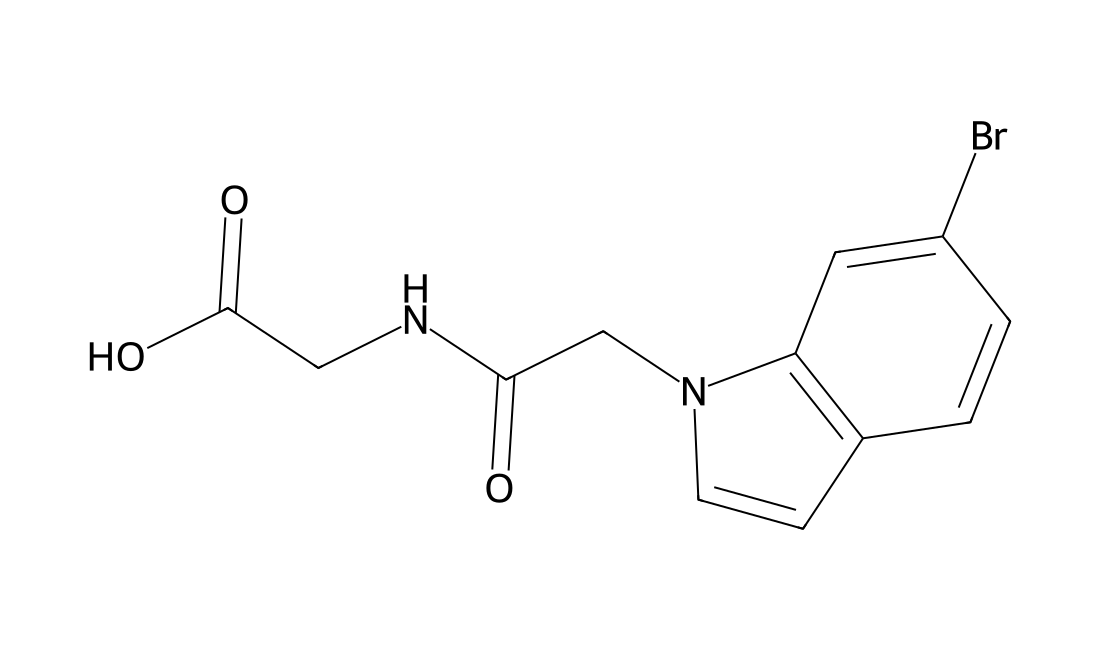
NL1 is a select bacterial cystathionine γ-lyase (bCSE) inhibitor with IC50 of 5.8 μM (29.2 μM against hCSE). NL1 potentiates bactericidal antibiotics against pathogens.
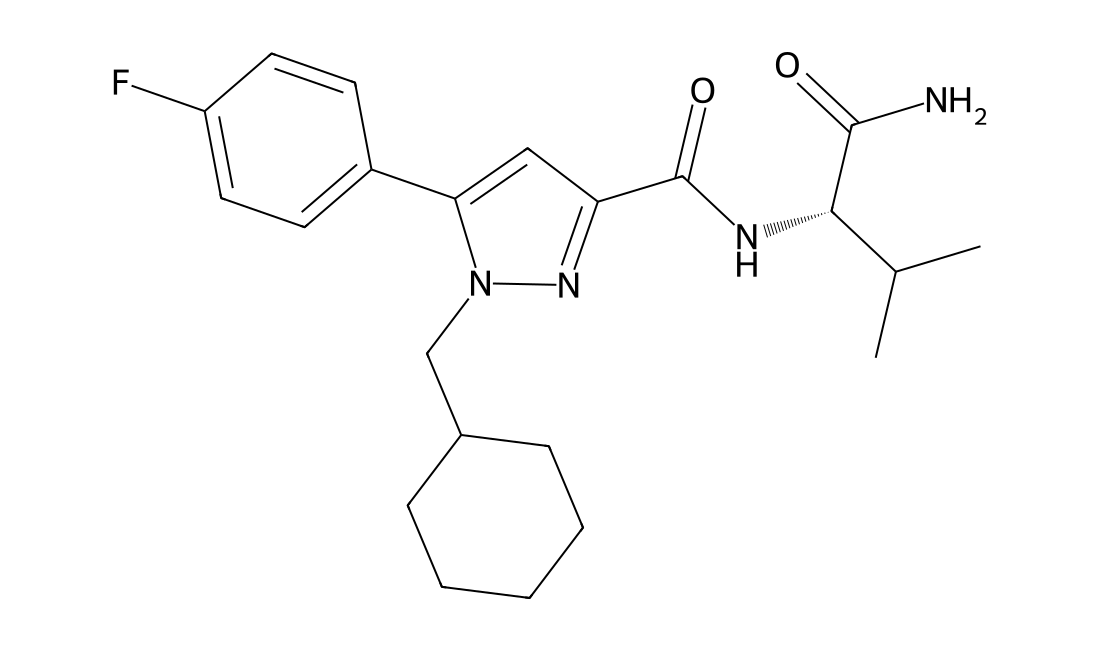
5,3-AB-CHMFUPPYCA is an analytical reference standard that is structurally classified as a synthetic cannabinoid.
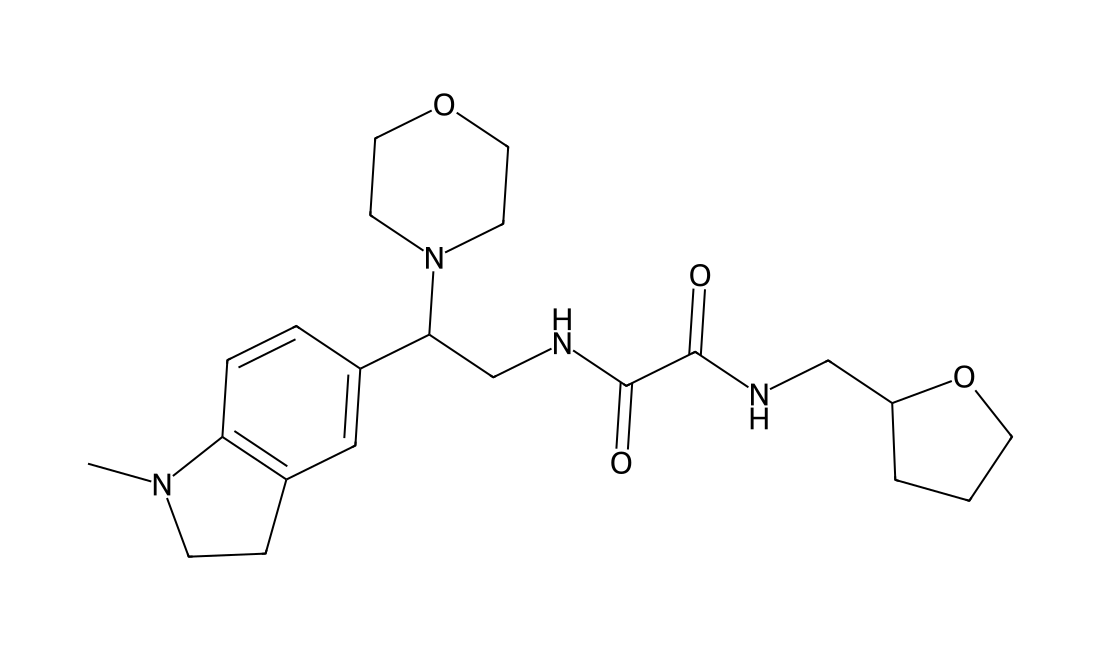
UHRF1 PHD inhibitor MLD4 is a specific compound that selectively inhibits the UHRF1-histone interaction (IC50=12.4 uM), targets the PHD finger of UHRF1, specifically disrupting histone H3 arginine 2 interactions with the PHD finger.UHRF1 PHD inhibitor MLD4 inhibited binding between H3K9me3(FAM) and UHRF1 with IC50 of 24-26 uM, displace UHRF1-histone H3 binding in cells.
UHRF1 PHD inhibitor MLD5 is a specific compound that selectively inhibits the UHRF1-histone interaction (IC50=7.4 uM), targets the PHD finger of UHRF1, specifically disrupting histone H3 arginine 2 interactions with the PHD finger.UHRF1 PHD inhibitor MLD5 inhibited binding between H3K9me3(FAM) and UHRF1 with IC50 of 24-26 uM, displace UHRF1-histone H3 binding in cells.
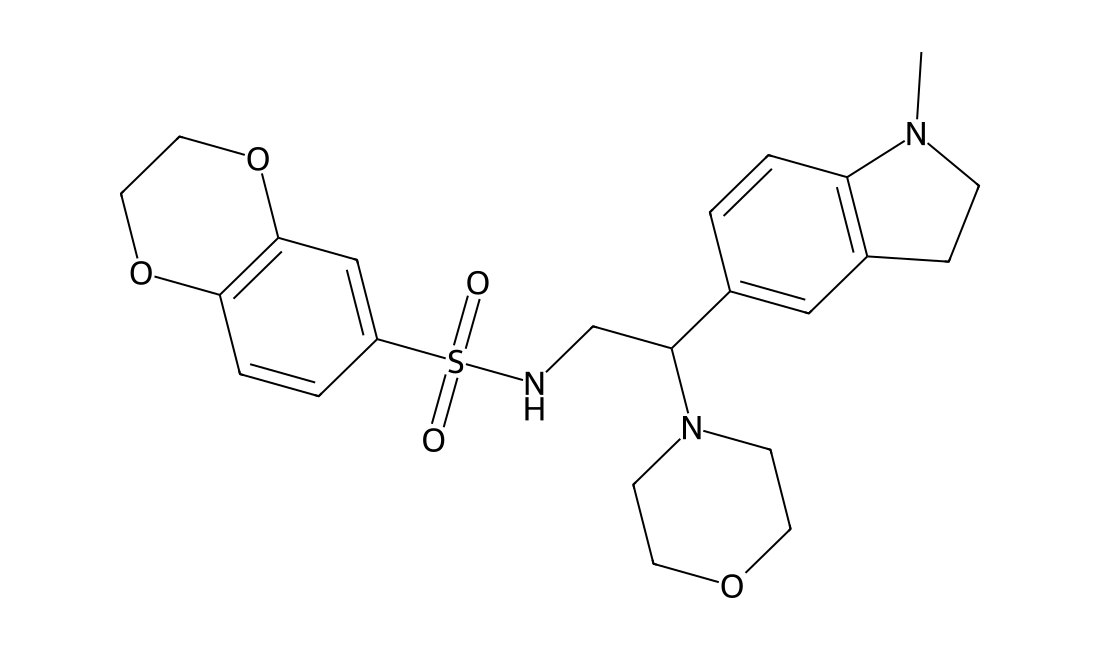
HHS-166 shows dose-dependent inhibition of arsenite-induced stress granule (SG) formation, and liganded G3BP1 Y40 in the NTF2 dimerization domain of this essential nucleating protein for SG regulation.
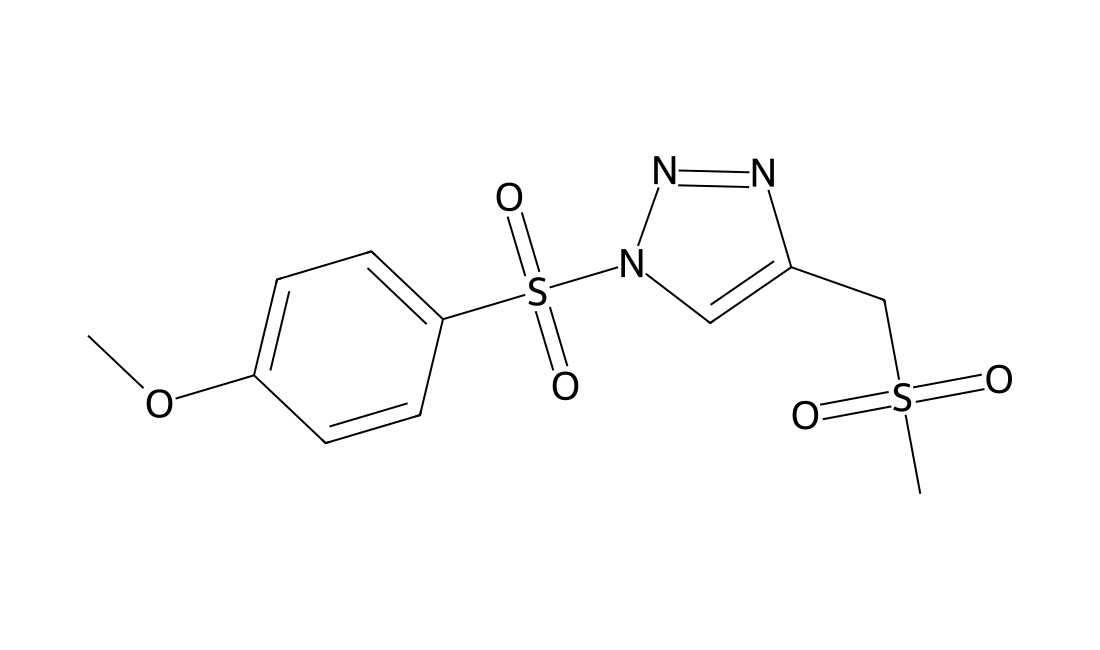
RCS-03-104-4 is a cysteine-reactive JQ1 analogue, which potently induces BRD4 degradation with DC50 and Dmax of 79 nM and 71%, respectively. RCS-03-104-4 causes BRD4 degradation by inducing its proximity with the ubiquitin ligase activity of DCAF11.
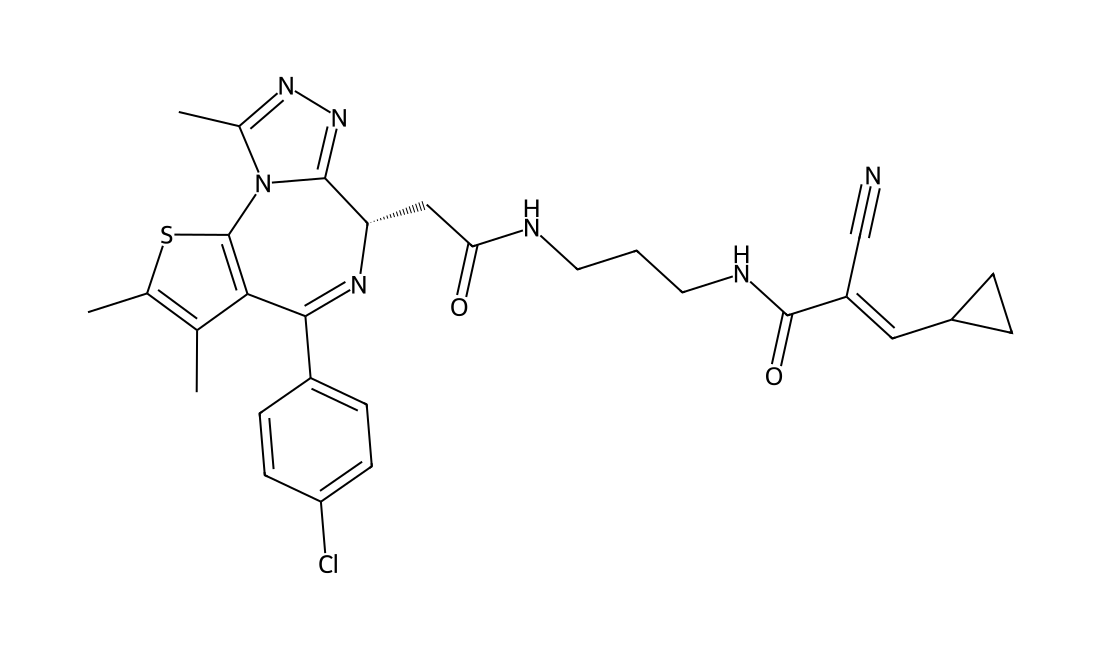
Rv1625c agonist V-59 (V-59) is a specific small molecule agonist of the Mtb adenylyl cyclase Rv1625c, inhibits Mtb growth in macrophages (EC50=0.3 uM) in an Rv1625c-dependent mechanism.V-59 inhibits Mtb growth in cholesterol media (EC50 0.70 uM), but not in media containing the two-carbon fatty acid acetate, or in standard rich growth media.V-59 stimulates Rv1625c to produce cAMP, which is necessary for V-59 to inhibit Mtb growth.Chemically activating Rv1625c via V-59 preferentially inhibits cholesterol utilization in WT Mtb, rather than equally inhibiting all lipid utilization by the bacterium.
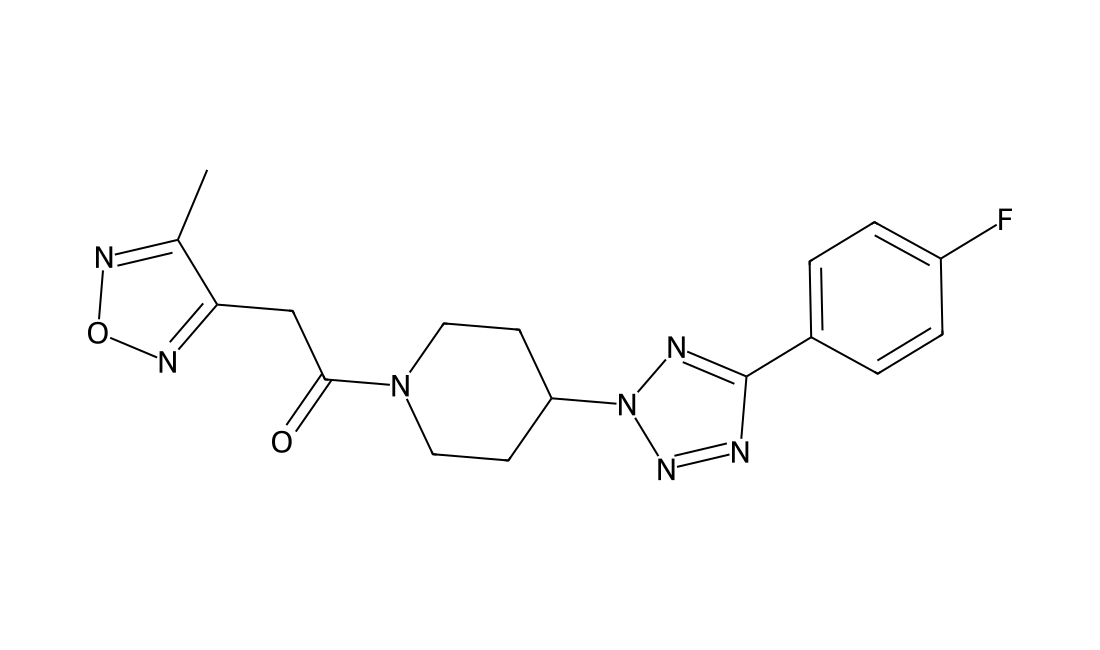
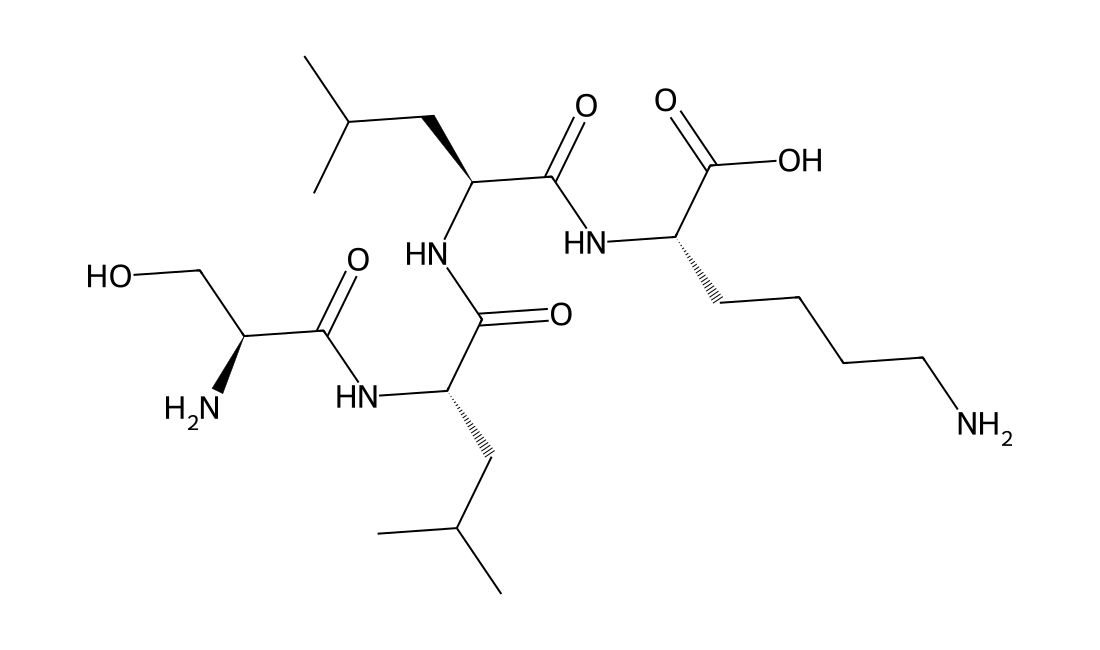
SLLK, Control Peptide for TSP1 Inhibitor (TFA) is a control peptide for LSKL, which is a Thrombospondin (TSP-1) inhibitor.
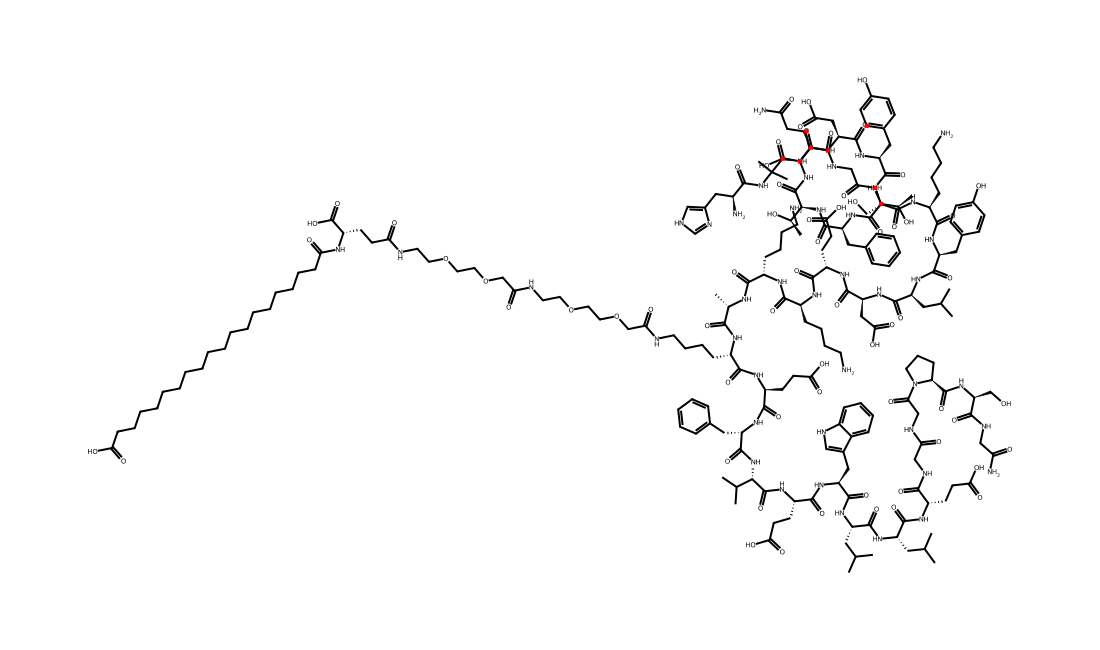
Mazdutide (IBI-362; LY-3305677) is a long-acting synthetic oxyntomodulin analog. Mazdutide is also a glucagon-like peptide-1 (GLP-1R)/glucagon receptor GCGR co-agonist. Mazdutide has safety and tolerability, and it can be used for research in obesity and type 2 diabetes (T2D).
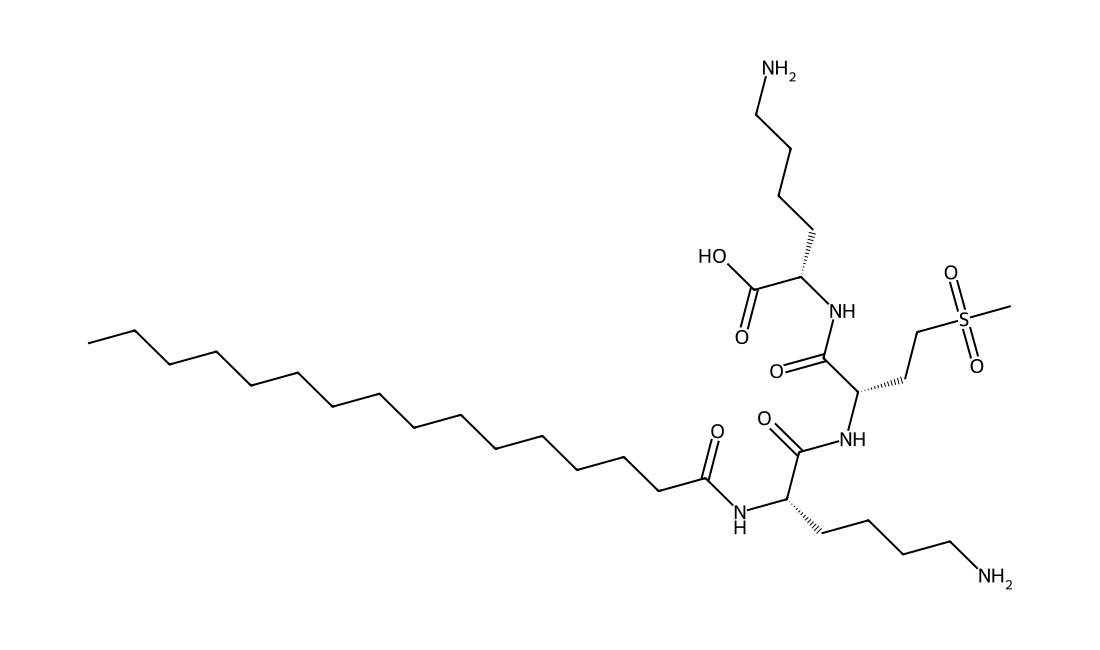
Palmitoyl tripeptide-38 is a bioactive peptide with anti-aging effect .
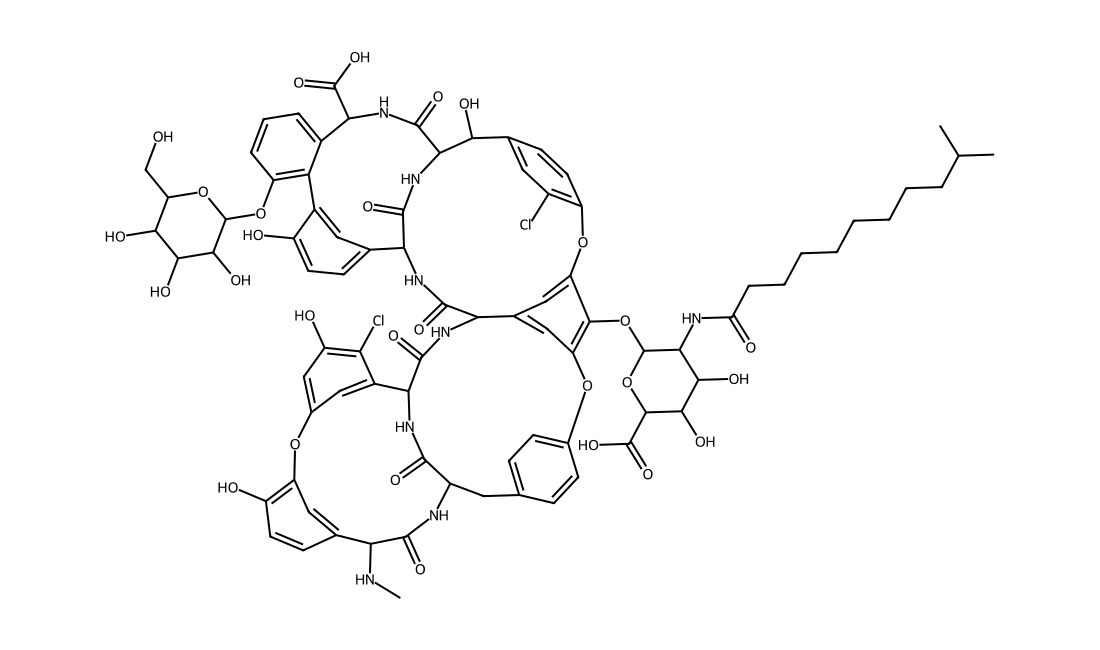
A40926, the precursor of Dalbavancin, is a second-generation glycopeptide antibiotic. A40926 inhibits gram-positive bacteria, and is very active against Neisseria gonorrhoeae.
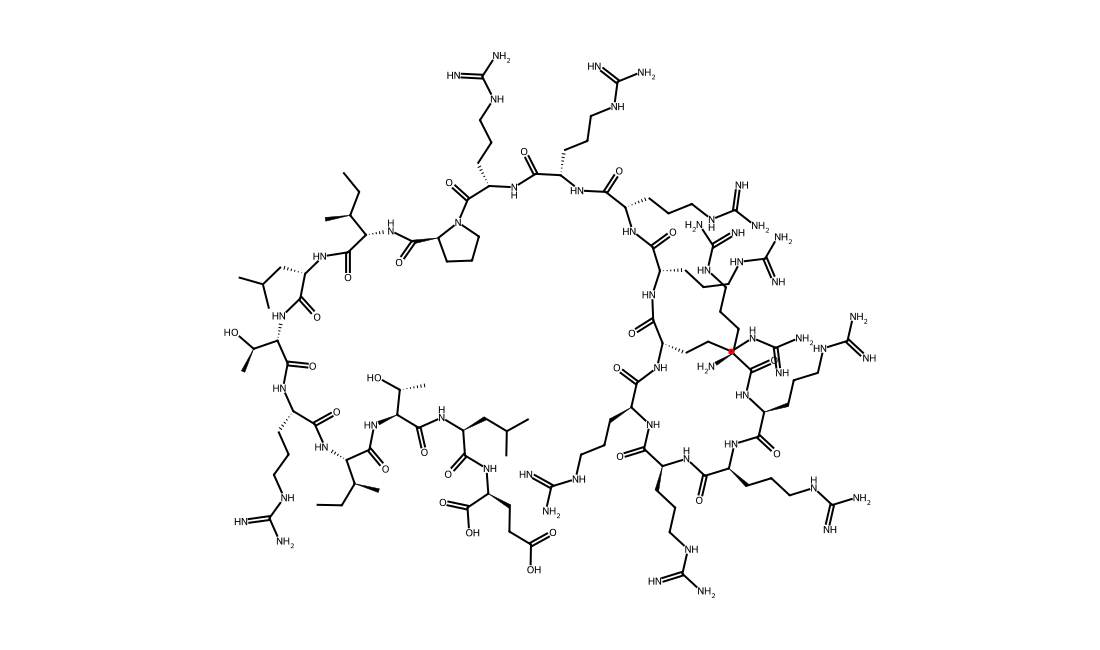
ReACp53 is a cell-penetrating peptide,designed to inhibit p53 amyloid formation.
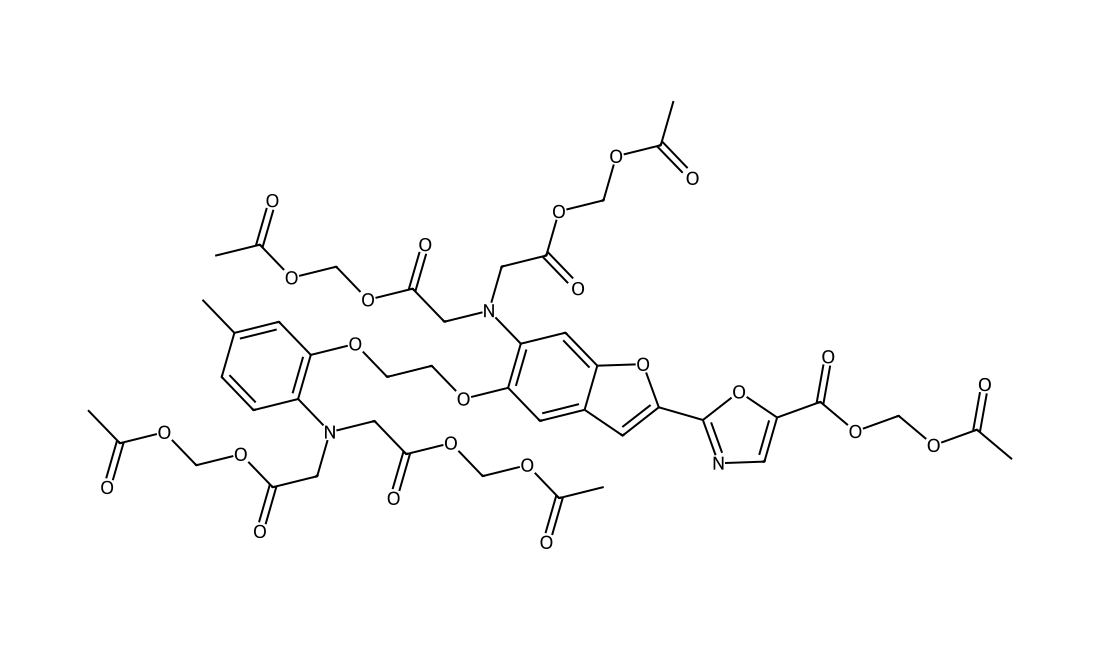
Fura-2 AM is a membrane permeable, intracellular, UV light-excitable and ratiometric fluorescent Ca2+ (calcium ion) indicator. Fura-2 AM crosses cell membranes and is converted to Fura-2 (HY-D0110A) via cellular esterases. Fura-2 AM can be used to detect calcium in cells.
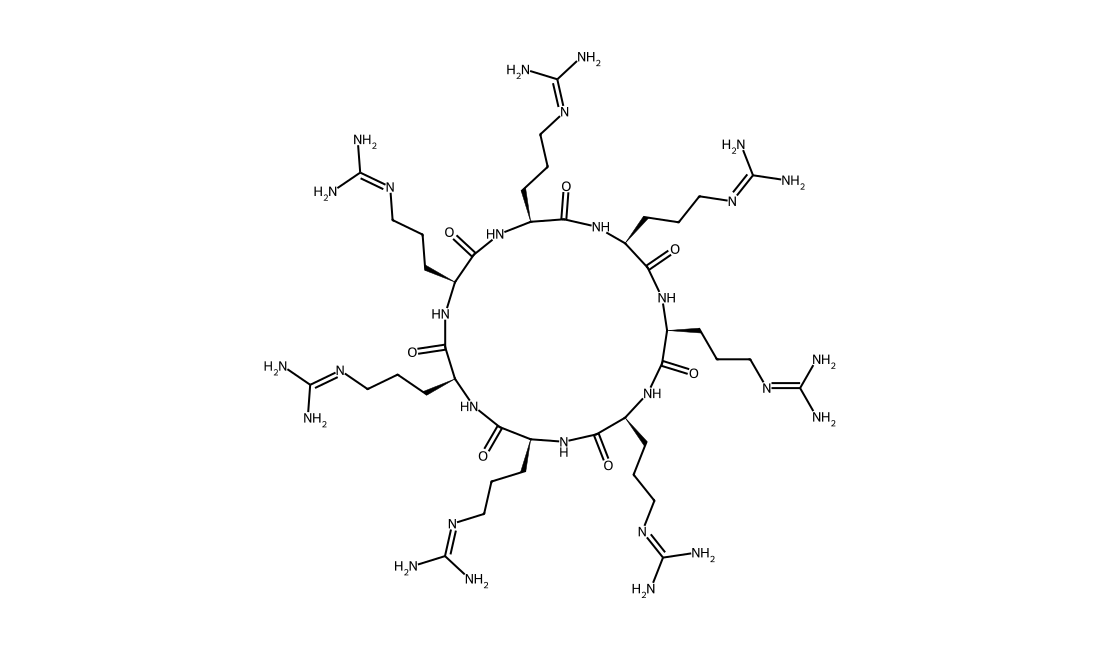
NP213 is a rapidly acting, novel, first-in-class synthetic antimicrobial peptide (AMP), has anti-fungal activities. NP213 targets the fungal cytoplasmic membrane and plays it role via membrane perturbation and disruption. NP213 is effective and well-tolerated in resolving nail fungal infections.
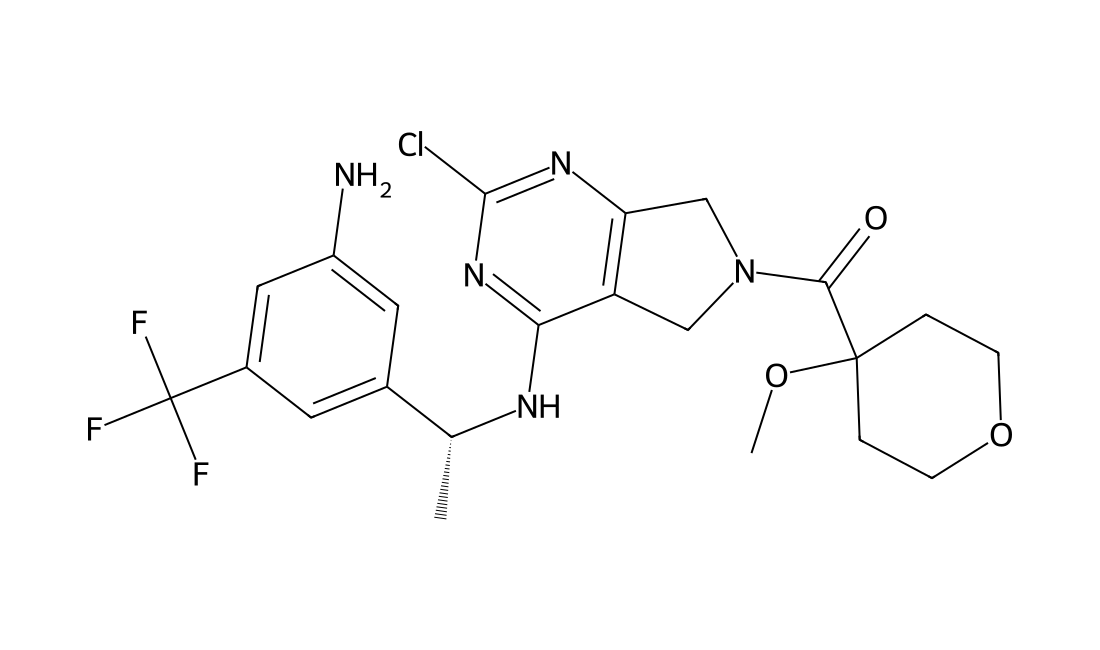
RMC-0331 (RM-023) is a potent, selective and orally bioavailable SOS1 inhibitor. RMC-0331 is an in vivo tool compound that blocks RAS activation via disruption of the RAS-SOS1 interaction.
No products match this search.
Page 199 of 209 · Browse all 4176 products
Jump to a product page
Featured literature product: HX1 · DCL0028
HX1 is a hydroxyzine-derived ionizable lipid with acetal-containing tails, studied in lipid nanoparticles for brain mRNA delivery and CRISPR–Cas9 delivery. It was the lead in the reported in vivo brain-delivery screen; evidence is preclinical and formulation-dependent.
Read full formulation and performance →