
Research lipid catalog
Ionizable Lipid Products
Explore 848 lipid and RNA delivery products. Search the full catalog or browse by research category.
Search covers product name, catalog number, synonyms, available CAS numbers and categories. Spaces, hyphens and common punctuation are ignored. Duplicate legacy records are consolidated under one canonical product result.
4176 products · Showing 3921–3940 · 20 per page
DC Chemicals lipid expertise
Built for ionizable-lipid discovery and RNA delivery research
DC Chemicals supports formulation and delivery research with a broad, searchable portfolio of cationic and ionizable lipids. The current directory brings together 848 unique research-use products, with product specifications, pricing, chemical structures and literature-linked formulation data added as each record is verified.
Our experience spans complex lipid synthesis, purification, analytical release and process development. For custom molecules or larger-scale requirements, our team can discuss route development, technical specifications and scale-up options for the intended research workflow.
Learn about cationic and ionizable lipids →Proprietary innovation · Co-development · GMP
From proprietary lipid design to GMP-grade custom synthesis
DC Chemicals has independently developed ionizable-lipid structures supported by company-owned intellectual property, and selected proprietary lipid programs have advanced to GMP-stage development.
We welcome joint development with customers—from molecular design and lipid synthesis through route and process development. We can also support custom synthesis of GMP-grade ionizable lipids to agreed technical specifications and quality requirements.
Discuss a co-development project →Proprietary ionizable-lipid structuresCollaborative molecular designCustom lipid synthesisProcess development and scale-upGMP-grade project support
Product quick links
Explore New ionizable lipids
Explore our five most recently added ionizable lipids, with specifications, pricing and literature-linked product information.
DCL0028HX1Brain RNA delivery researchView product →DCL0024A1I4R13C18-2Spleen-targeted RNA delivery researchView product →DCL0023A1I4R2C18-2Spleen-targeted RNA delivery researchView product →DCL0022FS01Local joint RNA delivery researchView product →DCL0020Lipid-392Lung RNA delivery and gene editing researchView product →
Cat. No.Product NameField of ApplicationChemical Structure
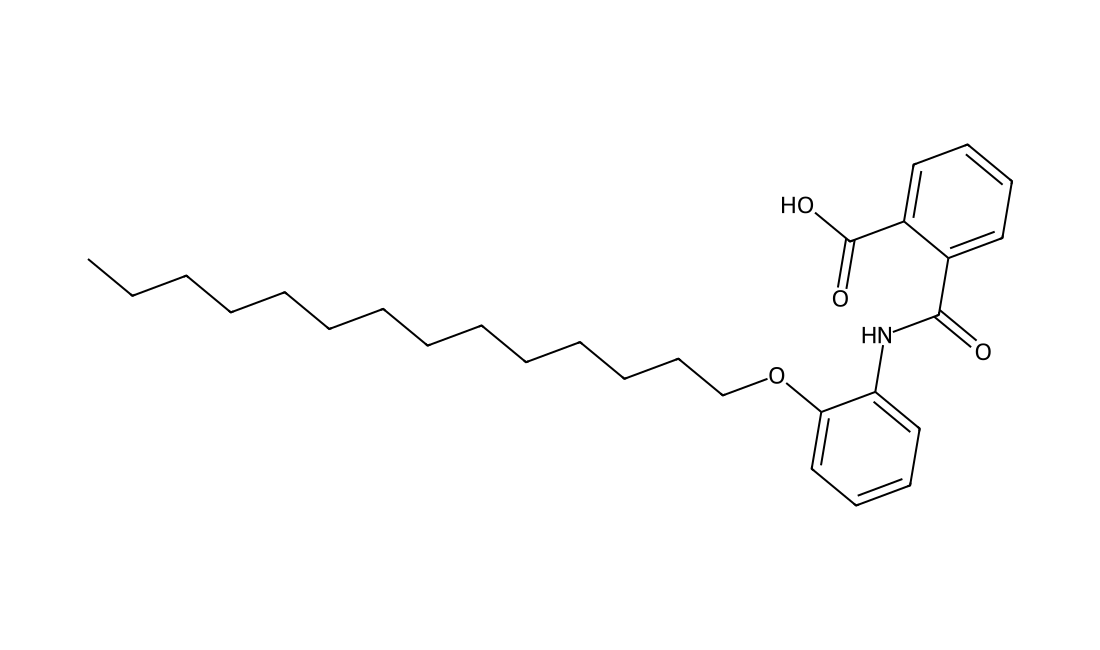
CX08005 is a competitive PTP1B inhibitor. CX08005 can directly enhance the action of insulin in vivo and in vitro and improve insulin resistance.
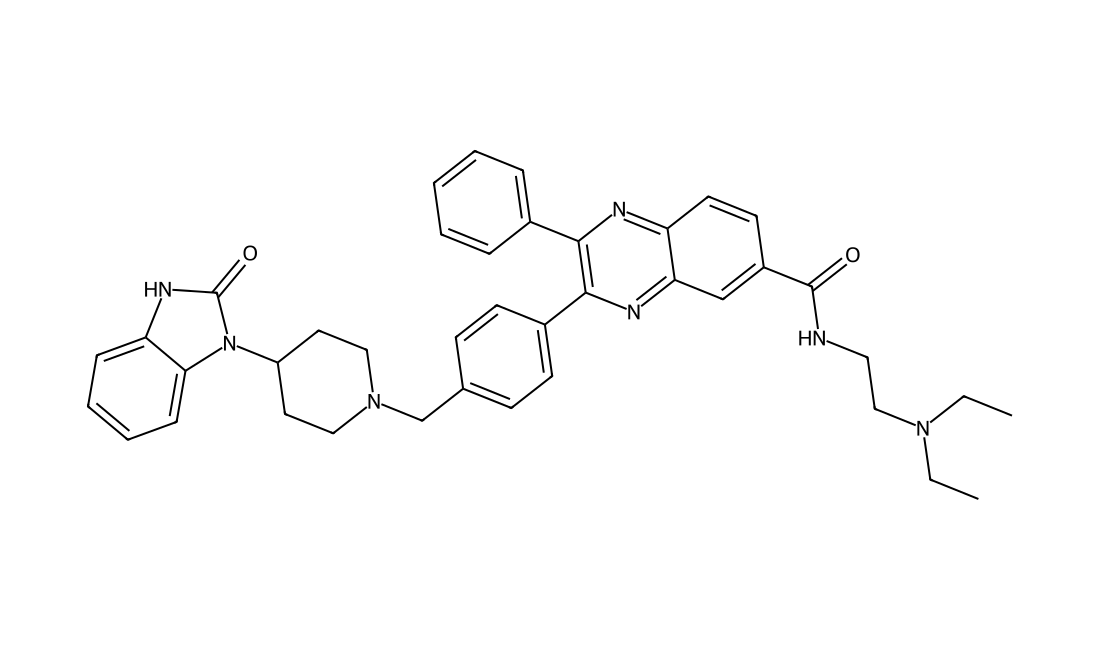
Merck-22-6(compound 7) is an allosteric dual Akt1 and Akt2 inhibitor (IC50=138 nM and 212 nM, respectively). Akt1/Akt2-IN-2 increases activity of caspase-3, and inhibits viability of a number of tumor cells
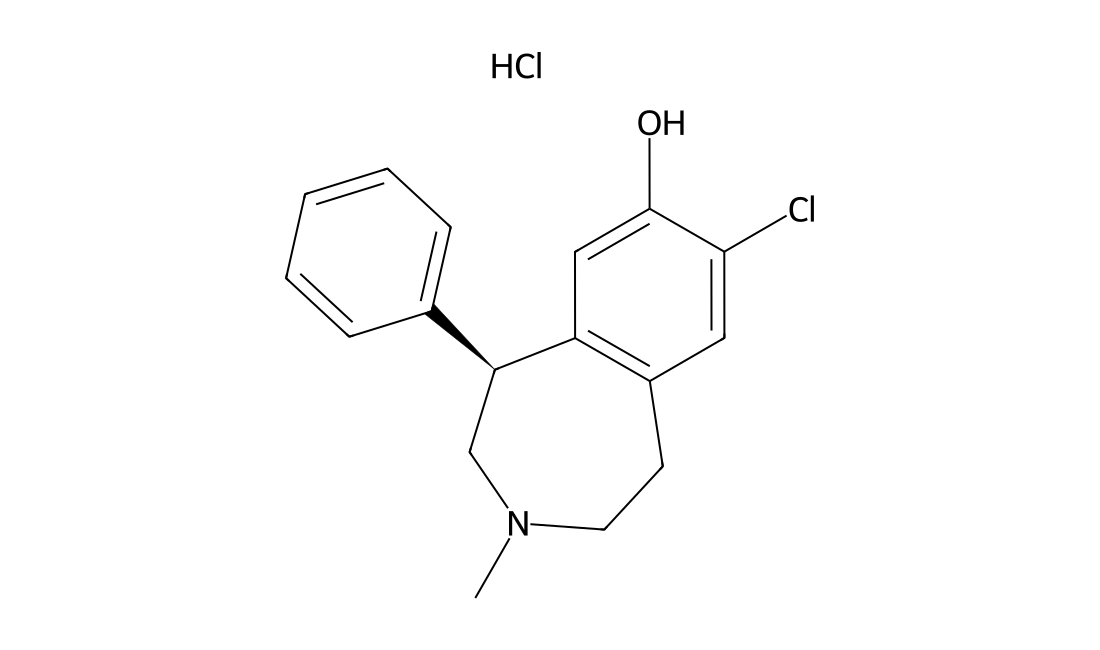
(S)-SCH-23390 (hydrochloride) is the S-enantiomer of SCH-23390. SCH-23390 is a dopamine D1-like receptor antagonist (with Ki values of 0.2 nM and 0.3 nM for the D1 and D5 receptor subtypes, respectively).
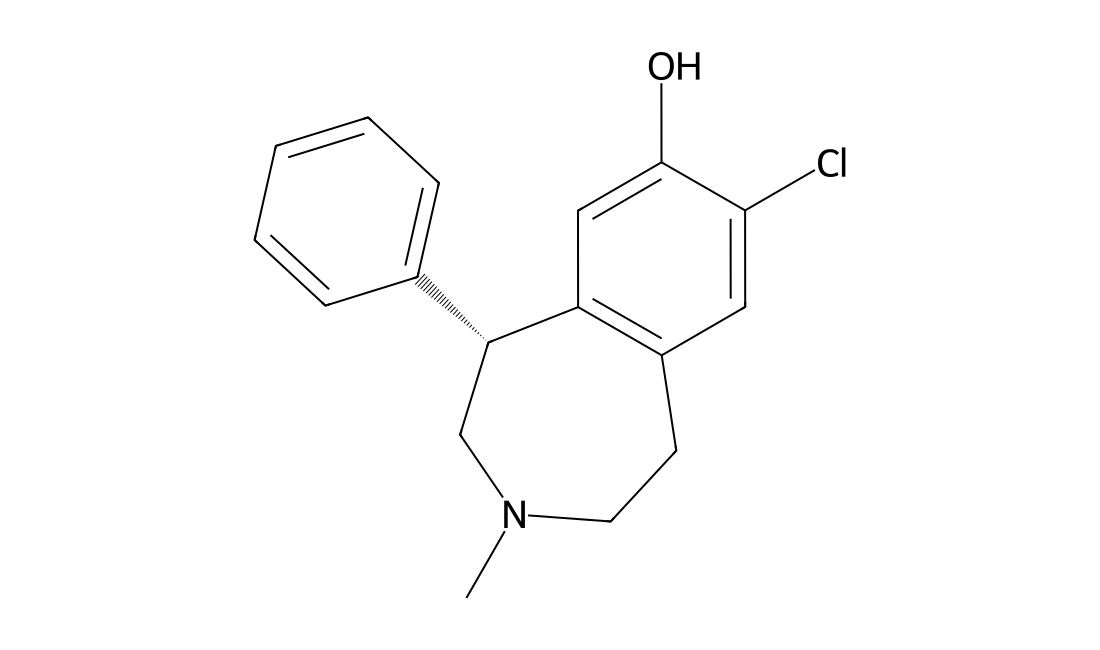
SCH-23390 is a dopamine D1-like receptor antagonist (with Ki values of 0.2 nM and 0.3 nM for the D1 and D5 receptor subtypes, respectively). SCH-23390 can shorten the latency period for cocaine-induced lever pressing behavior in rats. SCH-23390 can also eliminate generalized seizures caused by chemical convulsants, such as arecoline and strychnine, and is used in research on neurological disorders related to the dopamine system.
Novel, Potent and Selective Histone Methyltransferase SET7 Inhibitor
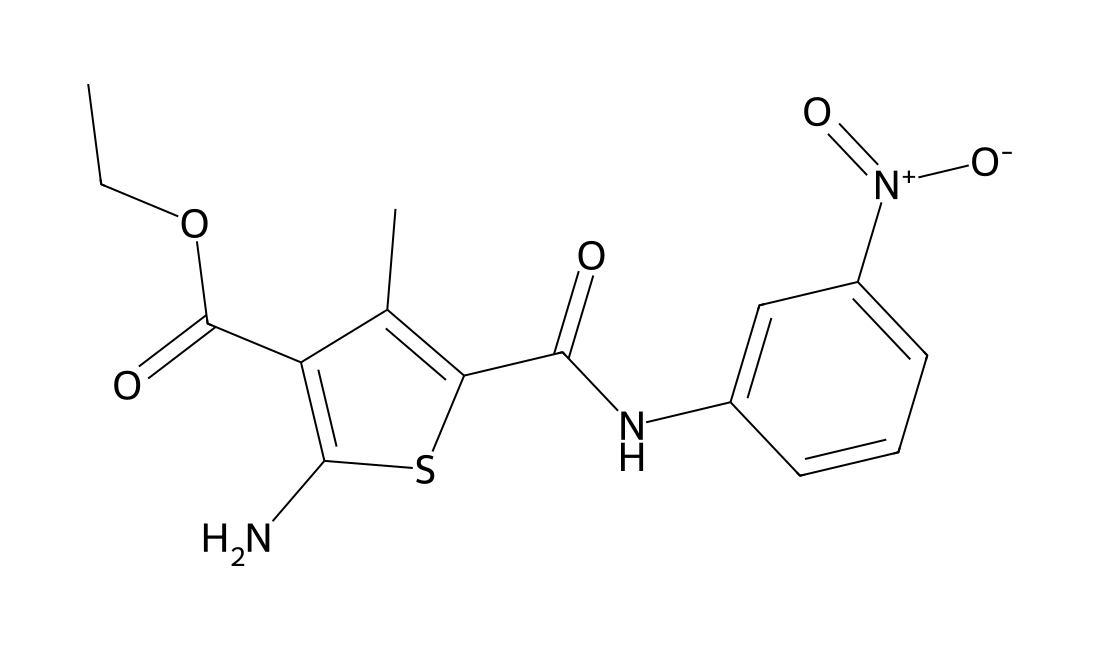
A potent, selective, allosteric CCR2 antagonist with binding IC50 of 5.1 nM.
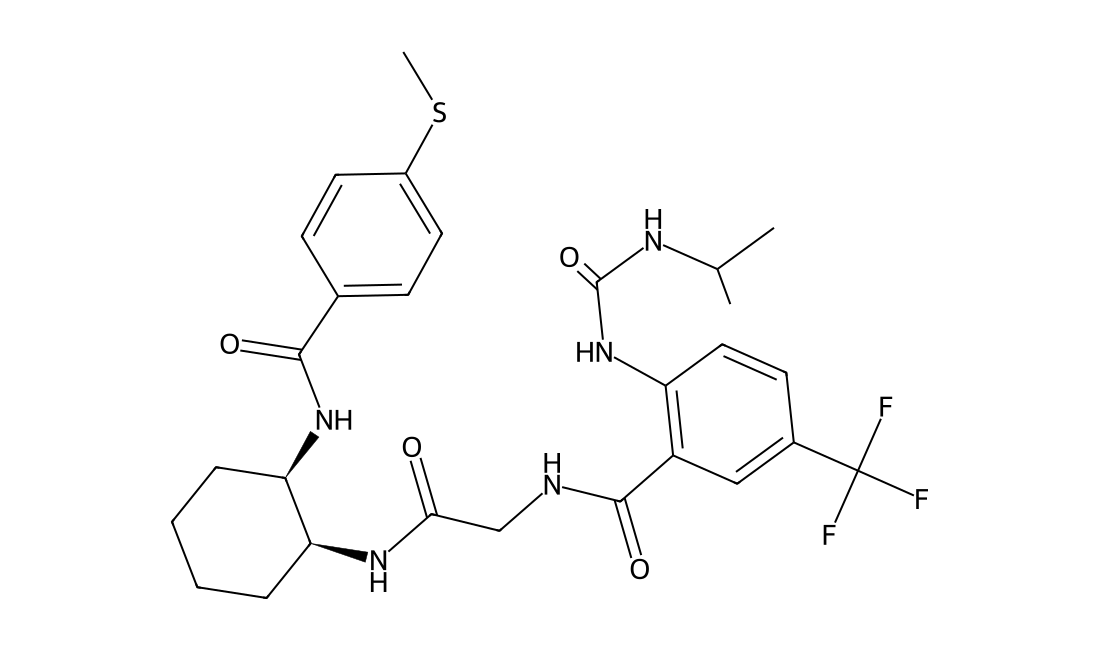
GPR35 agonist 2 (compound 11) is a potent agonist of GPR35, with EC50s of 26 and 3.2 nM in the β-arrestin and Ca2+ release assay, respectively.
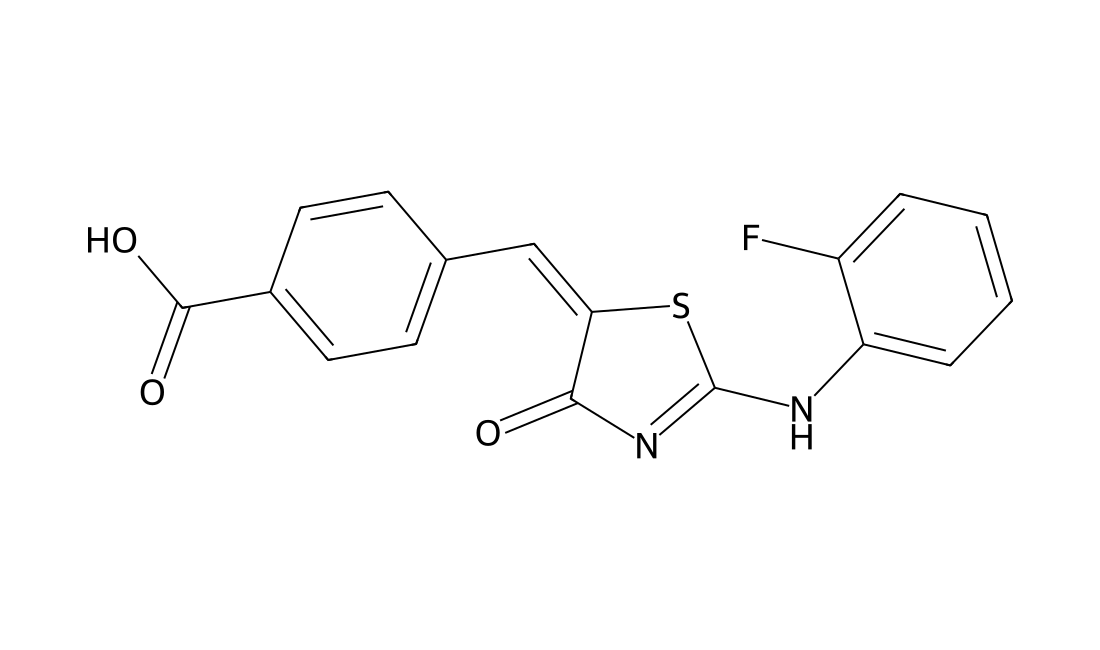
NCRW0005-F05 is a small-molecule inhibitor reported to target the Wnt/β-catenin signaling pathway with activity in vitro. It suppresses β-catenin–dependent transcription in a concentration-dependent manner, with reported IC50 values in the low micromolar range (~1–10 µM) in reporter assays. NCRW0005-F05 reduces expression of Wnt target genes such as c-Myc and cyclin D1, leading to decreased proliferation in Wnt-driven cancer cell models.
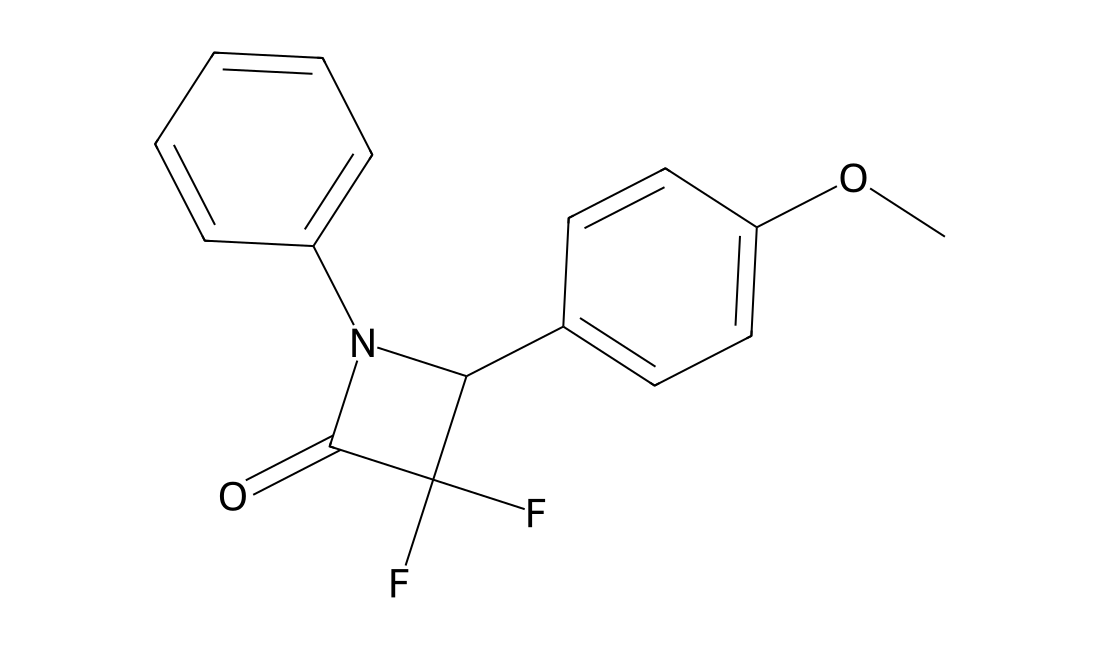
NPD4928 (NPD 4928) is a small molecule that enhances ferroptosis via inhibition of ferroptosis suppressor protein 1 (FSP1).NPD4928 enhanced the sensitivity of various cancer cells to GPX4 inhibitor RSL3.
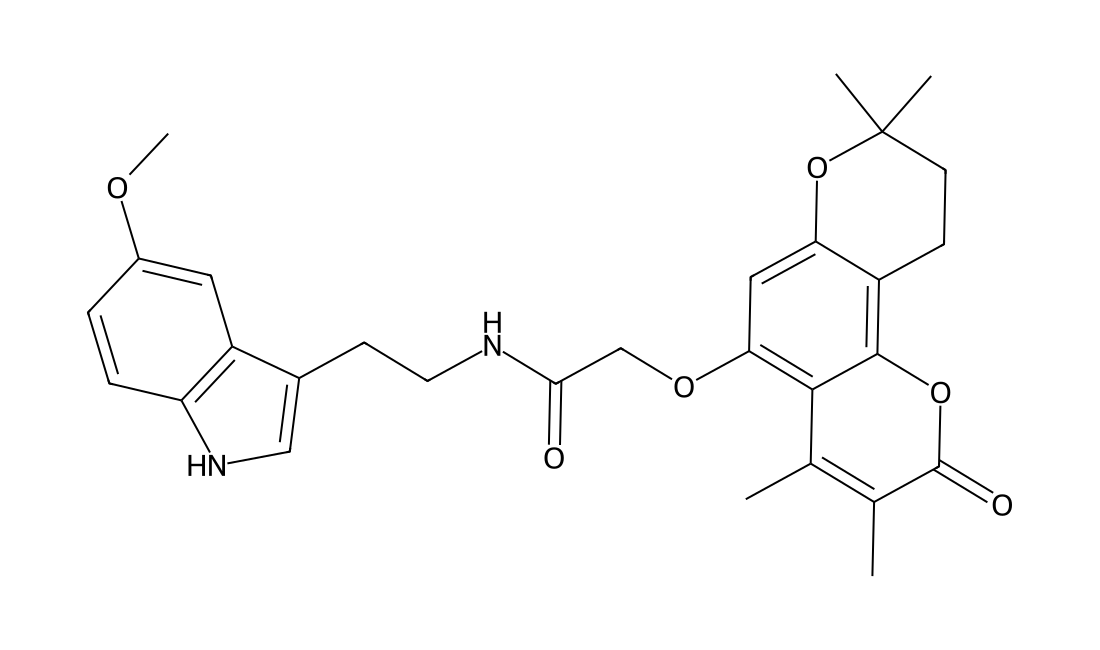
ATR-258 is a G protein-coupled receptor kinase (GRK)-biased agonist of the β2-adrenergic receptor (β2-AR) with distinctive signaling selectivity in vitro and emerging relevance in vivo. In cell-based assays, ATR-258 preferentially promotes GRK-mediated β2-AR phosphorylation and β-arrestin recruitment while exhibiting reduced Gs/cAMP signaling compared to traditional β2-AR agonists.
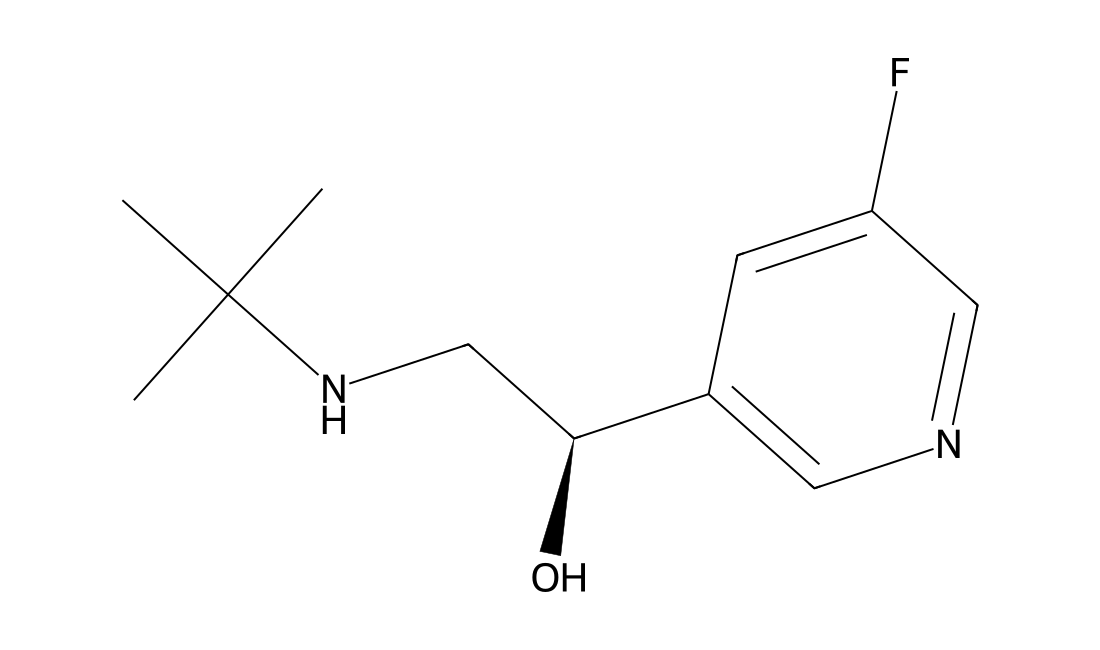
ONT-093, also known as OC-144-093, is an orally bioavailable P-glycoprotein pump inhibitor, for the potential reversal of multidrug resistance in patients undergoing cancer chemotherapy. ONT-093 could inhibit P-gp and reverse multidrug resistance at nM concentrations with no effect on paclitaxel pharmacokinetics. OC144-093 is the least non-specifically toxic Pgp inhibitor described to date, with an average cytostatic IC50 of >60 microM in 15 cell types. OC144-093 may represent an ideal candidate for use in enhancement of AED blood-brain barrier penetration.
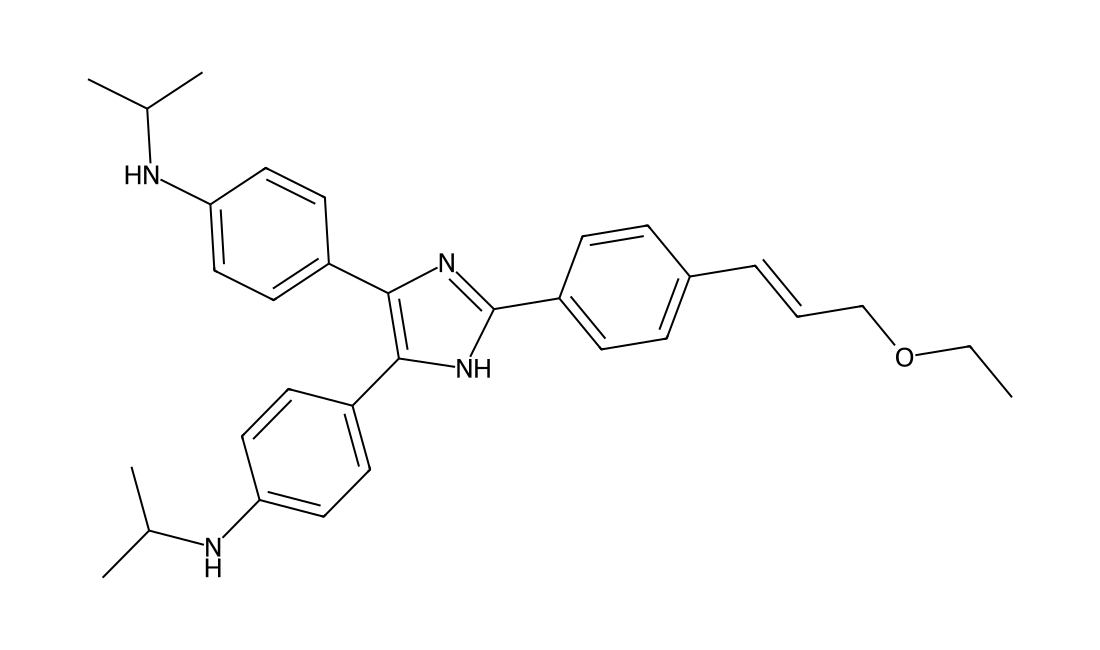
BBO-11818 is an orally active, highly selective (relative to NRAS and HRAS), non-covalent pan-KRAS inhibitor (IC50=28-120 nM). BBO-11818 specifically binds to the Switch-II/Helix 3 pocket, disrupts the KRAS:RAF1 interaction by inducing conformational changes, and blocks the MAPK signaling pathway. BBO-11818 exhibits significant anti-tumor activity, which not only inhibits cell proliferation and induces apoptosis, but also drives tumor regression in xenograft models. BBO-11818 produces synergistic effects when combined with Cetuximab, anti-PD-1 antibody or PI3Kα inhibitor. BBO-11818 is used in the research of KRAS mutation-related malignancies such as pancreatic cancer, non-small cell lung cancer and colorectal cancer.
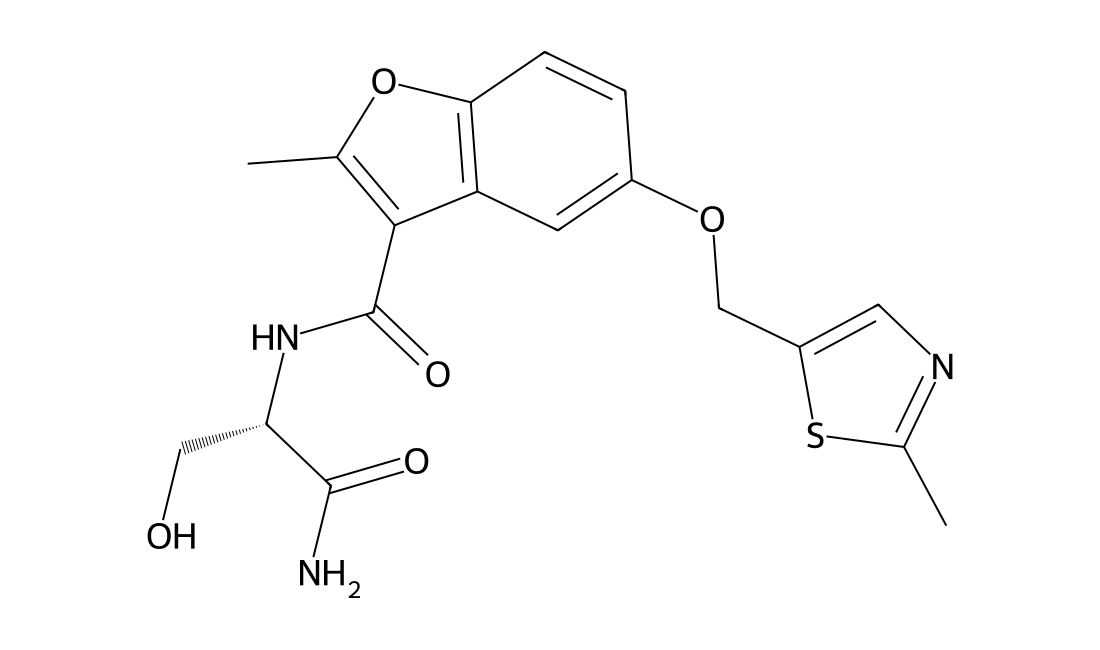
HEC96719 is a tricyclic farnesoid X receptor agonist (FXR agonist) for treatment of non-alcoholic steatohepatitis. HEC96719 exhibits excellent potency superior to GW4064 and obeticholic acid in in vitro and in vivo assays of FXR activation. It also shows higher FXR selectivity and more favorable tissue distribution dominantly in liver and intestine. Preclinical data on pharmacokinetic properties, efficacy, and safety profiles overall indicate that HEC96719 is a promising drug candidate for NASH treatment.
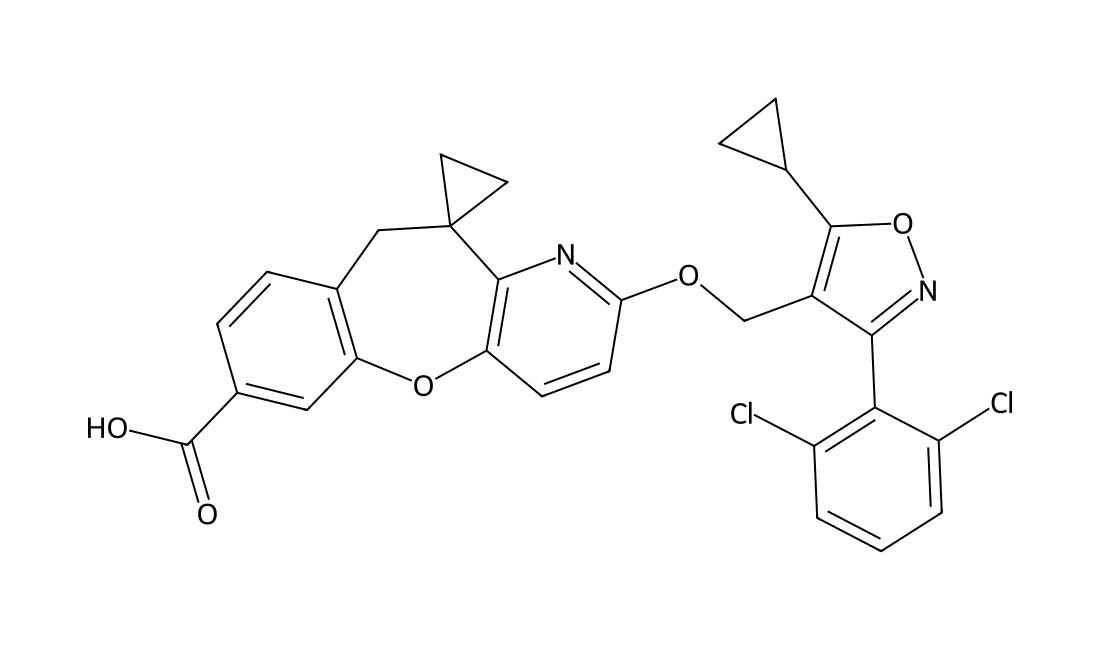
Etavopivat is a potent, selective, orally bioavailable red blood cell (RBC) pyruvate kinase (PKR) activator. Etavopivat has potent antisickling effects.
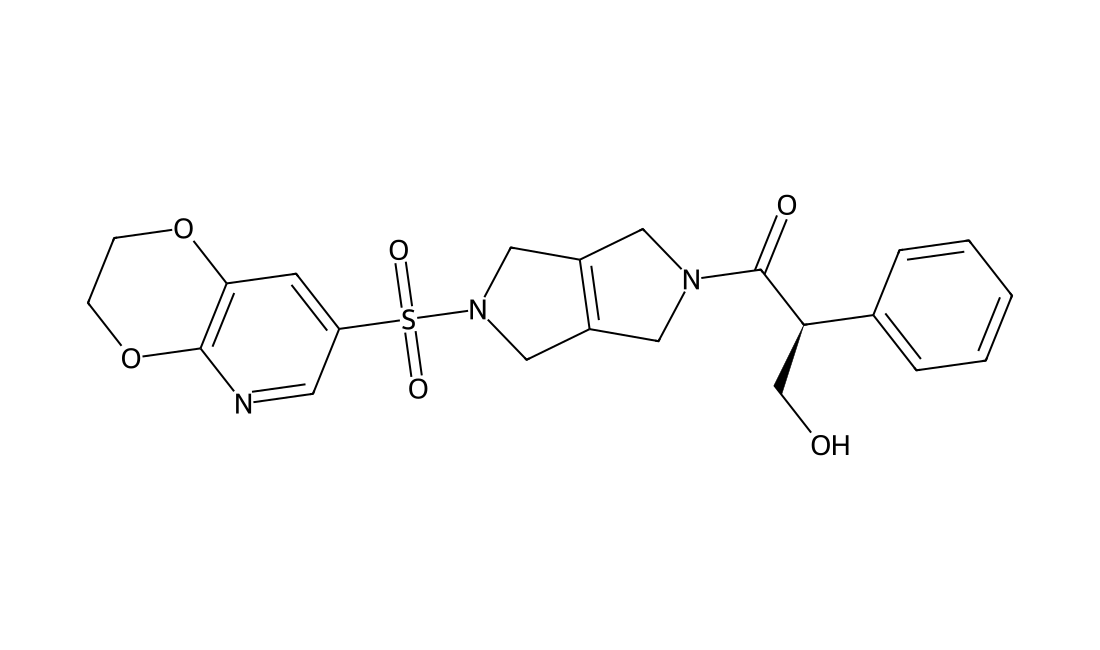
EDI048 (compound 1.16) is an orally active Cryptosporidium PI4K inhibitor for the research of cryptosporidiosis.
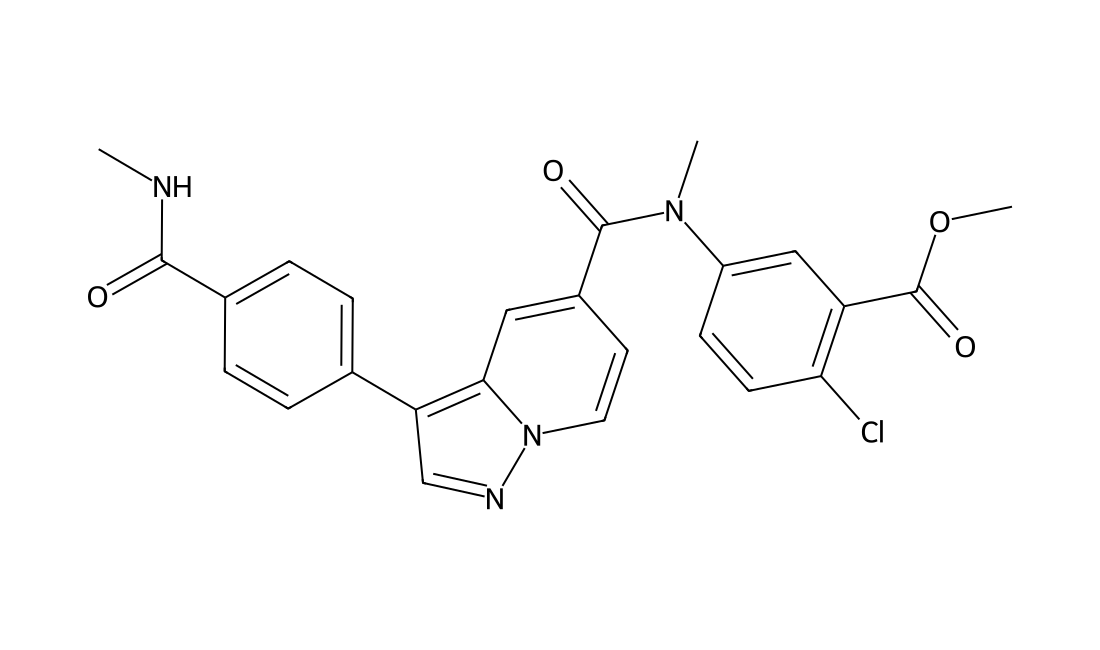
FXR agonist 5 (compound 1) is a FXR agonist. FXR agonist 5 can be used for research in diseases or disorders caused by metabolic inflammation.
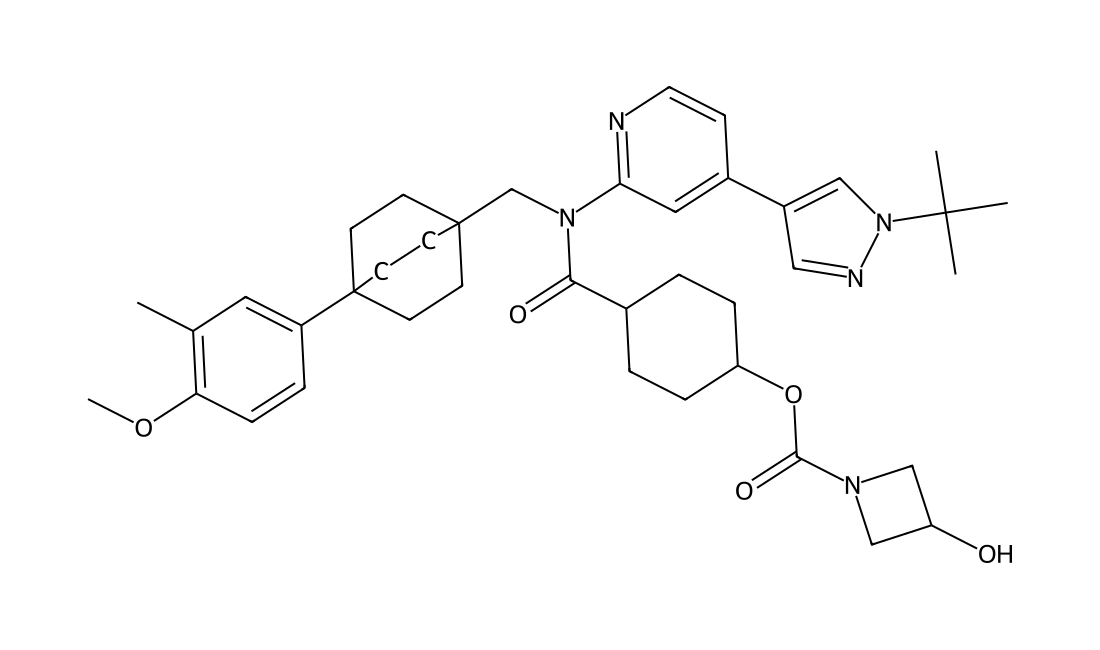
ARN19702 is a selective, orally active, reversible, and brain-penetrant N-acylethanolamine acid amidase (NAAA) inhibitor with an IC50 of 230 nM for human NAAA. ARN19702 has pain relief effects.
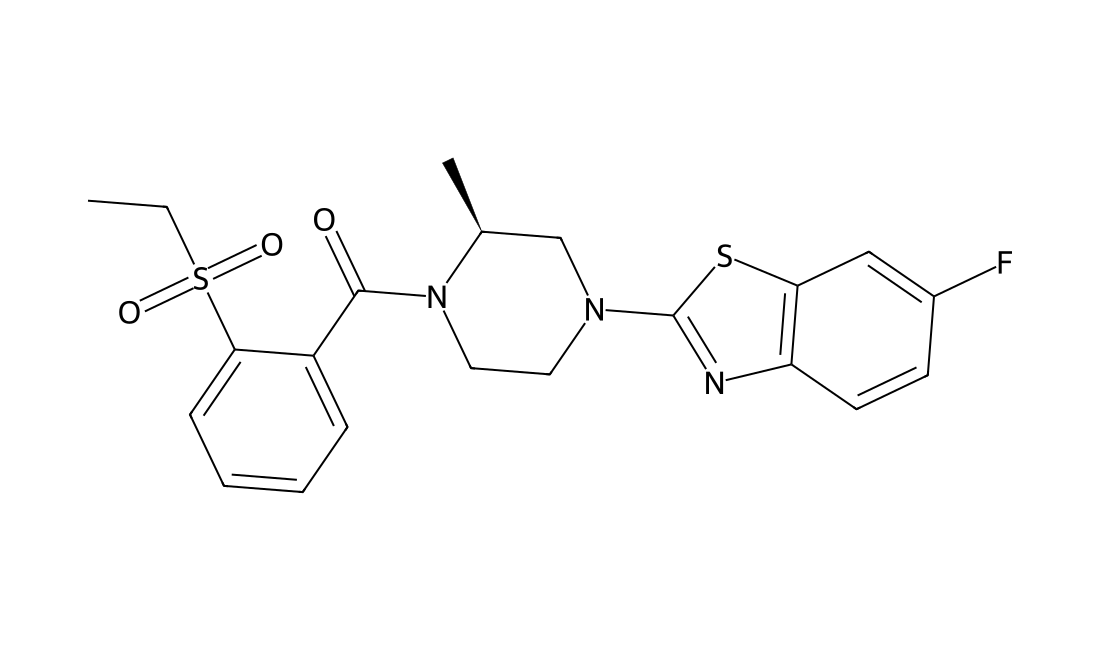
BAY-8400 is an orally active, potent and selective DNA-dependent protein kinase (DNA-PK) inhibitor with IC50 of 81 nM. BAY-8400 shows synergistic activity of DNA-PK inhibition when combined with DNA damage inducing cancer therapy, like targeted alpha radiation.
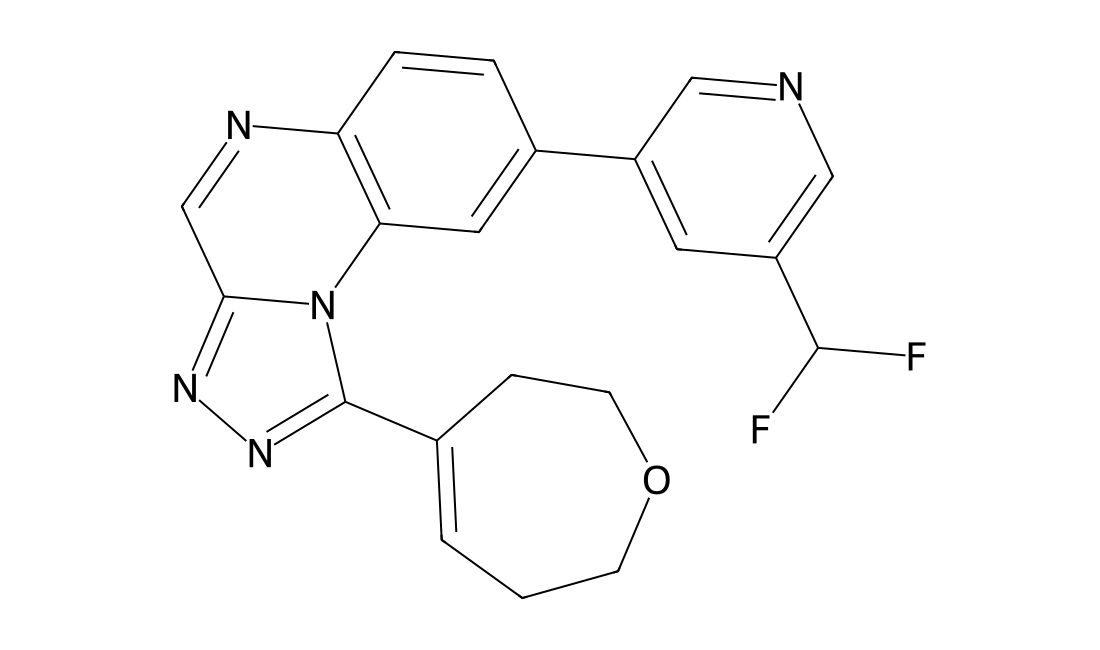
Eliapixant (BAY1817080) is a highly potent and selective P2X3 receptor antagonist with a mean IC50 of 8 nM.
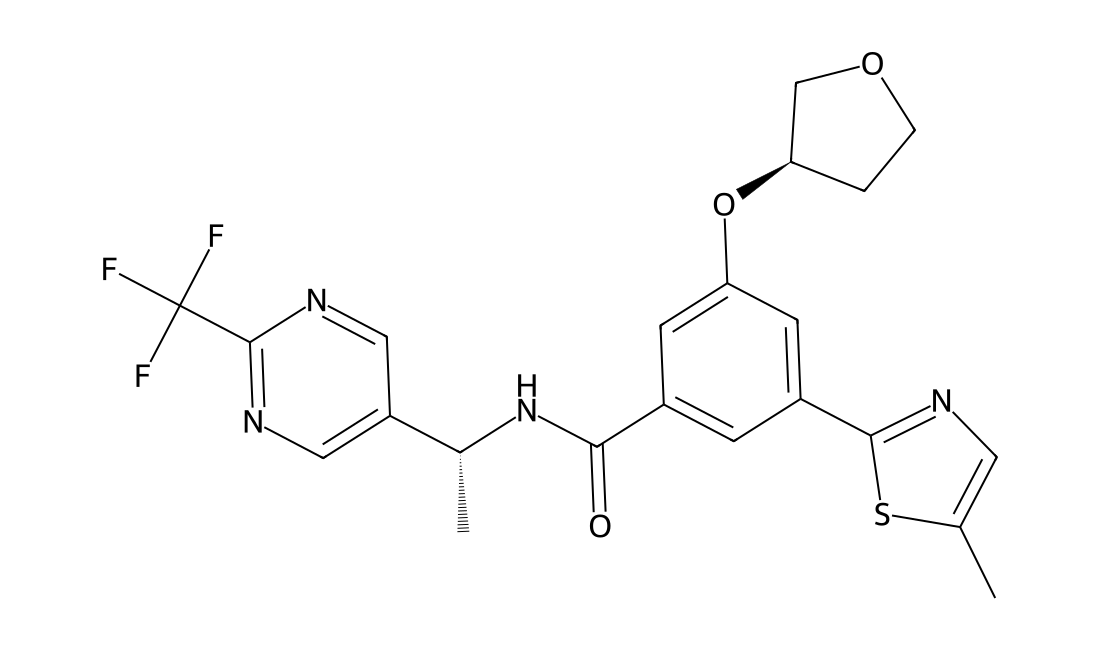
BRD0639 is a first-in-class inhibitor of the PRMT5-substrate adaptor interaction. BRD0639 is a PRMT5 binding motif (PBM)-competitive agent that can support studies of PBM dependent PRMT5 activities.
No products match this search.
Page 197 of 209 · Browse all 4176 products
Jump to a product page
Featured literature product: HX1 · DCL0028
HX1 is a hydroxyzine-derived ionizable lipid with acetal-containing tails, studied in lipid nanoparticles for brain mRNA delivery and CRISPR–Cas9 delivery. It was the lead in the reported in vivo brain-delivery screen; evidence is preclinical and formulation-dependent.
Read full formulation and performance →