
Research lipid catalog
Ionizable Lipid Products
Explore 848 lipid and RNA delivery products. Search the full catalog or browse by research category.
Search covers product name, catalog number, synonyms, available CAS numbers and categories. Spaces, hyphens and common punctuation are ignored. Duplicate legacy records are consolidated under one canonical product result.
3666 products · Showing 2701–2720 · 20 per page
DC Chemicals lipid expertise
Built for ionizable-lipid discovery and RNA delivery research
DC Chemicals supports formulation and delivery research with a broad, searchable portfolio of cationic and ionizable lipids. The current directory brings together 848 unique research-use products, with product specifications, pricing, chemical structures and literature-linked formulation data added as each record is verified.
Our experience spans complex lipid synthesis, purification, analytical release and process development. For custom molecules or larger-scale requirements, our team can discuss route development, technical specifications and scale-up options for the intended research workflow.
Learn about cationic and ionizable lipids →Proprietary innovation · Co-development · GMP
From proprietary lipid design to GMP-grade custom synthesis
DC Chemicals has independently developed ionizable-lipid structures supported by company-owned intellectual property, and selected proprietary lipid programs have advanced to GMP-stage development.
We welcome joint development with customers—from molecular design and lipid synthesis through route and process development. We can also support custom synthesis of GMP-grade ionizable lipids to agreed technical specifications and quality requirements.
Discuss a co-development project →Proprietary ionizable-lipid structuresCollaborative molecular designCustom lipid synthesisProcess development and scale-upGMP-grade project support
Product quick links
Explore ionizable lipids
Browse specifications, pricing and literature-linked product information.
Cat. No.Product NameField of ApplicationChemical Structure
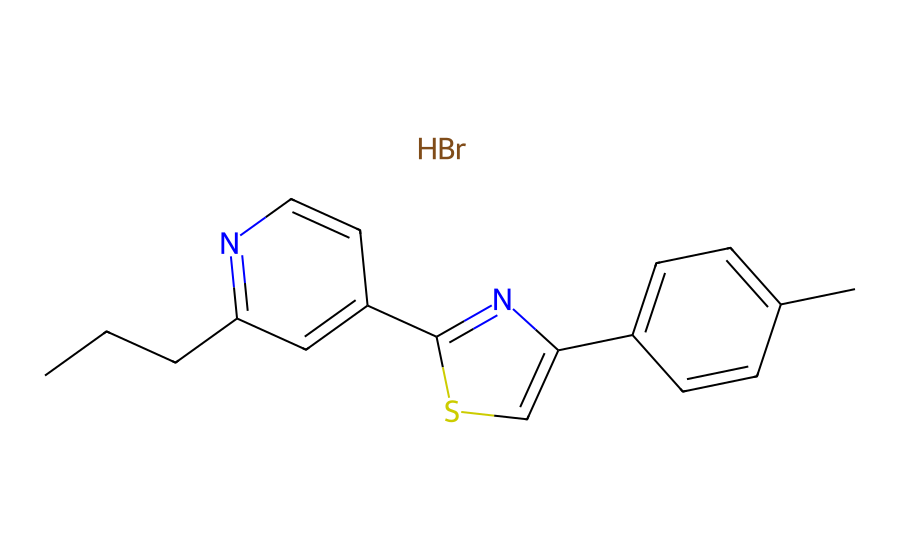
FatostatinFeatured
100 mg USD 200 · 250 mg USD 450 · 1 g USD 900 · 10 mM * 1 mL in DMSO USD 150Fatostatin hydrobromide (125B11 hydrobromide), a specific inhibitor of SREBP activation, impairs the activation of SREBP-1 and SREBP-2. Fatostatin hydrobromide binds to SCAP (SREBP cleavage-activating protein), and inhibits the ER-Golgi translocation of SREBPs. Fatostatin hydrobromide decreases the transcription of lipogenic genes in cells. Fatostatin hydrobromide possesses antitumor properties, and lowers hyperglycemia in ob/ob mice[1][2].
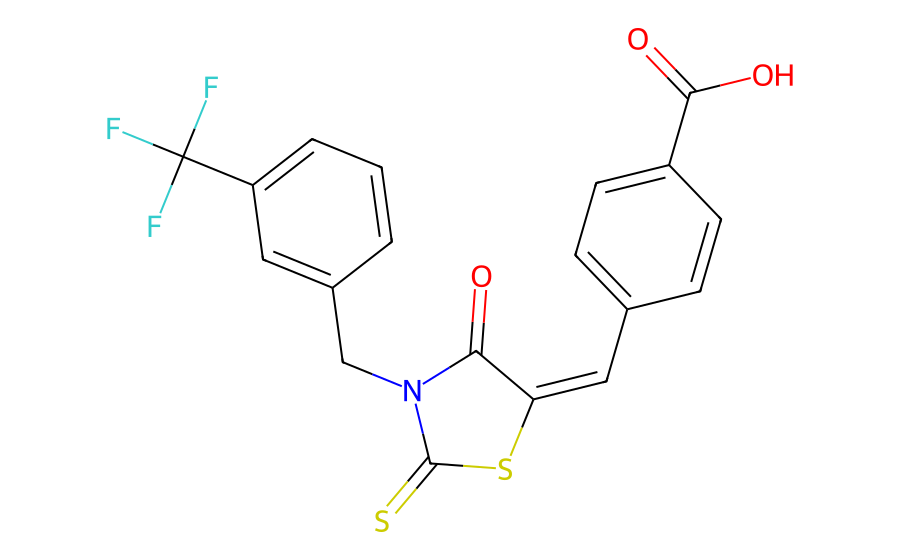
CY-09Featured
100 mg USD 600 · 250 mg USD 1,050 · 1 g USD 2,100 · 10 mM * 1 mL in DMSO USD 220CY-09 is an NLRP3 inhibitor.
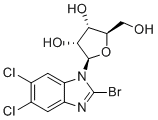
BDCRBFeatured
10 mg USD 450BDCRB (GW 275175) is a potent and selective inhibitor of human CMV replication by blocking the processing and maturation of viral DNA.
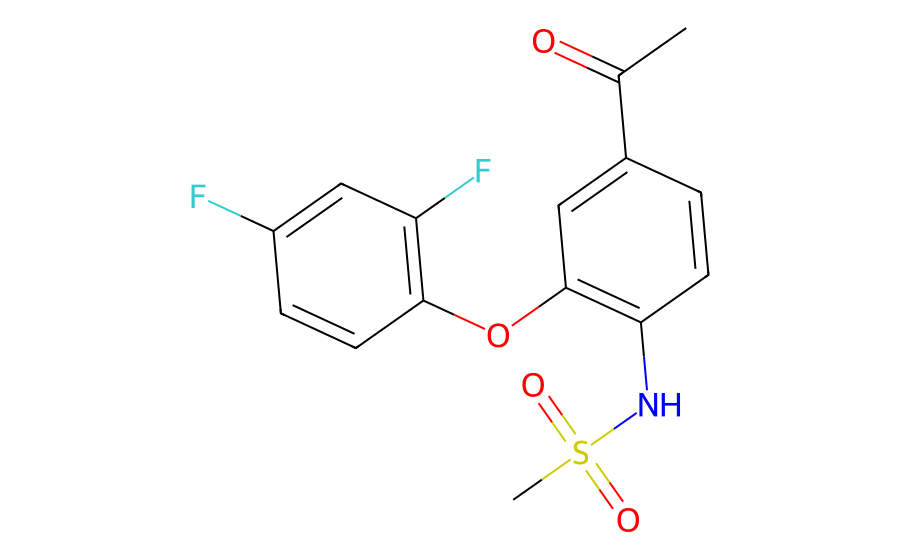
FK 3311Featured
100 mg USD 300 · 250 mg USD 600 · 1 g USD 1,200 · 10 mM * 1 mL in DMSO USD 150FK 3311 is a selective inhibitor of COX-2; antiinflammatory agent.IC50 Value: 1.6 uM [1]Target: COX-2Cyclooxygenase (COX) is an intracellular enzyme that converts arachidonic acid into prostaglandin (PG)G2 and PGH2.in vitro: The racemic mixtures and the (R)- and (S)-isomers of the 2 metabolites were inactive in the PGE2 test. IC50 values were more than 100 uM for (2 and 5), compared to 1.6 uM for FK-3311. Antiinflammatory activity was assessed by inhibition of adjuvant-induced arthritis, and analgesic activity was determined in the acetic acid-induced writhing assay. Following p.o. administration of 10 mg/kg, racemic (2) and its optical isomers showed activity comparable to FK-3311 (76% inhibition) in the adjuvant arthritis test, whereas racemic (5) showed very weak activity, and (R)- and (S)-(5) were not tested. With regard to analgesic effects, FK-3311 and racemic (2) showed 81 and 62% inhibitions, respectively, at a dose of 100 mg/kg p.o. The (R)- and (S)-isomers of (2) and racemic (5) all showed 46% inhibition of writhing syndrome. (R)- and (S)-(5) were less active showing 16 and 20% inhibitions, respectively[1].in vivo: L-PVR, CO, PaO(2), and WDR were significantly (P < 0.05) better in the FK group than in the control group. Histological tissue edema was mild, and PMN infiltration was significantly (P < 0.05) reduced in the FK group compared to the control group. The serum TxB(2) levels were significantly (P < 0.05) lower in the FK group than in the control group, while 6-keto-PGF(1alpha) levels were not significantly (P < 0.05) reduced. Two-day survival rate was significantly (P < 0.05) better in the FK group than in the control group [2]. Survival rate was significantly better (p <. 05) and serum GOT levels 30 min after reperfusion were significantly lower (p <. 05) in the FK high-dose group compared to the other two groups. Four hours after reperfusion, GPT levels and liver tissue flow were significantly (p <. 05) better in the FK high-dose group compared to the control. Both 30 min and 4 hr after reperfusion, serum TxB(2) levels were significantly lower in the FK high-dose group compared to the control (p <. 05) [3].
GAK inhibitor 12rFeatured
10 mg USD 450 · 25 mg USD 800 · 100 mg USD 1,900GAK inhibitor 12r is a higghly potent, selective inhibitor of cyclin G-associated kinase (GAK) with Kd of 89 nM; targets only 8 other kinases with greater than 90% inhibition in a diverse panel of 468 kinases; demonstrates broad-spectrum antiviral activity with EC50 of 0.82 uM against DENV-2, also shows activity against dengue virus, including in human primary dendritic cells, and efficacy against the unrelated Ebola and chikungunya viruses.
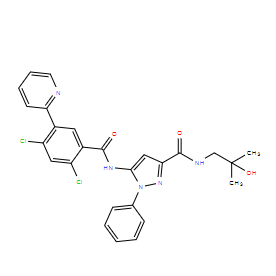
10 mg USD 550 · 25 mg USD 950 · 100 mg USD 1,800
TrkA-IN-23 is a highly potent, subtype selective, peripherally restricted, allosteric TrkA inhibitor with IC50 of 10 nM, 180-fold selective over TrkB and 70-fold selective over TrkC in cell based assays; exhibits exquisite TrkA selectivity with >95% inhibition of TrkA and <15% inhibition in 392 biochemical kinase assays; also exhibits 18-fold selectivity for the non-activated TrkA construct (TrkA non-activated enzyme IC50=4nM, TrkA activated enzyme IC50=74 nM); inhibits NGF induced phosphorylated ERK formation in native adult rat DRGs with IC50 of 57 nM, abolishes sensitization to capsaicin administration to NGFsensitised skin in vivo in anaesthetised rats; demonstrates efefctivity in UVIH model of inflammatory pain in rats.
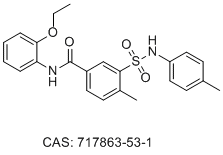
NRPa-308Featured
5 mg USD 450NRPa-308 is a neuropilin-1 (NRP-1) antagonist, inhibits the VEGF-A165/NRP-1 binding with IC50 of 42 uM, exerts in vitro anti-angiogenic activity.
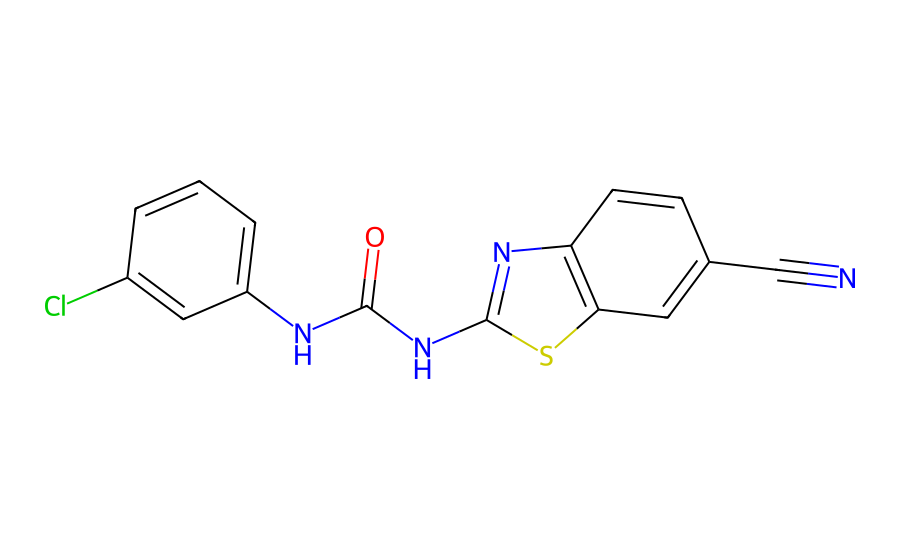
HB007Featured
50mg USD 750 · 100mg USD 950 · 250mg USD 1,350 · 1g USD 2,500HB007 is a small ubiquitin-related modifier 1 (SUMO1) degrader. HB007 induces ubiquitination and degradation of SUMO1, resulting in reduced tumor growth in vivo. HB007 can be used for the research of brain, breast, colon, and lung cancers[1][2].
CapecitabineFeatured
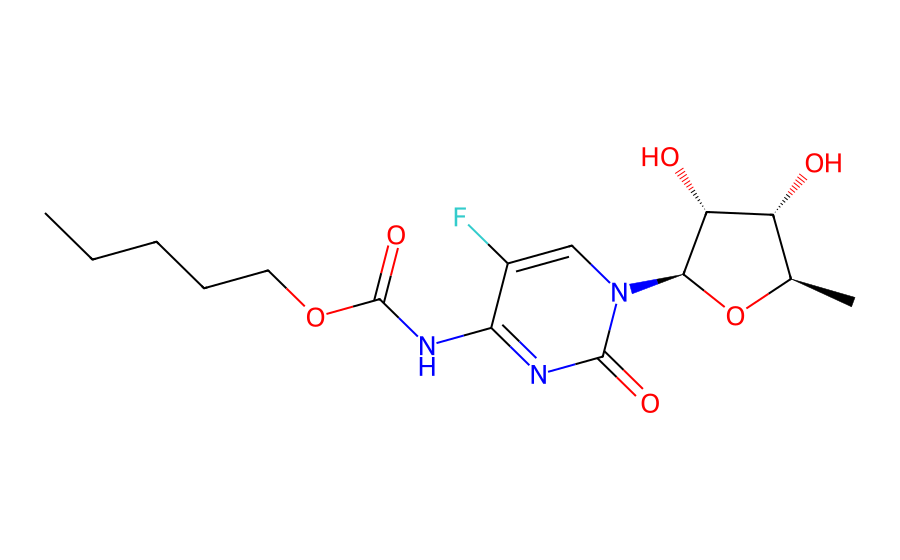
1 g USD 500 · 10 mM * 1 mL in DMSO USD 150Capecitabine is an oral prodrug that is converted to its active metabolite, fluorouracil (FU), by thymidine phosphorylase.
UNC6934Featured
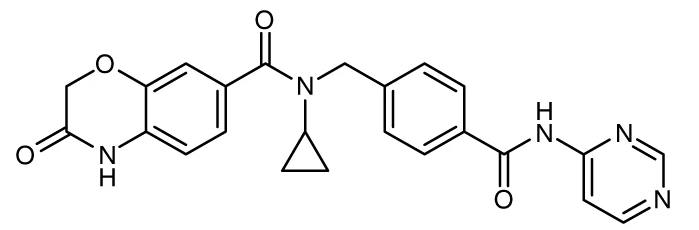
100mg USD 850 · 250mg USD 1,450 · 10 mM * 1 mL in DMSO USD 220UNC6934 is a potent and selective drug-like chemical probe to interrogate the function of NSD2-PWWP1 with Kd of 91 nM.UNC6934 disrupts the NSD2-PWWP1 interaction with H3K36me2 nucleosomes in U2OS cells as measured by a NanoBret assay with an IC50 of 1.09 ± 0.23 microM. UNC7145, a closely-related control compound, with an iso-propyl group replacing a cyclo-propyl group, is inactive by SPR and NanoBret assays.
Brigatinib (AP-26113)Featured
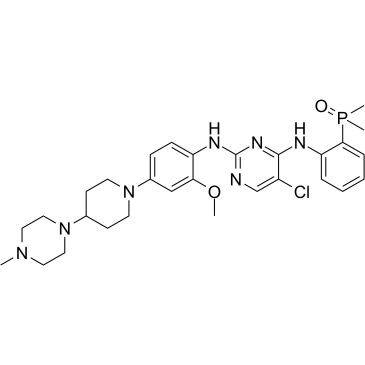
100 mg USD 200 · 250 mg USD 400 · 1 g USD 800 · 10 mM * 1 mL in DMSO USD 150Brigatinib is a highly potent and selective ALK inhibitor, with an IC50 of 0.6 nM.
PyrinuronFeatured
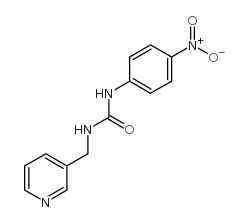
100 mg USD 950 · 250mg USD 1,350 · 1g USD 2,600Pyrinuron is an inhibitor of NAMPT and NMNAT2.Pyrinuron is used as a model compound in studies of urea derivatives and their reactivity.Research has explored the effects of this compound on insulin-producing beta cells, providing insights into diabetes mechanisms.Although not used therapeutically, this compound’s ability to selectively destroy beta cells has implications for understanding and potentially treating type 1 diabetes.
Dasatinib (BMS-354825)Featured
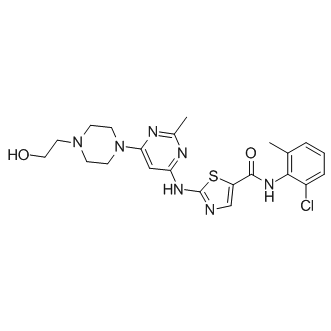
100 mg USD 200 · 250 mg USD 400 · 1 g USD 800 · 10 mM * 1 mL in DMSO USD 150Description of Dasatinib: Dasatinib is an orally bioavailable synthetic small molecule-inhibitor of SRC-family protein-tyrosine kinases. Dasatinib binds to and inhibits the growth-promoting activities of these kinases. Apparently because of its less stringent binding affinity For the BCR-ABL kinase, dasatinib has been shown to overcome the resistance to imatinib of chronic myeloid leukemia (CML) cells harboring BCR-ABL kinase domain point mutations. SRC-family protein-tyrosine kinases interact with variety of cell-surface receptors and participate in intracellular signal transduction pathways; tumorigenic Forms can occur through altered regulation or expression of the endogenous protein and by way of virally-encoded kinase genes. Check For active clinical trials or closed clinical trials using this agent. (NCI Thesaurus) For the detailed information about the solubility of Dasatinib (BMS-354825) in water, the solubility of Dasatinib (BMS-354825) in DMSO, the solubility of Dasatinib (BMS-354825) in PBS buffer, the animal experiment(test) of Dasatinib (BMS-354825),the in vivo,in vitro and clinical trial test of Dasatinib (BMS-354825),the cell experiment(test) of Dasatinib (BMS-354825),the IC50, EC50 and Affinity of Dasatinib (BMS-354825), please contact DC Chemicals.
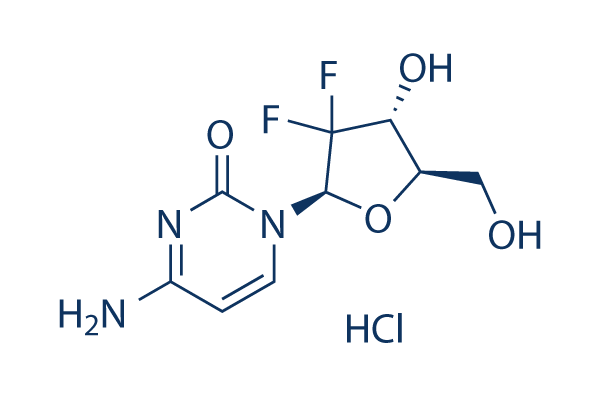
100 mg USD 200 · 250 mg USD 400 · 1 g USD 800 · 10 mM * 1 mL in DMSO USD 150
Gemcitabine hydrochloride is a DNA synthesis inhibitor with IC50s of 37.6, 42.9, 92.7, 89.3 and 131.4 nM in BxPC-3, Mia Paca-2, PANC-1, PL-45 and AsPC-1 cells, respectively.
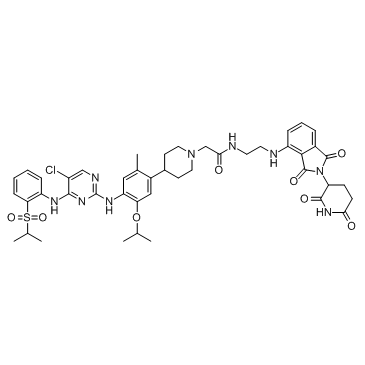
MS4078Featured
10 mg USD 200 · 25 mg USD 400 · 100 mg USD 900MS4078 is an anaplastic lymphoma kinase (ALK) PROTAC (degrader) with a Kd of 19 nM for binding affinity to ALK[1].
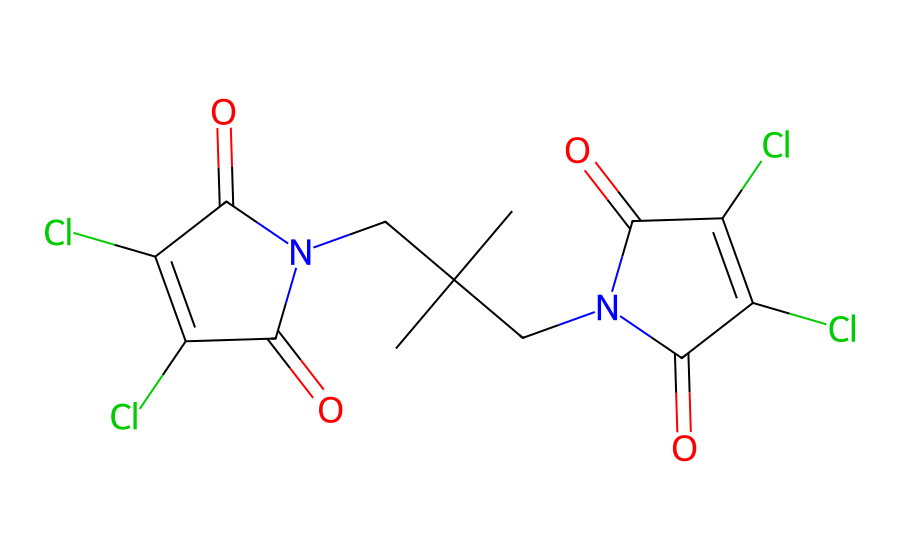
NSC617145(WRN inhibitor)Featured
100 mg USD 650 · 250 mg USD 1,100 · 1 g USD 1,950 · 10 mM * 1 mL in DMSO USD 220NSC 617145 is a selective werner syndrome helicase (WRN) helicase inhibitor with an IC50 value of 230 nM. NSC 617145 inhibits WRN ATPase, and induces double-strand breaks (DSB) and chromosomal abnormalities. NSC 617145 shows selective for WRN over BLM, FANCJ, ChlR1, RecQ, and UvrD helicases[1].
NattokinaseFeatured
100 mg USD 275 · 250 mg USD 550 · 1 g USD 1,100 · 10 mM * 1 mL in DMSO USD 150Nattokinase is a potent fibrinolytic enzyme. Nattokinase can break down blood clots by directly hydrolyzing fibrin and plasmin substrate. Nattokinase can be used for the research of cardiovascular diseases[1].
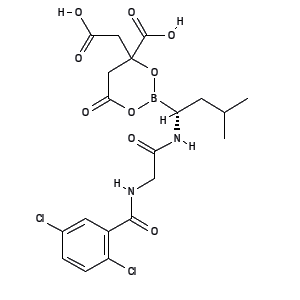
100 mg USD 250 · 250 mg USD 500 · 1 g USD 1,000 · 10 mM * 1 mL in DMSO USD 150
Gentamicin sulfate, an aminoglycoside antibiotic, inhibits the growth of both gram-positive and gram-negative bacteria and to inhibit several strains of mycoplasma in tissue culture. It inhibits DNase I with an IC50 of 0.57 mM.
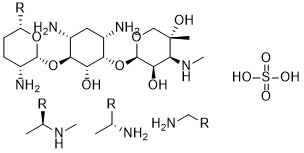
100 mg USD 200 · 250 mg USD 400 · 1 g USD 800 · 10 mM * 1 mL in DMSO USD 150
Regorafenib monohydrate is a multi-target inhibitor for VEGFR1/2/3, PDGFRβ, Kit, RET and Raf-1 with IC50s of 13/4.2/46, 22, 7, 1.5 and 2.5 nM, respectively.
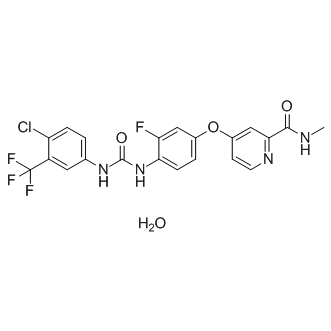
VU 0465350Featured
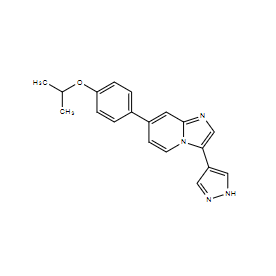
5mg USD 450A potent, specific BMP receptor activin receptor-like kinase 3 (ALK3) antaognist with Ki of 92.3 nM; shows no activity for ALK2/4/5, also shows affinity for TGFBR2, VEGFR2 and AMPK; blocks SMAD phosphorylation in vitro and in vivo, and enhances liver regeneration after partial hepatectomy.
No products match this search.
Page 136 of 184 · Browse all 3666 products