
Research lipid catalog
Ionizable Lipid Products
Explore 848 lipid and RNA delivery products. Search the full catalog or browse by research category.
Search covers product name, catalog number, synonyms, available CAS numbers and categories. Spaces, hyphens and common punctuation are ignored. Duplicate legacy records are consolidated under one canonical product result.
3666 products · Showing 1981–2000 · 20 per page
DC Chemicals lipid expertise
Built for ionizable-lipid discovery and RNA delivery research
DC Chemicals supports formulation and delivery research with a broad, searchable portfolio of cationic and ionizable lipids. The current directory brings together 848 unique research-use products, with product specifications, pricing, chemical structures and literature-linked formulation data added as each record is verified.
Our experience spans complex lipid synthesis, purification, analytical release and process development. For custom molecules or larger-scale requirements, our team can discuss route development, technical specifications and scale-up options for the intended research workflow.
Learn about cationic and ionizable lipids →Proprietary innovation · Co-development · GMP
From proprietary lipid design to GMP-grade custom synthesis
DC Chemicals has independently developed ionizable-lipid structures supported by company-owned intellectual property, and selected proprietary lipid programs have advanced to GMP-stage development.
We welcome joint development with customers—from molecular design and lipid synthesis through route and process development. We can also support custom synthesis of GMP-grade ionizable lipids to agreed technical specifications and quality requirements.
Discuss a co-development project →Proprietary ionizable-lipid structuresCollaborative molecular designCustom lipid synthesisProcess development and scale-upGMP-grade project support
Product quick links
Explore ionizable lipids
Browse specifications, pricing and literature-linked product information.
Cat. No.Product NameField of ApplicationChemical Structure
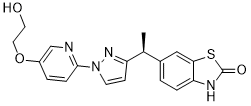
LY 3130481Featured
5 mg USD 350LY3130481 (CERC611) is a potent, selective, noncompetitive TARP γ8-associated AMPA receptors with IC50 of 65.3 nM (GluA1/TARP γ-8), with no activity for γ-2 (cerebellum) or other TARP members; demonstrates fully protective against pentylenetetrazole-induced convulsions in rats without the motor impairment associated with non-TARP-dependent AMPA receptor antagonists.
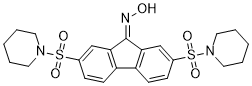
CIL56(CA3)Featured
100 mg USD 600 · 250 mg USD 1,100 · 1 g USD 2,100 · 10 mM * 1 mL in DMSO USD 220CIL56 is a potent and selective ferroptosis inducer. Ferroptosis is an iron-dependent form of regulated cell death (RCD).
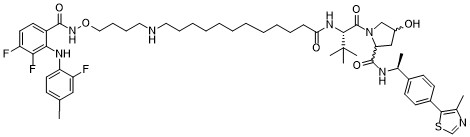
MS934Featured
2mg USD 400 · 5mg USD 600 · 10mg USD 850MS934 (MS-934) is a VHL-recruiting MEK1/2 degrader (PROTAC) with HT29 DC50 of 18/9 nM for MEK1/2 degradation, respectively.MS934 is more potent at inhibiting the growth of HT-29, SK-MEL-28, H3122, and SUDHL1 cells. MS934 also displays good plasma exposure in mice.
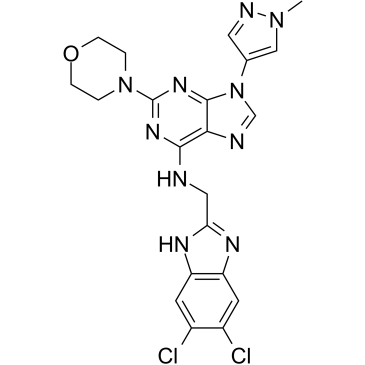
SR-4835Featured
100mg USD 700 · 250mg USD 1,200 · 1g USD 2,350SR-4835 is a highly selective dual inhibitor of CDK12 and CDK13.
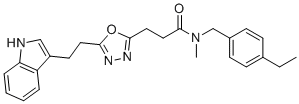
DW0254Featured
5mg USD 350DW0254 (DW-0254,DW 0254) is a small molecules capable of inhibiting RAS-related C3 botulinum toxin substrate (RAC) small GTPase activation in ALL cell lines, directly binds to the hydrophobic pocket of PDE6D (Kd=436 nM, ITC), a RAS chaperone protein.DW0254 demonstrated dose-dependent RAC inhibition, arrest of proliferation and induced apoptosis in human leukemic cell lines (RS4;11 IC50=1.5-1.8 uM), also showed promising anti-leukemic activity in RAS-mutated cells (CCRF-CEM NRAS G12D, IC50=3.3-4.2 uM).DW0254 disrupted the interaction between PDE6D and RAS, disturbing RAS subcellular localization.DW0254 demonstrated anti-leukemic activity, decreased tumor progression in a murine xenograft model.
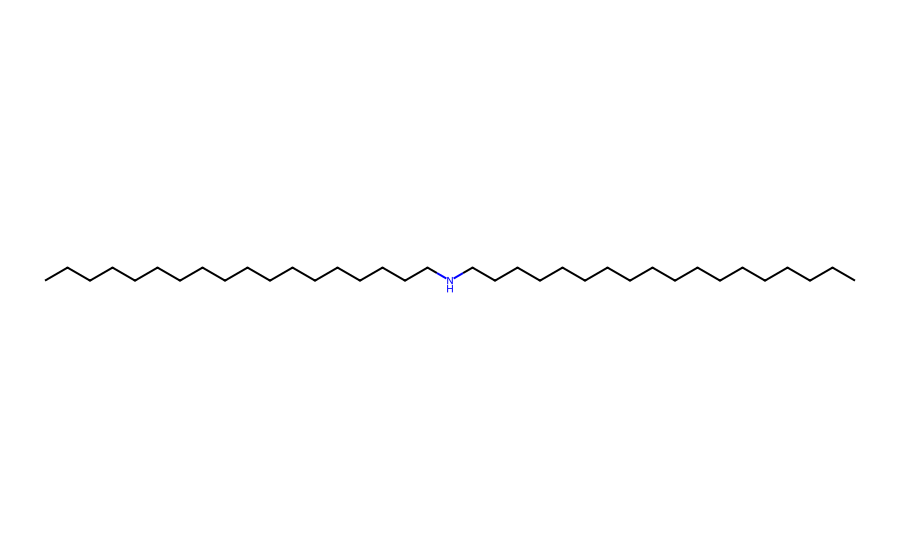
Dioctadecylamine(DODA)Featured
1 g USD 500Dioctadecylamine (DODA) is a secondary amine that has been shown to self-organize in plate-like structures in aqueous solution. Dioctadecylamine exhibits sufficiently hydrophobic properties of nanoparticles and good dispersibility in nonpolar solvent. Dioctadecylamine does not form a monolayer above pH 3.9.
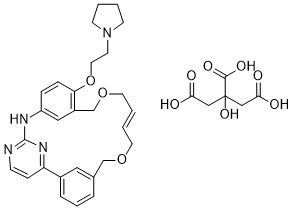
Pacritinib citrateFeatured
100mg USD 700 · 250mg USD 1,300 · 1g USD 2,600Pacritinib Citrate is the citrate salt form of pacritinib, an orally bioavailable inhibitor of Janus kinase 2 (JAK2).
ErSOFeatured
Pack sizes and prices on requestErSO is a selective anticipatory unfolded protein response (a-UPR) activator. ErSO acts through ERα to elicit strong and sustained cytotoxic activation of the a-UPR. ErSO can be used for the research of cancer.
ABBV-744Featured
100 mg USD 600 · 250 mg USD 980 · 1 g USD 1,900ABBV-744 is a highly BDII-selective BET bromodomain inhibitor, used in the research of inflammatory diseases, cancer, and AIDS.
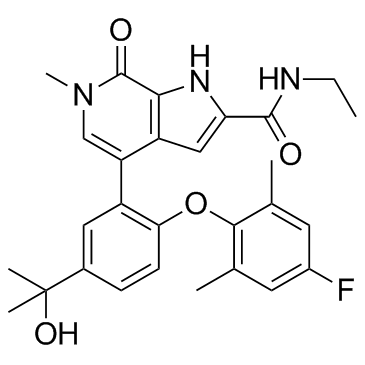
SBI993Featured
100 mg USD 550 · 250 mg USD 950 · 1 g USD 1,800SBI-993 is an analog of SBI-477 that shows improved potency and suitable pharmacokinetic properties for in vivo bioavailability
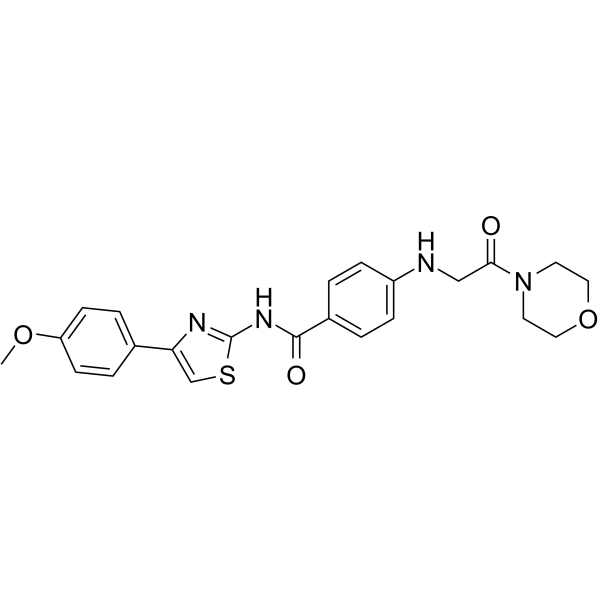
Substance PFeatured
100 mg USD 550 · 250 mg USD 950 · 1 g USD 1,700 · 10 mM * 1 mL in DMSO USD 220Substance P is a neuropeptide, acting as a neurotransmitter and as a neuromodulator.The endogenous receptor for substance P is neurokinin 1 receptor (NK1-receptor, NK1R). Sequence: Arg-Pro-Lys-Pro-Gln-Gln-Phe-Phe-Gly-Leu-Met-NH2.
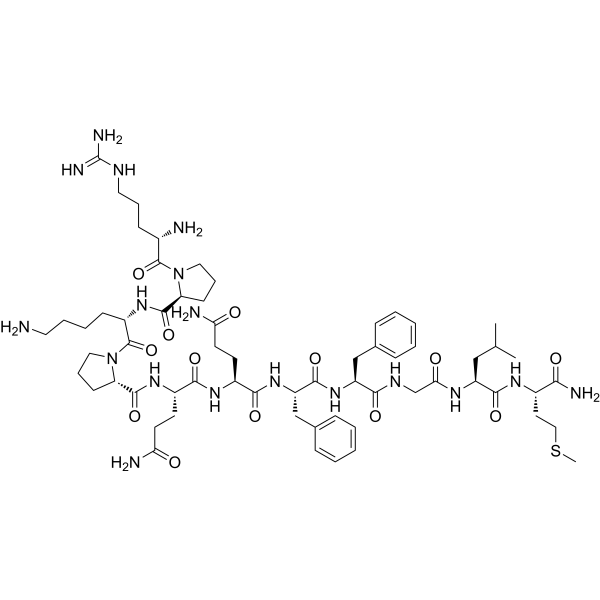
UNC10225387BFeatured
2mg USD 550UNC10225387B is a multi-kinase inhibitor, cocktail of UNC10225387B, UNC10225263A and UNC10225761A, promotes stem-cell-like chimeric antigen receptor T cells (CAR T cells).
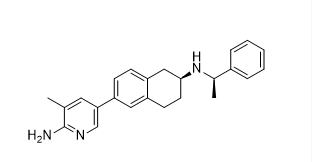
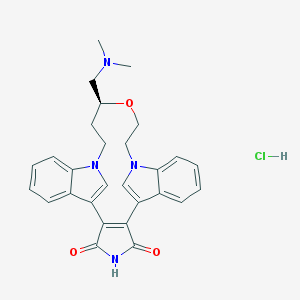
100 mg USD 950 · 250 mg USD 1,800 · 1 g USD 3,600
Ruboxistaurin hydrochloride is a selective and ATP-competitive PKCβ inhibitor, with IC50s of 4.7 and 5.9 nM for PKCβI and PKCβII, shows less potent inhibition on PKCη (IC50, 52 nM), PKCα (IC50, 360 nM), PKCγ (IC50, 300 nM), PKCδ (IC50, 250 nM), and has no effect on PKCζ (IC50, >100 μM).
Aprocitentan (ACT-132577)Featured
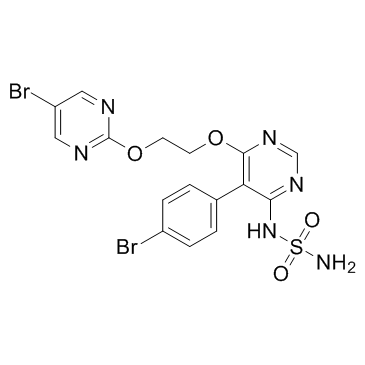
100 mg USD 650 · 250 mg USD 1,100 · 1 g USD 2,200ACT-132577 is the major and pharmacologically active metabolite of macitentan, which is dual ETA/ETB antagonist designed for tissue targeting.
Sulfo-Cy 5 NHS EsterFeatured
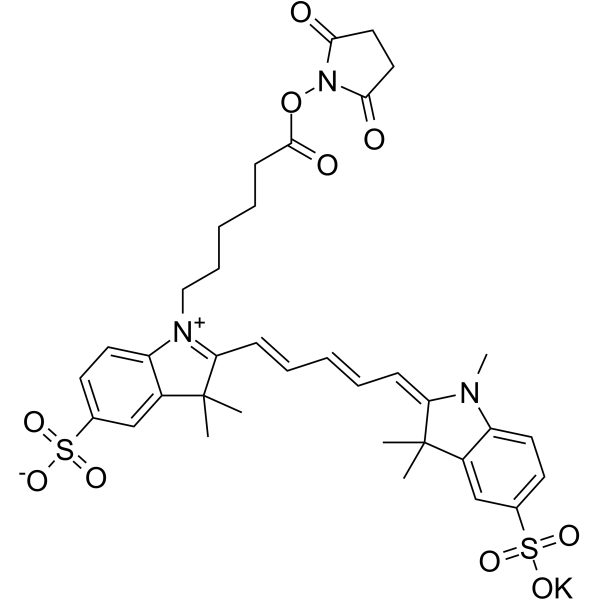
100 mg USD 900 · 250 mg USD 1,700 · 1g USD 3,500Sulfo-Cyanine 5 NHS Ester is a water soluble amine reactive red emitting fluorescent dye.Used for the labeling of various amine containing molecules in aqueous phase without use of any organic co-solvent. Useful for the labeling of proteins which denature in the presence of organic co-solvents, as well as for proteins with low solubility.
STING agonist compound 1Featured
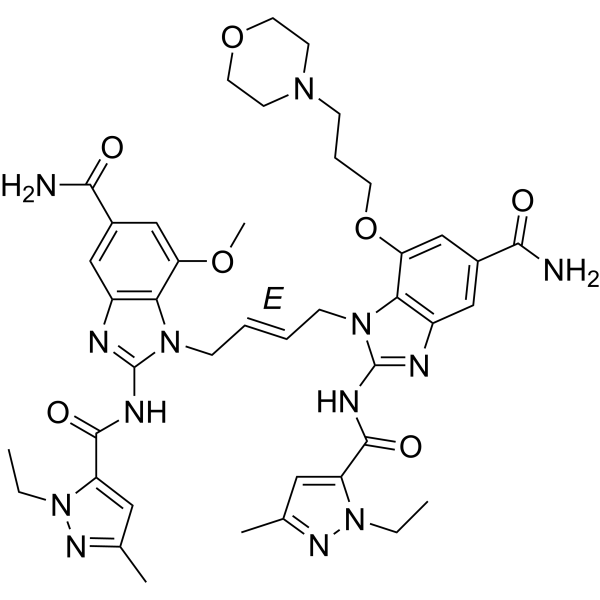
25 mg USD 850diABZI STING agonist-1 is a selective stimulator of interferon genes (STING) receptor agonist, with EC50s of 130, 186 nM for human and mouse, respectively.
VX-11e(TCS ERK 11e)Featured
100 mg USD 550 · 250 mg USD 1,000 · 1 g USD 1,900VX-11e is a potent, selective, and orally bioavailable inhibitor of ERK with Ki < 2 nM.
MTDIAFeatured
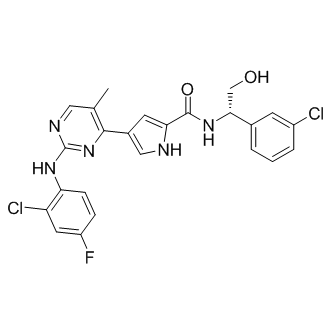
Pack sizes and prices on requestMTDIA, also known as MT-DADMe-ImmA, and Methylthio-DADMe-Immucillin A, is a MTAP inhibitor. Human 5'-methylthioadenosine phosphorylase (MTAP) is solely responsible for 5'-methylthioadenosine (MTA) metabolism to permit S-adenosylmethionine salvage. Transition-state (TS) analogues of MTAP are in development as anticancer candidates. TS analogues of MTAP incorporate a cationic nitrogen and a protonated 9-deazaadenine leaving group, which are mimics of the ribocation transition state. MT-ImmA and MT-DADMe-ImmA are two examples of these TS analogues.
DC_AC50Featured
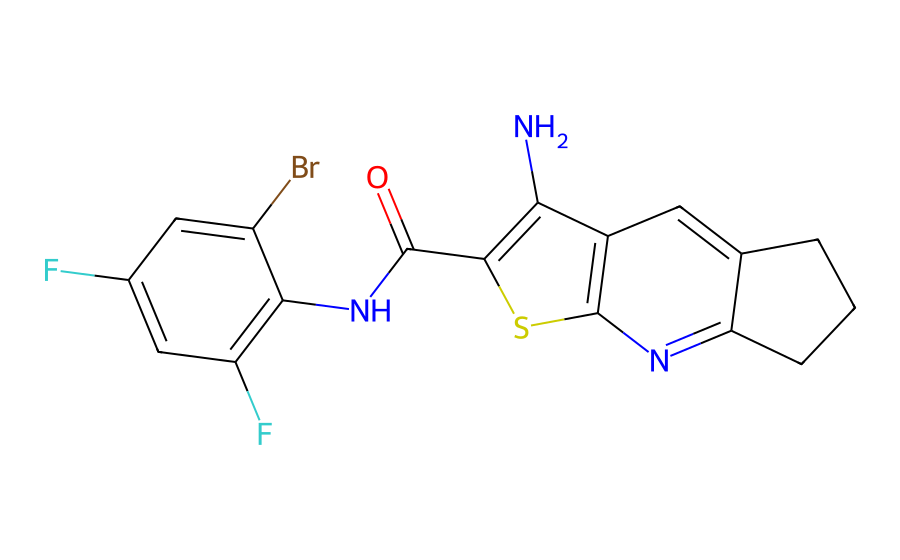
100 mg USD 500 · 250 mg USD 900 · 1 g USD 1,800DC_AC50 is a dual inhibitor of Atox1 and CCS (copper chaperones). Inhibiting intracellular copper chaperones as a means of reducing/preventing acquired chemotherapy resistance[1].
TRPC6-PAM-C20Featured
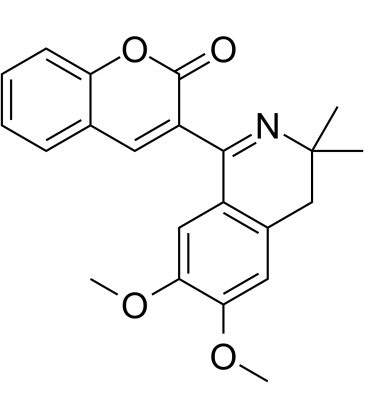
100 mg USD 550 · 250 mg USD 950 · 1 g USD 1,800TRPC6-PAM-C20 is a selective TRPC6 positive allosteric modulator. TRPC6-PAM-C20 selectively activates TRPC6 over other TRP channels and also activates TRPA1. TRPC6-PAM-C20 induces transient increase in intracellular Ca2+ in HEK cells expressing TRPC6 (EC50=2.37 μM).
No products match this search.
Page 100 of 184 · Browse all 3666 products