
Research lipid catalog
Ionizable Lipid Products
Explore 848 lipid and RNA delivery products. Search the full catalog or browse by research category.
Search covers product name, catalog number, synonyms, available CAS numbers and categories. Spaces, hyphens and common punctuation are ignored. Duplicate legacy records are consolidated under one canonical product result.
3666 products · Showing 2021–2040 · 20 per page
DC Chemicals lipid expertise
Built for ionizable-lipid discovery and RNA delivery research
DC Chemicals supports formulation and delivery research with a broad, searchable portfolio of cationic and ionizable lipids. The current directory brings together 848 unique research-use products, with product specifications, pricing, chemical structures and literature-linked formulation data added as each record is verified.
Our experience spans complex lipid synthesis, purification, analytical release and process development. For custom molecules or larger-scale requirements, our team can discuss route development, technical specifications and scale-up options for the intended research workflow.
Learn about cationic and ionizable lipids →Proprietary innovation · Co-development · GMP
From proprietary lipid design to GMP-grade custom synthesis
DC Chemicals has independently developed ionizable-lipid structures supported by company-owned intellectual property, and selected proprietary lipid programs have advanced to GMP-stage development.
We welcome joint development with customers—from molecular design and lipid synthesis through route and process development. We can also support custom synthesis of GMP-grade ionizable lipids to agreed technical specifications and quality requirements.
Discuss a co-development project →Proprietary ionizable-lipid structuresCollaborative molecular designCustom lipid synthesisProcess development and scale-upGMP-grade project support
Product quick links
Explore ionizable lipids
Browse specifications, pricing and literature-linked product information.
Cat. No.Product NameField of ApplicationChemical Structure
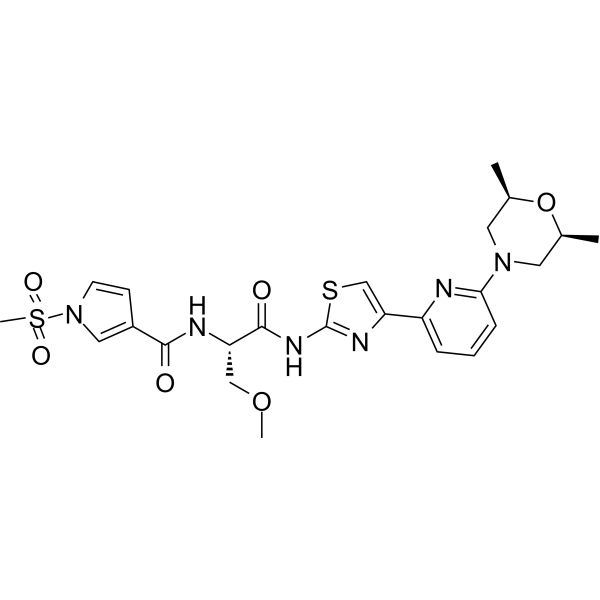
Camibirstat (FHD-286)Featured
100mg USD 700 · 250mg USD 1,200 · 1g USD 2,400FHD-286 is a BRG1/BRM ATPase inhibitor for the treatment of BAF-related disorders such as acute myeloid leukemia.
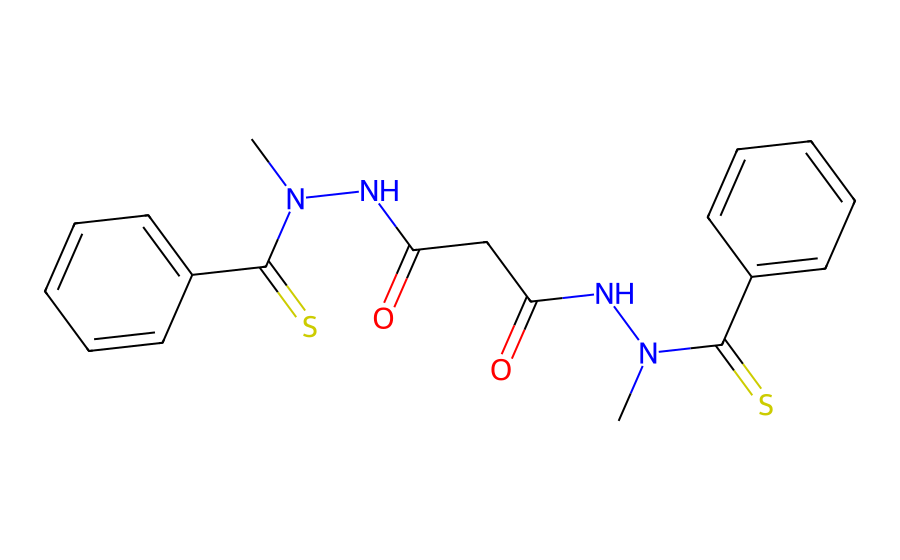
Elesclomol (STA-4783)Featured
100 mg USD 450 · 250 mg USD 750 · 1 g USD 1,500 · 10 mM * 1 mL in DMSO USD 220Elesclomol is an oxidative stress inducer that induces cancer cell apoptosis.
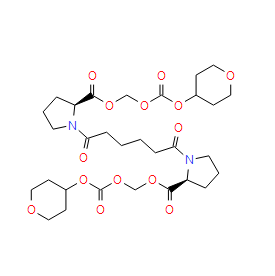
amyloid P-IN-1(GSK3039294)Featured
100 mg USD 700 · 250 mg USD 1,400 · 1 g USD 2,700pharmaceutical compositions comprising the same and the use of the same for treatment of diseases or disorders wherein depletion of serum amyloid P component (SAP) would be beneficial, including amyloidosis, Alzheimer's disease, type 2 diabetes mellitus and osteoarthritis.
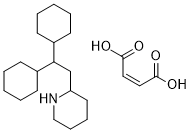
Perhexiline maleateFeatured
100 mg USD 550 · 250 mg USD 950 · 1 g USD 1,950Perhexiline maleate is a potent carnitine palmitoyltransferase 1 (CPT 1) inhibitor with IC50s of 77 and 148 μM for rat heart and liver CPT 1, respectively.
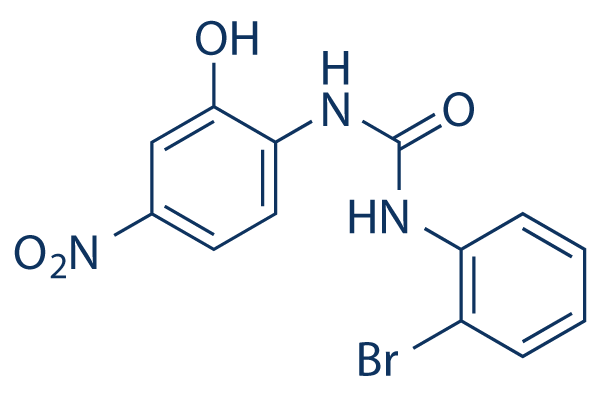
SB225002Featured
100 mg USD 350 · 250 mg USD 600 · 1 g USD 1,350SB225002 is a potent and selective CXCR2 antagonist with an IC50 of 22 nM.
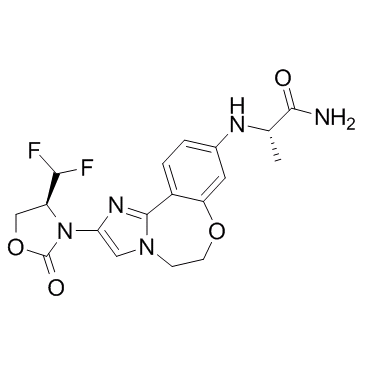
GDC-0077Featured
100 mg USD 900 · 250 mg USD 1,800 · 1 g USD 3,600GDC-0077 is an orally available PI3K inhibitor with potential antineoplastic activity. GDC-0077 is extracted from patent WO 2017001645 A1, formula I.
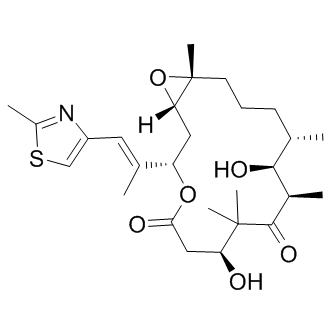
Epothilone BFeatured
100 mg USD 450 · 250 mg USD 800 · 1 g USD 1,600Epothilone B is a microtubule stabilizer with a Ki of 0.71μM. It acts by binding to the αβ-tubulin heterodimer subunit which causes decreasing of αβ-tubulin dissociation.
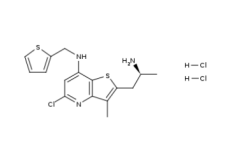
PTC-258 2HClFeatured
5mg USD 500 · 10mg USD 700 · 25mg USD 950 · 50mg USD 1,100PTC-258 2HCl is a specific and orally active splicing modulator of Elongator complex protein 1 gene (ELP1). PTC258 increases the expression of ELP1 in vitro and in vivo. PTC258 is well tolerated in mouse model.
ErastinFeatured
100 mg USD 550 · 250 mg USD 1,000 · 1 g USD 1,800 · 10 mM * 1 mL in DMSO USD 220Erastin is a ferroptosis activator.
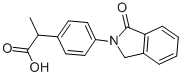
Ingenol 3-angelateFeatured
20 mg USD 800 · 50 mg USD 1,600Ingenol 3-Angelate is an active ingredient in Euphorbia peplus, acts as a potent PKC modulator, with Kis of 0.3, 0.105, 0.162, 0.376, and 0.171 nM for PKC-α, PKC-β, PKC-γ, PKC-δ, and PKC-ε, respectively, and has antiinflammatory and antitumor activity.
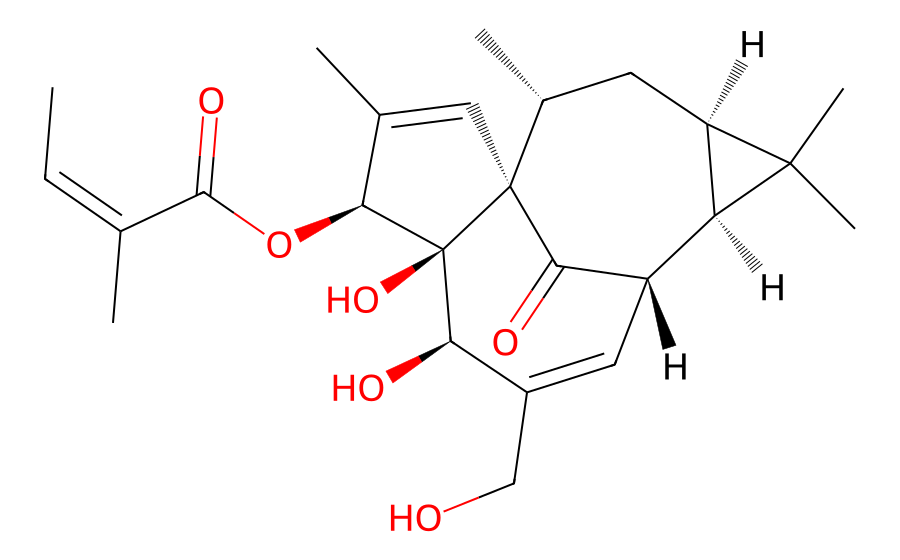
Vinblastine sulfateFeatured
20 mg USD 280For the detailed information of Vinblastine sulfate, the solubility of Vinblastine sulfate in water, the solubility of Vinblastine sulfate in DMSO, the solubility of Vinblastine sulfate in PBS buffer, the animal experiment(test) (test) of Vinblastine sulfate, the cell expriment (test) of Vinblastine sulfate, the in vivo, in vitro and clinical trial test of Vinblastine sulfate, the EC50, IC50,and Affinity of Vinblastine sulfate,, please contact DC Chemicals.
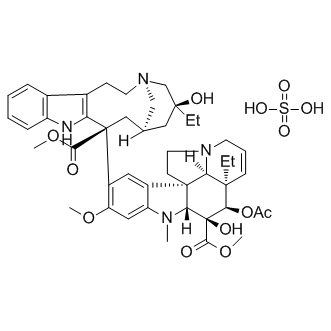
ColchicineFeatured
100 mg USD 200 · 250 mg USD 400 · 1 g USD 700Colchicine is a potent therapeutic tool against COVID-19. Colchicine is a tricyclic alkaloid that is extracted from the plant Colchicum autumnale. Colchicine acts as a potent inhibitor of tubulin polymerization.

SBP-3264Featured
100 mg USD 600 · 250 mg USD 1,100 · 1 g USD 1,950SBP-3264 (SBP3264) is a sepecific inhibitor of Hippo signaling pathway kinases STK3 and STK4 with low nanomolar potency. SBP-3264 specifically inhibited the Hippo signaling pathway in cultured mammalian cells and possessed favorable pharmacokinetic and pharmacodynamic properties in mice. SBP-3264 suppress the proliferation of AML cells in vitro. SBP-3264 is a valuable chemical probe for understanding the roles of STK3 and STK4 in AML.
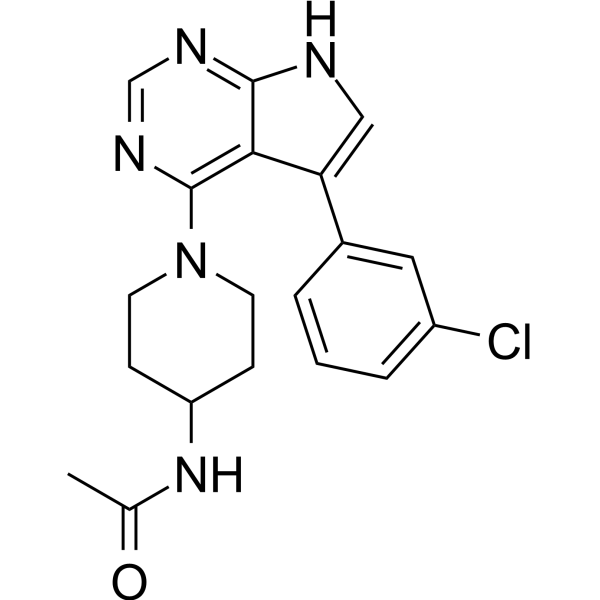
MC1Featured
5mg USD 500MC1 is a selective and potent COX-2 inhibitor, and its radiolabeled form, ¹¹CMC1, is a promising PET radiotracer for detecting COX-2 expression in vivo. Its ability to visualize COX-2 in neuroinflammation and other disease states makes it a valuable tool for research and therapeutic development, particularly in understanding and targeting COX-2-mediated processes in the brain.
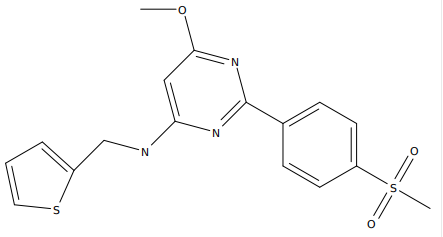
Leupeptin hemisulfateFeatured
100 mg USD 400 · 250 mg USD 720 · 1 g USD 1,440Leupeptin hemisulfate is a reversible, competitive serine/cysteine protease inhibitor, which has been shown to inhibit cathepsins B, H, L, and S, calpain, and trypsin. Leupeptin hemisulfate is an orally active, antioxidant and anti-inflammatory agent.
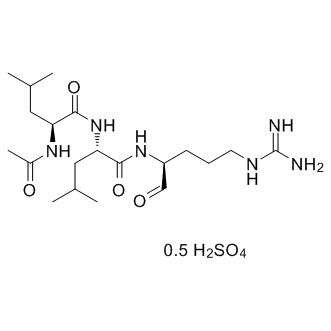
SW222746Featured
5mg USD 450SW222746 (SW 222746) is a potent selective, orally active inhibitor of 15-Prostaglandin dehydrogenase (15-PGDH) with IC50 of 3 nM.
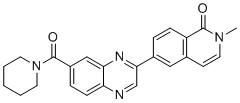
MC1 PrecursorFeatured
5mg USD 750Precursor of MC1, is a vital component in the synthesis of MC1, a selective and potent COX-2 inhibitor. Radiolabeled MC1, ¹¹CMC1, serves as a promising PET radioligand for imaging COX-2 expression in vivo. Its high selectivity, combined with its ability to non-invasively visualize COX-2 in disease states, makes it a valuable tool for research and clinical applications, particularly in neuroinflammation, cancer, and drug development.
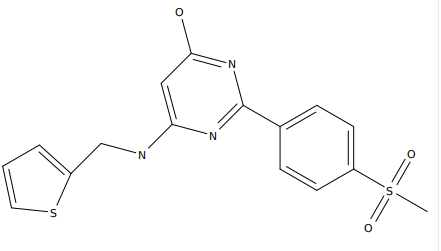
NT-0796Featured
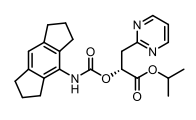
5mg USD 550NT-0796 is a Brain-Penetrant and Highly Potent. NLRP3 Inflammasome Inhibitor (IC50 = 0.32 nM) for Neuroinflammatory Disorders.
MRTX 0902Featured
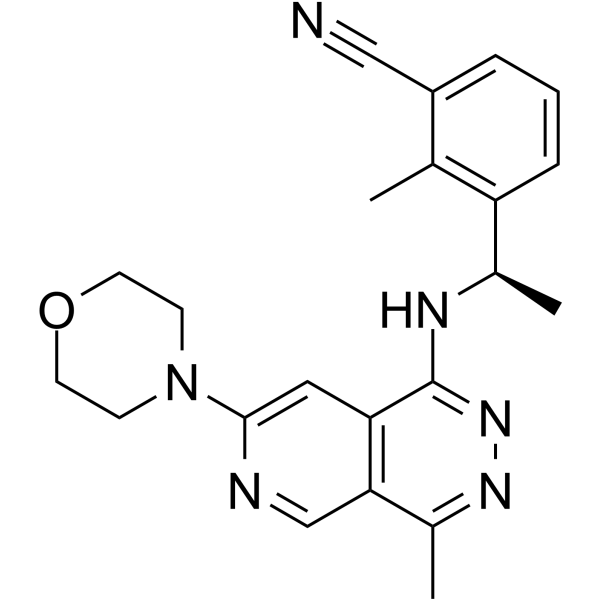
100 mg USD 900 · 250mg USD 1,700 · 1g USD 3,400MRTX0902 is a potent SOS1 inhibitor with an IC50 of 46 nM (WO2021127429A1; Example 12-10).
TH9619Featured
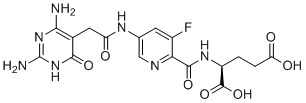
5mg USD 500TH9619 (TH-9619) is a potent and selective inhibitor of folate metabolism enzyme MTHFD2 with IC50 of 47 nM.TH9619 demonstrated efficacy on HL-60 cell viability with EC50 of 11 nM.TH9619 potently inhibits related MTHFD proteins MTHFD2L and MTHFD1-(DC) with IC50 of 47 and 16 nM, respectively.TH9619 displays high potency and cancer selectivity in AML models. induce thymine-less DNA damage and apoptosis, causes uracil misincorporation into DNA, sensitize cancer cells to ATR-signaling blockade.TH9619 impairs cancer progression in vivo.TH9619 displays high selectivity toward binding and stabilizing MTHFD2 over other common folate metabolism targets such as DHFR, thymidylate synthase (TYMS), serine hydroxymethyltransferase (SHMT) 1 and SHMT2.
No products match this search.
Page 102 of 184 · Browse all 3666 products