
Research lipid catalog
Ionizable Lipid Products
Explore 848 lipid and RNA delivery products. Search the full catalog or browse by research category.
Search covers product name, catalog number, synonyms, available CAS numbers and categories. Spaces, hyphens and common punctuation are ignored. Duplicate legacy records are consolidated under one canonical product result.
3666 products · Showing 2001–2020 · 20 per page
DC Chemicals lipid expertise
Built for ionizable-lipid discovery and RNA delivery research
DC Chemicals supports formulation and delivery research with a broad, searchable portfolio of cationic and ionizable lipids. The current directory brings together 848 unique research-use products, with product specifications, pricing, chemical structures and literature-linked formulation data added as each record is verified.
Our experience spans complex lipid synthesis, purification, analytical release and process development. For custom molecules or larger-scale requirements, our team can discuss route development, technical specifications and scale-up options for the intended research workflow.
Learn about cationic and ionizable lipids →Proprietary innovation · Co-development · GMP
From proprietary lipid design to GMP-grade custom synthesis
DC Chemicals has independently developed ionizable-lipid structures supported by company-owned intellectual property, and selected proprietary lipid programs have advanced to GMP-stage development.
We welcome joint development with customers—from molecular design and lipid synthesis through route and process development. We can also support custom synthesis of GMP-grade ionizable lipids to agreed technical specifications and quality requirements.
Discuss a co-development project →Proprietary ionizable-lipid structuresCollaborative molecular designCustom lipid synthesisProcess development and scale-upGMP-grade project support
Product quick links
Explore ionizable lipids
Browse specifications, pricing and literature-linked product information.
Cat. No.Product NameField of ApplicationChemical Structure
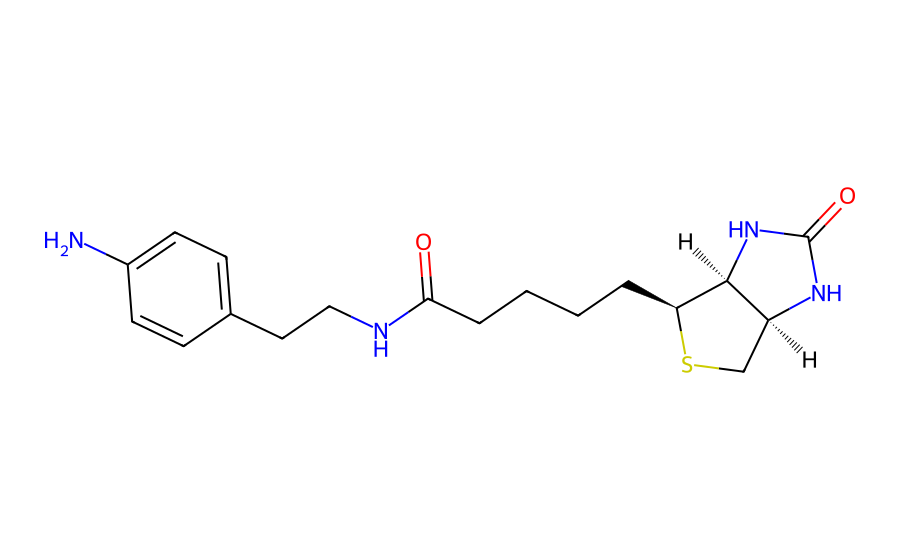
Biotin-anilineFeatured
100 mg USD 600 · 250 mg USD 950 · 1 g USD 1,900Biotin-aniline is a probe with substantially high reactivity towards RNA and DNA. Biotin-aniline emerges as more efficient probe for capturing subcellular transcriptome in living cells with high spatial specificity.
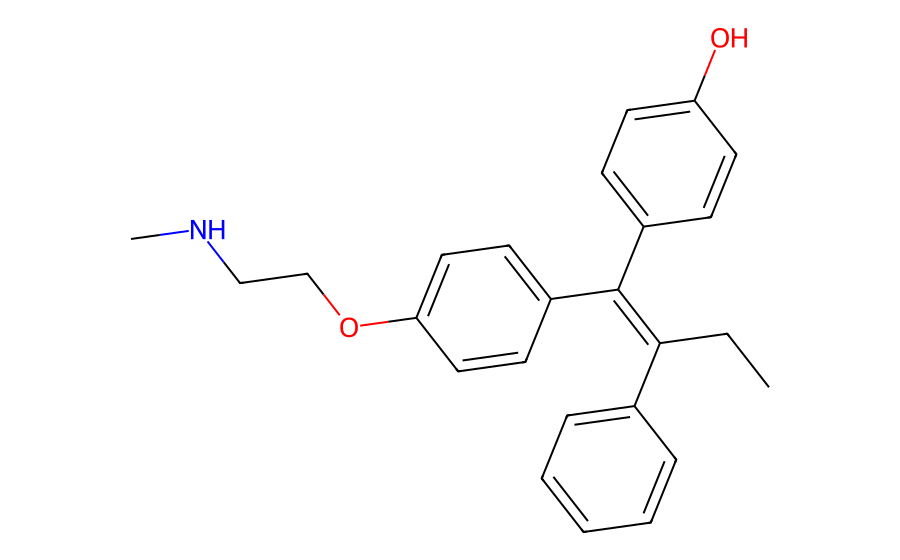
EndoxifenFeatured
100 mg USD 550 · 250 mg USD 900 · 1 g USD 1,800Endoxifen Z-isomer is the most important Tamoxifen metabolite responsible for eliciting the anti-estrogenic effects of this drug in breast cancer cells expressing estrogen receptor-alpha (ERα). Endoxifen inhibits hERG tail currents at 50 mV in a concentration-dependent manner with IC50 values of 1.6 μM.Estrogen Receptor/ERREndoxifen Z-isomer is considered a prodrug, since it has a much higher potency for the estrogen receptor than its parent drug. Endoxifen inhibits the hERG channel protein trafficking to the plasma membrane in a concentration-dependent manner with Endoxifen being more potent than Tamoxifen. [1] Endoxifen is also shown to be a more potent inhibitor of estrogen target genes when ERβ is expressed. Additionally, low concentrations of Endoxifen Z-isomer observed in Tamoxifen treated patients with deficient CYP2D6 activity (20 to 40 nM) markedly inhibit estrogen-induced cell proliferation rates in the presence of ERβ, whereas much higher Endoxifen Z-isomer concentrations are needed when ERβ is absent.[2]
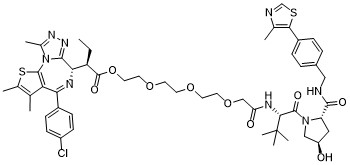
AGB1Featured
5 mg USD 750AGB1 is a fast, highly selective, and potent bump-and-hole (B&H)-PROTAC degrader for BromoTag. AGB1 exhibits degradation for Ab:Brd4BD2 L387A and Ab: BromoTag-Brd2 with pDC50s of 7.8 and 7.9. AGB1 exhibits binary affinity to VHL (Kd=125 nM). AGB1 exhibits favorable pharmacokinetic profile in mice with the DC50, 6 h of ∼13 nM.
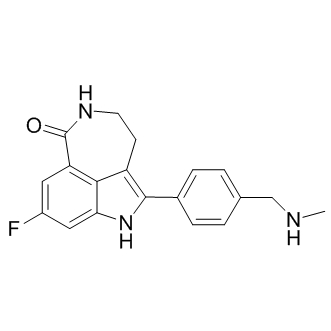
Rucaparib(AG-014447)Featured
100 mg USD 350 · 250 mg USD 680 · 1 g USD 1,350Rucaparib is an inhibitor of PARP with Ki of 1.4 nM for PARP1 in a cell-free assay, and also shows binding affinity to eight other PARP domains.
PSMA-617 LinkerFeatured
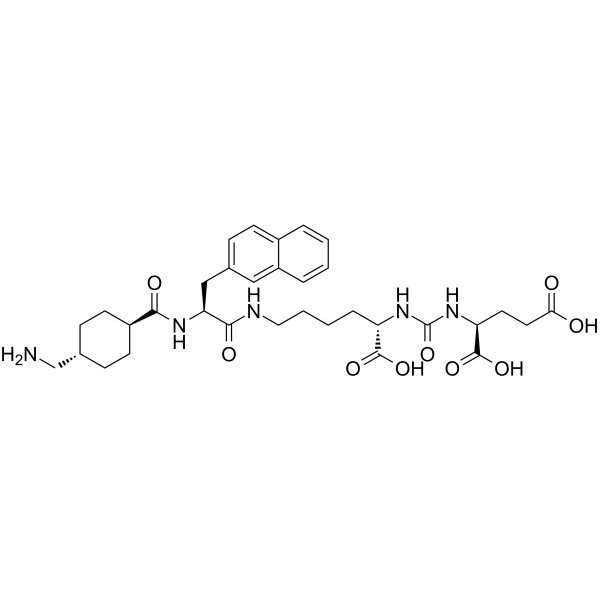
100mg USD 1,300 · 250mg USD 2,100 · 50mg USD 700 · 10mg USD 280 · 25mg USD 450 · 500mg USD 3,950Vipivotide tetraxetan Ligand-Linker Conjugate (PSMA-617 Ligand-Linker Conjugate) is composed of a linker and Glutamate-urea-Lysine, can be used to synthesize Vipivotide tetraxetan (PSMA-617). Glutamate-urea-Lysine is is the selective pharmacophore to bind to prostate specific membrane antigen (PSMA).
NSC729477Featured
Pack sizes and prices on requestExherin, also known as ADH-1, is a small, cyclic pentapeptide vascular-targeting agent with potential antineoplastic and antiangiogenic activities. ADH-1 selectively and competitively binds to and blocks N-cadherin, which may result in disruption of tumor vasculature, inhibition of tumor cell growth, and the induction of tumor cell and endothelial cell apoptosis. N-cadherin, a cell- surface transmembrane glycoprotein of the cadherin superfamily of proteins involved in calcium-mediated cell-cell adhesion and signaling mechanisms; may be upregulated in some aggressive tumors and the endothelial cells and pericytes of some tumor blood vessels. Note: The old CAT# for this product was 201350A

SJ3149Featured
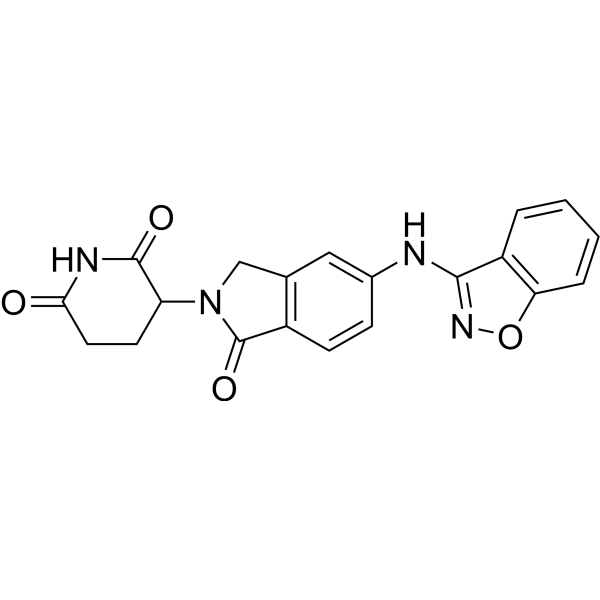
5mg USD 550SJ3149 is a uniquely potent and selective CK1α degrader with DC50 of 3.7 nM. SJ3149 shows high activity across a range of acute leukemia (AL) cell lines derived from different hematologic neoplasms, such as B-cell and T-cell acute lymphoblastic leukemia. SJ3149 activity shows a strong correlation with wild-type TP53 expression.SJ3149 (SJ-3149) is uniquely potent and selective CK1α degrader with DC50 of 3.7 nM and Dmax 95% in MOLM-13 cells, potently inhibits the viability of MOLM-13 cells with IC50 of 13 nM. SJ 3149 shows a broad antiproliferative profile on a panel of AML and ALL cell lines with IC50 values in a single digit nanomolar range, and even sub-nanomolar activity. SJ-3149 also potently inhibited the viability of multiple cell lines derived from solid tumors, including breast, soft tissue, and tumors of the male and female reproductive system, with several cell lines being inhibited more potently than MOLM-13. SJ3149 also inhibits several TP53-altered cell lines, such as BT-20 and KU812.
BRM/BRG1 ATP Inhibitor-1Featured
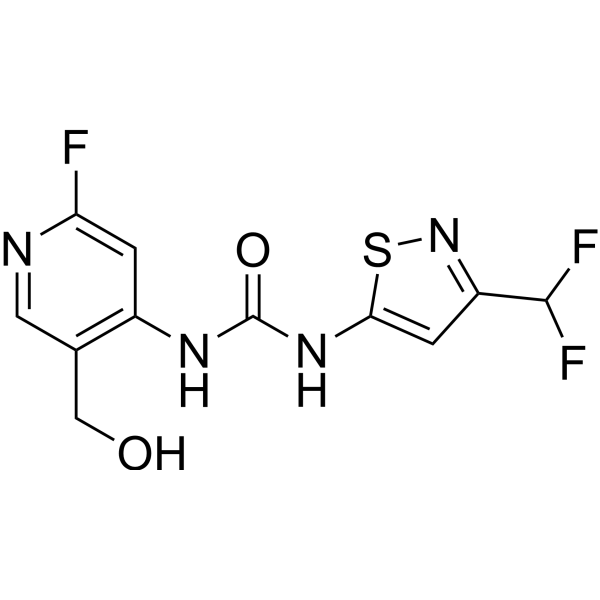
250 mg USD 1,900 · 100 mg USD 950 · 1 g USD 3,500BRM/BRG1 ATP Inhibitor-1 is an allosteric dual brahma homolog (BRM)/SWI/SNF related matrix associated actin dependent regulator of chromatin subfamily A member 2 (SMARCA2) and brahma related gene 1 (BRG1)/SMARCA4 ATPase activity inhibitor, both IC50s are below 0.005 µM[1].
LeupeptinFeatured
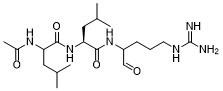
Pack sizes and prices on requestLeupeptin is a protease inhibitor, will strongly inhibit Trypsin, Papain, Plasmin, Thrombokinase, Kallikrein and Cathepsin B. The half-maximal inhibitory concentration ranges from 0.5 to 75 μg/ml, depending on the enzyme and the substrate. Leupeptin does not inhibit Chymotrypsin, Elastase, Renin, or Pepsin.
BI-2493Featured
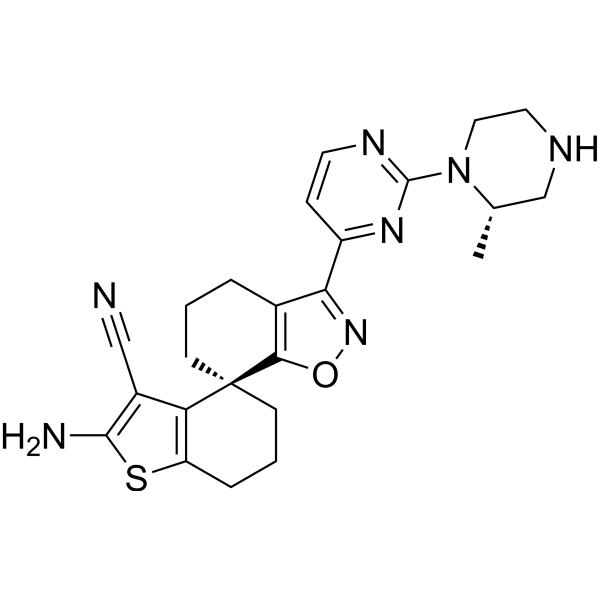
5mg USD 750BI-2493 is a structural analogue of BI-2865 and a highly selective pan-KRAS inhibitor. BI-2493 can attenuate tumor growth. BI-2493 can be used for cancer iseases research.
5mg USD 750
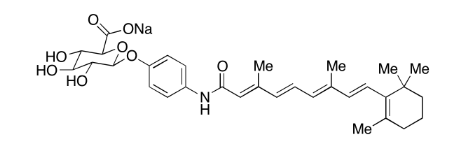
Fenretinide Glucuronide Monosodium Salt, is the metabolite of Fenretinide (F250000), which is a synthetic retinoid deriverative, substances related to vitamin A. They are also shown to be used for the treatment of cancer, as well as in the treatment of cystic fibrosis, rheumatoid arthritis, acne, and psoriasis.
Suramin sodium saltFeatured
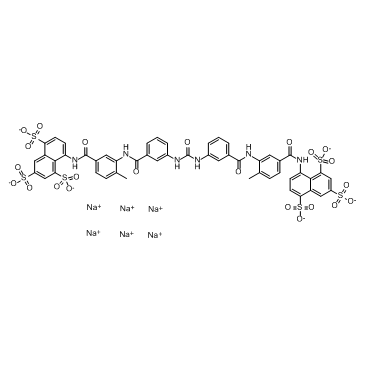
100mg USD 650 · 250mg USD 1,100 · 1g USD 2,200Suramin sodium salt (BAY-205, NF-060) is an antitrypansomal drug that also possesses antitumor activity; inhibits CRL (Cullin-RING E3 ubiquitin ligases) activity by disrupting its ability to recruit Cdc34; induces accumulation of CRL substrates; also inhi
BAY1217389Featured
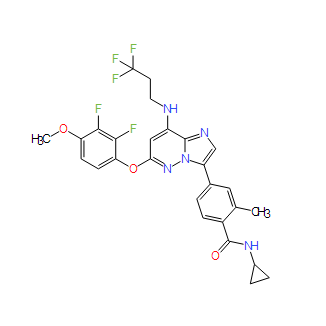
100 mg USD 550 · 250 mg USD 900 · 500 mg USD 1,500 · 10 mM * 1 mL in DMSO USD 220BAY 1217389 is a potent, and selective inhibitor of the monopolar spindle 1 (MPS1) kinase with an IC50 value less than 10 nM.
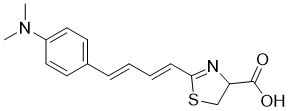
AkaLumineFeatured
10 mg USD 500 · 5mg USD 300AkaLumine is a luciferin analogue. The bioluminescence produced by AkaLumine in reactions with native firefly luciferase is in the near-infrared wavelength ranges (λmax=677?nm), and yields significantly increased target-detection sensitivity from deep tissues with maximal signals attained at very low concentrations, as compared with D-luciferin and emerging synthetic luciferin CycLuc1.
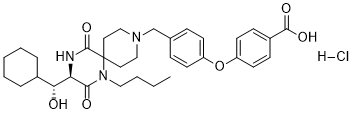
Aplaviroc HClFeatured
100 mg USD 900 · 250 mg USD 1,700 · 1g USD 3,200Aplaviroc, also known as AK-602; GW-873140; GW873140A; ONO-4128, is a CCR5 entry inhibitor for the potential treatment of HIV infection. Aplaviroc (GW873140) binds specifically to human cellular CC chemokine receptor 5 (CCR5) and demonstrates potent anti-human immunodeficiency virus activity in vitro in the subnanomolar range. In vitro studies show that aplaviroc selectively inhibits the binding of a particular monoclonal antibody, 45531, to CCR5.
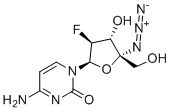
AzvudineFeatured
100 mg USD 650 · 250mg USD 1,200 · 1g USD 2,100Azvudine (RO 0622) is a potent HCV NS5B RNA polymerase inhibitor, inhibits HCV replication in the replicon system with IC50 of 24 nM; inhibits RNA synthesis by HCV polymerases from either HCV genotypes 1a and 1b or containing S96T or S282T point mutations (IC50=10-100 nM).
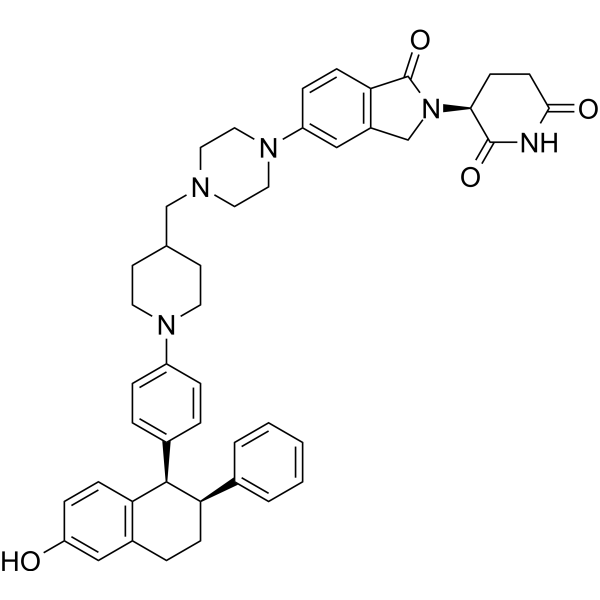
Vepdegestrant (ARV-471)Featured
10 mg USD 500 · 25mg USD 800 · 100mg USD 1,500ARV-471 is a best-in-class, orally active estrogen receptor (ER) PROTAC degrader. ARV-471 is developed for the research of breast cancer.
H3B-8800Featured
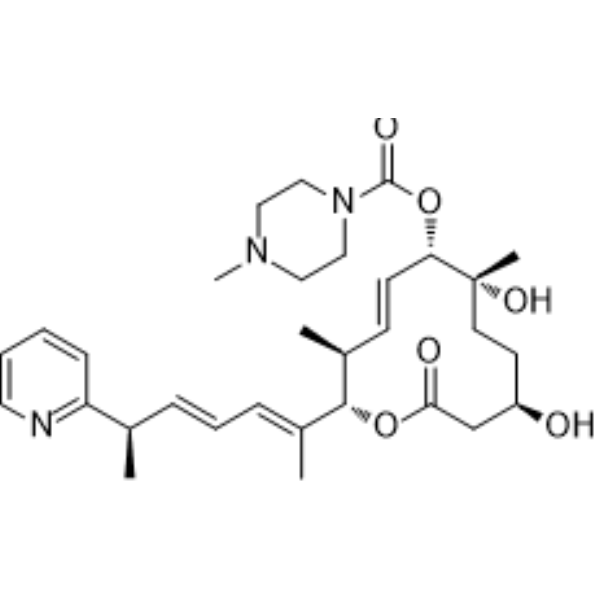
10 mg USD 650 · 25mg USD 990 · 100mg USD 1,950H3B-8800 is an orally available splicing modulator that targets spliceosome SF3b complex containing either WT or mutant SF3B1 (binding IC50 of 0.3-2 nM); demonstrates dose-dependent inhibition of both canonical splicing and aberrant splicing induced by mutant SF3B1 in in vitro assays of biochemical splicing, induces lethality in spliceosome-mutant cancer cells.
BI-2865Featured
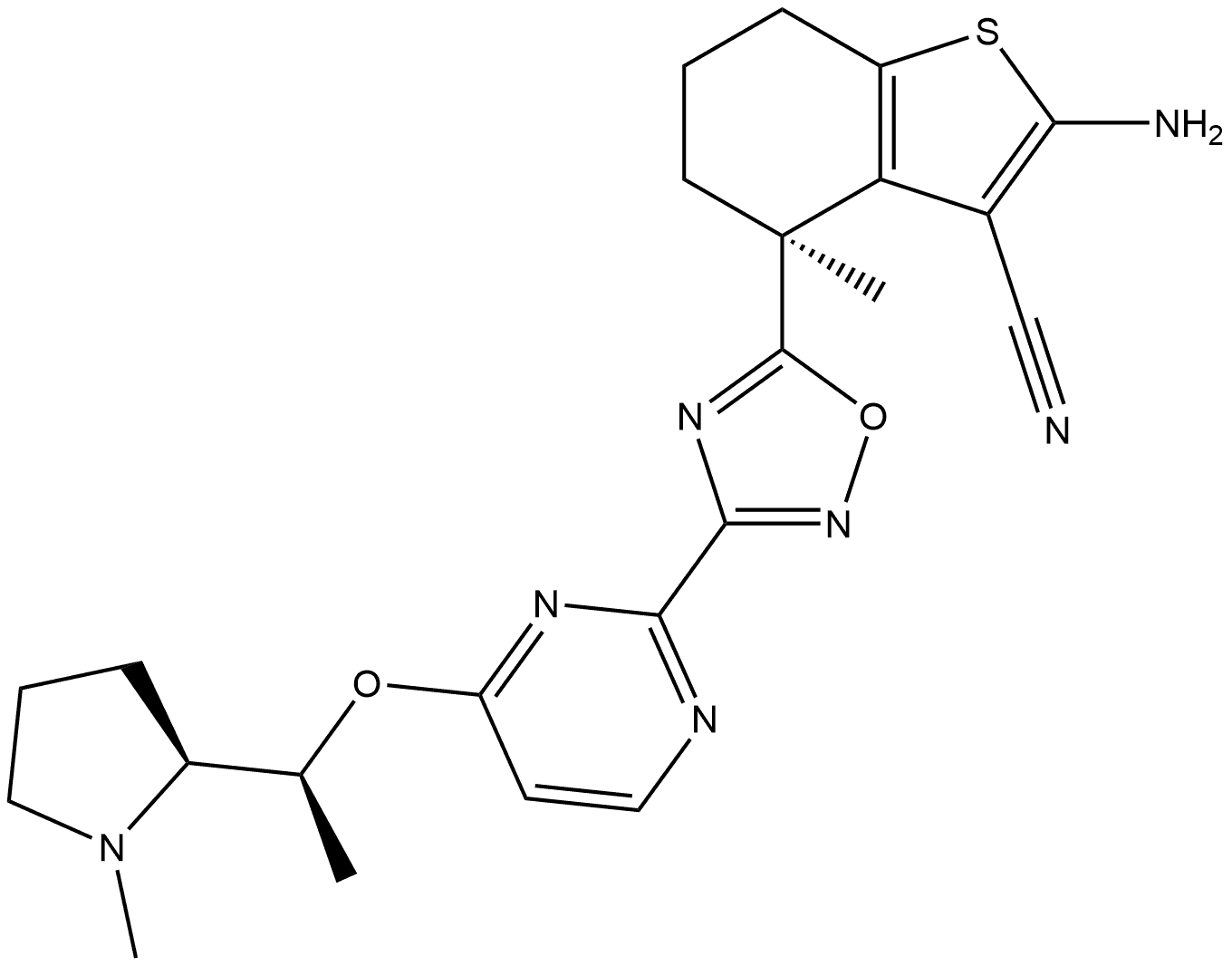
100mg USD 1,300 · 10mg USD 550 · 250mg USD 1,980 · 1g USD 3,850BI-2865 is a none-covalent pan-KRAS Inhibitor. BI-2865 blocked nucleotide exchange to prevent the activation of wild-type KRAS and a broad range of KRAS mutants, including G12A/C/D/F/V/S, G13C/D, V14I, L19F, Q22K, D33E, Q61H, K117N and A146V/T. Inhibition of downstream signalling and proliferation was restricted to cancer cells harbouring mutant KRAS, and drug treatment suppressed KRAS mutant tumour growth in mice, without having a detrimental effect on animal weight.
MIN-101Featured
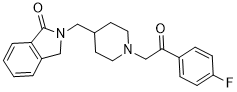
100 mg USD 700 · 250 mg USD 1,300 · 1 g USD 2,600MIN-101 (Roluperidone, CYR-101, MT-210) is a higly potent 5-HT2A and sigma 2 receptor antagonist, with no direct dopamine affinities, for treatment of negative symptoms in schizophrenia. Schizophrenia Phase 3 Clinical
No products match this search.
Page 101 of 184 · Browse all 3666 products