
Research lipid catalog
Ionizable Lipid Products
Explore 848 lipid and RNA delivery products. Search the full catalog or browse by research category.
Search covers product name, catalog number, synonyms, available CAS numbers and categories. Spaces, hyphens and common punctuation are ignored. Duplicate legacy records are consolidated under one canonical product result.
3666 products · Showing 2061–2080 · 20 per page
DC Chemicals lipid expertise
Built for ionizable-lipid discovery and RNA delivery research
DC Chemicals supports formulation and delivery research with a broad, searchable portfolio of cationic and ionizable lipids. The current directory brings together 848 unique research-use products, with product specifications, pricing, chemical structures and literature-linked formulation data added as each record is verified.
Our experience spans complex lipid synthesis, purification, analytical release and process development. For custom molecules or larger-scale requirements, our team can discuss route development, technical specifications and scale-up options for the intended research workflow.
Learn about cationic and ionizable lipids →Proprietary innovation · Co-development · GMP
From proprietary lipid design to GMP-grade custom synthesis
DC Chemicals has independently developed ionizable-lipid structures supported by company-owned intellectual property, and selected proprietary lipid programs have advanced to GMP-stage development.
We welcome joint development with customers—from molecular design and lipid synthesis through route and process development. We can also support custom synthesis of GMP-grade ionizable lipids to agreed technical specifications and quality requirements.
Discuss a co-development project →Proprietary ionizable-lipid structuresCollaborative molecular designCustom lipid synthesisProcess development and scale-upGMP-grade project support
Product quick links
Explore ionizable lipids
Browse specifications, pricing and literature-linked product information.
Cat. No.Product NameField of ApplicationChemical Structure
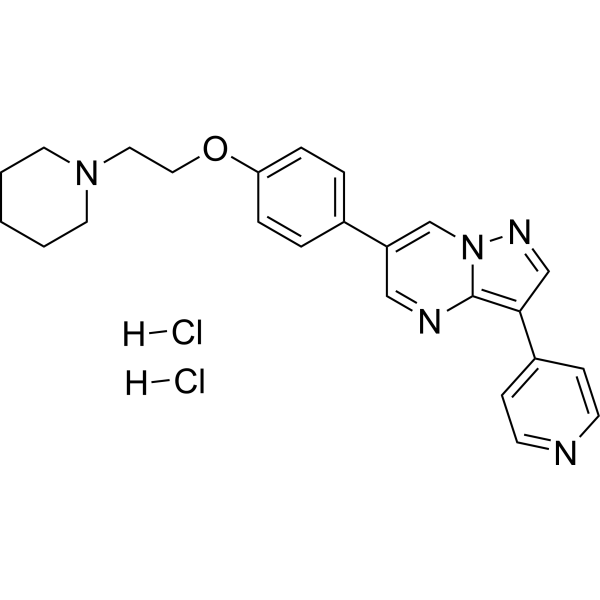
Dorsomorphin dihydrochlorideFeatured
100 mg USD 500 · 250 mg USD 1,000 · 1 g USD 1,800 · 10 mM * 1 mL in DMSO USD 220Dorsomorphin dihydrochloride (BML-275 dihydrochloride) is a potent, selective and ATP-competitive AMPK inhibitor, with a Ki of 109±16 nM.
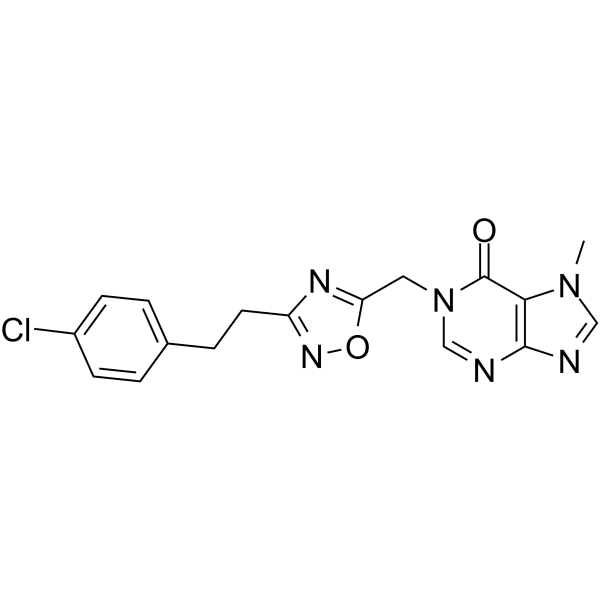
AM-0902Featured
100 mg USD 550 · 250 mg USD 1,000 · 1 g USD 1,900AM-0902 is a potent, selective transient receptor potential A1 (TRPA1) antagonist with IC50s of 71 and 131 nM for rTRPA1 and hTRPA1, respectively.
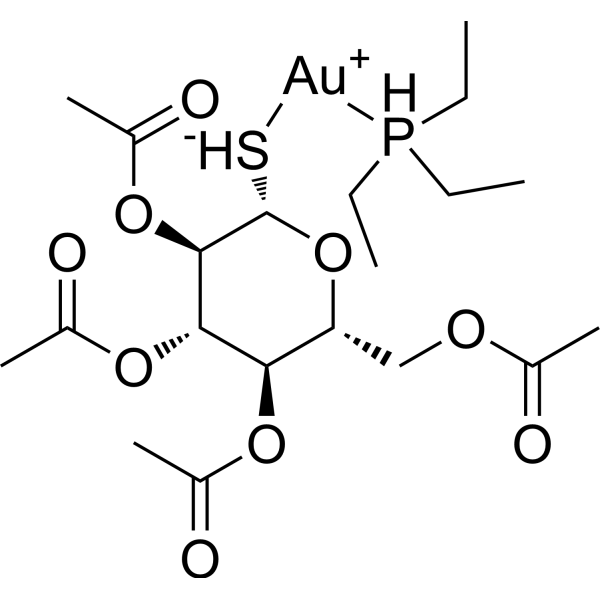
AuranofinFeatured
100 mg USD 550 · 250 mg USD 950 · 1g USD 1,950Auranofin, also known as Ridaura and SKF-39162, is an oral chrysotherapeutic agent for the treatment of rheumatoid arthritis. Auranofin's exact mechanism of action is unknown, but it is believed to act via immunological mechanisms and alteration of lysosomal enzyme activity. Auranofin's efficacy is slightly less than that of injected gold salts, but it is better tolerated, and side effects which occur are potentially less serious.
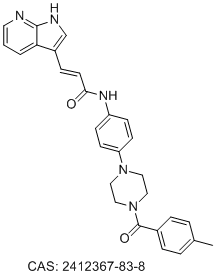
HA-9104Featured
5mg USD 350HA-9104 is a specific small molecule inhibitor of E2 conjugating enzyme UBE2F with IC50 of 33.29 uM for inhibition of cullin-5 neddylation, abrogates UBE2F-NEDD8 thioester formation and inhibits cullin-5 neddylation.
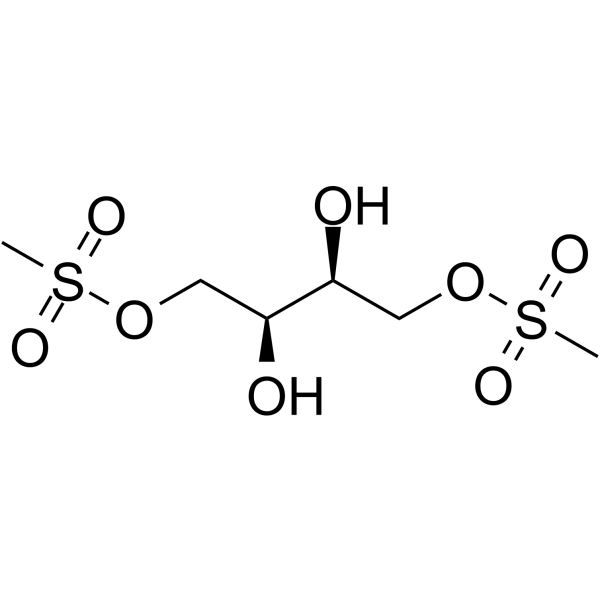
TreosulfanFeatured
100 mg USD 650 · 250 mg USD 1,100 · 1 g USD 2,200Treosulfan (NSC 39069, Treosulphan) is an alkylating agent used for conventional and high-dose chemotherapy regimens. Treosulfan is potently cytotoxic against pancreatic cancer cell lines.
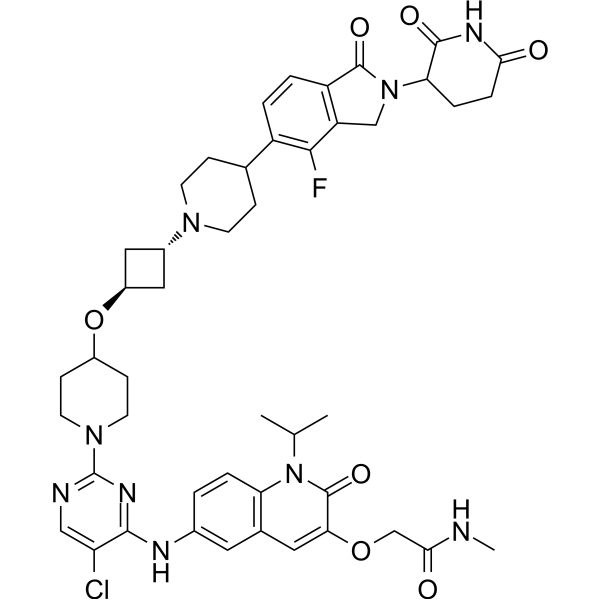
ARV-393Featured
5mg USD 450ARV-393 is an orally active PROTAC that utilizes the ubiquitin-proteasome system to target the degradation of BCL6. ARV-393 consists of ligand conjugates targeting BCL6 and the E3 ligase cereblon, respectively. ARV-393 has DC50 and GI50 values of <1 nM in multiple cell lines of diffuse large B-cell lymphoma (DLBCL) and Burkitt lymphoma (BL). ARV-393 also demonstrated considerable tumor suppressor activity in tumor xenograft models. ARV-393 is being studied to inhibit non-Hodgkin lymphoma.
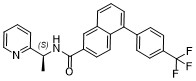
VT104Featured
100 mg USD 700 · 250 mg USD 1,200 · 1 g USD 2,400VT104 (VT-104) is a specific small molecule inhibitor of YAP/TAZ-TEAD-dependent transcription with IC50 of 10.4 nM in YAP reporter assay, pan-TEAD palmitoylation inhibitor.VT104 inhibited palmitoylation of both endogenous TEAD1, TEAD3 proteins in cells.VT104 decreased the levels of palmitoylated TEAD3 and TEAD4 and increased the levels of unpalmitoylated TEAD3 and TEAD4 in the human mesothelioma cell line NCI-H2373.VT104 exhibited inhibitory activity in more mesothelioma cell lines than the TEAD1-selective inhibitor VT103.VT104 (oral administration of 10 and 3 mg/kg) has very strong antitumor efficacy in the human mesothelioma NCI-H226 CDX model, with no effect on body weight gain.
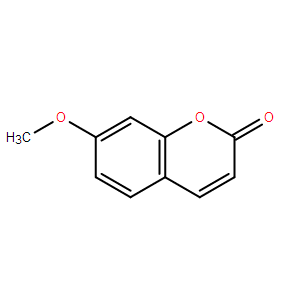
7-MethoxycoumarinFeatured
20 mg USD 280For the detailed information of 7-Methoxycoumarin, the solubility of 7-Methoxycoumarin in water, the solubility of 7-Methoxycoumarin in DMSO, the solubility of 7-Methoxycoumarin in PBS buffer, the animal experiment(test) (test) of 7-Methoxycoumarin, the cell expriment (test) of 7-Methoxycoumarin, the in vivo, in vitro and clinical trial test of 7-Methoxycoumarin, the EC50, IC50,and Affinity of 7-Methoxycoumarin,, please contact DC Chemicals.
BO-264Featured
100mg USD 450 · 250mg USD 900 · 1g USD 1,750BO-264 is a highly potent and orally active transforming acidic coiled-coil 3 (TACC3) inhibitor with an IC50 of 188 nM and a Kd of 1.5 nM. BO-264 specifically blocks the function of FGFR3-TACC3 fusion protein. BO-264 induces spindle assembly checkpoint (SAC)-dependent mitotic arrest, DNA damage and apoptosis. BO-264 has broad-spectrum antitumor activity[1].
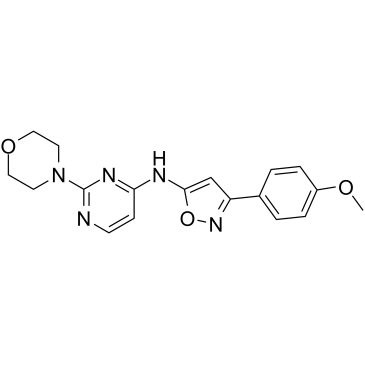
SMS1-IN-1Featured
100mg USD 600 · 250mg USD 1,100 · 1g USD 2,200SMS1-IN-1, compound SAPA 1j, is a novel and the most potent sphingomyelin synthase 1 (SMS1) inhibitor with an IC50 value of 2.1 μM. SMS1-IN-1 has the potential for the treatment of atherosclerosis[1].
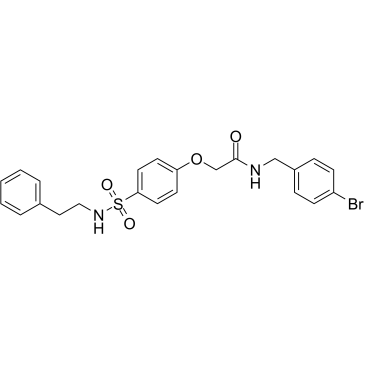
DalzanemdorFeatured
100mg USD 1,450 · 50mg USD 900 · 20mg USD 680Dalzanemdor (SAGE-718) is a N-methyl-D-aspartate (NMDA) receptor positive allosteric modulator.
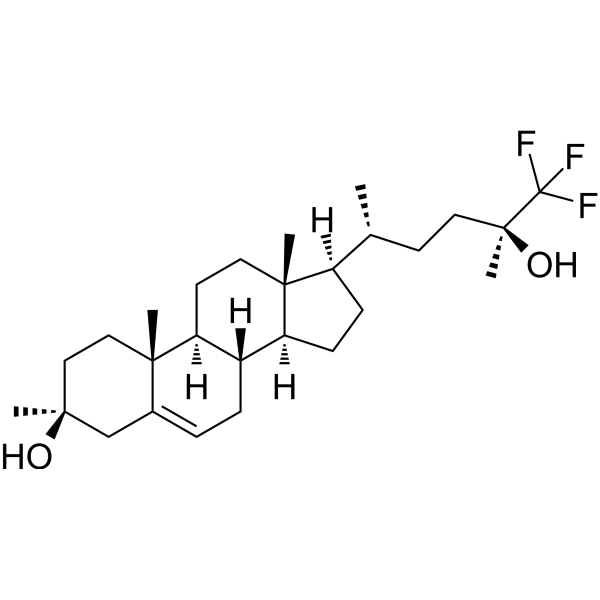
(R)-CR8Featured
100 mg USD 750 · 250 mg USD 1,200 · 1 g USD 2,400(R)-CR8 (CR8), a second-generation derivative of Roscovitine, is a highly effective inhibitor of CDK1/2/5/7/9. It exhibits inhibitory activity against CDK1/cyclin B (IC50=0.09 μM), CDK2/cyclin A (0.072 μM), CDK2/cyclin E (0.041 μM), CDK5/p25 (0.11 μM), CDK7/cyclin H (1.1 μM), CDK9/cyclin T (0.18 μM), and CK1δ/ε (0.4 μM). (R)-CR8 induces apoptosis and demonstrates neuroprotective properties. Additionally, it functions as a molecular glue degrader, specifically targeting and depleting cyclin K.
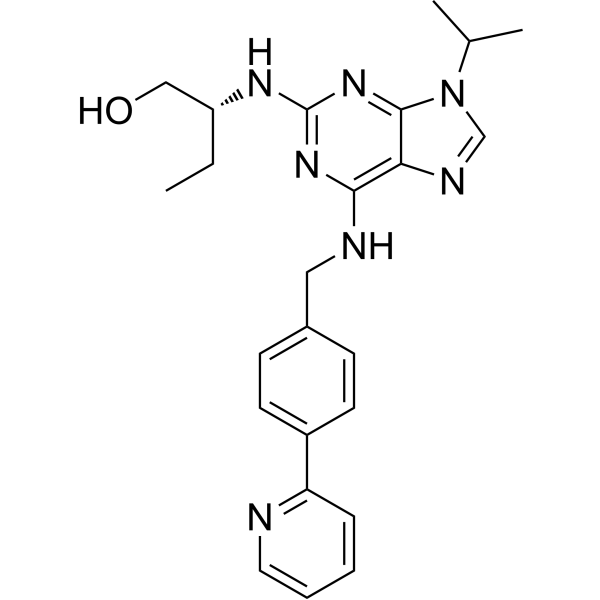
BTSA1.2Featured
5mg USD 450 · 10mg USD 750 · 25mg USD 1,100BTSA1.2 is a rationalized BTSA1 analog with improved binding to BAX, cellular cytotoxicity, and better toleratence in vivo. Combination of BTSA1.2 with Navitoclax demonstrates synergistic efficacy in apoptosis-resistant cancer cells, xenografts, and patient-derived tumors while sparing healthy tissues.
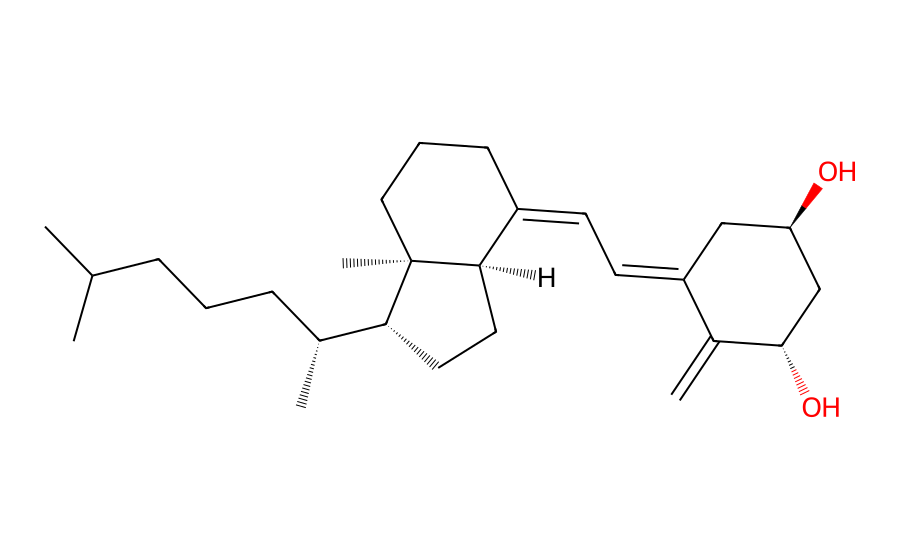
AlfacalcidolFeatured
100 mg USD 600 · 250 mg USD 1,000 · 1 g USD 1,950Alfacalcidol (1-hydroxycholecalciferol; Alpha D3; 1.alpha.-Hydroxyvitamin D3) is a non-selective VDR activator medication. IC50 value: Target: VDR activatorAlfacalcidol (1-hydroxycholecalciferol; Alpha D3; 1.alpha.-Hydroxyvitamin D3) improves mechanical bone strength and bone mass; suppresses osteoclastic bone resorption in vivo.
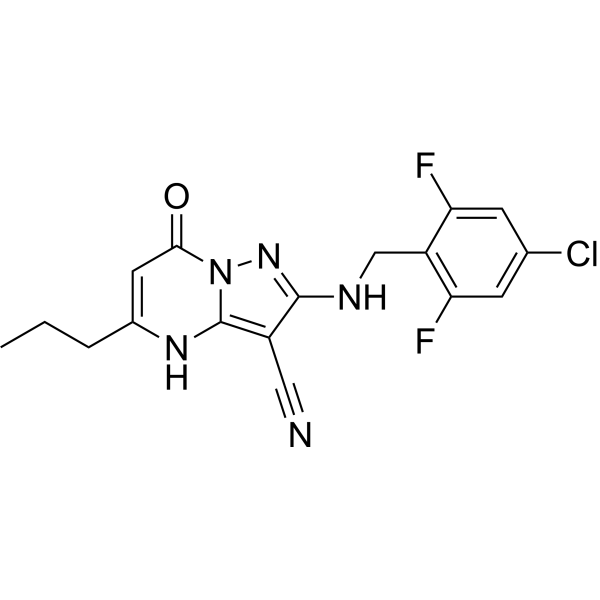
BCAT-IN-2Featured
5mg USD 500BCAT-IN-2 is a potent, selective and orally active inhibitor of mitochondrial branched-chain aminotransferase (BCATm), with a pIC50 of 7.3. BCAT-IN-2 shows selectivity for BCATm over BCATc (pIC50=6.6). BCAT-IN-2 can be used for the research of obesity and dislipidema.
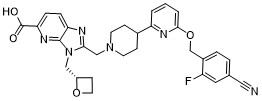
RGT1383Featured
5mg USD 700RGT1383 is a novel GLP-1R agonist, an analog of PF-06882961.
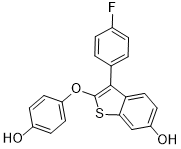
TTC-352Featured
5 mg USD 450TTC-352 is a synthetic selective estrogen mimic acts as estrogen receptor (ER) partial agonist for the treatment of endocrine-resistant breast cancer.TTC-352 yields an H-bond with Glu353, allows Asp351-to-helix 12 (H12) interaction, sealing ERα's ligand-binding domain, recruiting E2-enriched coactivators, and triggering rapid ERα-induced unfolded protein response (UPR) and apoptosis.TTC-352 is a less potent full estrogen agonist compared to E2, allowing H12 to seal the LBD, which recruits many E2-enriched coactivators, and induces rapid ERα-mediated UPR and apoptosis.
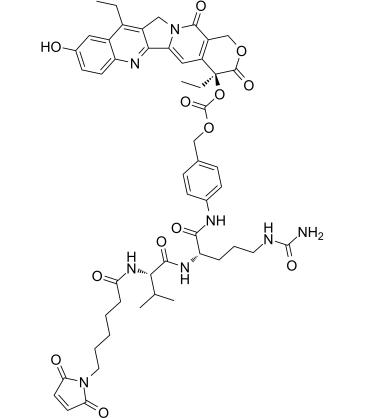
Mc-VC-PAB-SN38Featured
50 mg USD 1,000 · 100 mg USD 1,350Mc-VC-PAB-SN38 consists a cleavable ADC linker (Mc-VC-PAB) and a DNA topoisomerase I inhibitor (SN38). Mc-VC-PAB-SN38 can be used in the synthesis of antibody-drug conjugates (ADCs).
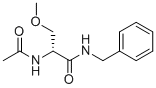
LacosamideFeatured
100 mg USD 200 · 250 mg USD 400 · 1 g USD 800 · 10 mM * 1 mL in DMSO USD 150Lacosamide is a functionalized amino acid that produces activity in the maximal electroshock seizure (MES) test, that, like some other antiepileptic drugs (AEDs), are believed to act through voltage-gated sodium channels. Lacosamide enhances the slow inactivation of voltage-gated sodium channels without affecting the fast inactivation of voltage-gated sodium channels. This inactivation prevents the channel from opening, helping end the action potential. Many antiepileptic drugs, like carbamazepine or lamotrigine, slow the recovery from inactivation and hence reduce the ability of neurons to fire action potentials.
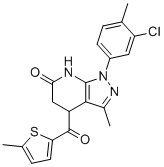
S9-A13Featured
5mg USD 550S9-A13 is a highly potent and specific inhibitor of SLC26A9, potently inhibits SLC26A9-mediated Cl−/I− and Cl−/SCN− exchange activities with IC50 of 90.9 and 171.5 nM, respectively.S9-A13 does not inhibit other members of the SLC26 family and has no effects on Cl− channels such as CFTR, TMEM16A, or VRAC.S9-A13 (0-1 uM ) inhibits SLC26A9 currents in a dose-dependent manner in HEK293 cells, but shows little effects on CFTR currents in HEK293 cells at the highest concentration (5 uM).S9-A13 has a minor effect on ion transport in human airway epithelial cells and mouse trachea, despite clear expression of SLC26A9 in the apical membrane of ciliated cells.
No products match this search.
Page 104 of 184 · Browse all 3666 products