
Research lipid catalog
Ionizable Lipid Products
Explore 848 lipid and RNA delivery products. Search the full catalog or browse by research category.
Search covers product name, catalog number, synonyms, available CAS numbers and categories. Spaces, hyphens and common punctuation are ignored. Duplicate legacy records are consolidated under one canonical product result.
3666 products · Showing 2101–2120 · 20 per page
DC Chemicals lipid expertise
Built for ionizable-lipid discovery and RNA delivery research
DC Chemicals supports formulation and delivery research with a broad, searchable portfolio of cationic and ionizable lipids. The current directory brings together 848 unique research-use products, with product specifications, pricing, chemical structures and literature-linked formulation data added as each record is verified.
Our experience spans complex lipid synthesis, purification, analytical release and process development. For custom molecules or larger-scale requirements, our team can discuss route development, technical specifications and scale-up options for the intended research workflow.
Learn about cationic and ionizable lipids →Proprietary innovation · Co-development · GMP
From proprietary lipid design to GMP-grade custom synthesis
DC Chemicals has independently developed ionizable-lipid structures supported by company-owned intellectual property, and selected proprietary lipid programs have advanced to GMP-stage development.
We welcome joint development with customers—from molecular design and lipid synthesis through route and process development. We can also support custom synthesis of GMP-grade ionizable lipids to agreed technical specifications and quality requirements.
Discuss a co-development project →Proprietary ionizable-lipid structuresCollaborative molecular designCustom lipid synthesisProcess development and scale-upGMP-grade project support
Product quick links
Explore ionizable lipids
Browse specifications, pricing and literature-linked product information.
Cat. No.Product NameField of ApplicationChemical Structure
CLP-290Featured
100 mg USD 650 · 250 mg USD 1,100 · 1 g USD 2,100CLP290 is an orally available activator of the neuron-specific K+-Cl− cotransporter KCC2, displays potential for treatment of a wide range of neurological and psychiatric indications. CLP290 can significantly lower blood arginine-vasopressin (AVP) and glucose levels in STZ rats[1][2].
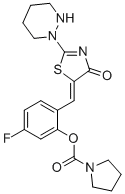
F17464Featured
5mg USD 600F17464 is a dopamine D3 receptor preferential antagonist exhibiting high affinity for human dopamine receptor subtype 3 (hD3) (Ki=0.17 nM) and 5-HT1a (Ki=0.16 nM) and a >50 fold lower affinity for the human dopamine receptor subtype 2 short and long form (hD2s/l) (Ki=8.9 and 12.1 nM, respectively). F17464 is a D3 receptor antagonist, 5-HT1a receptor partial agonist. F17464 blocks ketamine induced morphological changes, an effect D3 receptor mediated, in human dopaminergic neurons. F17464 increases dopamine release in the rat prefrontal cortex and mouse lateral forebrain-dorsal striatum and seems to reduce the effect of MK801 on % c-fos mRNA medium expressing neurons in cortical and subcortical regions. F17464 also rescues valproate induced impairment in a rat social interaction model of autism, with dose range 0.32-2.5 mg/kg i.p. in both rats and mice
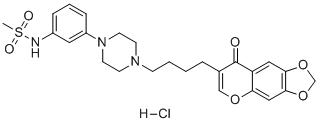
Bay K-8644Featured
100 mg USD 600 · 250 mg USD 1,000 · 1 g USD 1,900Bay K 8644, a dihydropyridine compound, is a specific L-type Ca2+ channel agonist. Bay K 8644 increases Ca2+ influx through sarcolemmal Ca2+ channels by increasing the open time of the channel[1].
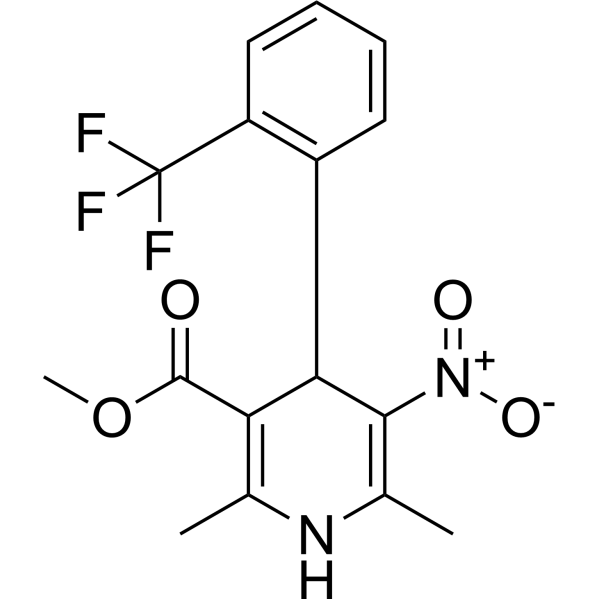
ATI-2341Featured
25mg USD 550 · 5mg USD 200 · 10mg USD 350ATI-2341, pepducin targeting the C-X-C chemokine receptor type 4 (CXCR4), is an allosteric agonist activating the inhibitory heterotrimeric G protein (Gi) to promote inhibition of cAMP production and induce calcium mobilization.
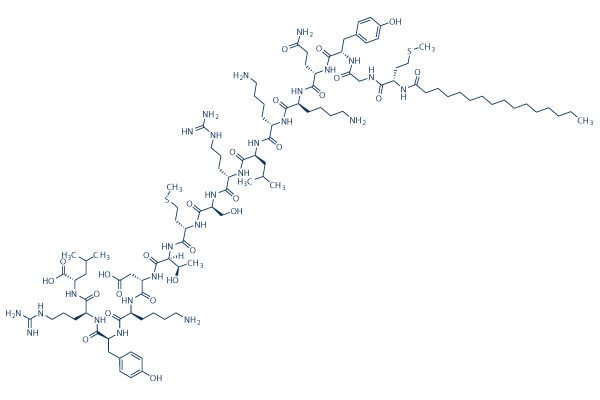
Evacetrapib (LY2484595)Featured
100 mg USD 500 · 250 mg USD 1,000 · 1 g USD 2,000Evacetrapib is a potent and selective of CETP inhibitor, which inhibits human recombinant CETP protein (IC50 5.5 nM) and CETP activity in human plasma (IC50 36 nM) in vitro.
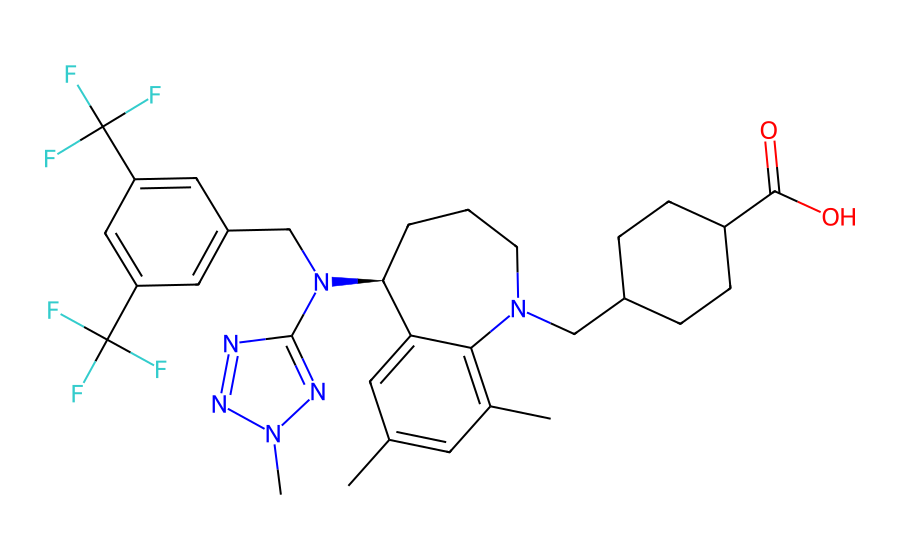
AZD-1152-HPQAFeatured
100 mg USD 300 · 250 mg USD 600 · 1 g USD 1,200 · 10 mM * 1 mL in DMSO USD 150AZD1152-HQPA is a highly selective Aurora B inhibitor with IC50 of 0.37 nM in a cell-free assay, and appr 3700 fold more selective for Aurora B over Aurora A.
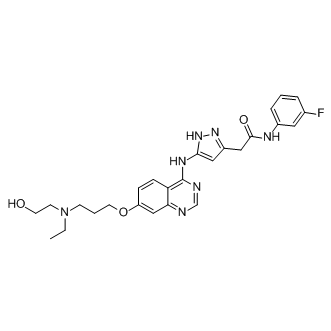
BezuclastinibFeatured
100 mg USD 700 · 250 mg USD 1,200 · 1 g USD 2,500Bezuclastinib (PLX 9486; CGT9486) is a potent inhibitor of c-kit and c-kit D816V (0.0001<IC50<1 μM; extracted from patent WO2014100620 A2, compound P-2007). Bezuclastinib is a tyrosine kinase inhibitor.
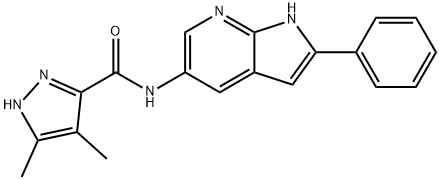
Antioxidant 1024Featured
250 mg USD 300 · 100 mg USD 150 · 1 g USD 550Antioxidant 1024 (MD 1024) is an antioxidant agent and metal deactivator.
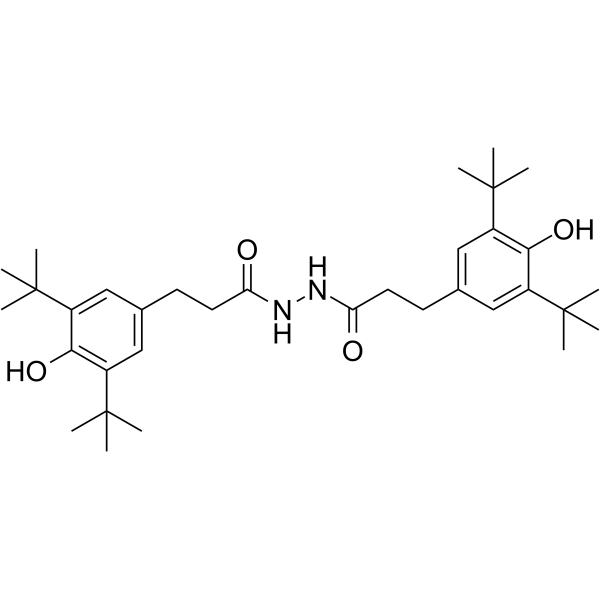
LUNA18Featured
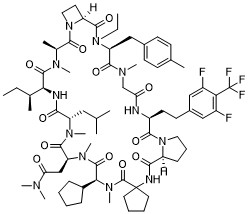
5mg USD 950LUNA18 is an 11-mer cyclic peptide inhibitor for the intracellular tough target RAS with Kd (KRAS/G12D) of 0.043 nM and cellular IC50 of 1.4 nM (AsPC-1). LUNA18 orally and dose-dependently exhibits potent anti-cancer activities in a mouse xenograft model. LUNA18 shows 21–47% oral bioavailability in animals such as mouse, rat, monkey, and dog and notably does not require special formulations.
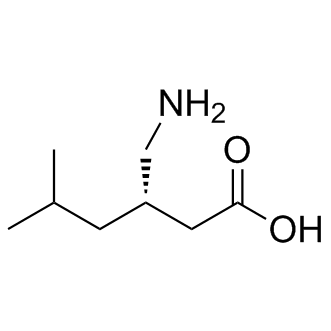
PregabalinFeatured
100 mg USD 200 · 250 mg USD 400 · 1 g USD 800For the detailed information of Pregabalin, the solubility of Pregabalin in water, the solubility of Pregabalin in DMSO, the solubility of Pregabalin in PBS buffer, the animal experiment(test) (test) of Pregabalin, the cell expriment (test) of Pregabalin, the in vivo, in vitro and clinical trial test of Pregabalin, the EC50, IC50,and Affinity of Pregabalin,, please contact DC Chemicals.
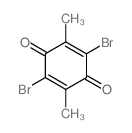
NSC112200Featured
5 mg USD 550NSC112200 is a chemical inhibitor of the EZH2 deubiquitinase ZRANB1 (at 10 uM), destabilizes EZH2, promotes proteasomal degradation of EZH2 and inhibits the viability of TNBC cells; NSC112200 is a mixture of 2,5-dibromo-3,6-dimethyl-1,4- benzenediol and 2,5-dibromo-3,6-dimethyl-1,4-benzoquinone.
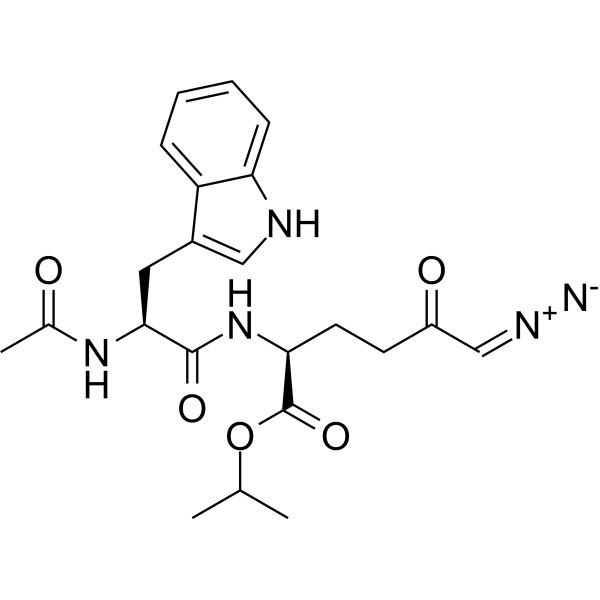
10mg USD 450
Sirpiglenastat (DRP-104) is a broad acting glutamine antagonist. Sirpiglenastat has anticancer effects by directly targeting tumor metabolism and simultaneously inducing a potent antitumor immune response.
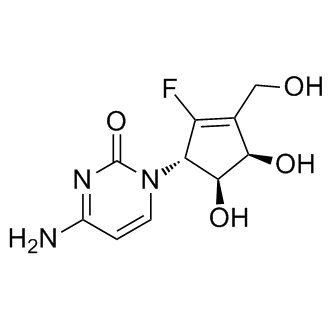
RX-3117Featured
100mg USD 750 · 250mg USD 1,200 · 1g USD 2,500RX-3117(TV-1360; Fluorocyclopentenylcytosine) is novel a cytidine analog; shows anticancer activity in several cancer cell lines, including gemcitabine-resistant variants.
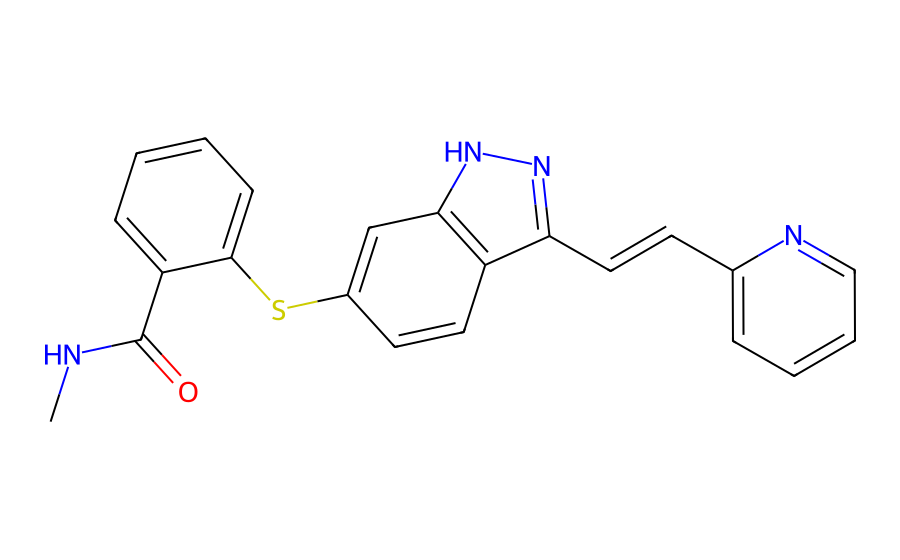
AxitinibFeatured
100 mg USD 150 · 250 mg USD 300 · 1 g USD 600 · 10 mM * 1 mL in DMSO USD 150Axitinib is a multi-targeted tyrosine kinase inhibitor with IC50s of 0.1, 0.2, 0.1-0.3, 1.6 nM for VEGFR1, VEGFR2, VEGFR3 and PDGFRβ, respectively.
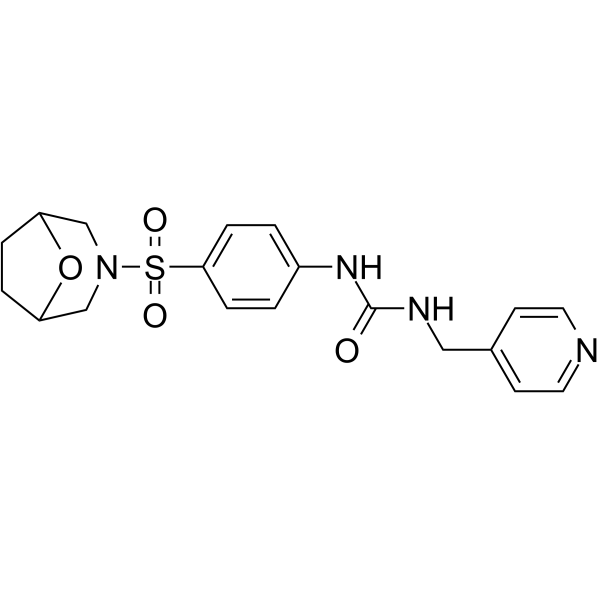
SBI-797812Featured
100 mg USD 550 · 250 mg USD 850 · 1 g USD 1,800SBI-797812 is an orally active nicotinamide phosphoribosyltransferase (NAMPT) activator. SBI-797812 shifts NAMPT to NMN formation, increases NAMPT affinity for ATP, stabilizes phosphorylated NAMPT, promotes consumption of the pyrophosphate by-product, and blunts feedback inhibition by NAD+. SBI-797812 increases intracellular nicotinamide mononucleotide (NMN) and elevates liver NAD+ in mice.
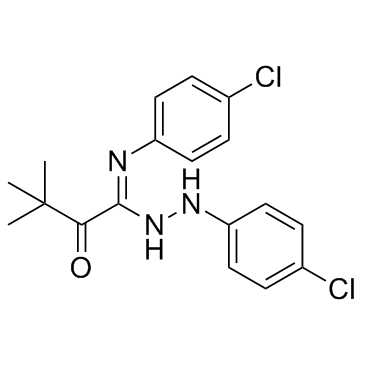
TY-52156Featured
1g USD 2,200 · 250 mg USD 1,100 · 100 mg USD 650TY-52156 is a potent S1P3 receptor antagonist in a competitive manner, and the Ki value is estimated to be 110 nM for S1P3 receptor.
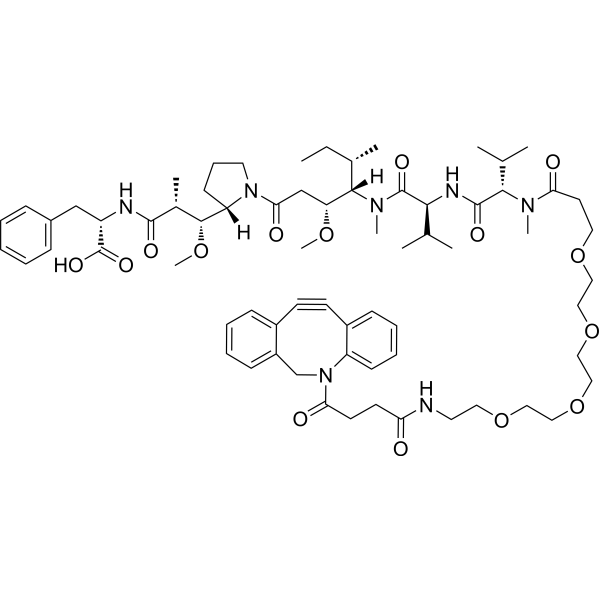
DBCO-PEG4-MMAFFeatured
10 mg USD 650DBCO-PEG4-MMAF is a drug-linker conjugate for ADC with potent antitumor activity by using the tubulin polymerization inhibitor, MMAF, linked via the cleavable linker DBCO-PEG4.
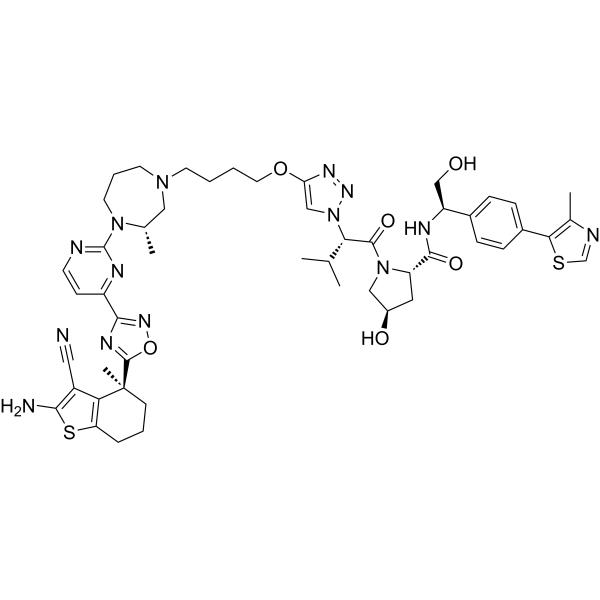
ACBI3Featured
100mg USD 1,800 · 10mg USD 500 · 25mg USD 850ACBI3 is a selective, potent and in vivo active pan-KRAS PROTAC degrader, potently degrades 13 out of 17 of the most prevalent oncogenic KRAS alleles (DC50=3.9 nM in GP2d cells).
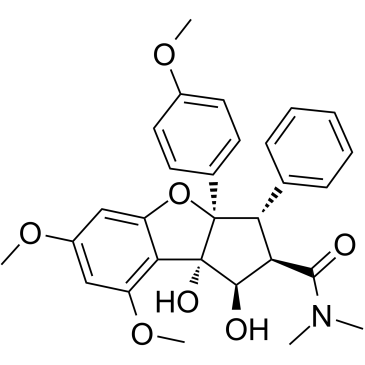
5mg USD 350 · 10mg USD 600 · 25mg USD 1,000
Rocaglamide is a potent NF-κB activation inhibitor.
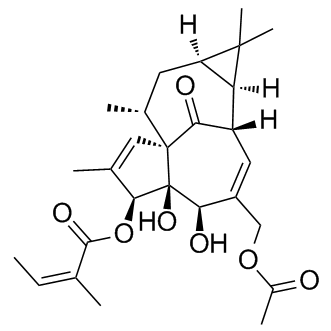
20-O-Acetylingenol-3-angelateFeatured
20 mg USD 800 · 50 mg USD 1,60020-O-Acetylingenol-3-angelate is a natural compound.
No products match this search.
Page 106 of 184 · Browse all 3666 products