
Research lipid catalog
Ionizable Lipid Products
Explore 848 lipid and RNA delivery products. Search the full catalog or browse by research category.
Search covers product name, catalog number, synonyms, available CAS numbers and categories. Spaces, hyphens and common punctuation are ignored. Duplicate legacy records are consolidated under one canonical product result.
4677 products · Showing 4641–4660 · 20 per page
DC Chemicals lipid expertise
Built for ionizable-lipid discovery and RNA delivery research
DC Chemicals supports formulation and delivery research with a broad, searchable portfolio of cationic and ionizable lipids. The current directory brings together 848 unique research-use products, with product specifications, pricing, chemical structures and literature-linked formulation data added as each record is verified.
Our experience spans complex lipid synthesis, purification, analytical release and process development. For custom molecules or larger-scale requirements, our team can discuss route development, technical specifications and scale-up options for the intended research workflow.
Learn about cationic and ionizable lipids →Proprietary innovation · Co-development · GMP
From proprietary lipid design to GMP-grade custom synthesis
DC Chemicals has independently developed ionizable-lipid structures supported by company-owned intellectual property, and selected proprietary lipid programs have advanced to GMP-stage development.
We welcome joint development with customers—from molecular design and lipid synthesis through route and process development. We can also support custom synthesis of GMP-grade ionizable lipids to agreed technical specifications and quality requirements.
Discuss a co-development project →Proprietary ionizable-lipid structuresCollaborative molecular designCustom lipid synthesisProcess development and scale-upGMP-grade project support
Product quick links
Explore New ionizable lipids
Explore our five most recently added ionizable lipids, with specifications, pricing and literature-linked product information.
DCL0028HX1Brain RNA delivery researchView product →DCL0024A1I4R13C18-2Spleen-targeted RNA delivery researchView product →DCL0023A1I4R2C18-2Spleen-targeted RNA delivery researchView product →DCL0022FS01Local joint RNA delivery researchView product →DCL0020Lipid-392Lung RNA delivery and gene editing researchView product →
Cat. No.Product NameField of ApplicationChemical Structure
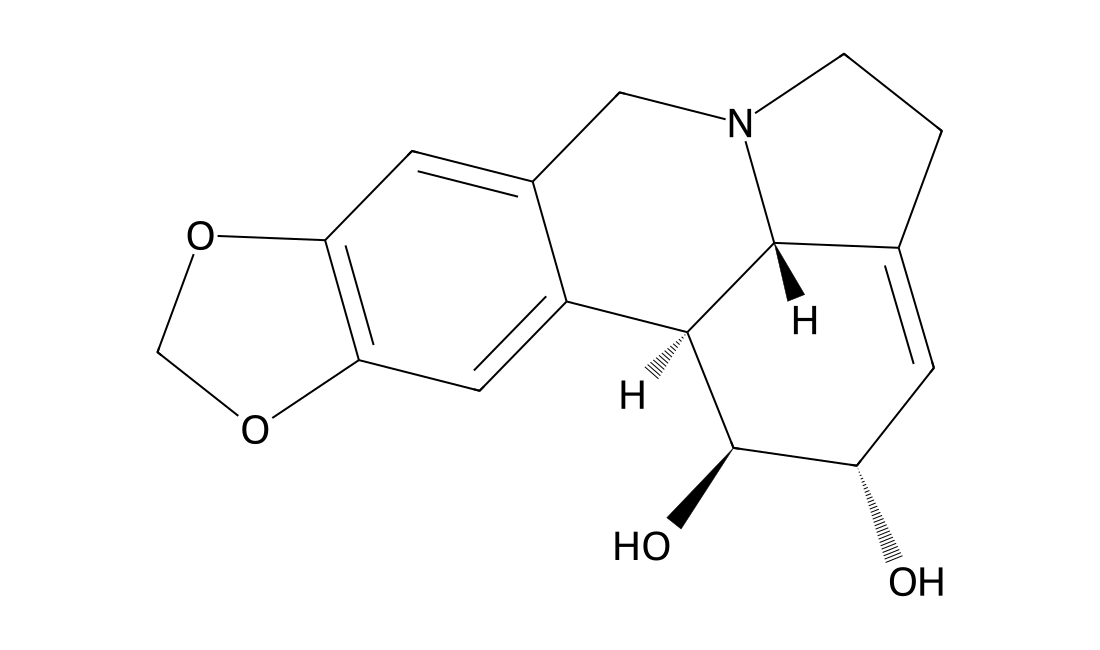
LycorineFeatured
Lycorine is a natural alkaloid extracted from the Amaryllidaceae plant. Lycorine is a potent and orally active SCAP inhibitor with a Kd value 15.24 nM. Lycorine downregulates the SCAP protein level without changing its transcription. Lycorine is also a melanoma vasculogenic inhibitor. Lycorine can be used for the study of prostate cancer and metabolic diseases.
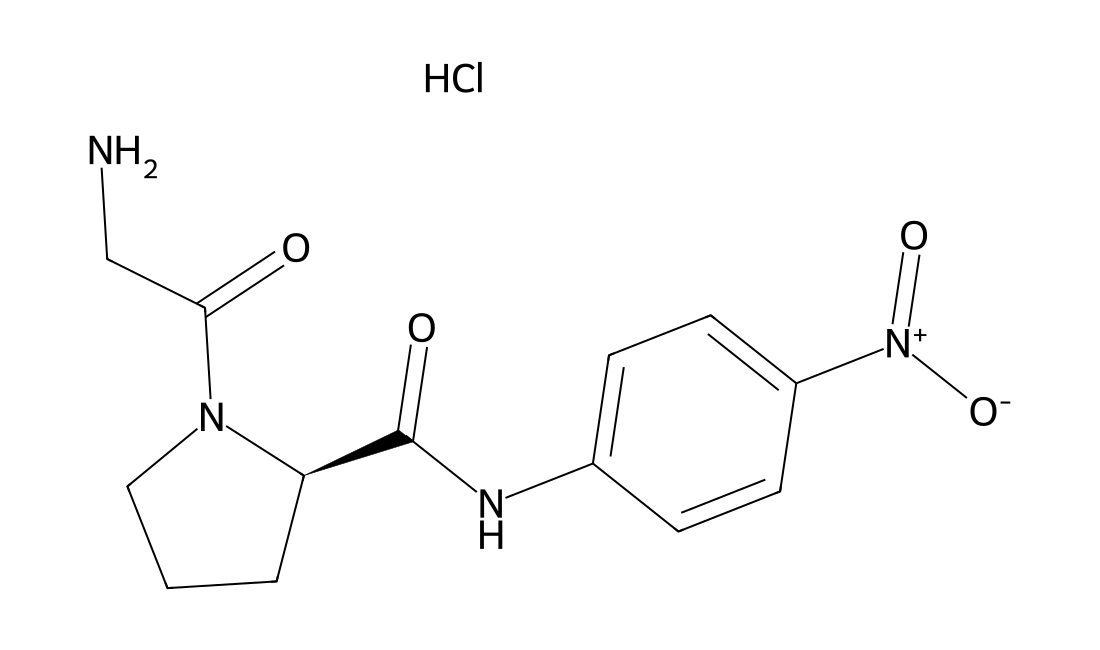
Gly-Pro-pNA is a chromogenic substrate specifically cleaved by dipeptidyl peptidase IV (DPP IV), an enzyme present in circulation. The enzymatic activity can be measured colorimetrically by detecting the release of p-nitroanilide at 405 nm. DPP IV plays a critical role in inactivating two key peptides, glucose-dependent insulinotropic polypeptide (GIP) and glucagon-like peptide 1 (GLP-1), which are essential for nutrient-stimulated insulin secretion. This substrate is particularly useful for screening DPP IV inhibitors, which are being explored as potential antidiabetic therapeutics.
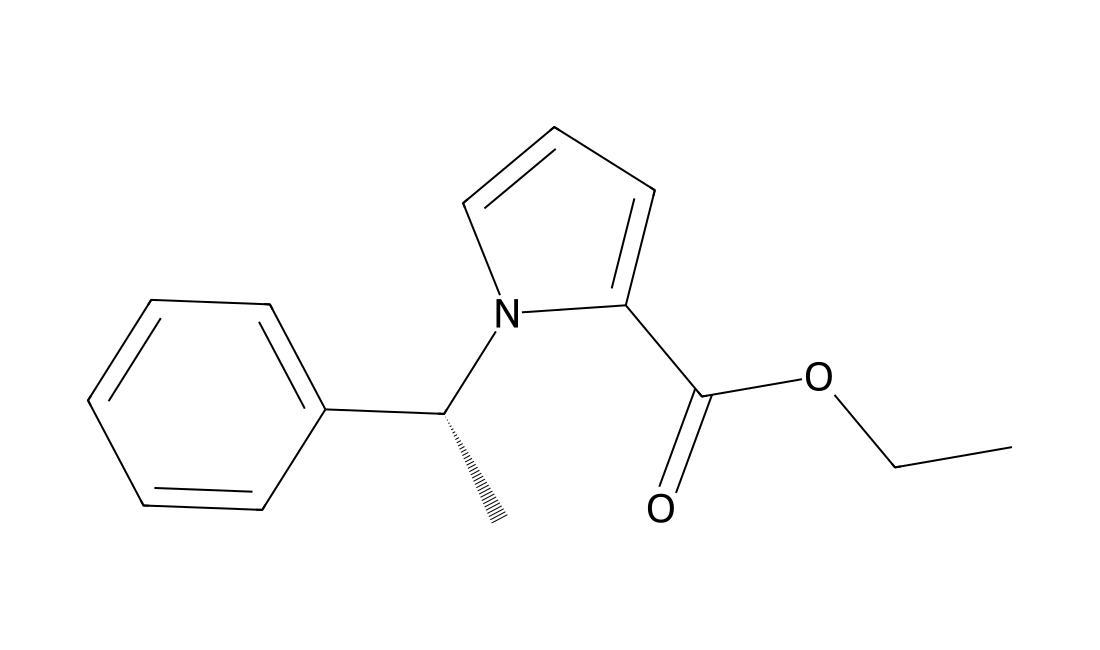
CarboetomidateFeatured
Analog of etomidate that interacts weakly with 11β-hydroxylase
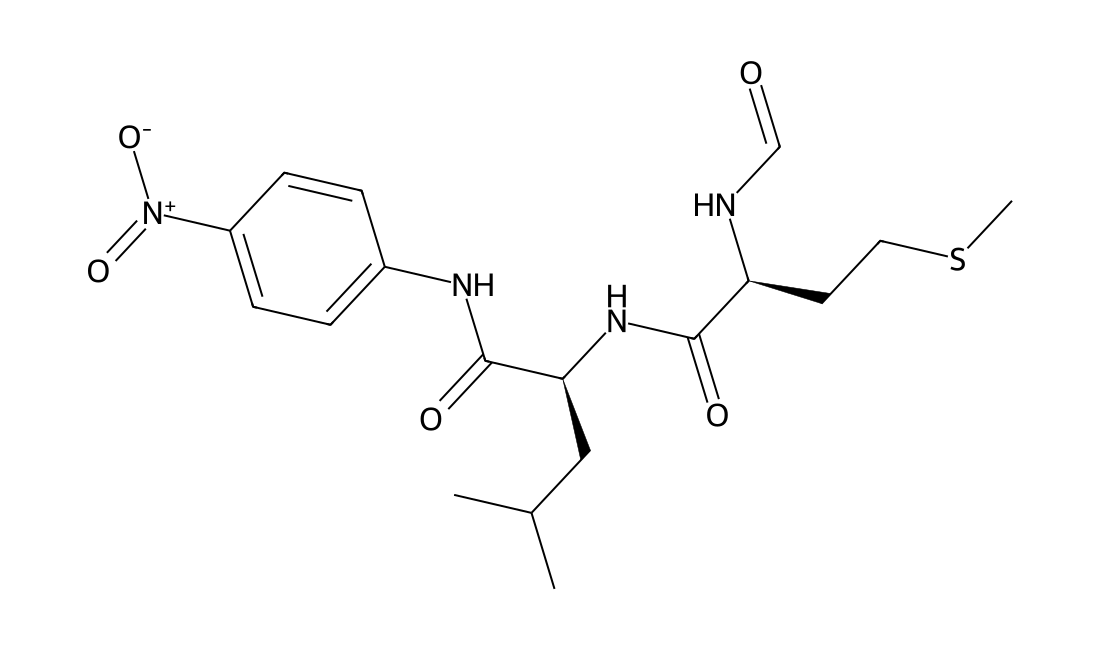
For-Met-Leu-pNA is an N-formylated peptide substrate specifically designed for use in deformylase activity assays, providing a reliable tool for studying enzyme function.
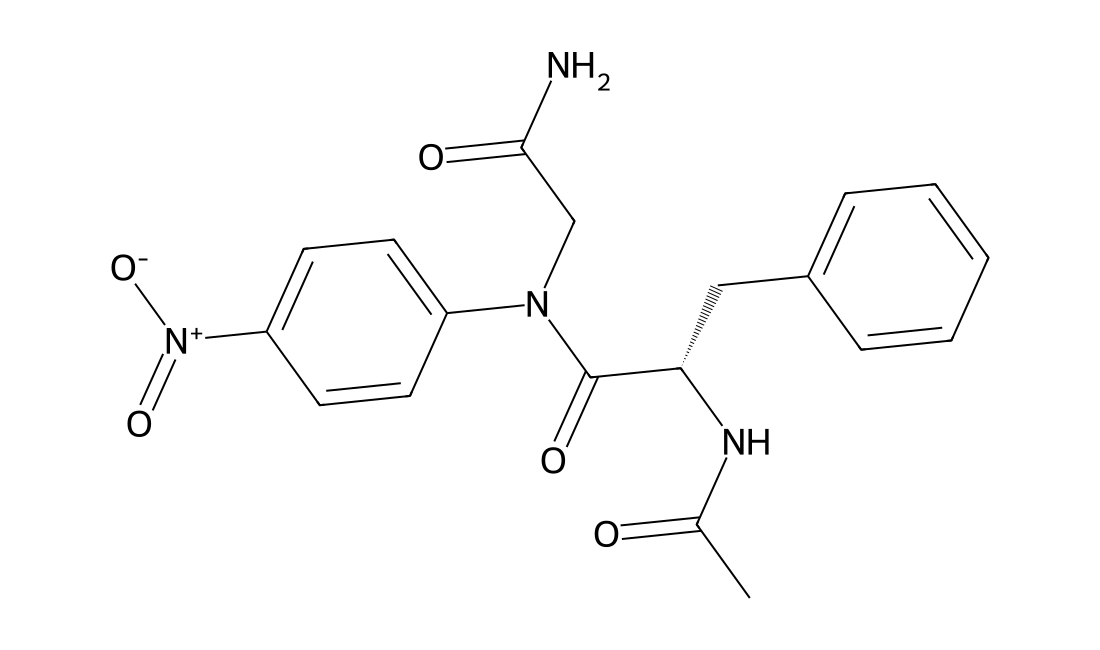
Ac-Phe-Gly-pNA is a synthetic peptide substrate specifically tailored for detecting chymotrypsin activity, offering high specificity for this enzyme.
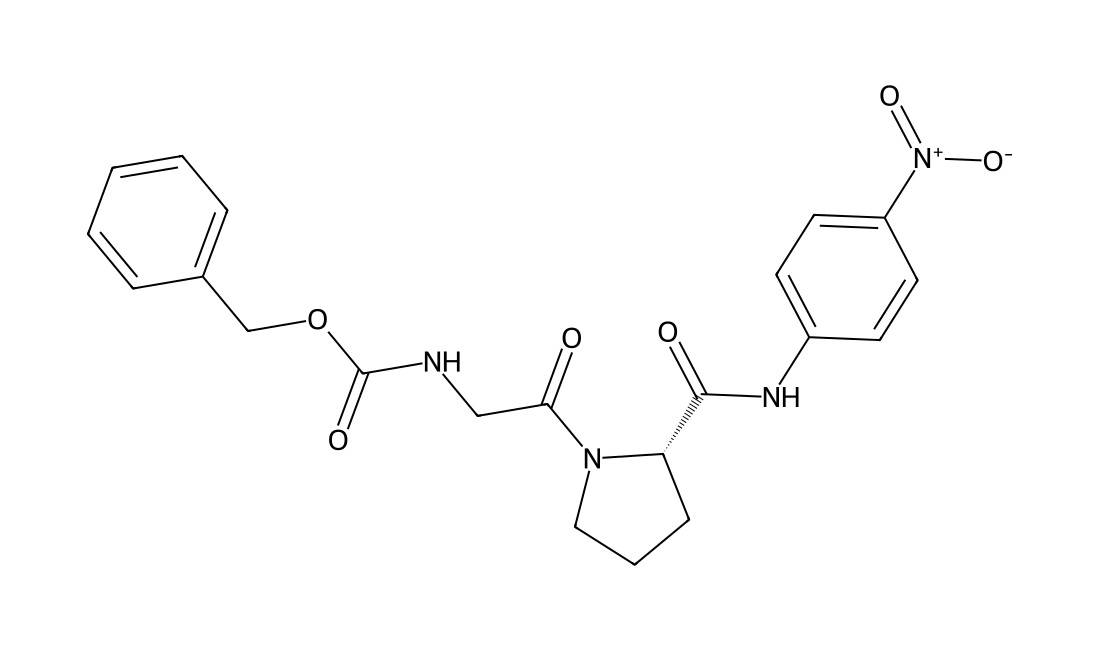
Z-Gly-Pro-pNA is a synthetic peptide substrate specifically designed for assessing the inhibitory activity of prolyl endopeptidase (PEP), making it a useful tool in enzymatic studies.
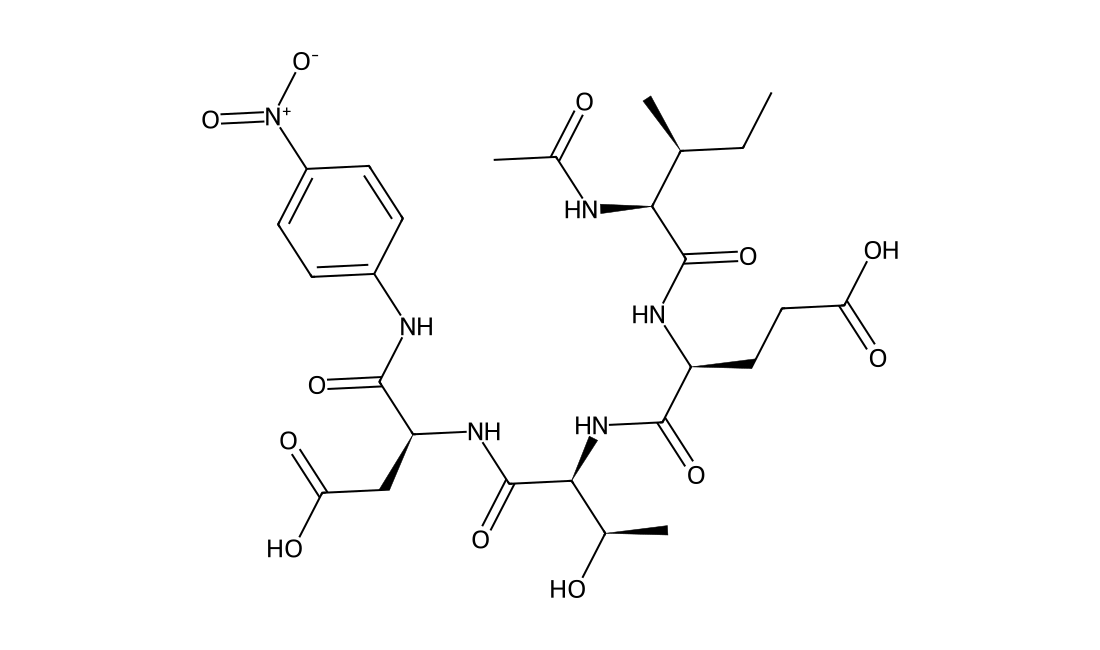
Ac-IETD-pNA is a substrate for caspase-8.Caspase-8 preferentially binds to and cleaves the Ile-Glu-Thr-Asp (IETD) peptide sequence to release p-nitroalinide, which can be quantified by colorimetric detection at 405 nm as a measure of enzyme activity.
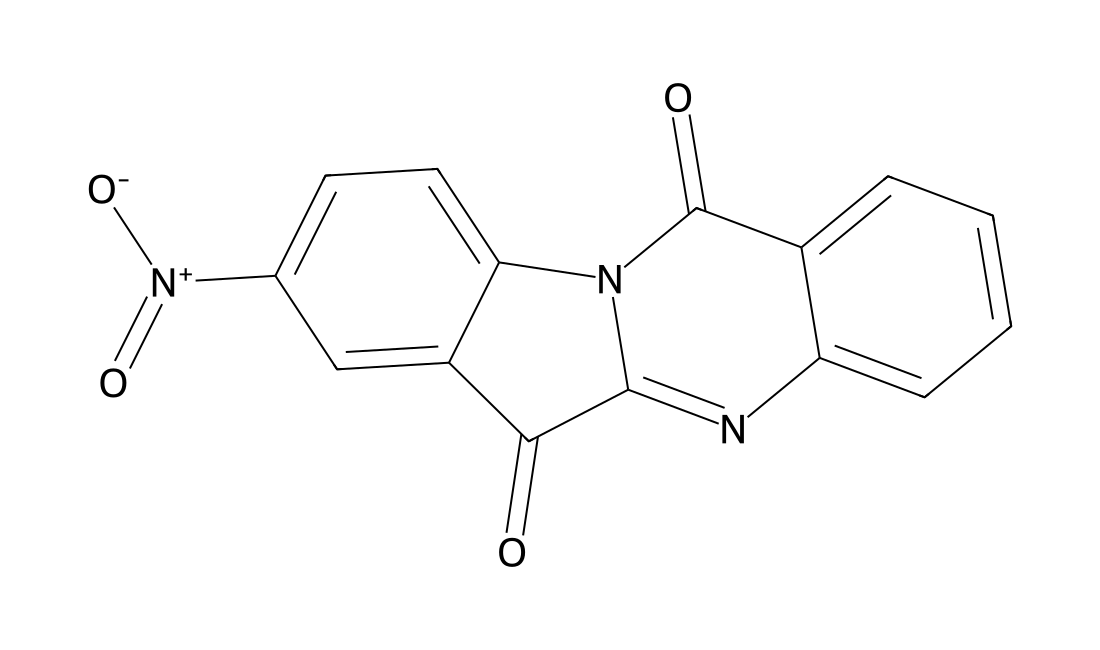
GNF-PF-3777 (8-Nitrotryptanthrin) is a potent human indoleamine 2,3-dioxygenase 2 (hIDO2) inhibitor which significantly reduces IDO2 activity with Ki of 0.97 μM.
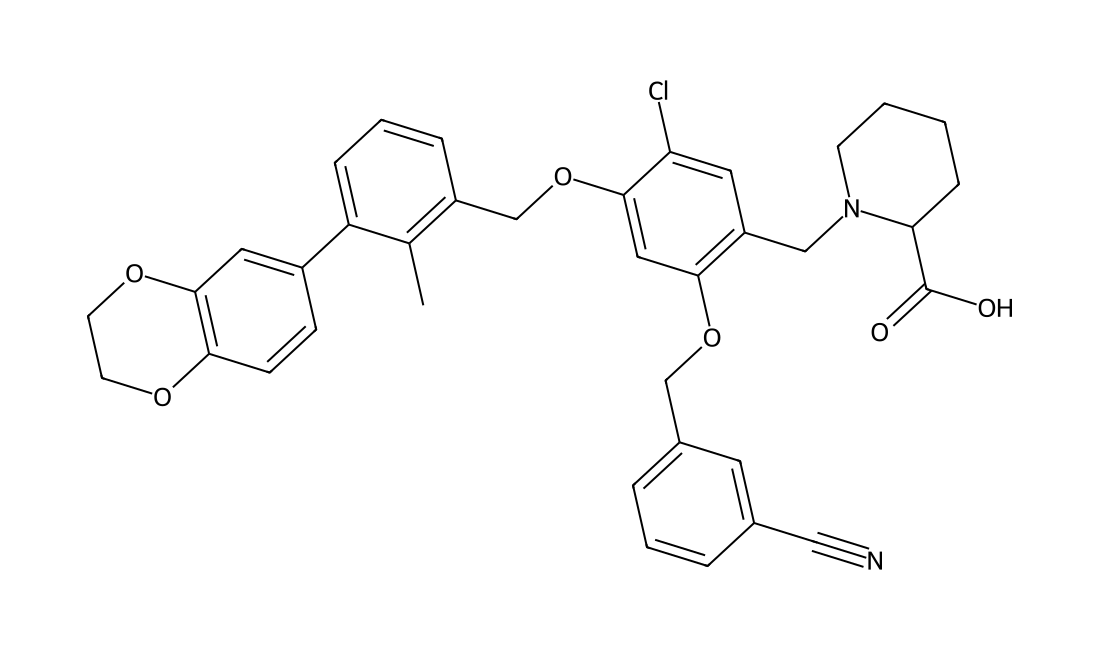
BMS-1166-N-piperidine-COOHFeatured
BMS-1166-N-piperidine-COOH, a derivative of the potent PD-1/PD-L1 interaction inhibitor BMS-1166, serves as a key component in the design of PROTAC PD-1/PD-L1 degrader-1 (HY-131183). By binding to an E3 ligase ligand via a linker, this moiety facilitates the targeted degradation of PD-1/PD-L1, offering a novel approach to modulate immune checkpoint pathways. BMS-1166 itself is a highly effective inhibitor of the PD-1/PD-L1 interaction, with an IC50 of 1.4 nM, and it counteracts the immune-suppressive effects of the PD-1/PD-L1 checkpoint on T cell activation. This innovative strategy combines the inhibitory potency of BMS-1166 with the degradation capability of PROTAC technology, providing a promising tool for advancing cancer immunotherapy and immune-related research.
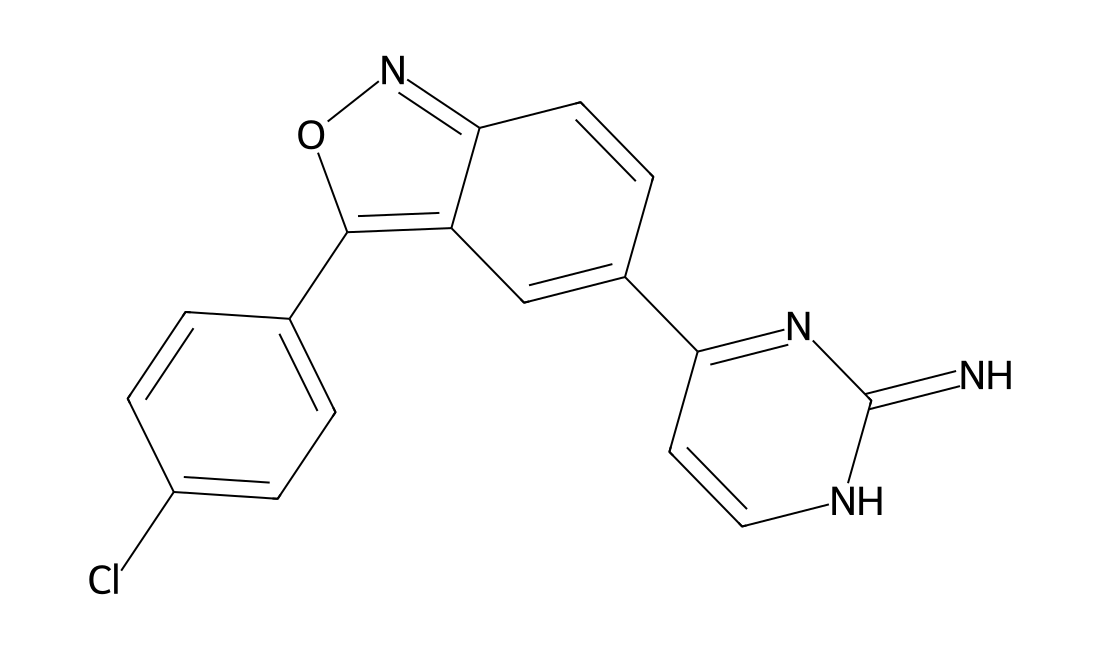
Pim-1 Inhibitor 2Featured
PIM1-IN-2 is a highly effective and ATP-competitive inhibitor of Pim-1, demonstrating a Ki value of 91 nM. Unlike traditional inhibitors, it interacts with the ATP-binding kinase hinge region without relying on the formation of standard hydrogen bonds, showcasing a unique mechanism of action. This distinctive approach highlights its potential as a promising therapeutic agent.
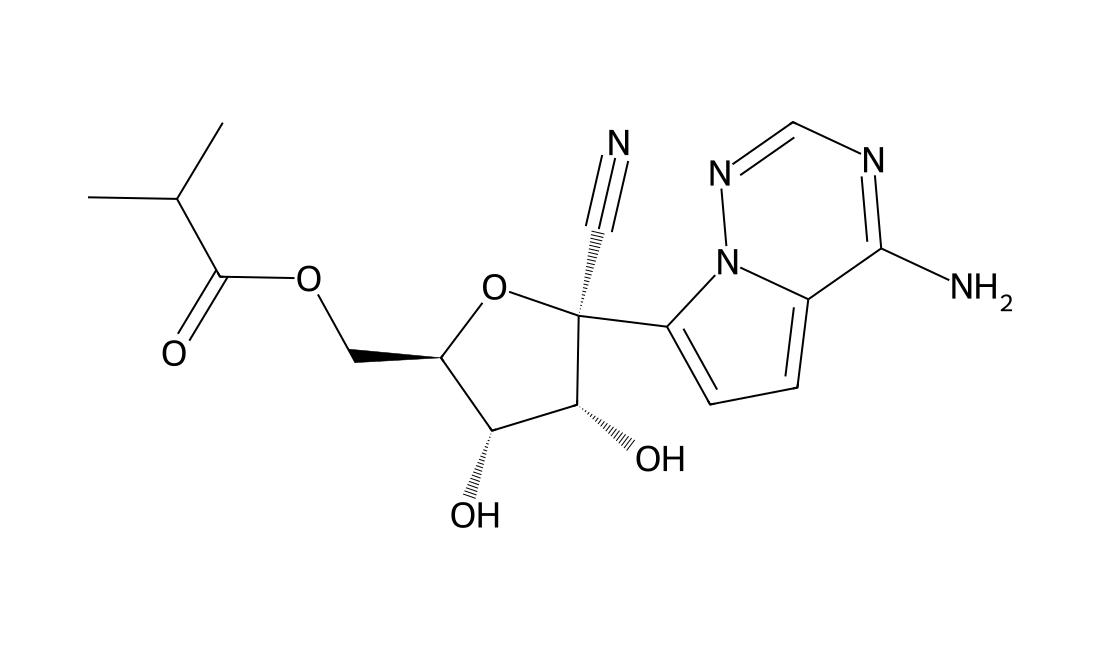
Obeldesivir (GS-5245, ATV006)Featured
ATV006 is a potent, orally active antiviral agent and ester prodrugs of GS-441524. ATV006 inhibits the replication of SARS-CoV-2 and its variants. ATV006 can be used for SARS-CoV-2 research.
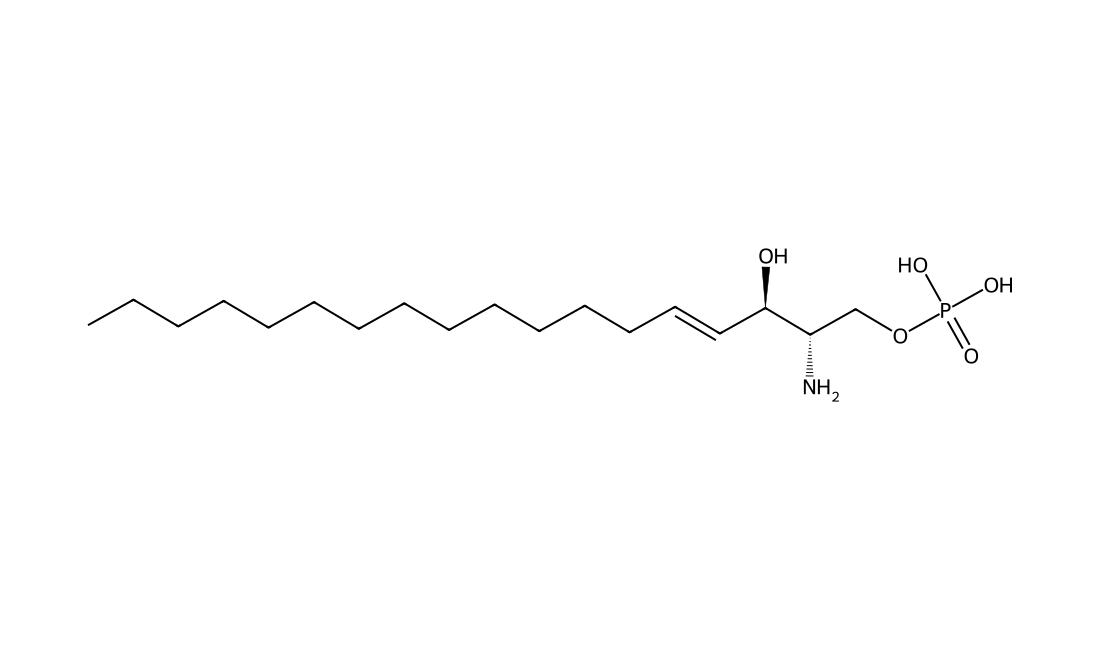
Sphingosine-1-phosphateFeatured
Sphingosine-1-phosphate (S1P) functions as a versatile signaling molecule, acting both intracellularly and extracellularly. Within cells, it serves as a secondary messenger, playing a key role in calcium ion (Ca²⁺) mobilization. Externally, S1P acts as a ligand, binding to and activating a range of G protein-coupled receptors, including S1P1-5 receptors as well as GPR3, GPR6, and GPR12. This bioactive lipid is synthesized from sphingomyelin and other membrane phospholipids, highlighting its importance as a critical mediator in various cellular processes.
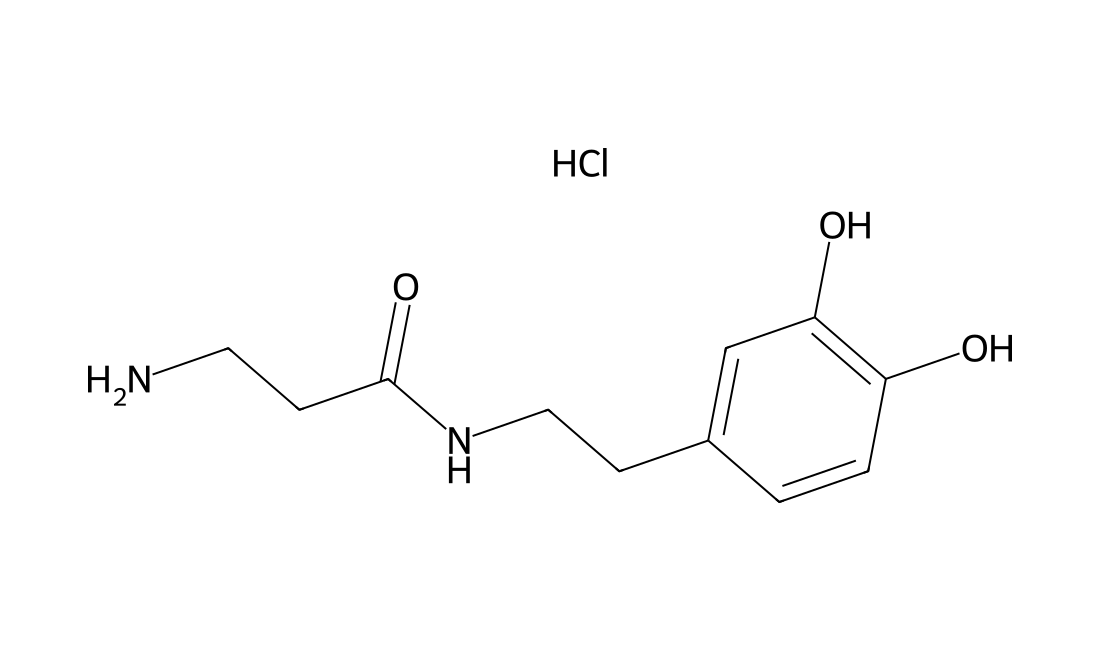
N-β-alanyldopamine hydrochlorideFeatured
N-β-alanyldopamine hydrochloride, commonly referred to as NBAD hydrochloride, stands as the primary dopamine derivative found in haemolymph.
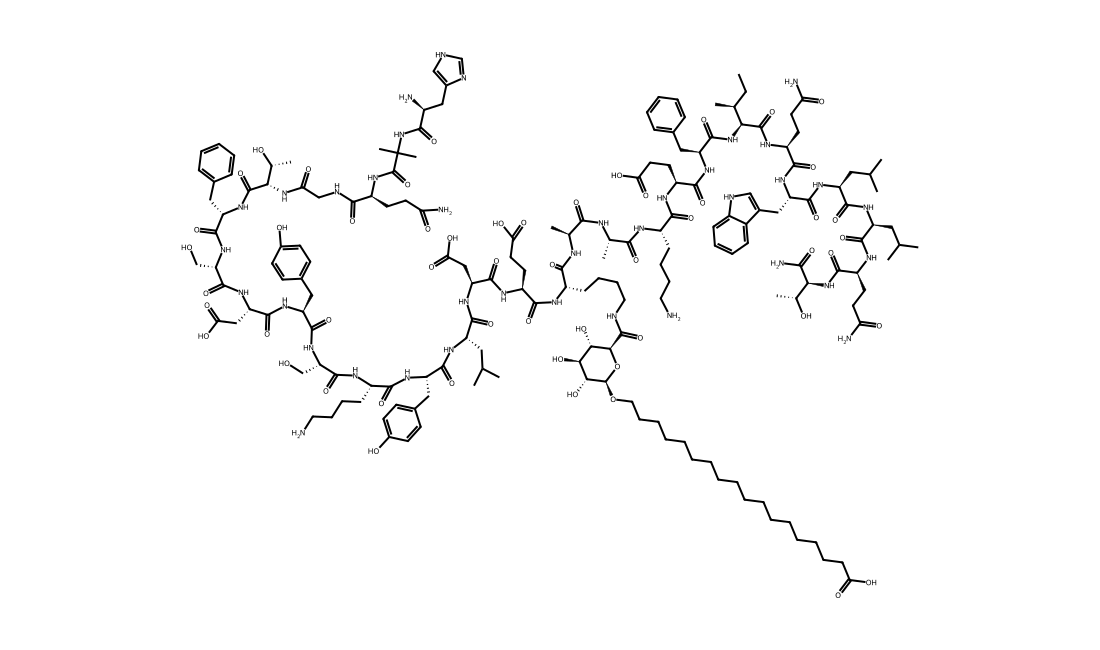
PemvidutideFeatured
Pemvidutide is a dual agonist targeting both GLP-1R and GCGR, demonstrating significant efficacy in reducing body weight, liver fat content, and serum lipid levels. Its unique mechanism of action makes it a promising candidate for research and therapeutic development in conditions such as non-alcoholic steatohepatitis (NASH) and obesity. This innovative compound offers potential for addressing complex metabolic disorders with a multifaceted approach.
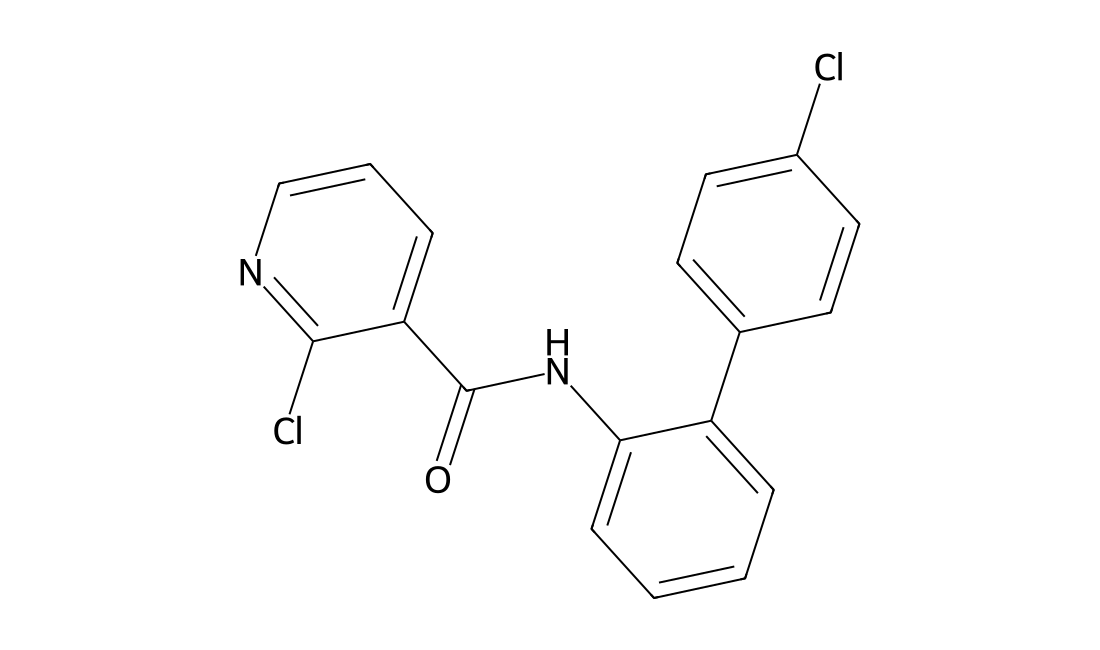
BoscalidFeatured
Boscalid is a broad-spectrum fungicide widely used in agriculture to protect crops from fungal diseases. Its bioactivity stems from its ability to inhibit fungal respiration by targeting succinate dehydrogenase (Complex II) in the mitochondrial electron transport chain. By binding to this enzyme, Boscalid blocks electron transfer, disrupting ATP synthesis and energy production in fungal cells, ultimately leading to their death. This mechanism makes Boscalid highly effective against a wide range of fungal pathogens, including Botrytis, Alternaria, Sclerotinia, and powdery mildew species.
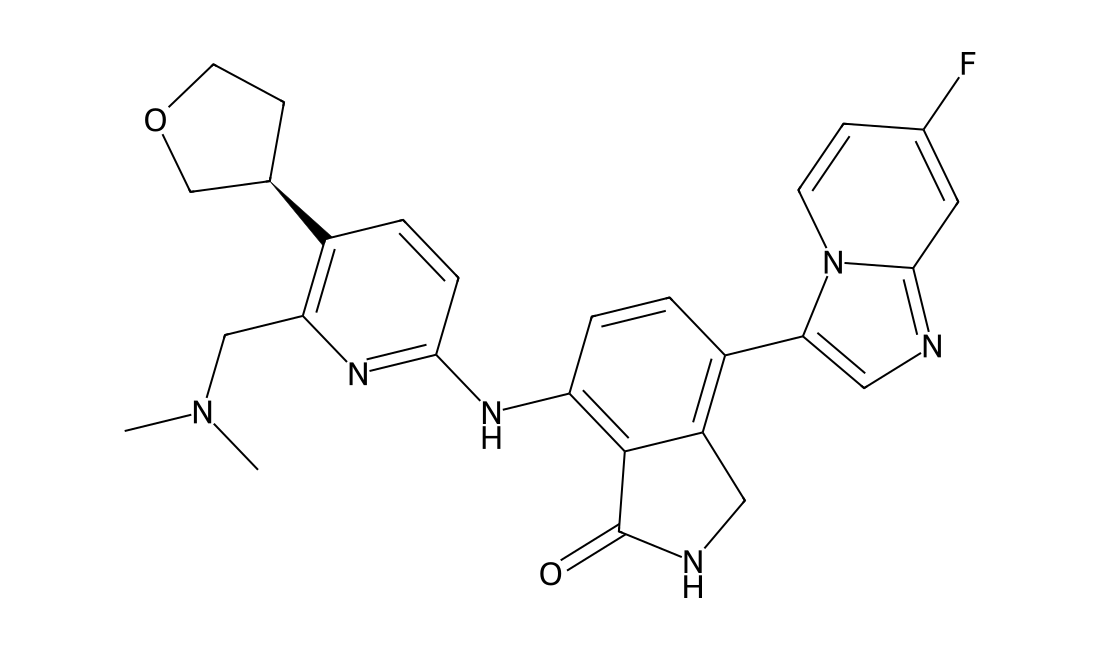
NDI-101150Featured
NDI-101150 is a highly selective, orally bioavailable small-molecule inhibitor targeting hematopoietic progenitor kinase 1 (HPK1/MAP4K1), a key negative regulator of T-cell signaling. This compound demonstrates potent immunomodulatory activity by enhancing T-cell activation and proliferation, while simultaneously exhibiting robust antitumor efficacy in preclinical models. Its mechanism of action involves disrupting HPK1-mediated suppression of immune responses, leading to improved T-cell function and sustained inhibition of tumor progression. With its favorable pharmacokinetic profile and specificity for HPK1, NDI-101150 represents a promising therapeutic candidate for cancer immunotherapy, particularly in settings where T-cell activity is compromised.
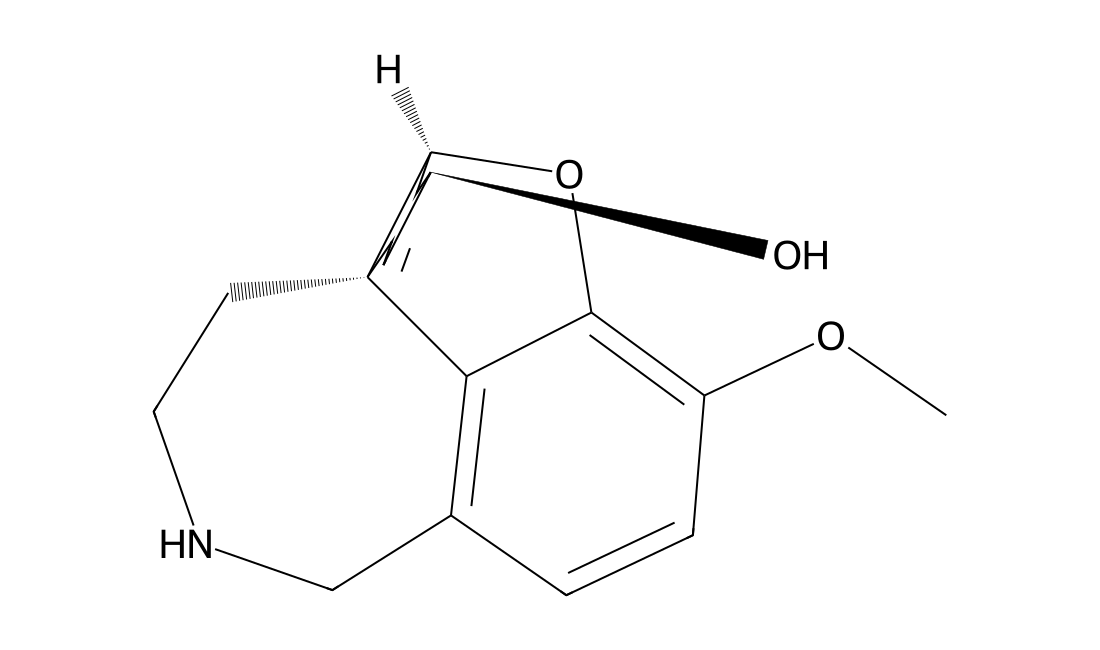
N-Desmethyl GalanthamineFeatured
N-Desmethyl Galanthamine is indeed a metabolite of Galanthamine, a well-known acetylcholinesterase (AChE) inhibitor. Galanthamine is a natural alkaloid originally derived from plants such as Galanthus (snowdrop) and is widely used in the treatment of Alzheimer's disease and other cognitive disorders due to its ability to enhance cholinergic neurotransmission.
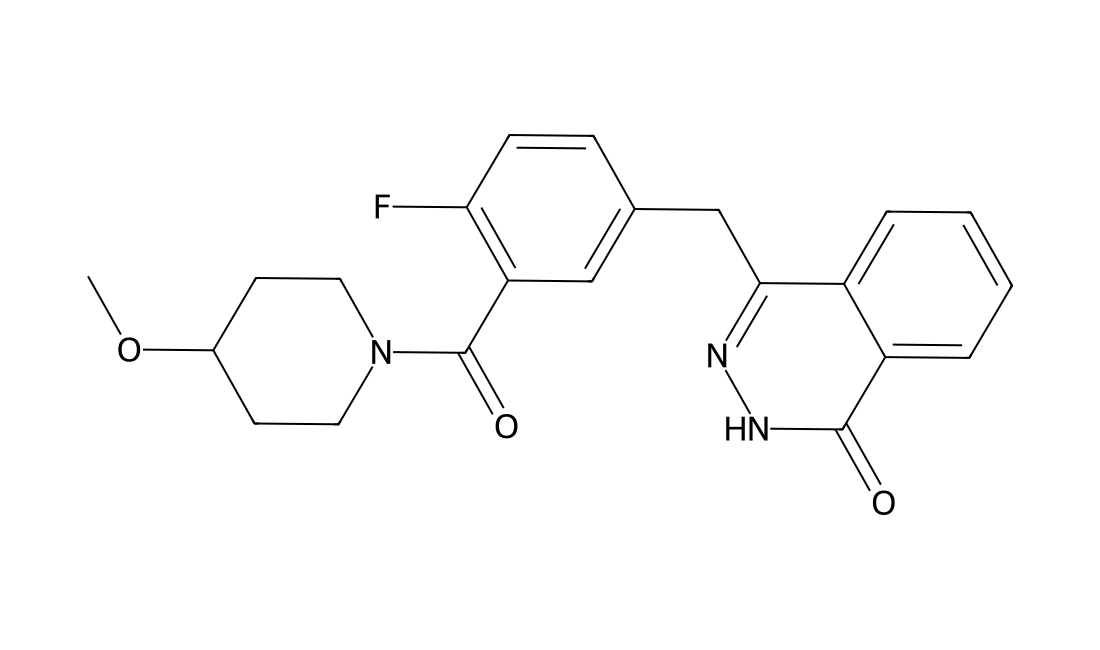
AZD2461Featured
AZD2461 is indeed a novel poly (ADP-ribose) polymerase (PARP) inhibitor that has been investigated for its potential to overcome resistance mechanisms associated with other PARP inhibitors, such as Olaparib. One of the key resistance mechanisms to Olaparib is mediated by P-glycoprotein (Pgp), an efflux pump that can reduce intracellular concentrations of the drug, thereby diminishing its efficacy.
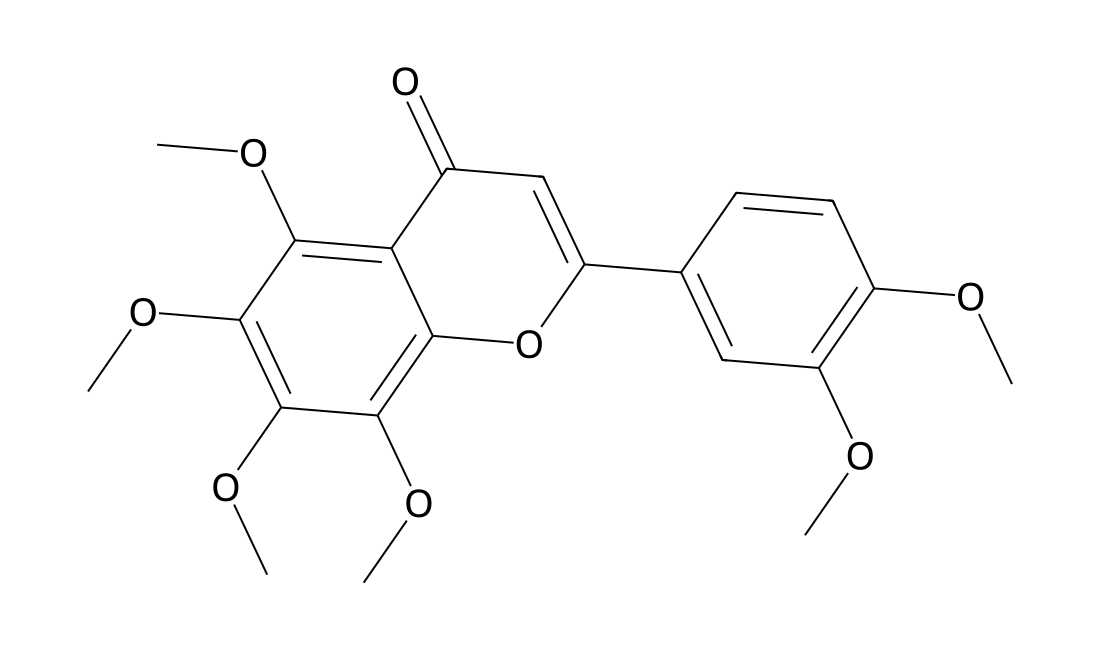
Nobiletin (Hexamethoxyflavone)Featured
Nobiletin is a poly-methoxylated flavone from the citrus peel that improves memory loss. Nobiletin is a retinoid acid receptor-related orphan receptors (RORs) agonist. Nobiletin can reduce reactive oxygen species (ROS) levels in differentiated C2C12 myotubes and has anti-inflammation and anti-cancer properties, including anti-angiogenesis, anti-proliferation, anti-metastasis and induced apoptosis.
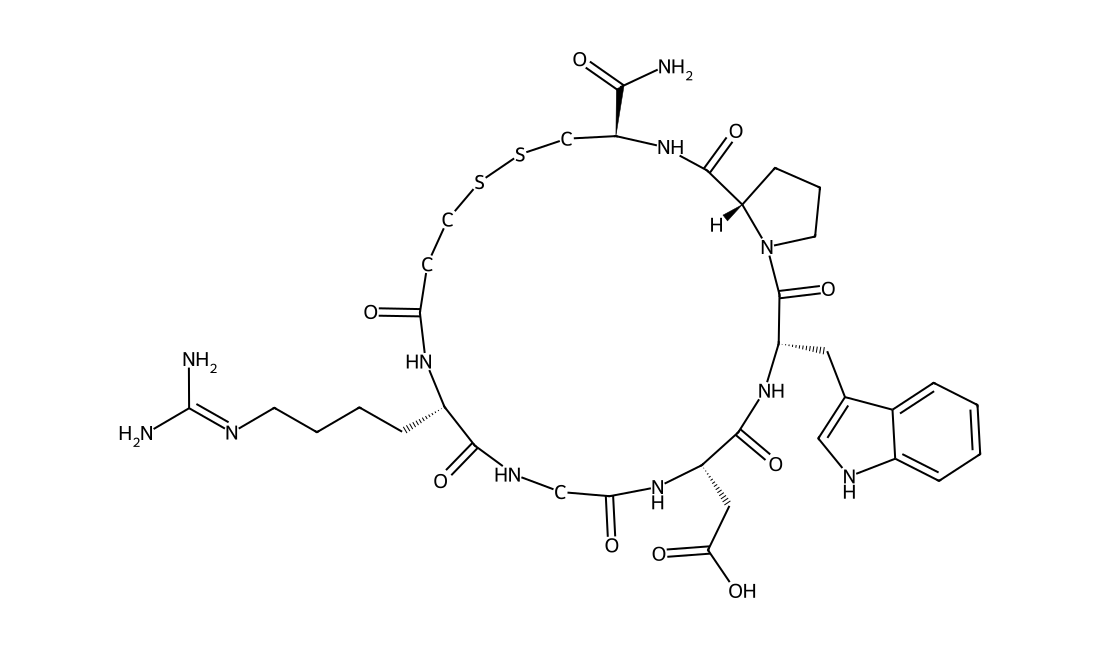
EptifibatideFeatured
Eptifibatide is a potent glycoprotein IIb/IIIa antagonist (GPIIb/IIIa; Kd = 120 nM) that inhibits platelet aggregation. Eptifibatide prevents binding of the adhesion proteins fibrinogen and von Willebrand factor to GPIIb/IIIa on the surface of activated platelets to prevent aggregation and thrombus formation. It inhibits ADP-induced citrated blood aggregation (IC50 = 0.11-0.22 μg/ml) in vitro and in vivo (IC50 = 52 μg/ml in porcine plasma). Formulations containing eptifibatide have been used to reduce risk of thrombolysis in myocardial infarction in patients undergoing percutaneous coronary intervention.
No products match this search.
Page 233 of 234 · Browse all 4677 products
Jump to a product page
Featured literature product: HX1 · DCL0028
HX1 is a hydroxyzine-derived ionizable lipid with acetal-containing tails, studied in lipid nanoparticles for brain mRNA delivery and CRISPR–Cas9 delivery. It was the lead in the reported in vivo brain-delivery screen; evidence is preclinical and formulation-dependent.
Read full formulation and performance →